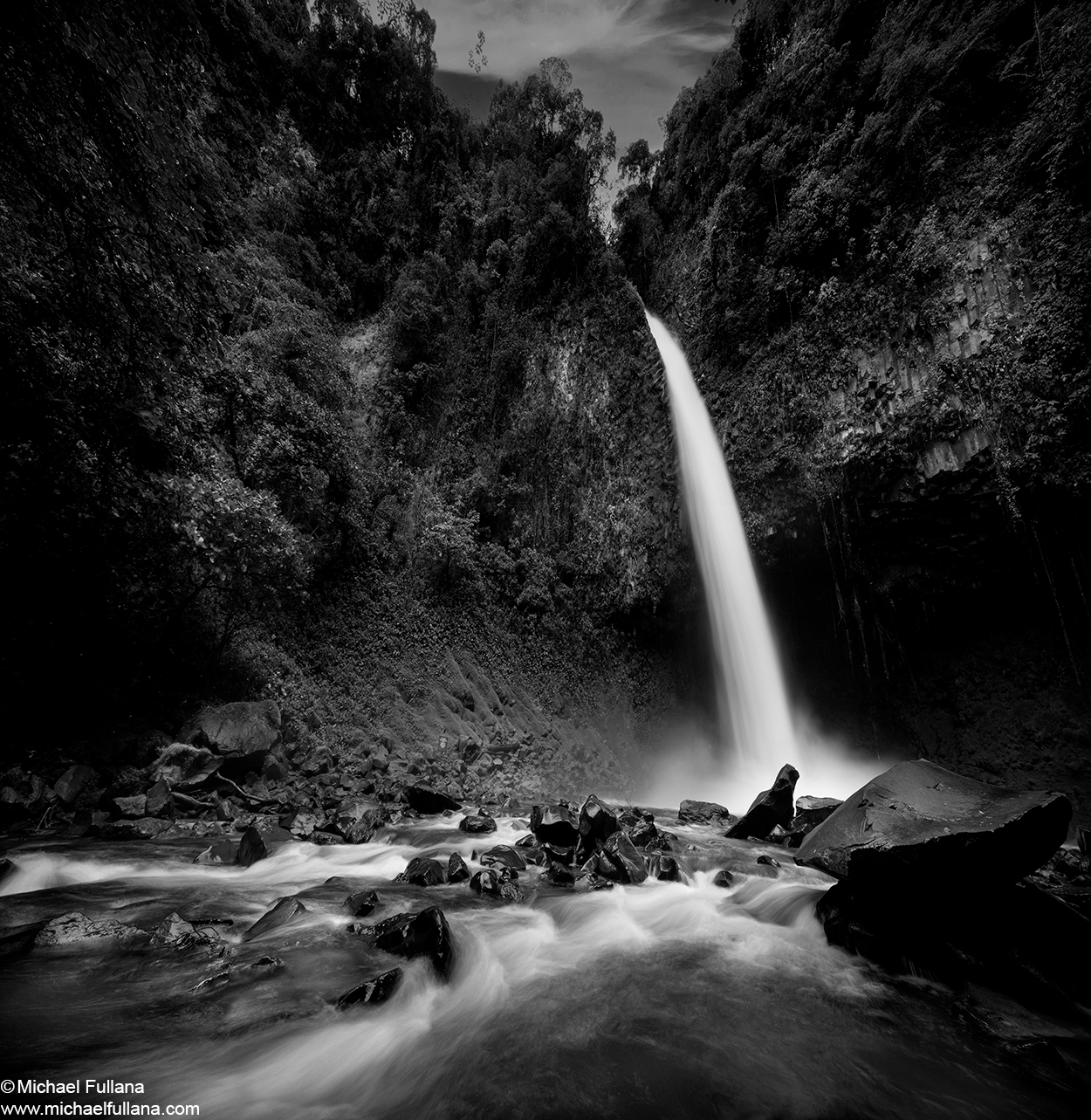
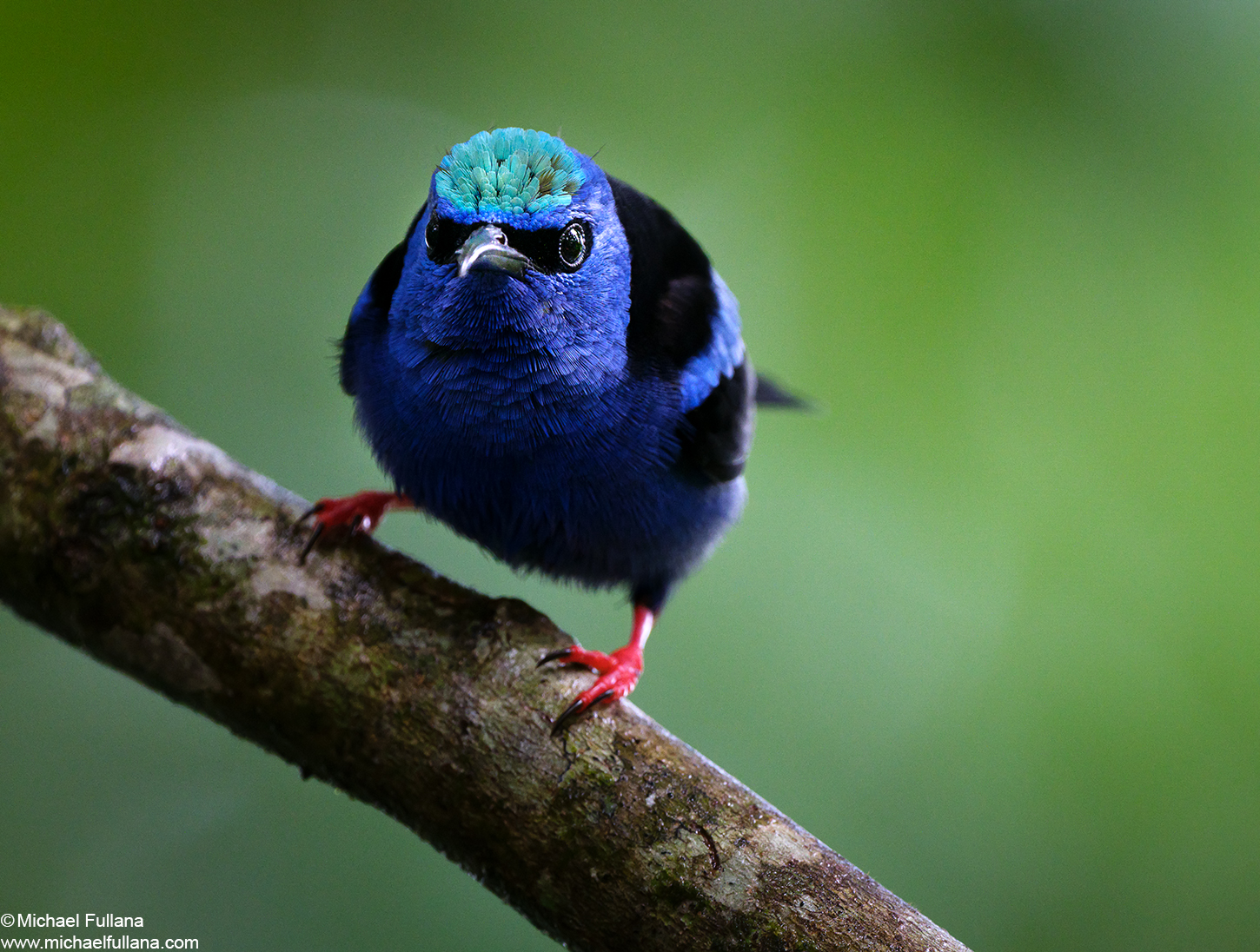
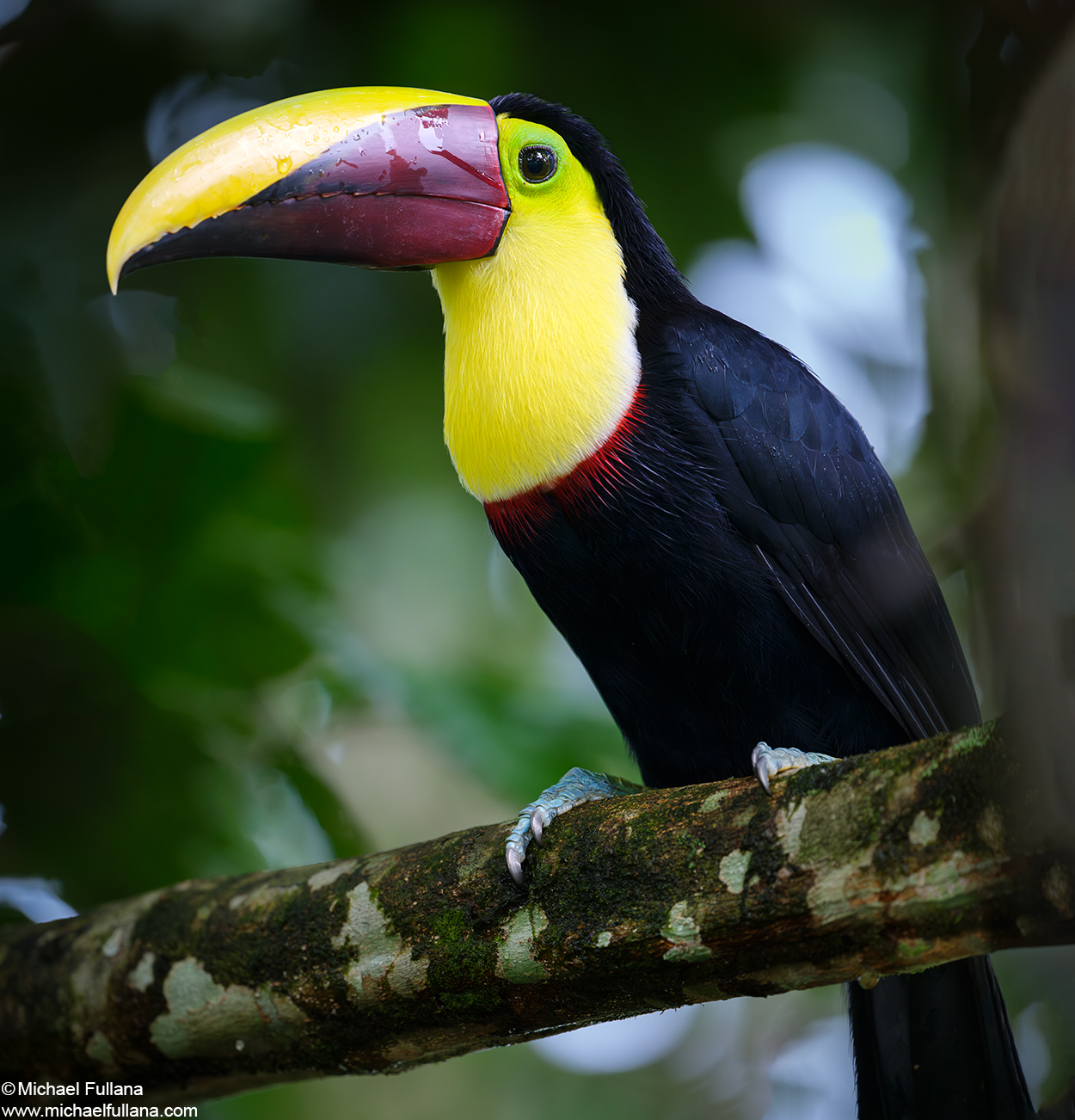
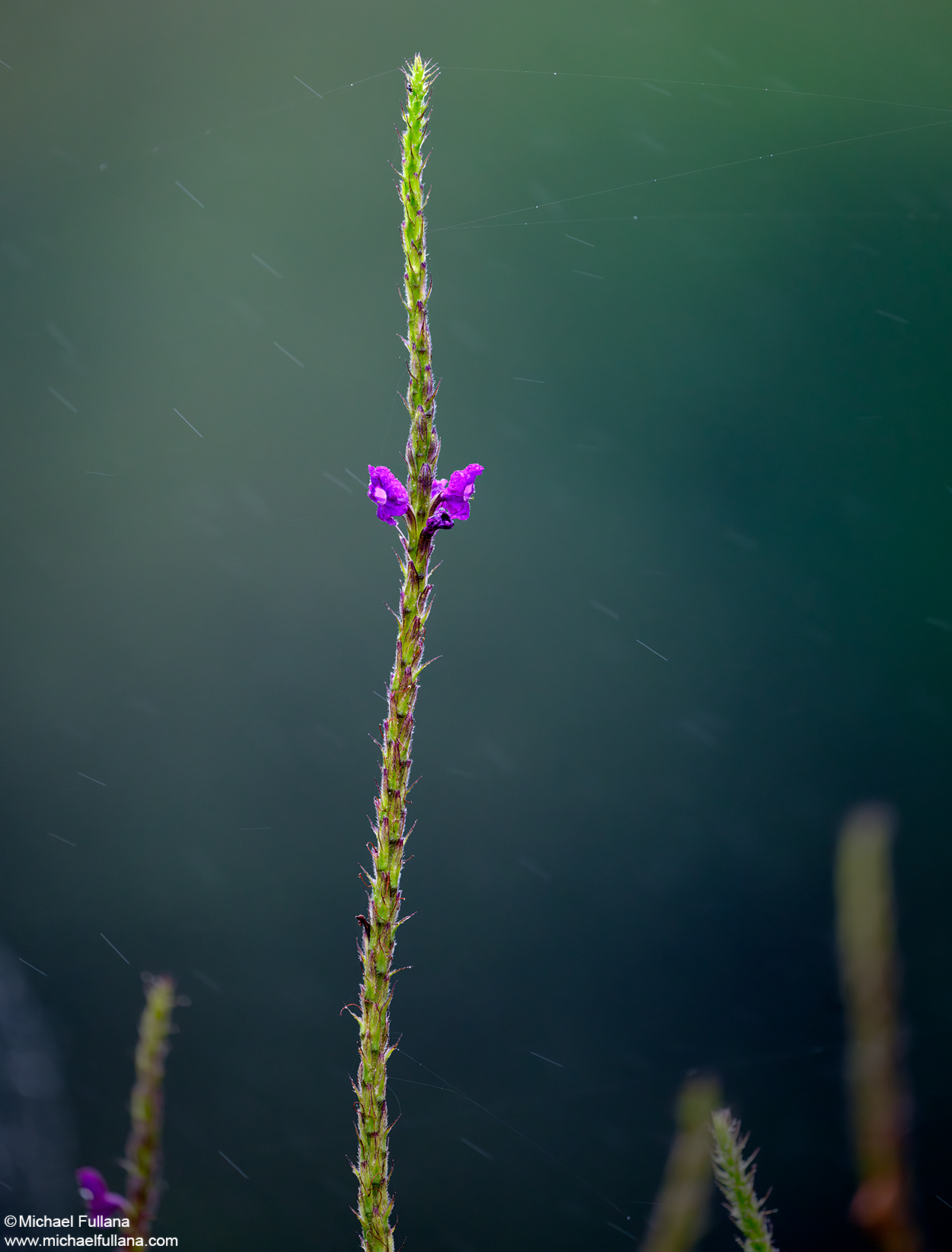
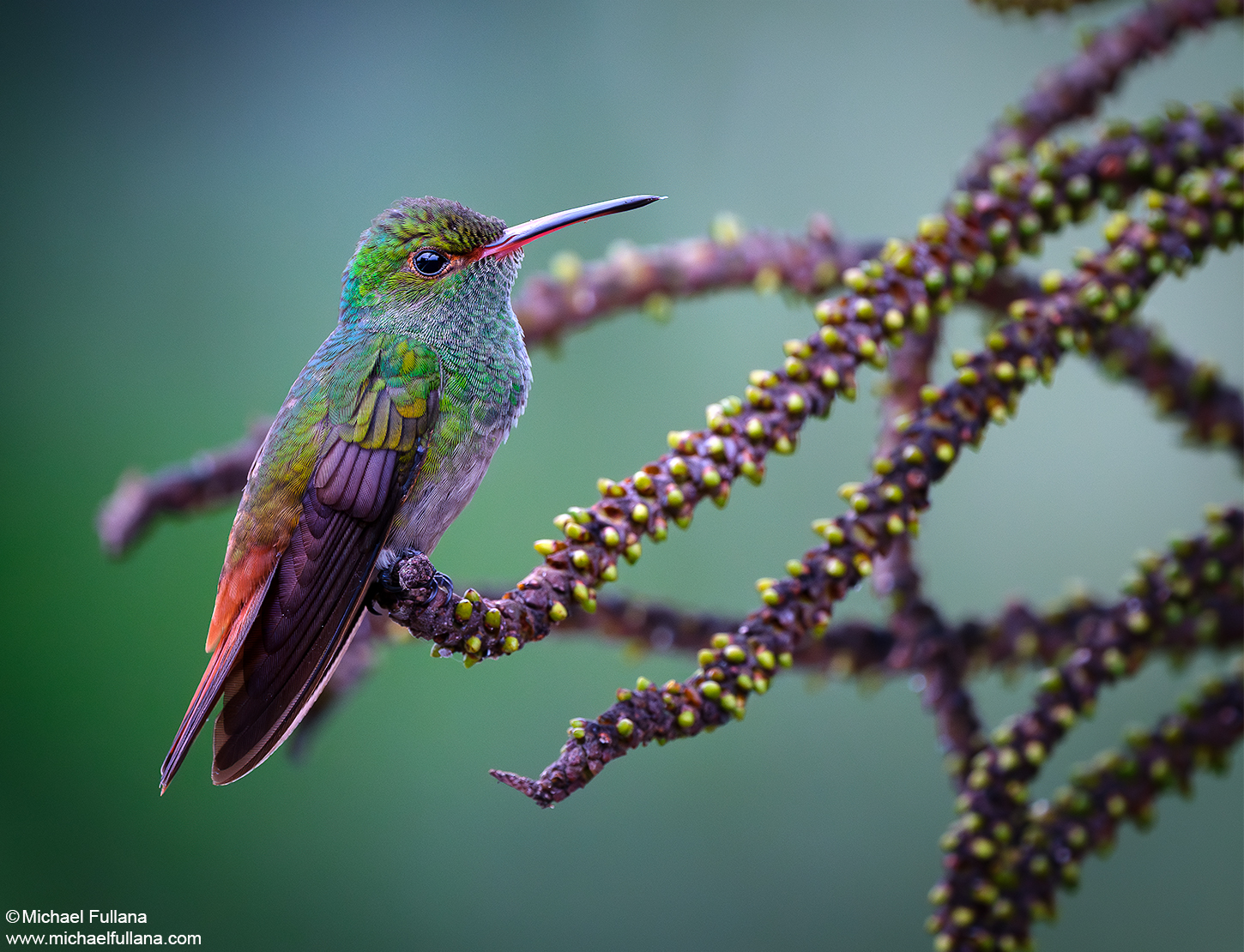
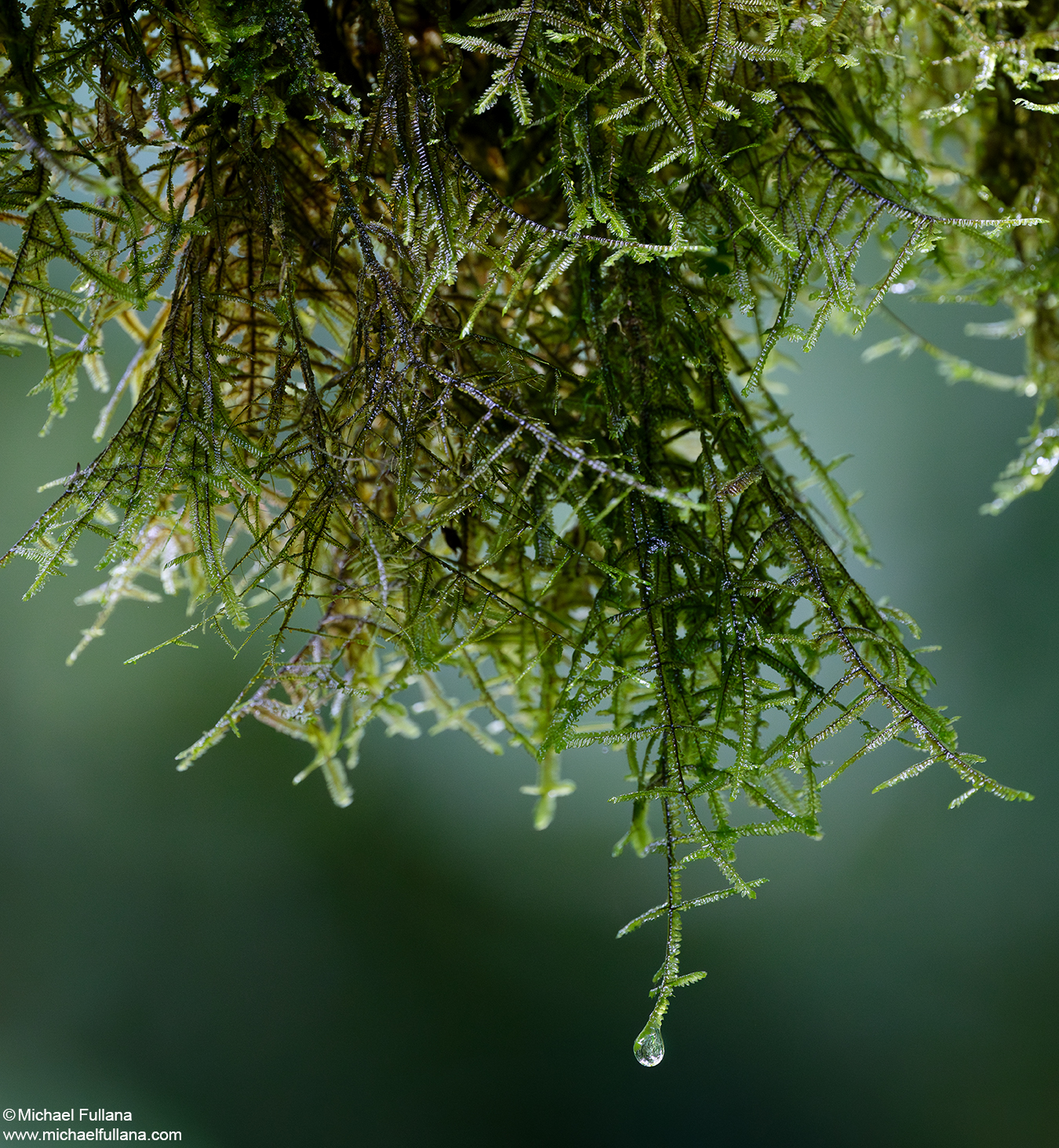
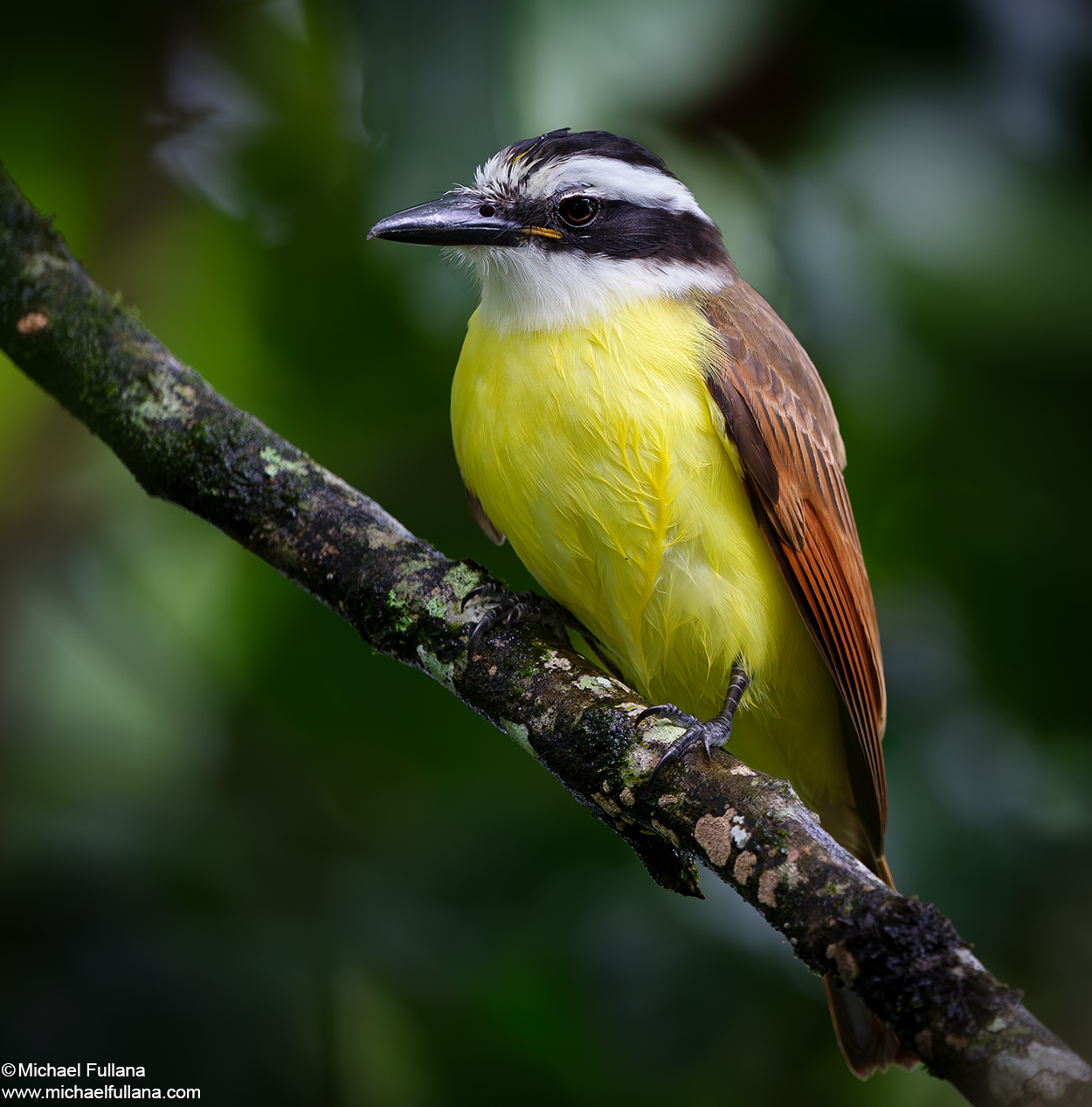
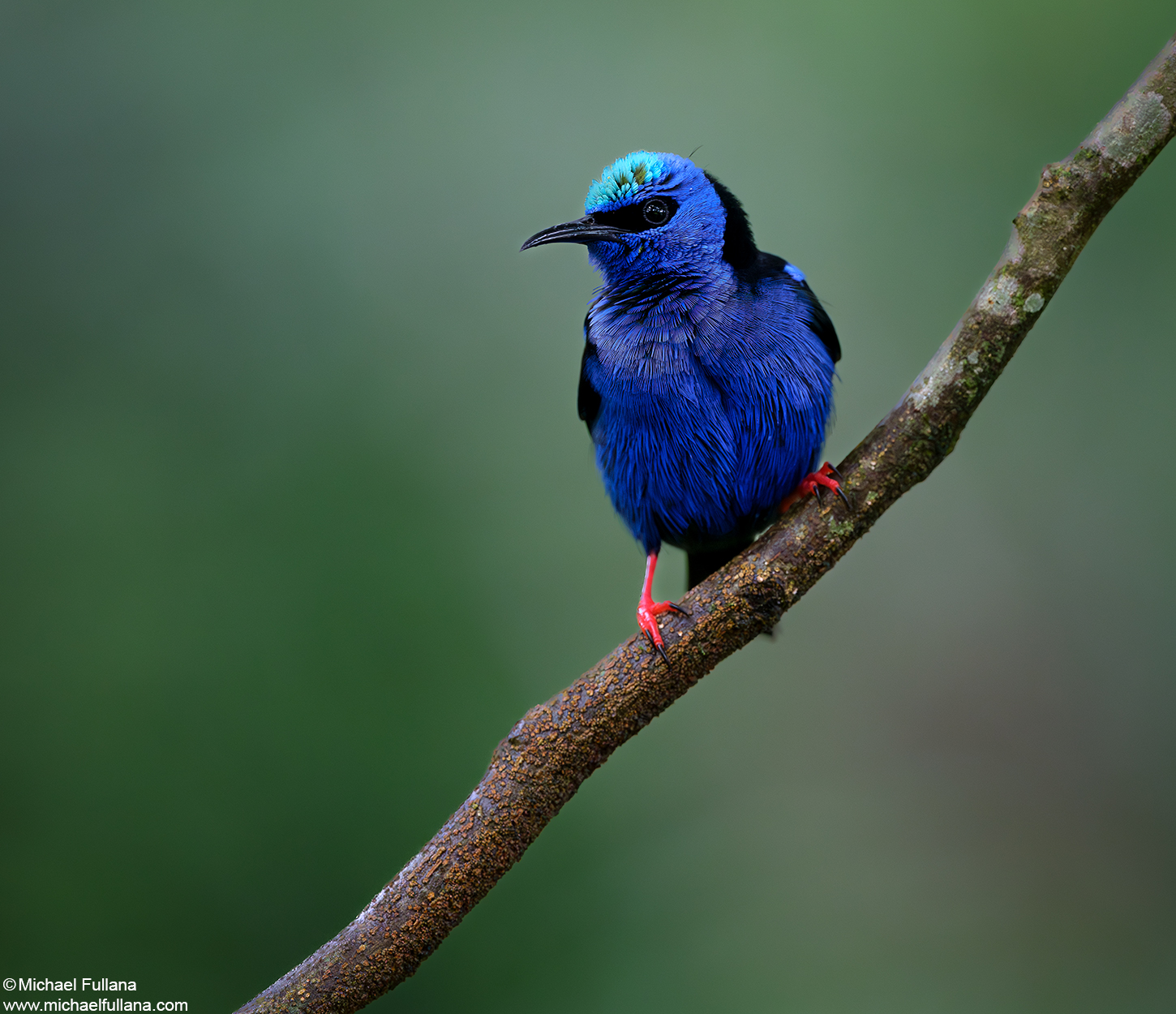
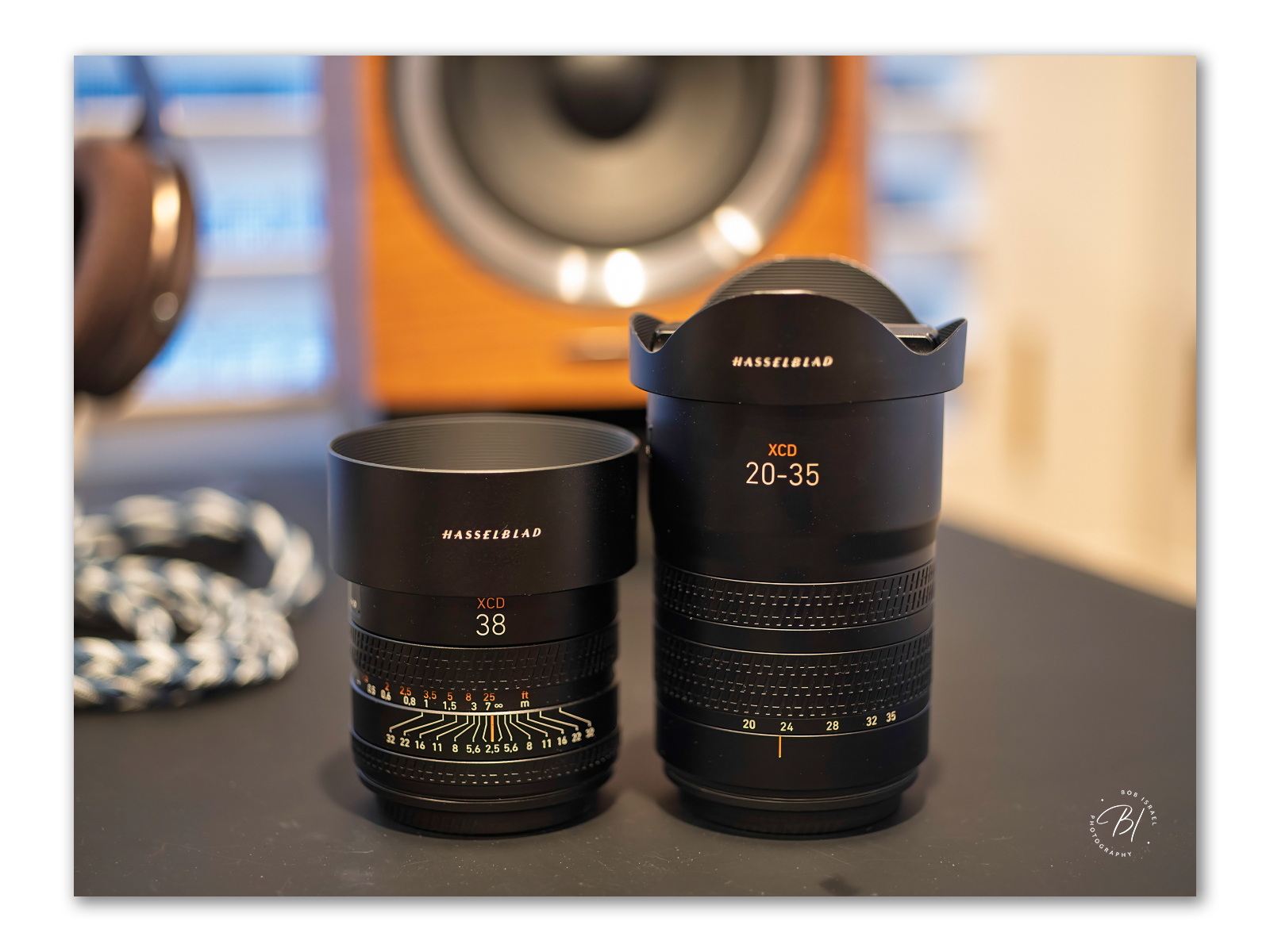
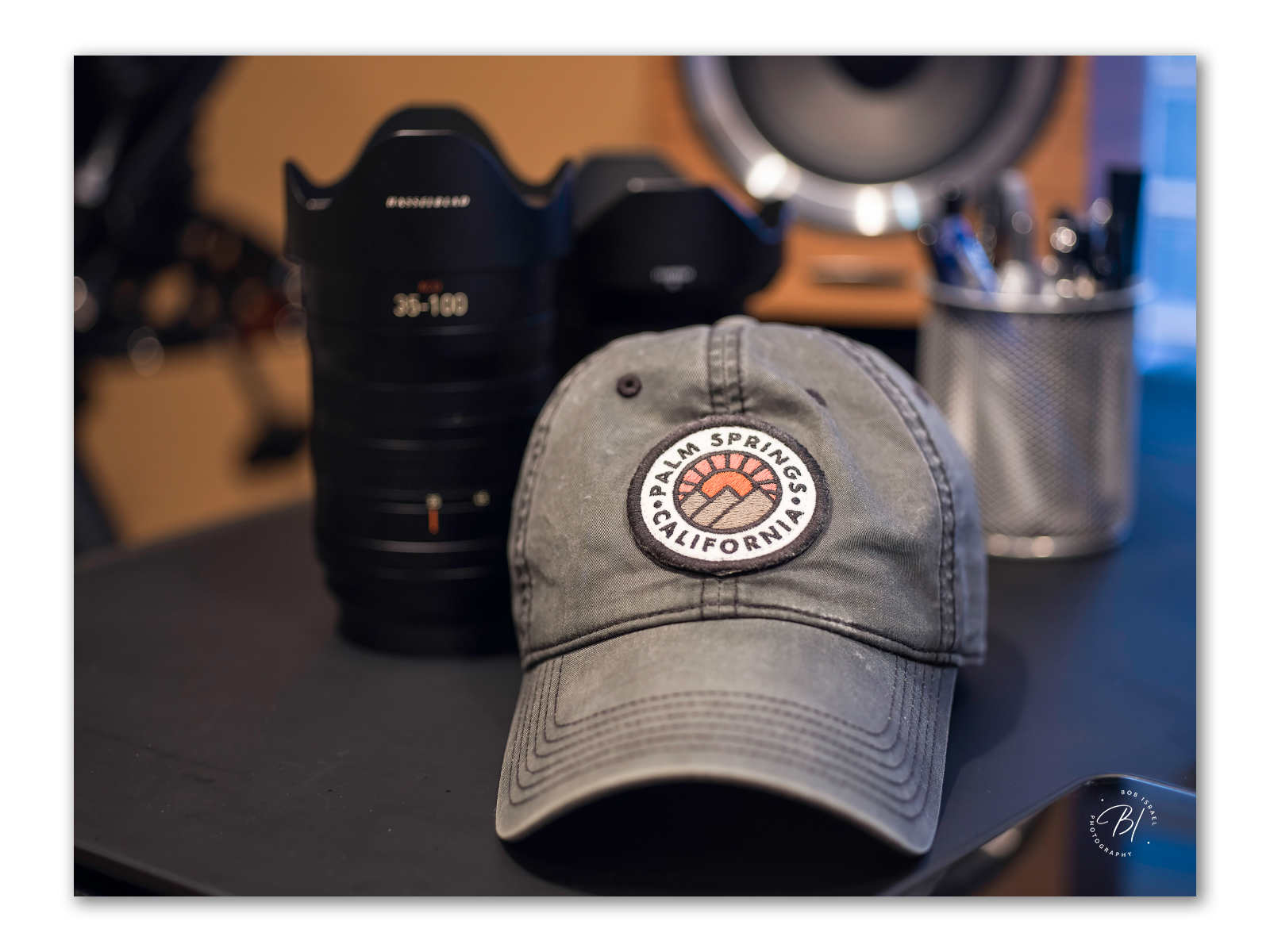
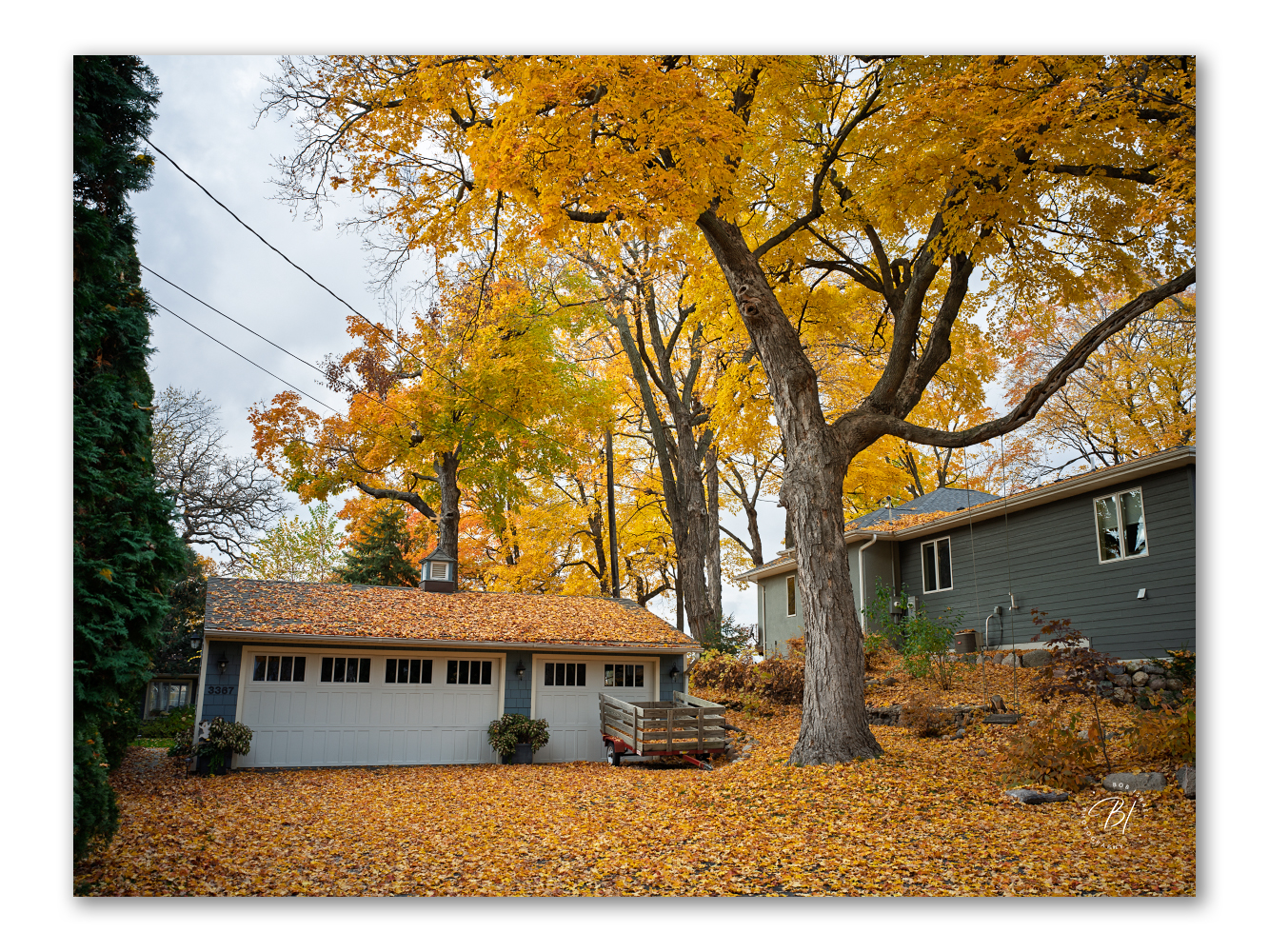
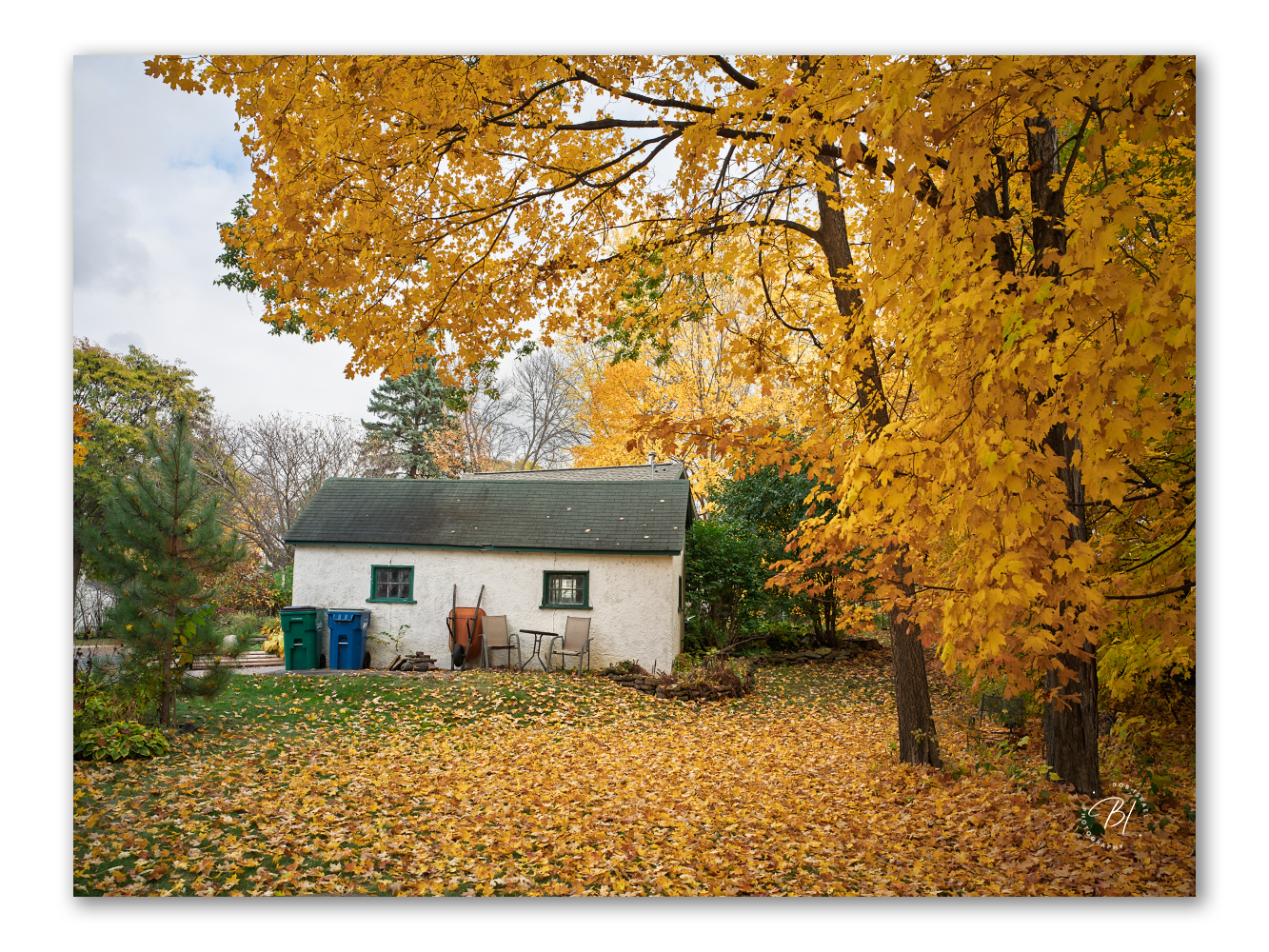
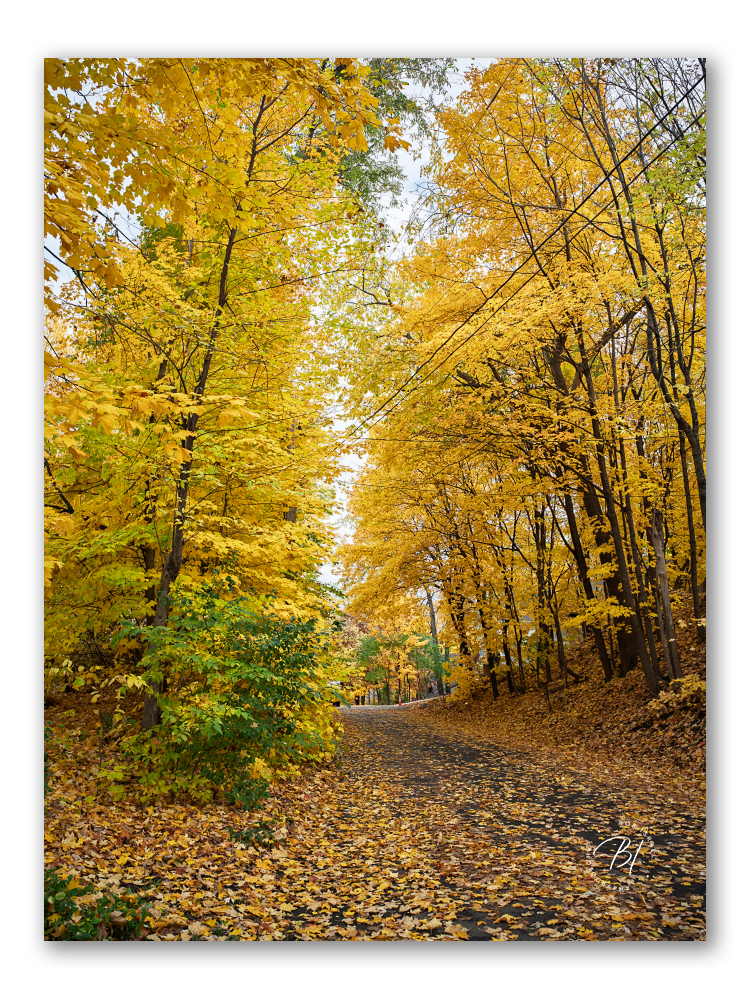
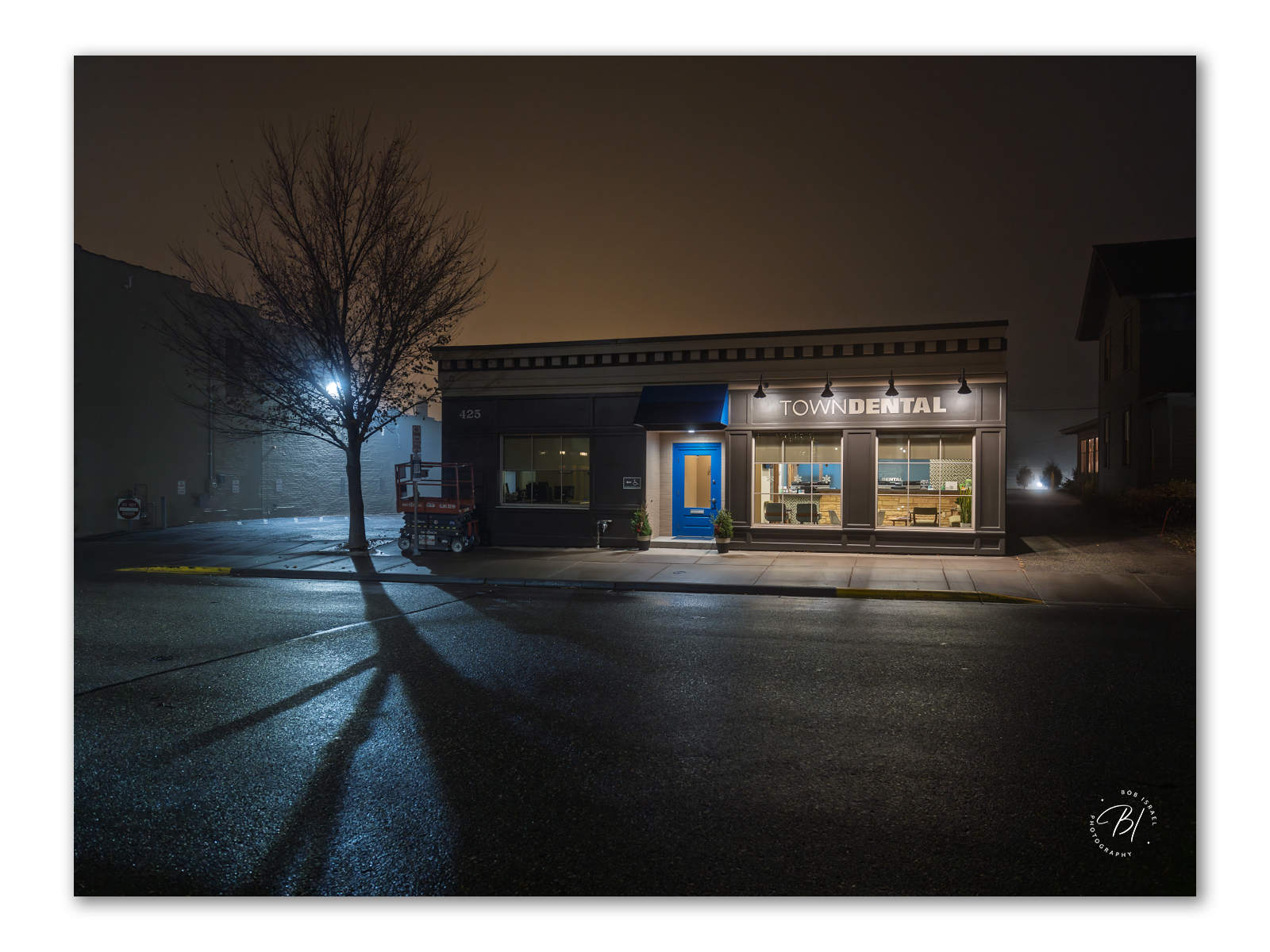
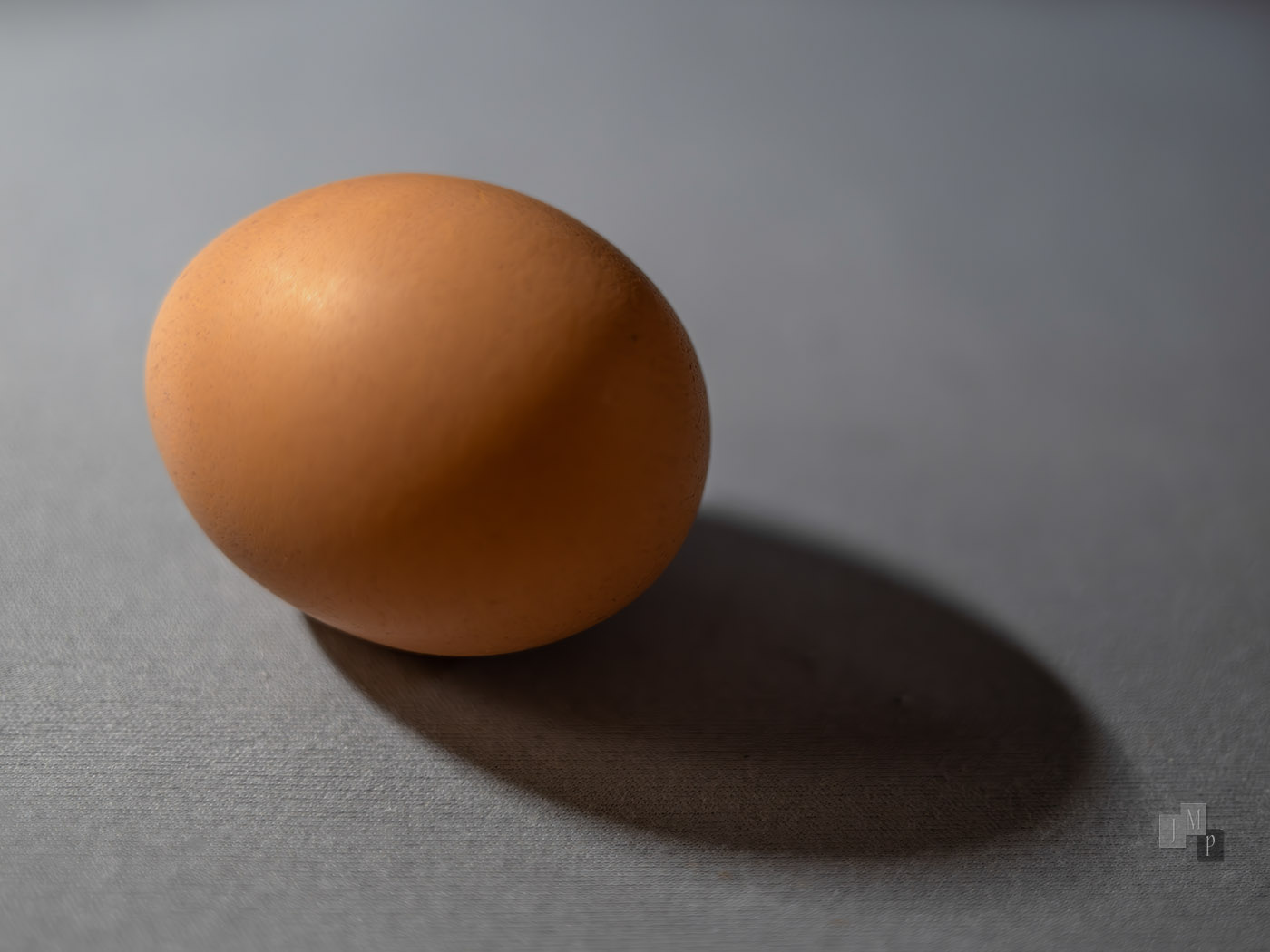
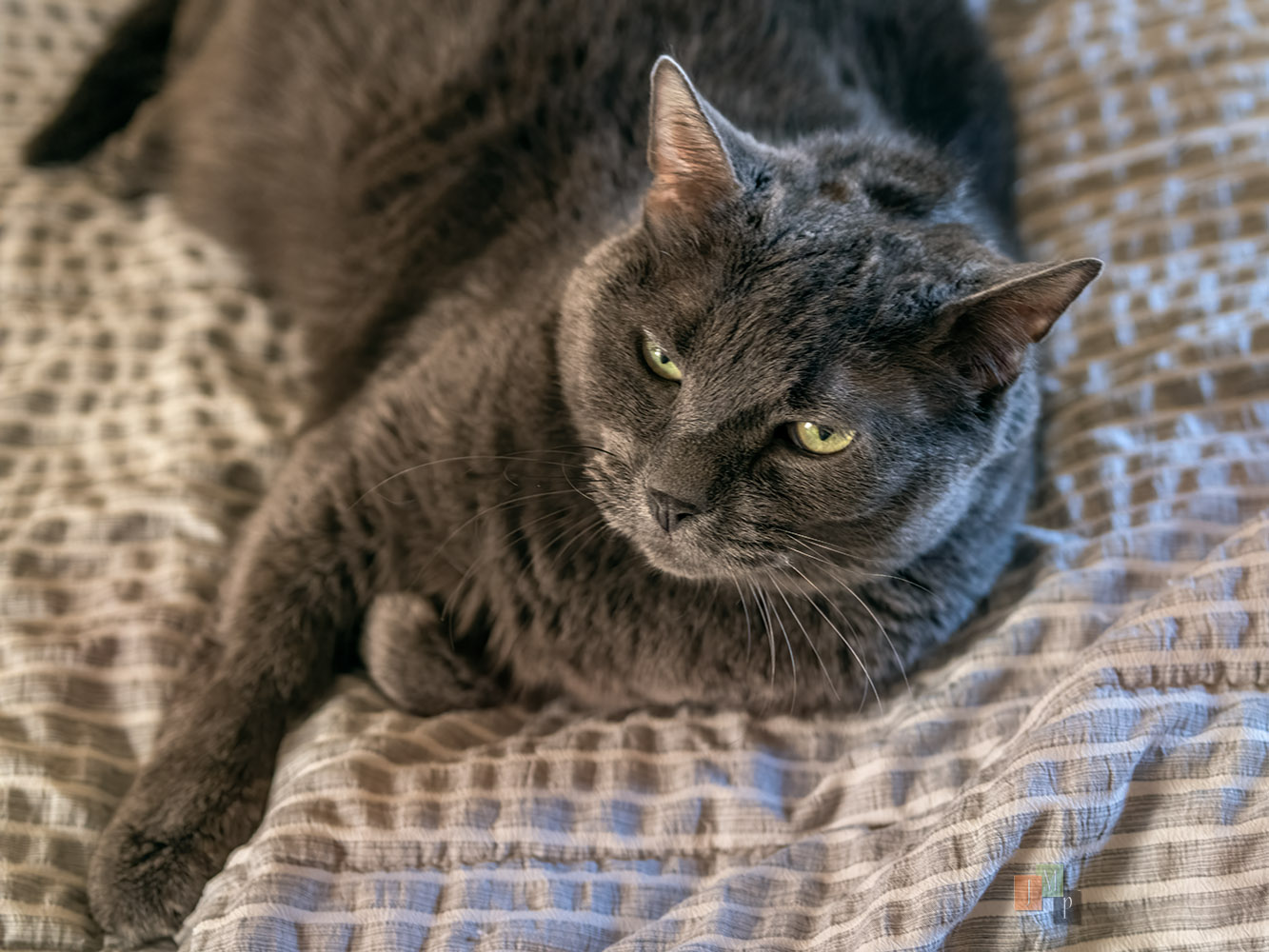
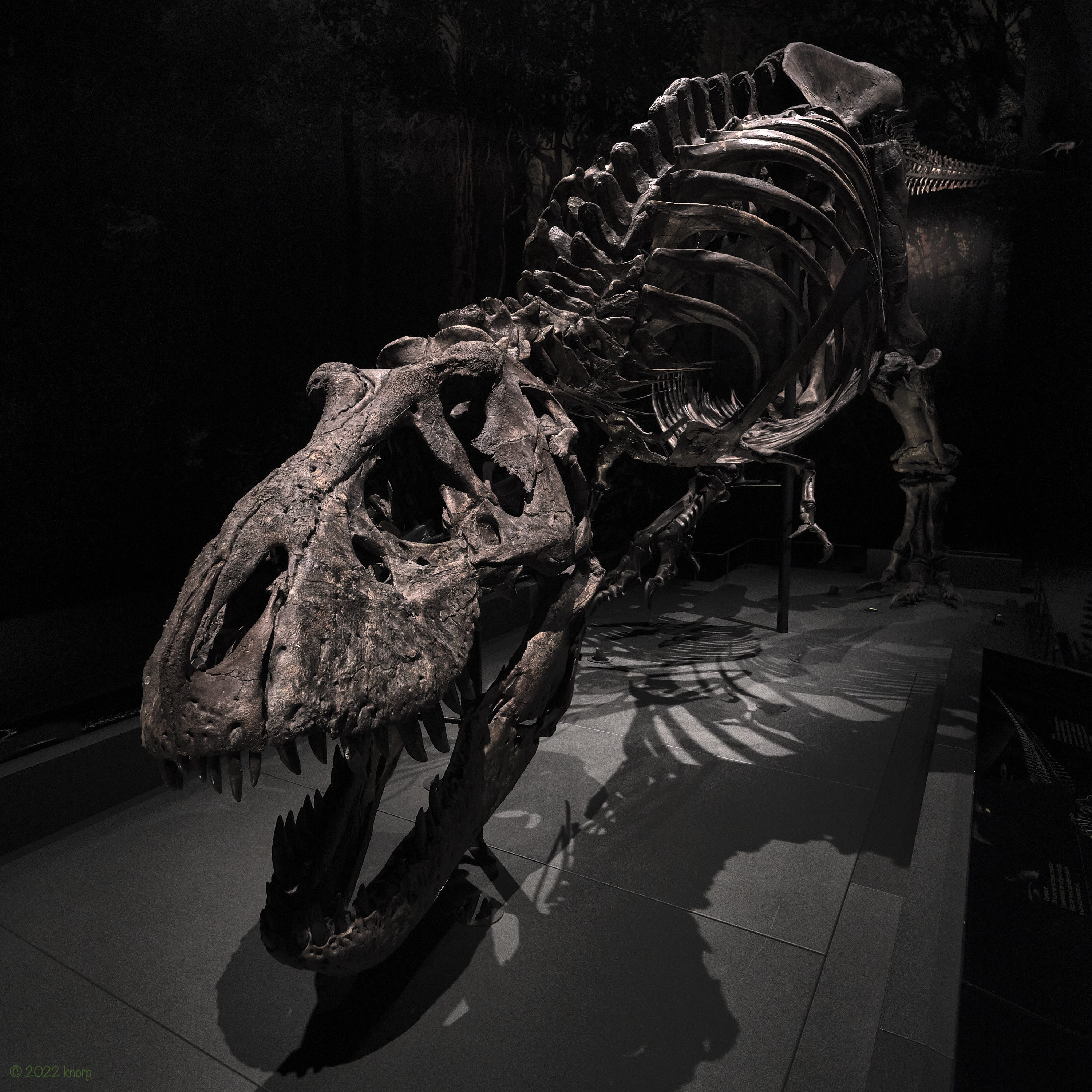
When I was shooting on the GFX system, I adapted a Pentax 645 75/2.8 (A) lens and liked the results. Well, I sold the GFX system and dove into the Hasselblad X2D II. I just received a fotodiox adapter and took a couple of test shots. I'm rather please with the results. Both shot wide open at f/2.8
Creative Edge wrote:
A couple from a recent trip to CR with the GFX100sII
Yeah Baby!... This is what I've been looking forward to seeing from medium format bodies.
What body(s) and lenses were you using? How much cropping was required?
I've been a long time Nikon w/ long lens shooter for wildlife, but my tastes and style of wildlife photography has evolved. I am much less interested in action and more interested in the story. I've paired my Nikons with an X2D, but have been tempted to shell it all and just buy a full Fuji GFX system centered around a pair of 100 mkII bodies.
OwlsEyes wrote:
Yeah Baby!... This is what I've been looking forward to seeing from medium format bodies.
What body(s) and lenses were you using? How much cropping was required?
I've been a long time Nikon w/ long lens shooter for wildlife, but my tastes and style of wildlife photography has evolved. I am much less interested in action and more interested in the story. I've paired my Nikons with an X2D, but have been tempted to shell it all and just buy a full Fuji GFX system centered around a pair of 100 mkII bodies.
cheers,
bruce
Hi there Bruce. I was using the 100sII and the GF 500mm, I also have the Z9 and a 500 f4 FL but prefer using the Fuji.
I only use the Z9 when shooting sports, everything else I prefer the 100sII. I love the IQ of the Fuji, these were shot inside a dark canopy in the jungle and the ISOs were through the roof, yet they clean up incredibly well. Cropping was not much at all, I learned that if you stay still in the jungle for a while, it really comes alive and the birds can land pretty close to you. These were not taken in the Eco Lodge type settings where they put food out for the birds.
I'm enjoying the X2D II and my set of lenses, but I haven't started a project with it yet, or taken a photo trip. I've been using it as a daily carry for now.
knorp wrote:
That hummingbird is down right stunning, Michael.
It's a beauty and not only the bird itsels, but also the framing and execution.
Well done !
All the very best,
Bart.
PS any more shots for us in store from CR ?
thank you, I am still sorting, but since this was not a photo trip I did not shoot as much as I usually do..
Will be going back by myself just for photography.
I've managed to complete a third system that can share AF and MF lenses (with focus confirmation) between film & digital bodies. The Pentax 645Z is way better image quality than I expected, and I look forward to getting better to get out there and shoot. A bit vintage for the current medium format photos shared here. If I should post in another more suitable thread please let me know.
Jim
James Markus wrote:
I've managed to complete a third system that can share AF and MF lenses (with focus confirmation) between film & digital bodies. The Pentax 645Z is way better image quality than I expected, and I look forward to getting better to get out there and shoot. A bit vintage for the current medium format photos shared here. If I should post in another more suitable thread please let me know.
Jim
I sold my Pentax 645N a few years ago but still held on to those two lenses (55 A and 45-85 FA) hoping to pick up a cheap 645Z one day lol 🙃
From Wikipedia, the free encyclopedia
- [ ] Trix on display at the Naturalis Biodiversity Center, Leiden
- [ ] Common name: Trix
- [ ] Species: Tyrannosaurus rex
- [ ] Age: 67 million years (aged c. 30)
- [ ] Place discovered: Montana, United States
- [ ] Date discovered: 27 May 2013
- [ ] Discovered by Blaine Lunstad
Trix is a Tyrannosaurus rex specimen excavated in 2013 in Montana, United States by a team of paleontologists from the Naturalis Biodiversity Center in Leiden, the Netherlands and Black Hills Institute of Geological Research in South Dakota. This Tyrannosaurus, over thirty years old – the oldest known Tyrannosaurus specimen – lived about 67 million years ago. It is considered to be the third most complete Tyrannosaurus found, with between 78% and 80% of its bone volume recovered. The specimen was named Trix after the former Queen Beatrix of the Netherlands. It is one of only two Tyrannosaurus specimens on permanent exhibit in mainland Europe. The other one is a specimen named Tristan on exhibit at the Natural History Museum of Berlin.