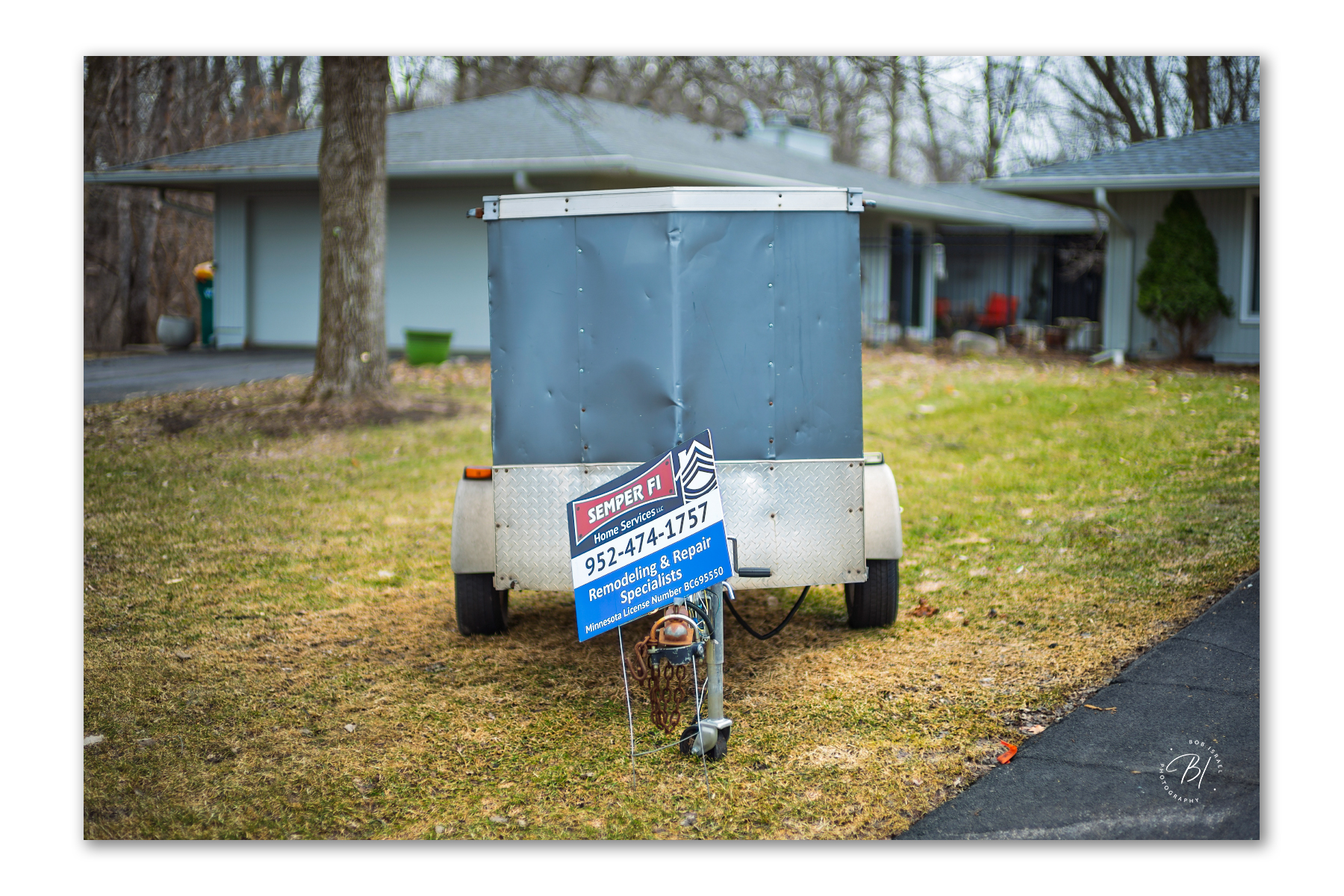
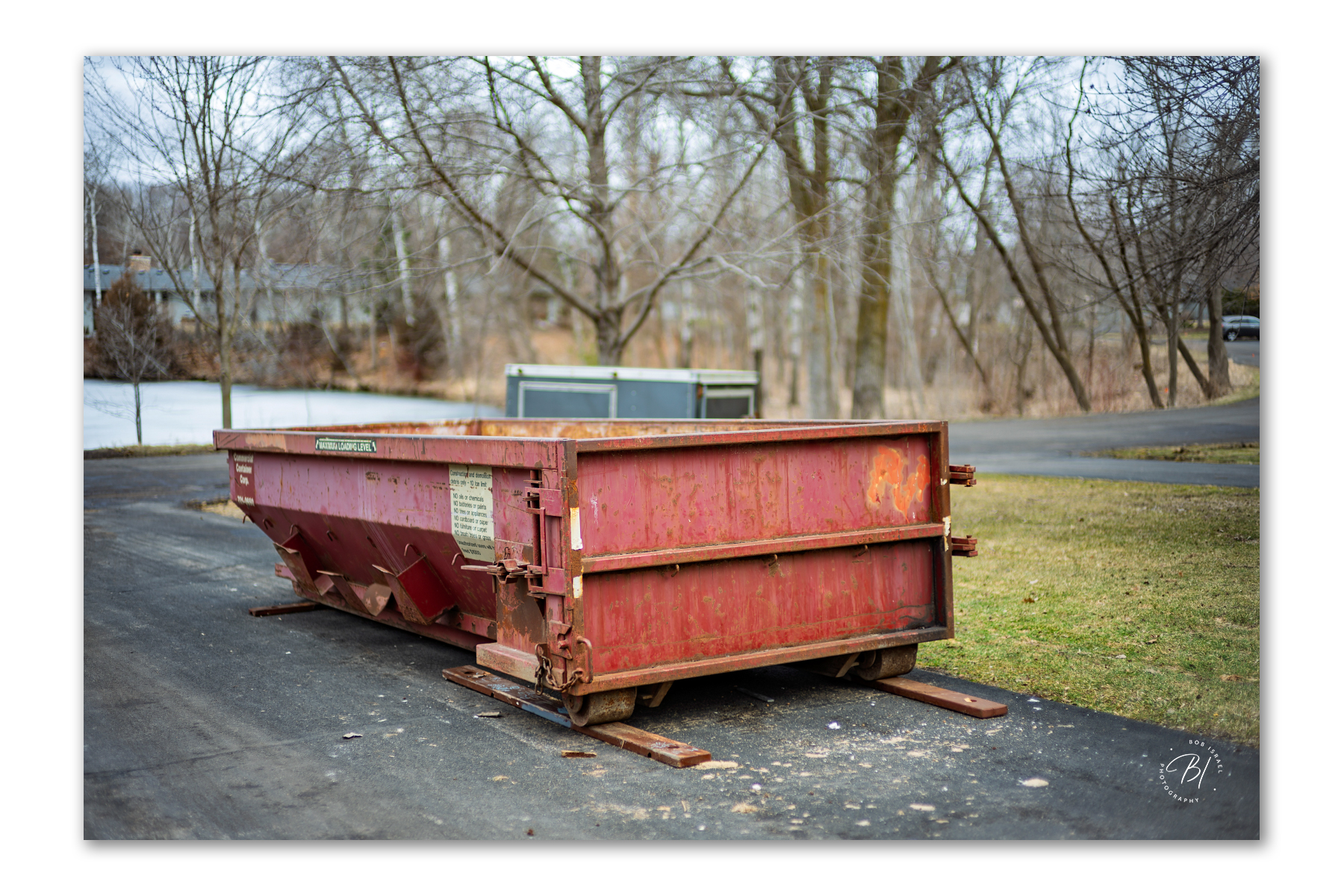
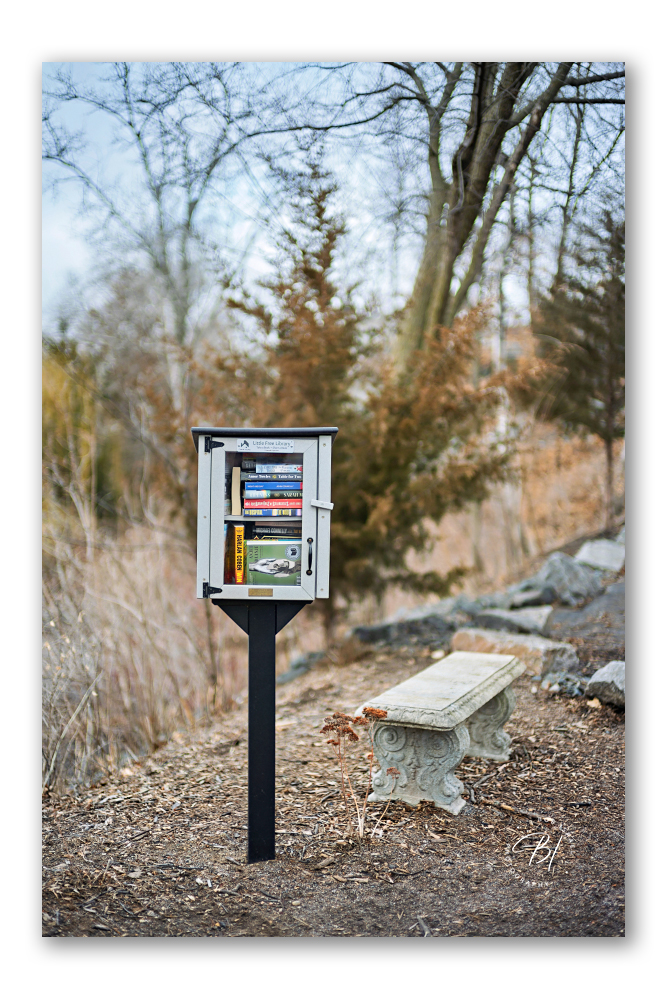
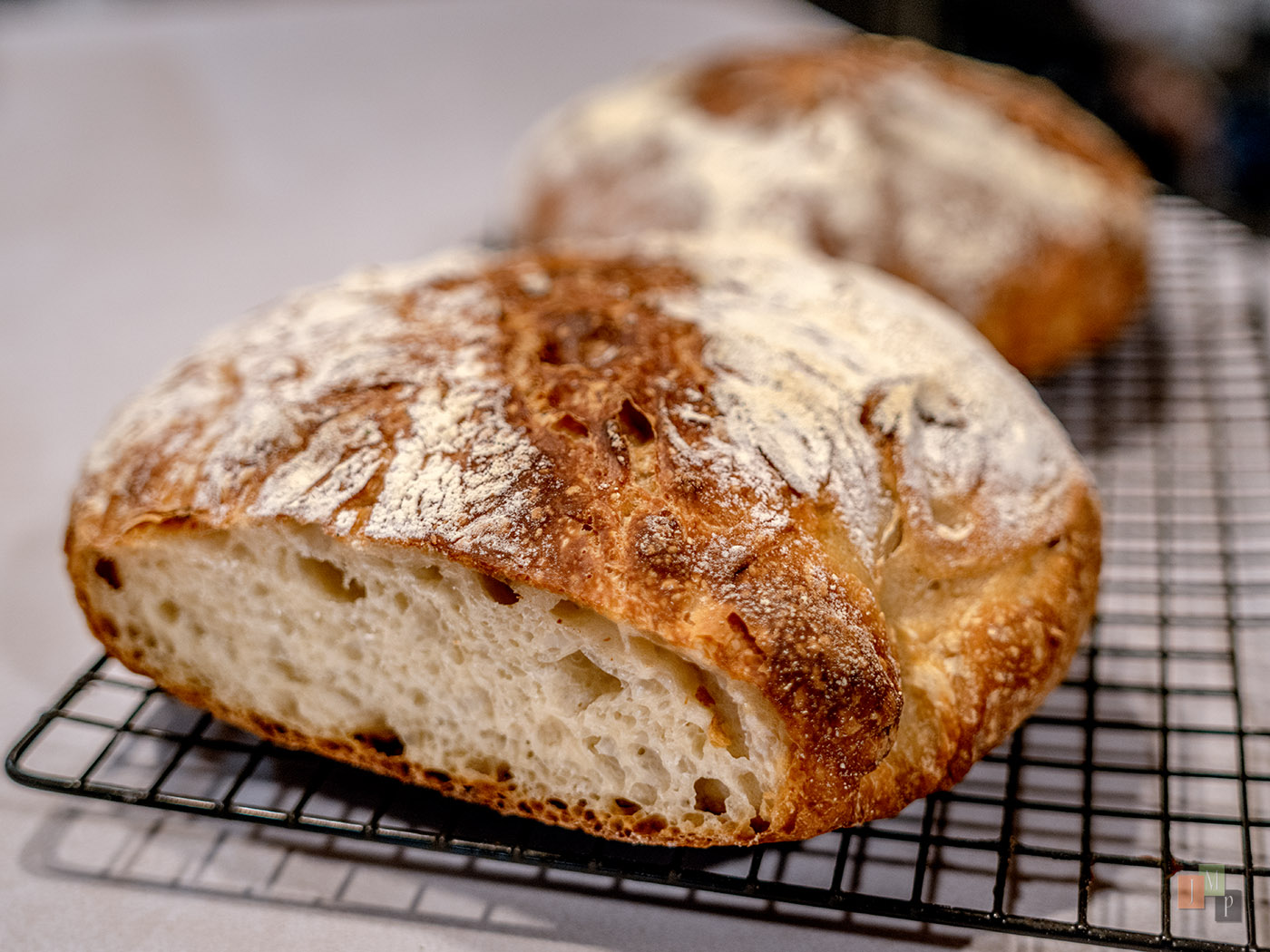
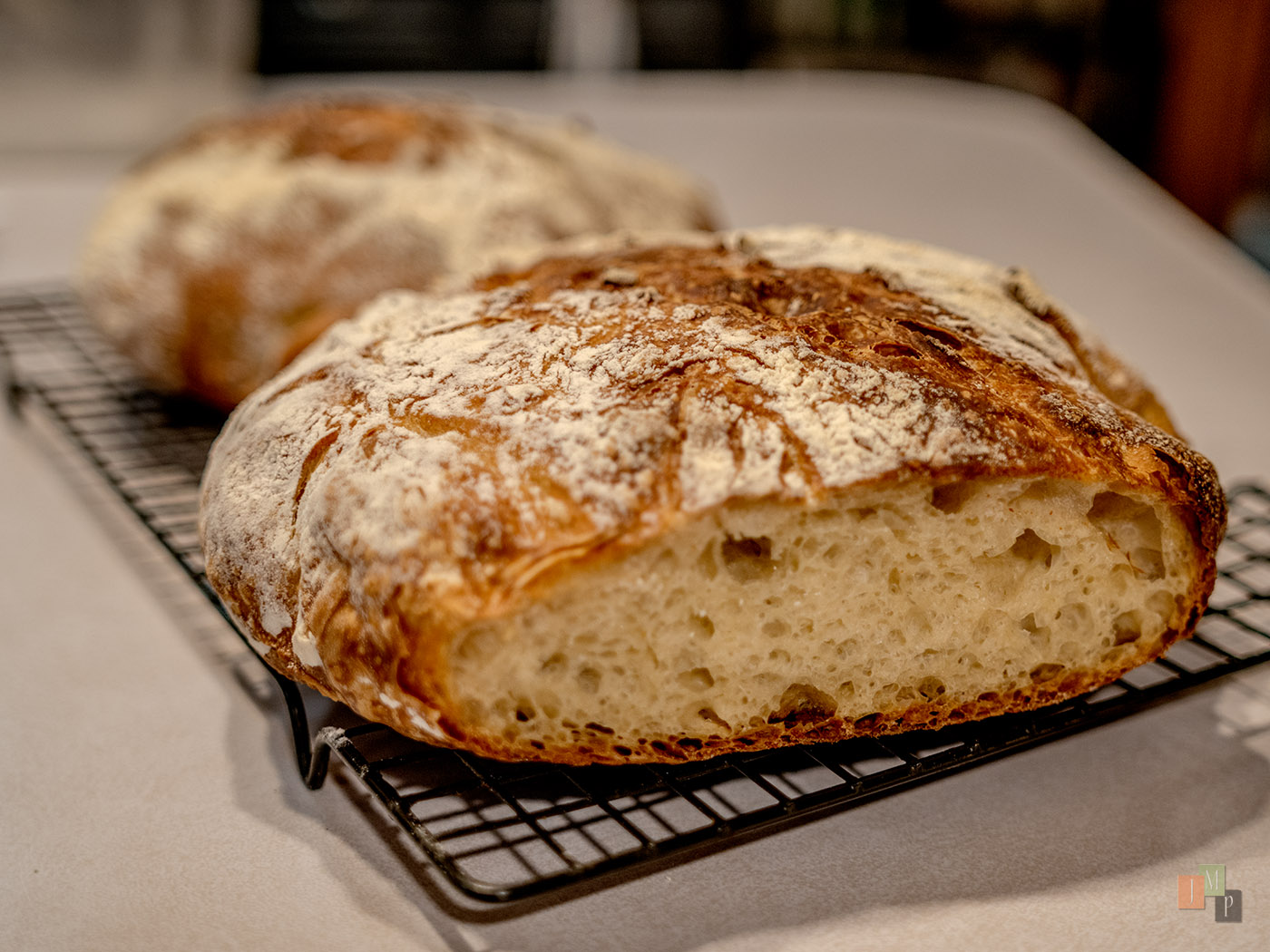
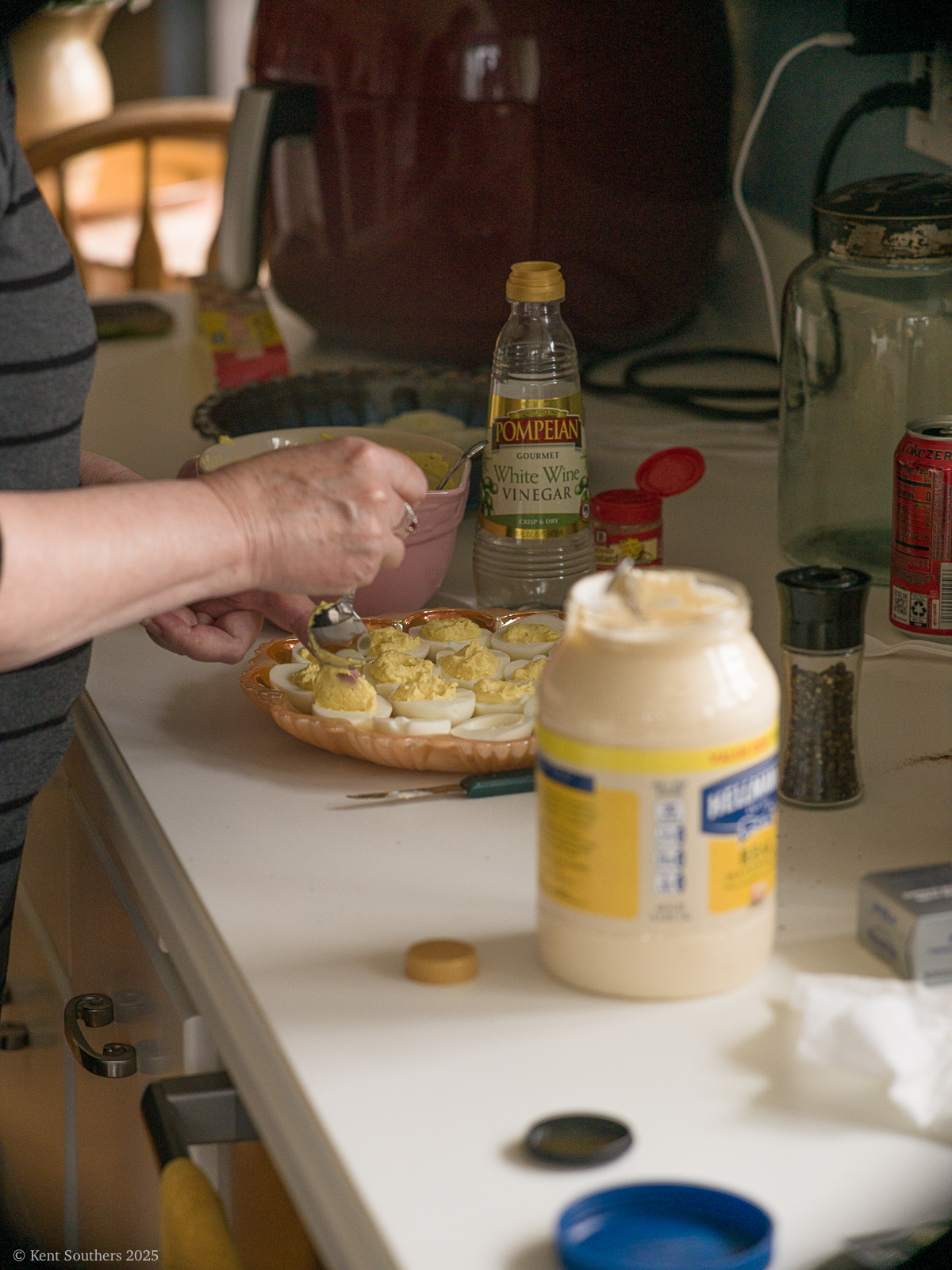
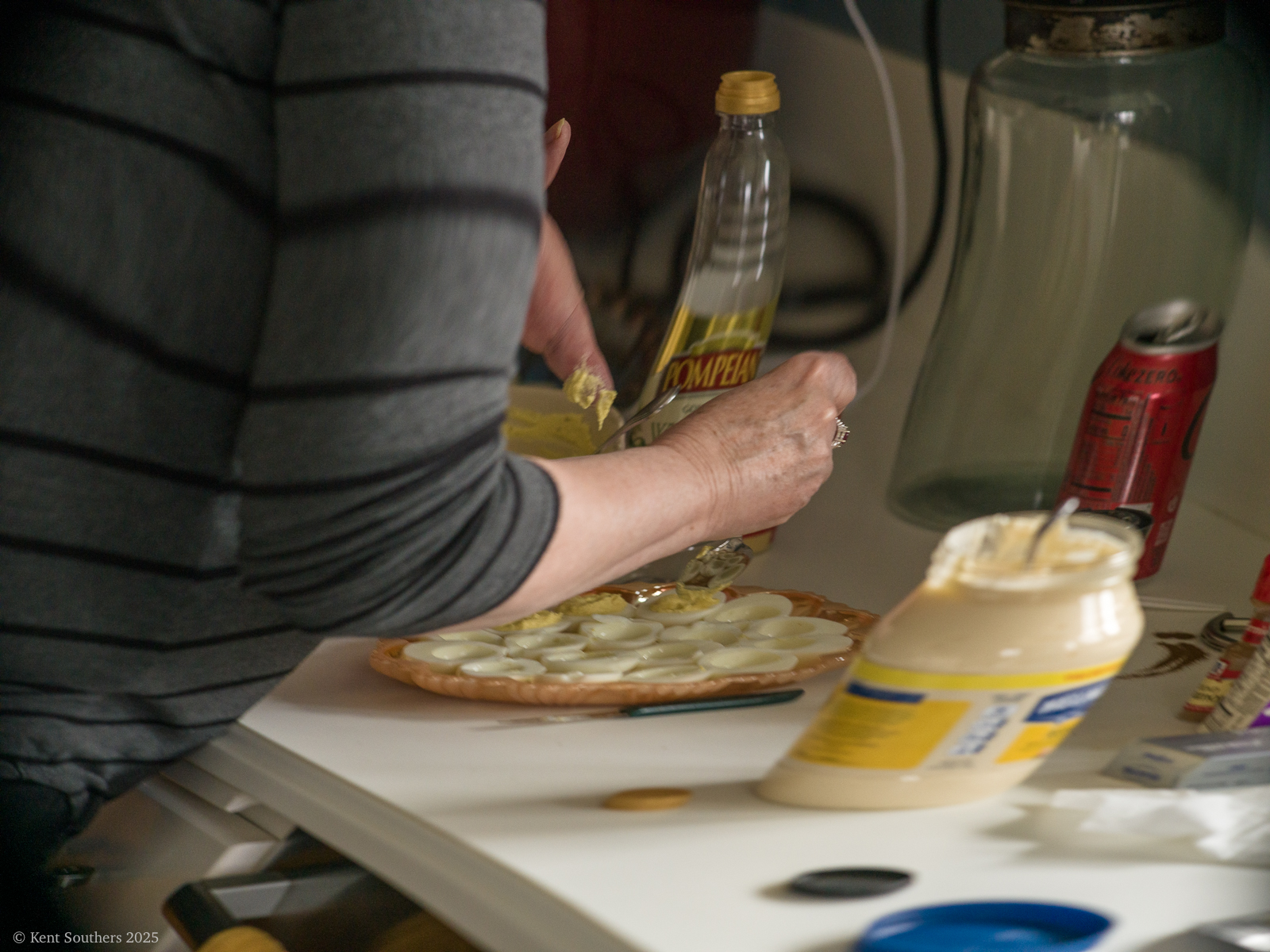
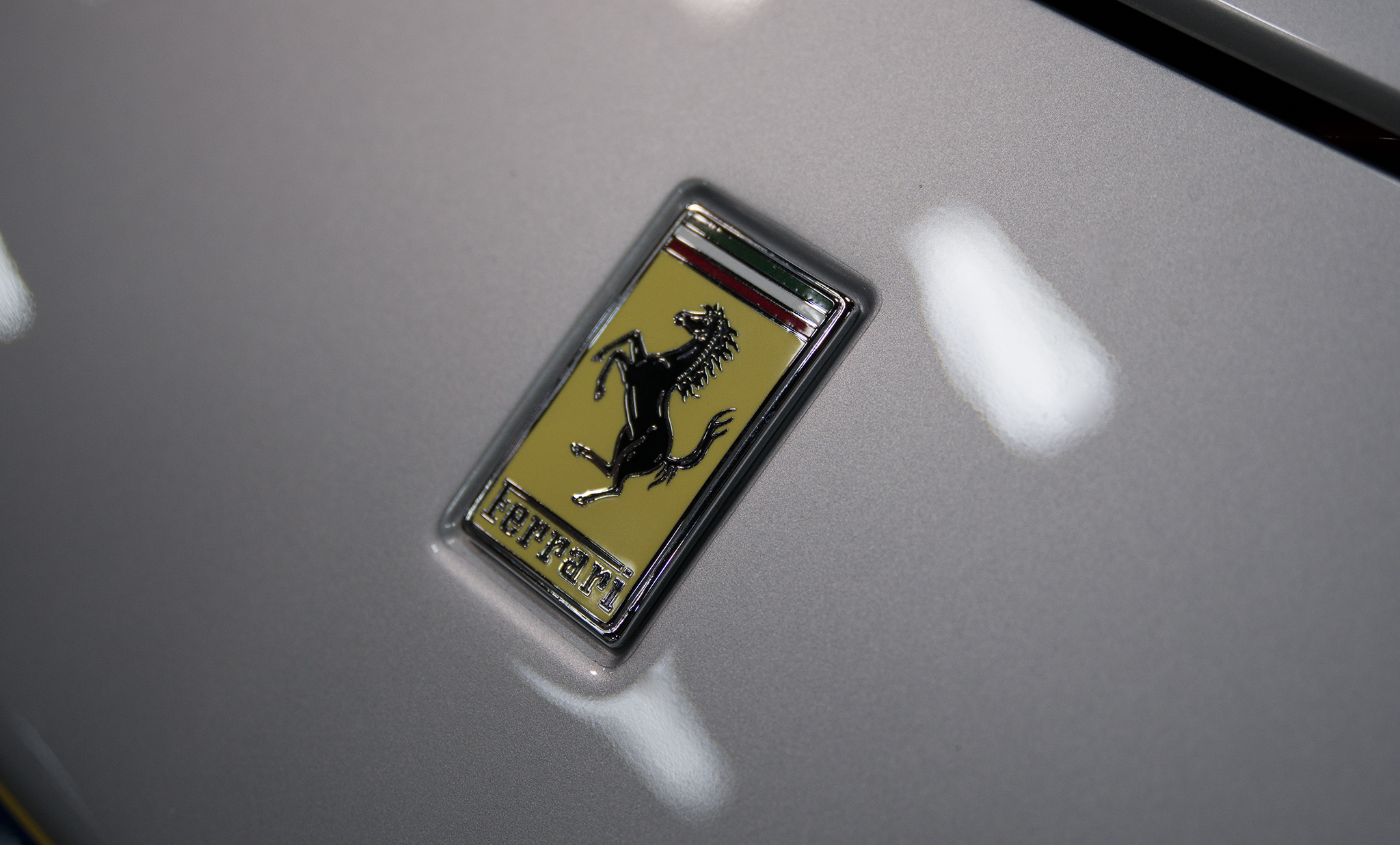
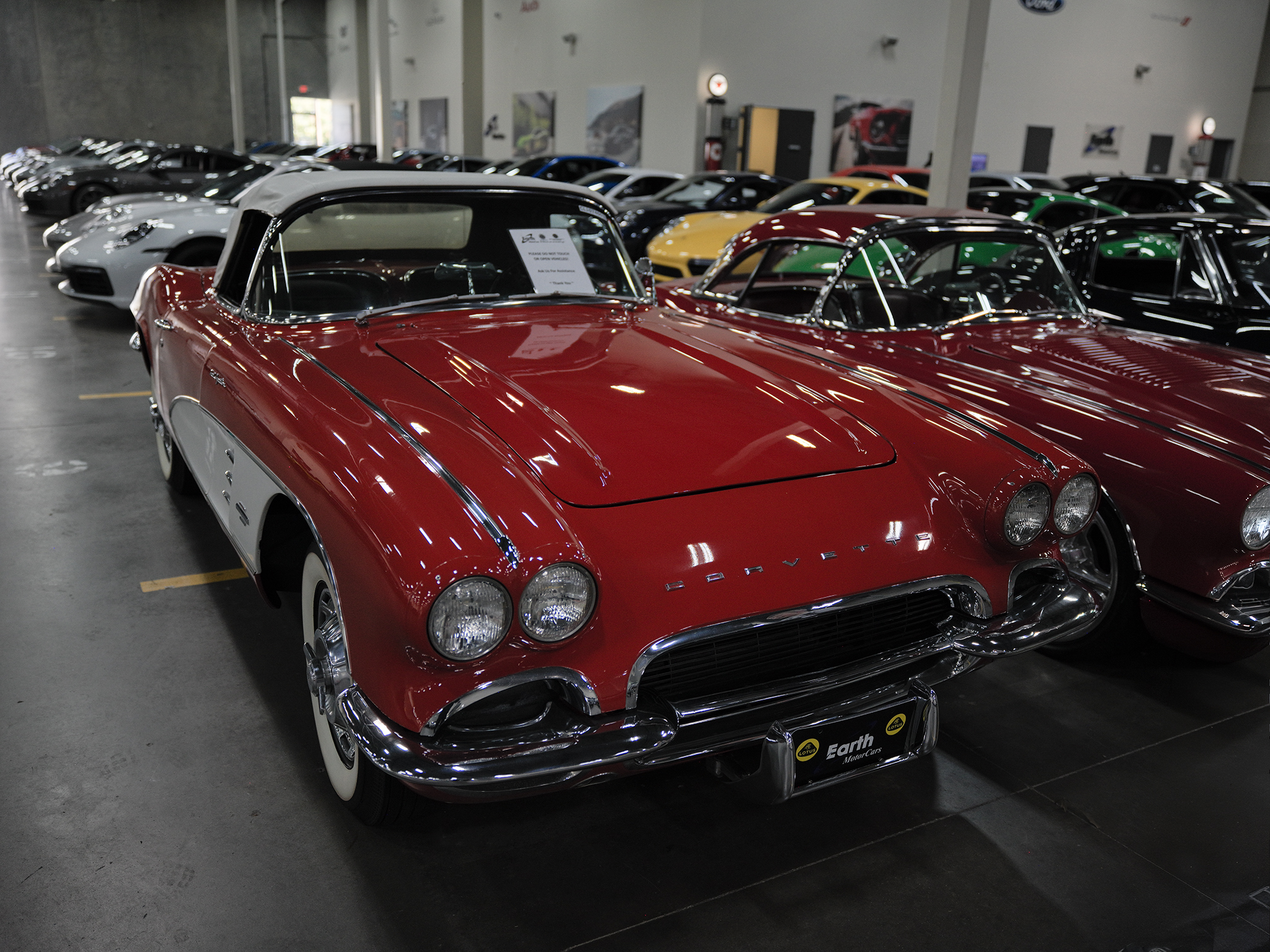
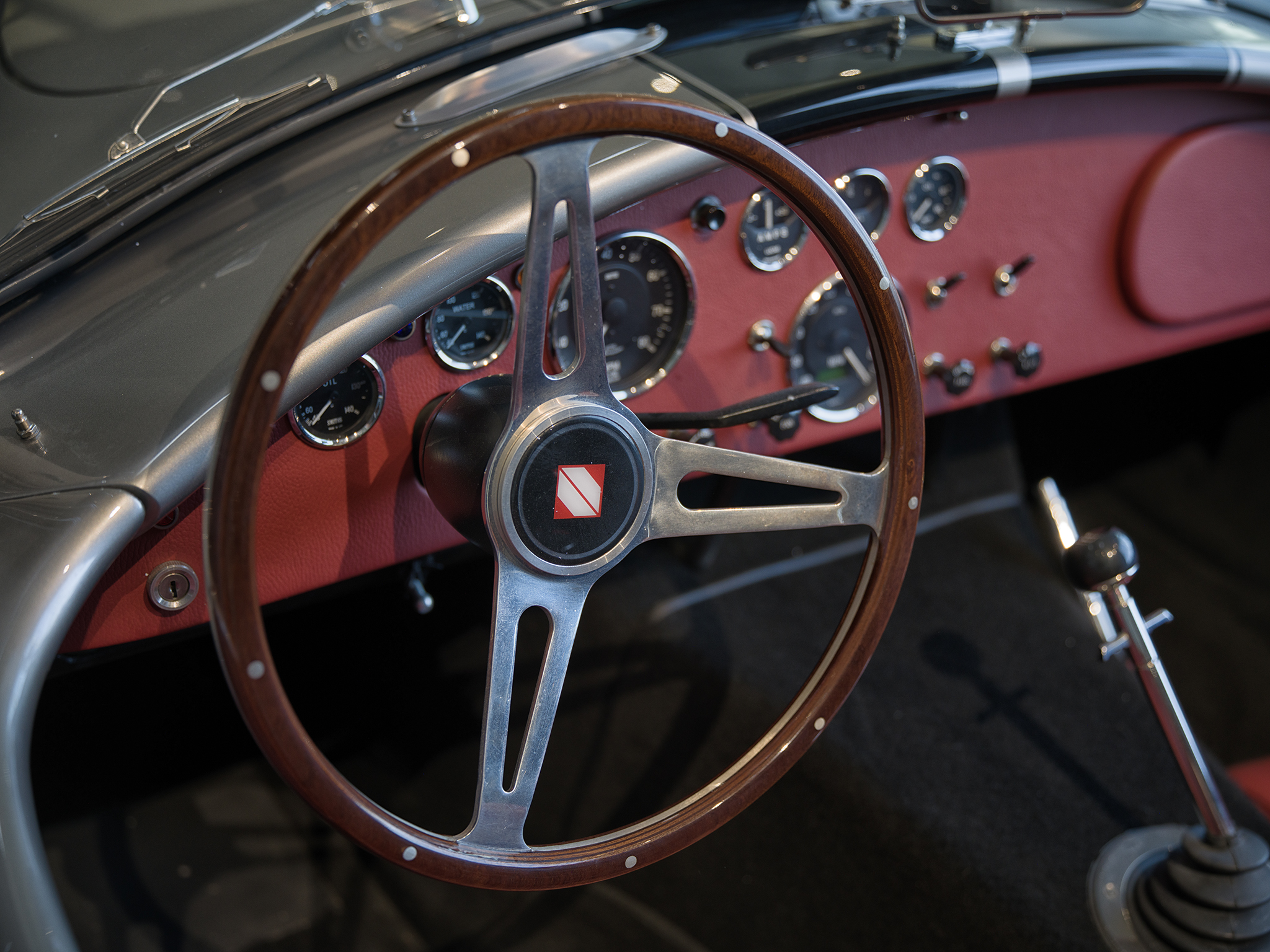
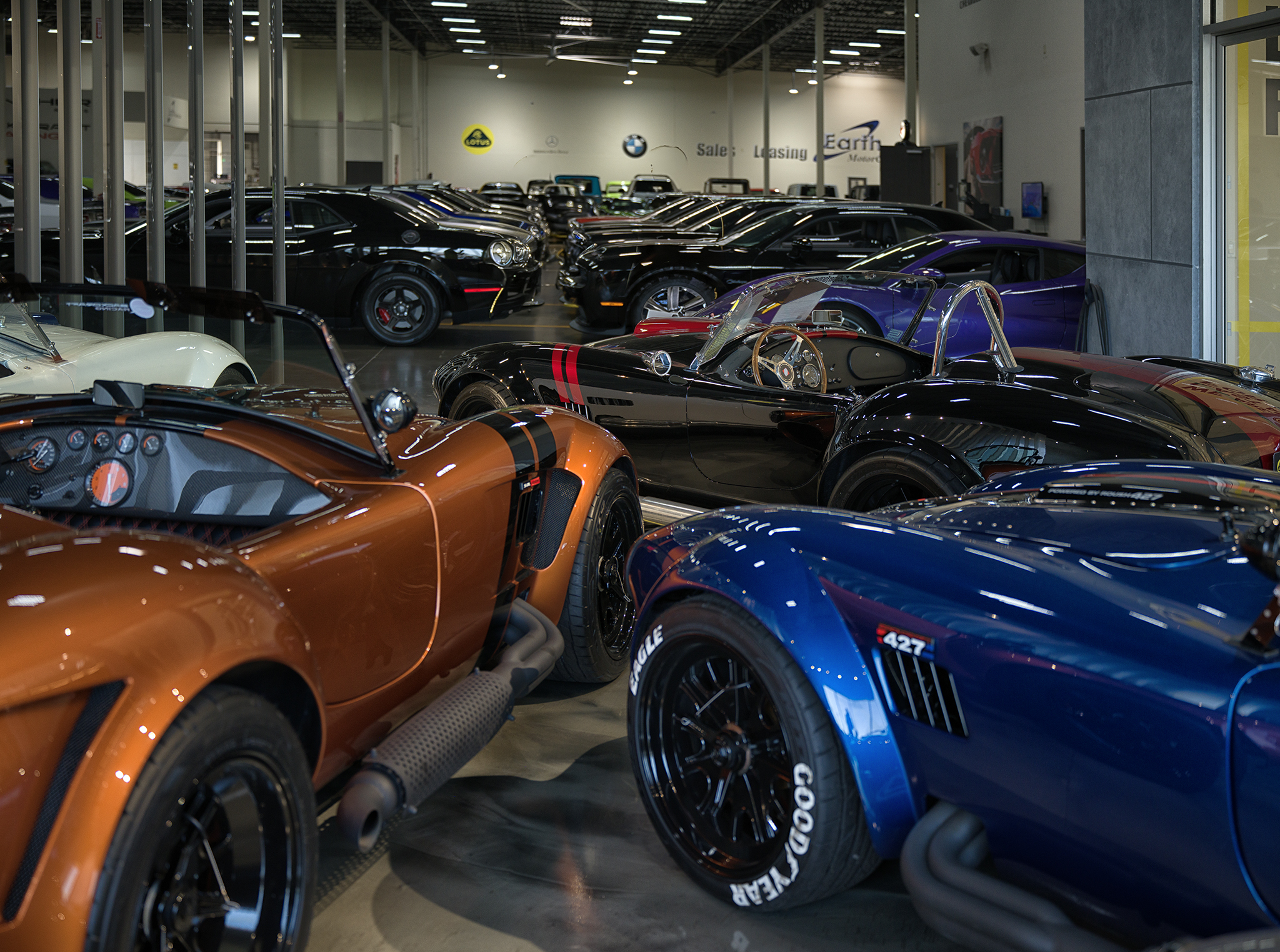
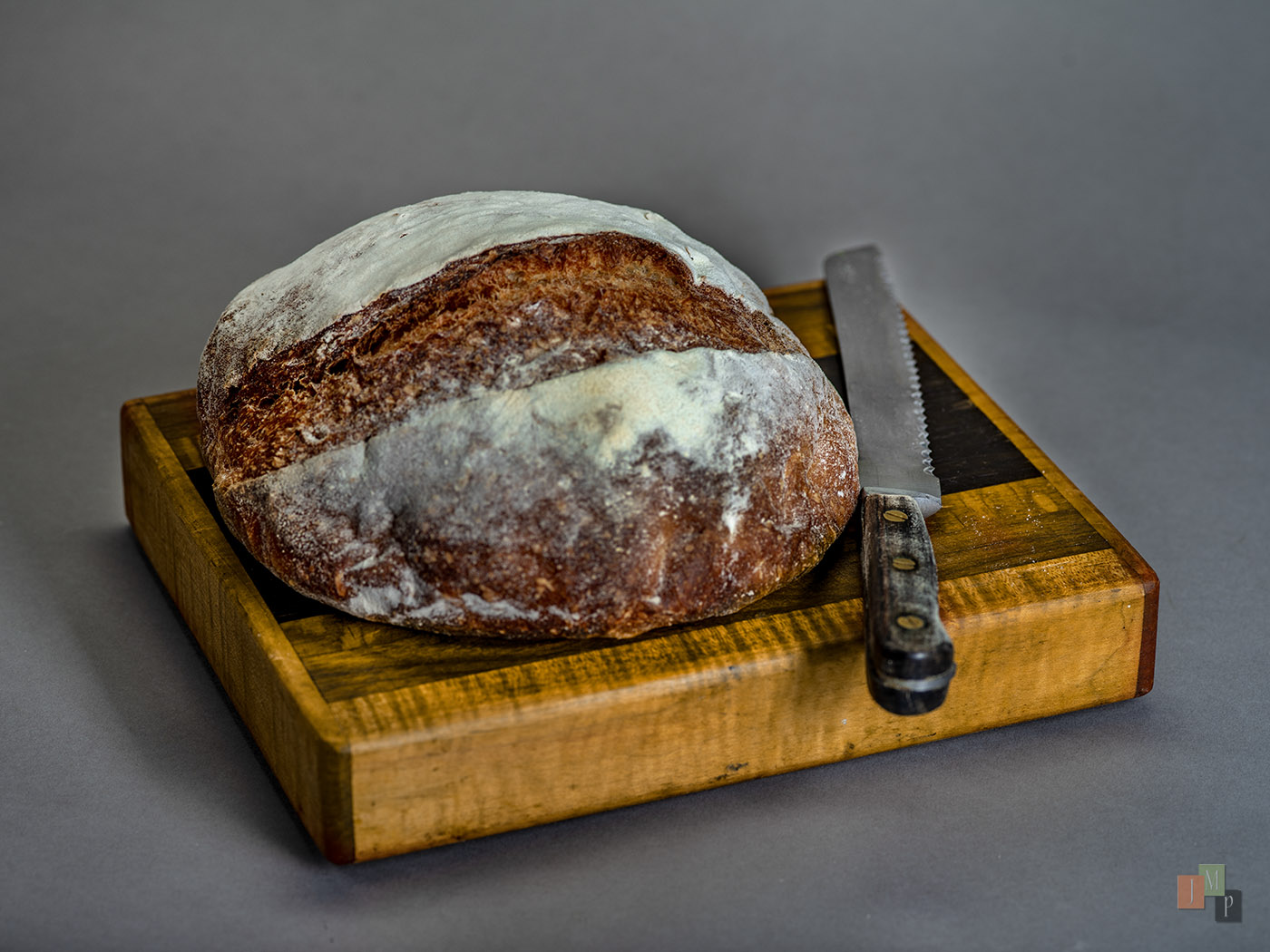
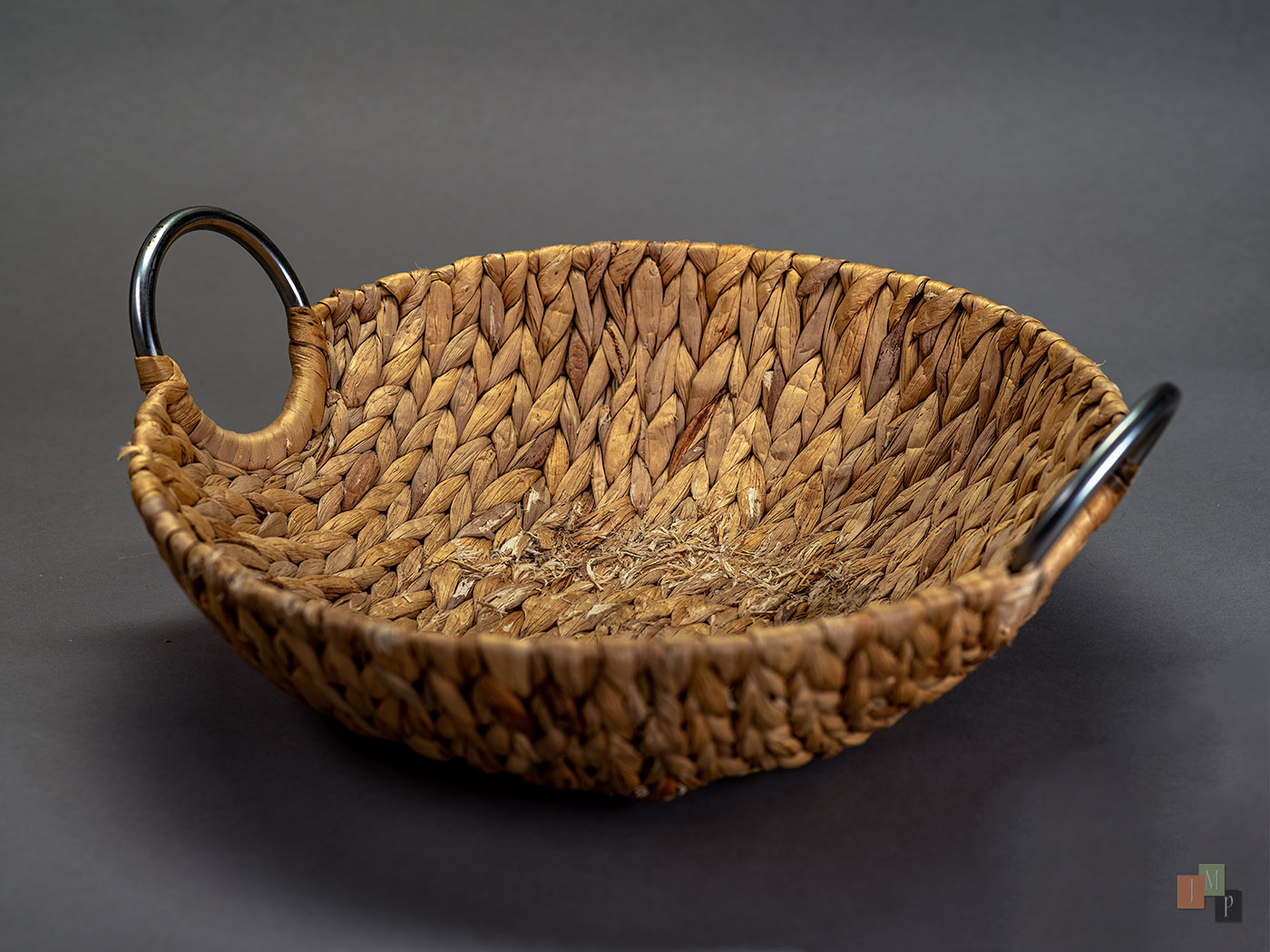
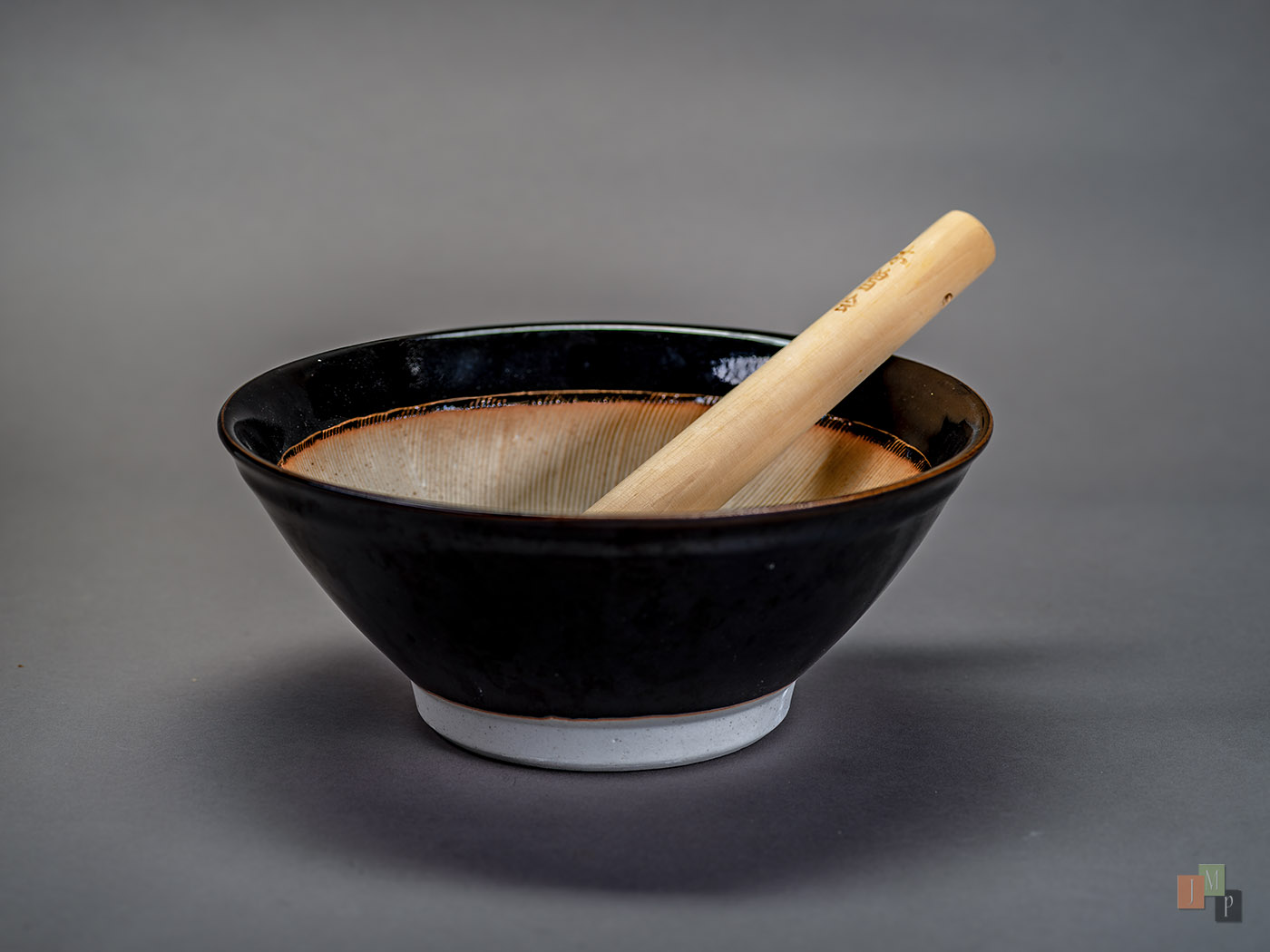
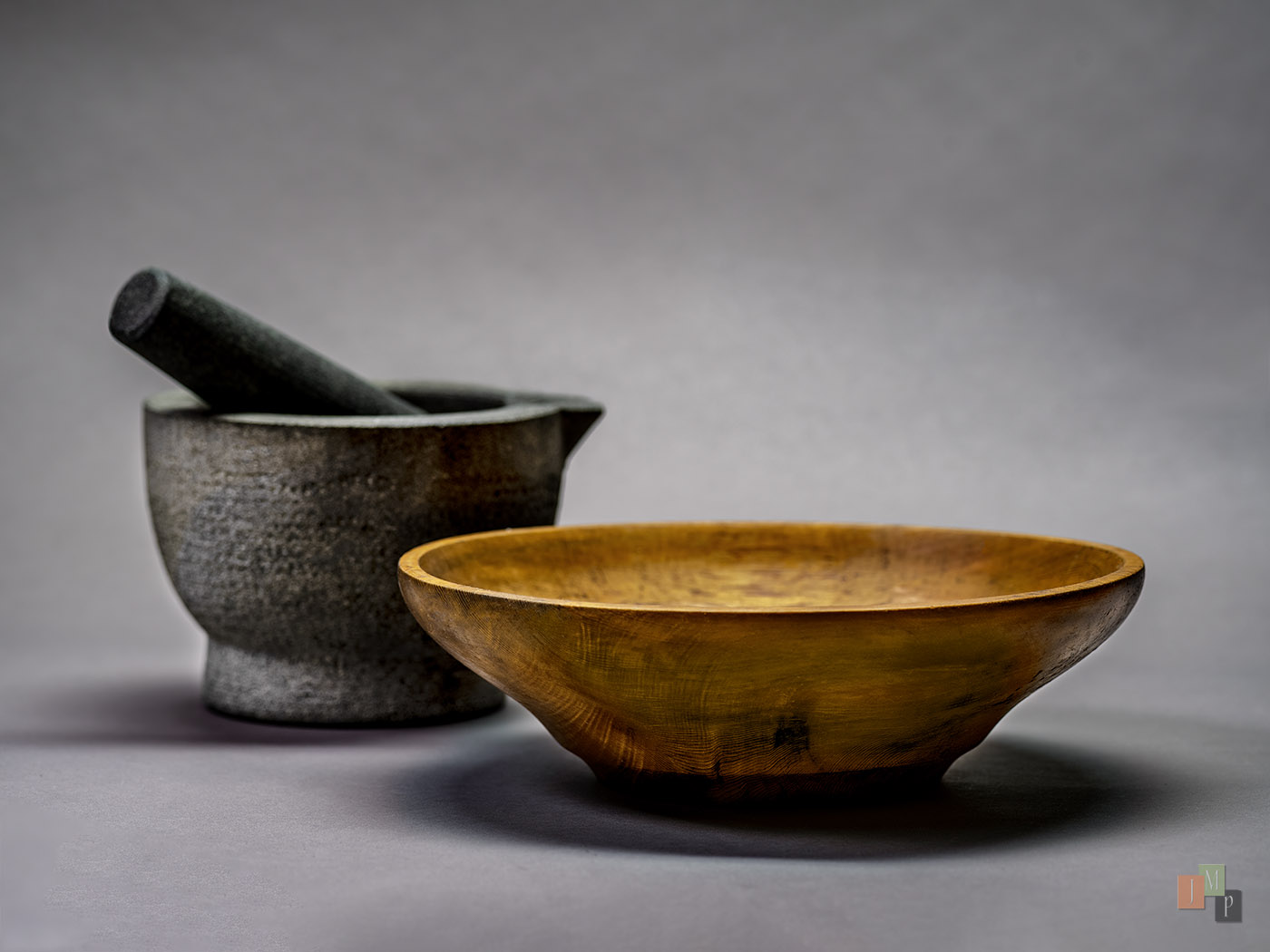
I bought a cheap TTArtisan Leica M to Hasselblad XCD adapter to check out my M lenses on the X2D II. These shots were taken in 3:2 crop mode with the Voigtlander 50/1. All shots are wide open. Resulting crops are ~68MP
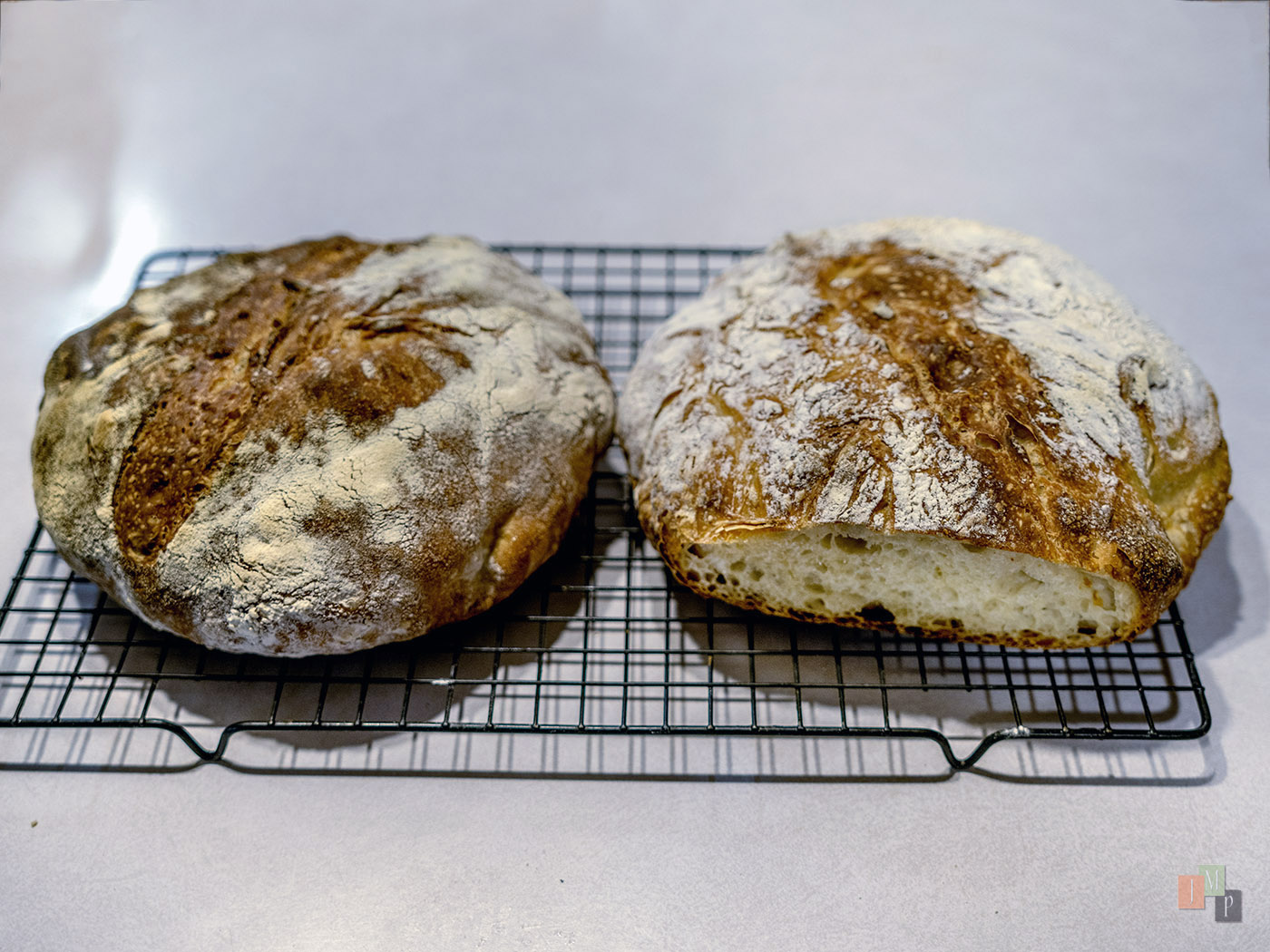
This lens - the smc Pentax-A 55mm f2.8 was completely fogged with some weird even deposit and dirt. I completely took it apart and cleaned it. None of the coatings were damaged, and it looks and performs great. Another fast manual prime for the 645 system. My wife made a couple cobbs of bread. White balance is due to two curlie-que bulbs
rji2goleez wrote:
I bought a cheap TTArtisan Leica M to Hasselblad XCD adapter to check out my M lenses on the X2D II. These shots were taken in 3:2 crop mode with the Voigtlander 50/1. All shots are wide open. Resulting crops are ~68MP
Hey Bob,
If you don't mind me asking. How the experience adapting a non hasselblad lens? Is the electronic shutter as bad as I've seen people say on reddit?
Main reason I'm asking is I've been toying with the idea of adapting a voigtlander or zeiss half macro lens.
If you don't mind me asking. How the experience adapting a non hasselblad lens? Is the electronic shutter as bad as I've seen people say on reddit?
Main reason I'm asking is I've been toying with the idea of adapting a voigtlander or zeiss half macro lens.
Thanks!
I've had mostly decent results with the rolling shutter. Key is to be very still even after pushing the shutter. Move the camera too soon and you get some rolling shutter effects. I can't say I have thie process nailed and understand the best method but I've had most images come out successfully.
rji2goleez wrote:
I've had mostly decent results with the rolling shutter. Key is to be very still even after pushing the shutter. Move the camera too soon and you get some rolling shutter effects. I can't say I have thie process nailed and understand the best method but I've had most images come out successfully.
Bob's point about "holding still" after taking the shot is salient. The amount of angular movement induced at your hand (vs. speed of movement of subject at further distance) can be significant. That 1/6s (14 bit) or 1/3s (16 bit) time to process through the lines of the sensor ... treat it like you're taking that long of an exposure and employ good technique, no matter what your actual exposure duration is.
This isn't a situation where "I can get sloppy, IBIS will save me."
1 - Held position.
2 - Moved my hand immediately after releasing shutter (positioning for next shot).
rji2goleez wrote:
I've had mostly decent results with the rolling shutter. Key is to be very still even after pushing the shutter. Move the camera too soon and you get some rolling shutter effects. I can't say I have thie process nailed and understand the best method but I've had most images come out successfully.
---------------------------------------------
RustyBug wrote:
Bob's point about "holding still" after taking the shot is salient. The amount of angular movement induced at your hand (vs. speed of movement of subject at further distance) can be significant. That 1/6s (14 bit) or 1/3s (16 bit) time to process through the lines of the sensor ... treat it like you're taking that long of an exposure and employ good technique, no matter what your actual exposure duration is.
This isn't a situation where "I can get sloppy, IBIS will save me."
1 - Held position.
2 - Moved my hand immediately after releasing shutter (positioning for next shot)....Show more →
'
Thank you both! I will probably have to use a Tripod, but I think it will work.
Thank you both! I will probably have to use a Tripod, but I think it will work.
Tripod with static subjects obviously works best. But, if you are reasonable steady handed ... there's still plenty that you can still do, even without a tripod. Just have to be conscientious about good technique.