GMPhotography wrote:
For me and doing any landscape work it takes the place of a 50/85 . So early on I wanted this lens I'm not a 50 mm fan for one and my Sony 85 1.8 is just better suited for AF type shooting. I'd rather have a manual lens here and it's also a perfect product lens. That was just the focal length part and my bet it's as good as my Batis 135 APO so I really want it. I caved in on announcement. I just knew it would be good.
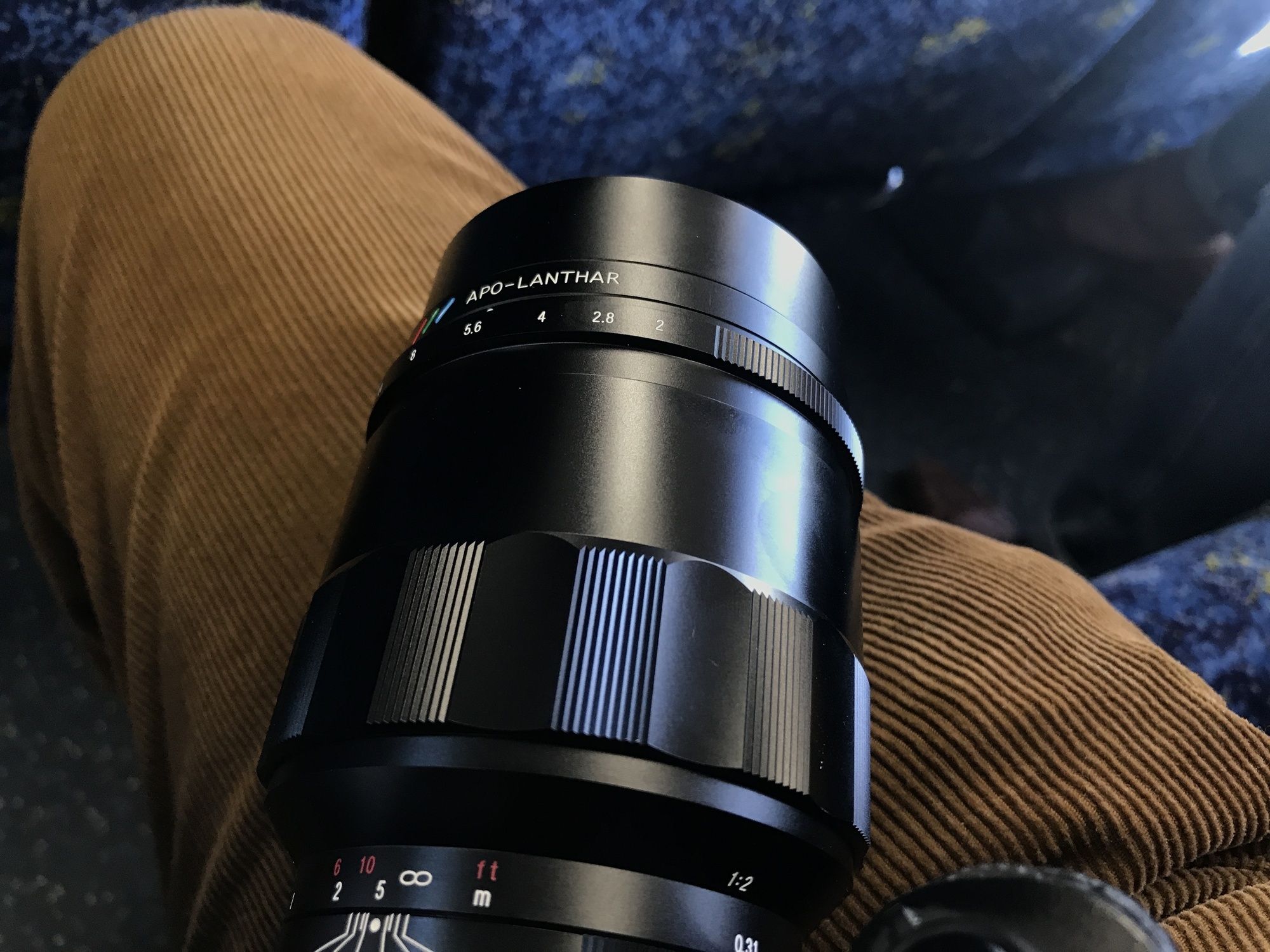
Thanks, Guy. I too prefer 35 over 50, but I like my 55 1.8 too much to sell it. For all the complaints that people keep throwing at that particular lens (too much CA, not f1.4, too expensive), it has never left me down and makes for an excellent travel lens to keep weight down. So for me the 55 1.8 is a keeper. For me, the 65 would bridge the gap between the 55 and my Elmarit 90 2.8. The 10-bladed aperture is a plus for landscape, with the 1:2 macro capability an added plus.
freaklikeme wrote:
For SLRs, yes, but the 24 TSE II and 35L II are only missing the label.
In the case of the 35L II, I agree that spherochromatism is greatly reduced with their new BR tech but I can still see plenty at f/1.4. However, it's worlds better than the 35/1.4 ZA where LoCA is fairly strong wide open.
It would be great if Voigtlander or Zeiss would produce an APO 28 or 35mm prime.
Chris_88 wrote:
Thanks, Guy. I too prefer 35 over 50, but I like my 55 1.8 too much to sell it. For all the complaints that people keep throwing at that particular lens (too much CA, not f1.4, too expensive), it has never left me down and makes for an excellent travel lens to keep weight down. So for me the 55 1.8 is a keeper. For me, the 65 would bridge the gap between the 55 and my Elmarit 90 2.8. The 10-bladed aperture is a plus for landscape, with the 1:2 macro capability an added plus.
Chris,
I don't think the 55/1.8 ZA really competes with the CV 65/2 APO. They share similar FL and aperture but IMO, fulfill different applications. One is 1:2 macro without tubes, has mechanical MF and is better corrected for CA. The 55/1.8 ZA is efficient when carrying light and AF is crucial...like shooting action, people (eyeAF) or time is against us and we need to grab something quick.
Aside from strong spherochromatism and perhaps accentuated onion rings, it's hard to find flaws on this lens for its size and weight. If you have a good copy, I think it's definitely worth keeping it.
Phillip Reeve wrote:
The CV65 certainly has the edge at f/5.6
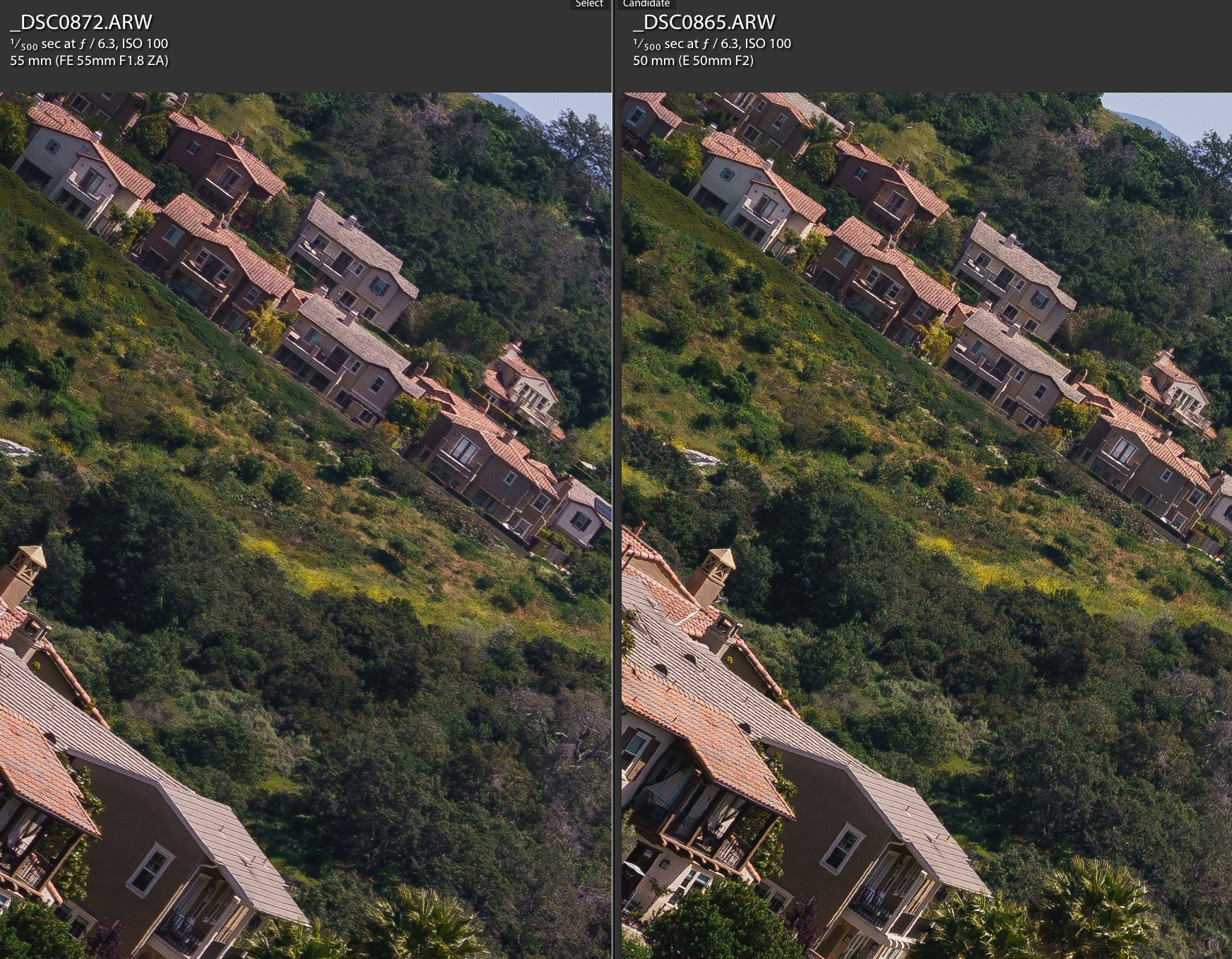
How would the Lox perform against the FE55 in the edge region at f/6.3?
Just for you Phillip! I thought I was alone shooting at f/6.3! I feel it's the best compromise between resolution and diffraction but it means we have to focus stack depending on the scene.
Here are the Loxia 50/2 vs 55/1.8 ZA crops at f/6.3 towards the edge.
As I wrote, the Loxia has more contrast and slightly more resolution but both are pretty amazing at infinity.
(The CV 65/2 would do better based on my tests with it)
If you want other apertures, let me know.
Fred
Zeiss 55/1.8 ZA vs Loxia 50/2 at f/6.3 (Extreme edge)
Fred Miranda wrote:
In the case of the 35L II, I agree that spherochromatism is greatly reduced with their new BR tech but I can still see plenty at f/1.4. However, it's worlds better than the 35/1.4 ZA where LoCA is fairly strong wide open.
It would be great if Voigtlander or Zeiss would produce an APO 28 or 35mm prime.
True, but the label itself doesn't address spherochromatism as I understand it. Apochromatic is the ability to focus the three colors on the same plane. We need a better label for lenses that do the same outside of the plane of focus.
Fred Miranda wrote:
I already compared the CV 65/2 APO to the Loxia 50/2 at infinity at all apertures before selling it. I almost regretted selling my Loxia because it gave me so many great shots. https://www.fredmiranda.com/forum/topic/1506407
I will post it today. (I will post the ZM 85/4 comparison as well).
I decided to go Loxia 21, Loxia 35, CV 65 and Batis 135. For the ultra wide, I really like the 12-24/4G.
I'm hoping the Batis 135/2.8 manual focus is not as bad as the 55/1.8 ZA.
The Loxia 35 is the weaker lens wide open but I decided to give it another go after checking my images. It has lovely rendering and very high micro-contrast. It's actually really good at f/6.3 and smaller for landscapes....Show more →
Pleased to see you back with L35! I've always thought this underrated. With reason; for this money you might hope for better wide open performance and better outer field at wider apertures. But stopped down its wonderful across most of the filed - and it has a brilliance and contrast that's quite distinctive.
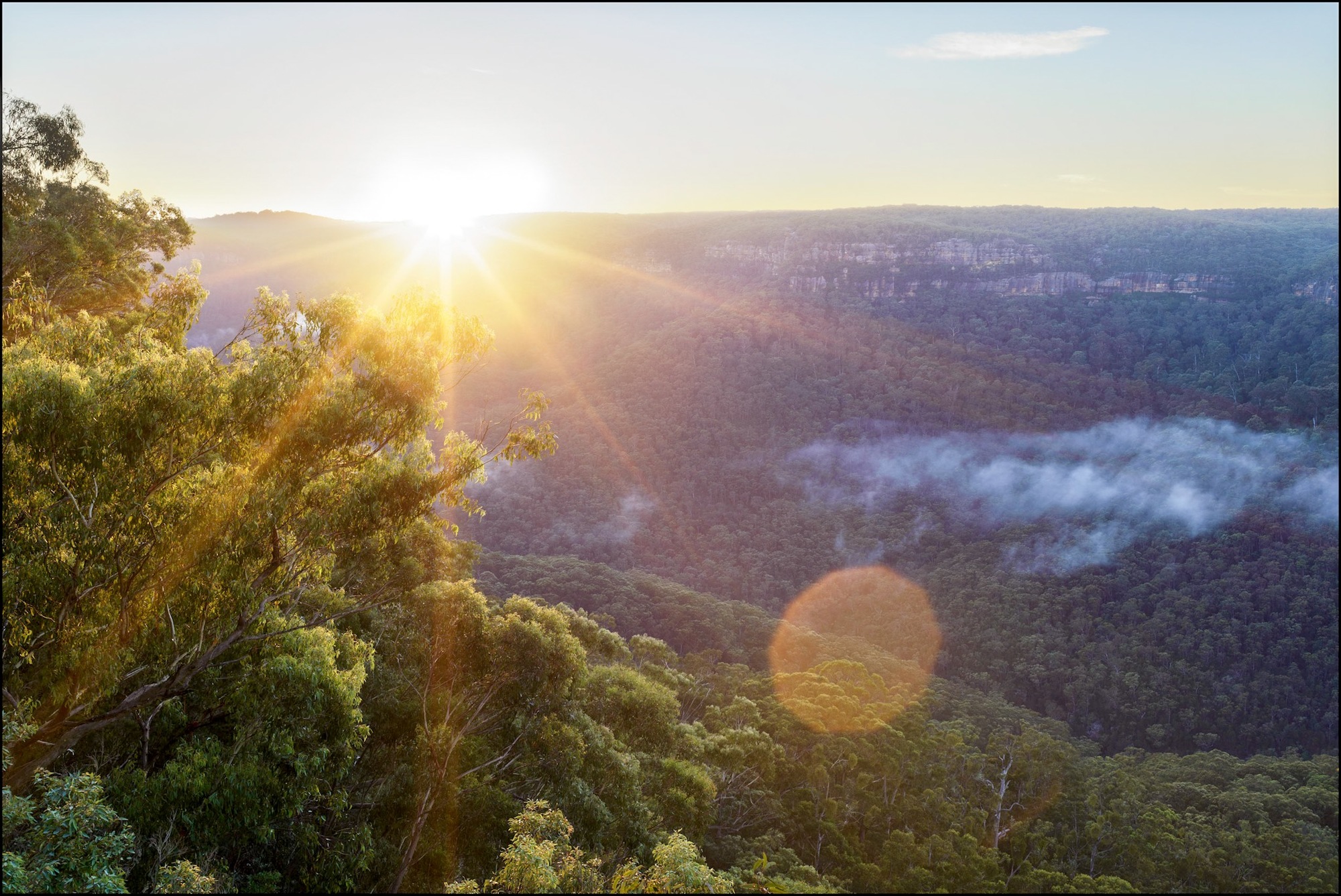
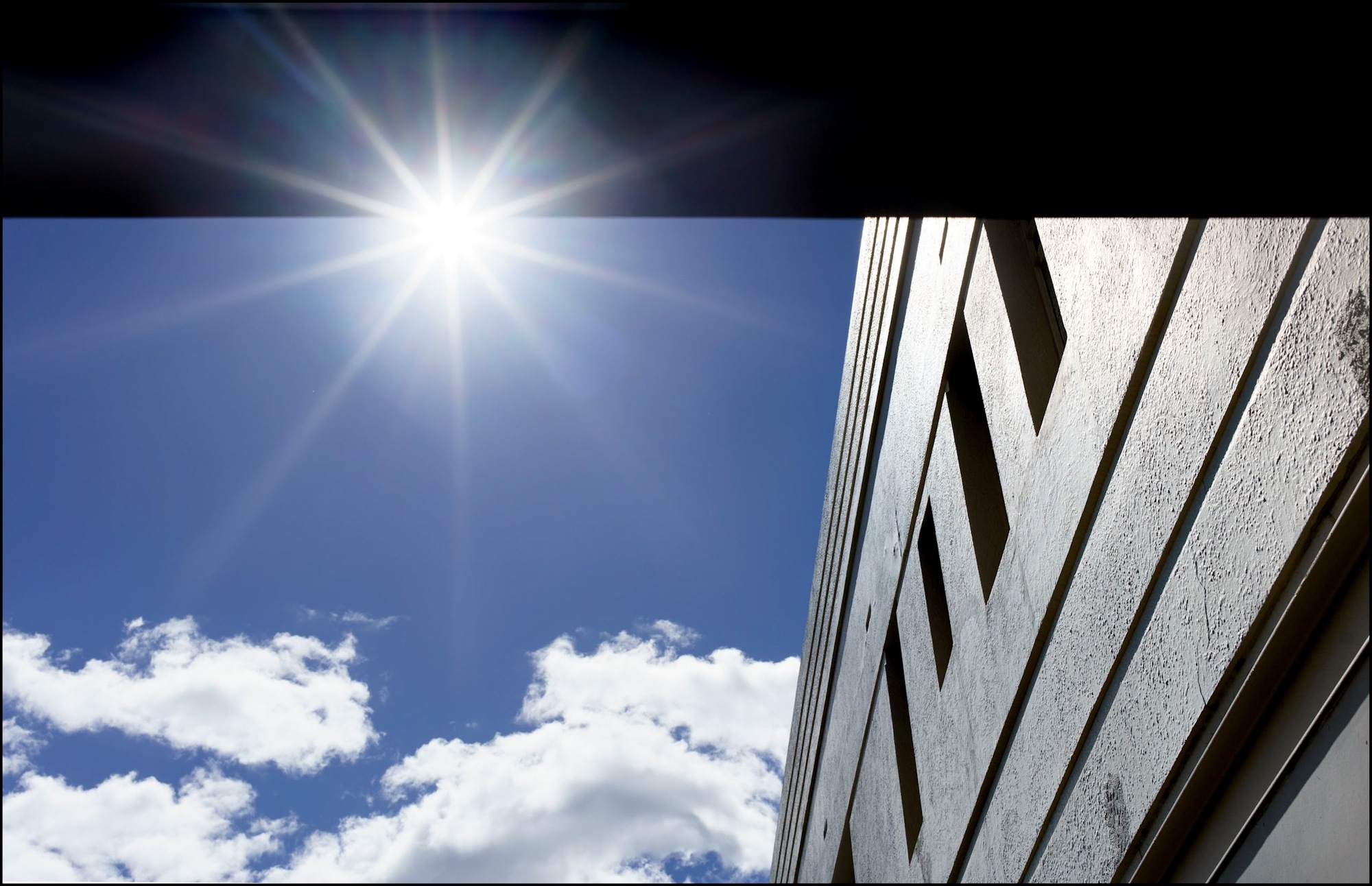
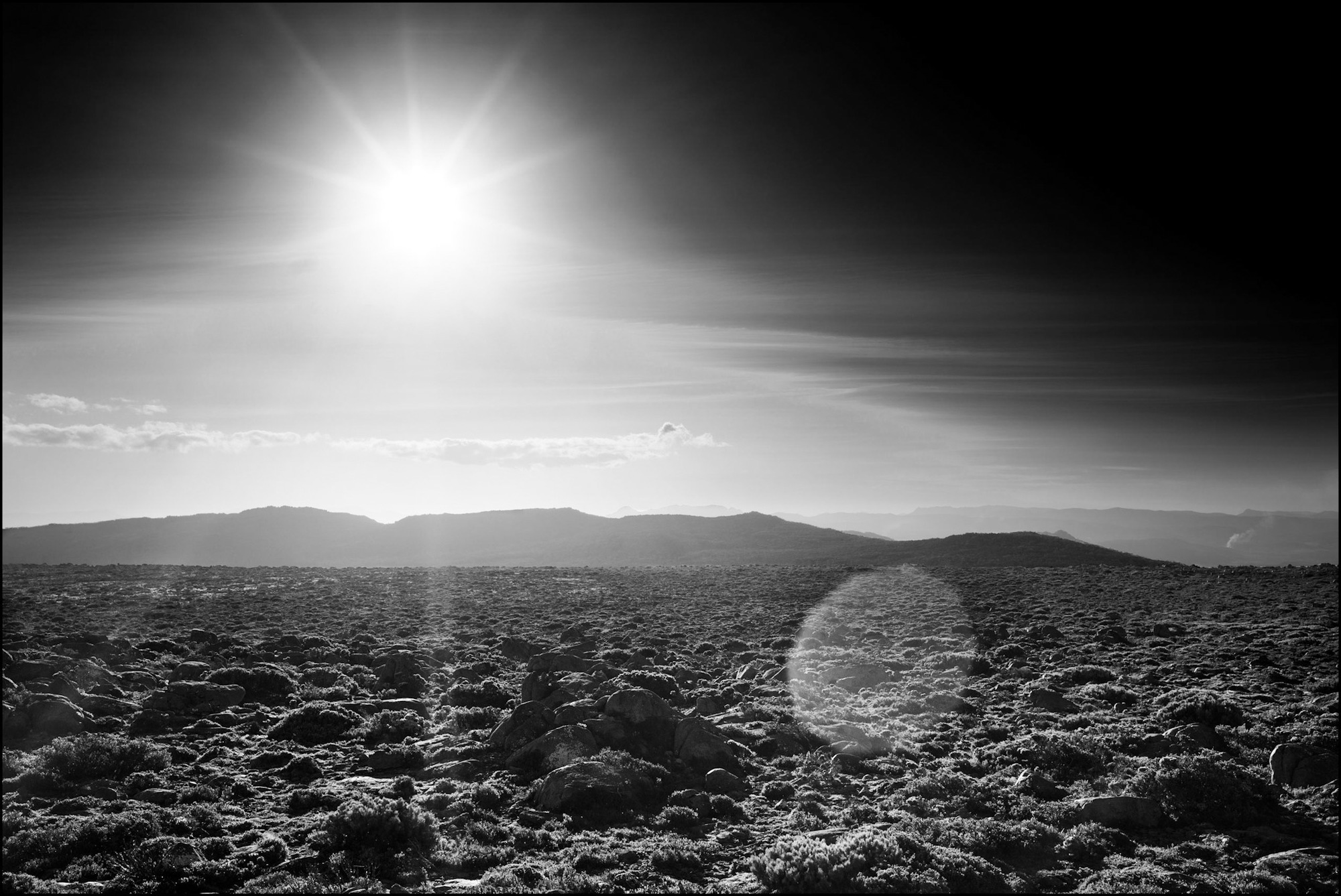
In fact if there is one thing I'd like to see improved it's not the wide aperture performance, it's the odd flare artifact which is like an image of the aperture which often appears with the sun in the frame.
I haven't directly, but in the early days of Sony I compared my copy (which I always thought a reference along with the Zuiko 2/50 macro. It was much nicer than any native Canon solutions - which was what I was using before the A7 series came out ) against the FE 1.8/55. The FE was a lot better up to F4, especially off axis. So I sold it, relying on other solutions for macro.
DavidBM wrote:
Pleased to see you back with L35! I've always thought this underrated. With reason; for this money you might hope for better wide open performance and better outer field at wider apertures. But stopped down its wonderful across most of the filed - and it has a brilliance and contrast that's quite distinctive.
In fact if there is one thing I'd like to see improved it's not the wide aperture performance, it's the odd flare artifact which is like an image of the aperture which often appears with the sun in the frame.
But I really like this lens...
David, I don't remember getting ghosting like that with the L35. I remember testing it against the ZM on flare resistance and they were similar. Do you see similar aperture ghosting in all your sunstar shots?
Fred Miranda wrote:
David, I don't remember getting ghosting like that with the L35. I remember testing it against the ZM on flare resistance and they were similar. Do you see similar aperture ghosting in all your sunstar shots?
No it doesn't happen with all sunstar shots, only in certain conditions (unoccluded sun, and an area much darker than the sky for it to show up which has been lightened in post, and certain positions in the frame)
I'm pretty sure it's not specific to my copy: I showed a different image with that ghost to @BastianK without saying what lens it was and he said "I can tell what that lens is from the ghost". He also likes the lens for stopped down use - it's general contrast against the light is good, and the ghost does not always show up...
PS
Of course this is just preference, but I quite like that ghost in some images: it somehow makes the sun seem dangerously brighter - maybe it's an aesthetic from movies that exploit flare. But I'd rather be able to control it...
Fred Miranda wrote:
David, I don't remember getting ghosting like that with the L35. I remember testing it against the ZM on flare resistance and they were similar. Do you see similar aperture ghosting in all your sunstar shots?
....and here are a couple more, one with and one without showing how small differences in framing make an impact.
The Biogon 25 and C-Biogon 35/2.8 perform much the same. The Distagon 18 will at times, but it's more prone to weird, ugly flare. I'd much rather deal with the ghosting.
DavidBM wrote:
No it doesn't happen with all sunstar shots, only in certain conditions (unoccluded sun, and an area much darker than the sky for it to show up which has been lightened in post, and certain positions in the frame)
I'm pretty sure it's not specific to my copy: I showed a different image with that ghost to @BastianK@ without saying what lens it was and he said "I can tell what that lens is from the ghost". He also likes the lens for stopped down use - it's general contrast against the light is good, and the ghost does not always show up...
PS
Of course this is just preference, but I quite like that ghost in some images: it somehow makes the sun seem dangerously brighter - maybe it's an aesthetic from movies that exploit flare. But I'd rather be able to control it......Show more →
Thanks for the samples.
I'm sure it's not your copy! I've never seen it so bad this but I usually recompose in order to keep ghosting out of the frame. Sometimes it's not possible. I also tend to shoot sunstars right before sunset when the light rays are not too intense.
I don't think it's coating quality. It's likely due to the Biogon optical design. There are so many compromises when designing a lens and the Biogon formula yields very low distortion, bold colors with high micro-contrast.. That's the trade off I guess.
Yep thats pretty much my take....and there is something about the stopped down quality iof a moderate wide biogon that is very nice indeed.. Fred Miranda wrote:
Thanks for the samples.
I'm sure it's not your copy! I've never seen it so bad this but I usually recompose in order to keep ghosting out of the frame. Sometimes it's not possible. I also tend to shoot sunstars right before sunset when the light rays are not too intense.
I don't think it's coating quality. It's likely due to the Biogon optical design. There are so many compromises when designing a lens and the Biogon formula yields very low distortion, bold colors with high micro-contrast.. That's the trade off I guess.
Fred Miranda wrote:
Thanks for the samples.
I'm sure it's not your copy! I've never seen it so bad this but I usually recompose in order to keep ghosting out of the frame. Sometimes it's not possible. I also tend to shoot sunstars right before sunset when the light rays are not too intense.
I don't think it's coating quality. It's likely due to the Biogon optical design. There are so many compromises when designing a lens and the Biogon formula yields very low distortion, bold colors with high micro-contrast.. That's the trade off I guess.
One thing to add is that one cause of the visibility of the ghost is either massive lifting of the shadows where the ghost is, or (which amounts to the same for these purposes) blending a sky image which is darker with a much brighter foreground image with a burnt out sky. Which is to say that the ghost is pretty mild and amounts to an area about a half stop brighter in the deep shadows...
I have fully succumbed. Last night I went to check availability: Amazon says 1 in stock. Robert White UK out of stock. Adorama out of stock. CameraQuest and BH had stock. Ordered now out of some fear of declining availability. Late September/early October usually finds me in a big frenzy of exposure making, so I expect to use it a lot within the month.
I'll get it I guess today, but we've got a rainy week ahead here in Vermont, and I am off the charts busy insane, including a show of photos I have to hang on top of many other obligations. I should try to find time to test for centering anyway if the weather is OK for a stretch.
I think I can let go of the Loxia 50 easily enough with this as a replacement, though I might carry both for a bit when things settle down. I feel weirdly attached to the OM 50/2 though (the rest of the gotta-sell deal with myself), even though it is clearly less good at infinity than other 50s I have, less good as a macro than this new Voigtlander probably, and has weird 6 blade bokeh if I stop it down at all. I think I've mentioned before that the hexagon bokeh from it is often ugly but sometimes is very uniquely beautiful.