Well, my master plan was to hang on to the A7RII, sell my D800 and get a D850.
A7RII for non-tripod use and the D850 for only on the tripod with long glass.
With the A7RIII fixing quite a few of my qualms with the A7RII the new plan might be to sell the D800 and A7RiI and go A7RIII only. Nikon might never get another $$ of mine unless they come out with an absolute killer mirrorless full frame solution sometime very very soon.
jhinkey wrote:
Well, my master plan was to hang on to the A7RII, sell my D800 and get a D850.
A7RII for non-tripod use and the D850 for only on the tripod with long glass.
With the A7RIII fixing quite a few of my qualms with the A7RII the new plan might be to sell the D800 and A7RiI and go A7RIII only. Nikon might never get another $$ of mine unless they come out with an absolute killer mirrorless full frame solution sometime very very soon.
If I was you that’s exactly what I would do. I hated having two systems.
I might sell my A9 for it. It’s what I wanted all along but the A9 was more a fall back but I want 42. I’m just concerned about speed that’s hopefully at least close to the A9. It sounds it.
My new lens arrived yesterday, the camera (a S/H A7R MkII) arrived today. For the work I do I see no reason to look at he A7R MkIII.
The one feature that is very cool is the art of combining shifted exposures. I owned the Olympus EM1 MkII for a while, very briefly, and it was great at that. The Oly was much faster than the A7R MkIII and made more of the job in-camera. The net result was images beating, for example, the A7R 43Mp-images thinking of details and color artifacts.
After a first quick look at the Voigtländer 40/1.2 I'm not disappointed at all. CA, SA, focus shift and all that... the lens is as great as expected from all the images showed here. Thank you all.
Jonas B wrote:
My new lens arrived yesterday, the camera (a S/H A7R MkII) arrived today. For the work I do I see no reason to look at he A7R MkIII.
The one feature that is very cool is the art of combining shifted exposures. I owned the Olympus EM1 MkII for a while, very briefly, and it was great at that. The Oly was much faster than the A7R MkIII and made more of the job in-camera. The net result was images beating, for example, the A7R 43Mp-images thinking of details and color artifacts.
After a first quick look at the Voigtländer 40/1.2 I'm not disappointed at all. CA, SA, focus shift and all that... the lens is as great as expected from all the images showed here. Thank you all.
Personally, I'd really like to "downgrade" my a7 II to an a7S II, but they are way too expensive. I never print and I'd love a lower resolution camera (and lower color noise). Let's hope for an a7S III so the II:s will plummet.
Quite excited about this lens! Lovely images and it sure looks like Voigtlander did a fantastic job, again.
I have been shooting a lot with the M mount 40/1.4 SC Nokton, with a 3d printed rectangular hood to fix its bad flaring. It has been my fav lens to go out shooting with, pairing with the 20/2 Tokina Firin (boo-yah!). The FE 55/1.8 and 28/2 are great, but I don't know what it is, something keeps me from bonding with them (having AF is quite handy though sometimes).
Anyway, focal plane curvature is an issue not very noticeable at most distances, more at 1-3m and wide open, barely in the corners... but when it shows up, it nags me a bit. Not like it makes me displeased with an image, more like just a silly nag.
I'm wondering how the new lens compares to the "old" one, regarding the curved focal plane (I think it might be quite similar really from what I've seen on the thread) and sharpness. Anyone that has tried both has any inputs on this?
I tried to do a comparison shoot against the Summicron-C 40/2, but realized that it's pointless without a tripod. And I hate tripods. I mean I really, really hate tripods. But I'll do it at some point.
Spoiler: The Nokton completely destroys the Sum-C at f/2. At f/2.8 they are surprisingly similar centrally, but the thick sensor stack ruins the bokeh of the M lens towards the corners.
Some environmental portraits from this evening. I don't think I can imagine a better lens for this purpose. All are shot wide open with a7II. At these distances, the transition zone is great!
Hi Makten, I was hoping you could point out what a transition zone is and what is horrendous in the earlier set and how it is better in the second set. I've been struggling with this concept for a while.
fsiagian wrote:
If you have fuji and sony, would you buy the m-mount instead of the sony mount so you can use it with both systems?
Hard to say until we know how well the M mount will work on Sony. If M mount optimized for Leica sensor, then I would stick with Sony mount unless a good front filter solution is found like for CV 35/1.7 or ZM 35/1.4. Lot’s of variables. I don’t own Fuji, so buying Sony mount was easier for me as I want to be all native.
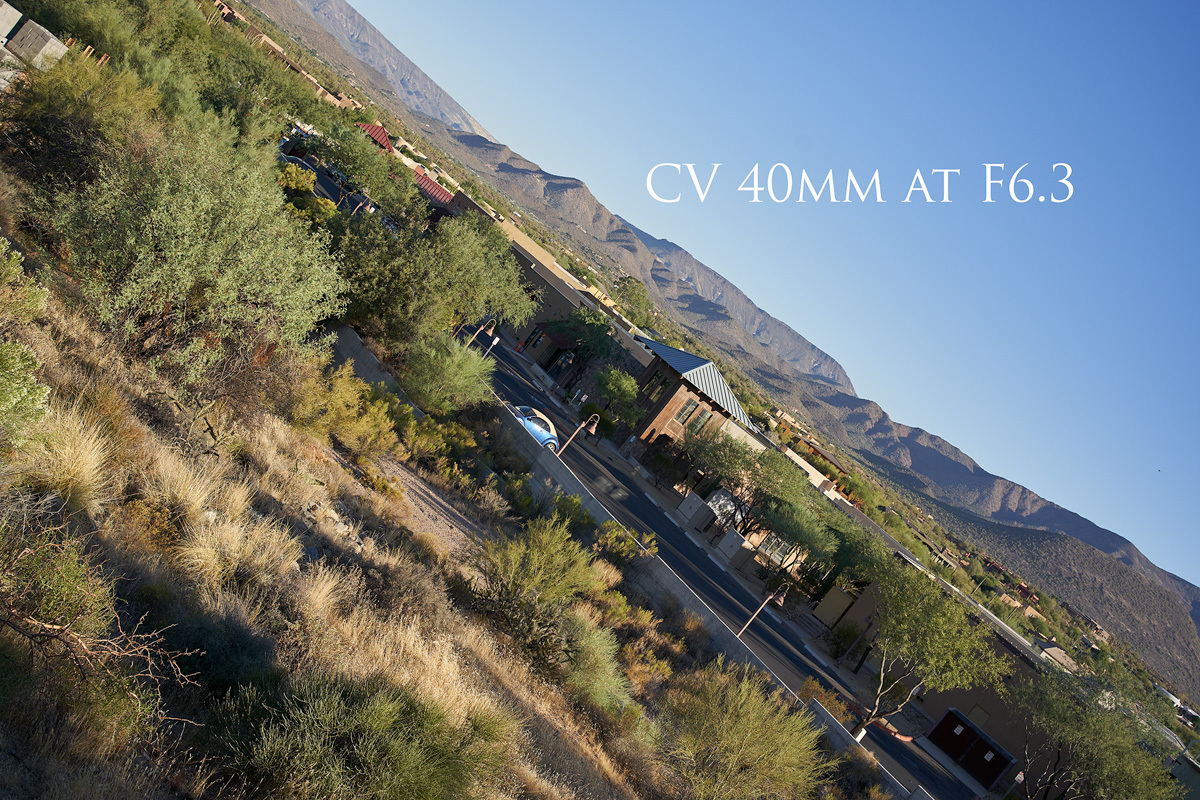
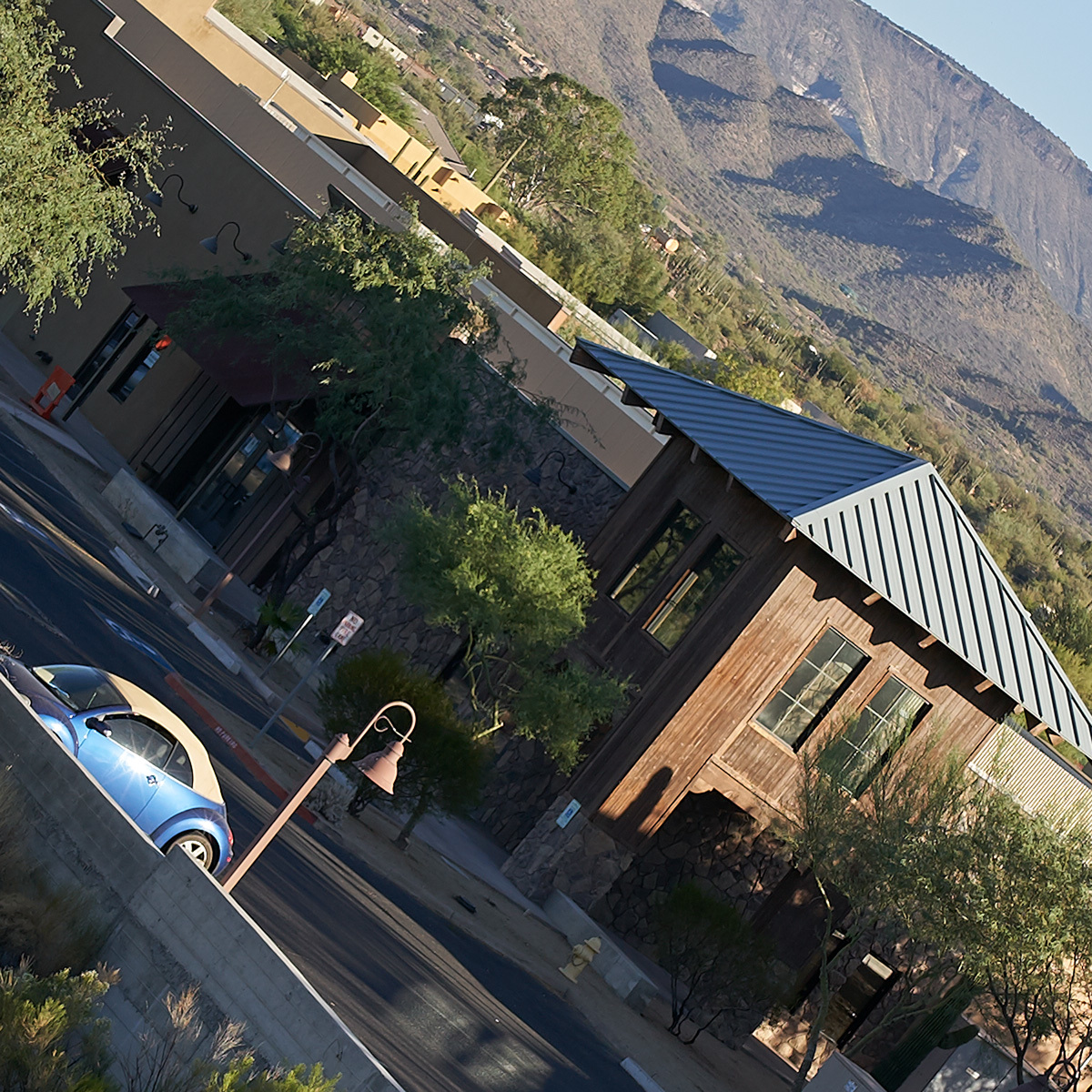
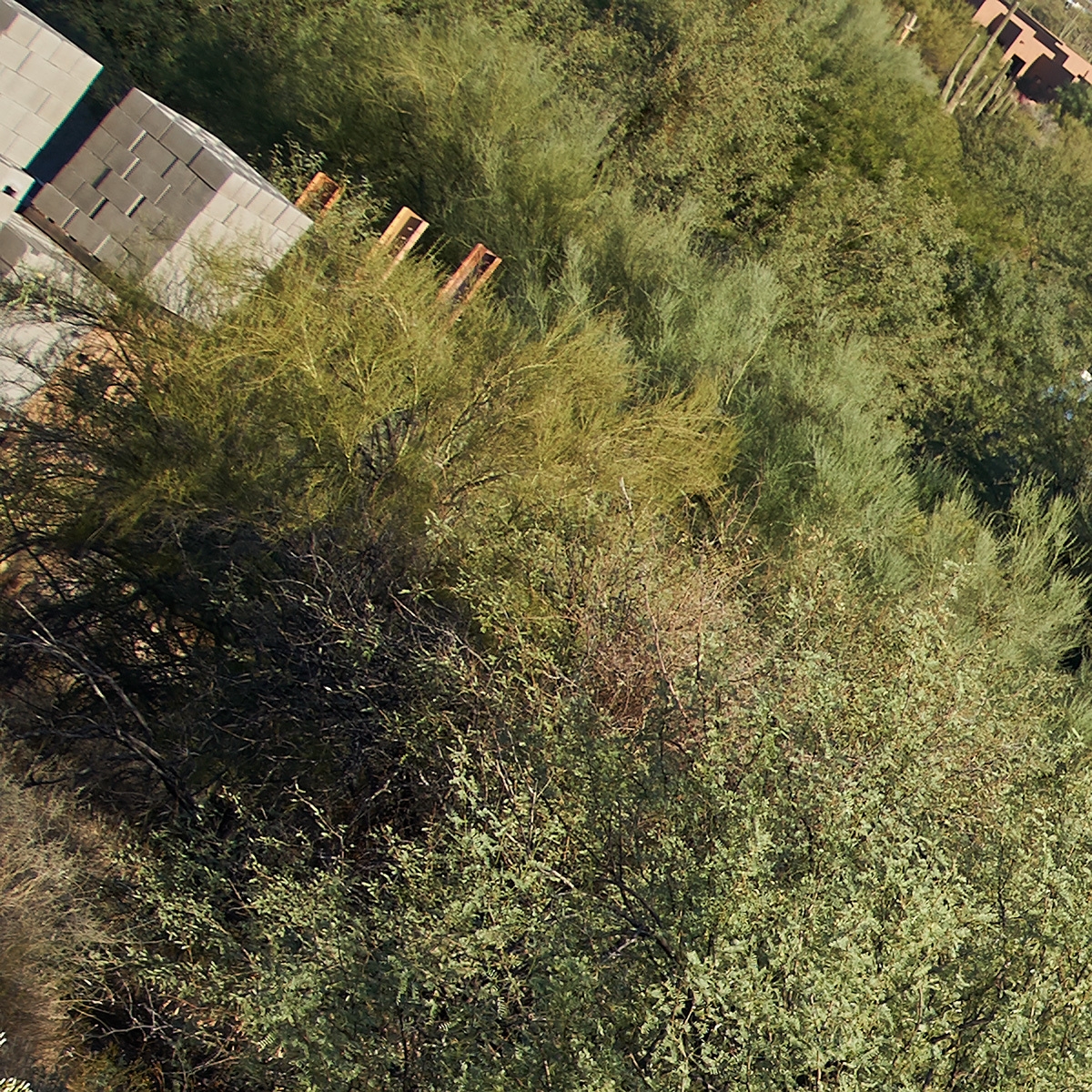
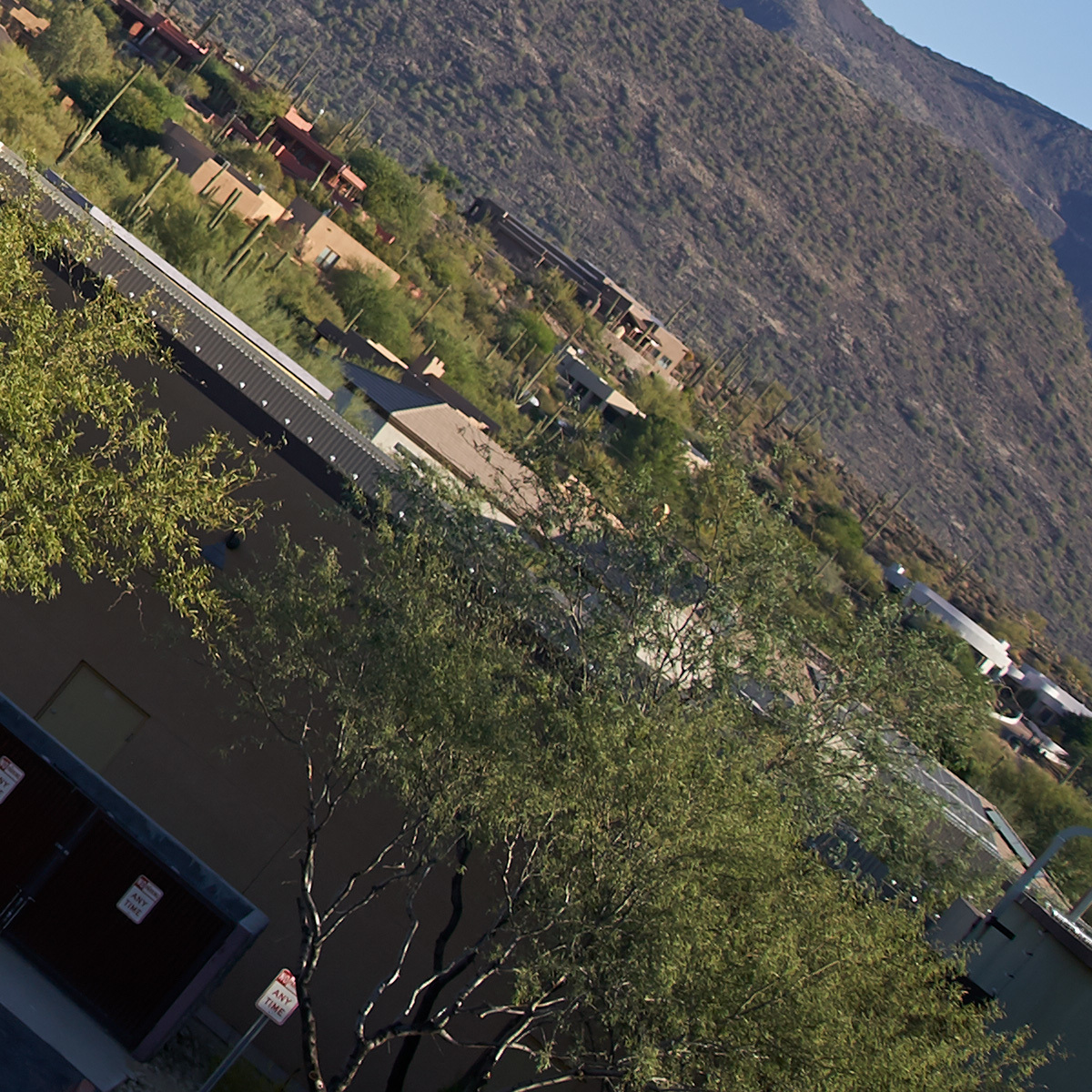
So I went out and did a infinity test and I already sent Fred the files and we both agreed F6.3 is the winner across the frame but do not discount F5.6 as its very good.
Im linking the Raws here and I did two series of test. The first series I focused on tin roof at 1.2 than left it there and went through the F stops.
The second series i focused at working apertures up to F5.6 and left it there for F8,F11
You will notice some 1/3 stop shots after F5.6
Bottom line i have yet to see any focus shift going wide open down but Fred made me check focusing at F4 and than opening up and clearly there is focus shift going that direction.
Rob L wrote:
Hi Makten, I was hoping you could point out what a transition zone is and what is horrendous in the earlier set and how it is better in the second set. I've been struggling with this concept for a while.
The transition zone is where DOF ends and bokeh begins. And if you have your background in that zone (pretty close behind the subject), it can look like the overall bokeh is bad, even if that "bad" zone is just a couple of inches deep.
This transition gets harsher (and deeper) at larger distance, so you won't notice it in the portraits even if it probably is there.
I was wondering the same about the Leica M mount version (which would be my preferred purchase).
When you say "If M mount optimized for Leica sensor...", what does optimized mean in this sense? Isn't the lens design and arrangement the same across M and E mount? I thought that the thing that changed was just the mount configuration to attach the lens to the camera... -- thanks
conyon wrote:
I was wondering the same about the Leica M mount version (which would be my preferred purchase).
When you say "If M mount optimized for Leica sensor...", what does optimized mean in this sense? Isn't the lens design and arrangement the same across M and E mount? I thought that the thing that changed was just the mount configuration to attach the lens to the camera... -- thanks
Well, we don't know is the point. Leica and Sony have different filter stack thicknesses. Sony's stack is thicker than Leica's. This causes issues like astigmatism and field curvature when using Leica lenses on Sony bodies--especially wide angle lenses(lenses longer than 50mm have little to no issues). Some lenses work better than others and there are pages and pages of threads about which lenses work well on Sony and which one's don't. In this case, we know that the lens came out for Sony first and appears to work well so it seems that the lens is optimized for the Sony filter stack thickness (tho not 100% on that even). What we don't know is if the M version will be optimized for M mount filter stack thickness and, if so, how much worse it will perform if used on a Sony camera.
Since you can obviously make some M lenses work fine (not perfect, but close to) on Sony cameras, using a simple PCX lens in front of it, the difference needed in the optical formula between cameras is probably minor. Perhaps you only have to alter one single surface of one single lens element.