saaketham wrote:
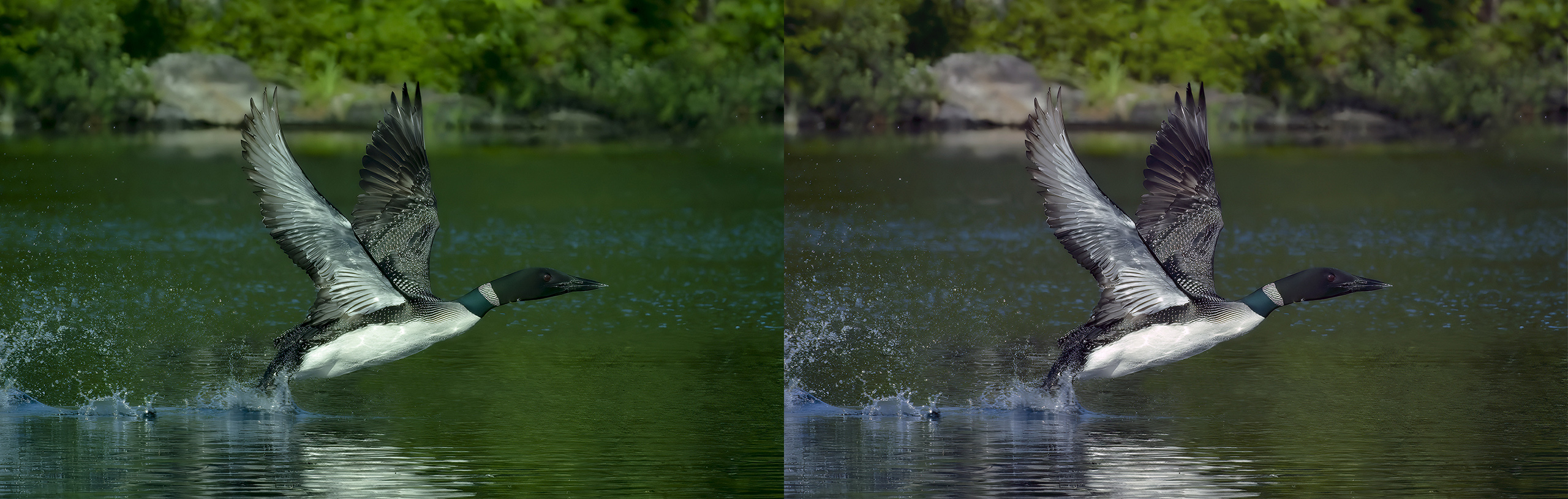
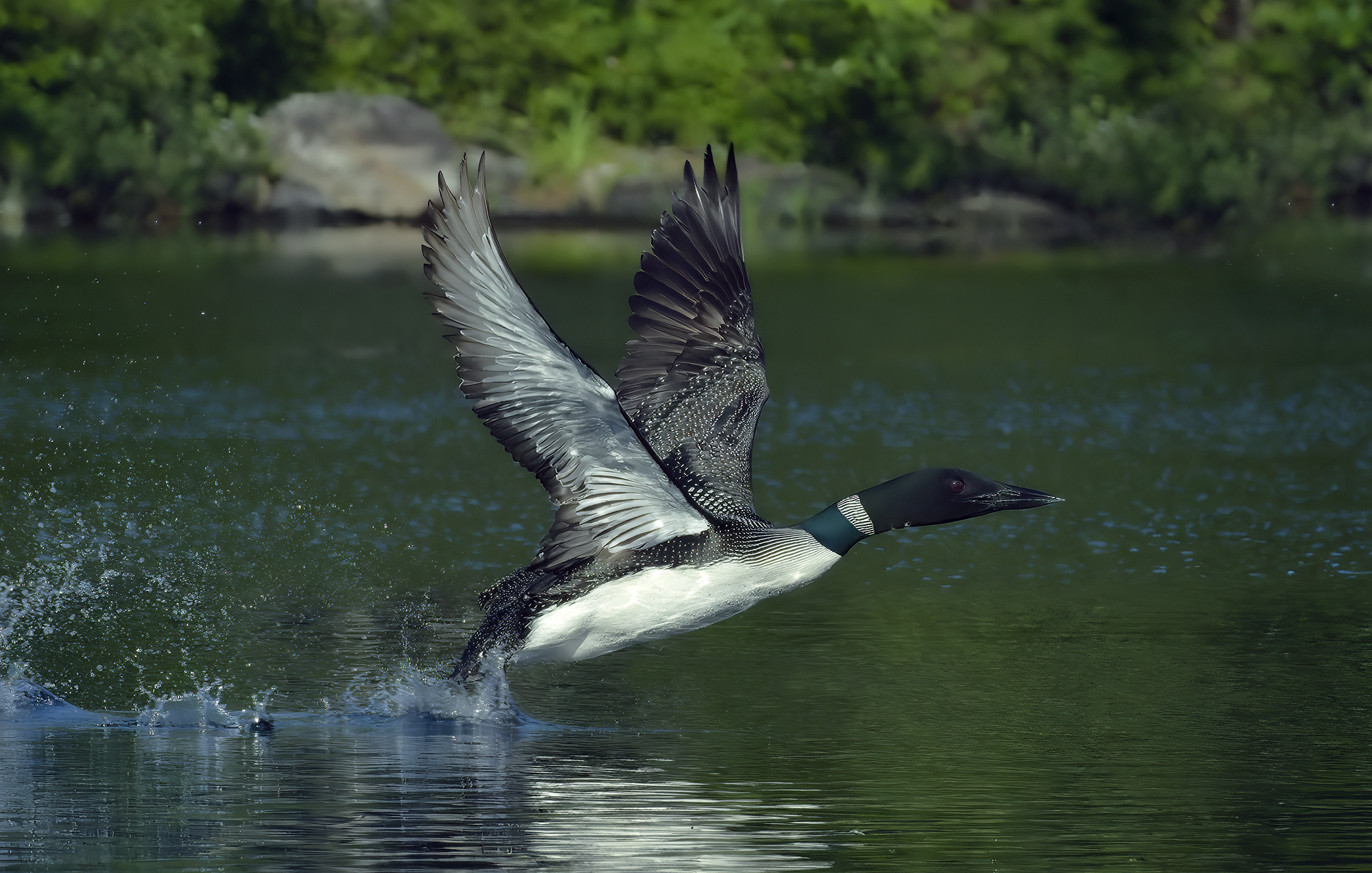
I like it, but there is a heavy green tint
Thank you very much for pointing that out.
I cannot see that heavy green tint because of my Daltonism. I will adjust it now and post the another copy of the same image.
This will be a shot in the dark because I honestly cannot see it. But I am learning tricks on how to correct it.
If the PS converter would give me a number on the slider (a color temperature) then I think I could post the correct tint each time.
I'll get to the bottom of this eventually.
I want to avoid being a pest, so I need to figure it out.
bs kite wrote:
I'll get to the bottom of this eventually.
For this image, just 1 click of "Image -> Auto Color" took the green tint out.
I am working on my MBP screen that I did not calibrate (out of the box it has good calibration though).
Hi Ricky......... I should have attached this post to your post above.
Coincidentally, I've been wondering these few days.......why we have not seen you in awhile.
saaketham and I have been trying to figure this out in PM's.
Here is my workflow:
1. establish a folder in an external SSD
2. open the Sony 32gb XQD card in a Sony XQD/SD card reader
3. view in FastRawViewer; move the keepers over to the folder in that I made in the SSD
4. open those NEF's (RAW's) that I want to look at immediately in DXO for DeepPrime and then *output as a DNG's*
5. open the DNG's in Photoshop and then sometimes to Topaz Sharpen
I am open to suggestions and also to trying a new work flow ..... at least once and probably several times.
I do not know where the conversion takes place. In the above workflow, I guess the RAW is being converted in DXO. Not sure.
I know that I have not spent much time learning the extras in DXO.... and I should. As I recall sjms is big on DXO and maybe he could tell me (us) what he uses in DXO. I use it only for the DeepPrime. It is "excellente" for denoising.
I do like the D850's WB options. I usually use Natural Light Auto. If not, and it is sunny, I use Direct Sunlight.
So Ricky....you are suggesting to convert the RAW's in NX Studio. I understand that and I will try that more than several times. But then you say that you never have problems with that workflow. What workflow? . Not being a wise guy...... honestly. Is that all your workflow? Your images are superb and I am not patronizing you. They really are. You make me envious of the work you do. Same for Saaketham! You guys do super nature work.
Anyway, let me know what you think about what I wrote here.
In the meantime I will experiment with converting the RAWs in NX Studio. Please don't give up on me now.
saaketham wrote:
For this image, just 1 click of "Image -> Auto Color" took the green tint out.
I am working on my MBP screen that I did not calibrate (out of the box it has good calibration though).
Yes, I *can* see the difference between the first and second image, though I would not be able to identify the tint in the first one as green but the second one does look more like the color of a loon's plumage (black and white). Thanks.
Where do I find "Image -> Auto Color" ?
Ricky... I am still going over to NX Studio too. Just have not got there yet.
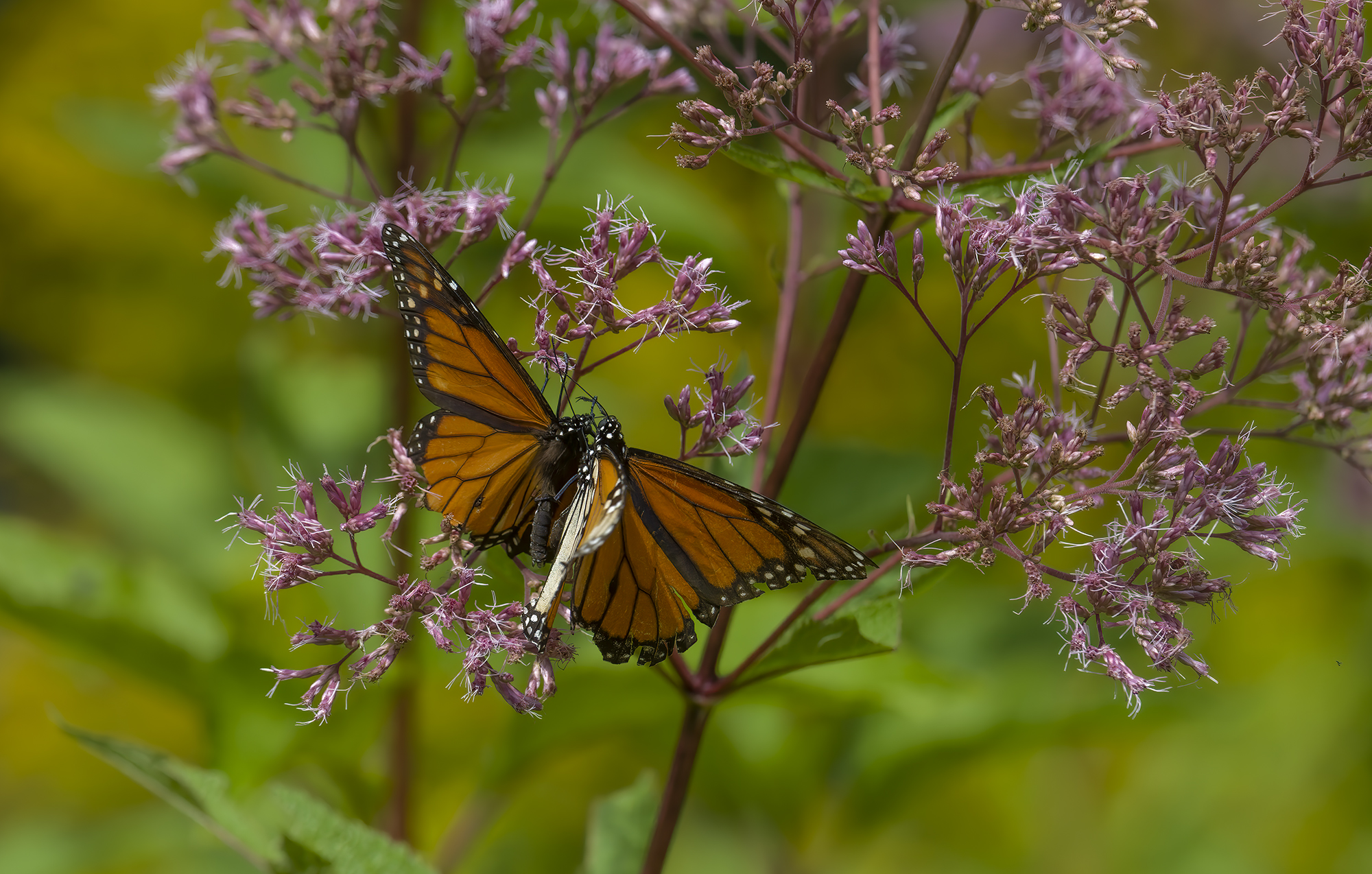
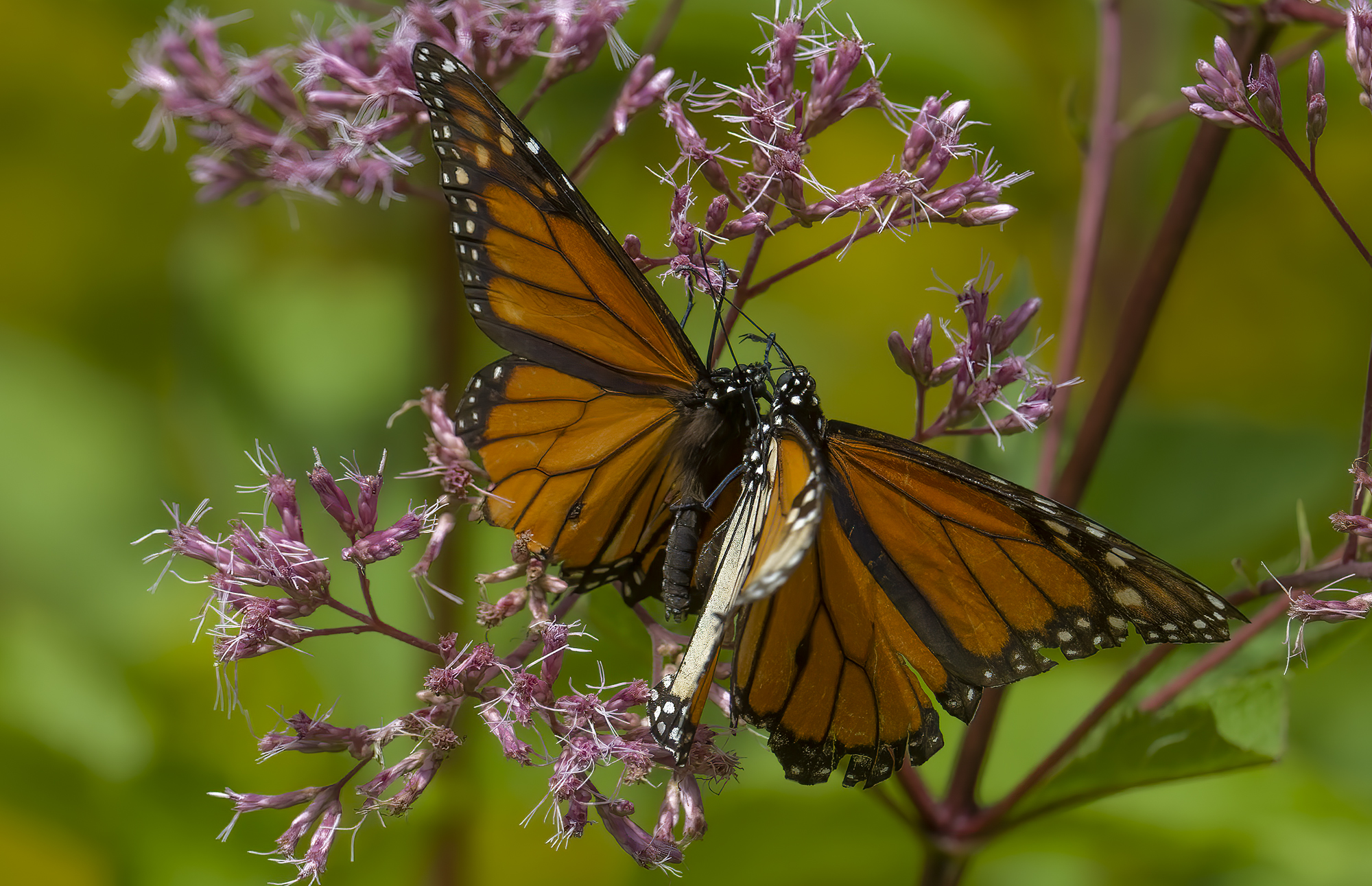
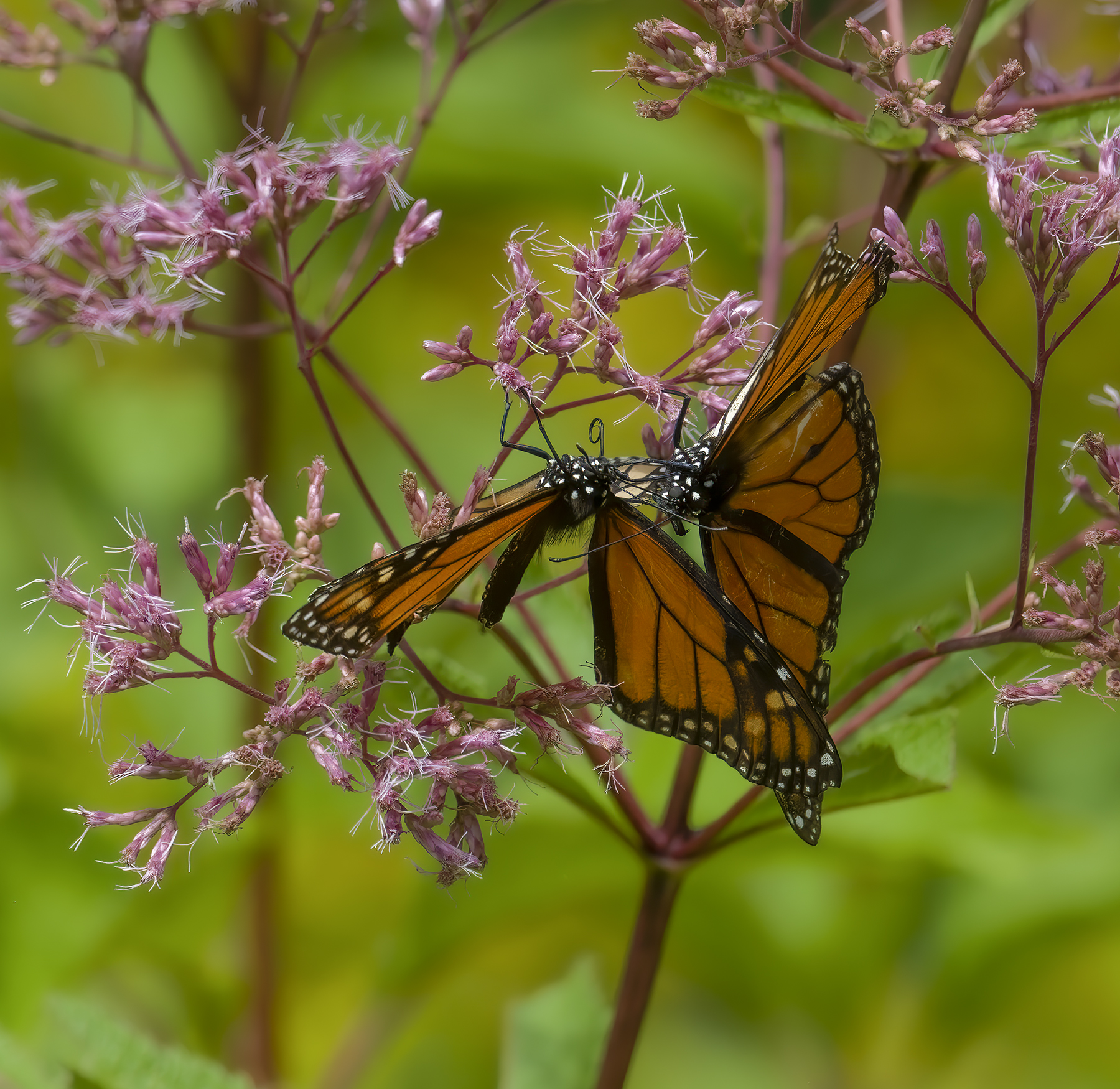
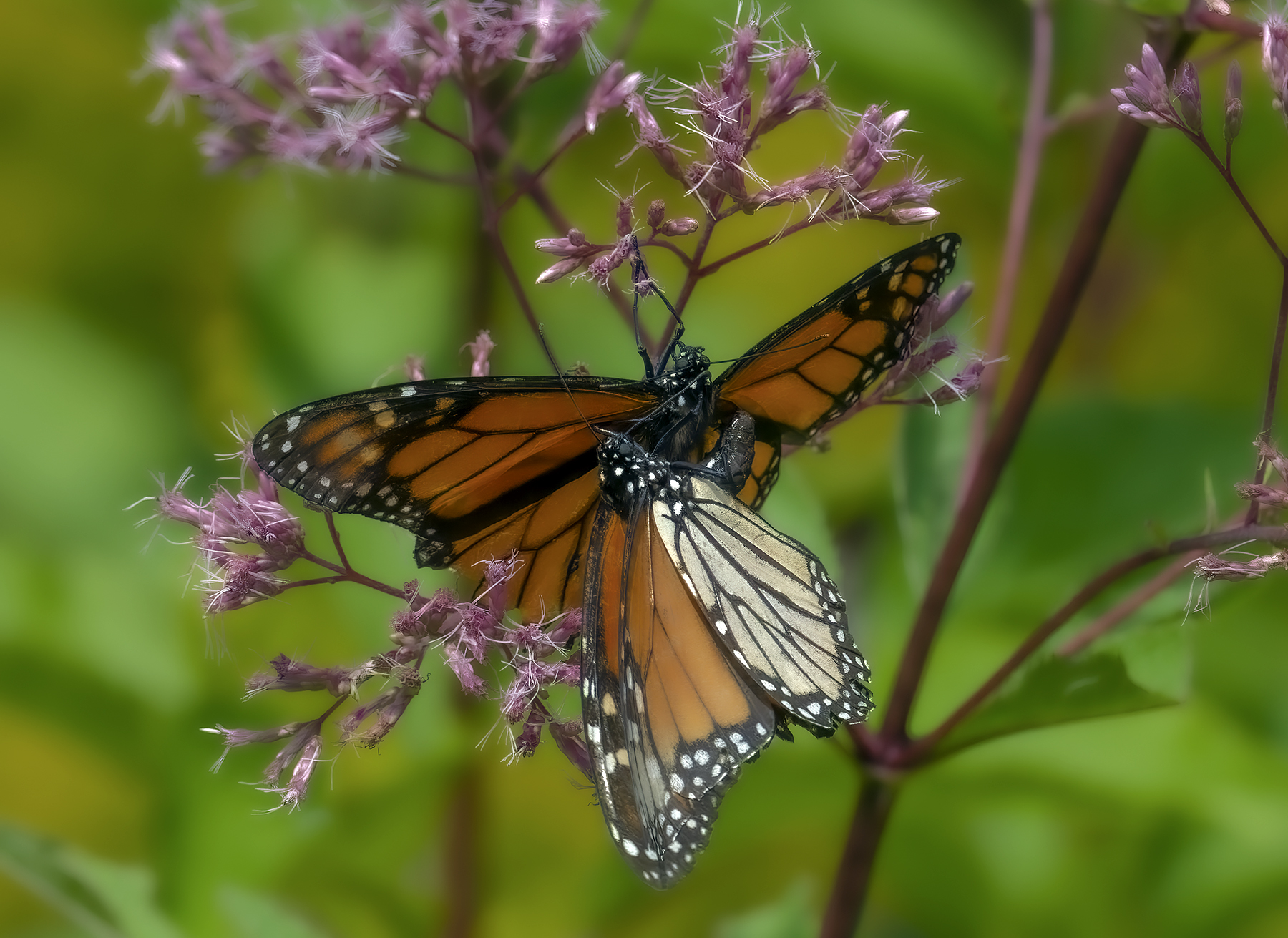
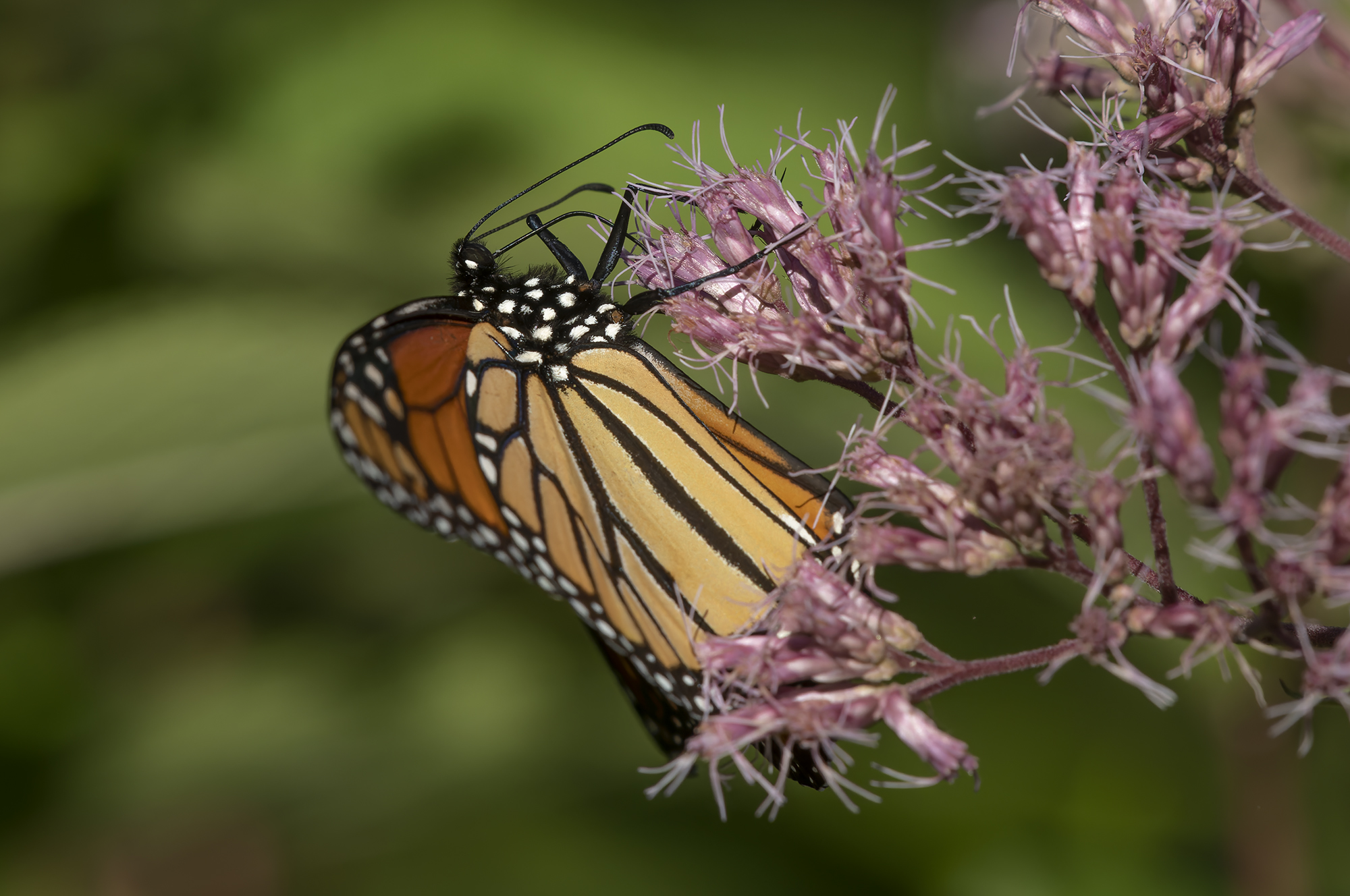
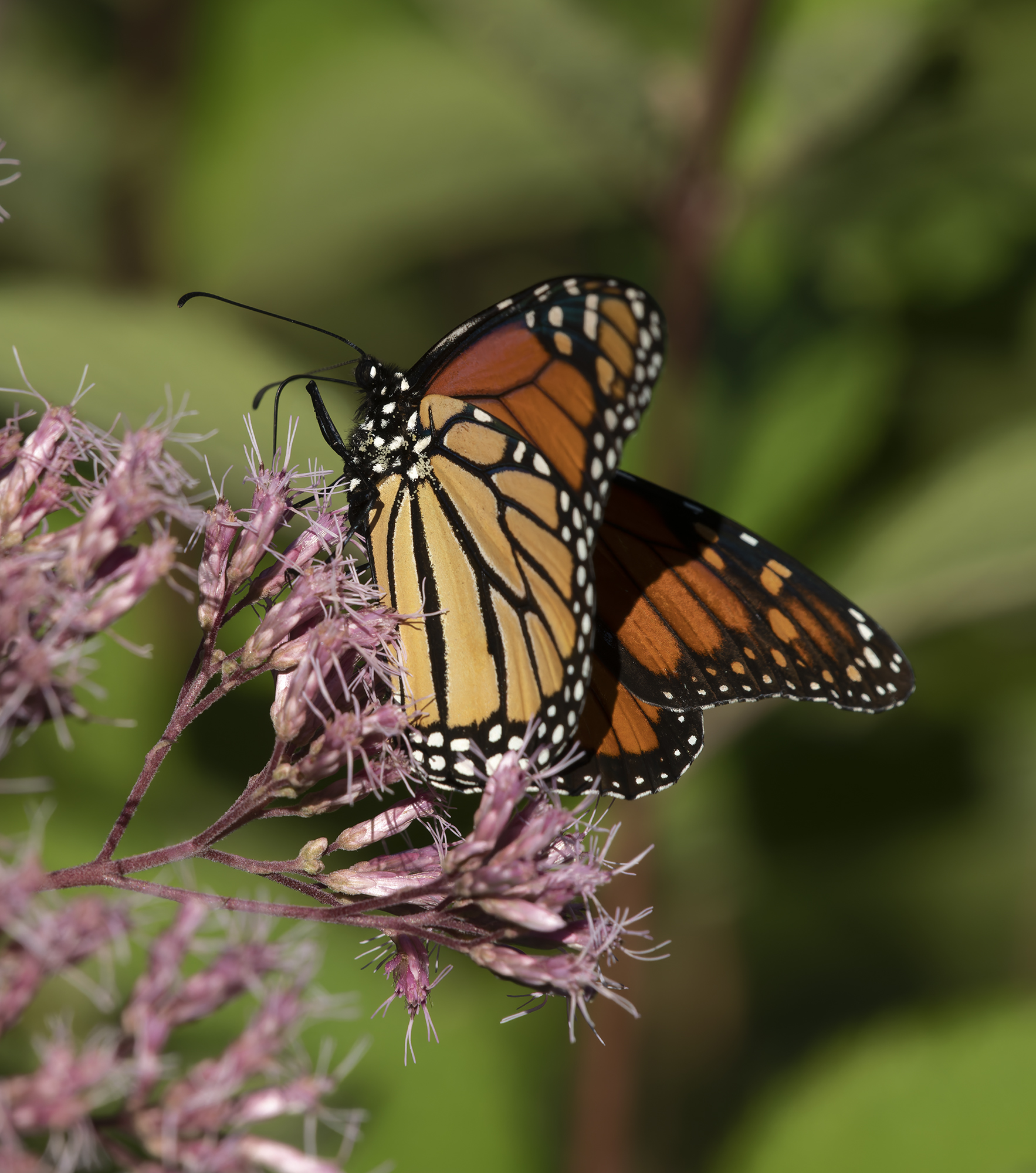
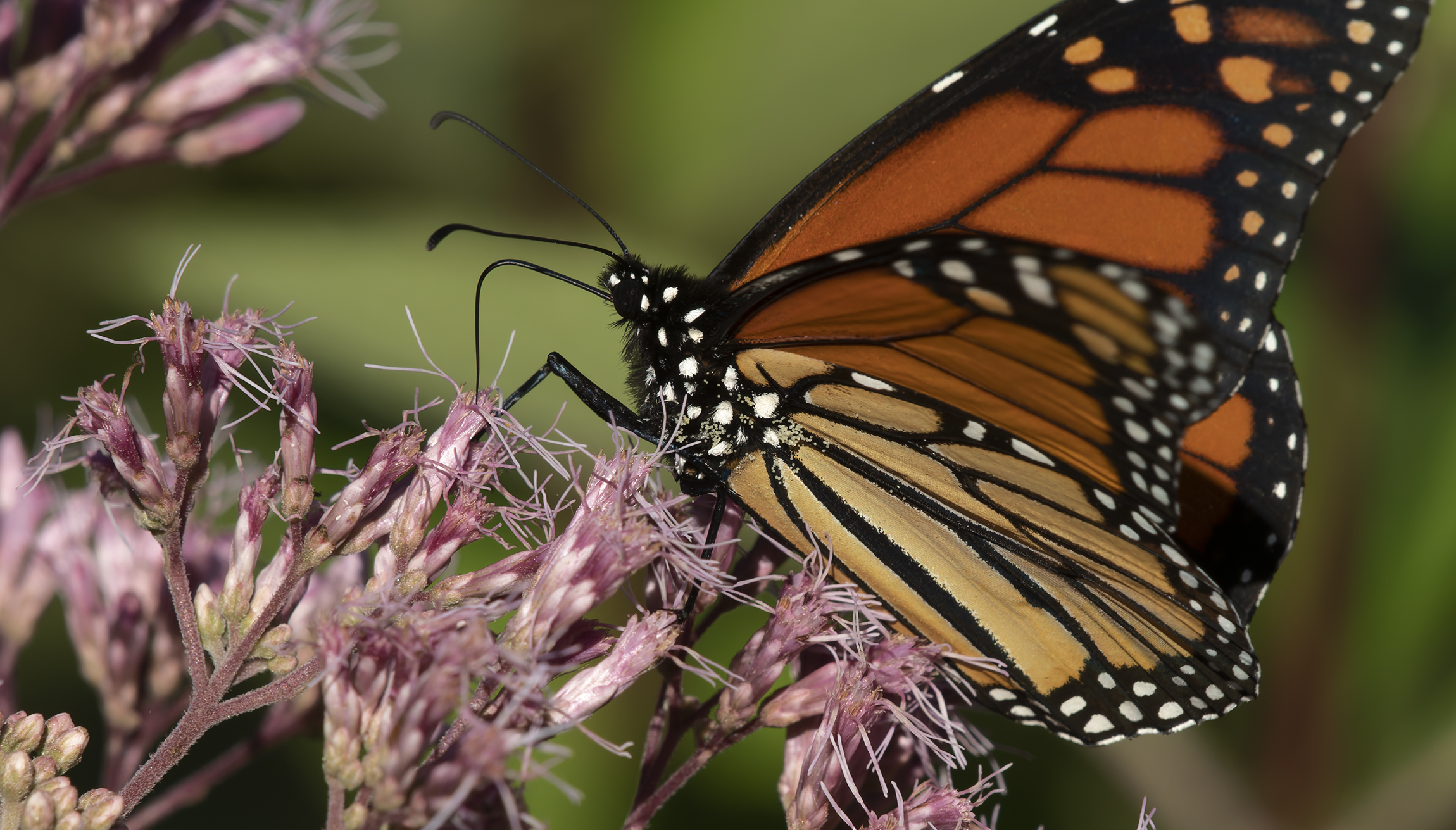
Monarch butterflies in foreplay to mating. I watched several seconds of this before I caught on to what was happening. Then I switch AQAP to video and managed to get a 20 second vid. It needs more work and I am just learning video.
These two butterflies appeared to be in a conflict of sorts. And maybe they were, if you know what I am suggesting.
Apparently the male was forcing its intentions onto the female. Of course, I have no way of knowing for certain..... yet
Note the position of the abdomen of the female (the bottom butterfly).
The female is voluntarily curving it back toward the male.
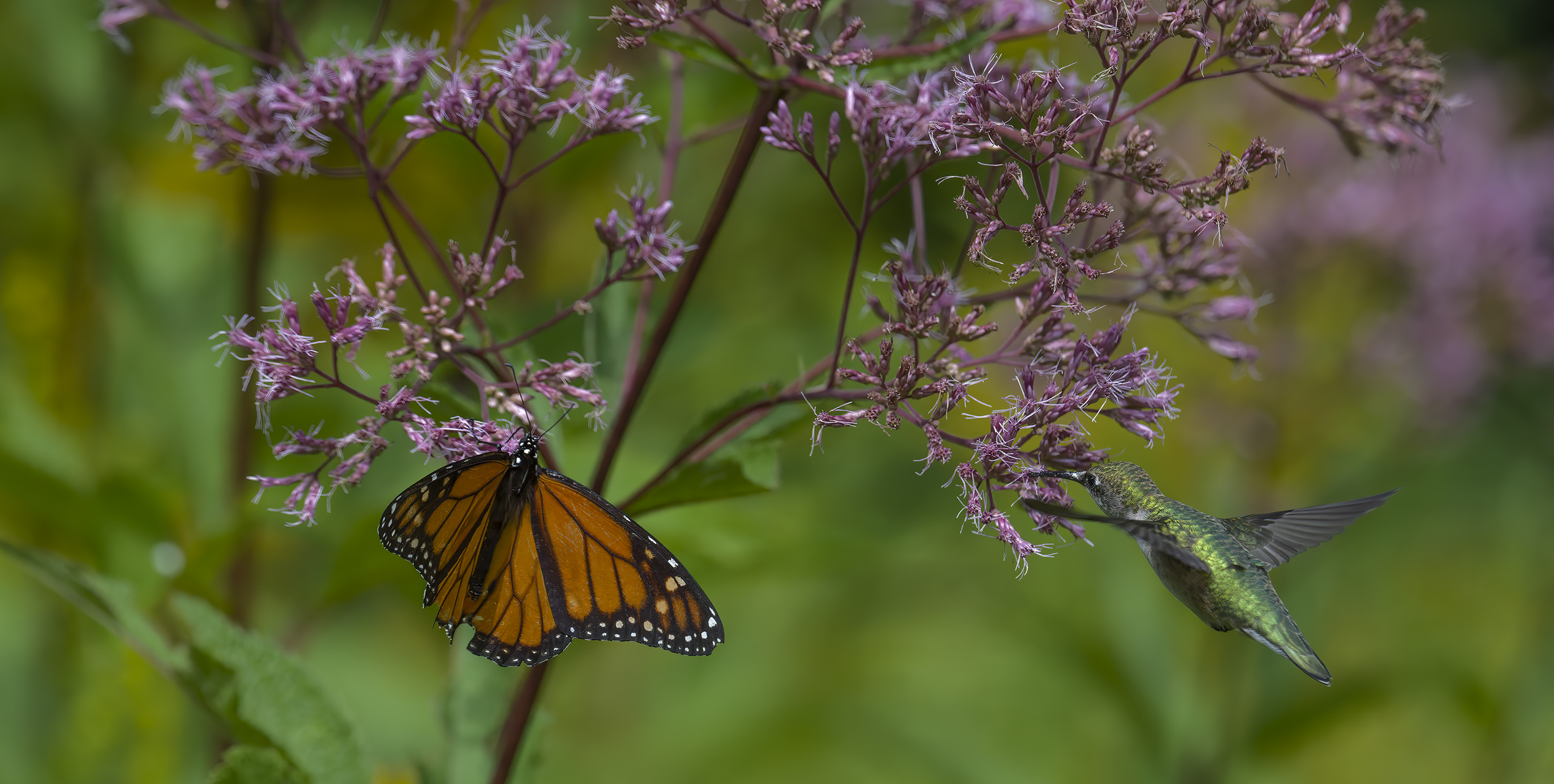
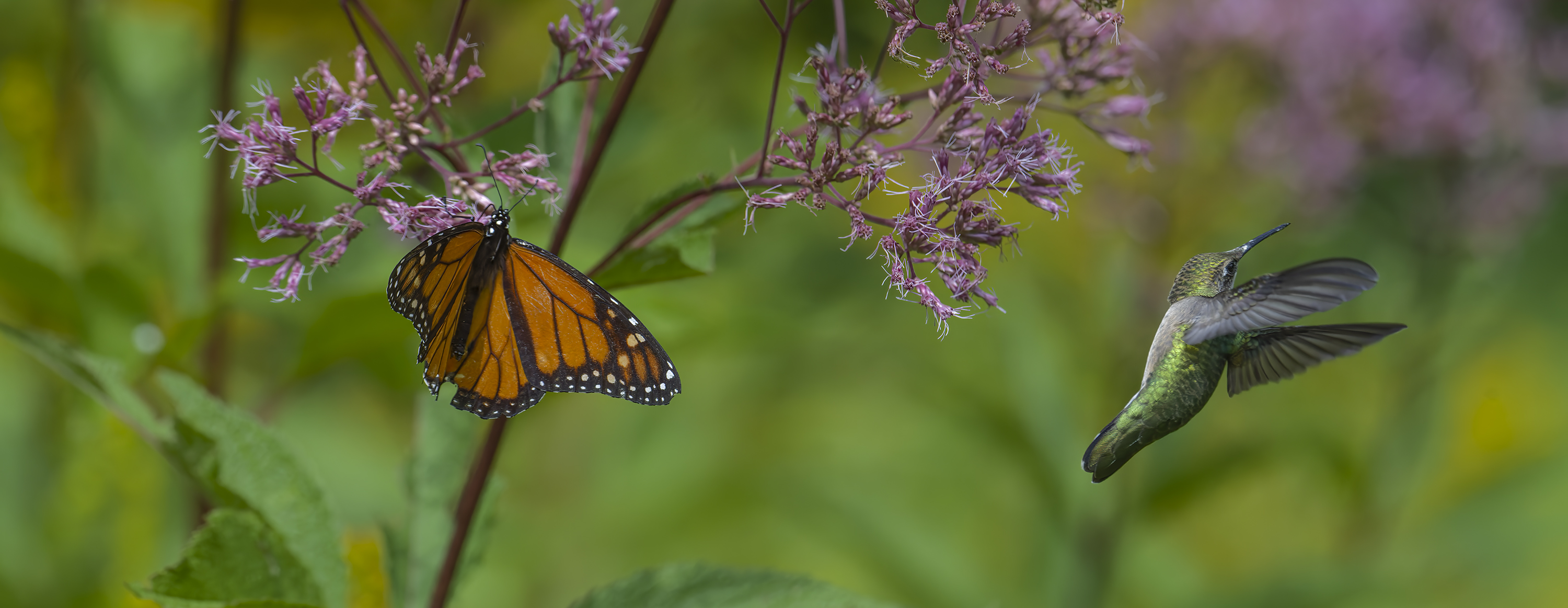
Joe-Pye-Weed is a wildflower that is native to eastern North America. Butterflies and other pollinators love it. It competes well with the other wildflowers I've have/had with it, including Goldenrod.
_______________
I was being a devil's advocate when I asked the question.
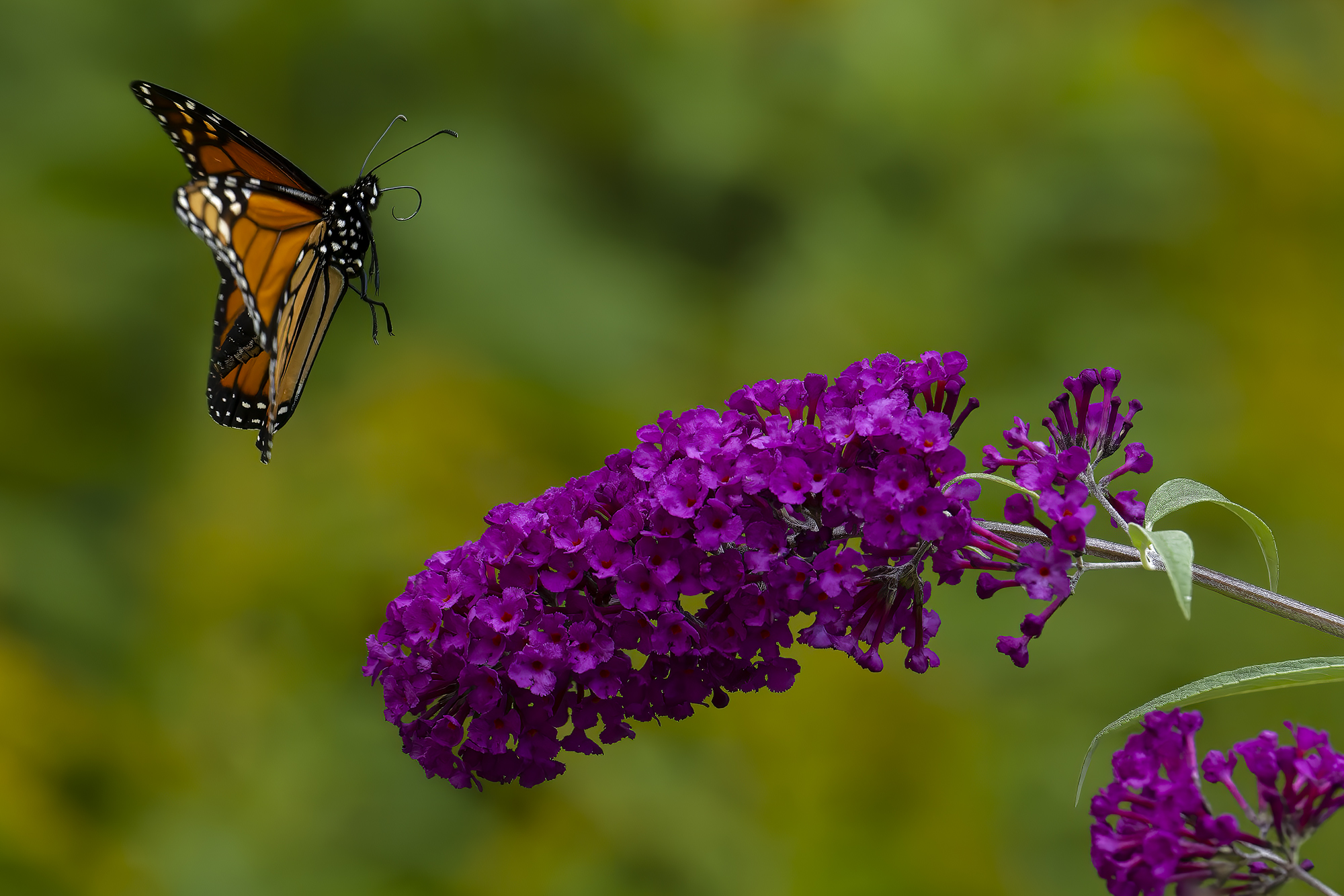
The decision to buy this "Black Night" variety of Butterfly Bush from a local nursery did not come easily or quickly. I knew it would draw a lot of pollinators, including Monarchs and hummers. Nectar is their fuel and they need lots of it. But I knew it was native to Asia, not NA. And I read some articles on the net that said not to plant it because it will escape. So, I am thankful that there were no criticisms for planting it.
I was concerned enough about this plant that I left it in its pot in my butterfly garden, not confident that I should plant it. I even returned it to the nursery before I took it from the pot.
Well so much of what I read on the internet is opinion only... and much of that is inaccurate.
So I consulted with the University of Maine's Cooperative Extension Unit. I enjoy consulting with wildlife peers at Universities and in wildlife agencies. Two weeks after I returned the Black Night to the local nursery, I hurried to the nursery and bought it back.
I do not believe this Butterfly Bush will escape from my garden. I know it will die to the ground this winter. What it does next year and the year after is what I am going to watch closely. I am not even sure it will survive to next flowering season because the soil is clayey and stays wet for considerable time in the spring.
I live in Zone 4 and so there should be no problem with the bush.
I still would like to know what those flecks are on the Monarch's wings. I honestly do not know. Any ideas anyone?
Considering the purchase of either a 500mm PF or the 400mm f4.5 S lens for use with D500/Z7 bodies.
I appreciate that the Z lens could only be used on the Z body. At present I have the Sigma 100-400mm which is fine for static bird shots but whose hit rate for BIF or aircraft is poor. How well does the 500PF perform on these bodies for BIF?
For several years, my go-to has been the D850. Before that it was the D500 which I still own and rarely use. I favor the full-frame and love the D850's sensor.
The 500PF is very "BIF fast” on either the D850 or D500. For BIF I have mine set for Auto AF. And I focus with the AF-On button (right thumb).
When I attach a TC14II to the 500 PF, it has difficulty focusing with acceptable speed.
I suggest you contact (PM) Bruce Levanthal (OwlsEye). He has a lot of experience with both mirrorless and reflex, the 500 PF, Z7, and D500.
dwalk wrote:
Considering the purchase of either a 500mm PF or the 400mm f4.5 S lens for use with D500/Z7 bodies.
I appreciate that the Z lens could only be used on the Z body. At present I have the Sigma 100-400mm which is fine for static bird shots but whose hit rate for BIF or aircraft is poor. How well does the 500PF perform on these bodies for BIF?
---------------------------------------------
bs kite wrote:
For several years, my go-to has been the D850. Before that it was the D500 which I still own and rarely use. I favor the full-frame and love the D850's sensor.
The 500PF is very "BIF fast” on either the D850 or D500. For BIF I have mine set for Auto AF. And I focus with the AF-On button (right thumb).
When I attach a TC14II to the 500 PF, it has difficulty focusing with acceptable speed.
I suggest you contact (PM) Bruce Levanthal (OwlsEye). He has a lot of experience with both mirrorless and reflex, the 500 PF, Z7, and D500....Show more →
I am replying as a multi quote since Robert included a reference to my experience in his response to @dwalk .
There are many of us who ran "hybrid" Z/F systems for a number of years, and what I have to say lines up with the majority perception. A quick review (well hard to be quick bc there are so many pages) of this thread, the Z6/Z6ii and Z7/Z7ii threads will tell you that most of us could do some erratic bird photography w/ these Z-bodies, but the misses exceeded the hits. The D500/D850/D5/D6 were better at capturing action than the Z6/Z7 series.
The 500PF plays well w/ Z6/Z7 series bodies as long as the subjects are moving predictably. Tracking small & quick subjects are a real challenge with these cameras. While possible, there is some luck involved and clean backgrounds are super-helpful. As for general performance with the 500PF, the lens shines on the Z body for the on-sensor AF capabilities. The lens is sharp, focuses accurately, and will not disappoint... You just have to choose your subjects and their behaviors to fit the camera being used.
Finally, if you plan on getting a Z9 or future Nikon with stacked sensor (if it is ever made), the 500PF will work great for active and erratic subjects.
As I see it, there are two different 3-lens lineups that are suitable for nature photographers who want a compact and flexible shooting system... 24-70S, 70-200S, 400 f4.5S, + Z1.4x (3 + 1/2 ) or 24-120S, 100-400S, 500PF . I chose the latter because I already had the 500PF... I'm not sure if the former is any better, but a 500PF will allow you to use both your Z and F-mount bodies for now.


 . Not being a wise guy...... honestly. Is that all your workflow? Your images are superb and I am not patronizing you. They really are. You make me envious of the work you do. Same for Saaketham! You guys do super nature work.



 ) or 24-120S, 100-400S, 500PF . I chose the latter because I already had the 500PF... I'm not sure if the former is any better, but a 500PF will allow you to use both your Z and F-mount bodies for now.