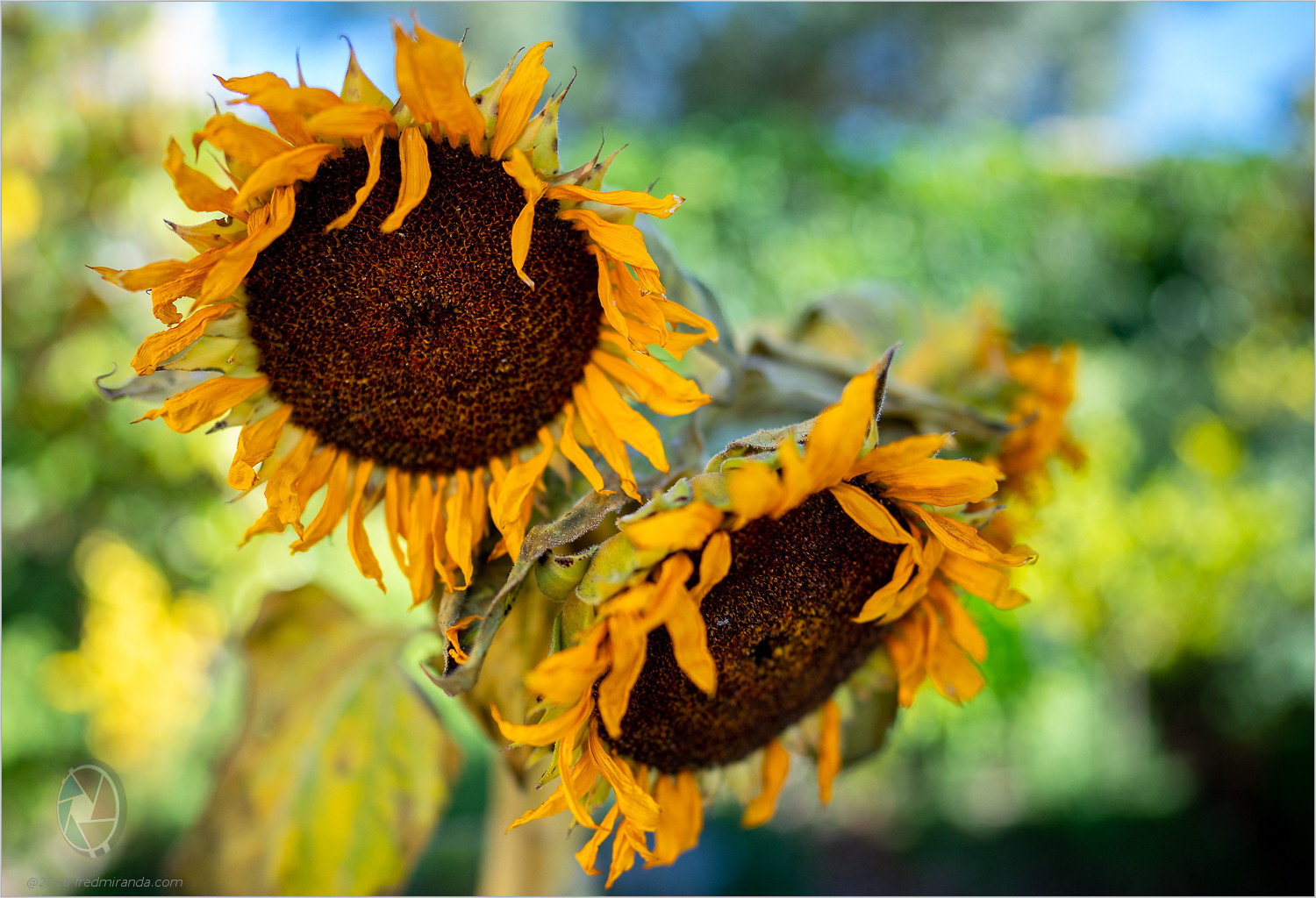
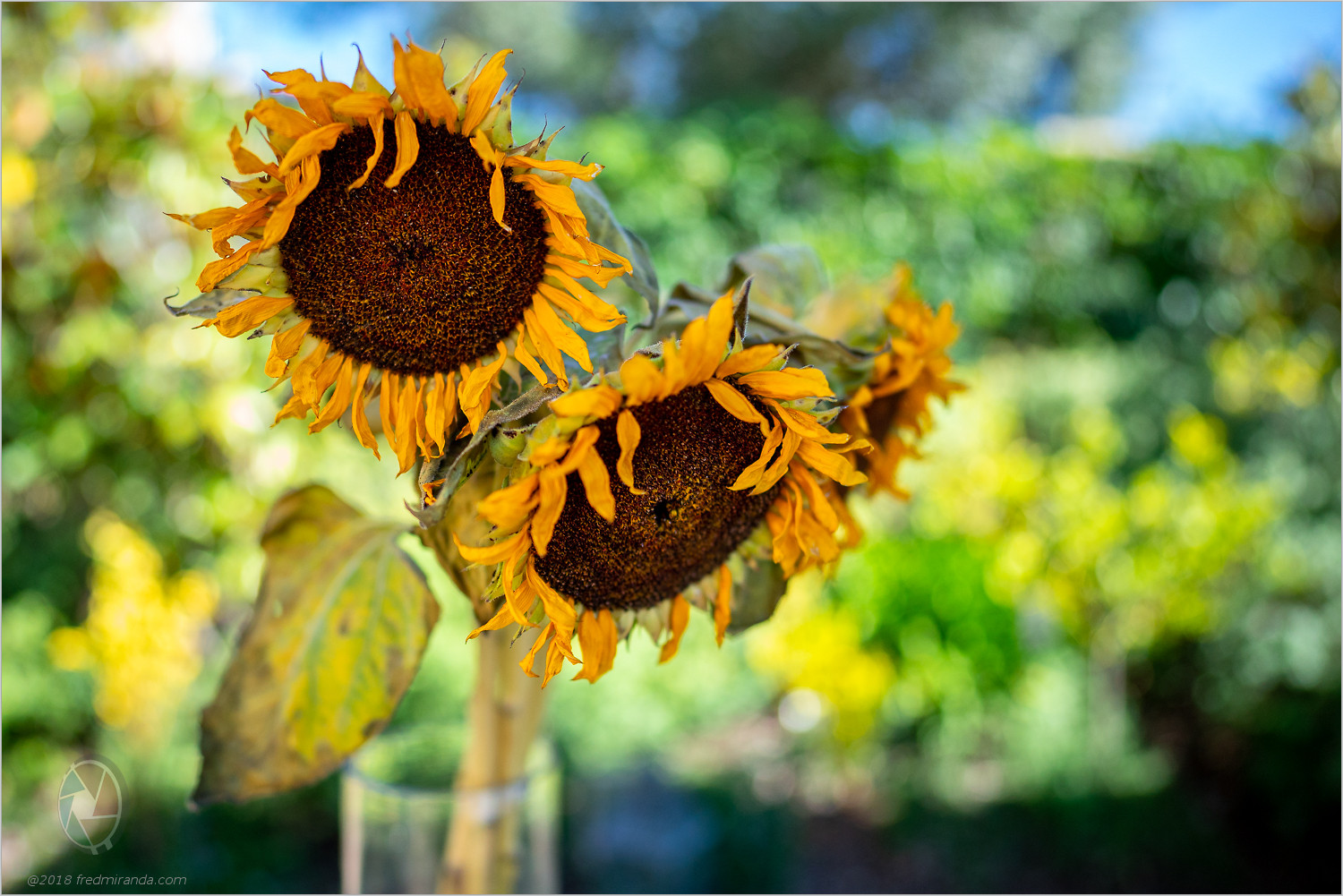
LCA = longitudinal chromatic aberration = axial color
TCA = transverse chromatic aberration = lateral color
"LoCA" is a local aberration of terminology here on FM.
I don't use LR but forced autocorrection of TCA would annoy me. The option to correct is great, of course, and the GM appears to clean up nicely. Without a profile, chromatic error of magnification (aka TCA) can be fixed manually by resizing the image in the affected channel. It gets, umm, harder if the error is nonlinear. I've done it for the Apo-Telyt-R 280.
Not only here!
Transverse CA or lateral colour is also called by some Lateral CA, and for folks who do, LCA is ambiguous- hence LoCA and LaCA. I’ve also seen lateral color called FDMA (frequency dependent magnification aberration) but not often. It’s descriptive though!
While TCA is not uncommon on microscopy sites (and maybe is more correct appearing in optics texts) I think many photographers won’t recognise it, whereas the LaCA and LoCA abbreviations are maybe a bit better understood.
Sony hit a home run with their FE 24/1.4 GM lens. Uniting all the attributes within this all rounder - It's superb for nightscapes, travel, environment portraits and as a walk-around general lens. Once again Sony created a top resolution lens, without neglecting out of focus rendering. At infinity distance, it's sharp from center to extreme corners at f/1.4 and has superb resolution starting at f/2.8. At f/4, it even competes with landscape specialists like the Loxia 25/2.4. All this with a flat-field performance.
However, I'd say flare resistance is only slightly above average for a lens in this class, and contrast never disappoints. Like I wrote in my first impressions, it's the perfect companion to the FE 85/1.4 GM sharing a similar rendering signature.
Sony constructed all this while keeping it compact and light and offering great ergonomics that include features like custom button, aperture ring with de-clicking, AF/MF button and Linear MF by wire. The latter almost tricks you into thinking it's a helicoid manual focus lens. It's not better than the Loxias for landscapes but you might need a second take to see the differences. All I can say is that I hope Sony continues producing GM primes and that one day we’ll be treated to a 15/2 GM, 40/1.4 GM and 135/1.8 GM in the future!
Pros:
Great resolution from wide open across the field. The best extreme corners I've seen at 24mm and f/1.4.
Minimal Field Curvature. The lens is practically flat-field.
Superb rendering with smooth bokeh at any distance.
Round bokeh balls with clean inner structure. (No onion ring pattern)
Superb coma performance. (The best in the business)
Great MFD performance. Works great with close-up achromats for even greater magnification.
Great build quality with low tolerance construction
Weather sealed. This is a big advance to landscape specialists like the Loxia line.
Super light and compact for a 24mm f/1.4 lens.
Fast and quiet AF with great Eye AF performance.
Great ergonomics with custom button, aperture ring with de-clicking, AF/MF button.
Linear manual focus by wire implementation. It really feels like the real thing. :-)
Low Distortion.
Cons:
Flare resistance is average for a lens in its class.
Some astigmatism visible towards the corners.
Moderate lateral CA (LaCA).
Moderate longitudinal CA (LoCA).
Strong vignetting at wide apertures.
Sunstar definition (Needs f/16 or smaller for well-defined sunstars).
Longitudinal definition: 'running lengthwise rather than across'.
Axial ('of, forming or relating to an axis') is more general in common usage, e.g. the Earth's axis. Can be confused with 'axle' too. Sounds more hyfalutin.
Search results are very close in counts, so either term will be known equally well. 'LoCA' sounds better as abbreviation than what? AxCA? TCA sounds like an IC agency.
Sony hit a home run with their FE 24/1.4 GM lens. Uniting all the attributes within this all rounder - It's superb for nightscapes, travel, environment portraits and as a walk-around general lens. Once again Sony created a top resolution lens, without neglecting out of focus rendering. At infinity distance, it's sharp from center to extreme corners at f/1.4 and has superb resolution starting at f/2.8. At f/4, it even competes with landscape specialists like the Loxia 25/2.4. All this with a flat-field performance.
However, I'd say flare resistance is only slightly above average for a lens in this class, and contrast never disappoints. Like I wrote in my first impressions, it's the perfect companion to the FE 85/1.4 GM sharing a similar rendering signature.
Sony constructed all this while keeping it compact and light and offering great ergonomics that include features like custom button, aperture ring with de-clicking, AF/MF button and Linear MF by wire. The latter almost tricks you into thinking it's a helicoid manual focus lens. It's not better than the Loxias for landscapes but you might need a second take to see the differences. All I can say is that I hope Sony continues producing GM primes and that one day we’ll be treated to a 15/2 GM, 40/1.4 GM and 135/1.8 GM in the future!
Pros:
Great resolution from wide open across the field. The best extreme corners I've seen at 24mm and f/1.4.
Minimal Field Curvature. The lens is practically flat-field.
Superb rendering with smooth bokeh at any distance.
Round bokeh balls with clean inner structure. (No onion ring pattern)
Superb coma performance. (The best in the business)
Great MFD performance. Works great with close-up achromats for even greater magnification.
Great build quality with low tolerance construction
Weather sealed. This is a big advance to landscape specialists like the Loxia line.
Super light and compact for a 24mm f/1.4 lens.
Fast and quiet AF with great Eye AF performance.
Great ergonomics with custom button, aperture ring with de-clicking, AF/MF button.
Linear manual focus by wire implementation. It really feels like the real thing. :-)
Low Distortion.
Cons:
Flare resistance is slightly above average for a lens in its class.
Some astigmatism visible towards the corners.
Moderate lateral CA (LaCA).
Moderate longitudinal CA (LoCA).
Strong vignetting at wide apertures.
Sunstar definition (Needs f/13 or smaller for well-defined sunstars). Although this is a "cons" for landscape photography, lenses with round aperture blades are preferred for all other applications since bokeh balls remain "round" when stepping the lens down.
Basically agree completely!
Just one question: do you think there are any 1.4/24s that are *better* with respect to flare resistance? The only other I've used is the Canon MkII, which was much worse. And the Batis, which was also worse despite being only f2.
Maybe it is only slightly above average for a lens in this class, but that's compatible with being best in class too! (provided the class is fast ones).
Jannik Peters wrote:
I wholeheartedly agree with everything that Fred wrote but especially with that (and especially after reading phillip_pjs and pdmphotos statements):
"For landscapes and in regards to resolution only, I would not hesitate using the Sony 24/1.4 GM instead of the Loxia."
We are mostly talking about the last 10% of the image and not about mushy corners but just not as sharp corners. Furthermore, the midframe is excellent and that counts much more for me.
I clearly see where the Loxias shine and I still love these lenses. Nevertheless, the GM is the best replacement so far if you are not only looking for landscape qualities in the lens.
I was on a family trip today and was happy to capture environmental portraits next to landscape with the same lens and basically in the same time....Show more →
....and in the night you could have done wide-field astro. More jack of all the 24/1.4 eh.
DavidBM wrote:
Basically agree completely!
Just one question: do you think there are any 1.4/24s that are *better* with respect to flare resistance? The only other I've used is the Canon MkII, which was much worse. And the Batis, which was also worse despite being only f2.
Maybe it is only slightly above average for a lens in this class, but that's compatible with being best in class too! (provided the class is fast ones).
One would have thought that the Otus 28 should do better
DavidBM wrote:
While TCA is not uncommon on microscopy sites (and maybe is more correct appearing in optics texts) I think many photographers won’t recognise it, whereas the LaCA and LoCA abbreviations are maybe a bit better understood.
That's why I use the terms axial color and lateral color—no abbreviations—on FM. On other forums (astro, birding) where optical design is discussed, I feel confident using LCA/TCA nomenclature without ambiguity. Touching the CZ lodestone is always a comfort, e.g. from their Lenspire Blog:
"Are there other kinds of chromatic aberration?
The above explanation is somewhat simplified because only longitudinal chromatic aberrations (LCA) have been considered. Transverse chromatic aberration (TCA), or chromatic difference of magnification, can also play a major role. This is the case with tele lenses and retrofocus lenses such as the Distagon. Like LCA, a primary and a secondary spectrum also exist in TCA. The secondary spectrum of TCA can also be reduced by the specific use of similar specialist types of glass. Only when TCA has also been corrected for can the terms APO correction and APO lenses be used." — Dr. Hannfried Zügge
Fred, can you share your impression on the Sony vs Loxia when shooting small groups of people. I’m much more drawn to your family pictures with the Loxia than the Sony. To me the Sony looks flat. But one cannot make a fair judgment as the light conditions are completely different. Maybe you could share some images here at one spot to ease comparison.
It has the best coma performance I've seen in a 24mm f/1.4 lens. It's perfect from wide open (f/1.4). In fact it's better than another great nighscapes lens, the Loxia 25/2.4 @f/2.4!
Great! Glad you found suitable skies! We clouded up again 🙄 Thanks!
rico wrote:
That's why I use the terms axial color and lateral color—no abbreviations—on FM. On other forums (astro, birding) where optical design is discussed, I feel confident using LCA/TCA nomenclature without ambiguity. Touching the CZ lodestone is always a comfort, e.g. from their Lenspire Blog:
"Are there other kinds of chromatic aberration?
The above explanation is somewhat simplified because only longitudinal chromatic aberrations (LCA) have been considered. Transverse chromatic aberration (TCA), or chromatic difference of magnification, can also play a major role. This is the case with tele lenses and retrofocus lenses such as the Distagon. Like LCA, a primary and a secondary spectrum also exist in TCA. The secondary spectrum of TCA can also be reduced by the specific use of similar specialist types of glass. Only when TCA has also been corrected for can the terms APO correction and APO lenses be used." — Dr. Hannfried Zügge
This was always a lens I was interested in, regardless of performance. But after seeing this, I’m just amazed at how good Sony was able to make this lens, especially in regards to size and price.
I’ve long loved my 16-35mm f4, but I think it might be time to move on to a fixed 24
Sony hit a home run with their FE 24/1.4 GM lens. Uniting all the attributes within this all rounder - It's superb for nightscapes, travel, environment portraits and as a walk-around general lens. Once again Sony created a top resolution lens, without neglecting out of focus rendering. At infinity distance, it's sharp from center to extreme corners at f/1.4 and has superb resolution starting at f/2.8. At f/4, it even competes with landscape specialists like the Loxia 25/2.4. All this with a flat-field performance.
However, I'd say flare resistance is only slightly above average for a lens in this class, and contrast never disappoints. Like I wrote in my first impressions, it's the perfect companion to the FE 85/1.4 GM sharing a similar rendering signature.
Sony constructed all this while keeping it compact and light and offering great ergonomics that include features like custom button, aperture ring with de-clicking, AF/MF button and Linear MF by wire. The latter almost tricks you into thinking it's a helicoid manual focus lens. It's not better than the Loxias for landscapes but you might need a second take to see the differences. All I can say is that I hope Sony continues producing GM primes and that one day we’ll be treated to a 15/2 GM, 40/1.4 GM and 135/1.8 GM in the future!
Pros:
Great resolution from wide open across the field. The best extreme corners I've seen at 24mm and f/1.4.
Minimal Field Curvature. The lens is practically flat-field.
Superb rendering with smooth bokeh at any distance.
Round bokeh balls with clean inner structure. (No onion ring pattern)
Superb coma performance. (The best in the business)
Great MFD performance. Works great with close-up achromats for even greater magnification.
Great build quality with low tolerance construction
Weather sealed. This is a big advance to landscape specialists like the Loxia line.
Super light and compact for a 24mm f/1.4 lens.
Fast and quiet AF with great Eye AF performance.
Great ergonomics with custom button, aperture ring with de-clicking, AF/MF button.
Linear manual focus by wire implementation. It really feels like the real thing. :-)
Low Distortion.
Cons:
Flare resistance is slightly above average for a lens in its class.
Some astigmatism visible towards the corners.
Moderate lateral CA (LaCA).
Moderate longitudinal CA (LoCA).
Strong vignetting at wide apertures.
Sunstar definition (Needs f/13 or smaller for well-defined sunstars). Although this is a "cons" for landscape photography, lenses with round aperture blades are preferred for all other applications since bokeh balls remain "round" when stepping the lens down.
Thank you so much Fred (and Guy). Your tests, reviews, and conclusions are persuasive more than any others coming from "professional reviewers" out there. It's not good for my wallet, however
I preordered 24GM then cancelled it since I bought a Batis. Your tests made me order 24GM again and it will be here next Tuesday.
umsl12 wrote:
Thank you so much Fred (and Guy). Your tests, reviews, and conclusions are persuasive more than any others coming from "professional reviewers" out there. It's not good for my wallet, however
I preordered 24GM then cancelled it since I bought a Batis. Your tests made me order 24GM again and it will be here next Tuesday.
Thanks glad we can help. Im pretty impressed by it, it can be thrown into a lot of shooting situations. For a commercial Pro like myself thats really important since I do everything shooting wise.
I know it may have weak sunstars for some folks but what I did was buy the CV 21 which has really nice ones. So if thats really important than I can switch plus its so small it fits in the corner of my bag. As far as flare well God gave me a great left hand for shielding. Seriously you just have to be careful when shooting and frankly sometimes I really like that flare given the shot. Adds interest
GMPhotography wrote:
Thanks glad we can help. Im pretty impressed by it, it can be thrown into a lot of shooting situations. For a commercial Pro like myself thats really important since I do everything shooting wise.
I know it may have weak sunstars for some folks but what I did was buy the CV 21 which has really nice ones. So if thats really important than I can switch plus its so small it fits in the corner of my bag. As far as flare well God gave me a great left hand for shielding. Seriously you just have to be careful when shooting and frankly sometimes I really like that flare given the shot. Adds interest ...Show more →
Thank you Guy! We greatly appreciate your time spent for lens tests, samples here. I don't shoot directly to the Sun usually and also I always stop down if I do so. So the star shape and flare resistance of this lens are good enough for me.
May be I won't even need Batis 40 since I can use crop mode in my 7R3... 18MP is enough for my casual pictures. I were debating between getting this 24 first or Batis 40 first.
I still have a big question mark on the Batis 40. I do need a lens here as I do crop mode too so the 24 becomes a 36 when needed and the 40 becomes a 62mm but im not liking the way it renders. I may stretch things and go back to the 50 1.4.
For folks that can use crop mode the 24/36mm is pretty powerful tool and I think getting the 24mm first was a good call
Wow Fred this is an amazing lens. I bet it's probably 2 T-stops faster than the Samyang with way better sharpness and coma performance. Definitely getting this for next MW season!
Chris


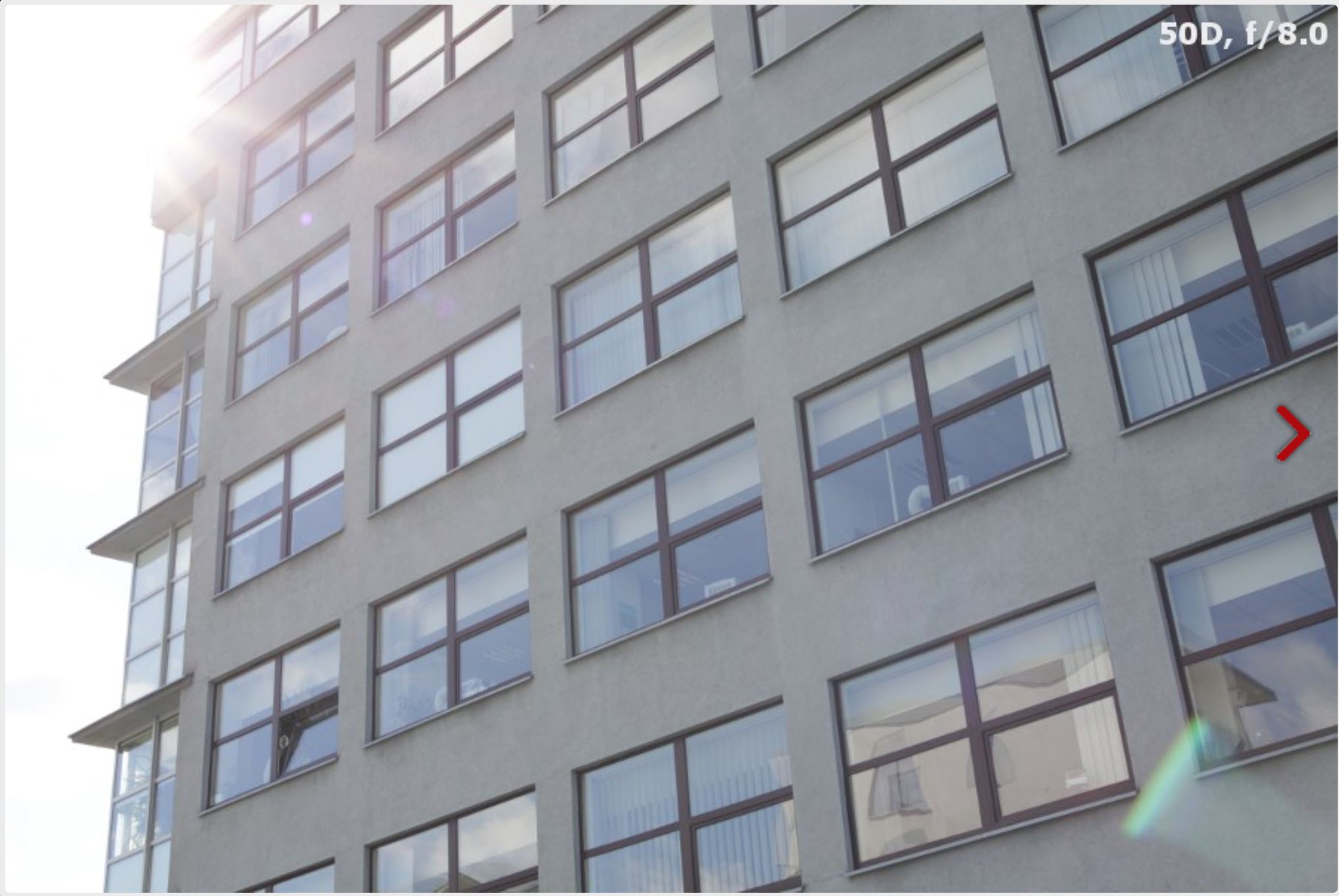
 Seriously you just have to be careful when shooting and frankly sometimes I really like that flare given the shot. Adds interest