Vento
Offline
• • •
Upload & Sell: Off
|
Nothing really special, and they're not all processed the same way.
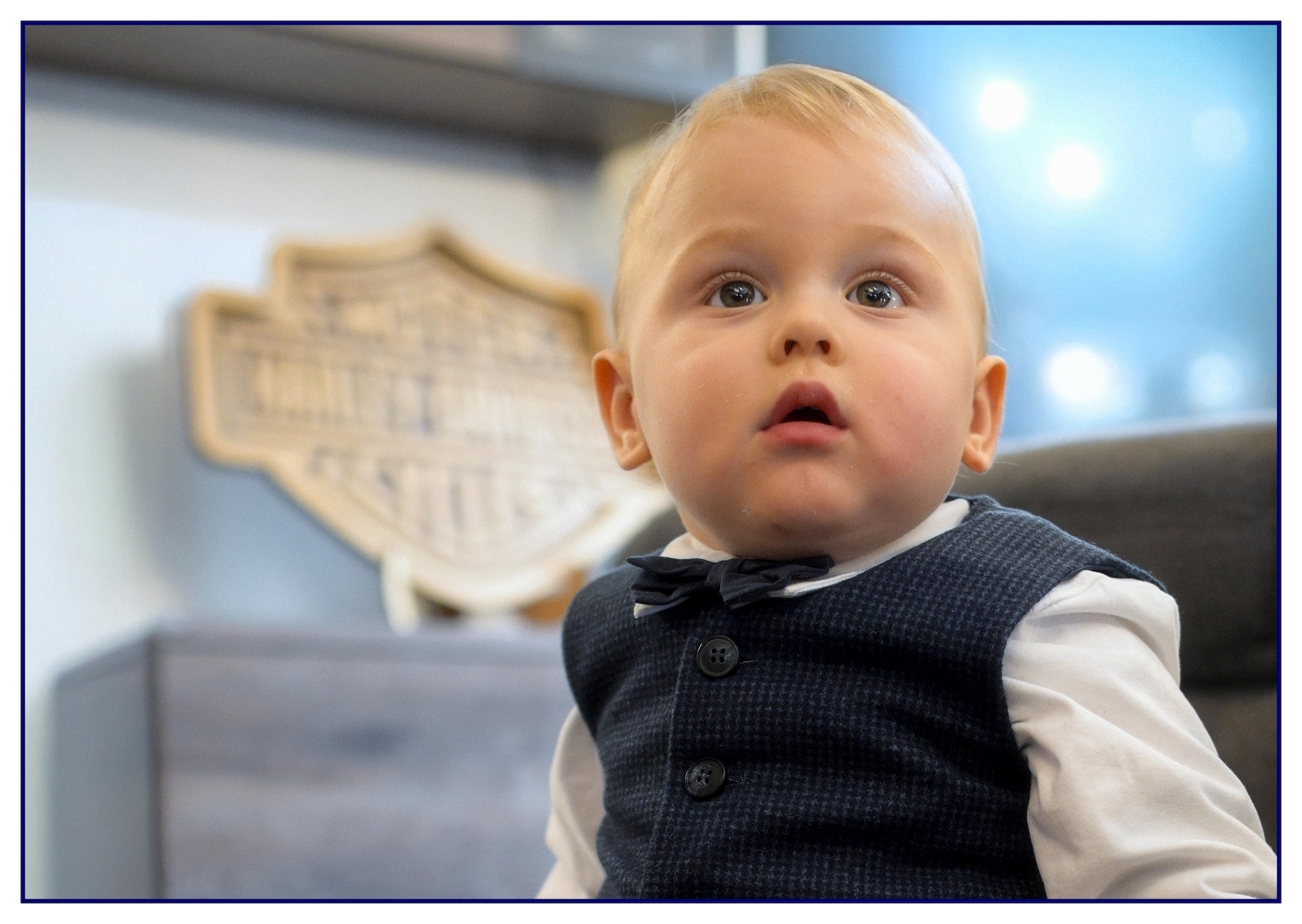
The lighting was actually really bad.
Various artificial light sources, the ceiling light, plus other spotlights with different color temperatures, an indoor setting on a gray winter afternoon with very little natural light.
Consequently, very high ISO values.
My starting point is usually Nikon NX Studio, at least if the noise reduction in NX Studio is sufficient for the image.
Lens profile activated, if available, and vignetting removed as needed, or left untouched for image composition reasons.
The images are all set to the "Portrait" profile, Noise Reduction low Type A in NX Studio and then sent to LRC for basic editing.
Basic editing, setting the white point, otherwise rather defensive, without any significant sharpening.
Some images are then processed/altered using a film/slide preset in LRC.
Usually one of my RNI film/slide presets, which can be adjusted in intensity from 0-200.
Depending on the image, I sometimes go to DXO, either for better noise reduction or for subtle adjustments using their masking tool for the eyes.
Minimal Clear View (clear view value 8-12 out of 100) and generally minimal highlight enhancement (8 out of 100) in the eye.
However, these are minimal changes that are usually only truly visible at near 100% magnification.
If I use DXO, I also set the white balance there; the principle with the eyedropper is ultimately identical to LRC, but I still prefer DXO for setting the white balance.
Otherwise, no processing takes place in DXO; it's set to "no correction" and only used for noise reduction and horizon/perspective correction when needed.
Sometimes DXO does it better, sometimes LRC, sometimes both are rubbish and you have to make small adjustments to the horizon/perspective manually.
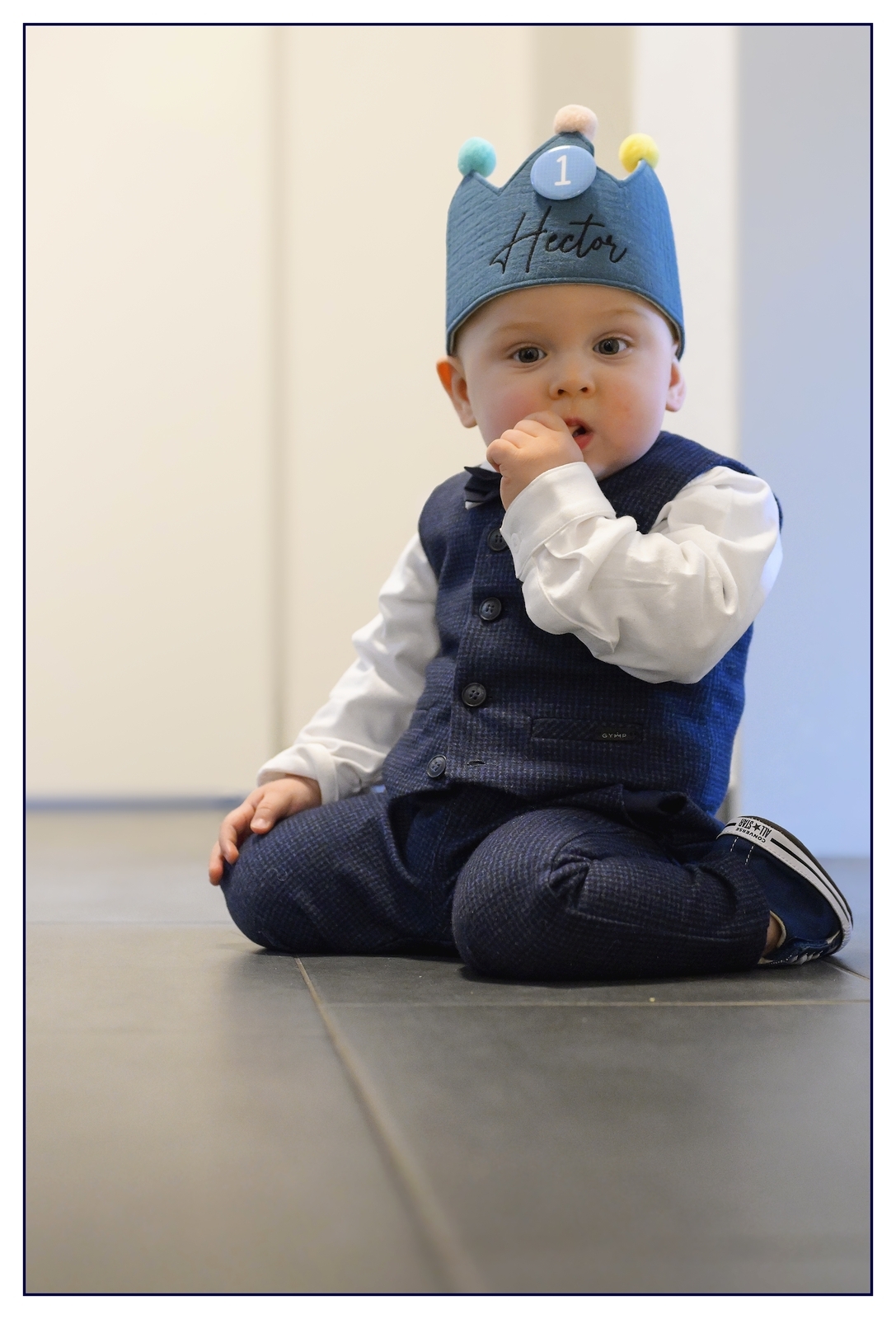
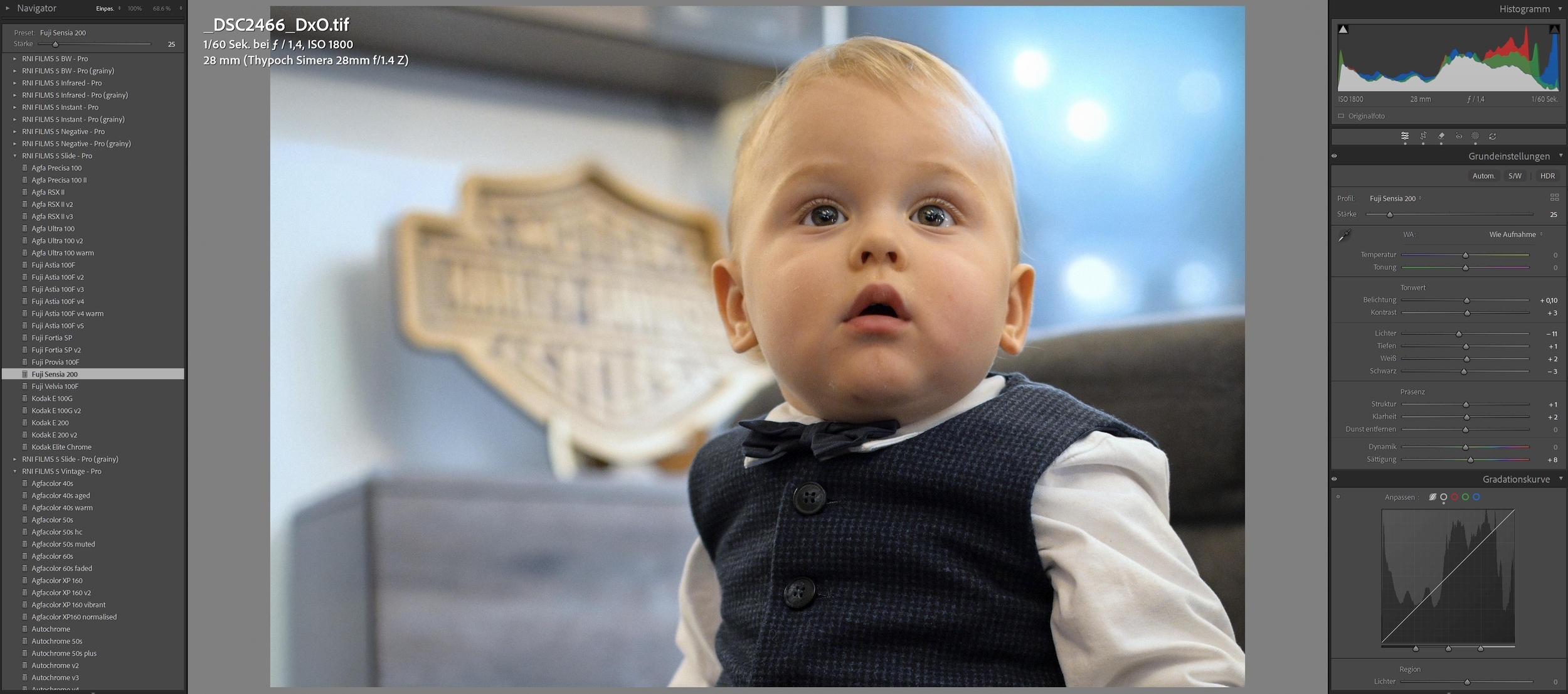
For example, the last image with the Thypoch used a Fuji Sensia 200 Slide preset, but very sparingly, at only 25% intensity.
It also includes a 200 ASA small grain setting.
Finally, I send them over to Photoshop.
In the case of the children's photos, a minimal Orton Bright/Glow effect was usually added.
However, this was only a hint in most of the images, with the opacity set to 3%; only the last image had an opacity of around 10%.
The slight Orton glow also helps to soften the otherwise unfavorable lighting somewhat.
That might be the touch of softness in some of the pictures.
Especially with the Z 50/1.8 S, I like a slight Orton Glow, without completely sacrificing the bite.
The Thypoch lens already possesses a very harmonious, natural rendering.
Therefore, it has less need for such adjustments than the Z 50/1.8 S, which can be quite unforgiving wide open in certain situations.
Basically, I'm having major problems with color accuracy.
The images on my monitor, a calibrated Asus PA279CRV, appear significantly paler and more desaturated when uploaded to the web via all my browsers than they do directly on the monitor.
Therefore, I almost always have to increase the saturation for the web, which then makes the images on the monitor appear oversaturated.
What I see in the browser, uploaded to the web, doesn't match the identical file on the monitor; it's noticeably paler.
|