I am curious about the differences in rendering between the Nokton 75/1.5 and the Color-Heliar 75/2.5. I have the 75/2.5 and love it, but the images posted here for the 75/1.5 have me very interested in it too. Anybody have both?
Abuttolph wrote:
I am curious about the differences in rendering between the Nokton 75/1.5 and the Color-Heliar 75/2.5. I have the 75/2.5 and love it, but the images posted here for the 75/1.5 have me very interested in it too. Anybody have both?
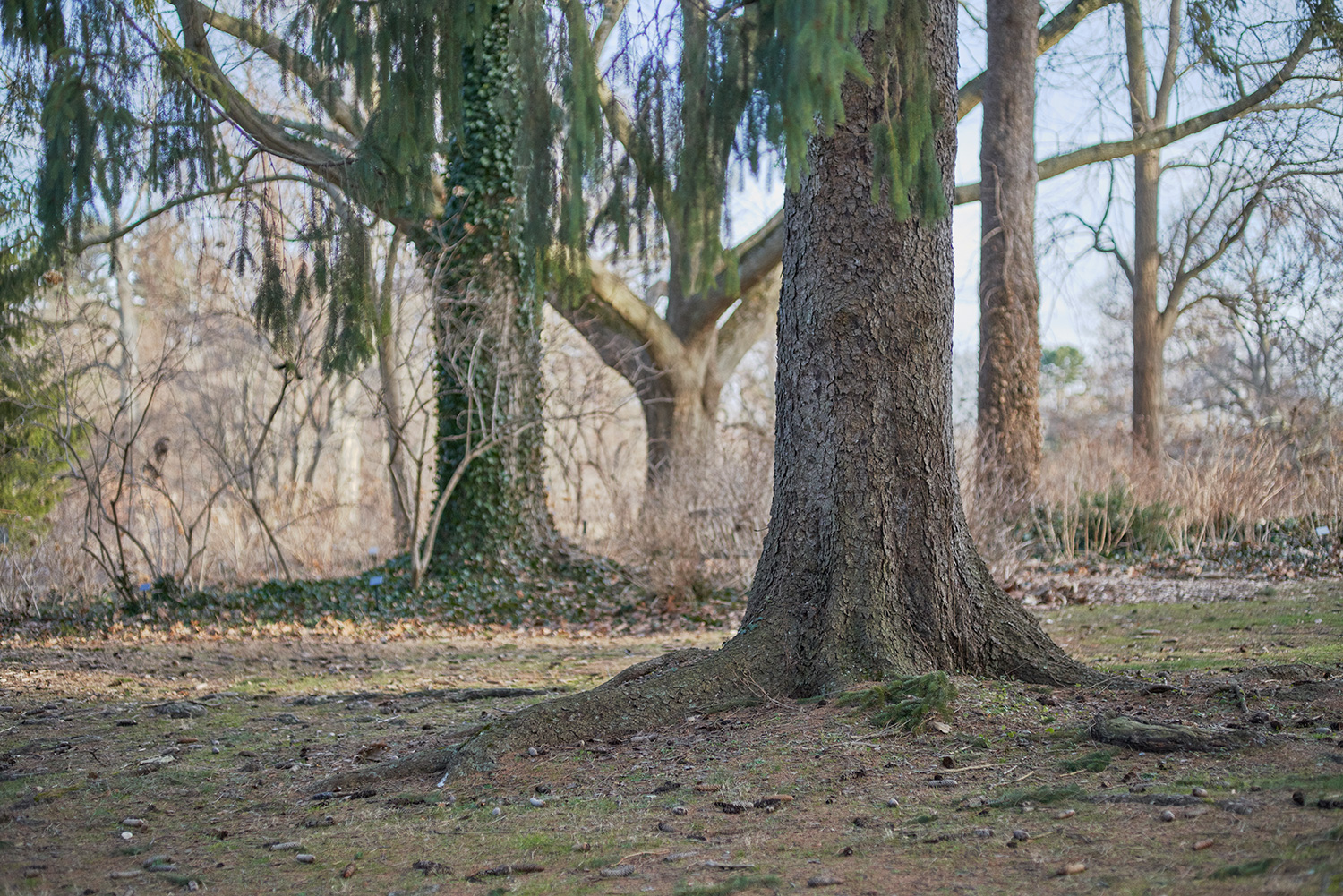
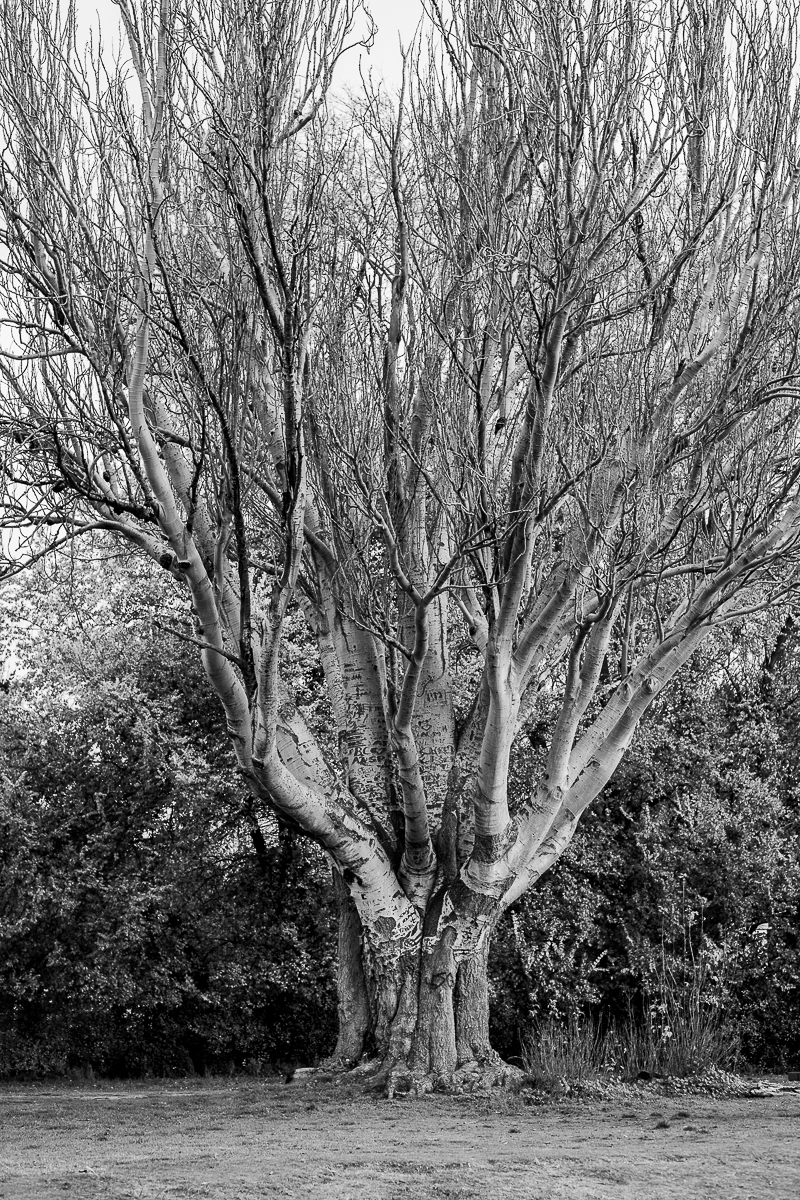
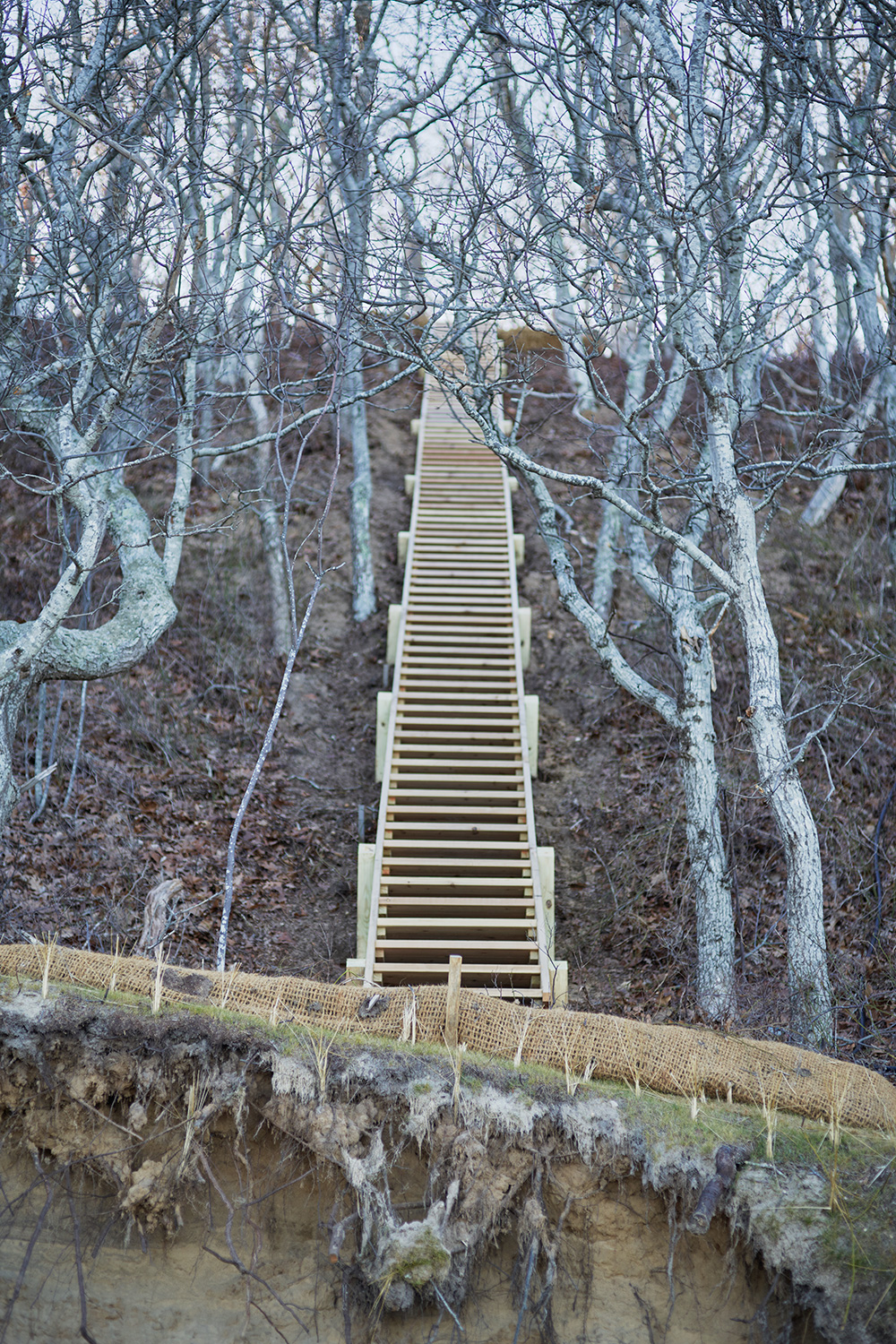
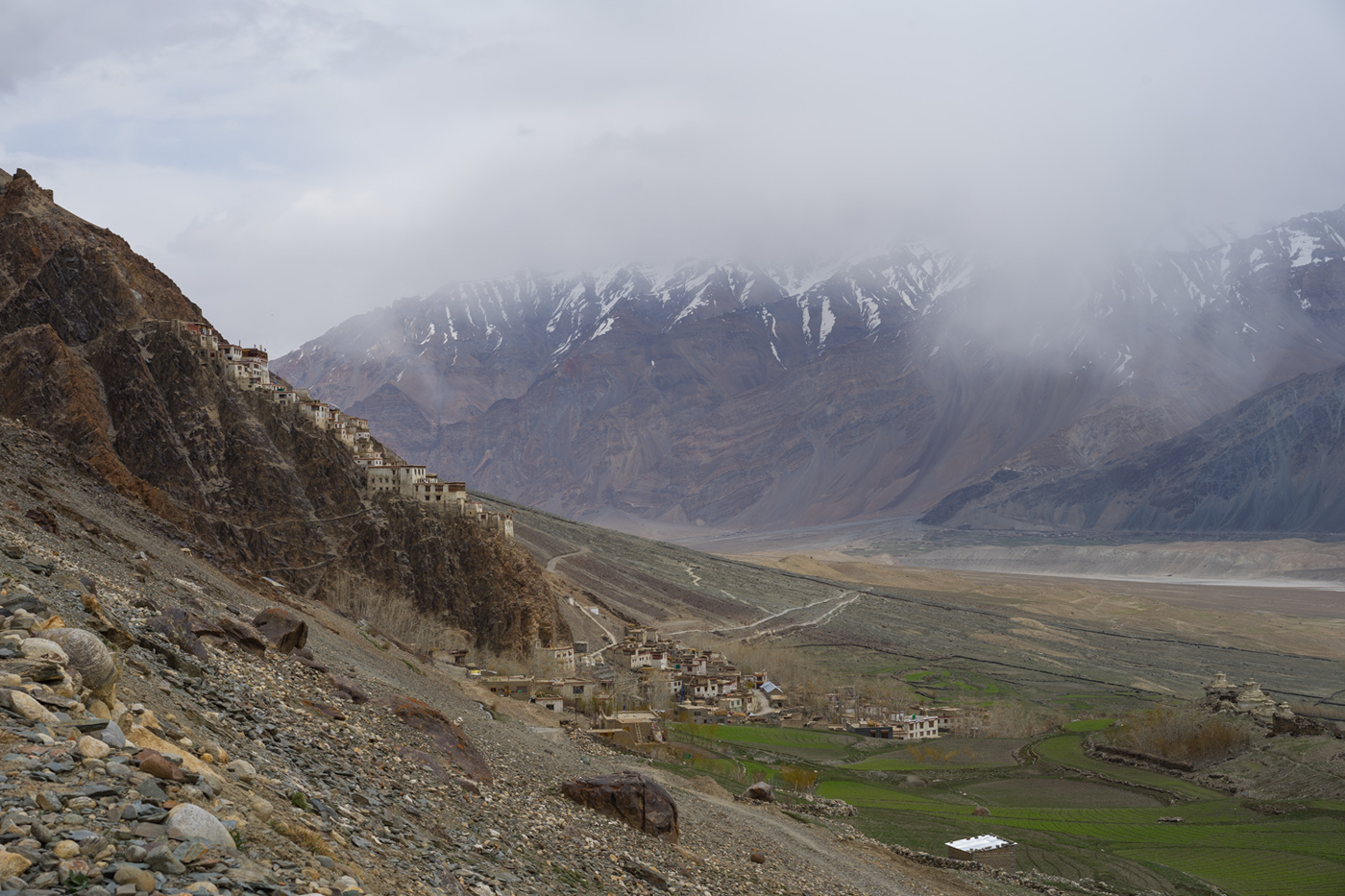
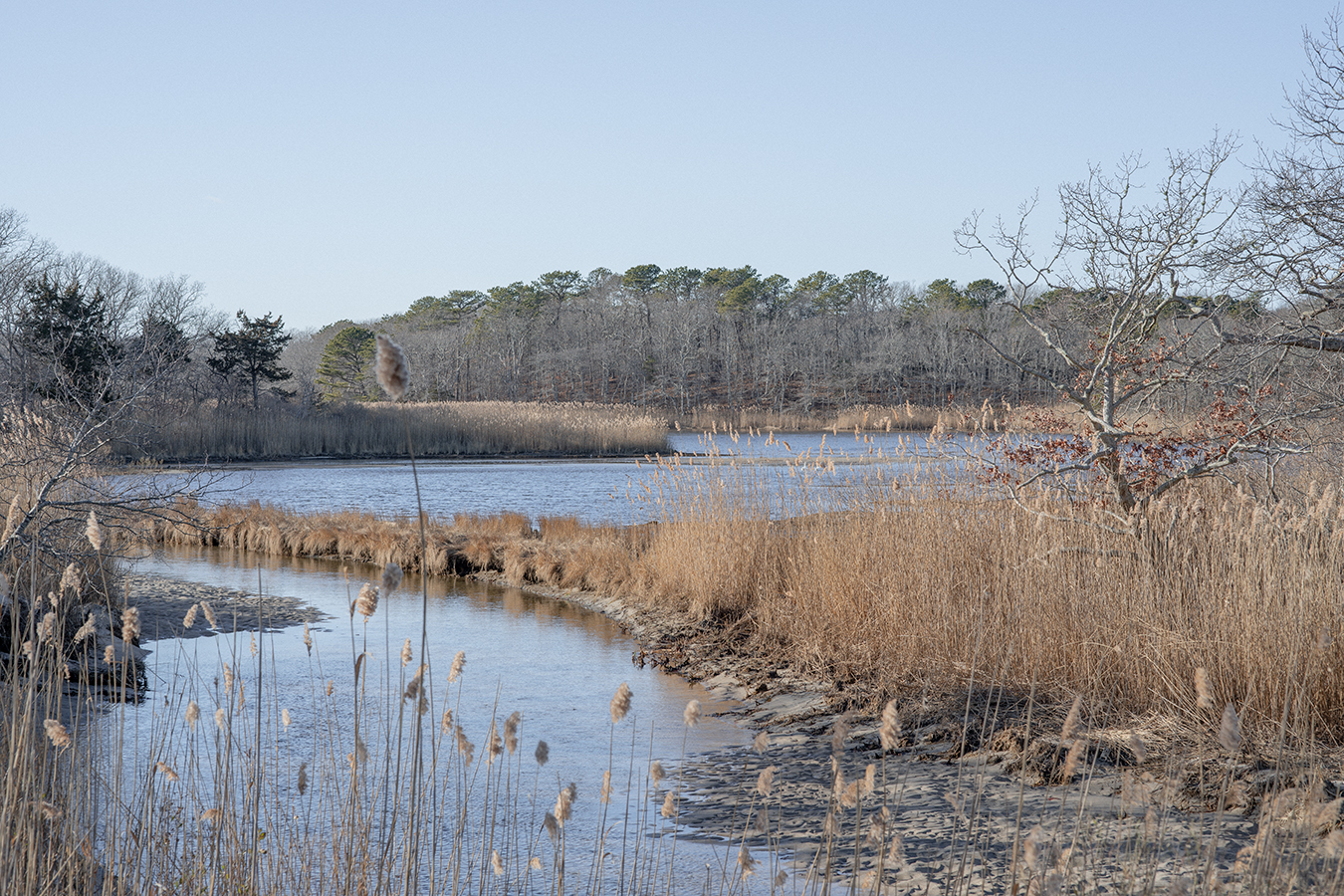
Here's a scene shot first at f/2.5, 4 and then f/5.6.
d.s. wrote:
Here's a scene shot first at f/2.5, 4 and then f/5.6.
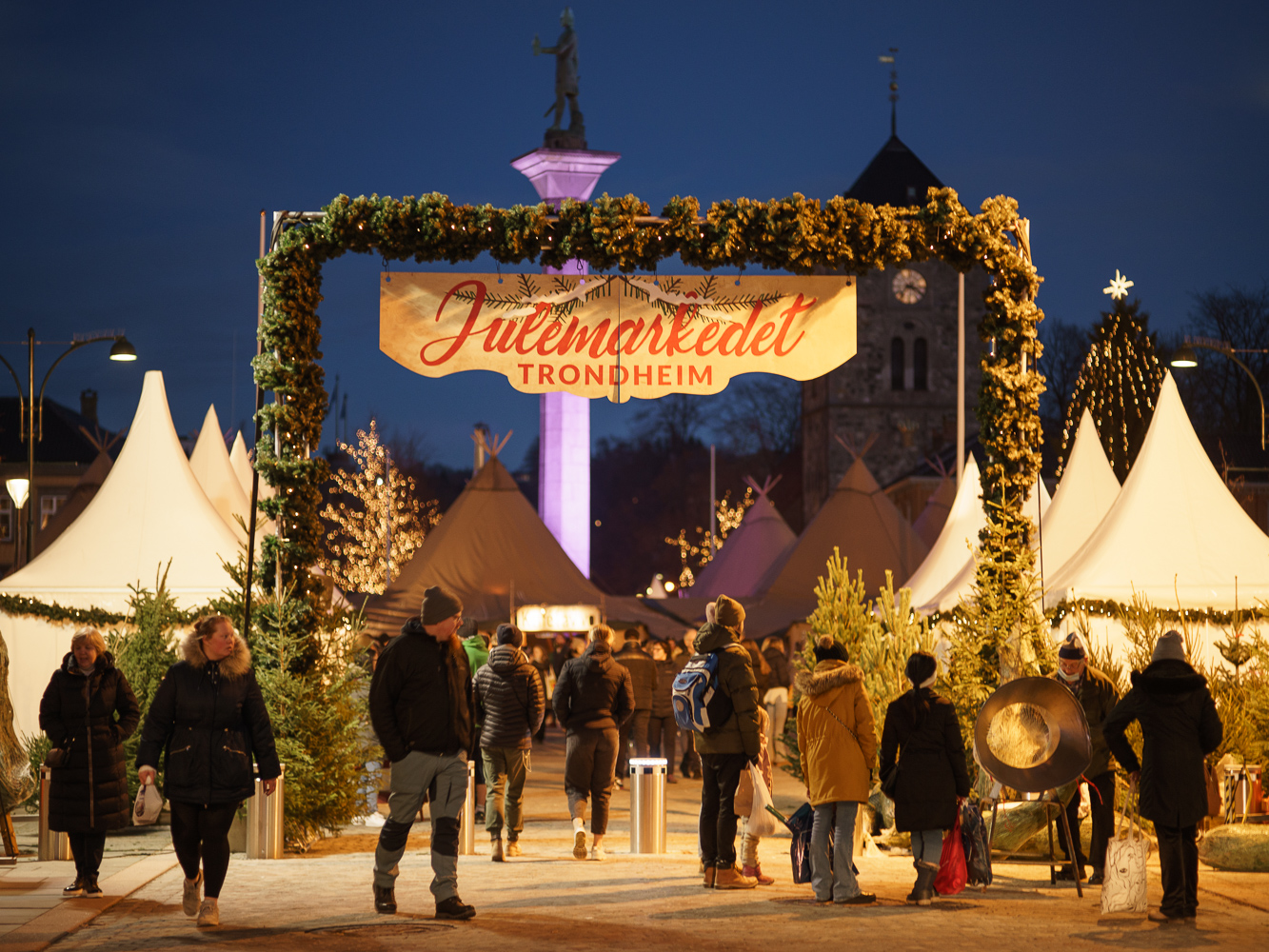
Thank you for posting these. I appreciate it a lot. From these, it looks like the following:
Colors are about the same.
Bokeh in specular highlights is more spherical with the Nokton and more regularly shaped.
Area in focus is sharper with the Nokton.
Out of focus area is softer with the Heliar.
Nokon overall has better subject separation.
The Heliar's bokeh has more outlining noticeable at full resolution. It has a bit of focus shift, but that's a small trade off for such a compact telephoto. Purple fringing can be quite strong at times (maybe there's an aspherical element hidden in it?), but the Nokton has a fair amount of CA to contend with, too.
Thanks for posting, d.s. I have both too, the 1999 Color-Heliar is a sweet and versatile little lens. These two are worlds apart however, but you will need more than a backyard image to appreciate just how different they are.
The 75/2.5 is 120 grams lighter but needs the LTM adapter. It was regarded as a back to the future lens, therefore. The lens layout is similar ('vintage') but the faster 75 gets loads of high performance glass and an extra front group element.
A recent 75/1.5 review by a BW shooter can be found in your favourite SE:
'#23 - Voigtlander's Best Portrait Lens?'
BH user reviews are very positive about the 75/1.5 (all five stars at B&H), much more so than many reviewers. It's a glass half full -vs- glass half empty situation for the 75/1.5.
philip_pj wrote:
Thanks for posting, d.s. I have both too, the 1999 Color-Heliar is a sweet and versatile little lens. These two are worlds apart however, but you will need more than a backyard image to appreciate just how different they are.
The 75/2.5 is 120 grams lighter but needs the LTM adapter. It was regarded as a back to the future lens, therefore. The lens layout is similar ('vintage') but the faster 75 gets loads of high performance glass and an extra front group element.
A recent 75/1.5 review by a BW shooter can be found in your favourite SE:
'#23 - Voigtlander's Best Portrait Lens?'
BH user reviews are very positive about the 75/1.5 (all five stars at B&H), much more so than many reviewers. It's a glass half full -vs- glass half empty situation for the 75/1.5....Show more →
Staying within the Heliar's aperture range, under what conditions do you feel their differences would be most pronounced?
One irony is that the 'Color-Heliar' produces muted soft contrast colour, by design. It was Cosina's very early days orientation towards more genteel portrait and traditional black and white street photography, for a film Leica audience. I like it much more for portraits than other material.
Colour is deep and rich in the new lens and it works very well with lens contrast, as shown in this thread. These are the two things that propel the design (along with the lovely bokeh). And they are the attributes that have many users delighted, and at the same time they differentiate this one from the predecessor 75/2.5.
At f2.8 (so near open for the 75/2.5) the 75/1.5 rivals the 65/2 - even at infinity, where both are excellent. And by ~f8 it can double as a highly competent open field lens, despite being optimised for 1-3m. The Nokton opens up creative opportunities in contra light, and high contrast settings, a very modern look. And in the flat light I often face, more native contrast is always welcome.
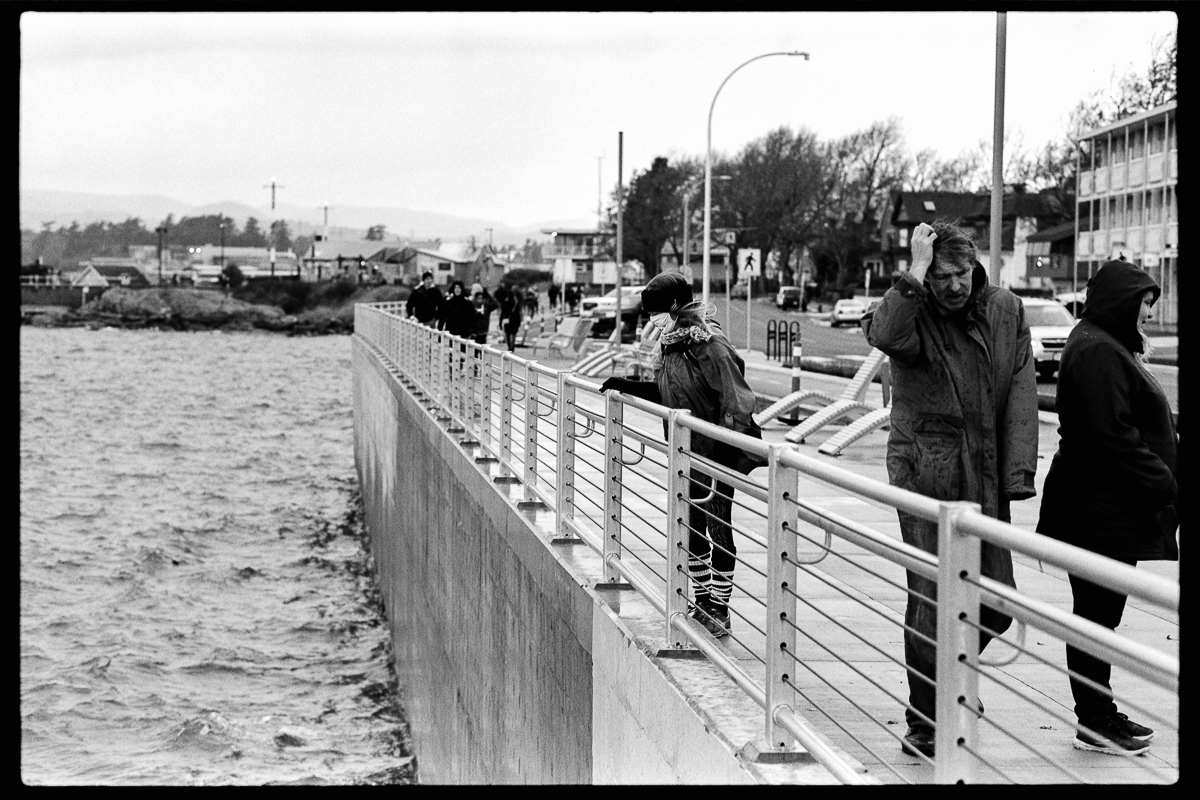
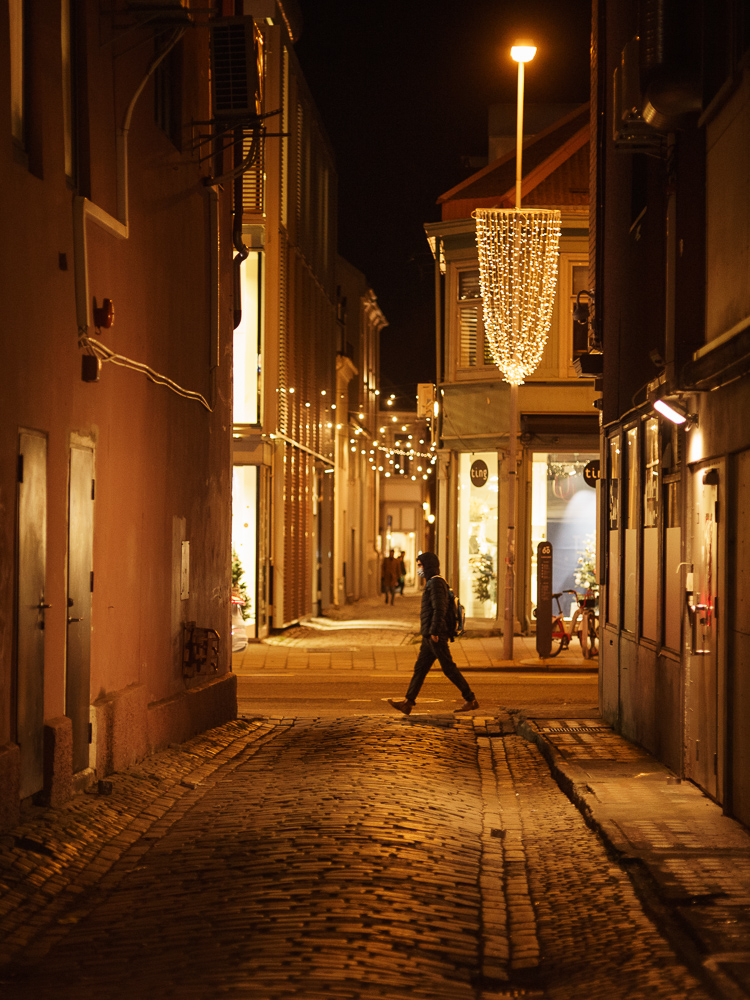
Files are closer to desired final form OOC, particularly colour strength. In the end, it's a choice based on your subject and how you want to portray it. The higher contrast makes focusing easier/faster too, and I feel it works very well on the Sonys. Here are two from the 75/2.5, still a very good option:
philip_pj wrote:
One irony is that the 'Color-Heliar' produces muted soft contrast colour, by design. It was Cosina's very early days orientation towards more genteel portrait and traditional black and white street photography, for a film Leica audience. I like it much more for portraits than other material.
Colour is deep and rich in the new lens and it works very well with lens contrast, as shown in this thread. These are the two things that propel the design (along with the lovely bokeh). And they are the attributes that have many users delighted, and at the same time they differentiate this one from the predecessor 75/2.5.
At f2.8 (so near open for the 75/2.5) the 75/1.5 rivals the 65/2 - even at infinity, where both are excellent. And by ~f8 it can double as a highly competent open field lens, despite being optimised for 1-3m. The Nokton opens up creative opportunities in contra light, and high contrast settings, a very modern look. And in the flat light I often face, more native contrast is always welcome.
Files are closer to desired final form OOC, particularly colour strength. In the end, it's a choice based on your subject and how you want to portray it. The higher contrast makes focusing easier/faster too, and I feel it works very well on the Sonys. Here are two from the 75/2.5, still a very good option:...Show more →
I had hoped to compare the two against the Sun last weekend, but didn't have a chance. I assume you're referring to the Heliar's veiling flare as opposed to ghosting.
Has Voigtlander come out with a E mount version 75 1.5?
I know Fred mentioned at first, the M had field curvature for landscapes. However he later revised it, saying the field curvature goes away @5.6 due to DOF for landscape on Sony bodies.
IndyFab wrote:
Has Voigtlander come out with a E mount version 75 1.5?
I know Fred mentioned at first, the M had field curvature for landscapes. However he later revised it, saying the field curvature goes away @5.6 due to DOF for landscape on Sony bodies.
'*Update: I've tested this lens on a Leica body and see similar wavy field curvature. It looks like : it's a characteristic of this lens : and likely what allows to be so compact for a fast telephoto.'
From page 1 this thread. This one wins hearts on account of its extraordinary colour, fine separation with Cosina house style bokeh which varies widely by aperture and focal distance, light weight, tight ergo (small hood, 'front to back' usage, and versatility (portraits, street, open nature). It's one of the master designer's favourite lenses.
It's one of those lenses that brings out the best in the subject, seen by the fine images shot across several users in this thread. Mine's going nowhere - one key part of the lifelong learning of your photography is knowing the right ones when they appear in your hands. I imagine they get swapped out a bit, so the hold back for many - cost - can be reduced somewhat.