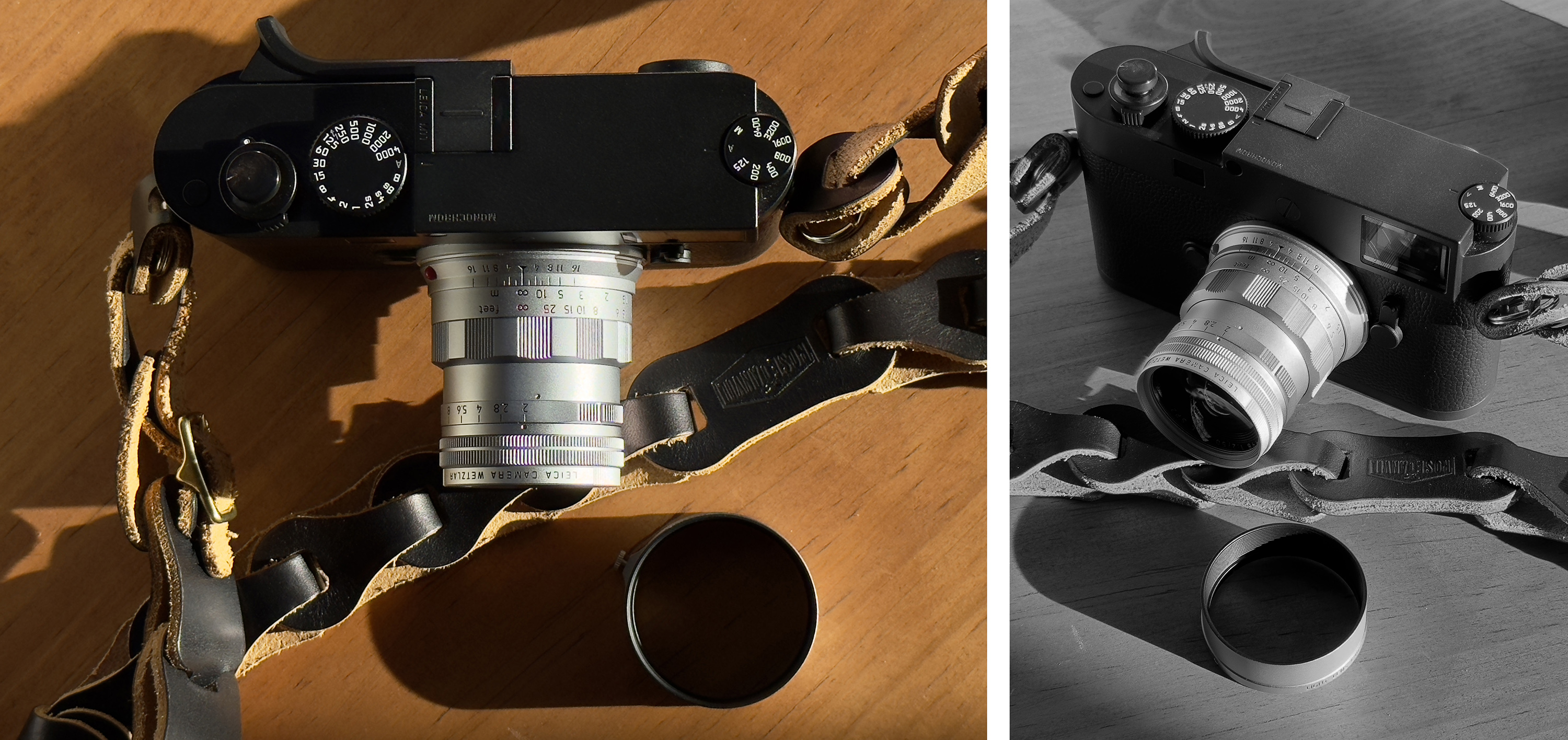
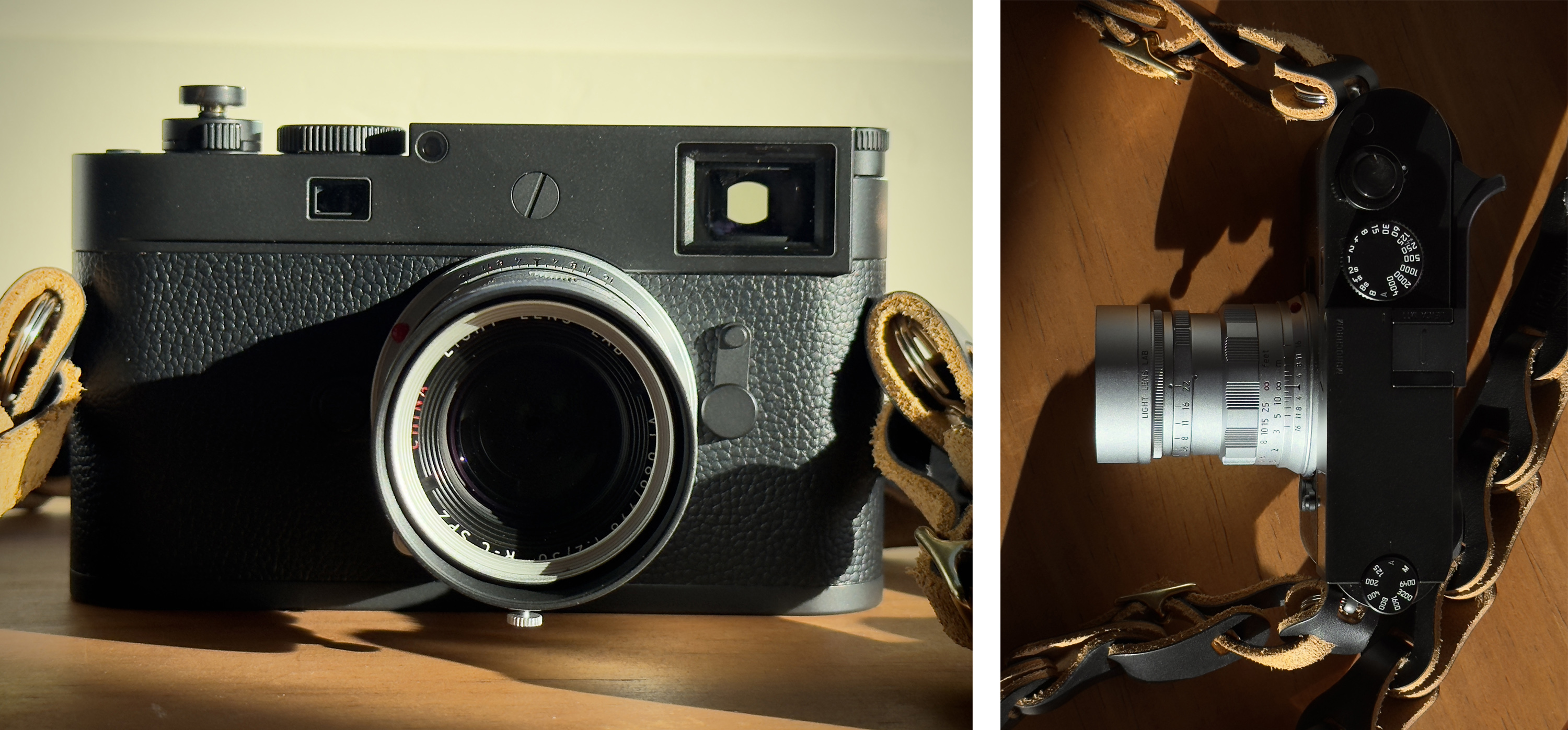
So, the LLL '1966' has continued to grow on me. One of the most striking aspects of its rendering is how soft the out-of-focus areas are drawn. Other high-speed double-gauss-derived lenses from this period generally look good/smooth only after they've been stopped down a stop or two. Though I've never owned one, the pre-asph 50mm Summilux that was contemporary with the 1.2 Noctilux is definitely more nervous at full aperture and blur discs have hard edges...at least as seen in this excellent review:
The LLL '1966' is quite smooth - blur discs are evenly illuminated (save for the onion ring structures) and there is very little ni-sen bokeh. As others have noted, it isn't as sharp as f/1 Nokton, the f/1.2 Nokton, the f/1.2 Nikkor and probably a whole host of other lenses. It is however, beautifully built, relatively small and has (for my own taste) a lovely rendering.
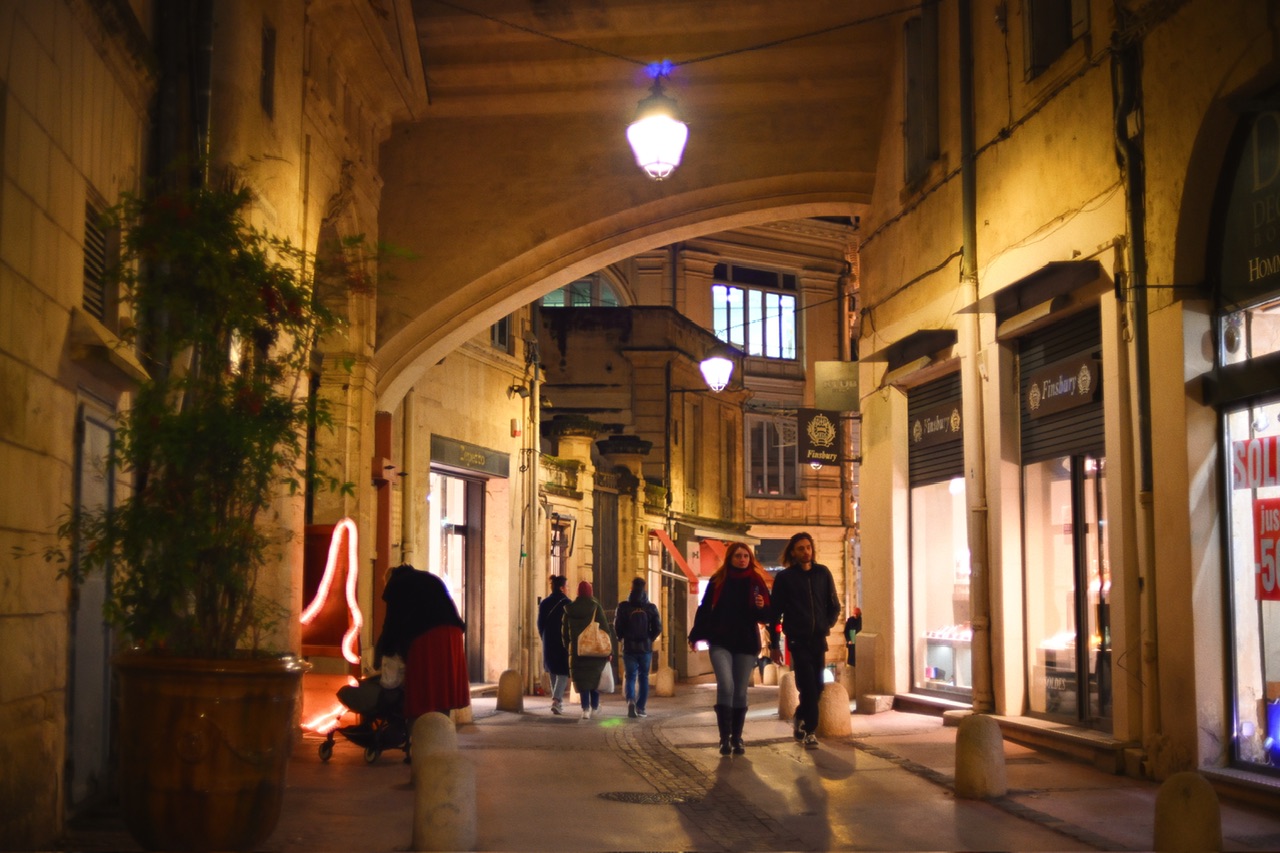
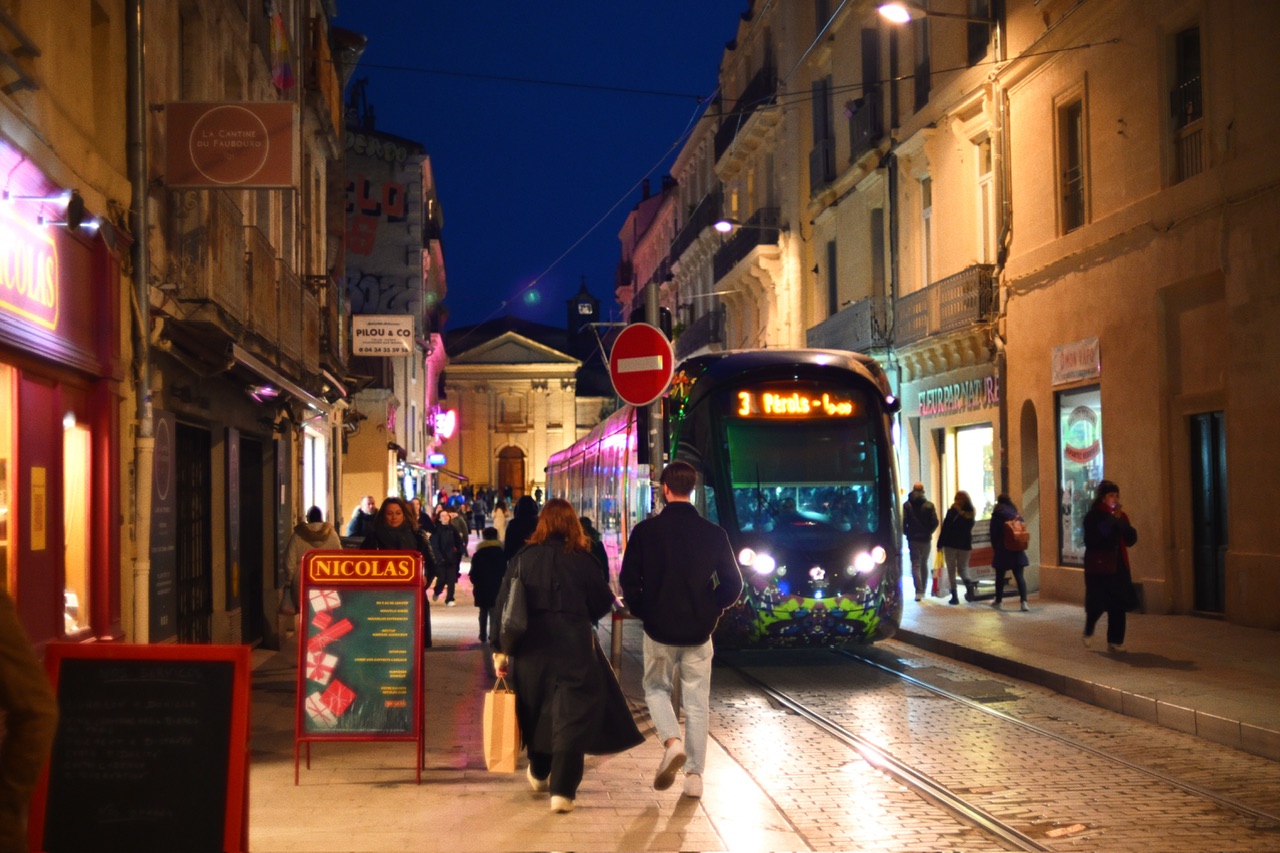
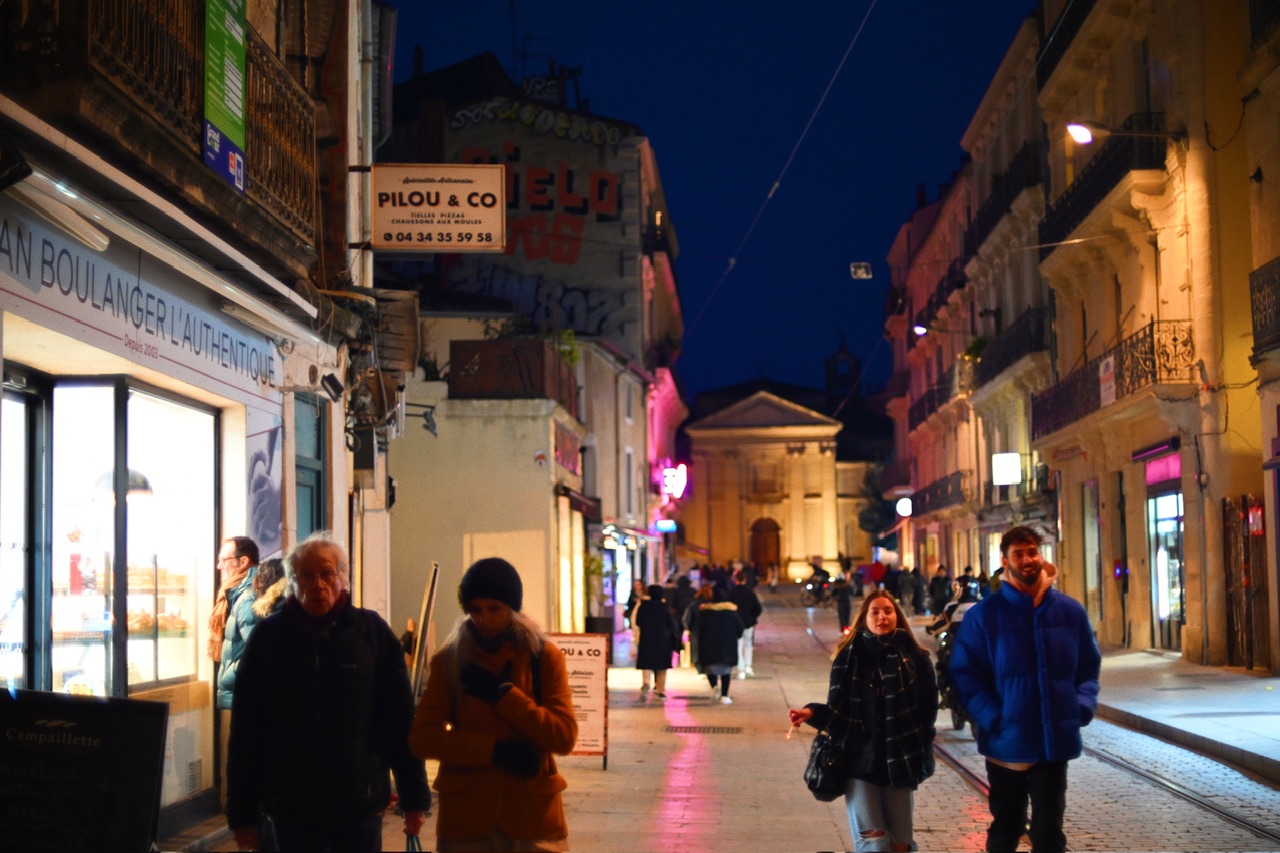
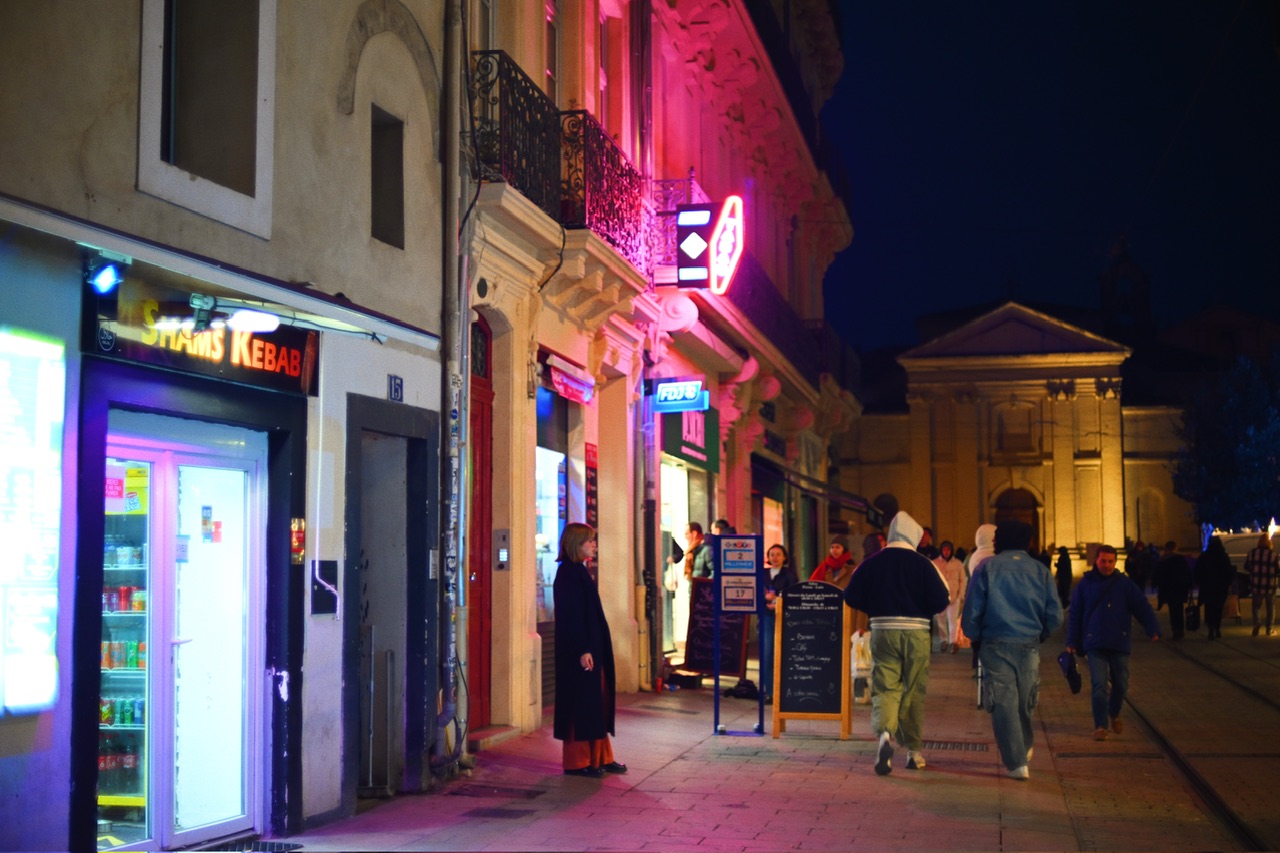
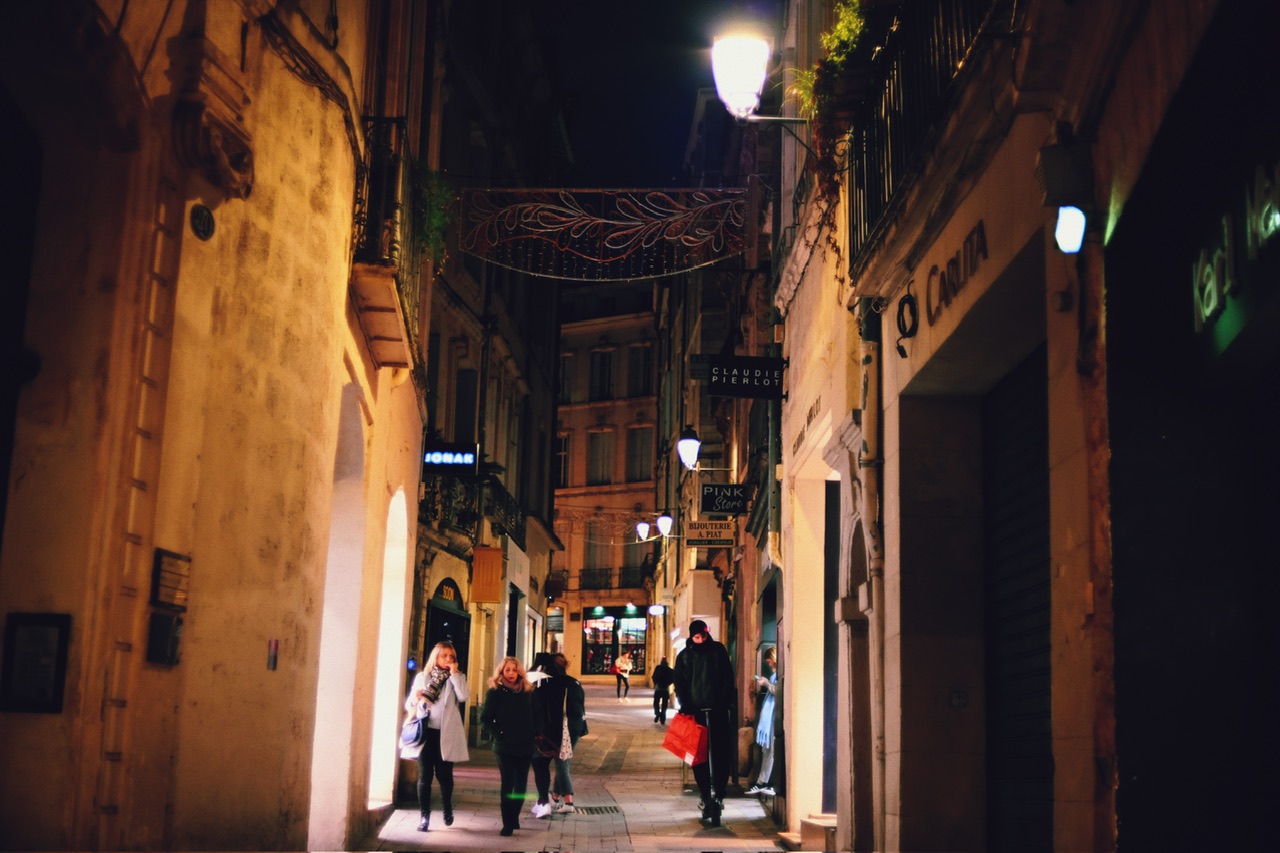
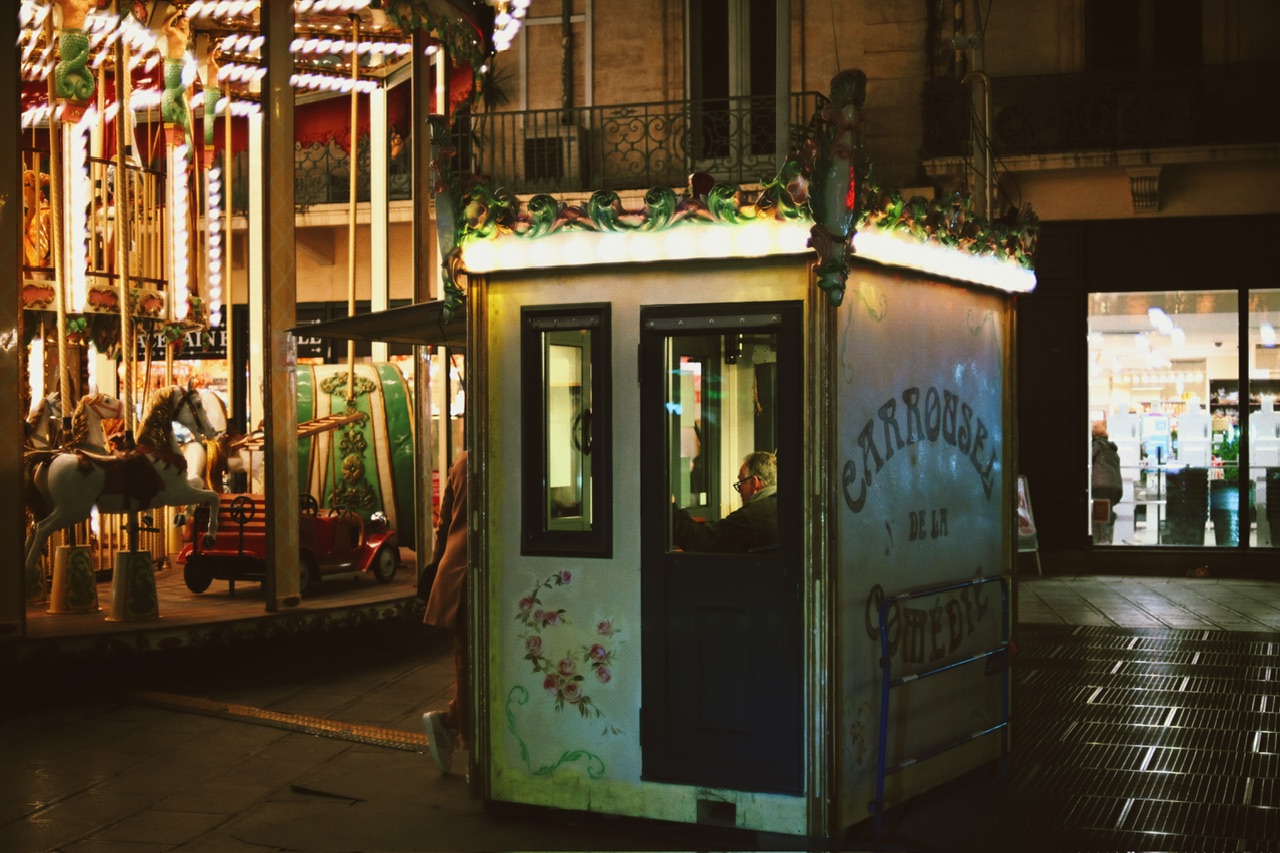
A few trapped-in-doors-sample-shots on a Sony A7RII while I wait for nicer weather:
I received the LLL 50mm f1.2 ASPH today. Made with high quality, focuses smoothly. Mine is aluminum and weighs 440 grams. It draws very softly when open. Suitable for atmospheric portraits, similar to those shot with soft focus lenses or monocles. From aperture 2 it becomes sharp, even sharper than my Elcan, selected as the best of three copies. The pincushion distortion is a bit annoying. By following the link you can download a comparison with Elcan (shot on a Leica M10). Some of the shots in the test were blurry due to the long shutter speed, so I'm sorry. Link (143 Mb): https://disk.yandex.ru/d/ZBPghEA_CGMJew
Listopad44 wrote:
I received the LLL 50mm f1.2 ASPH today. Made with high quality, focuses smoothly. Mine is aluminum and weighs 440 grams. It draws very softly when open. Suitable for atmospheric portraits, similar to those shot with soft focus lenses or monocles. From aperture 2 it becomes sharp, even sharper than my Elcan, selected as the best of three copies. The pincushion distortion is a bit annoying. By following the link you can download a comparison with Elcan (shot on a Leica M10). Some of the shots in the test were blurry due to the long shutter speed, so I'm sorry. Link (143 Mb): https://disk.yandex.ru/d/ZBPghEA_CGMJew
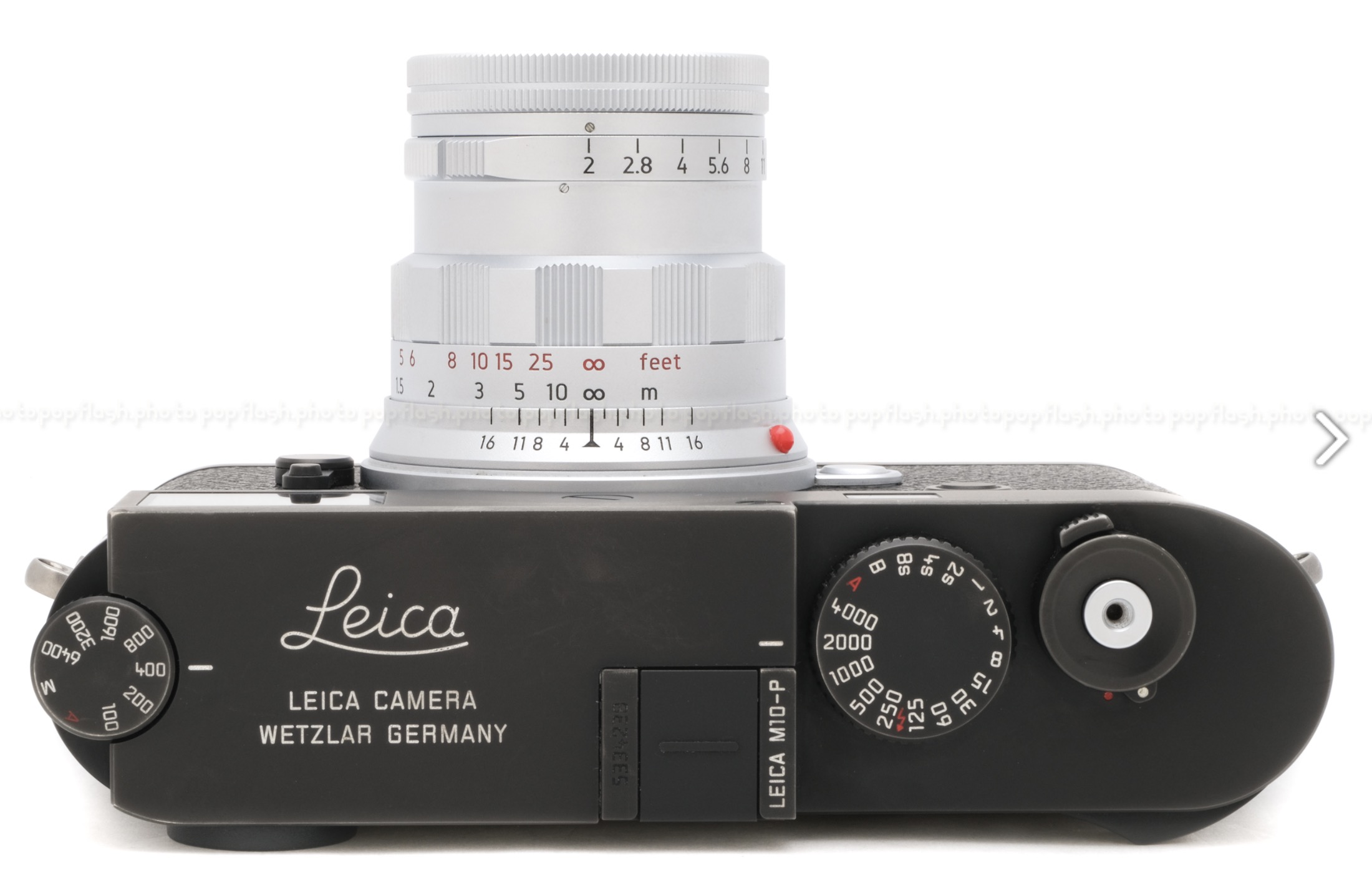
SPII Rigid now available from Popflash in silver. Just ordered one – think this will look great on a future M11 Safari. This external design of the Rigid version looks so good, and I like that they use their more simple A42 lens hood.
– Feels lighter than the SPII as advertised
– Well balanced on the M, which does not tip forward with the lens attached
– Build quality seems high
– Aperture ring movement and clicks are nice; more Summicron-like compared to the regular SPII
– Focusing was a bit uneven for the first few minutes then smoothed out quickly
– Focus tab and infinity lock feel similar to the Leica 28 Summaron reissue
– Focus ring knurling allows the lens to be used as if the focus tab isn't there, and disengaging infinity lock while using the ring instead of the tab was easy to do
– Focus smoothness when using the ring is well dampened and uniform from MFD to infinity
– Focus smoothness with the tab is less uniform due to angle of pressure applied in order to operate it (as happens to me with other lenses with this kind of focus tab/knob)
– MFD appears to be 0.6m if the spacing of the lens distance markings is accurate; the rangefinder works all the way to this minimum distance
– Lens hood is well-matched to the lens
Optics:
– Stopped down central flare is now completely neutral and not blue/purple
– Optics are perfectly centered
– [updated] Rangefinder patch at infinity hard stop is a hair short of alignment
– [updated] Actual infinity focus at hard stop is slightly short of perfect infinity focus at f/2
– [removed comments about sharpness and glow until I can do side-by-side tests between the Rigid and regular version]
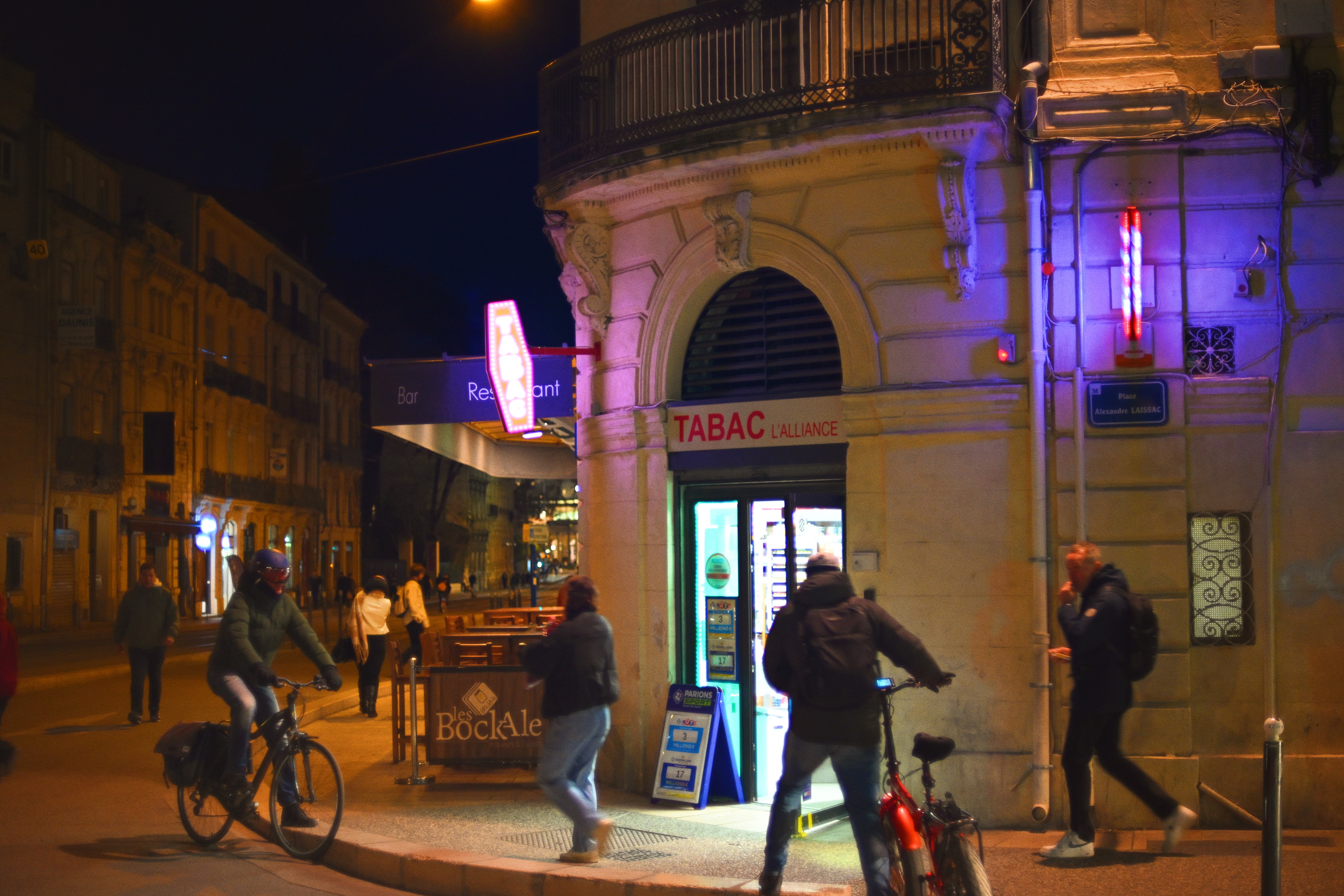
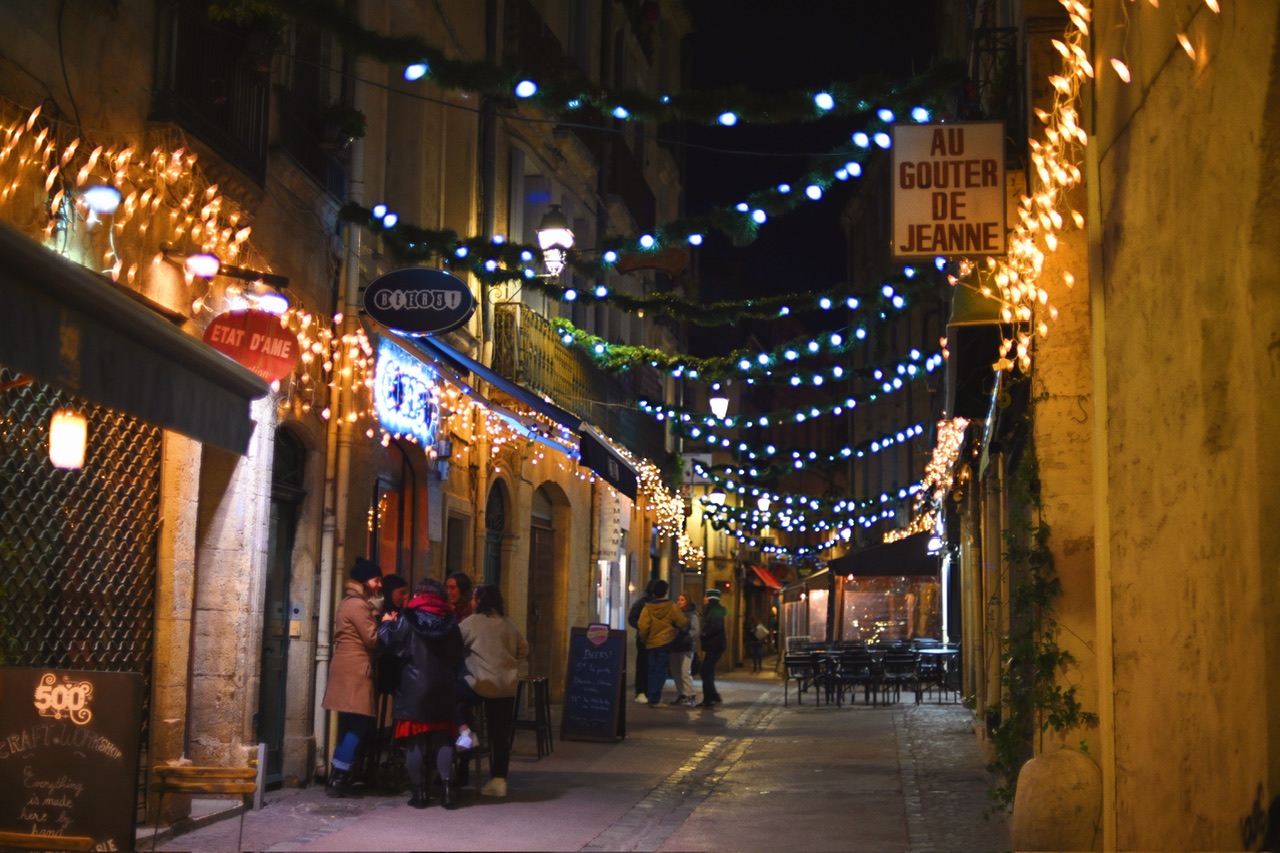
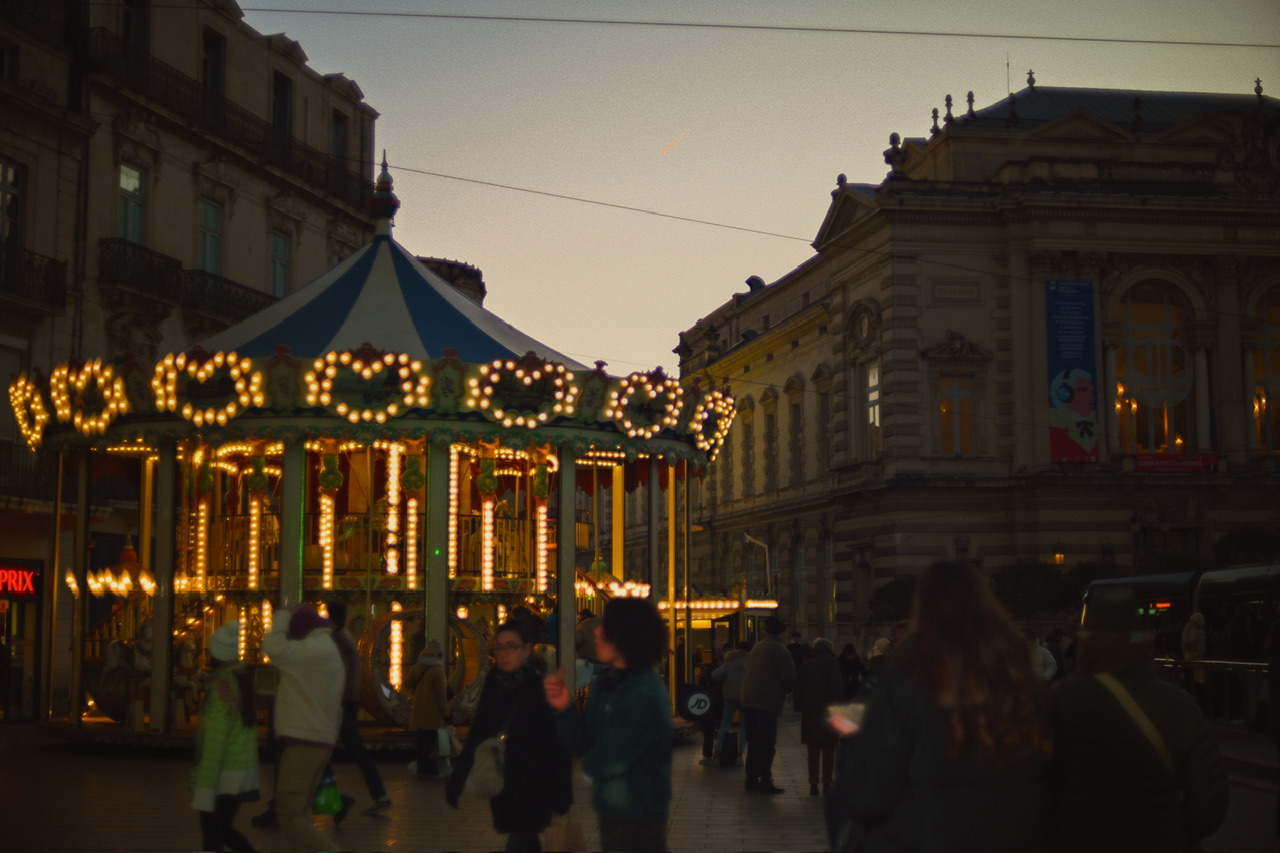
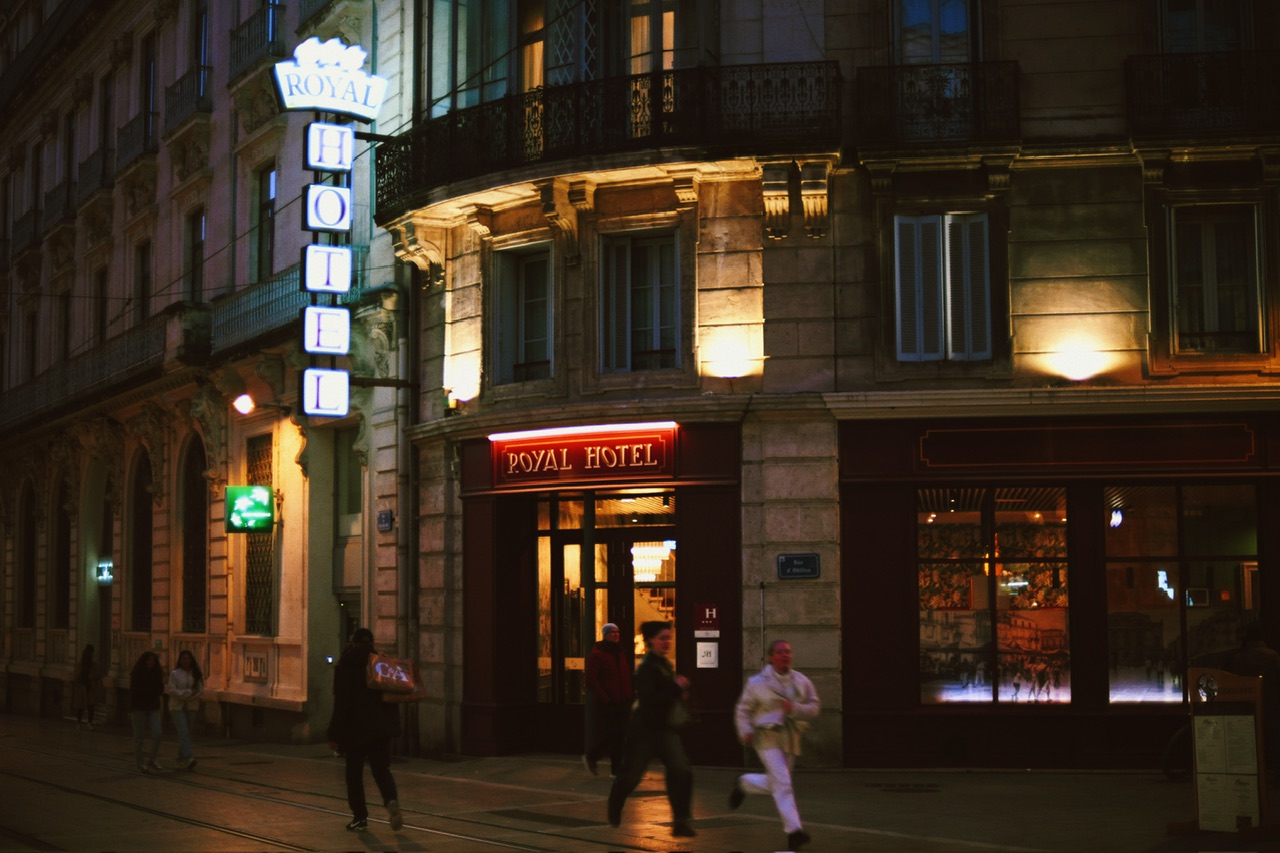
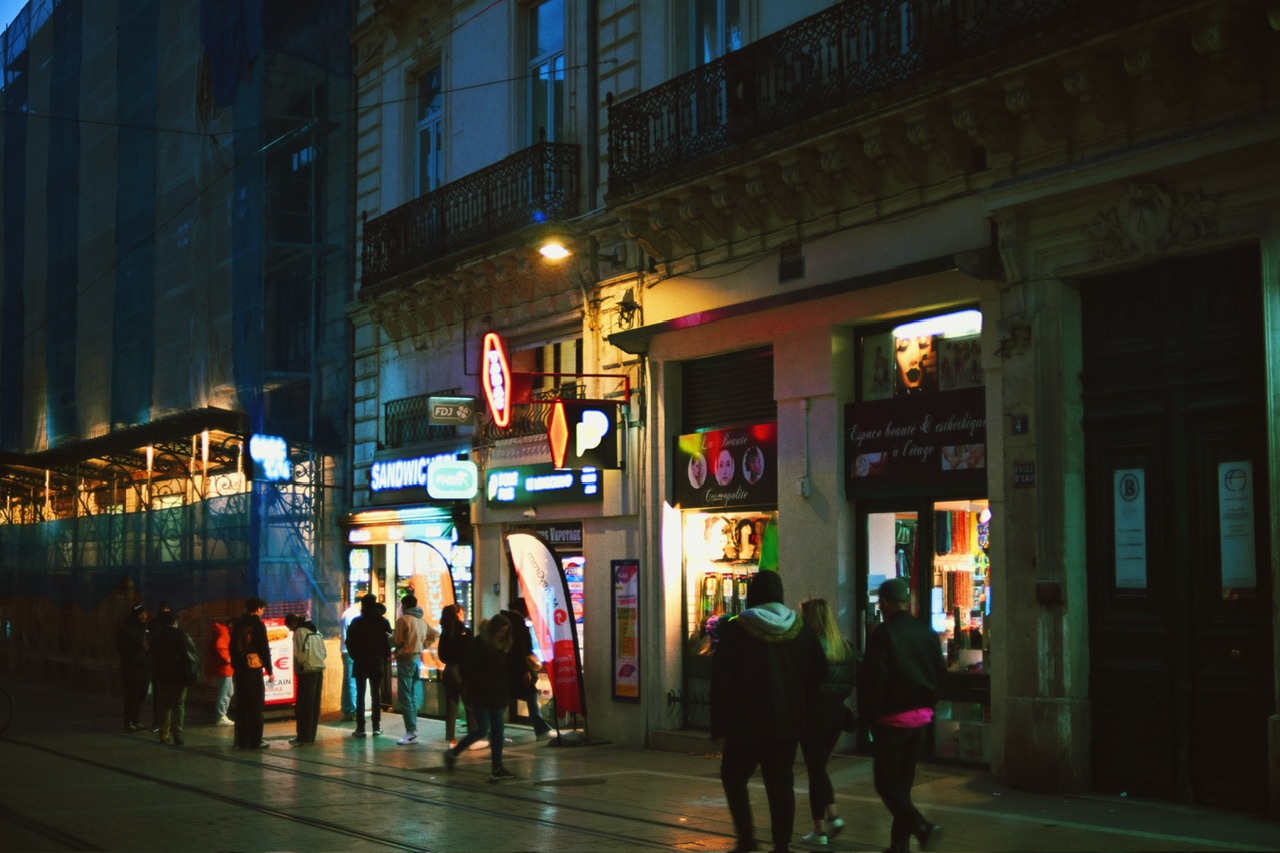
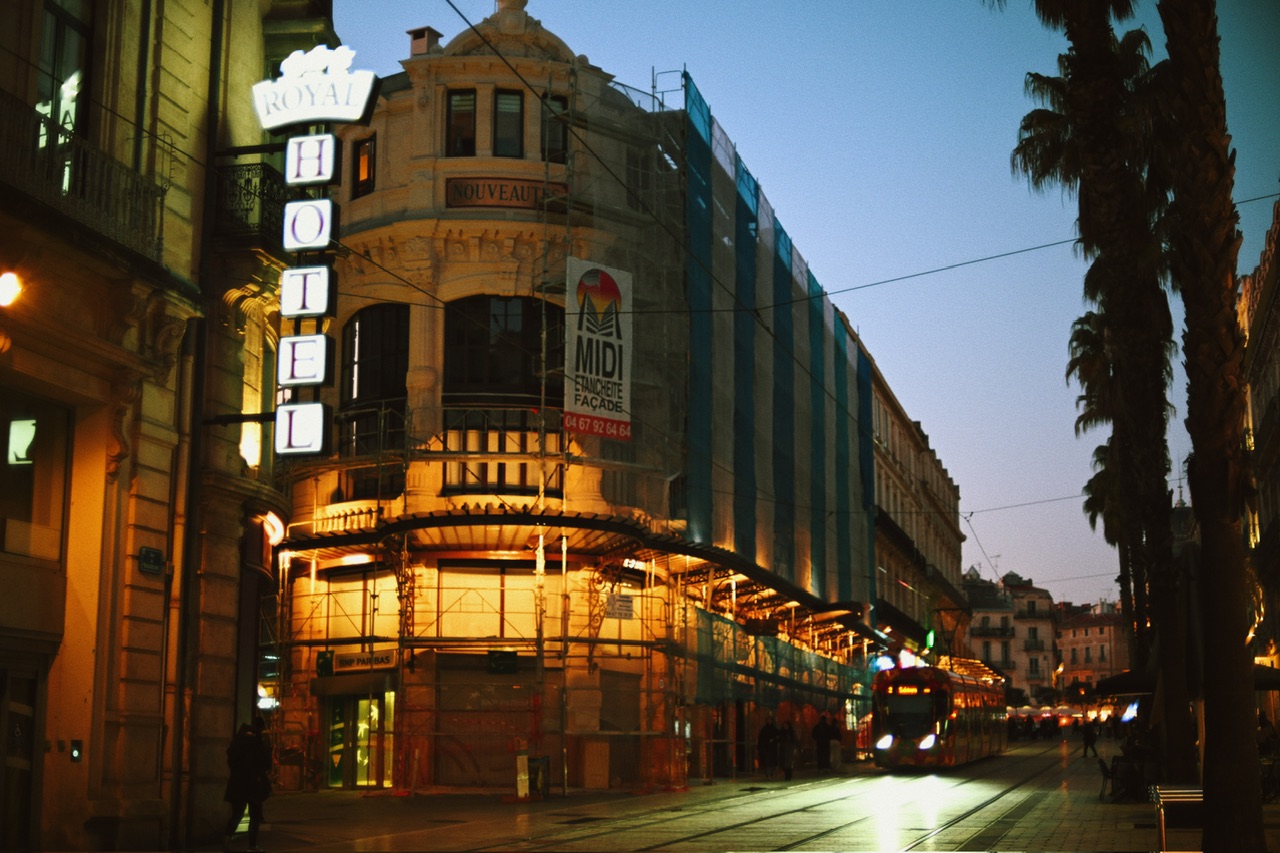
January was a slow month for shooting film. Trying to get out of the slump this month. In the mean time, here are a couple snaps from yesterday with LLL 50mm f/1.2 '1966' on the ol' Sony A7RII.
Though, I have never owned the 50mm C-Sonnar ZM, it shares some attributes...high(ish) contrast, low(er) resolution and beautiful out-of-focus/fall-off.
Update: had to return this copy of the Rigid SPII.
Did some back and forth switching between the Rigid SPII and regular SPII on both the S5IIX and the M11M, and the Rigid was not as sharp as my regular version at all distances at f/2.
Also after doing some more infinity shots at f/2 in bright daylight with the Rigid, it seems my copy actually didn't focus all the way to infinity at the hard stop. If I put generous pressure on the focus tab, pushing it into the hard stop, I could see infinity get sharper while the pressure was applied, then focus would get softer when I released the pressure on the tab.
I've sent it back, and I'm on the fence as to whether I'll exchange it for another copy or not. I might just be happy that my regular SPII is well calibrated and call it a day.
Adding a comment about the central flare character trait of the Rigid SPII versus the original:
Due to the added multicoatings on the Rigid SPII, the flare is no longer blue/purple, it's just a lighter area in the frame – that's an improvement over the original SPII since the blue/purple was quite distracting. However, the better contrast from the coatings does make the central flare more visible so that it starts to show up about one f-stop sooner (between f/4 and f/5.6) than it did on the original SPII. The different number of aperture blades on the Rigid also makes the central flare shape more elongated vertically instead of just being a perfect circle on the original SPII. I think the shape change of the central flare will actually be a positive thing for video shooters, since the elongated veiling flare shape acts more like traditional flare in that it changes shape and angle as the camera is panned around. This could add an interesting mood to a video, but I think it's a distraction for stills in the situations where it shows up.
In general, I think I learned what's actually going on with the central veiling flare when stopping down since I could more easily see the effect with the Rigid version. The flare is not "showing up" when stopping down, it's actually going away everywhere but the center when stopping down. So if you move the aperture ring from f/11 all the way to f/2 while watching the flare, you actually see it spreading out so that by f/2 it evenly covers the entire frame.
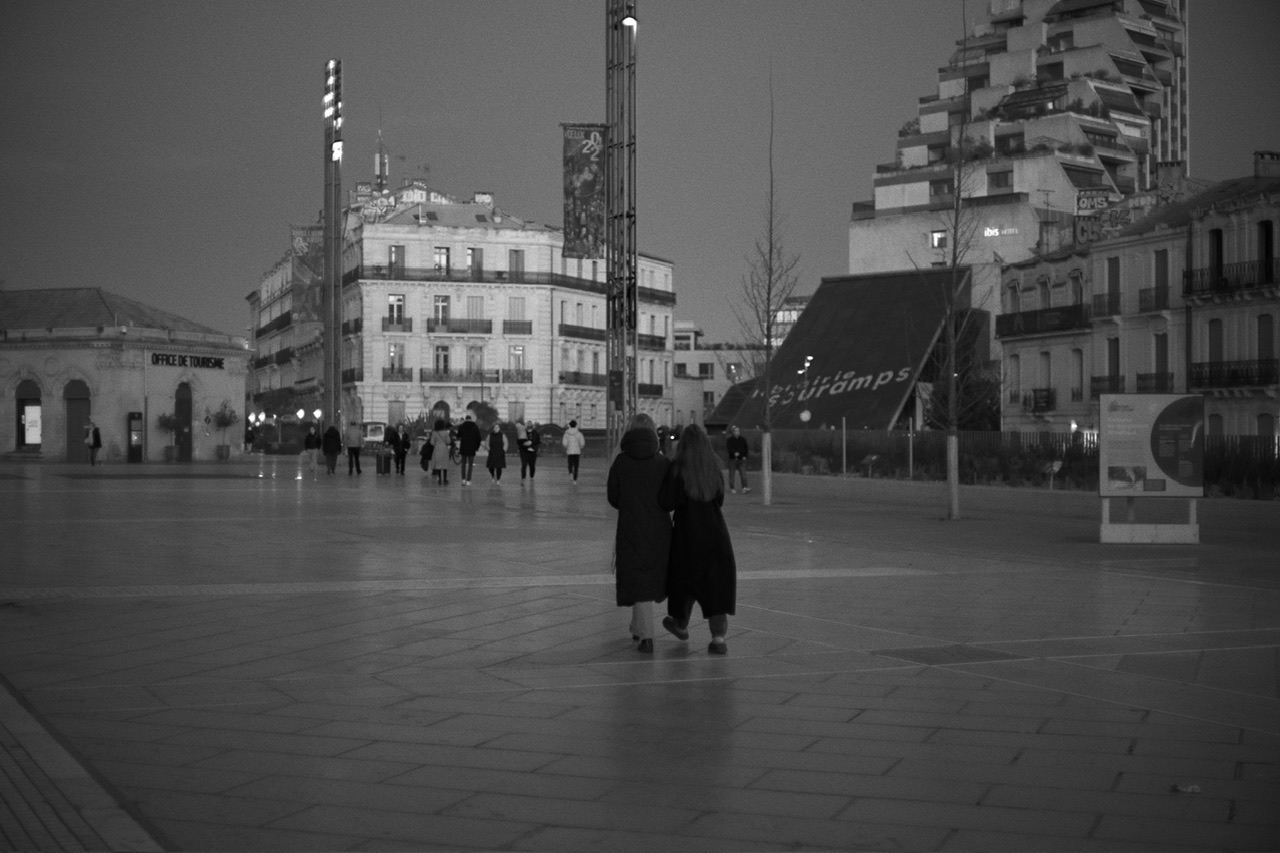
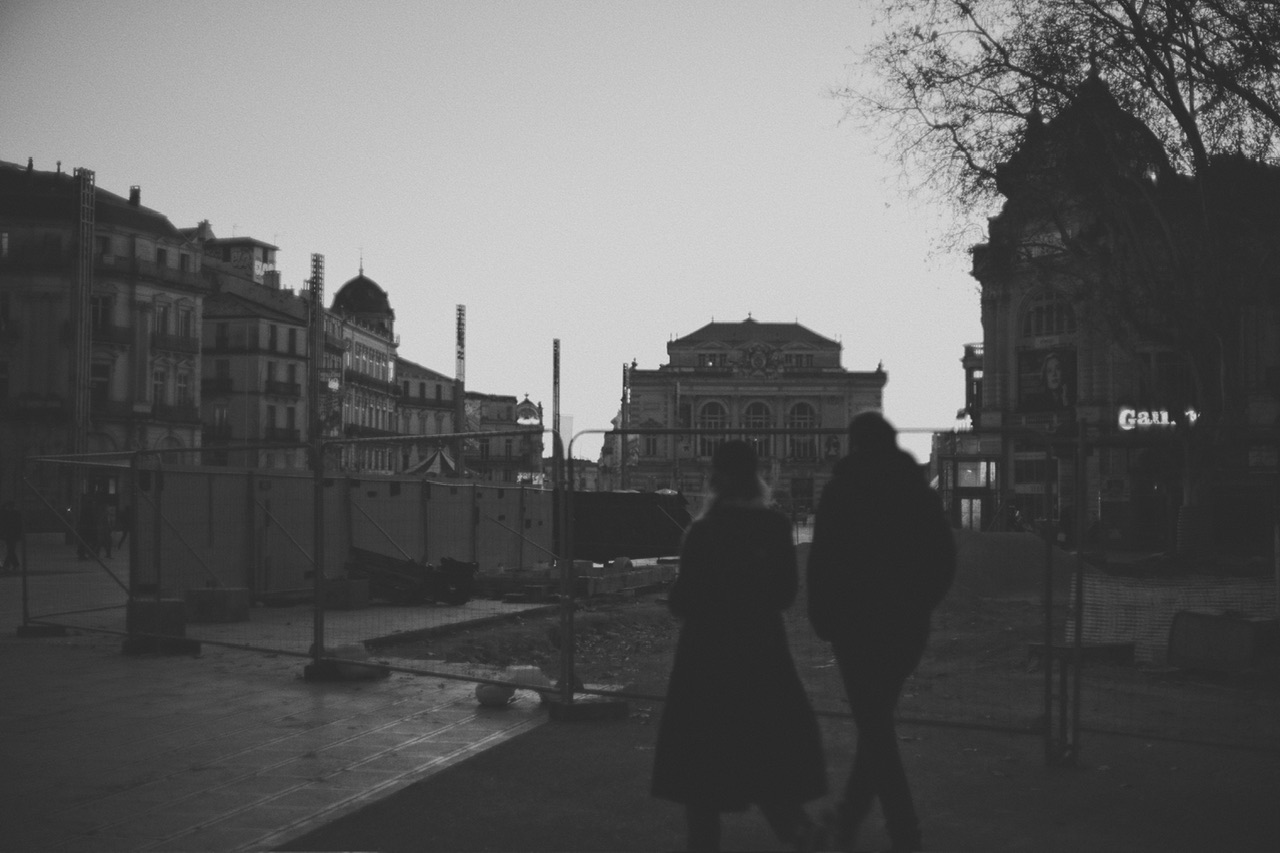
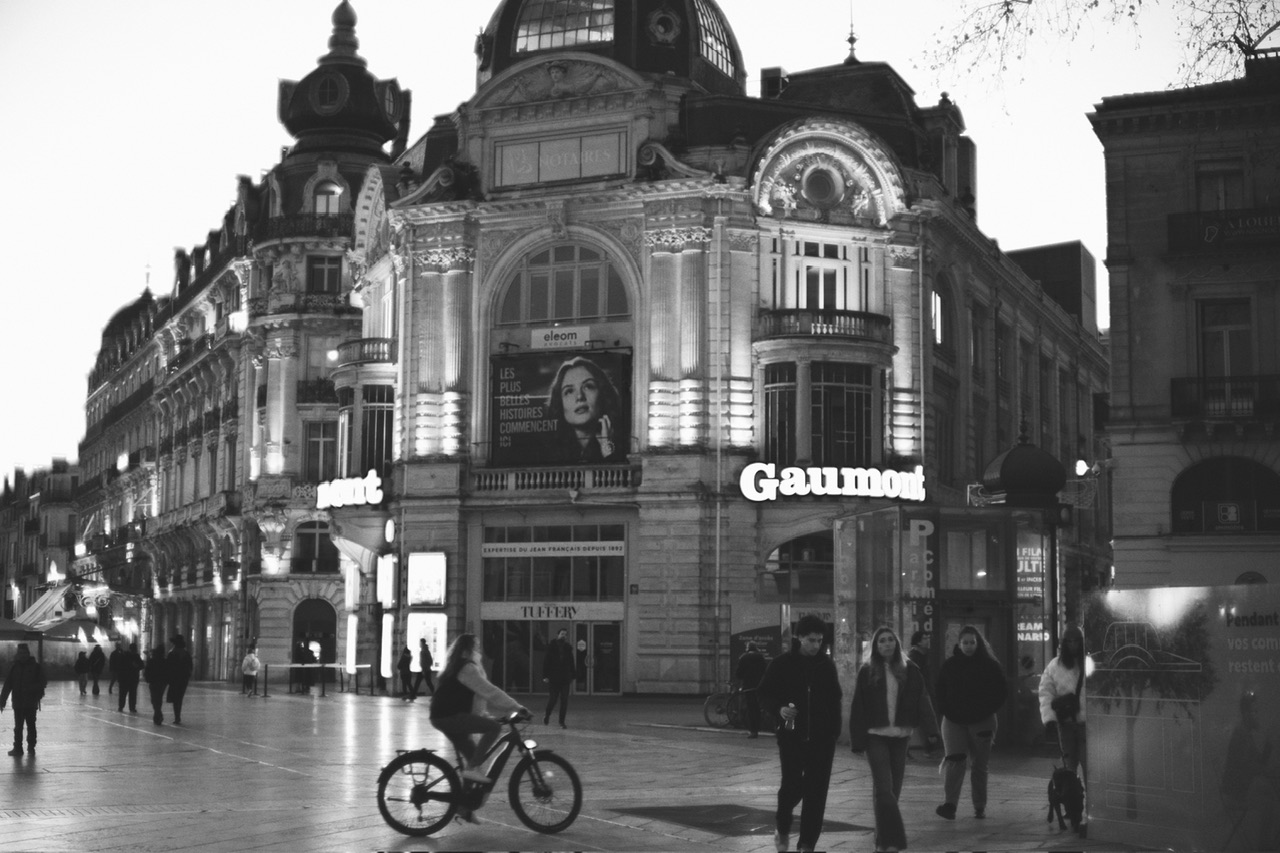
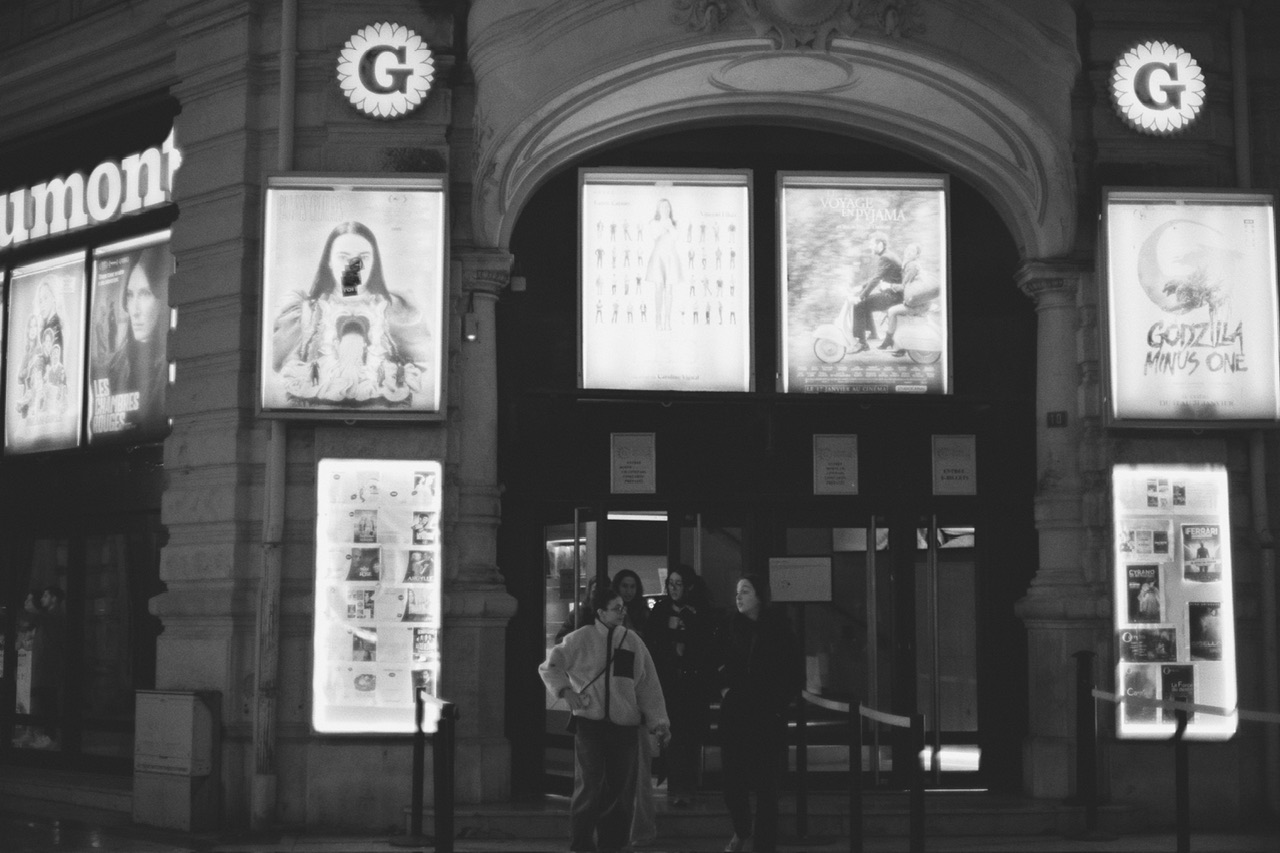
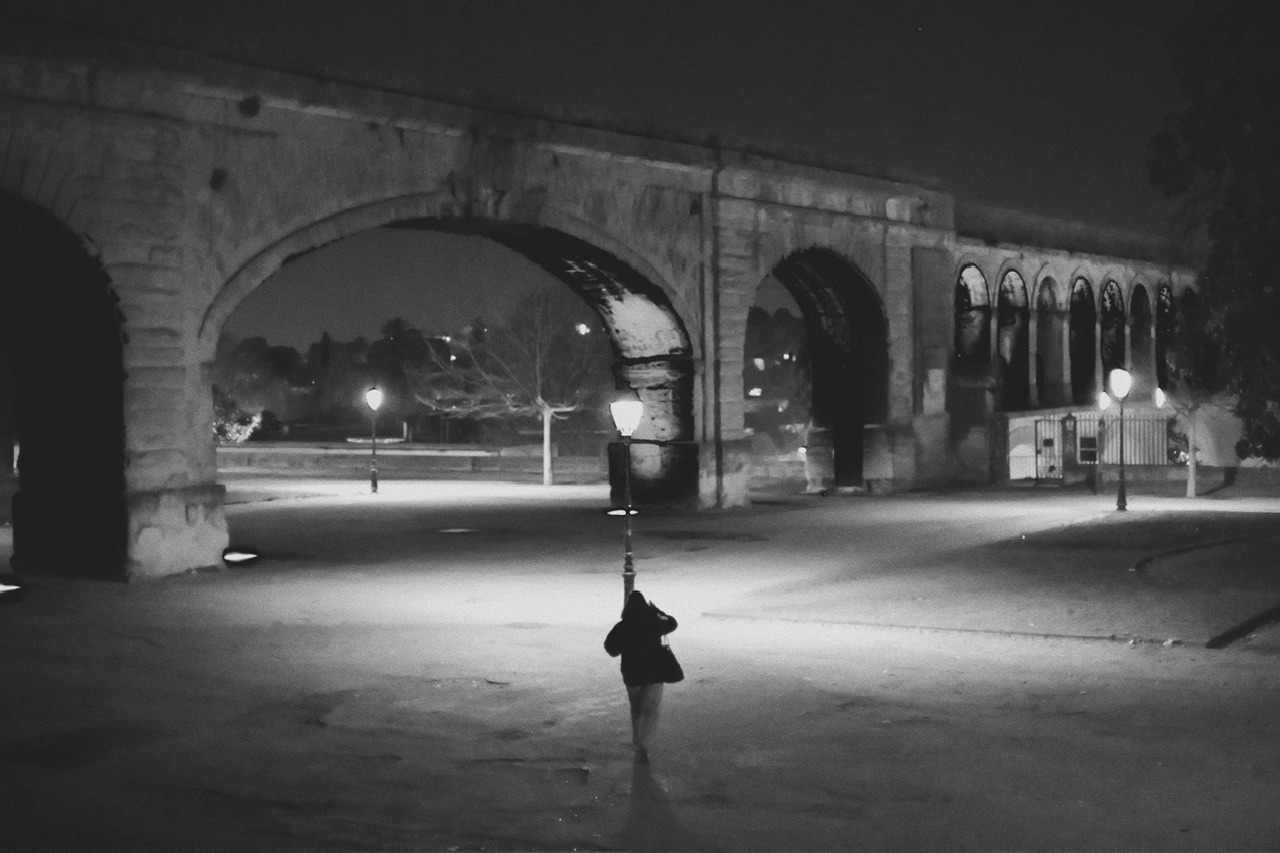
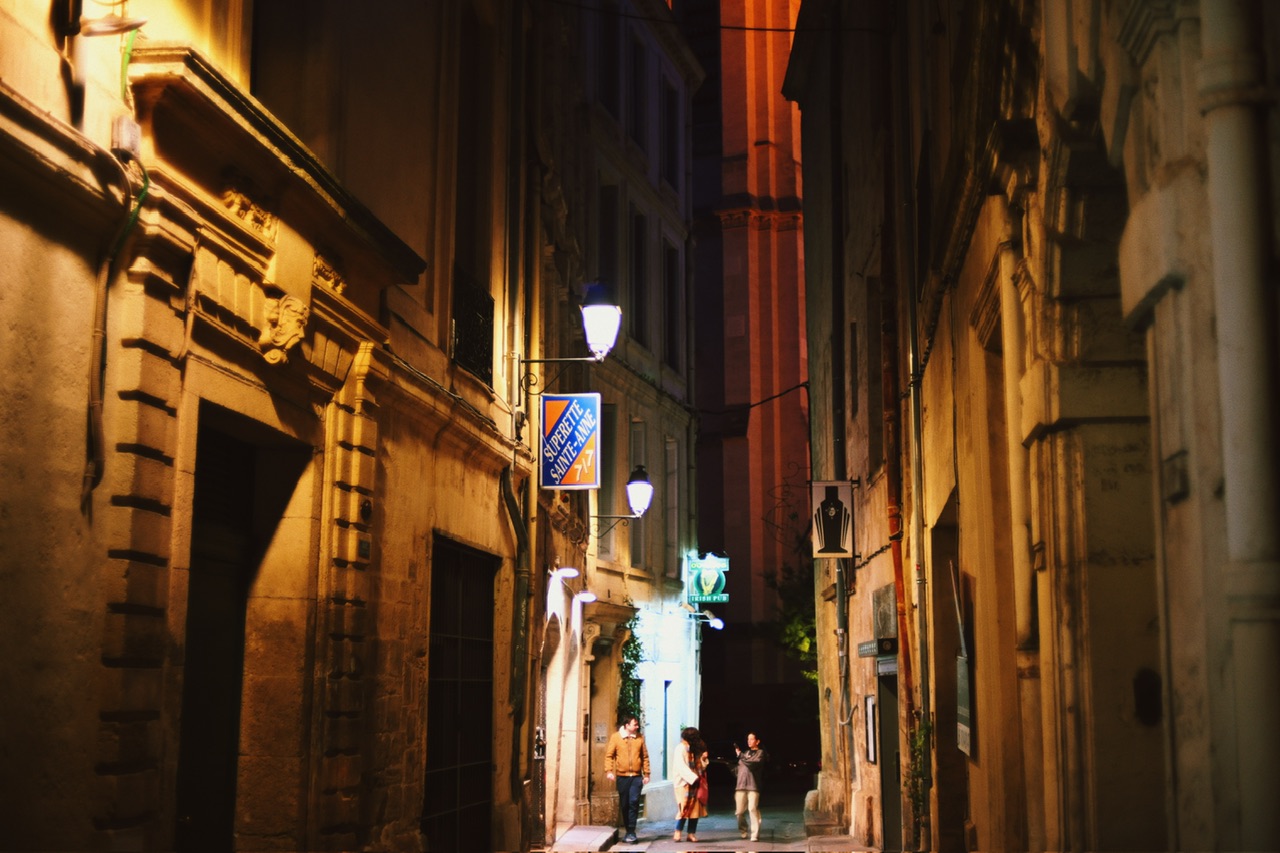
More with the 50/1.2 '1966.' Not gonna lie - this lens is hard to use. Might be better off using on digital only - the resolution drop-off away from center is difficult to learn and the wavy field makes rangefinder focusing quite challenging. Still, the rendering is unique and appealing to me.
All taken with Leica M5, LLL 50mm f/1.2 '1966,' Fomapan 400 @ 200, Xtol 1:1


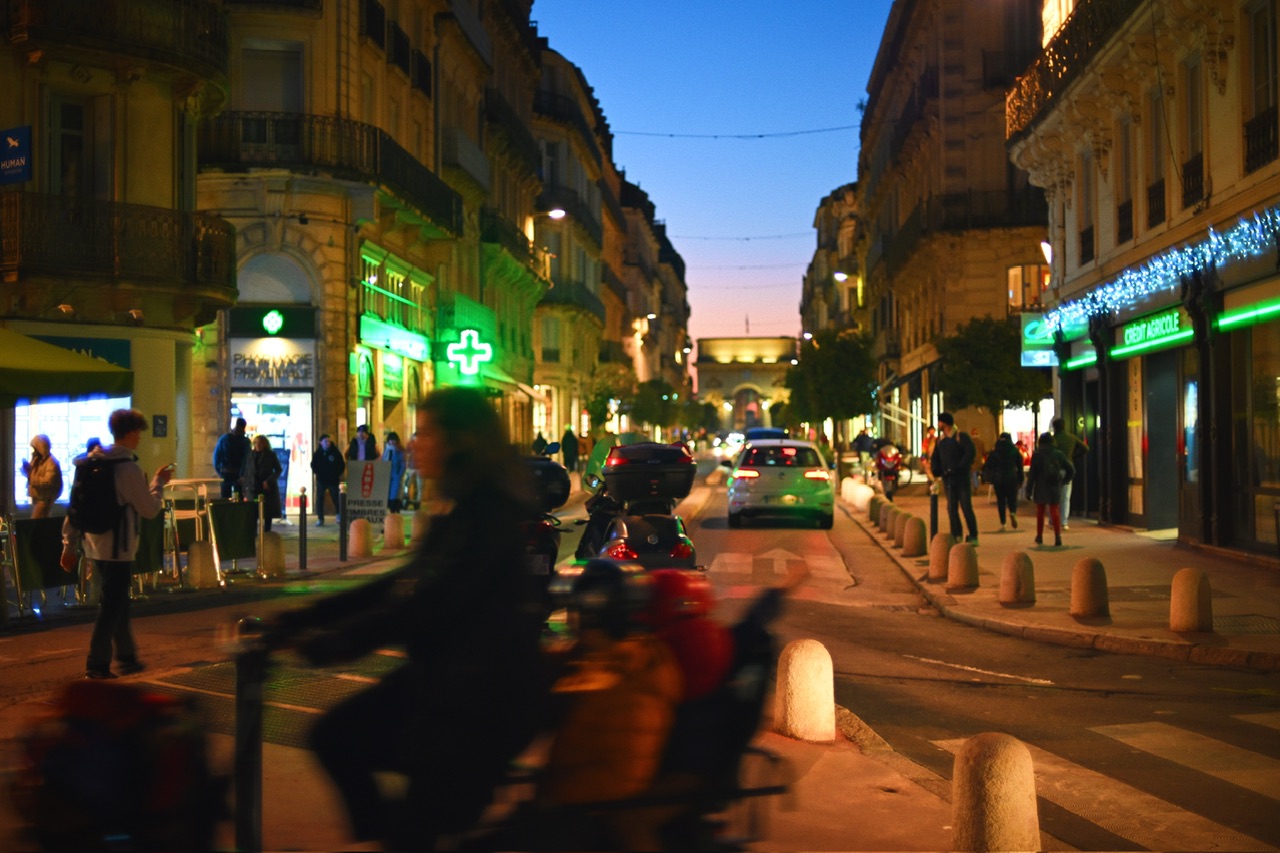



 – think this will look great on a future M11 Safari. This external design of the Rigid version looks so good, and I like that they use their more simple A42 lens hood.