Small but mighty Voigtlander 50mm f/2 APO-Lanthar is one of the best 50mm lenses on the market!
The highly anticipated Voigtlander 50/2 APO-Lanthar hits the market and scores a huge win for the Sony E-mount.
After putting the apochromatic 50mm lens under great scrutiny, it delivered exceptional performance while maintaining IQ at all distances. At infinity and wide open, it is already excellent across the entire image field and basically achieves perfection one stop down at f/2.8. It matches and in some cases exceeds the outstanding resolution from lenses like the Voigtlander 65/2 APO-Lanthar and Sony 50/1.4 ZA, making it a perfect companion to the Sony A7R IV 60MP sensor!
At minimal focus distance, it's impeccable from wide open, thanks to the floating element (FLE) system. All of this while delivering smooth and neutral rendering.
The lack of color aberration, high resolution/contrast and normal focal length, makes it a solid option as a walk-around lens for street, portraits and landscapes. The Voigtlander 50/2 APO-Lanthar is compact, light and has superb image quality. If you are a Sony shooter you need to do everything in your power to get ahold of this lens as soon as possible. I don't know how I can be more clear: This is the absolute soul-mate to the Sony 60MP sensor.
Pros:
Superb resolution from wide open across the field. The lens is optimal at f/2.8-4 showing only a slight improvement in resolution and contrast compared to wide open.
Smooth transition zone delivering pleasant rendering at close and mid-distance. (Not as smooth as CV 50/1.2 Nokton but rendering is never harsh)
The new 12-blade mechanism provides round bokeh balls with clean inner structure at f/2 and f/2.8. (No visible onion ring pattern)
Outstanding Minimal Focus Distance performance: The floating group design delivers stunning images at all distances from MFD to infinity.
Very well corrected for axial CA, although I still see traces of green/magenta color error under extreme conditions. Negligible lateral CA.
Compact and light (361g)
Very easy and convenient aperture de-clicking for video.
Great build quality with tight tolerance construction.
Distance encoder provides 5-axis IBIS.
Zero focus shift.
Neglegible Field Curvature. It's a flat-field lens.
Well defined 12-pointed sunstars starting at f/4.5
Precise manual focus and well damped focusing rotation.
Flare resistance is above average for a lens in its class.
Cons:
It does not quite match the longitudinal CA correction from the 65mm and 110mm APO-Lanthar E-mount lenses.
Optical vignetting renders "cat-eye" bokeh balls towards the corners.
DavidBM wrote:
These are both great lenses; but neither has as a design goal “damn near perfect wide open” in the way that the APO Lanthar series does (and the L85 comes close to doing): especially not the cv 74 but not even the APO summicron.
Achieving that requires more bulk.
This is NOT (again) to say that those lenses aren’t great, or that their wide open performance isn’t very useful for many kinds of images. Exactly what trade offs between size, mass, corners wide open, wide open peak resolution etc etc make most sense for a user is a heated question I’m not getting into here.
But CV have a particular performance profile in mind, and I’m guessing if compactness is a goal along with that performance a 90 is going to have to be f2.8. Of course they could make an f2; and it’s either be bigger that the Loxia 85 or perform like the APO summicron. Either could make sense; but neither would be in line with what seems to be the intent of the AL50.
It’s worth noting that “classically” the companion lenses of a 2/50 tend to be 90 or 100 f2,8; the faster teles are part of a series with a 1.4/50....Show more →
David,
I very much appreciate your input, but I think you are wrong about the Leica M 90 f/2 AA. Leica does say, "Brilliance and resolving power are already outstanding at full aperture." So it seems like very high performance wide open was a specific goal when this lens was developed. Here is what Erwin Puts says about the lens, "At full aperture (2.0) the lens exhibits a high contrast image with extremely fine details rendered with excellent clarity and contrast. On axis (center) and in the field (outer zones) and extending to the very corners, minuscule details are re- corded impeccably." The MTFs also support this very high performance wide open. In the centre this lens has about 95% contrast at 10 lp/mm, 85% contrast at 20 lp/mm, and 65% contrast at 40 lp/mm. There is a gradual drop of about 10% contrast as you move to the corners, but his is very high performance. Sure the new Voigtlander 50 f/2 APO is slightly better, but not a huge amount better and we have had 20 years since the Leica M 90 AA was designed. I see no reason that a Voigtlander 85 or 90 APO couldn't be of similar size to the Leica M 90 AA.
Went to the Air and Space Museum near Dulles today. I shot the CV 50/2 mostly, but also shot the Tamron 35/2.8........talk about a difference in feel. This is the first time I really had a chance to shoot the Tamron as well. In any case, hopefully I'll post some from the CV 50/2 in the next few days.
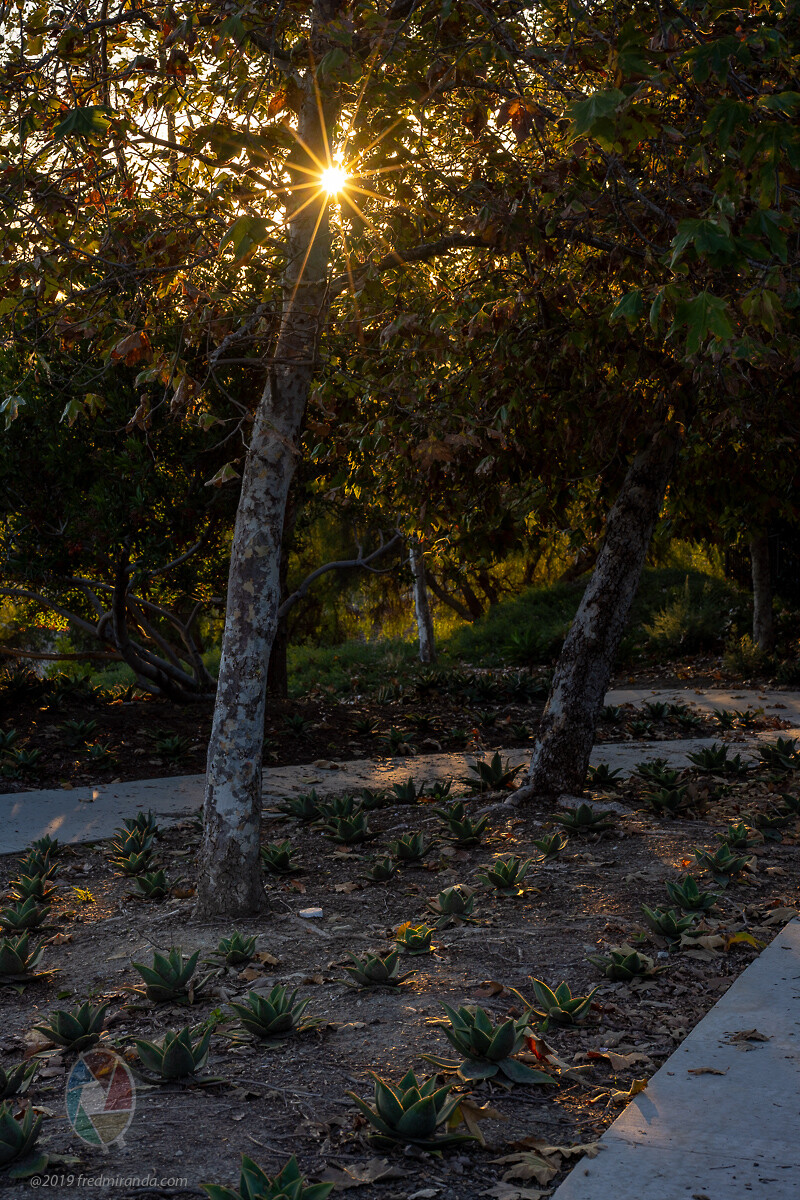
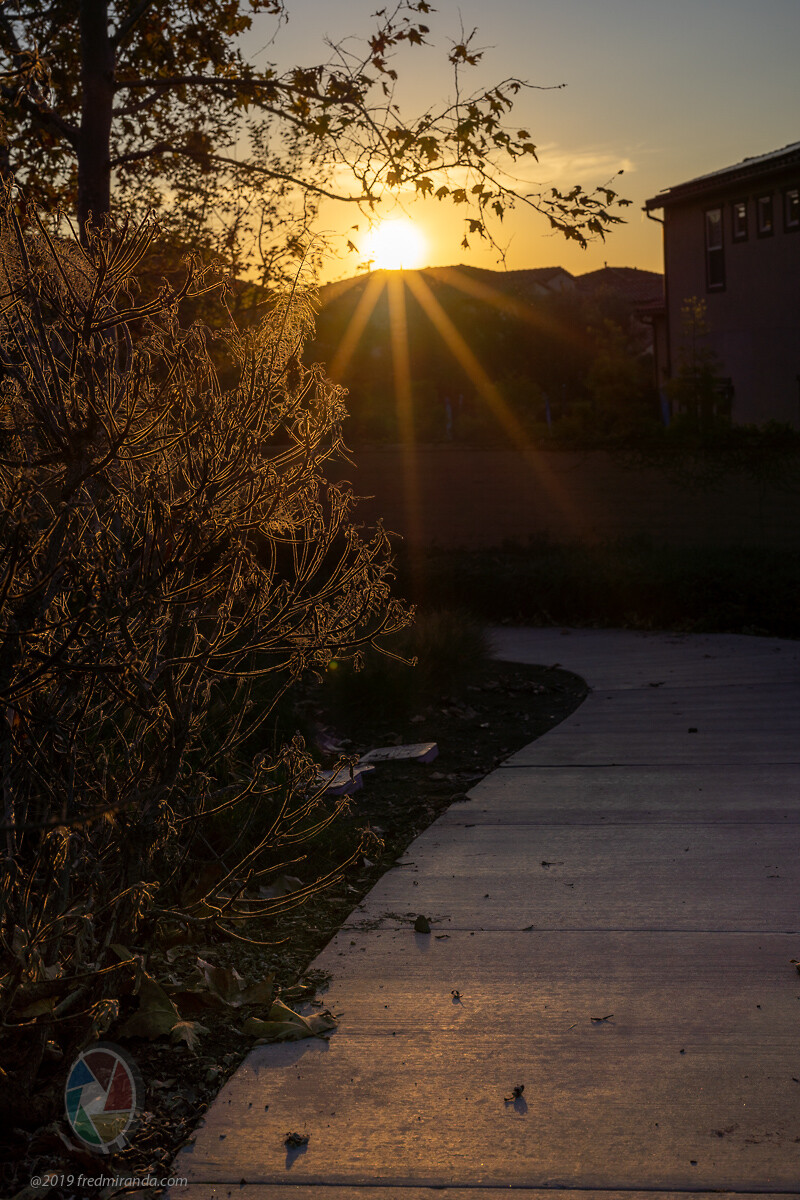
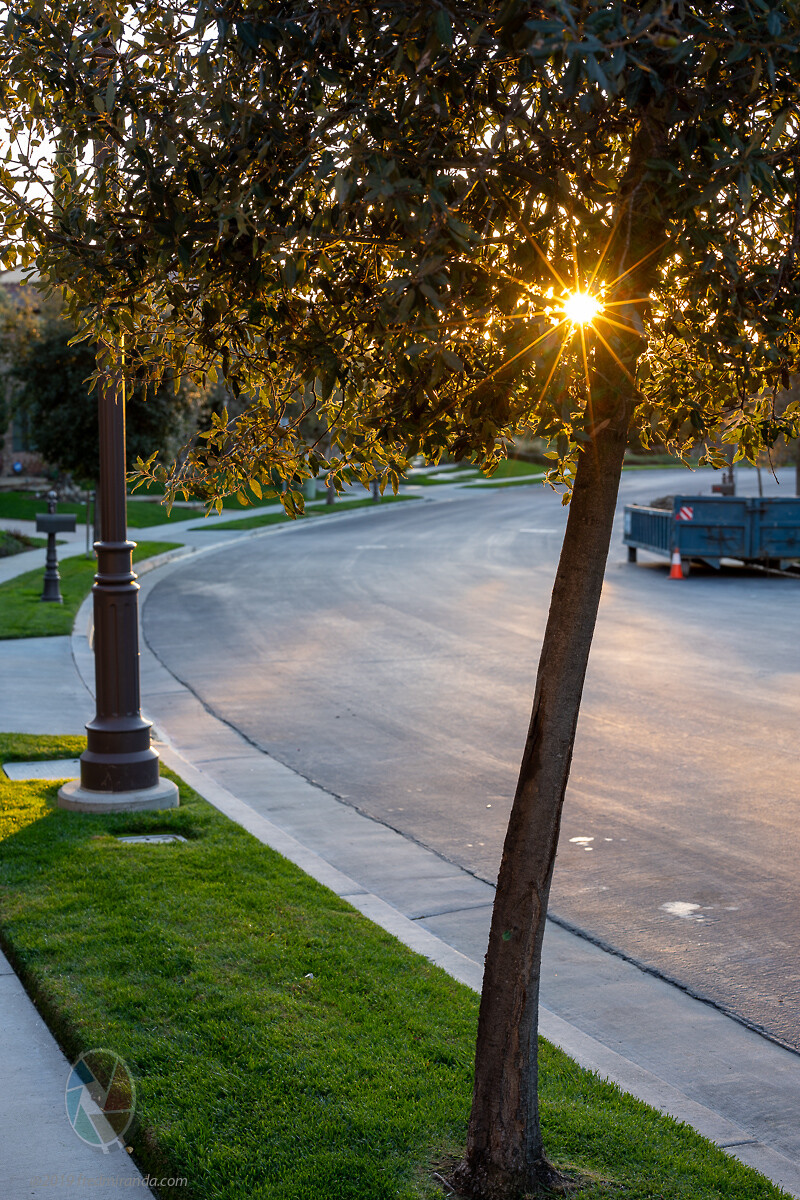
For those who like well defined sunstars, here are three samples around my neighborhood before the sun went down. Hazy weather.
IMO, they look optimal starting at f/4.5 and best at f/5 and smaller. Sunstars don't look well-defined at wider apertures than that due to the new aperture mechanism. (which is great since we get perfectly round f/2 + f/2.8 apertures)
I very much appreciate your input, but I think you are wrong about the Leica M 90 f/2 AA. Leica does say, "Brilliance and resolving power are already outstanding at full aperture." So it seems like very high performance wide open was a specific goal when this lens was developed. Here is what Erwin Puts says about the lens, "At full aperture (2.0) the lens exhibits a high contrast image with extremely fine details rendered with excellent clarity and contrast. On axis (center) and in the field (outer zones) and extending to the very corners, minuscule details are re- corded impeccably." The MTFs also support this very high performance wide open. In the centre this lens has about 95% contrast at 10 lp/mm, 85% contrast at 20 lp/mm, and 65% contrast at 40 lp/mm. There is a gradual drop of about 10% contrast as you move to the corners, but his is very high performance. Sure the new Voigtlander 50 f/2 APO is slightly better, but not a huge amount better and we have had 20 years since the Leica M 90 AA was designed. I see no reason that a Voigtlander 85 or 90 APO couldn't be of similar size to the Leica M 90 AA....Show more →
Hi Steve
Sure I don't disagree that the APO Summicron is terrific even wide open, and maybe it's unnecessary to go for higher MTF40 than the APO summicron, but as I read the MTF chart the APO summicron is sitting in the early sixties centrally, falling off gently to 50% in the corners for MTF 50.
This is, indeed, great performance.
But the Lox 85 sits on 70% for most of the field down to just below 60 in the corners (admittedly at f2)
And the CV APO Lanthar 50 promises damn near 80% wide open for most of the field, dropping gracefully to 60 at the very edges of the field.
Is this extra performance visible in images? Mostly not, I'm guessing.
Is caring about this measurebating, as some call it? Maybe. I sit on the fence.
Would I prefer a design which is small, has f2 performance like the Summicron and gets crazy good rather than just superb one stop down over a bigger design that has 5-10% more MTF 40 wide open? Yes I would.
But my sole question was how likely it is that we'll get a smallish Apo Lanthar 2/90 given that they want it to perform like the existing one. I guess I still think that's unlikely: though I'd prefer if they reduced the intended quality indiscernibly less and shrank it.
Small but mighty Voigtlander 50mm f/2 APO-Lanthar is one of the best 50mm lenses on the market!
The highly anticipated Voigtlander 50/2 APO-Lanthar hits the market and scores a huge win for the Sony E-mount.
After putting the apochromatic 50mm lens under great scrutiny, it delivered exceptional performance while maintaining IQ at all distances. At infinity and wide open, it is already excellent across the entire image field and basically achieves perfection one stop down at f/2.8. It matches and in some cases exceeds the outstanding resolution from lenses like the Voigtlander 65/2 APO-Lanthar and Sony 50/1.4 ZA, making it a perfect companion to the Sony A7R IV 60MP sensor!
At minimal focus distance, it's impeccable from wide open, thanks to the floating element (FLE) system. All of this while delivering smooth and neutral rendering.
The lack of color aberration, high resolution/contrast and normal focal length, makes it a solid option as a walk-around lens for street, portraits and landscapes. The Voigtlander 50/2 APO-Lanthar is compact, light and has superb image quality. If you are a Sony shooter you need to do everything in your power to get ahold of this lens as soon as possible. I don't know how I can be more clear: This is the absolute soul-mate to the Sony 60MP sensor.
Pros:
Superb resolution from wide open across the field. The lens is optimal at f/2.8-4 showing only a slight improvement in resolution and contrast compared to wide open.
Smooth transition zone delivering pleasant rendering at close and mid-distance. (Not as smooth as CV 50/1.2 Nokton but rendering is never harsh)
The new 12-blade mechanism provides round bokeh balls with clean inner structure at f/2 and f/2.8. (No visible onion ring pattern)
Outstanding Minimal Focus Distance performance: The floating group design delivers stunning images at all distances from MFD to infinity.
Very well corrected for axial CA, although I still see traces of green/magenta color error under extreme conditions. Negligible lateral CA.
Compact and light (361g)
Very easy and convenient aperture de-clicking for video.
Great build quality with tight tolerance construction.
Distance encoder provides 5-axis IBIS.
Zero focus shift.
Neglegible Field Curvature. It's a flat-field lens.
Well defined 12-pointed sunstars starting at f/4.5
Precise manual focus and well damped focusing rotation.
Flare resistance is above average for a lens in its class.
Cons:
It does not quite match the longitudinal CA correction from the 65mm and 110mm APO-Lanthar E-mount lenses.
Optical vignetting renders "cat-eye" bokeh balls towards the corners.
It's very likely, IMO. I have to side with the f2 high spatial frequency content as being both visible and creatively desirable. A good indication of this is shown in the image set at p9#11, all shot at f2 - web jpgs.
Looking at the Canon RF85/50, the ALs and the Leica SL 90/2, this is a well-accepted new design approach, one that grants greater separation earned by focal plane performance and 'designer fade'.
Importantly, CV did not get the results through Sigma-tier complexity. Both the 50/2 and 65/2 are 10/8 designs, which compares with other recent ~f2 85-90mm lenses this way (design - weight - filters):
The Nikkor 85/1.8 S is but 13mm longer than their 50/1.8 and the same diameter. The (overbuilt) 90/2 SL produces 86% (infinity) and 83% ('close') in its 40 lpmm data, inside a very flat, APO-Lanthar style cross-frame performance. All these have AF plumbing, some have 'extras' (OLED, buttons).
An APO-Lanthar at 90mm would go close to matching the Leica, IMO. They won't need to comply with arbitrary impositions (52mm filters) and RF restrictions, as seen in the low element count 90AA-M.
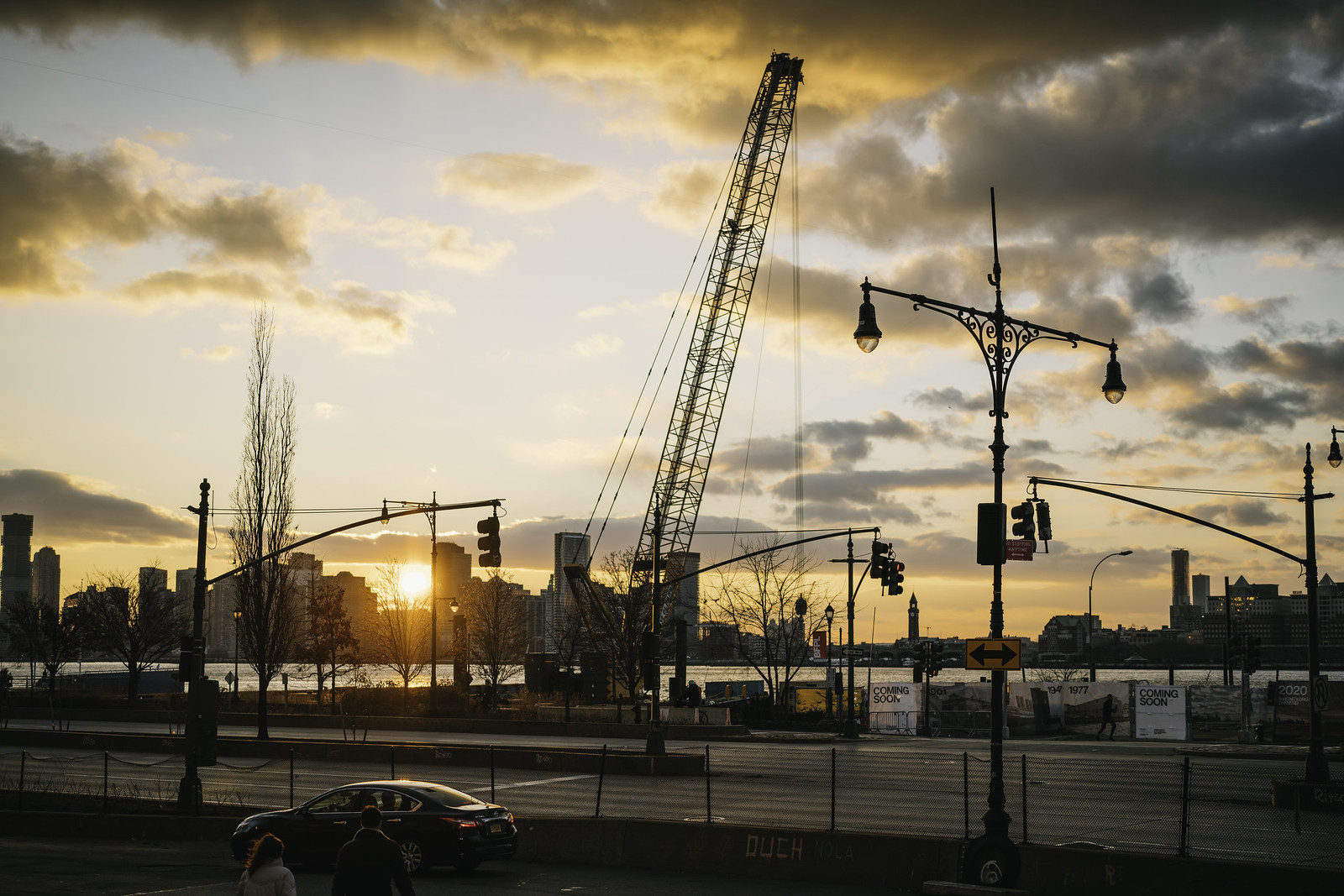
I took it out for its second outing. This time during sunset, followed by blue hour in the Meatpacking District of NYC. All of these were shot wide open at F/2 on an a7R iii. They were shot in RAW and mildly processed, but no defringing, clarity, dehaze, or constrast added. Mostly just recovering details and giving it a color tone.
The lens is really a joy to walk around with. Between its fairly compact size and weight, to its exceptional performance that allows you focus on capturing the moment, instead of worrying about areas that would normally trip up a lesser quality lens.
If you want to pixel peep, follow the flickr link under each photo and download the full original resolution files.
hanay78 wrote:
Thank you very very much for your shots!!!!!!!
increase of resolution is very very significant!
colors in the corner differ significantly. Have you any conclusions about compared color redition/beauty? Same about contrast?
Regards and thank you very very much again!
Jorge
You are welcome
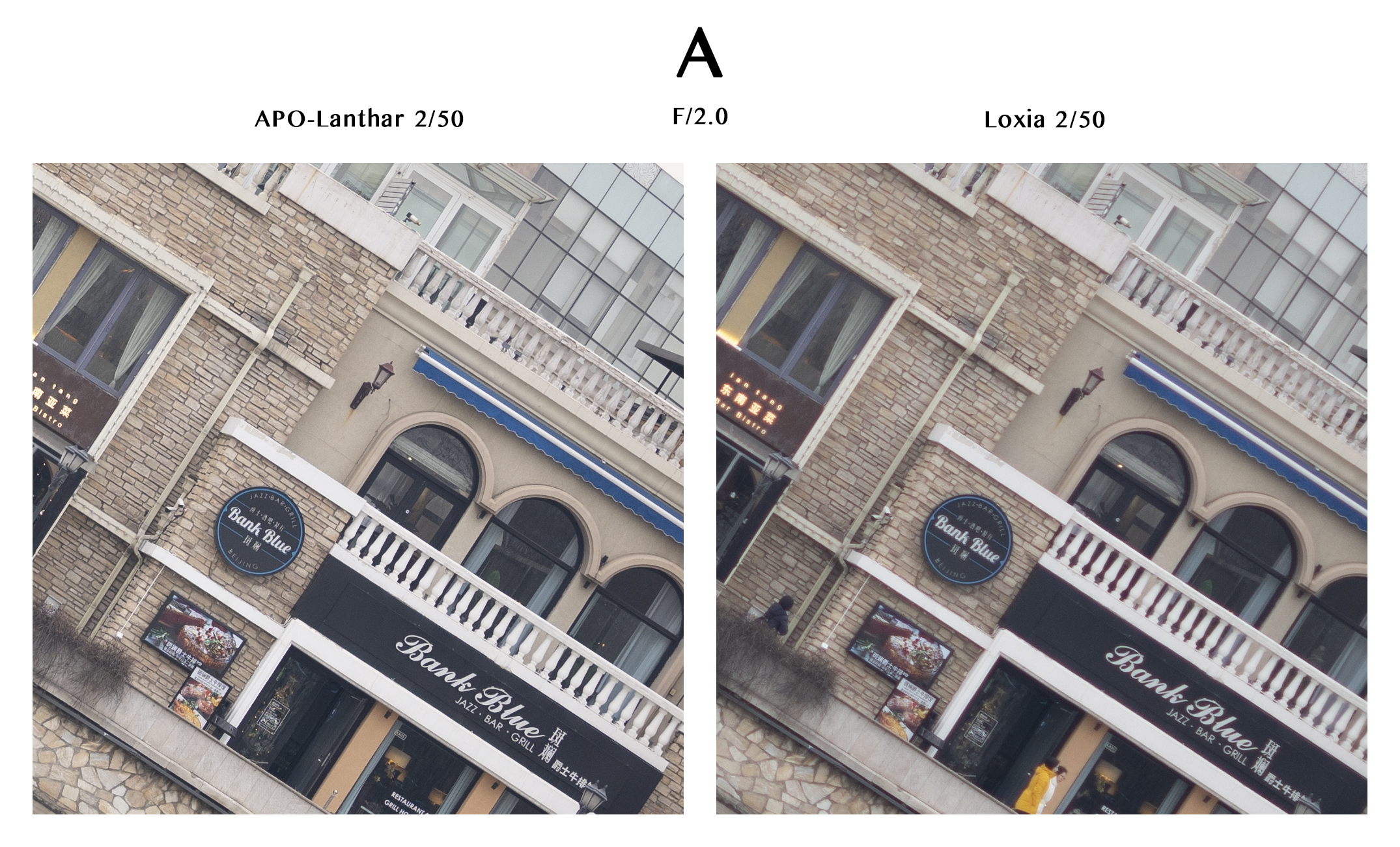
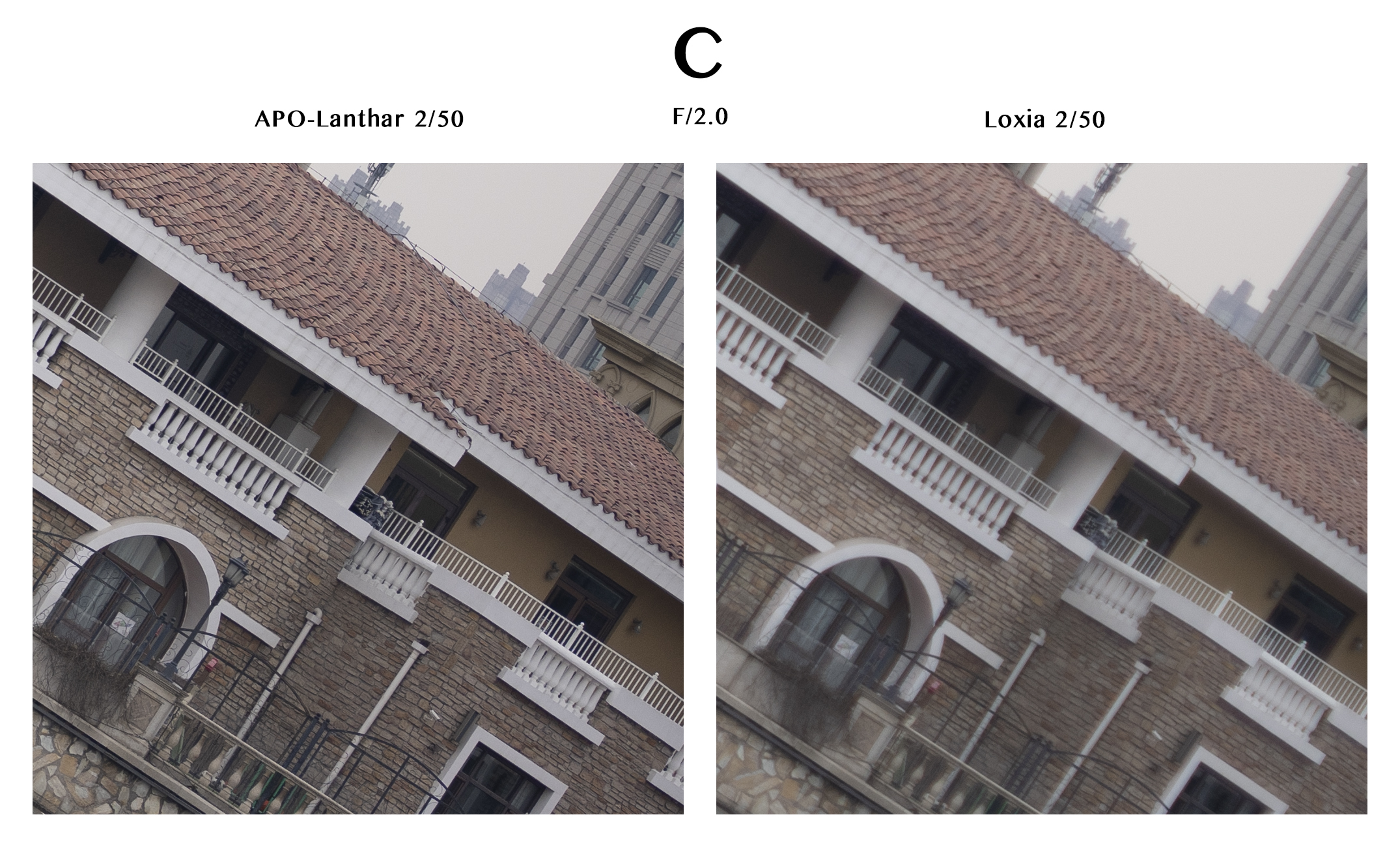
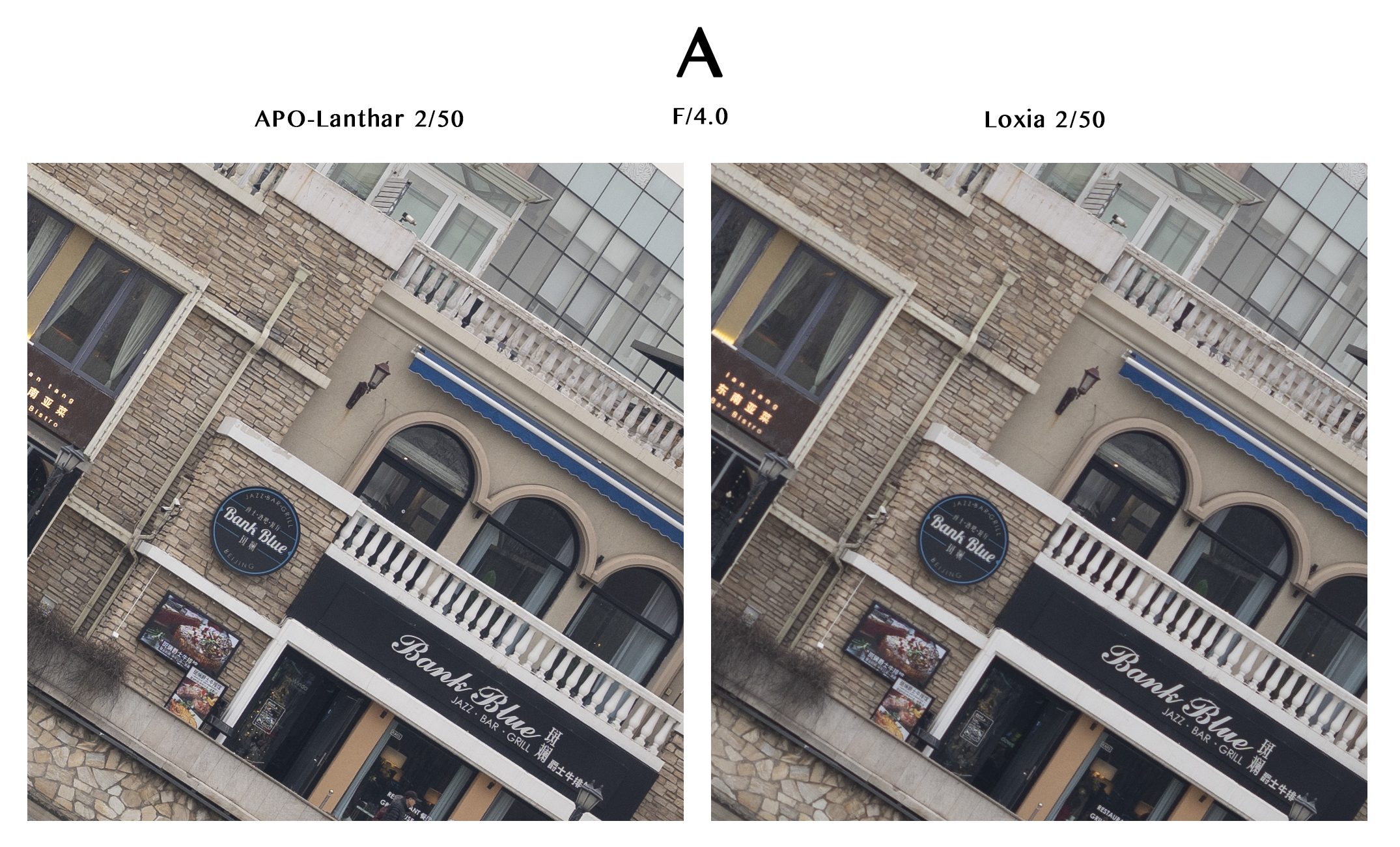
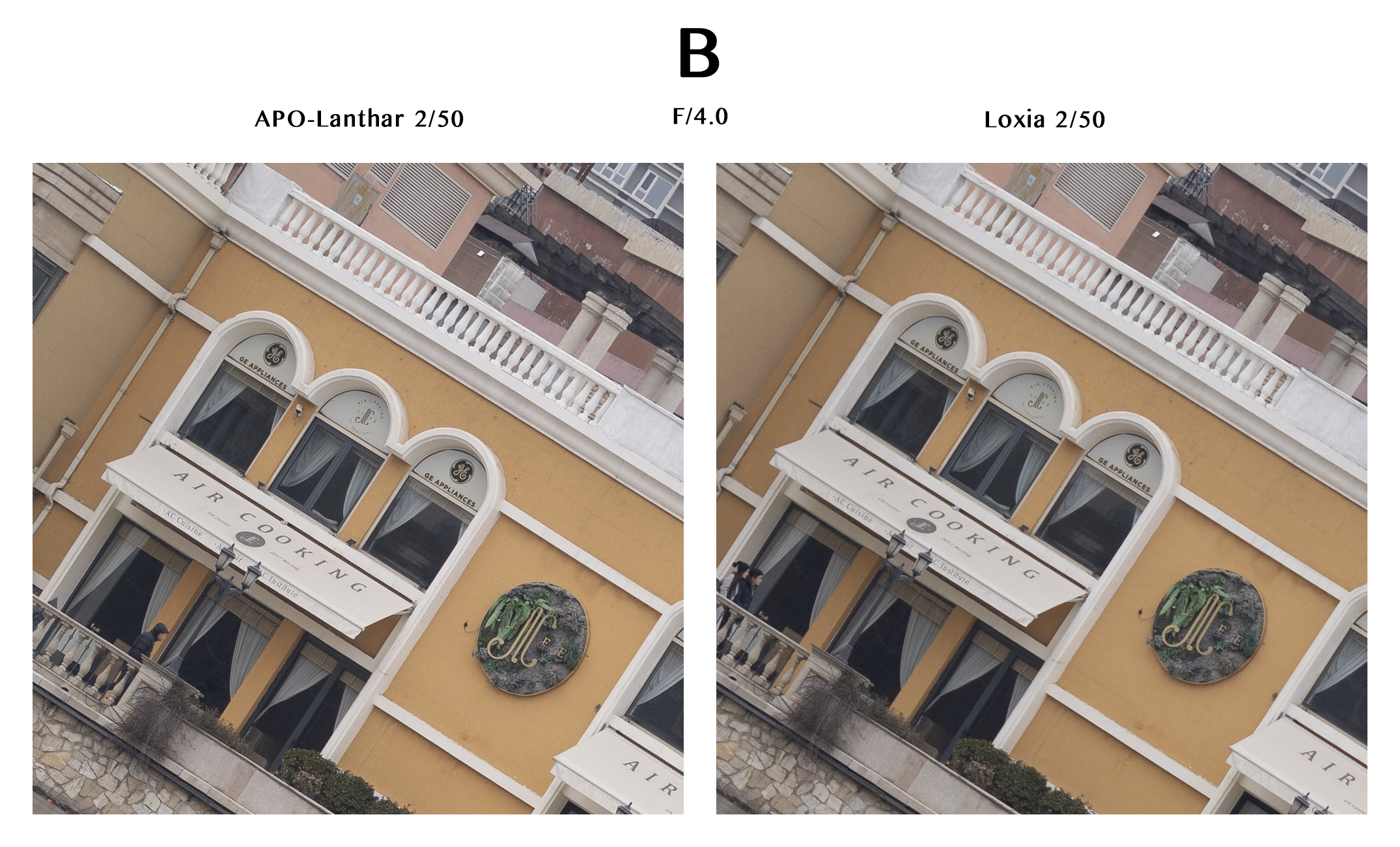
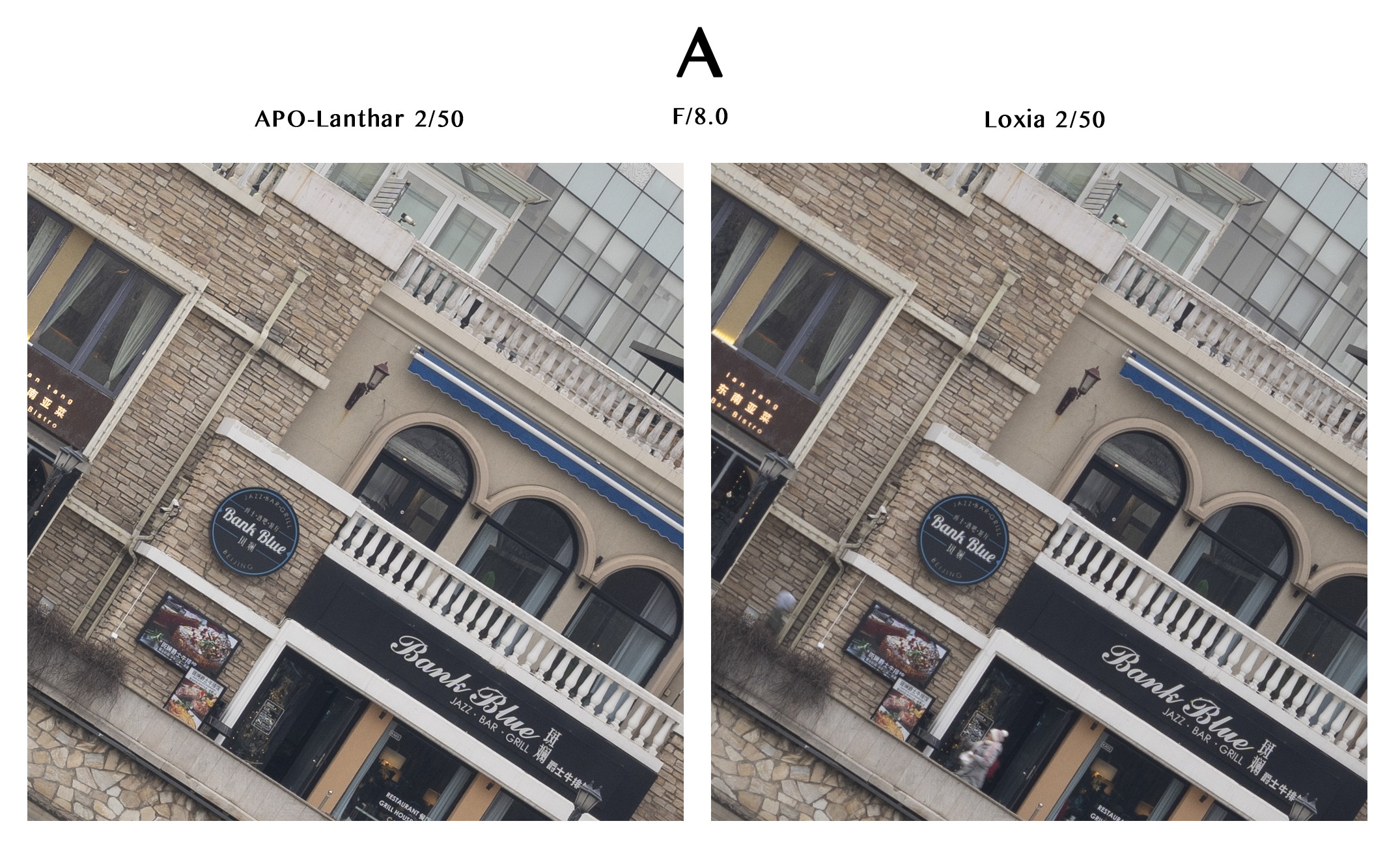
There are visible differences between color render,for example, BLUE: app-lanthar tend to magenta, loxia tend to cyan, YELLOW(brightness&purity): app-lanthar is higher than loxia,and apo-lanthar has higher vignetting
Aesthetic is subjective, I personally still prefer the color render of loxia, but the color render of apo-lanthar is also as expected.
thanks again for your answer. any conclusions in contrast?
olalafoto wrote:
You are welcome
There are visible differences between color render,for example, BLUE: app-lanthar tend to magenta, loxia tend to cyan, YELLOW(brightness&purity): app-lanthar is higher than loxia,and apo-lanthar has higher vignetting
Aesthetic is subjective, I personally still prefer the color render of loxia, but the color render of apo-lanthar is also as expected.
Thanks very much indeed for this. It is perfectly clear that, for across-the-frame resolution at infinity focus, the APO-Lanthar wins hands down at f2 and, to a lesser extent, thereafter. The real question for me is whether it is sufficiently better, in practical rather than OMG terms, to warrant a switch, particularly as landscape photography is for me always on tripod at f8 or higher so the extraordinary corner to corner performance at f2 is only of academic interest.
The key factor (for me) when used wide open is the quality of subject separation and I suspect the Zeiss, with its signature mid range punch, might be the winner. I'd certainly be interested to know what owners of both think about that.
olalafoto wrote:
APO-Lanthar vs Loxia, A7R4
Both copies are perfectly symmetric
Same white balance setting
All corrections turned 'off'
ACR default settings