Knut. wrote:
The MTF curves start off higher in the center for e-mount, but drop off slightly faster to the edge reaching similar levels at the very edge.
To me the differences are so minute that typical sample variation most likely is higher than the MTF differences we see here between e and M mount (just look at the variations Roger Cicala sees between lenses in his MTF curves … )
All without real relevance for the images taken …
Yeah, if I recall, I believe Roger Cicala has said in the past that its very difficult to distinguish anything that's above 80% or so and certainly not anything that's just a few percentage points—you're more likely to have copy variation being the bigger variable!
Knut. wrote:
The MTF curves start off higher in the center for e-mount, but drop off slightly faster to the edge reaching similar levels at the very edge.
To me the differences are so minute that typical sample variation most likely is higher than the MTF differences we see here between e and M mount (just look at the variations Roger Cicala sees between lenses in his MTF curves … )
All without real relevance for the images taken …
It's possible, considering that MTF plots of Voigtlander (and Zeiss) lenses are measured in the lab, and not just calculated.
Actually, I was rather surprised to see identical optical schemes for E/Z- and M-mount, but slightly different MTF plots.
The lens appears very telecentric. It might well be that they didn‘t need to produce different designs for the different cover glas thickness of e and M mount. Or the calculations are made on the basis of a cover glas thickness in between. That could explain some slight variation of the MTF curves.
In any case it appears to me that normal lens to lens variation is regularly in this range as far as I can see from the data Roger Cigala showed in the past for other sets of identical lenses.
Ulff wrote:
What I really like about the sunstars of the 35 APO is that I can make a deliberate choice whether I want to have sunstars in an image or not and what quality the sunstars should have. I'm not the biggest fan of sunstars per se, because they sould catch too much attention, which is not always intended. Sometimes they work, and sometimes not.
Here's a test-series with sunstars from f2.0 to f11 in a night scene.
Ripolini wrote:
It's possible, considering that MTF plots of Voigtlander (and Zeiss) lenses are measured in the lab, and not just calculated.
Actually, I was rather surprised to see identical optical schemes for E/Z- and M-mount, but slightly different MTF plots.
Thats in part because the optical diagrams are not detailed. Sometimes the difference is just a matter of spacing or exact surface shape of an element, and that wont show in a diagram.
What are the odds? I've been thinking about ordering a Voigtländer Apo-Lanthar 35mm, which is out of stock everywhere in Sweden. The Voigtländer Z lenses arent that common here at all, I had to order two lenses from Germany last year... And today. on my bithday I found one second hand in a shop close to work. Like new in box!
I have received my 35 AL few days ago.
The lens is way sharper than the (sharp) Zeiss ZF.2 35/2 Distagon (thus confirming MTF plots of the lenses). However, the bokeh is more busy and out-of-focus rendition not as pleasing.
The bokeh of the 50/2 AL too is preferable, IMHO.
Vignetting is present, and visible even at intermediate apertures. It's easy to correct, though.
Here are few shots (cross-post from Nikon Forum):
Nikon Z6 w/CV Z 35/2 Apo-Lanthar @ f/2, 1/2500 s, 100 ISO
Nikon Z6 w/CV Z 35/2 Apo-Lanthar @ f/2, 1/40 s, 1100 ISO
Nikon Z6 w/CV Z 35/2 Apo-Lanthar @ f/2, 1/40 s, 2200 ISO
Nikon Z6 w/CV Z 35/2 Apo-Lanthar @ f/2, 1/40 s, 11400 ISO
Nikon Z6 w/CV Z 35/2 Apo-Lanthar @ f/5.6, 1/40 s, 100 ISO
I have received my 35 AL few days ago.
The lens is way sharper than the (sharp) Zeiss ZF.2 35/2 Distagon (thus confirming MTF plots of the lenses). However, the bokeh is more busy and out-of-focus rendition not as pleasing.
The bokeh of the 50/2 AL too is preferable, IMHO.
Vignetting is present, and visible even at intermediate apertures. It's easy to correct, though.
Here are few shots (cross-post from Nikon Forum):
I refer to the way the lens renders out-of-focus points of light. Differently from the Zeiss ZF/ZE 35/2, the 35/2 AL seems more prone to produce onion-ring bokeh.
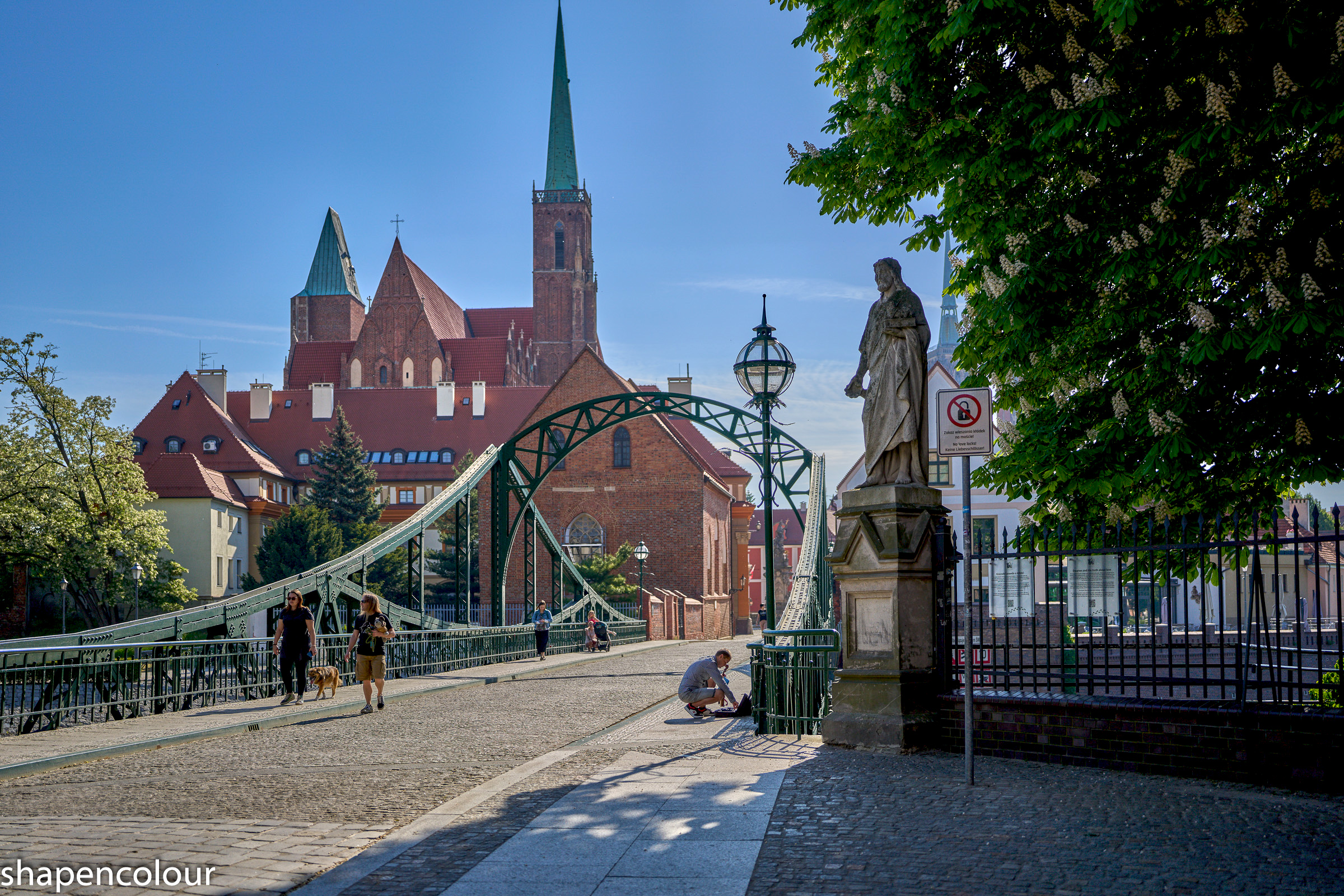
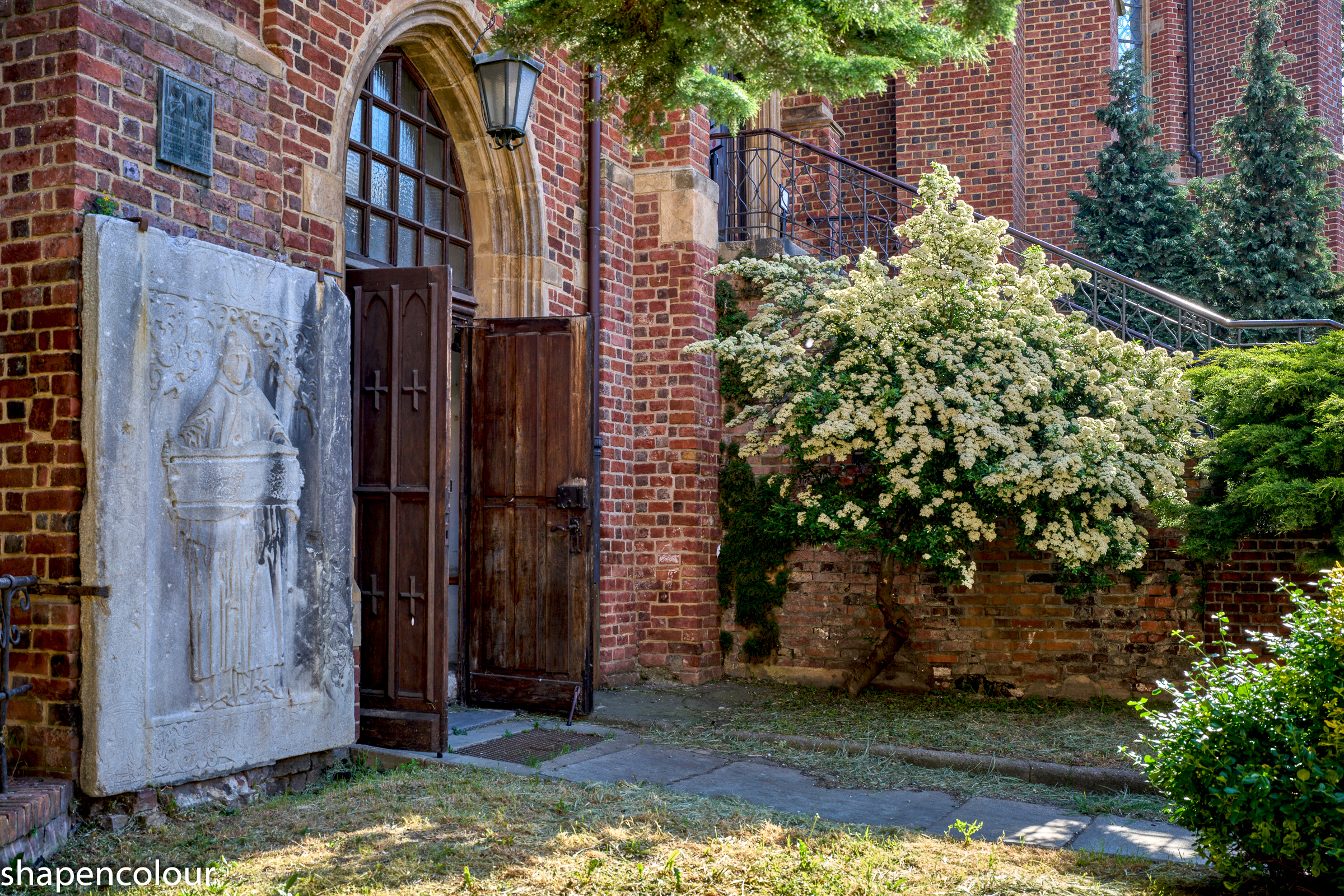
I'll. also repost some from the Nikon section if it's ok. Havent had any real good photo op. But the APO-Lanthar 35mm amazes me with each boring photo @ F.20 (ISO400). SOOC Jpegs, only resized. Nikon Zf
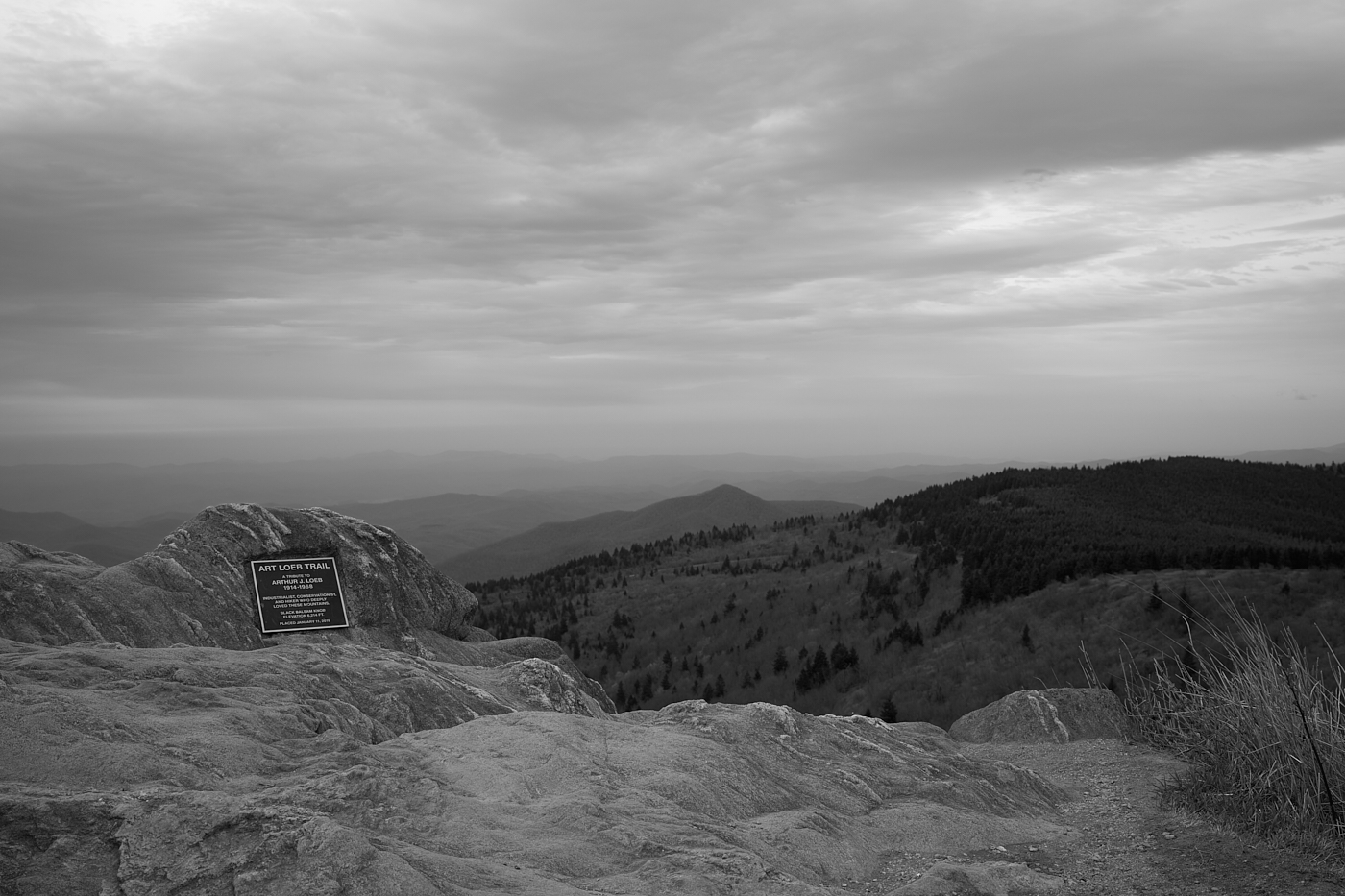
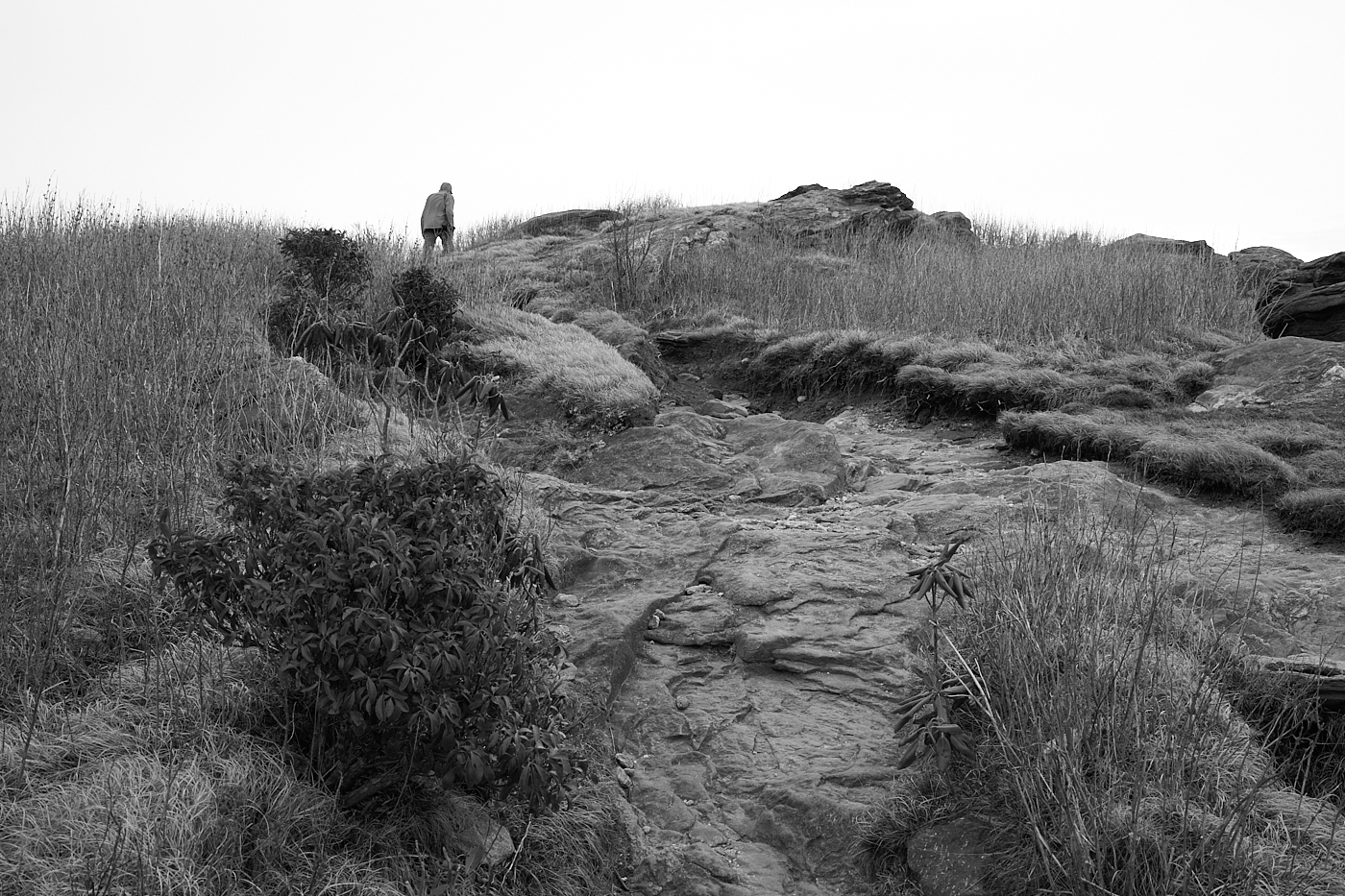
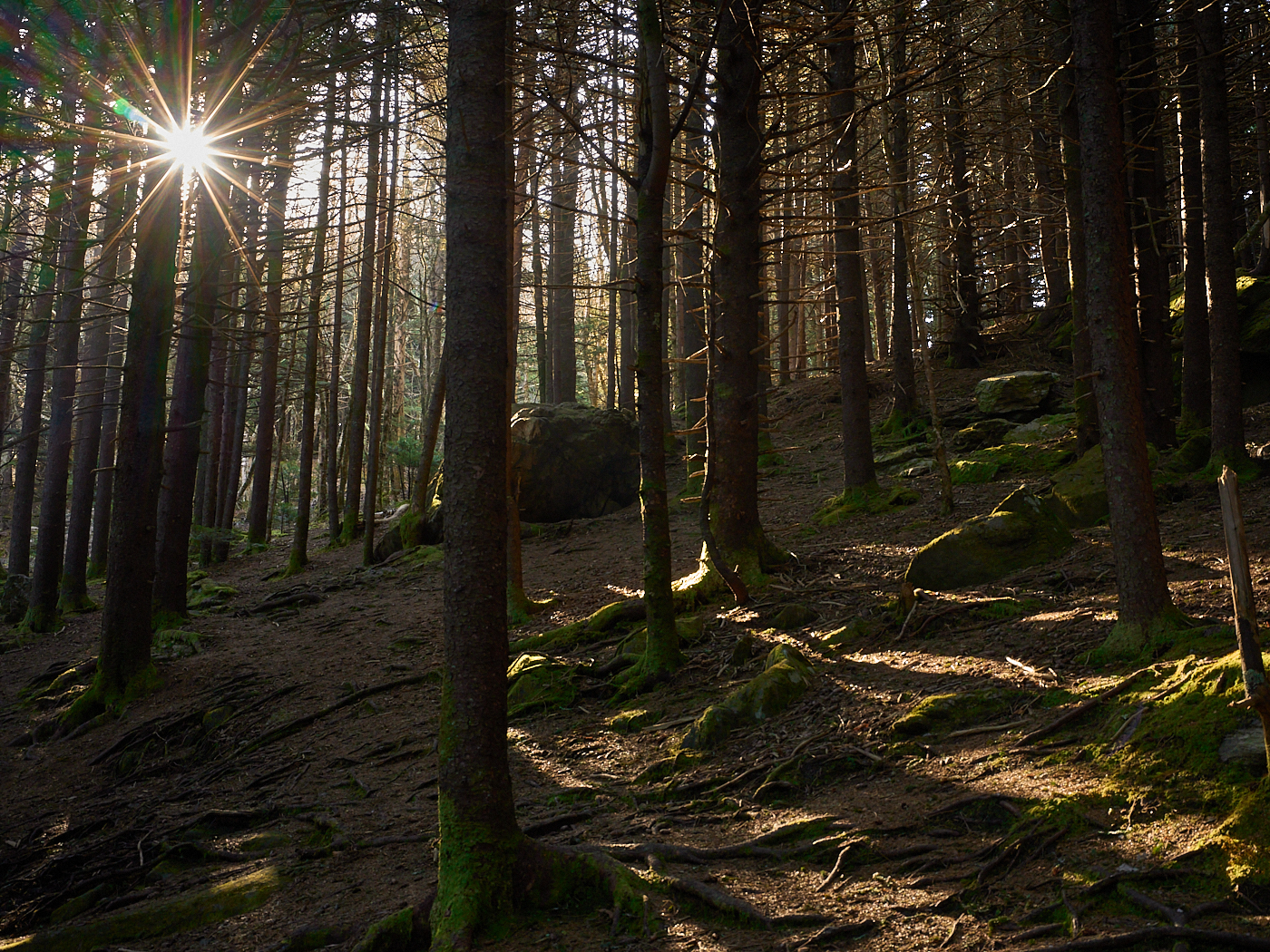
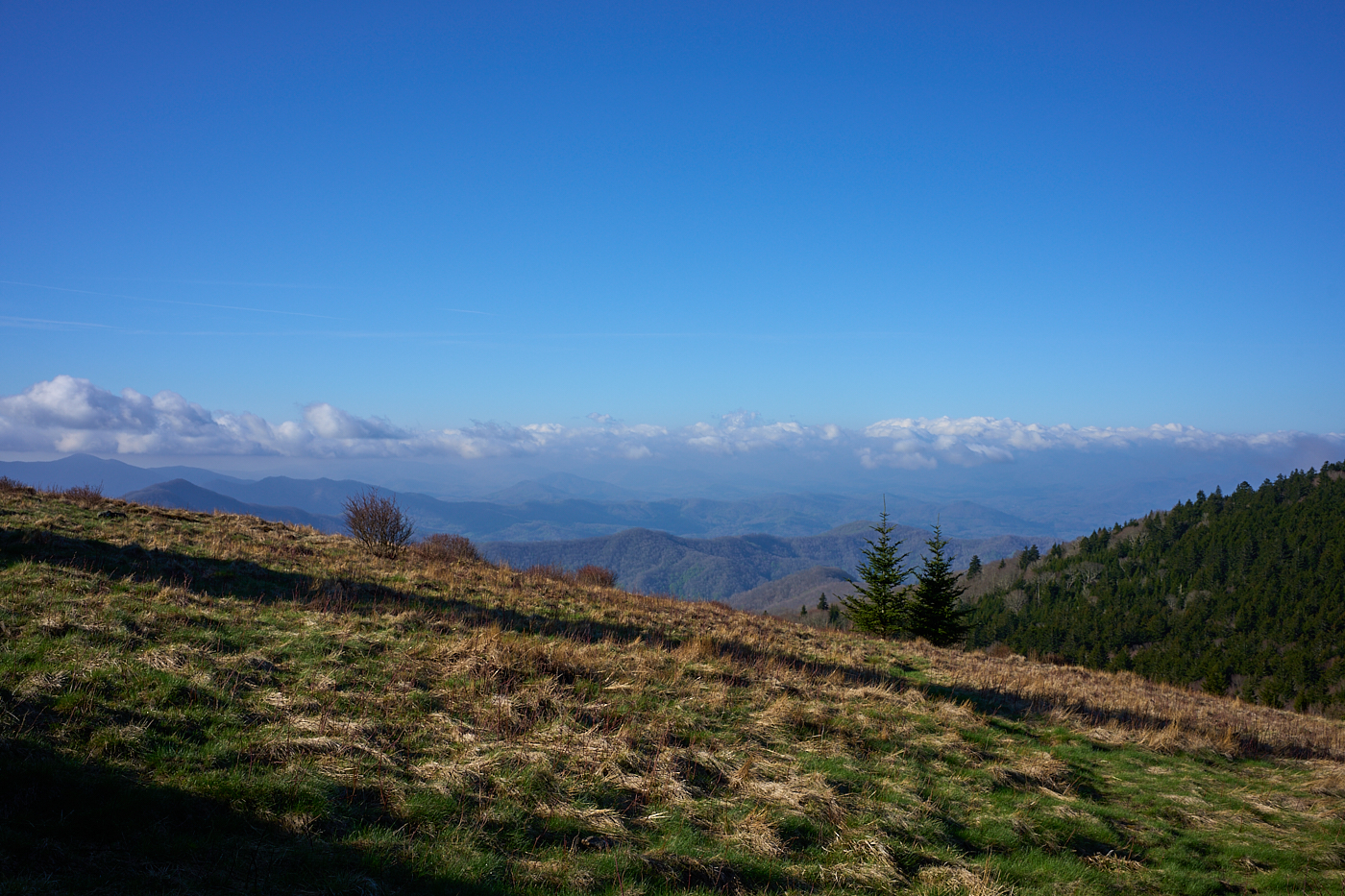
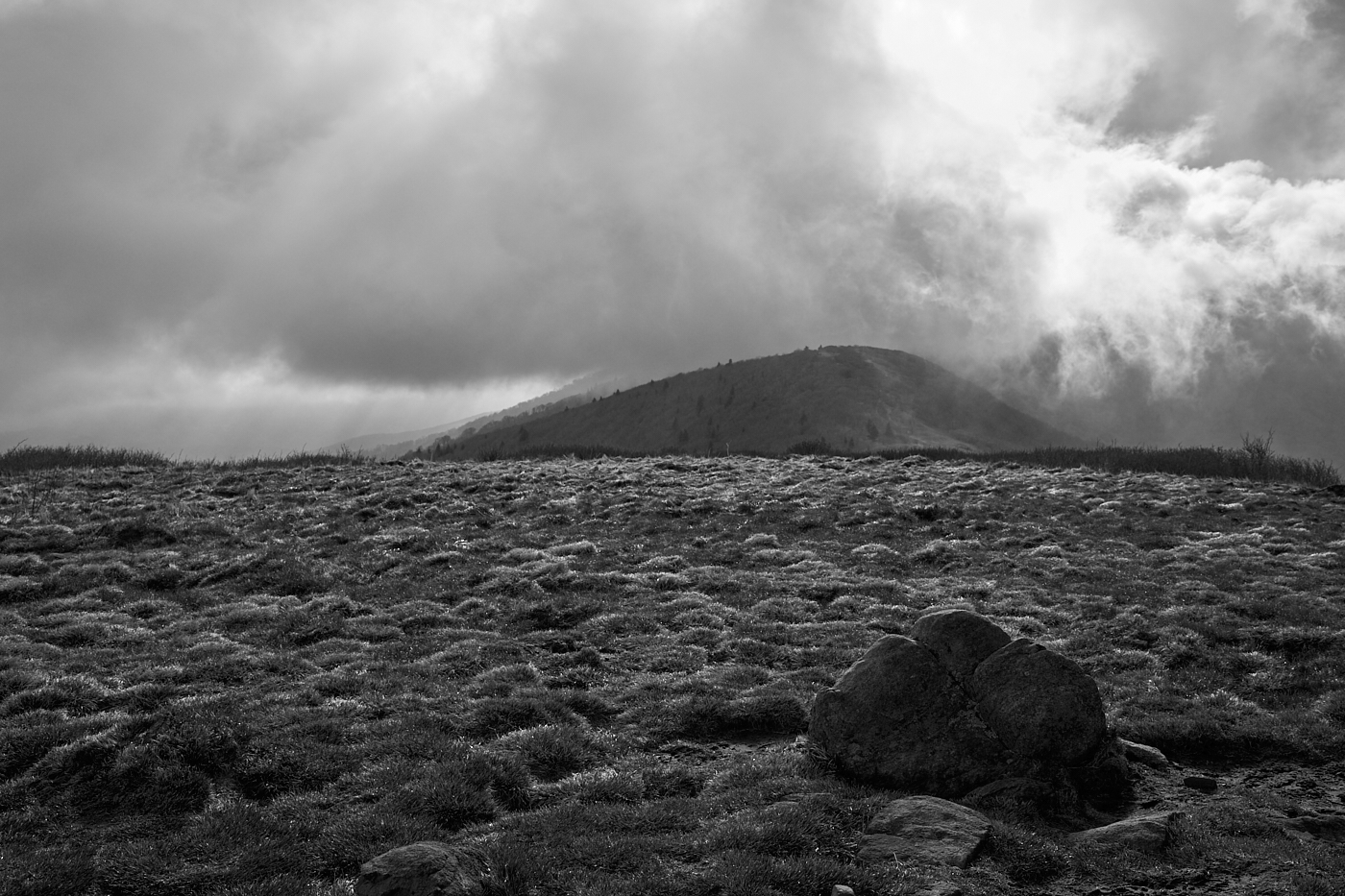
My first outing(s) with this lens. First two are on the Art Loeb Trail in Pisgah National Forest SW of Asheville, NC. Next three are on the AT in Cherokee National Forest near Carver's Gap on the NC/TN line.
Ripolini wrote:
I refer to the way the lens renders out-of-focus points of light. Differently from the Zeiss ZF/ZE 35/2, the 35/2 AL seems more prone to produce onion-ring bokeh.


 @ F.20 (ISO400). SOOC Jpegs, only resized. Nikon Zf