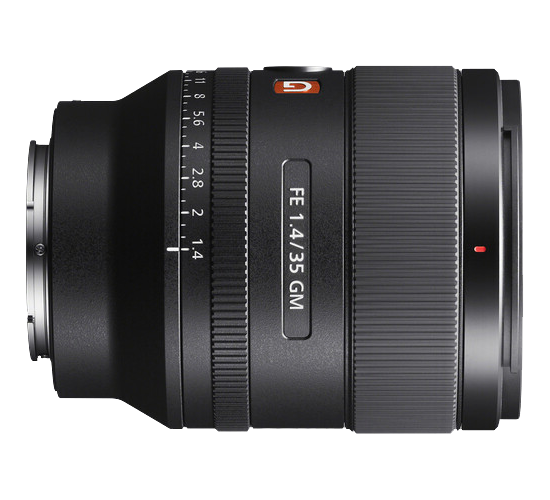
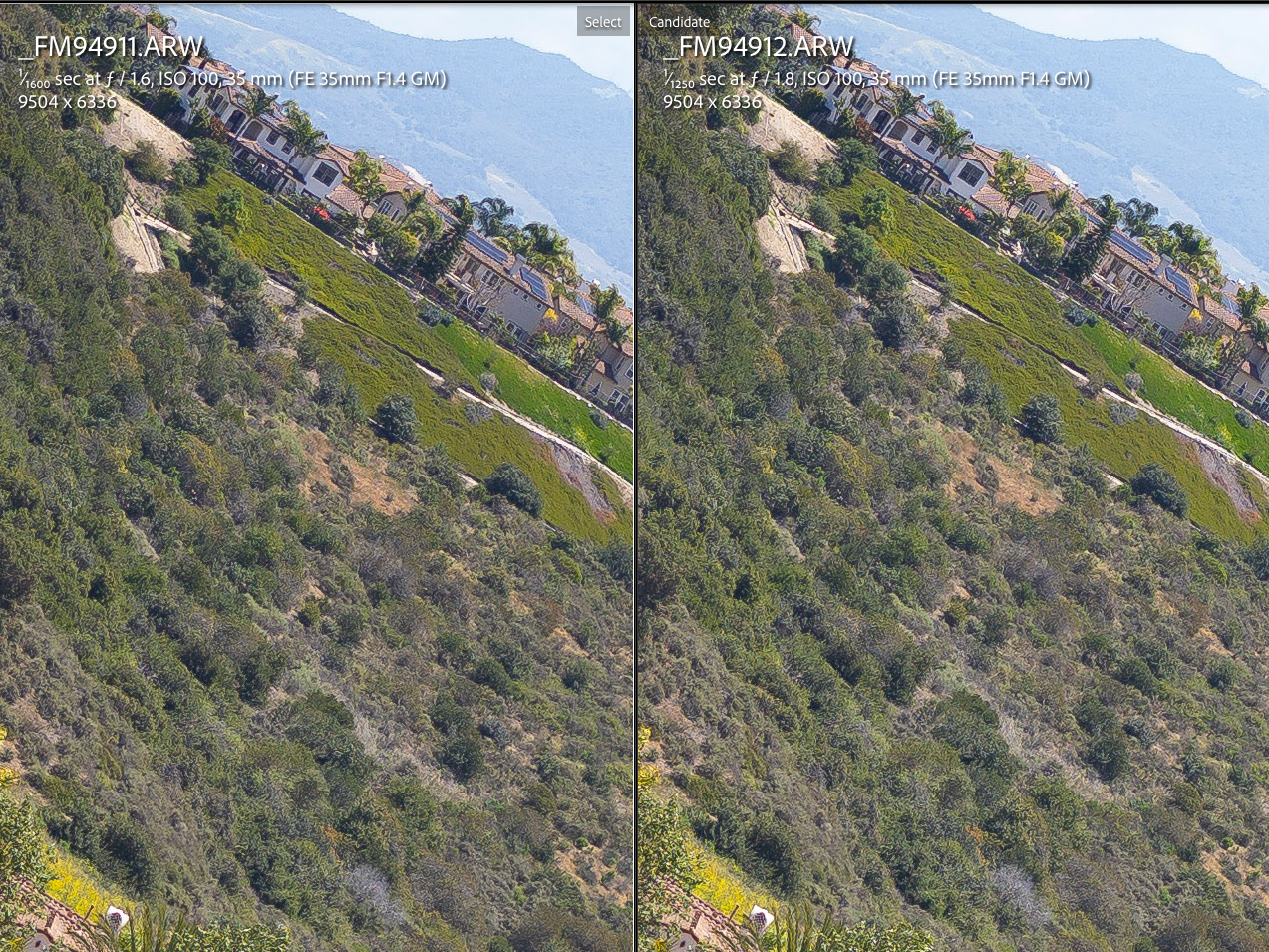
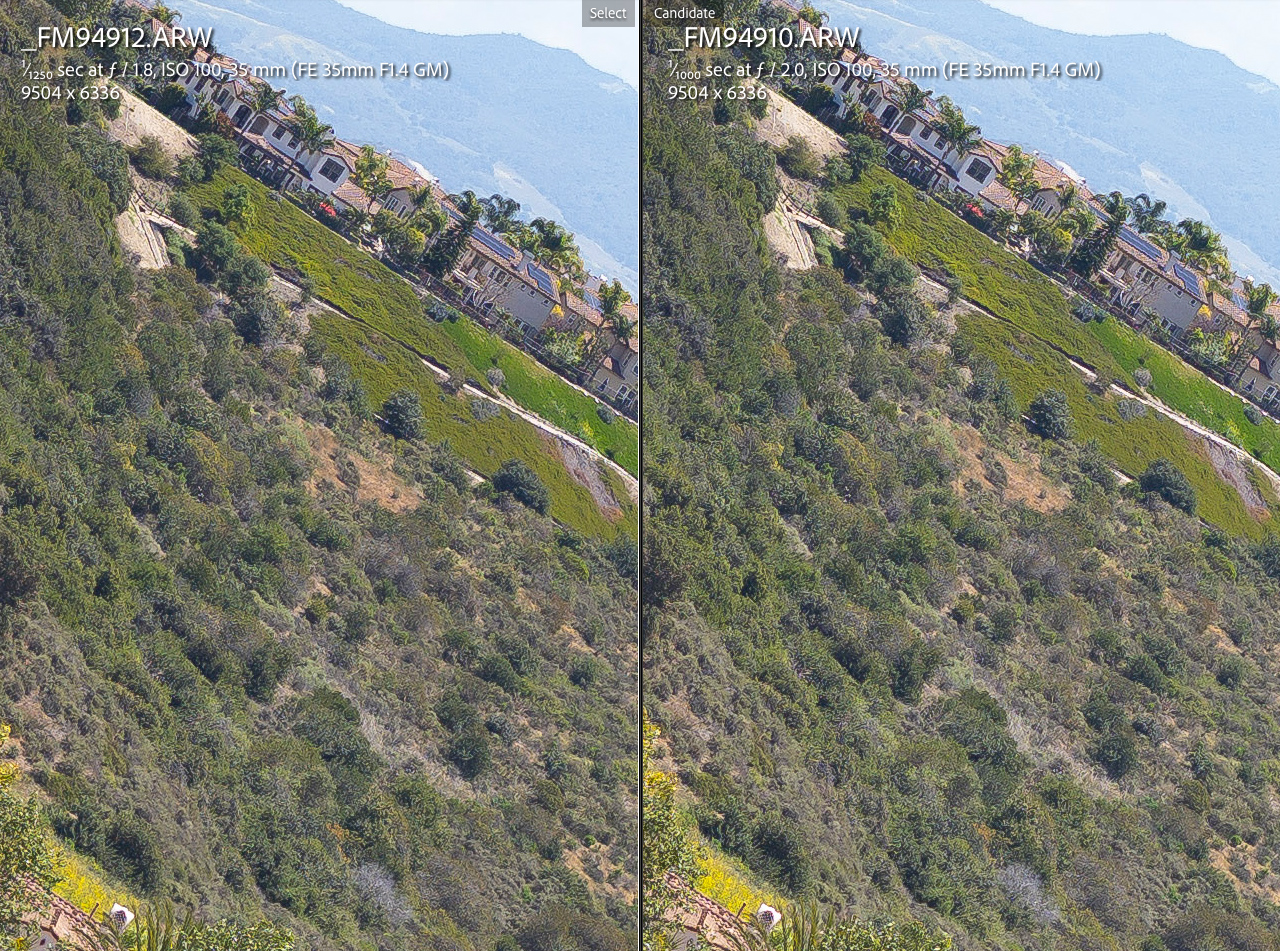
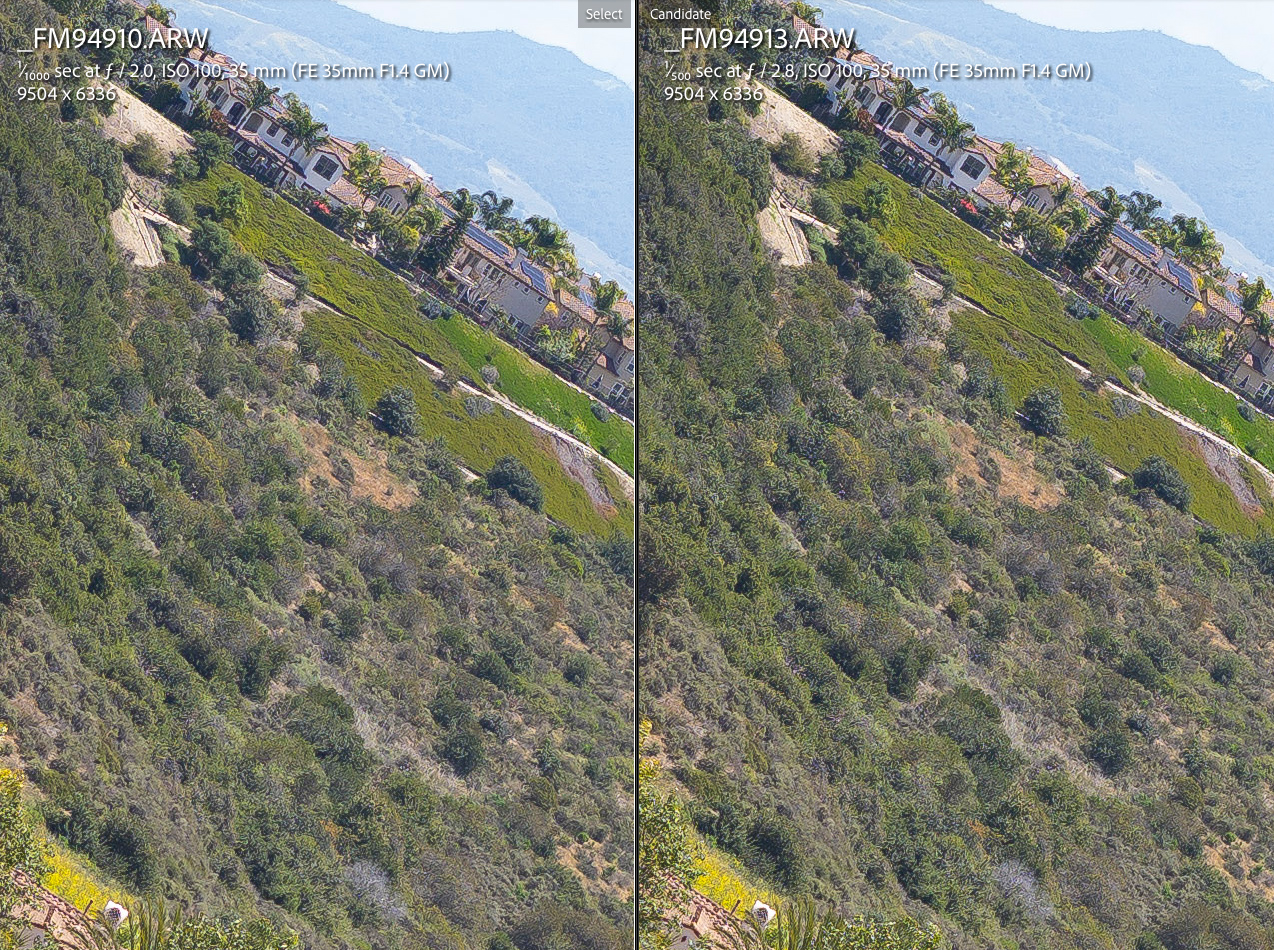
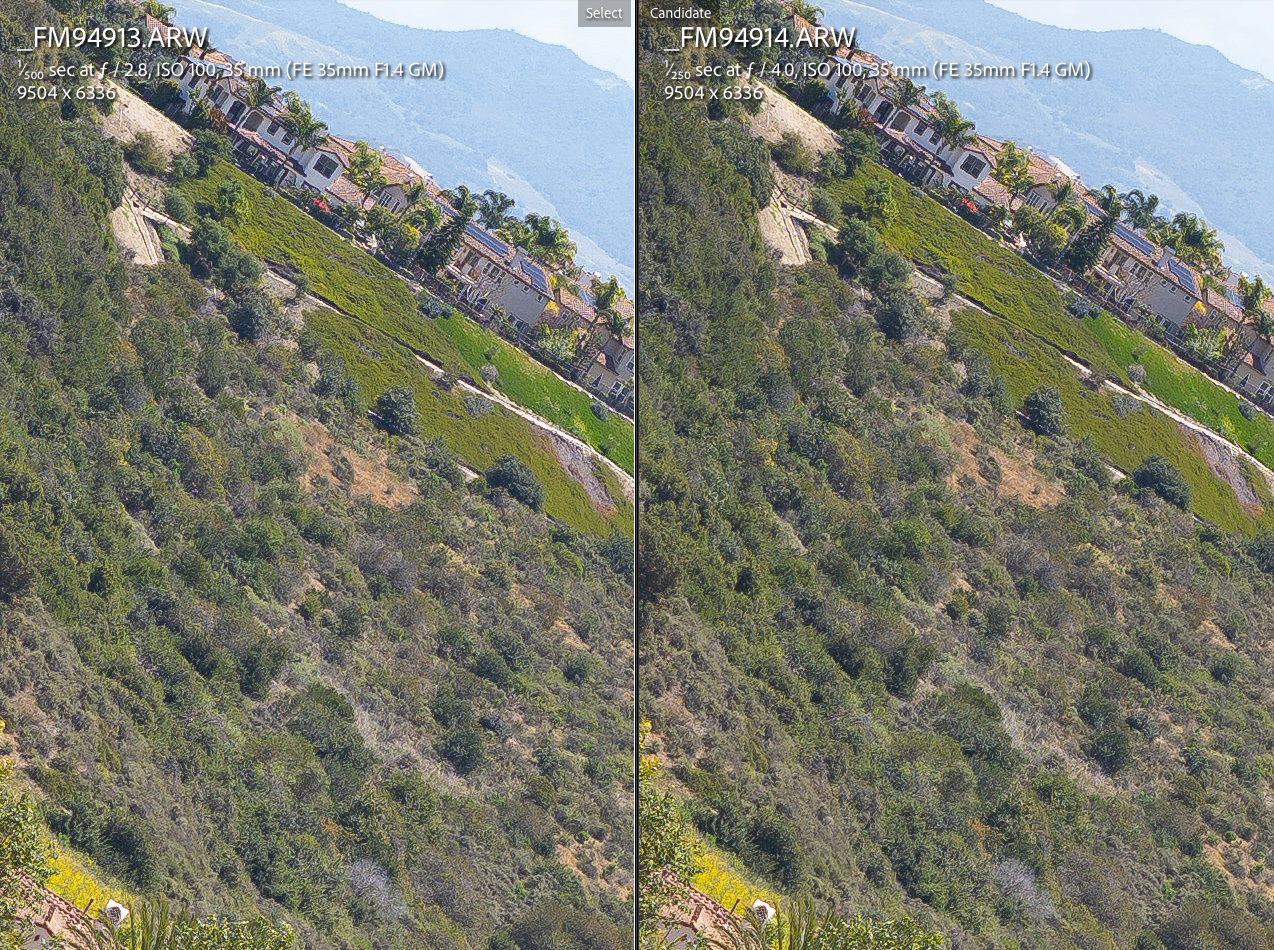
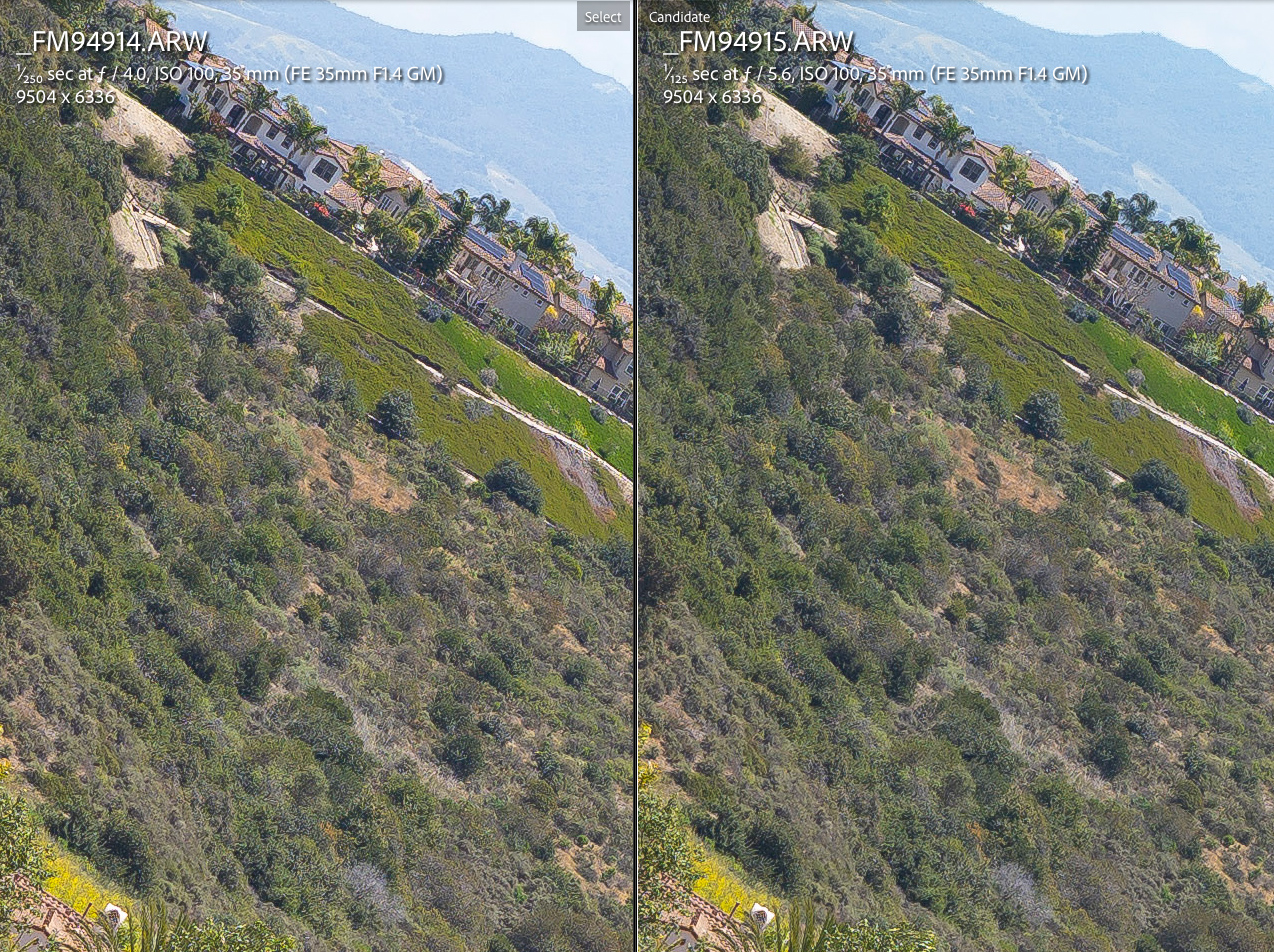
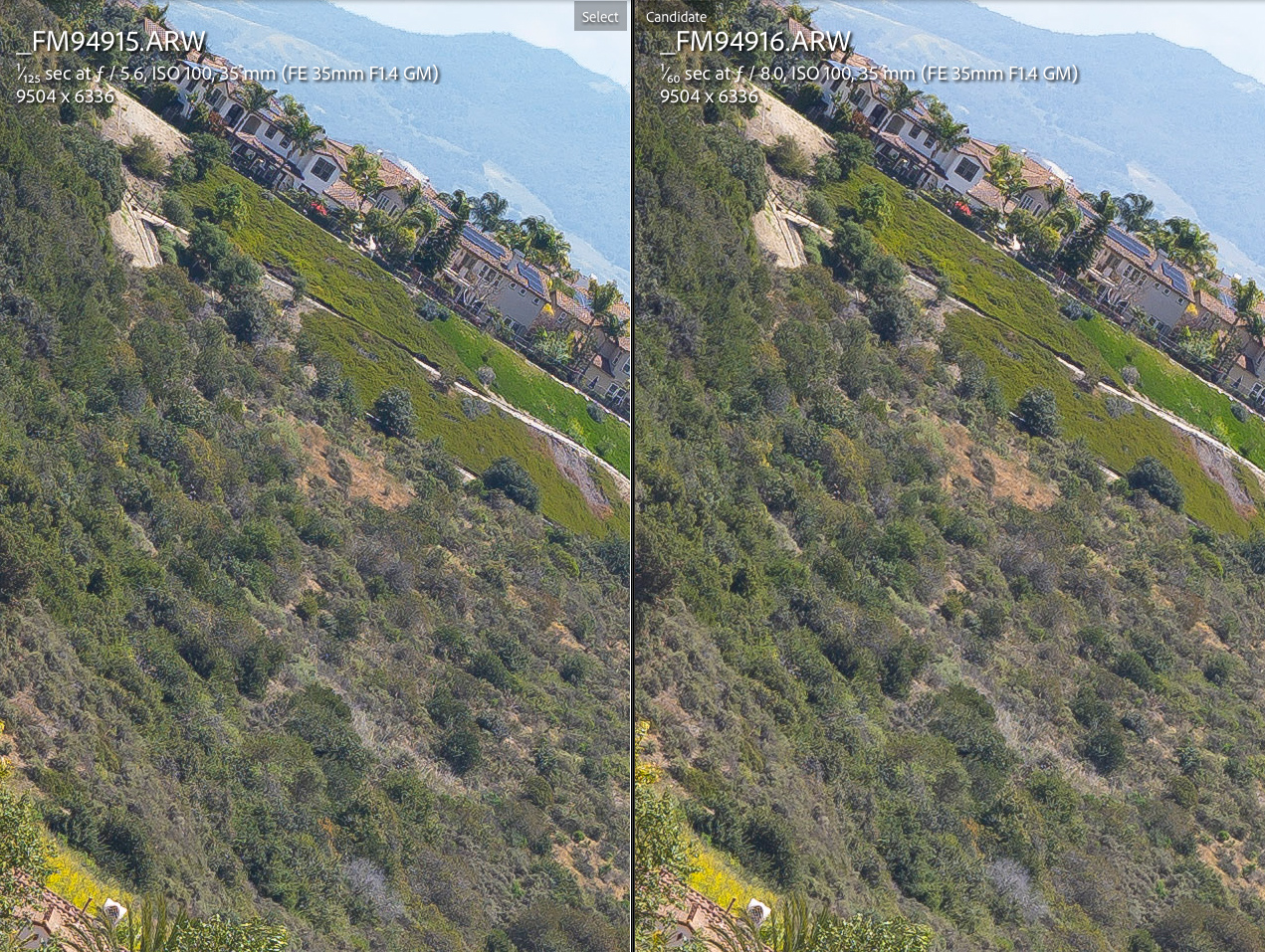
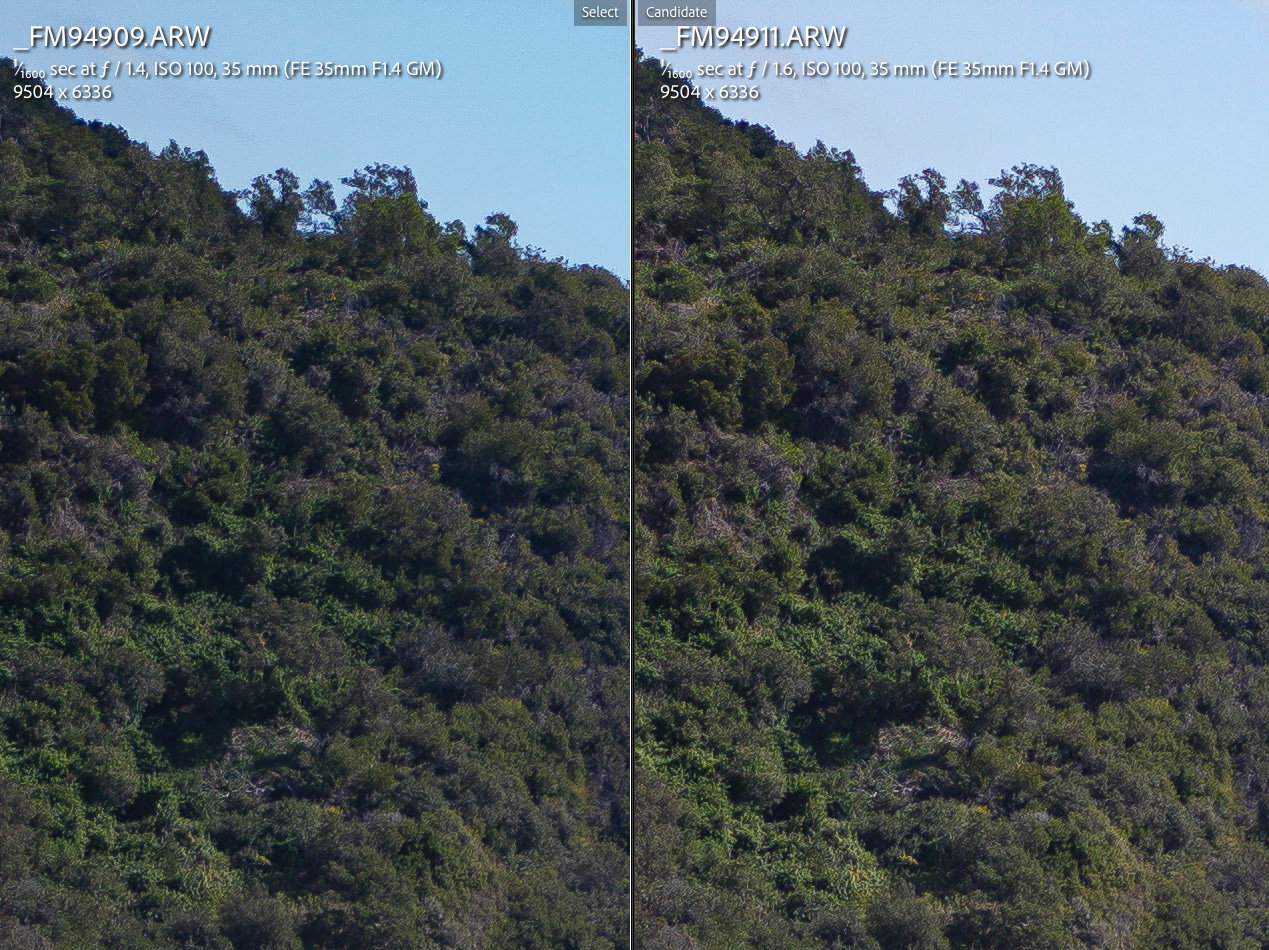
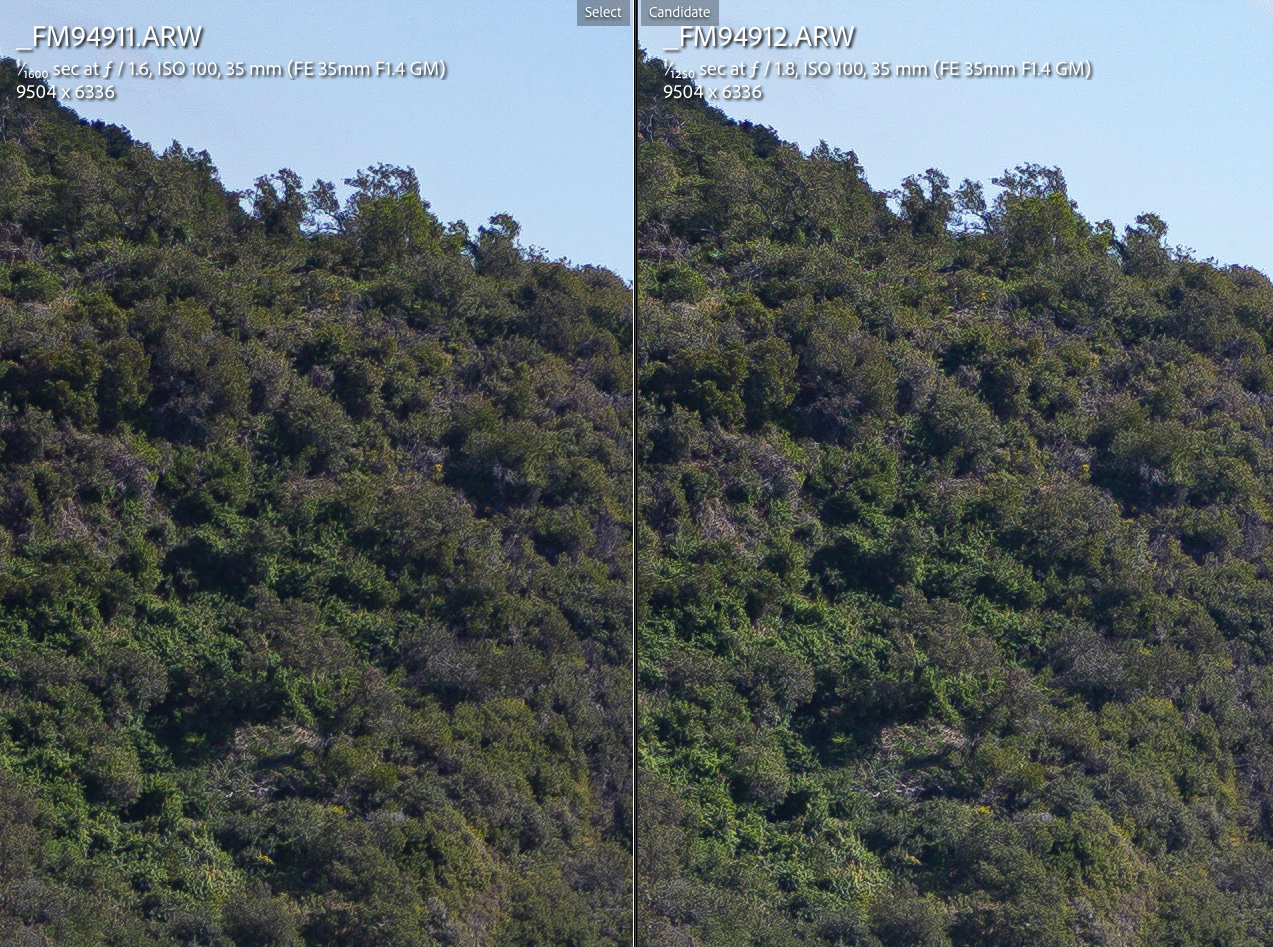
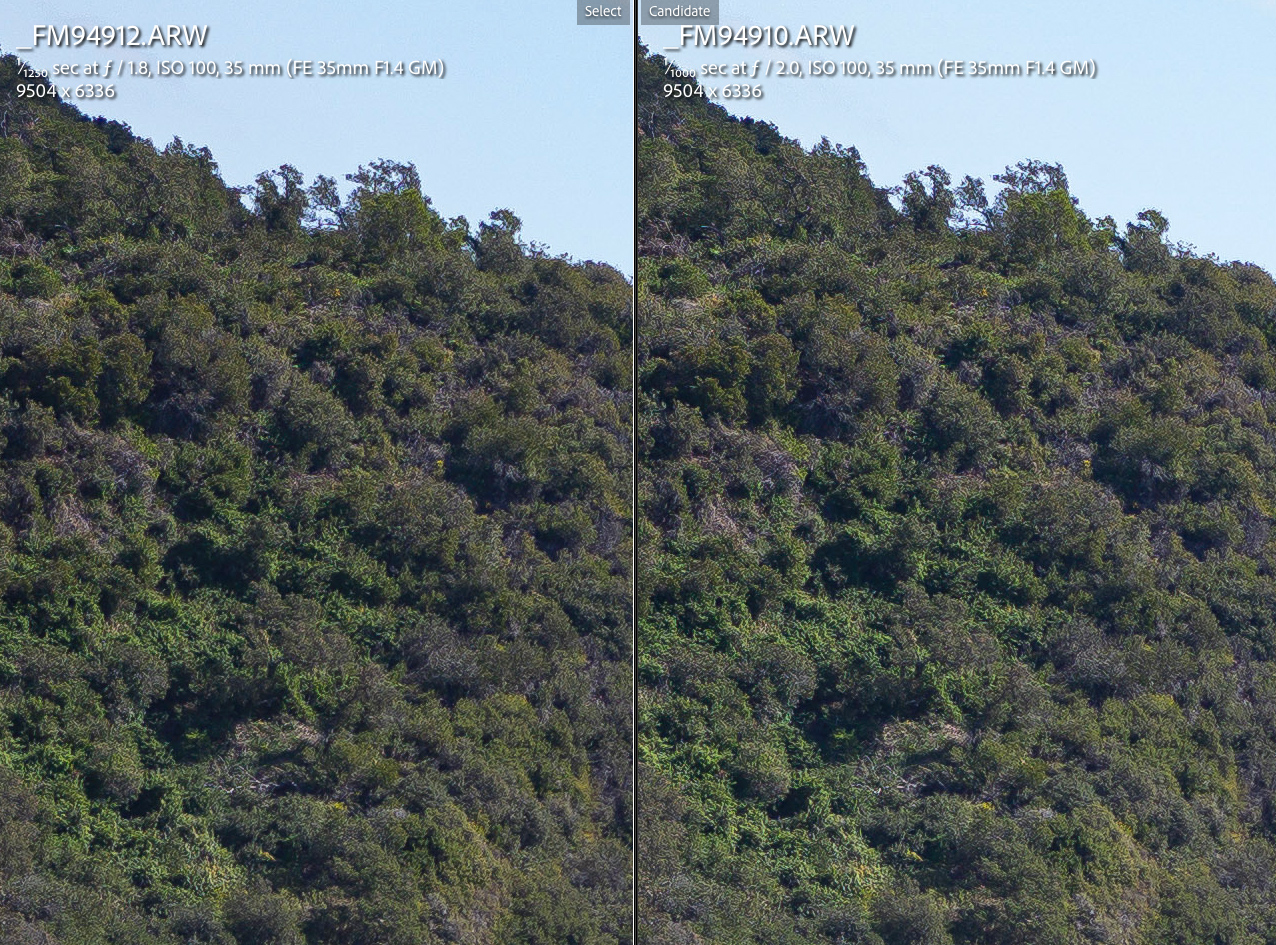
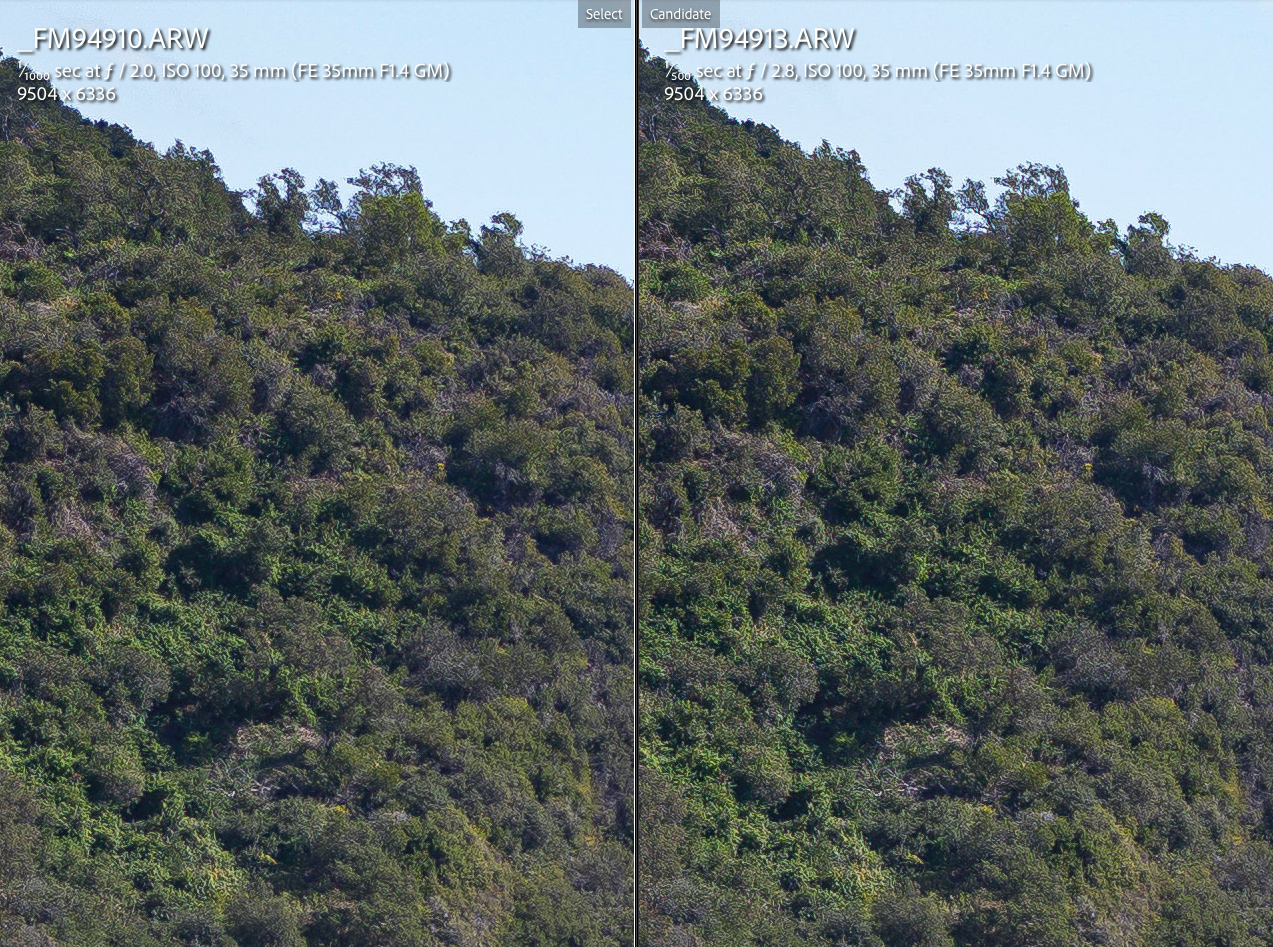
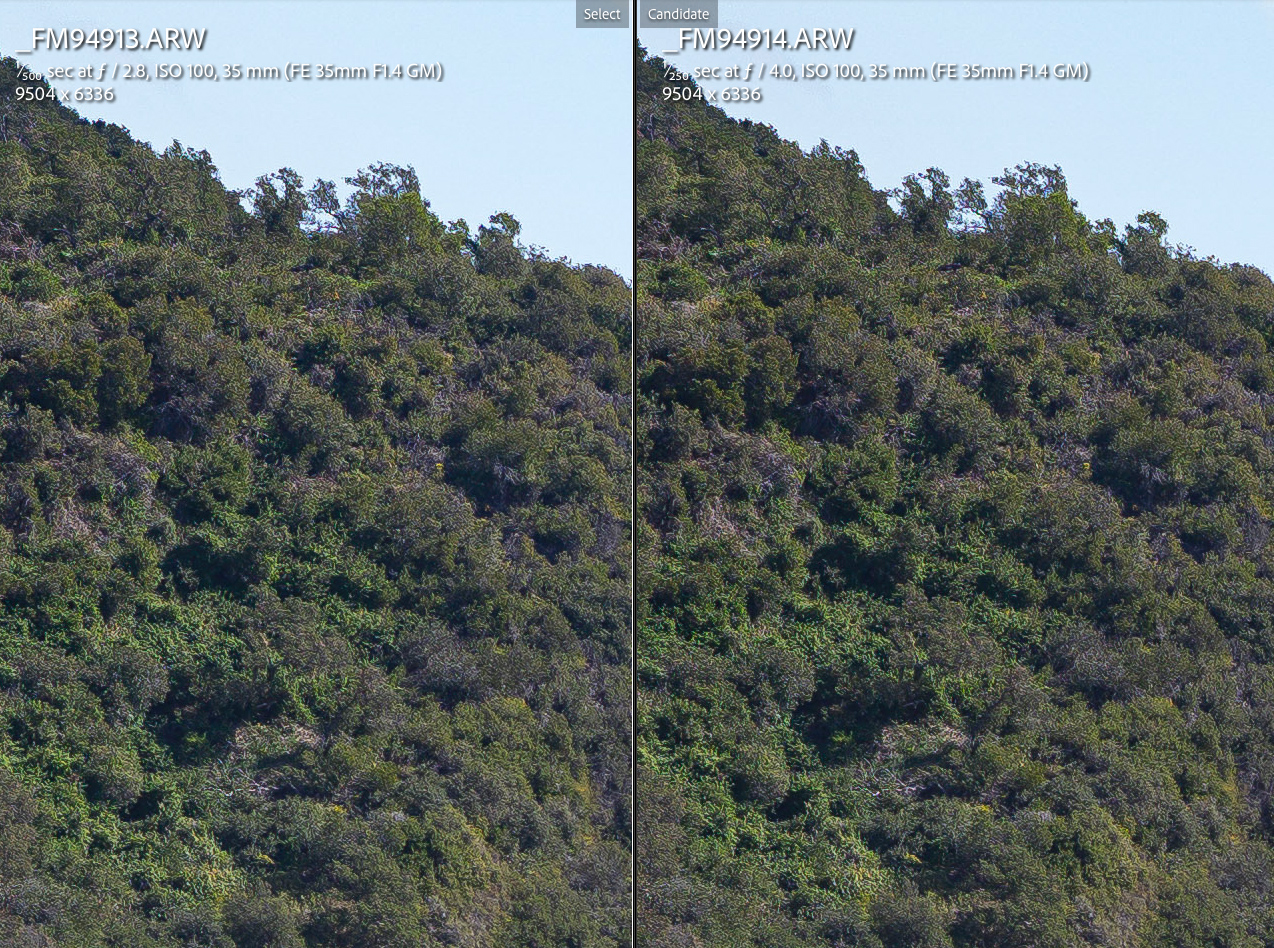
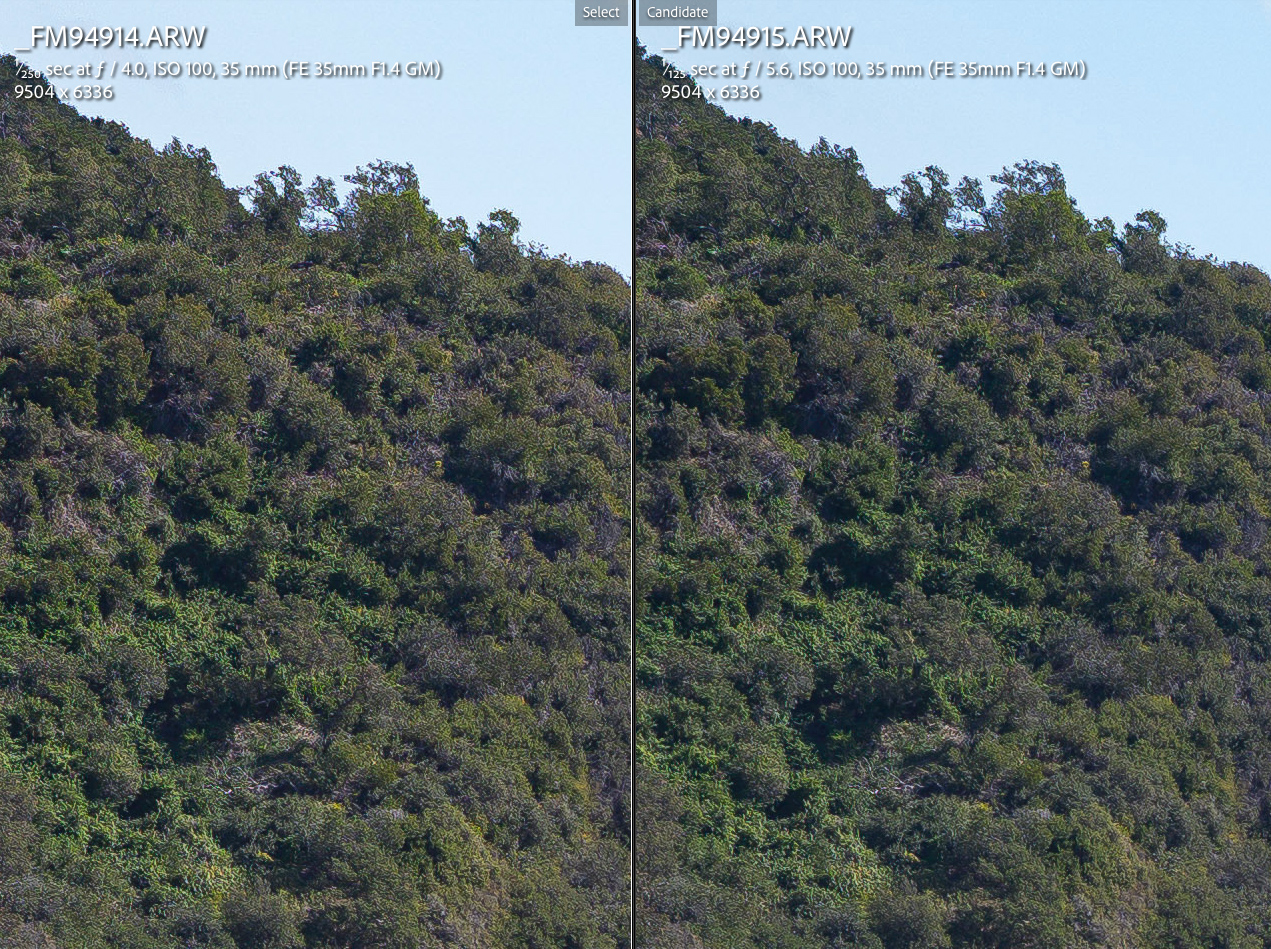
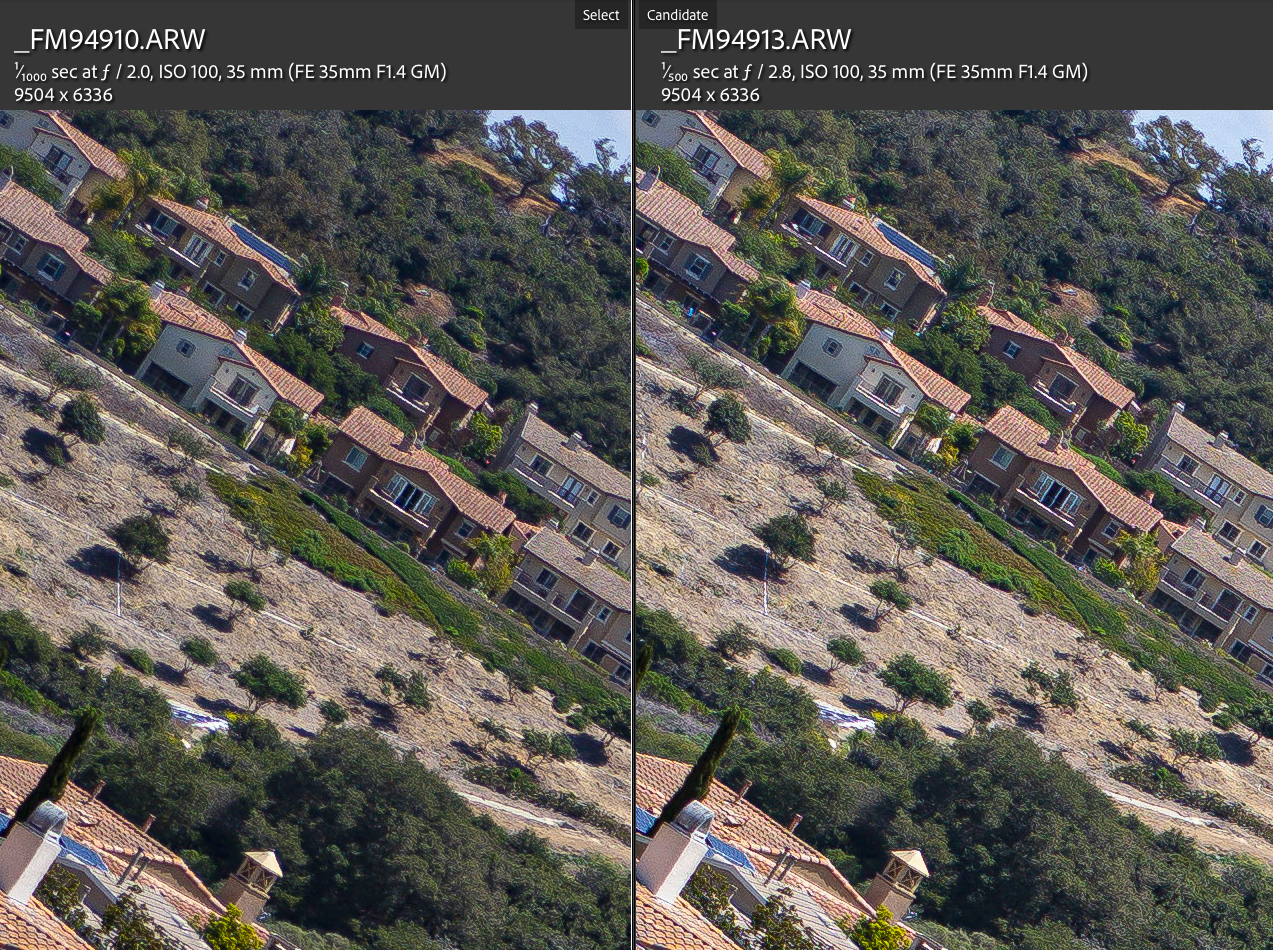
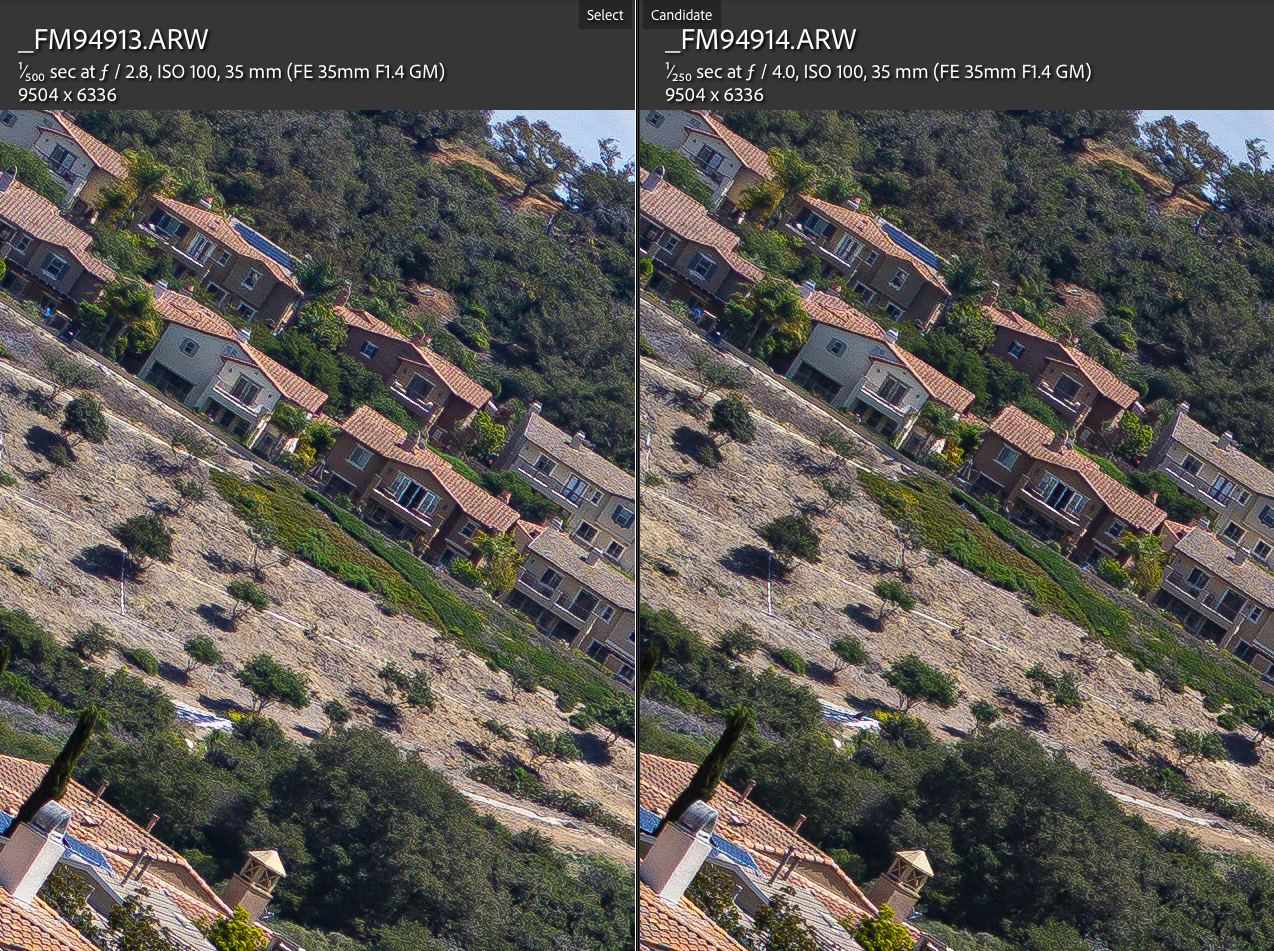
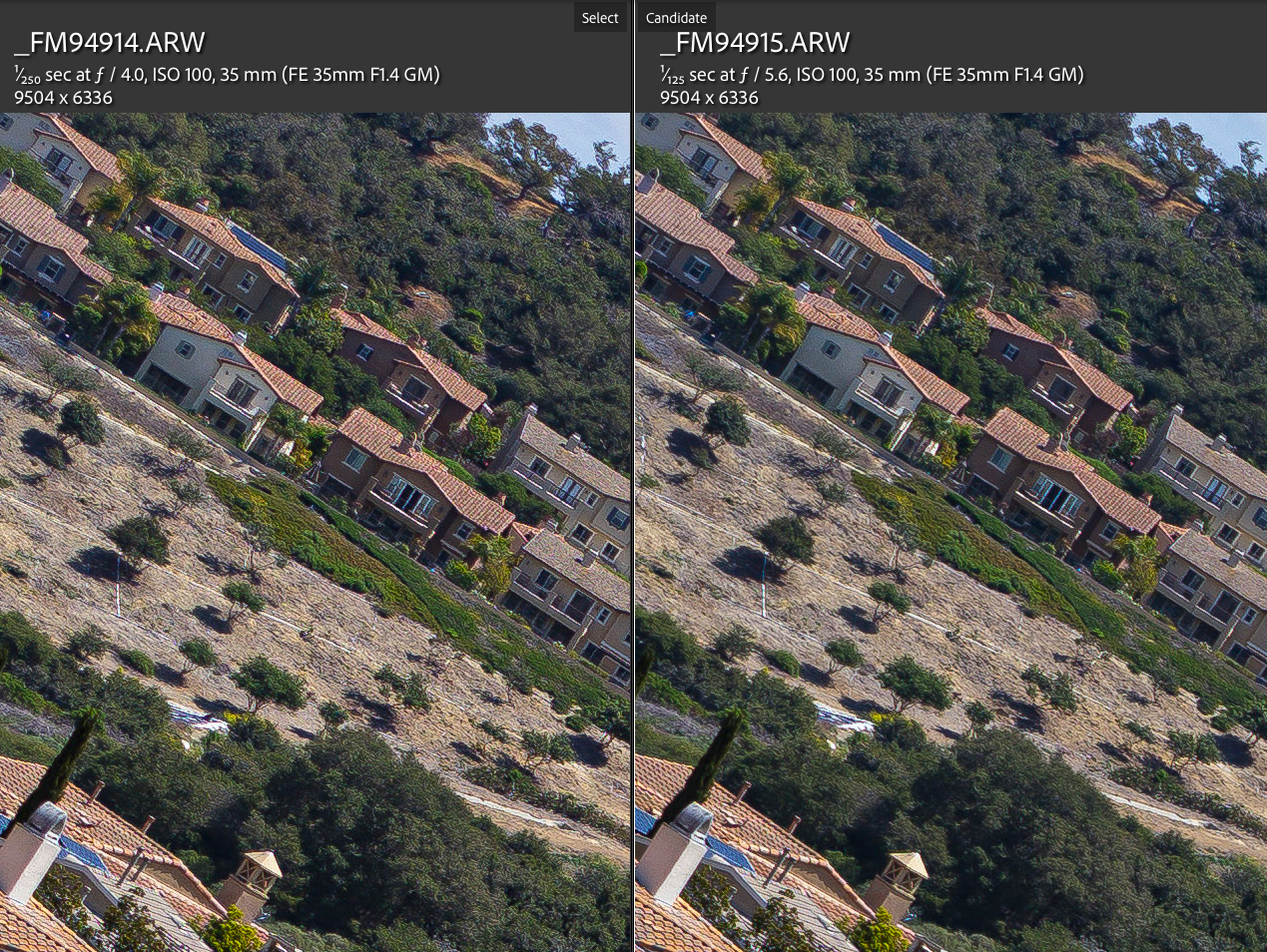
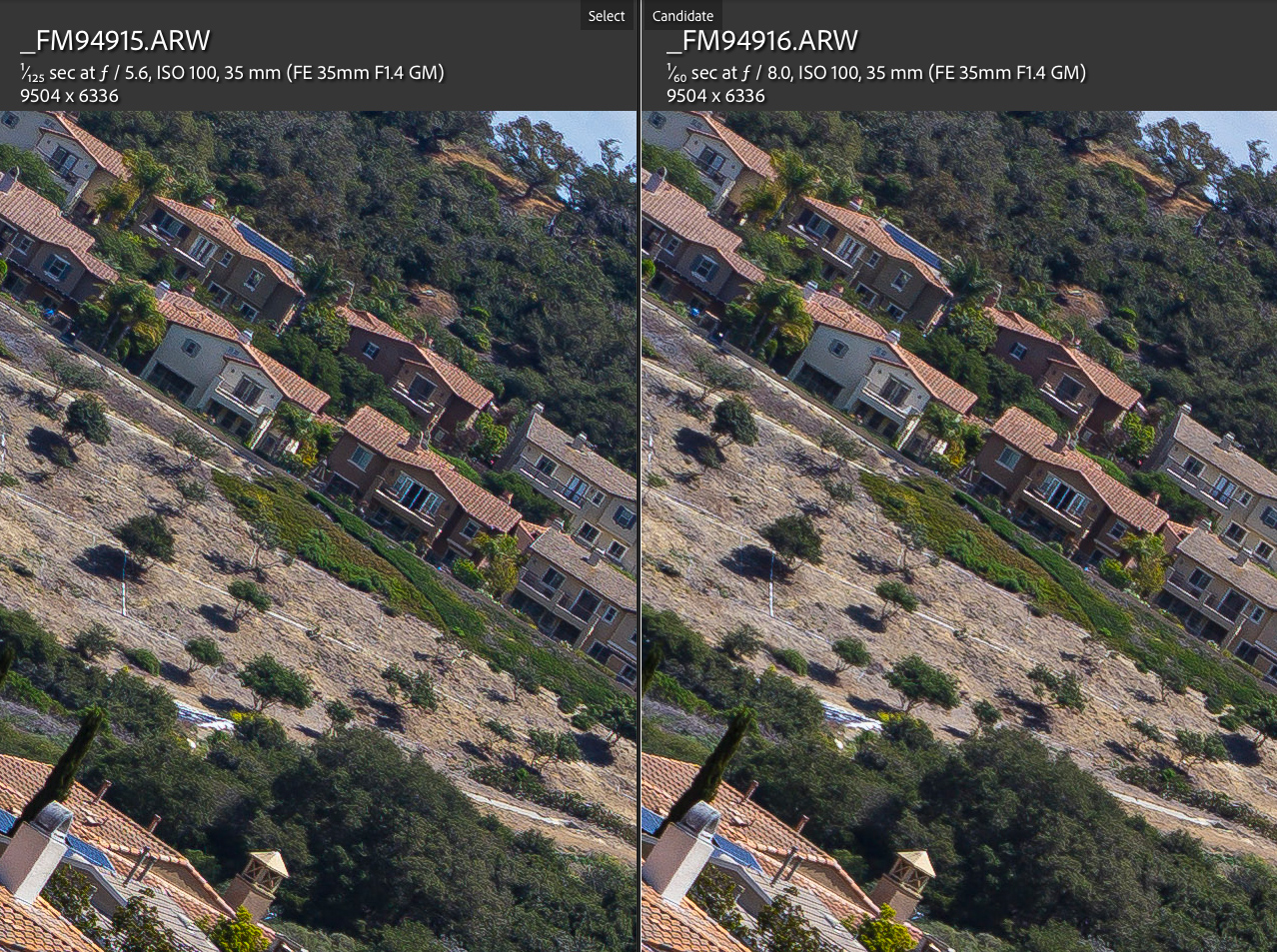
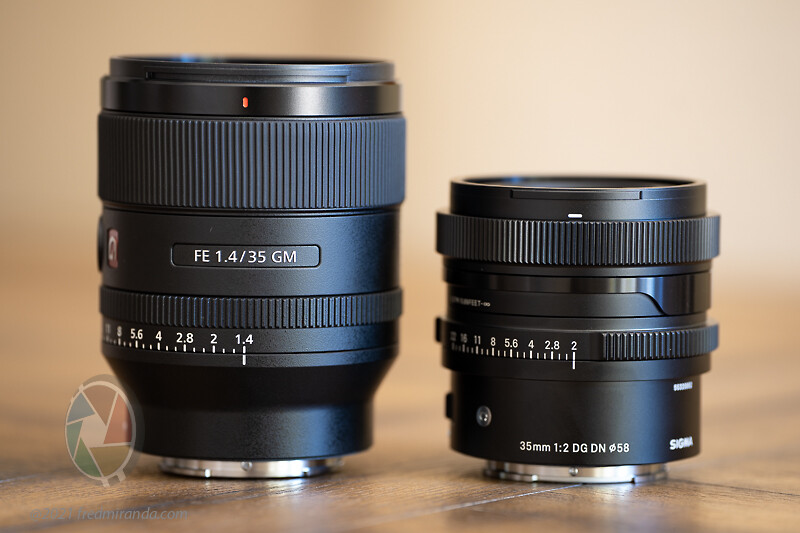
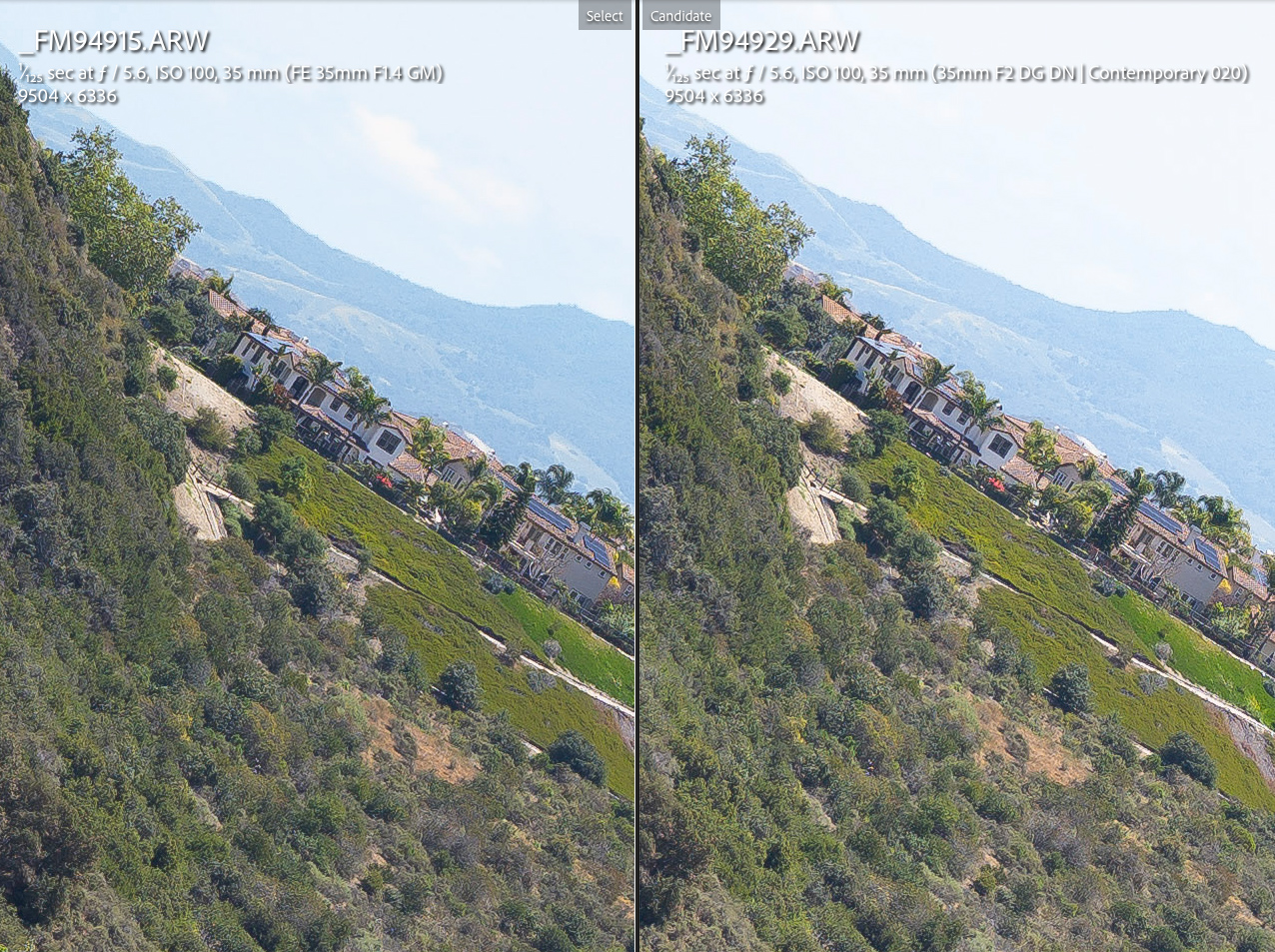
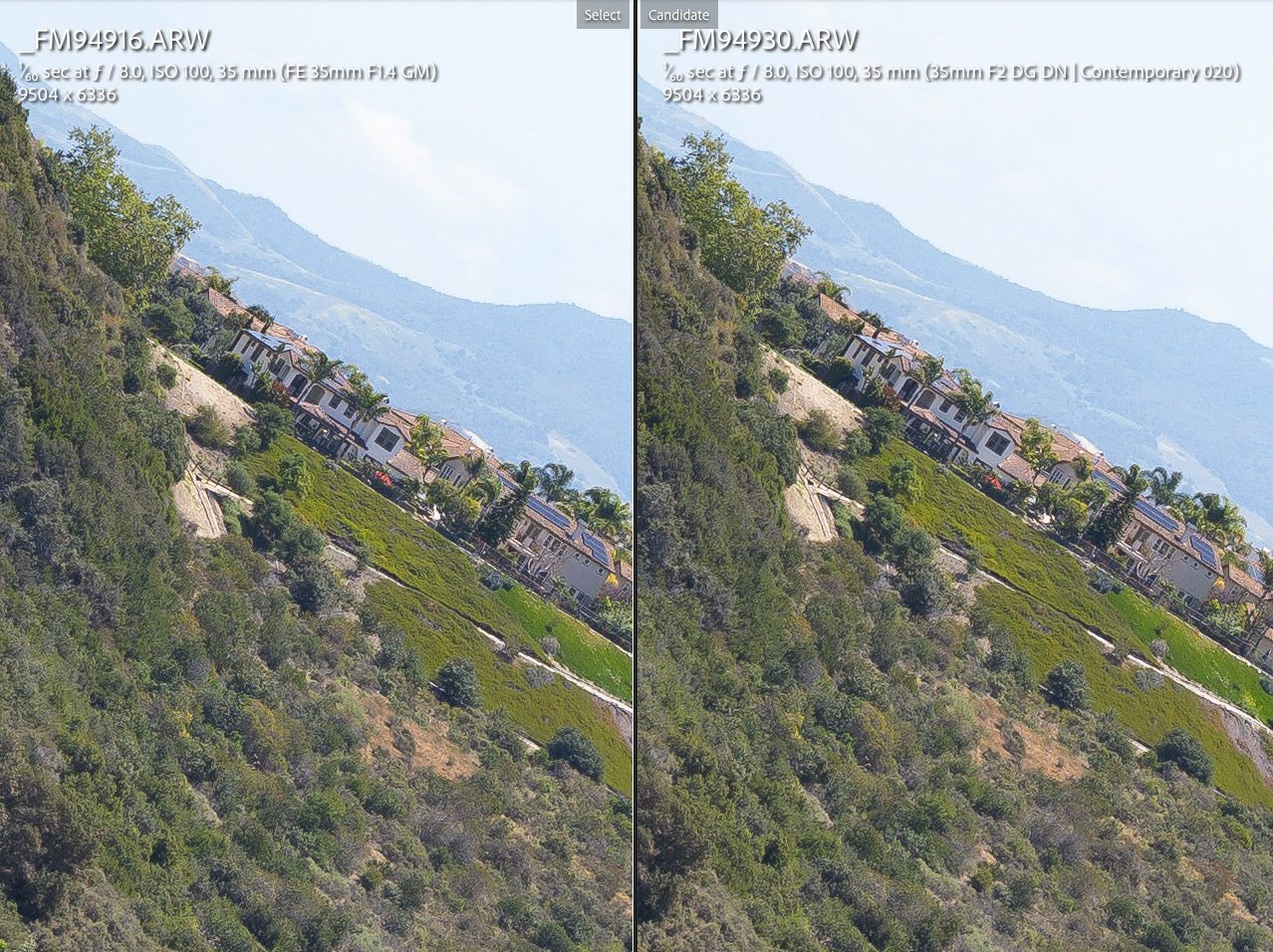
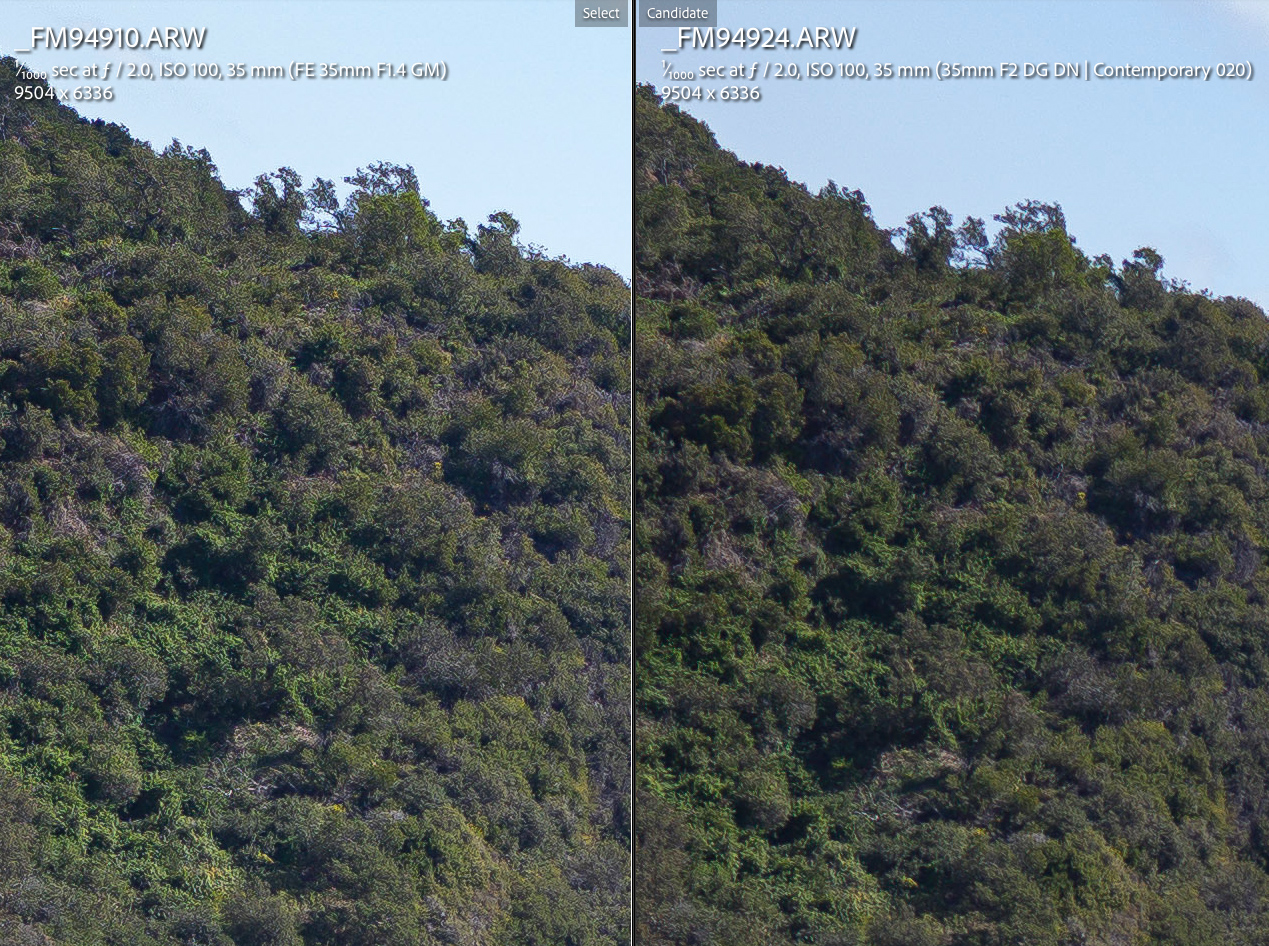
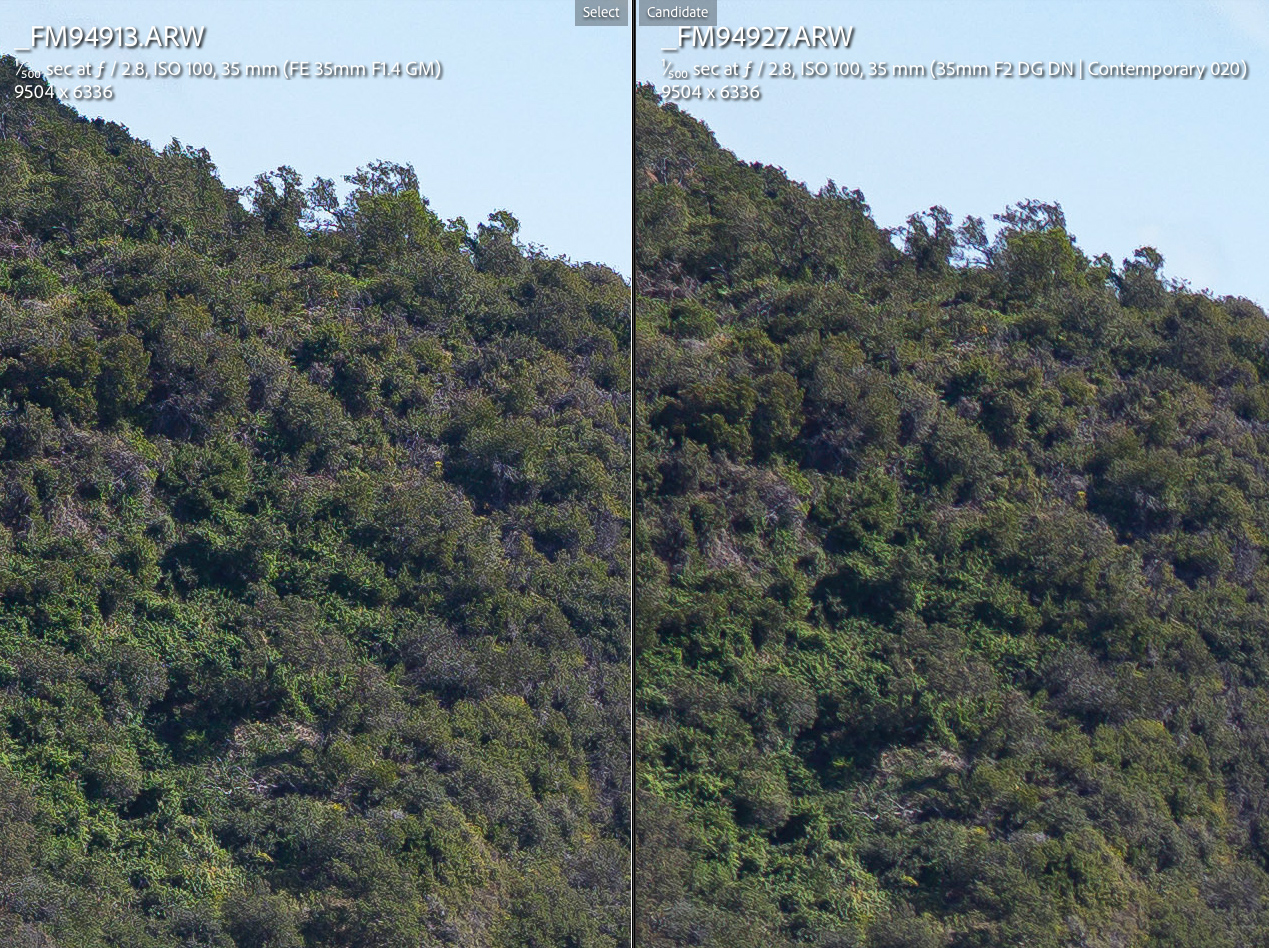
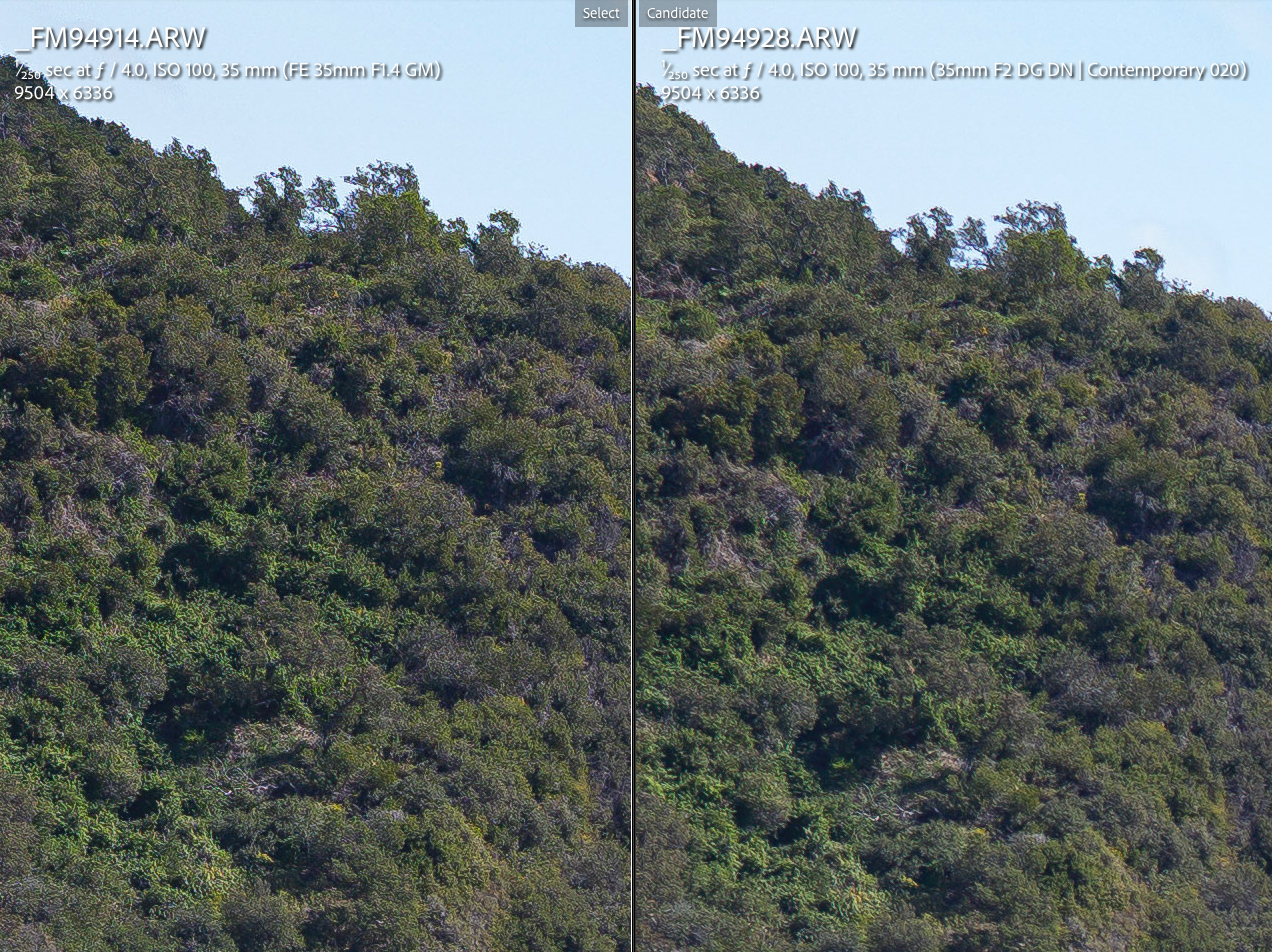
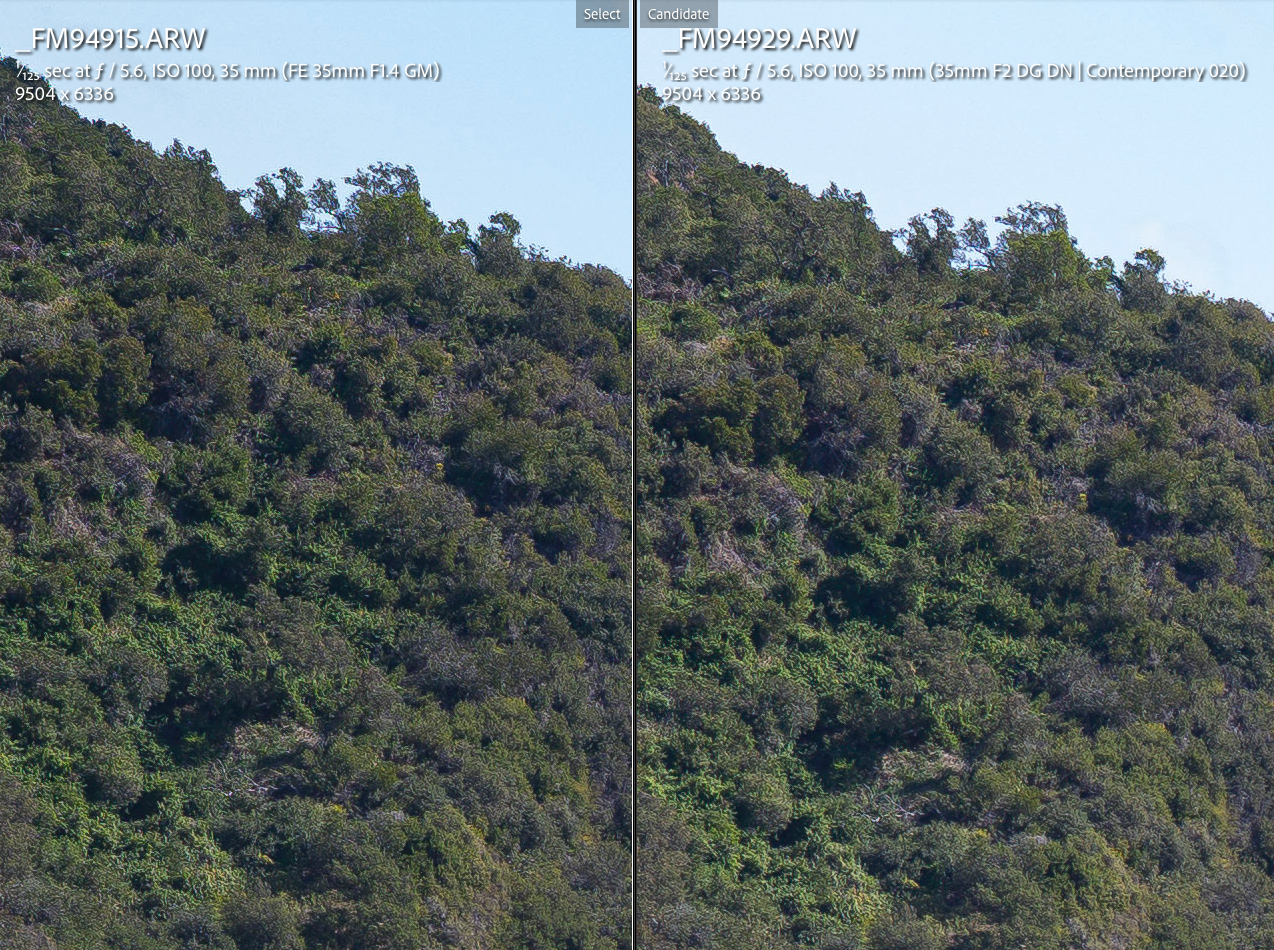
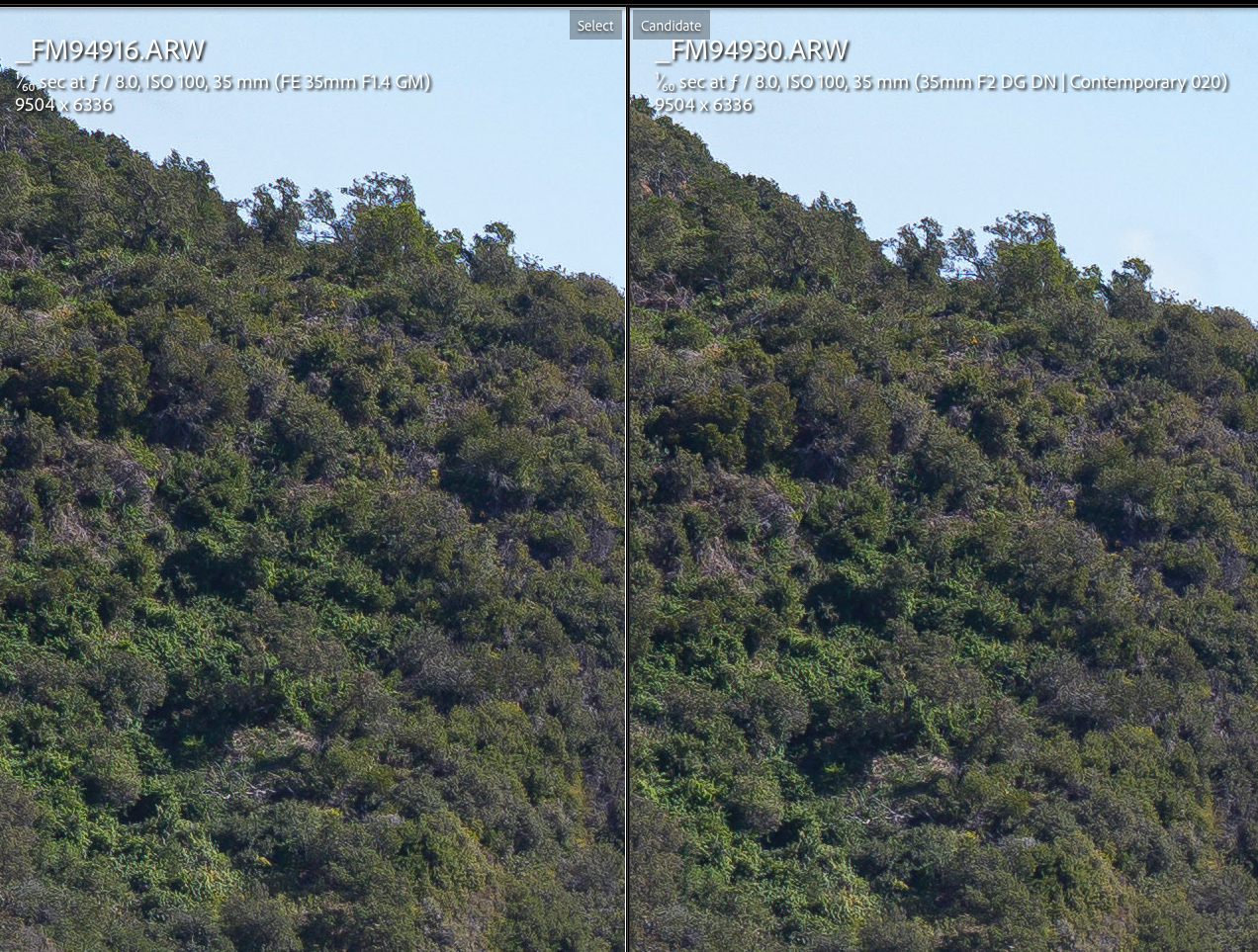
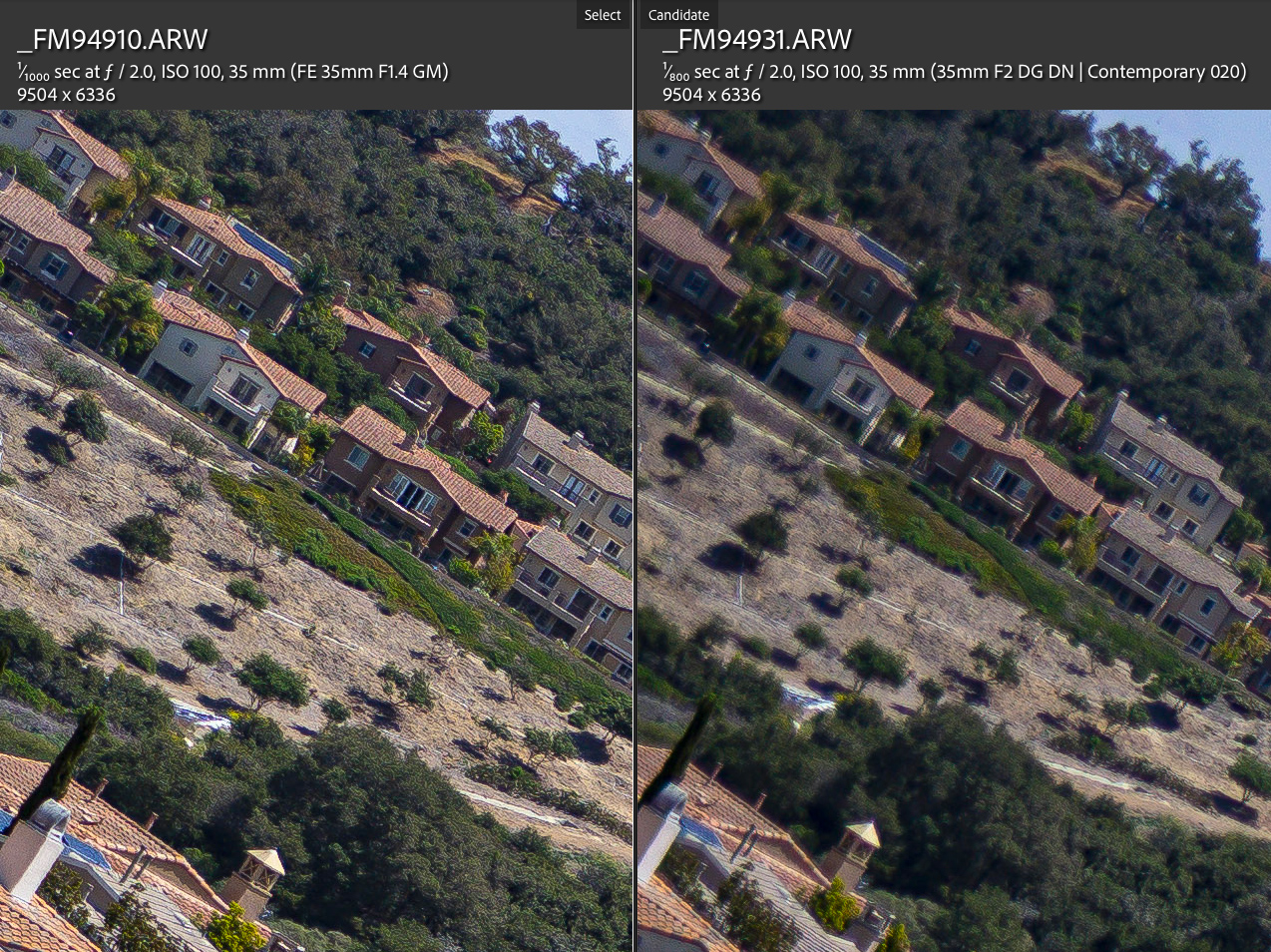
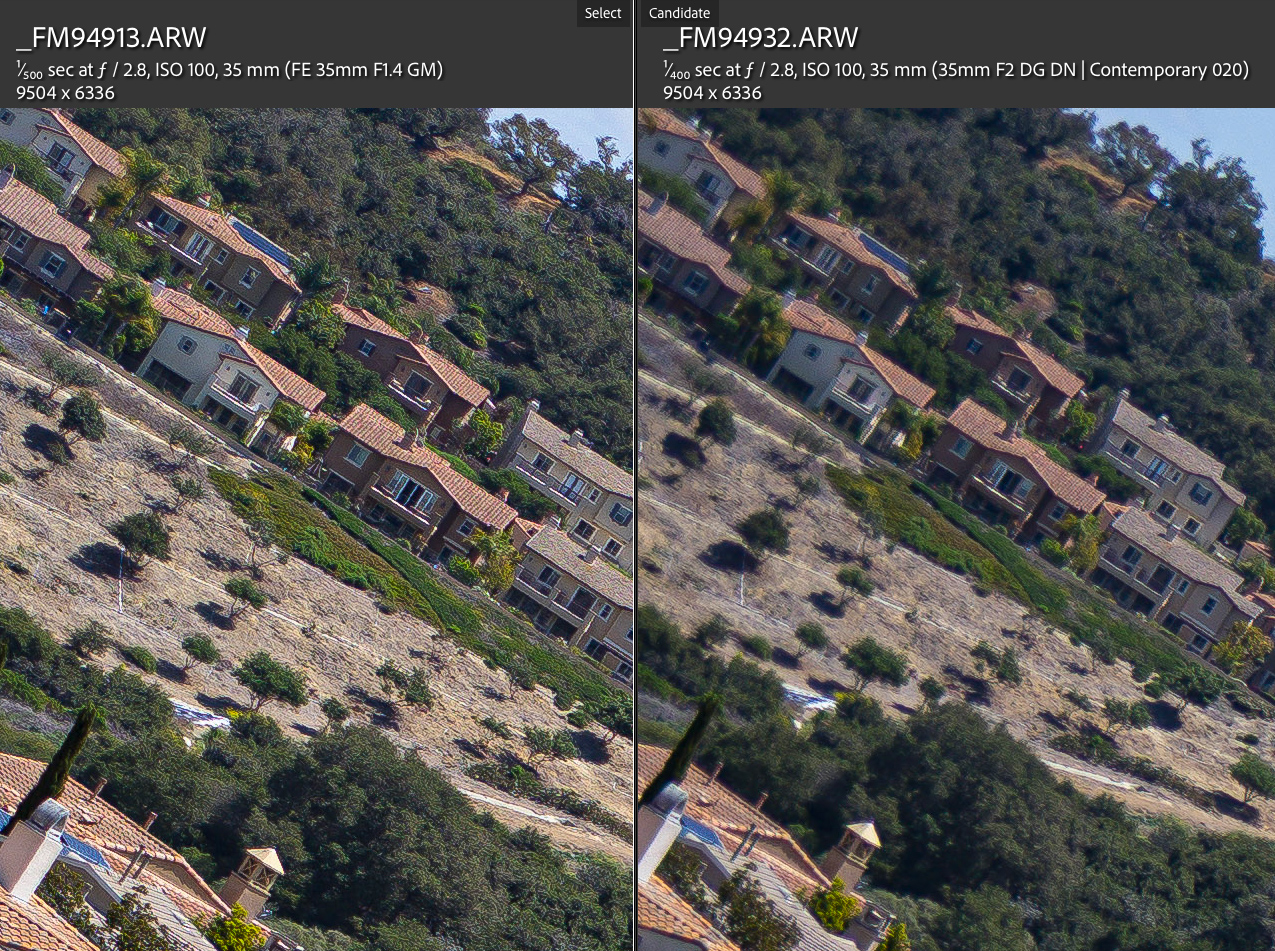
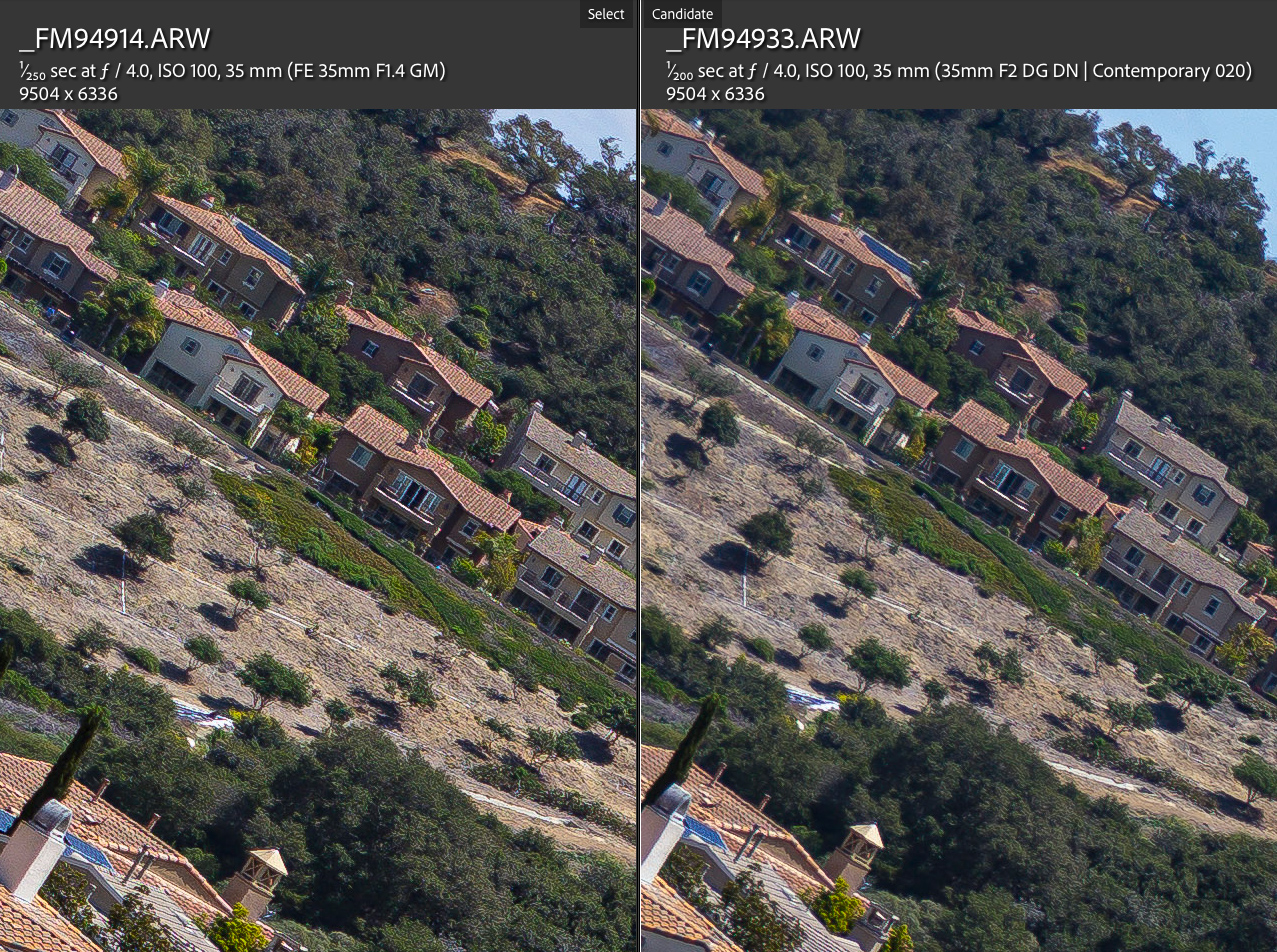
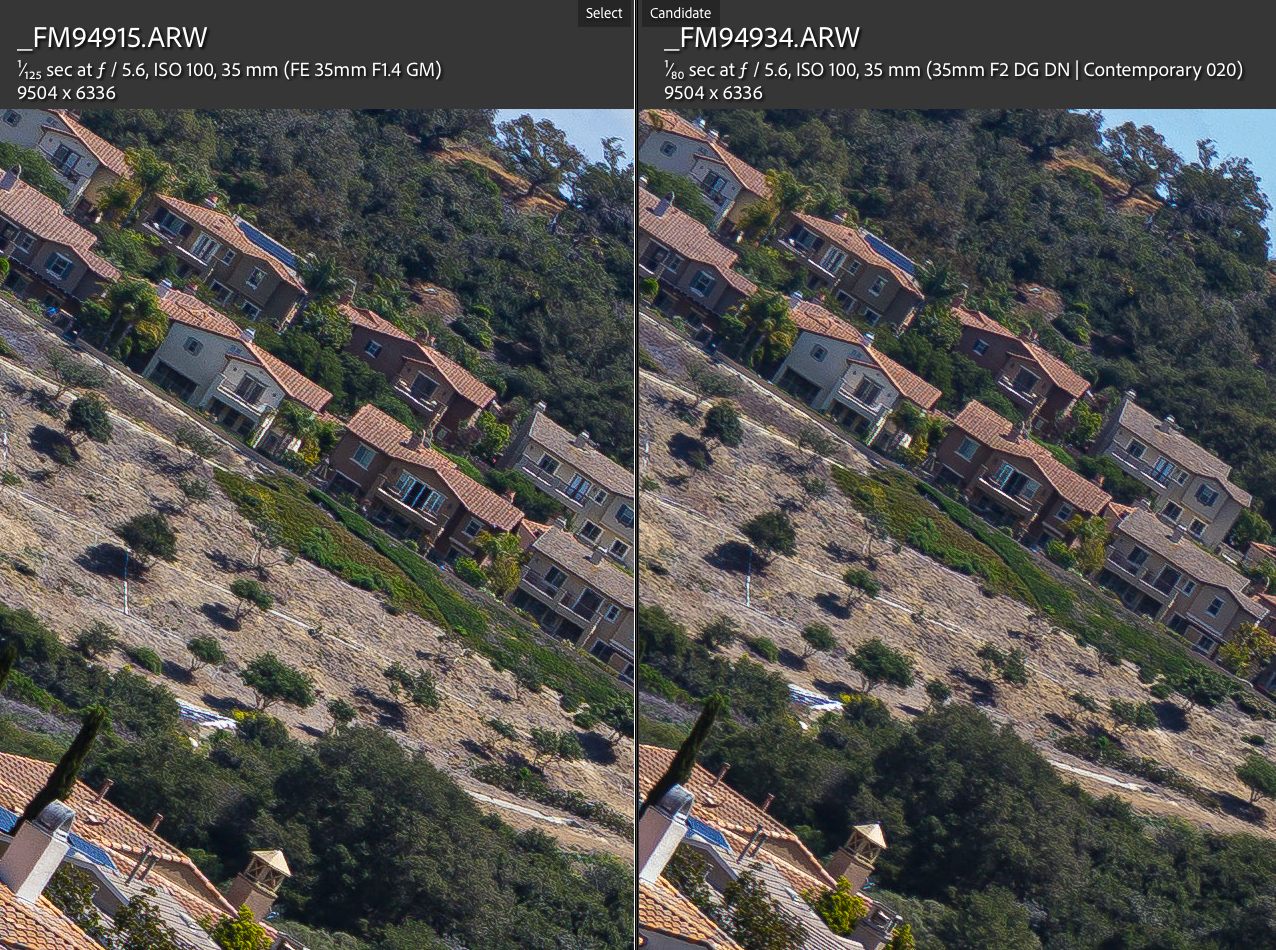
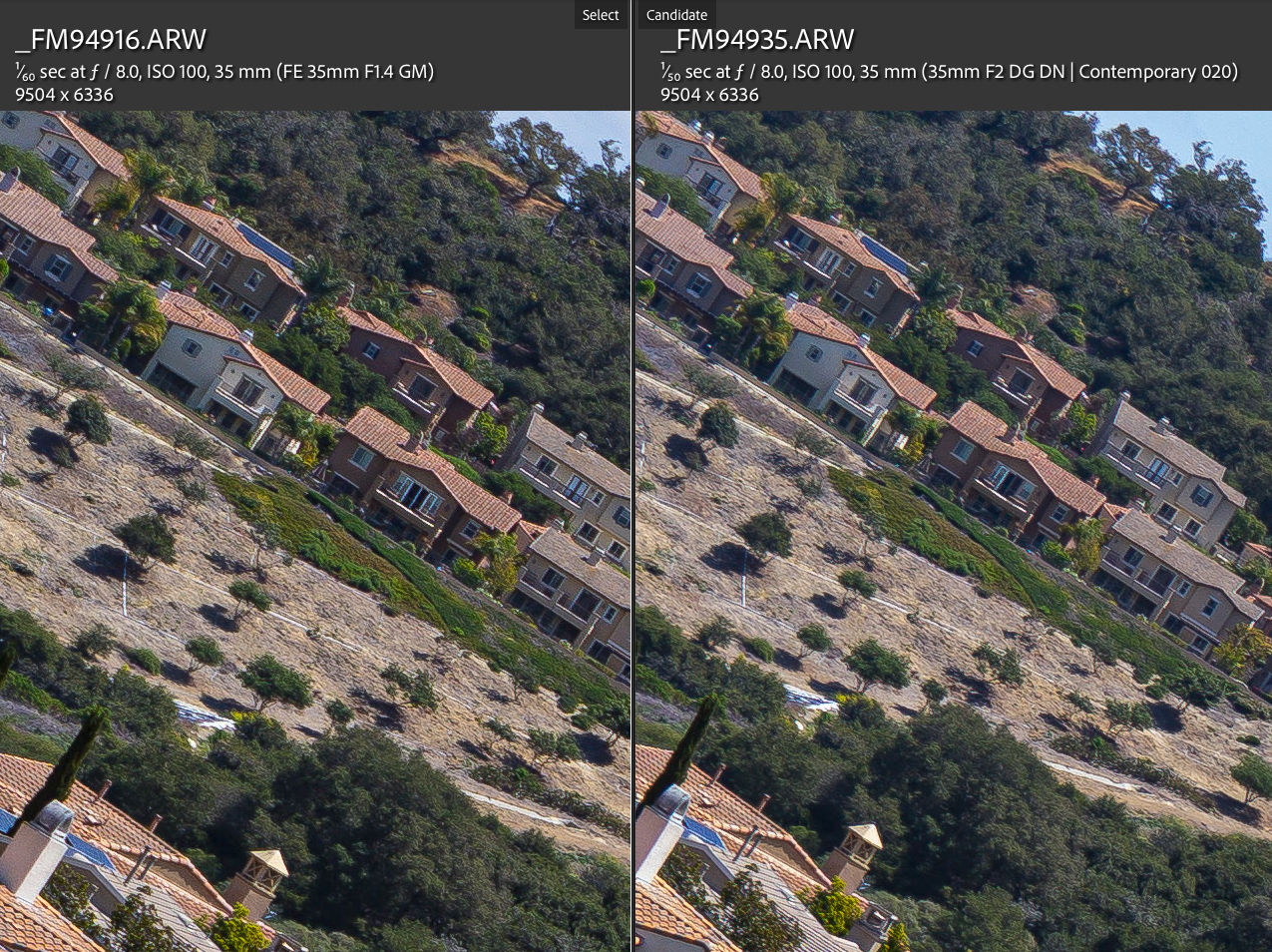
The Sony FE 35mm f/1.4 GM is characterized by its speed, relatively compact form factor, weather-sealing and great build quality.
It features 14 Elements in 10 Groups, with (1) extra low dispersion element to reduce CA and (2) extreme aspherical elements to minimize distortion and spherical aberrations (SA). The Sony FE 35mm f/1.4 GM is weather-sealed and its mount has a dust-and splash-proof weather rubber strip. The front element has Sony's "Nano AR II" coating and the lens' minimum focusing distance is 25cm. (maximum magnification: 0.26x)
The aperture mechanism has a rounded 11-blade diaphragm which translates to sunstars with 22-points. The lens has internal focus, so it does not extend or rotate when focusing.
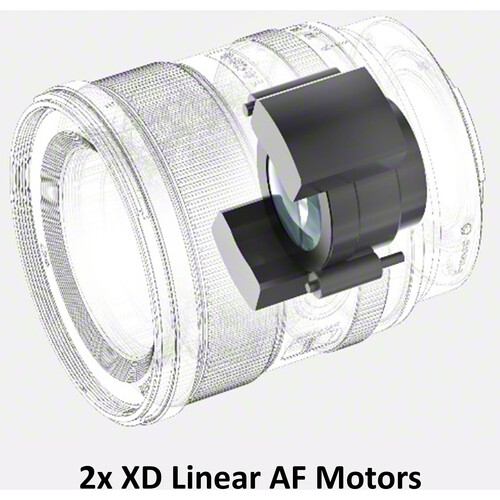
Two XD Linear Motors ensure fast and silent AF and from my initial tests the auto-focus is precise in both AF-S contrast detect and AF-C phase detect modes.
Although I wish there was a bit more resistance when rotating the focusing ring, the FE 35mm f/1.4 GM provides an adequate 165 degrees of focus throw and the focus response is linear. The aperture ring runs from f/1.4 to f/16 in third-stop increments and an Auto setting provides camera-based aperture selection. Just like with other GM lenses, a custom button and AF/MF + De-clicking switches are also available.
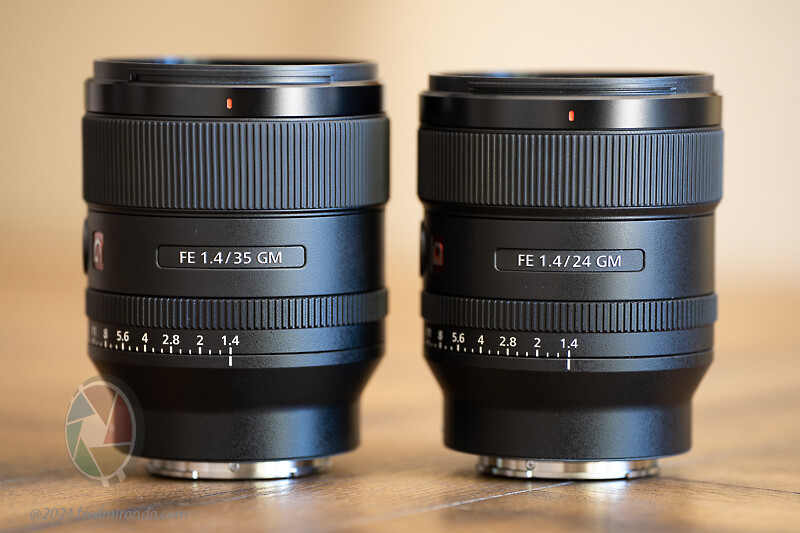
The lens itself weighs a mere 520g (measured) without caps and the lens dimensions are (ø x L) 76x96mm. (Only 3.5mm longer than the FE 24mm f/1.4 GM!)
The lens' craftsmanship is great but not perfect. The barrel is made of a mix of metal (front) and plastic (most of the lens). The aperture ring "clicks" are responsive but do not always align with the engraved aperture markings. The somewhat plastic body definitely helps keeping the weight down but the barrel and rings do not have the same build tolerance compared to Voigtlander or Sigma's DG DN lenses.
Lens construction: 14 Elements in 10 Groups, with one extra low dispersion (ED) and two extreme aspherical (XA) elements
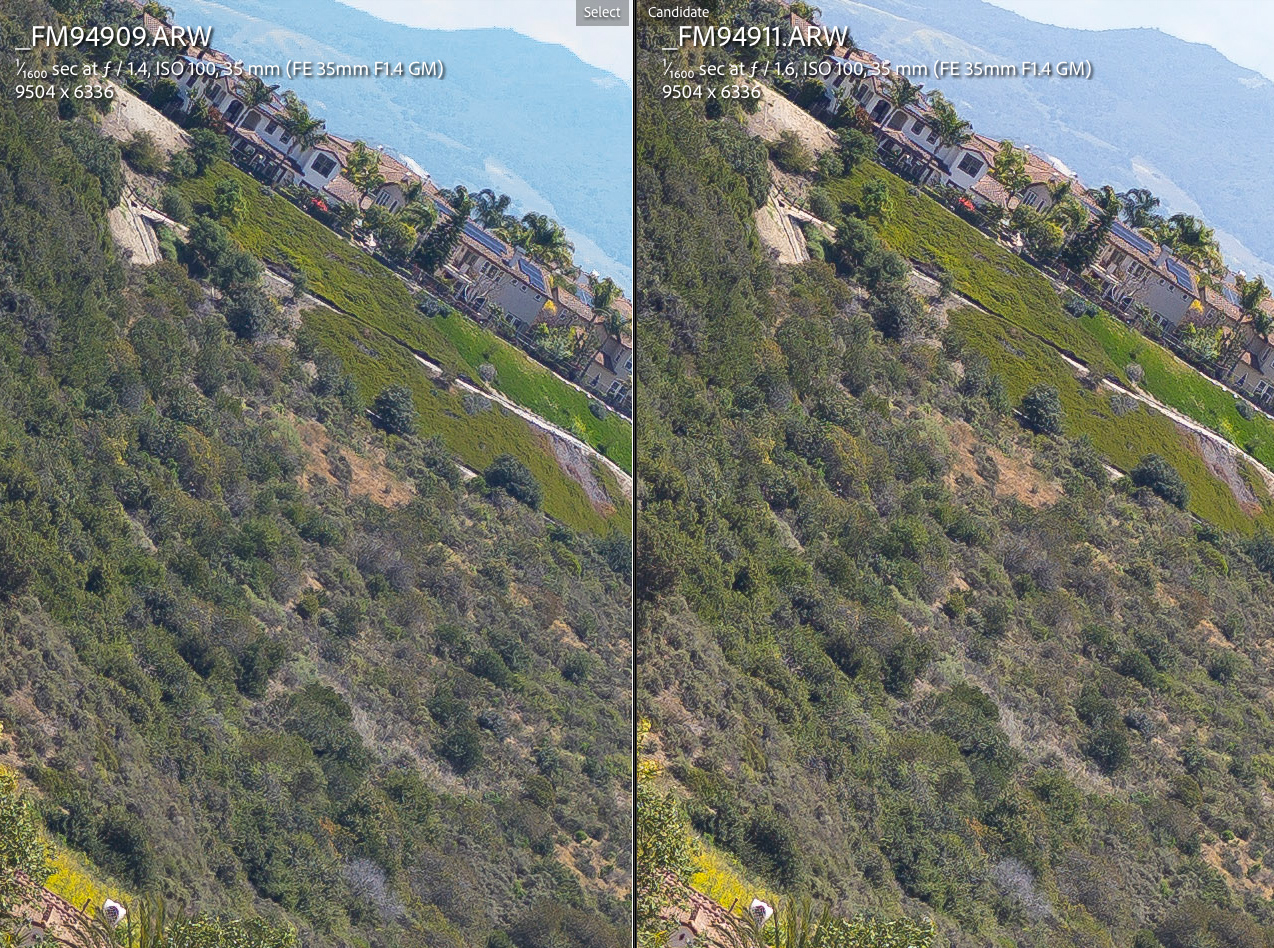
This 35mm GM shows how Sony is really upping the game. Smaller, lighter, close focusing and sharper. Rendering and bokeh is more judgemental. Excellent optic.
BraveR77 wrote:
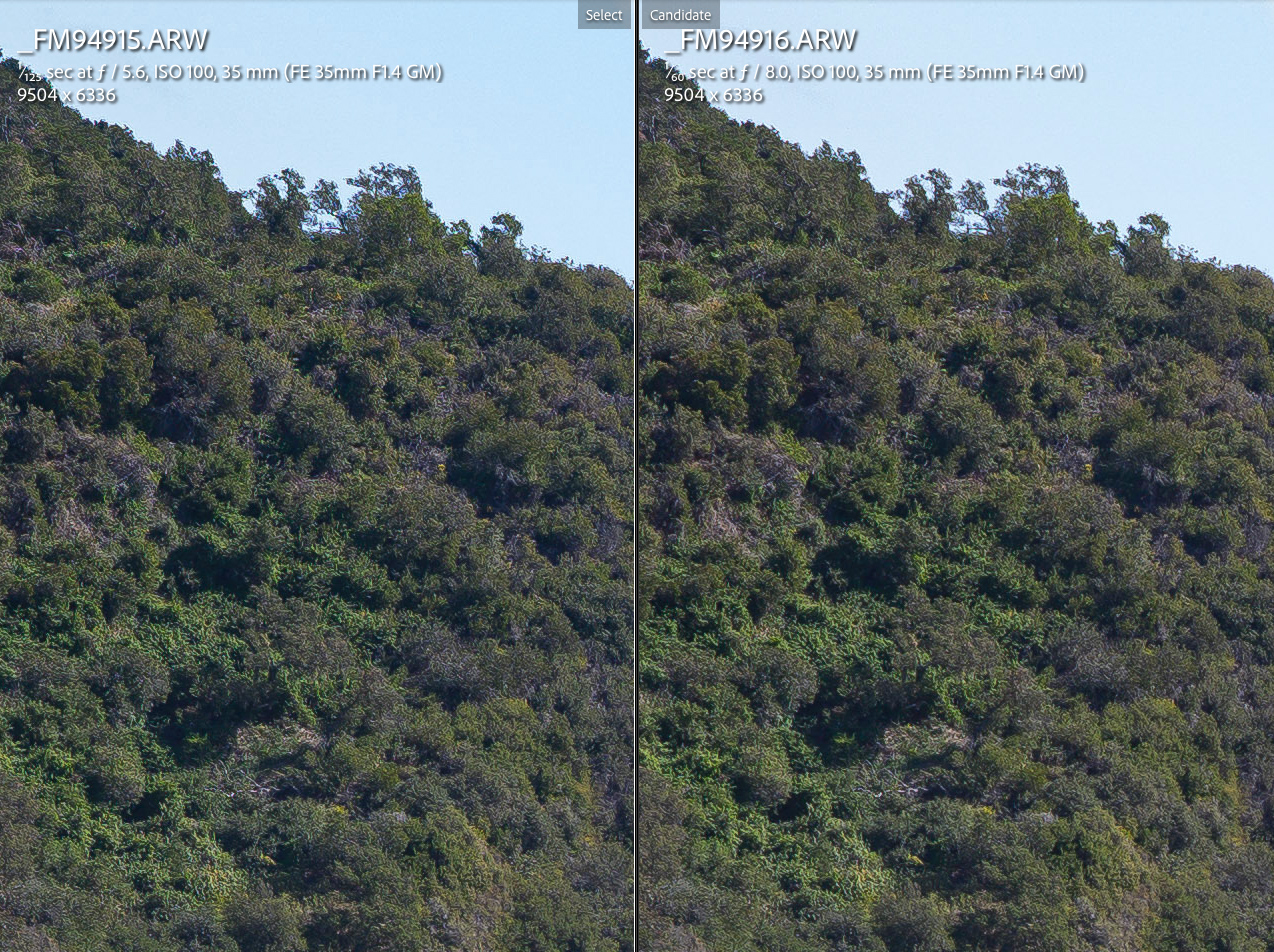
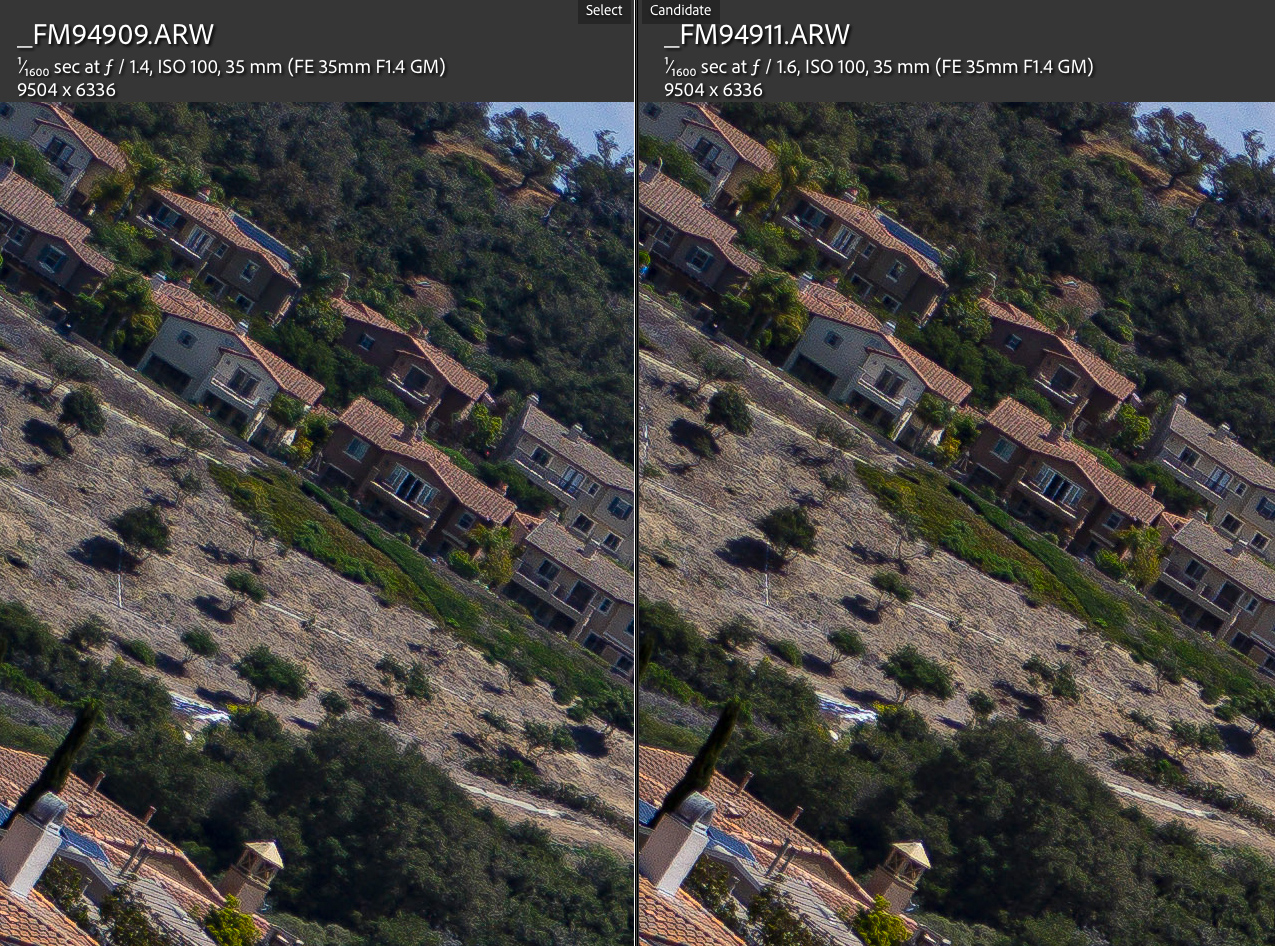
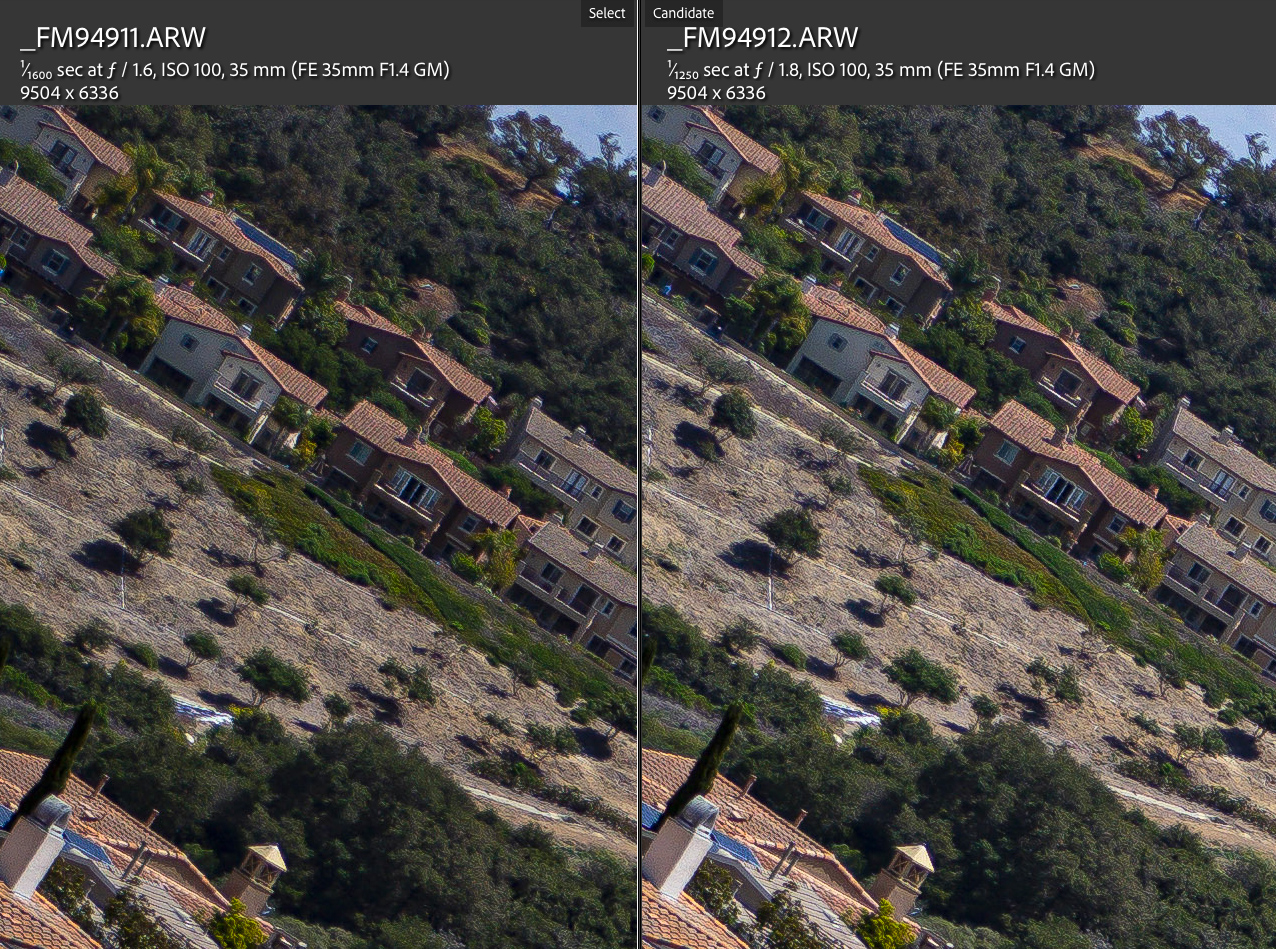
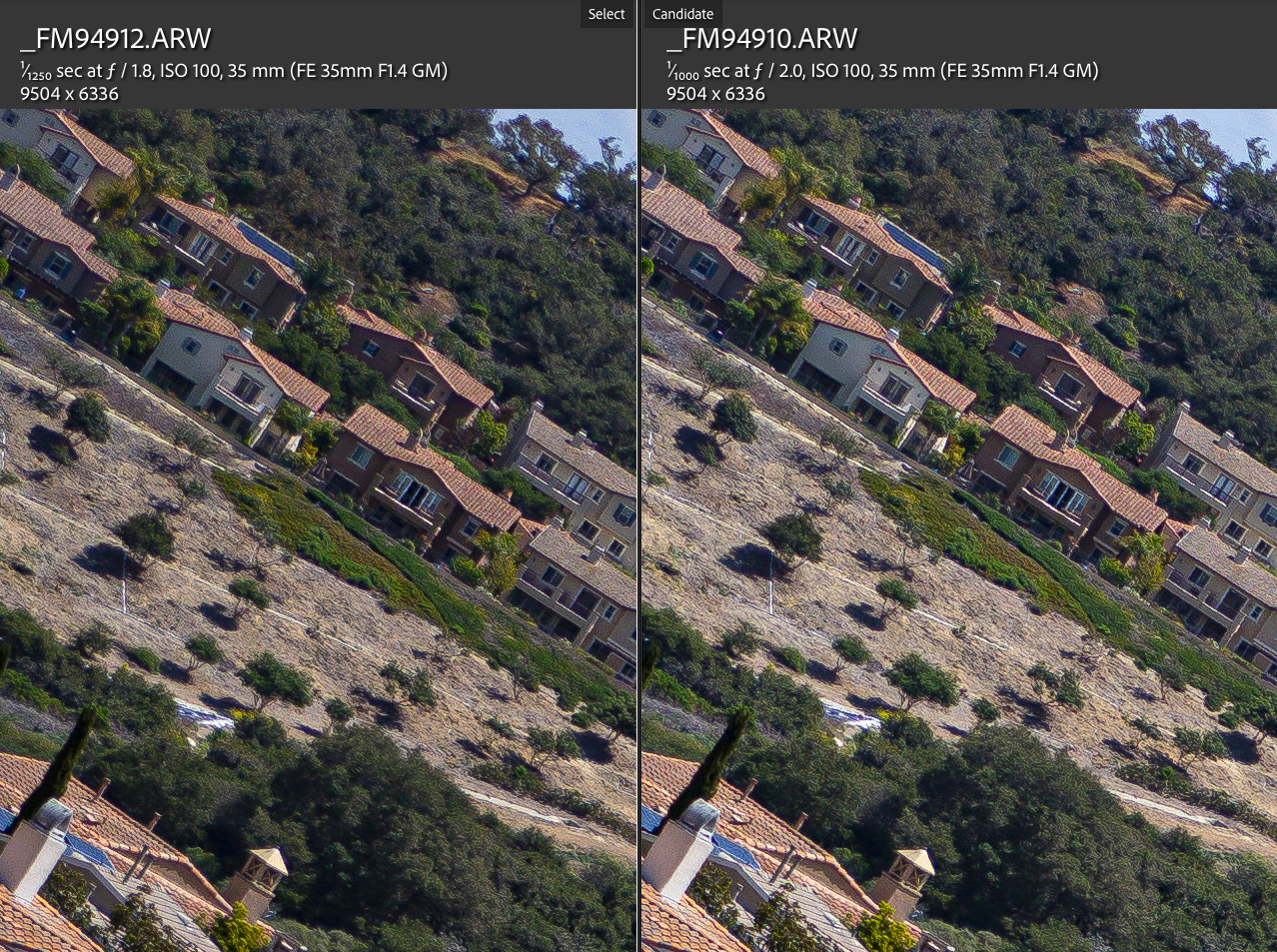
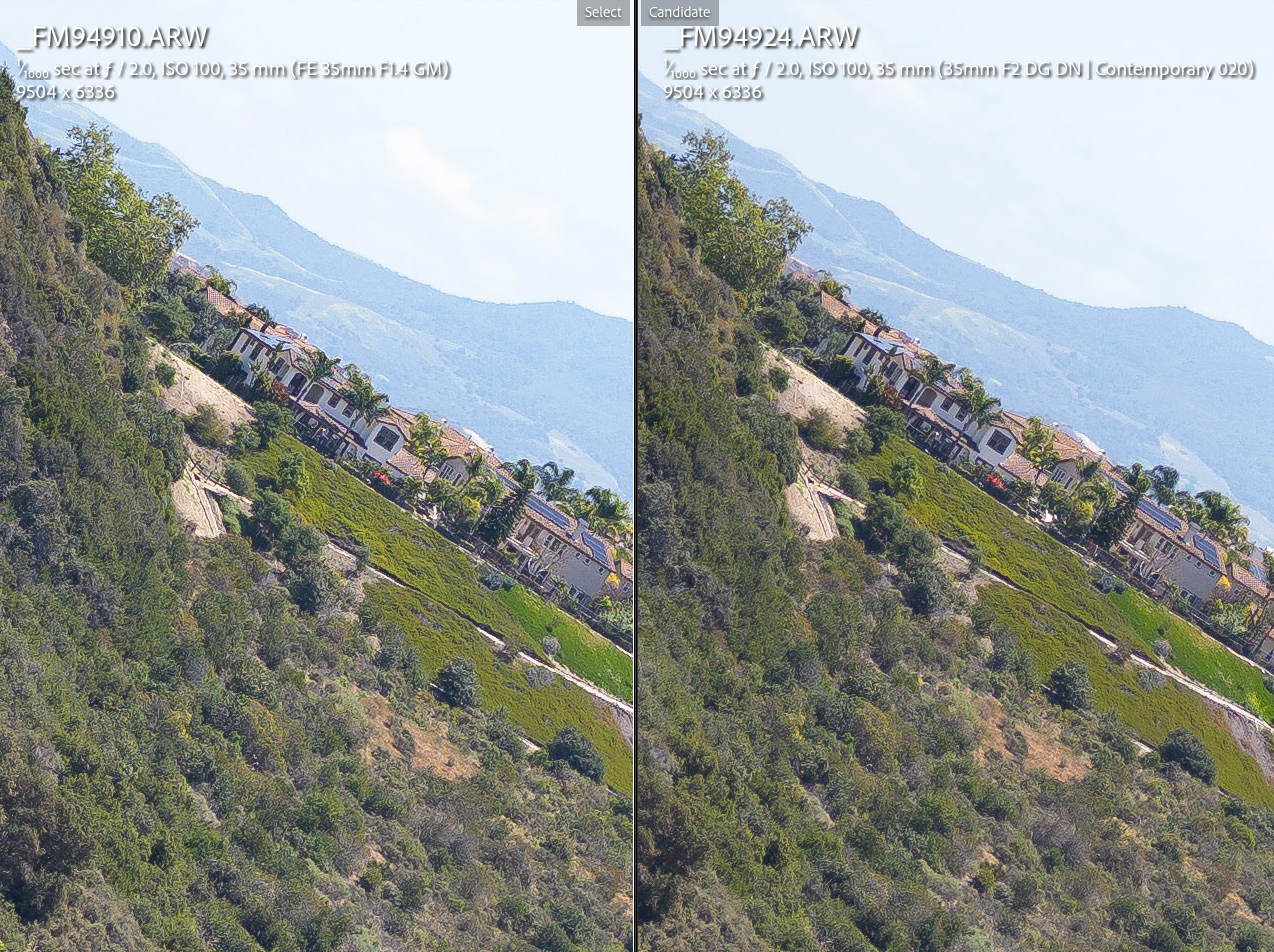
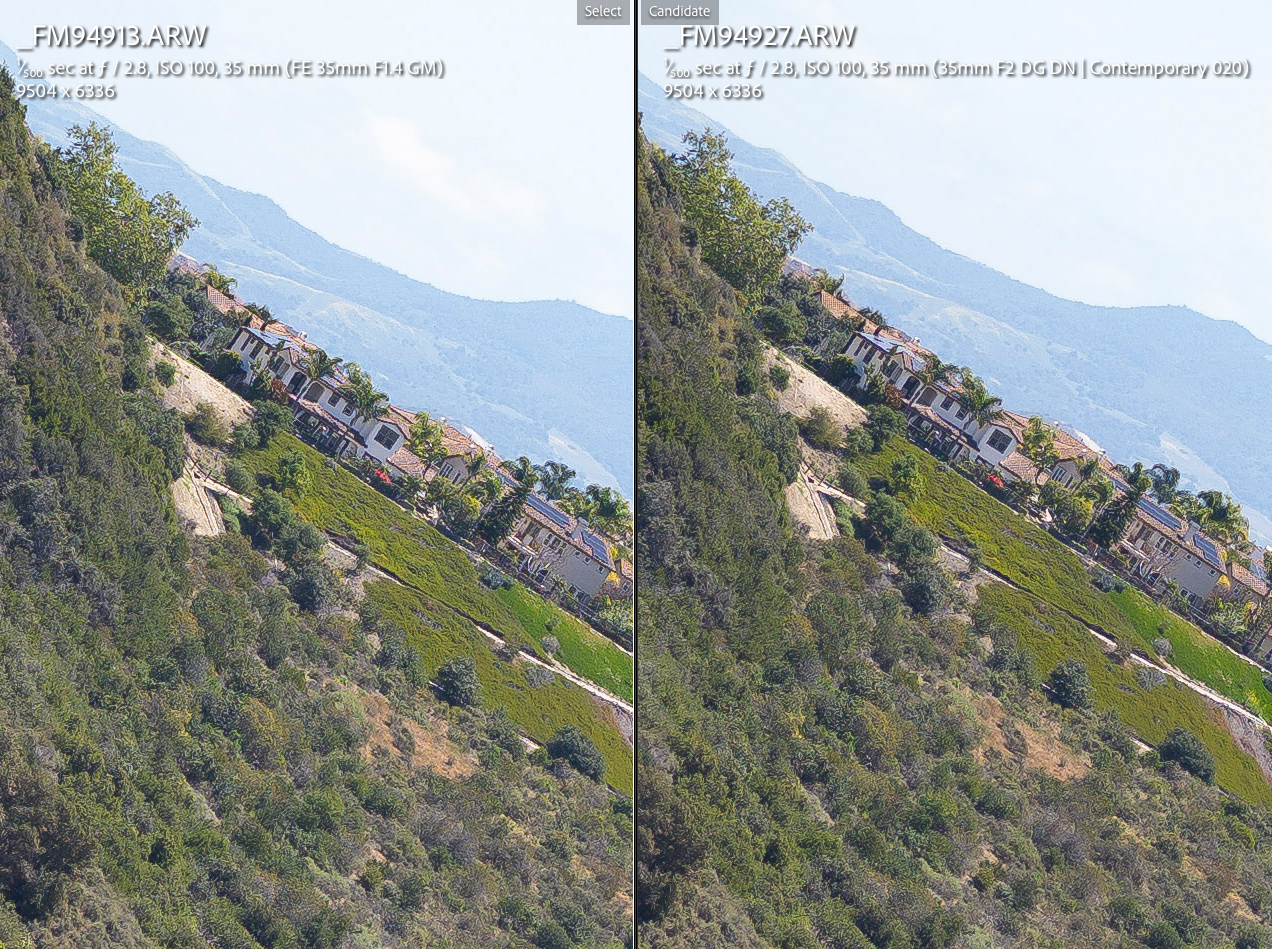
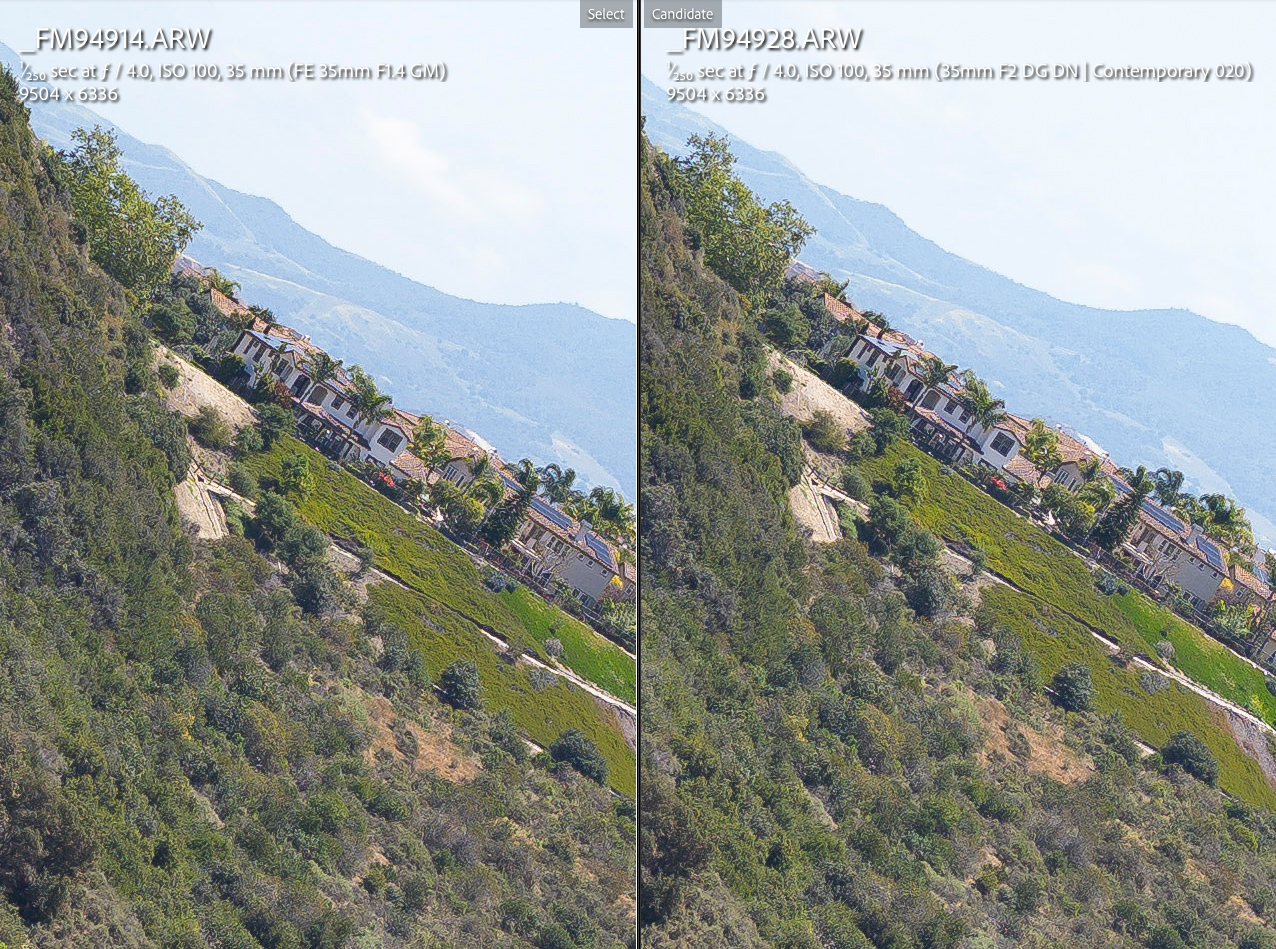
The GM is so much sharper than the Sigma at almost all apertures almost everywhere, especially at the extreme corners!
Starting at f/2.8, I feel the Sigma 35/2 DG DN is pretty much equal to the GM at center though.
Off-axis, the GM takes the cake but although it's better, they close starting at f/5.6. (The Sigma is really optimal at f/6.3 for the very corners)
For landscapes at f/6.3 and smaller they should perform very close.
I will post a comparison to the Voigtlander 35mm f/2 APO soon.
Interesting that Fred mentioned that the aperture ring markings don't always perfectly align. I noticed that with the 20G and wondered about that and see the 35 GM exhibits the same trait. While this is being nitpicky, the Sigma Art and I series' aperture rings align perfectly. That said, I had to return my Sigma 35i as the aperture ring would not work at f/2.2 as the camera would display f/2 when you went to the next click after f/2, and then it worked again at f/2.5.
You notice the bit of extra weight on the Sony 35 GM compared to the Sigma f/2, but I prefer the GM. I like the balance of rendering, closeup capability, f1/.4, reliable AF and relatively small size and weight. I may end up picking up a new Sony 40 or 50G if I feel the need for something smaller to pair with the 20G for travel, but I think the 35 GM is certainly a keeper. I was very lucky to find one in stock at a local dealer after I returned the Sigma.
jrscls wrote:
Interesting that Fred mentioned that the aperture ring markings don't always perfectly align. I noticed that with the 20G and wondered about that and see the 35 GM exhibits the same trait. While this is being nitpicky, the Sigma Art and I series' aperture rings align perfectly. That said, I had to return my Sigma 35i as the aperture ring would not work at f/2.2 as the camera would display f/2 when you went to the next click after f/2, and then it worked again at f/2.5.
You notice the bit of extra weight on the Sony 35 GM compared to the Sigma f/2, but I prefer the GM. I like the balance of rendering, closeup capability, f1/.4, reliable AF and relatively small size and weight. I may end up picking up a new Sony 40 or 50G if I feel the need for something smaller to pair with the 20G for travel, but I think the 35 GM is certainly a keeper. I was very lucky to find one in stock at a local dealer after I returned the Sigma. ...Show more →
The aperture ring misalignment to the markings varies though. Some copies are good and some are not. That's one of the areas that Sigma has tighter tolerance in production. My copy is great but I've seen a copy that was not.
Thanks for clarifying that Fred. My 20G aperture ring markings might not align as perfectly as the Sigma's, but they look similar to those on my 35 GM.
I just received my GM a few days ago. So far, I’m very impressed with the sharpness and size.
After reading your comment about the aperture ring, I went and checked mine. Luckily, all the detents seem to match up to all the markings on the ring. Hopefully, it’s not a widespread issue.
I appreciate all the time and effort you put into these review/comparisons. Keep up the great work!
This 35 GM gives me a lot of hope. The 20/1.8, the 24/1.4 GM, now the 35/1.4 and the 50/1.2 GM - these are the reason, along with A1, I’m back with Sony after a short flirt with Canon R5. I can’t wait to get my copy.
patotts wrote:
This 35 GM gives me a lot of hope. The 20/1.8, the 24/1.4 GM, now the 35/1.4 and the 50/1.2 GM - these are the reason, along with A1, I’m back with Sony after a short flirt with Canon R5. I can’t wait to get my copy.
Yup I had considered switching temporarily to Canon after the R5 release. They have some awesome compact zooms and a very nice RF 85/1.2 DS. But really the A1 (which I didn't think possible) and these new GM primes really cement my place with Sony. Now they just need to fill the rest of the GM prime lineup with these new techs (and probably even better tech soon)