That was my lens setup when I went last summer, but with two R5 bodies. I kept the 400/2.8 on one and the 100-300/2.8 on the other. I used a teleconverter occasionally, but not that often. I used my 15-35 and 24-70 only sparingly but was glad to have them when I did. If I go back I will likely do the same, except I recently got the new 70-200/2.8 that now accepts teleconverters, so I would probably take that instead of renting the 100-300 again. I never wished for anything different when I was there.
Hathaway wrote:
Interesting to see the Canon (and Sony) setup Jared Polin is taking on safari this year based on his experience from last year. I have yet to do a safari so can’t speak from experience, but I would likely replicate much of his setup when I do go in the next few years. He isn’t bringing a 600 mm F4 this year. I would tend to agree based on the feedback I have seen with extenders on the 400mm and 100-300mm lenses and the quality you can get from that setup.
I like the idea of R1 with 400mm F2.8 and R5MII with 100-300mm F2.8 and bring along a UWA (10-20mm) and one mid-range (for me would be 24-70mm F2.8). That way you have coverage from 10-400mm with a few gaps but with plenty of speed for low light, fast action, etc.
Wonder if that jives with those that are Canon shooters who have been on safari recently.
It's been mentioned many times in this thread that the 600 is not needed and based on my time spent there 99% of people will be plenty happy with just a 70-200 2.8 and 400 2.8 with extenders. I could take just those two lenses with the tiny 16mm 2.8 and not miss a beat as it's really all you need. My 100-300 and 400 are my ideal safari setup, but if you take my 100-300 away I'm still perfectly happy with using the 70-200.
With that said, there are many variables that come into play with gear selection based on budget, physical fitness, shooting style, camp location, and animal preferences that will result in different kits for different people. For example, someone not able to stay in conservancies or someone who primarily shoots birds would likely want a 600 over the 400. As for bodies at minimum 2 R5's or R5II's so you have matching bodies and battery systems. I see Jared is giving his friends R3's to use but I see no reason to take an R3 or R1 to Africa. I leave them at home and take two R5's or R5II's, or multiple if you can swing it.
I've lugged a 24-70 2.8 over there twice now and didn't use it once. After my first trip of not using it I decided when going back I would use it to shoot some video around camp. But, that never happens if you are hustling and spending all your time on game drives. Whereas a family trip would result in more time spent around camp relaxiing/eating, and someone might use a 24-70 for some family photos around camp. But even then I would rather take a small prime like the Canon 35 1.8 or VCM 1.4 for that purpose, so a lot of it really depends on the individual and purpose.
Hathaway wrote:
Interesting to see the Canon (and Sony) setup Jared Polin is taking on safari this year based on his experience from last year. I have yet to do a safari so can’t speak from experience, but I would likely replicate much of his setup when I do go in the next few years. He isn’t bringing a 600 mm F4 this year. I would tend to agree based on the feedback I have seen with extenders on the 400mm and 100-300mm lenses and the quality you can get from that setup.
I like the idea of R1 with 400mm F2.8 and R5MII with 100-300mm F2.8 and bring along a UWA (10-20mm) and one mid-range (for me would be 24-70mm F2.8). That way you have coverage from 10-400mm with a few gaps but with plenty of speed for low light, fast action, etc.
Wonder if that jives with those that are Canon shooters who have been on safari recently.
I'll go against the grain a bit. I take the RF 600 f/4 along with the 100-300 f/2.8 and I think it's the best combo. I find the 100-300 takes teleconverters even better than the 600 so I have the 1.4x on it most of the time. That gives me a 140-420mm/600mm setup that has rarely left me wanting. These high resolution cameras are great for detail, but you don't want to be relying on it to get you great results if your subject is very small in the frame and you need to crop a ton. I'll admit to lusting after those Nikon super telephotos with the built-in teleconverters!
To be fair, I will take many more photos within the 140-420 range than at 600 so I understand why the 400 2.8 would be great. It's just that when you can use 600mm it's really wonderful.
All that said, there are no bad choices with these lenses. They're all stunning and you'll have lots of opportunities with any of them.
I am in agreement with most of the above. Not being a birder, my own preference has been to take the 400 2.8 as the longest lens, along with a 70-200 and 24-70 (the last seeing the least use). I have rarely even used the extender on the 400, preferring to crop in post. I am a small guy and It is just barely hand-holdable for me, which is the other factor that made me sell off the big 600.
I have a question re memory cards for the Sony. Any suggestions on a good an affordable cfExpress A cards? Any concerns on "putting all the eggs in one basket" with a high capacity card?
I take a lot of standard SD cards with me, maximum 128G size. I am afraid of losing valuable images with a higher capacity card if it is dropped/lost or corrupts.
Anybody notice significant differences in speed, in terms of off-loading or writing in camera? Apart from the hype?
Primus wrote:
I have a question re memory cards for the Sony. Any suggestions on a good an affordable cfExpress A cards? Any concerns on "putting all the eggs in one basket" with a high capacity card?
I take a lot of standard SD cards with me, maximum 128G size. I am afraid of losing valuable images with a higher capacity card if it is dropped/lost or corrupts.
Anybody notice significant differences in speed, in terms of off-loading or writing in camera? Apart from the hype?
Not sure about cards for Sony but I've been using (4) 2TB Delkin cards for the last 4 years and they've been my workhorses while traveling. I just make sure to backup every night so if a large card were to fail I have a backup. On safari I backup everything twice at night to two different SSD's just in case. If something were to fail I'll still have two copies as I'm always scared of only having one backup copy. I like not having to change cards in the field or worry about keeping track the large pile of cards I used to carry as they stay in the camera the whole time. I see no difference in camera performance with R5, R5II, or R3. The only thing I experience with Canon is that when the card gets to about 750GB of data on it (and above) the camera takes longer to wake up. It has something to do with Canon's file system. Other than that, I would recommend a large card and a brand like Delkin with a lifetime warranty. If a card goes bad you just notify Delkin and they will ship you a new card wherever you may be.
I believe there a fairly inexpensive brand that works well with Sony but I forget the name, someone else will chime in.
artsupreme wrote:
Not sure about cards for Sony but I've been using (4) 2TB Delkin cards for the last 4 years and they've been my workhorses while traveling. I just make sure to backup every night so if a large card were to fail I have a backup. On safari I backup everything twice at night to two different SSD's just in case. If something were to fail I'll still have two copies as I'm always scared of only having one backup copy. I like not having to change cards in the field or worry about keeping track the large pile of cards I used to carry as they stay in the camera the whole time. I see no difference in camera performance with R5, R5II, or R3. The only thing I experience with Canon is that when the card gets to about 750GB of data on it (and above) the camera takes longer to wake up. It has something to do with Canon's file system. Other than that, I would recommend a large card and a brand like Delkin with a lifetime warranty. If a card goes bad you just notify Delkin and they will ship you a new card wherever you may be.
I believe there a fairly inexpensive brand that works well with Sony but I forget the name, someone else will chime in....Show more →
I've been using Lexar SD cards for a long time and they've done me well. In contrast, the few Sony Tough SD cards I've had heat up too much for my liking.
I'm thinking of getting high capacity CF Express A cards now instead of the standard SD cards. There are not too many brands out there though - OWC has Atlas Pro and then there is ProGrade and of course the usual Sony and Lexar that are way too expensive. Delkin seems a great choice as posted above. Have never tried these.
I think if one could back up the cards every evening in the field the chances of loss due to damage or theft would be much less. I like the idea of not juggling with multiple smaller capacity cards - I have 30 of these and sure enough it becomes a nightmare to figure out which ones are unused etc.
To those who have used CF Express A cards - is the speed gain significant enough to justify the higher costs? Unfortunately Sony is only compatible with Type A which are more expensive than type B.
Compact Flash Express A: you'll have to add a new reader - when we travel we use a Dell Laptop (1700 series; really lightweight (XPS 1700 series - a great lightweight machine with a fine screen), and there is only an SD card slot. So keep this in mind...
My impression with the CF A cards (I have two) is that they currently do not read/write as fast as the best SD cards. (IN the future I imagine they will...but do your research on the speed you need.) I tend to use them for high quality videos, and the SD cards for images. But do your research. For me the price was right for the extra room on the card in case I am out all day, or cannot edit any images on my laptop for several days. I would not get one as my primary card - they do get hot!
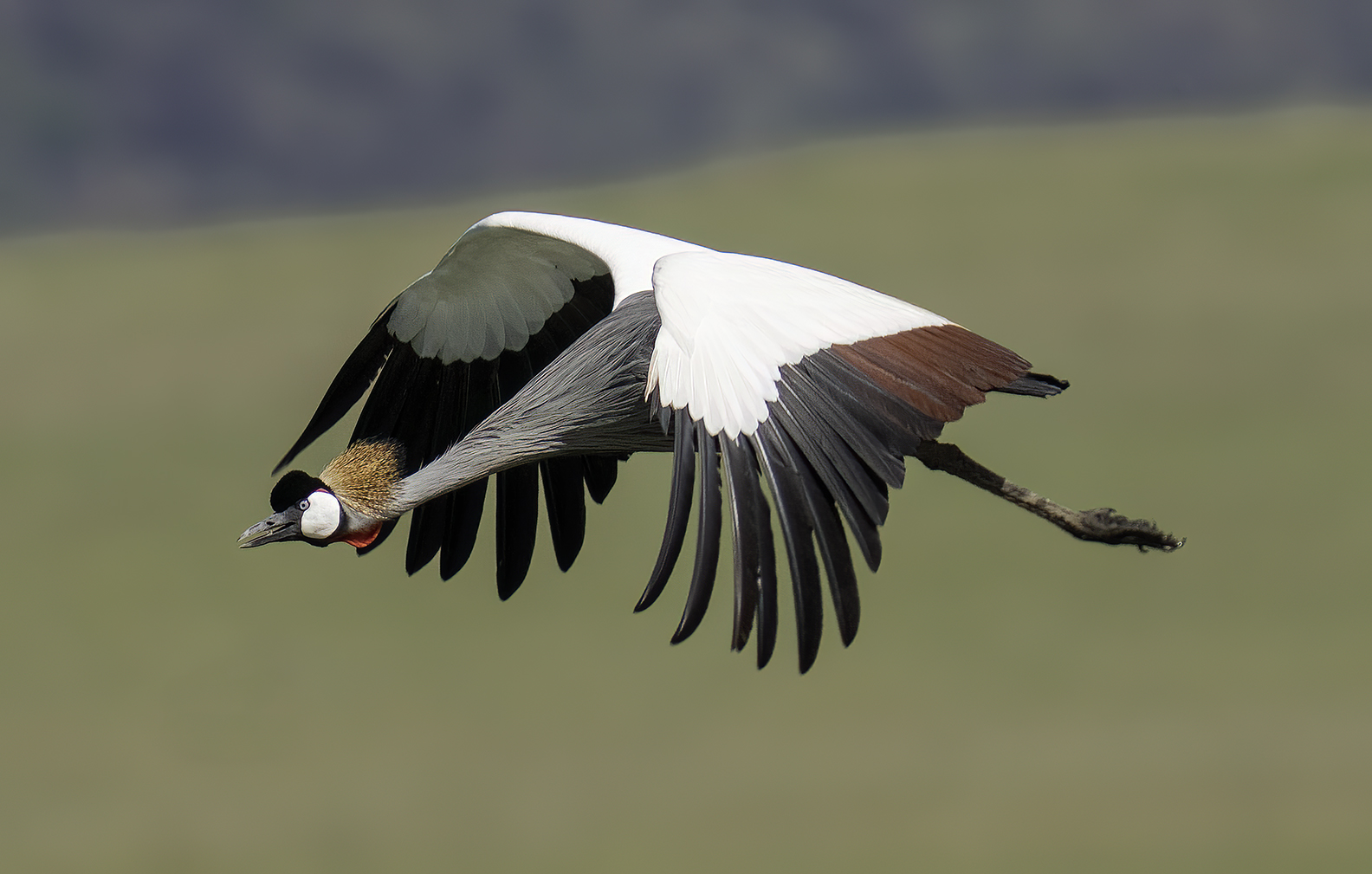
We are still on our own self-drive in South Africa (since 7 November). Right now in Wakkerstrom that has one of the best freshwater wetlands for birds (all native large mammals have long since been extirpated.) For birds, So Africa is amazing...see attached photo of a Grey Crowned Crane in flight from Thursday (12 Dec.). This area is about 3 hours SE of Johannesburg.
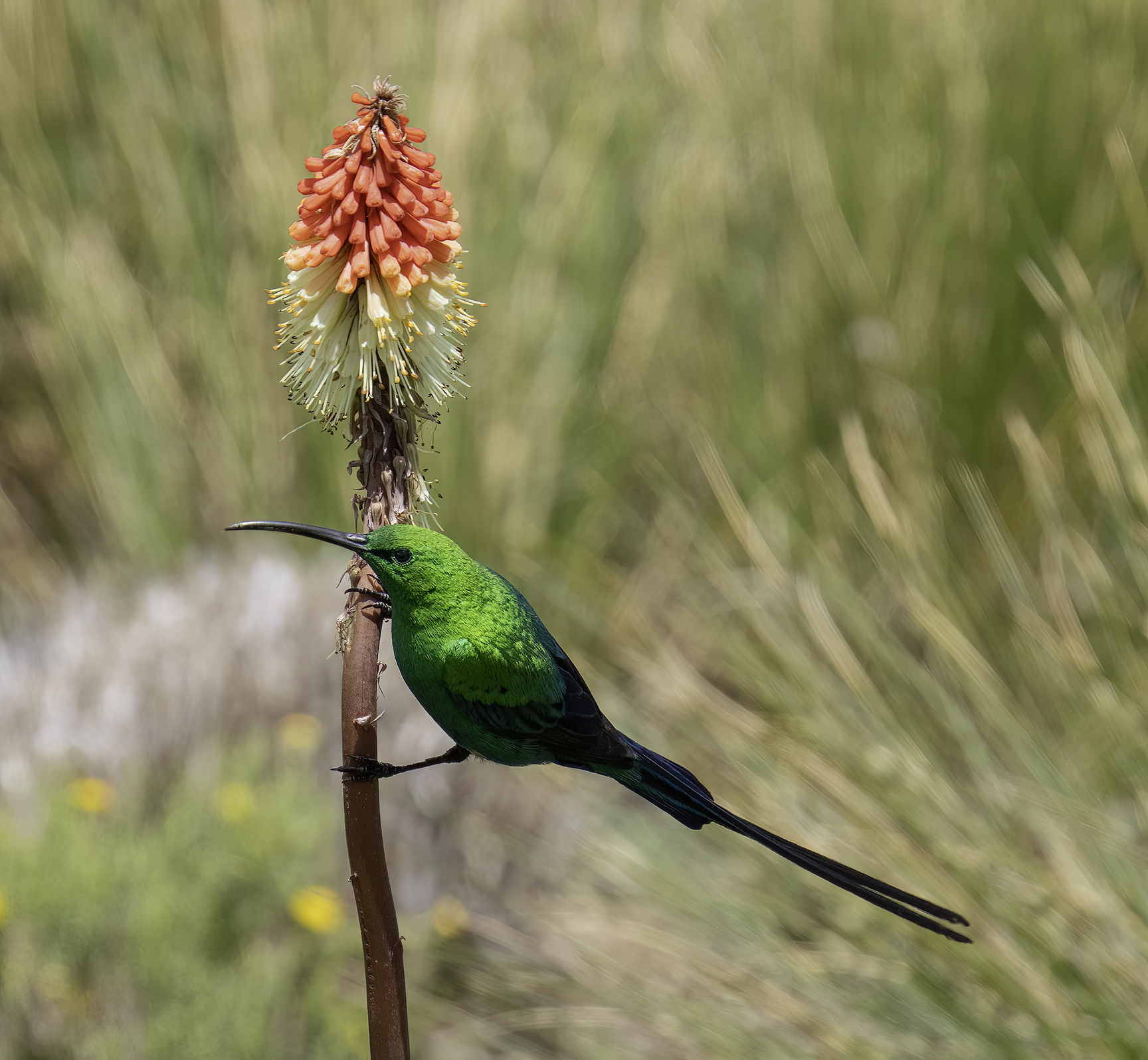
Previous to this we were in Underberg/Himeville (about 5 hrs ESE of Wakkerstrom). Birding up at the Sani Pass (border of Lesotho) and then into Lesotho. Food (restaurants) better there in Himeville, and less (by 20%) expensive than Wakkerstrom. For the Sani Pass Stuart McLean (age 65) is a superb guide (1000 rand [$55 USD approx] per day if you have your own 4WD)...has lived there all his life. He has a web site. In Wakkerstrom the best guide (via BirdLife International) is David Nkosi who has lived in this area all his life (he is about 40). Birdlife charges 1650 Rand for a full day of guiding (with your own vehicle - not theirs). We might go with him on Monday. His phone is +27 (83) 922-3733 and he is on WhatsApp (and email but he never reads his email).
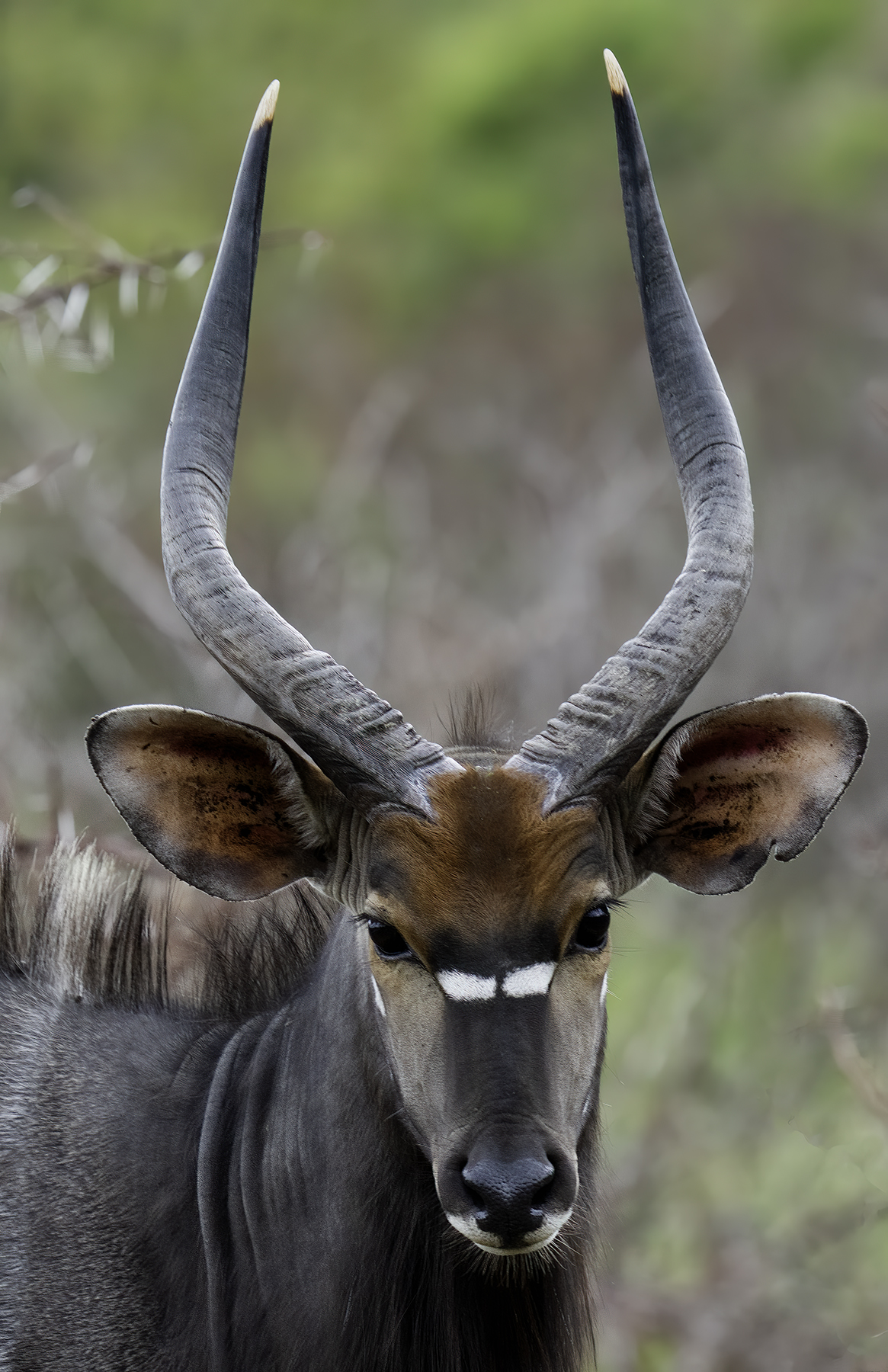
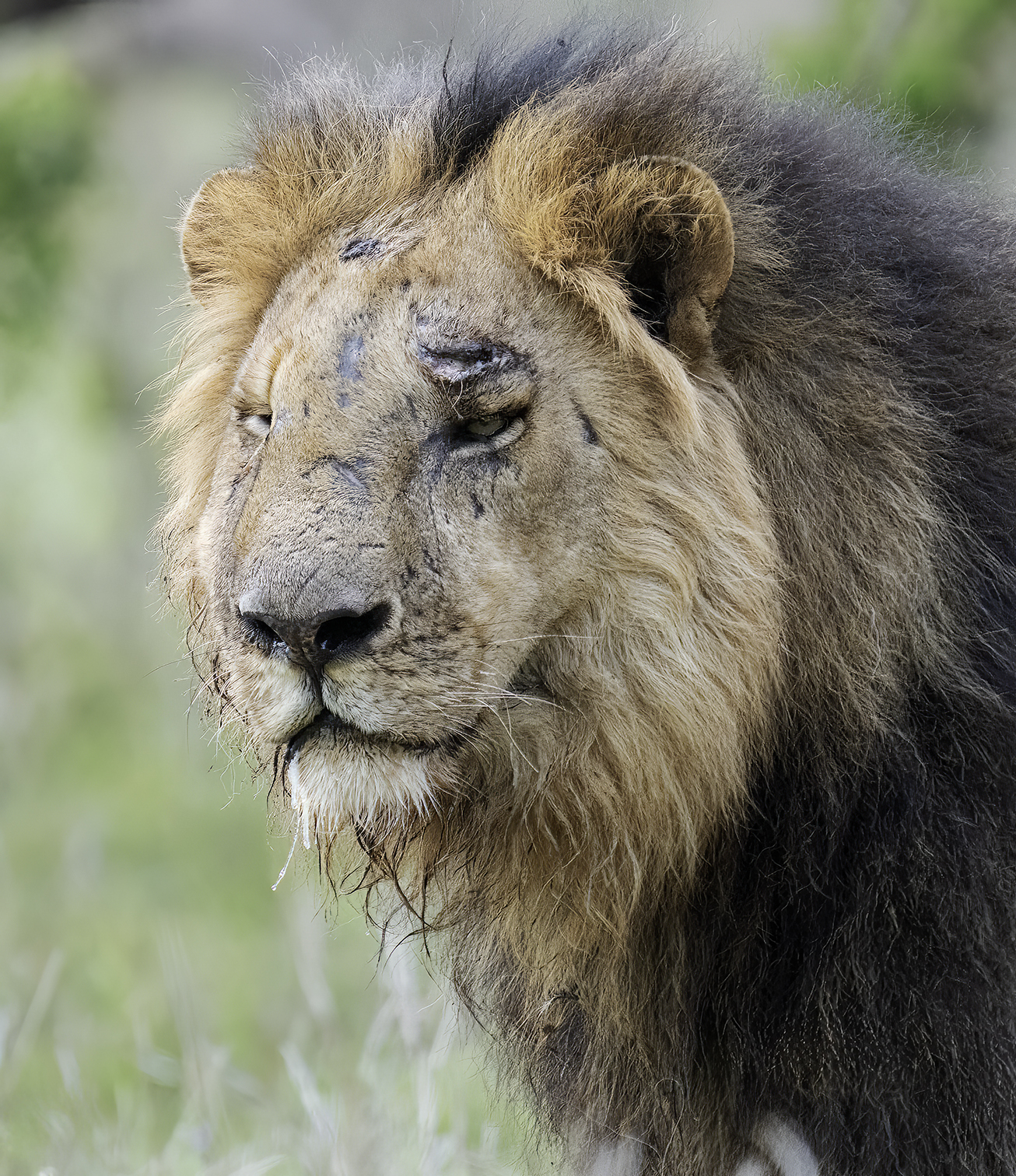
Hope that helps...for anyone who has seen enough four legged creatures...We love them...but the birds are so much more diverse (and colorful). We do get our mammal photos too...see attached.
Deborah Allen and Robert DeCandido of NYC
Grey Crowned Crane in Wakkerstrom via the Sony A1 with the 200-600 lens
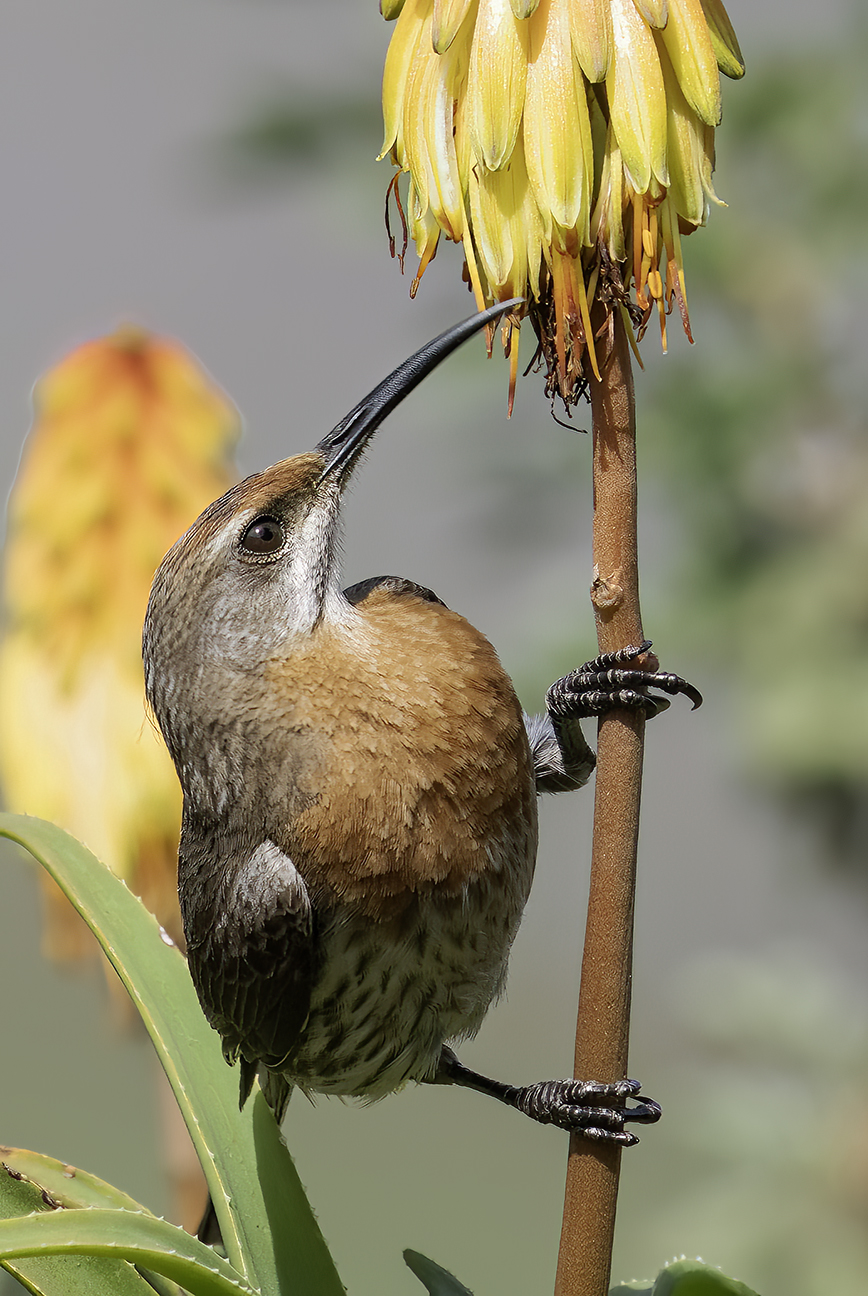
Malachite Sunbird at Sani Pass with the A1 and 200-600mm lens
Nyala at the Mavela Game Lodge with the A1 and 200-600
Lion at Mavela on 1 December with the A1 and 200-600
Primus wrote:
I've been using Lexar SD cards for a long time and they've done me well. In contrast, the few Sony Tough SD cards I've had heat up too much for my liking.
I'm thinking of getting high capacity CF Express A cards now instead of the standard SD cards. There are not too many brands out there though - OWC has Atlas Pro and then there is ProGrade and of course the usual Sony and Lexar that are way too expensive. Delkin seems a great choice as posted above. Have never tried these.
I think if one could back up the cards every evening in the field the chances of loss due to damage or theft would be much less. I like the idea of not juggling with multiple smaller capacity cards - I have 30 of these and sure enough it becomes a nightmare to figure out which ones are unused etc.
To those who have used CF Express A cards - is the speed gain significant enough to justify the higher costs? Unfortunately Sony is only compatible with Type A which are more expensive than type B.
If you're not shooting high frame rates or worried about how long it might take to offload a lot of images then I don't think it's worth it. Unless of course you find them on sale for what v90 cards are going for (which has been the case lately) then why not grab some. I bought the Nextorage A1Pro because they have the highest sustained write speed (850mb/s) to shoot with A9iii which makes a massive difference in clearing the buffer. I also use ProGrade Gold cards with my A7RV - both cameras are use to shoot wildlife. Coming from Nikon and previously Canon - the cost of the type A cards is hard to swallow compared to what type B are going for.
rdcny wrote:
Compact Flash Express A: you'll have to add a new reader - when we travel we use a Dell Laptop (1700 series; really lightweight (XPS 1700 series - a great lightweight machine with a fine screen), and there is only an SD card slot. So keep this in mind...
My impression with the CF A cards (I have two) is that they currently do not read/write as fast as the best SD cards. (IN the future I imagine they will...but do your research on the speed you need.) I tend to use them for high quality videos, and the SD cards for images. But do your research. For me the price was right for the extra room on the card in case I am out all day, or cannot edit any images on my laptop for several days. I would not get one as my primary card - they do get hot!
We are still on our own self-drive in South Africa (since 7 November). Right now in Wakkerstrom that has one of the best freshwater wetlands for birds (all native large mammals have long since been extirpated.) For birds, So Africa is amazing...see attached photo of a Grey Crowned Crane in flight from Thursday (12 Dec.). This area is about 3 hours SE of Johannesburg.
Previous to this we were in Underberg/Himeville (about 5 hrs ESE of Wakkerstrom). Birding up at the Sani Pass (border of Lesotho) and then into Lesotho. Food (restaurants) better there in Himeville, and less (by 20%) extensive than Wakkerstrom. For the Sani Pass Stuart McLean (age 65) is a superb guide (1000 rand [$55 USD approx) per day if you have your own 4WD)...has lived there all his life. He has a web site. In Wakkerstrom the best guide (via BirdLife International) is David Nkosi who has lived in this area all his life (he is about 40). Birdlife charges 1650 Rand for a full day of guiding (with your own vehicle - not theirs). We might go with him on Monday. His phone is +27 (83) 922-3733 and he is on WhatsApp (and email but he never reads his email).
Hope that helps...for anyone who has seen enough four legged creatures...We love them...but the birds are so much more diverse (and colorful). We do get our mammal photos too...see attached.
Not sure what CFE type A cards you have but the ones I have (Nextorage Pros and ProGrade golds) blow any v90 cards out of the water when shooting high FPS and needing the buffer to clear as fast as possible.
He’s bringing a lot but then again it’s for your people and for doing review. Anytime I go on safari I always bring a 2 camera bodies and 2 lenses. My setup is with either the following 2 lenses:
400mm 2.8 + 70-200mm 2.8
Or
600mm 4.0 + 100-400mm variable
I am currently in South Africa and this is the first time I brought my Sony kit, which is just acquired in the last few months. This time around I have the following:
A9iii, A7Rv + 300mm 2.8, 70-200mm 2.8 GMii, 1.4x TC, 2.0x TC and to shoot wide/travel I have my Q3.
I am big fan of having just 2 bodies and 2 lenses while on safari. For me anything more then that has a been a waste.
Hathaway wrote:
Interesting to see the Canon (and Sony) setup Jared Polin is taking on safari this year based on his experience from last year. I have yet to do a safari so can’t speak from experience, but I would likely replicate much of his setup when I do go in the next few years. He isn’t bringing a 600 mm F4 this year. I would tend to agree based on the feedback I have seen with extenders on the 400mm and 100-300mm lenses and the quality you can get from that setup.
I like the idea of R1 with 400mm F2.8 and R5MII with 100-300mm F2.8 and bring along a UWA (10-20mm) and one mid-range (for me would be 24-70mm F2.8). That way you have coverage from 10-400mm with a few gaps but with plenty of speed for low light, fast action, etc.
Wonder if that jives with those that are Canon shooters who have been on safari recently.
There is so much light, so early in the day right now in South Africa (by 630am I can shoot at 1/400 at F6.3 at 800 iso). This might be different as one gets to closer to the equator...but the further south one goes in Nov-Jan, there is a lot of light early. (We are out the door by 545am).
I have a 400 F2.8. It is too much to lug around especially since I am driving and already have binoculars around my neck. I can't keep a 400 F2.8 on the center rest area of a 4WD...and move it around to shoot. I can with the 200-600. And walking with that 400mm F2.8 lens is not fun either...
We also bring a 135 F1.8 for night shooting, as well as a tripod. I bring a high powered Fenix flashlight - no problem getting enough light on an owl or nightjar at night to shoot at 800iso; 1/250 sec at F6.3. I can handhold that steady enough if we need to move fast to get to a better angle. But shooting video (at 1/60 sec or even 1/30) can be OK too if one needs even more light let in...
The folks in the nice Safari camps don't have to worry about driving...and they have set ups in the vehicles to facilitate shooting with large lenses. We tend not to do those safaris as we like to drive ourselves and be our own guides (or hire locals). We also save a lot of money - that we then use to spend more time here...We don't do sundowners as that takes time away from looking...and we use sound to bring the birds to us (and more recently some mammals too). To each his own.
We'd be outside shooting right now (345pm in Wakkerstrom) but it is about 94F and very windy (typical wind for a lot of South Africa) but it makes getting photos of larks, Flufftails, Korhans [all birds] and others difficult. We will wait for a bit more today. This year, the Eastern Cape area is hotter than usual, and significantly drier than usual. The large freshwater marsh here in Wakkerstrom is about 50-60% wet...the bird hides are several hundred meters from where the birds are (in the water). They need rain to expand the marsh...
Deborah Allen and Robert DeCandido/NYC
Gurneys Sugarbird at Sani Pass with the A1 and 200-600 lens
Well, did the deed. Finally bought the beast.
My new Africa travel kit is:
R5 MkII
RF 100-300 f/2.8 (I have extenders as well)
RF 24-105 f/2.8 Z
OM-1 Mk II
MZ 150-400 f/4.5 w 1.25 TC
Taking an additional R5 MkII body so I can shoot video with the 24-105 f/2.8 Z while shooting stills with the RF 100-300 f/2.8 from the Hide at Shompole.
Throwing a RF 16mm f/2.8 or a MZ 7-14 f/2.8 Pro for some WA landscapes.
Now looking for a roller that will fit it all. The ThinkTank Airport Advantage XT is not wide enough to hole the cameras with white lenses and the 24-105 f/2.8 Z
rdcny wrote:
My impression with the CF A cards (I have two) is that they currently do not read/write as fast as the best SD cards. (IN the future I imagine they will...but do your research on the speed you need.)
That may well be your notebook USB port, OS version or USB cable to blame. I haven't even heard of an CFE-A card brand as slow as the fastest SD cards. They do vary in write speed, which you wana look out for as that is what is limiting your buffer clearing speed. Otherwise they should pretty much all read at least twice as fast as your best SD cards.
Daran wrote:
That may well be your notebook USB port, OS version or USB cable to blame. I haven't even heard of an CFE-A card brand as slow as the fastest SD cards. They do vary in write speed, which you wana look out for as that is what is limiting your buffer clearing speed. Otherwise they should pretty much all read at least twice as fast as your best SD cards.
While sitting in the Tokyo airport during a layover recently my buddy was pissed at me for recommending a “slow” card and card reader he bought based on my recommendation. I said what are you talking about, it’s not slow. So he proceeded to hook it up to his laptop to show me and I noticed his cheap/thin spaghetti looking cable. I pulled one of my cables out of my bag for him to try and boom, problem solved. Good thing he mentioned it…
artsupreme wrote:
While sitting in the Tokyo airport during a layover recently my buddy was pissed at me for recommending a “slow” card and card reader he bought based on my recommendation. I said what are you talking about, it’s not slow. So he proceeded to hook it up to his laptop to show me and I noticed his cheap/thin spaghetti looking cable. I pulled one of my cables out of my bag for him to try and boom, problem solved. Good thing he mentioned it…
Yeah. I'll never understand how the USB-cable mess wasn't completely predictable to the standardizing committee. I have at least 25 different cables these days, but I only use 3 of them, for those are the only ones I can visually identify as being good for my needs. I've been working in low level computer software for three decades and only very few solutions were this is stupid. The DLL hell, user assigned interrupts and of course the famous A20 gate come to mind. The USB cable mess is right up there.
Daran wrote:
Yeah. I'll never understand how the USB-cable mess wasn't completely predictable to the standardizing committee. I have at least 25 different cables these days, but I only use 3 of them, for those are the only ones I can visually identify as being good for my needs. I've been working in low level computer software for three decades and only very few solutions were this is stupid. The DLL hell, user assigned interrupts and of course the famous A20 gate come to mind. The USB cable mess is right up there.
I too found out the hard way that the cable really matters. Even a 'well made' cable needs to meet the criteria for hi-speed data transfer. Appearances are so deceptive. I've now started to label the good ones and keep them in a separate bag.
Primus wrote:
I too found out the hard way that the cable really matters. Even a 'well made' cable needs to meet the criteria for hi-speed data transfer. Appearances are so deceptive. I've now started to label the good ones and keep them in a separate bag.
The cable 100% matters… just like your card reader and cards do.
3 years ago I bought this USB C with 10bps transfer speeds to use on a trip to Tanzania with my R5 at the time, and the transfer speeds to my laptop was a massive difference.
Look forward to hearing how it goes with the R5ii with the 100-300. If I was going back to Canon I would certainly grab the RF 100-300 and either the R5ii or maybe even the R5.
Also I have to say, the Olympus 150-400TC was easily one of my favorite lenses. I took some really great shots with that on safari in TZ.
Alan Kefauver wrote:
Well, did the deed. Finally bought the beast.
My new Africa travel kit is:
R5 MkII
RF 100-300 f/2.8 (I have extenders as well)
RF 24-105 f/2.8 Z
OM-1 Mk II
MZ 150-400 f/4.5 w 1.25 TC
Taking an additional R5 MkII body so I can shoot video with the 24-105 f/2.8 Z while shooting stills with the RF 100-300 f/2.8 from the Hide at Shompole.
Throwing a RF 16mm f/2.8 or a MZ 7-14 f/2.8 Pro for some WA landscapes.
Now looking for a roller that will fit it all. The ThinkTank Airport Advantage XT is not wide enough to hole the cameras with white lenses and the 24-105 f/2.8 Z ...Show more →