p.55 #1 · Official Nikon 400/2.8S image thread + some discussions
Love 'em, Bruce, keep them coming. Only way I'm seeing anything besides work these days.
OwlsEyes wrote:
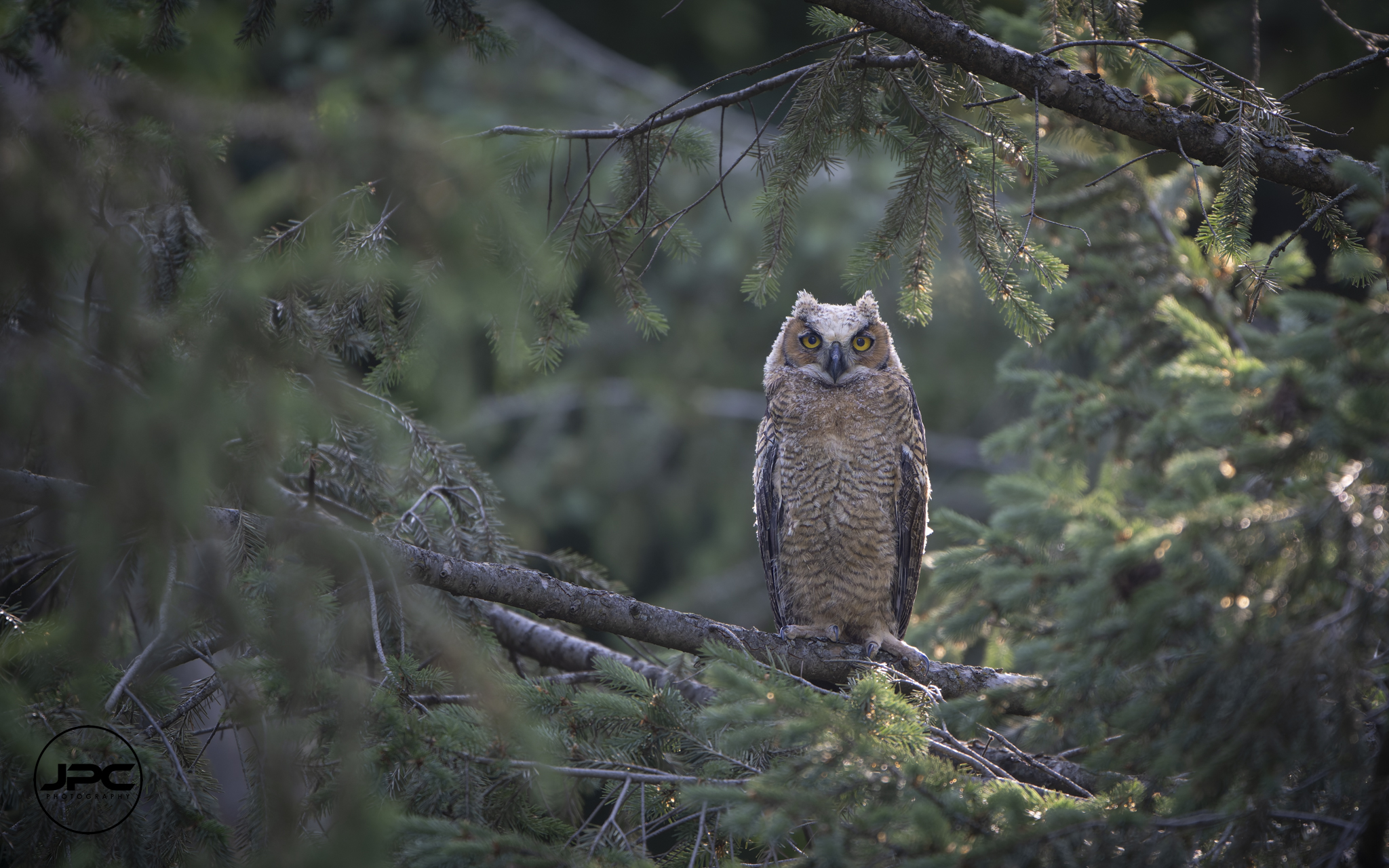
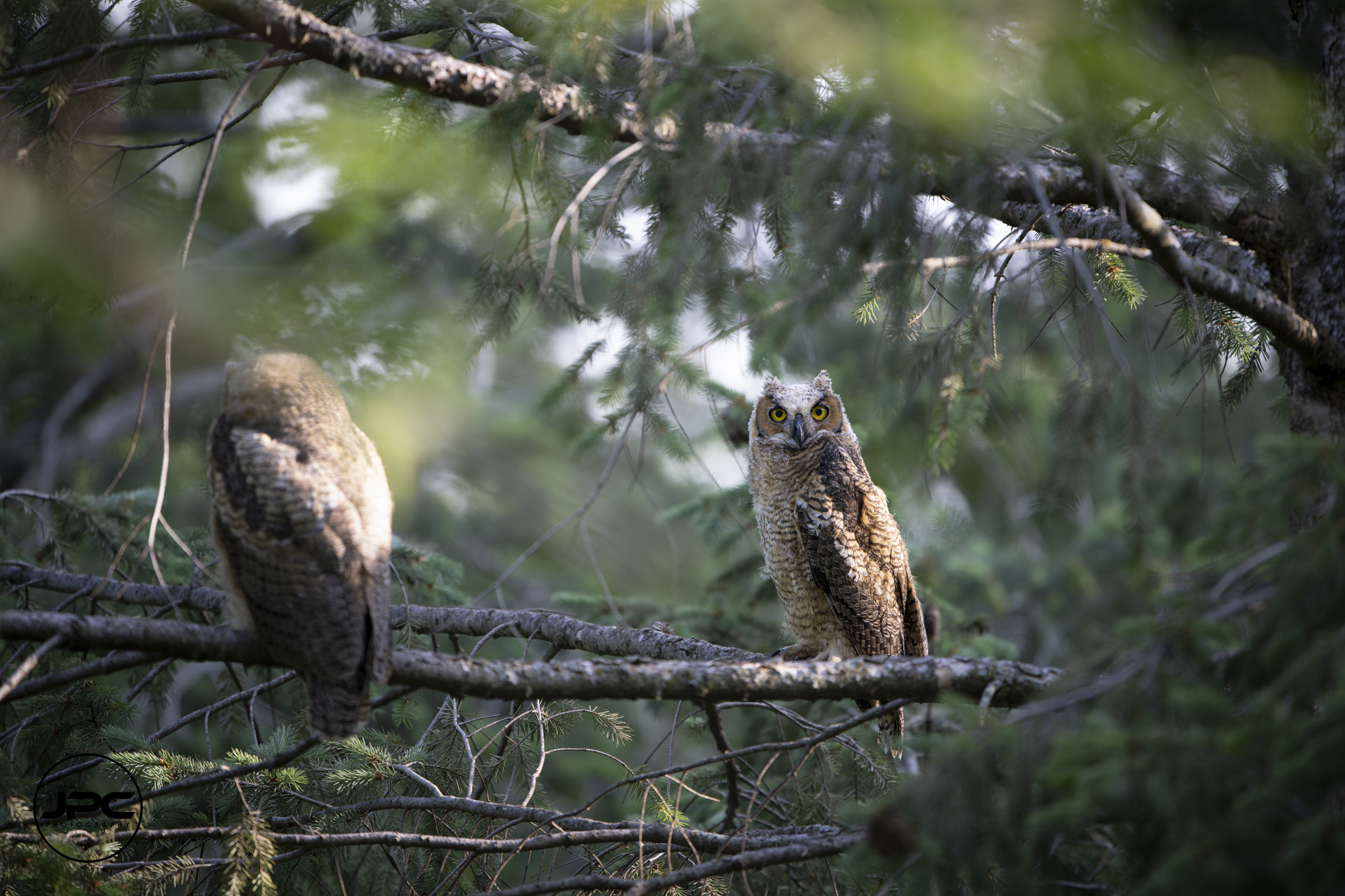
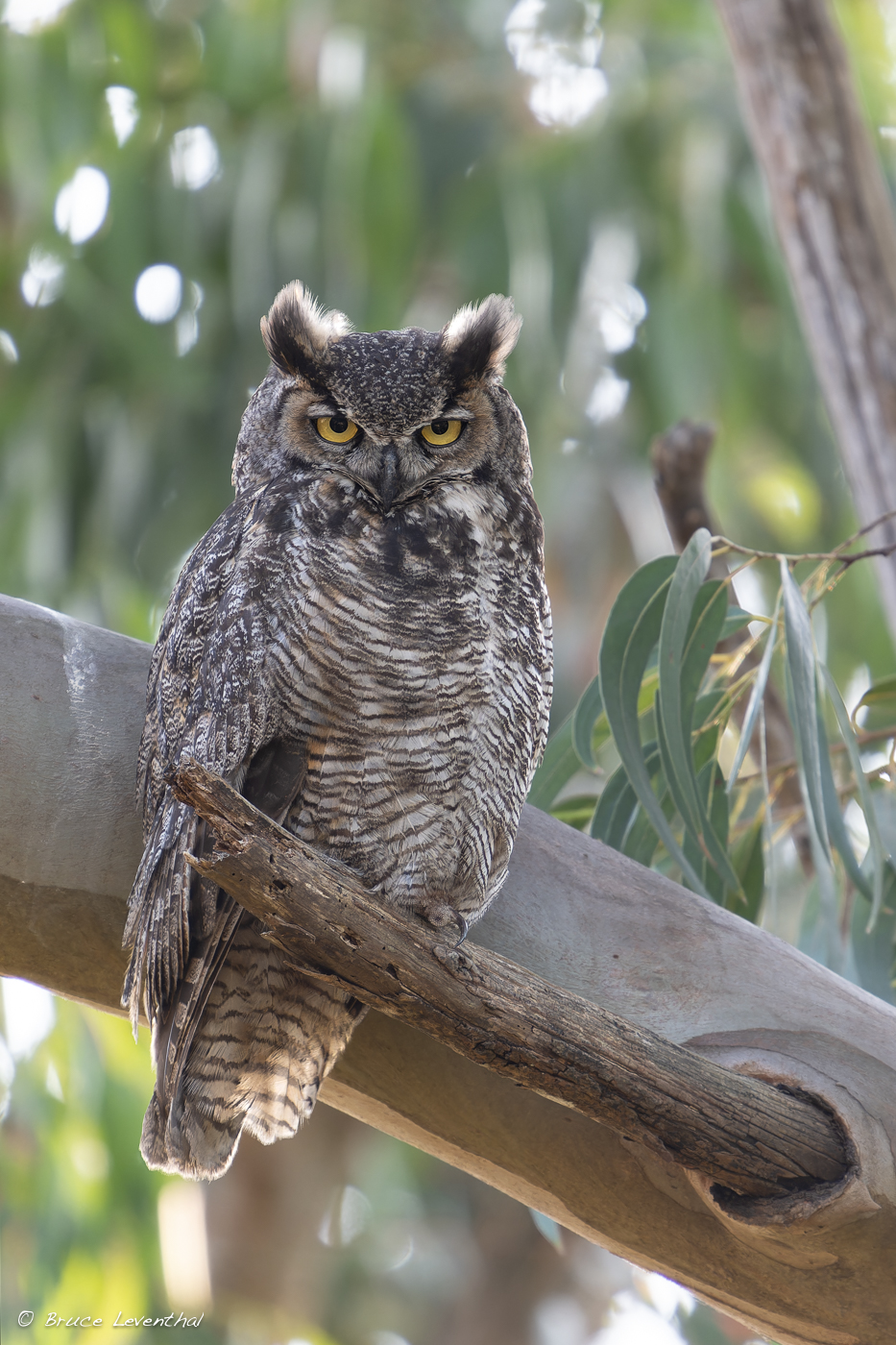
More Owls... these were from last night.
The shooting angle and distracting branches are a real challenge. I used the a second 1.4x to boost the focal length with some of these.
p.55 #2 · Official Nikon 400/2.8S image thread + some discussions
NightOwl Cat wrote:
Love 'em, Bruce, keep them coming. Only way I'm seeing anything besides work these days.
Thanks... glad that I can provide a bit of momentary relief for you
I've felt the pain for most of my life... For slightly more than 3 decades I'd look at what other people could do in their spare time... and simply envied that they had the time to spare!
p.55 #3 · Official Nikon 400/2.8S image thread + some discussions
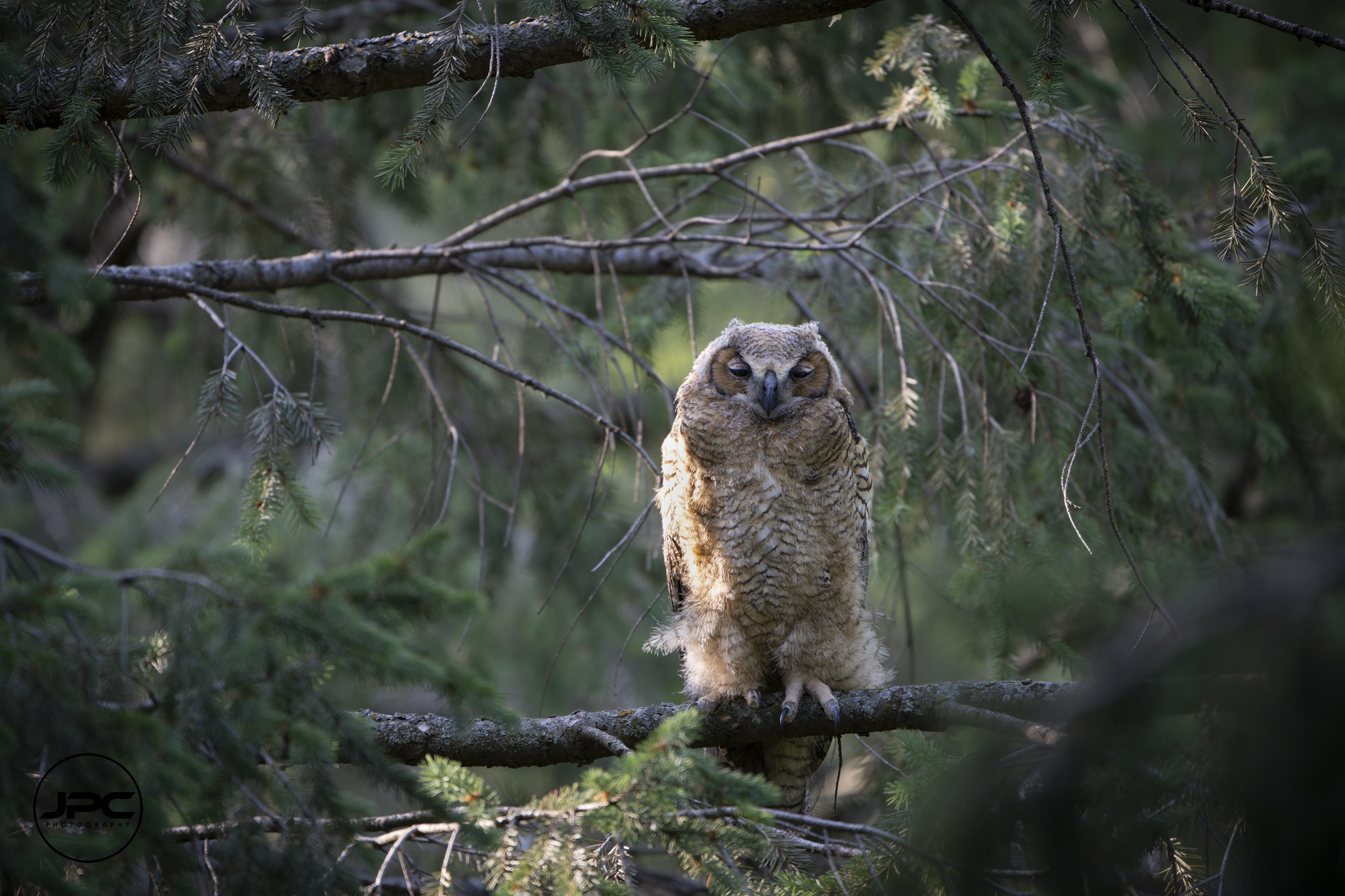
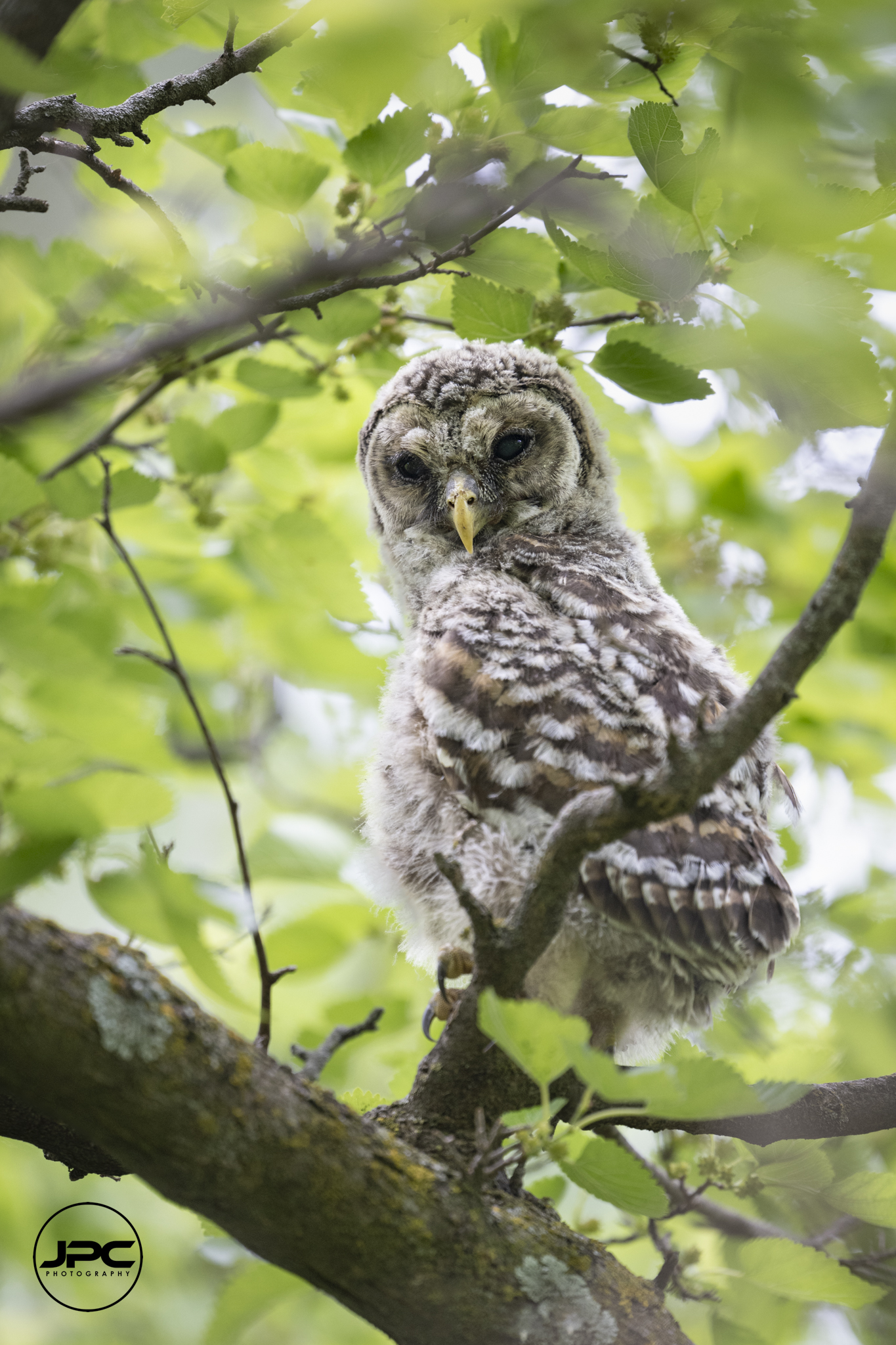
A couple of great horned owlets and a barred owlet. Luckily can get a little closer where the 400/560 works nicley.
I do wish I'd stop down a bit on the barred owl...to make him fully in sharp focus....just didn't realize I would be able to get that close when I finally spotted him. But then again...when one has a 400mm f2.8...stopping down is the last thing on your mind!!!
p.55 #6 · Official Nikon 400/2.8S image thread + some discussions
Lance B wrote:
Superb shots, Bruce!
Thank you Lance...
The owl nest is the gift that keeps on giving
My new location in CA has allowed me to pursue wildlife subjects in a way that was impossible in Minnesota. Because MN has such variable weather, seasonal migrations defined my opportunities... I described it as feast or famine. The warbler migration lasted it about 6 days, and if work and weather conspired against me, I'd miss it. My current climate is very stable and is a coastal stretched buffered by mountains. While ocean upwellings define what can and can't be seen in the bay, many species are relatively permanent residents. So if I can find a subject, the latter allows me the opportunity to experience multiple shoots with the same cluster of species...
p.55 #8 · Official Nikon 400/2.8S image thread + some discussions
OwlsEyes wrote:
Thank you Lance...
The owl nest is the gift that keeps on giving
My new location in CA has allowed me to pursue wildlife subjects in a way that was impossible in Minnesota. Because MN has such variable weather, seasonal migrations defined my opportunities... I described it as feast or famine. The warbler migration lasted it about 6 days, and if work and weather conspired against me, I'd miss it. My current climate is very stable and is a coastal stretched buffered by mountains. While ocean upwellings define what can and can't be seen in the bay, many species are relatively permanent residents. So if I can find a subject, the latter allows me the opportunity to experience multiple shoots with the same cluster of species...
Your photos keep throwing me a bit as some of them have birds that are sitting in what appears to be Eucalyptus trees (AKA gum trees)! These are Australian native trees and must have been exported to the US a long time ago for some reason.
p.55 #10 · Official Nikon 400/2.8S image thread + some discussions
jcnemy wrote:
Lovely shot Bruce! Nice to get the bonus 'meal' along with this shot!
Thanks...
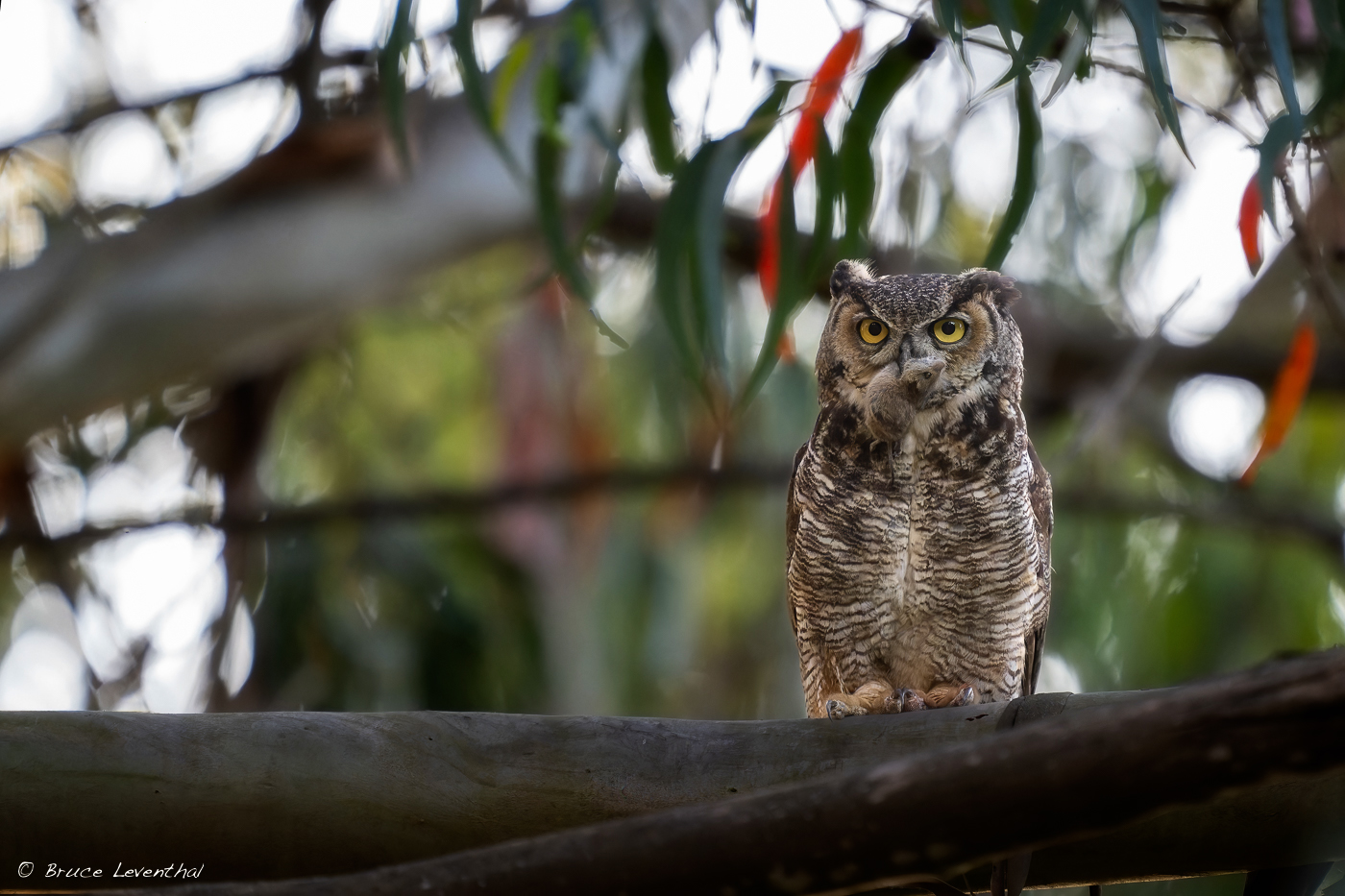
I was fortunate to see him deliver the mouse to an owlet. Unfortunately, the babe was high in a tree with many branches crossing its frame...
p.55 #11 · Official Nikon 400/2.8S image thread + some discussions
Lance B wrote:
Your photos keep throwing me a bit as some of them have birds that are sitting in what appears to be Eucalyptus trees (AKA gum trees)! These are Australian native trees and must have been exported to the US a long time ago for some reason.
If I were in Australia, you'd be the first person I'd look up
While California is a beautiful state with diverse climate zones that extend from alpine tundra to coastal prairies and nearly everything in between, the climate lends itself to the propagation of exotic species. Between the horticultural industry and forestry industry, plants from Africa, South America, Central America, Asia, and Australia have made California their home.
Where I live, eucalyptus trees thrive... they are one part magnificent and one part menace. They are home to many birds and a roosting site for overwintering monarch butterflies (I think you call them "wanderers" where you live). So yes, your keen eye has spotted that this group of nesting owls have made eucalyptus trees their nest and a favorite place to perch.
p.55 #12 · Official Nikon 400/2.8S image thread + some discussions
OwlsEyes wrote:
If I were in Australia, you'd be the first person I'd look up
While California is a beautiful state with diverse climate zones that extend from alpine tundra to coastal prairies and nearly everything in between, the climate lends itself to the propagation of exotic species. Between the horticultural industry and forestry industry, plants from Africa, South America, Central America, Asia, and Australia have made California their home.
Where I live, eucalyptus trees thrive... they are one part magnificent and one part menace. They are home to many birds and a roosting site for overwintering monarch butterflies (I think you call them "wanderers" where you live). So yes, your keen eye has spotted that this group of nesting owls have made eucalyptus trees their nest and a favorite place to perch.
Thanks for the info. Yes, the Monarchs are sometimes called Wanders here. The issues with the Eucalypts are the constant leaf shedding and dropping of dead branches but they are also a bit of a fire hazard as the eucalyptus oil that emanates from their leaves is quite flammable. They basically need fire in order to pop open the seed pods and spread them for germination. Also, the soil is better off having the ashes from the fires for the seeds to propagate in. A few local horticulturalists call them predatory trees as they overtake any other species over time due to the way they attract fire etc.
p.55 #13 · Official Nikon 400/2.8S image thread + some discussions
I know this is the images thread... But I was curious for a little advice. I am heading to Brooks River Alaska in Mid July. I have the 100-400 and the 180-600. I was thinking of renting this lens for the trip. Does anybody think it would be "necessary" or a good idea to rent/bring one? I'd be attaching it to my Z9, for what it's worth. It looks like it's about $1,300 to rent it at the moment.
p.55 #14 · Official Nikon 400/2.8S image thread + some discussions
Lance B wrote:
Thanks for the info. Yes, the Monarchs are sometimes called Wanders here. The issues with the Eucalypts are the constant leaf shedding and dropping of dead branches but they are also a bit of a fire hazard as the eucalyptus oil that emanates from their leaves is quite flammable. They basically need fire in order to pop open the seed pods and spread them for germination. Also, the soil is better off having the ashes from the fires for the seeds to propagate in. A few local horticulturalists call them predatory trees as they overtake any other species over time due to the way they attract fire etc. ...Show more →
Not to go off the rails here, but I thought I might add a bit more info about the trees in my area. I live on California's Central Coast, and this is an area that gets a fair amount of rain and misty mornings. The moisture has allowed for species like Redwoods, Monterey cypress, live oaks, and many other species to thrive. While not a rainforest, the atmospheric moisture creates a great habitat for trees. After the redwoods were logged many years ago, eucalyptus were brought in to serve as a windbreak. Off shore winds and down mountain winds were very damaging to homes and the landscape, and as is often the case... someone thought it made sense to bring in the exotics rather than repopulate the region with native trees. We all know what happens next, as Australia is a case study of unintended consequences... thinking about hares/rabbits among other species. Anyway, my county has defined some trees as "Legacy Trees." Rather than using native species type as the indicator, legacy is designated by the maximum diameter of the trunk.. stupid, huh? Legacy trees can't be removed without special permits. Because eucalyptus grow like weeds, many in my area are so-called legacy trees.
Now for the monarch grove/owl grove... we had a fire in there on Saturday. An unattended barbecue led to sparks on a dry and windy afternoon and several trees caught fire. One of the trees in which the owls perched was ablaze. Fortunately, there was a quick response fire crew that included water drops by a helicopter. The helicopter hovered over the trees where I had been photographing the babies and many of us (lots of regular photographers in this location) feared for the safety of the owlets. I surveyed the area the evening of the fire and saw nothing. However, the next day the parents were spotted and both babies were seen two days after the blaze. My picture of the father with mouse in mouth was taken two days after the fire
Apologies for the long "off-topic" note, but thought it might be interesting for those of you who consider yourselves naturalists.
p.55 #15 · Official Nikon 400/2.8S image thread + some discussions
dragicon wrote:
I know this is the images thread... But I was curious for a little advice. I am heading to Brooks River Alaska in Mid July. I have the 100-400 and the 180-600. I was thinking of renting this lens for the trip. Does anybody think it would be "necessary" or a good idea to rent/bring one? I'd be attaching it to my Z9, for what it's worth. It looks like it's about $1,300 to rent it at the moment.
I think that this is the perfect place to ask this question, as it is a thread for images and discussion.
The 400 f2.8 is a marvelous lens and it will allow you to shoot the bear at higher shutter speeds &/or lower ISOs. The bokeh at f2.8 - 3.5 will allow for great isolation and allow you to make some classic images of the bears. Furthermore, the flexibility of flipping the 1.4x in and out allows for two prime-quality focal lengths without needing to remove a body to attach a lens. The latter is an amazing feature on windy/rainy/snowy days.
I've not been to Brooks River, but I have photographed a lot of bears and the 400 f2.8 has been with me on many of those trips. It is a great lens for bears, but I do not know the distances from which you will be shooting. I do know that Brooks can be a bit of a zoo and has a few restrictions about where you can stand and work. Hopefully your research will tell you if 400-600mm is adequate.
Finally, definitely consider how much the lens will be used... A $1300 rental would be a lot for only a day or two of photograph, but YOLO...
p.55 #18 · Official Nikon 400/2.8S image thread + some discussions
robert_in_ca wrote:
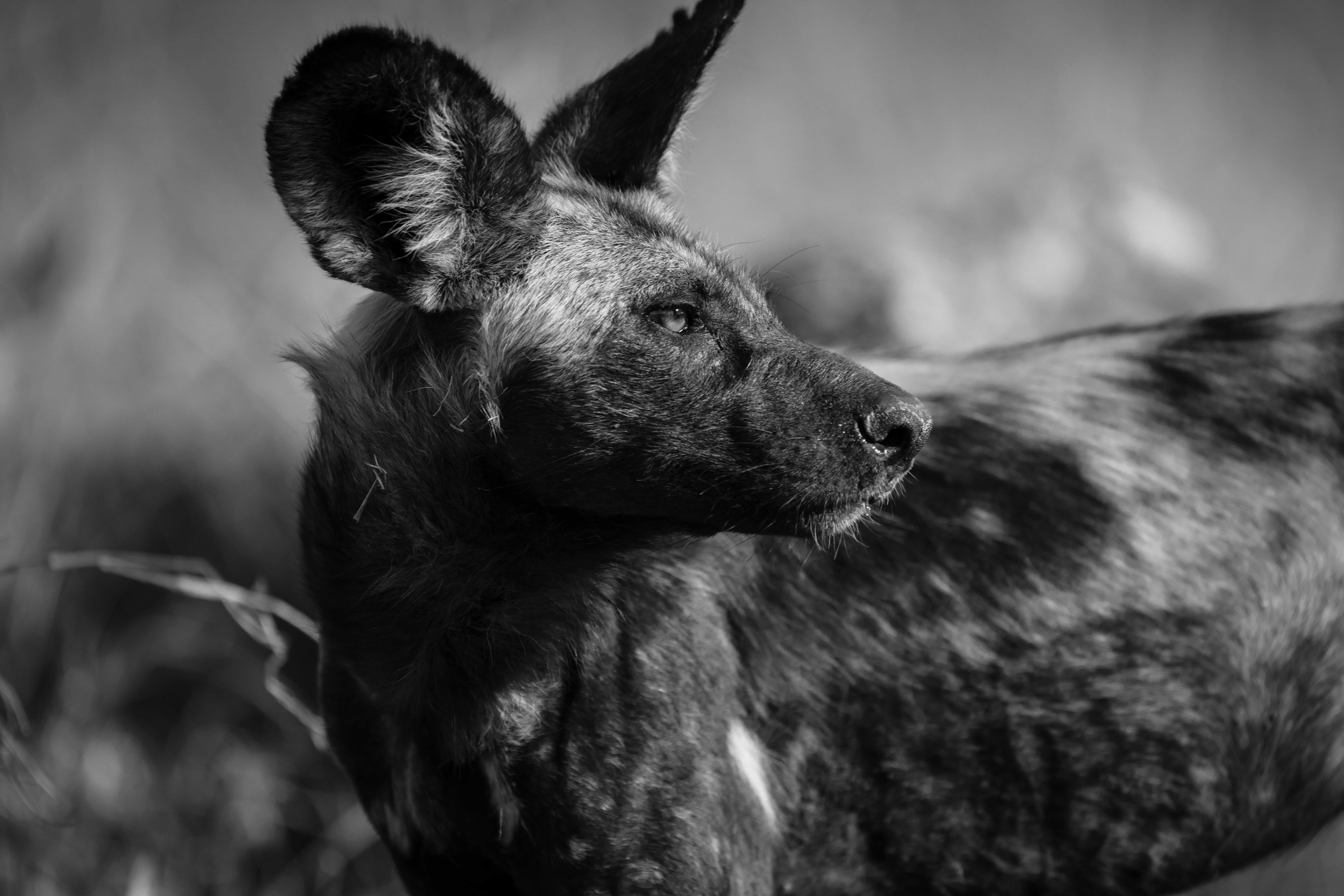
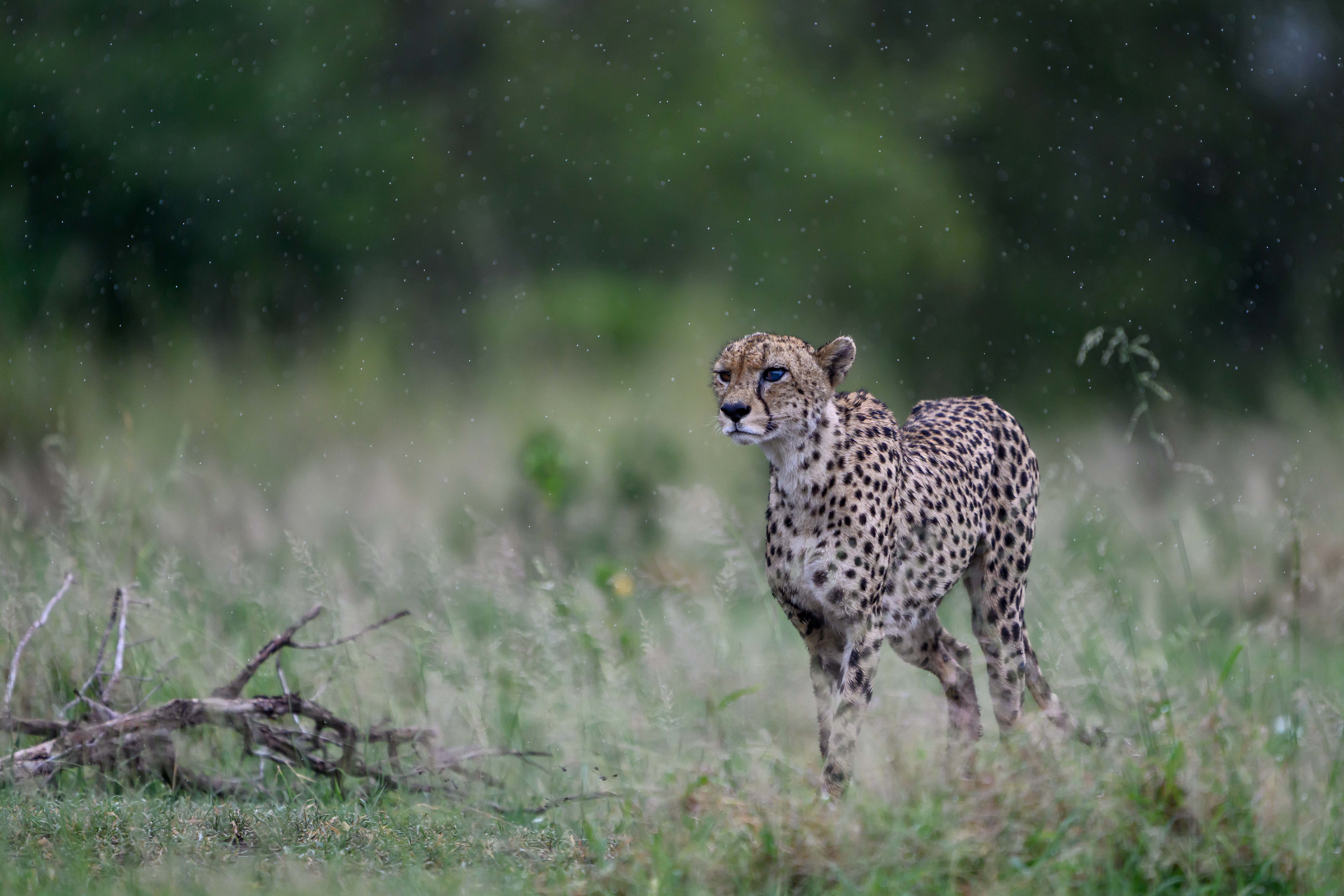
A couple from Kruger. Have to say I miss shooting with the Z 400TC.
Next time I am in Africa, it will be hard to choose 600tc vs 400tc. Probably 600tc though as second body will have 100-400.
I use 800mm quiteca bit for birds.
But when the subject is right for 400, i will miss 400tc very much
p.55 #19 · Official Nikon 400/2.8S image thread + some discussions
suteetat wrote:
Next time I am in Africa, it will be hard to choose 600tc vs 400tc. Probably 600tc though as second body will have 100-400.
I use 800mm quiteca bit for birds.
But when the subject is right for 400, i will miss 400tc very much
That's the dilemma. I noticed when I had the 400TC I was shooting around 70% of my shots with the TC engaged and even then I would crop at times. That's why I moved over to the 600TC. However I like the 400 more due to how much easier it is to work with over the 600. Which is strange given the 400 is only 2 inches shorter and nearly a pound lighter the 600 felt a lot bigger.
p.55 #20 · Official Nikon 400/2.8S image thread + some discussions
robert_in_ca wrote:
That's the dilemma. I noticed when I had the 400TC I was shooting around 70% of my shots with the TC engaged and even then I would crop at times. That's why I moved over to the 600TC. However I like the 400 more due to how much easier it is to work with over the 600. Which is strange given the 400 is only 2 inches shorter and nearly a pound lighter the 600 felt a lot bigger.
True, I think I rarely fill the frame with 400mm but it is great for environment portrait and when I can fill the frame at 400mm, it is excellent. I ended up cropping quite often. Also in Okavango Delta, with all the water fowls, pied kingfishers and birds, it is always handy to have 800mm available. When I was on a boat, I had TCx2 on my 400/2.8s quite often.