Fred Miranda wrote:
I recently got the Voigtlander 75mm f/1.8 Heliar Classic lens. I've always liked how this lens renders, and I'm going to compare it to the CV 75mm f/1.9 Ultron lens.
Looking forward to the comparison. I had the Heliar about 10 years ago and thought it had very pleasing rendering at nearer distances, like for portraits. But I didn't feel the same at farther distances. IIRC, it's also a fairly large and heavy lens compared to the new 75/1.9.
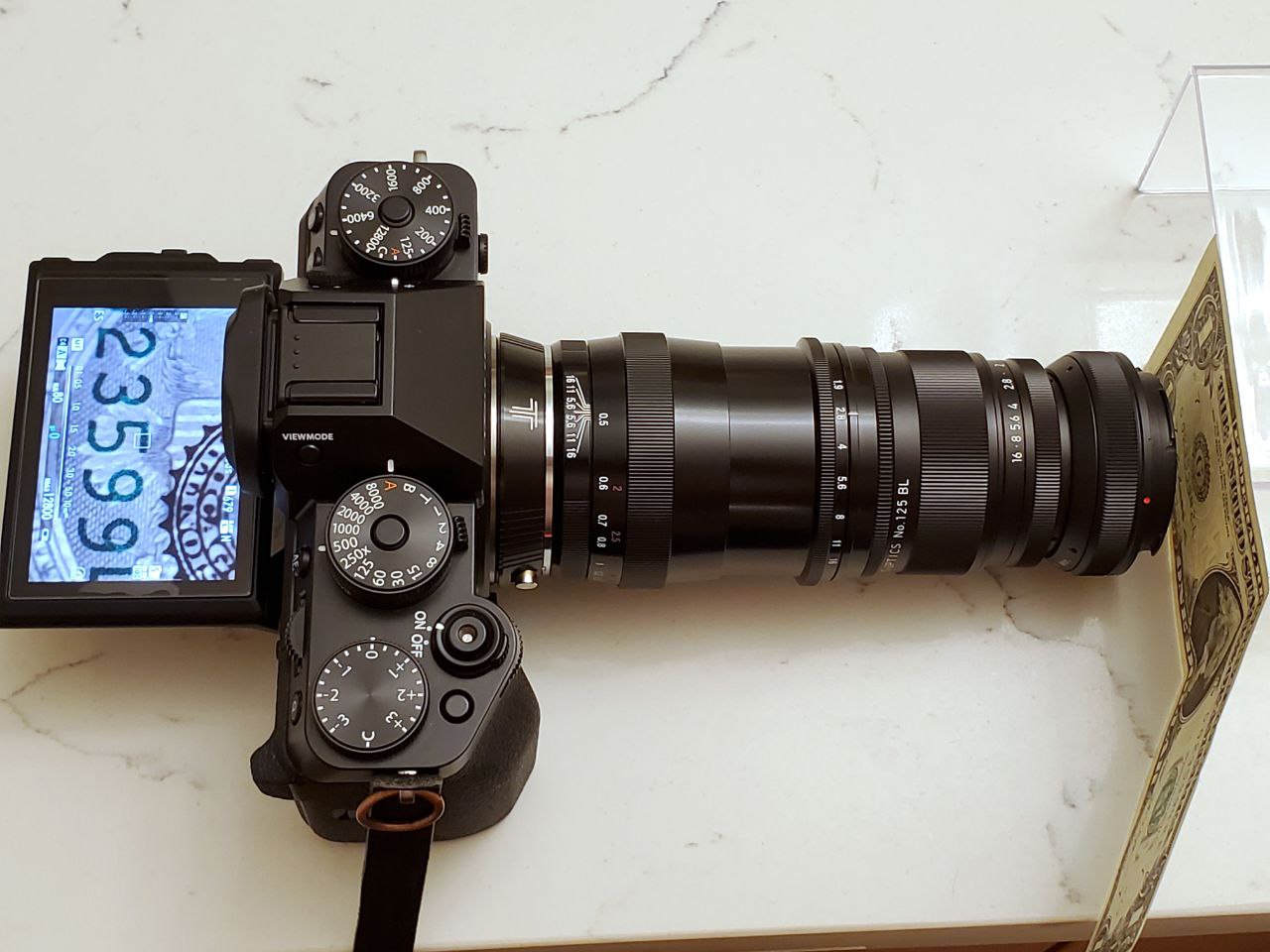
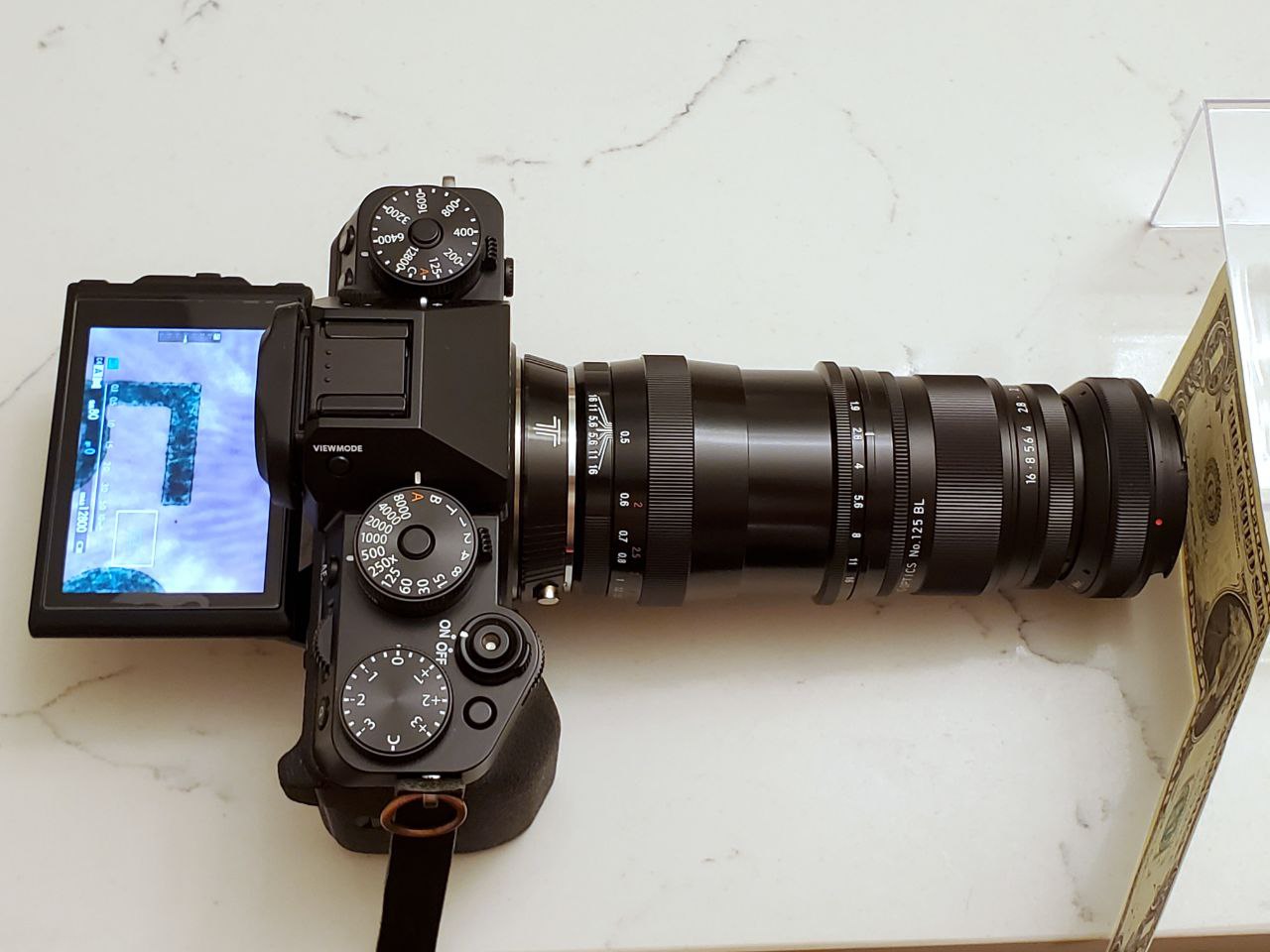
If someone has both the Voigtlander 75/1.9 Ultron and the MS Optics 73/1.5 lenses, they can create a strong macro lens combination. The Ultron can be connected directly to the Sonnetar without the need for an adapter. It doesn't have to be specifically the Ultron; any lens with a 49mm thread will work.
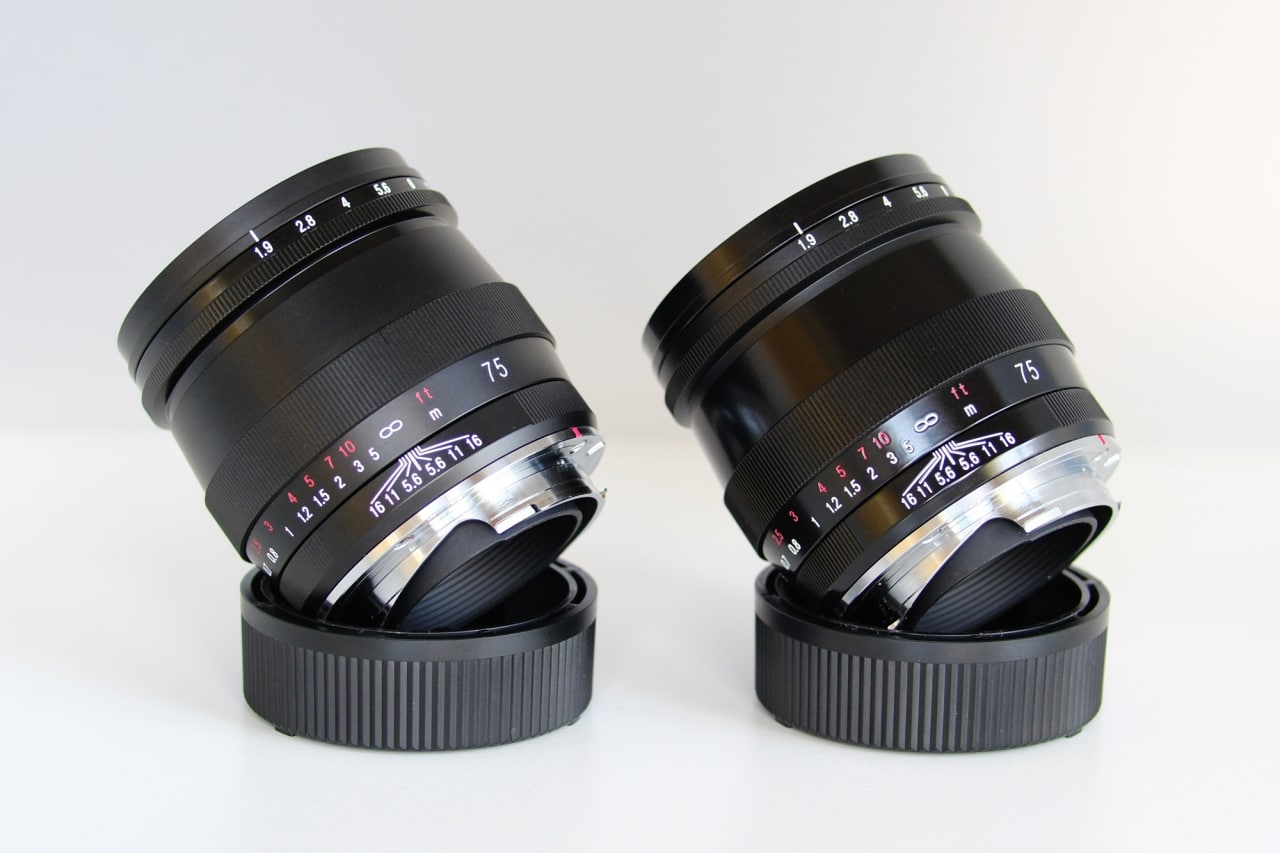
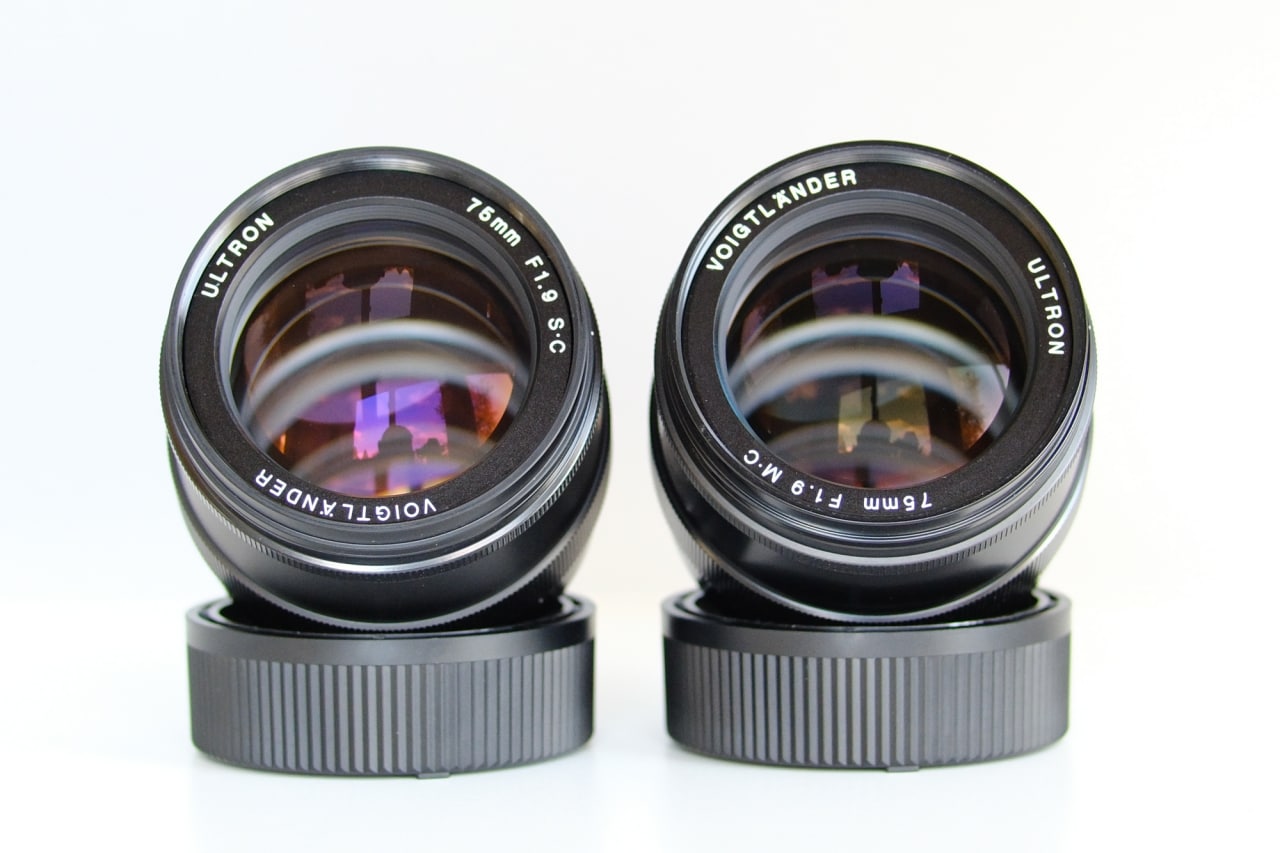
Yukosteel and I are thinking about swapping the finishes on our camera lenses. I'm going for the multi-coated shiny black paint on mine, and he's opting for the single-coated matte finish on his. I willl post more details and possibly a new article on this topic in the near future!
Update: It did work, but not completely. We couldn't switch out all the parts, but my MC version will have a glossy black paint appearance on most of the barrel. It's definitely a unique piece.
Yuri got the SC version with flat paint.
rscheffler wrote:
Looking forward to the comparison. I had the Heliar about 10 years ago and thought it had very pleasing rendering at nearer distances, like for portraits. But I didn't feel the same at farther distances. IIRC, it's also a fairly large and heavy lens compared to the new 75/1.9.
I forgot to do this test. I will compare the CV 75/1.9 to the 75/1.8 Heliar as soon as the rain stops here.
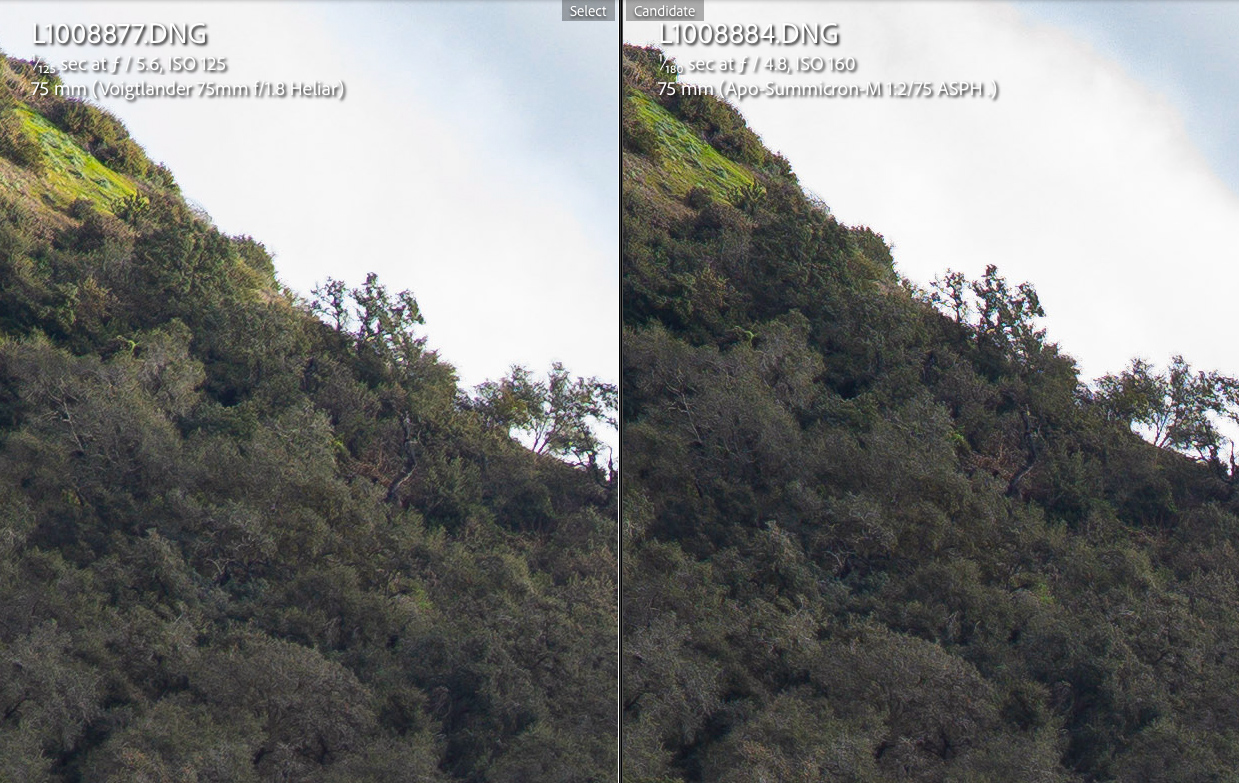
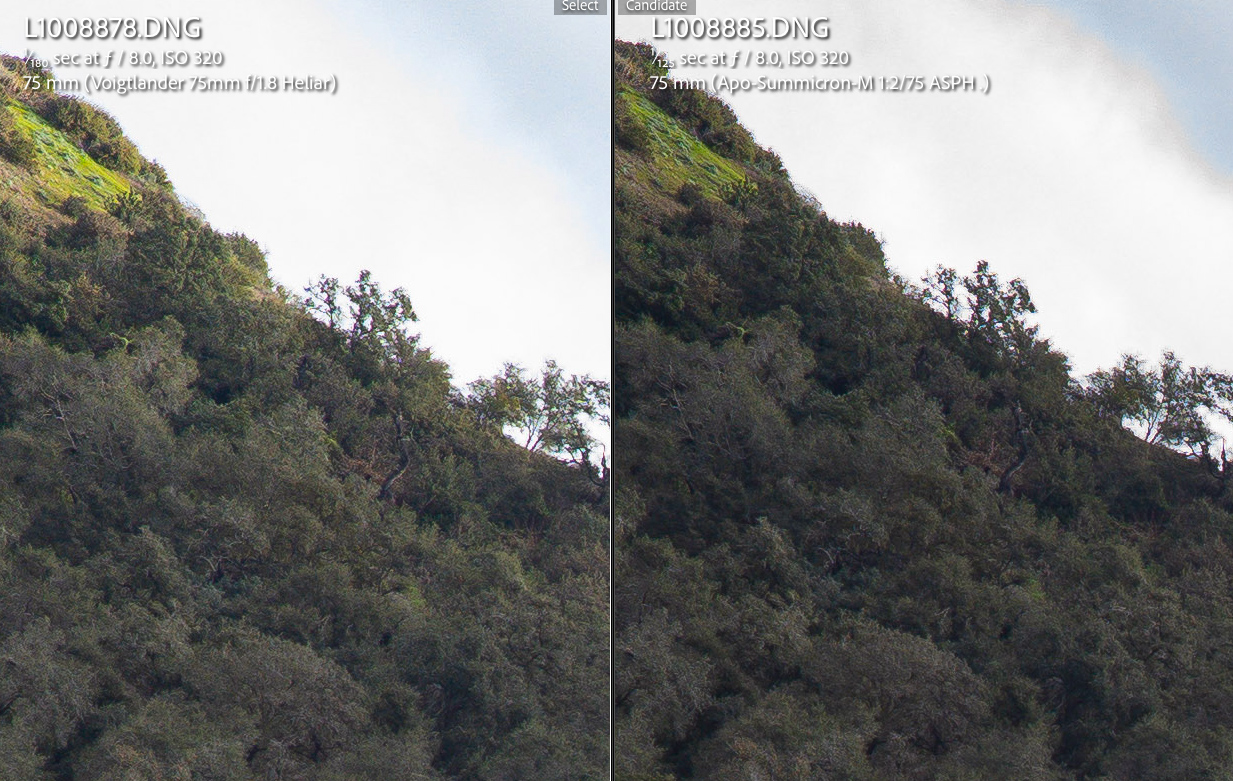
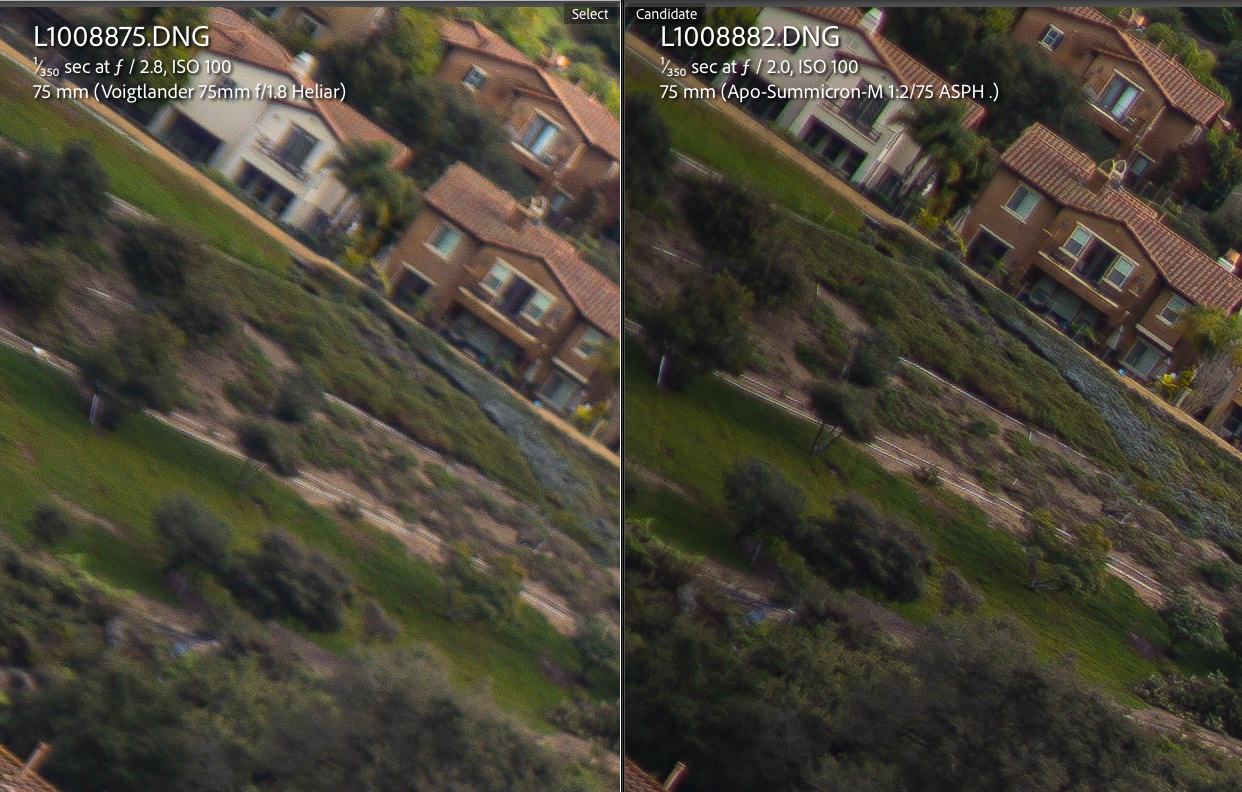
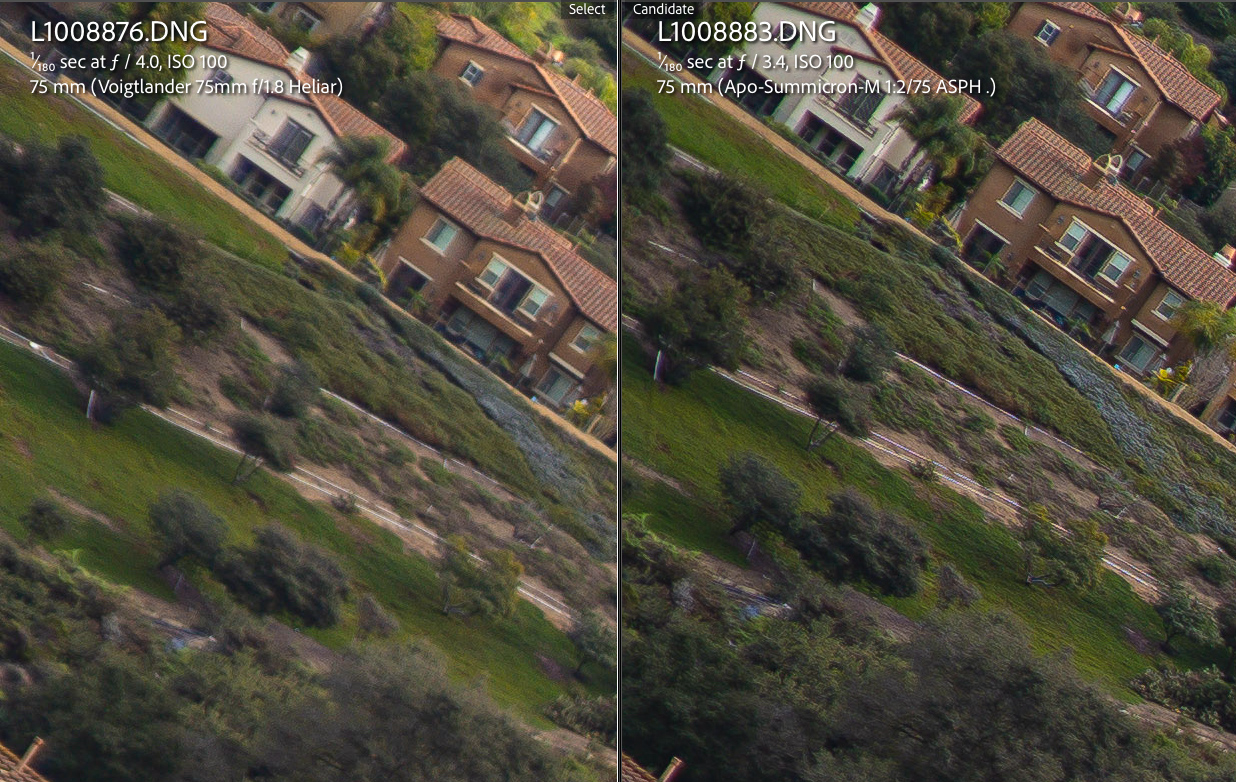
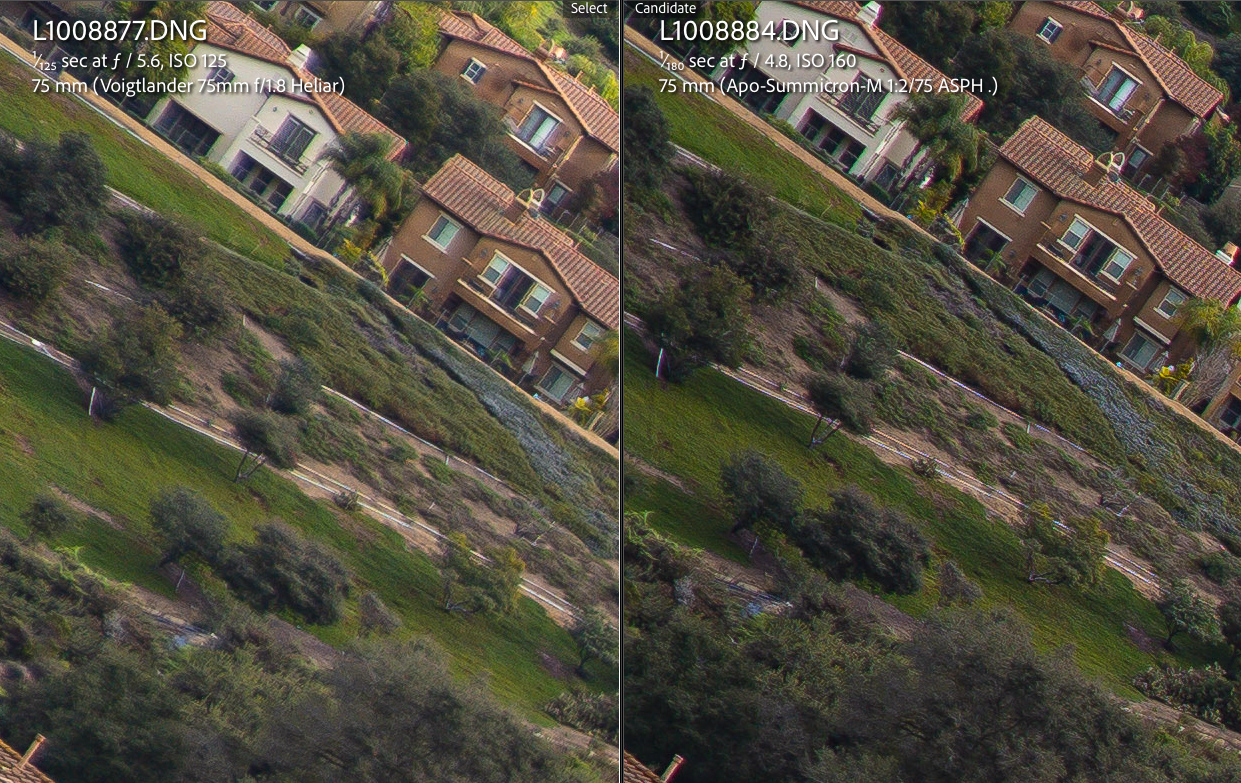
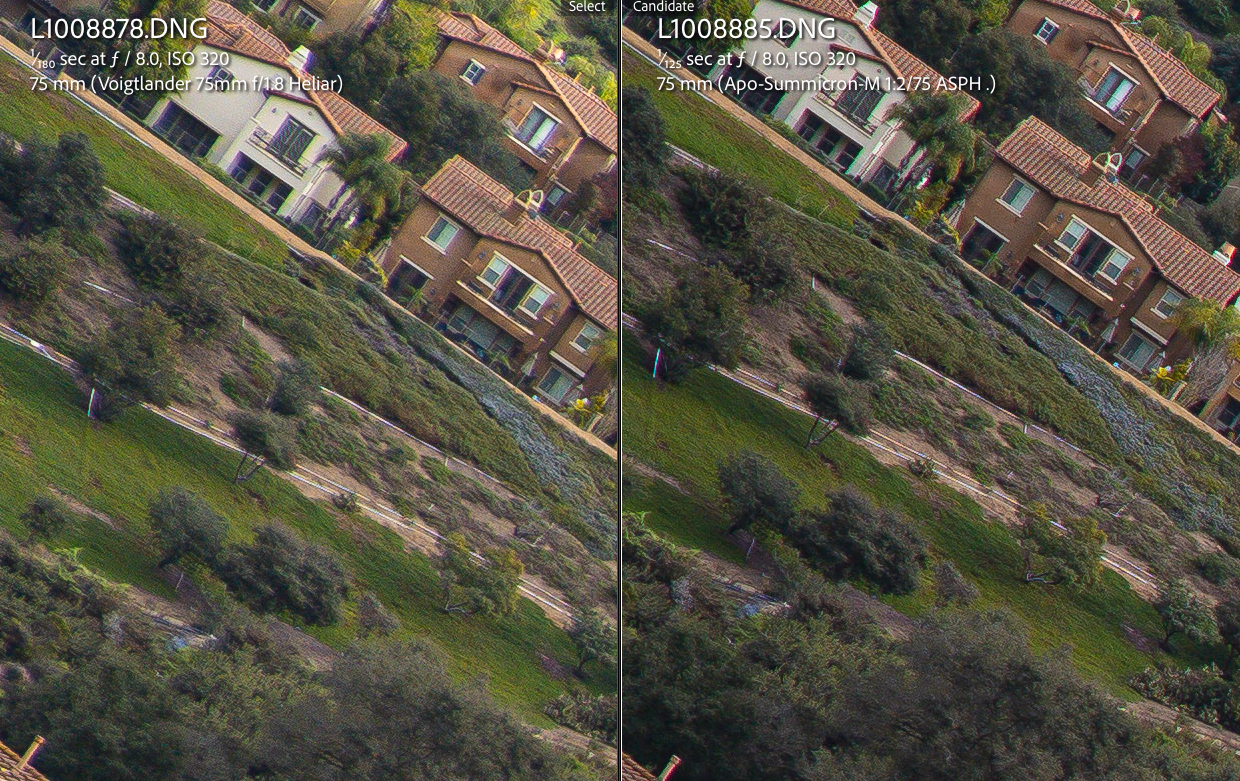
Performance at Infinity: Voigtlander 75mm f/1.9 Ultron vs Voigtlander 75mm f/1.8 Heliar
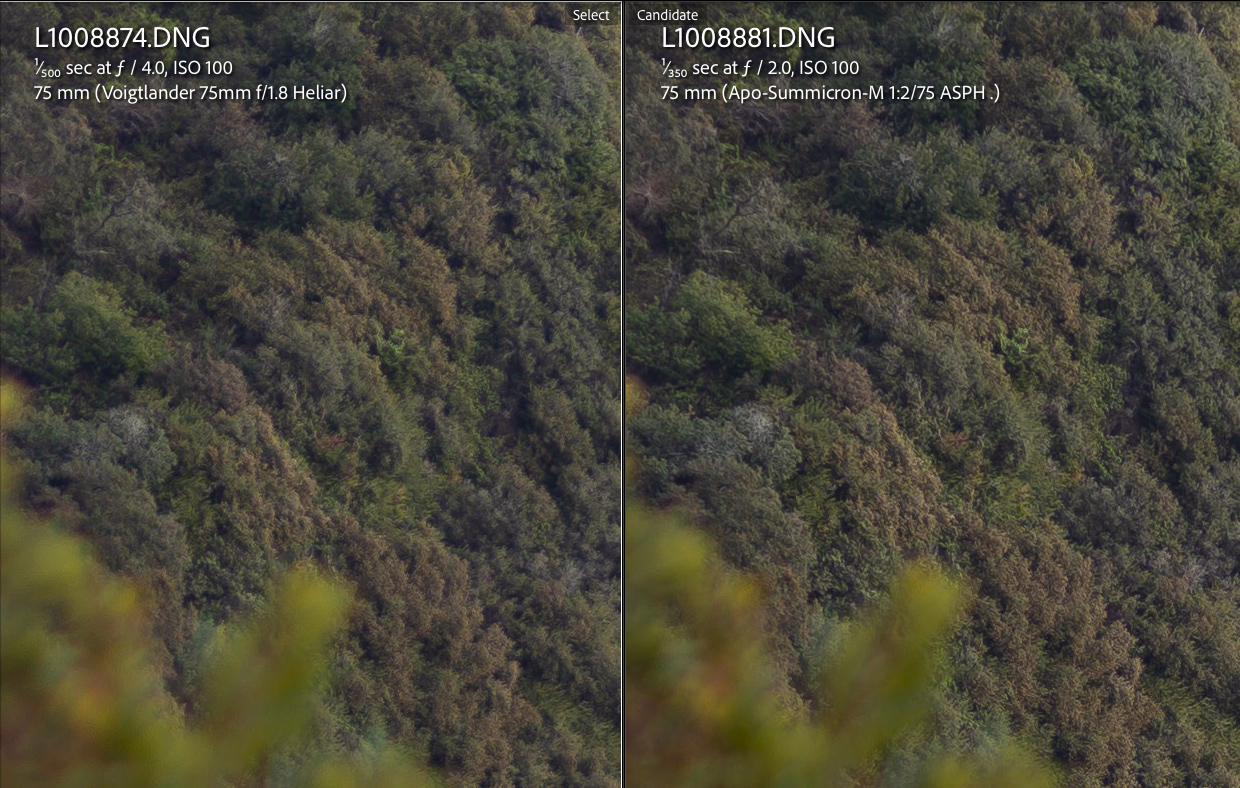
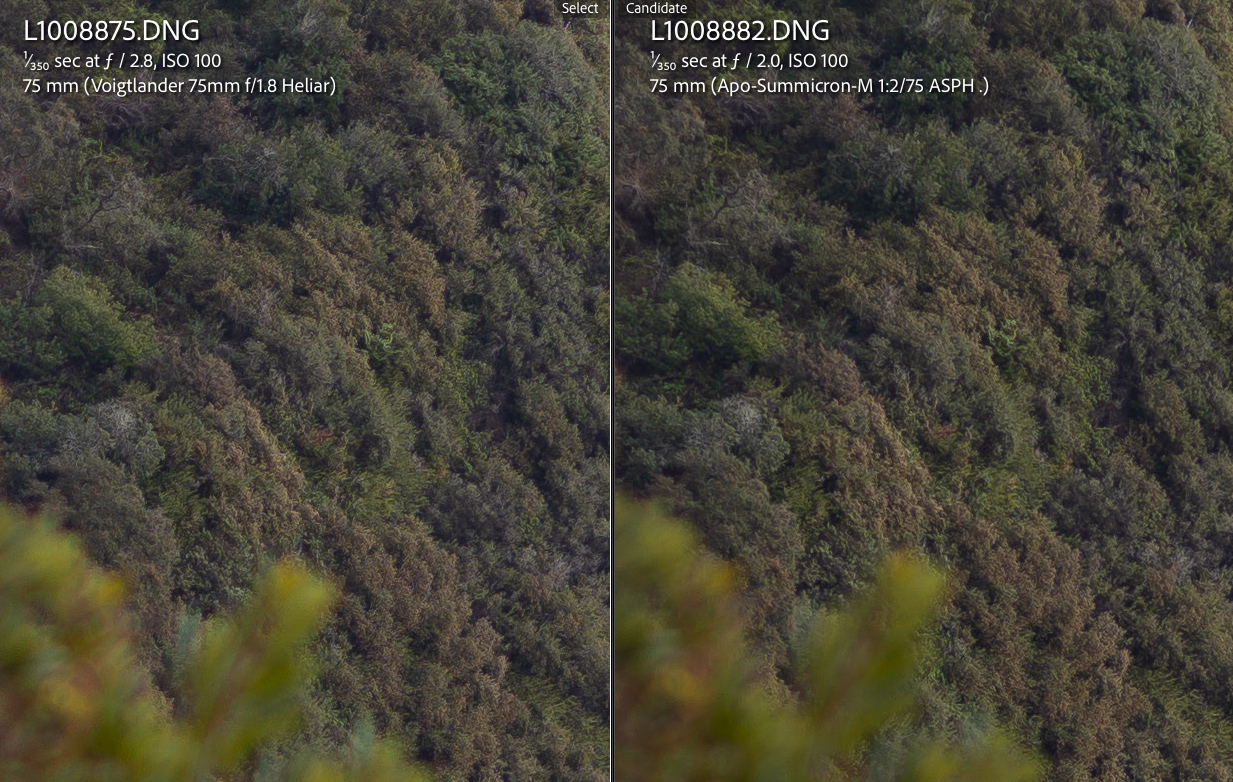
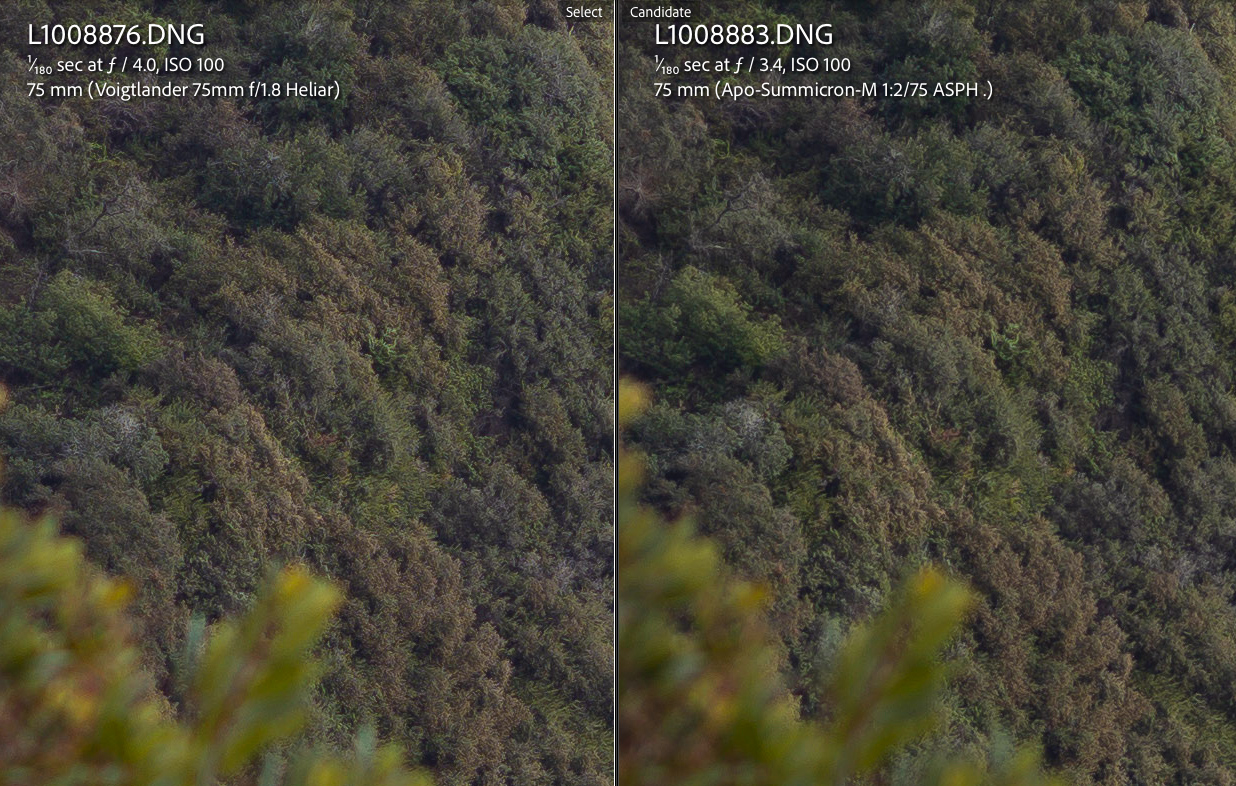
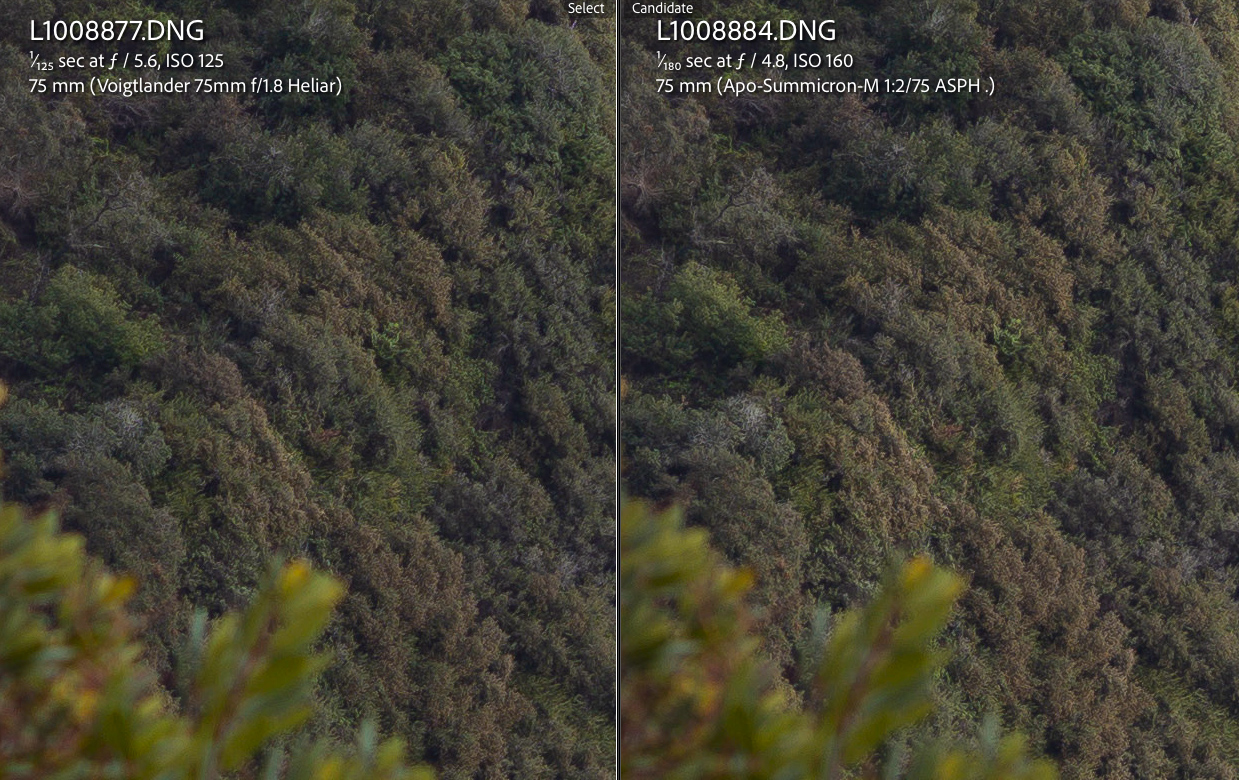
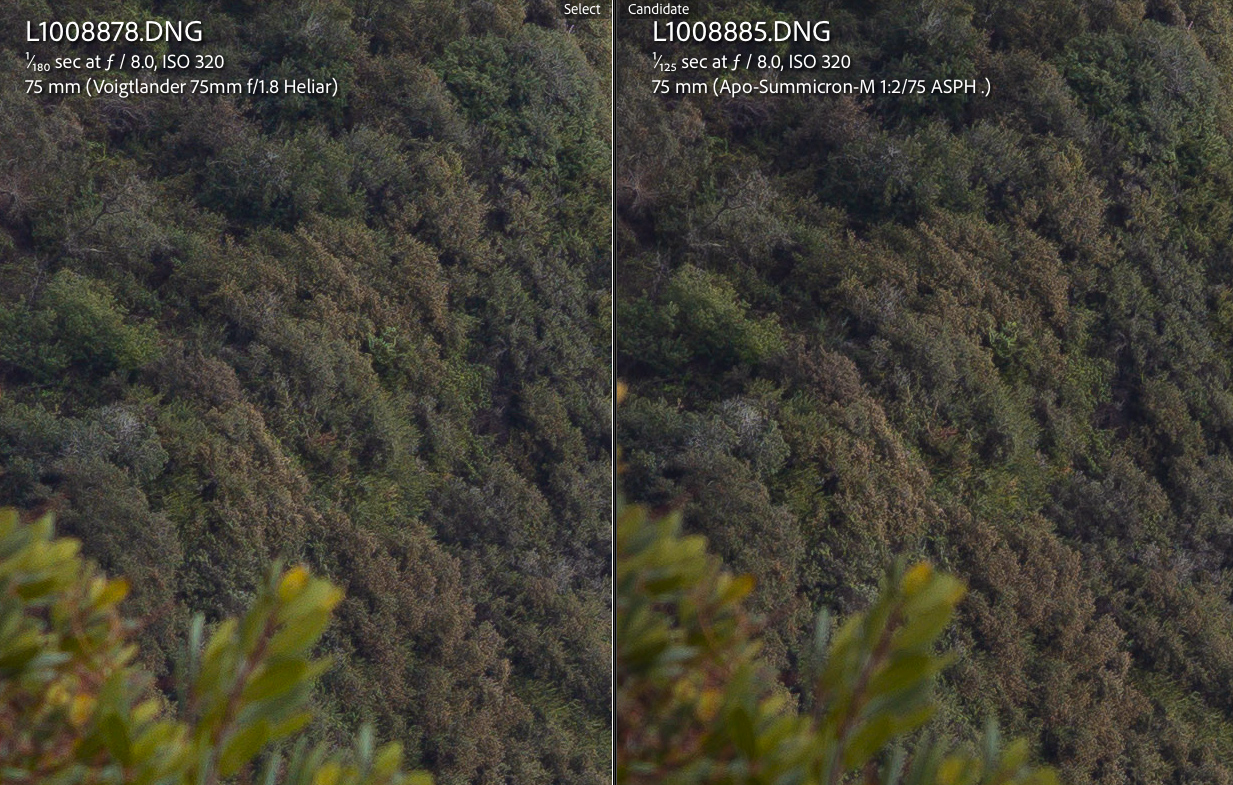
The Voigtlander 75mm f/1.9 lens outperforms the 75/1.8 Heliar in several aspects. It shows slightly greater resolution and contrast at the center, especially until about f/2.8, where the Heliar begins to catch up. In the mid-zone, the 75/1.9 Ultron isn't exceptional wide open but still surpasses the Heliar. In the corners, the 75/1.9 Ultron initially has a significant advantage from the widest aperture, however the Heliar's performance improves and gets closer to the Ultron from f/5.6 onwards. Both great lenses for landscapes stopped down.
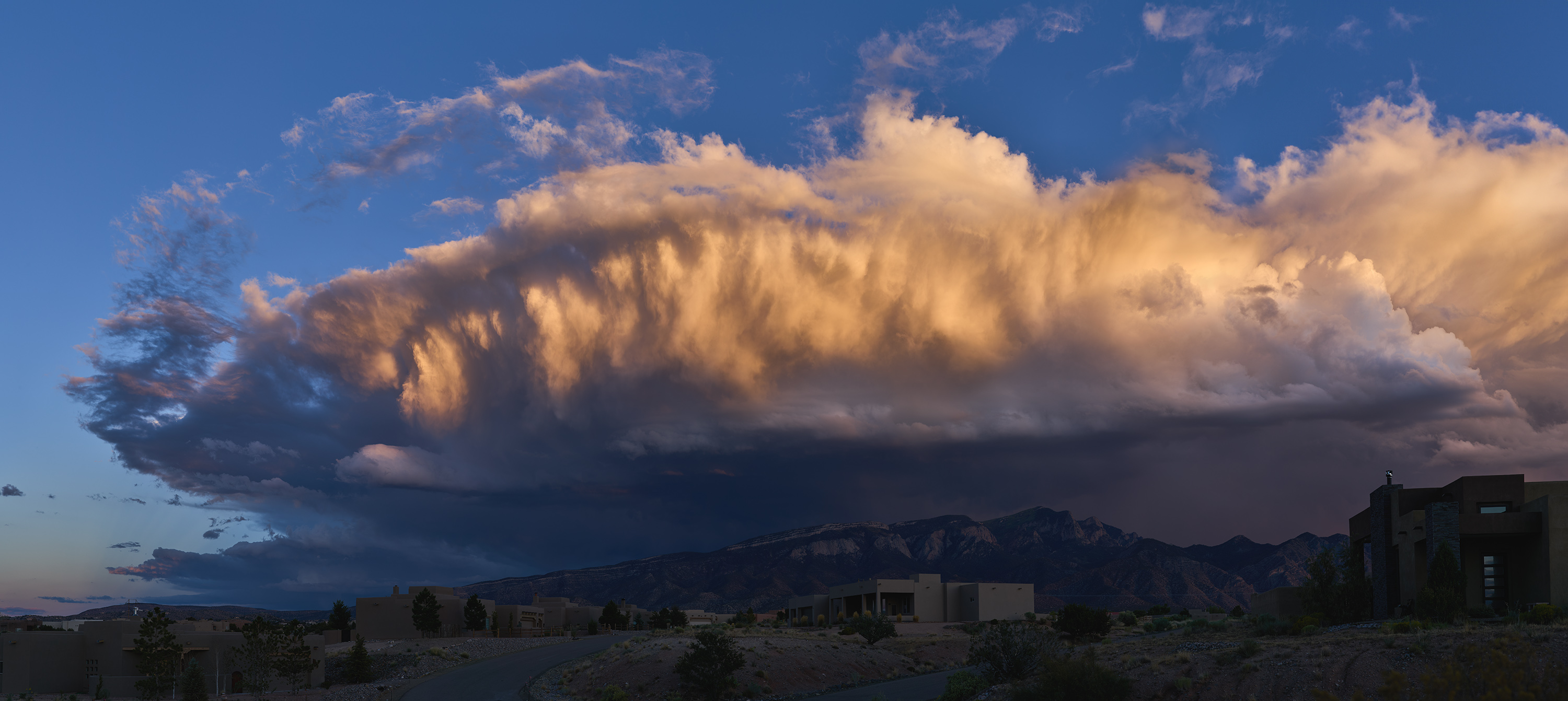
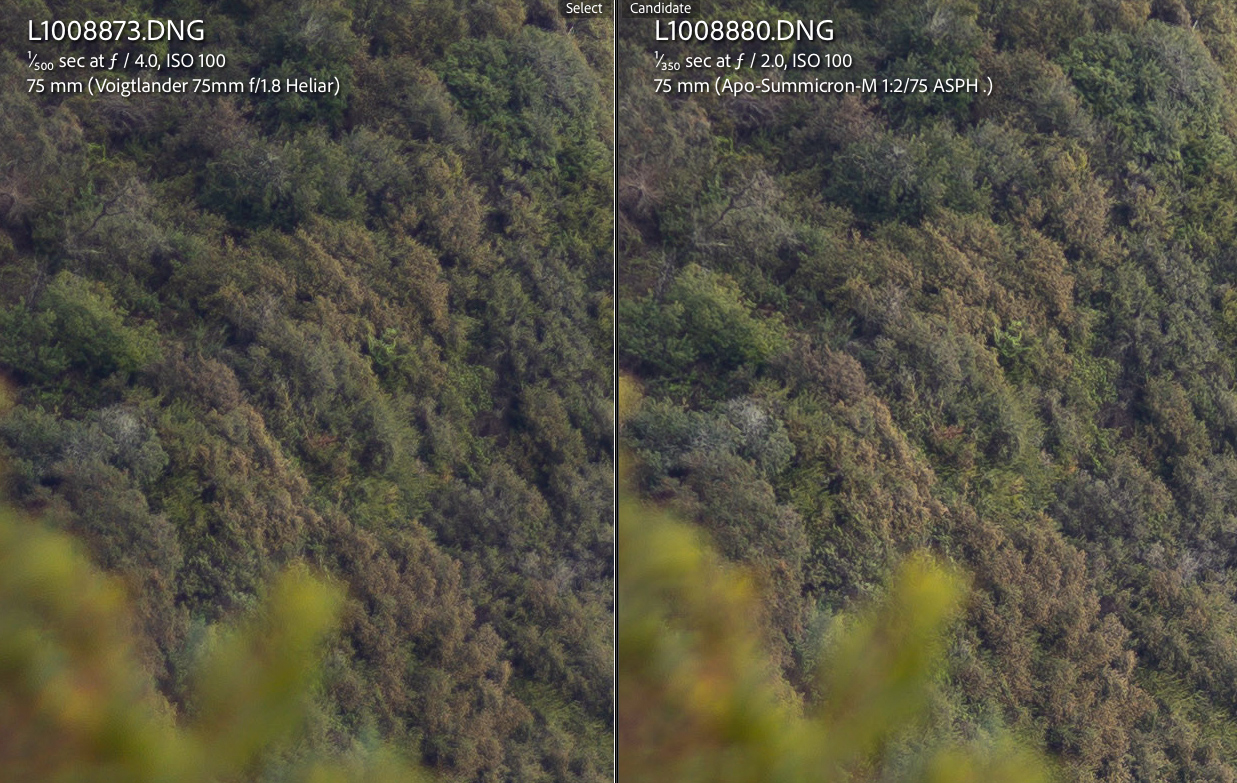
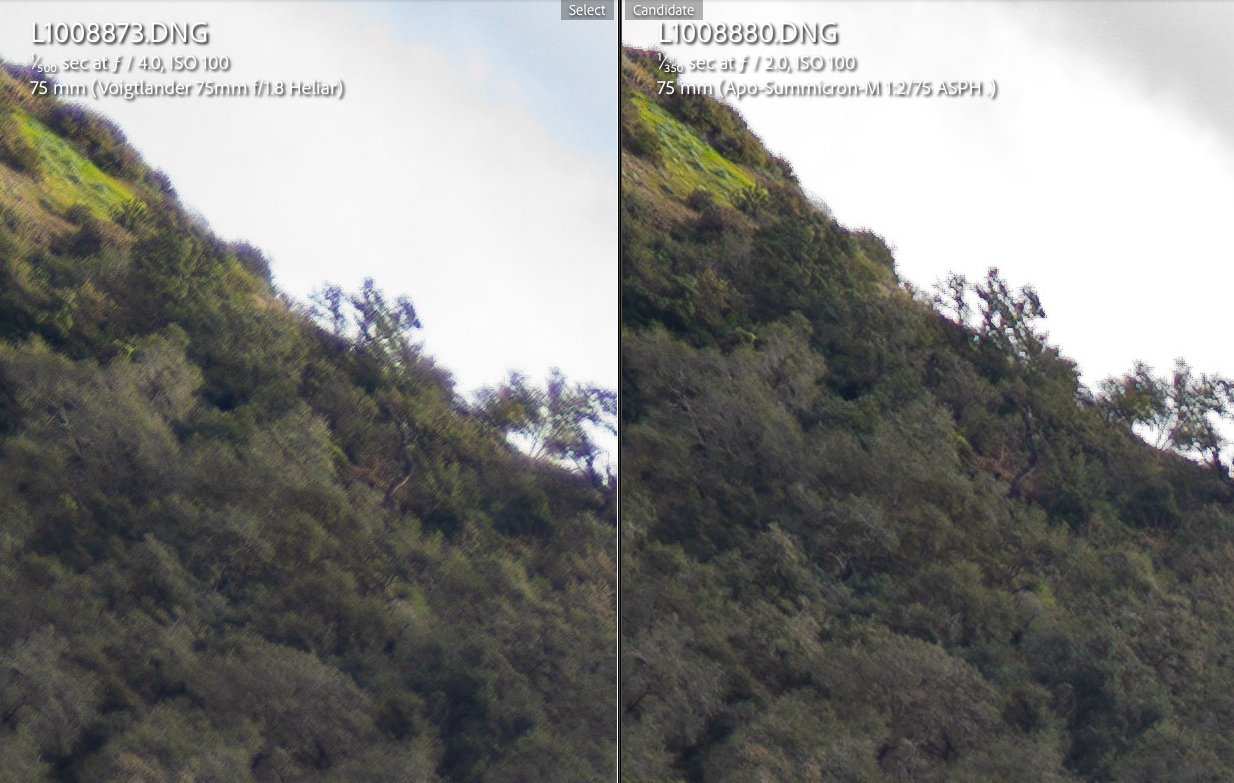
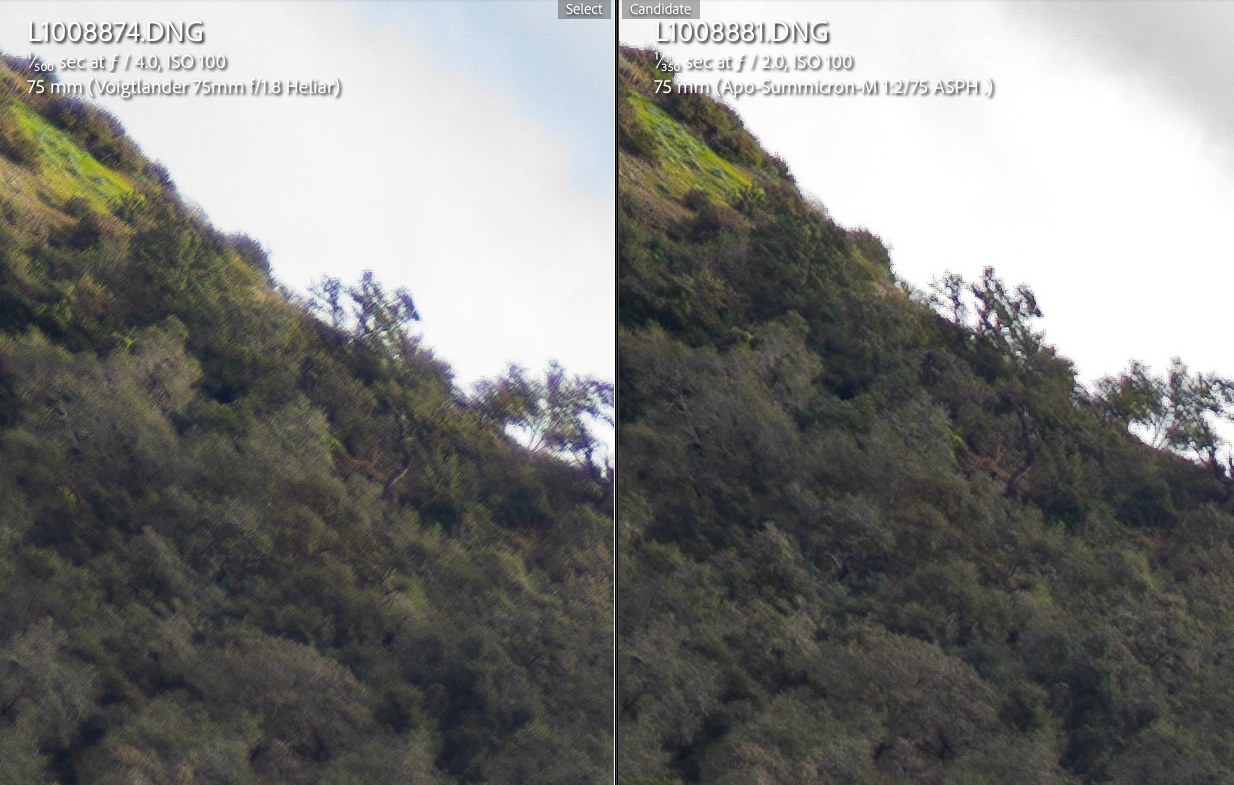
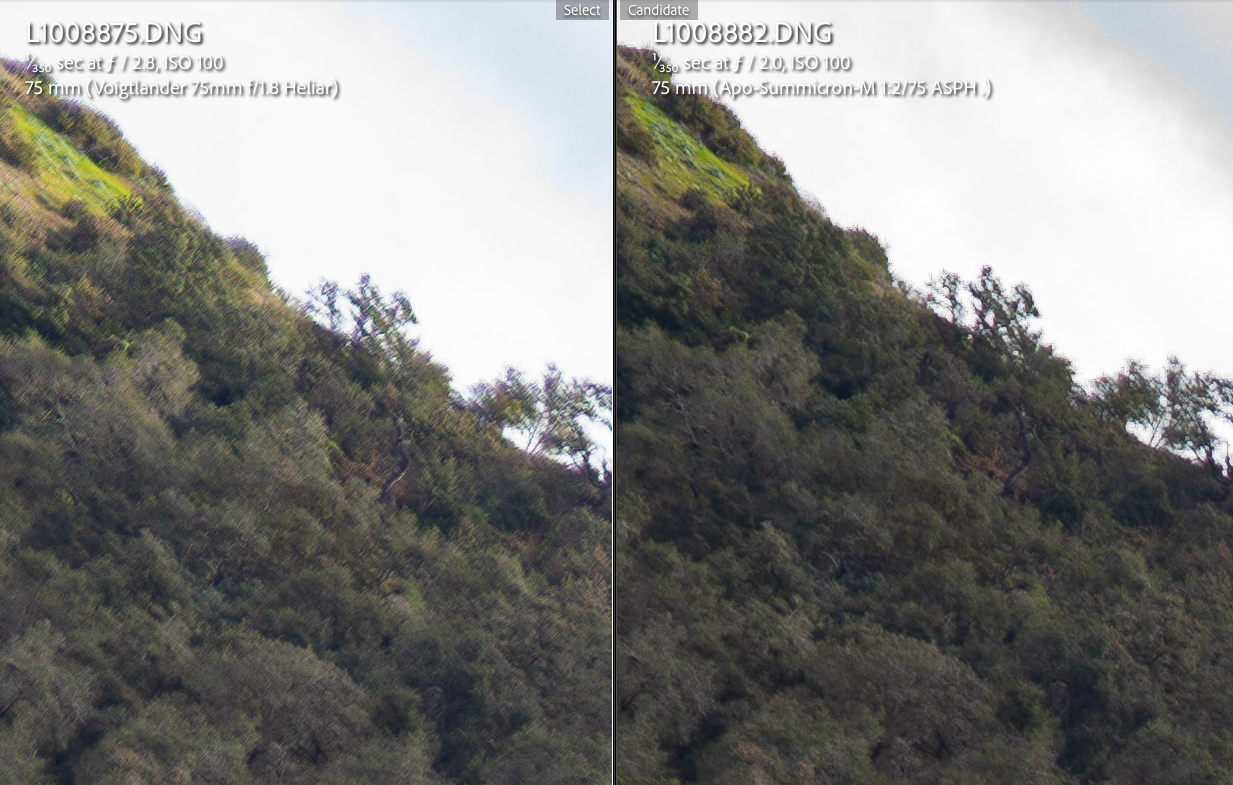
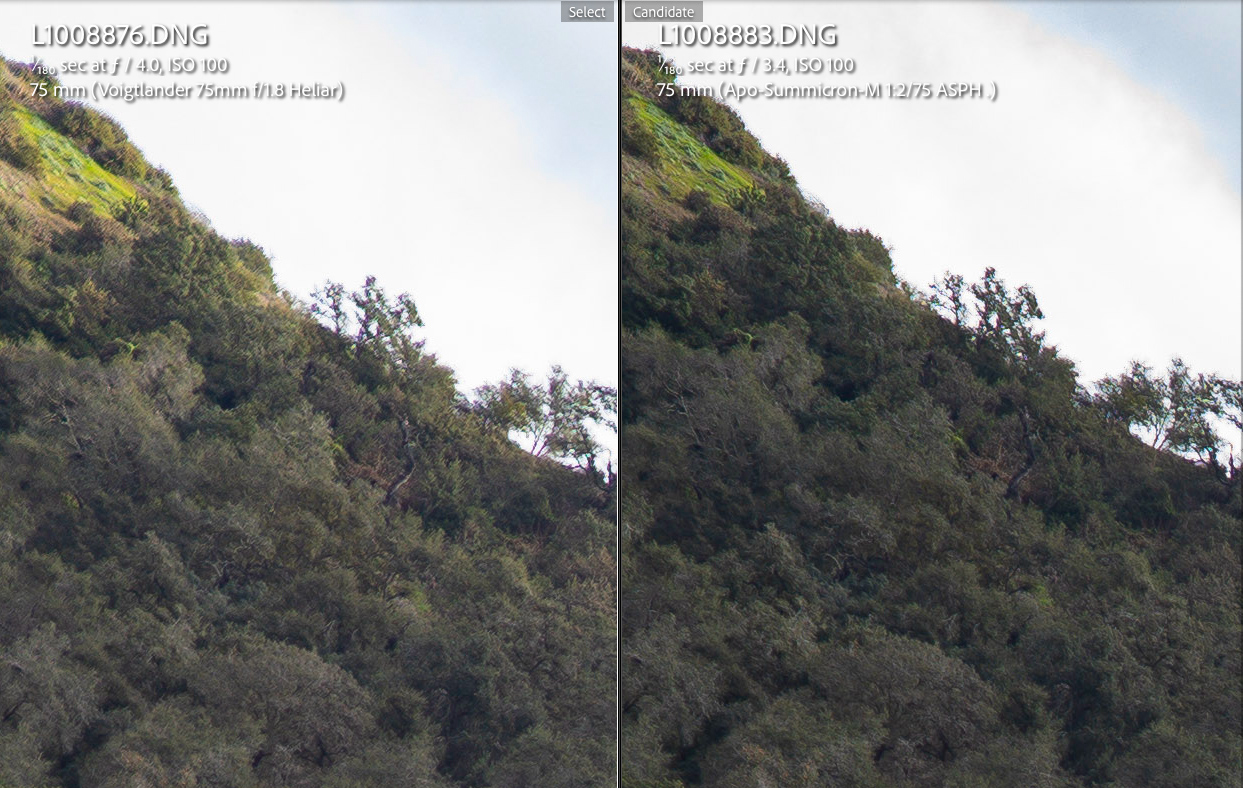
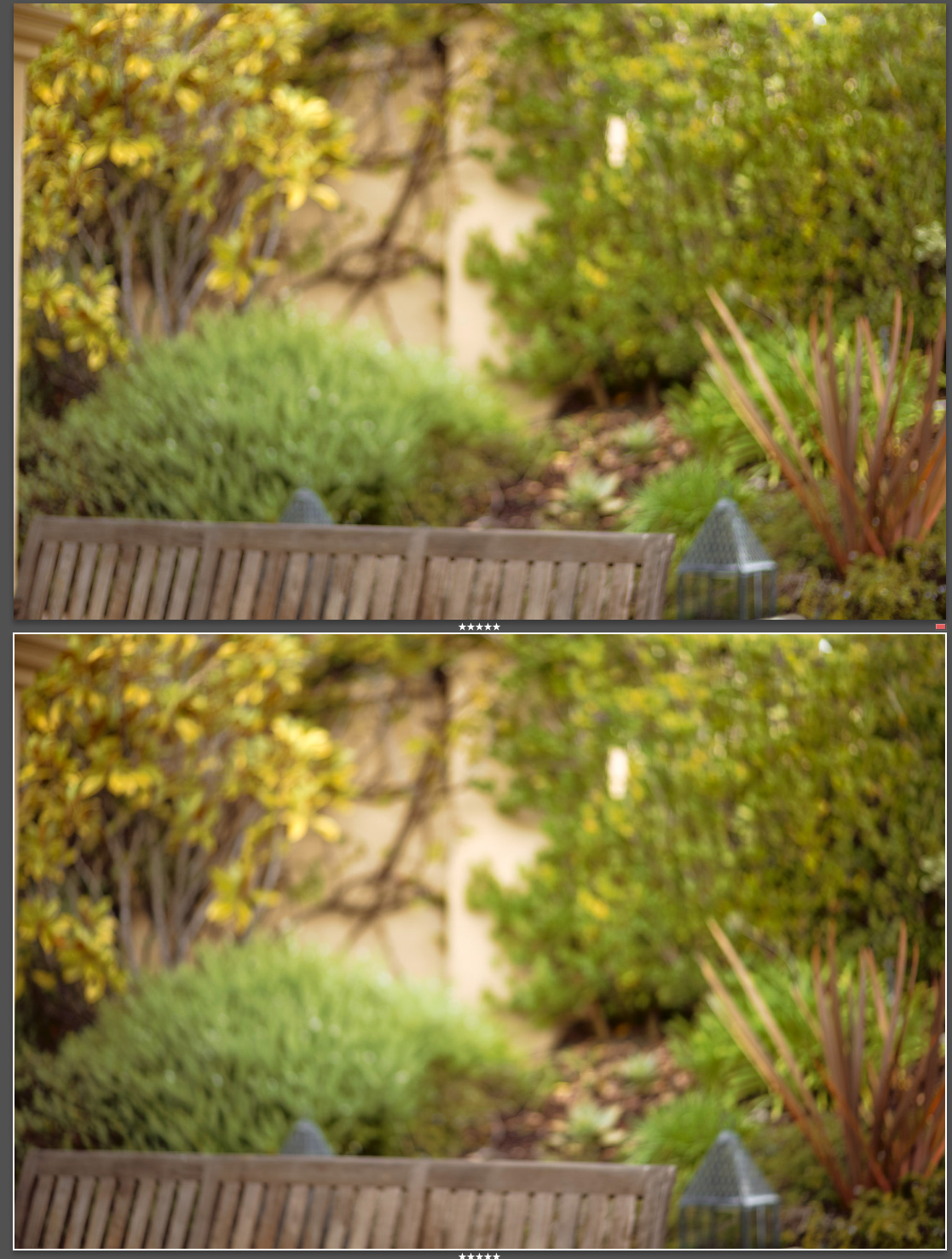
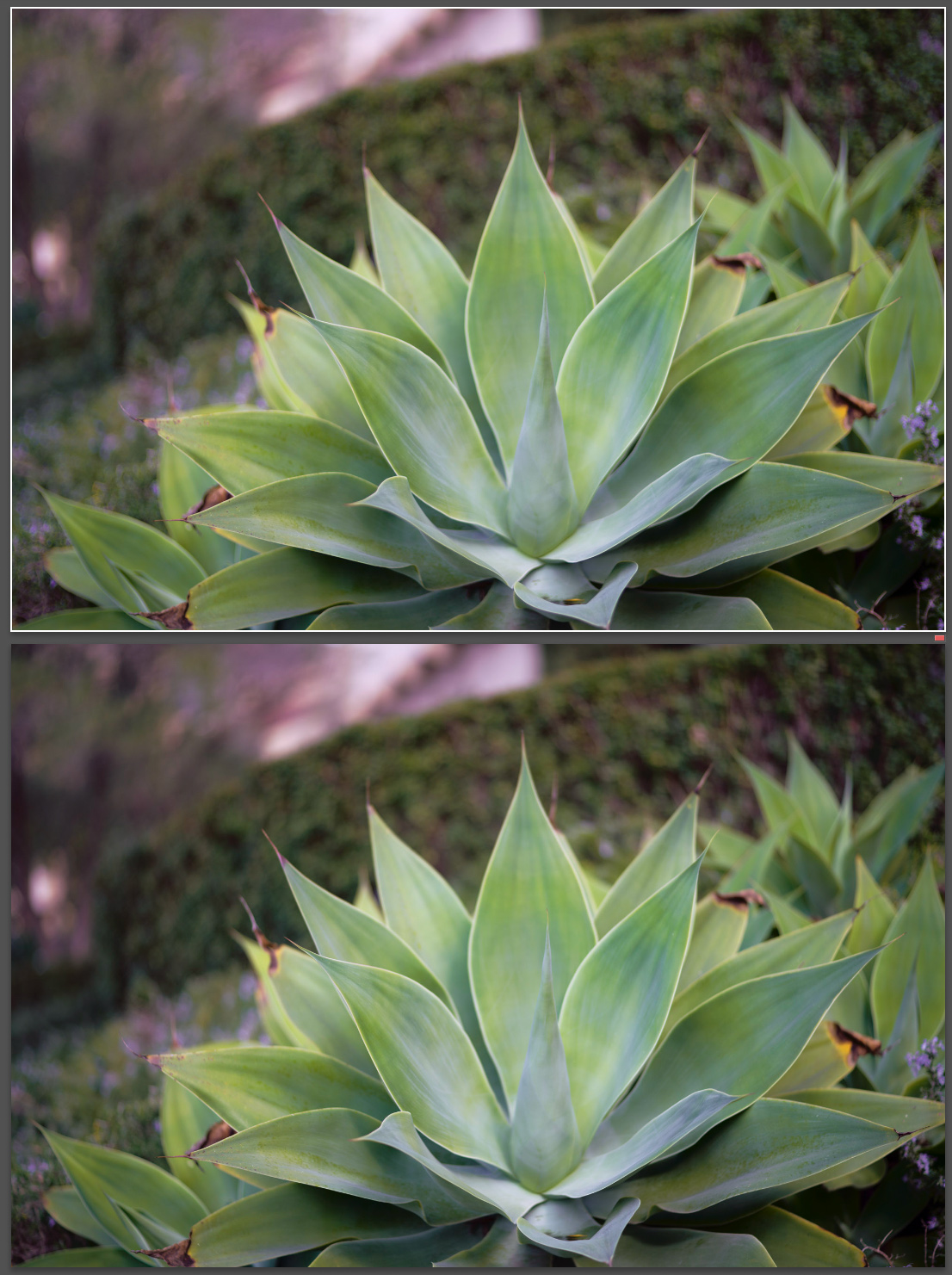
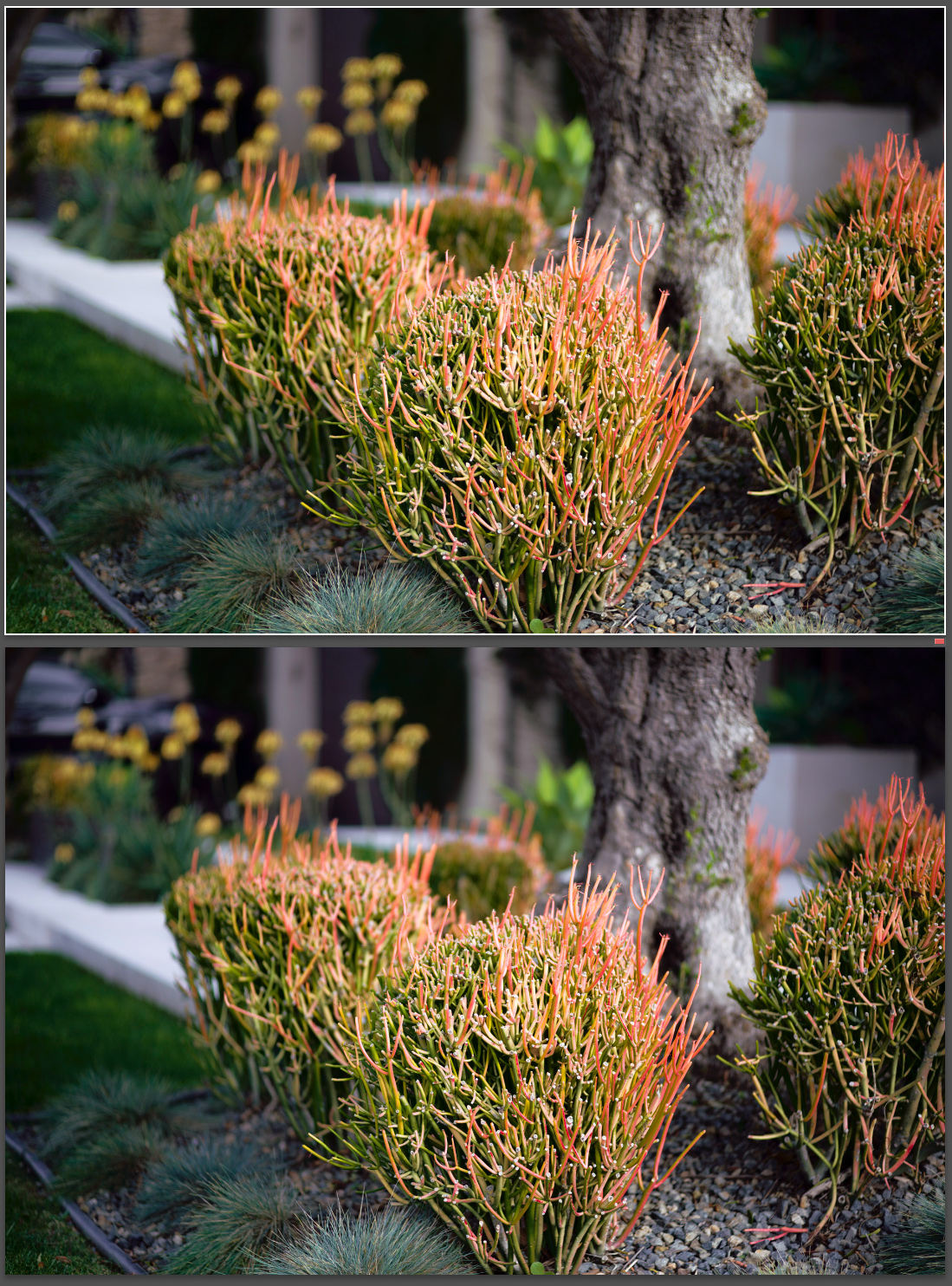
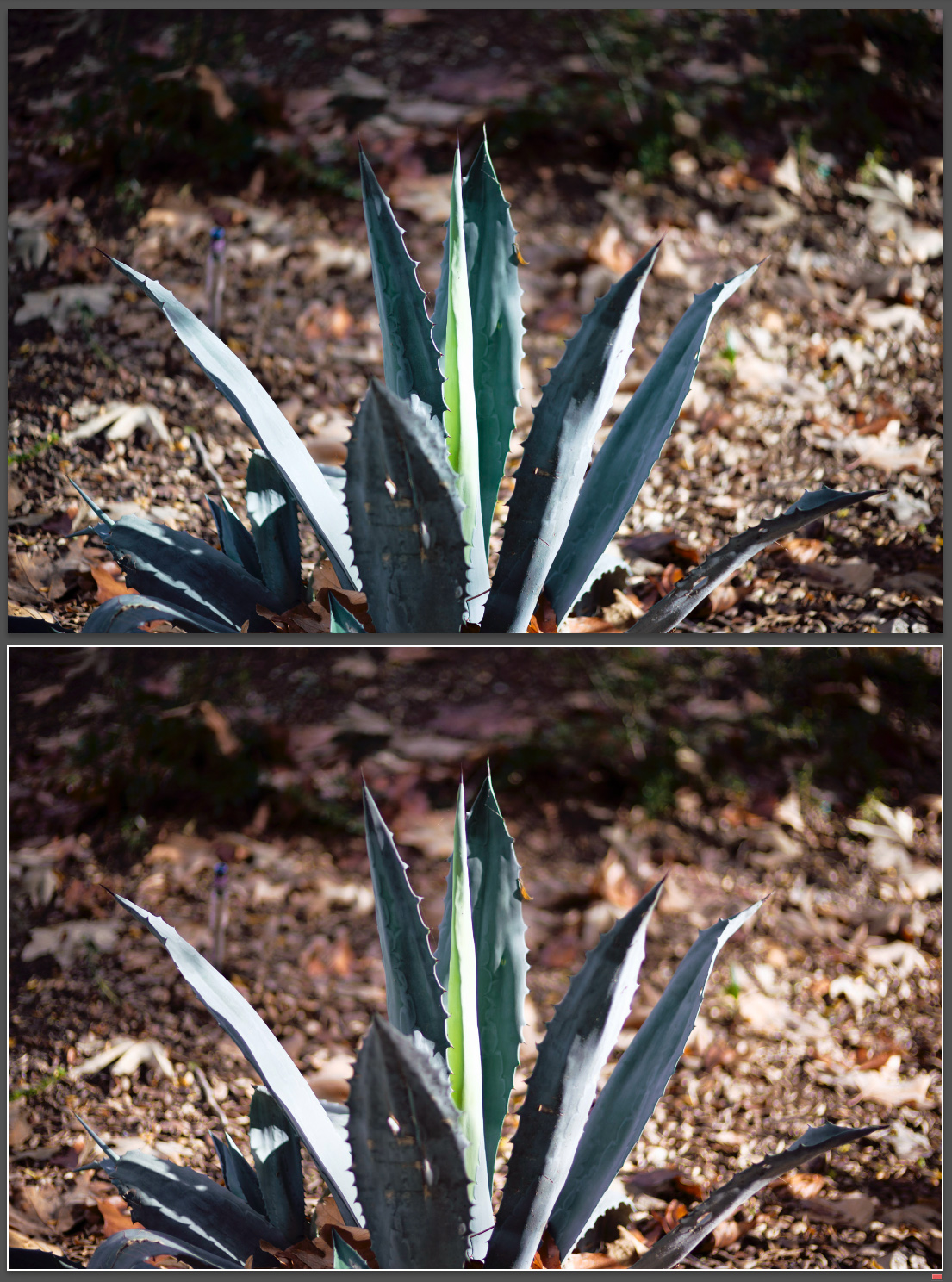
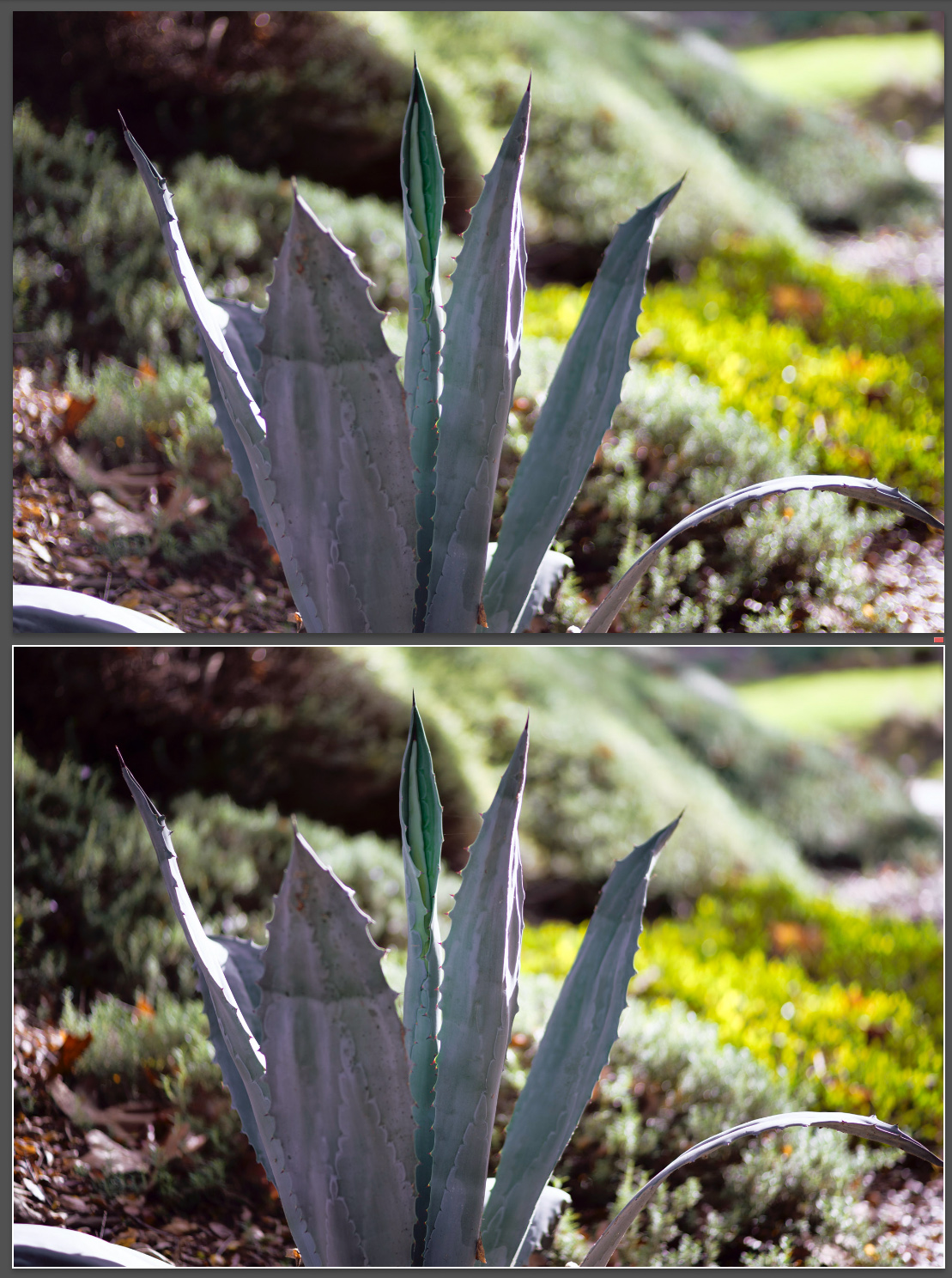
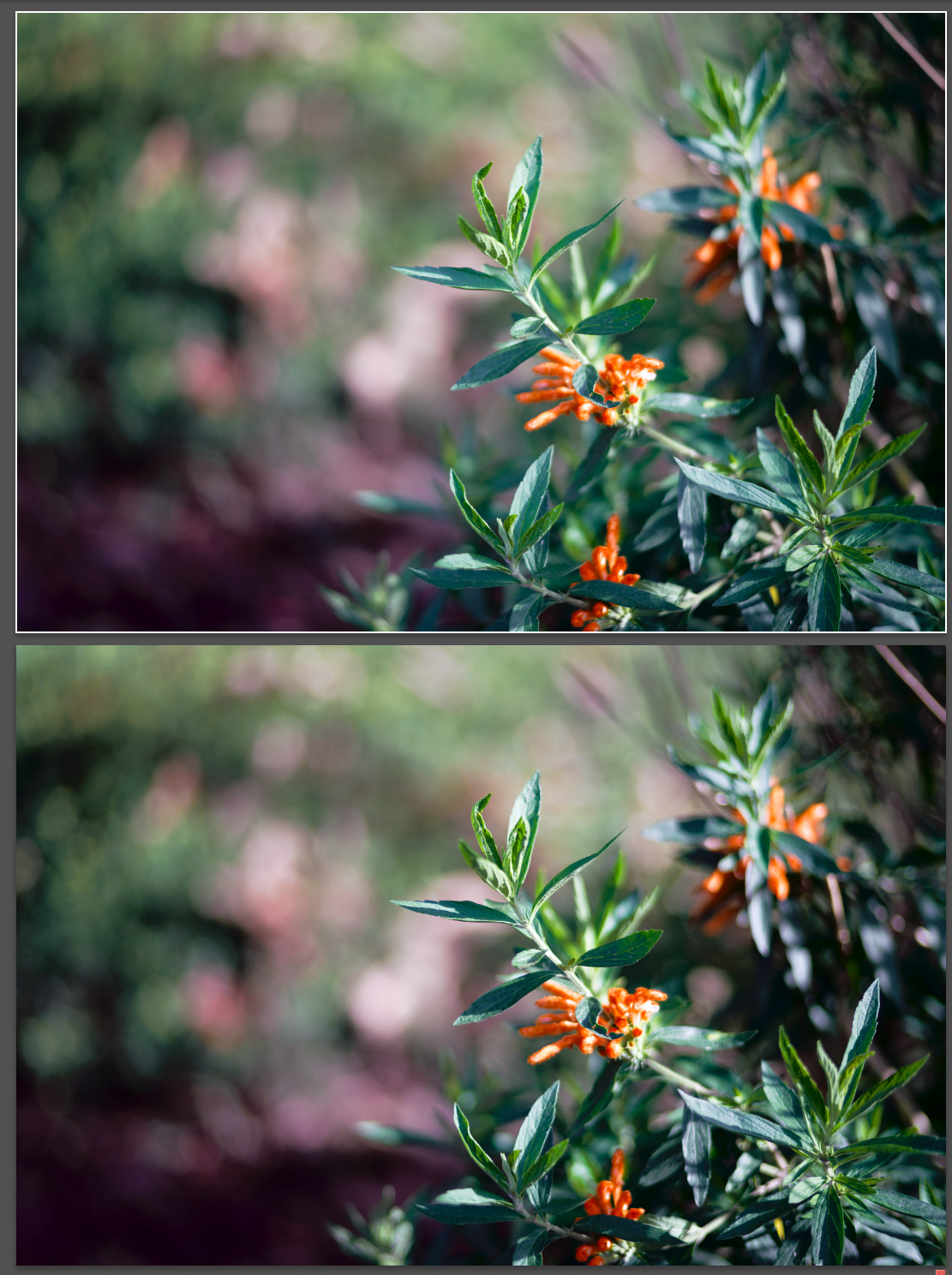
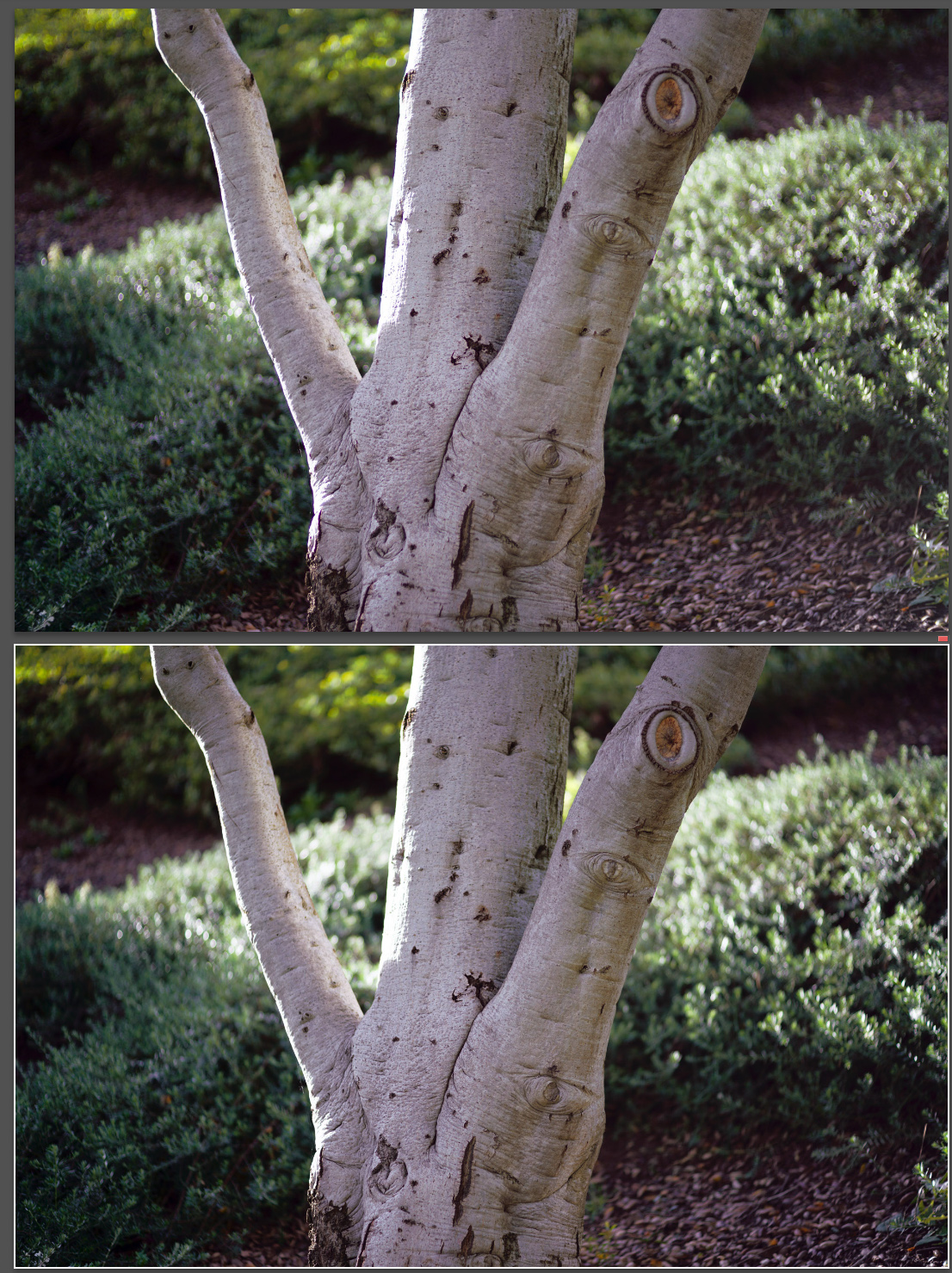
Here is the full image thumbnail showing the area demonstrated at 1:1 magnification.
Distance: Infinity
Camera: Leica M10-R
Focus: Center - Best of three @ 12.4x magnification
WB: Daylight
Lens centered using my decentering test. The Voigtlander 75mm f/1.9 Ultron is perfectly centered.
Software: Lightroom with my default landscape sharpening. All other settings set to default
PS: Distortion is not corrected. All in-camera corrections turned 'off'.
___________
Center resolution Voigtlander 75mm f/1.9 Ultron vs Voigtlander 75mm f/1.8 Heliar
NOTE: I have coded my CV 75mm f/1.9 Ultron to Leica 75mm f/2 APO
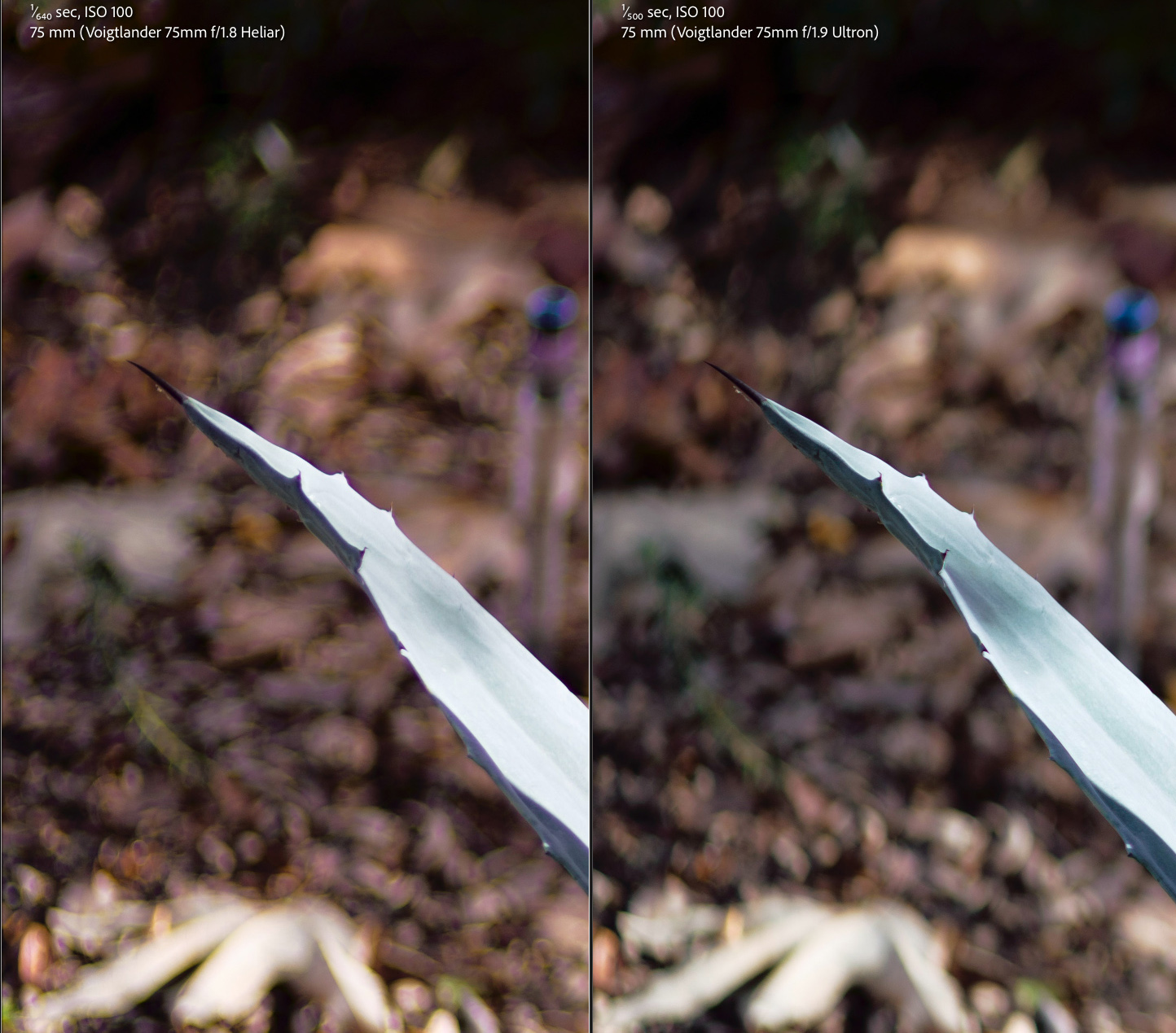
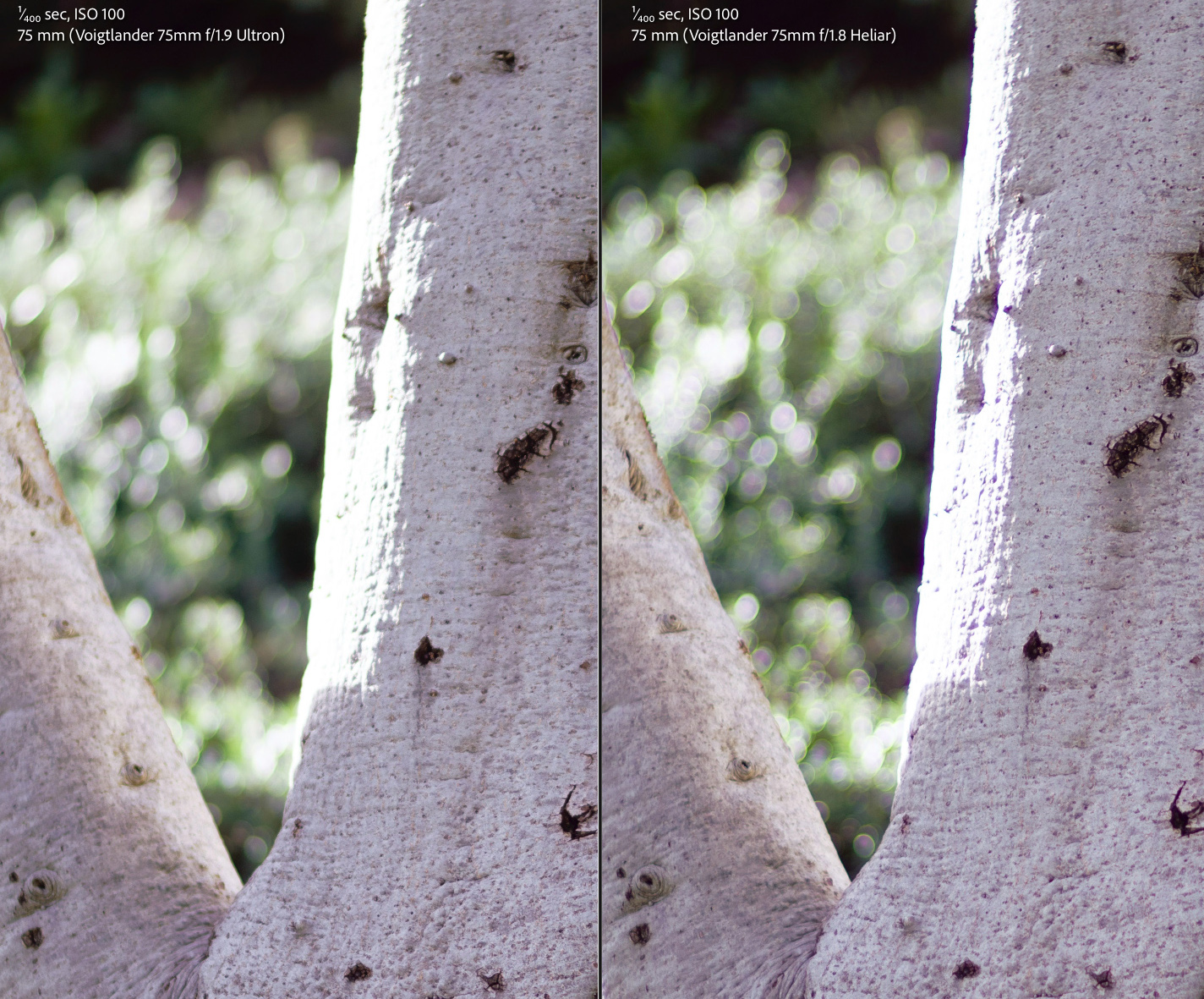
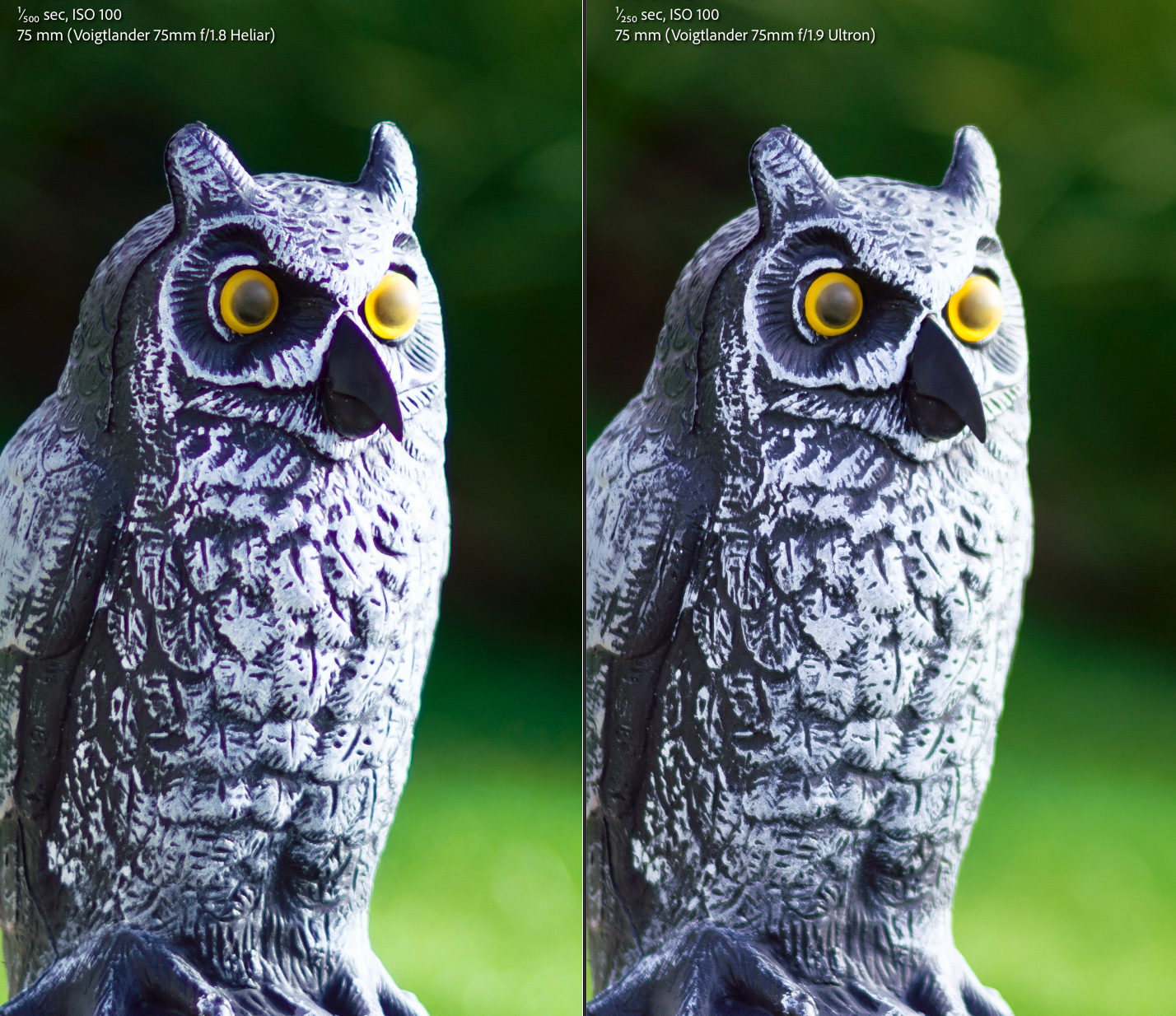
Center: Both lenses wide open (Ultron at f/1.9 and Heliar at f/1.8)
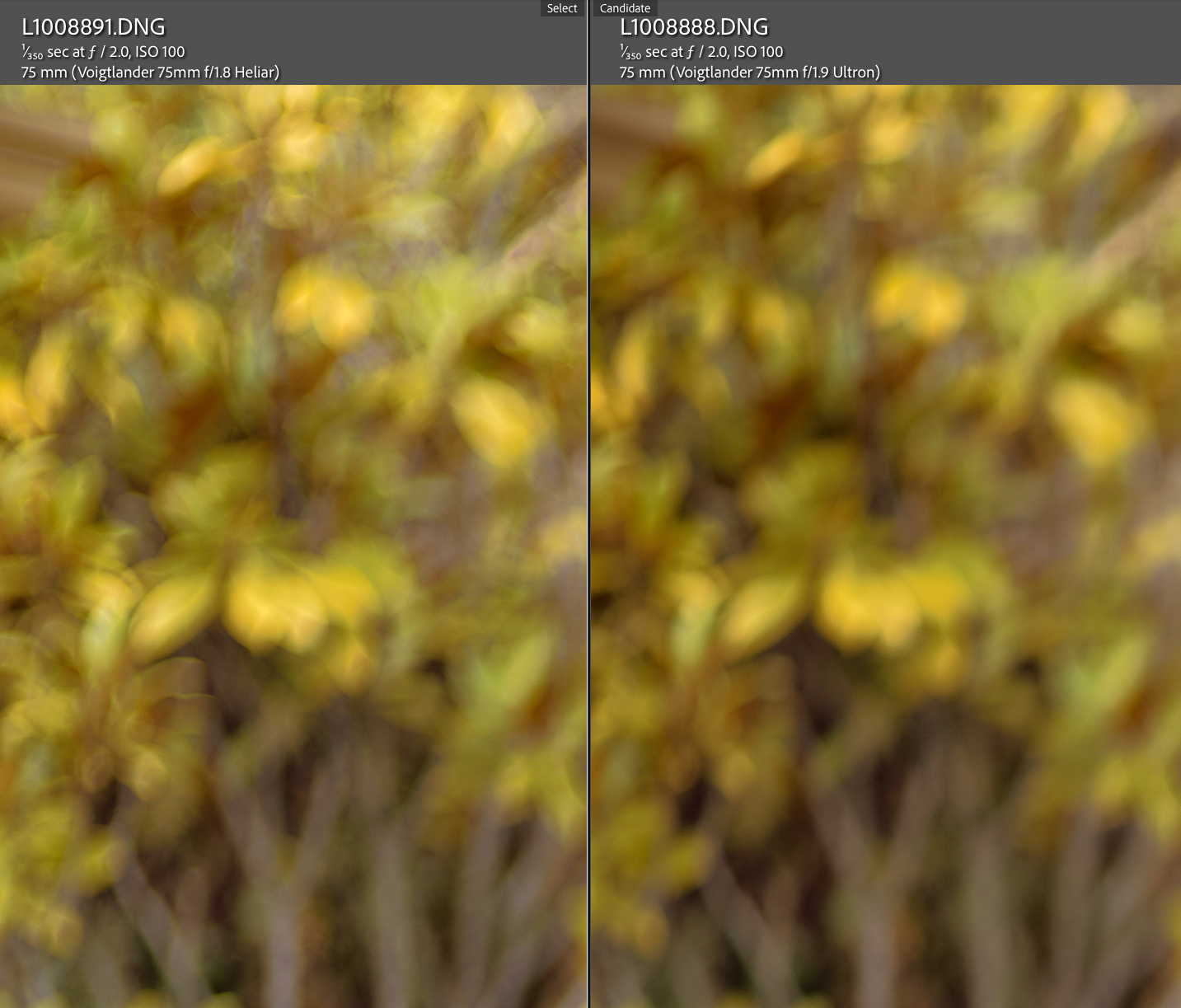
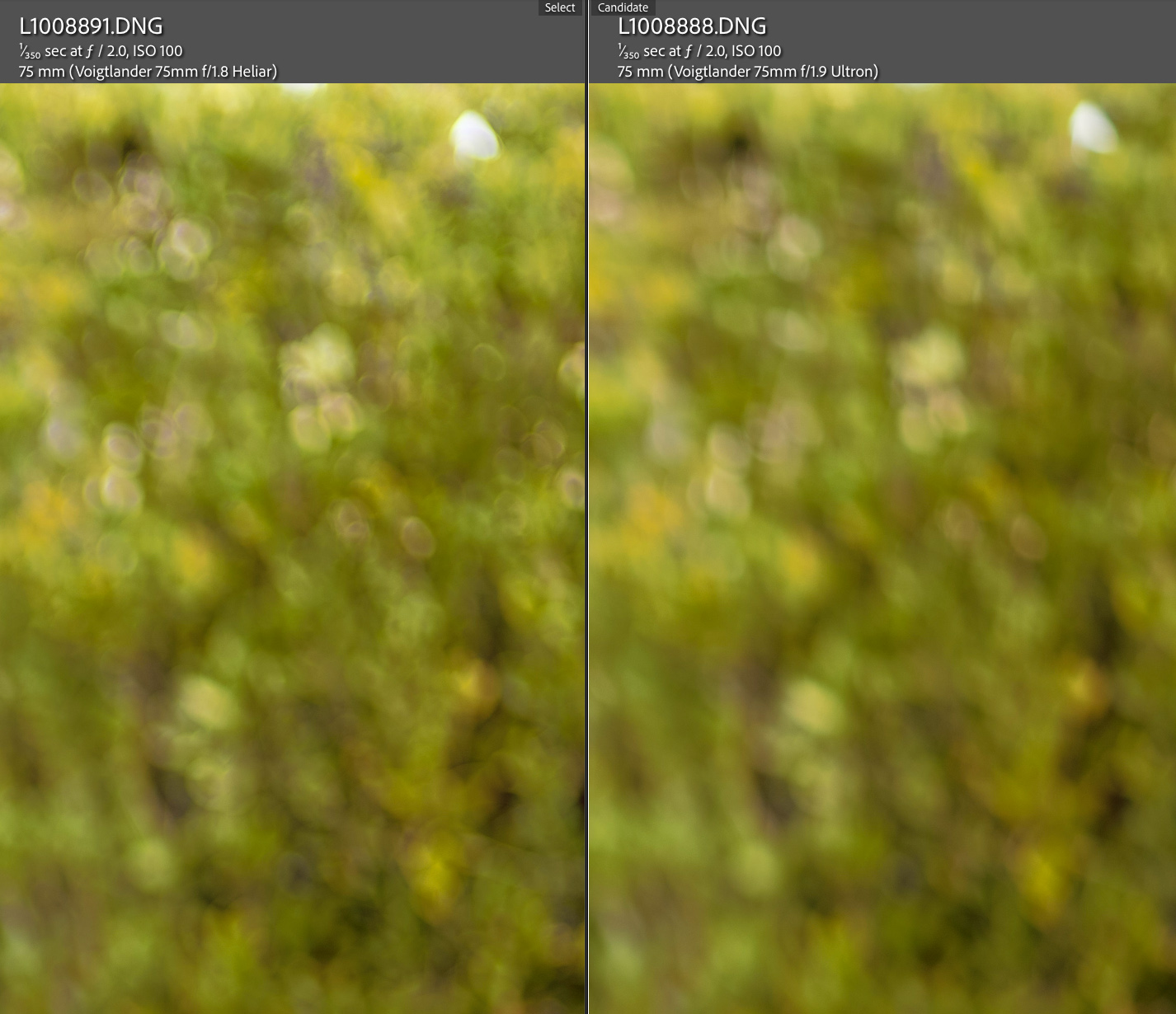
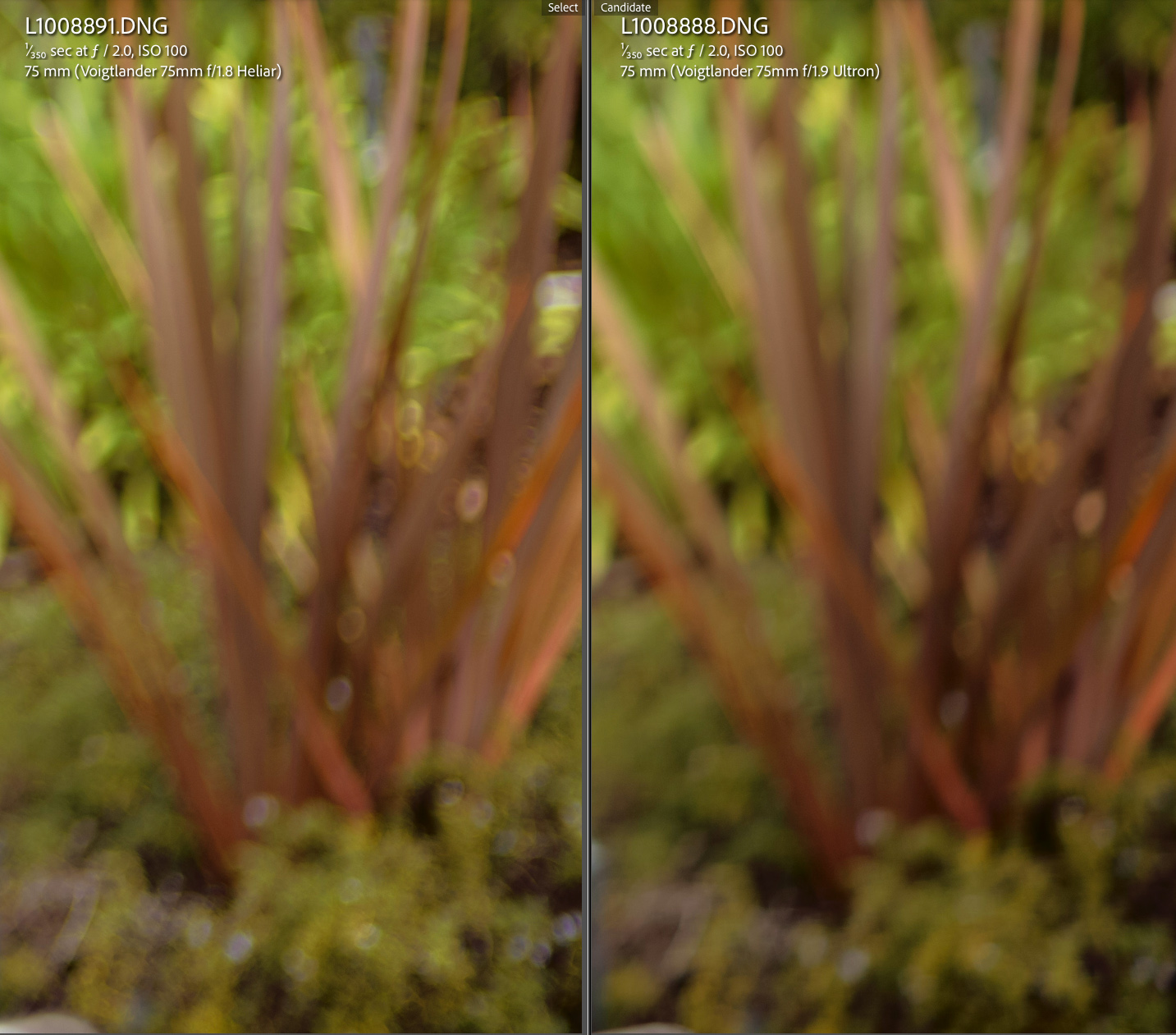
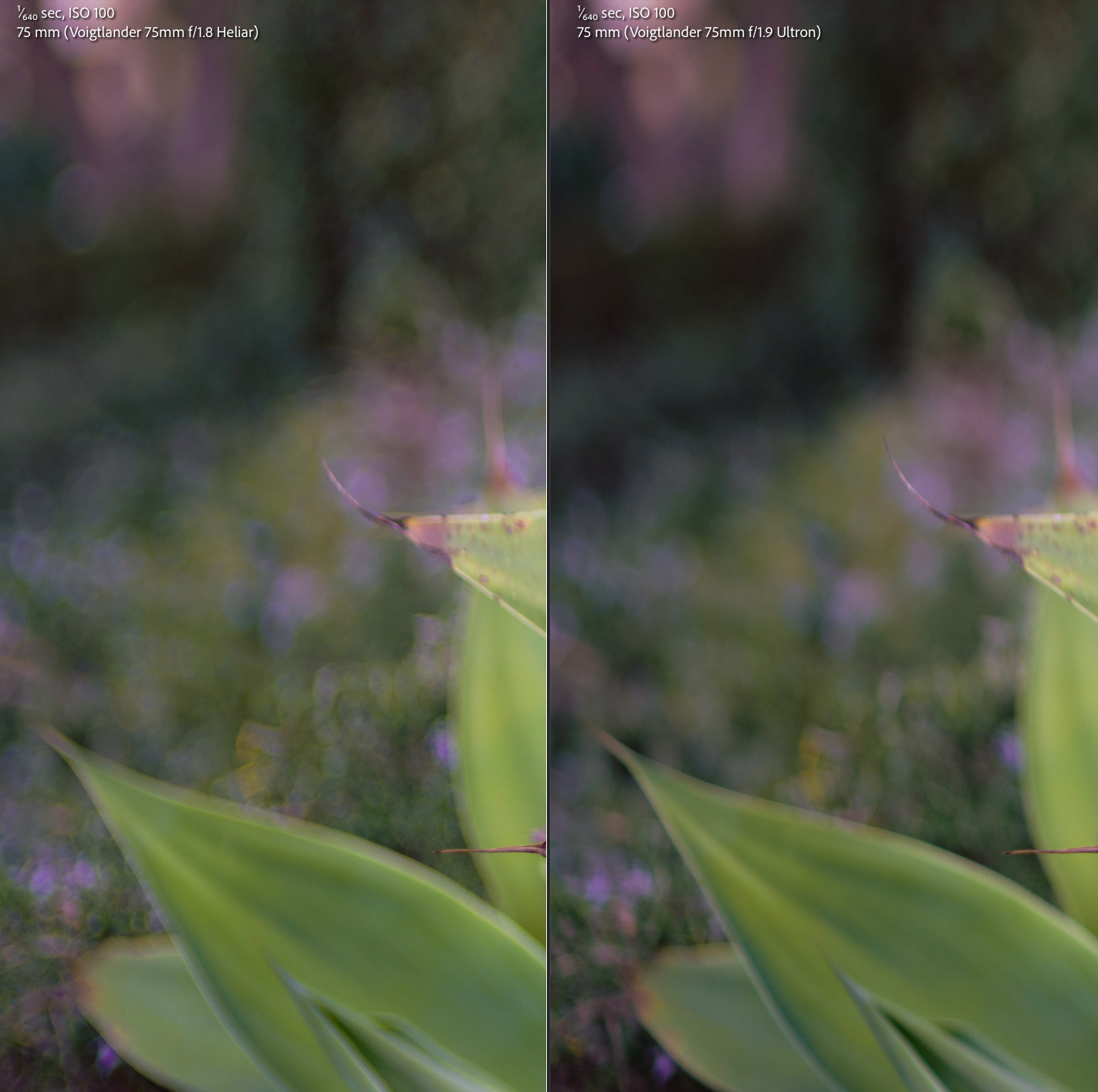
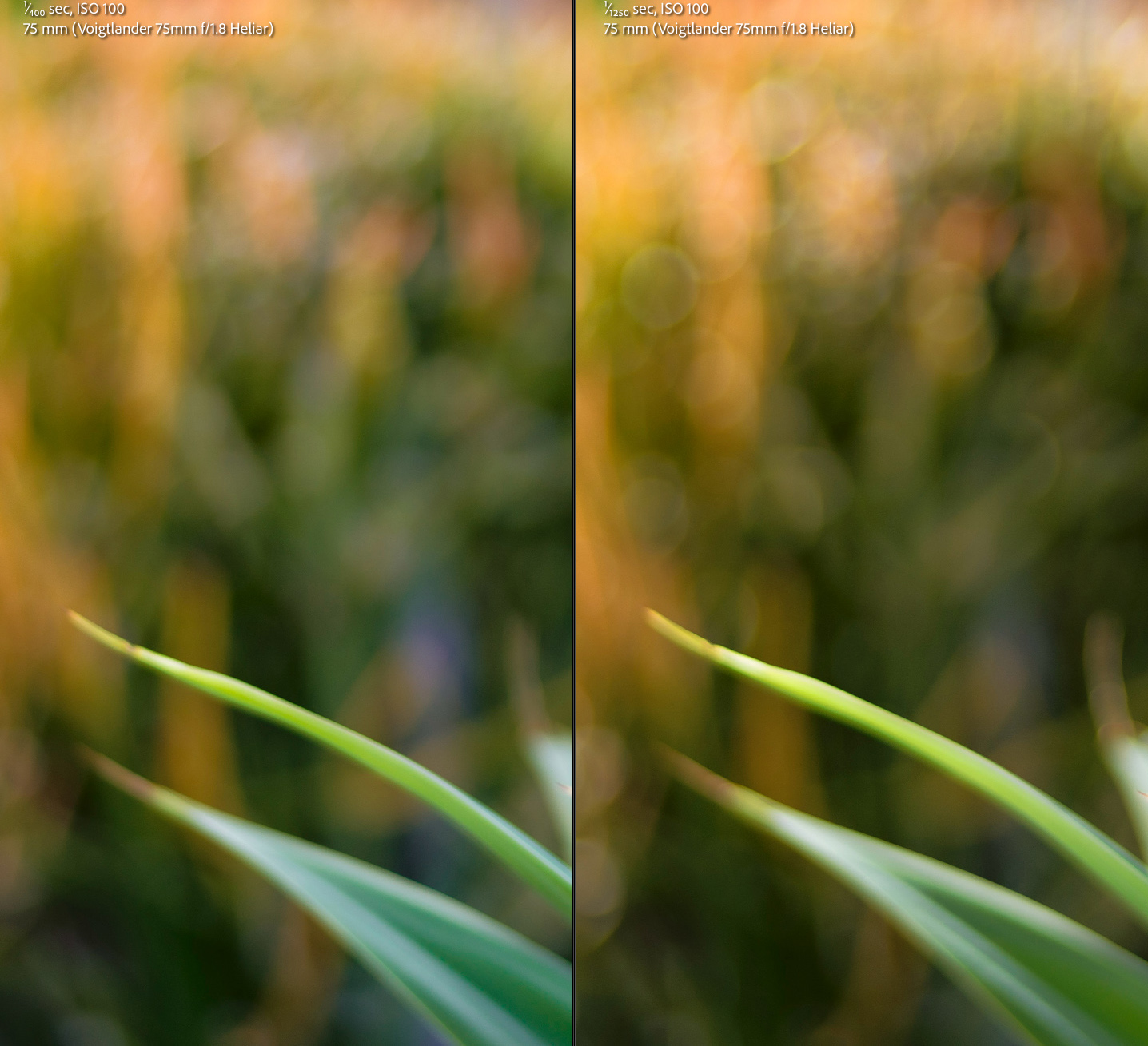
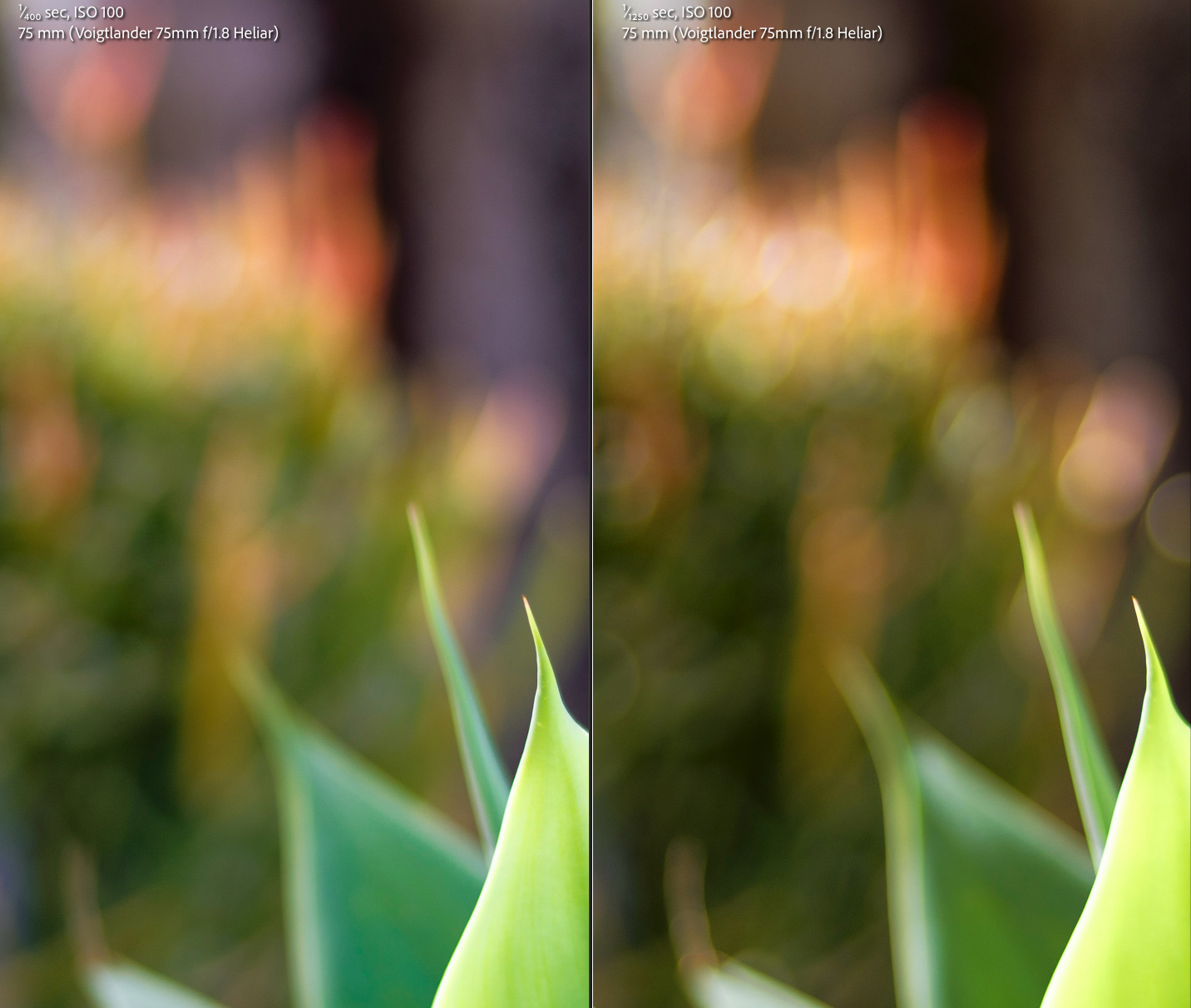
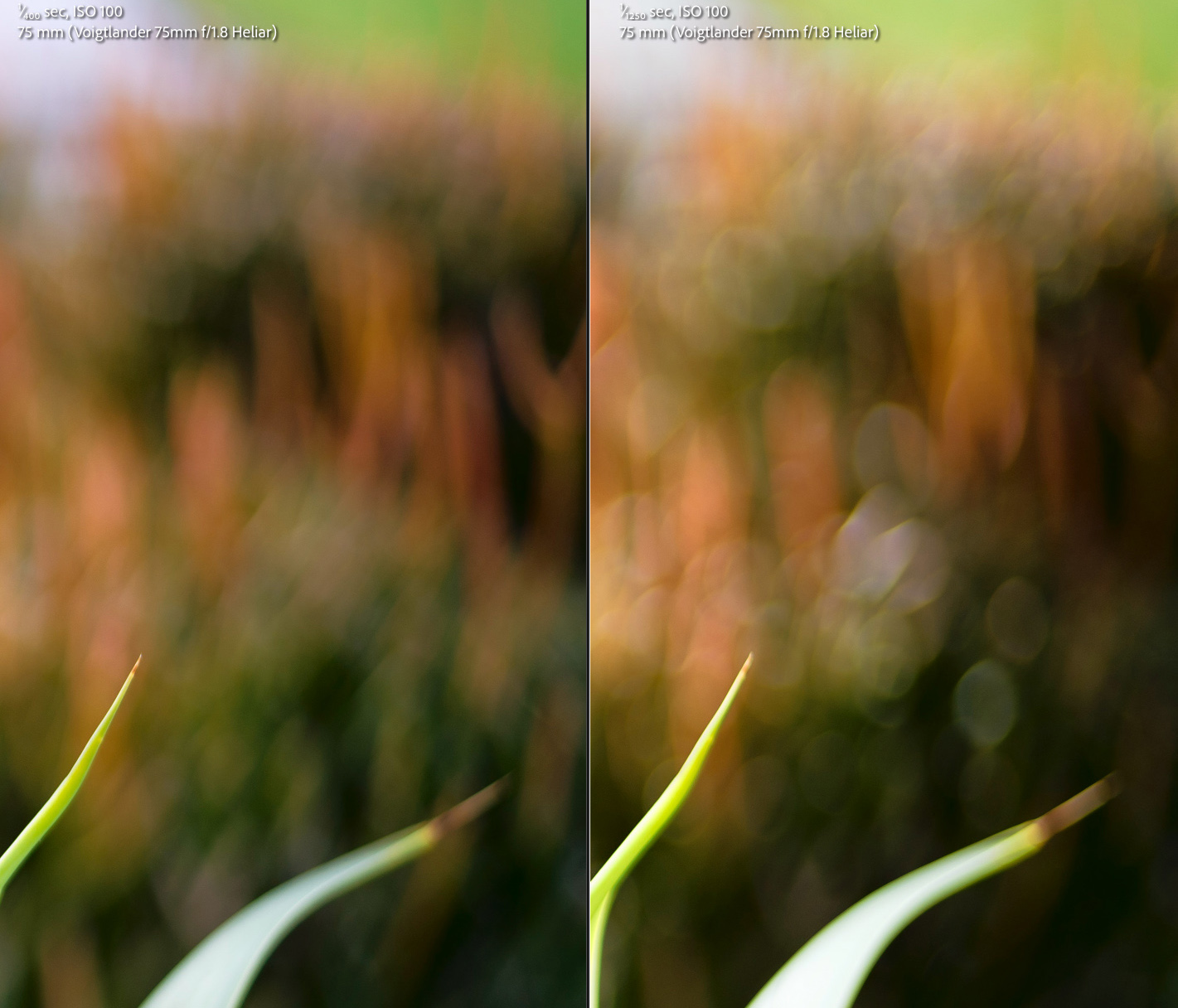
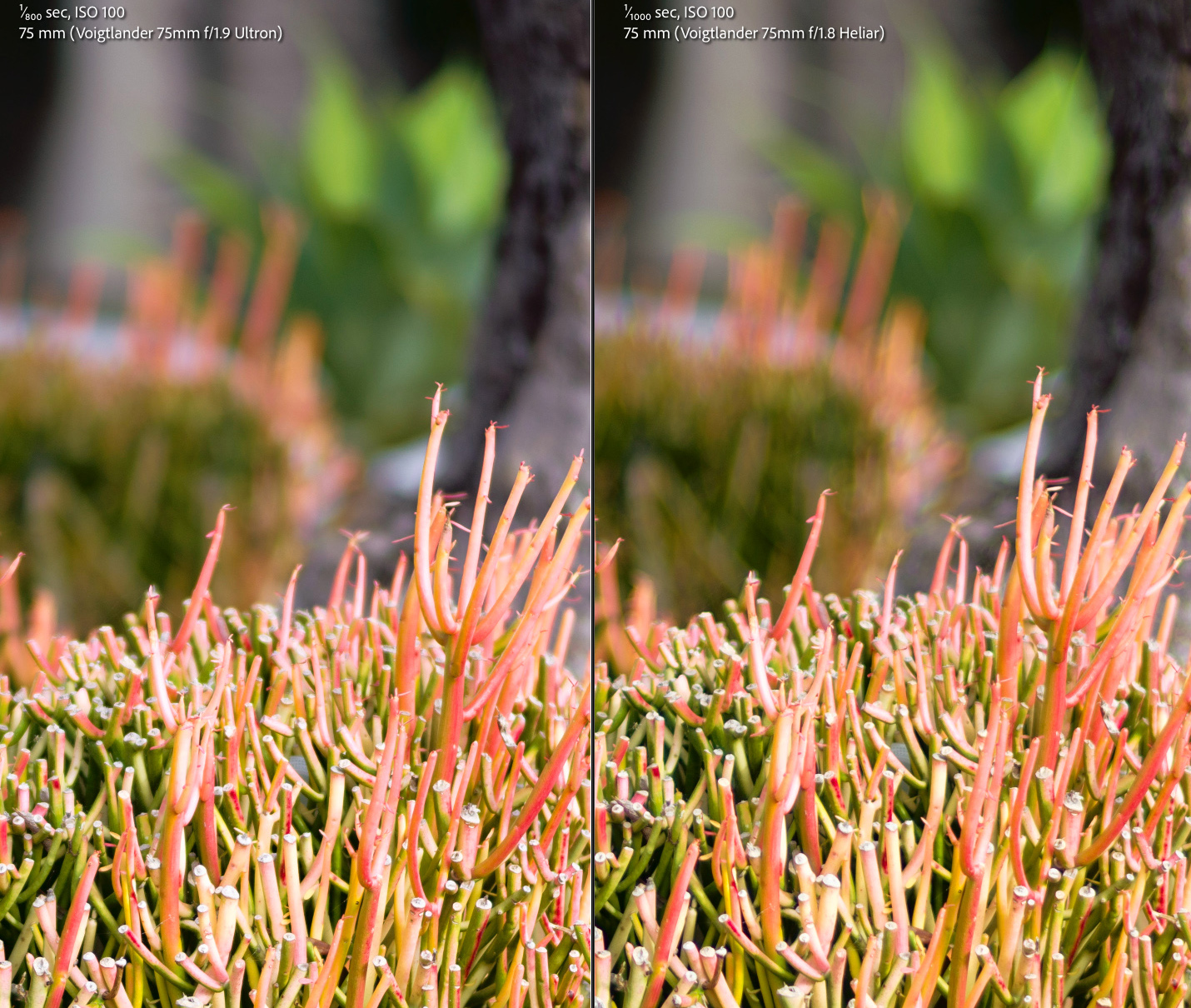
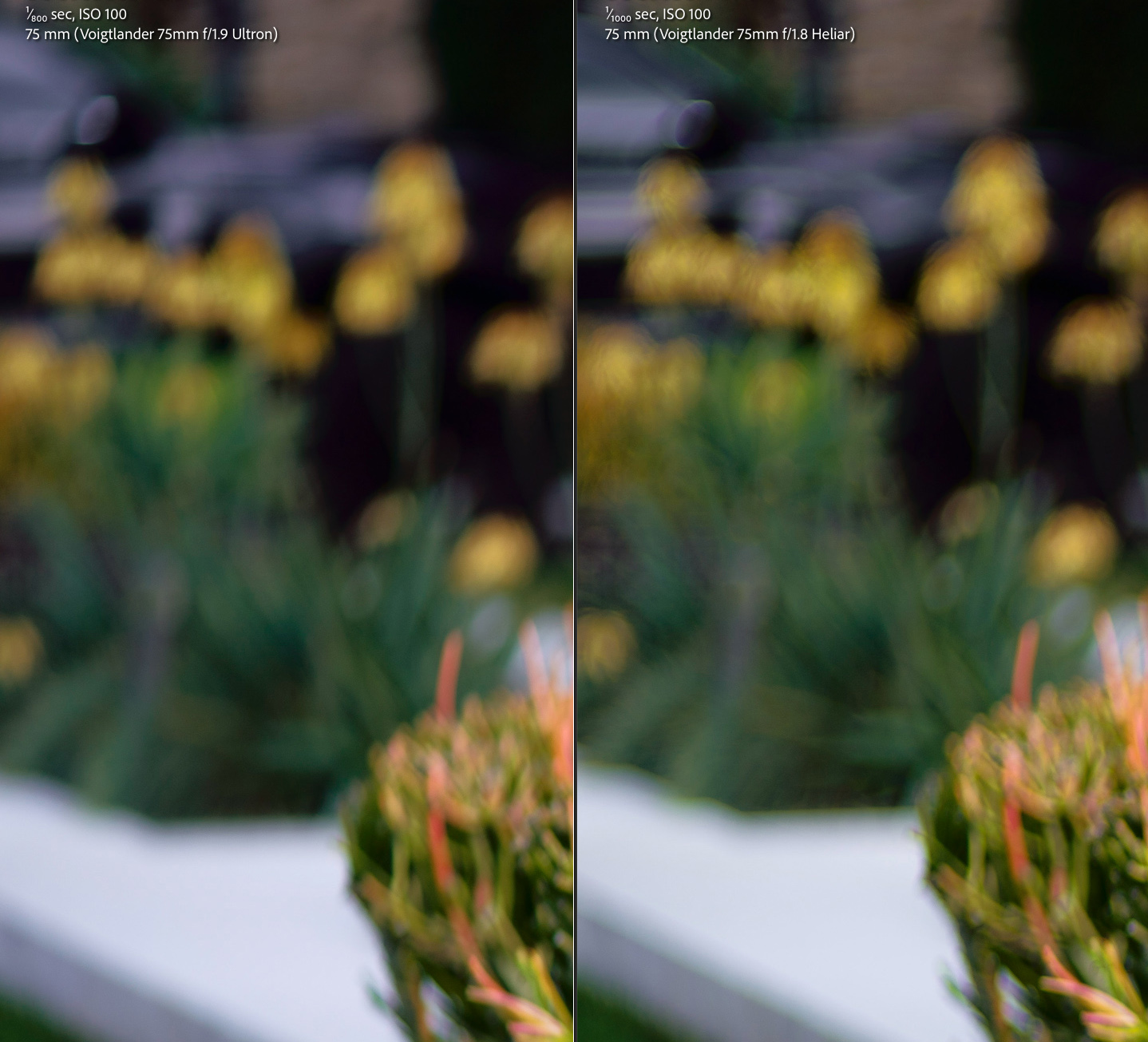
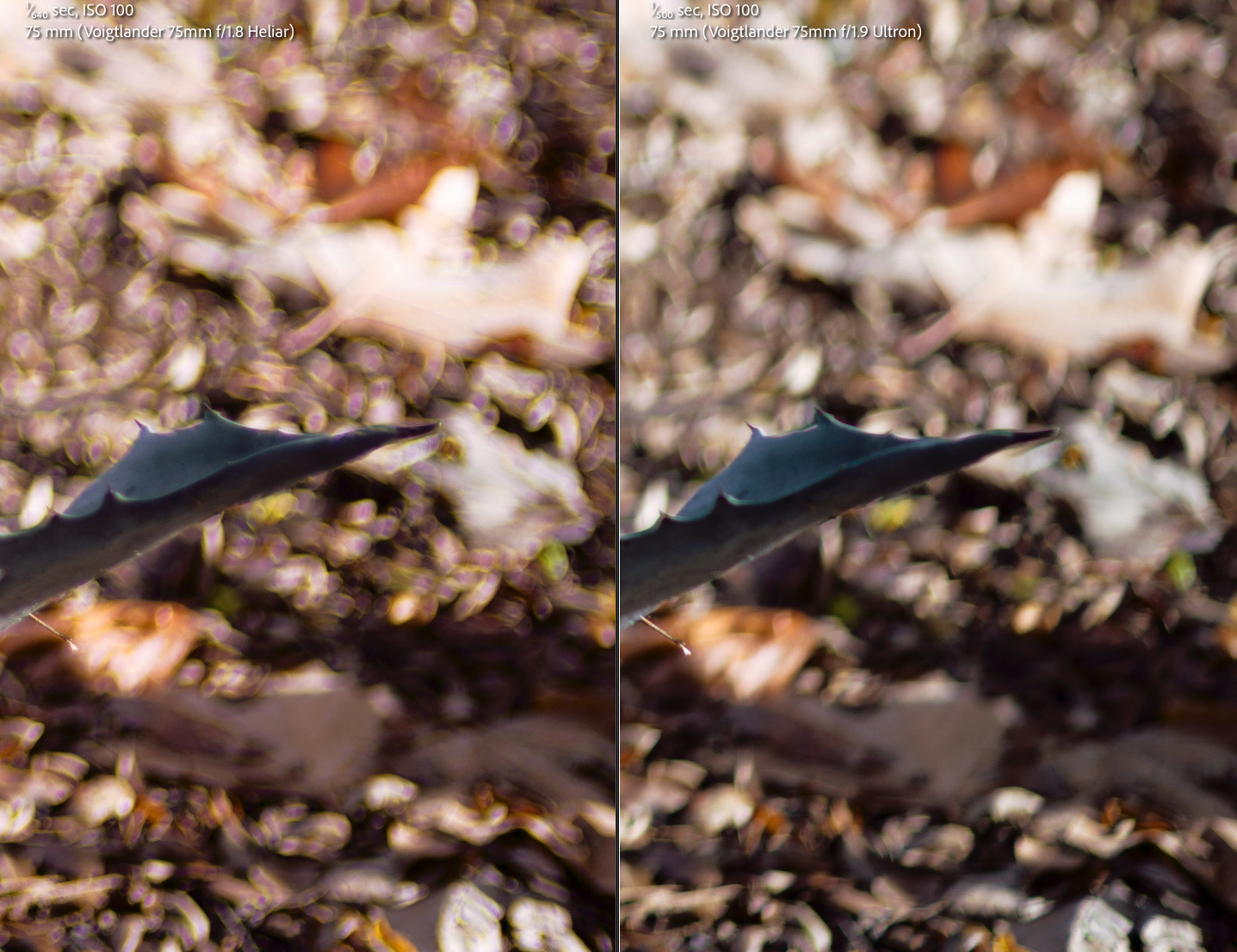
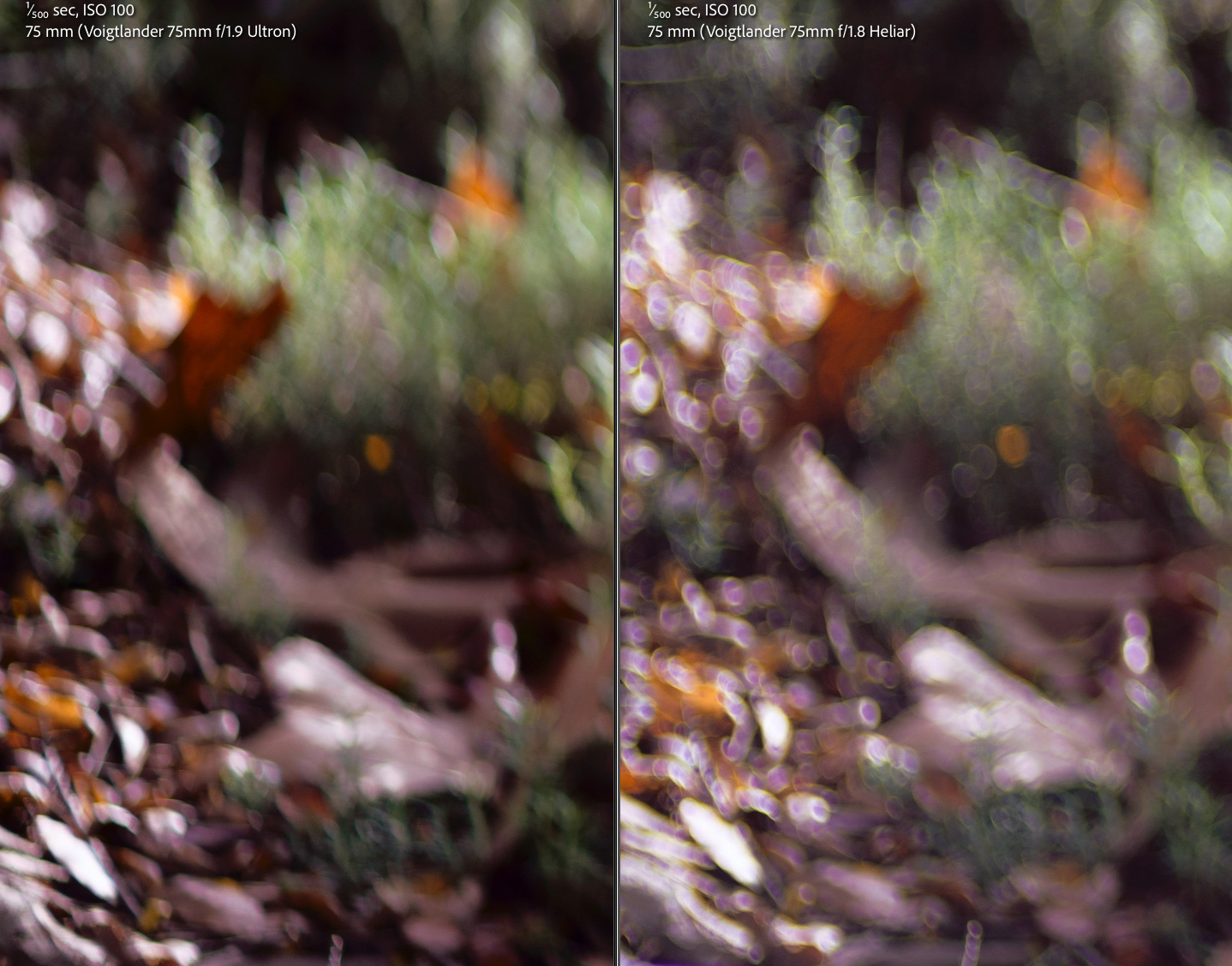
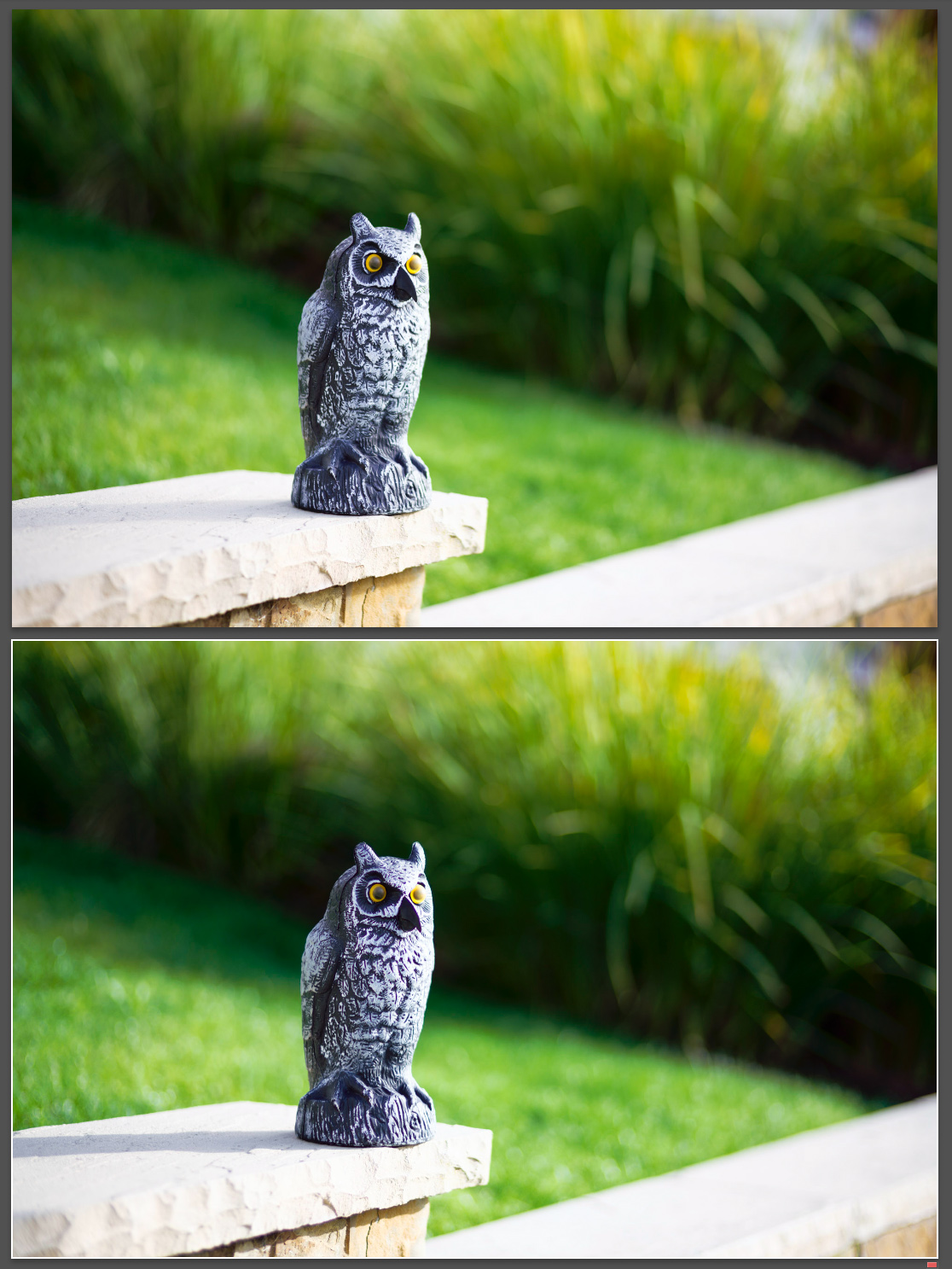
Rendering compared to Voigtlander 75mm f/1.8 Heliar Classic
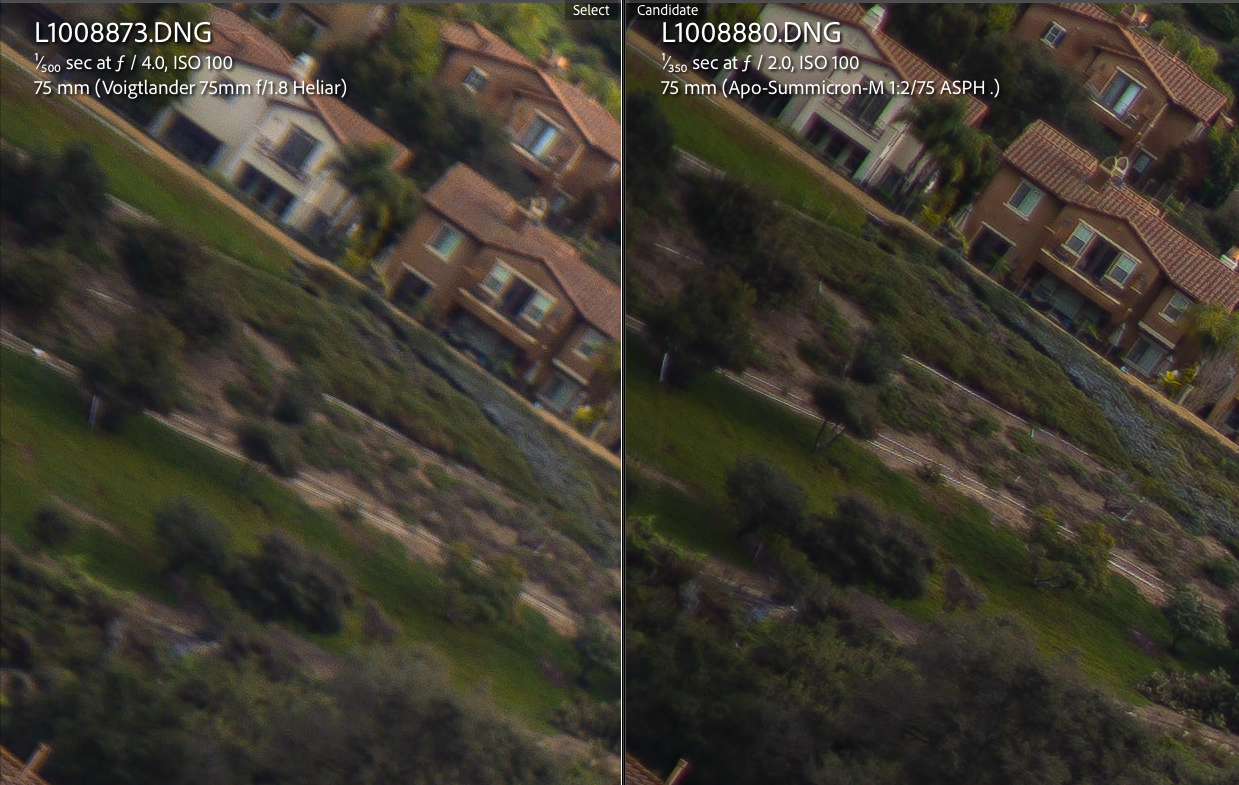
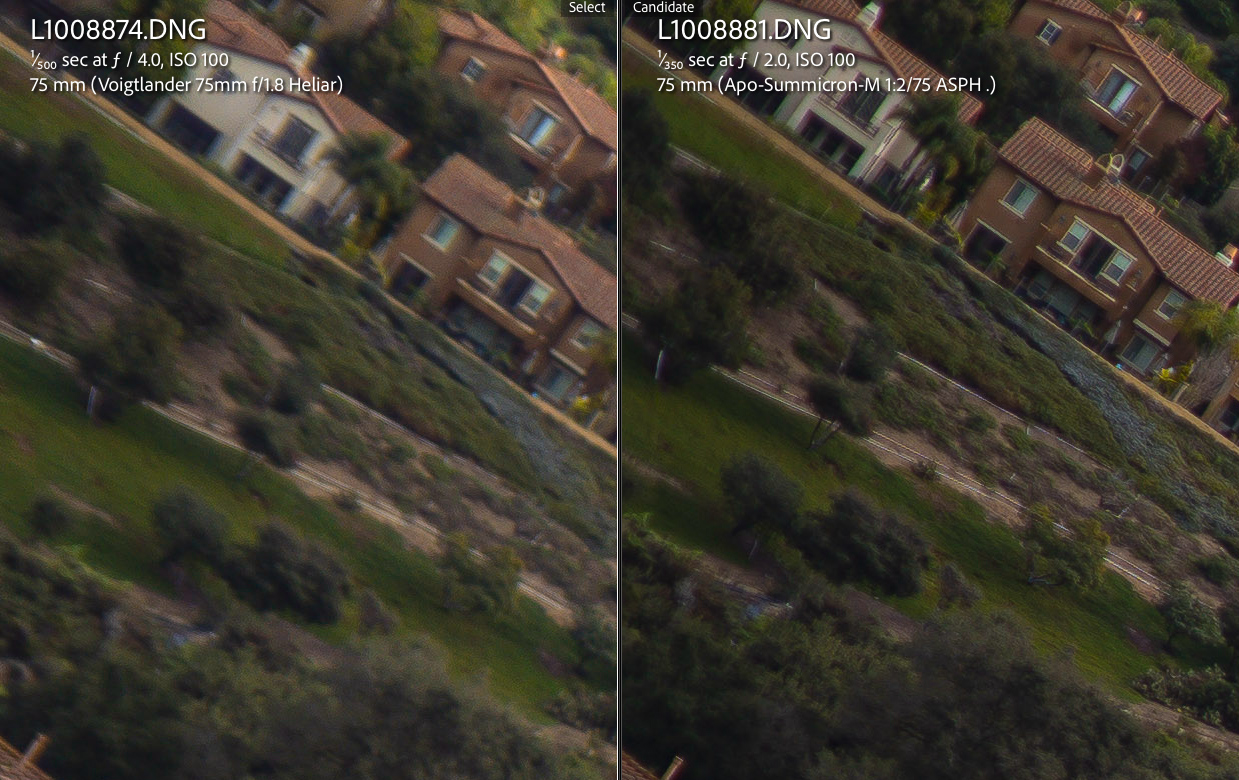
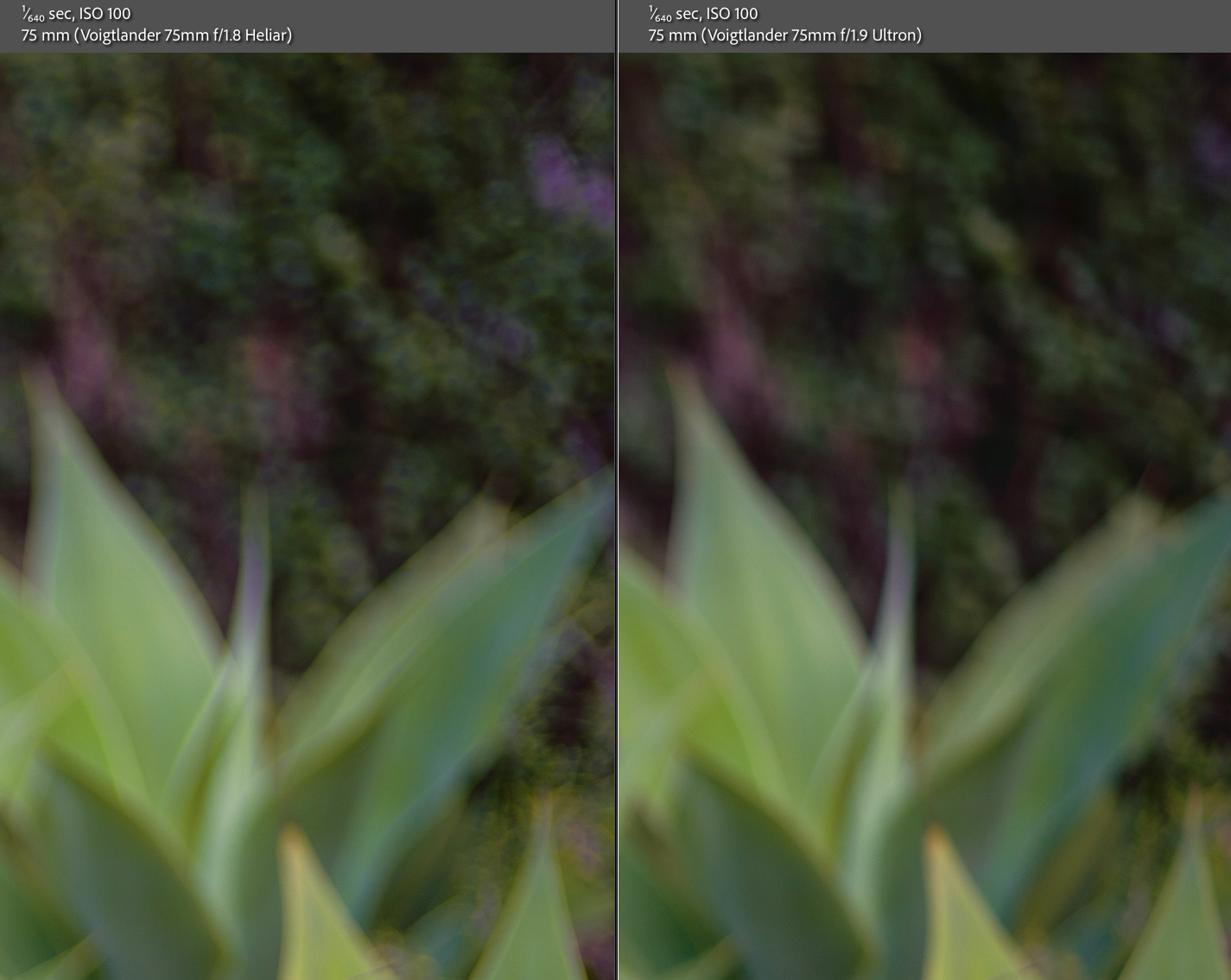
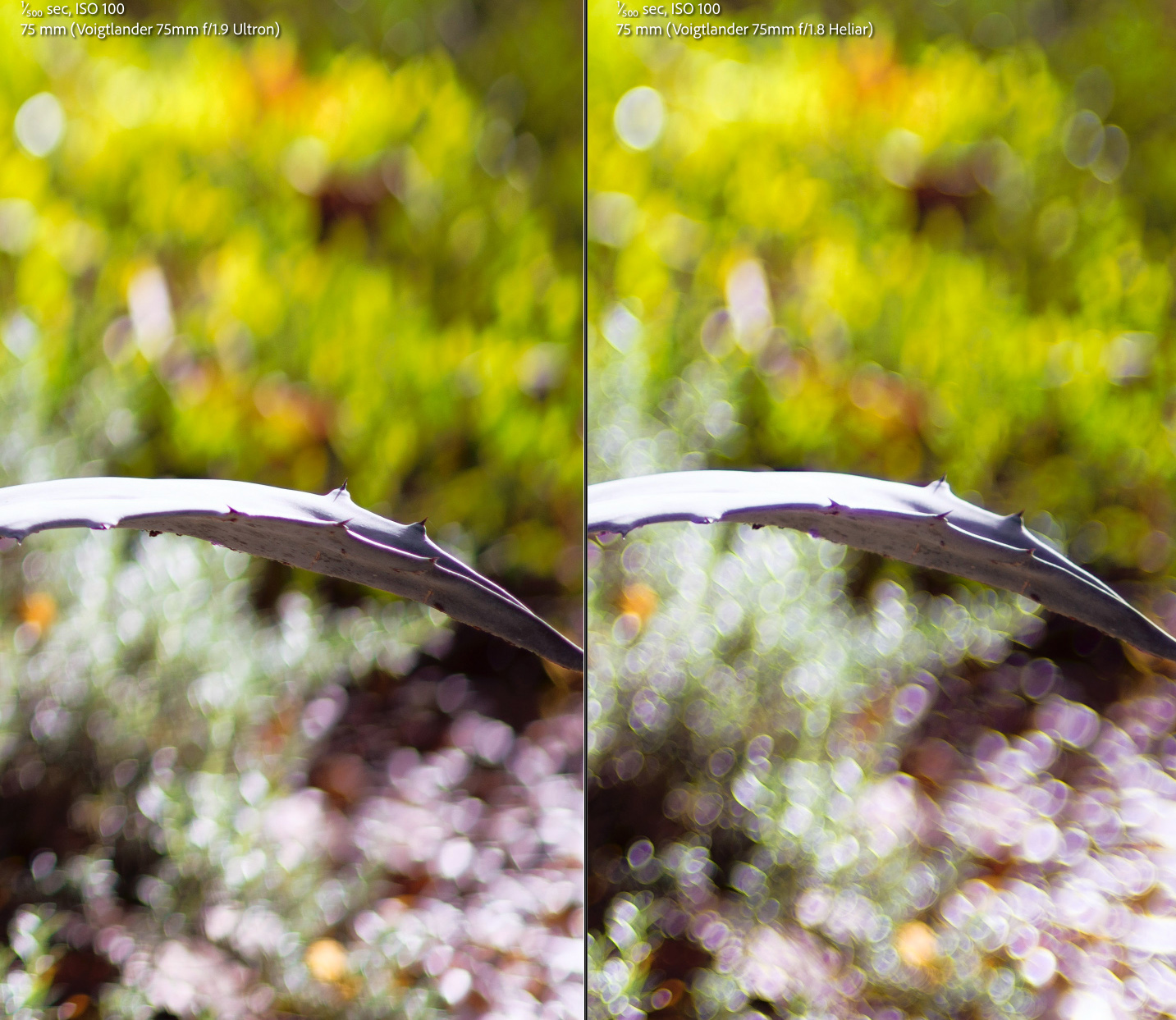
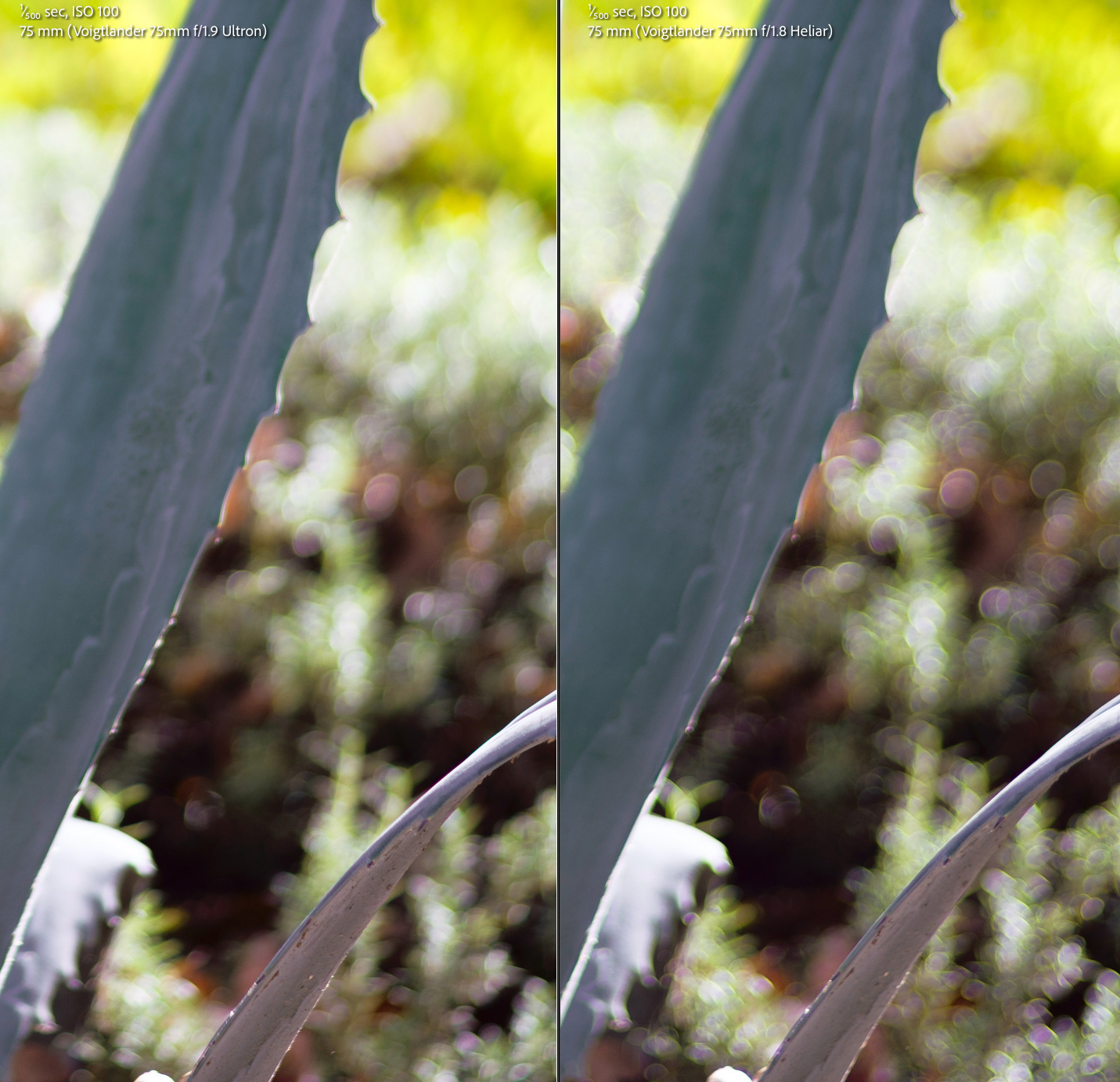
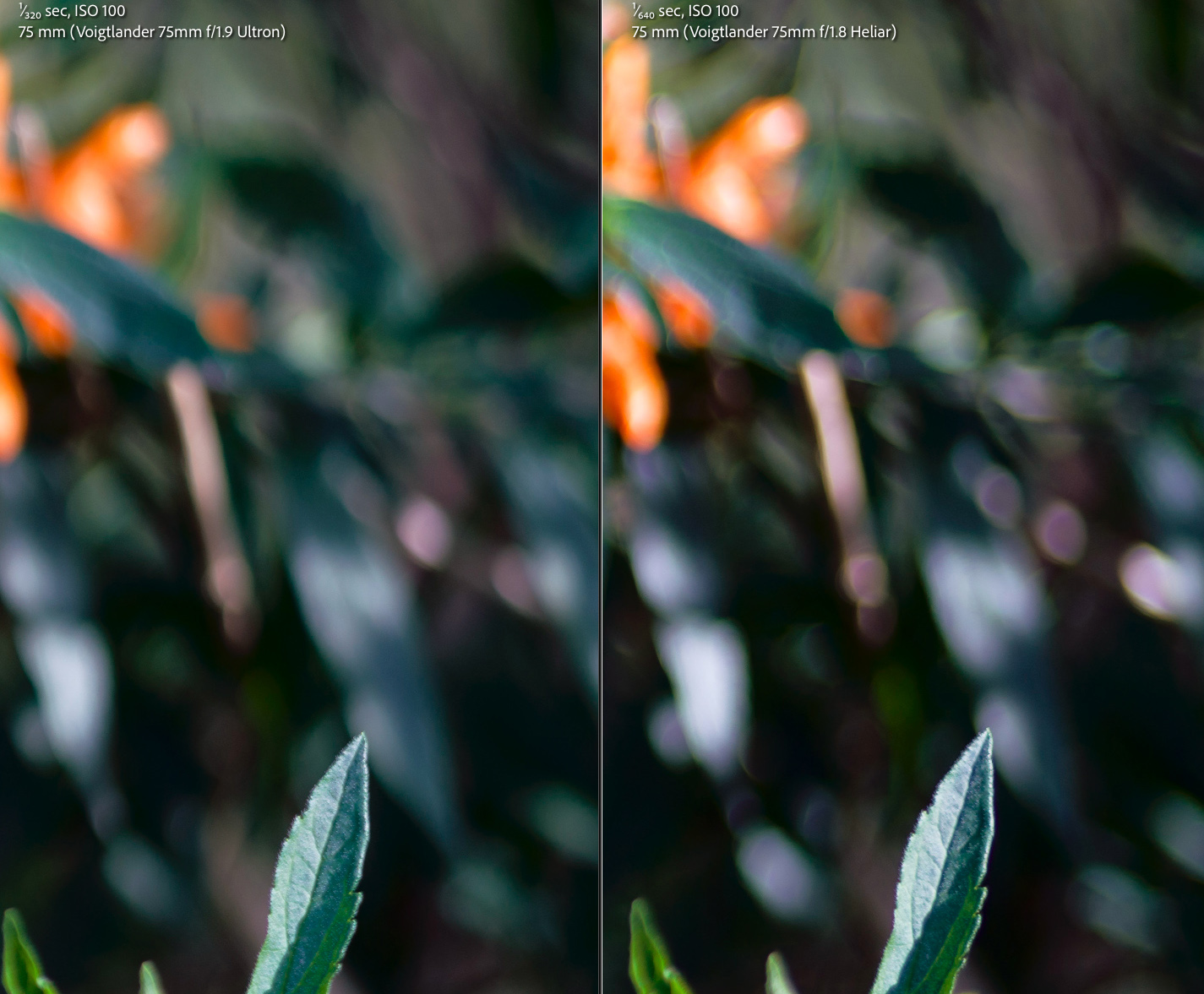
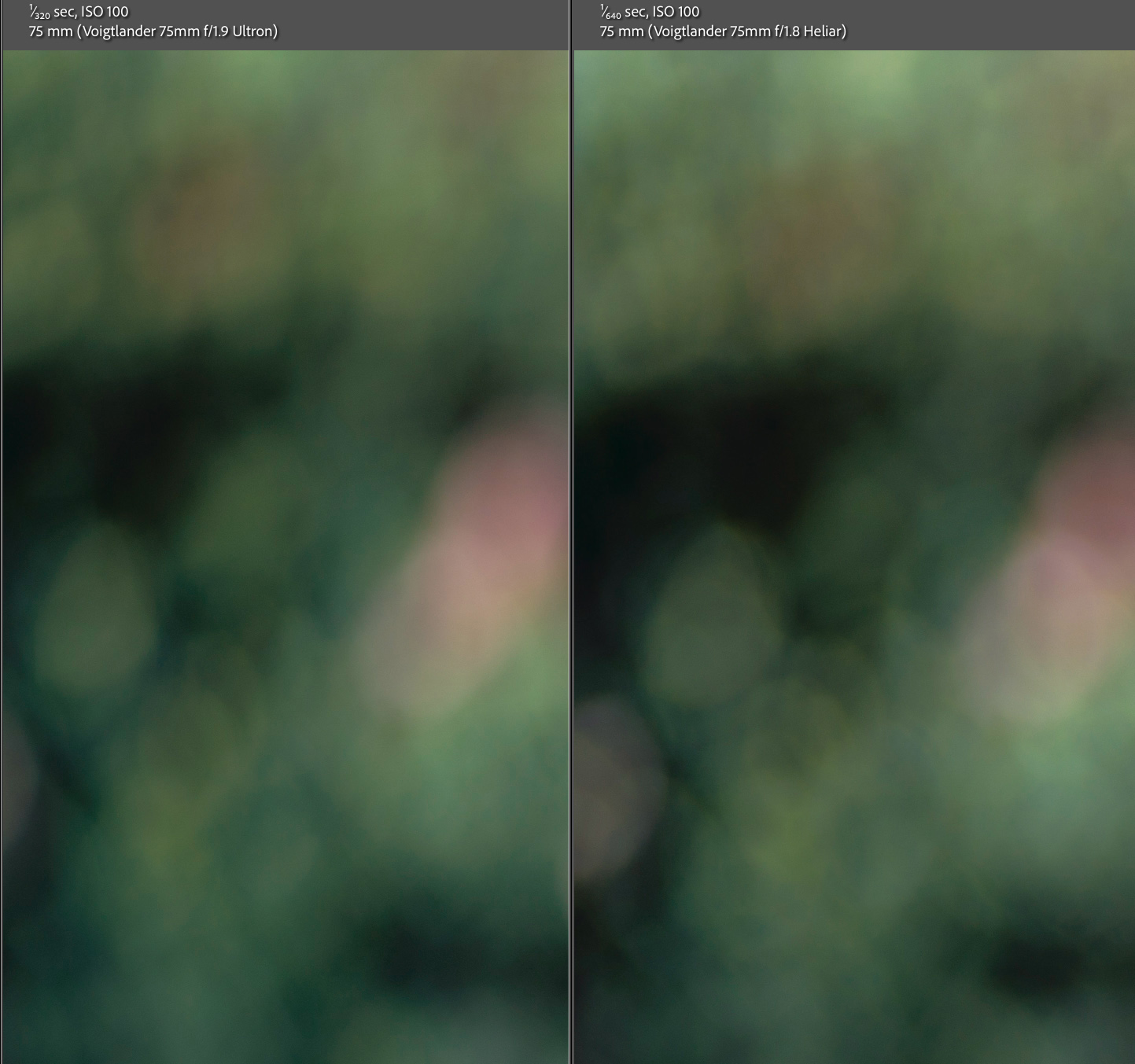
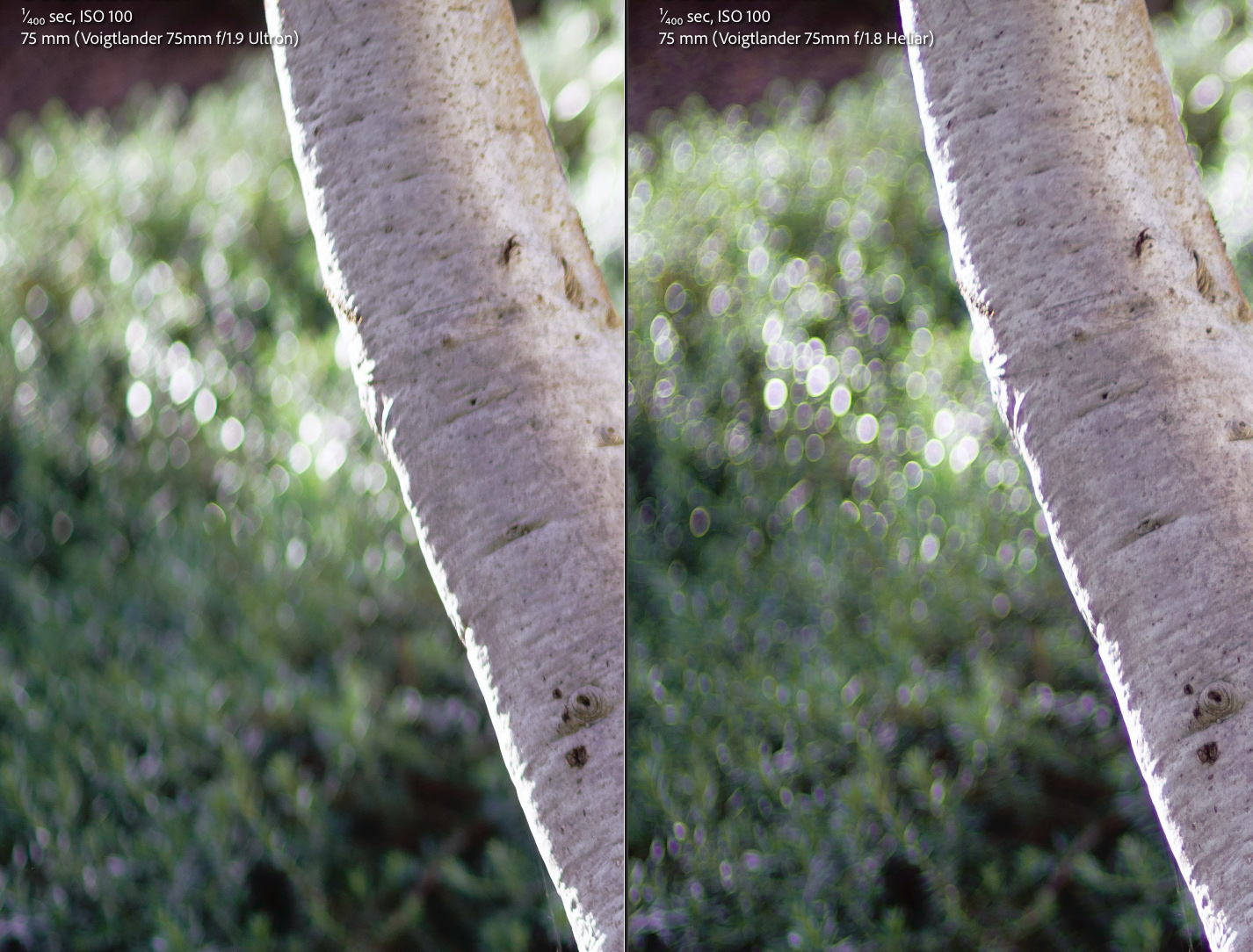
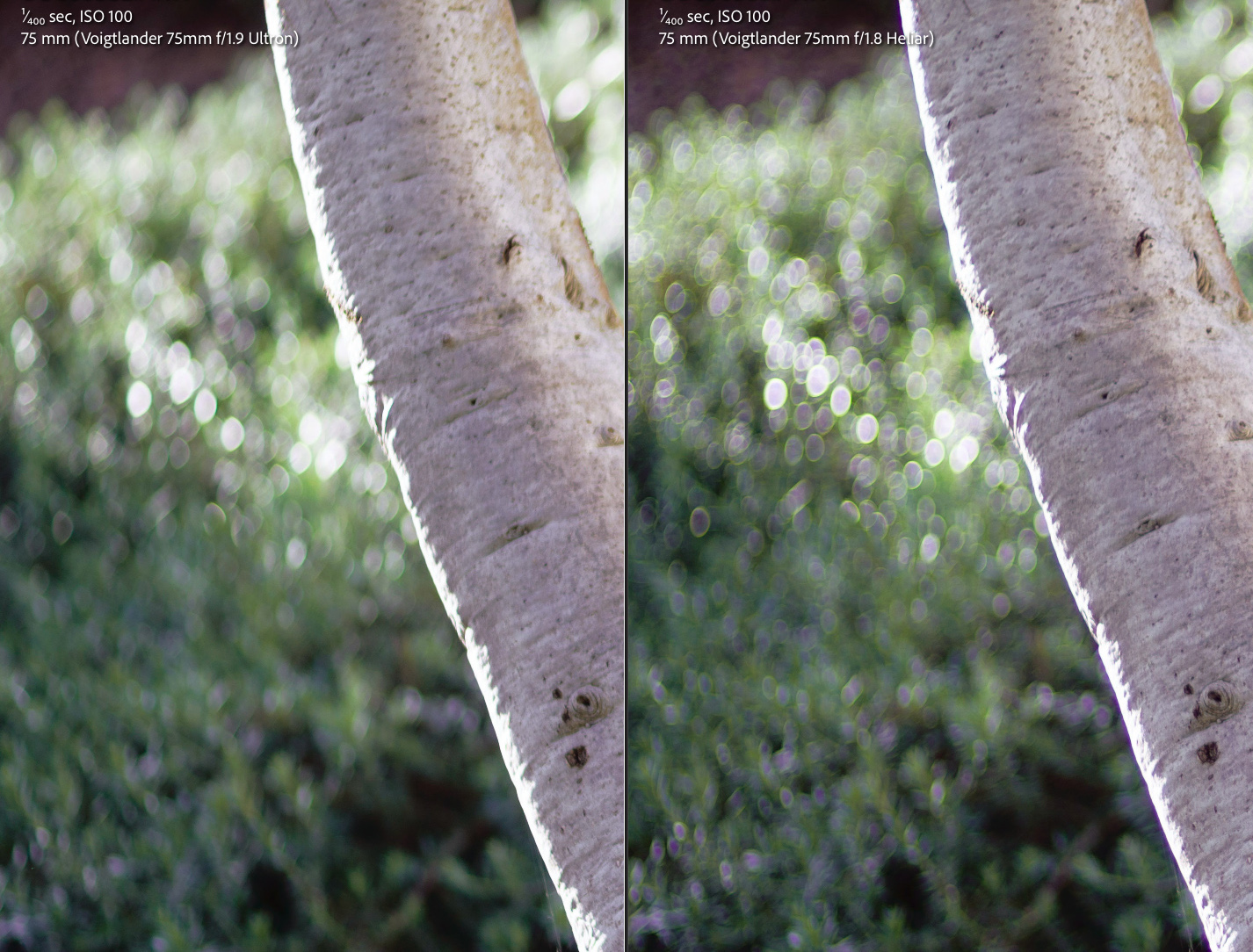
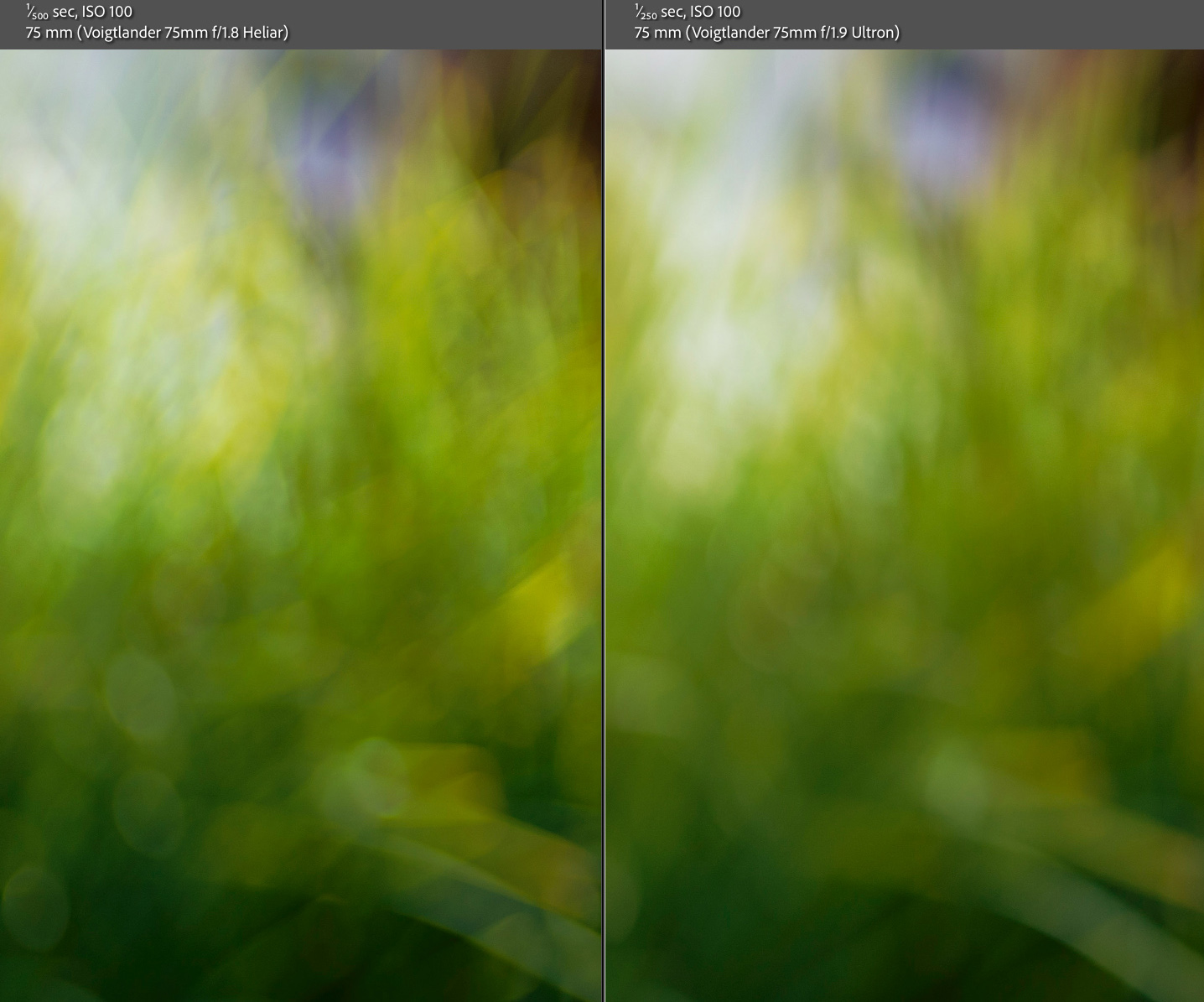
As the name suggests, the Voigtlander 75mm f/1.8 Heliar Classic lens offers a more 'classic' look, with slightly more distinct outlining and structure in the background blur, which suits my personal taste. It also has slightly less vignetting, resulting in reduced swirling. When focusing on subjects between 1 to 3 meters, both the Voigtlander 75mm f/1.9 Ultron and the 75mm f/1.8 Heliar produce similar resolution and contrast, and their color aberration control is also similar.
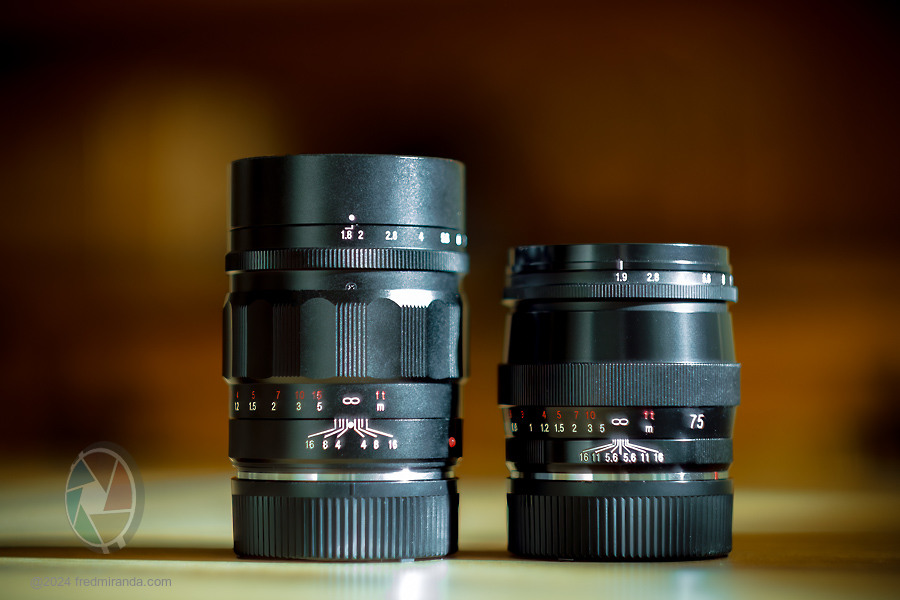
So, even though the 75mm f/1.8 Heliar is no longer being made, there are still used copies available for those who prefer its rendering over the newer 75/1.9 Ultron's smoother appearance. The Heliar is about 100 grams heavier and longer in size compared to the Ultron. Its minimum focusing distance is also limited to 0.9m. They have different distortion characteristics, with the Heliar showing noticeable pincushion distortion, while the other lens exhibits a slight barrel distortion.
When it comes to the feel and appearance, I prefer the classic barrel design of the 75/1.8 Heliar and its looser, more tactile aperture control.
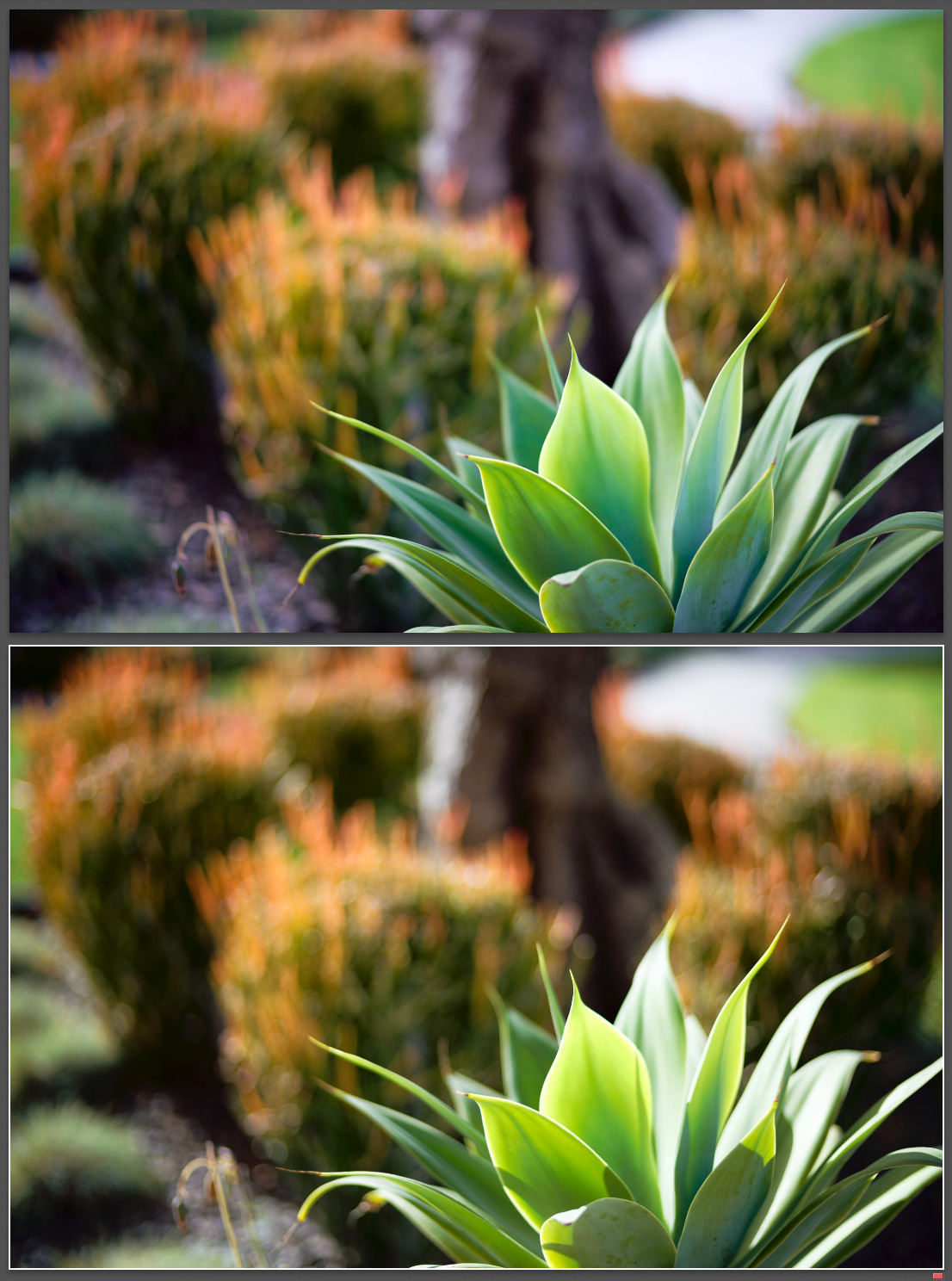
Sample 1: At 1m
Verify the lens name when comparing cropped images.
The Heliar Classic lens offers a more 'classic' rendering, with slightly more outlining and structure in the background out of focus area.
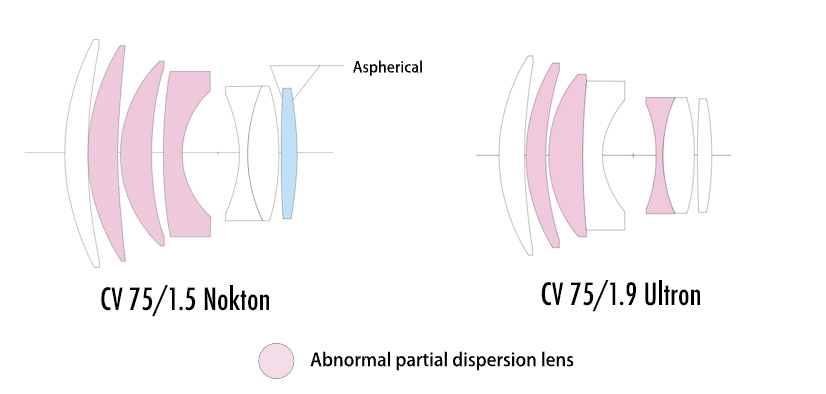
Pretty similar design in the 75/1.9 to the 75/1.5 that many enjoy, especially in the APD glass. Similar 'modern Voigtlander' direction in terms of 'smooth and rich' bokeh, with (my favourite) good retention of colour strength and colour separation inside that bokeh.
Many lenses treat bokeh as the 'rest of the image not in focus' and leave it as a toned down background, often it is detractive rather than additive to the image. They do this (I imagine) to give more emphasis to the main subject, but some viewers want to see more, to complement the subject. There is no intrinsic reason to not spread the goodness across the image. Good to see them catering to different preferences here.
philip_pj wrote:
Pretty similar design in the 75/1.9 to the 75/1.5 that many enjoy, especially in the APD glass. Similar 'modern Voigtlander' direction in terms of 'smooth and rich' bokeh, with (my favourite) good retention of colour strength and colour separation inside that bokeh.
Many lenses treat bokeh as the 'rest of the image not in focus' and leave it as a toned down background, often it is detractive rather than additive to the image. They do this (I imagine) to give more emphasis to the main subject, but some viewers want to see more, to complement the subject. There is no intrinsic reason to not spread the goodness across the image. Good to see them catering to different preferences here....Show more →
Absolutely, Philip. The optical designs of both lenses are very similar. I believe that the 75/1.9 lens shares a lot of the same characteristics in its rendering as the 75/1.5 lens when used at similar apertures. For those who want a bit more spice in the background blur, there is always the 75/1.8 Heliar Classic, MS Optics 73mm/1.5 Sonnetar, and the Leica 75/1.4 Lux.