highdesertmesa wrote:
Fred, thanks so much for these. This really has me thinking about keeping my current copy that is calibrated for f/2.8 with the rangefinder (noticeably front-focuses at f/1.9 with the M11 rangefinder). I think I may like the 2.8 images the best.
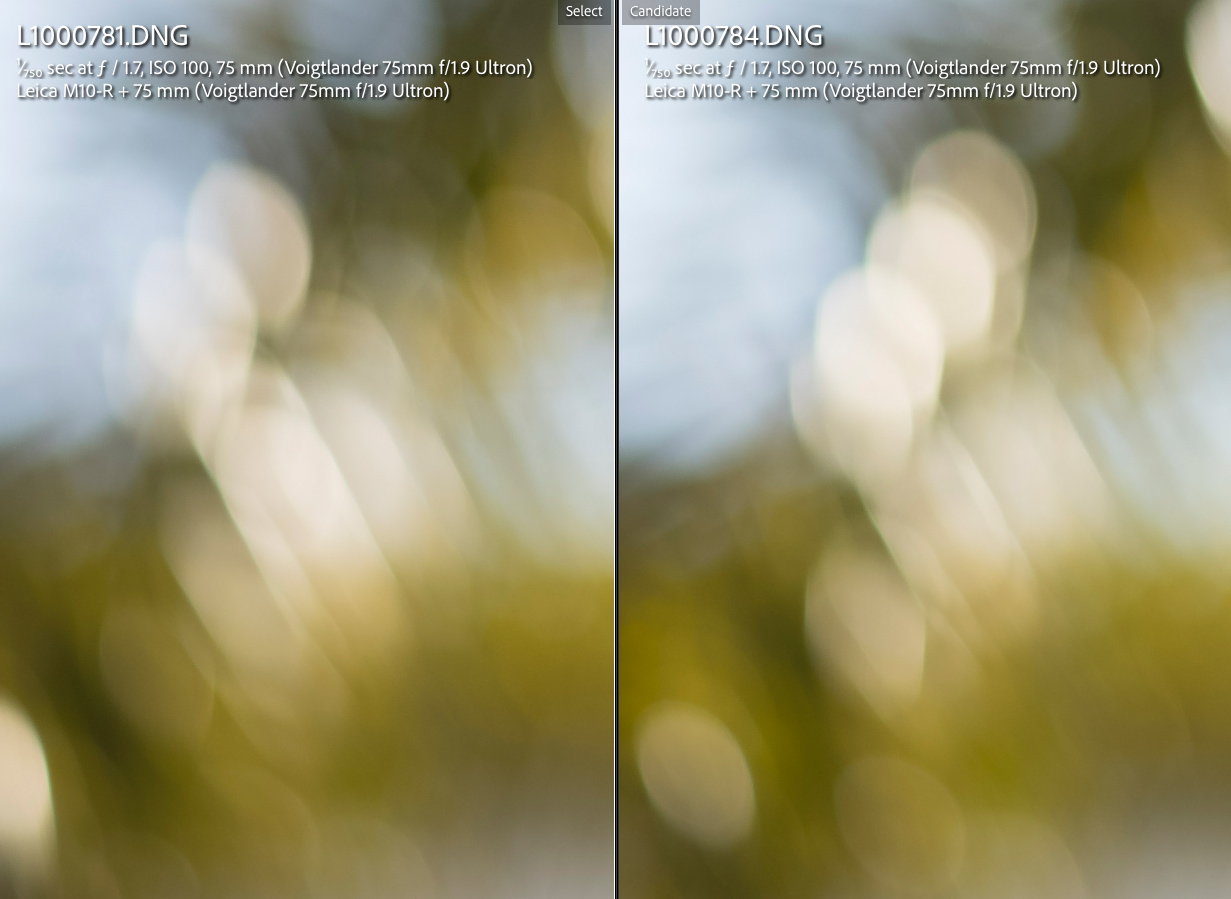
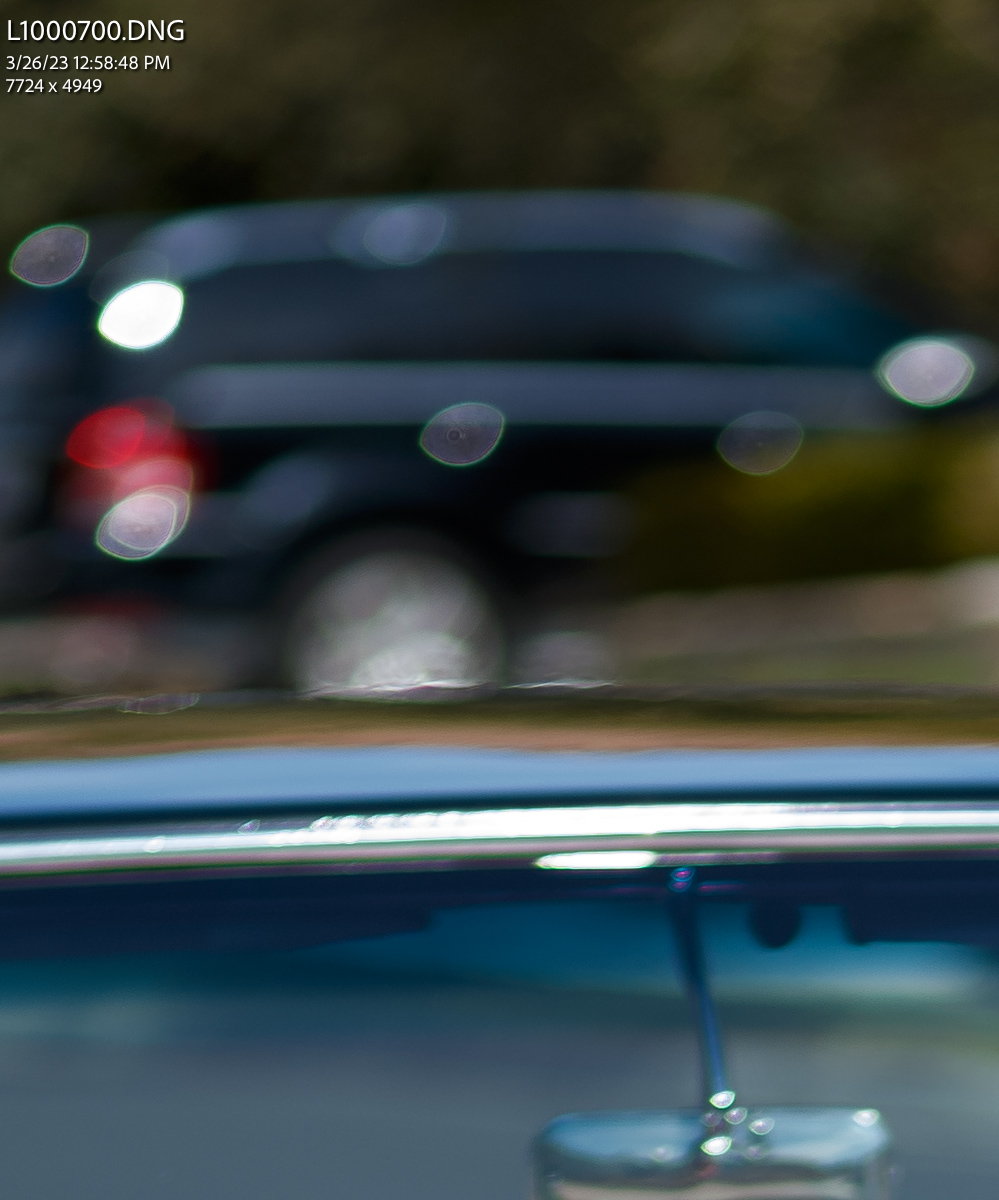
What's your preference between 1.9 and 2.8? I would be exchanging cat's eye bokeh balls at the edges at f/1.9 for octagon but rounder bokeh balls at f/2.8, but 2.8 looks much more refined overall. And I could always shoot the lens using live view or move it to the SL2-S if I want to shoot it wide open....Show more →
Choosing to decrease the aperture to f/2.4 can offer a beneficial balance between achieving a more circular specular highlight shape without any discernible decagon shape, and also experiencing a slight increase in contrast and resolution.
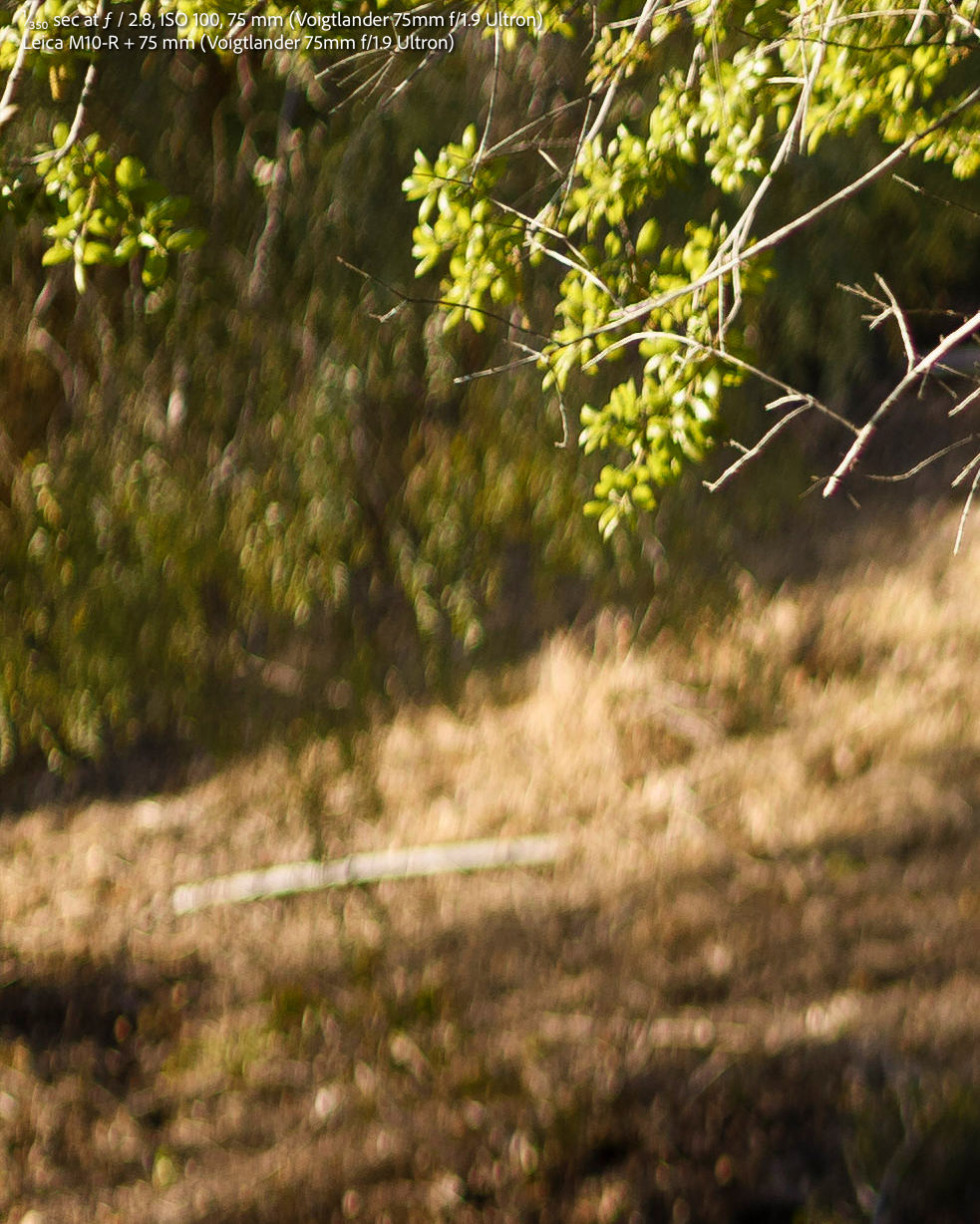
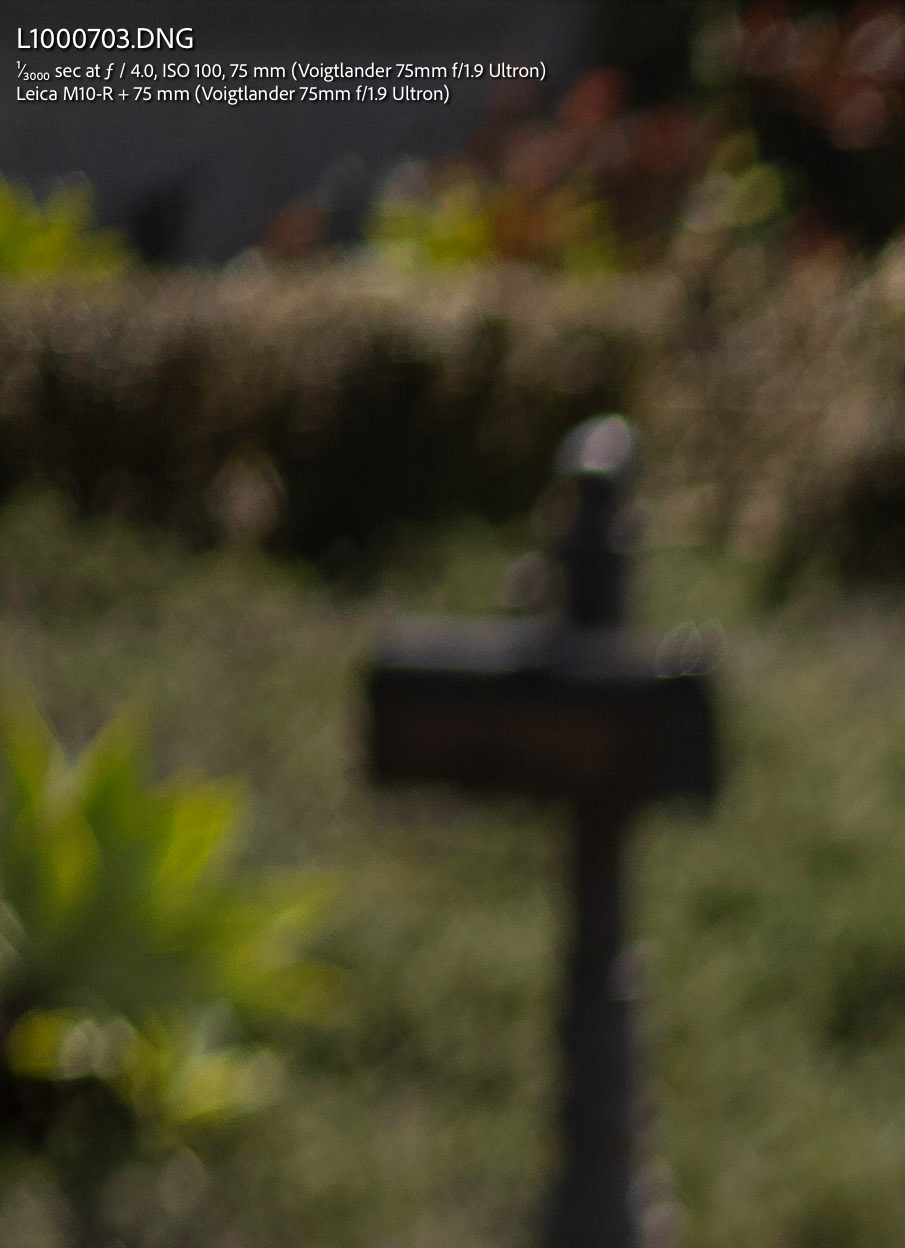
As you can see in the crops below, there is a small difference between f/1.9 and f/2.4:
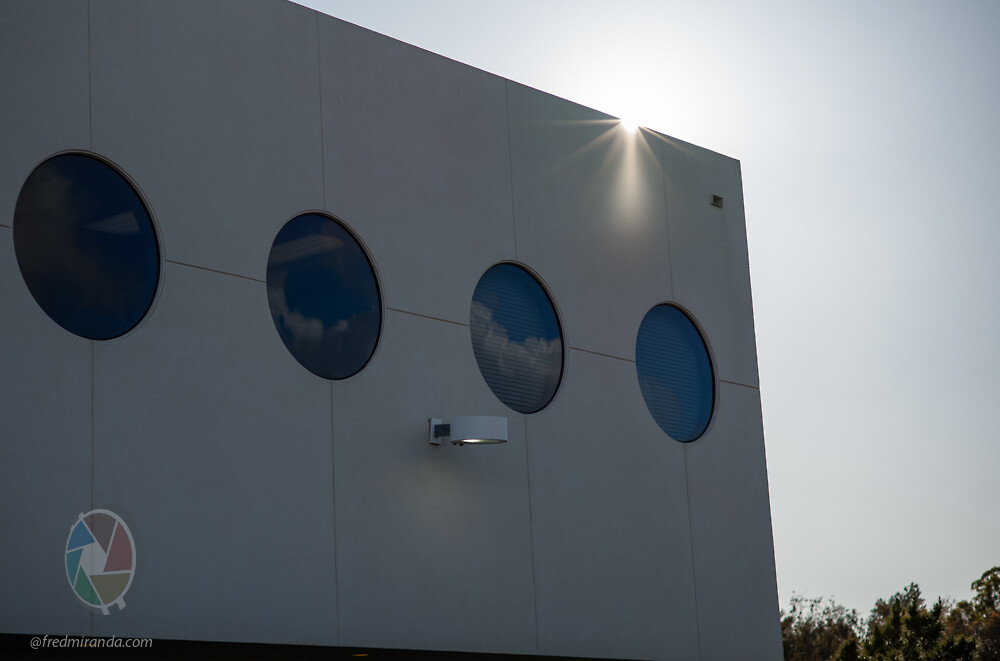
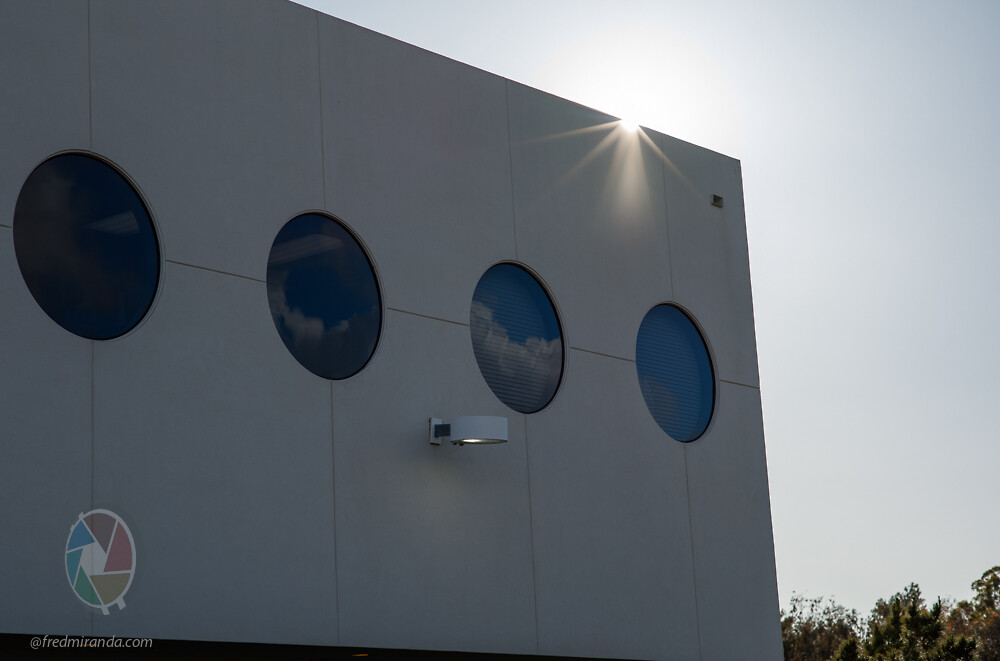
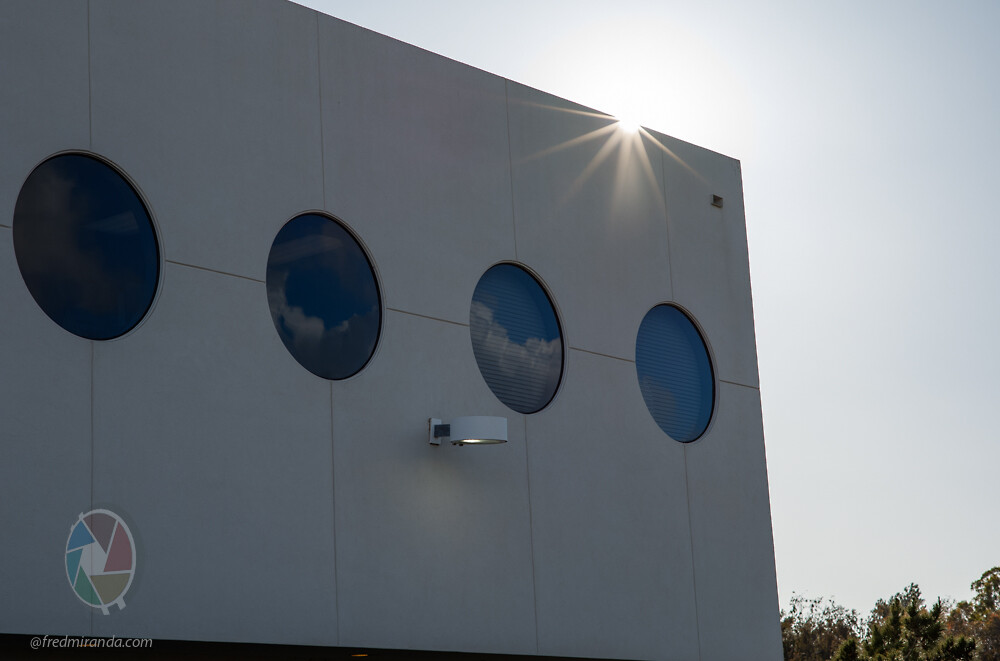
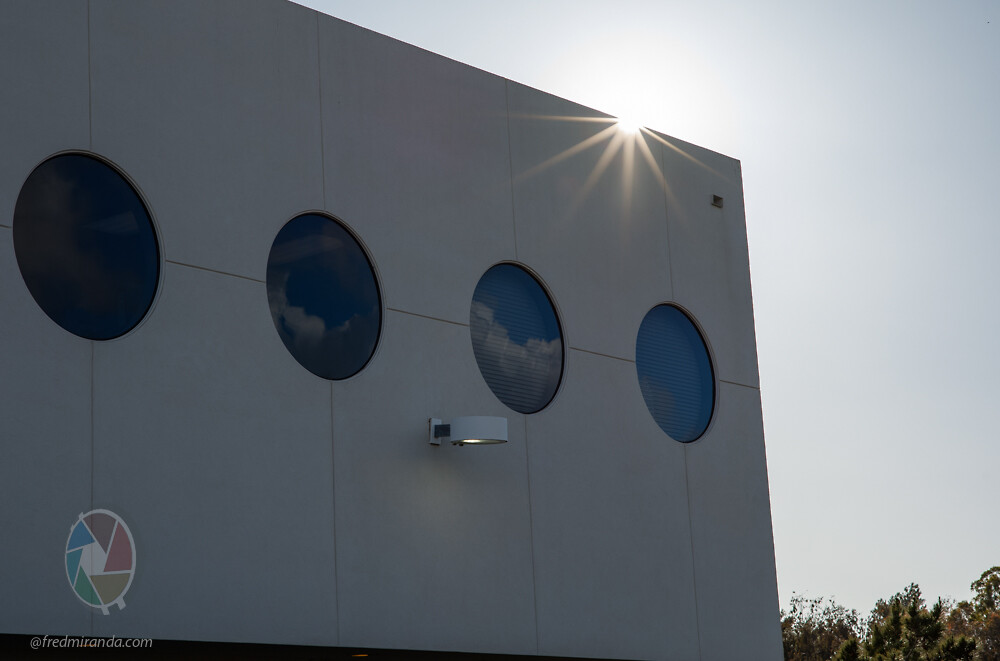
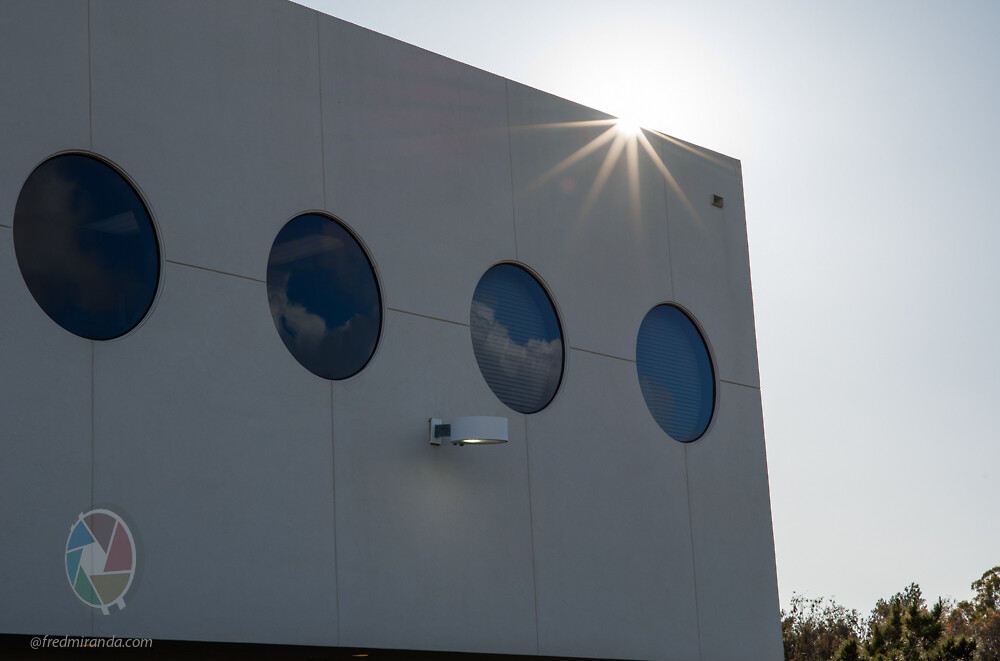
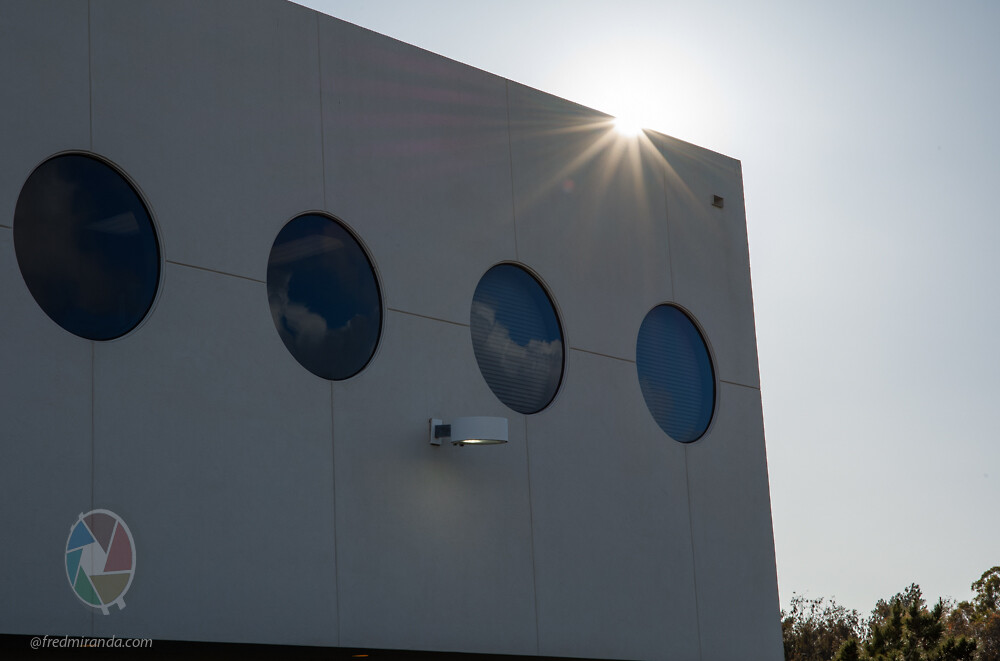
The Voigtlander 75mm f/1.9 Ultron lens can produce well-defined sunstars at f/4, with the best results occurring between f/5.6 and f/11. Even at f/2.8, the lens is capable of producing decent sunstars with 12 points, thanks to its 12-blade aperture mechanism with straight blades.
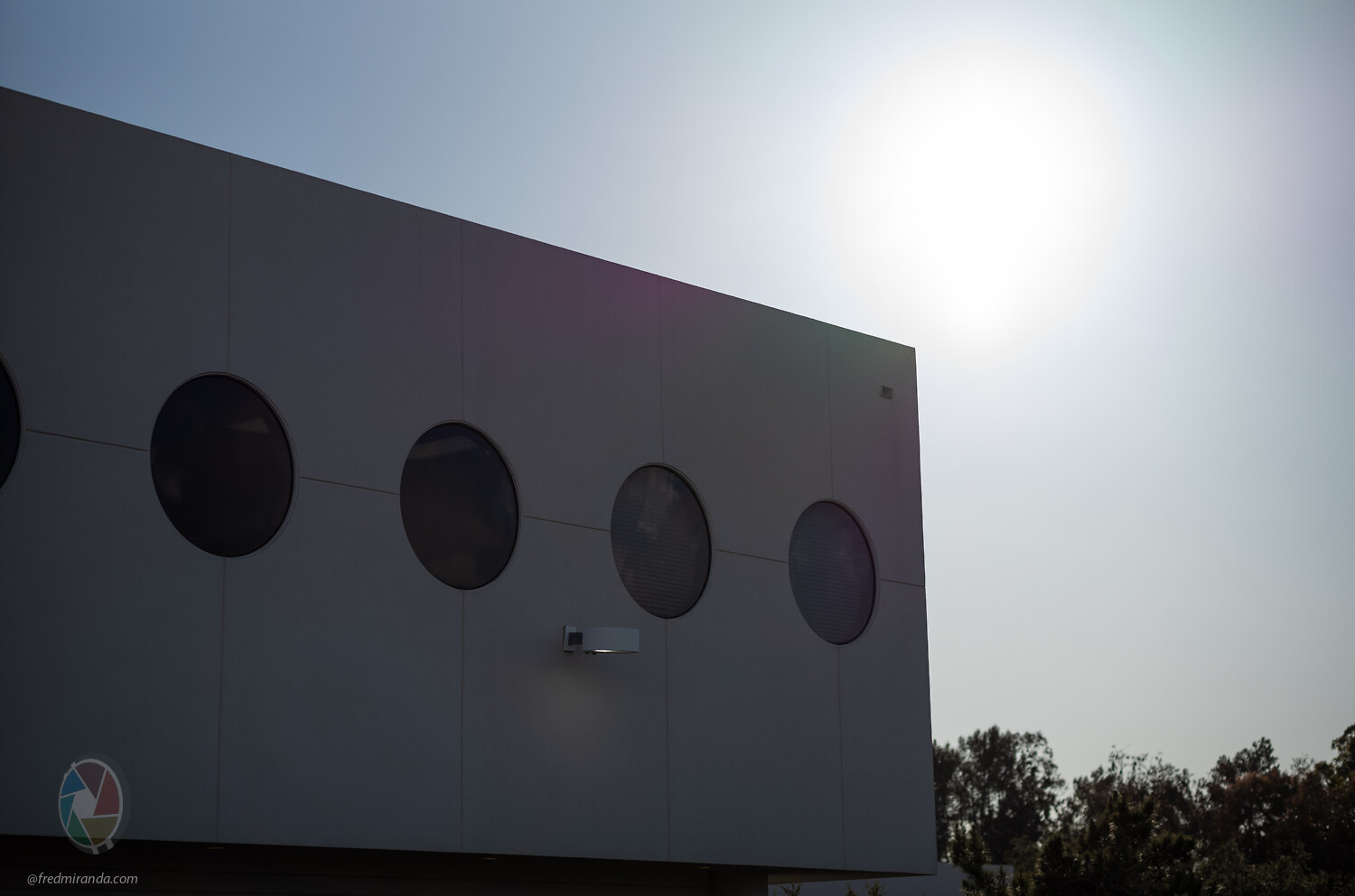
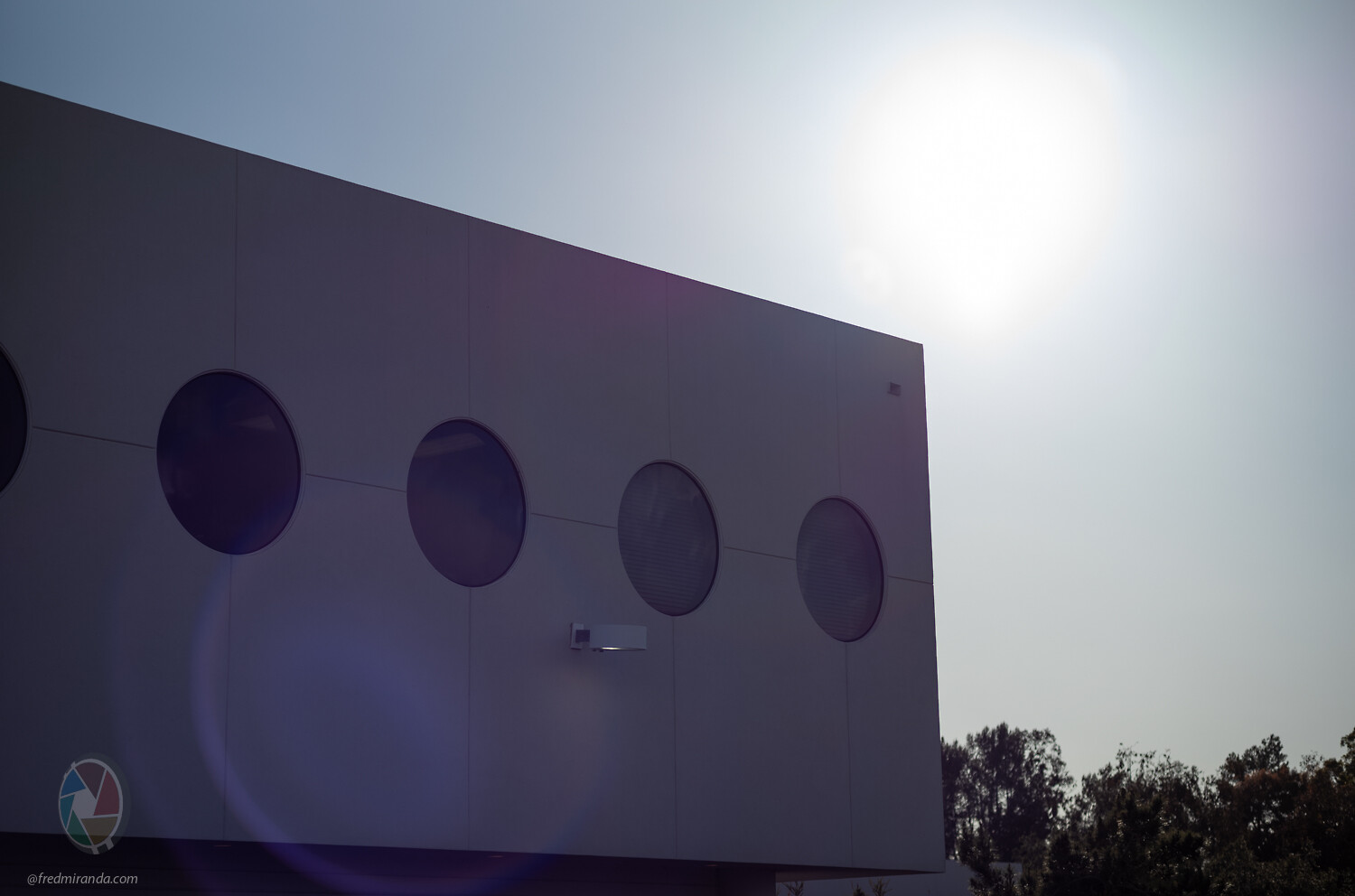
During the test, the 'lens detection' was turned off to observe the natural appearance of vignetting without any Leica profile attached to the DNG file. It's worth noting that the Voigtlander 75mm f/1.9 Ultron MC was used for this aperture sequence, and it exhibited excellent performance in terms of ghosting and veiling flare, even when the sun was in the frame. This lens has stronger than average flare resistance for a telephoto lens.
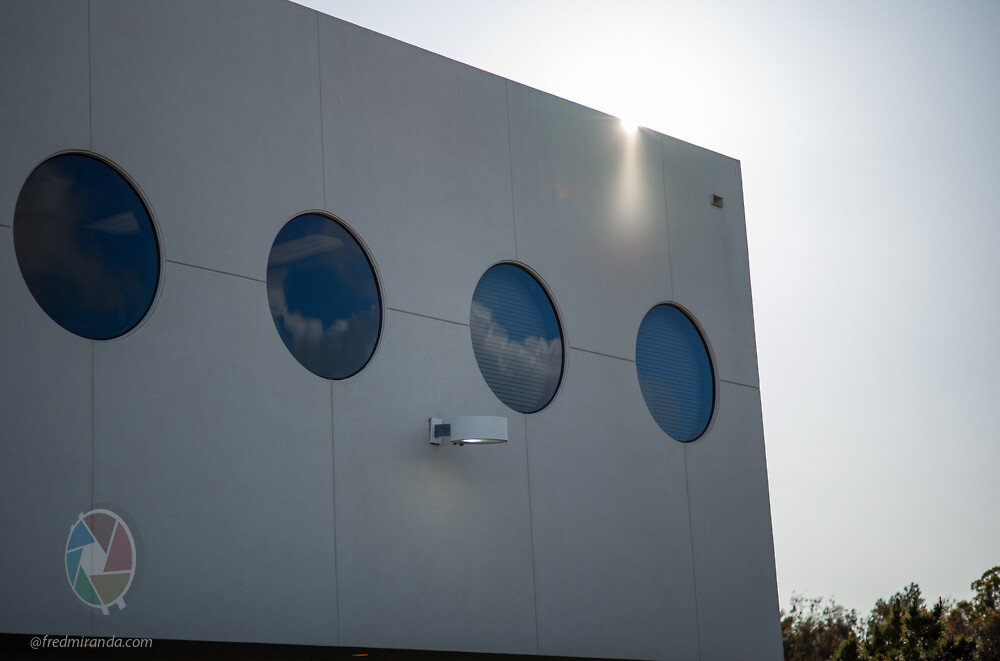
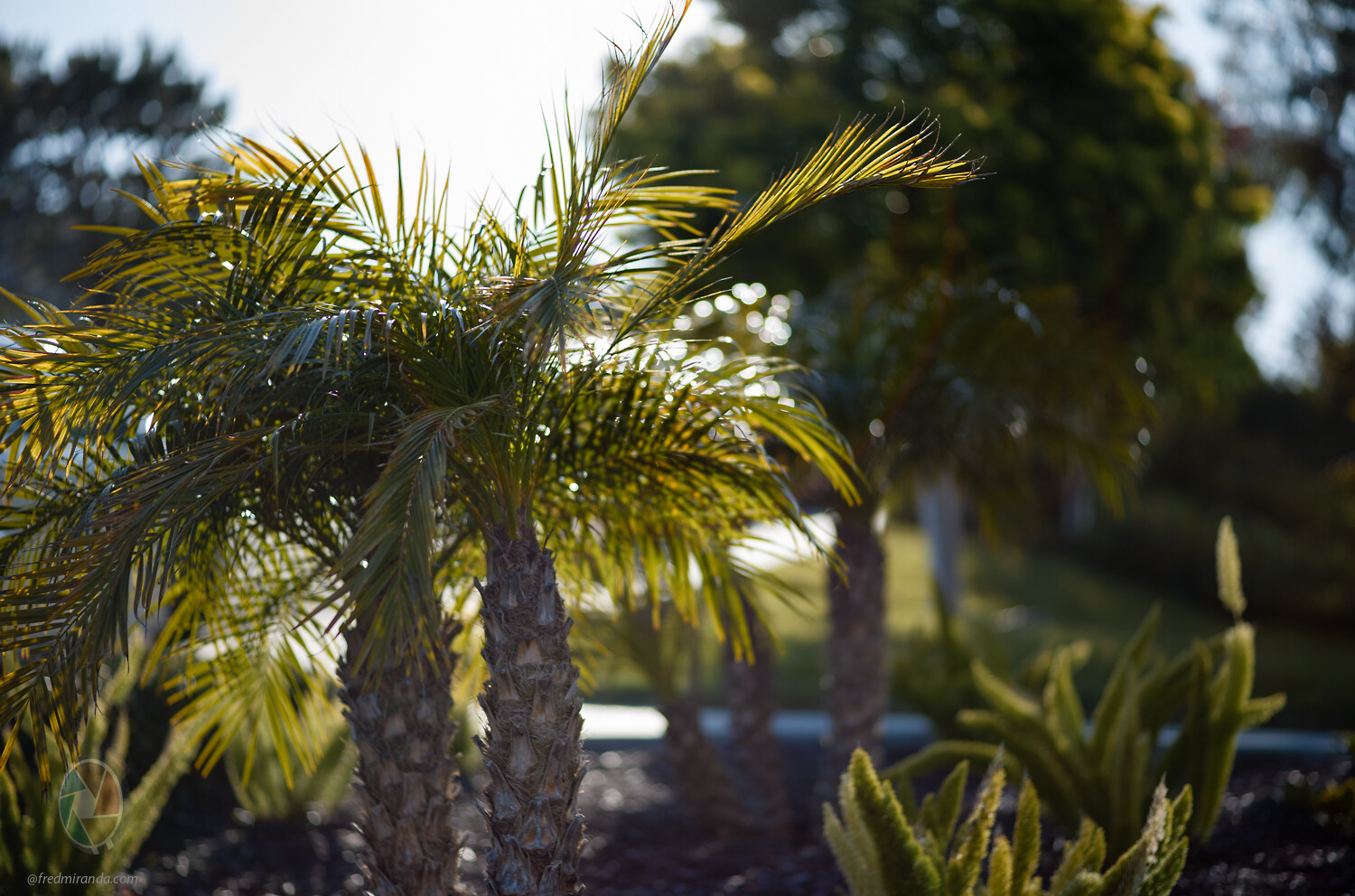
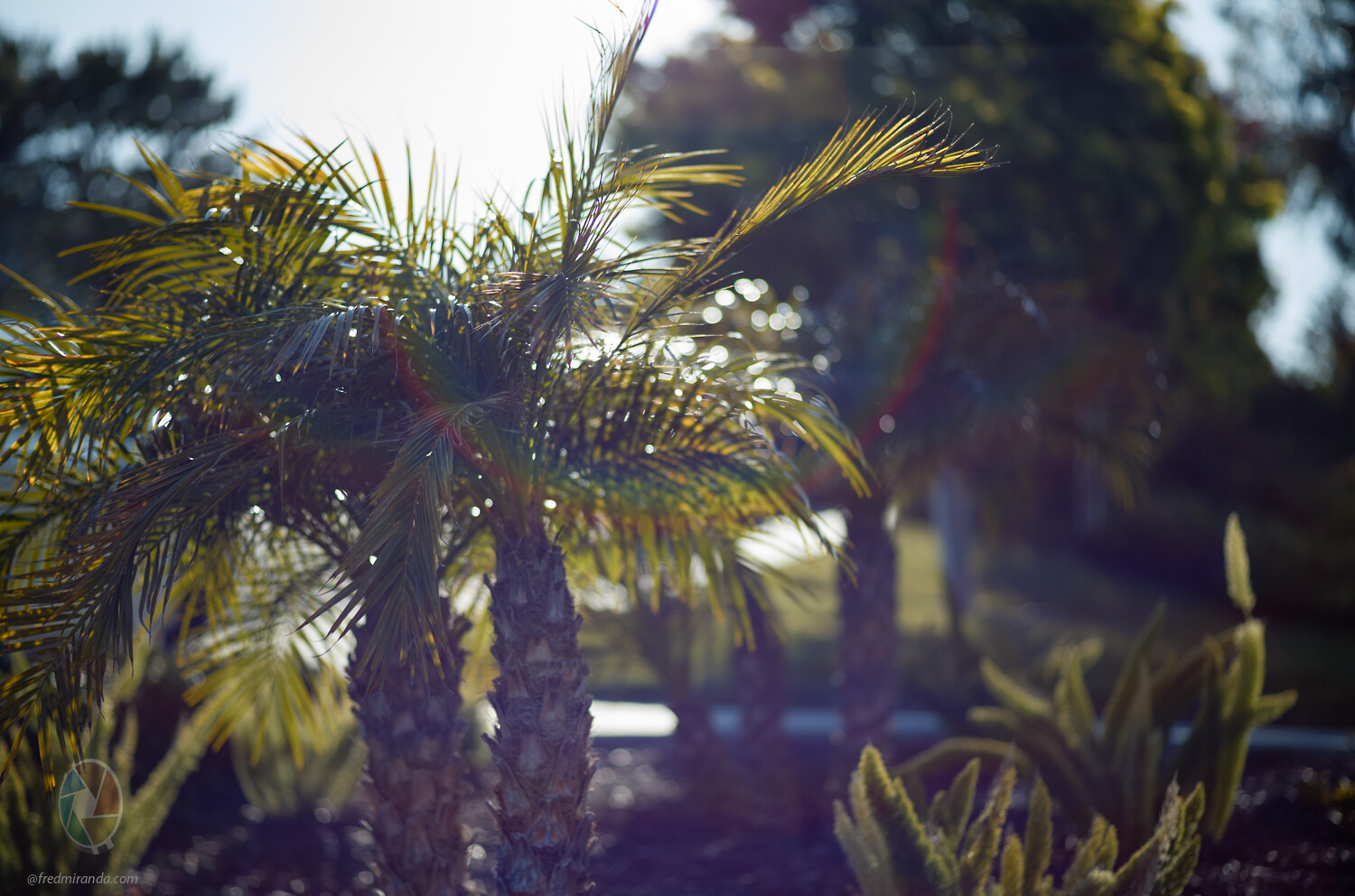
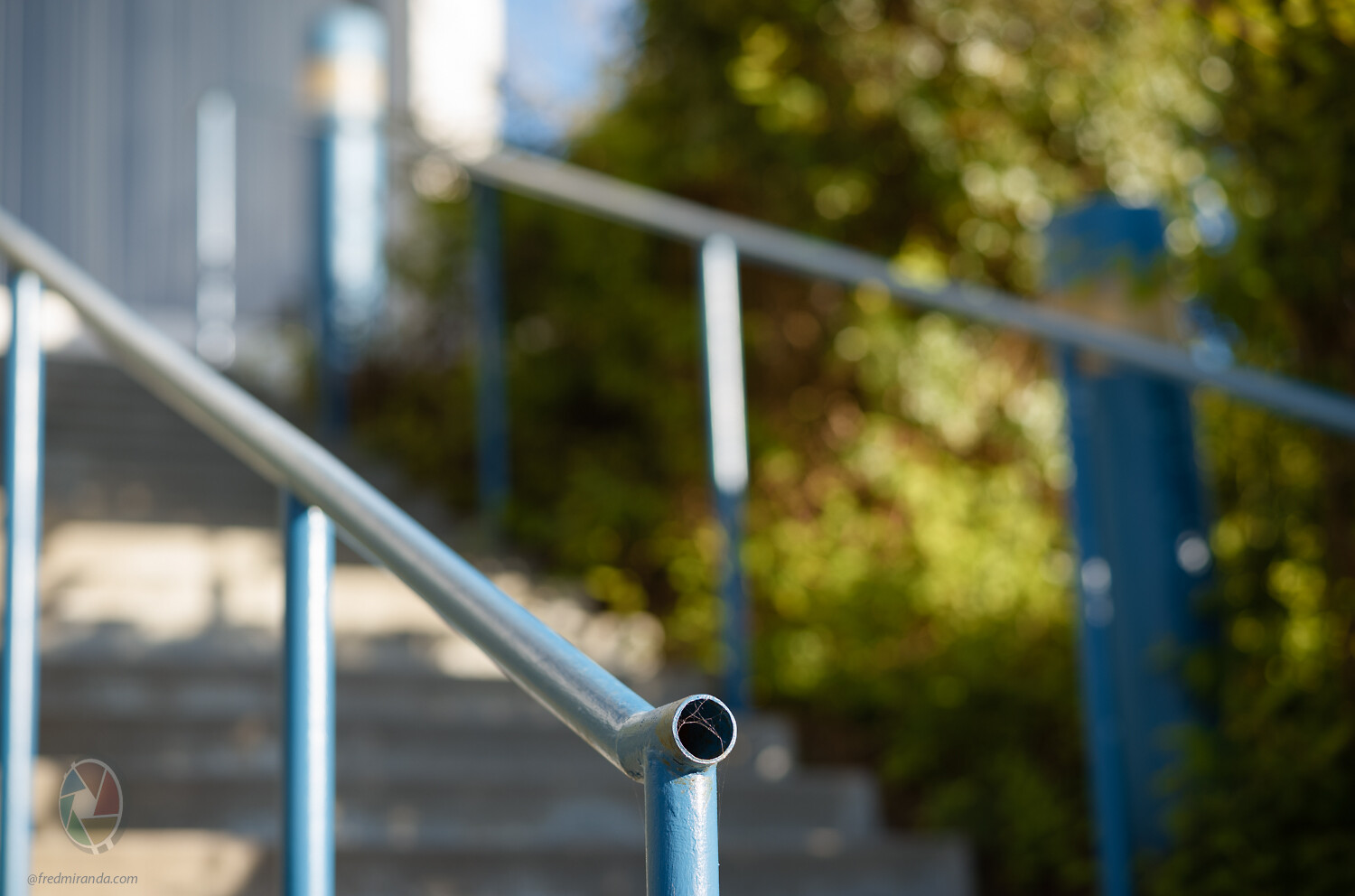
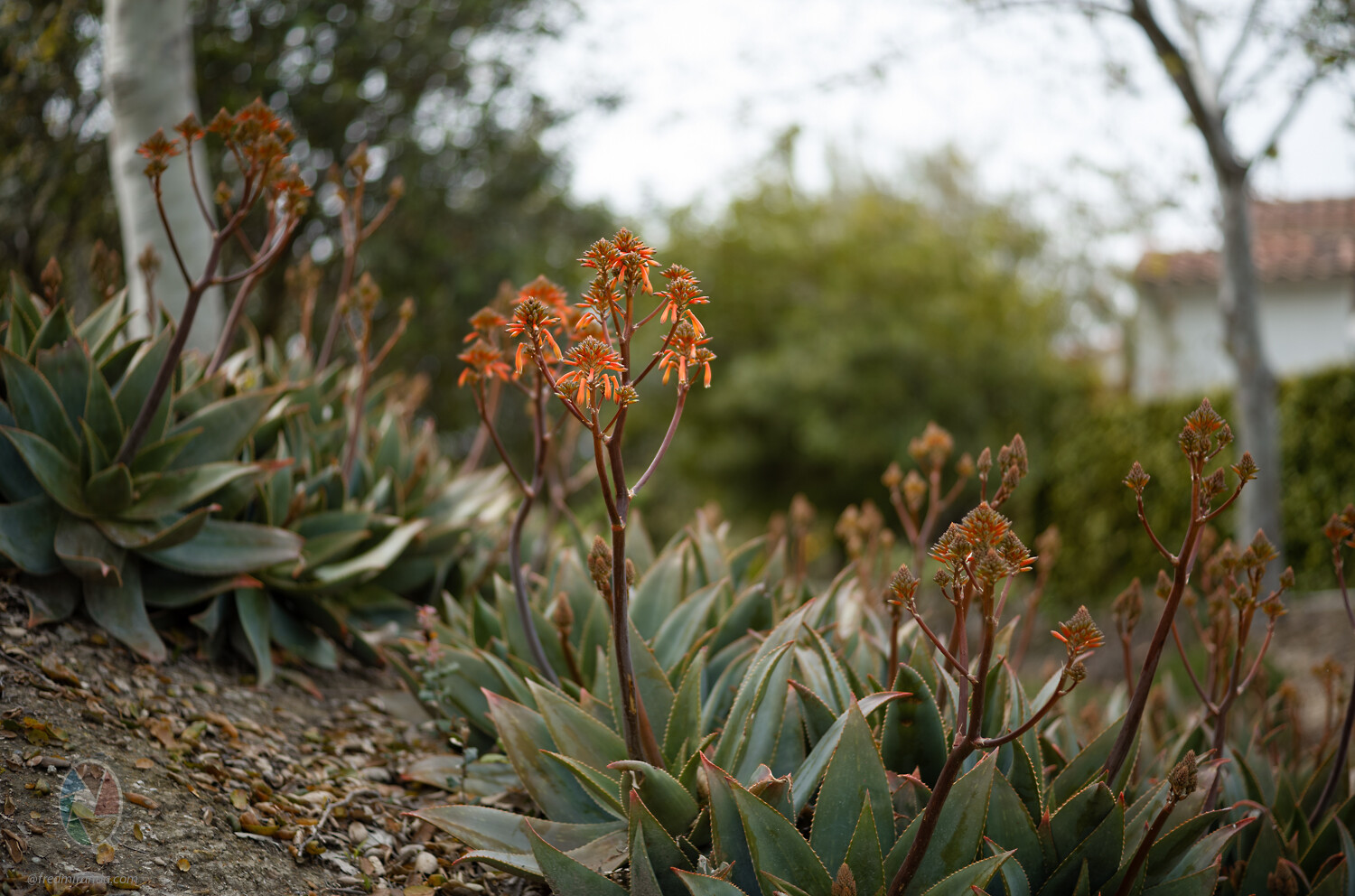
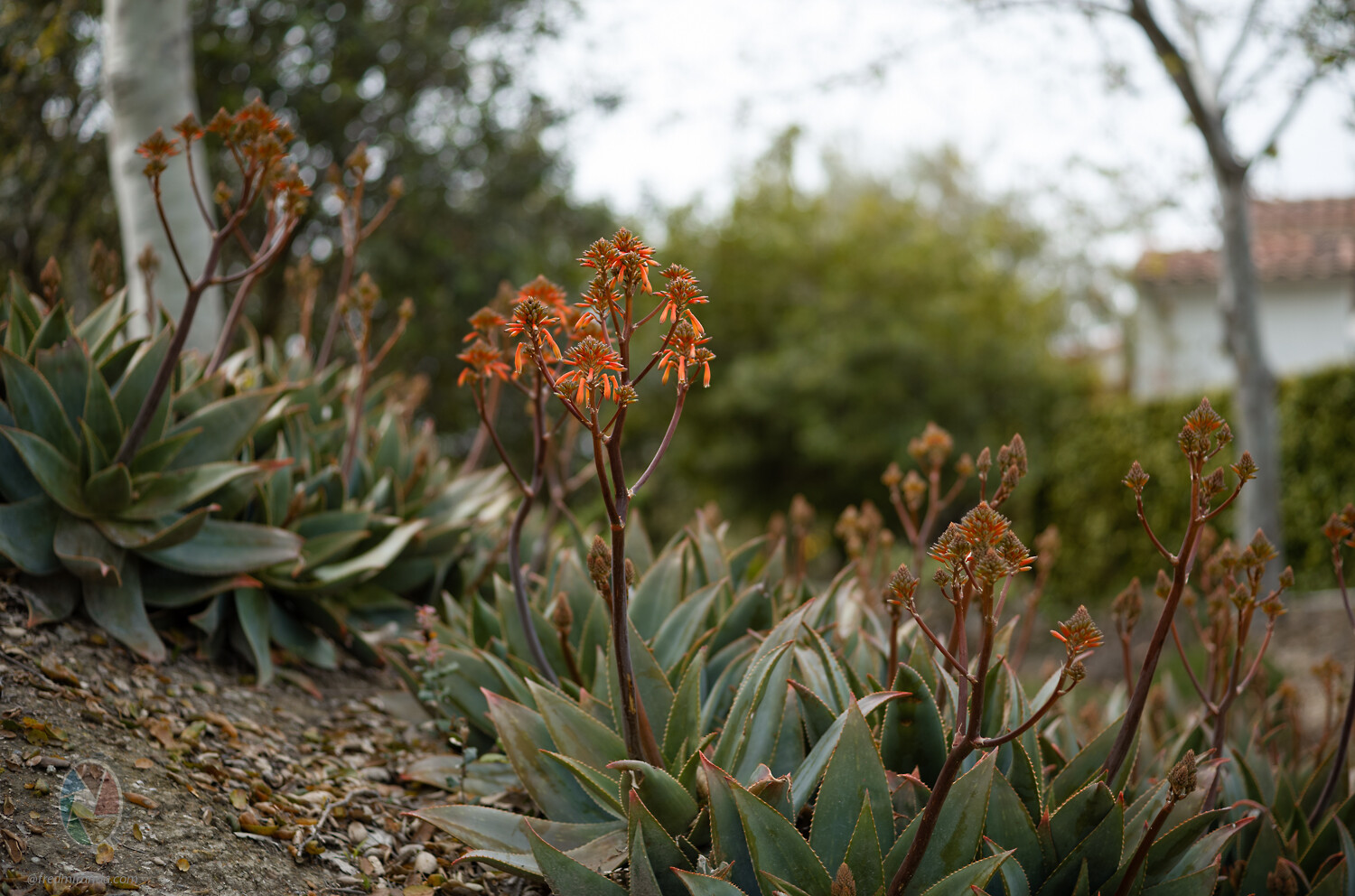
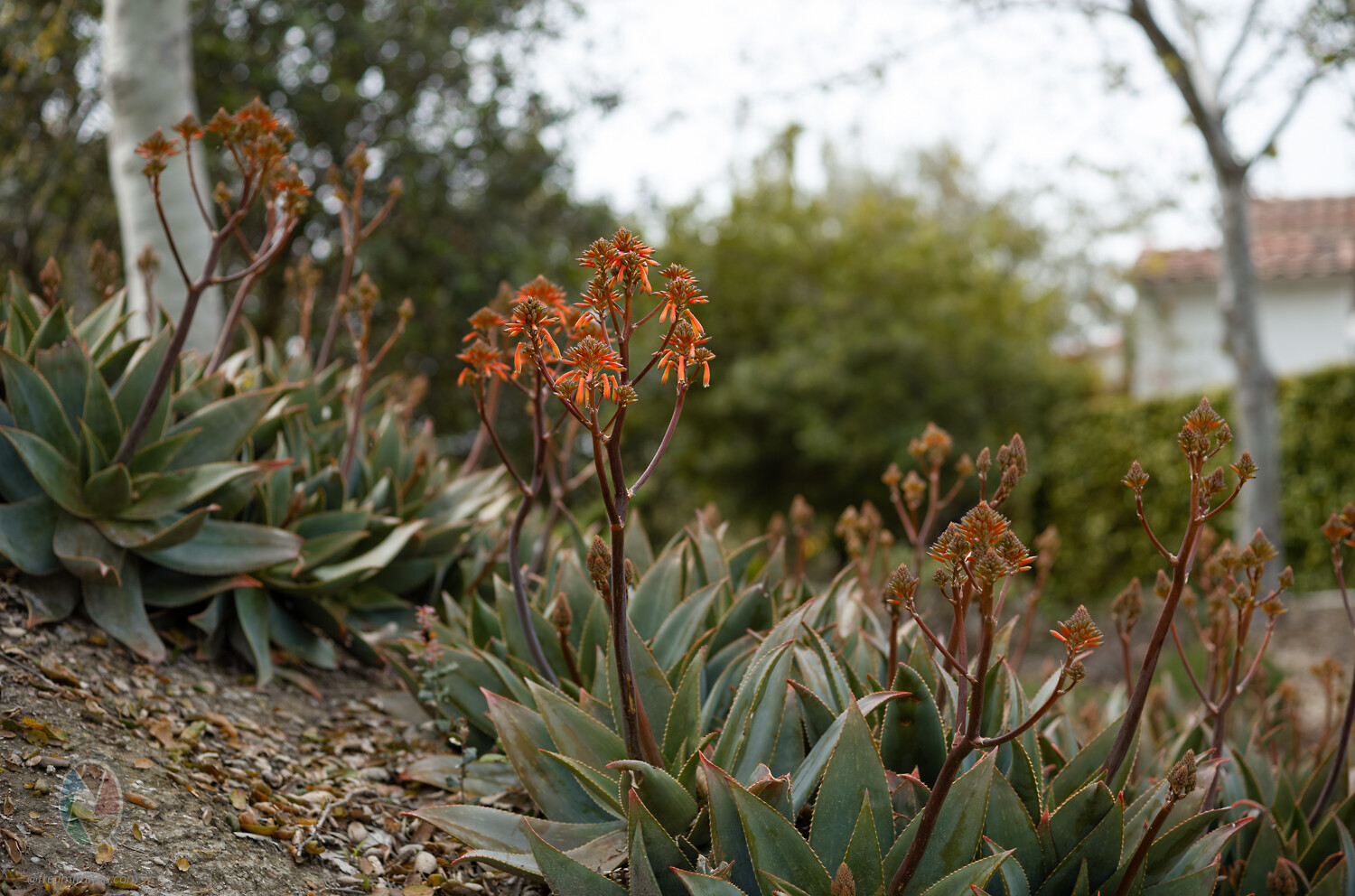
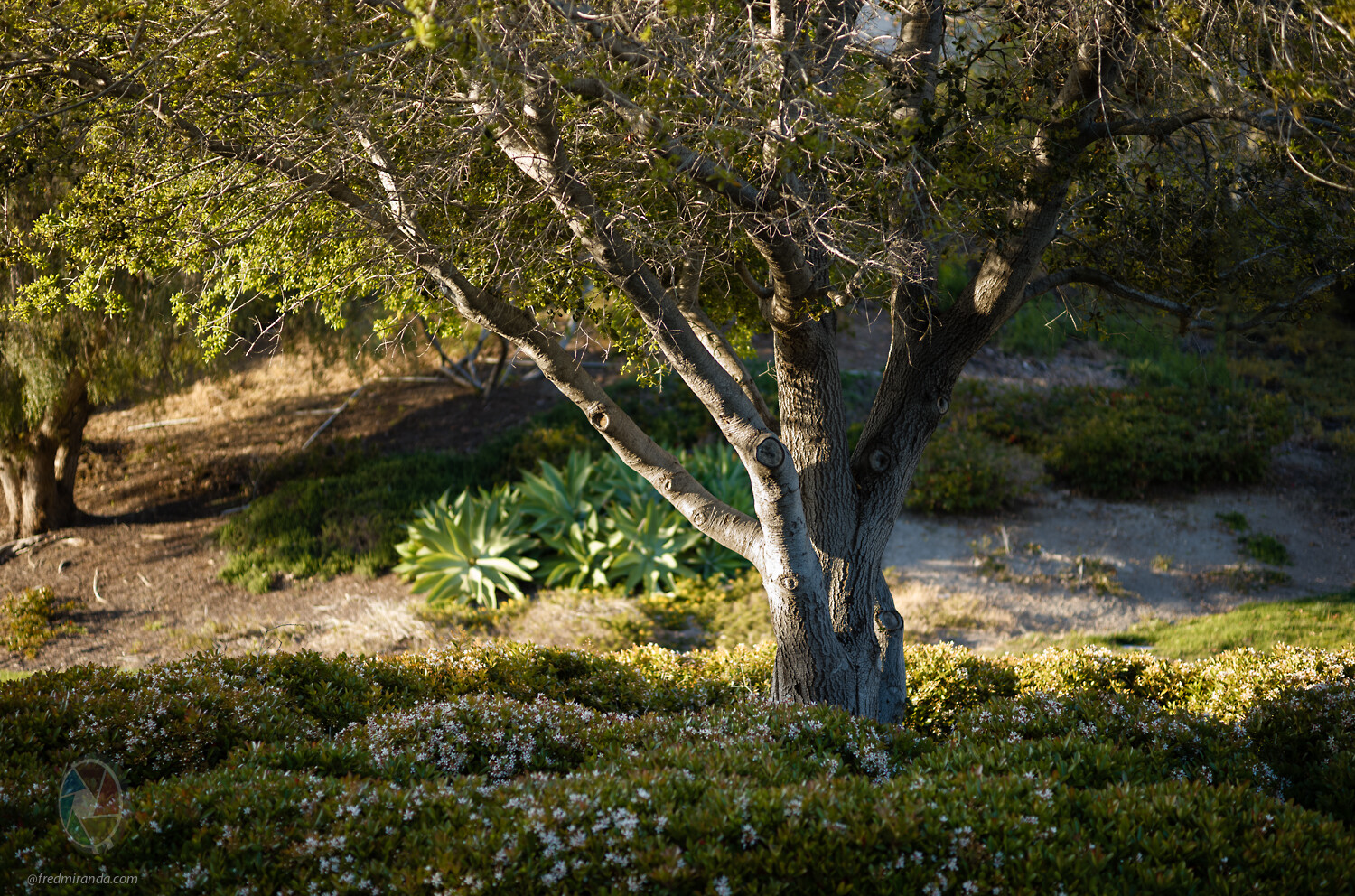
The following is a sequence of aperture settings used in the test, ranging from f/1.9 to f/16 in full-stop increments:
The Voigtlander 75mm f/1.9 Ultron lens is available in both single-coated and multi-coated versions. The difference between the two lies in the number of coatings applied to the lens elements.
The single-coated version has a single layer of coating on each lens element, which helps reduce reflections and flare. On the other hand, the multi-coated version has multiple layers of coating on each element, providing better protection against reflections, ghosting, and flare.
As a result, the multi-coated version of the Voigtlander 75mm f/1.9 Ultron lens is generally considered to be superior to the single-coated version, especially in situations where strong light sources are present in the frame. Although the multi-coated version performs better in handling strong light sources and produces images with improved contrast and color saturation, some photographers or filmmakers may still prefer the single-coated version for its cinematic appearance.
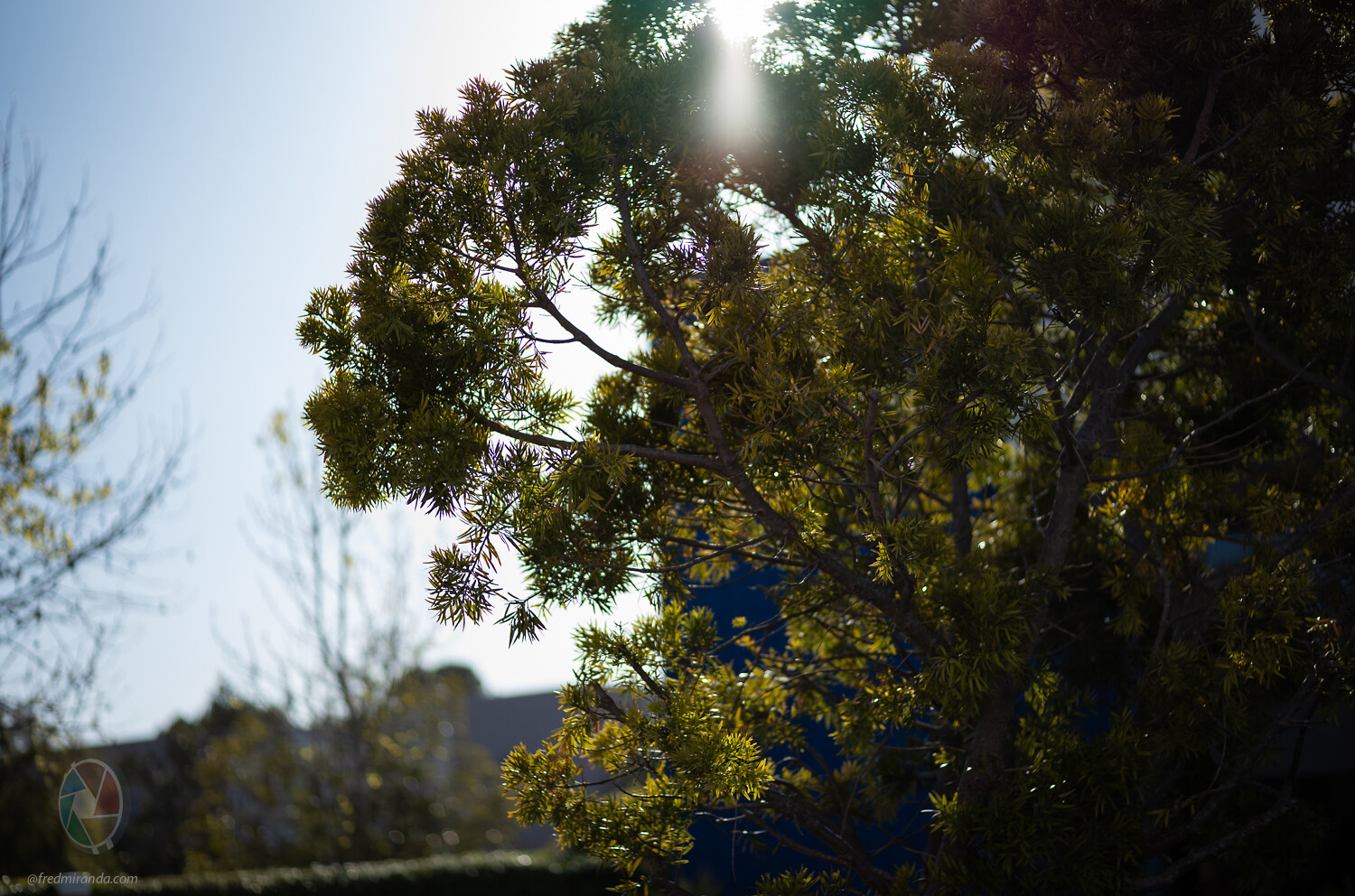
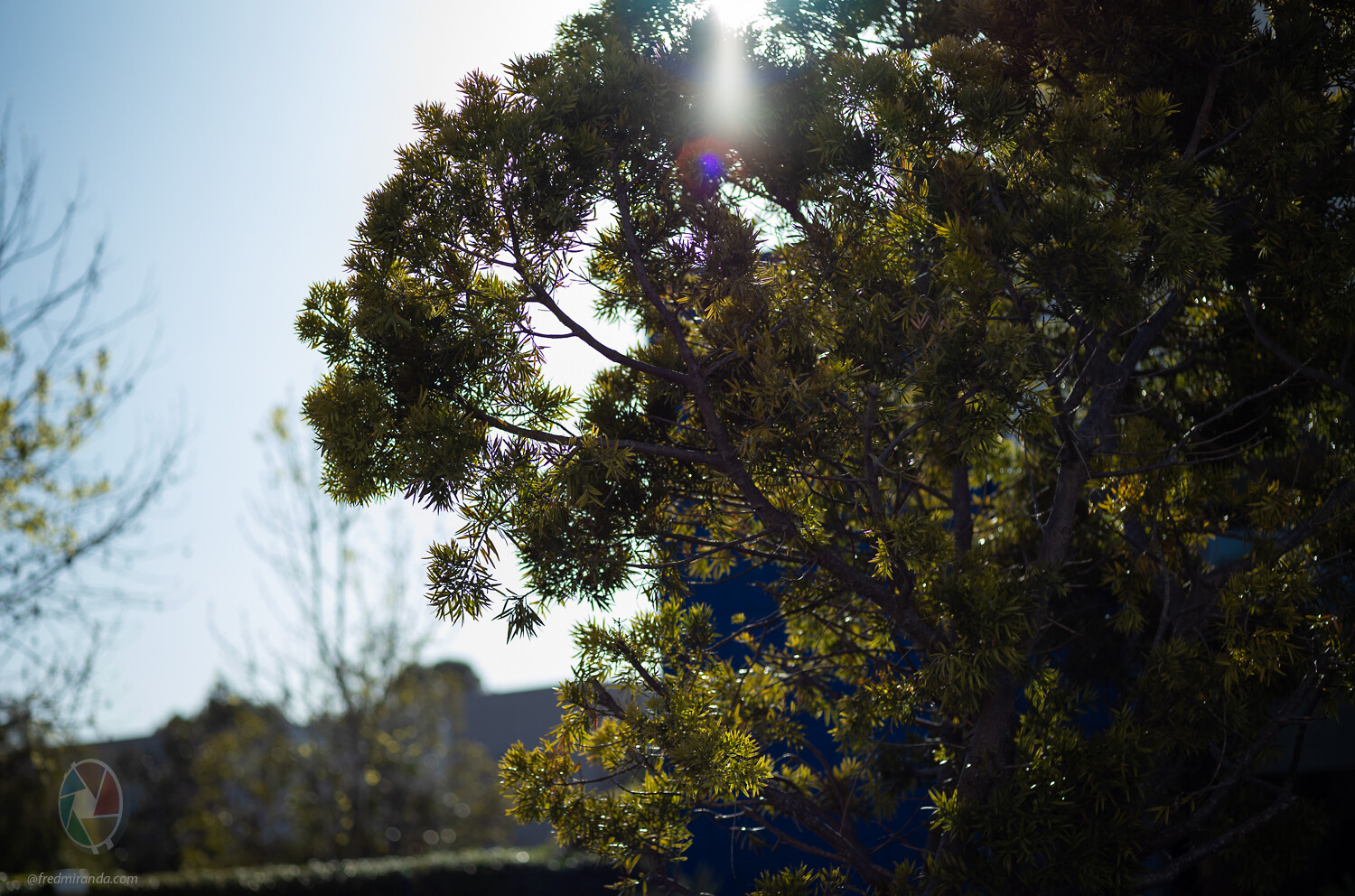
Displayed below is a side-by-side comparison of the MC and SC versions, captured under identical framing and lighting conditions. While some differences are easily noticeable, at times, they can be quite subtle, making the single-coated version more unpredictable in terms of its flare performance.
Voigtlander 75mm f/1.9 Ultron Multi-coated (Sun right above outside the frame)
Voigtlander 75mm f/1.9 Ultron Single-coated (Sun right above outside the frame)
Voigtlander 75mm f/1.9 Ultron Multi-coated (Sun at top of the frame)
Voigtlander 75mm f/1.9 Ultron Single-coated (Sun at top of the frame)
Voigtlander 75mm f/1.9 Ultron Multi-coated (Sun in the frame)
Voigtlander 75mm f/1.9 Ultron Single-coated (Sun in the frame)
Based on my personal experience using the Voigtlander 75mm f/1.9 Ultron lens, I've come to appreciate its unique rendering properties. This lens is designed to produce a modern and pleasant rendering with high-contrast and resolving power, resulting in smooth close-up shots with a high level of blur. However, some imperfections may become noticeable when taking mid and long-range shots, which contributes to its distinctive appearance. In long-distance shots, the subtle blur can highlight these imperfections, giving the images a timeless look. Additionally, shooting wide open may cause slight outlining and a swirl effect due to optical vignetting.
On the other hand, shooting at closer and mid-distances with this short telephoto lens produces enough blur to mask any imperfections, enhancing its versatility and artistic capabilities. This makes it an excellent option for portrait and still life photography where a softer, more romantic feel is desired.
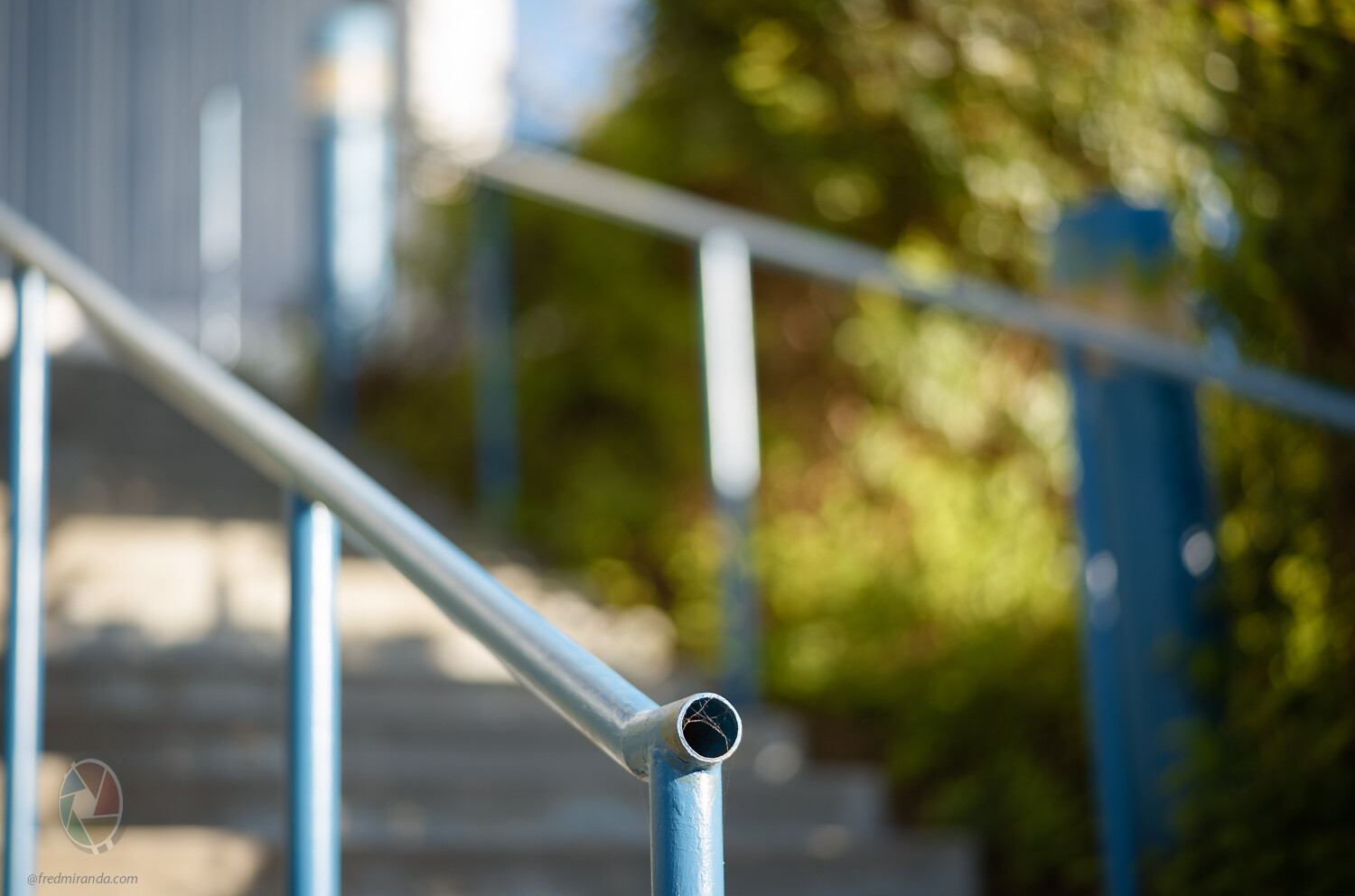
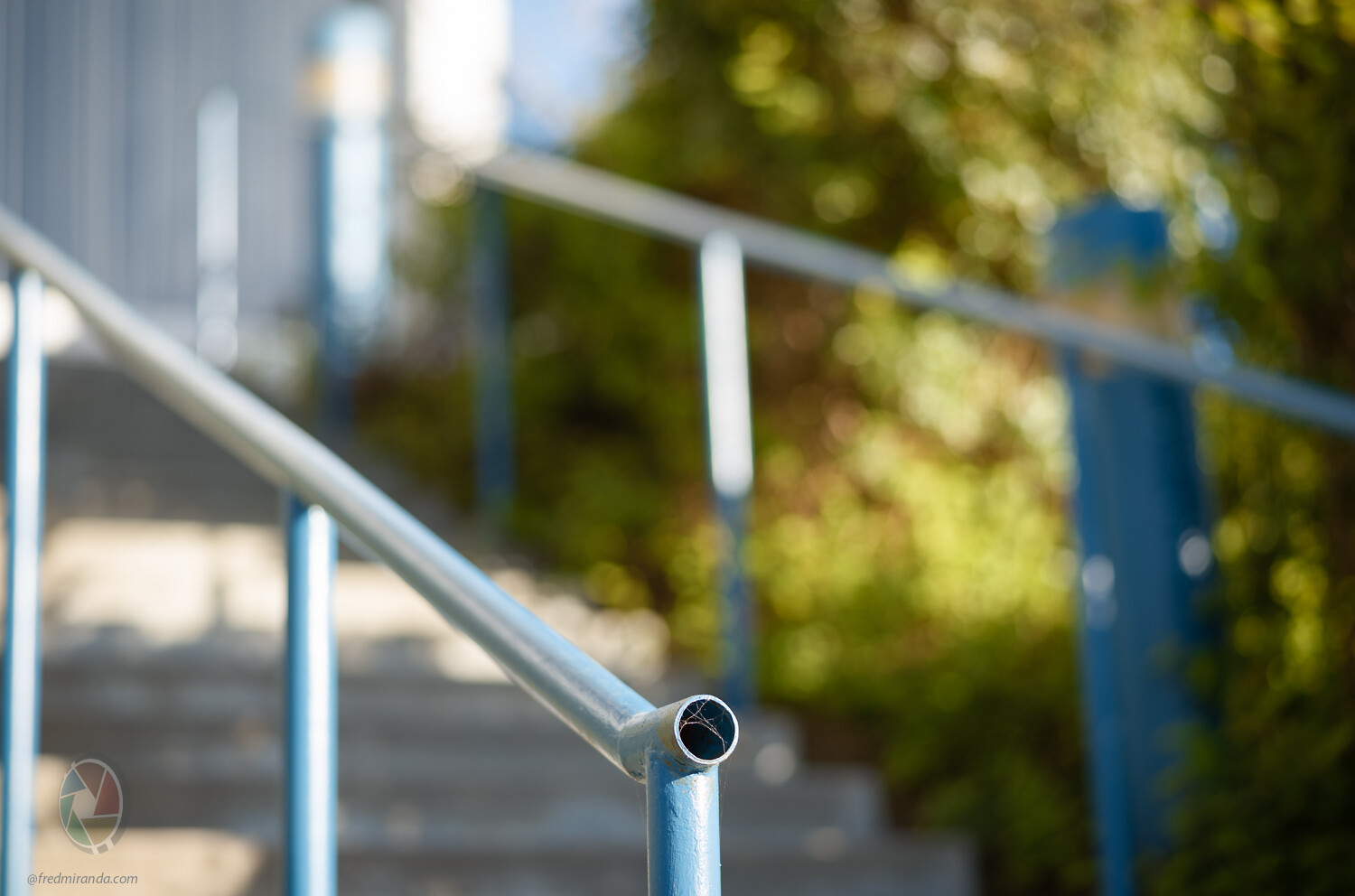
One noteworthy feature of the Voigtlander 75mm f/1.9 Ultron is its close focusing distance of 0.5m, which is unusual for a telephoto M-mount lens. This close focusing distance can lead to a significant amount of blur, and despite the absence of a floating group, the lens can still capture sharp images when shooting at wider apertures.
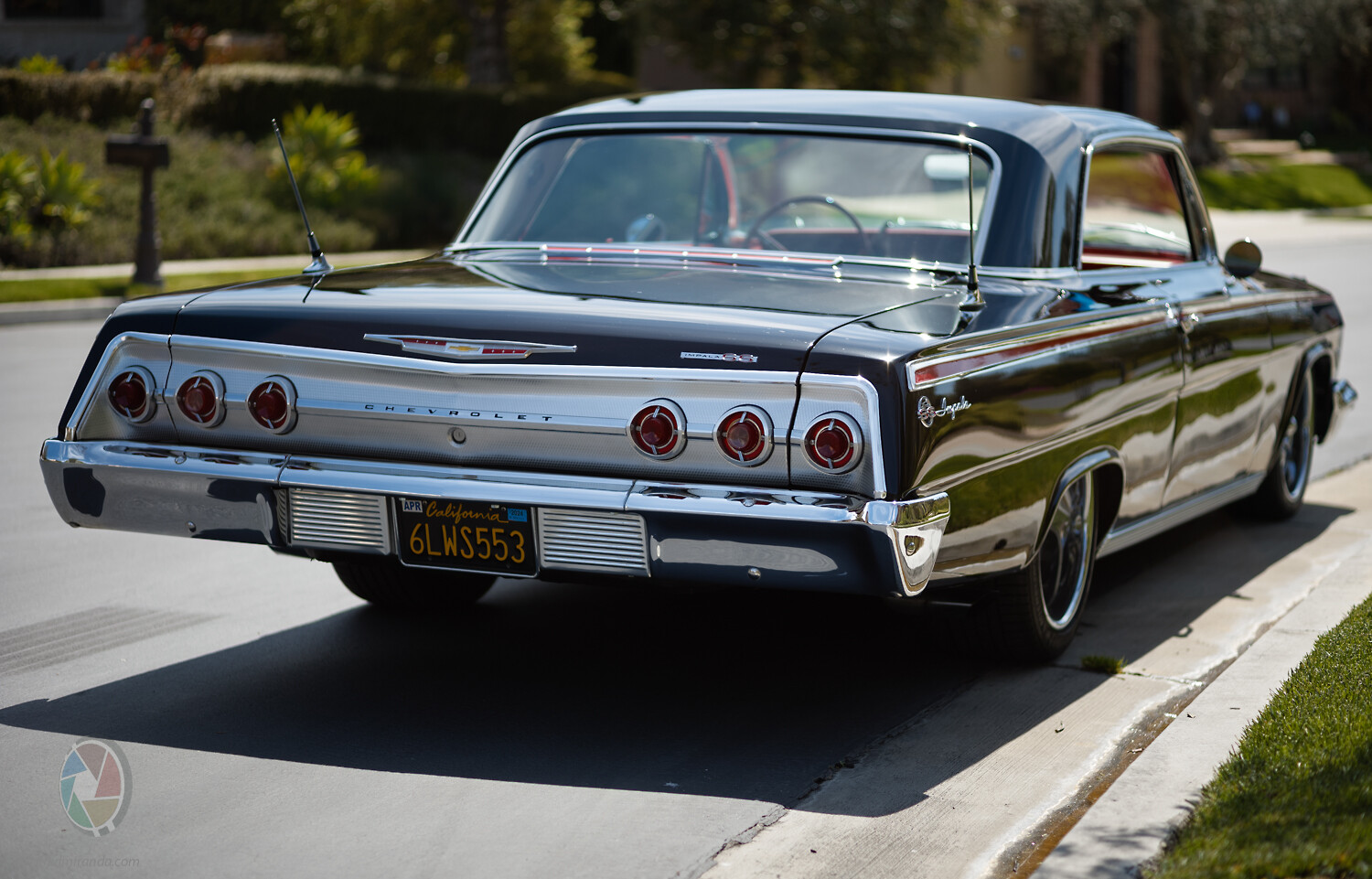
Below are several sample images showcasing the lens's performance at various apertures, all taken with the same composition and lighting setup:
To sum up, the Voigtlander 75mm f/1.9 Ultron by Cosina is an impressive offering. It's a compact, lightweight, and affordable lens that performs excellently as a multi-purpose short telephoto lens. The lens provides high resolution and contrast for most of the image field, with optimal performance achieved at apertures of f/2.4 and f/2.8. It's an excellent choice for landscape photography, with corner performance becoming optimal at f/4.
While there are some minor drawbacks, such as the 'cats-eye' shaped specular highlights and noticeable focus shift, the Voigtlander 75mm f/1.9 Ultron still represents great value for its price. The lens is capable of producing 12-pointed sunstars with its aperture mechanism, and the multi-coated version has excellent flare resistance. Overall, this lens is a worthwhile investment for anyone seeking a high-quality 75mm lens for their rangefinder camera.
At minimum focus distance, it performed better than expected, considering it's not equipped with a floating element/group. The lens' rendering is mostly smooth and pleasant and I think it's a great choice for portraits or any other application where the out of focus area should be not distractive.
Pros:
Modern, compact, and lightweight design for a 75mm lens.
High resolution and contrast wide open, with optimal performance at f/2.8 in the center and f/4 in the corners.
Low distortion and low field curvature.
Minimal focus distance of 0.5m.
Excellent build quality with tight tolerance construction.
Aperture mechanism creates 12-pointed sunstars.
Low chromatic aberration.
Great flare resistance, especially with the multi-coated version.
Cons:
Specular highlights may have a "cats-eye" shape due to high optical vignetting.
I really like the lens, and I find this closer to the 75 Summilux than the CV 75/1.5 on account of the personality.
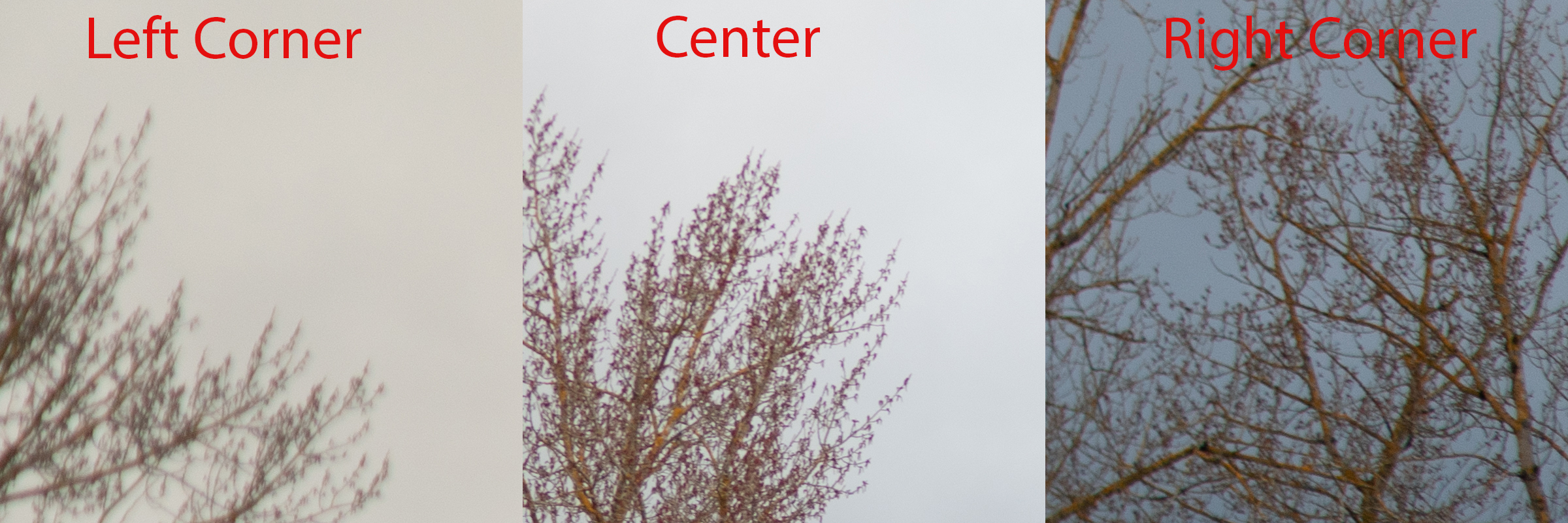
But my copy is a lemon as I suspected from shooting. I wanted to rule out the quick focus throw, but when doing controlled testing with distance subjects 300+ feet, one side is much weaker till close to f4. The softness shows up in closer shooting as well. Bummer as I have a week long trip I purchased the lens for too. I haven't had to return a lens to cameraquest yet for defects. I'll be picking up another copy though.
And for data for the RF shooters, my copy is spot on my calibrated RF at 5-20 feet WO. I didn't test it beyond that.
And thanks for the wonderful review Fred. Always a pleasure!
I really like the lens, and I find this closer to the 75 Summilux than the CV 75/1.5 on account of the personality.
But my copy is a lemon as I suspected from shooting. I wanted to rule out the quick focus throw, but when doing controlled testing with distance subjects 300+ feet, one side is much weaker till close to f4. The softness shows up in closer shooting as well. Bummer as I have a week long trip I purchased the lens for too. I haven't had to return a lens to cameraquest yet for defects. I'll be picking up another copy though.
And for data for the RF shooters, my copy is spot on my calibrated RF at 5-20 feet WO. I didn't test it beyond that.
And thanks for the wonderful review Fred. Always a pleasure!...Show more →
Is the top left corner closer to the camera than the bottom right? Maybe it just looks that way, but I’d flip the camera upside down to make sure the soft corner moves with the sensor.
highdesertmesa wrote:
Is the top left corner closer to the camera than the bottom right? Maybe it just looks that way, but I’d flip the camera upside down to make sure the soft corner moves with the sensor.
I had the same thought. I flipped the camera, and the bad side followed unfortunately
nehemiahphoto wrote:
I had the same thought. I flipped the camera, and the bad side followed unfortunately
Since you enjoy shooting with the Voigtlander 35/2 Ultron and appreciate its high resolution, contrast, and unique rendering, it could be worthwhile to consider trying another copy of the 75/1.9 as it shares similar characteristics.
Fred Miranda wrote:
Since you enjoy shooting with the Voigtlander 35/2 Ultron and appreciate its high resolution, contrast, and unique rendering, it could be worthwhile to consider trying another copy of the 75/1.9 as it shares similar characteristics.
100% will.
I think of the 35/1.2iii & 75/1.5 as set with very smooth modern clean draw. My 35/2 Ultron and 75/1.9 offer a different type of set with some quicks but pretty modern and capable. I’ll definitely pick up another 75/1.9 soon. Love the MFD too.
mark1958 wrote:
Yes that would be an interesting comparison as well. I am going to purchase both Voigts and then likely sell one.
Hopefully both copies are well-centered and aligned with the rangefinder. I've had about a 25% success rate lately with getting a perfect Voigtlander on the first try.
Fred Miranda wrote:
The Voigtlander would outperform the 75/1.4 Lux in resolution and contrast. It would be great to see how they differ in their rendering.
Do you still have your 75 Lux Fred? I could do a comp with the 80 Lux or 50 Noct cropped (which draws quite a bit like the 75), but I sold my 75 a while ago.