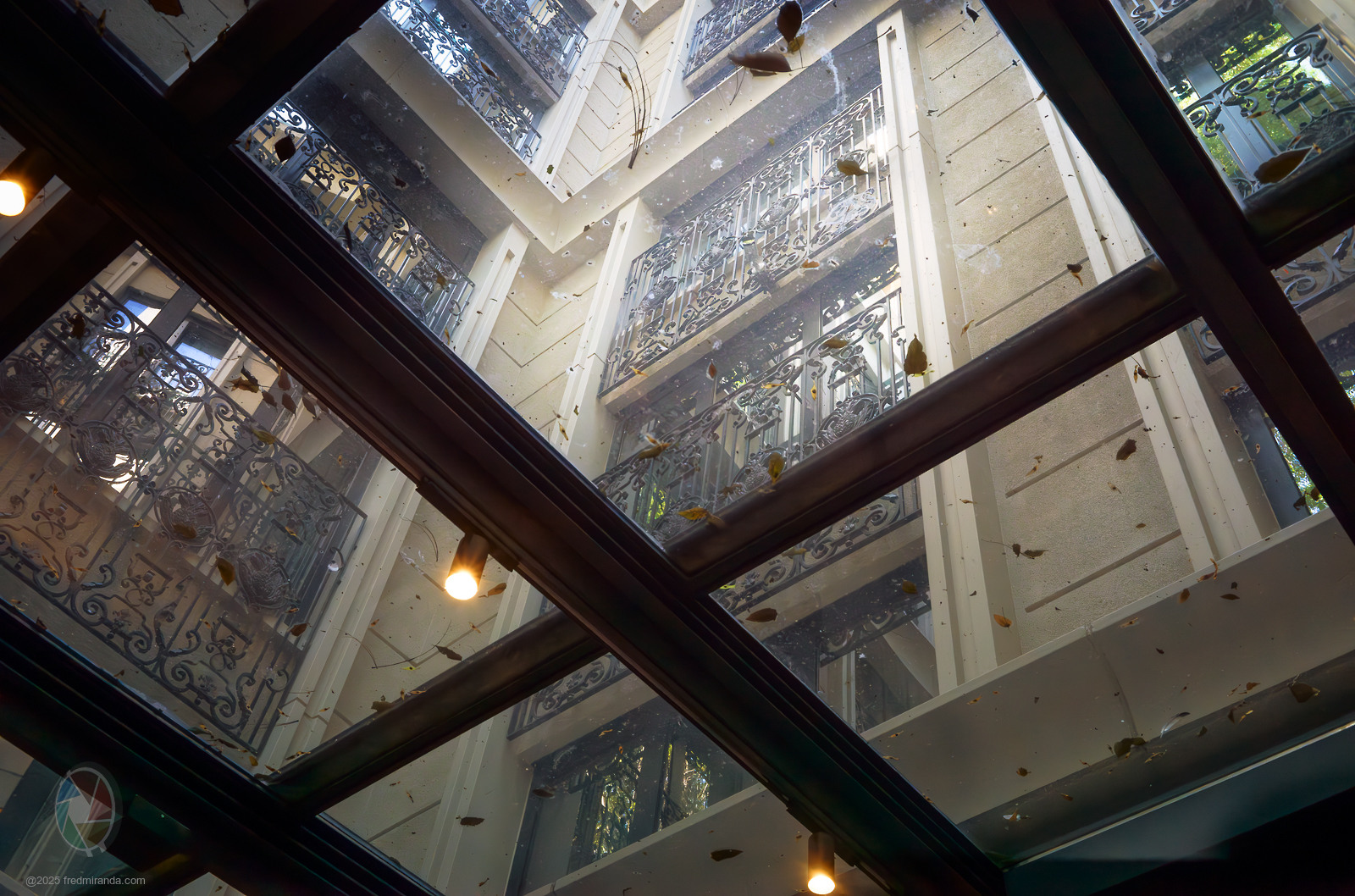
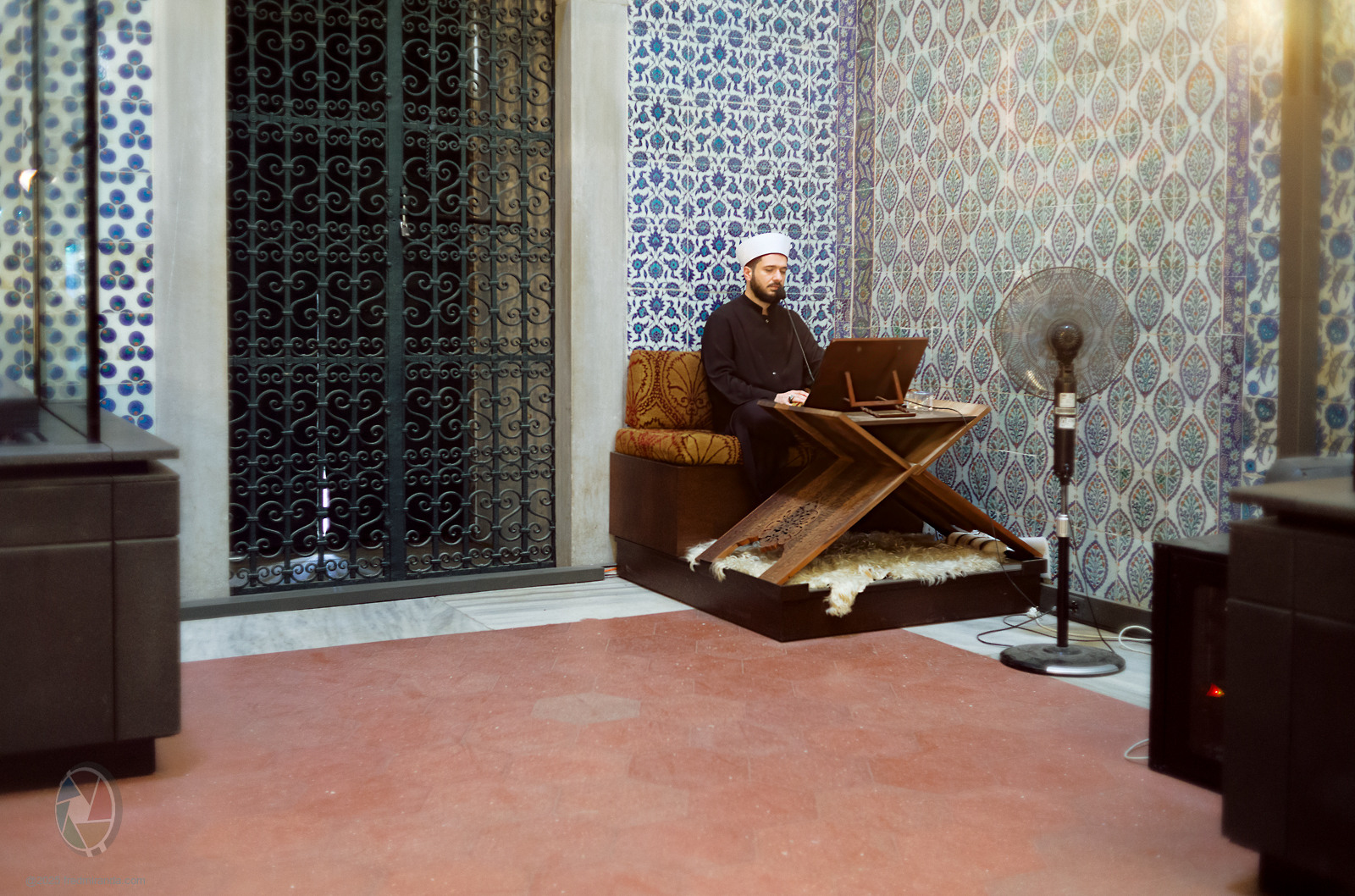
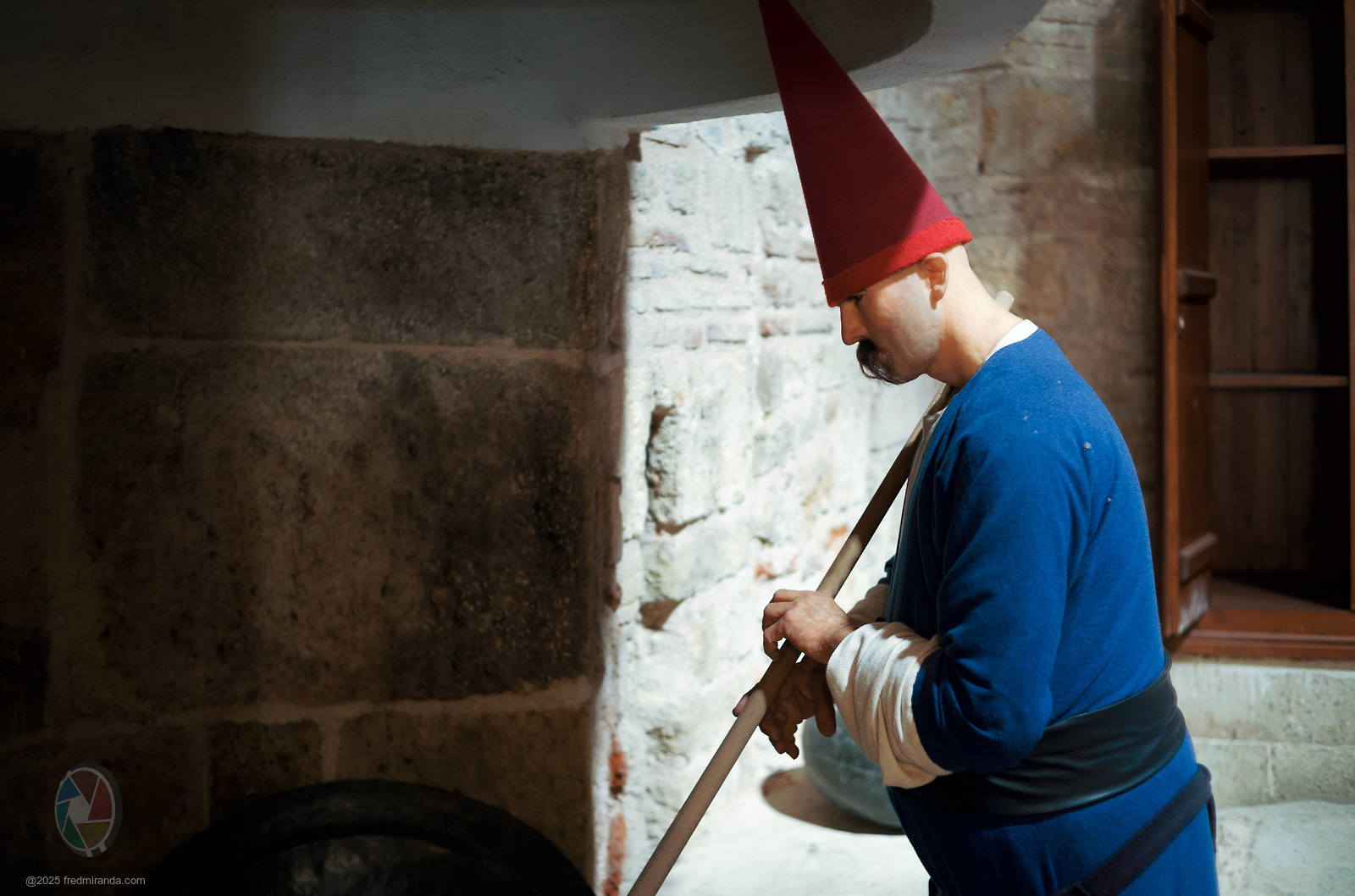
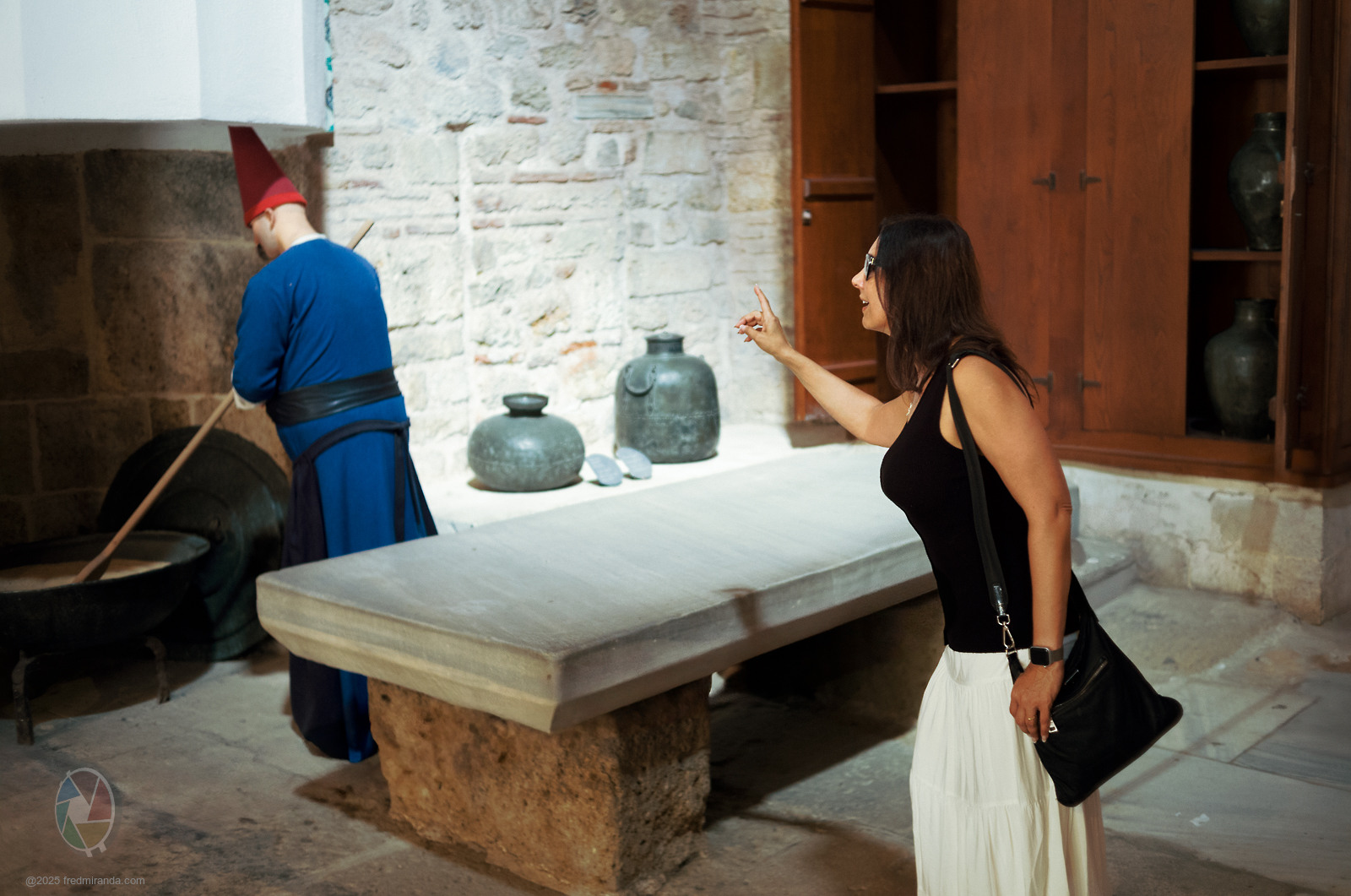
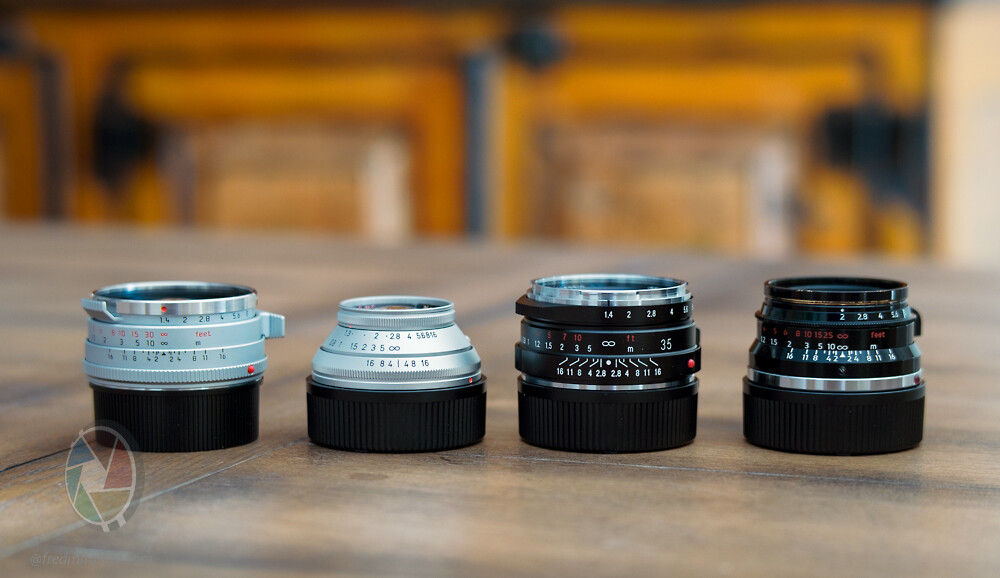
I went over that comparison quite a few times, it was really a great test to oppose those four, they are all great lenses. Still the LLL felt like it had not much of an edge in the comparison, but all people owning one love it so much, maybe it’s the fact that it can give its character at f2 with some great details when others benefit mostly from their respective character at wider aperture and lose it mostly at f2.
p.14 #3 · MS-Optics lenses Image and Discussion Thread
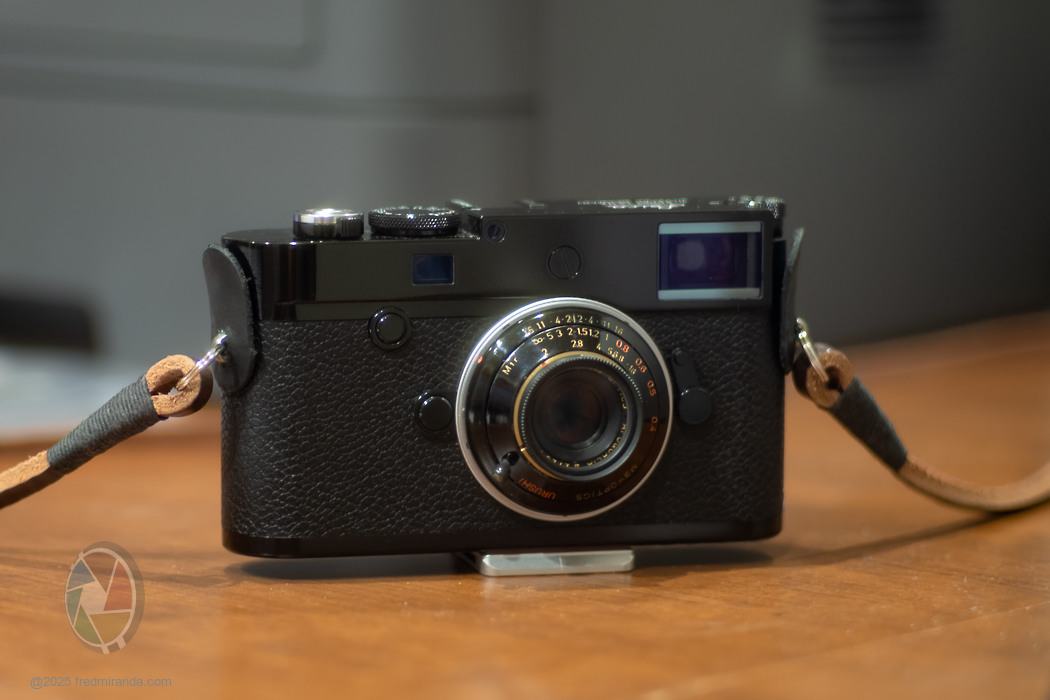
I received the MS Optics 28mm f/2 Apoqualia URUSHI today, and it’s an absolute beauty. This copy was very well cared for and appears to be in mint condition.
Like all the MS Optics lenses I own, the focus adjustment was far from perfect and required a quick tweak to get it perfectly aligned. Thanks for the tip about the Heliopan 28mm filter! It attached perfectly. (see the picture of the lens with it attached).
Here are some quick instructions I wrote for myself on how to adjust MS Optics lenses to work optimally with the Leica M rangefinder.
---------
To calibrate MS Optics lenses, adjust in the same direction as the focusing discrepancy.
For example:
• If, after focusing on your target using Live View, you need to rotate the focus ring counterclockwise (CCW) to achieve proper focus (indicating front-focusing), rotate the lens’s RF adjustment ring on the back counterclockwise (CCW) as well to correct it. This is typically the outermost ring and requires a spanner wrench for adjustment.
• If you need to rotate the focus ring clockwise (CW) to achieve proper focus (indicating back-focusing), rotate the RF adjustment ring clockwise (CW) to correct it.
---------
Leica M10-R with MS Optics 28mm f/2 Apoqualia Urushi
p.14 #4 · MS-Optics lenses Image and Discussion Thread
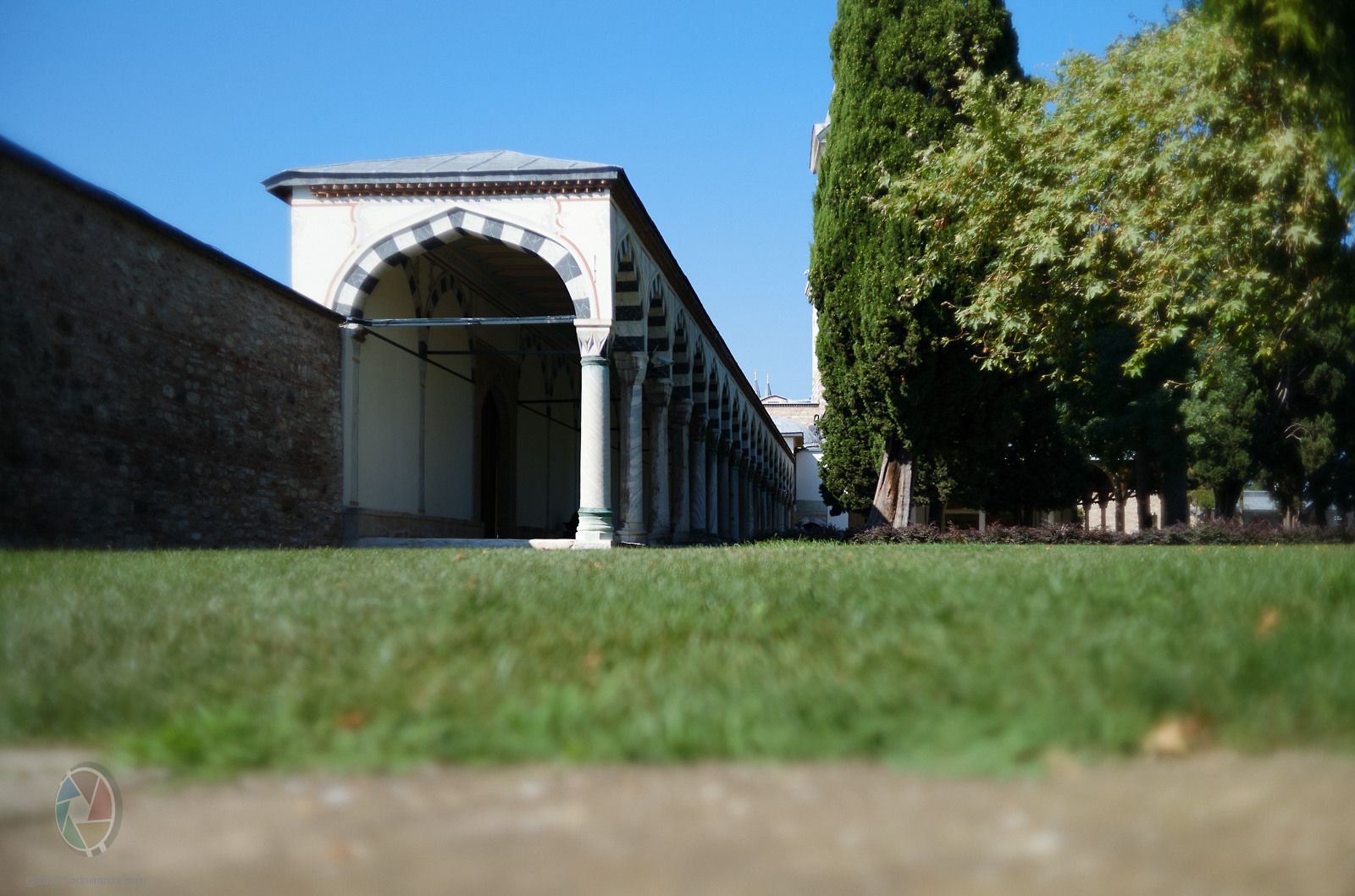
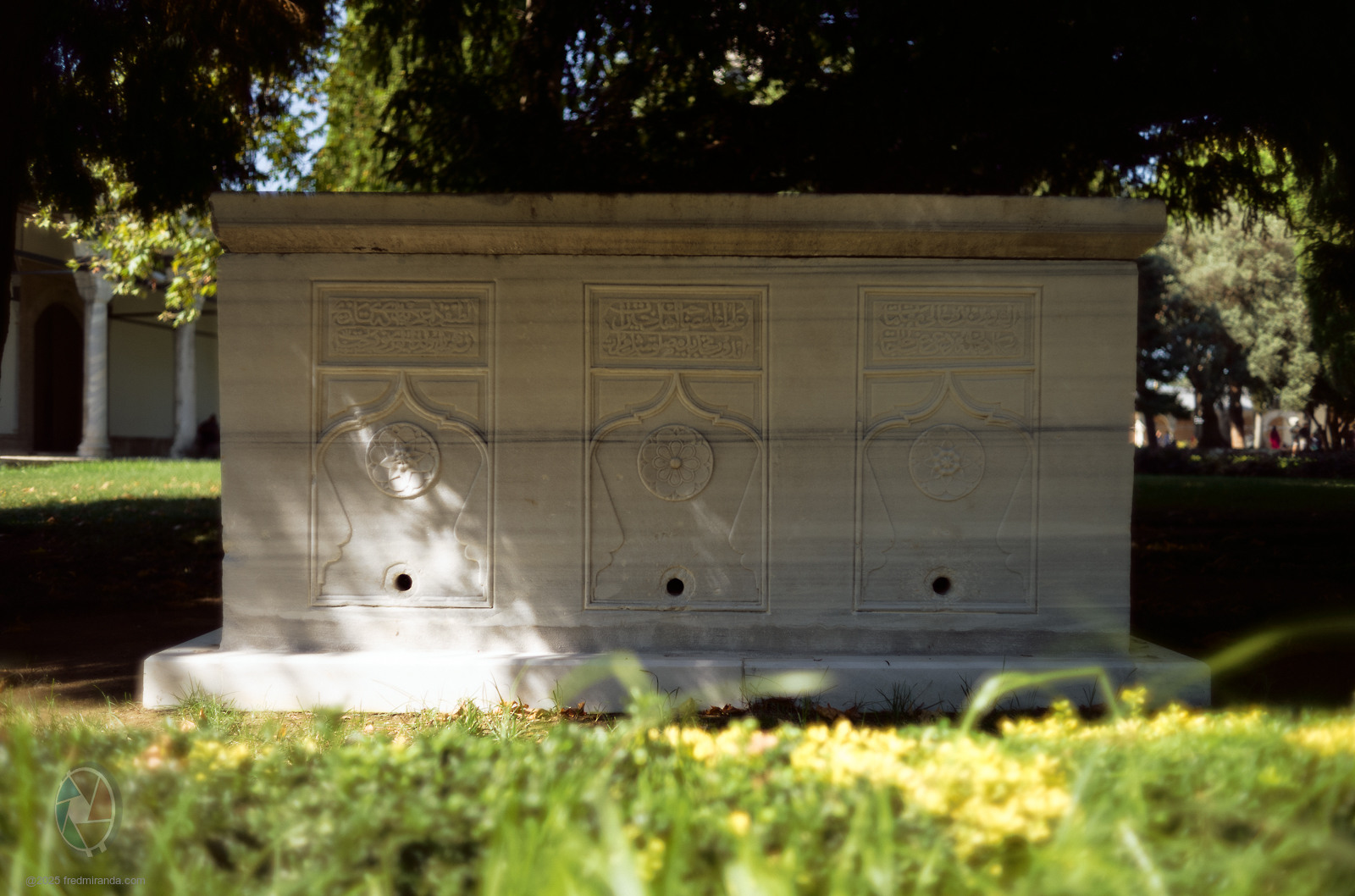
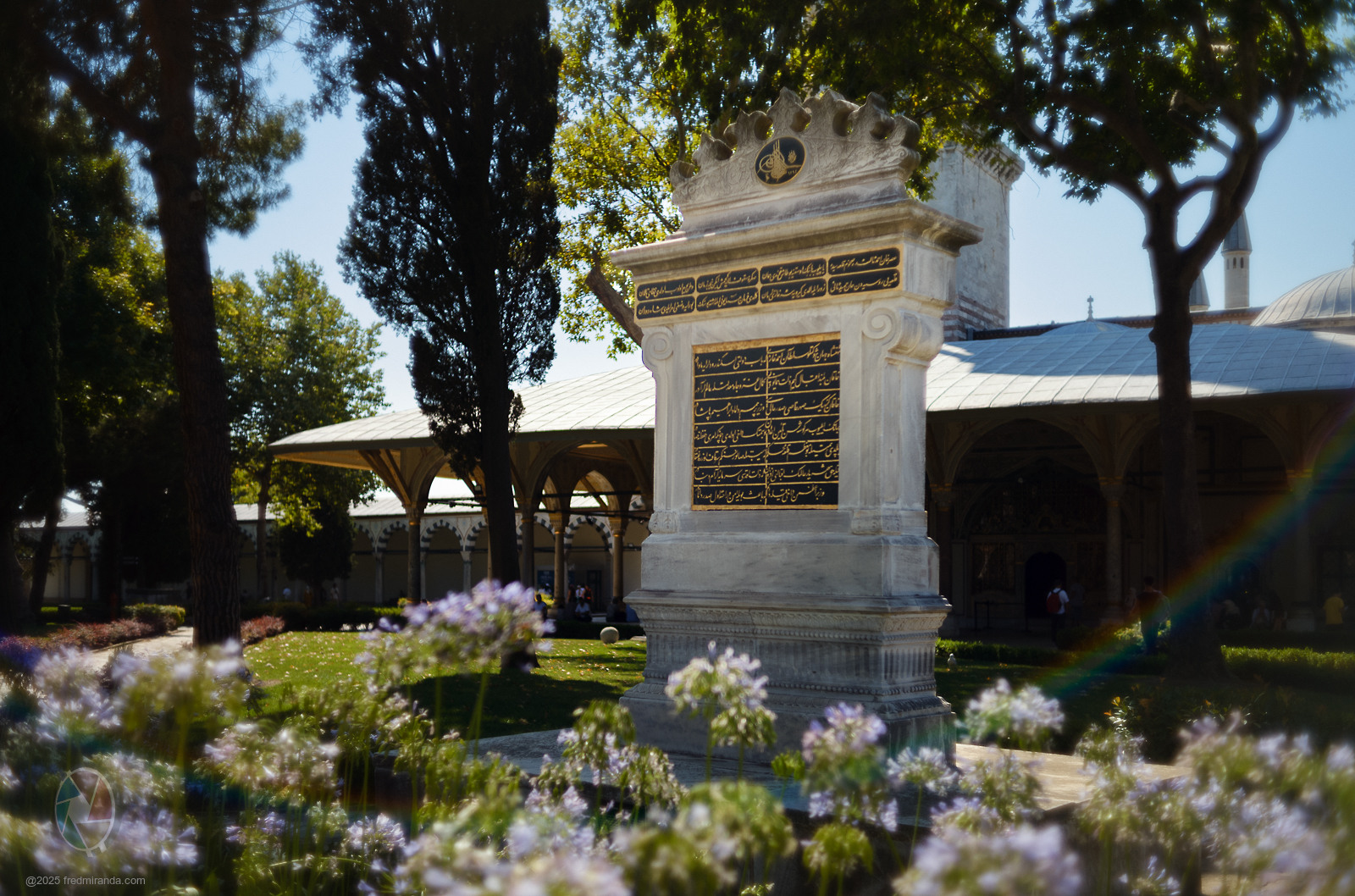
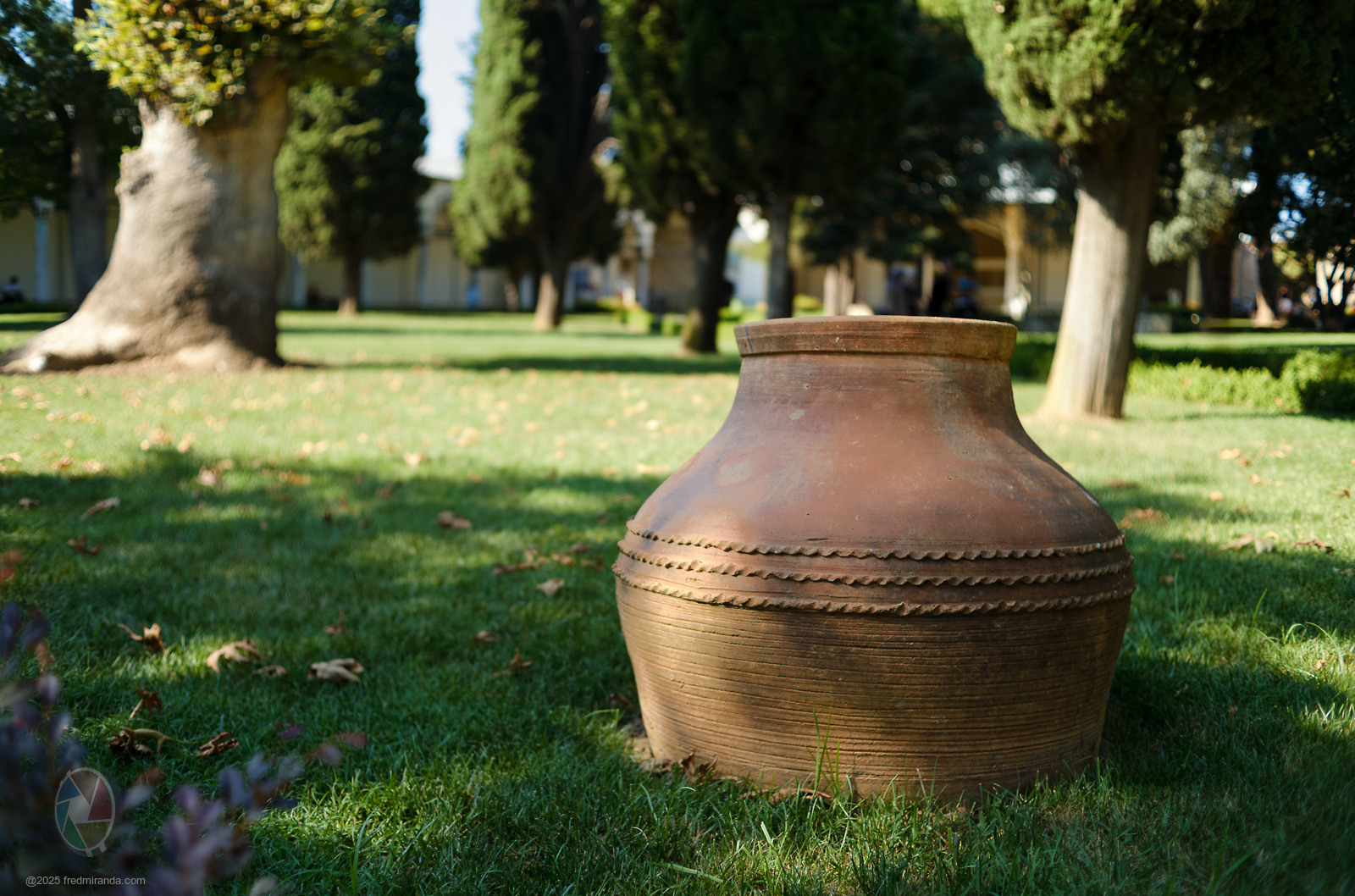
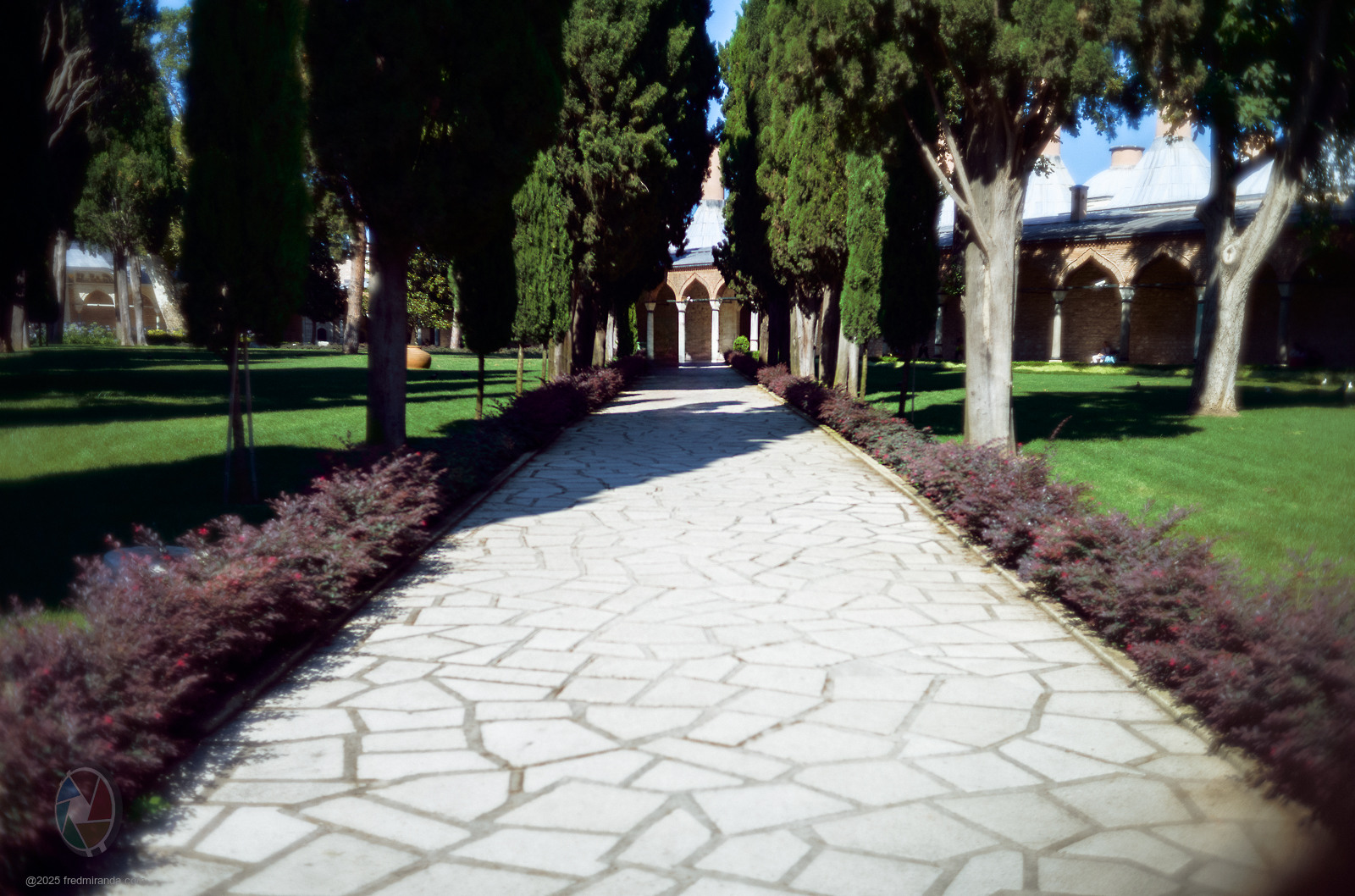
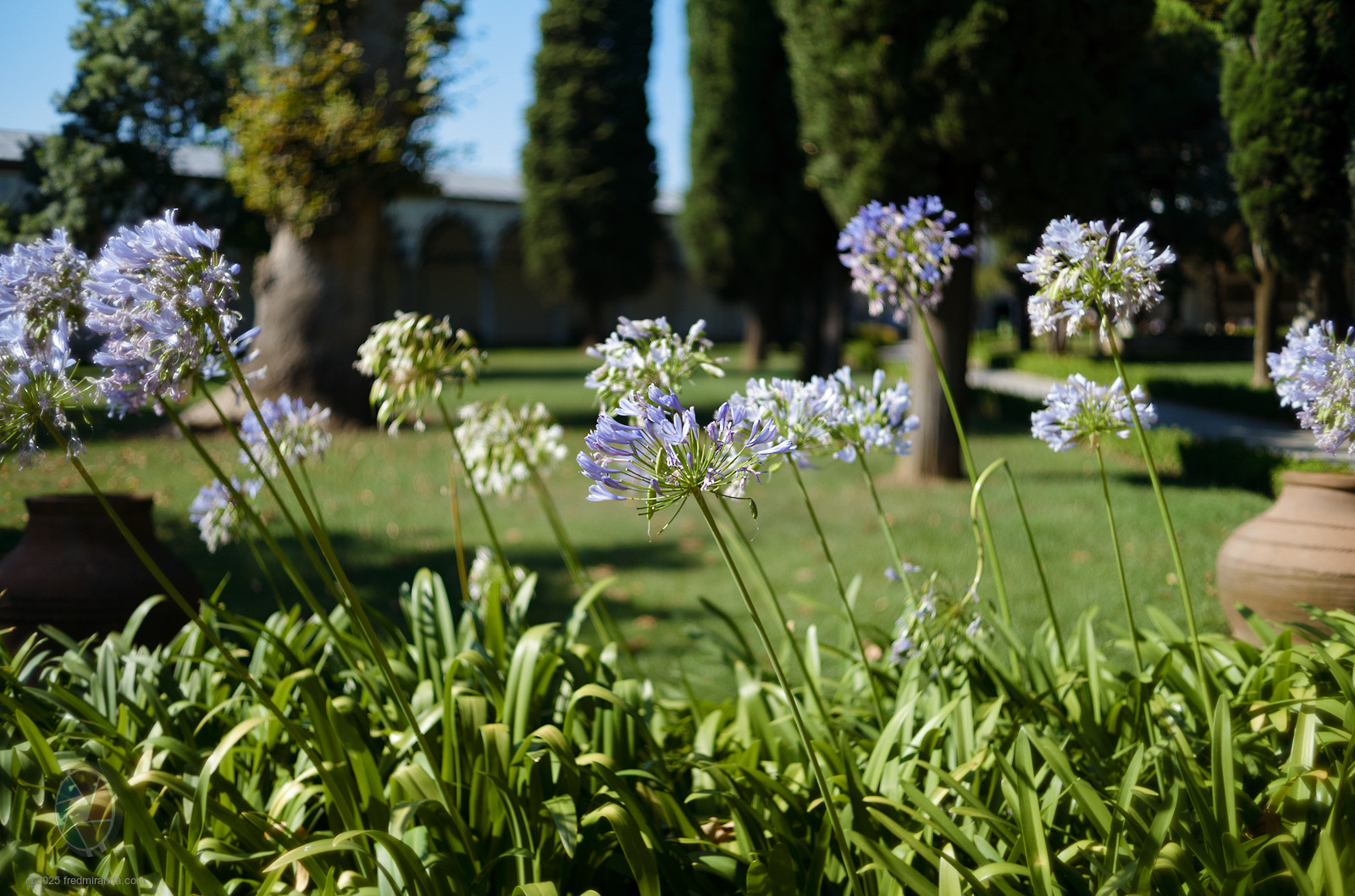
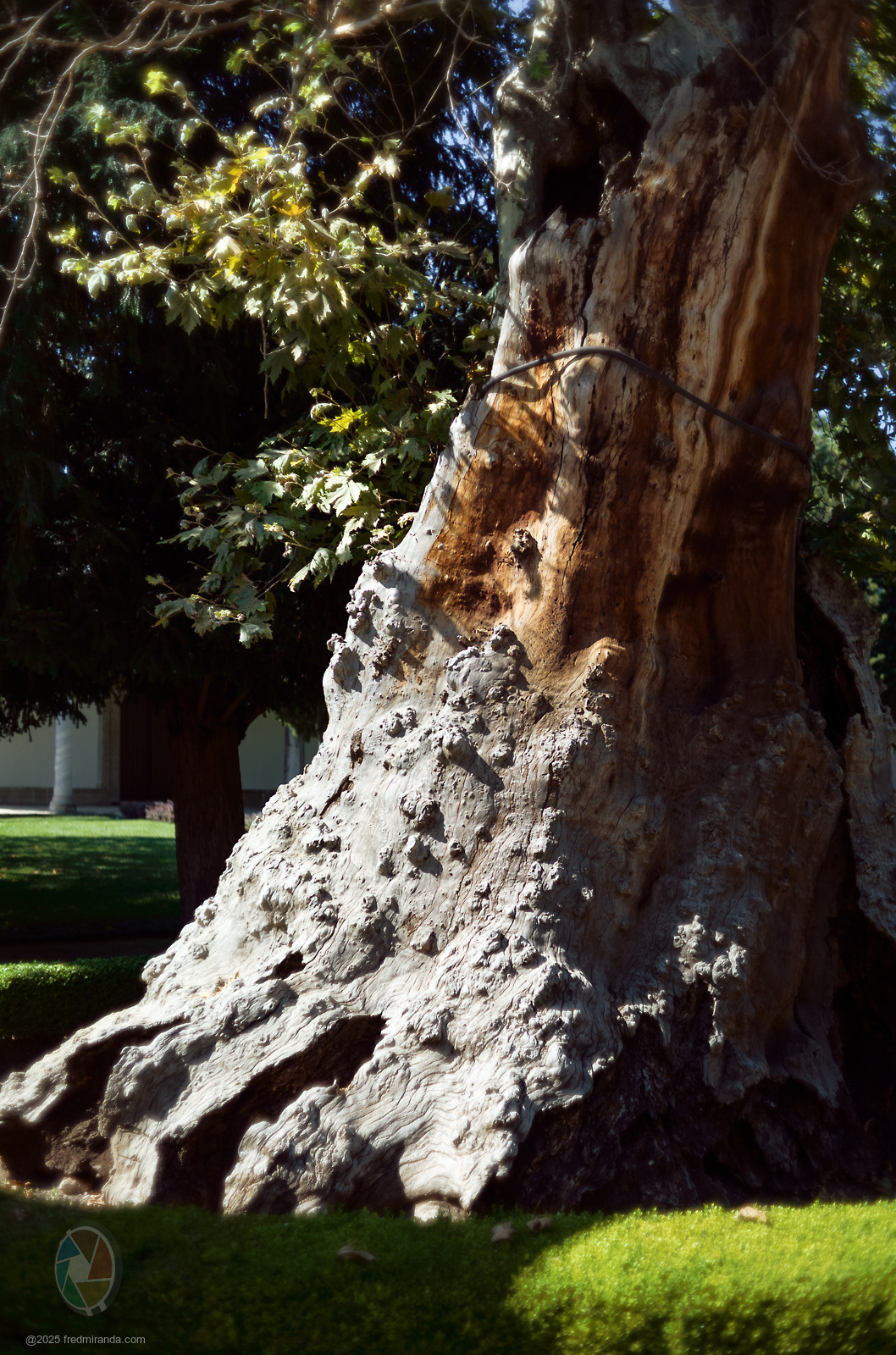
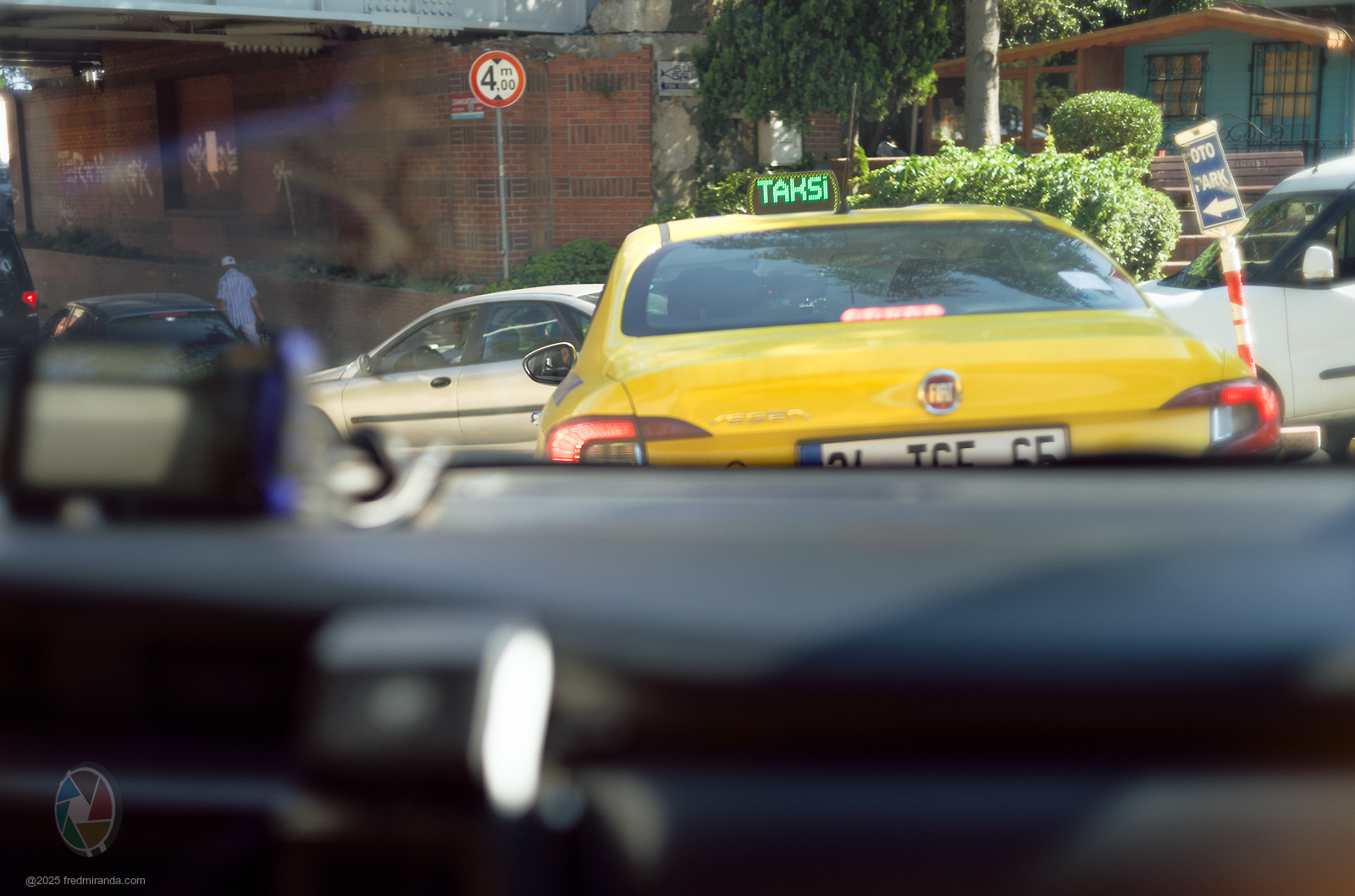
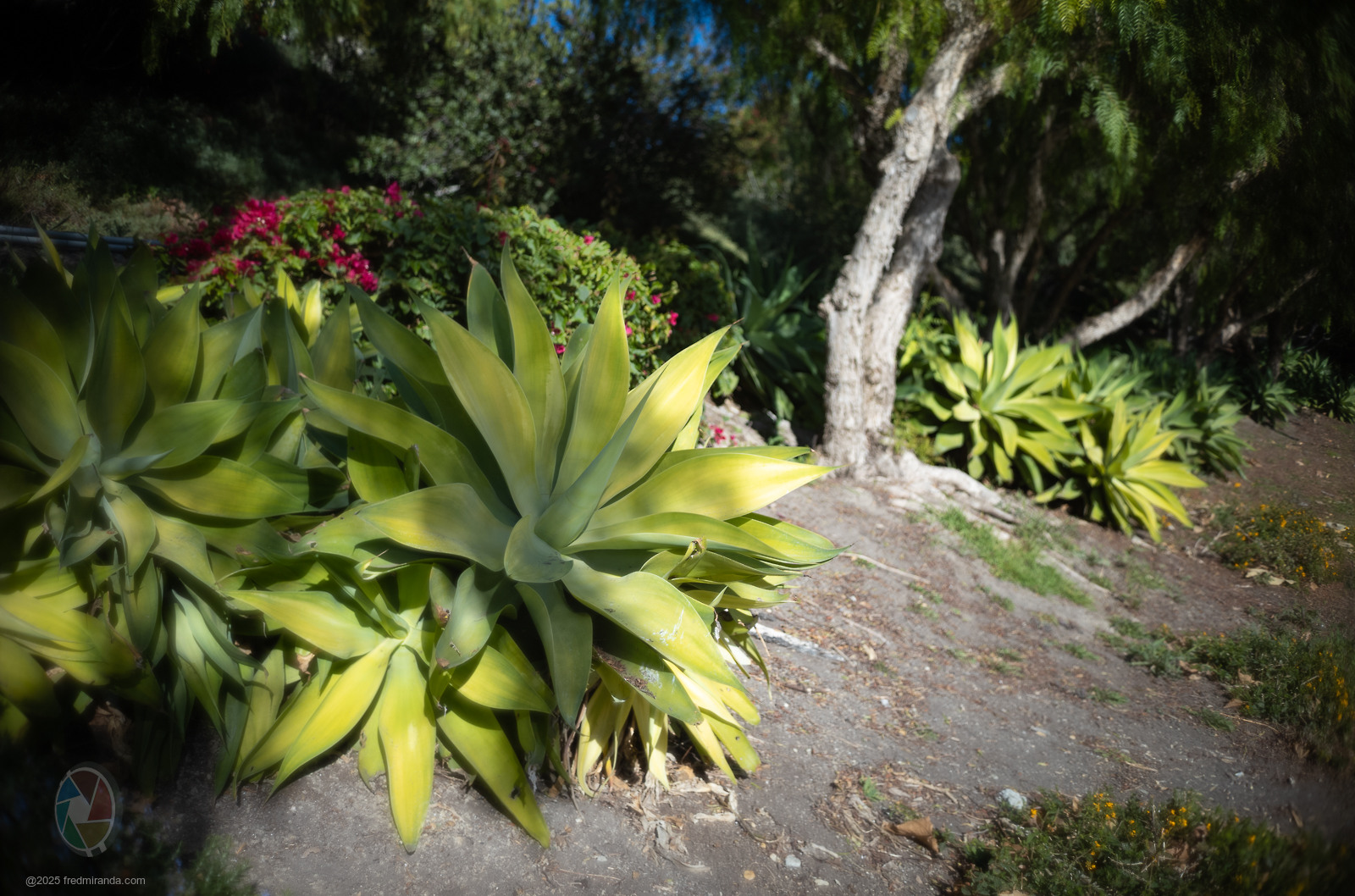
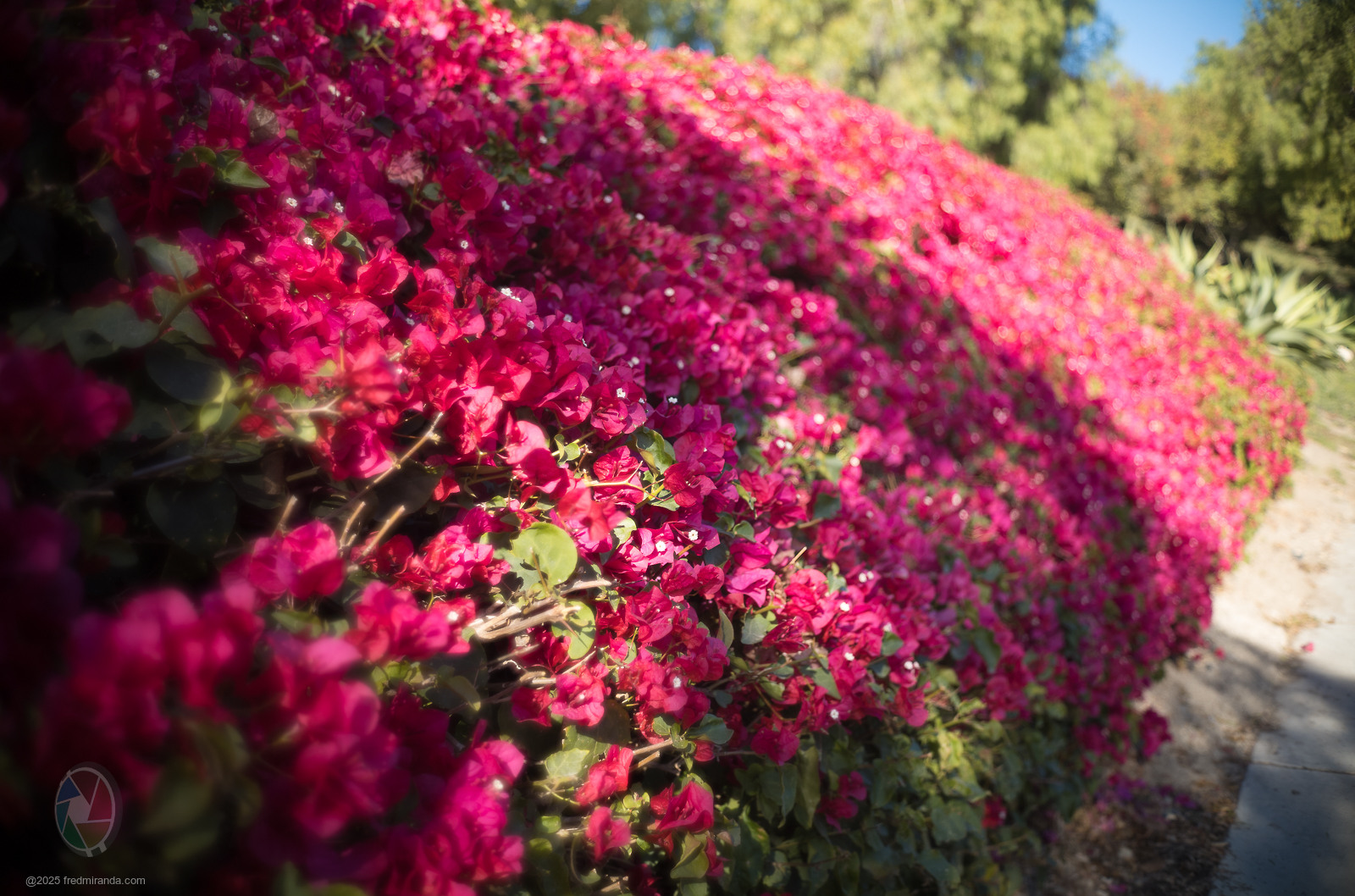
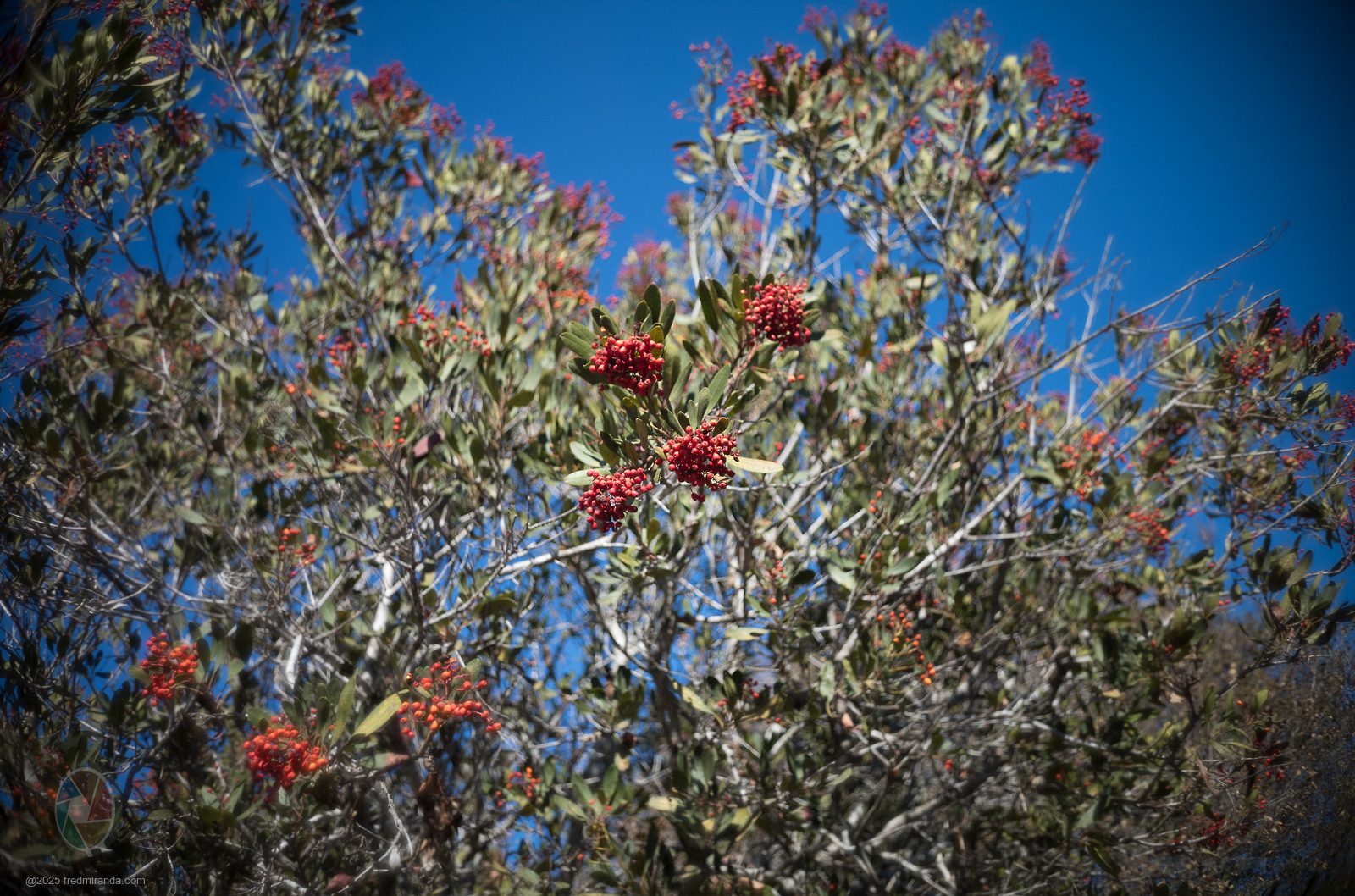
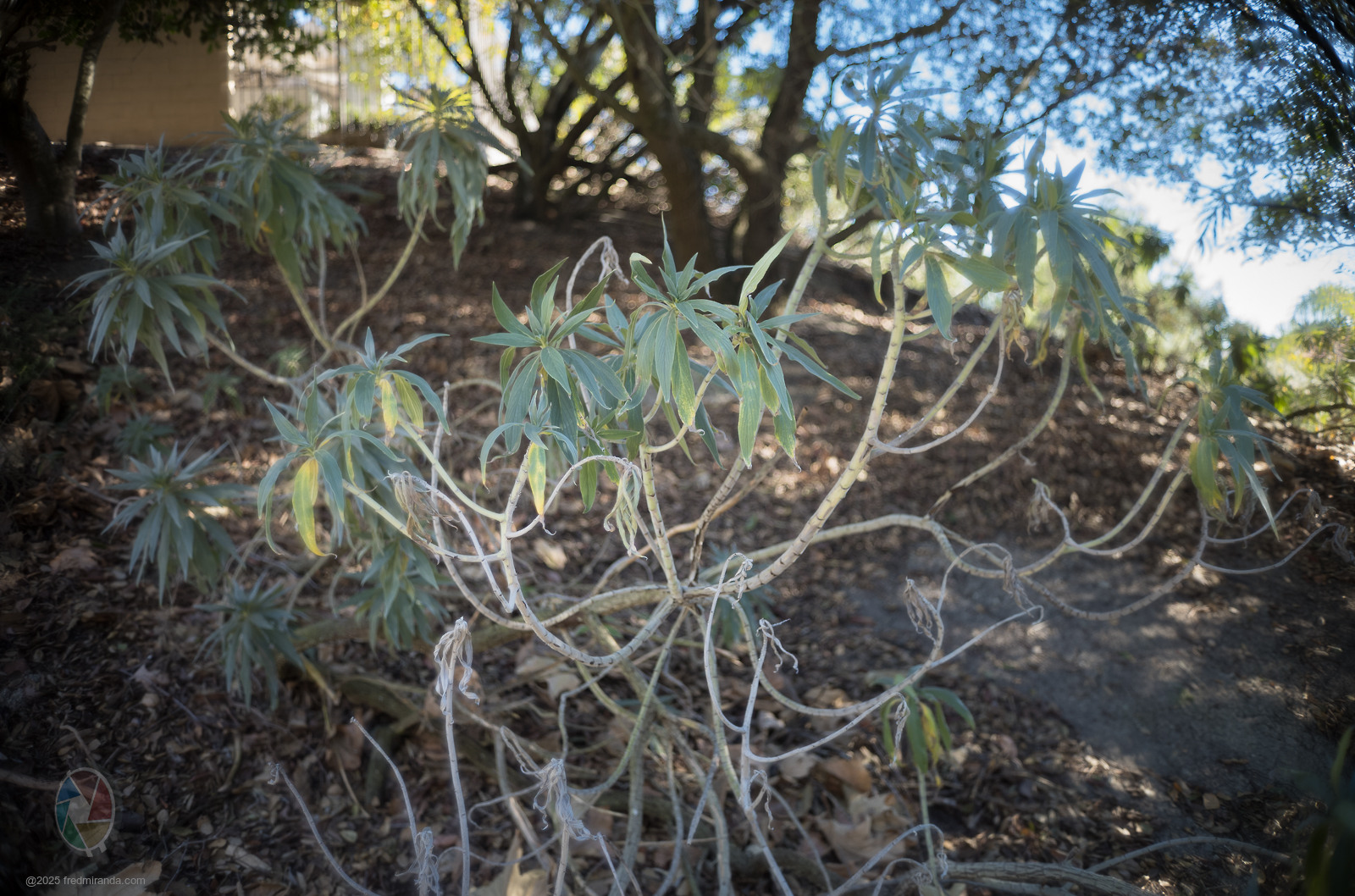
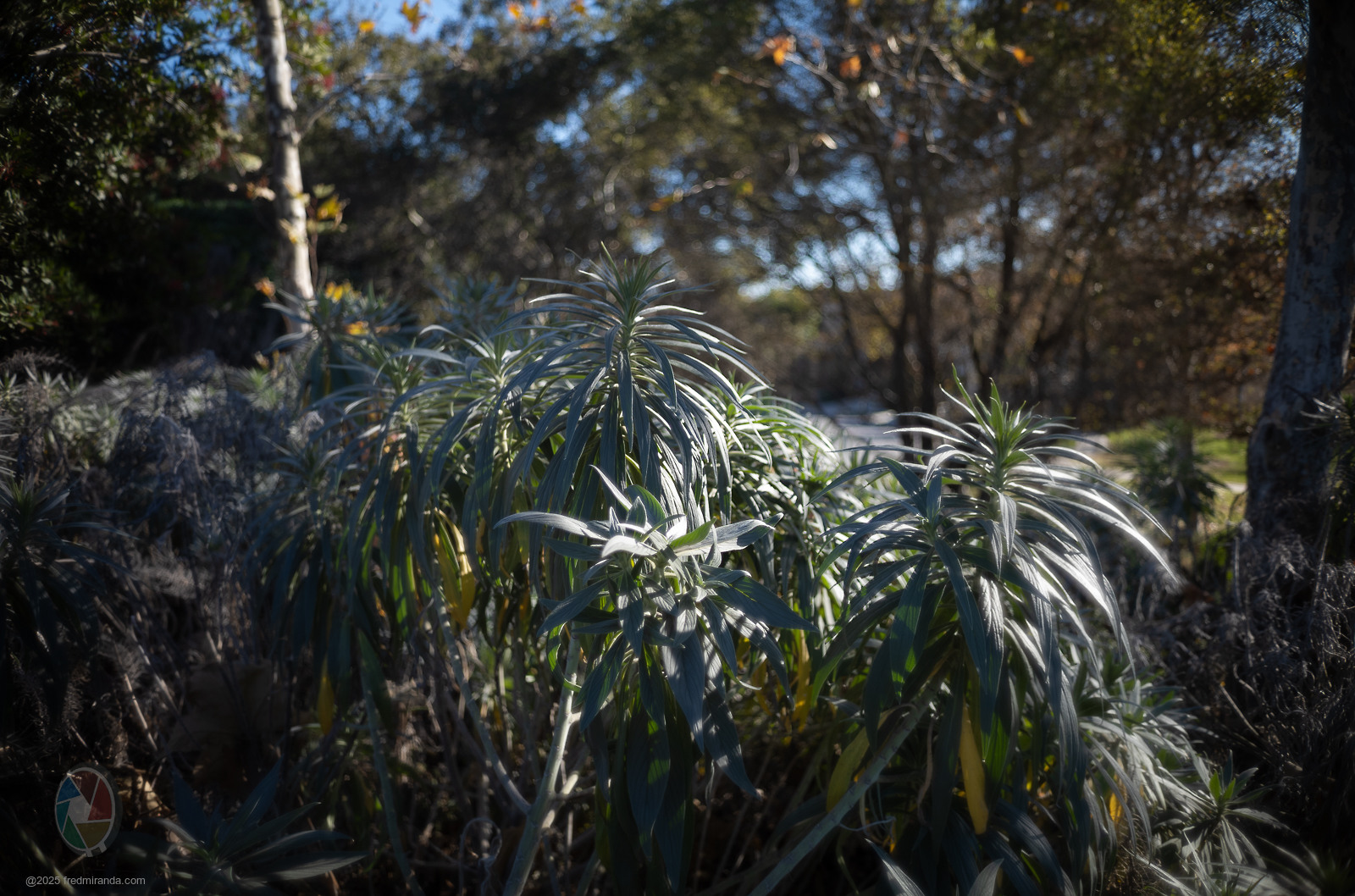
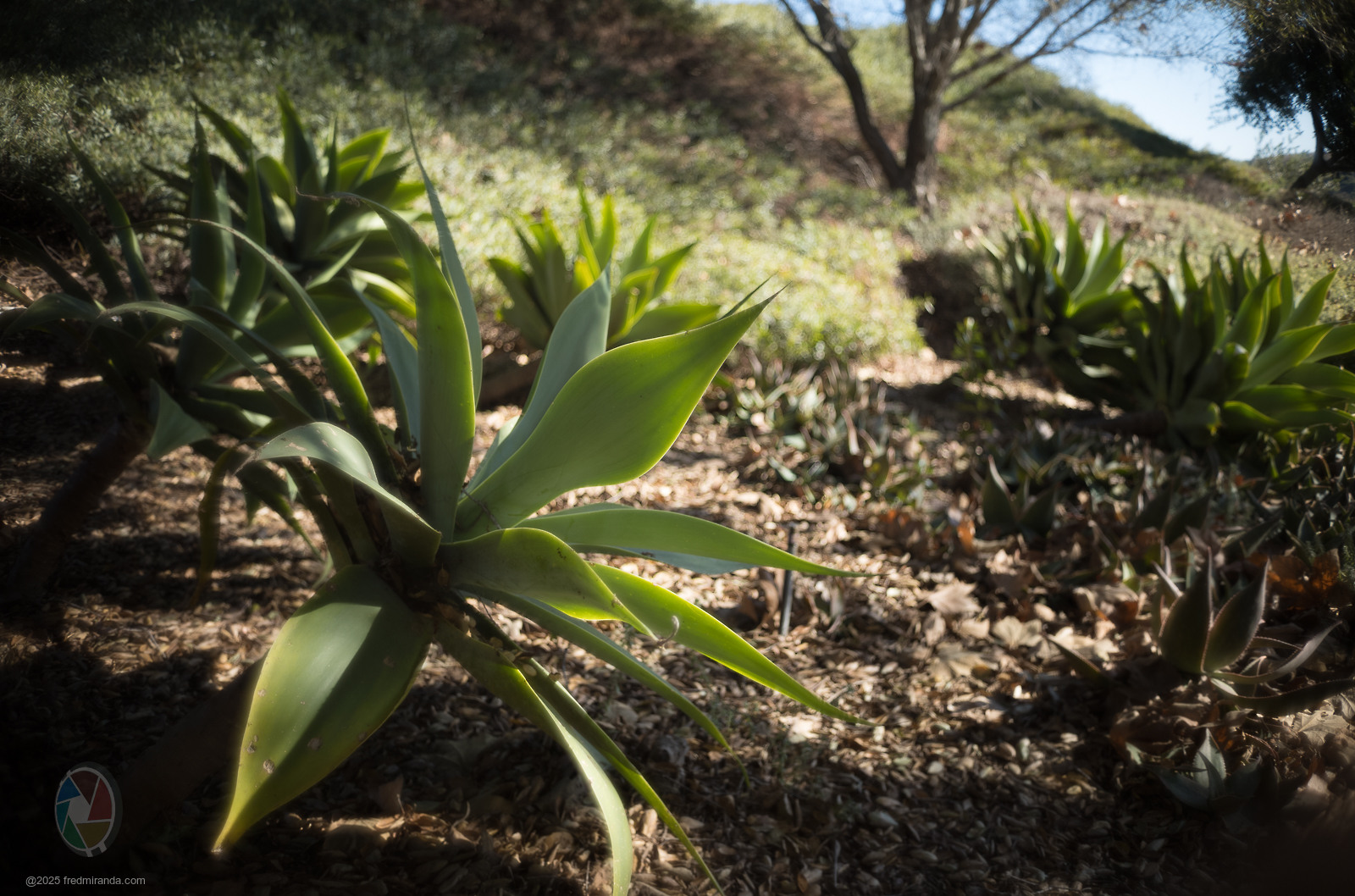
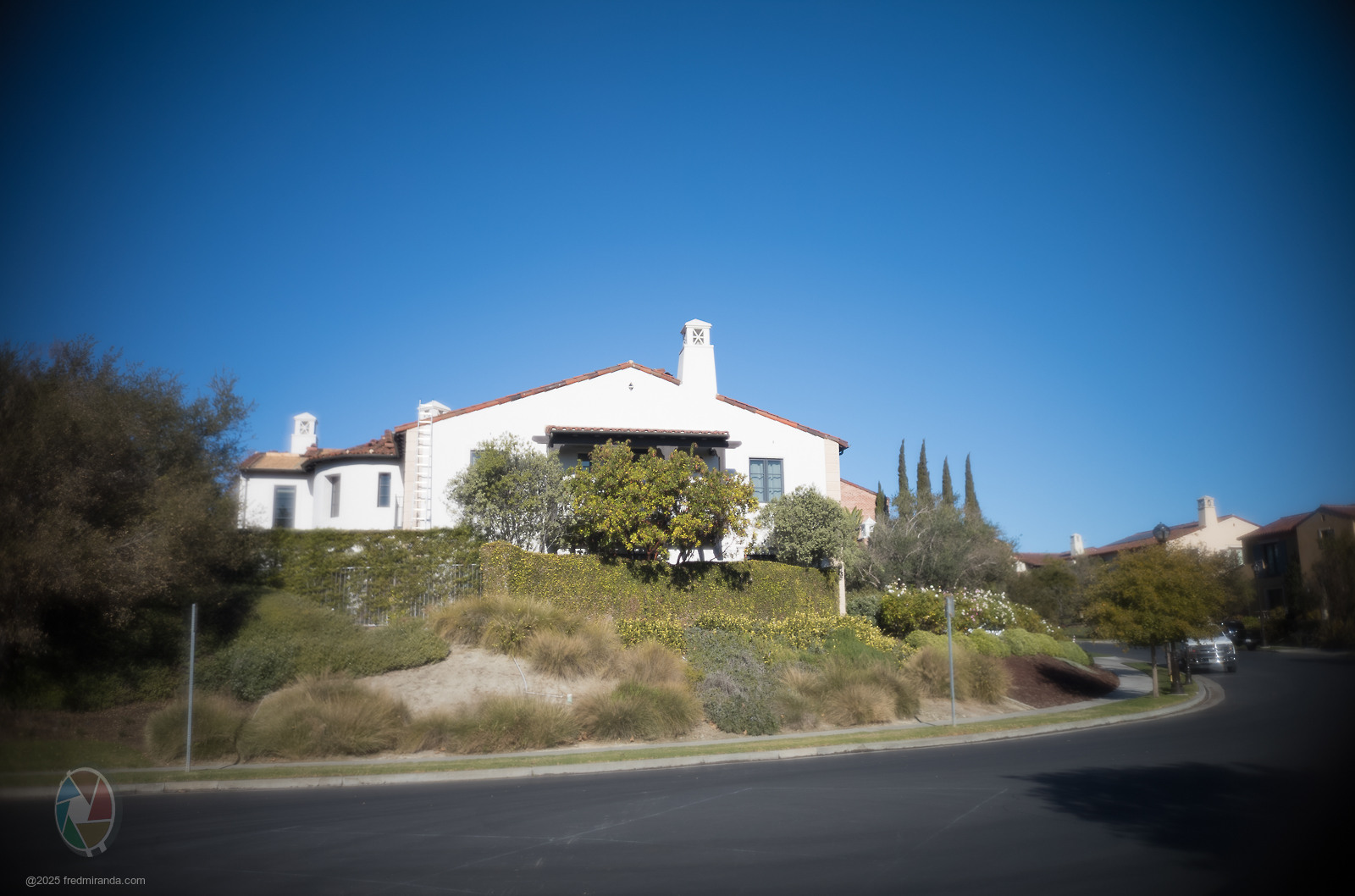
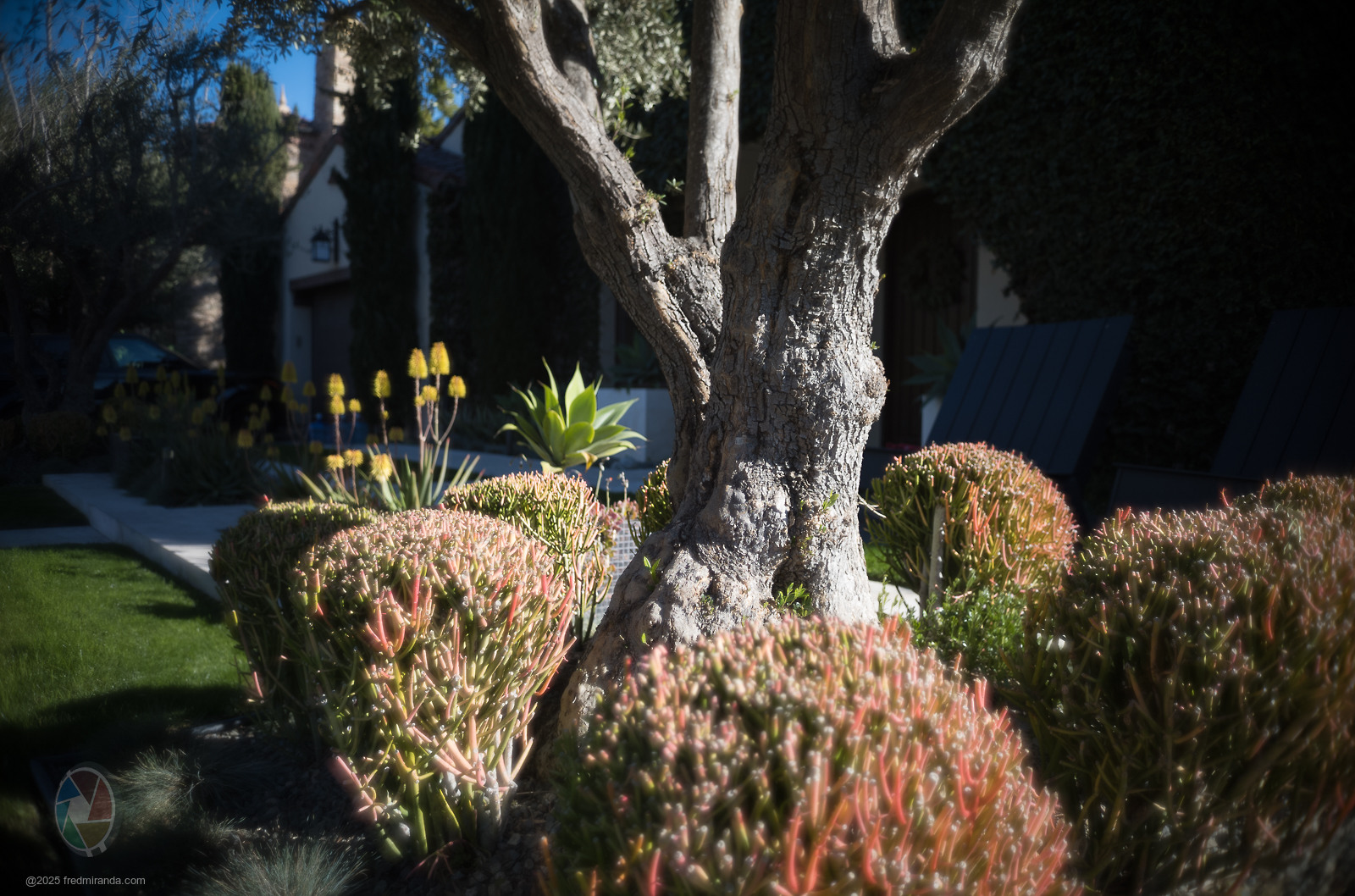
I took a quick walk outside to test the rangefinder focus accuracy at various distances. Here are some images captured under very harsh lighting conditions.
These are straight out of the camera with no adjustments, using the Adobe Standard profile. I personally much prefer the rendering of the 28/2 Apoqualia compared to the f/1.7 version, where the field curvature was far too pronounced for my liking. This version focuses down to 0.4m but I didn't try using LiveView yet:
p.14 #5 · MS-Optics lenses Image and Discussion Thread
Fred, it's very nice to see that your copies of both 50/1.3 and 28/2-II are fine after some adjustments I hope you'll enjoy both lenses! I like my copies of both of those 2 quite a bit. I use 28/2-II for stopped down cityscapes (at f8) quite a lot too, as well as for wide open shots (mostly in close range). My 28/2-II is perfect for stopped down infinity shots at infinity hard stop on my Rayqual adapter whereas my 24/2 is similarly perfect on my Voigtländer VM-E closer focus adapter II. My 28/2-III and 28/1.7 are not optimal at hard infinity on either adapter (both need to be focused a little bit closer), so I tend to enjoy using my 28/2-II and 24/2 more often.
p.14 #6 · MS-Optics lenses Image and Discussion Thread
Fred Miranda wrote:
These are straight out of the camera with no adjustments, using the Adobe Standard profile. I personally much prefer the rendering of the 28/2 Apoqualia compared to the f/1.7 version, where the field curvature was far too pronounced for my liking. This version focuses down to 0.4m but I didn't try using LiveView yet:
All wide open at f/2.
Glad you like this one better than the 1.7. I do think you'll experience quite a bit of focus shift when you use other apertures; mine focuses correctly at f2 so I usually use it there or at f8 or f11, not in between (my only Leica is a film camera so I don't have live view to confirm focus!). In Bastian's review, he found significant backfocus from f2.8 to 4.0 so those would be the most problematic apertures for rangefinder focusing.
p.14 #7 · MS-Optics lenses Image and Discussion Thread
bjhurley wrote:
Glad you like this one better than the 1.7. I do think you'll experience quite a bit of focus shift when you use other apertures; mine focuses correctly at f2 so I usually use it there or at f8 or f11, not in between (my only Leica is a film camera so I don't have live view to confirm focus!). In Bastian's review, he found significant backfocus from f2.8 to 4.0 so those would be the most problematic apertures for rangefinder focusing.
Interesting! Today, I'll test it for focus shift. Surprisingly, the MS Optics 50/1.3 Sonnetar shows minimal focus shift, so I'll be using it frequently at its widest aperture of f/1.3 and also at f/2.
p.14 #8 · MS-Optics lenses Image and Discussion Thread
Juha Kannisto wrote:
Fred, it's very nice to see that your copies of both 50/1.3 and 28/2-II are fine after some adjustments I hope you'll enjoy both lenses! I like my copies of both of those 2 quite a bit. I use 28/2-II for stopped down cityscapes (at f8) quite a lot too, as well as for wide open shots (mostly in close range). My 28/2-II is perfect for stopped down infinity shots at infinity hard stop on my Rayqual adapter whereas my 24/2 is similarly perfect on my Voigtländer VM-E closer focus adapter II. My 28/2-III and 28/1.7 are not optimal at hard infinity on either adapter (both need to be focused a little bit closer), so I tend to enjoy using my 28/2-II and 24/2 more often.
I'm still waiting for the new Lumitar 50/3.5 to be released, hopefully soon!...Show more →
Beautiful set with the 73/1.5, Juha! It was the first MS Optics lens I owned, and it’s still one of my favorites. Along with the 57/2 Petz, they hold sentimental value for me because I bought them during a trip to Tokyo. I actually got an amazing deal on the Petz thanks to your help. Much appreciated!
The rendering is smoother than my other lenses, and I'm glad to see the 50/1.3 shares a similar look. There’s a nice glow wide open, and while specular highlights have some outlining, it's not overly pronounced. The transitions are smooth and pleasing to my eyes, yet the rendering retains a unique and characterful quality.
I just performed a quick focus shift test using my target setup and found that the MS Optics 28mm f/2 shows some focus shift, which is expected given the amount of spherical aberration. It’s noticeable at the pixel level but remains a small shift that might not even be apparent unless you’re pixel peeping, similar to what I see with the MS Optics 50mm f/1.3 S.
Here are 100% crops showing the image center, focused at 1.5m:
First image:
• Left crop: Focused with the rangefinder at f/2, then stopped down to f/2.8 without refocusing.
• Right crop: Focused using Live View at f/2.8.
Second image:
• Left crop: Focused with the rangefinder at f/2, then stopped down to f/4 without refocusing.
• Right crop: Focused using Live View at f/4.
I just performed a quick focus shift test using my target setup and found that the MS Optics 28mm f/2 shows some focus shift, which is expected given the amount of spherical aberration. It’s noticeable at the pixel level but remains a small shift that might not even be apparent unless you’re pixel peeping, similar to what I see with the MS Optics 50mm f/1.3 S.
Thanks, Fred! This probably wouldn't be noticeable on film, so that gives me more confidence in using this lens on my Leica M2-R under a wider range of lighting conditions.
p.14 #20 · MS-Optics lenses Image and Discussion Thread
Juha Kannisto wrote:
Yes, they all have basically same optical design but it seems Miyazaki-san did some optical tweaking between each version. MS-Optics Lens 2 booklet which I have (by S. Miyazaki and S. Ishida) mentions that some improvement of sharpness and peripheral resolution was done in versions II and III over original one and the SA curves for the 3 different versions have some variation in the data sheets. In practise I think my III shows higher sharpness than my II wide open at close range at least but overall I prefer the II (especially from handling perspective).
This SA curves from Data Sheet of version III of the lens (called Part III in the sheet) show 3 different curves where leftmost is for Part I, the middle one is for Part III and the rightmost is for Part II, and these seem to refer some differences between the 3 different versions of the lens....Show more →
I just received a MS Optics 28mm f/2 APOQUALIA Version III (Glossy Black Paint) and there are several differences in the build compared to Version II. The newer version is slimmer, measuring 9mm in thickness versus 9.8mm on Version II. As you mentioned in another post, while both are labeled with a 28mm filter thread, only Version II actually accepts a 28mm filter. The filter thread on Version III is slightly larger (perhaps 30mm?), making the front cap incompatible with Version II.
Looking at the spherical aberration graphs, Version III appears to have better correction, which matches your observations that it delivers sharper and higher-contrast images than Version II. I also find it interesting that they decreased the MFD from 0.4m on Version II to 0.6m on Version III...I wonder what led to that decision since it should perform better at close distance.
I plan to compare them side by side to see if the field curvature has changed between the two versions. I have a URUSHI Version II and a Glossy Black Paint Version III, but I am not sure which one I prefer. The Version III makes mounting and unmounting easier thanks to its grip section, but adjusting the aperture is more difficult. On the other hand, my URUSHI Version II allows for easier aperture adjustments but is harder to attach to the camera.
Is that MS-Optics Lens 2 booklet for sale anywhere?


 I hope you'll enjoy both lenses! I like my copies of both of those 2 quite a bit. I use 28/2-II for stopped down cityscapes (at f8) quite a lot too, as well as for wide open shots (mostly in close range). My 28/2-II is perfect for stopped down infinity shots at infinity hard stop on my Rayqual adapter whereas my 24/2 is similarly perfect on my Voigtländer VM-E closer focus adapter II. My 28/2-III and 28/1.7 are not optimal at hard infinity on either adapter (both need to be focused a little bit closer), so I tend to enjoy using my 28/2-II and 24/2 more often.