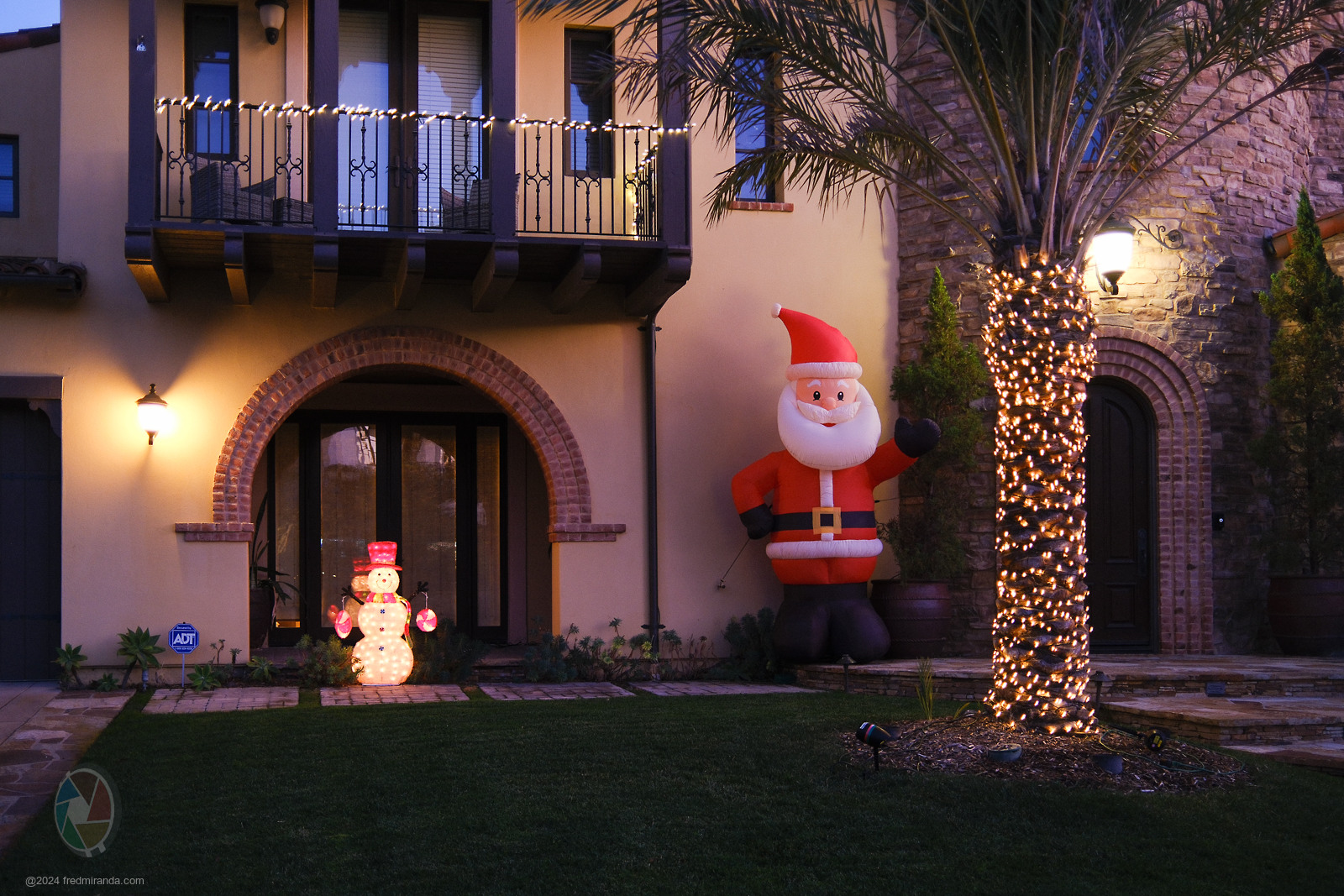
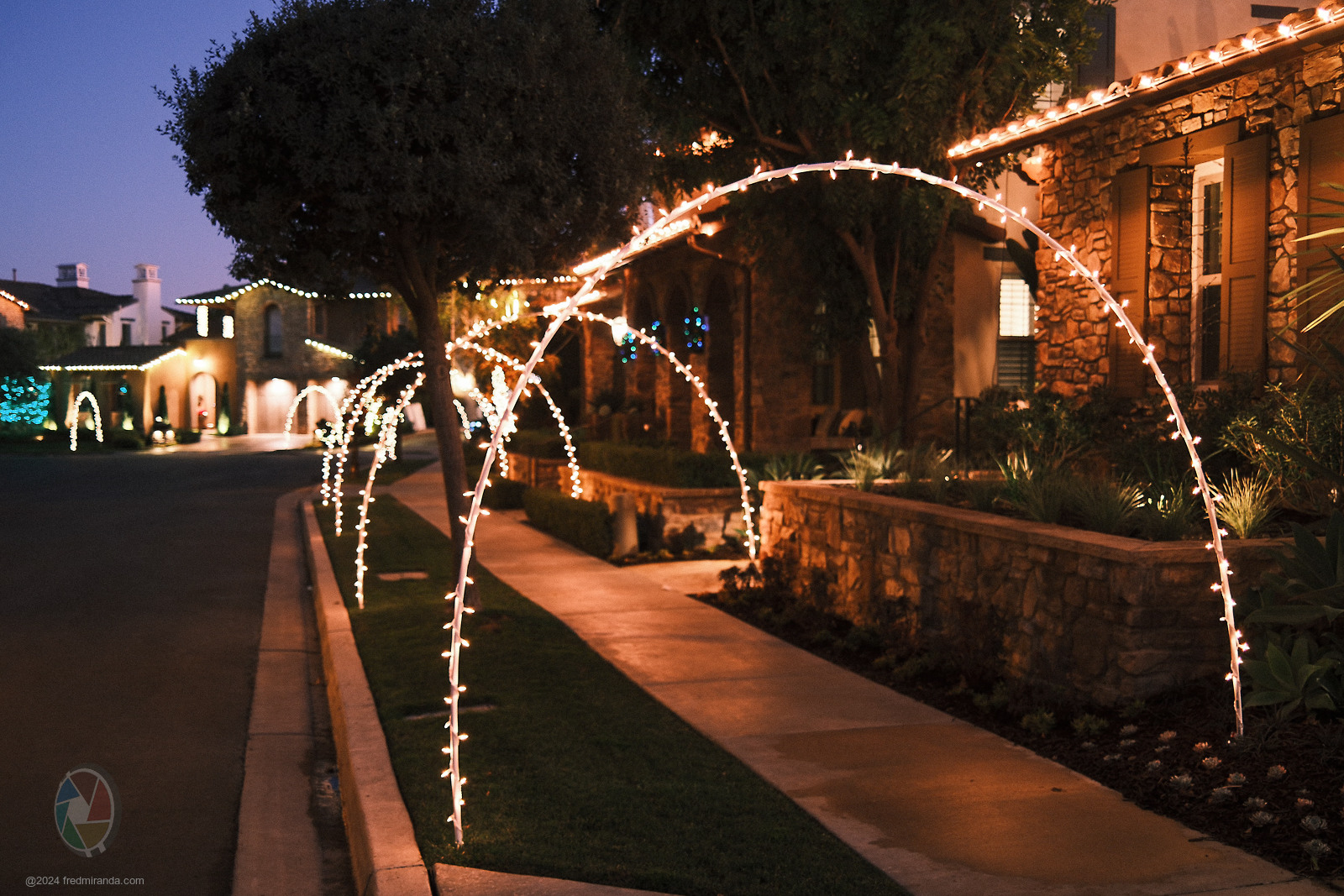
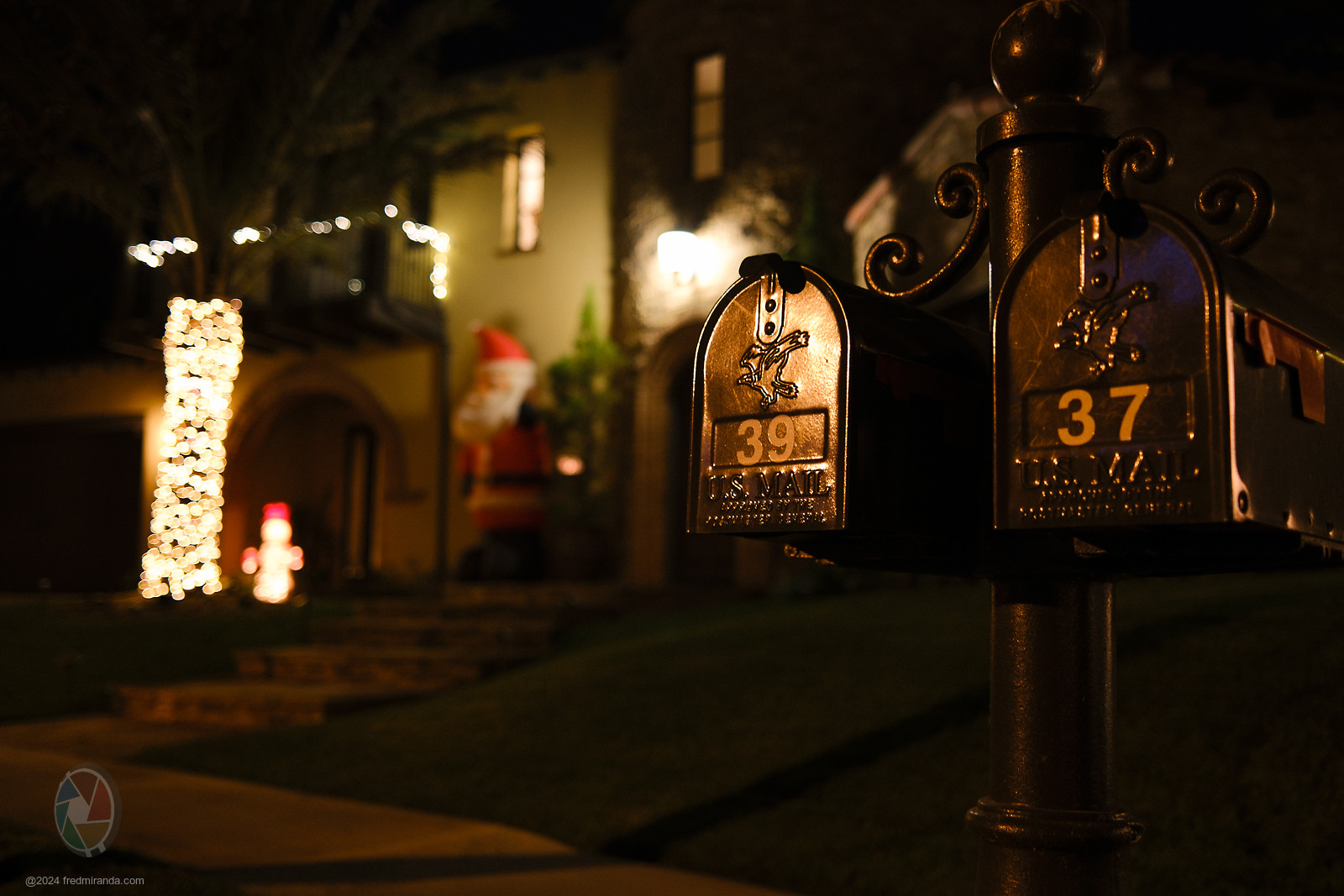
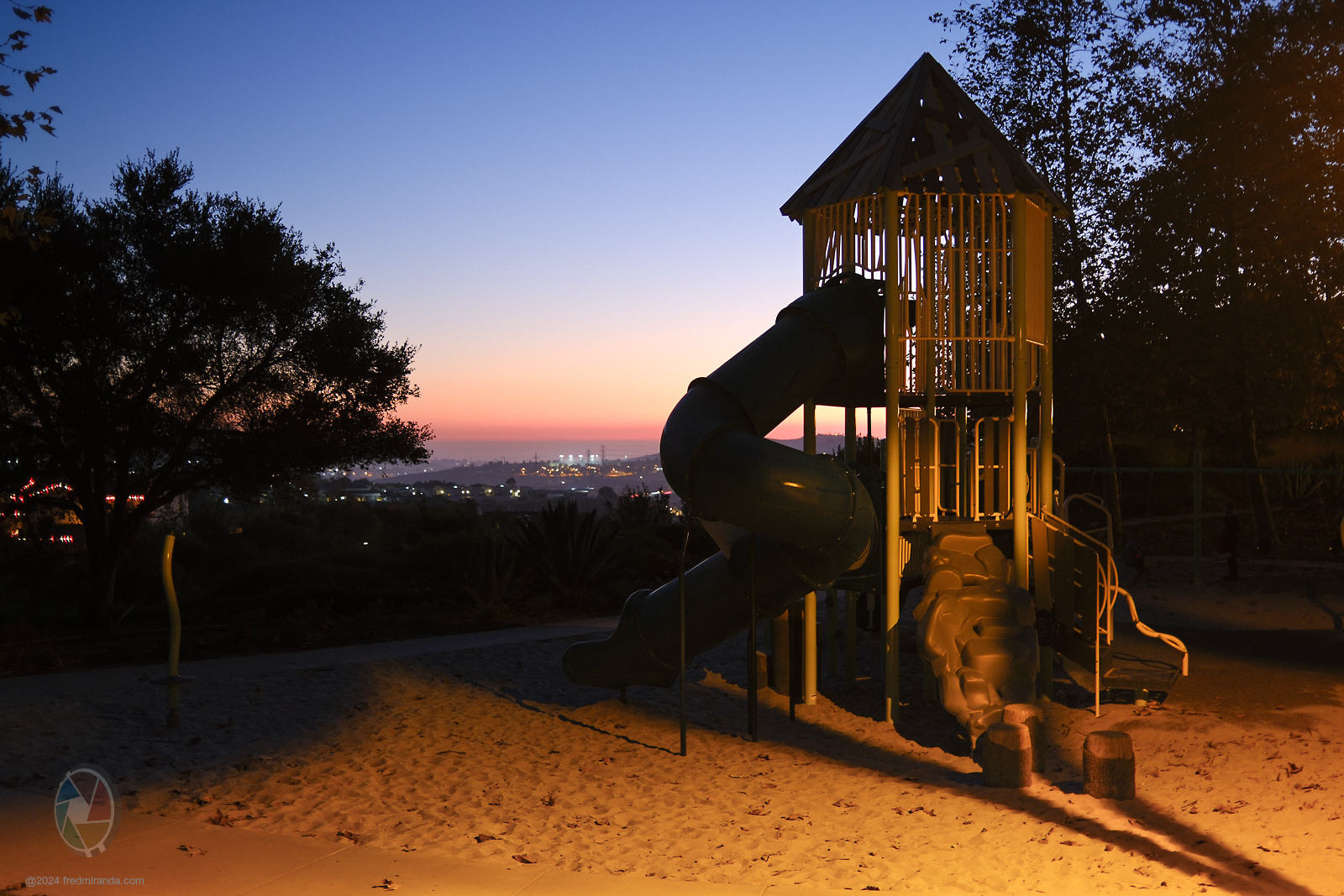
Did you decide to sell the x-pro 3 instead and keep the x100vi?
Fred Miranda wrote:
Thanks for all the suggestions, everyone. I’ve decided to sell the X100VI because I love the X-Pro3 too much to part with it. I might also sell some of the Fuji and Voigtlander lenses I bought for the X-mount instead.
I do reviews for Fuji lenses, so I actually need an interchangeable Fuji body. That was reason enough for this decision.
shifu wrote:
Did you decide to sell the x-pro 3 instead and keep the x100vi?
I was a bit confused, which is why I asked for your opinions. I initially decided to keep the X-Pro3 because I need an interchangeable body for X-mount lens reviews. However, a friend suggested I try the X100VI before selling it.
Well, I did and fell in love with it! It’s essentially a more compact X-Pro3 in terms of the shooting experience, but I somehow like it better. The first thing I learned was to set up a custom button to turn off the screen. I chose the AE button to toggle between the LCD and the viewfinder, so I only have two options. This setup works for me since I mainly compose with the viewfinder and don’t check my images while shooting.
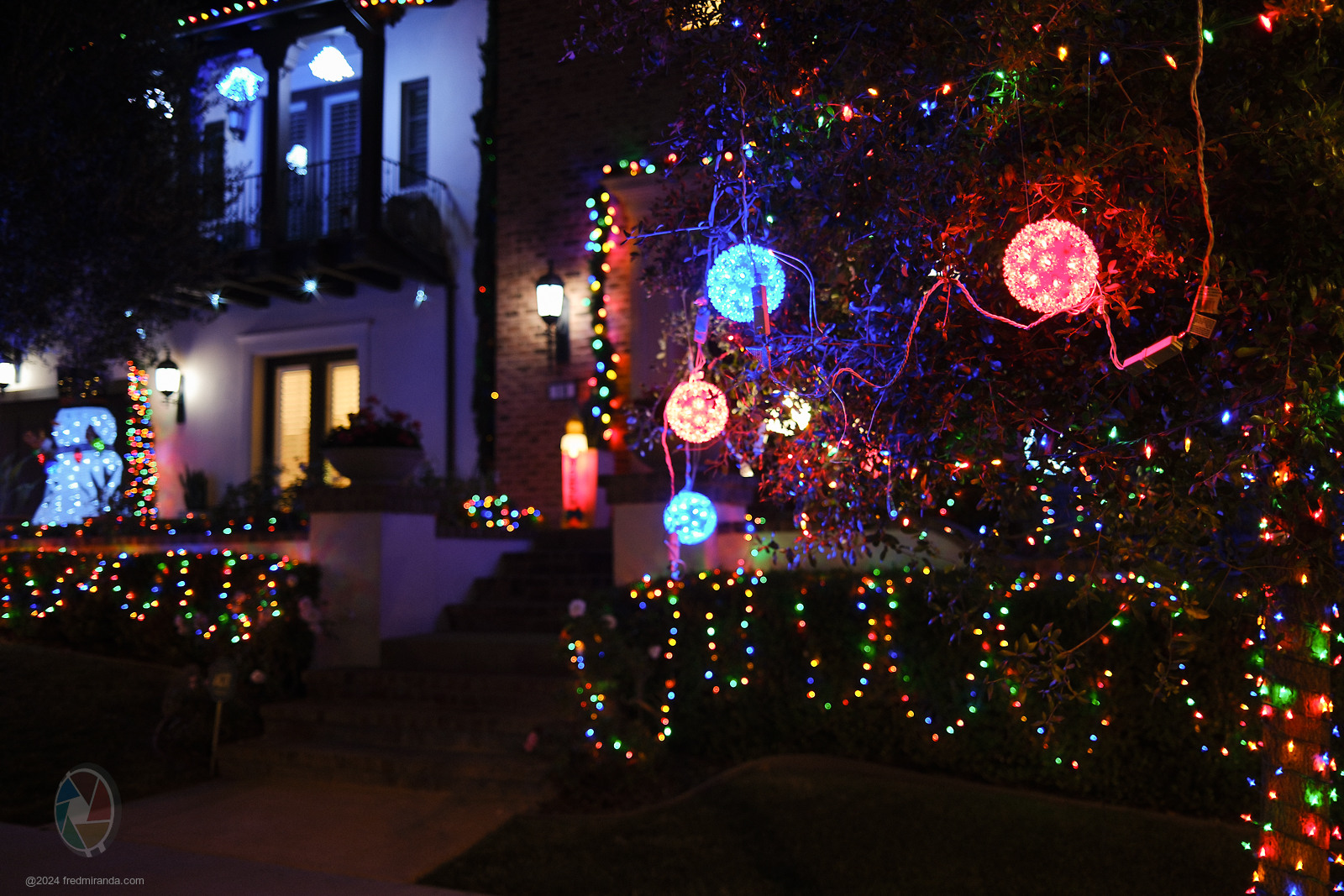
I initially thought the higher MP and IBIS wouldn’t make much difference, but they actually do. I previously mentioned that IBIS wasn’t crucial for me, but that changed after I took the X100VI for a night walk around my neighborhood for some test shots. Getting sharp images at 1/2 and 1 second is incredibly useful, and the IBIS doesn’t seem to make any noise.
In the end, I followed Dan’s advice and got an X-T5 as well. I chose this body because of its sensor and features, and because it’s more distinct from the X100VI compared to the X-Pro3. This will be my Fuji interchangeable body for reviews. I’ve tried it before and liked it a lot. So, yes, I had to say farewell to the X-Pro3, but I’m happy with the decision. Hopefully, the new buyer will enjoy it as much as I did.
Here are a few snaps from tonight, testing the IBIS at very low shutter speeds. I set the camera to HEIF output only, and I’m really happy with the files. The built-in 35mm equivalent lens is surprisingly good, though it does show some character with a bit of bokeh outlining and coma. I actually prefer this 23mm f/2 over the XF 23mm f/2 WR.
Well, now you have my set-up, Fred. ;-) Don't forget the built-in ND filter on the X100VI. You can slow your shutter speed in daylight, too, if you'd like.
Fred Miranda wrote:
I was a bit confused, which is why I asked for your opinions. I initially decided to keep the X-Pro3 because I need an interchangeable body for X-mount lens reviews. However, a friend suggested I try the X100VI before selling it.
Well, I did and fell in love with it! It’s essentially a more compact X-Pro3 in terms of the shooting experience, but I somehow like it better. The first thing I learned was to set up a custom button to turn off the screen. I chose the AE button to toggle between the LCD and the viewfinder, so I only have two options. This setup works for me since I mainly compose with the viewfinder and don’t check my images while shooting.
I initially thought the higher MP and IBIS wouldn’t make much difference, but they actually do. I previously mentioned that IBIS wasn’t crucial for me, but that changed after I took the X100VI for a night walk around my neighborhood for some test shots. Getting sharp images at 1/2 and 1 second is incredibly useful, and the IBIS doesn’t seem to make any noise.
In the end, I followed Dan’s advice and got an X-T5 as well. I chose this body because of its sensor and features, and because it’s more distinct from the X100VI compared to the X-Pro3. This will be my Fuji interchangeable body for reviews. I’ve tried it before and liked it a lot. So, yes, I had to say farewell to the X-Pro3, but I’m happy with the decision. Hopefully, the new buyer will enjoy it as much as I did.
Here are a few snaps from tonight, testing the IBIS at very low shutter speeds. I set the camera to HEIF output only, and I’m really happy with the files. The built-in 35mm equivalent lens is surprisingly good, though it does show some character with a bit of bokeh outlining and coma. I actually prefer this 23mm f/2 over the XF 23mm f/2 WR....Show more →
Well, how about that! Someone took my suggestion! :-)
I think you are going to like the XT5. It combines quite a compact body with the pluses of improved AF, higher resolution, and IBIS. It was my first IBIS-equipped camera, and like you I had felt that it was something that I really did not need. But having it I realized that there are all kinds of low light situations that be amenable to handheld shooting with IBIS, specially the marginal light photographs like you shared.
I’ve been intrigued by the X100(x) cameras and have shot with them. They are very appealing, and I think that they can be the right choice for a lot of people, especially as a second, smaller body. For my part, I decided that putting the 27mm f/2.8 on the XT was a good enough alternative.
Like you, I liked the XPro bodies a lot. I shot the heck out of my XPro2 before finally replacing it with the XT5. I still think that the XPro concept was brilliant and one of the most innovative things Fujifilm has done… though I also think that the situation has changed now that mirrorless systems are so much better than they used to be.
@Fred Miranda@@ if you want something fun to test, ArtraLab just released their version of conversion lenses for the X100 called the Funkyframe. I bet they’d send you one for review, they sent me a Z lens immediately when I asked via IG DM.
RoamingScott wrote:
@Fred Miranda@@@ if you want something fun to test, ArtraLab just released their version of conversion lenses for the X100 called the Funkyframe. I bet they’d send you one for review, they sent me a Z lens immediately when I asked via IG DM.
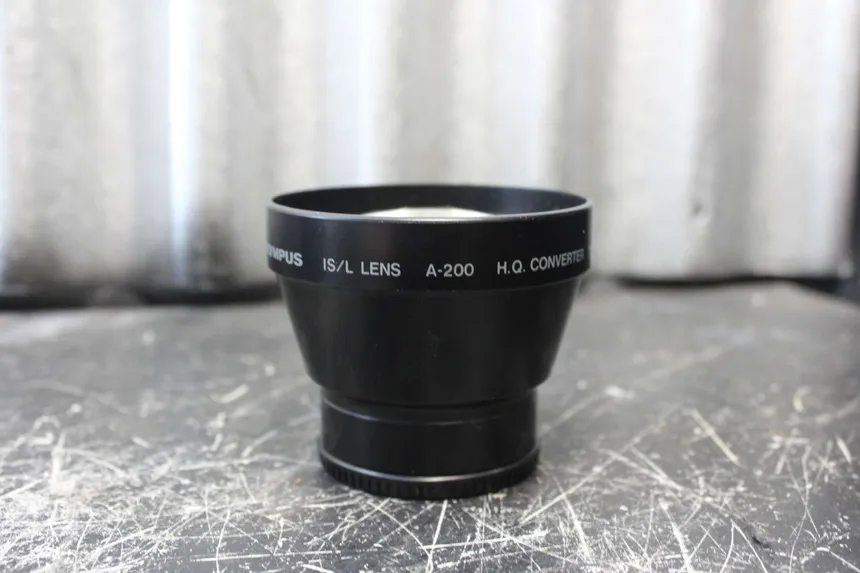
BTW, I just tried an Olympus IS/L Lens A-200 H.Q. Converter 1.5x that I had lying around on the X100VI, and it works nicely as a 75mm lens for portraits. The converter is very light and has a 49mm thread, so it can go right into the filter adapter thread instead of screwing into the lens.
I set the camera to 50mm digital zoom and used the TELE setting. I also added a Glimmer Glass 1 before the converter and got very sharp images, even off-center. I think I bought this converter for $10 on eBay a few years ago.
Olympus shooters swear by it, and it could be a good option for those rare occasions when I want to shoot tele portraits with this camera. Plus, it's made in Japan.
Fred Miranda wrote:
I’m not sure I would use such large add-ons for the X100, but it seems AstraLab is also releasing a 16mm Wide-Angle Conversion lens.
I can see how there might be some use for such things… but if one needs to use such large add-on very much the good old ILC (like the XT5 or even, in some cases, an EX) with a couple of lenses starts to look like a better bet. (The add-on lens seem to defeat the size and simplicity pluses of the X100(x) series bodies.)
gdanmitchell wrote:
I can see how there might be some use for such things… but if one needs to use such large add-on very much the good old ILC (like the XT5 or even, in some cases, an EX) with a couple of lenses starts to look like a better bet. (The add-on lens seem to defeat the size and simplicity pluses of the X100(x) series bodies.)
I can see the appeal of the 28mm conversion glass for those who enjoy shooting at 28mm. It's compact and weighs just 125 grams. Unlike a 50mm lens, whose angle of view can be achieved by in-camera cropping, going wider is unique. Although it can also be done by combining three 35mm shots in a vertical pano, which can be useful for landscapes to capture even more detail.
I'm curious about how the edges of the frame are affected when using the Fuji 28mm converter lens. Did anyone tested this?
28mm converter is more popular due to size. I see that you already have it. The reviews were putting as good as Fuji 28mm f2 prime on 26MP sensors... There is also Fujifilm WCL-X70 Wide Conversion Lens which give 0.75x view which is 26.5mm equiv.
I like the tele converters as there is no light loss, so it helps in low light and getting higher MP crop for longer shots. I had only X-100VI with converters in my last vacation. Yes, i didn't carry the teleconverter much due to size, but then the photos were taken mostly with family. Bokeh balls with the Fuji teleconverter are rounder than comparable smaller Fuji 35mm f2 lens... I am also using the Sigma 1.2x tele converter on the primes to extend the lens range...
Advantage of X100VI is silent leaf shutter, sealed body, and has no problems with artificial lights. OVF works with converters also.
Fred Miranda wrote:
I can see the appeal of the 28mm conversion glass for those who enjoy shooting at 28mm. It's compact and weighs just 125 grams. Unlike a 50mm lens, whose angle of view can be achieved by in-camera cropping, going wider is unique. Although it can also be done by combining three 35mm shots in a vertical pano, which can be useful for landscapes to capture even more detail.
I'm curious about how the edges of the frame are affected when using the Fuji 28mm converter lens. Did anyone tested this?
serhan_ wrote:
28mm converter is more popular due to size. I see that you already have it. The reviews were putting as good as Fuji 28mm f2 prime on 26MP sensors... There is also Fujifilm WCL-X70 Wide Conversion Lens which give 0.75x view which is 26.5mm equiv.
I like the tele converters as there is no light loss, so it helps in low light and getting higher MP crop for longer shots. I had only X-100VI with converters in my last vacation. Yes, i didn't carry the teleconverter much due to size, but then the photos were taken mostly with family. Bokeh balls with the Fuji teleconverter are rounder than comparable smaller Fuji 35mm f2 lens... I am also using the Sigma 1.2x tele converter on the primes to extend the lens range...
Advantage of X100VI is silent leaf shutter, sealed body, and has no problems with artificial lights. OVF works with converters also....Show more →
Yes, there are so many things to love about the X100VI: the leaf shutter, built-in 4-stop ND filter, sealed body, 6-stop IBIS, and more. The dedicated wide and tele extenders seem to offer very high image quality, at least the 28mm. I bought the version 1 for a bargain and added a magnet to it. Super handy.
I will eventually try the 50mm extender, but right now, I don't see myself using it much. In the meantime, I have the Olympus A-200 to play with.
ggweci wrote:
5 month wait, but mine came in today. Picked it up tonight, installed a screen and lens protector, and charging up the battery. Looking forward to testing out the 40mp sensor, IBIS, and film sims.
I ordered mine on February 29th, and received my shipping notification yesterday — 10 month wait 🤦🏽♂️
I ended up selling mine after 4 months - less time than I waited for it
I waited this long might as well check it out, but I’m not feeling it anymore, bought other cameras and lenses in those q0 months of waiting — so, I may either send it back or flip it
Mine was delivered yesterday. Got the notification for shipping the day before. 10 months of wait and it was here in 2 days. When I ordered it, my plan was to perhaps ditch my Sony system and simplify my life. Not quite sure anymore.
I'm just an amateur photographer. Mostly just taking pictures of my toddler, etc. But, my x100vi that I also preordered in like Feb or March (from a MA based shop, not b&h) just arrived.
I have a used X-T5 that I am enjoying, but am finding myself with the same questions many seems to have... do I really need both for my rather simple, unprofessional needs?
The size is very compelling for the x100vi... but I am also using my X-T5 to digitize my film negatives...
Anyway, just thought I'd add my conundrum to the list.
lpommers wrote:
I'm just an amateur photographer. Mostly just taking pictures of my toddler, etc. But, my x100vi that I also preordered in like Feb or March (from a MA based shop, not b&h) just arrived.
I have a used X-T5 that I am enjoying, but am finding myself with the same questions many seems to have... do I really need both for my rather simple, unprofessional needs?
The size is very compelling for the x100vi... but I am also using my X-T5 to digitize my film negatives...
Anyway, just thought I'd add my conundrum to the list.
Having used a bunch of iterations in Fuji world, the X100 use case is best summed up with...do you primarily shoot JPEG/film recipes?
If you do, being able to combine DR400 with the built in ND filter is the killer feature. This becomes much more cumbersome on an X-T5.
If you're just shooting RAW and editing later, the X-T5 makes way more sense and gives you many other things too.
For me, the more experience I have with Fuji, the more I enjoy it just for the JPEG output...I have other, far better options if I want RAW files and great IQ.
RoamingScott wrote:
Having used a bunch of iterations in Fuji world, the X100 use case is best summed up with...do you primarily shoot JPEG/film recipes?
If you do, being able to combine DR400 with the built in ND filter is the killer feature. This becomes much more cumbersome on an X-T5.
If you're just shooting RAW and editing later, the X-T5 makes way more sense and gives you many other things too.
For me, the more experience I have with Fuji, the more I enjoy it just for the JPEG output...I have other, far better options if I want RAW files and great IQ.
Scott,
Which scenarios/lighting do you combine DR400+ 4-stop ND?
Fred Miranda wrote:
Scott,
Which scenarios/lighting do you combine DR400+ 4-stop ND?
The X100 line is purely a JPEG camera for me, and all recipes are built on the premise of using DR400, so I'd use it all the time, in all light. DR400 hits the 2nd base ISO for the dual gain, controls highlights much better than DR100 or DR200. ND is applied anytime as necessary to control shutter speed (meaning almost all the time outdoors). F2 is a nonstarter aperture for me on the X100 line, 2.2 is the minimum for acceptable IQ for me personally.
I rarely use DR400 on the GFX because 1) it affects RAW files and 2) if you don't have a screw-on ND with you at all times, you're constantly fiddling with the DR setting midday and totally defeating the point.