Steve Spencer wrote:
I am also really interested in how the 75 f/1.4 will render as well. In the Simera C cine version with the heavier cine housing it comes in at only 450g. I would expect it to come in at about 350g in a regular stills housing, which would make it really interesting from a size and weight perspective for a 75 f/1.4.
…
My current MF kit that includes the CV 21 f/1.4, 40 f/1.2, 50 f/2 APO, and Loxia 85 f/2.4 all for the stock sensor is quite nice, but there are still several Leica M mount lenses I would really like to use but they suffer on the stock sensor....Show more →
CV 21/1.4 - CV 40/1.2 - Symera 75/1.4
This is an extremely nice spacing! 😁
I note that the Thypoch Symera C lenses have an e-mount.
Are there any disadvantages in using the cine version for regular photography?
(e.g. on a A7rv, A7cR or A1?)
I am very interested in the Simera 75mm and wonder how it compares to the clearly heavier Voigtländer 75mm.
Alex Barrera's comparo of the Simera 50mm and the 2023 Summilux CF below (which gained a 0.45m MFD and 11 aperture blades over the older version). It's hard to know the habits of others using fast lenses, but I very frequently use a 50mm at f2-f2.8-f3.5 so the aperture blade count and behaviour is very important to my photography. Alex shows the apertre shapes of the Simera 50/1.4 at 2:00 and the Summilux at 3:05.
This being a CF Summilux, see 8:35 onwards for aperture blade comps and close focus sharpness. He misses the greater warmth, in-bokeh definition and depth of the Simera. At the very common f2.8 setting, the Leica's performance would rule it for me.
Knut. wrote:
I note that the Thypoch Symera C lenses have an e-mount.
Are there any disadvantages in using the cine version for regular photography?
(e.g. on a A7rv, A7cR or A1?)
I am very interested in the Symera 75mm and wonder how it compares to the clearly heavier Voigtländer 75mm.
Disadvantages will likely be that it's larger and heavier than a stills version. The gearing on the focus and aperture rings might not be the most pleasant tactile experience. And it'll be more expensive. But their cine line of Simera lenses are not expensive relative to other cine options.
One potential advantage is that you get a 220˚ focus throw which will allow easier placement of focus exactly where you want it, if you have the time to rack focus that far. One of the review complaints about the Simera M-mount lenses is the short focus throw that can make precise focus more challenging that it could be.
Knut. wrote:
I note that the Thypoch Symera C lenses have an e-mount.
Are there any disadvantages in using the cine version for regular photography?
(e.g. on a A7rv, A7cR or A1?)
I am very interested in the Symera 75mm and wonder how it compares to the clearly heavier Voigtländer 75mm.
The cine version would not have a clickable option for the aperture which might be a major disadvantage for most photographers. The cine versions have a 16 blade aperture diaphragm vs 14 for the non cine versions, which would be an advantage. Focus throw is much greater at 210 degrees which might be an advantage or not, depending on user preferences (Fred mentioned this 50 M mount having a focus throw of around 90 degrees). Finally, the weight and cost would be greater for the cine version. Other ergonomic considerations would also come into play (Leica focus tab on non cine version, yellow on black font for the cine version, etc.)
Cost differential is not so great (good to hear from you, Tariq), 220 degrees is very much a Zeiss standard, weight is still excellent at 440g, see above video for solid 14 blade performance, a little larger lenses are fine on Sony, it's not that big. No adapter needed. Easy grip in cold and at night. Many dislike tabs, me too.
Knut. wrote:
I note that the Thypoch Symera C lenses have an e-mount.
Are there any disadvantages in using the cine version for regular photography?
(e.g. on a A7rv, A7cR or A1?)
I am very interested in the Symera 75mm and wonder how it compares to the clearly heavier Voigtländer 75mm.
Are you talking about the advantage or disadvantage of using the Cinema version versus the normal version? Those are answered above.
But a very important question which I’ve asked several times and we will probably have to wait for Bastian’s review, is will this lens optically act on your Sony camera like you are seeing here in Fred’s test?
I would guess not, I think the thicker Sony sensor will probably degrade image qualify. Bastian reported Simera was funny about his questioning if the other mounts versions had been optically optimized and didn’t send him an e-mount version when requested…
nehemiahphoto wrote:
But a very important question which I’ve asked several times and we will probably have to wait for Bastian’s review, is will this lens optically act on your Sony camera like you are seeing here in Fred’s test?
I would guess not, I think the thicker Sony sensor will probably degrade image qualify. Bastian reported Simera was funny about his questioning if the other mounts versions had been optically optimized and didn’t send him an e-mount version when requested…
I am curious about the same and I have a feeling with how similar they are in design that you are probably correct, but I am willing to be pleasantly surprised.
Knut. wrote:
I note that the Thypoch Symera C lenses have an e-mount.
Are there any disadvantages in using the cine version for regular photography?
(e.g. on a A7rv, A7cR or A1?)
I am very interested in the Simera 75mm and wonder how it compares to the clearly heavier Voigtländer 75mm.
I've been told the Simera 75 is coming early 2025.
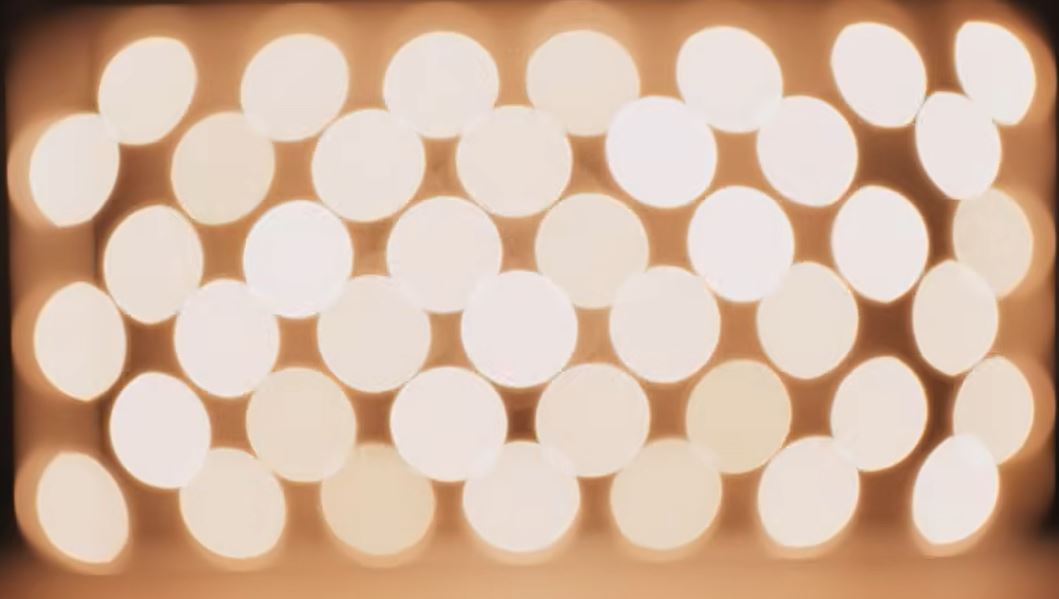
Here are a random set of images I shot this evening using the Simera to try and understand it well enough to for serious shooting. I have a night street shoot coming up this weekend so I spent some time shooting lights wide open and a little stopped down to see where we get some star bursts. i also shot a simple street style portrait and a classic street style scene in B&W. I did a set of string lights in a window to see the character of bokeh in that use case. SOOC there was some CA fringing, but it cleaned up easily with the LIghtRoom defringe tool.
I think the 14 aperture blades do a fantastic job with the lights.
These are pretty much how they appear brought into LightRoom, with the auto button, using the Leica 50mm f/1.4 ASPH profile. I am showing the EXIF data but as you know it is not always correct. Most of these were shot wide open except the landscape test at F/8, and the starburst test at f/4.0.
All were shot hand held, focused with the rangeFinder, on Auto ISO so big variety in ISO.
Not sure what everyone will get out of these. They are not deigned to be disciplined lens testing images, but casual usage images.Sort of a first date with the lens. Feel free to ask questions about individual shots.
I notice the EXIF shows the 35mm Lux because that is what the camera was set to. But, I manually set the 50mm Lux in Lightroom. I will hand 6 bit encode the lense later this week.
It's a warm rich look. Below is the cine version starchart of the 50/1.4, stopped down two or three stops, where you may expect trouble with ball shapes.
rscheffler wrote:
Disadvantages will likely be that it's larger and heavier than a stills version. The gearing on the focus and aperture rings might not be the most pleasant tactile experience. And it'll be more expensive. But their cine line of Simera lenses are not expensive relative to other cine options.
One potential advantage is that you get a 220˚ focus throw which will allow easier placement of focus exactly where you want it, if you have the time to rack focus that far. One of the review complaints about the Simera M-mount lenses is the short focus throw that can make precise focus more challenging that it could be....Show more →
I wonder if the higher price is due to more rigorous quality control of cine lenses before they are shipped. At least that is the case with Zeiss cine lenses. Decentering and such things are caught by the company and not the consumer.
But a very important question which I’ve asked several times and we will probably have to wait for Bastian’s review, is will this lens optically act on your Sony camera like you are seeing here in Fred’s test?
I would guess not, I think the thicker Sony sensor will probably degrade image qualify. Bastian reported Simera was funny about his questioning if the other mounts versions had been optically optimized and didn’t send him an e-mount version when requested…
The Symera-c 75mm is specifically made for e-mount.
Thus, wouldn‘t the e-mount cine version consider the thicker Sony glas? (I‘m not aware of an m-mount cine version).
Or do you believe that the sensor glas thickness is different for Sony A1/A7/A7 cameras versus their cine geared cameras?
(This would be novel to me and if true, very suprising)
Nov 13, 2024 at 05:50 AM
Steve Spencer Offline • • • • • • • Upload & Sell: On
Knut. wrote:
The Symera-c 75mm is specifically made for e-mount.
Thus, wouldn‘t the e-mount cine version consider the thicker Sony glas? (I‘m not aware of an m-mount cine version).
Or do you believe that the sensor glas thickness is different for Sony A1/A7/A7 cameras versus their cine geared cameras?
(This would be novel to me and if true, very suprising)
You would think they would have adjusted the design for E-mount, but the comments they made to Bastian suggest they may not have. We will have to see as Bastian does more testing. We might have expected if they adjusted the design for the E mount cine lenses they would have used that adjusted design for the E mount 28 and 35 that are now available, but from the performance of those E mount lenses it does not appear they have done so. We will know more as we get more testing of M mount vs. E mount lenses.
Steve Spencer wrote:
You would think they would have adjusted the design for E-mount, but the comments they made to Bastian suggest they may not have. We will have to see as Bastian does more testing. We might have expected if they adjusted the design for the E mount cine lenses they would have used that adjusted design for the E mount 28 and 35 that are now available, but from the performance of those E mount lenses it does not appear they have done so. We will know more as we get more testing of M mount vs. E mount lenses.
This appears quite strange. The e-mount Symera-c came out first, specifically adapted to e-mount for videographers.
Why would they have taylored the design of this cine-lens to a possible future m-mount release? They wanted to enter the market with a great product (not a degraded cine lens).
This just doesn‘t make sense.
I see two options:
1) There is a misunderstanding betwen them and Bastian. Possibly they did not mean that the Symera m and e-mount version are optically identical but that their performance is optically identical (due to adaptation to the respective mounts).
2) The videography oriented Symera-c is fine tuned to Sony E and the photographer Symera is fine tuned to Leica m-mount (and the photographer Symera for e-mount is indeed optically identical the m-mount version, accepting some degradation due to the thicker sensor glas).
The litmus test would be a direct comparison of the Symera-c (e-mount) with the Symera (e-mount).
For now it would be prudent to buy the Symera-c for e-mount which is in itself a nice lens. Especially the long focus throw (220 degrees) is a clear advantage for some applications.
75 mm tends to be much more minimally affected by sensor stack issues. The hope with the 75mm for shooters and plan by Simera is that you can use it on either system with minimal impact I believe.
However, I believe the 28 mm and 35 mm, probably the 50mm, and 21 mm are going to be pretty different and suboptimal on a stock Sony stack, both e and cine versions for Sony. Once I see actual testing independent of Thypoch, I’ll believe it. I feel that if Simera had optimized the optics for native performance, they would’ve said this. They are obviously an extremely marketing centric operation as far.
As far as I know, that 21mm especially isn’t going to be performing well on different sensor stacks wide-open.
I am tempted to order the Simera-C 50/1.5 and try it on both my modded Sony and native Sony. If it performs worse on stock, I would return to B + H.
And at that point, it would be even more safe to assume that if they have not bothered to optimize the newly released 50/1.5 you’re probably not getting any of the other cine lenses optimized. Or the stills versions.
Steve Spencer wrote:
I am also really interested in how the 75 f/1.4 will render as well. In the Simera C cine version with the heavier cine housing it comes in at only 450g. I would expect it to come in at about 350g in a regular stills housing, which would make it really interesting from a size and weight perspective for a 75 f/1.4. If it renders like this 50 f/1.4 or close, I would be very interested.
I am less interested in the 21 as I am a big fan of the Voigtlander 21mm and how it renders. If I want a fast 21, then for my tastes a wonderful and small enough one already exists.
Thanks for nudging me toward a modded sensor. I am sure I will do it at some point. On one hand, it would make sense to do it soon and I could start building the kit I really want. On the other hand, I probably should wait until I get a second stock Sony that I wouldn't modify for my AF lenses. My current MF kit that includes the CV 21 f/1.4, 40 f/1.2, 50 f/2 APO, and Loxia 85 f/2.4 all for the stock sensor is quite nice, but there are still several Leica M mount lenses I would really like to use but they suffer on the stock sensor. It will all work out in time. I just need to be patient and content with what I have for now....Show more →
Interesting kit. A bit big and too clean for me. I never get along with the 40mm either.
I tend to run a 3 lens of 21/35/75 or a 2 lens kit of 24 or 28mm + 50mm (if nature or shooing a show, toss in an 85mm or 90mm).
My lenses are really small—if and when you mod your sensor, you could shave a lot of weight (relative to the kit you outlined by keeping things at f2 and faster). Then again, our needs and preferences vary
Either way, I think you’ll find modding your sensor allows you to shrink down your lenses. Even picking up the same CV’s (21,40 and 50) in m will be a welcome size reduction. A CV 90/2.8 might be a lovely smaller high IQ option to the Loxia 85. Just a thought!
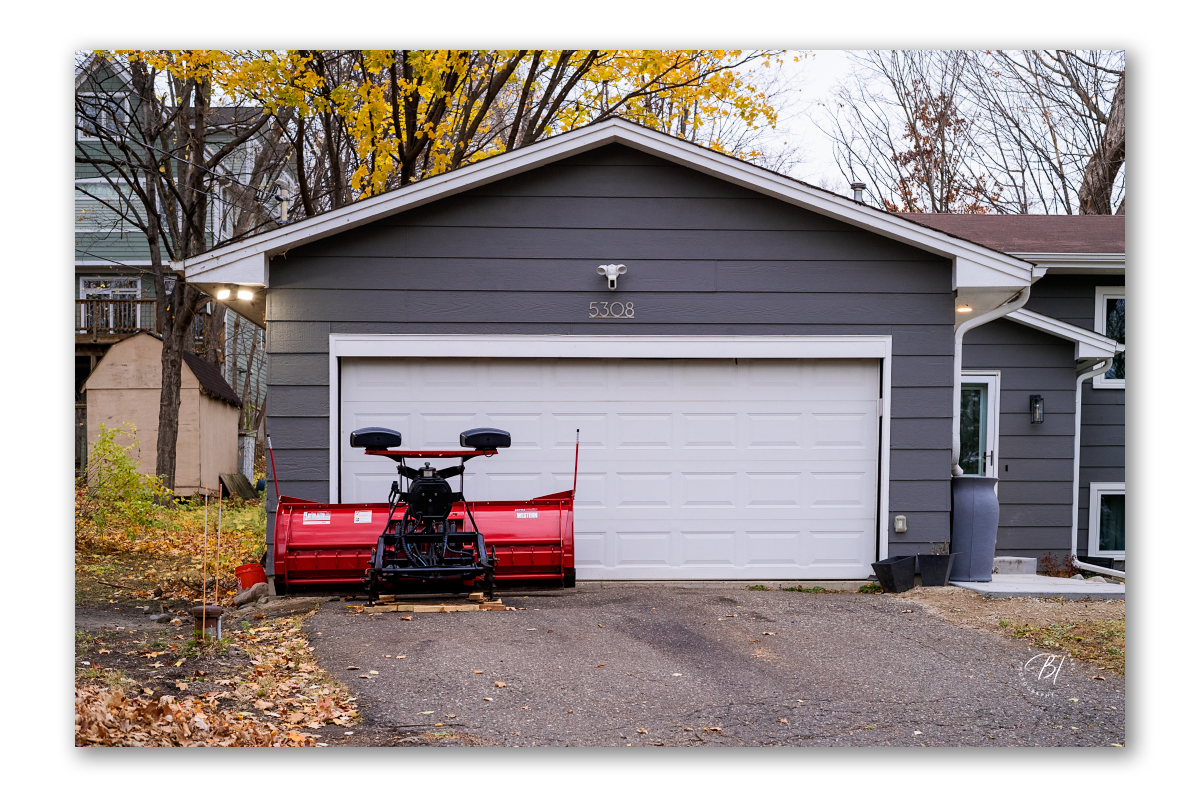
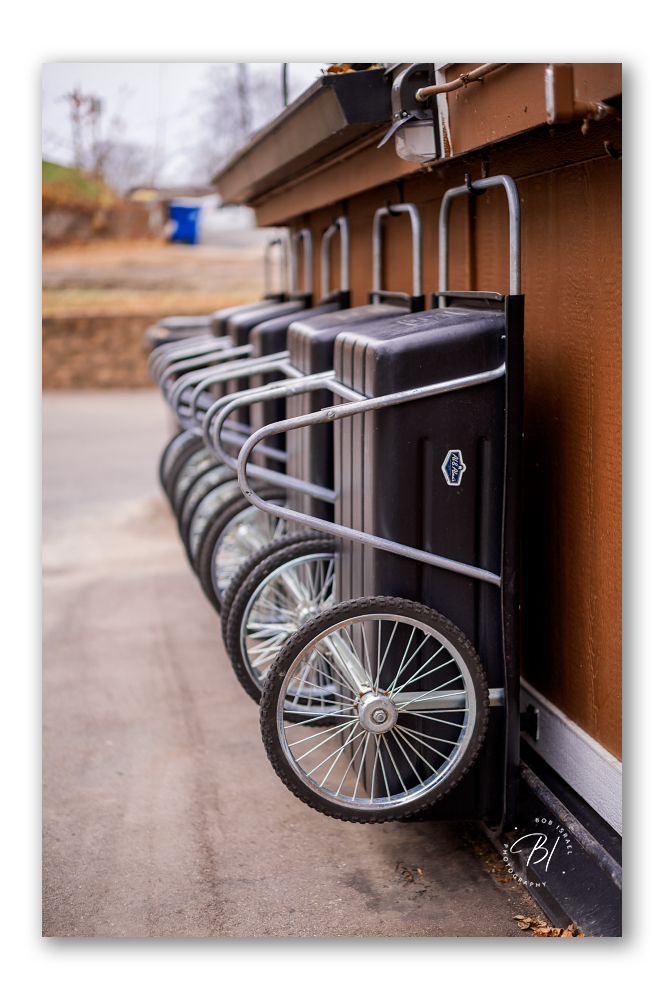
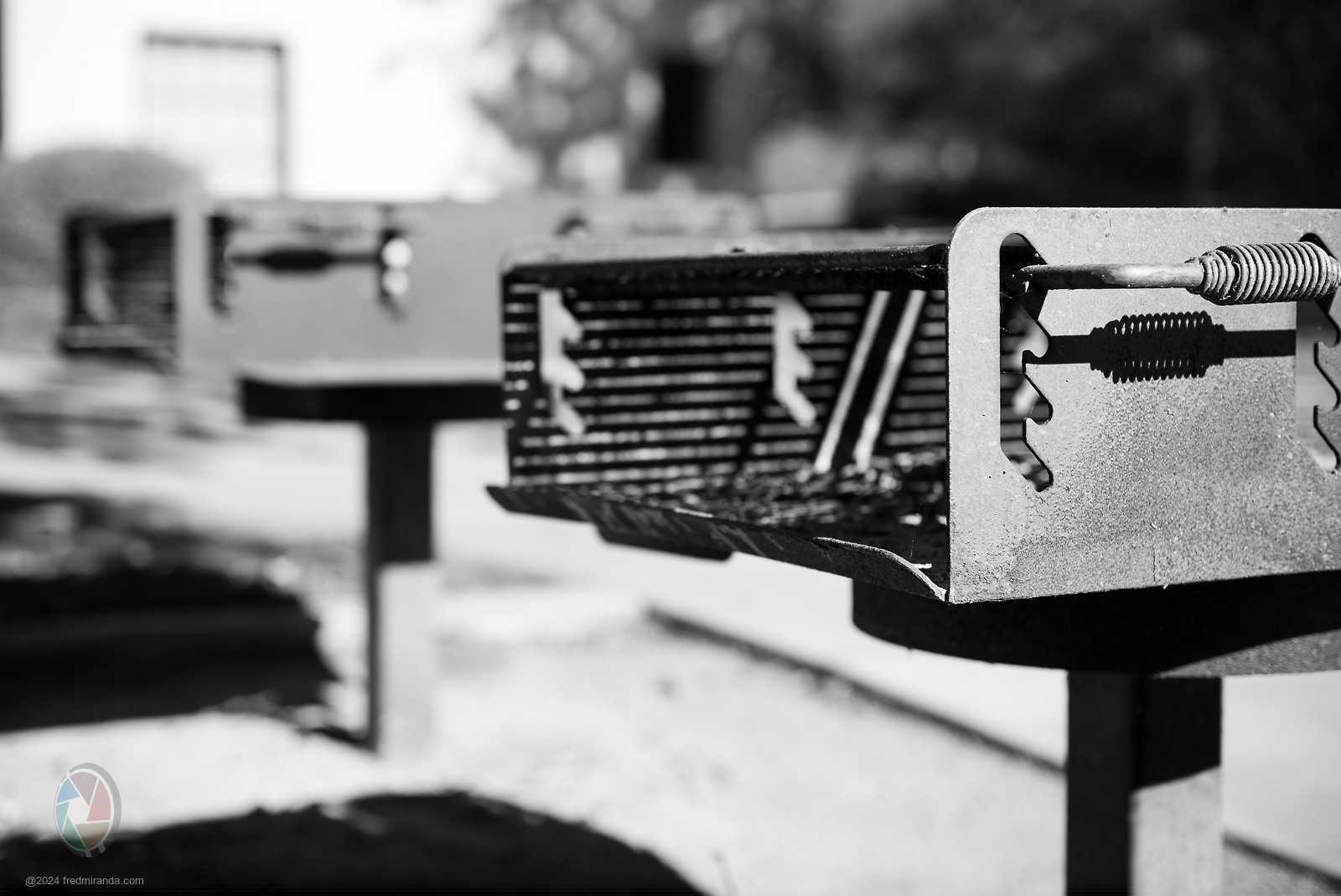
A walk around my neighborhood under high contrast light, with all shots taken at f/2 or f/2.8 using the Leica M-D.
These images are straight from the camera with added sharpening and either the Adobe Standard profile or Black and White profile applied—no other adjustments.