philip_pj
Offline
• • • • • •
Upload & Sell: On
|
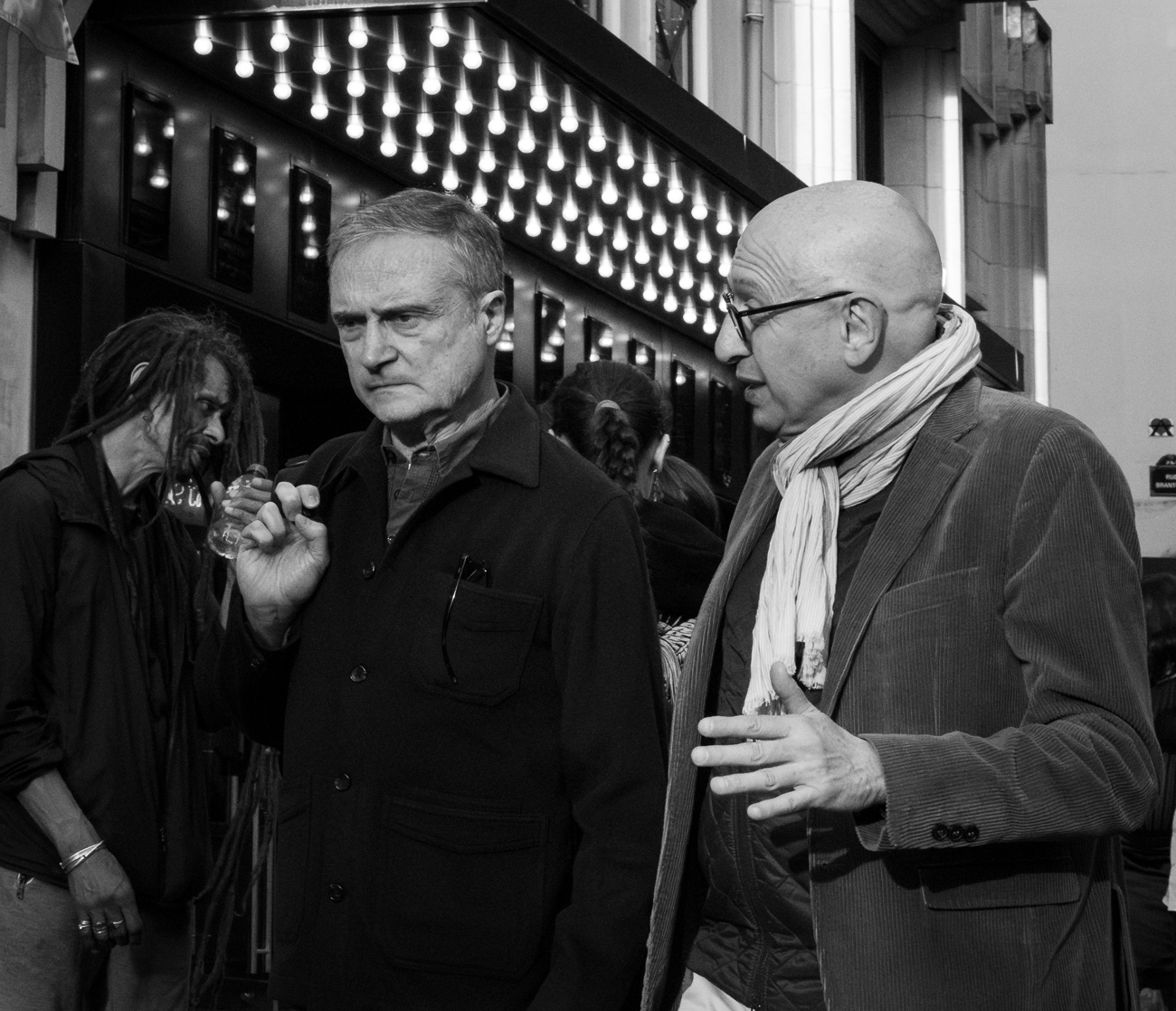
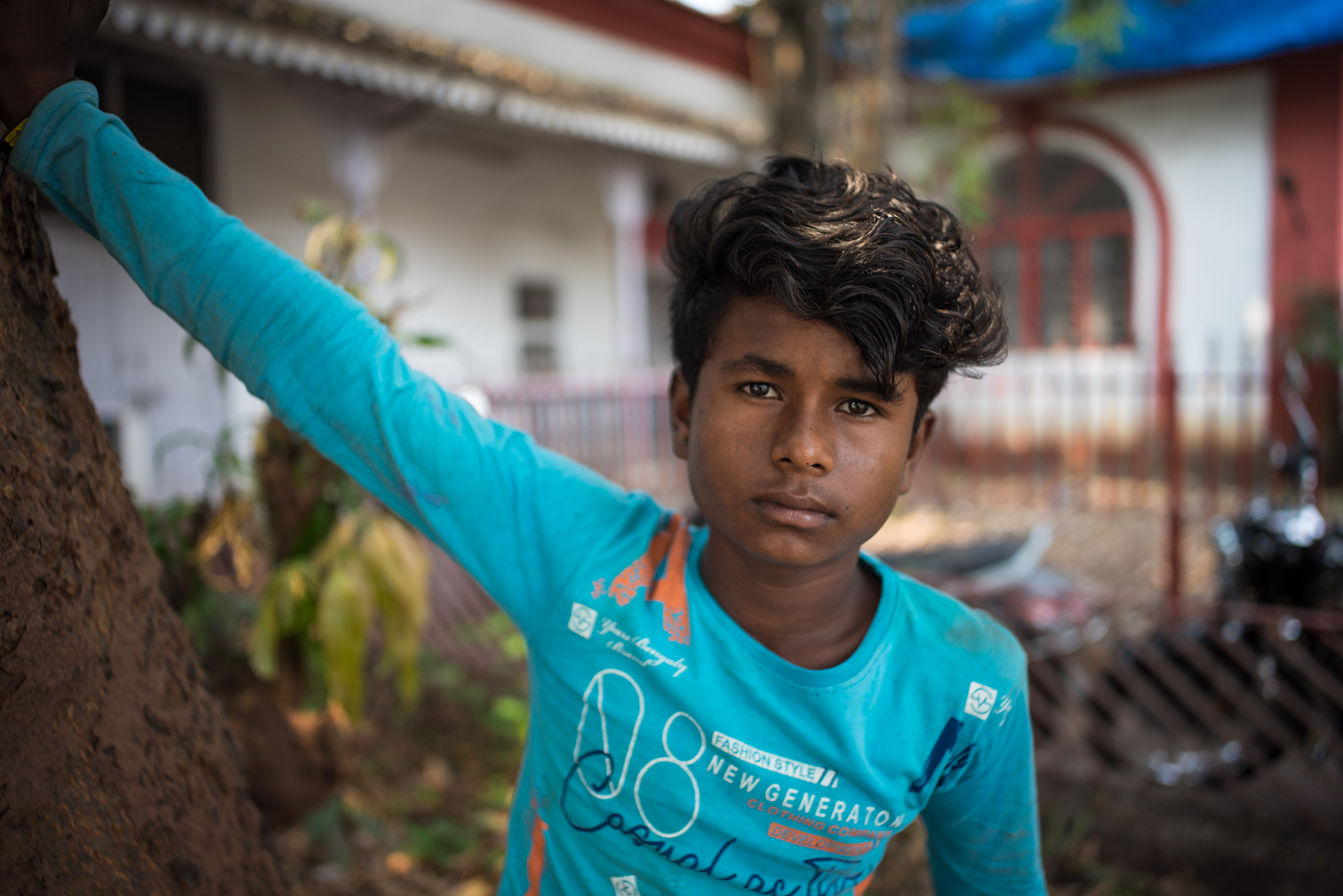
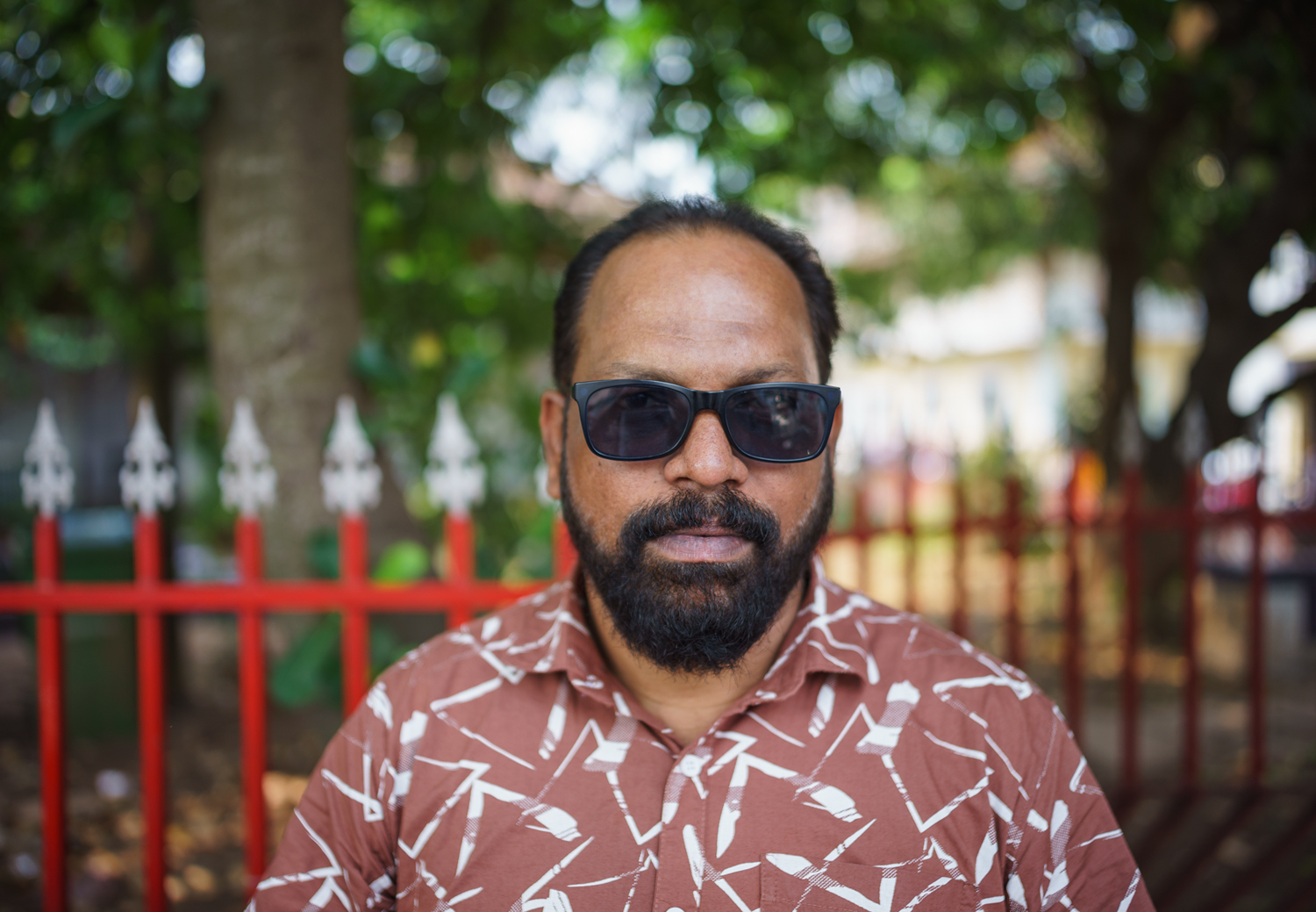
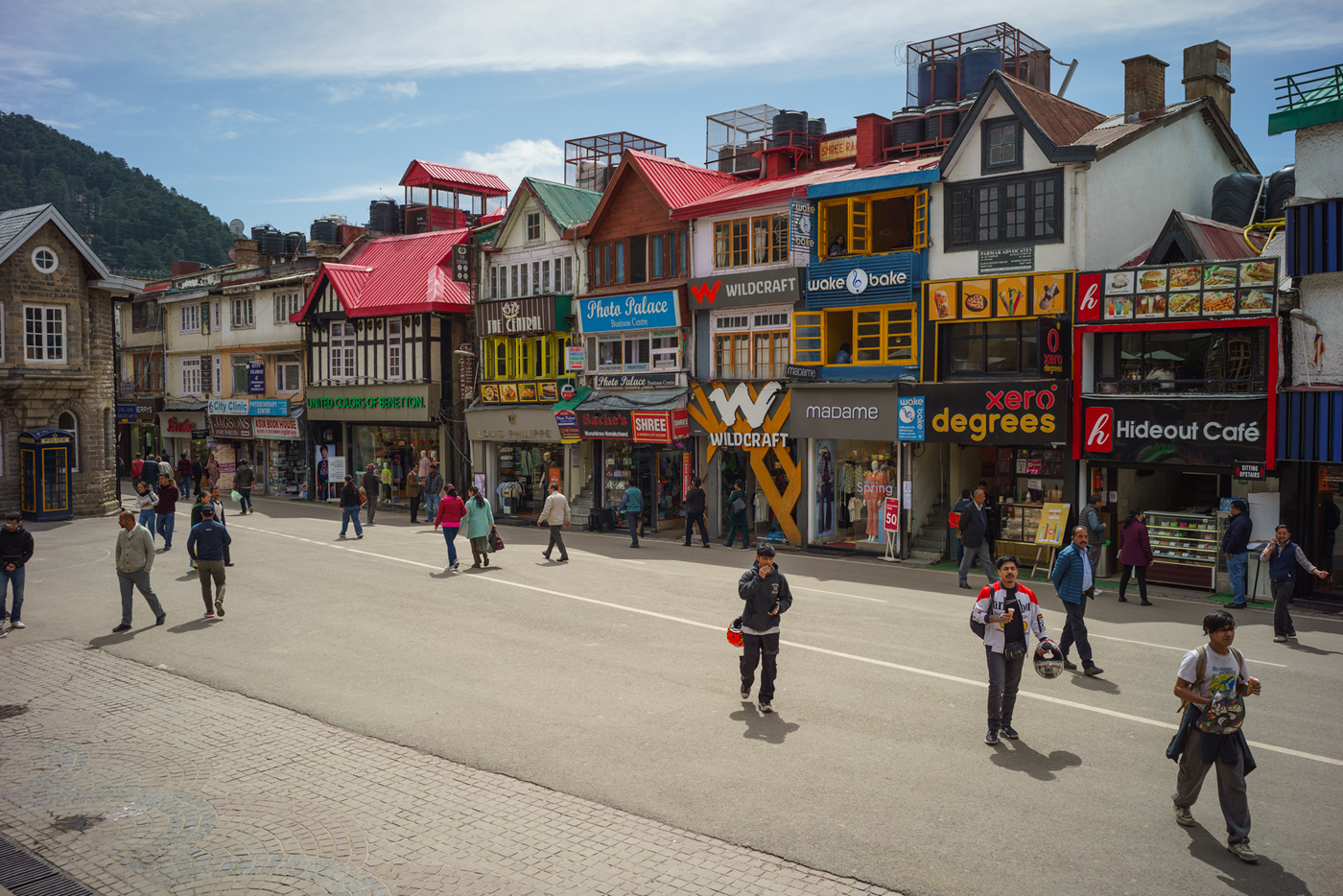
 p.8 #6 · Thypoch Simera 28mm f1.4 E-mount p.8 #6 · Thypoch Simera 28mm f1.4 E-mount | |
Thypoch certainly refer to it specifically:
'Its 14-blade aperture nearly eliminates onion-ring bokeh artifacts, producing dreamlike, creamy bokeh and smooth, natural transitions between in-focus and out-of-focus areas'
https://thypoch.com/products/simera/simera-28mm.html
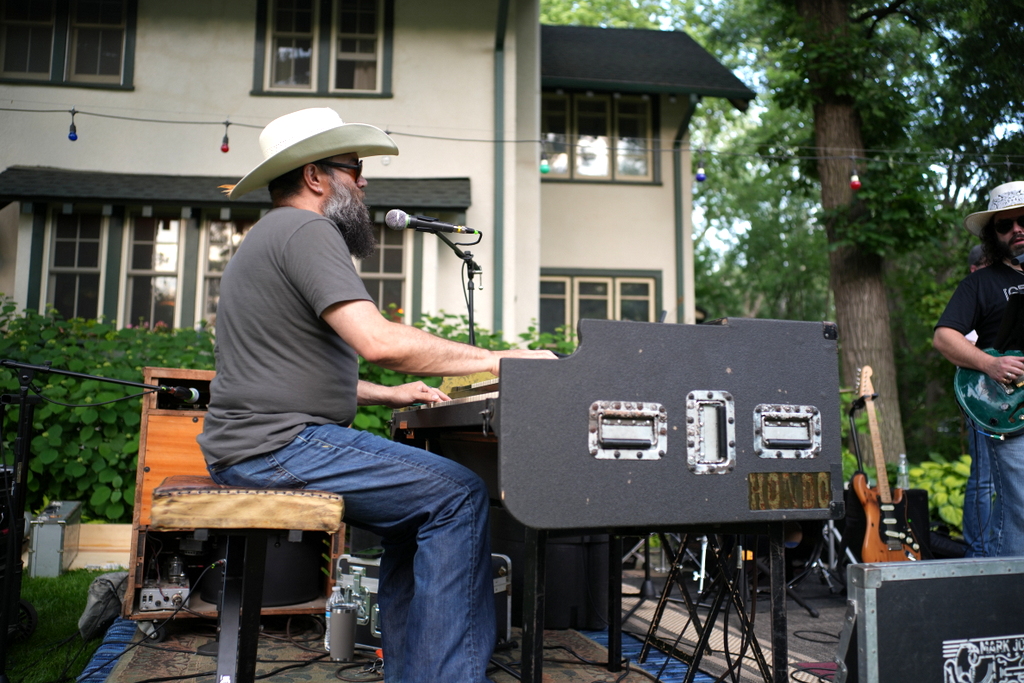
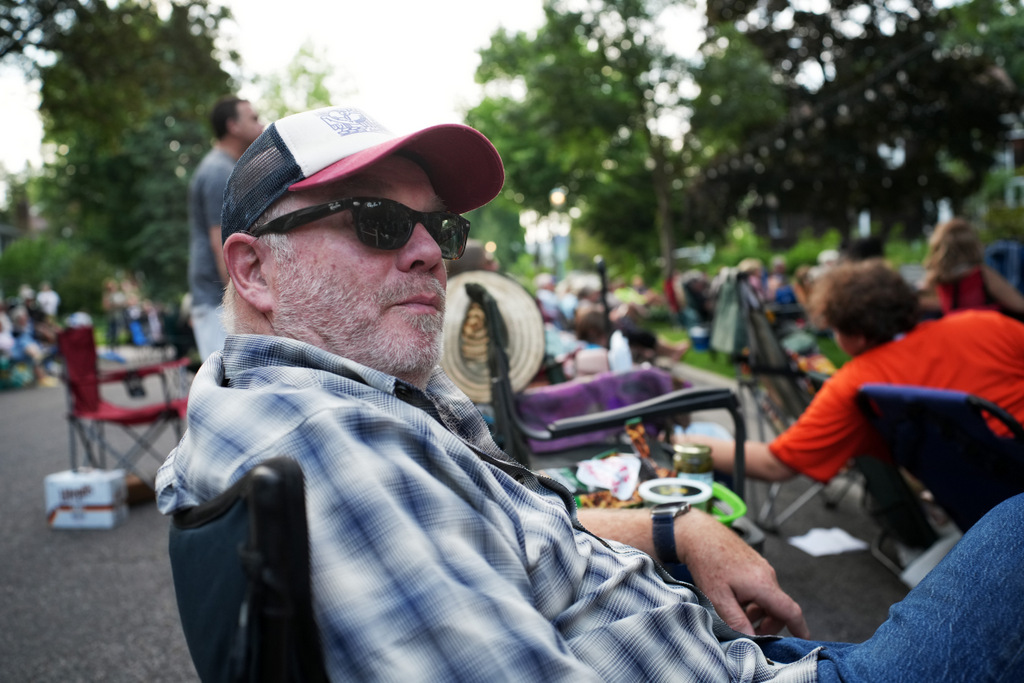
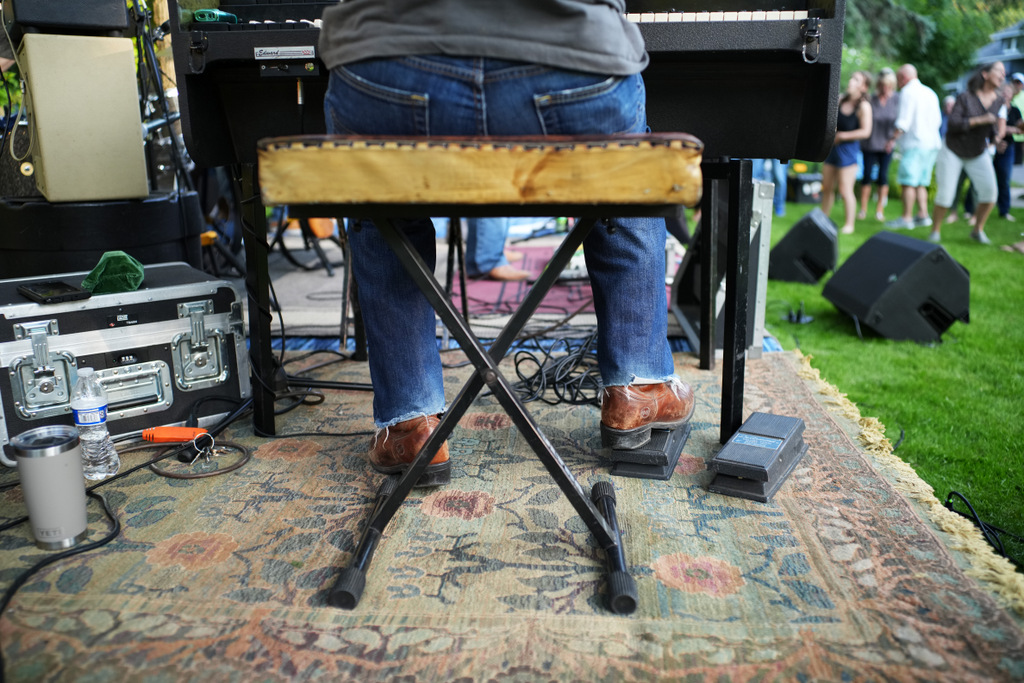
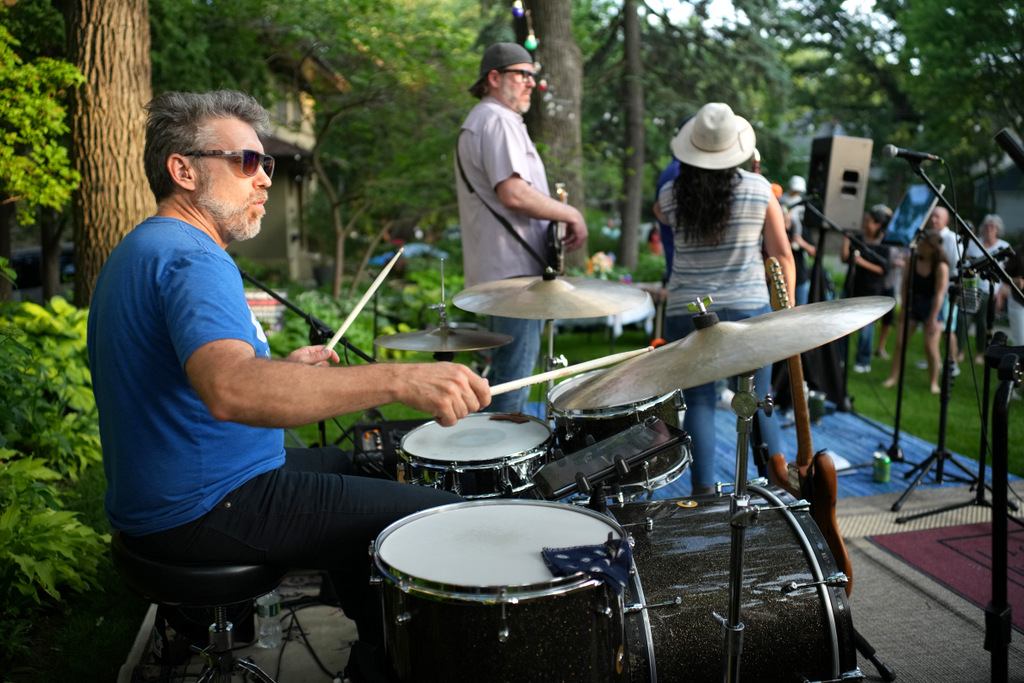
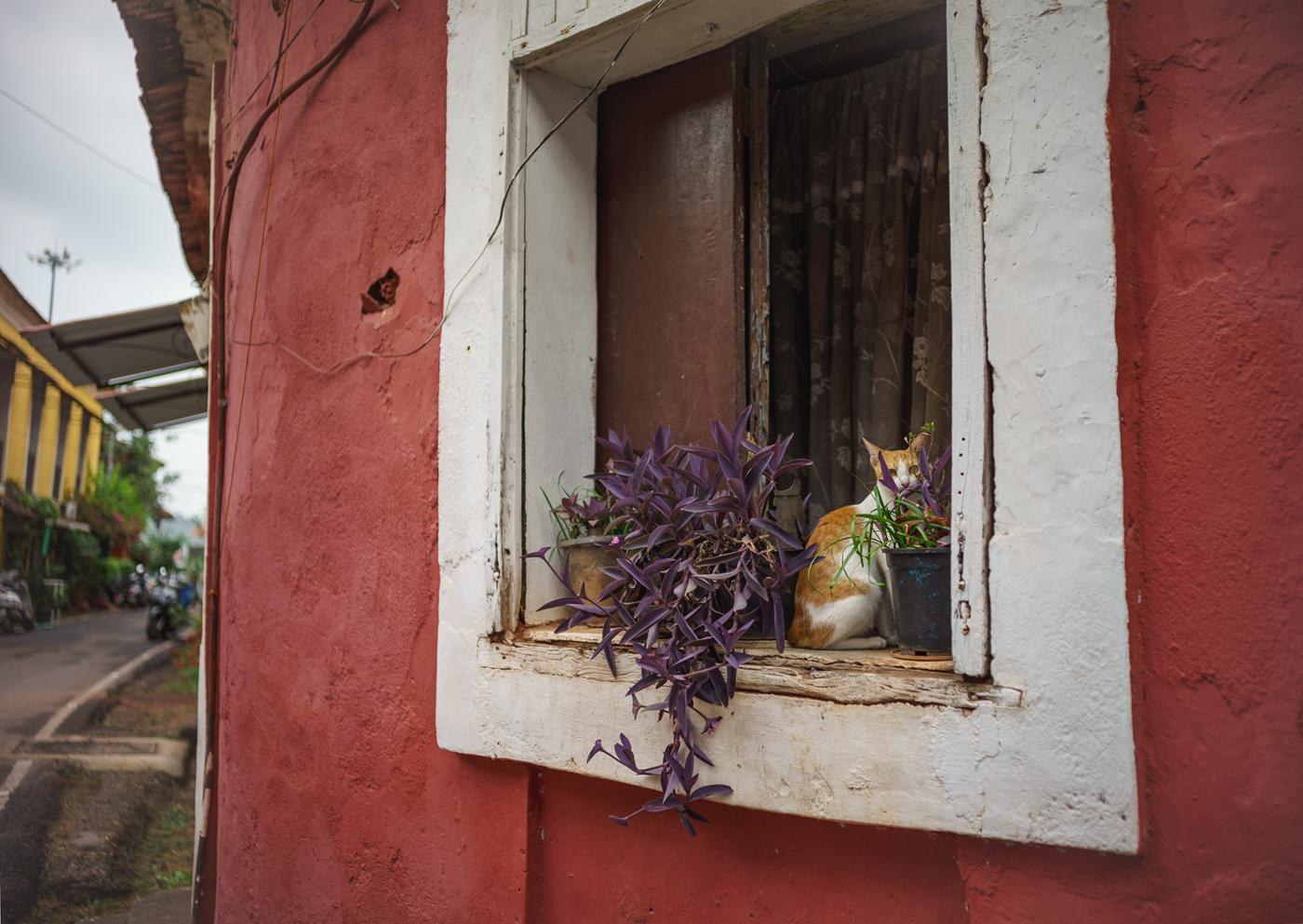
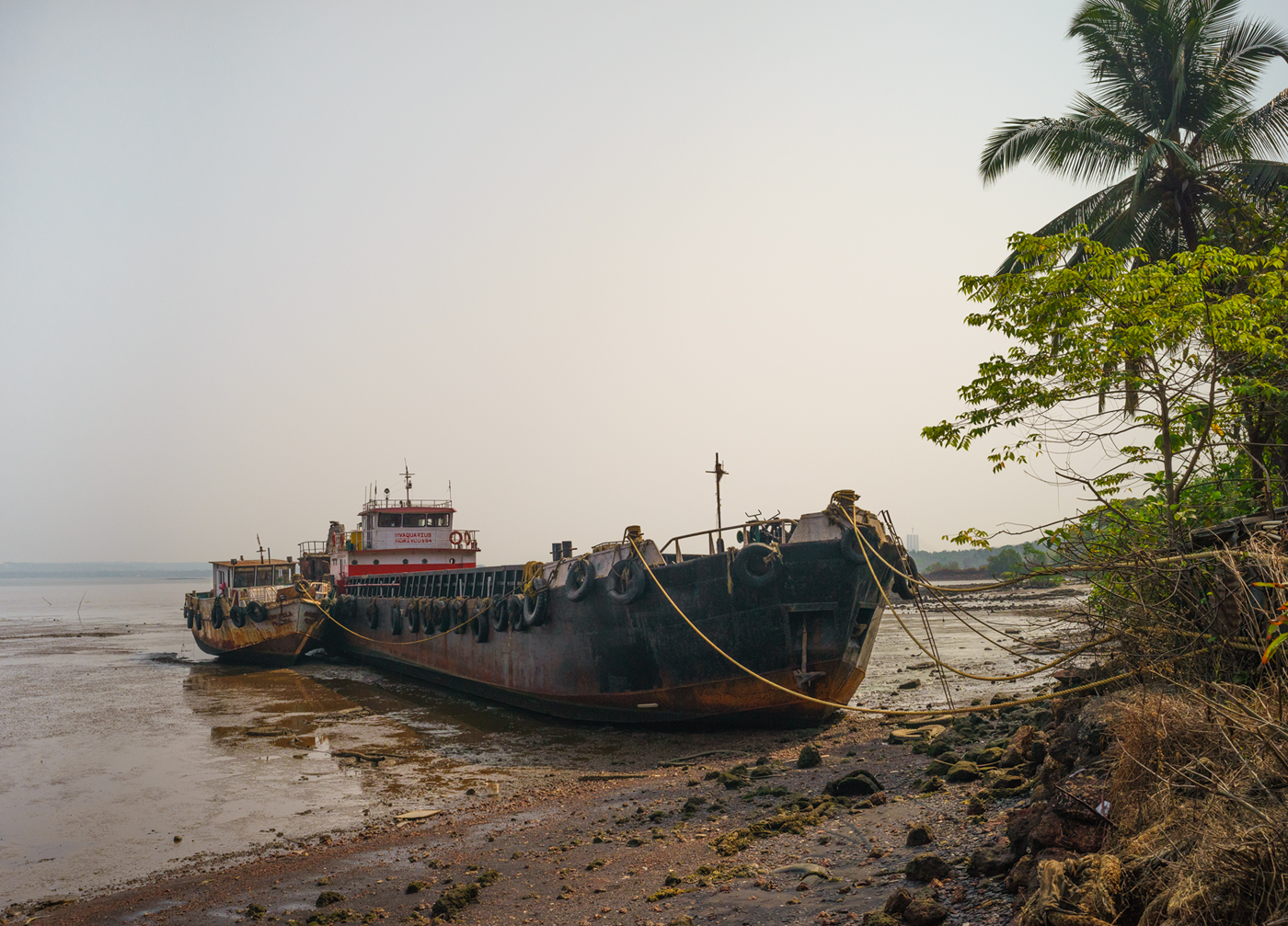
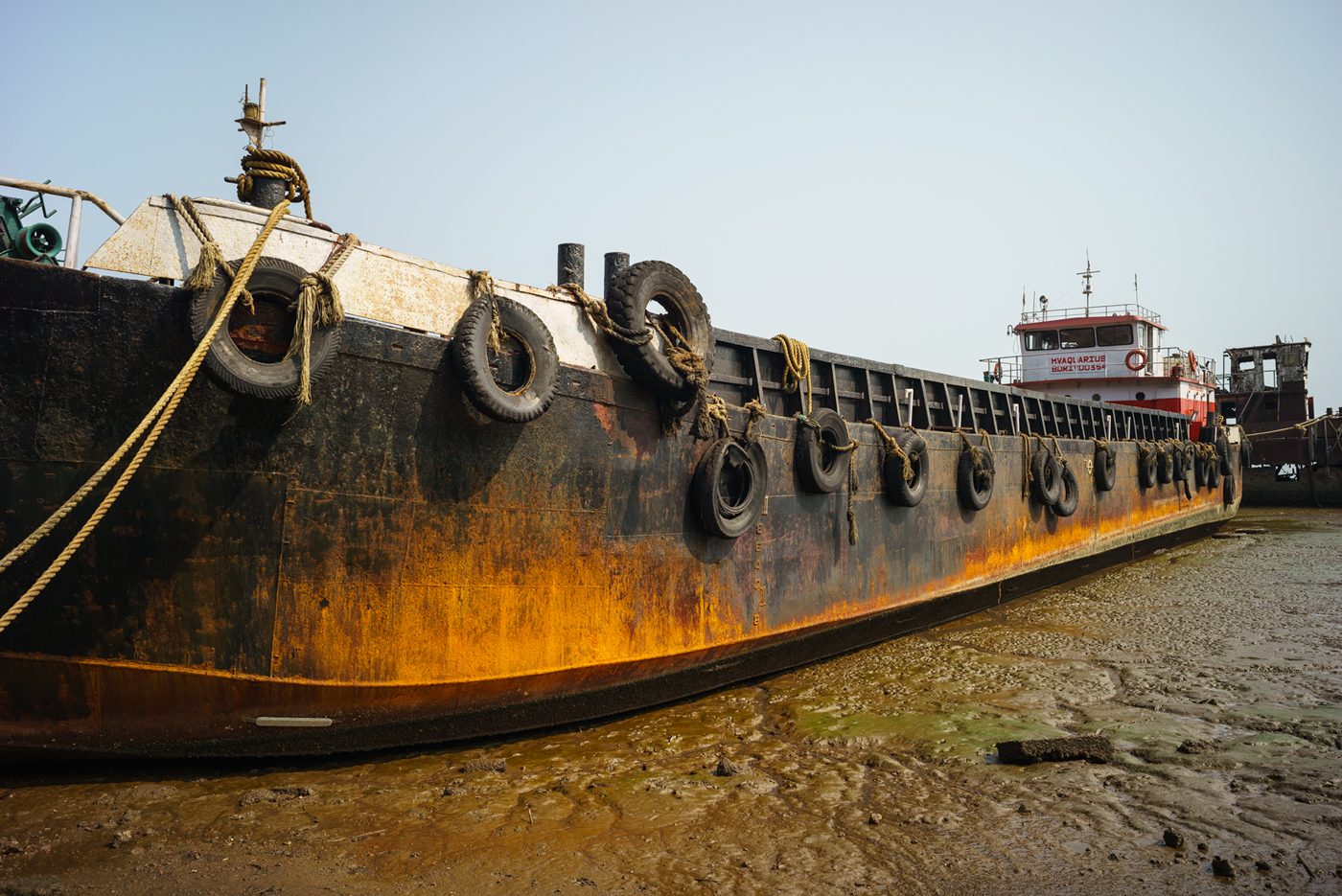
The aperture is only activated in the image when stopped down. I wanted to know why this one produces the images that look the way they do. It's not me, I see it in the few Flickr accounts too, and mudlake's and others' images here. These are DZO lenses, even if many don't know or go with the sister company idea. So the answers are to be found there, I think.
Re aperture settings, the design aim is to reproduce at stopped down settings, the totally rounded 'aperture' that only wide open delivers. The problems associated with bad shaping of bokeh balls (as is well-known to Summilux 50mm users) tend to arrive when using a stop or two off wide open. If you shoot at night, dusk or in crowded streets in low light, you cannot avoid specular highlights! Or bokeh..
As it turns out, many cinematographers use f2.8 - it's a kind of long-established standard and that helps explain why T1.5 is still a very fast cine lens, many are T2.2 or thereabouts. Also, until recently, they were shooting super 35m which gave more DOF such that T2.8 looked like T4 on full frame. It's fashion, of course, a dynamic process.
https://wolfcrow.com/what-is-the-best-aperture-for-filmmaking/
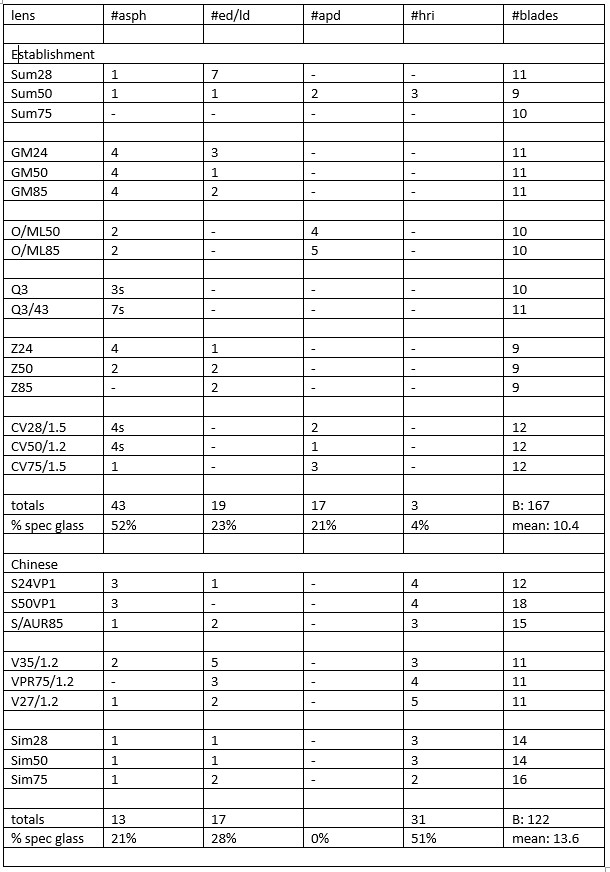
DZO use these high blade apertures in all the lenses of their I checked - zooms, f2.2 Vespids, Arles f1.4s. So do two of the high end Zeiss cine ranges, and they talk them up too.
How does the (non-wide open) aperture change the image?
It's a big question, given that there is no doubt the bokeh is both highly distinctive and (to most eyes) very pleasing. It's also very flexible, reliable at any focus distance. Most fast 28s produce 'globby' or rather structured bokeh, unless you shoot them in a fairly narrow range of focus distances (camera-subject), so most users use either wide open or f5.6-f11. Or they shoot wide open with a longish focus distance, to get around the bokeh effect their lens has:
https://www.fredmiranda.com/forum/topic/1493065/44/
https://www.fredmiranda.com/forum/topic/1842505/42/
The small blade counts of apertures might be one (unconscious) reason users tend to shun the f1.4 to f5.6 region - less pleasant bokeh and fade character. I often use f2-f2.8 or so with the Simera 28mm as a hedge against mis-focuses in close focuses, and to get more background detail (and less vignette), so I stumbled across these issues.
F2.8 to f4 still gives you a distance cut-off at typical focus distances - very useful in street work, as the bokeh onset is delayed, you can decide how much you want. Being cine oriented, DZO know users want to still show people as pretty well-drawn, off the focal plane, so that helps too.
|