philip_pj
Offline
• • • • • •
Upload & Sell: On
|
 p.6 #16 · Viltrox 50mm 2.0 Air - Image Thread p.6 #16 · Viltrox 50mm 2.0 Air - Image Thread | |
Art Adams explains:
'The quality of the out-of-focus portion of an image is often an afterthought. From an engineer’s perspective, the part of the picture that matters most is where the lens focuses. From an artist’s perspective, the soft background sets the stage for the action that occurs in front of it. The designers behind the Signature Primes paid as much attention to the point of focus as to the bokeh.' 'I suspect Zeiss makes their lenses technically perfect, whereas I know that ARRI has opted for aesthetically perfect.'
So we see a graphic divergence of rendering even at the top end of lens design.
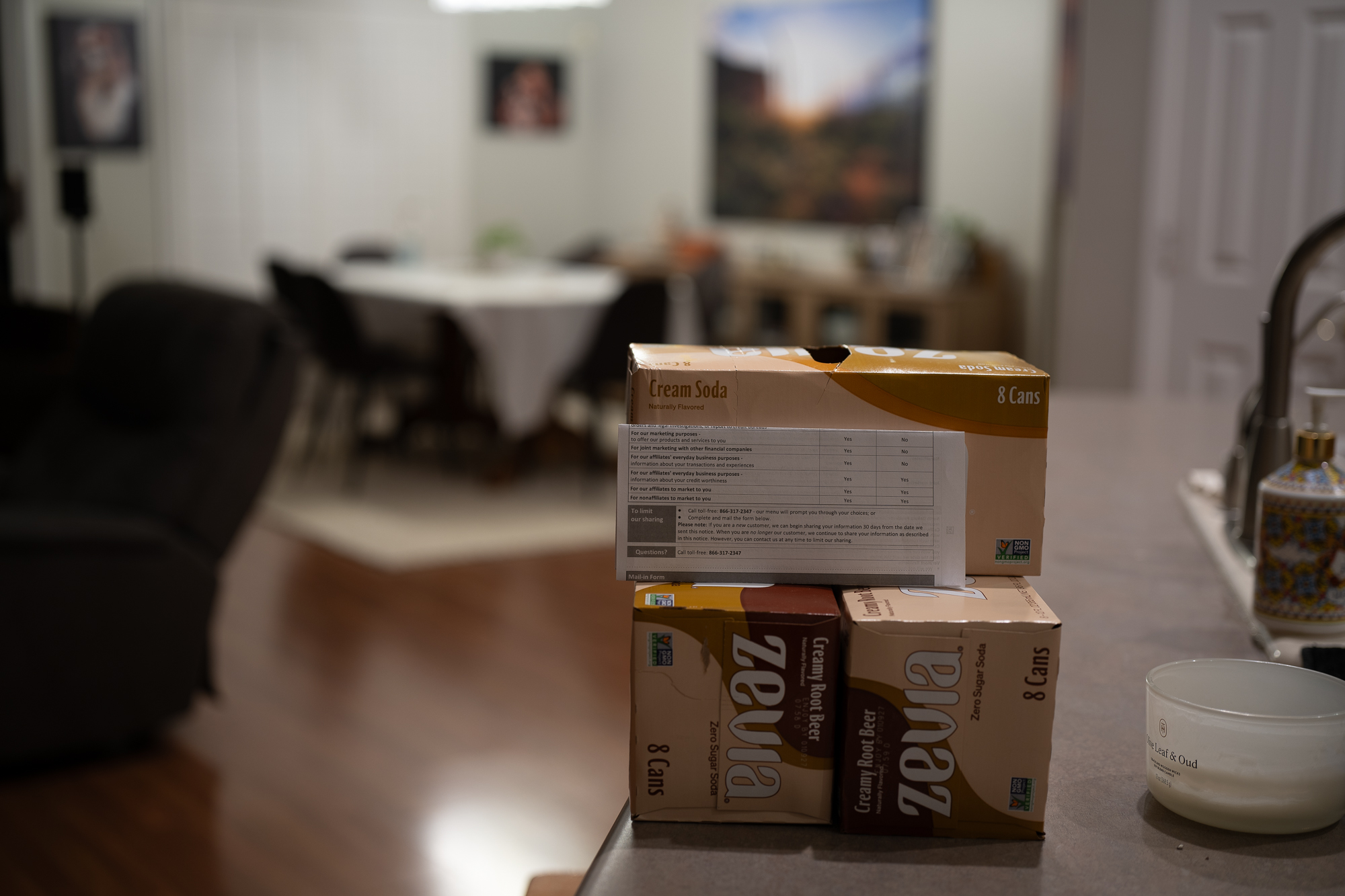
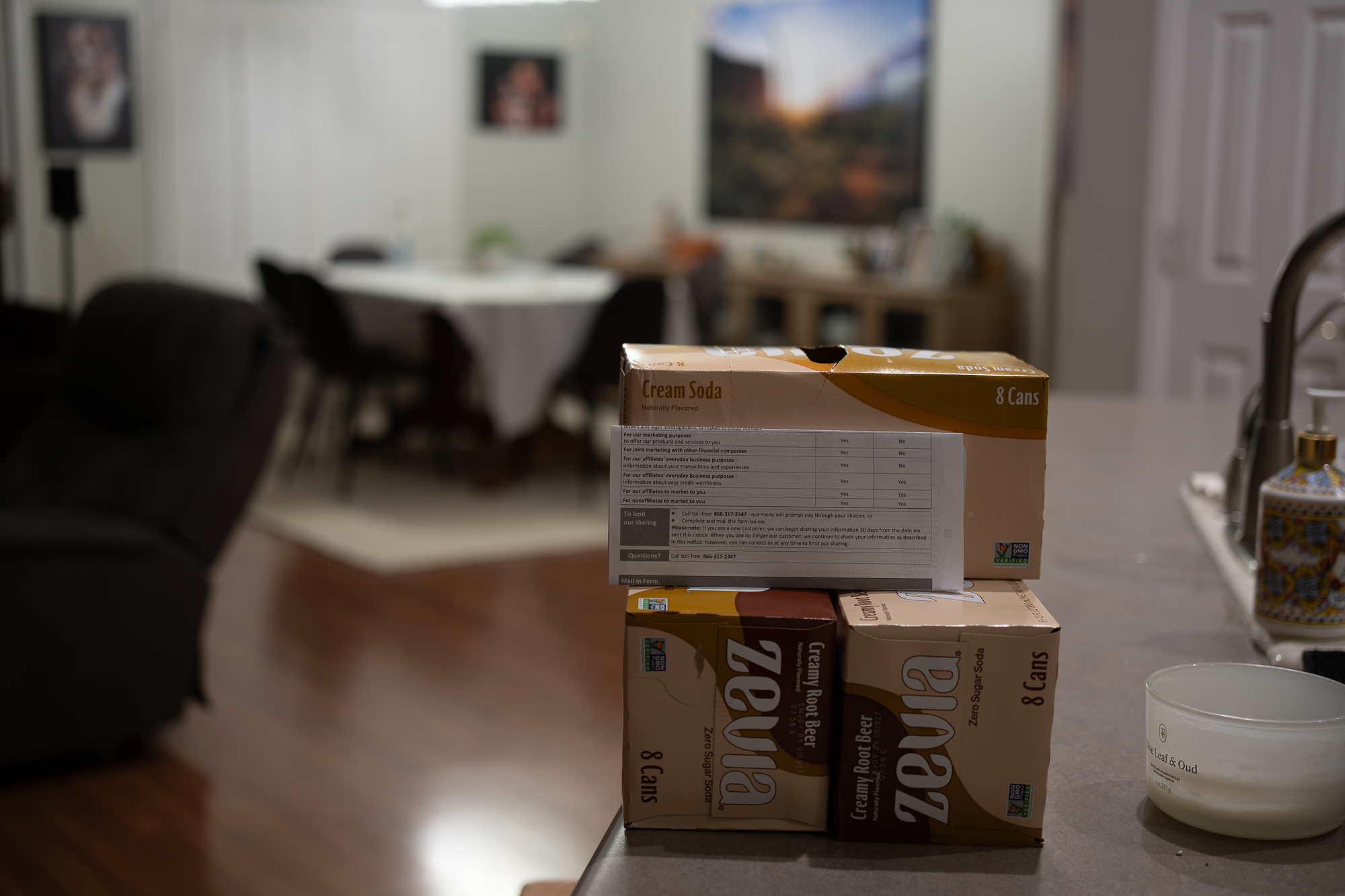
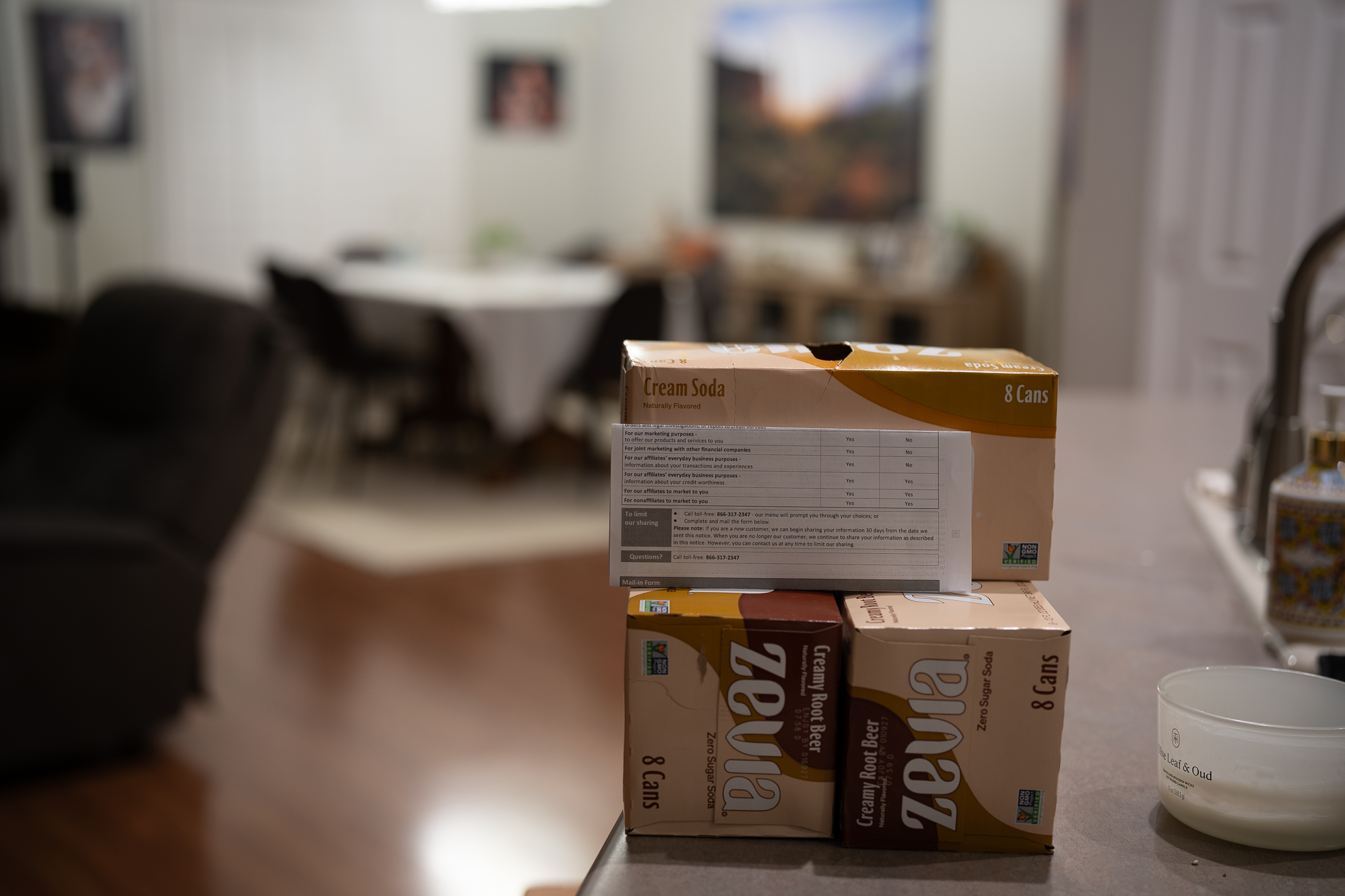
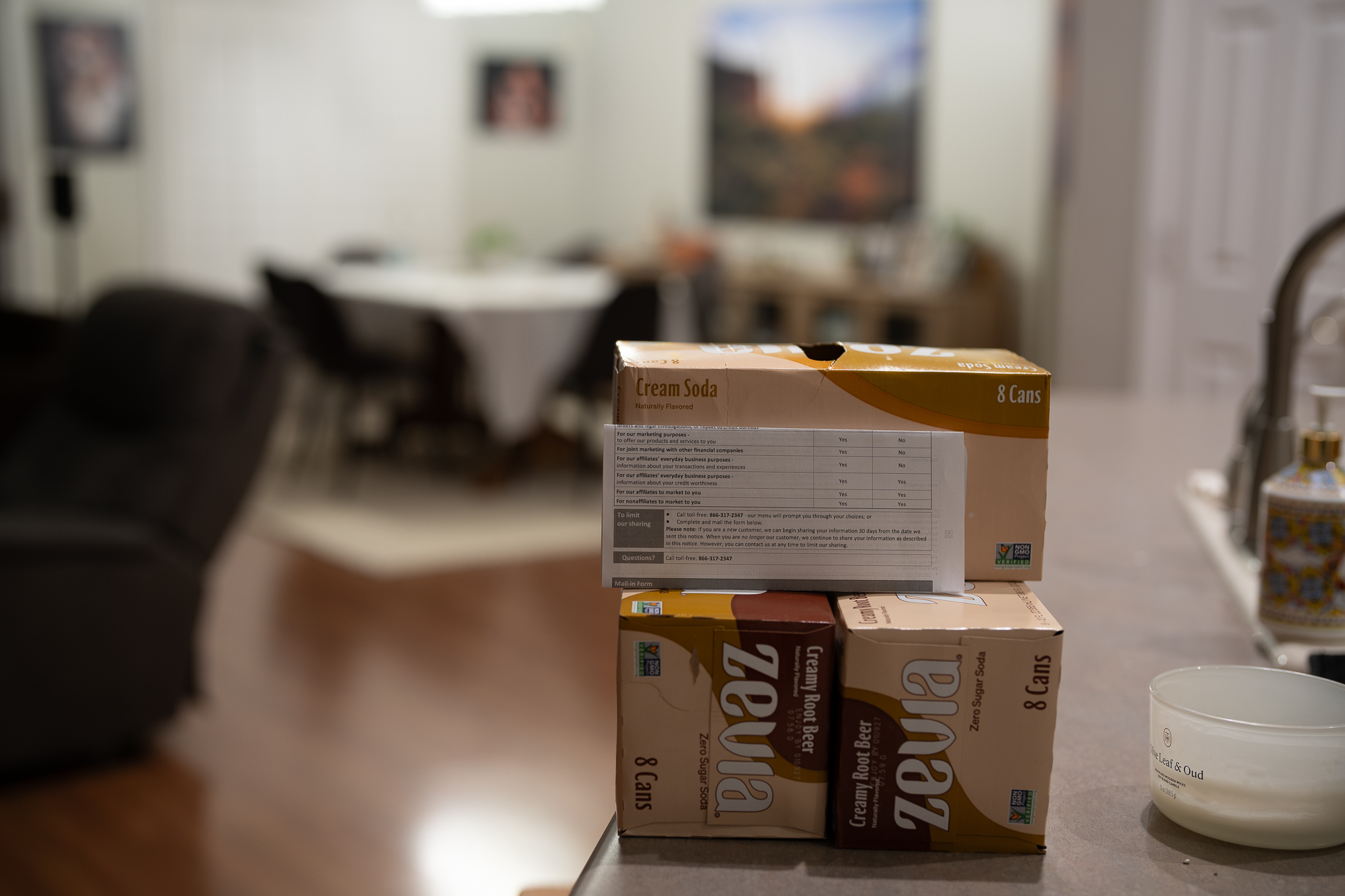
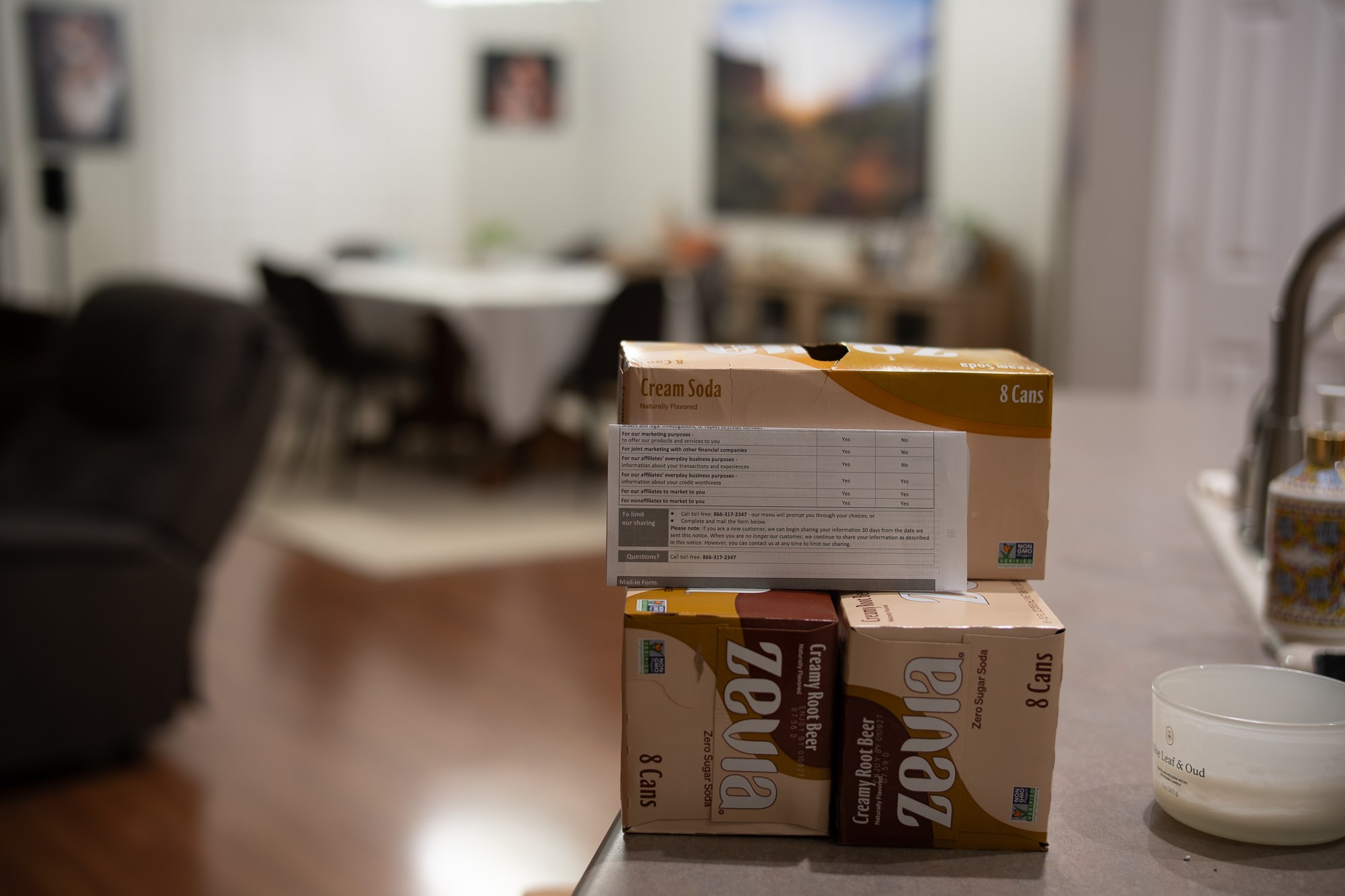
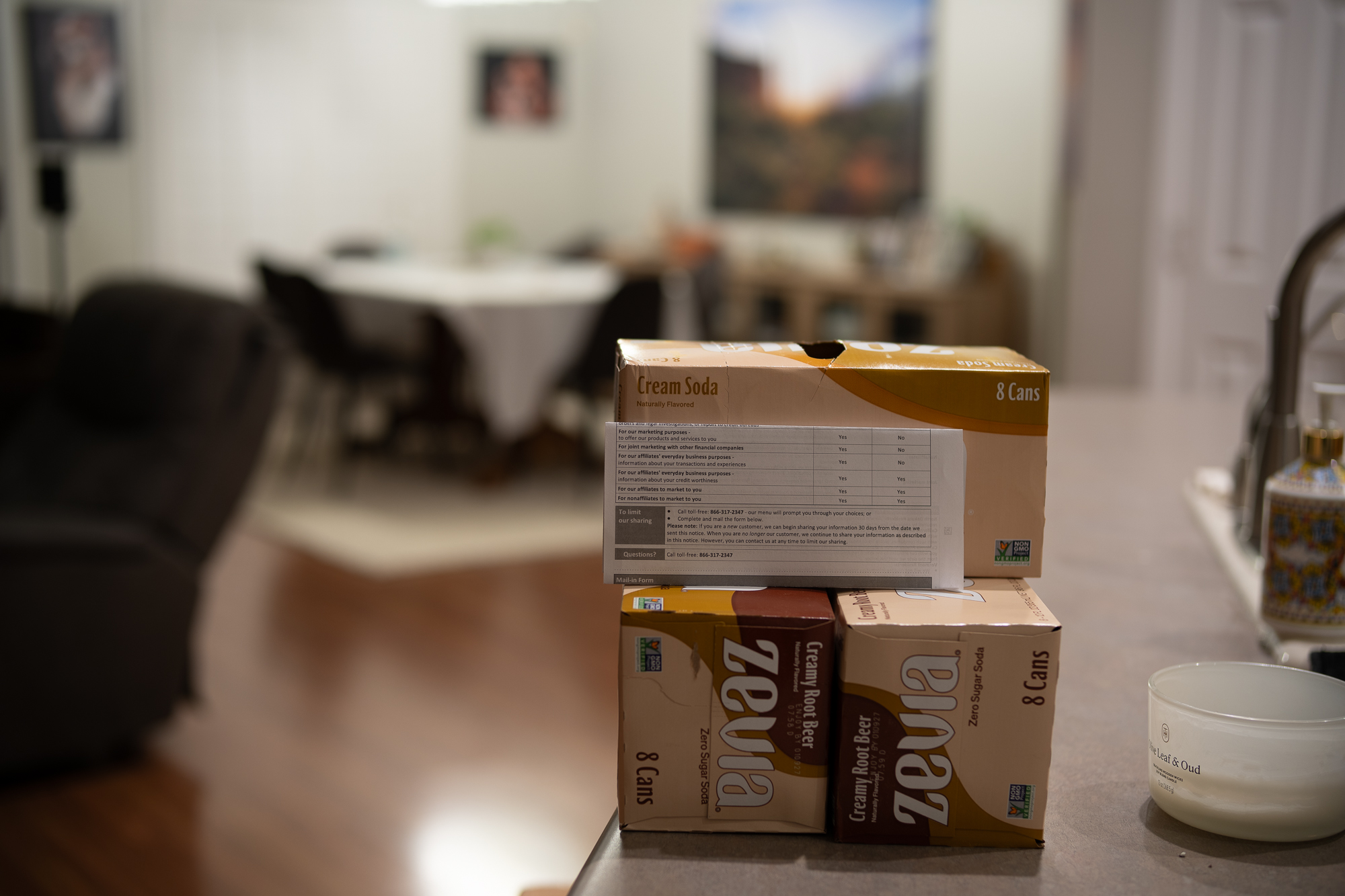
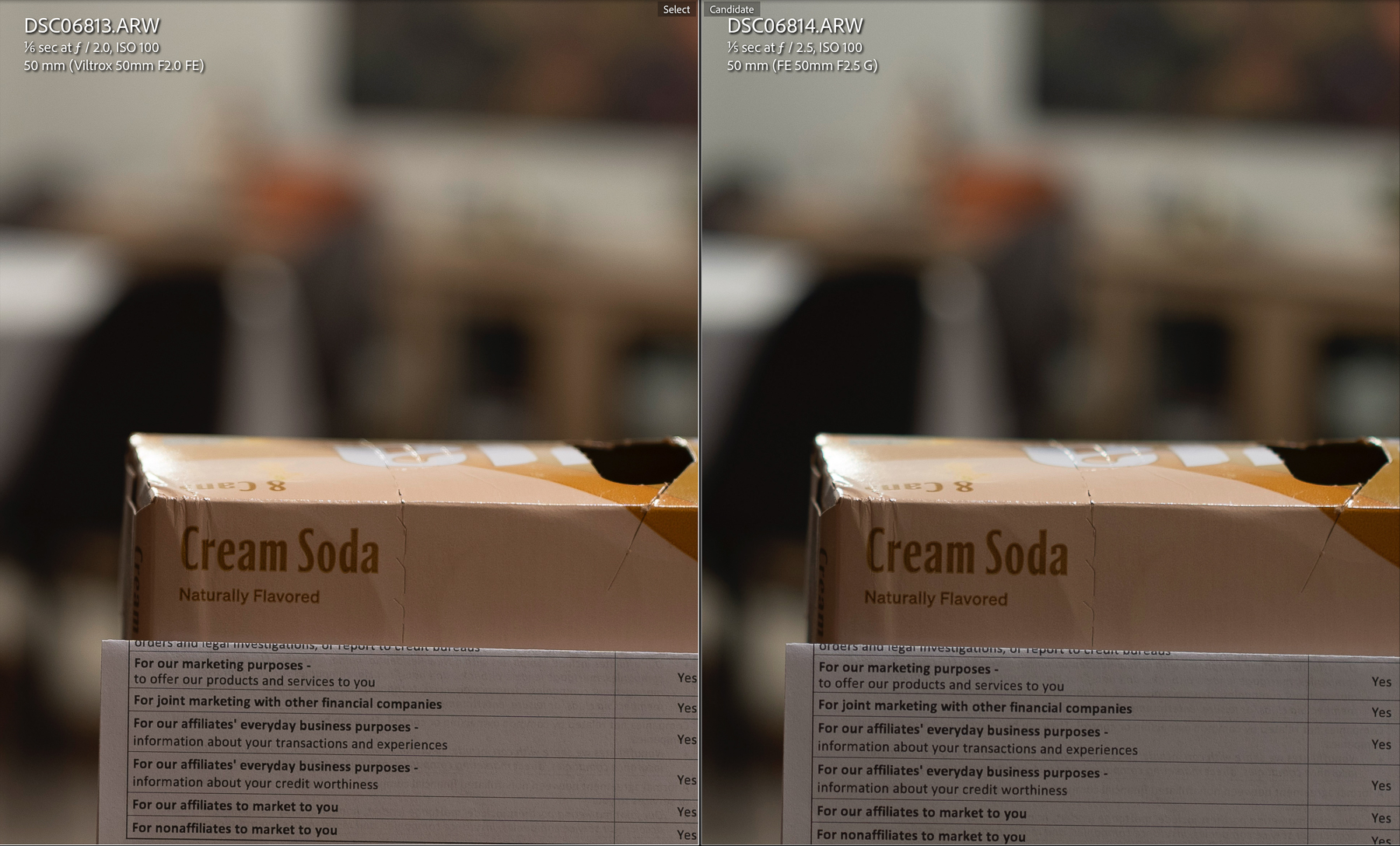
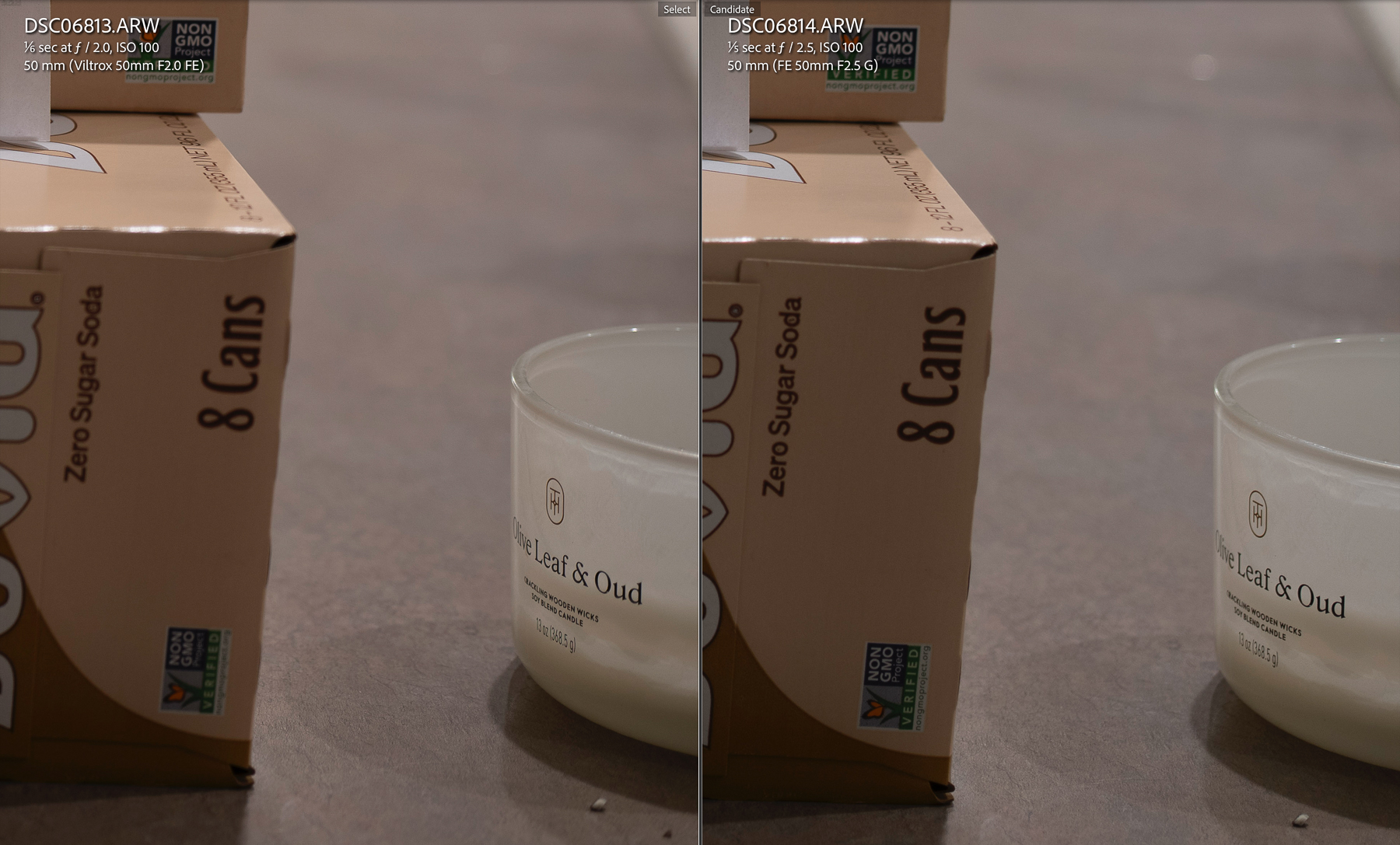
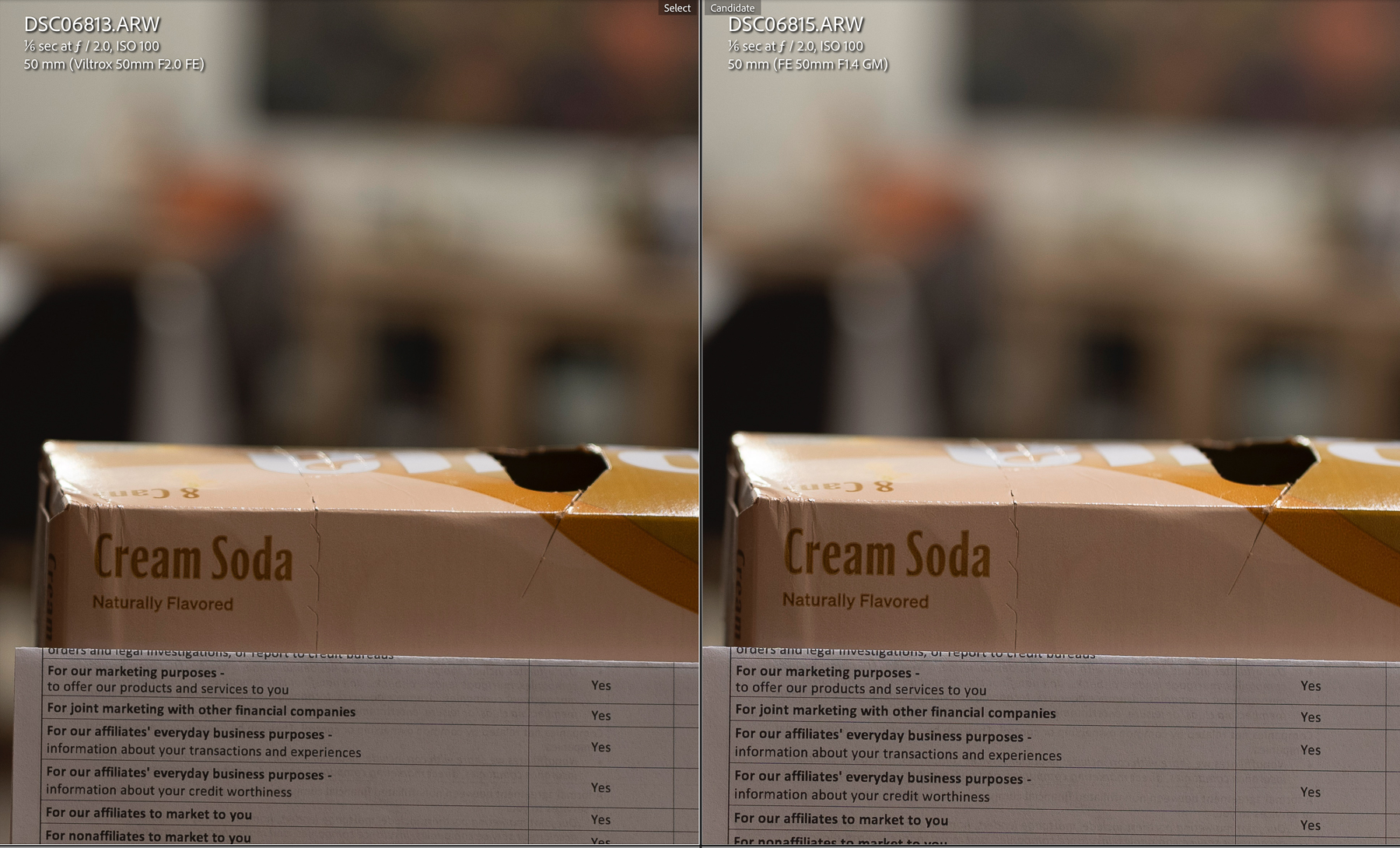
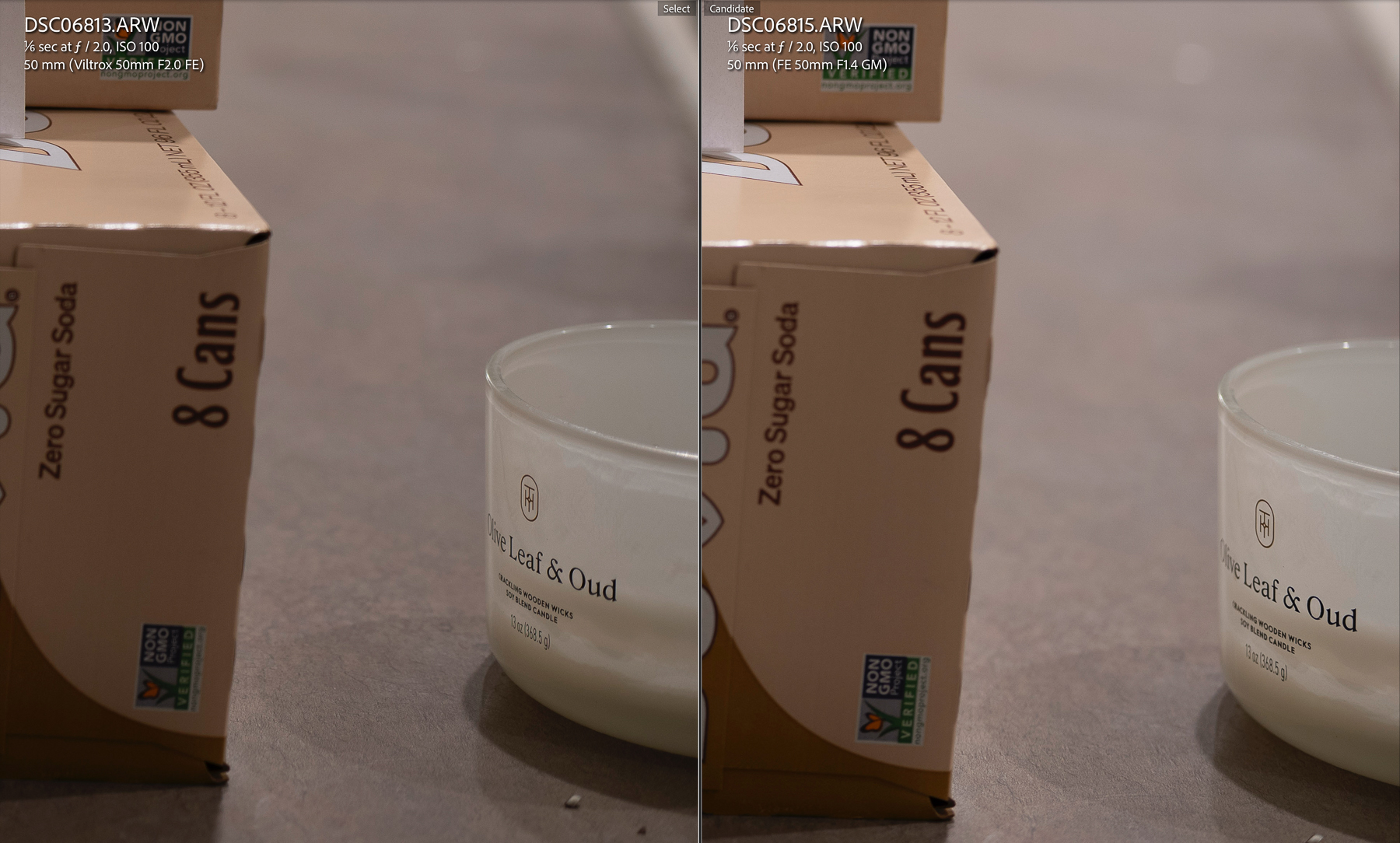
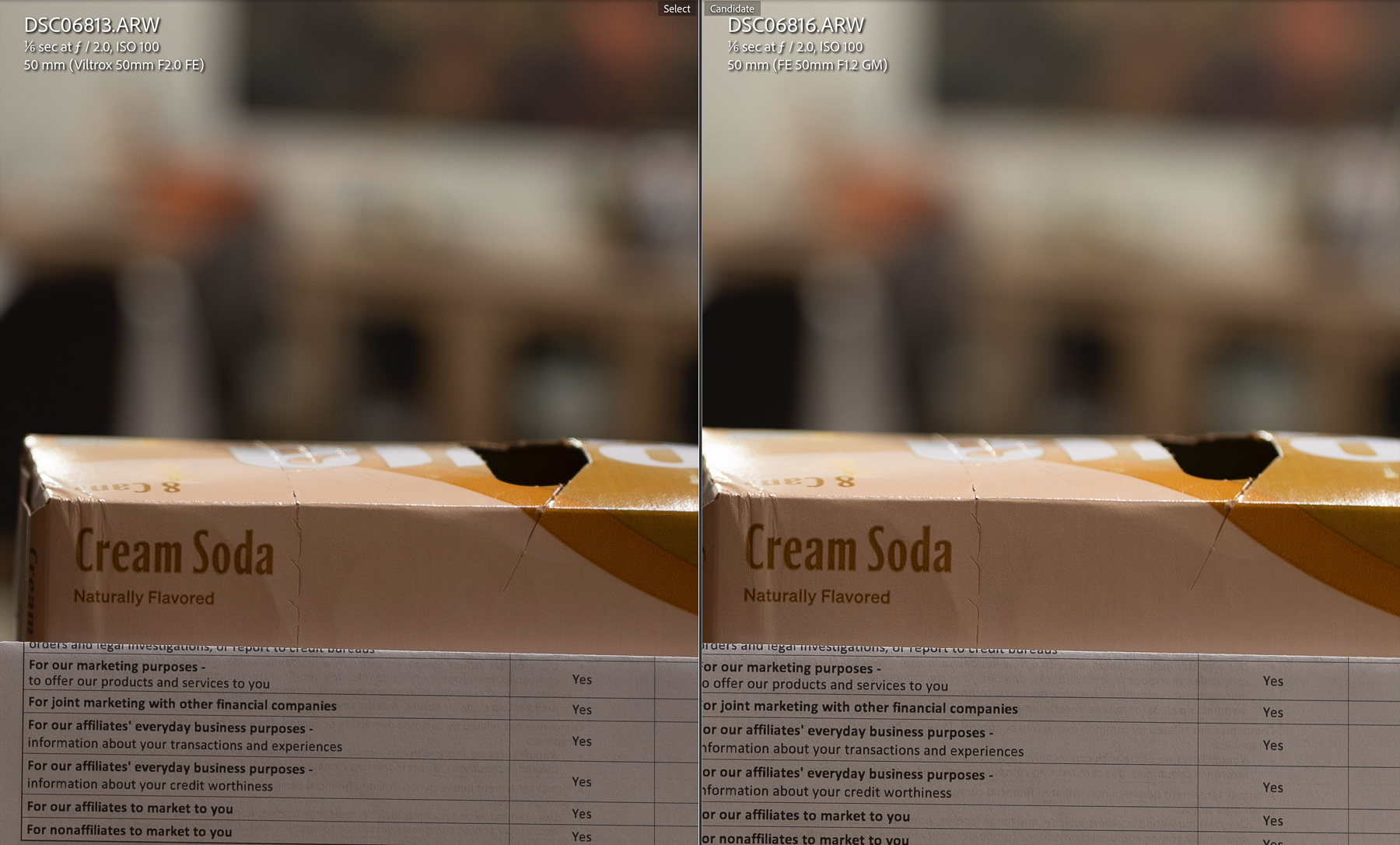
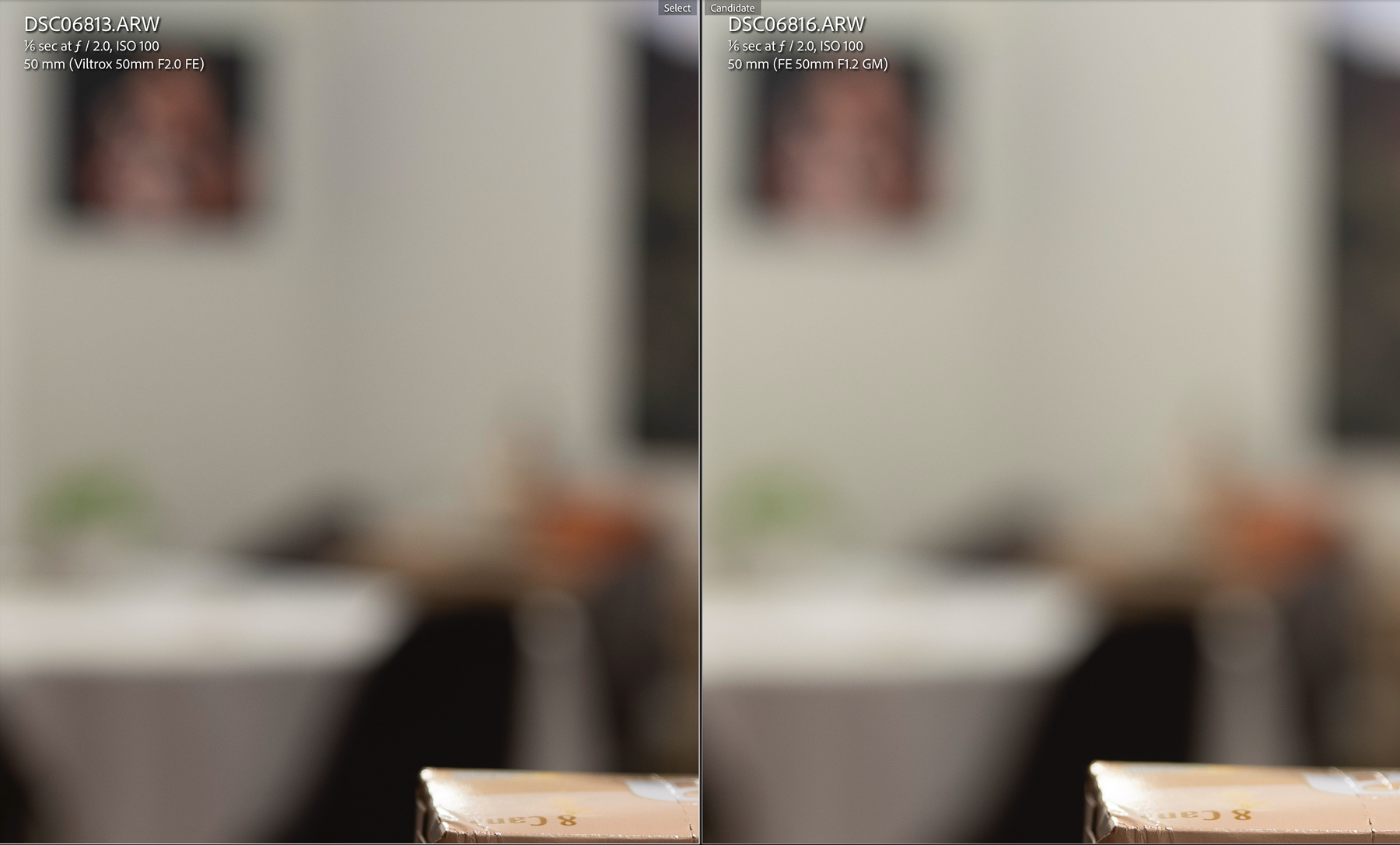
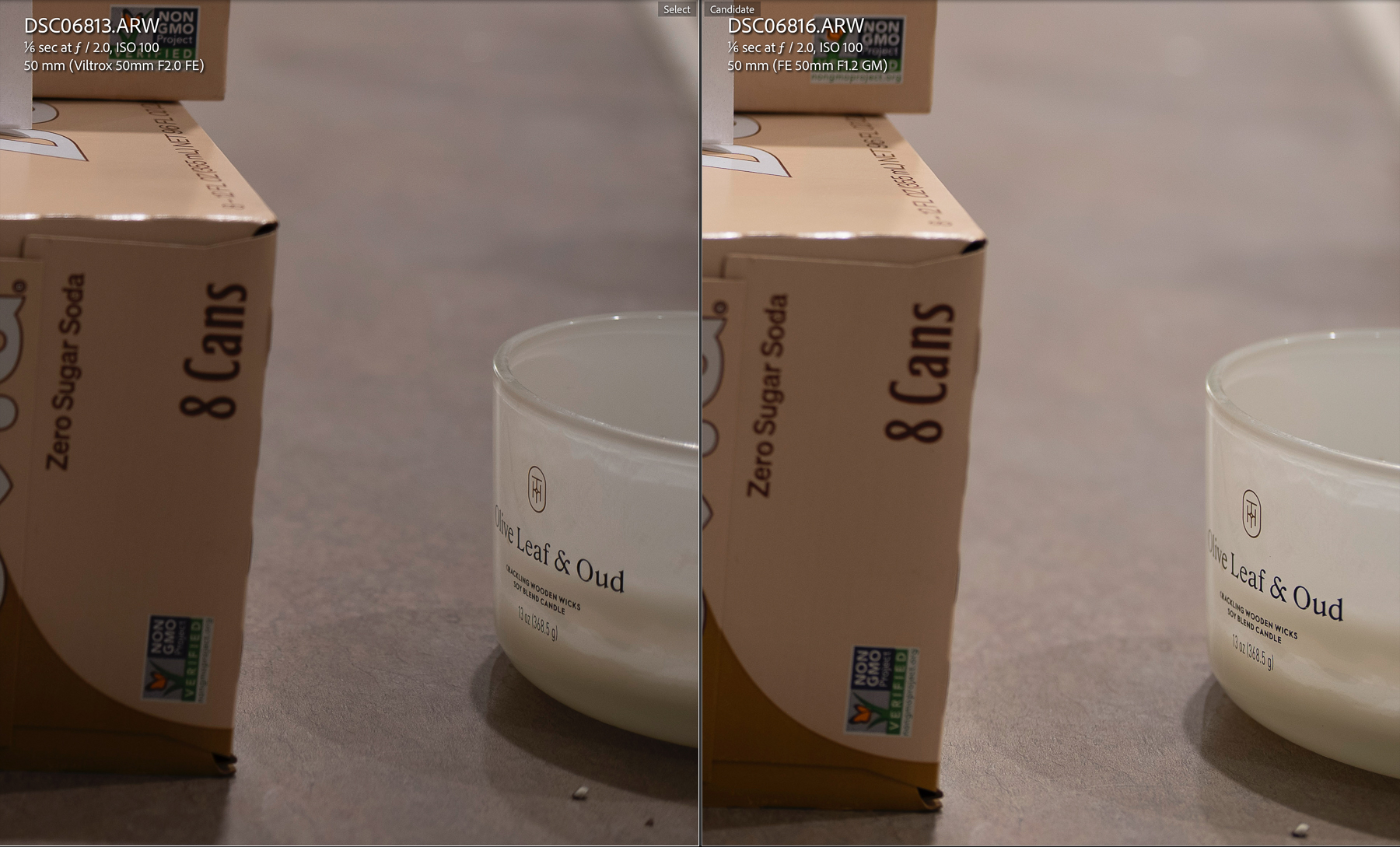
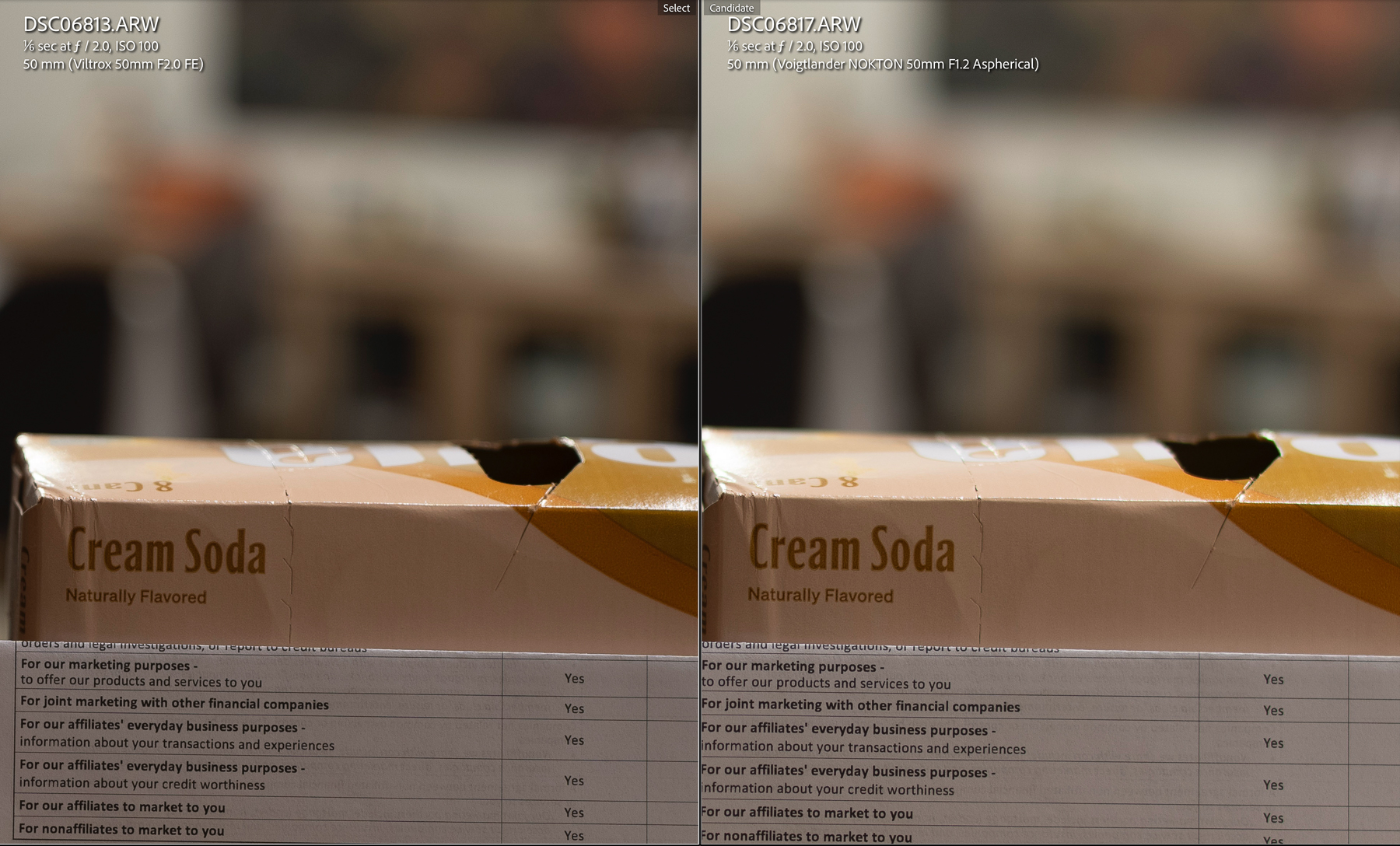
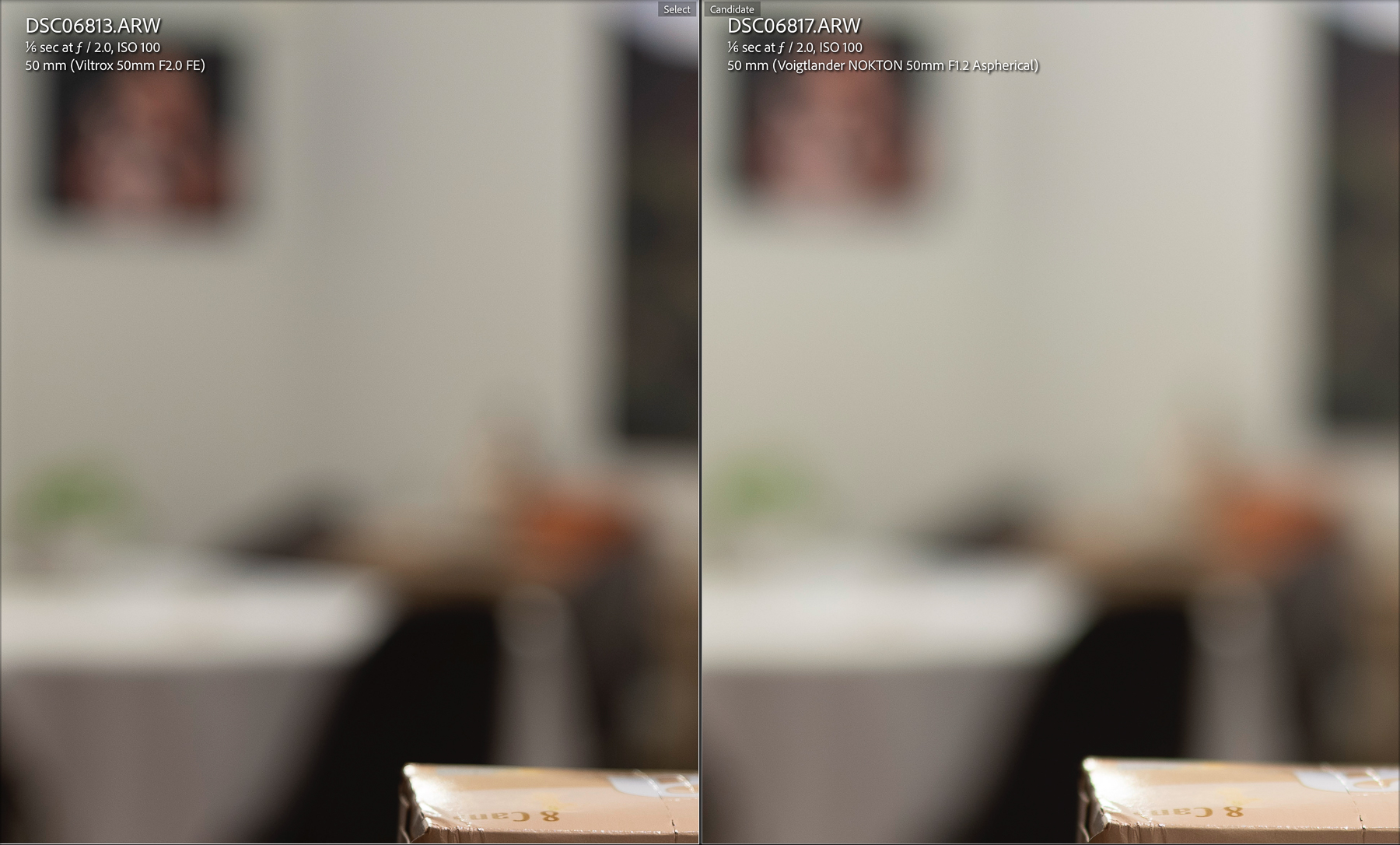
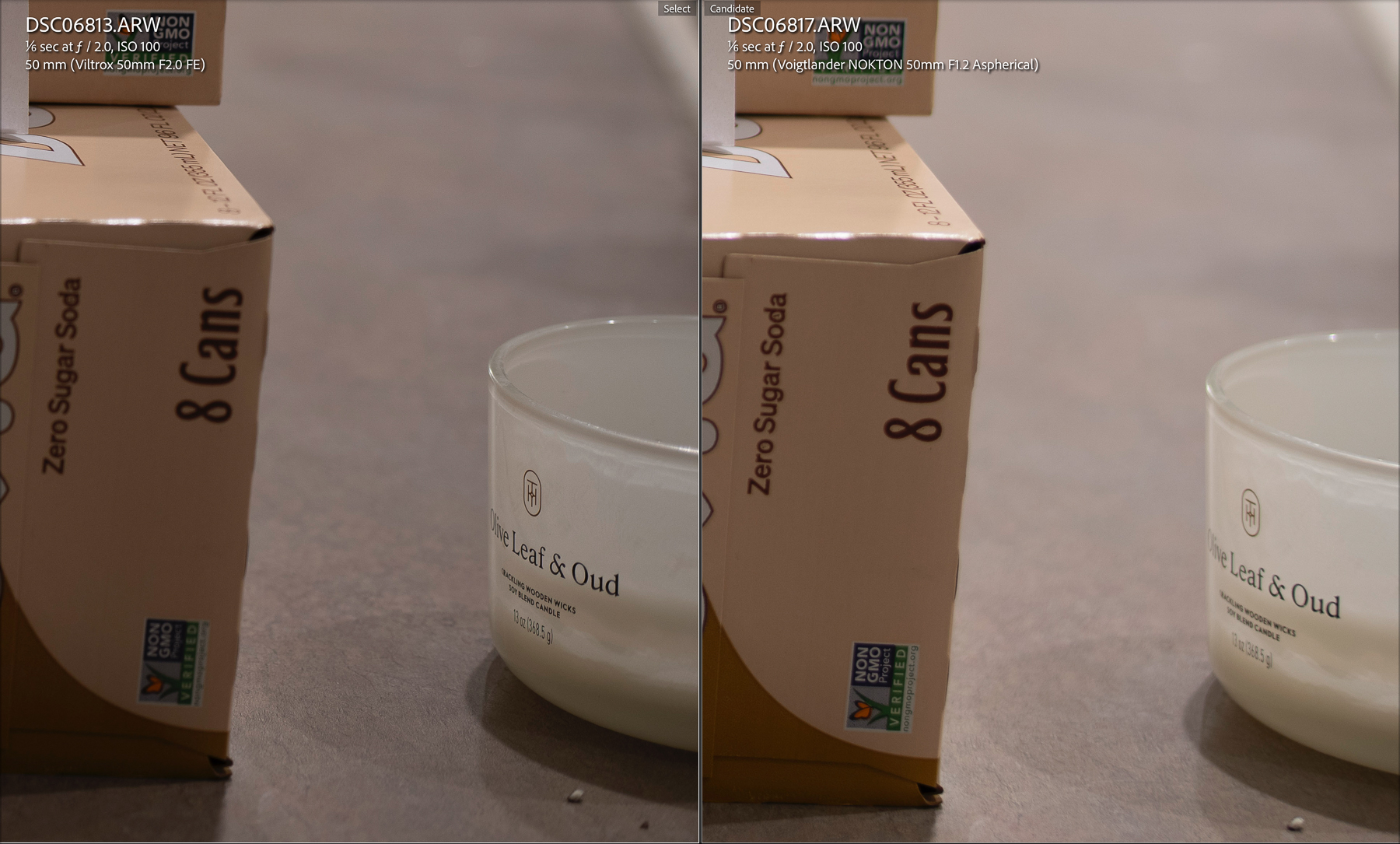
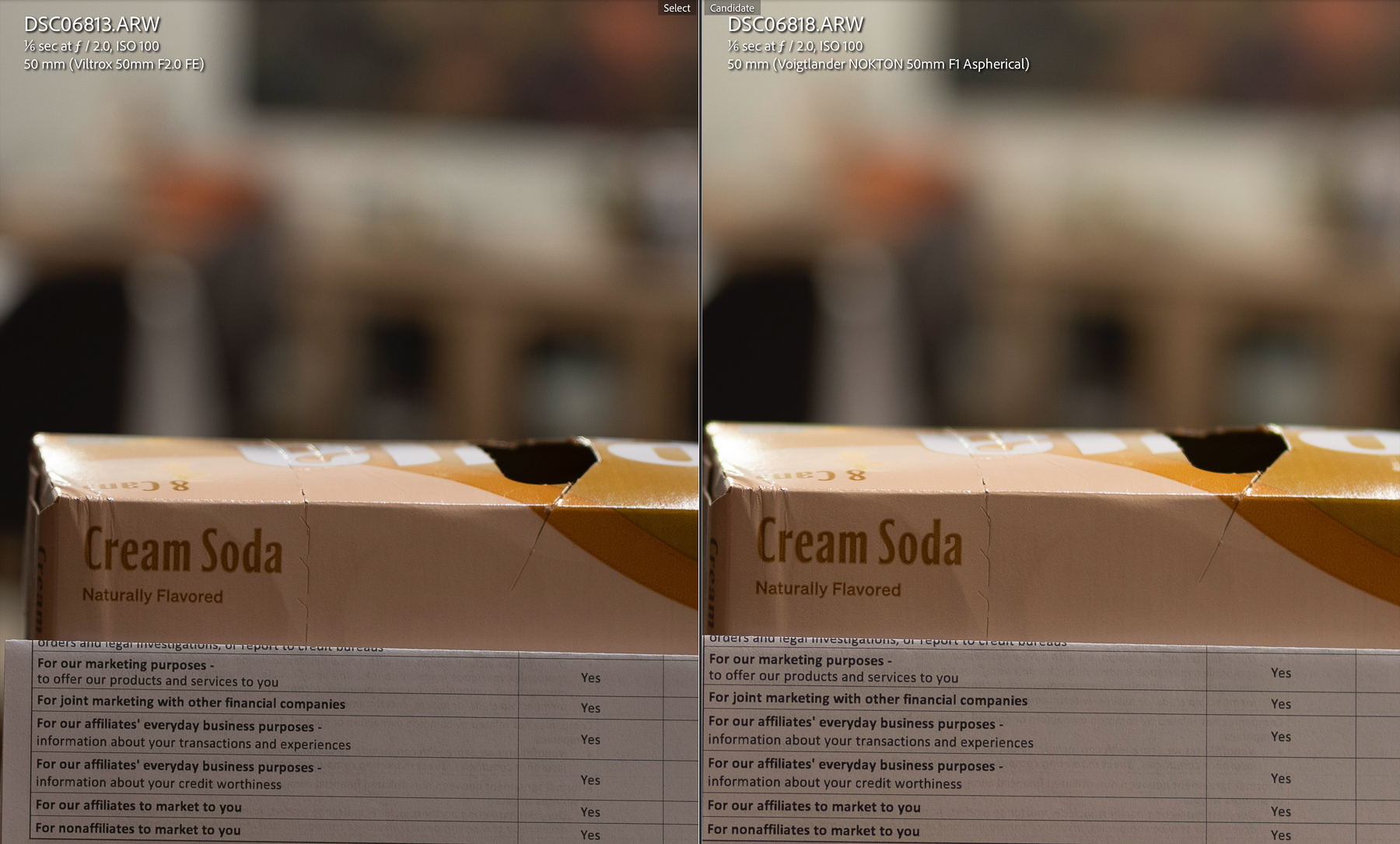
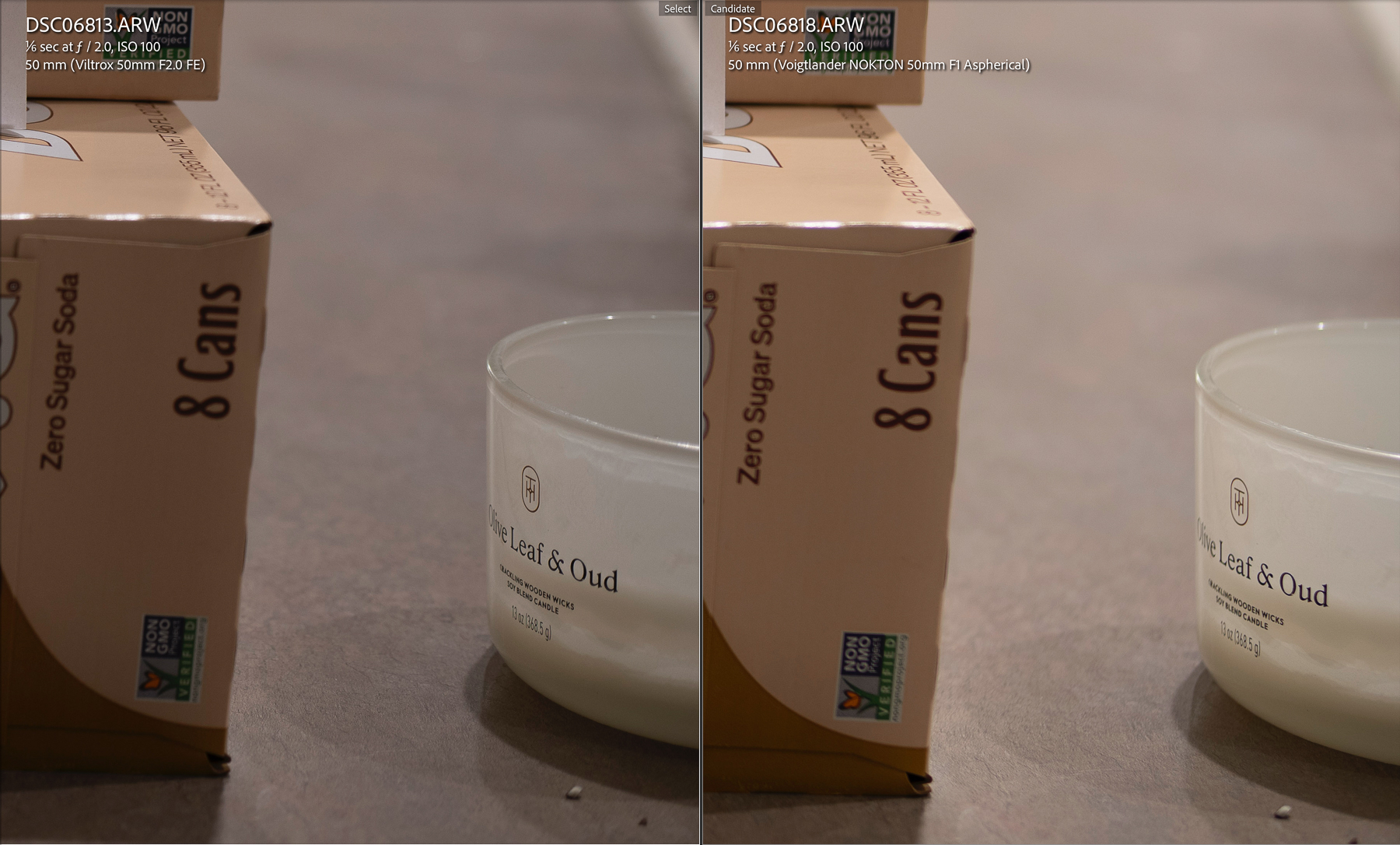
In the thread, well, most buyers want to see the dreamy and heavily abstracted bokeh in their f1.2 lenses as an entity in itself, and that is what both these mainstream f1.2 lenses deliver. My interests here are twofold: (i) to point to the very different onset of bokeh blur in the non-Viltrox lenses (as seen in the 'Leaf and Oud' closeups), engineered by a combination of rapid focus-fade and low contrast in the GM and CV faster lenses; and (ii) to raise the design differences between 'attractive' blur and the more tightly controlled and detail-relevant bokeh of the Viltrox lens.
A big issue arises here. While the established format is that of high blur volume, that blur effect seems to want to prevent viewing of the background at all, lest you go cross-eyed; contrasted with the kind of background lovers of 'context bokeh' enjoy, as they connect the focal plane data with what can be gleaned from the background.
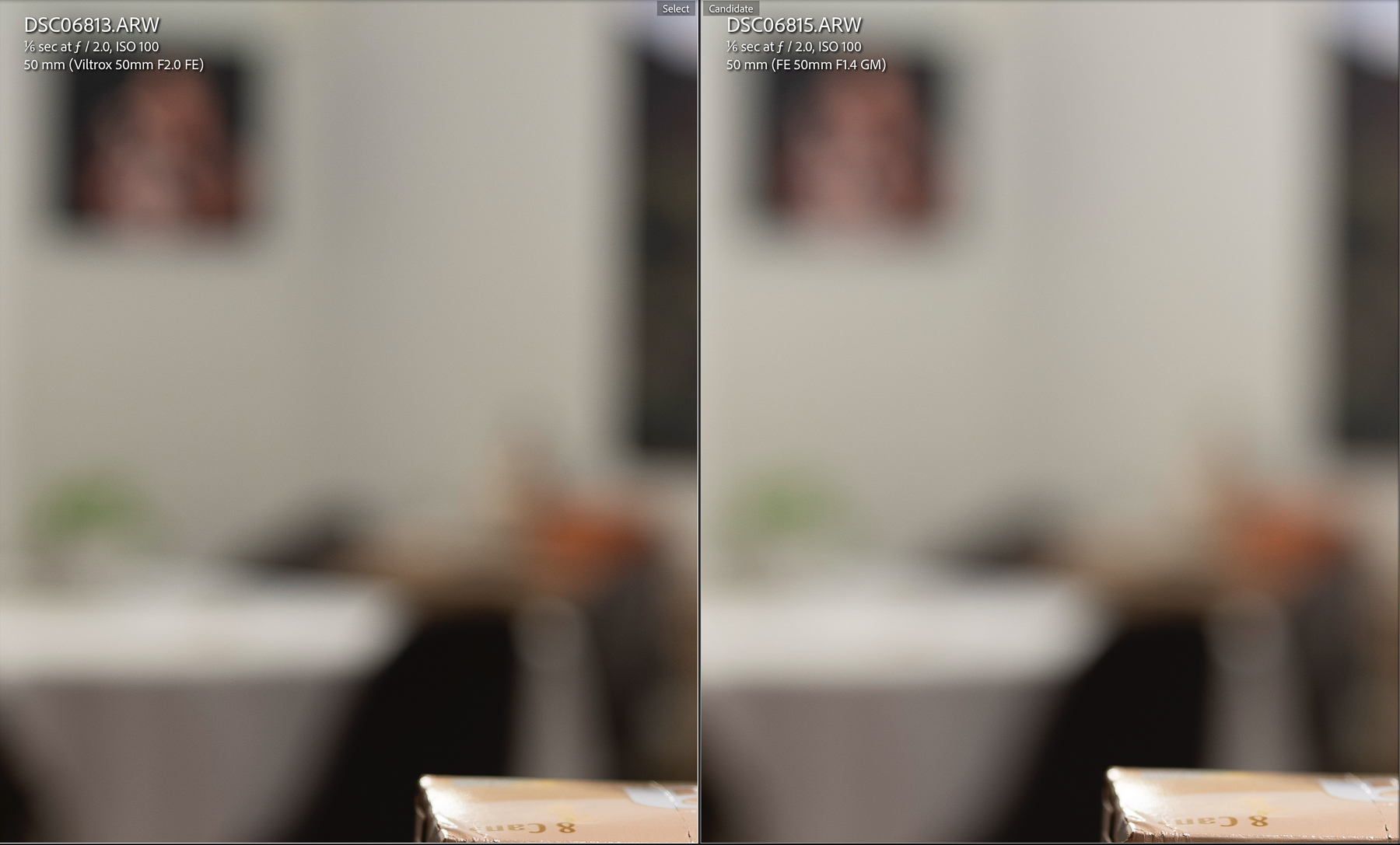
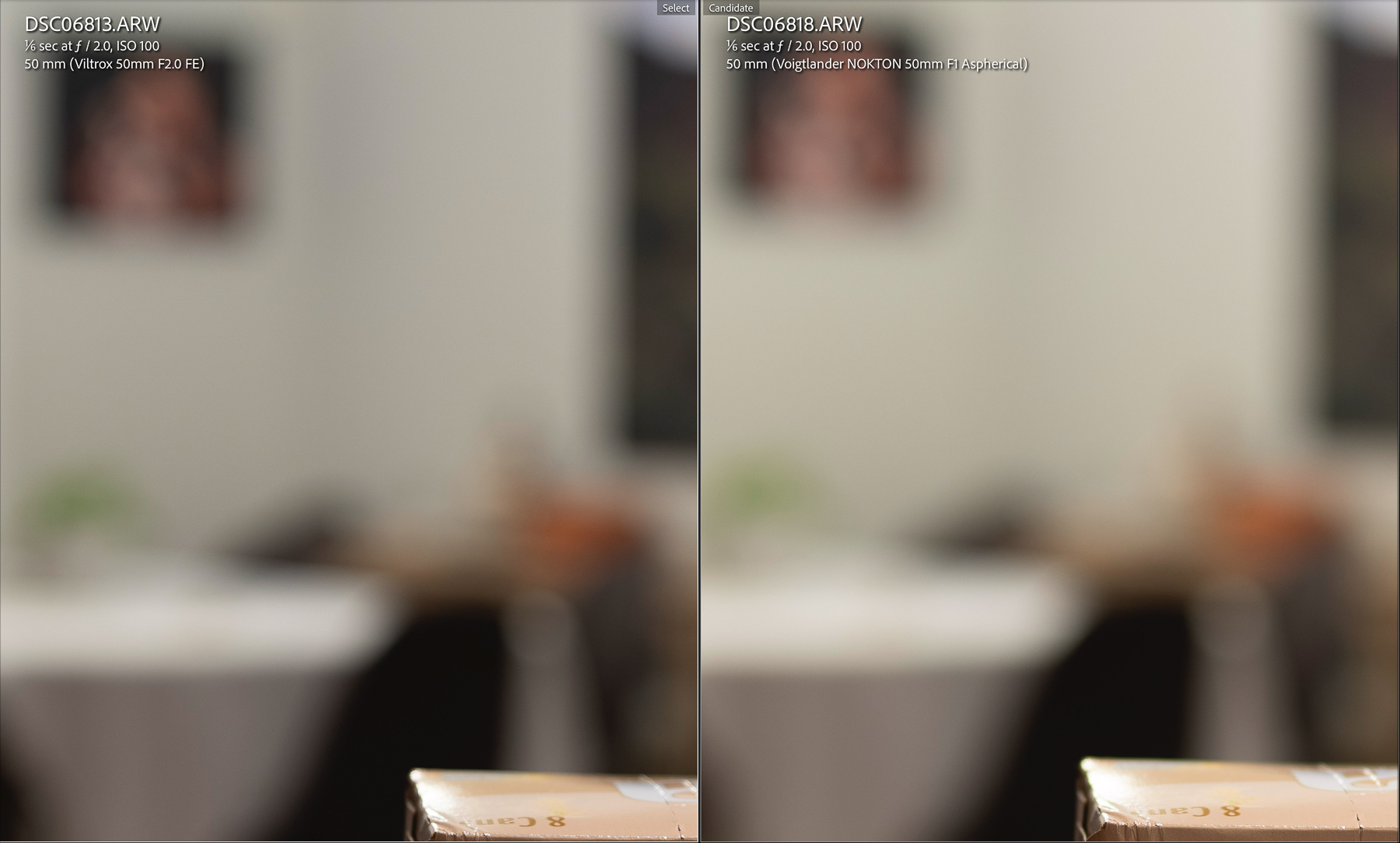
Bokeh is fundamental to 3D because that is where the effect starts, and we can generally expect the pattern to continue 1-2 stops down, so it may persist. Compositions are vital to seeing the issue; here we see just two planes in essence - (i) the tables, wall, wall hangings and door, and (ii) the product and a bit of the table. A continuous run of image motifs in the axial direction works really well, your eye can follow it more easily. Gardens, soil, beach sand etc.
So the GM 50/1.4 got my attention, being closest to the Viltrox in lens speed. Sony's lens is a little tighter as we can see (49.75mm vs 49.3mm), and exposure is brighter, making conclusions a little more difficult. If you enjoy deep 3D instead of Zeiss 3D, the Viltrox is the pick here, and they have done a good job of it considering the price and narrow user expectations of it (sharpness!).
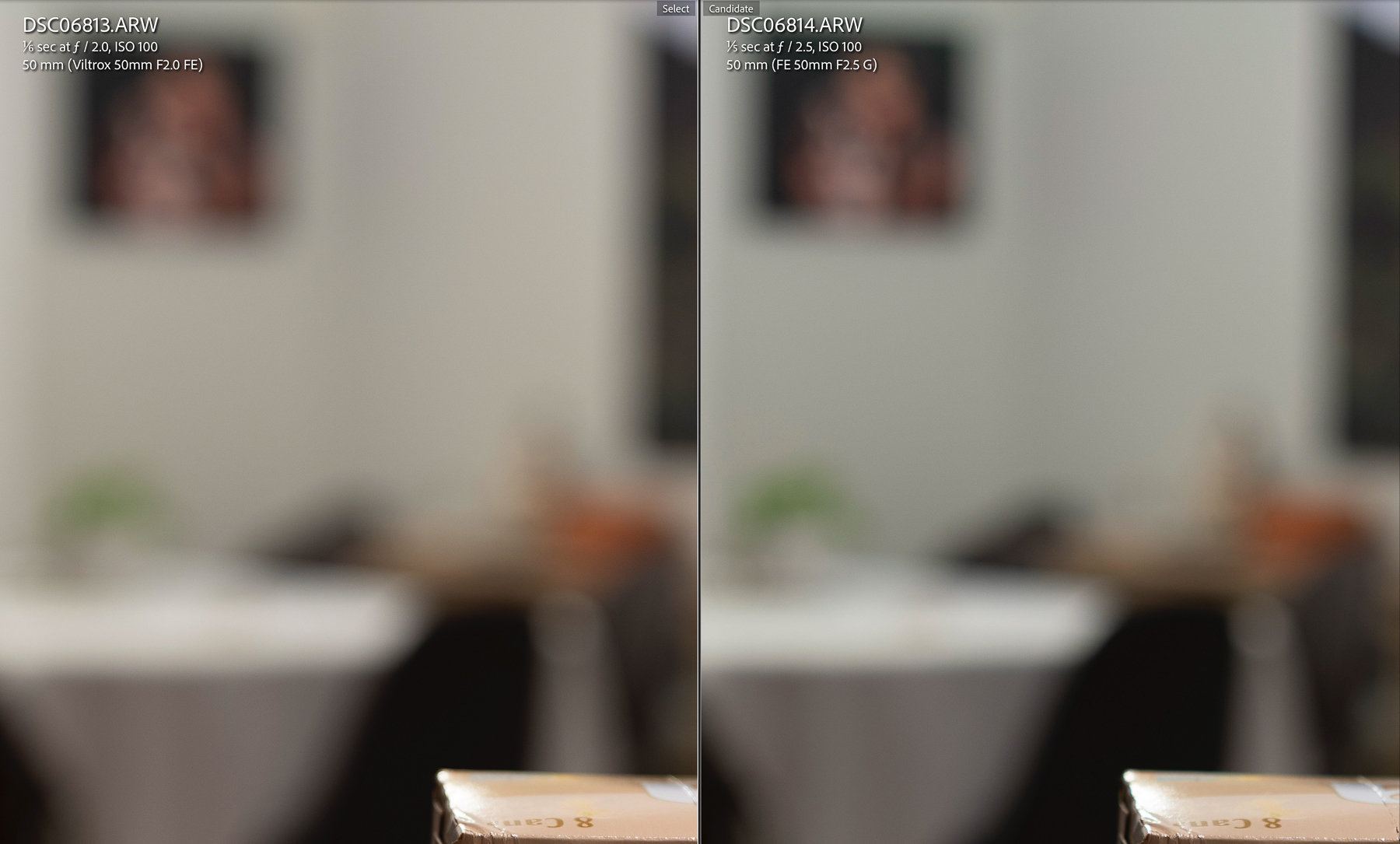
I tend to see Viltrox lenses as halfway between say, Thypoch and Sirui, and the mainstream lenses in terms of 3D inside the bokeh field - a happy compromise for some users. The high abstraction lenses use blur at such levels that all motifs are 'damaged' so you often lose all context; you see it here in the vertical lines that have imaged the door scalloping and wall detail. Sony really, really doesn't want you looking 'inside' the image. To the contrary, the Viltrox image bleeds less from motif edges and it lacks the wholesale low contrast smear of the Sony lens.
The loss of contrast also heavily degrades color tone differences inside the bokeh field, adding to the impetus to visually destroy the background. They have forsaken image depth and the spatial relationships between objects in the image, as part of the model they are using - you see the extra detail in the things sitting on the table/island in the foreground of the Viltrox image. The blur of the rapid-fade lenses consumes it all, and you lose all sense of shape, as the objects sit uneasily between how they look when in focus, and some random shapes - zombie objects.
Choices are good, and that is what I see here. It's a lot of work, so much appreciated.
|