ftllens
Offline
• • • •
Upload & Sell: On
|
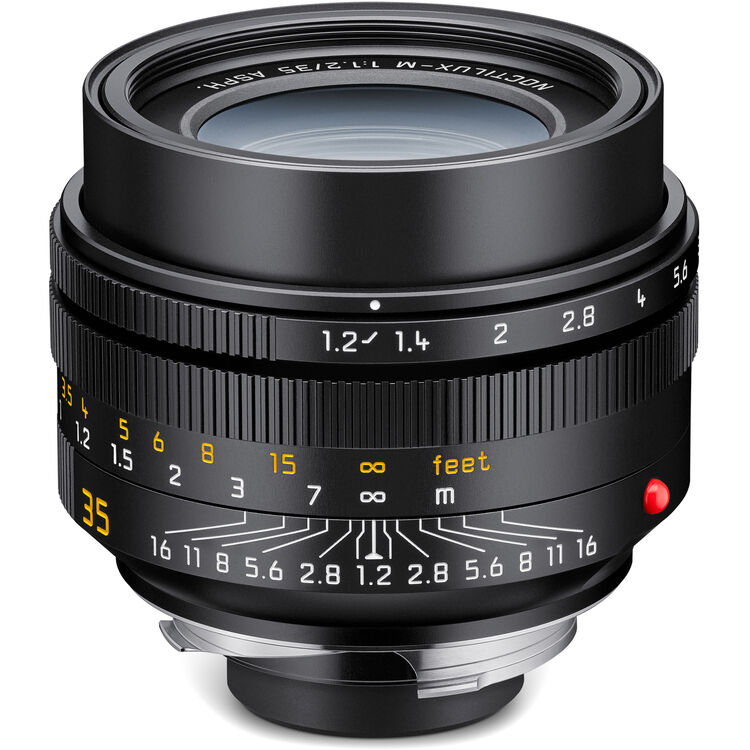
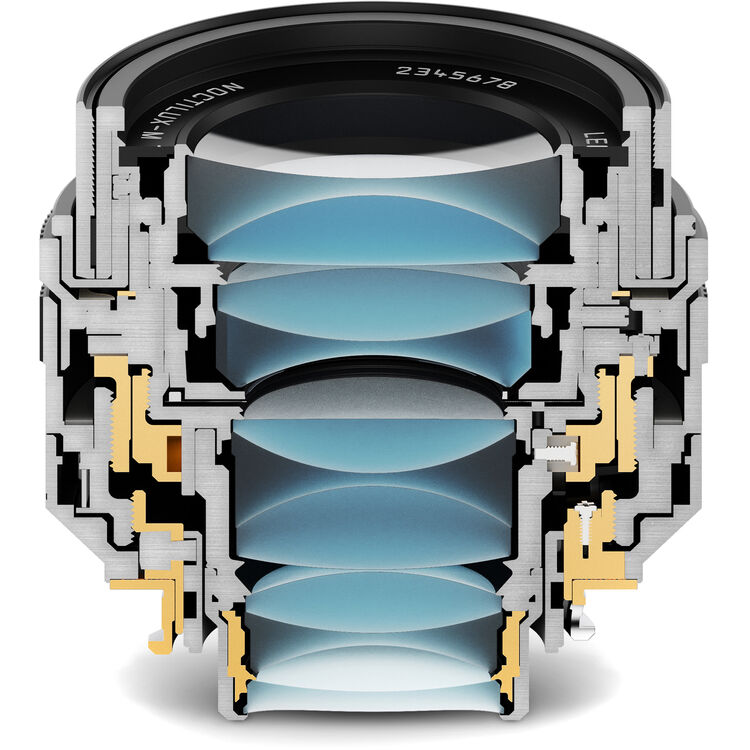
 p.4 #8 · Leica Noctilux-M 35mm f/1.2 ASPH. lens p.4 #8 · Leica Noctilux-M 35mm f/1.2 ASPH. lens | |
philip_pj wrote:
Thanks for the images, Jorge, although they are small.
The stills photography world is still some way from understanding that the role of lens design is to create appealing imagery, rather than engage in an arms race to see who can make the most technically perfect lens. This market segment will be last to appreciate what image quality actually consists of - a sad state of affairs.
Depending on your point of view, the sharpness addiction is either a cult formation or a form of industry brainwashing. Although, I place most of the 'street level' blame on those we might call 'opinion leaders', particularly the better known mainstream websites and YouTube presenters.
On to an alternative view about the notion that high end lenses need to be "clinically sharp" and "contrasty". I am aiming to provide the sophisticated and informed views of industry leaders on this important subject:
"after about 35 years, what I've seen is the drive towards sharpness, contrast, getting all the aberrations corrected, basically making perfect pictures" "the look of the picture is very important and the problem with digital is, a lot of the time, it's very - I call it clinical, surgical - you know, it's a very clean look" "now with this digital, it's sort of making it too sharp; just to use a word, it doesn't have the aesthetic" "the demand now in the professional area is how do we give digital an aesthetic look..in the lens"
Iain Neil, master designer at Leica Cine
"When ARRI set out to devise its own lenses (and create their own “signature” look) they did two things: they designed the lenses by looking at faces instead of charts, and they paid as much attention to the out-of-focus elements of the image (the bokeh) as they did to the focus plane."
Art Adams, product specialist ARRI
"The use of modern photography lenses for beautiful cinematography is rare, mostly because many modern photo lenses lack a distinct and artistic character, instead prioritizing sharp images that can feel devoid of life.
"Many cinematographers have pulled away from modern cinematography lenses in order to introduce aberrations that take the edge off digital sensors. The THALIA 65 lenses deliver many of these characteristics without some of the drawbacks associated with vintage lenses like difficult-to-control flares.."
"Like many older lenses, they exhibit a field curvature that brings the viewer’s attention to the center through a gradual falloff of contrast and resolution toward the edges. The images created by THALIA 65 lenses are clear and detailed without feeling overly sharp as witnessed by their beautiful, smooth skin tones. And the newly designed circular iris (PJP: 15-blades) keeps the bokeh smooth and beautiful through all stops while maintaining structure in the out-of-focus details."
Leica Thalia, 9 lens set for Alexa 65/large format - over $200,000 on release.
That is just a brief snippet of the widespread sentiment in the cine industry, there are many more in this vein.
The irony is that the very thing photographers value most highly is turning off film makers and audiences alike. They want beauty, not ultra high lens contrast. So many choose to inspect the delivery mechanism (the lens) rather than its product (the image). We actually need beauty in our lives. ...Show more →
Just to add when you adapt Thalia, Enso, S8, etc. to high res stills cameras, you still get exceptional resolution and contrast. They are all high fidelity optics at the core (if you magnify to 100-300% you'll see fuzz on the face and the pores as well and the detail of the iris etc.), however they are tuned in such a way that when you are looking at the whole image, it's a more faithful reproduction of how our own eyes perceive the scene without the intensity of any of those frequency ranges overpowering the others.
Basically high modulation at low-mid freqs, then usually tuning in the higher freq at different parts of the frame depending on the desired look. Though right now most of them have the custom rear filters you can on-the-fly adjust vs. always sending them in to get custom tuned. SA and the other "pleasant" aberrations are dialed in to match human CSF preferences. And of course to minimize aliasing etc for post production work.
The ARRI Ensos are awesome because you can swap out the whole rear element (moreso than Thalia and others rear net/filter systems) and they have meta data that compensates automatically!
Back on topic, I liked the CV 35 1.2 IV size and handling a lot, but going to wait on the full sample images with EXIF, cause I'm only interested in the WO performance.

|