philip_pj wrote:
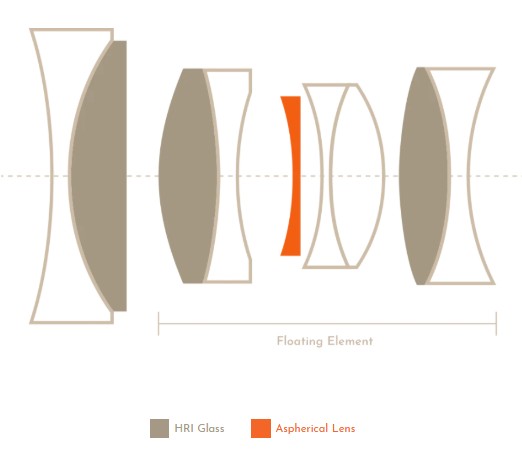
Thanks for this work above, Happydan! I'll have to get that 35mm, the 3D is so very good. It has just one asph element, and no ED elements, so maybe the theory is right that ED glass damages image depth. The 35mm is the weakest in MTF terms, but as we are all learning, MTF is not what it's cracked up to be, coming as a reformed believer in it.
I'm not a natural 35mm user, but I enjoyed the RX1 for years. Time to start again on that part of the work flow, I'm sure I missed something. It often takes a lens to get you used to a focal length, I've found. The 28mm focal length has always been solid for me.
I'll start populating the thread over the next day or so, it can be an ongoing resource. Others too hopefully.
Thypoch want to know what people thought they should do next, which I take to mean what lens they should make. They have been quiet by Chinese standards of late. An 18mm or a 100mm, or something else special? ...Show more →
Philip - I’m not a natural 35mm user either. I’m primarily a 50mm guy but since acquiring the Simera 28/1.4 I’ve fallen in love with that focal length.
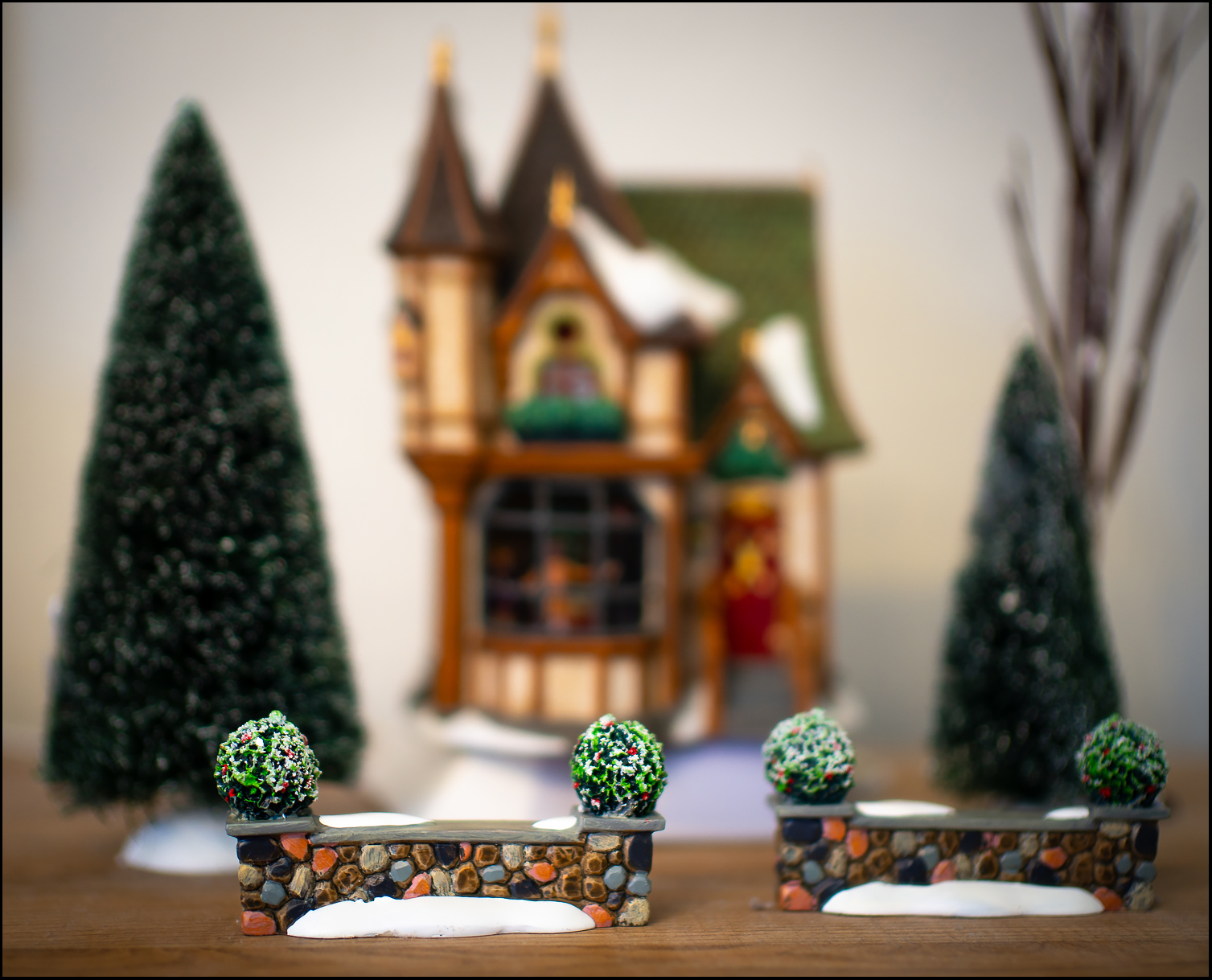
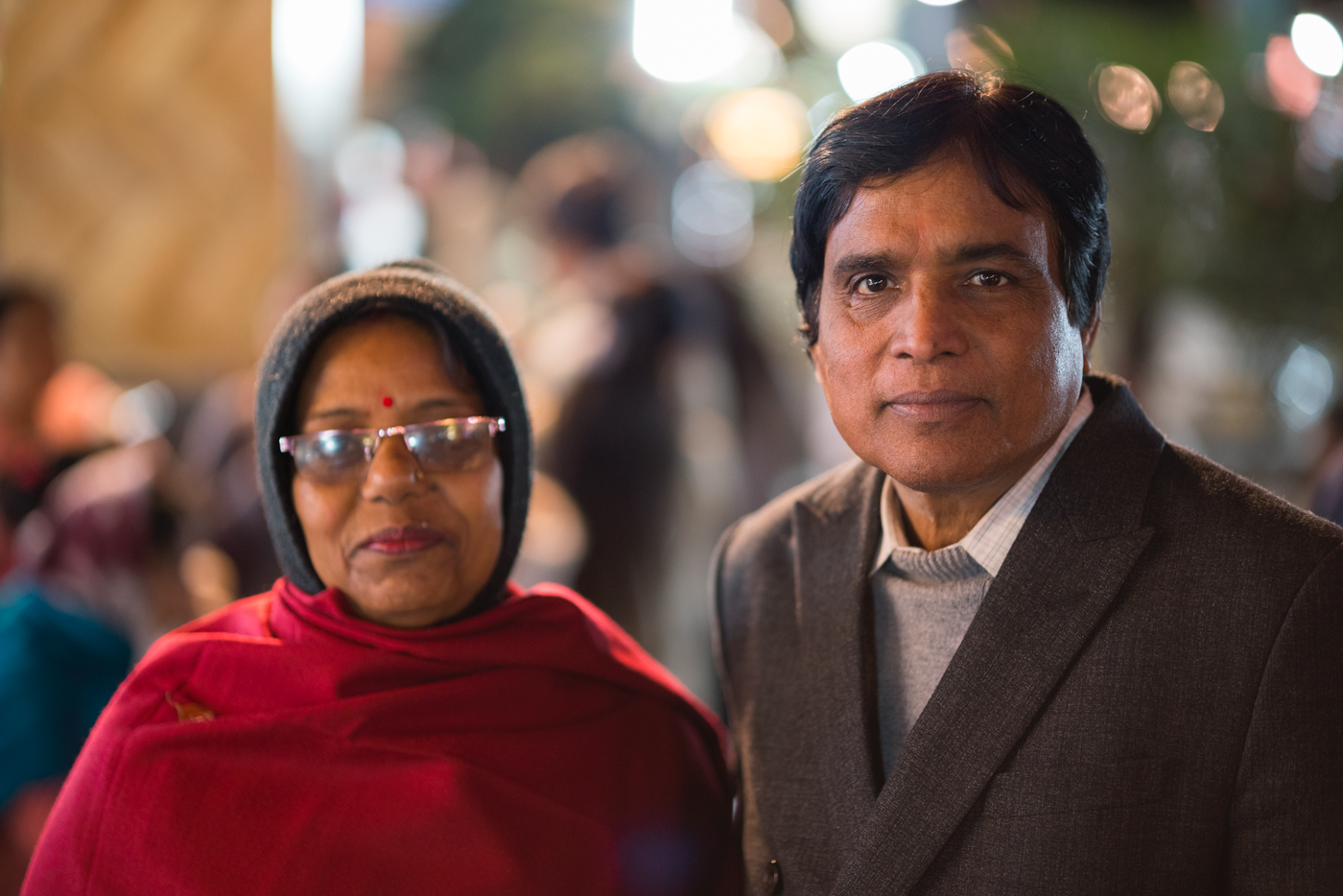
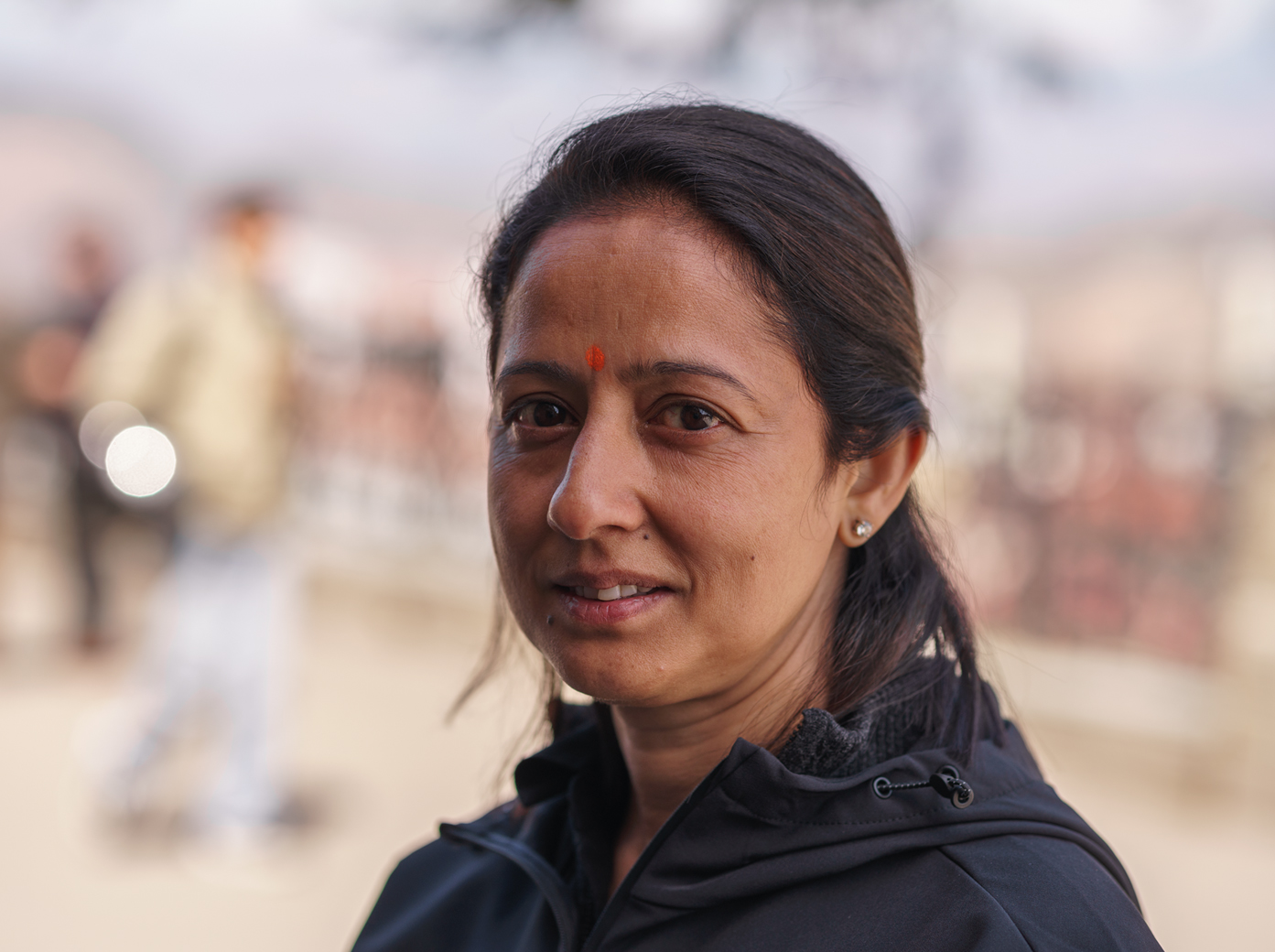
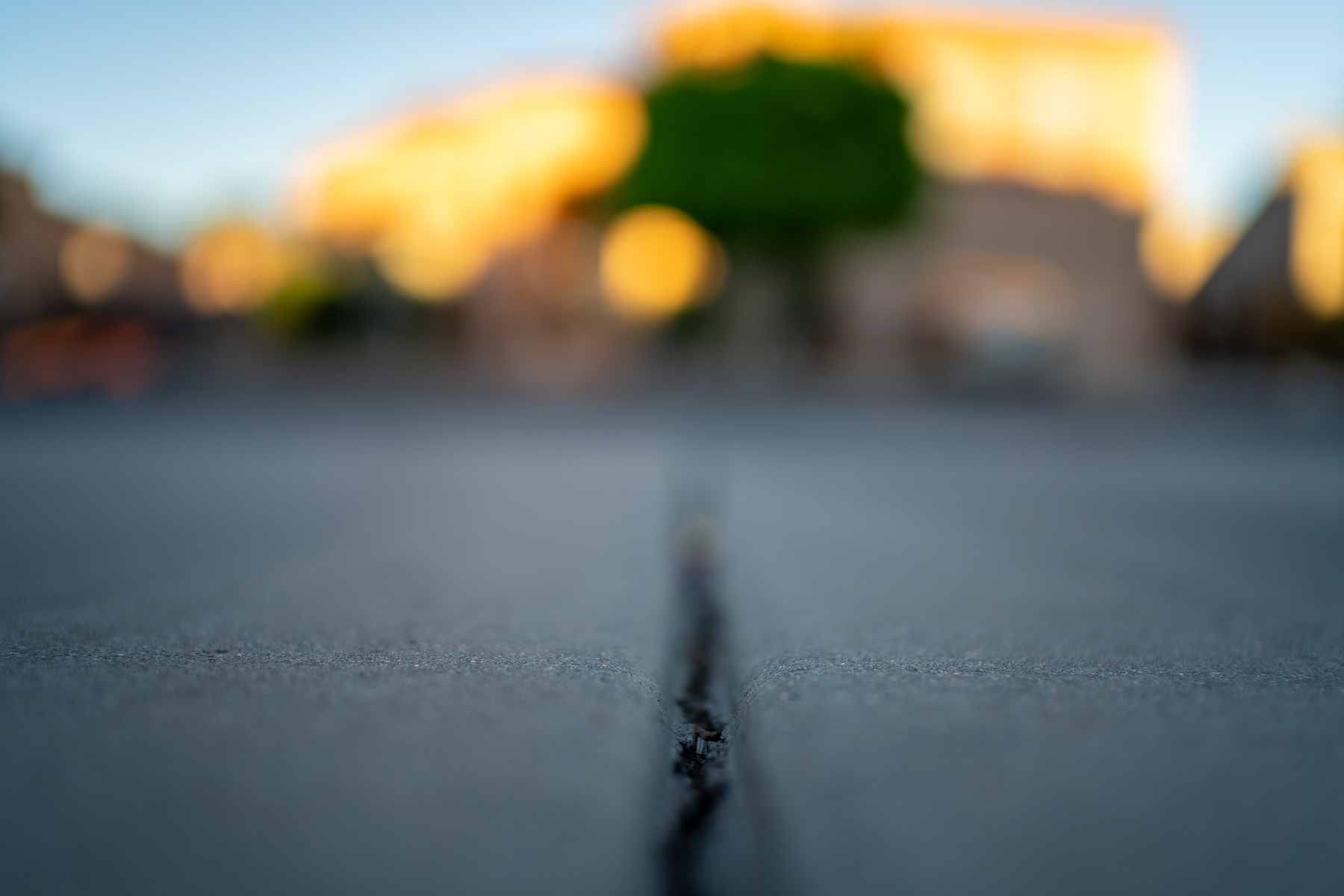
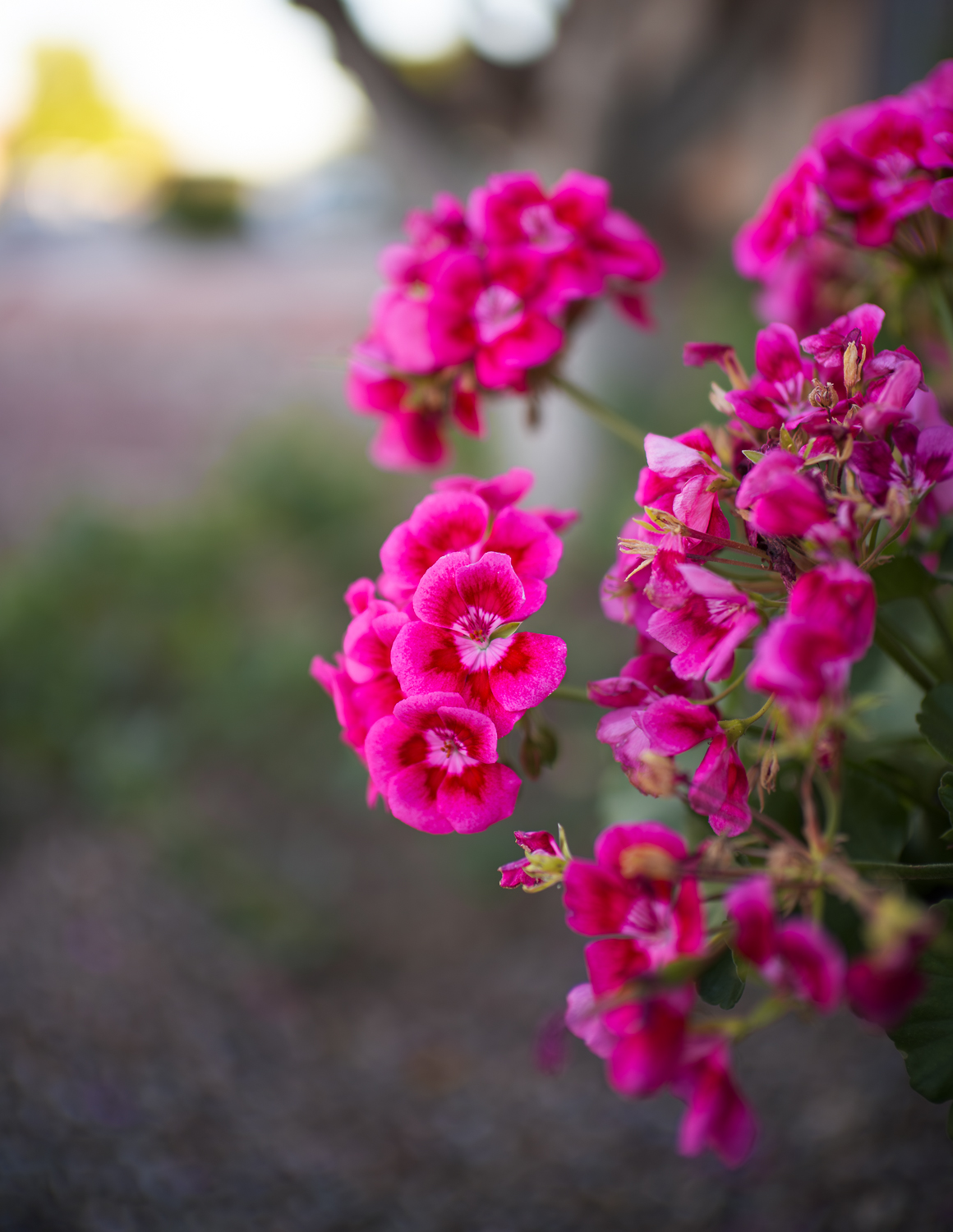
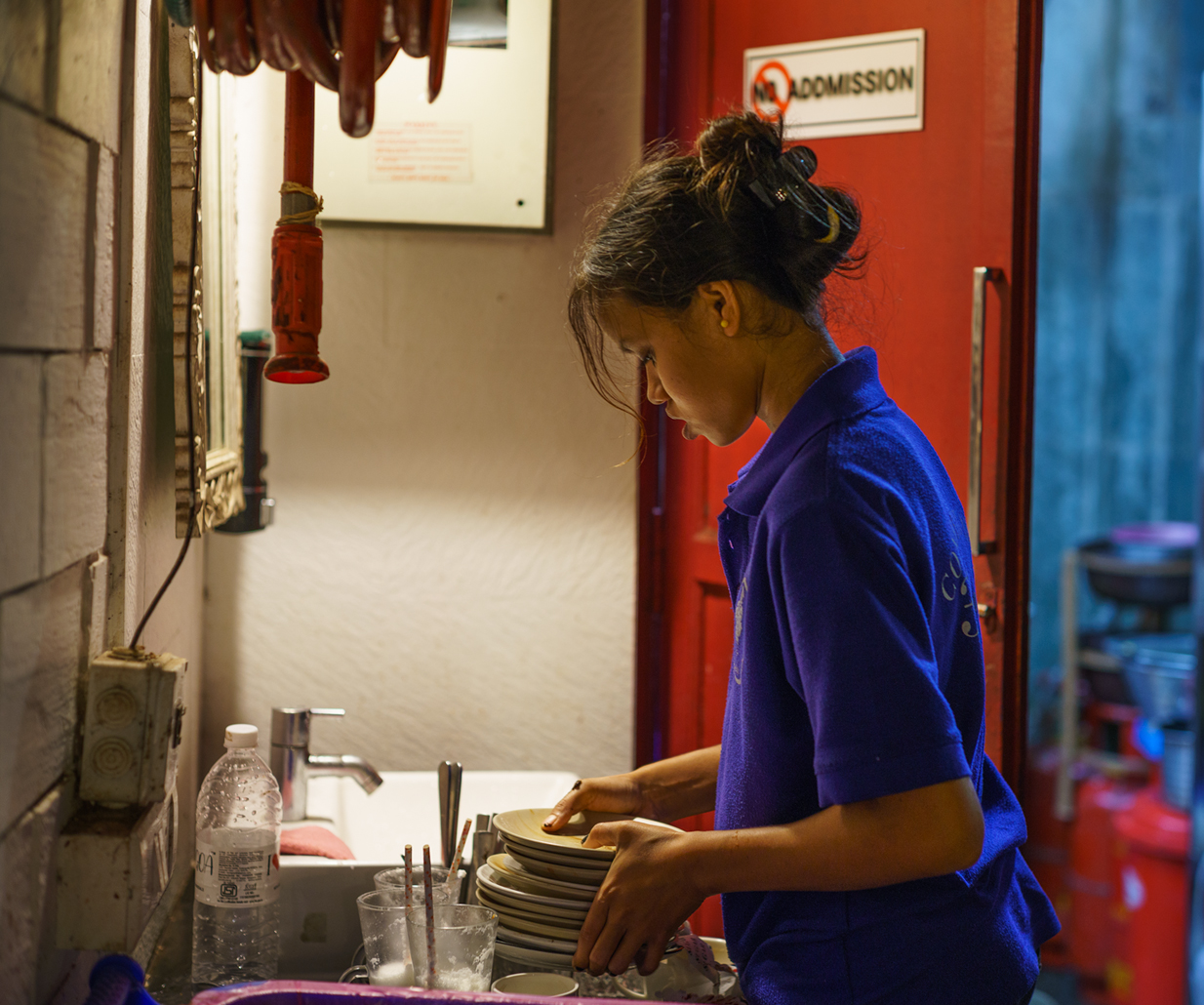
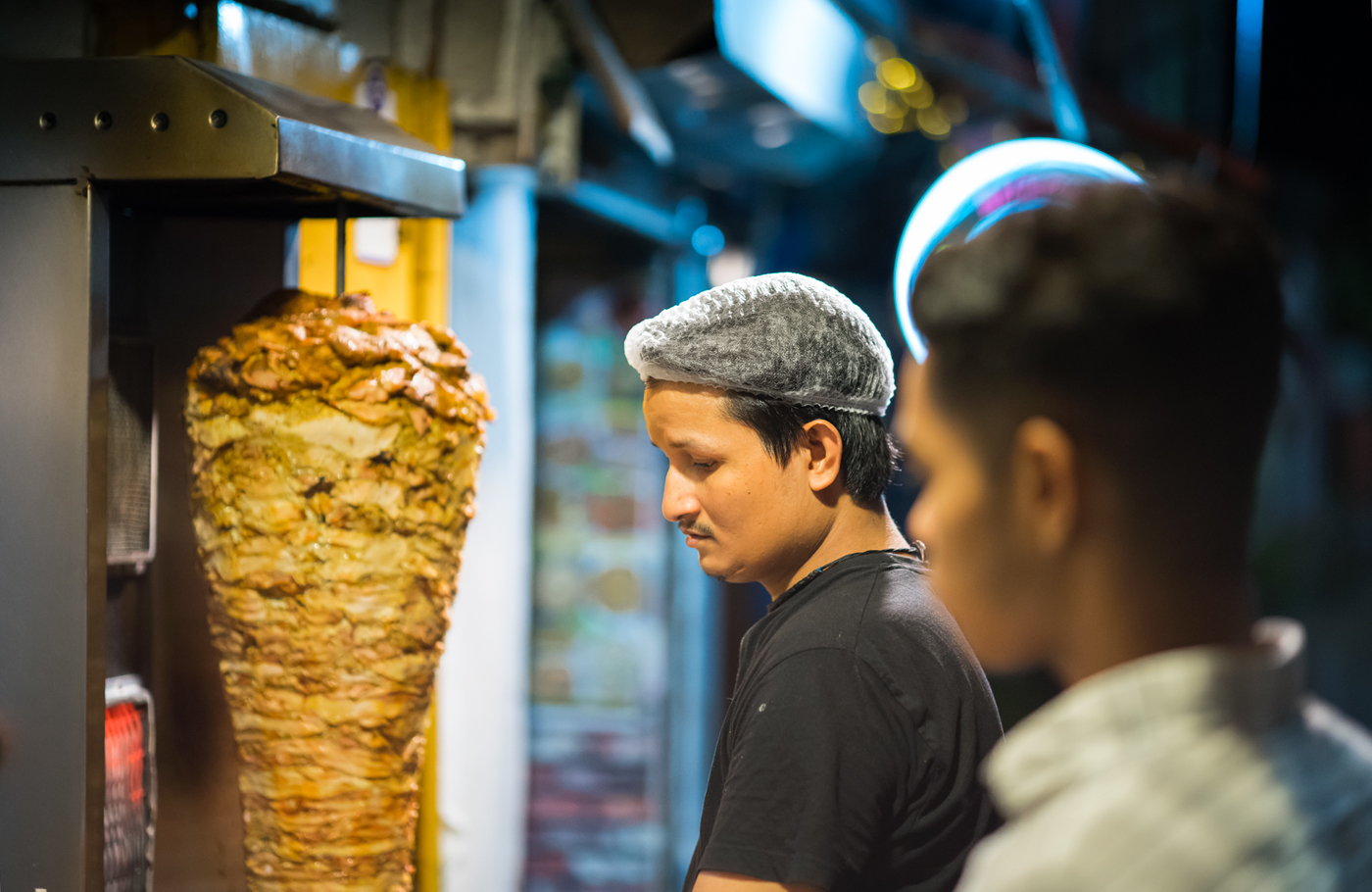
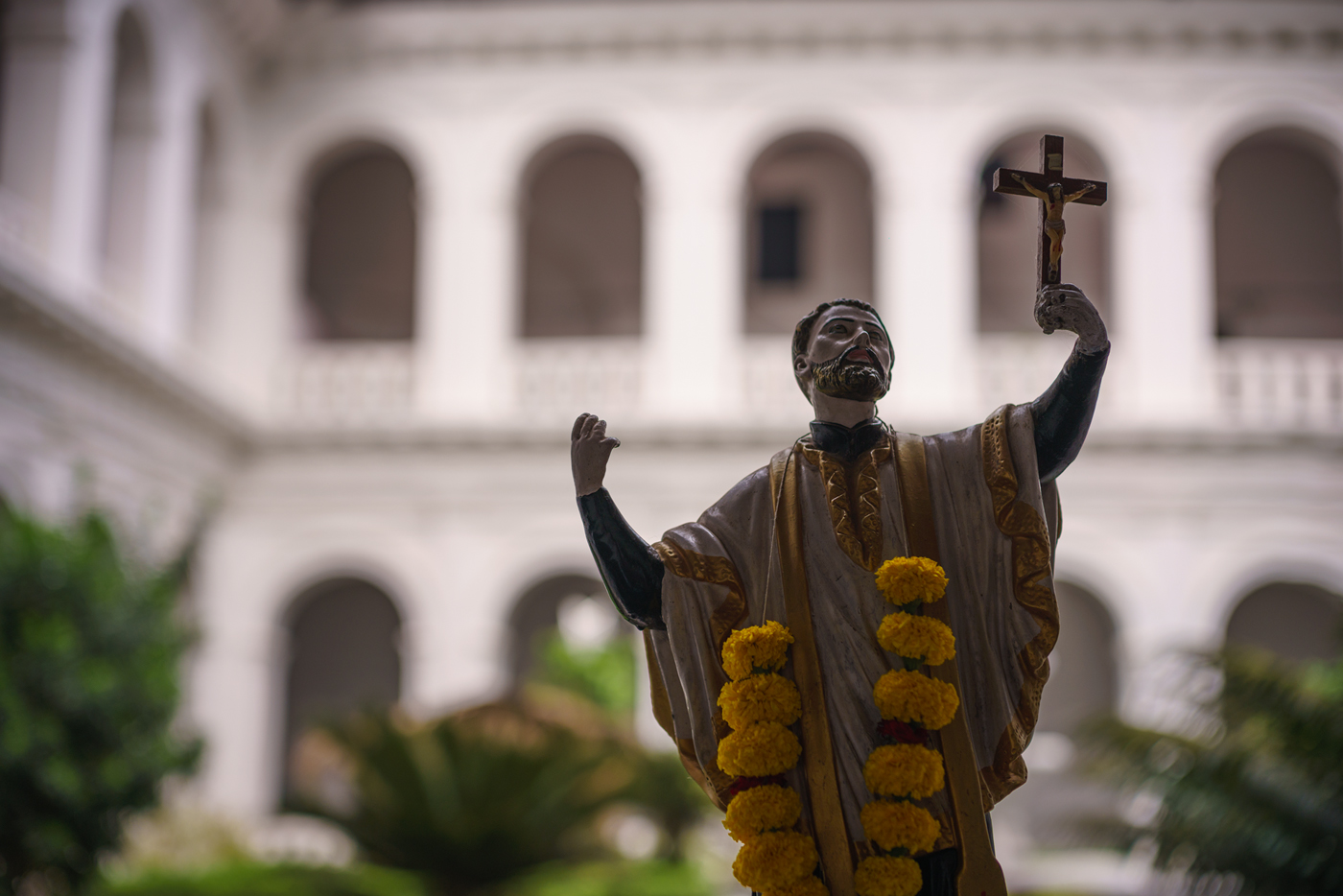
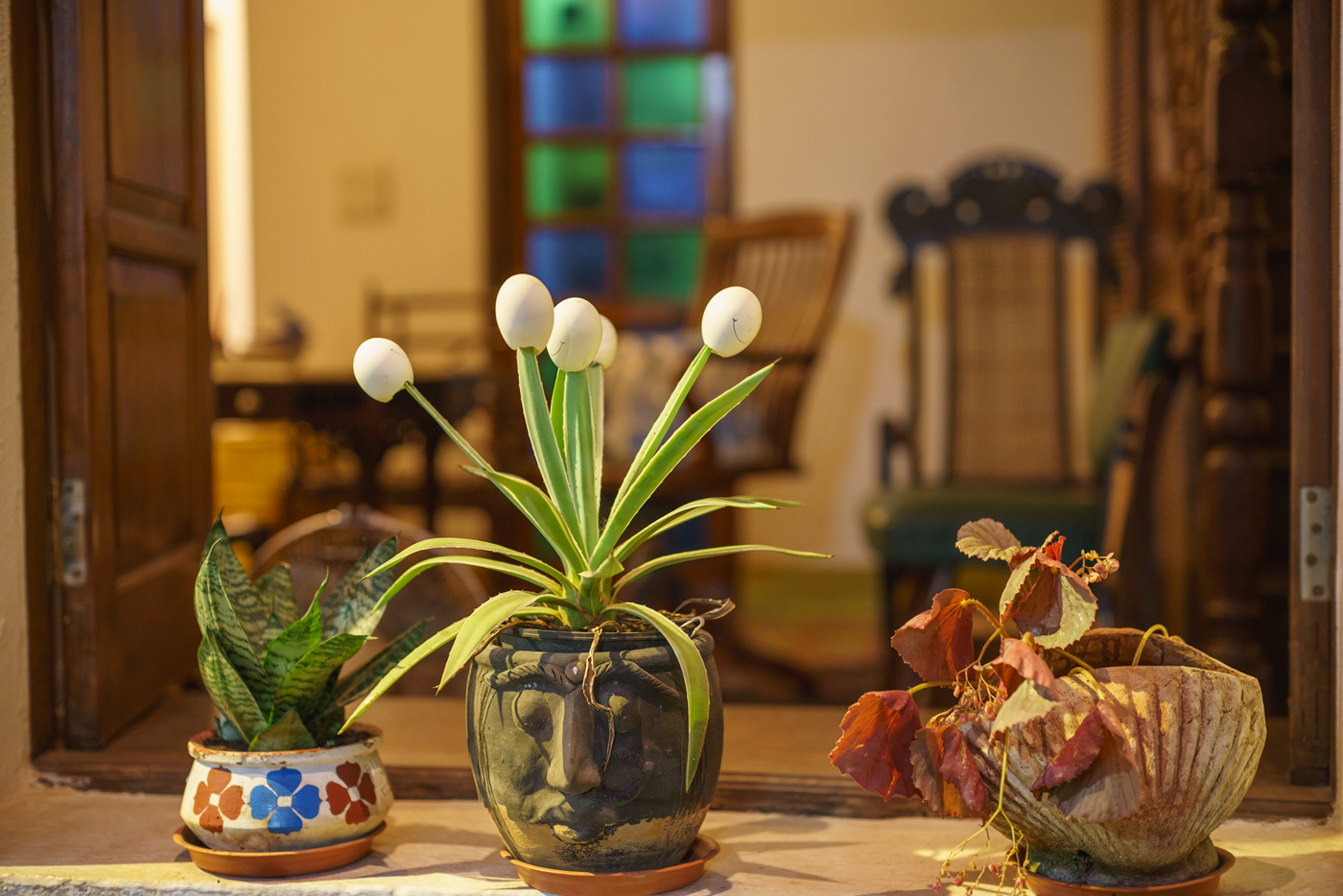
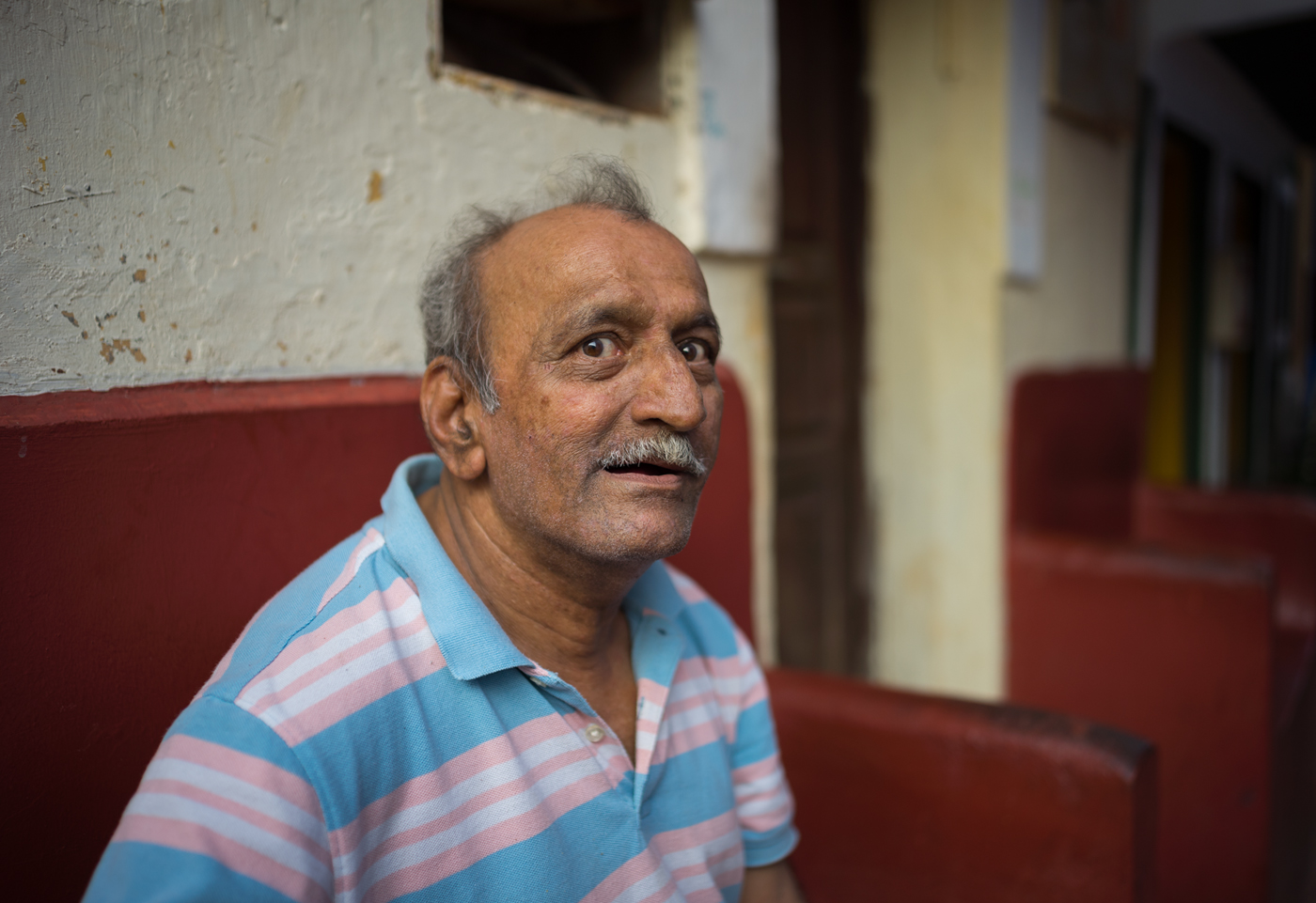
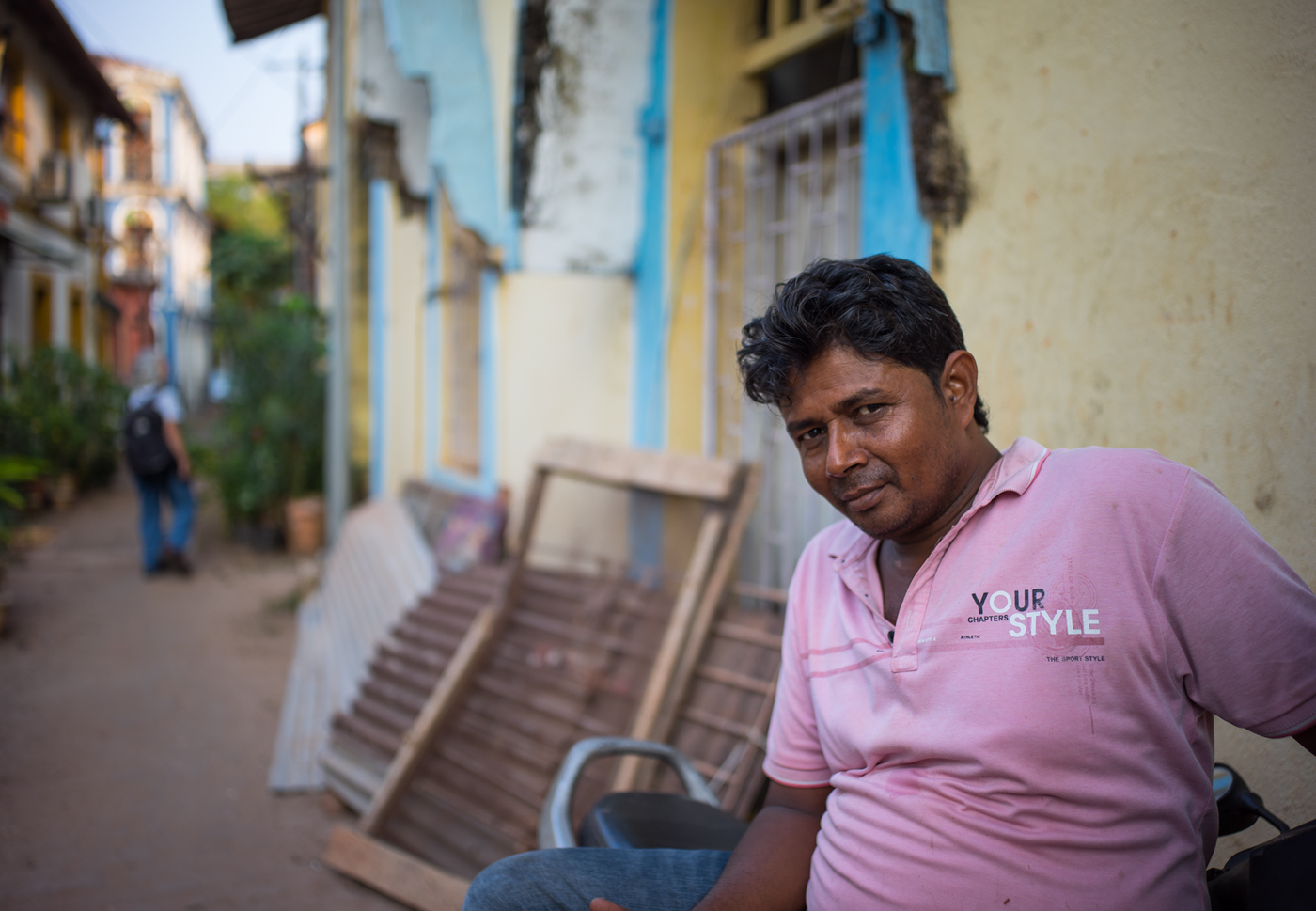
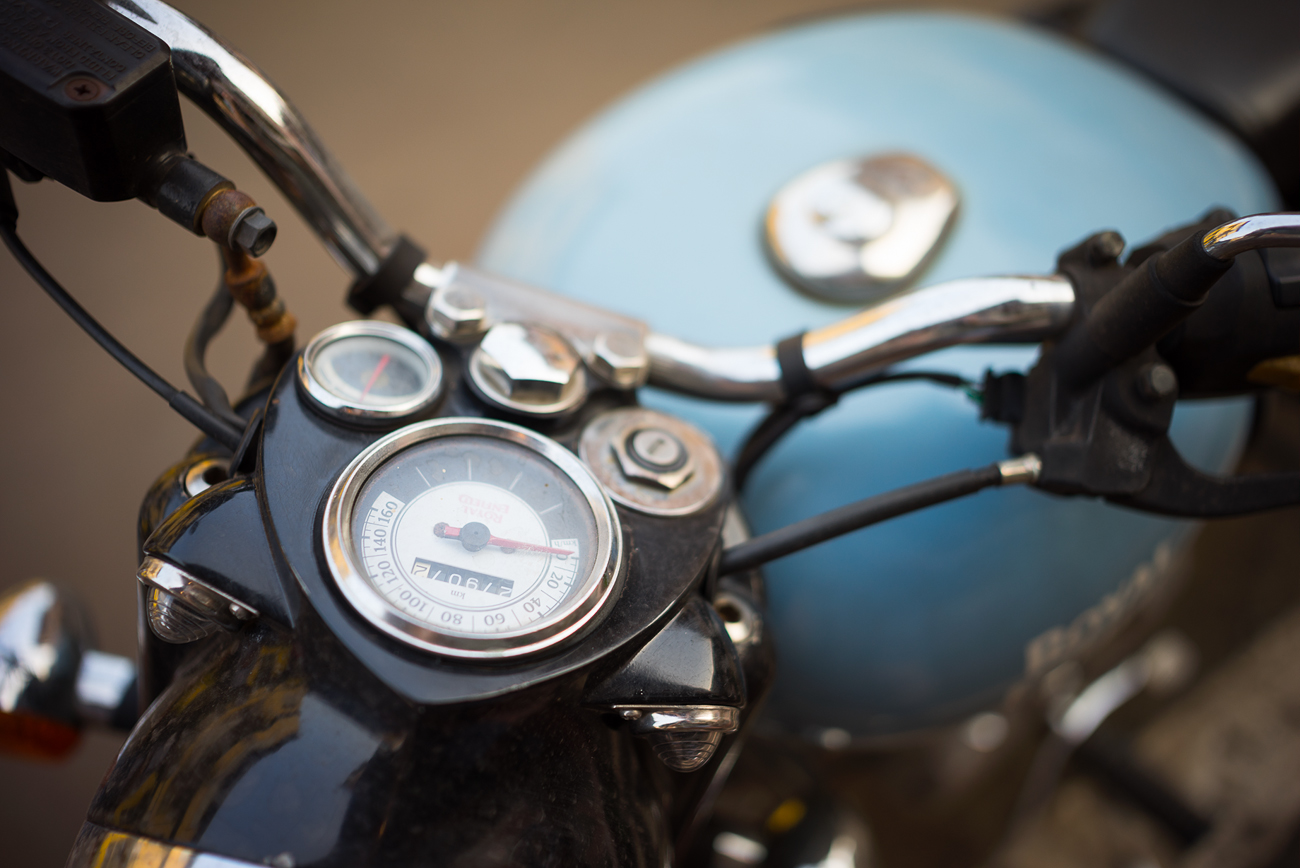
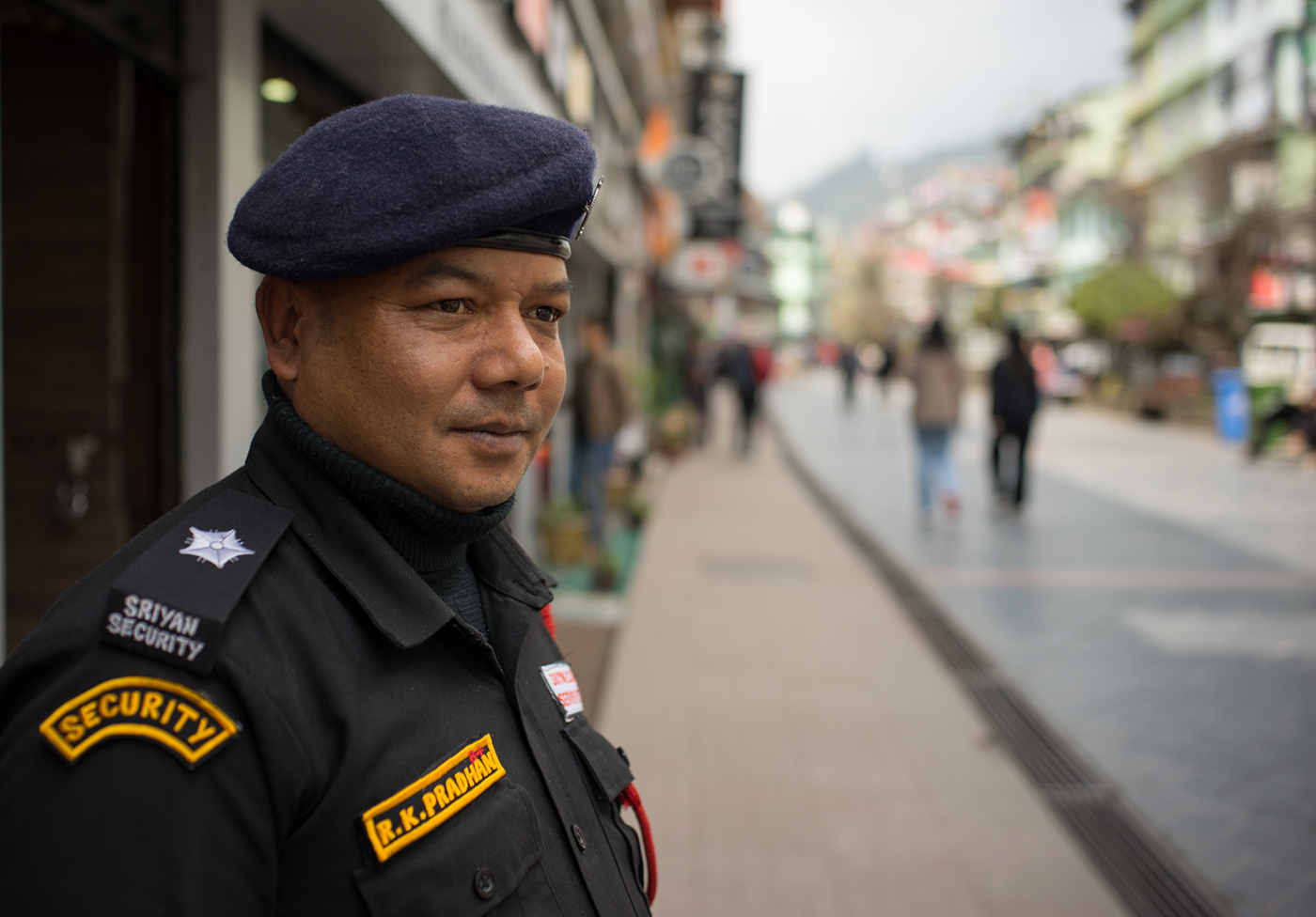
However, I just received the Simera 35/1.4 today (I simply could not pass up the $369 price). So far I like it a lot with limited use. These images were shot with the 35/1.4 wide open at minimum focus distance.
And yes, my wife is already getting out her Christmas villages!
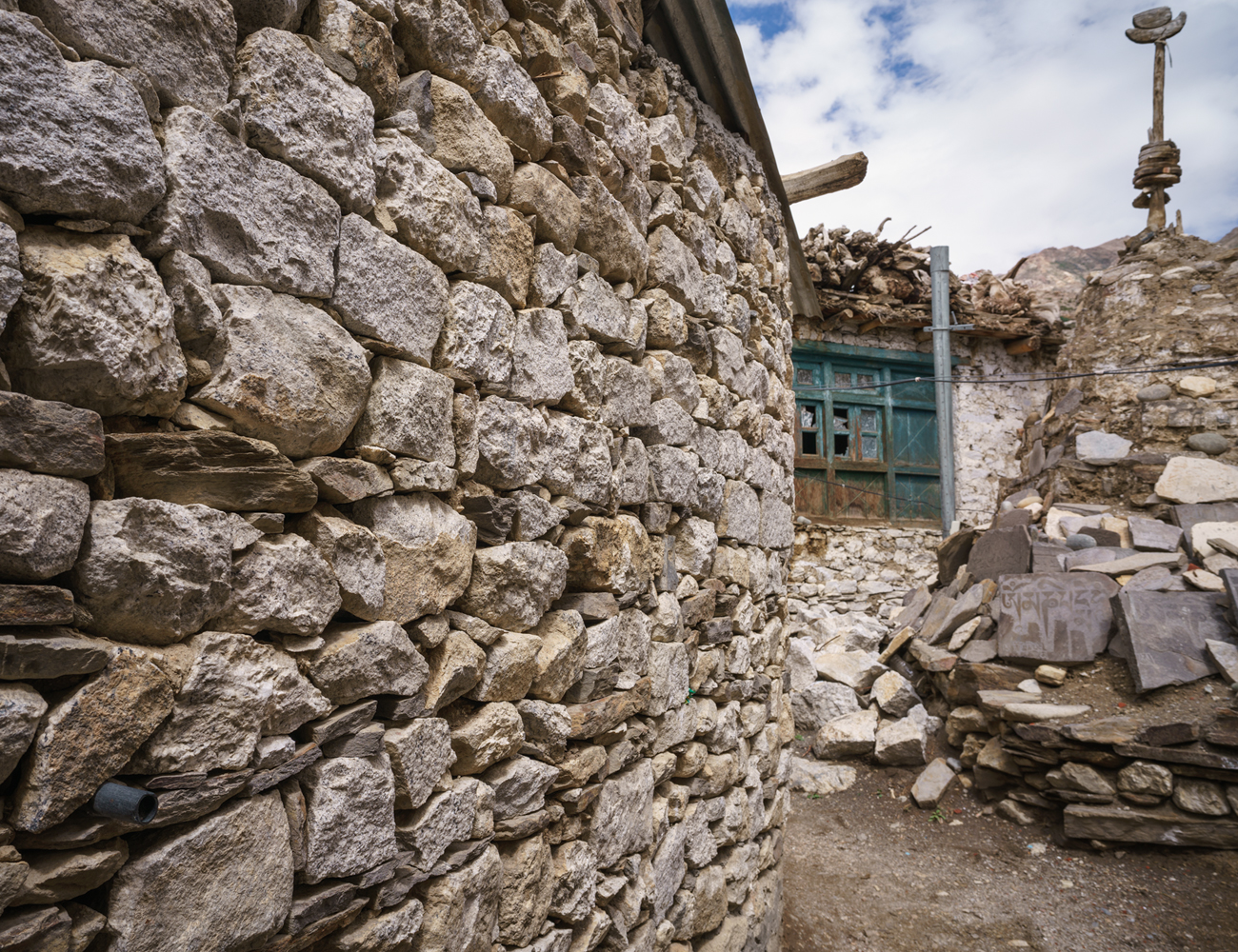
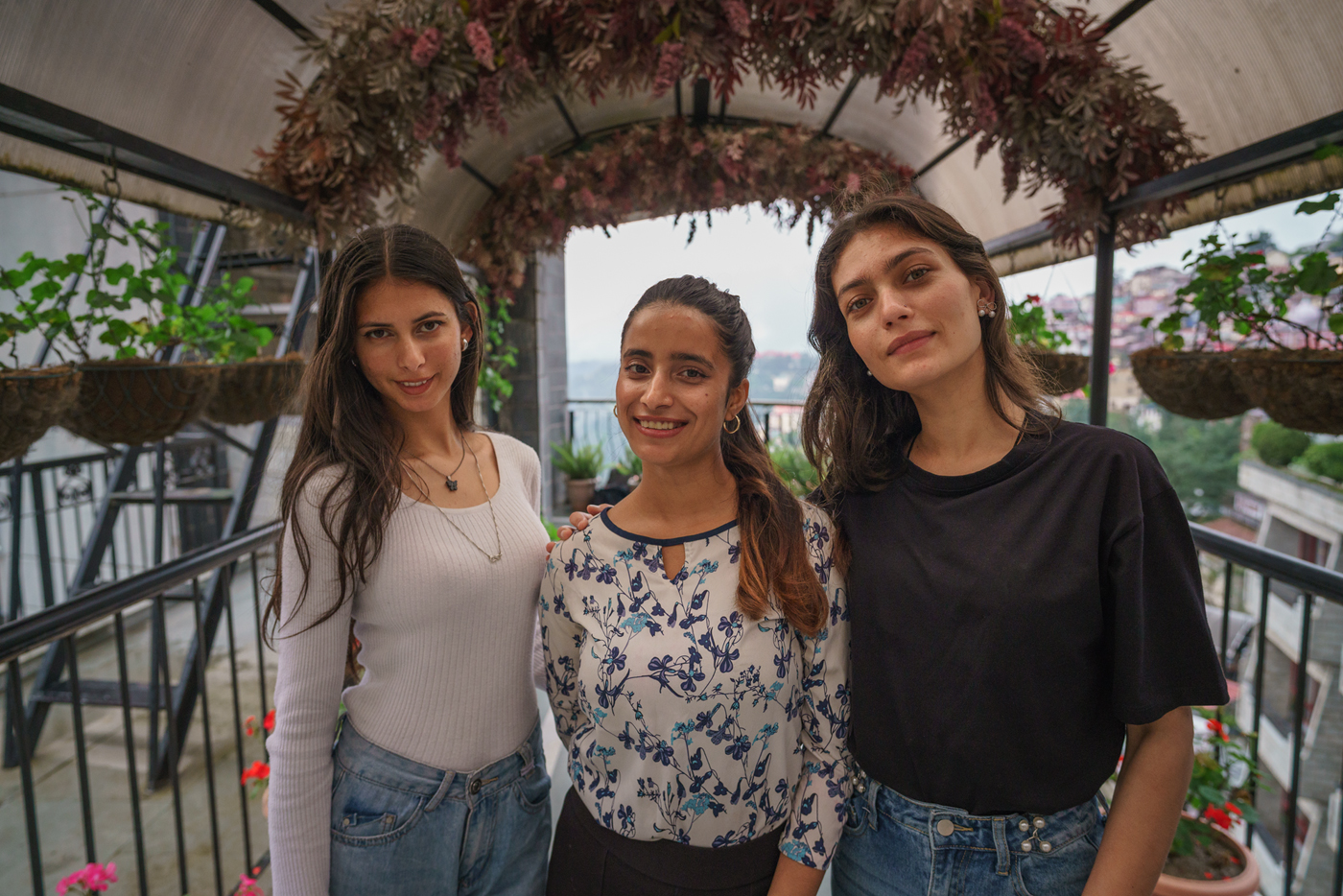
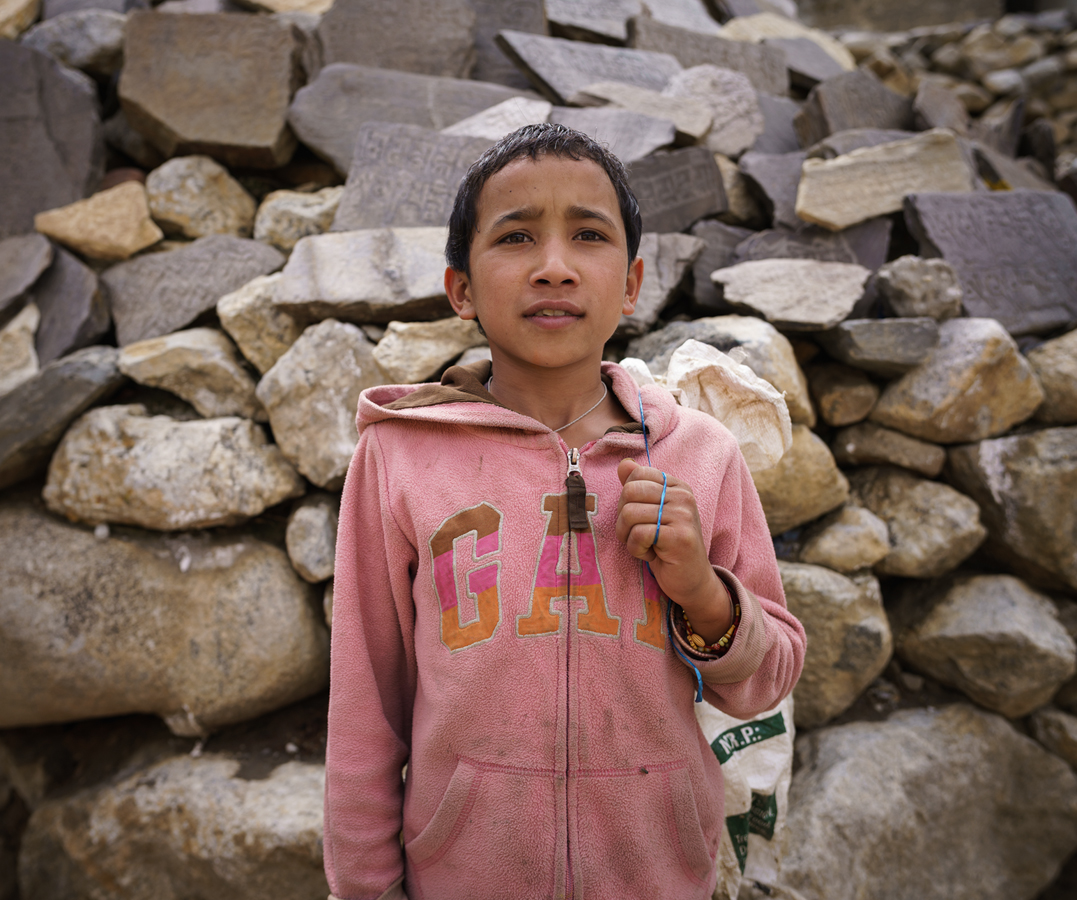
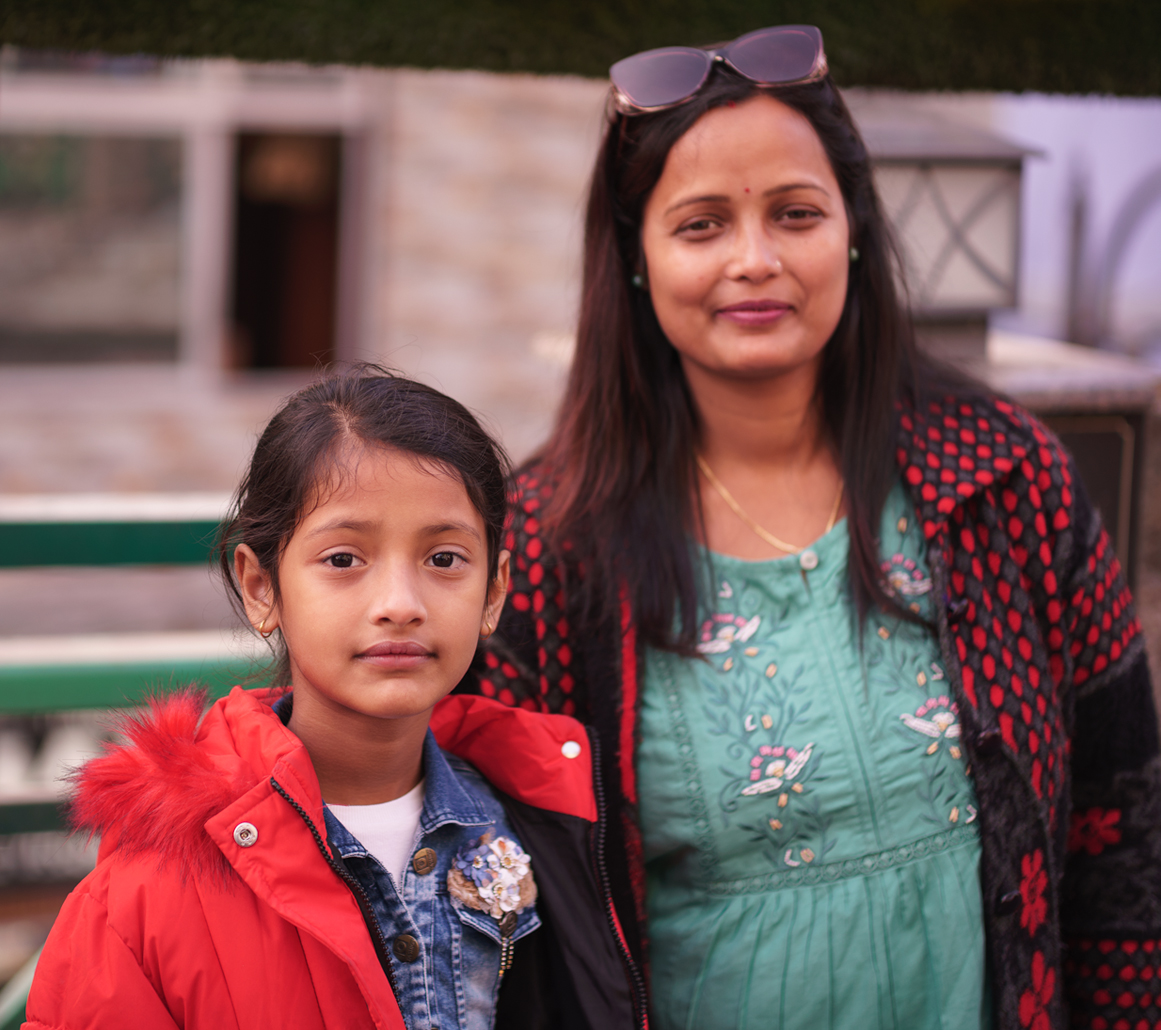
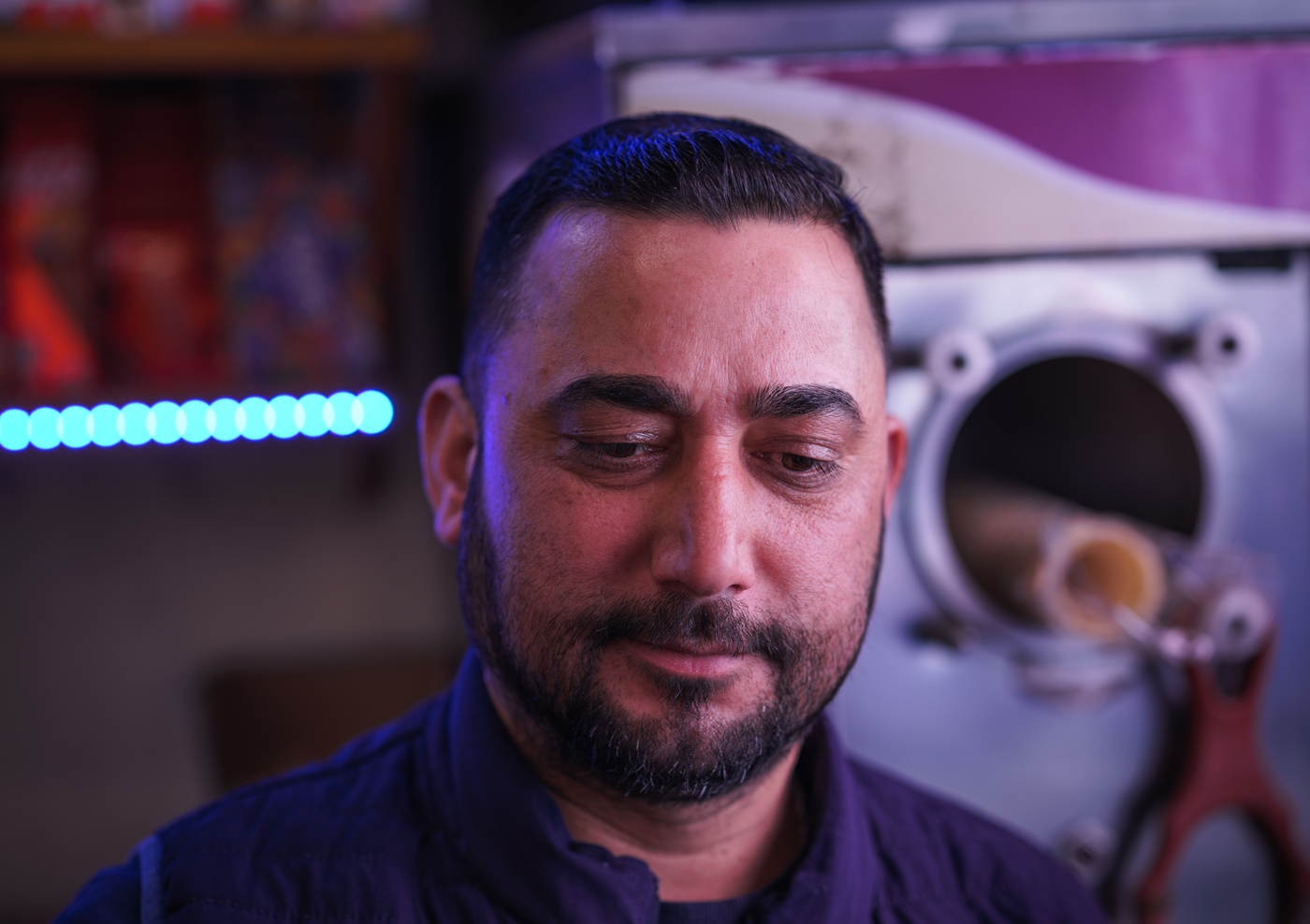
Some from the 21mm first. This Simera is based on the Voigtlander 21/1.4 design, with some minor changes, so I was interested to see if it was similar to what we see in the Nokton Aspherical 21/1.4. Interesting they chose this lens as their 21mm source, quite the compliment, a kind of homage.
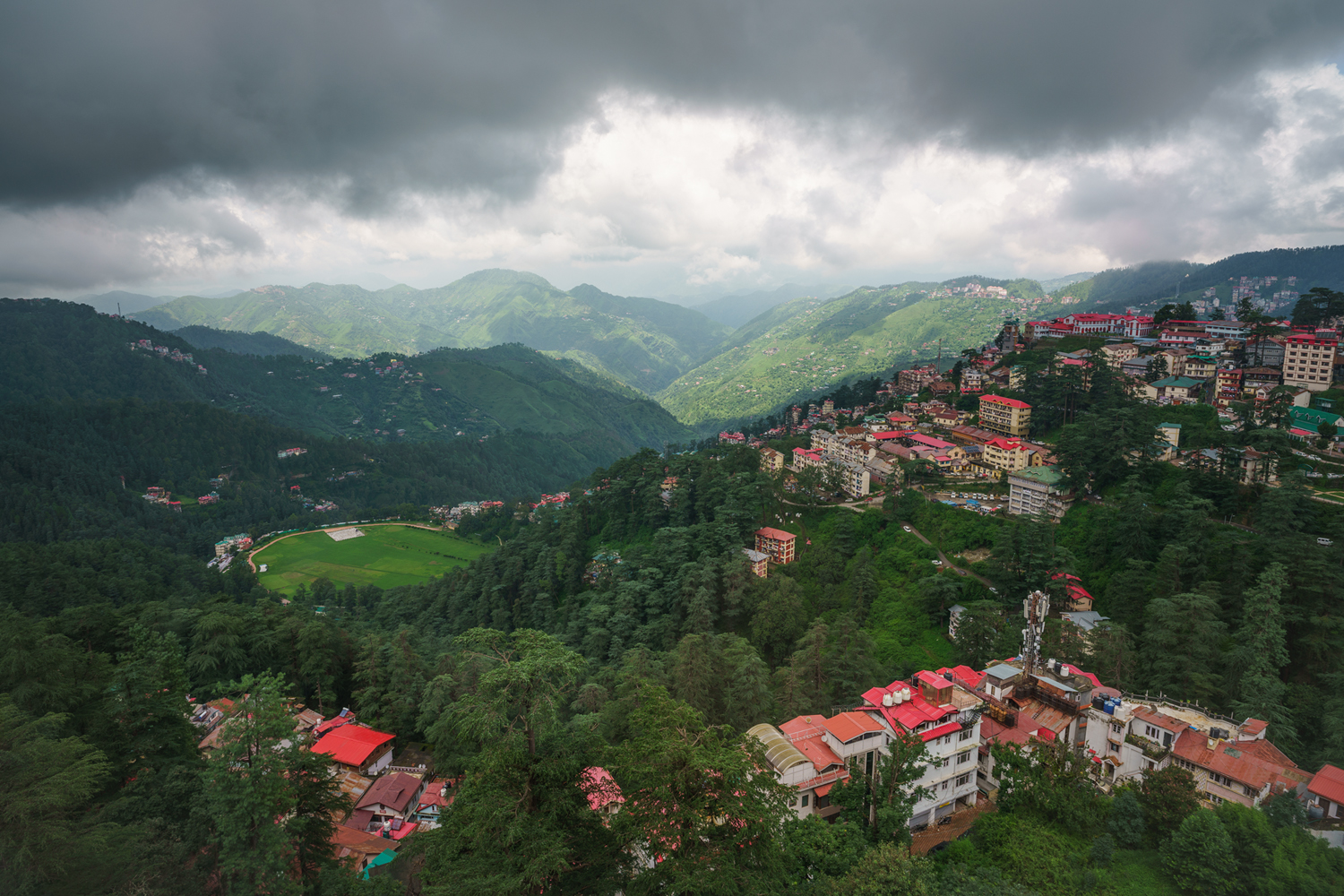
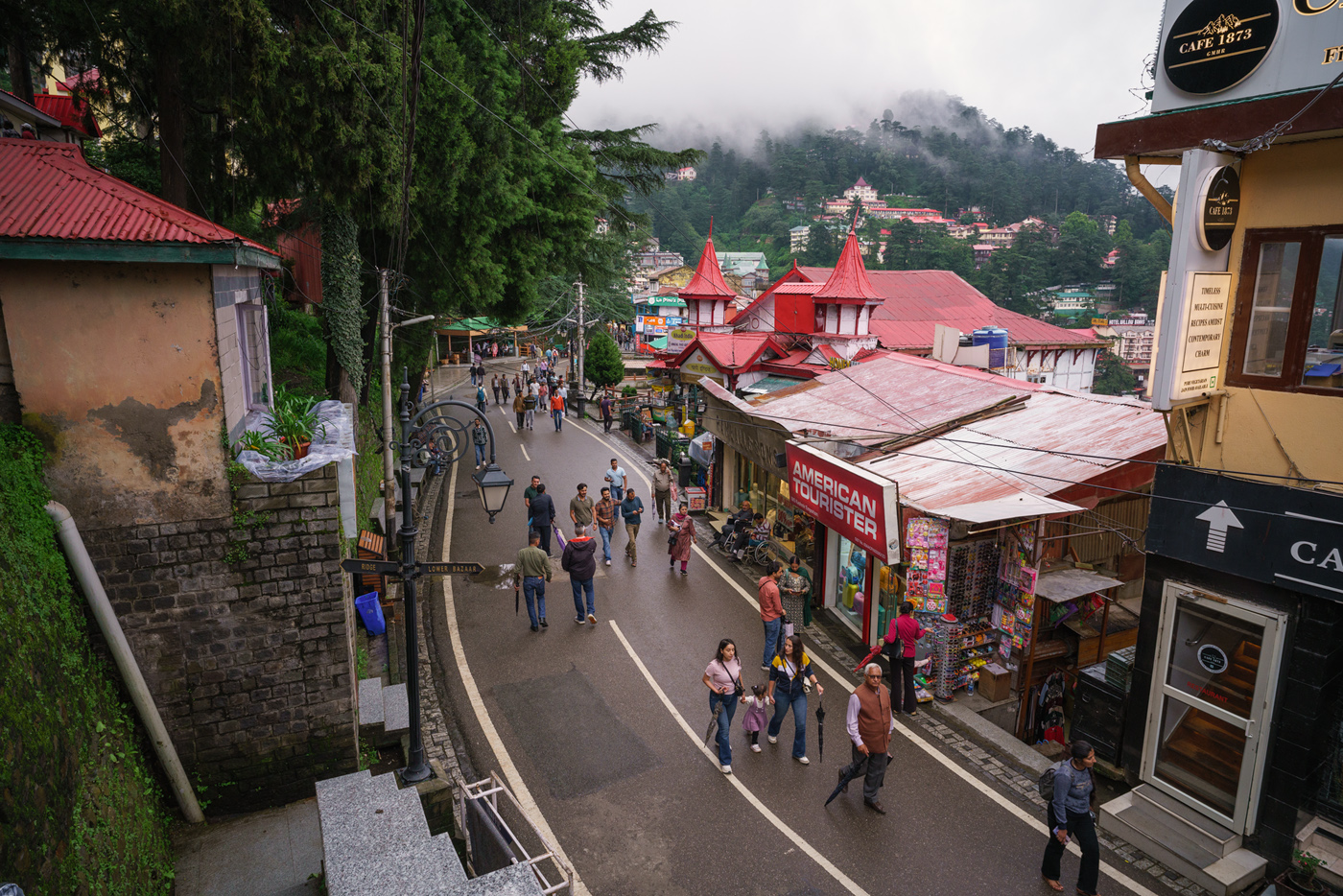
Wow! Nice snaps Philip! Isn’t it great when people agree to being photographed, has become much less common in the west, as we never know where the pics will end up on the internet etc..
indigenous shamans in the Amazon won’t have their pic taken as they believe that a piece of their soul is captured..
Your Shows that the 21 is totally capable of single or group portraits. Especially the final pic with the boy in front of the rocks wearing the GAP sweater (that was prob passed around the world before it arrived with him) - very special!
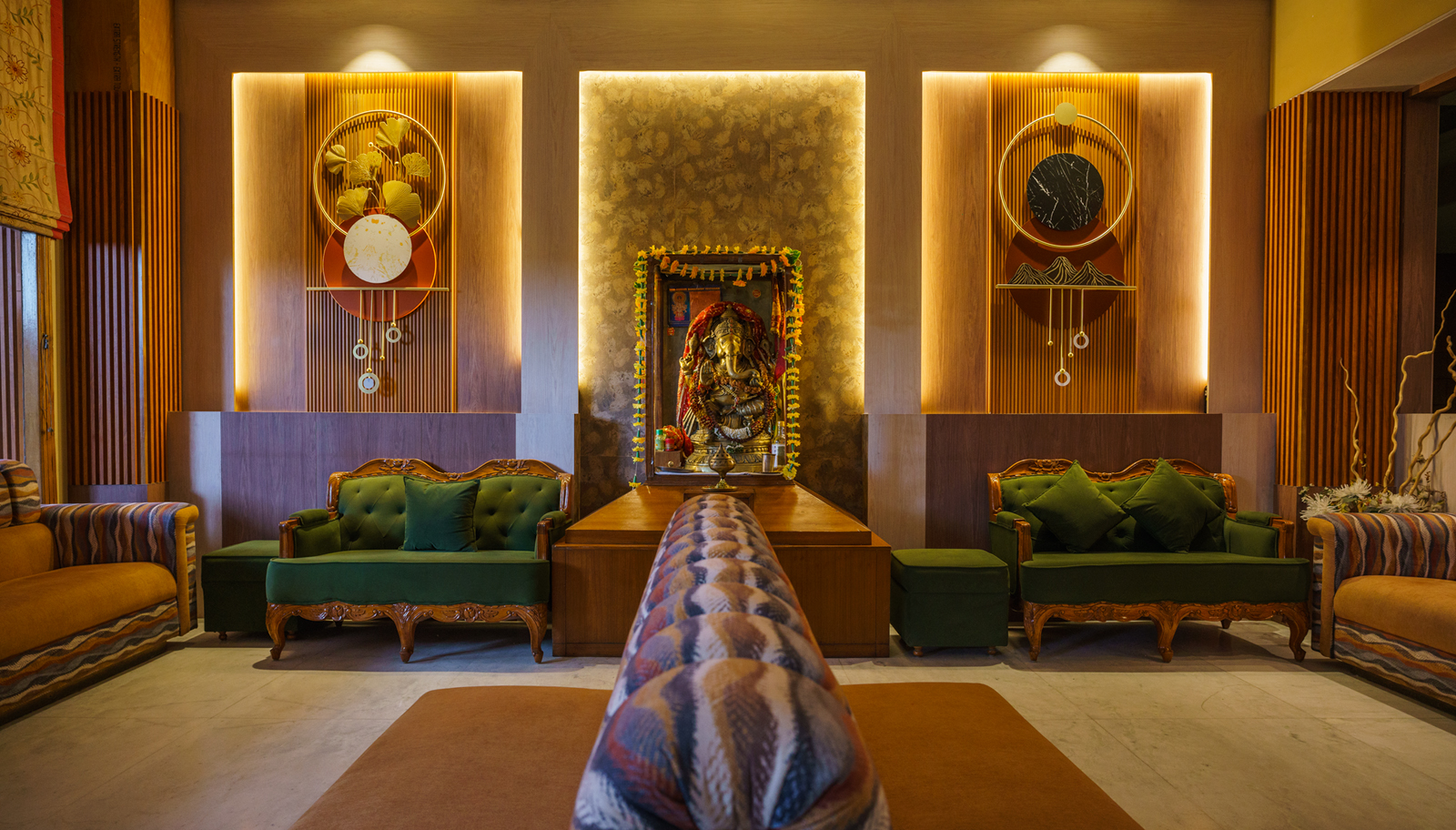
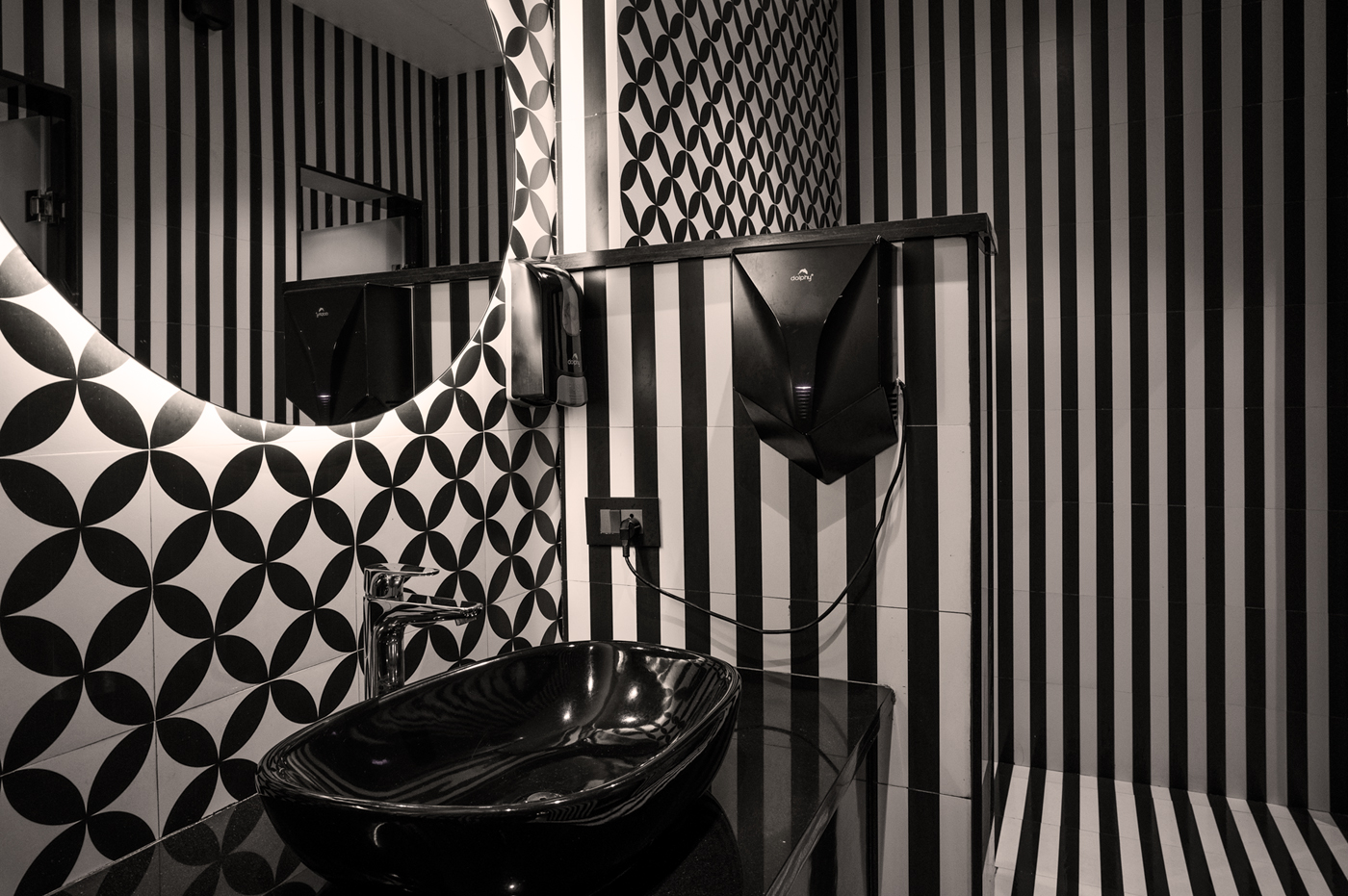
Wowzer indoor hotel lobby - that bathroom though ..
@mudlake congrats on the 35! Those figures at mfd are sharp! Will you have Xmas and Halloween decorations out simultaneously?
Posting my recommendation on adding a $5 lensband mini to the mount/lens connection as it helps with grip when mounting, adds moisture protection and to differentiate the lenses when you get the band in different colors.
Also, I recall that Chinese culture values the number 8 most highly in terms of success ; now look at thypoch phone number!
+86 755-8888888
((Oh, my FM membership expired today and I can’t upload pictures…)
Have a great day all-ways , I’ll be sharing more soon
Best
Dan
philip_pj wrote:
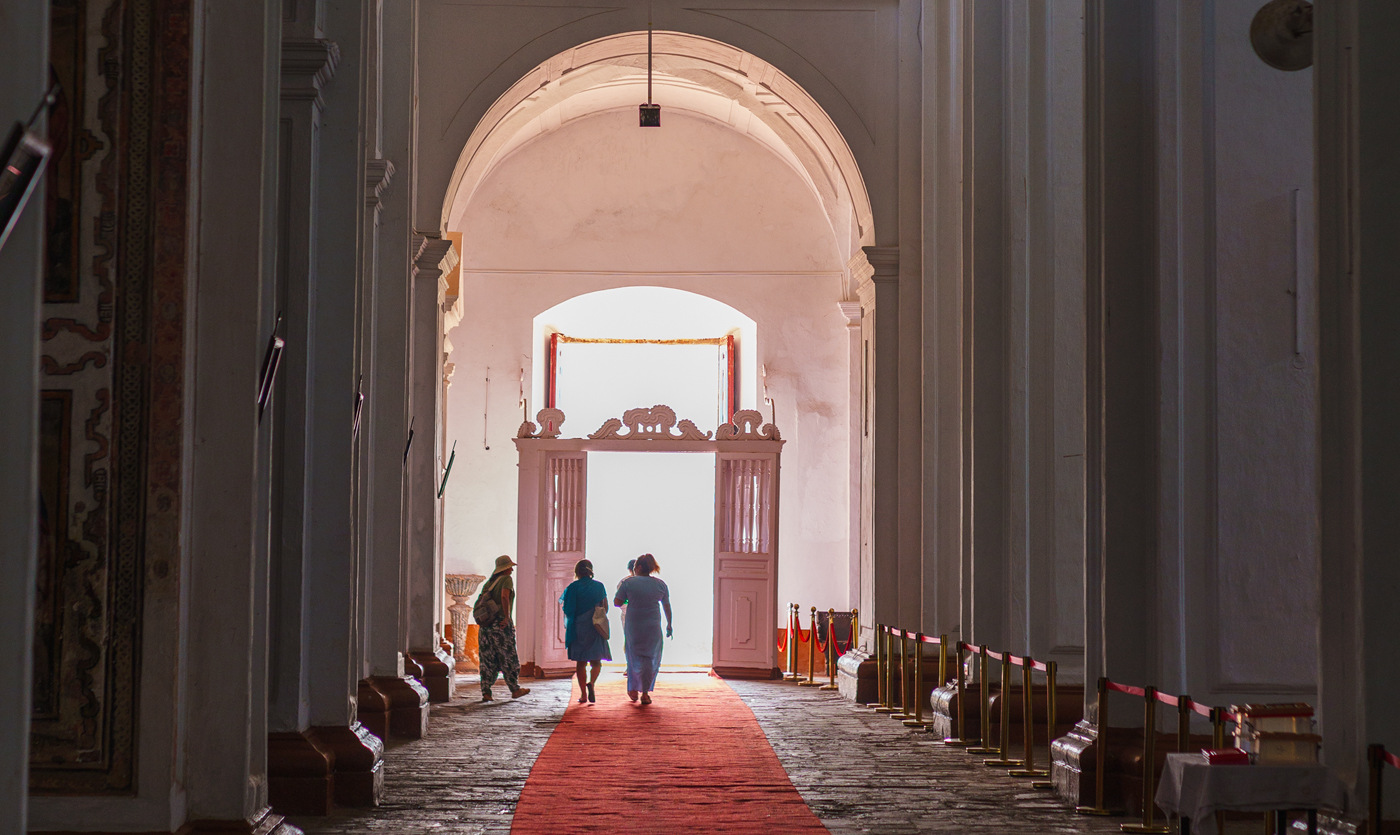
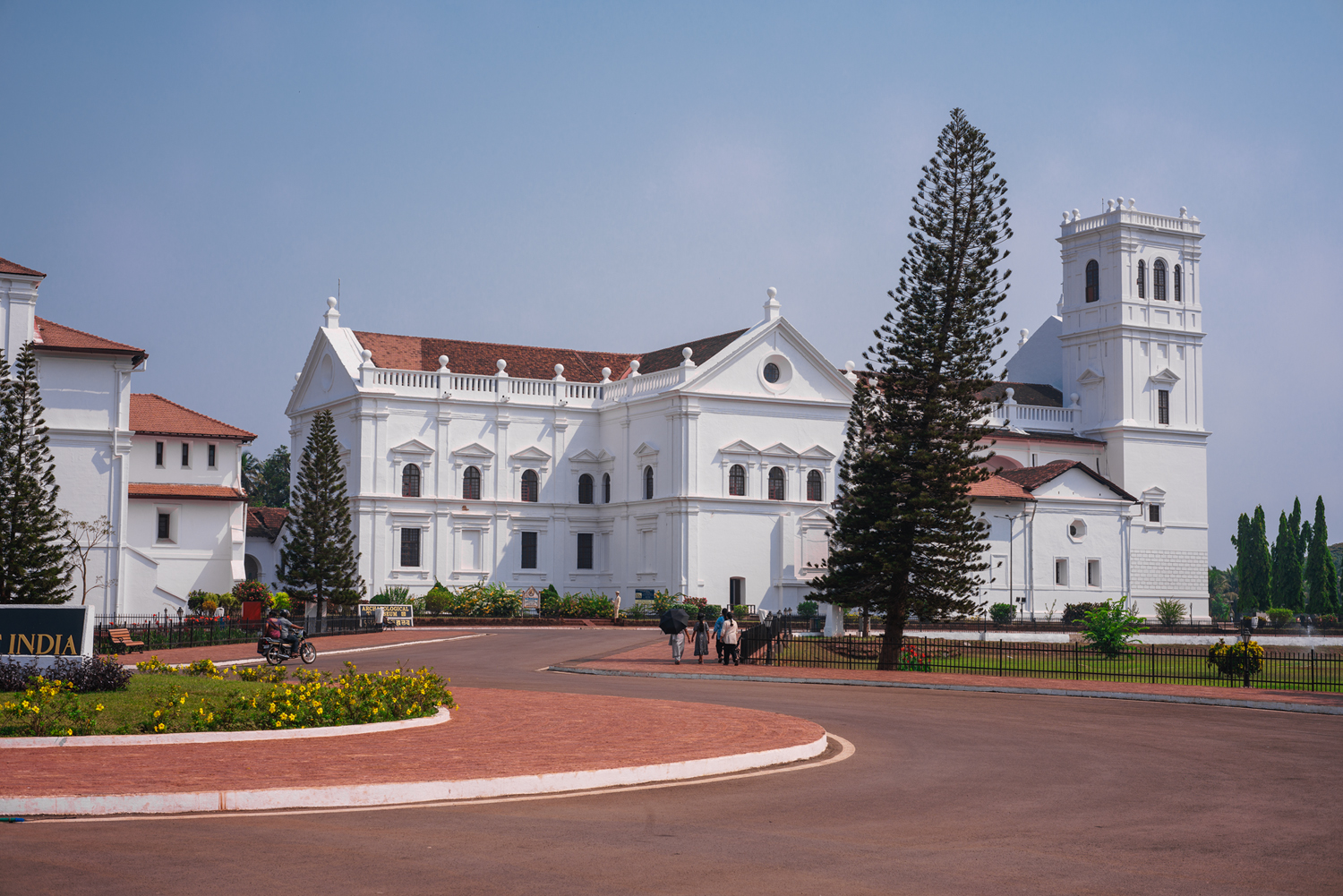
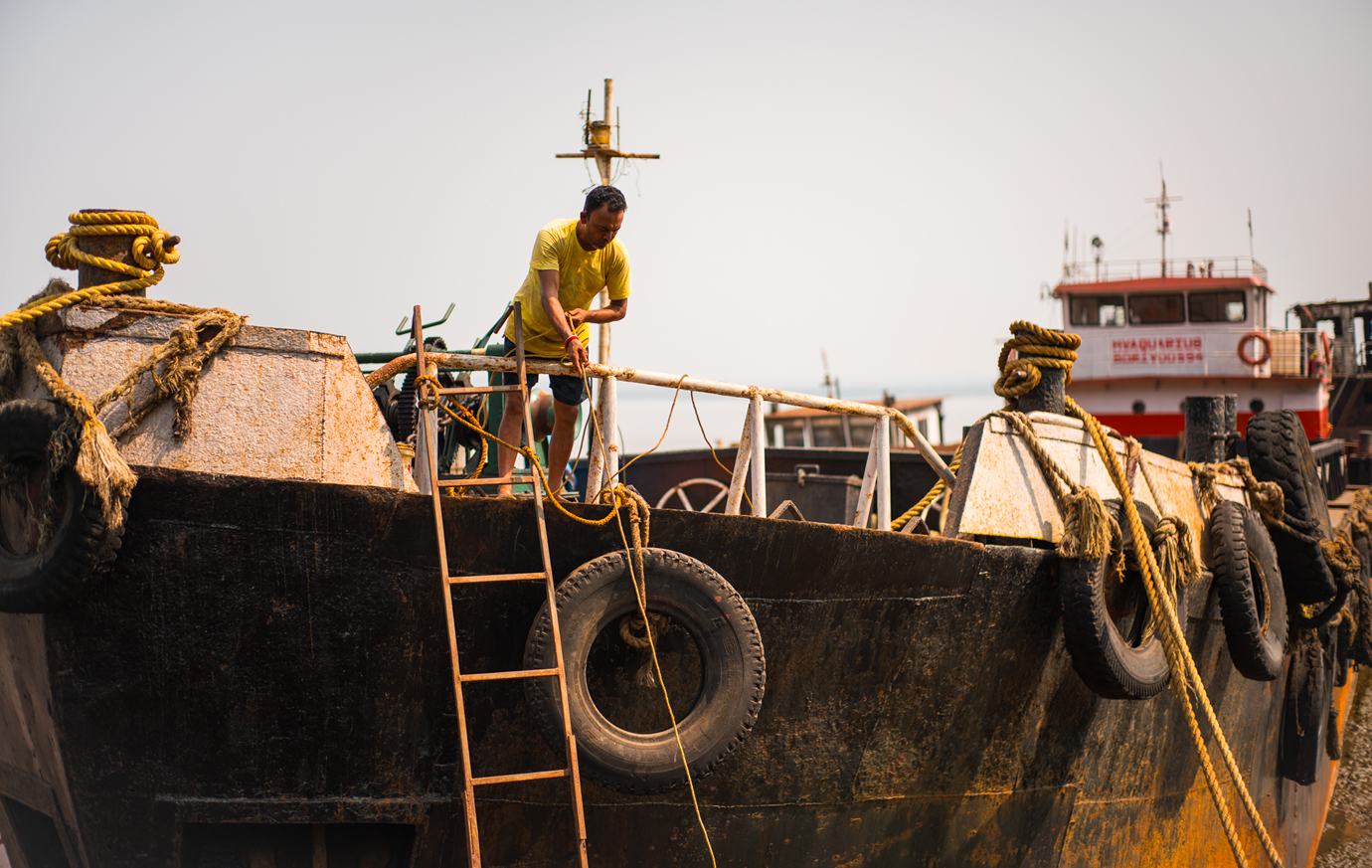
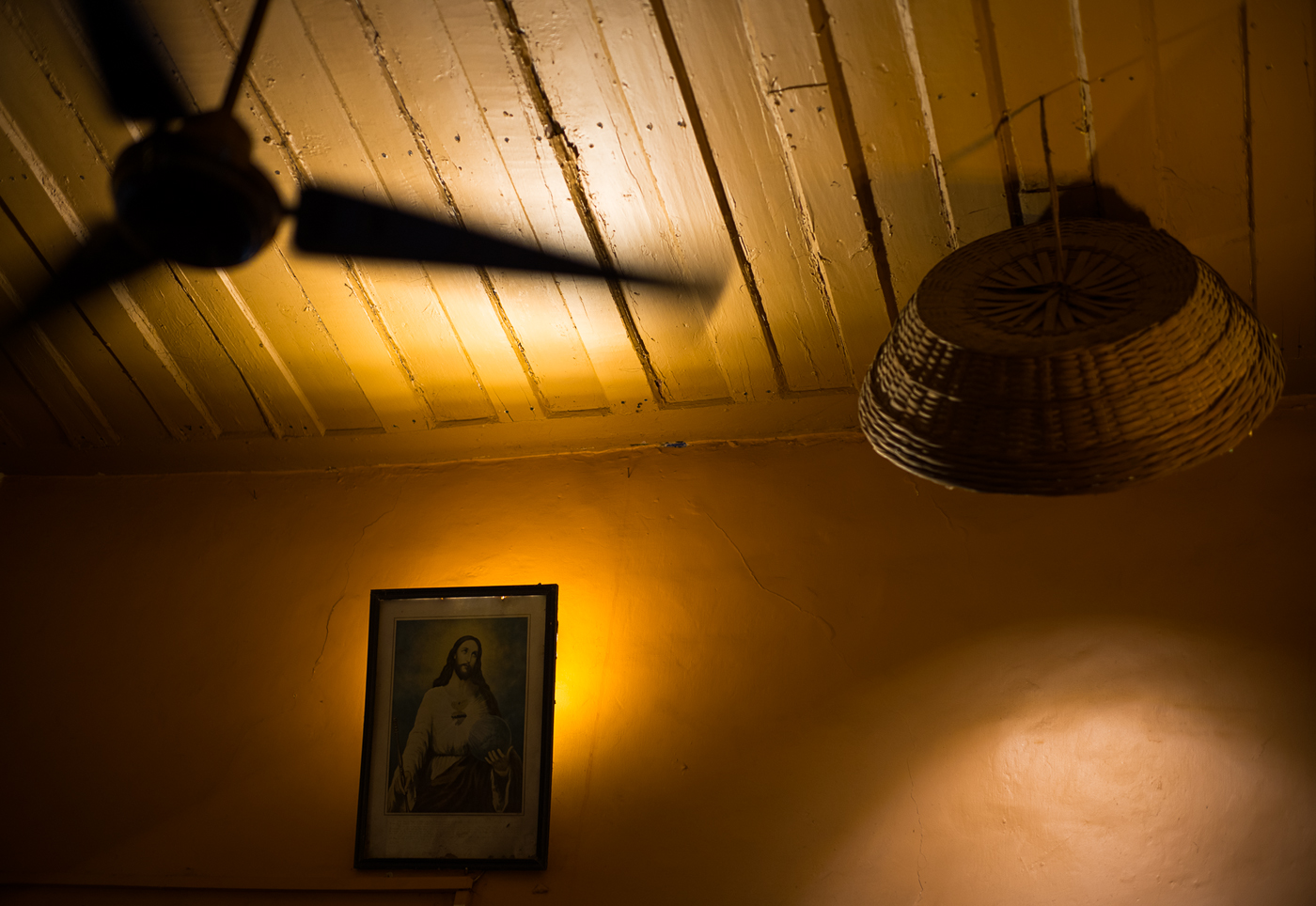
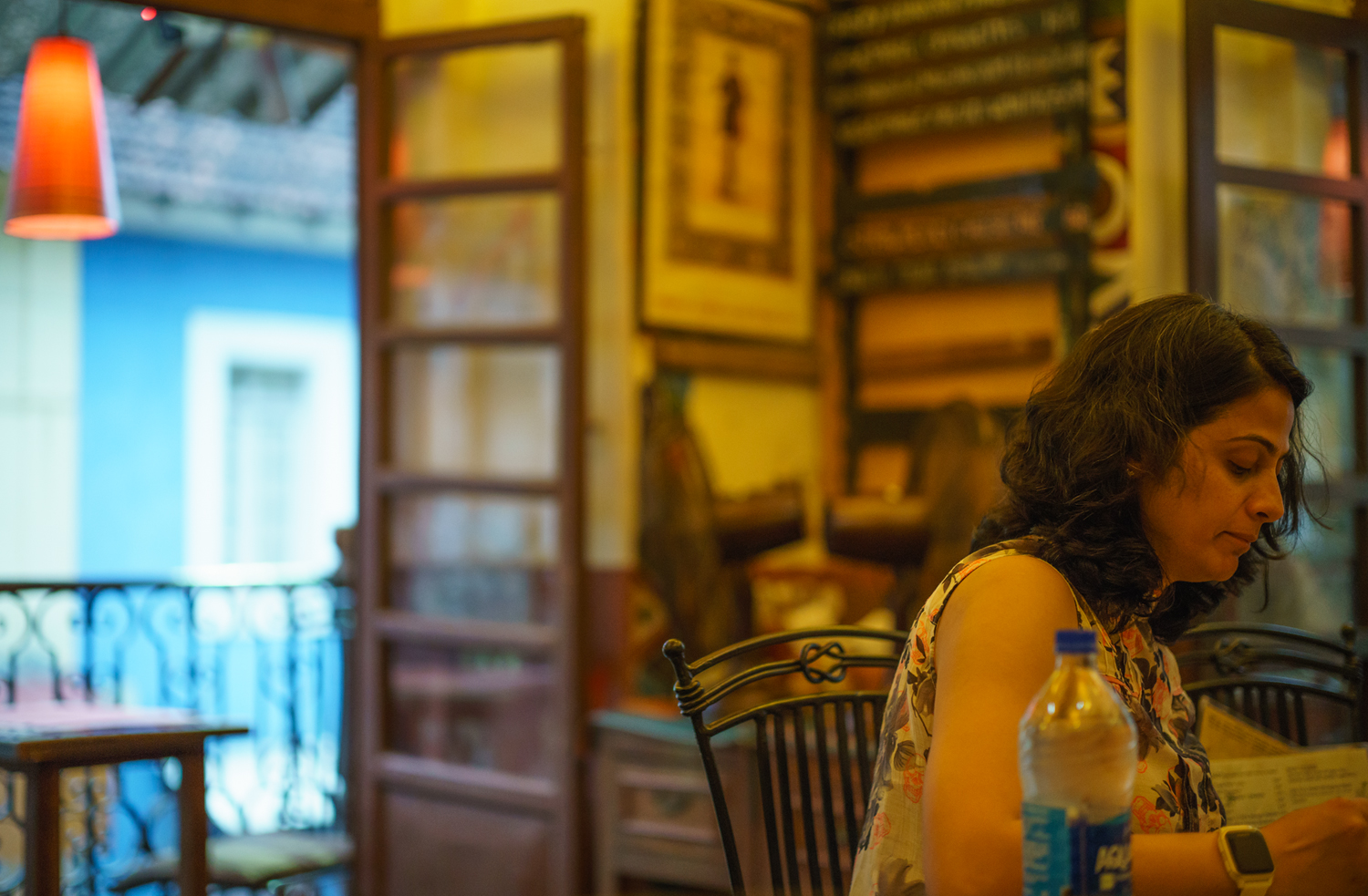
These should give at least an intro look at this one, at f8 for most of them.
I was so wrong about the Simera 35mm, which just reinforces the message that you have to look at the images, a lot of them if possible, and don't restrict your decision-making to just a few reviews or spec sheets. It may just be one of the best walk around lenses on the market for us MF users. A bit of background:
Thypoch is DZO. You will hear different, but that's it. And the images feel very cinematic a lot of the time. One of the metrics no one talks about is their 'hit rate. Everyone is different, but this is what keeps me looking for the right lenses. It's not always possible to do the 11,000 kms to return to the subject matter, so a good hit rate really matters to me.
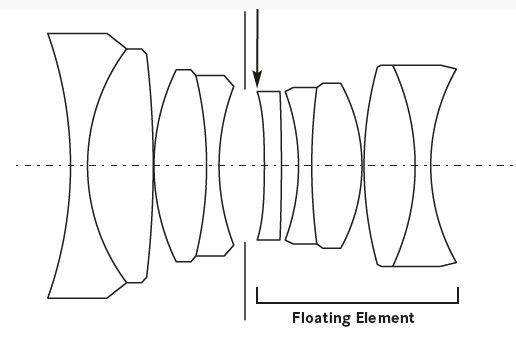
Now what Thypoch did here is a near copy of the famous Summilux-M 35/1.4, applying to the main releases because as far as I know, Leica did not change the optical formula and that is what their data sheets do indicate. Thypoch's glass is very different, however. But first, the block chart of each lens's design, to show the faithfulness to the source lens. Why is this important?
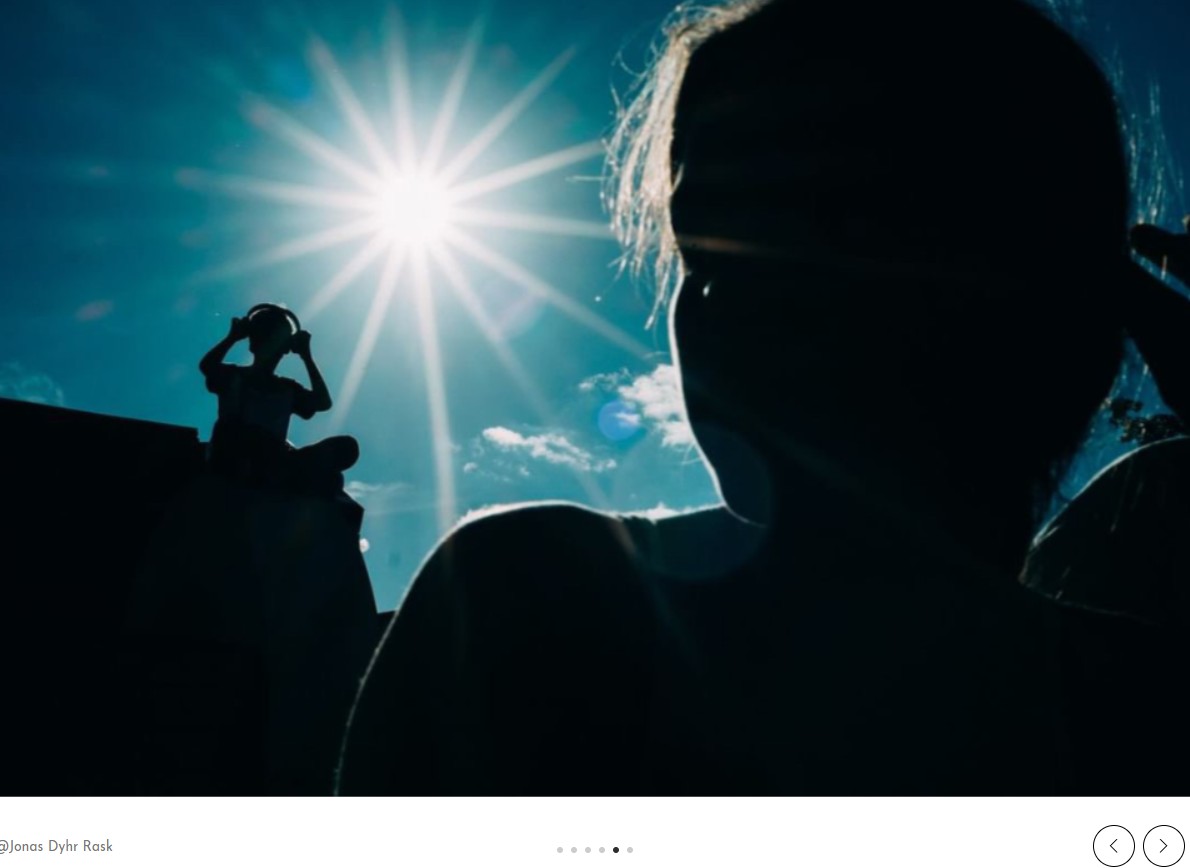
Because it illustrates just how different the images actually present, purely from the glass formula used and the aperture blade count that is their secret advantage - the company's Arles ARRI/PL cine lenses also use 16 blade irises.
This brief comparison by Matt Osborne is a revelation. What I see here is: a warmer color temperature;
significantly better highlight detail retention;
smoother edge shaping of objects (the effect of the circular aperture);
larger bokeh balls with better integration into the image;
a dreamy relaxing rendering.
He used the cine version of the Simera 35mm, which has two additional blades to its aperture for near-perfect circularity. The stills version gives away very little from having 'only' 14 blades.
..
..
..
..
The side-by-side runs from 2:25 to 3:50.
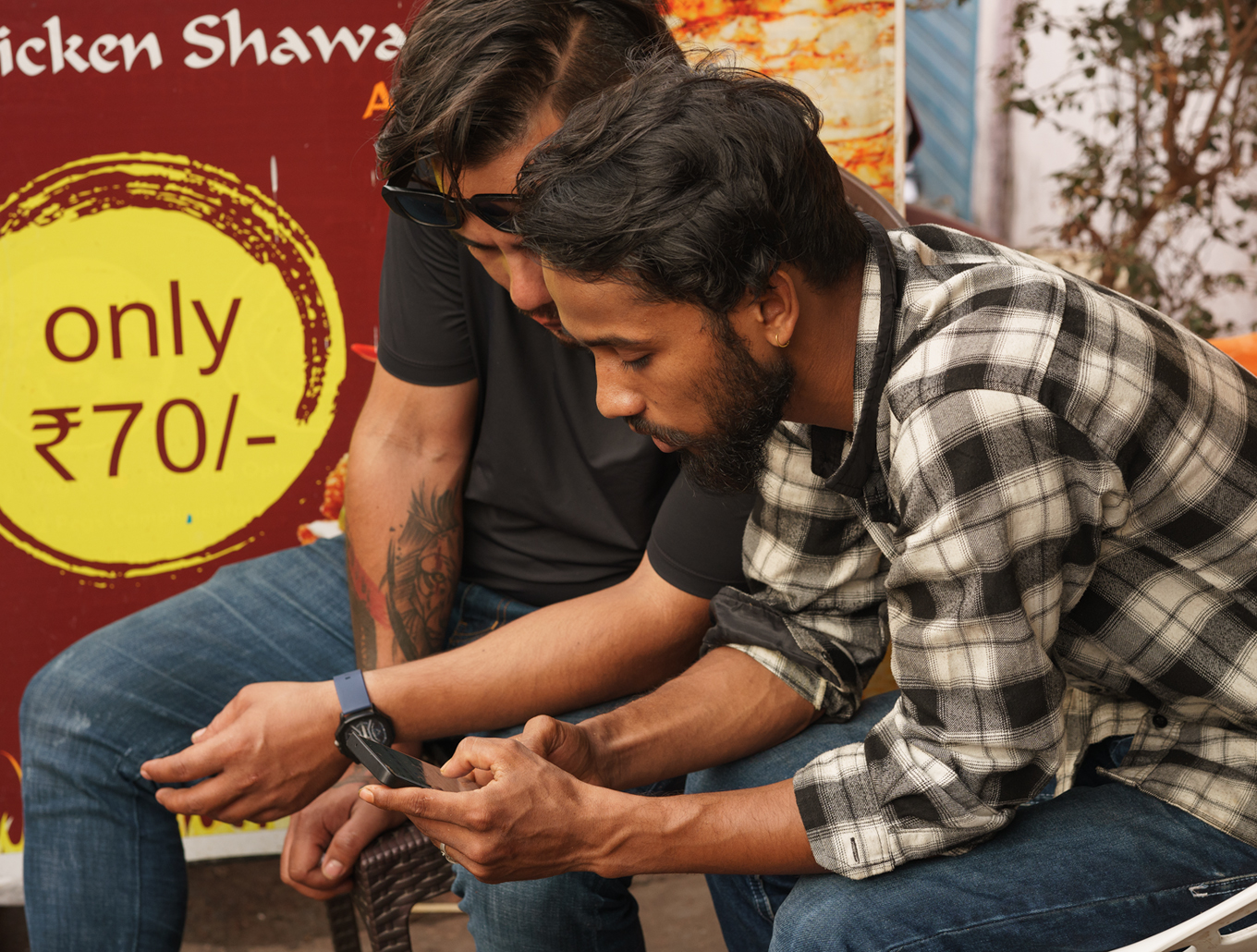
Quite a few of mixed subject matter, from another near-copy of a famous Leica lens - the Simera 50/1.4. I find this works best -to see a lot of subject matter in one go, different material - you see the character of the lens come through via the similarities for the things that matter: skin treatment, image depth, bokeh, color, for want of a better word, 'liveliness'.