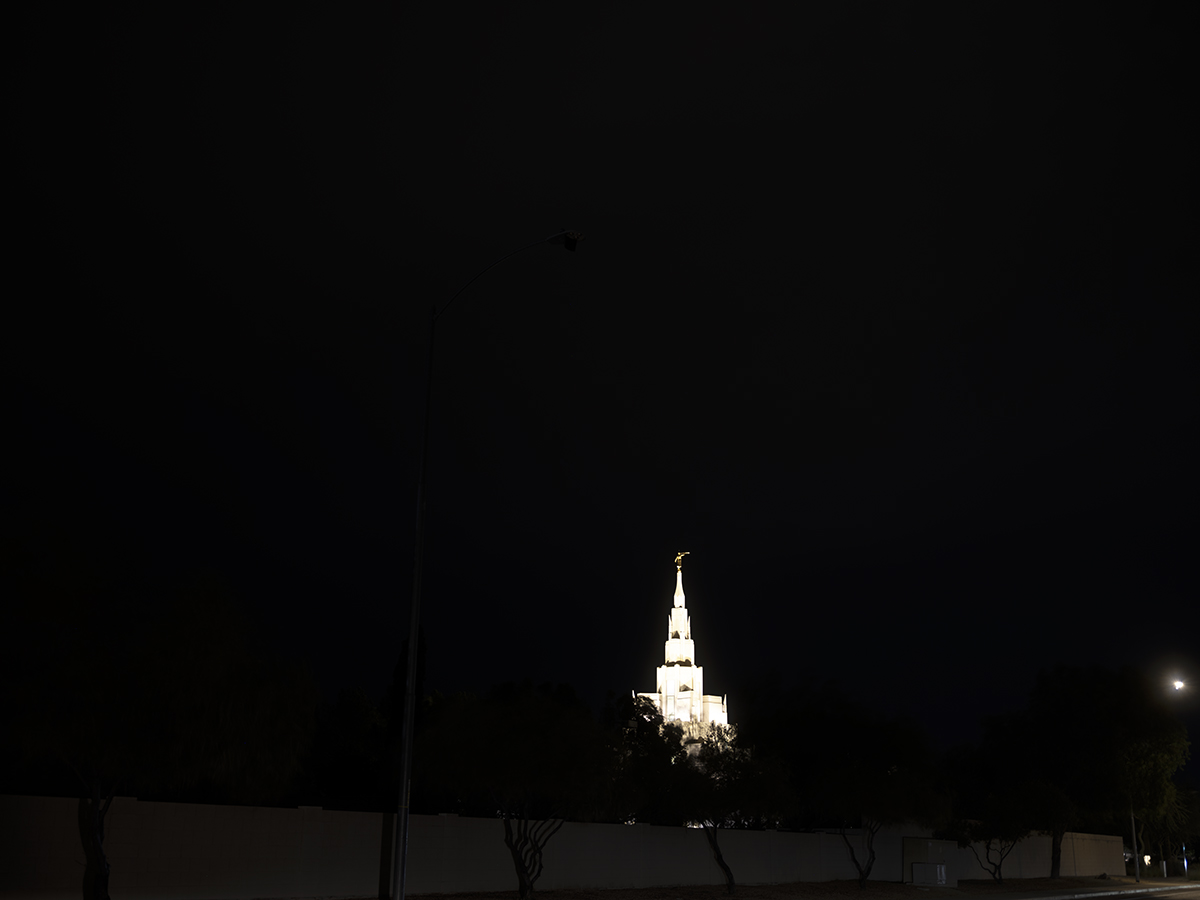
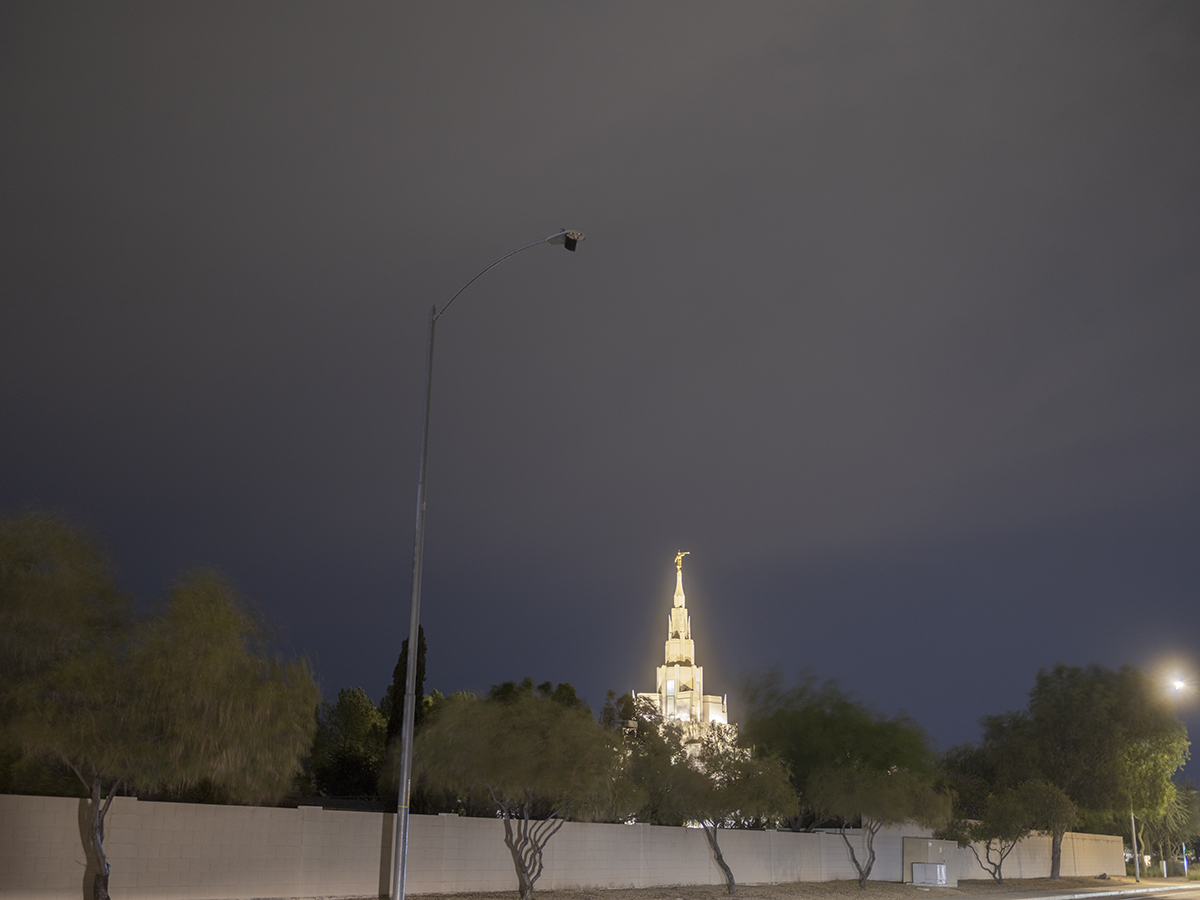
This was the photo that I took with my first GFX100 that blew me away with the capabilities. First image is sooc, and second is pushed 5 stops with only the highlight being recovered.
It is quite amazing how far we can push files from today’s cameras.
I often expose for highlights in high contrast scenes in order to retain highlight detail, which means that I’m planning from the get-go to do some heavy post processing to bring back the shadow details.
When I first used digital cameras a couple of decades ago I often had to resort to exposure blending, making a series of exposures with different settings and then combining them in post. I almost never have to do that any more, even with night photography where the dynamic range can be huge.
I wrote about an example (from a different brand/camera) over a decade ago, and since that time the improvements have continued.
gdanmitchell wrote:
It is quite amazing how far we can push files from today’s cameras.
I often expose for highlights in high contrast scenes in order to retain highlight detail, which means that I’m planning from the get-go to do some heavy post processing to bring back the shadow details.
When I first used digital cameras a couple of decades ago I often had to resort to exposure blending, making a series of exposures with different settings and then combining them in post. I almost never have to do that any more, even with night photography where the dynamic range can be huge.
PixiPhotography wrote:
I’m going to do this again with my Nikon Zf. I don’t expect the same performance but curious how far off a full frame, larger pixel sensor compares.
You might be surprised! My example in that article was a now-dated Canon 5D-II, and things have improved a lot since then. In addition, NR tools have gotten a lot better in the past few years. I'm now using Adobe's AIDenoise tool (in ACR) to make formerly marginal or unusable underexposed photographs end up being quite good.
All else being equal, your larger sensor will have at least some advantage when it comes to a final print large enough to see the differences. A FF sensor from Sony with the same photo site density should produce about the same amount of noise, though the noise "grain" will be smaller and potentially less visible with your larger sensor.