Chris S.
Offline
• • •
Upload & Sell: Off
|
 p.1 #9 · Milky Way photography --- September 2026 in USA/Canada p.1 #9 · Milky Way photography --- September 2026 in USA/Canada | |
For Milky Way, you don't want any moon at all--even a thin crescent. And you don't want to shoot with a moon just below the horizon, as when it is about to set or rise. Nor do you want to shoot during any of the twilights, including astronomical, if you can help it. A free phone app I like is "Clear Outside," which shows all these things, plus predictions for amount of cloud cover.
With a modern camera, don't shoot a high ISO! Check your camera's dynamic range on something like Photons to Photos. Many cameras will show an inflection point in the moderate ISOs, where amp noise is minimized vs signal, and that is where you want to set your ISO. On my Nikon Z8, this is ISO 500. Your camera will likely vary.
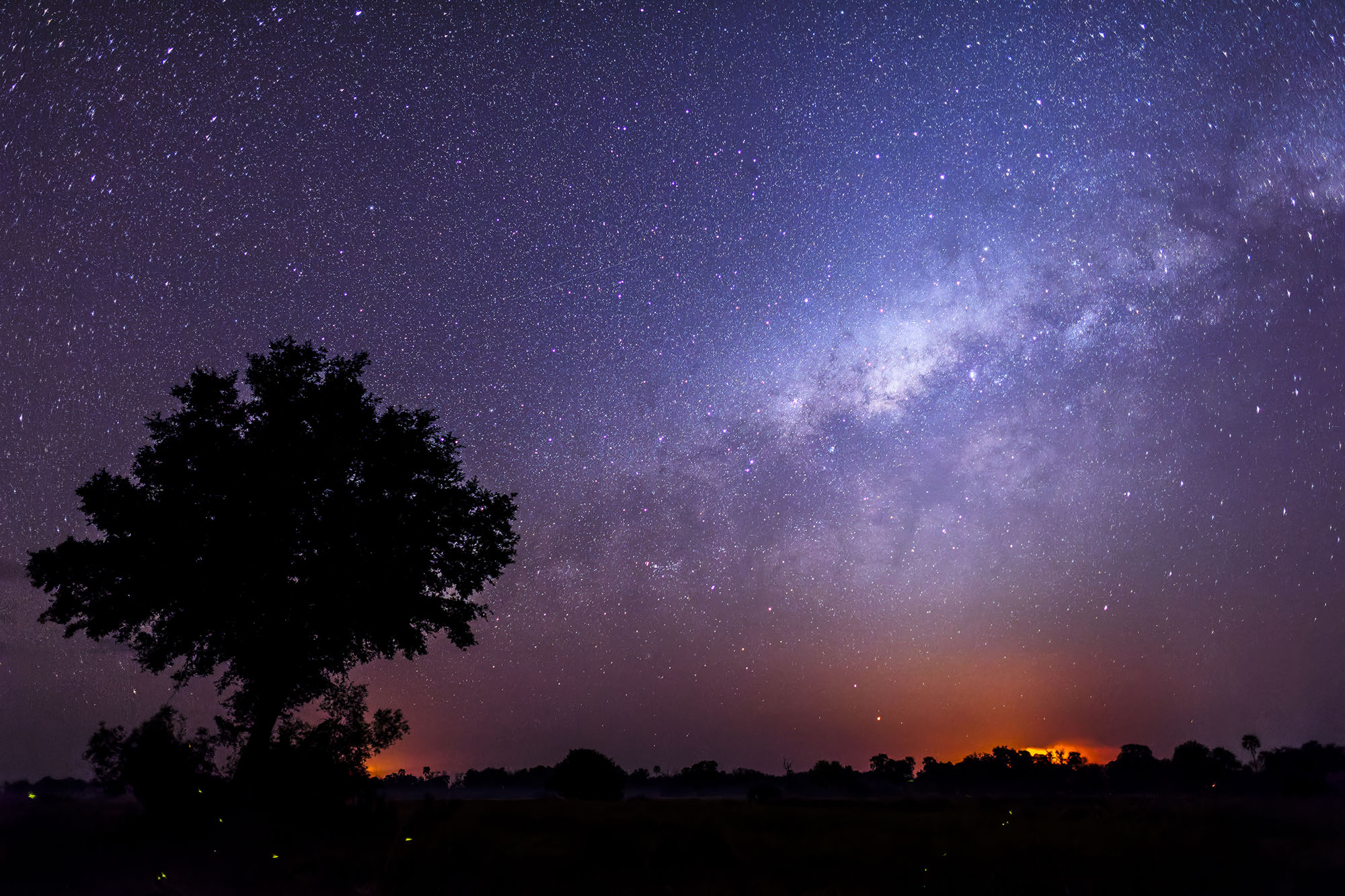
I like to shoot the Milky Way with as wide a lens as possible--usually 14mm. I use a 14mm f/1.4 at f/1.4, but my 14-24 mm f/2.8 works, too.
If you don't use a star tracker, check to see how long an exposure you can use without showing signs of star trailing (elongation of what should be a point of light). At 14mm for me, that's about 10 seconds. (Lower resolution bodies can allow longer.) I strongly suggest taking a series of images at the same settings without moving your camera, then stacking them in a program such as Sequator--this can greatly improve your signal to noise ratio.
If you do use a star tracker, you can use a much longer shutter speed. In this case, keep your shutter open long enough to fill the left quarter or third of your histogram. (This will keep bright stars from burning out.)
Importantly, you want to set your white balance on daylight. I'd strongly recommend shooting raw.
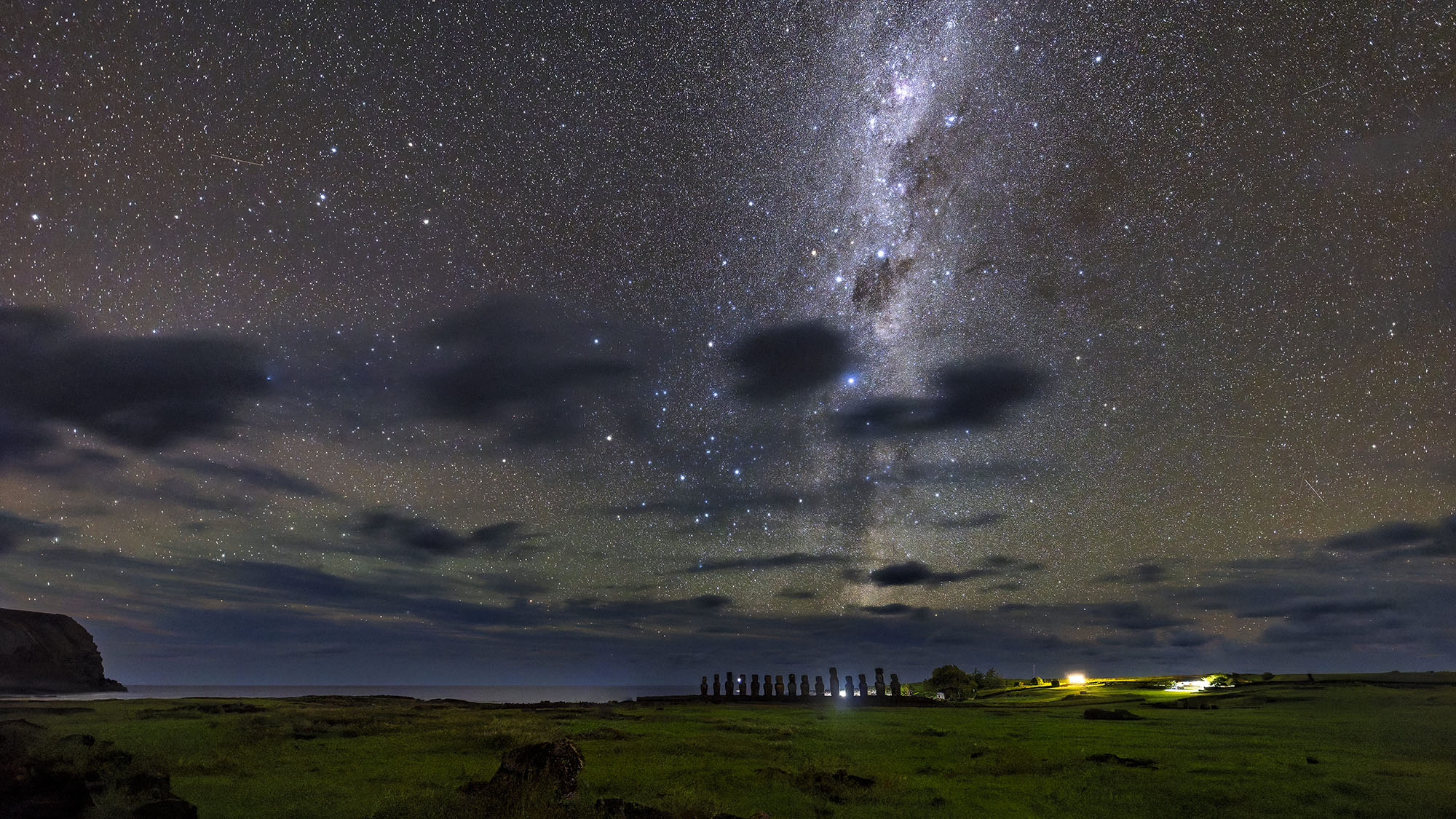
You'll want to scout during daylight to find foregrounds that will occur beneath the Milky Way and tie it to ground. I use PhotoPills AR function to show me where the Milky Way will be in relation to foreground at any given point in time--very useful.
Check and recheck your focus. Consider taping your focus ring in place once you've got it. Manual focus only, in my experience--and even that can be difficult. Zoom in to check that your stars at as close to pinpoint as possible. Don't believe people who say that focusing on something a few hundred feet away is accurate enough for stars--it isn't.
If you have a nice foreground, consider shooting that with longer exposures lit by starlight and blend that with the silhouetted foreground of your sky images. You may want to refocus on the foreground. (In Bortle 1 conditions, the Milky Way can cast shadows--so it's certainly sufficient light to illuminate a foreground.)
If you want to jump into the deep end on post processing, read Roger N. Clark on the Internet. His advice is dated, but solid. (Though some disagree with him, and many go deeper still into post than he does.)
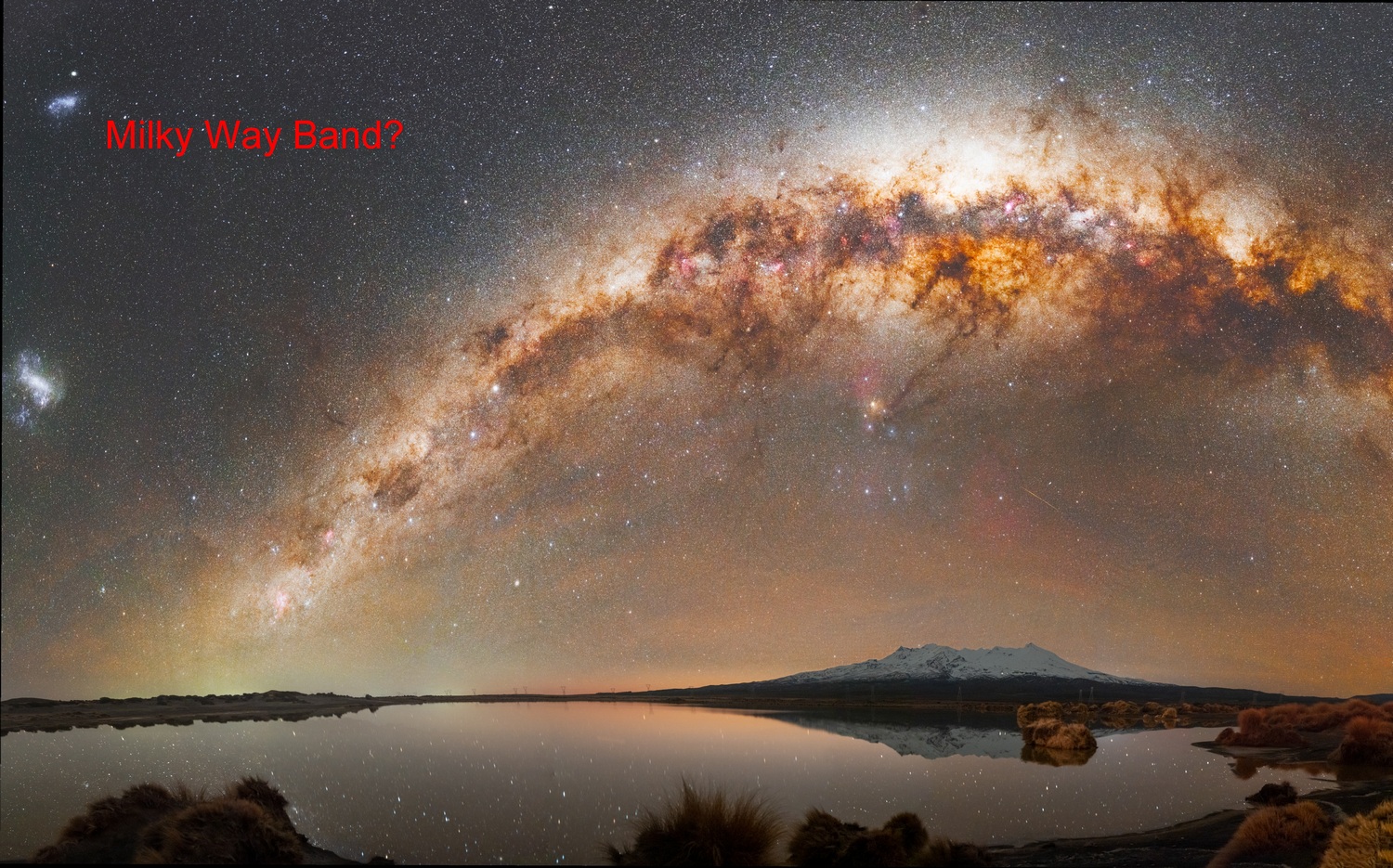
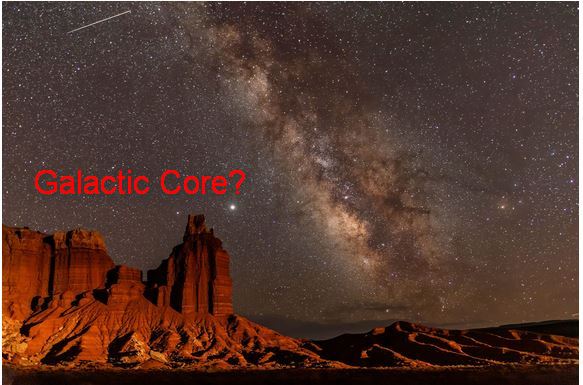
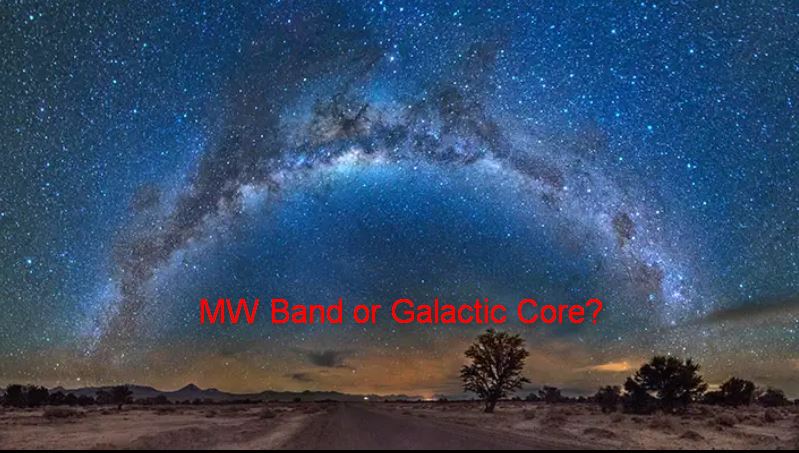
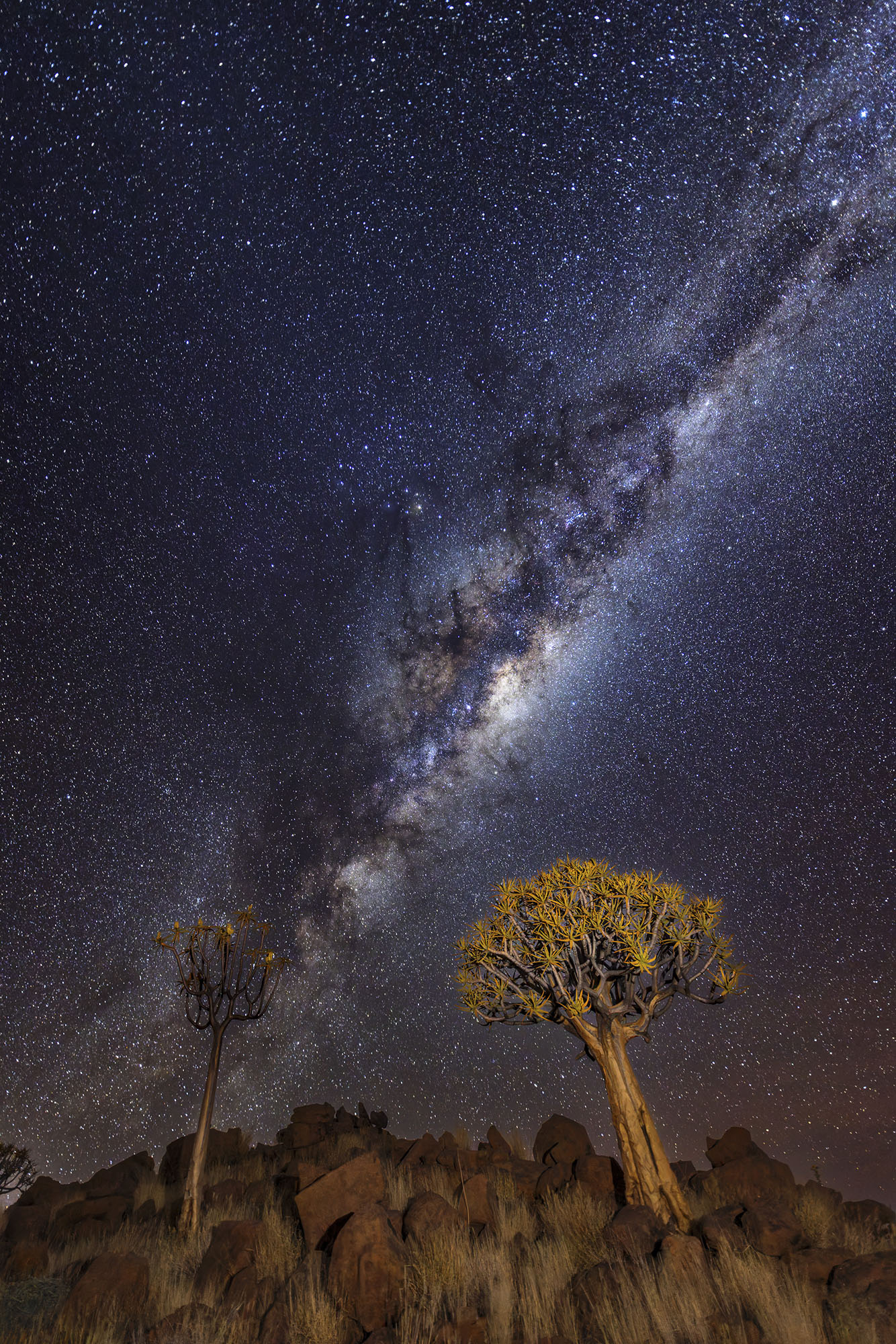
If the galactic center is visible at the time of year you are shooting, you probably want foreground that places that center behind it. At the times of year I shoot, that mostly means shooting toward the south. In that case, I try to avoid locations that have any sort of city lights even 100-200 miles to the south, as their light dome can interfere.
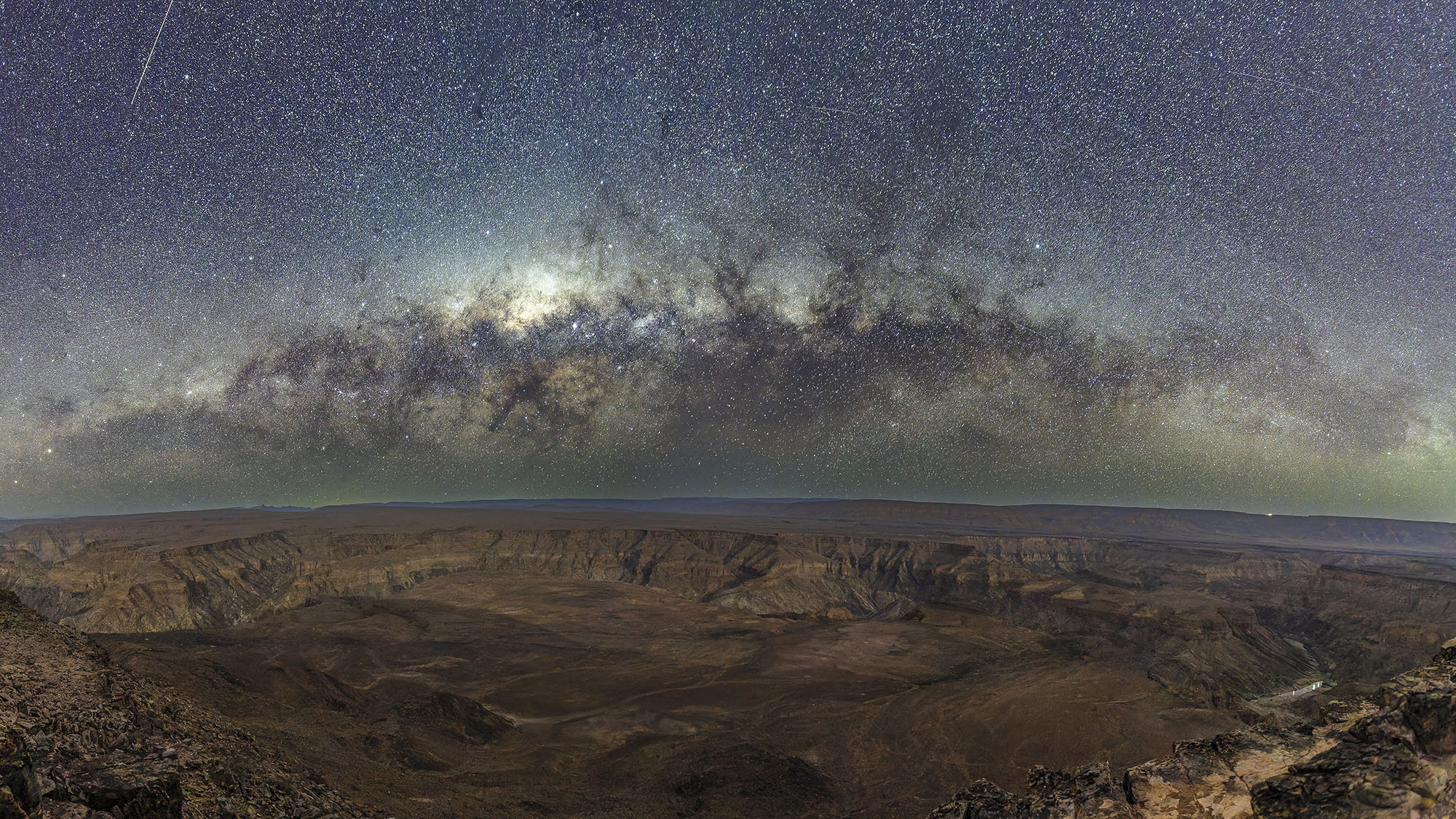
If you get more into this, you may decide not to use a wide angle lens, and do panoramas (or "mosaics") with a fast, narrower lens. This is a big step up in quality, but is a lot more work. For this, I use a Sigma Art 40mm f/1.4; the mosaic I'm currently working on in post is five frames wide and five frames high, shot on a star tracker, for a total of 25 frames with 30 percent overlap. But this is not for first time Milky Way shooting.
Enjoy!
--Chris S.
|