Ulff wrote:
Thanks a lot for reviewing this lens! It's a lens with specifications I waited countless years for: priorities on size, weight and IQ in the 65-75mm range at the expense of a fast aperture. Nice!
Is there a chance that Voigtländer will ever release a version in Z or RF mount? That would be even nicer...
I too love the size and optical quality of this lens. I have had the ZM 85 f/4 and it filled the role of a small high IQ short tele without a fast aperture. This lens is significantly smaller than that lens, seems to have at least as good of IQ, it is a stop faster, and isn't even much more expensive.
I can never really predict what Cosina will do, but they already have two 75mm lenses (75 f/1.5 Nokton and 75 f/1.8 Portrait Heliar) for both RF and Z mounts. I don't know if that makes it more likely or less likely they would bring this out as a third one. I suspect it will be awhile if every do it as there are a bunch of lenses they could make for RF and Z mount and they have made almost no slower lenses for either mount (the 15 f/4.5 for Nikon Z is the only exception) and seem to prefer offering their faster lenses for mirrorless mounts.
Cosina did say at CP+ that they have no plans to bring out this 75/2.8 & also the upcoming 90/4 for mirrorless currently as they are size-optimized for rangefinder use and Cosina believes mirrorless users will generally prefer faster aperture APO lenses. I'd rather expect them to bring out new 75/2 and/or 90/2 APO-Lanthar(s) for FF mirrorless at some point. Not sure about RF though as they have not brought out any APO-Lanthars in RF mount so far.
Juha Kannisto wrote:
Cosina did say at CP+ that they have no plans to bring out this 75/2.8 & also the upcoming 90/4 for mirrorless currently as they are size-optimized for rangefinder use and Cosina believes mirrorless users will generally prefer faster aperture APO lenses. I'd rather expect them to bring out new 75/2 and/or 90/2 APO-Lanthar(s) for FF mirrorless at some point. Not sure about RF though as they have not brought out any APO-Lanthars in RF mount so far.
I think this makes a lot of sense. They're essentially prioritizing frameline visibility at the initial lens design stage, which often leads to choosing slower apertures to keep normal and tele lenses more compact and ensure a clear view of the framelines.
With mirrorless systems, that constraint is much less relevant, and they likely recognize that most users on Sony, Nikon, and Canon bodies aren't really interested in lenses slower than f/2.
On top of that, slower telephoto lenses typically perform very well even with thicker sensor stacks, which is the case with the Voigtlander 75mm f/2.8 APO, making it a more flexible option overall.
While I am looking forward to the rest of the tests, at this point I am mostly sold. This lens ticks a lot of boxes: tiny size, a beautiful design, and excellent sharpness from wide open across different sensor stacks.
As a mirrorless user I do sometimes want to use a fast lens (of which I have plenty), but there are also times when I want to carry a smaller, more compact kit. For me it's not a question as to whether I want fast lenses or tiny lenses, I want BOTH types of lenses, so that I can choose based on the context. I'm not alone in this. I know a lot of other photographers who are pleading with manufacturers to come out with smaller lenses--even if they are slower--not as a replacement for their fast lenses but as a complement.
I also prefer lenses that can be used across different mounts. The M-mount provides a tremendous amount of flexibility in this regard. In my opinion this flexibility trumps the benefits of a native mount, as long as the optical design allows for comparable performance across sensor stacks. This is clearly the case here.
The Voigtlander 75mm f/2.8 APO-Skopar delivers excellent image quality at its 0.7m minimum focus distance, even wide open at f/2.8. What makes this more impressive is that it achieves this without the use of floating elements or aspherical surfaces.
I tested the lens at 0.7 meters across f/2.8, f/4, and f/5.6. Sharpness remains highly consistent throughout, with only slight gains in resolution and contrast as the lens is stopped down. In practice, these differences are subtle and difficult to see, even at the pixel level.
Overall, performance at close distance is outstanding, producing sharp, detailed images with strong contrast. The sequence below shows results from f/2.8 through f/5.6. The lens was focused at f/2.8, then stopped down to f/4 and f/5.6 without refocusing, revealing little to no focus shift.
The final image illustrates this by showing two crops at f/4, one originally focused at f/2.8 and the other at f/4. The near identical results confirm minimal focus shift.
At 0.7m MFD: LEFT (f/2.8 | Right (f/4)
At 0.7m MFD: LEFT (f/4 | Right (f/5.6)
Showing no focus shift: two crops at f/4, one focused at f/2.8 and the other at f/4
Fred Miranda wrote: Minimal Focus Distance: Resolution and Contrast
The Voigtlander 75mm f/2.8 APO-Skopar delivers excellent image quality at its 0.7m minimum focus distance, even wide open at f/2.8. What makes this more impressive is that it achieves this without the use of floating elements or aspherical surfaces.
I tested the lens at 0.7 meters across f/2.8, f/4, and f/5.6. Sharpness remains highly consistent throughout, with only slight gains in resolution and contrast as the lens is stopped down. In practice, these differences are subtle and difficult to see, even at the pixel level. ...
These results look great, so much so that I suspect decent sharpness will be retained at even closer distances (through the use of a helicoid adapter). Of course there is typically a limit, but the design should be able to handle .5m or even .3m while maintaining usable sharpness.
I’m curious to see how the lens performs for portrait photography. Whether the bokeh will be on a similar level to the Voigtländer Color-Skopar 50mm f/2.2.
Thank you for the good work! Over the last year I have built a compact kit around the Skopars (28mm f/2.8, 35mm f/2.5 and 50mm f/2.2), and I find myself using these far more often than my Voigtlander Noktons and Leica Summicrons and Summiluxes. Image quality has been nothing but outstanding.
Juha Kannisto wrote:
Cosina did say at CP+ that they have no plans to bring out this 75/2.8 & also the upcoming 90/4 for mirrorless currently as they are size-optimized for rangefinder use and Cosina believes mirrorless users will generally prefer faster aperture APO lenses. I'd rather expect them to bring out new 75/2 and/or 90/2 APO-Lanthar(s) for FF mirrorless at some point. Not sure about RF though as they have not brought out any APO-Lanthars in RF mount so far.
Makes sense, I'm sure. But I'd personally be all over this for my A7cII if they made it for E mount.
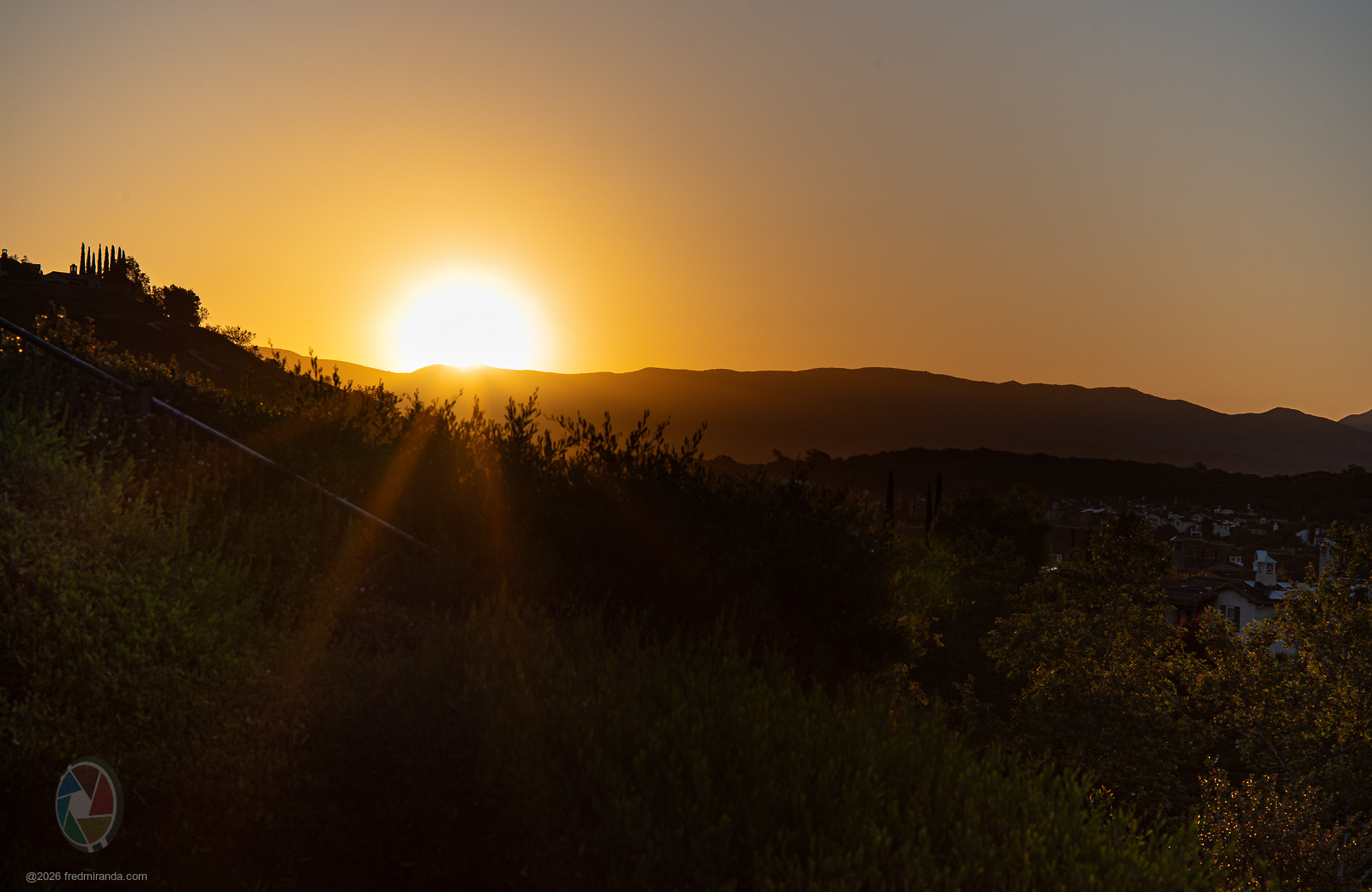
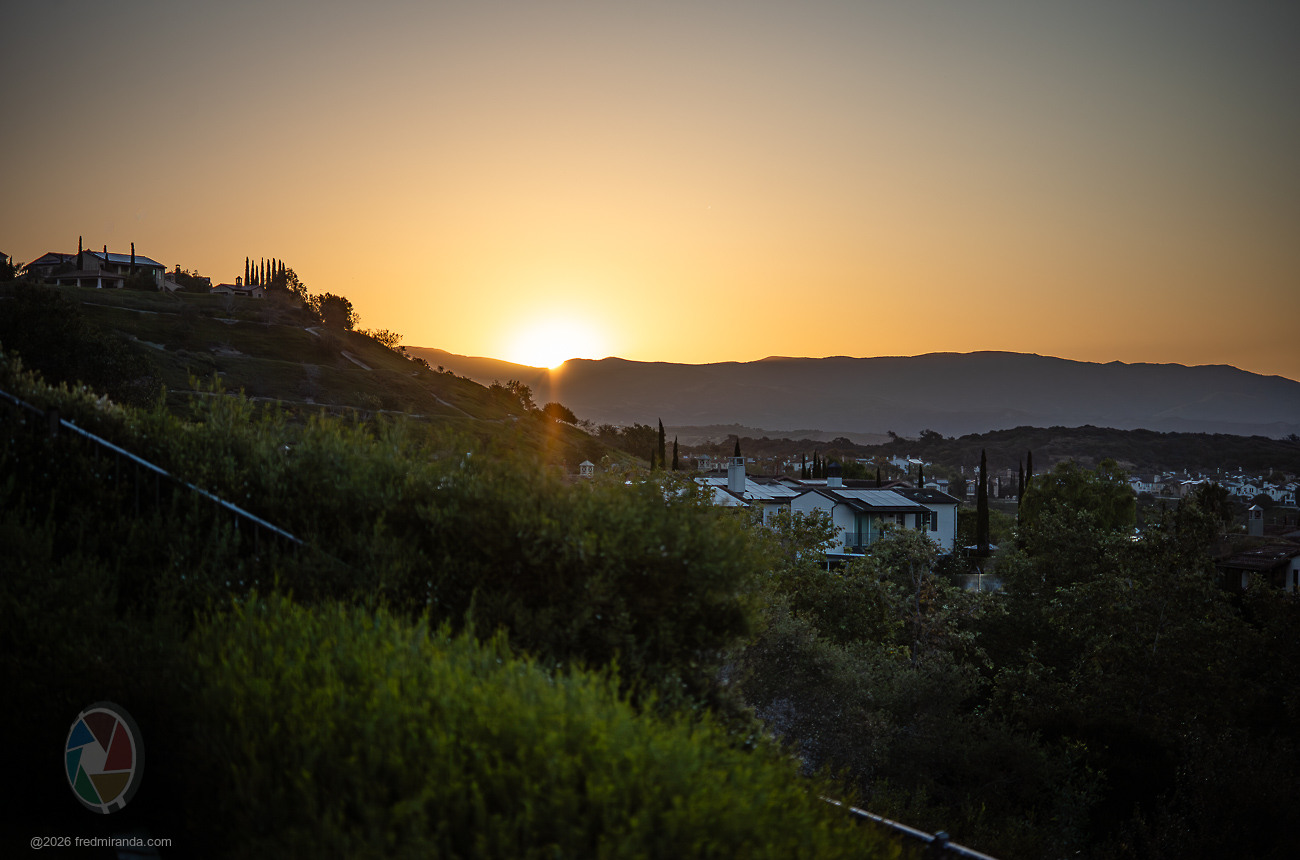
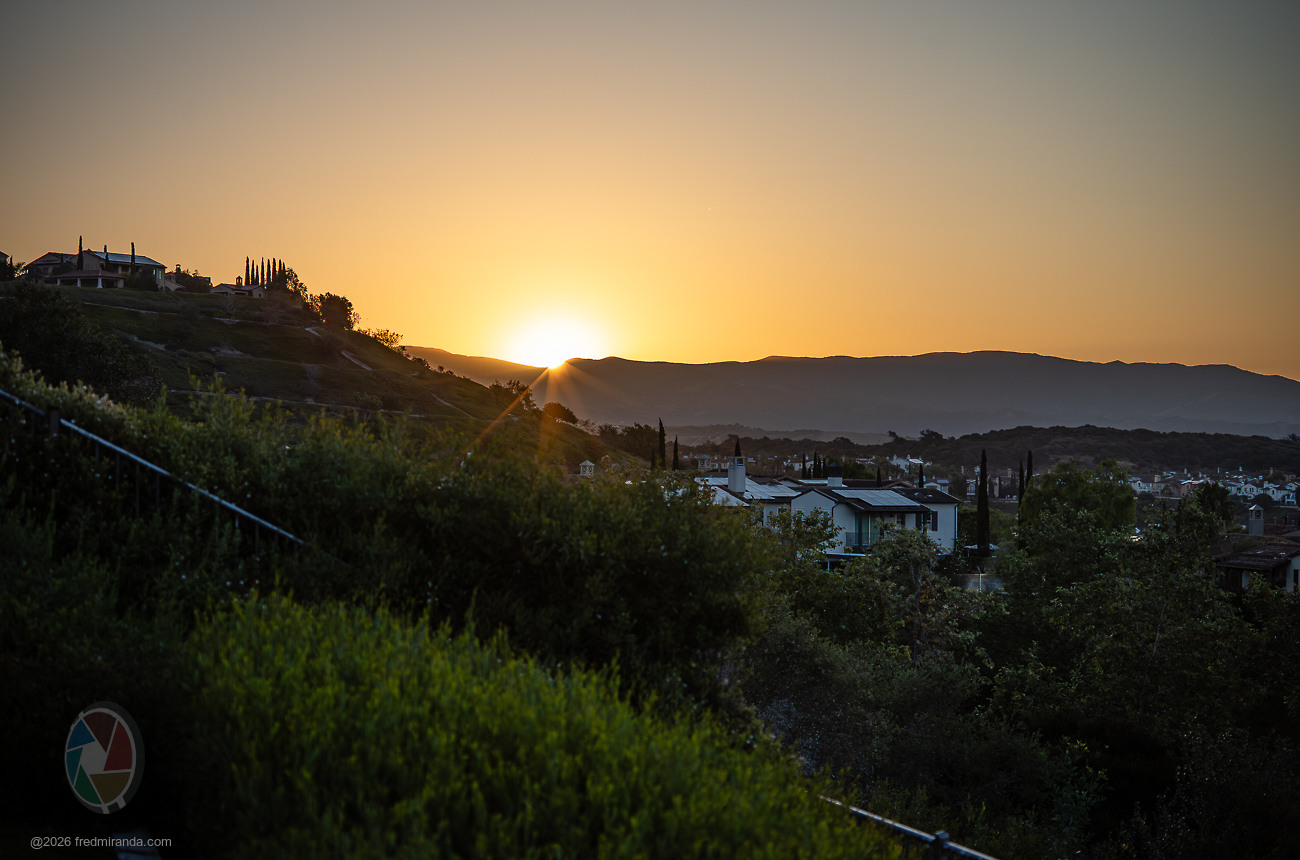
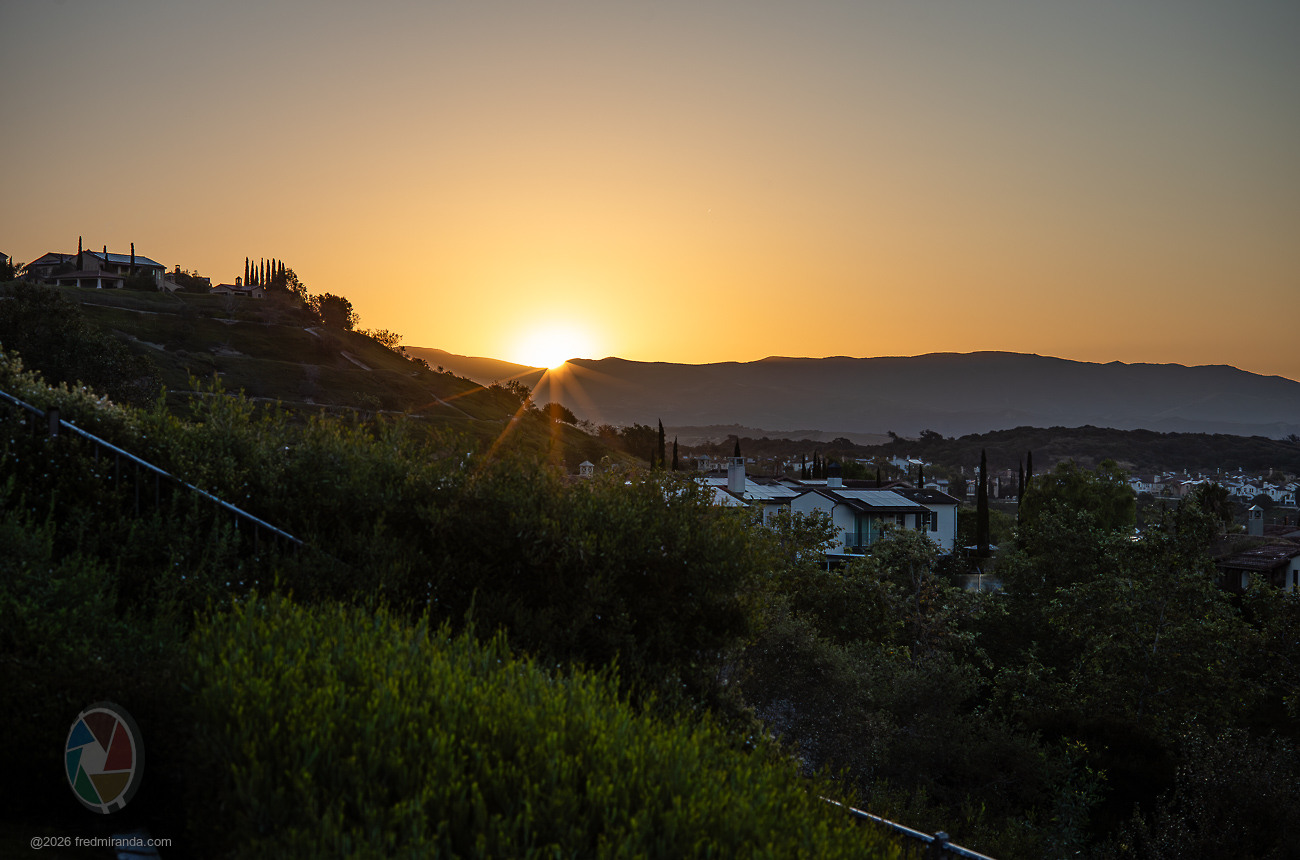
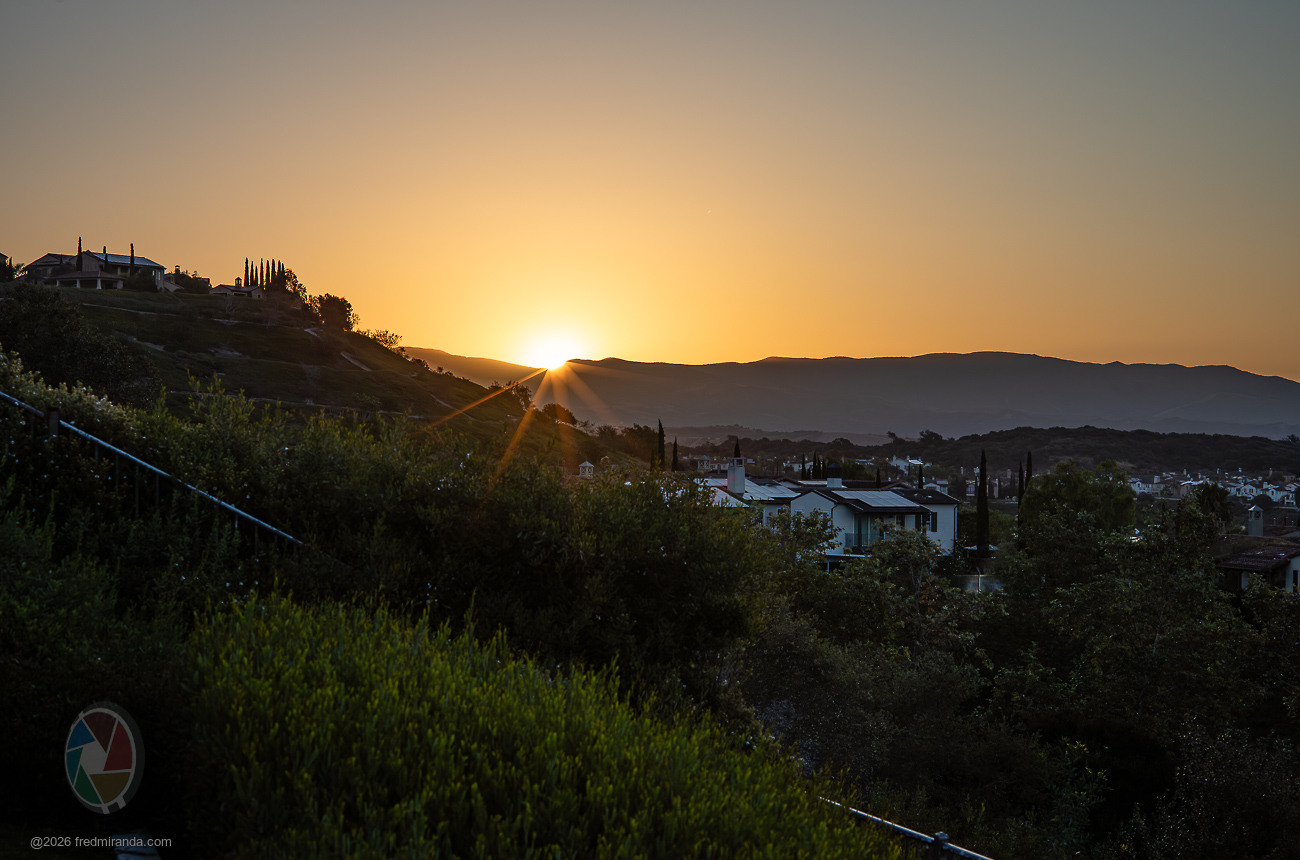
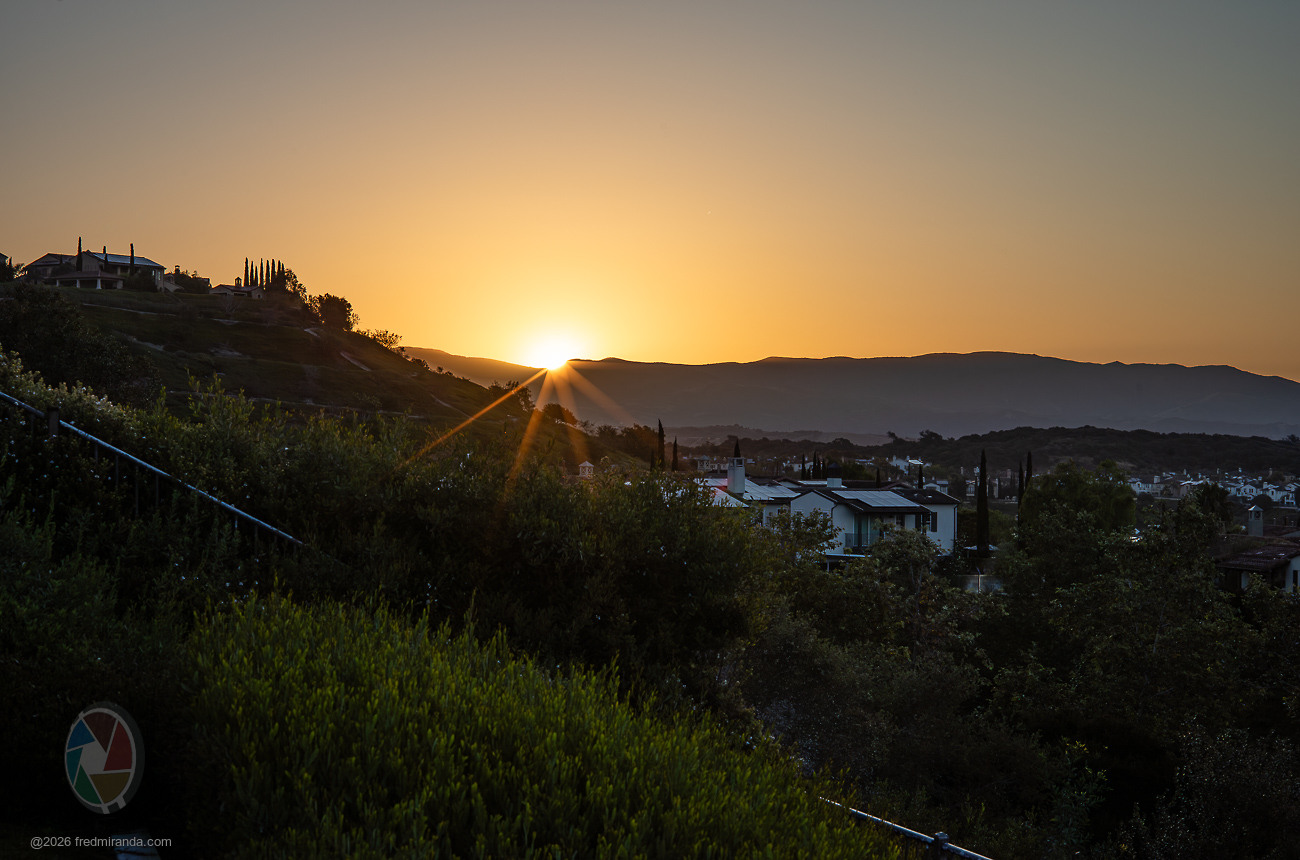
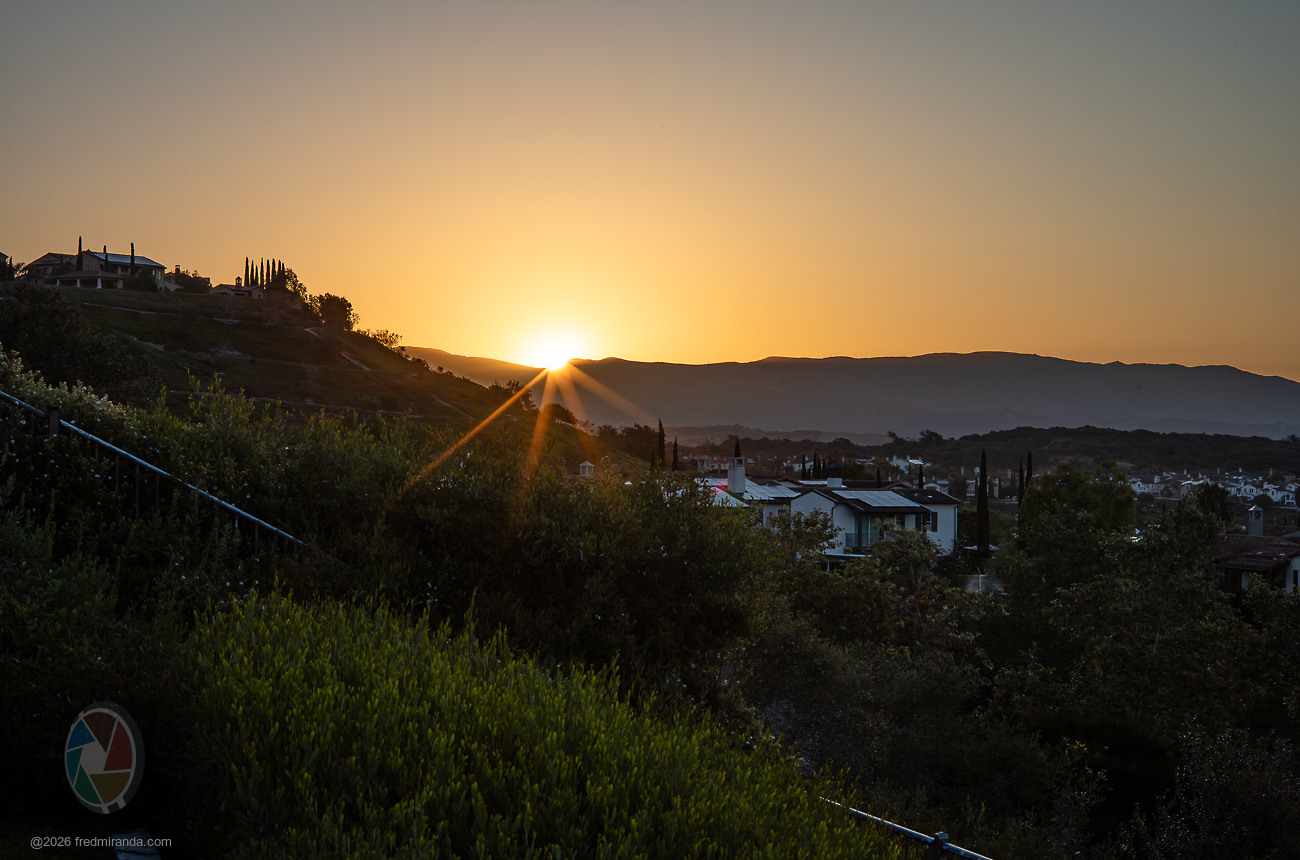
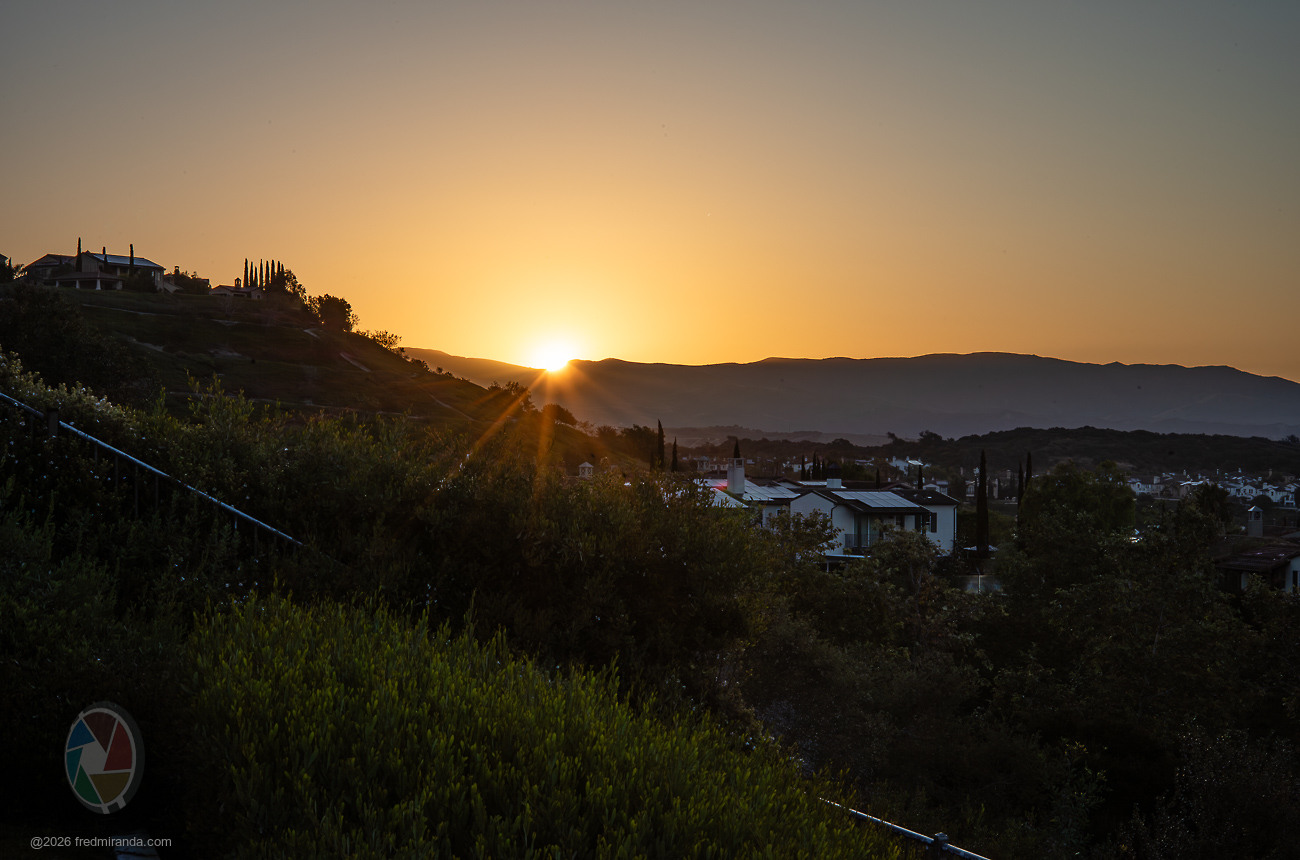
For photographers who appreciate distinct and well-defined sunstars, Cosina lenses continue to be among the best choices available. Most of their M-mount designs use straight aperture blades, and combined with Cosina's tight manufacturing tolerances, the resulting sunstars typically show excellent definition with clean, symmetrical rays.
The Voigtlander 75mm f/2.8 APO-Skopar follows this tradition very well. Sunstars already begin to appear nicely defined by f/4, just one stop down from wide open, and continue to improve as the lens is stopped down further. At the widest aperture, the aperture blades are recessed and the sunstars appear softer and no definition. At the smallest aperture of f/22, diffraction and the tiny aperture opening begin to affect the shape, producing rays that look more chaotic and less symmetrical. For the cleanest and most attractive results, the sweet spot is clearly between f/4 and f/16.
Overall, the lens produces very attractive and well-defined sunstars throughout most of its usable aperture range.
Flare resistance is excellent overall. In my tests, the lens coatings provided strong resistance to ghosting, These samples also reveal the natural vignetting behavior throughout the aperture range since no correction was applied. Vignetting is quite noticeable at the larger apertures, especially wide open, but improves steadily as the lens is stopped down.
Below is a sequence showing the sunstar rendering of the Voigtlander 75mm f/2.8 APO-Skopar from f/2.8 through f/22 in full stop increments. With its 10 straight aperture blades, the lens produces clean and symmetrical 10-point sunstars.
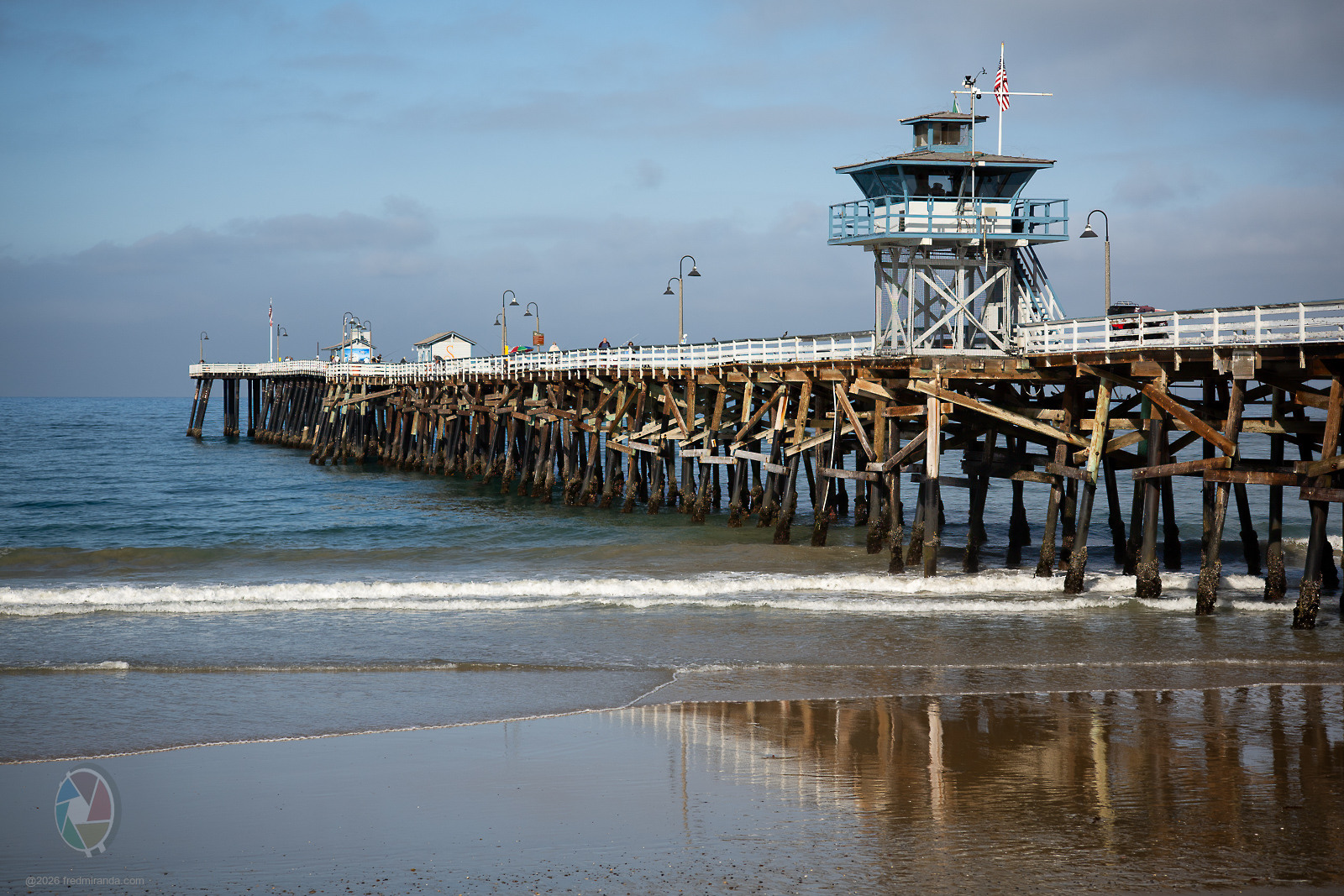
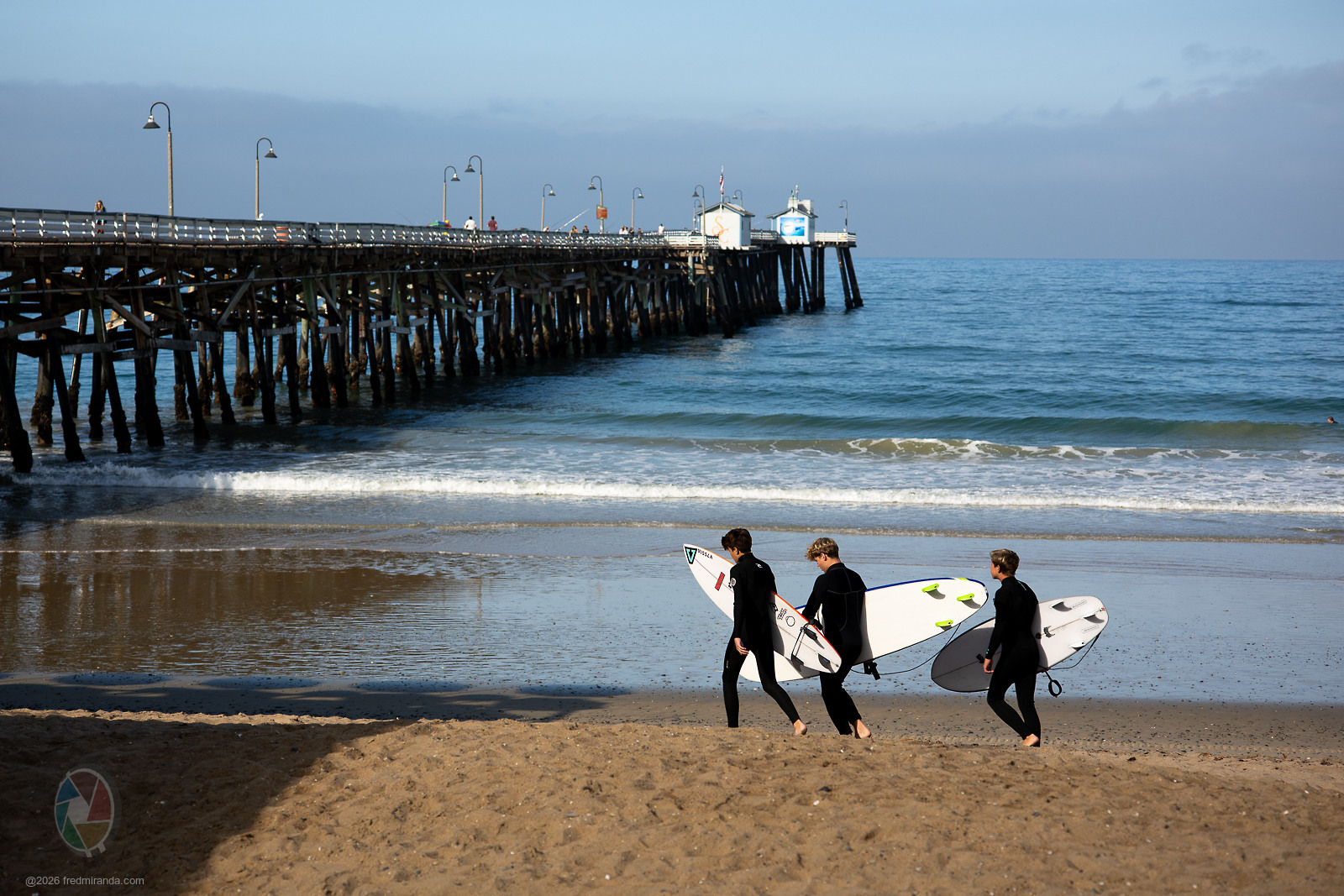
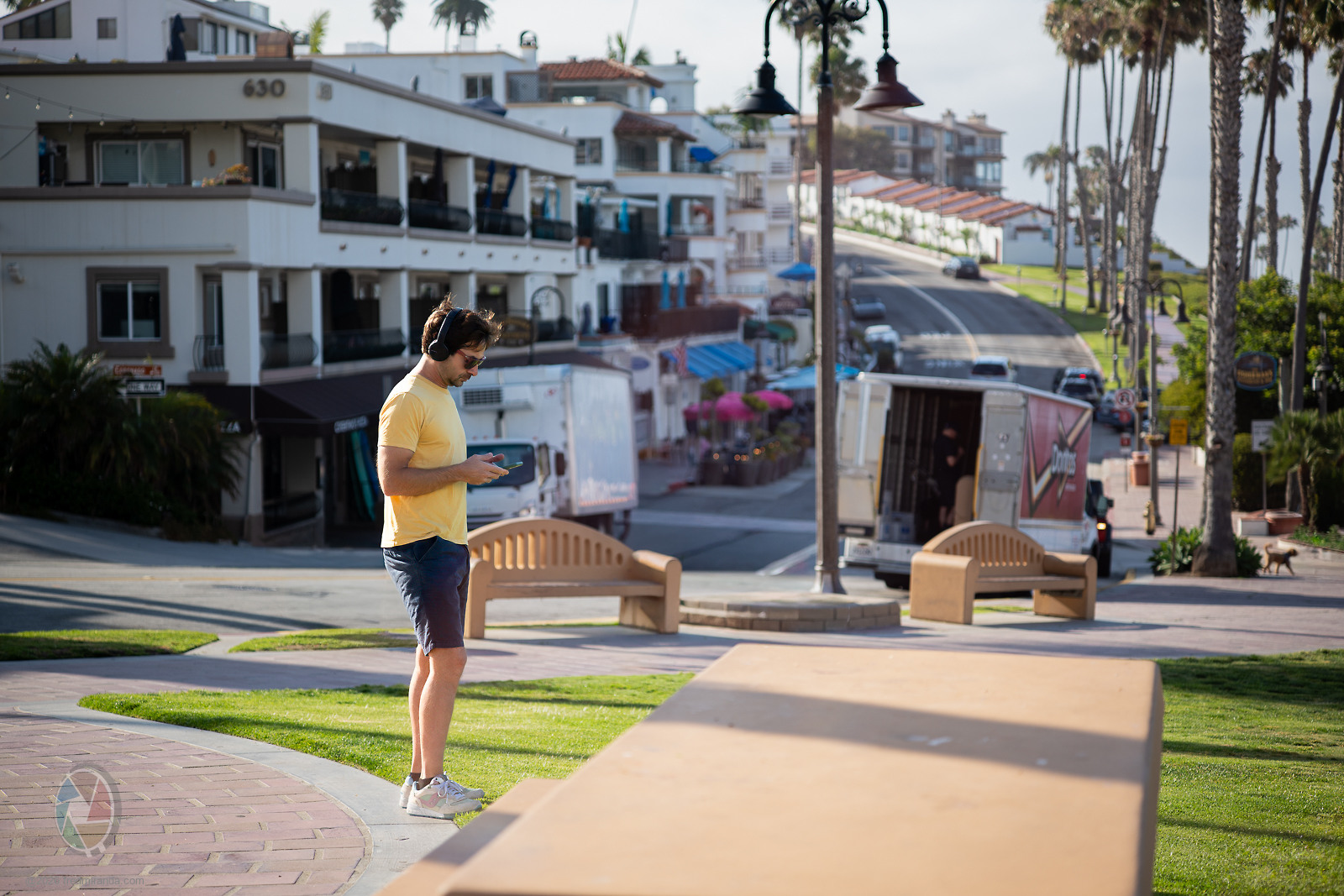
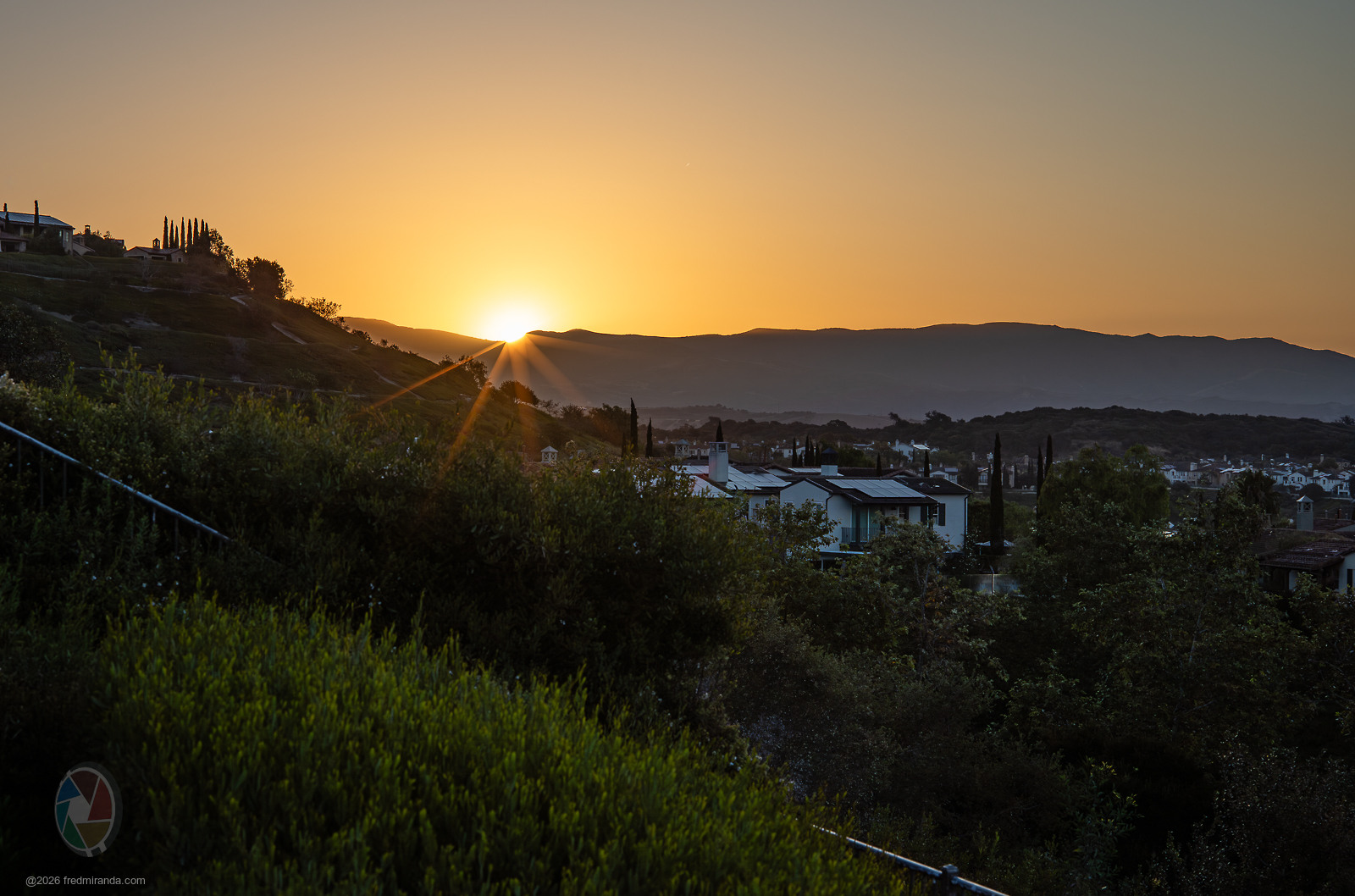
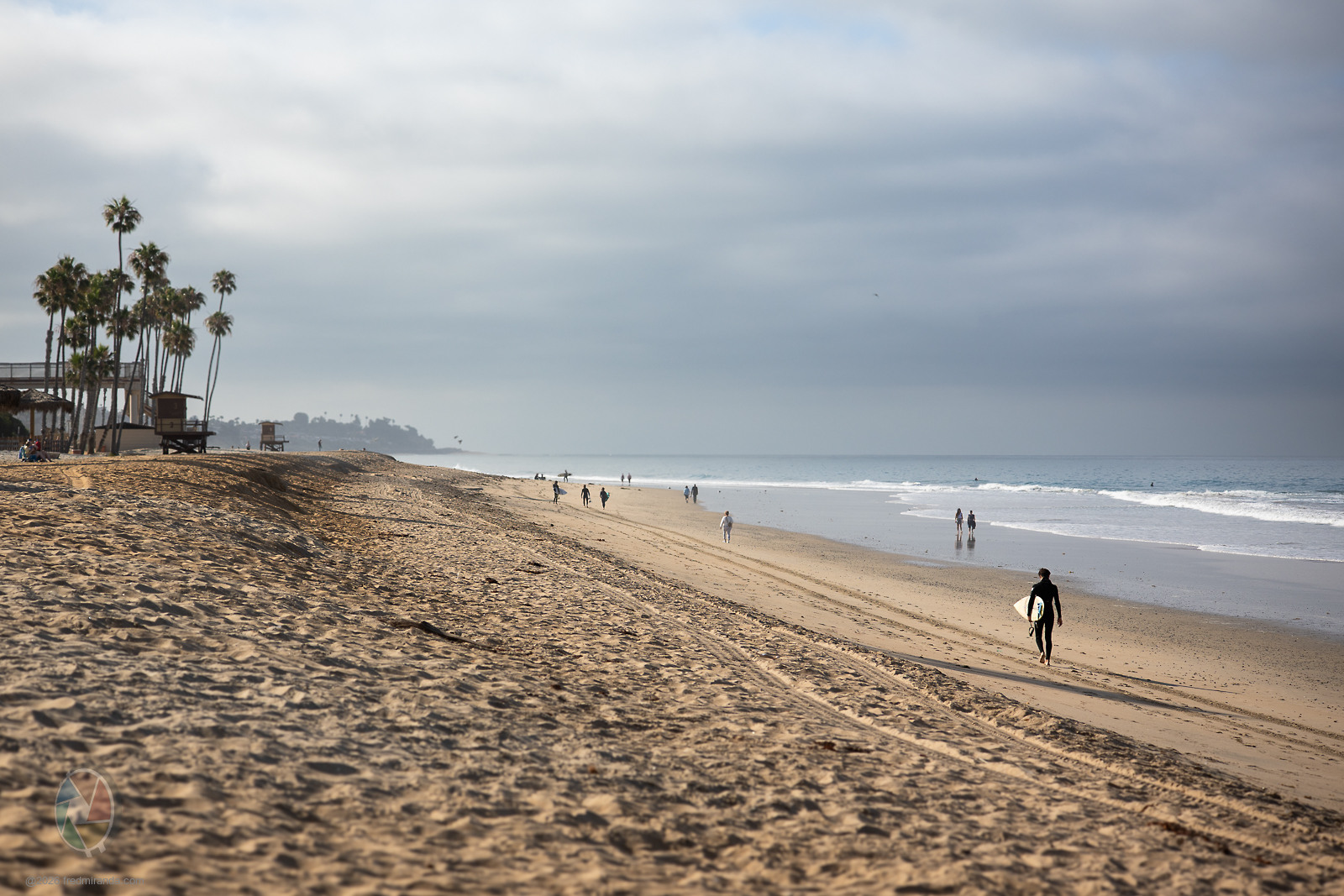
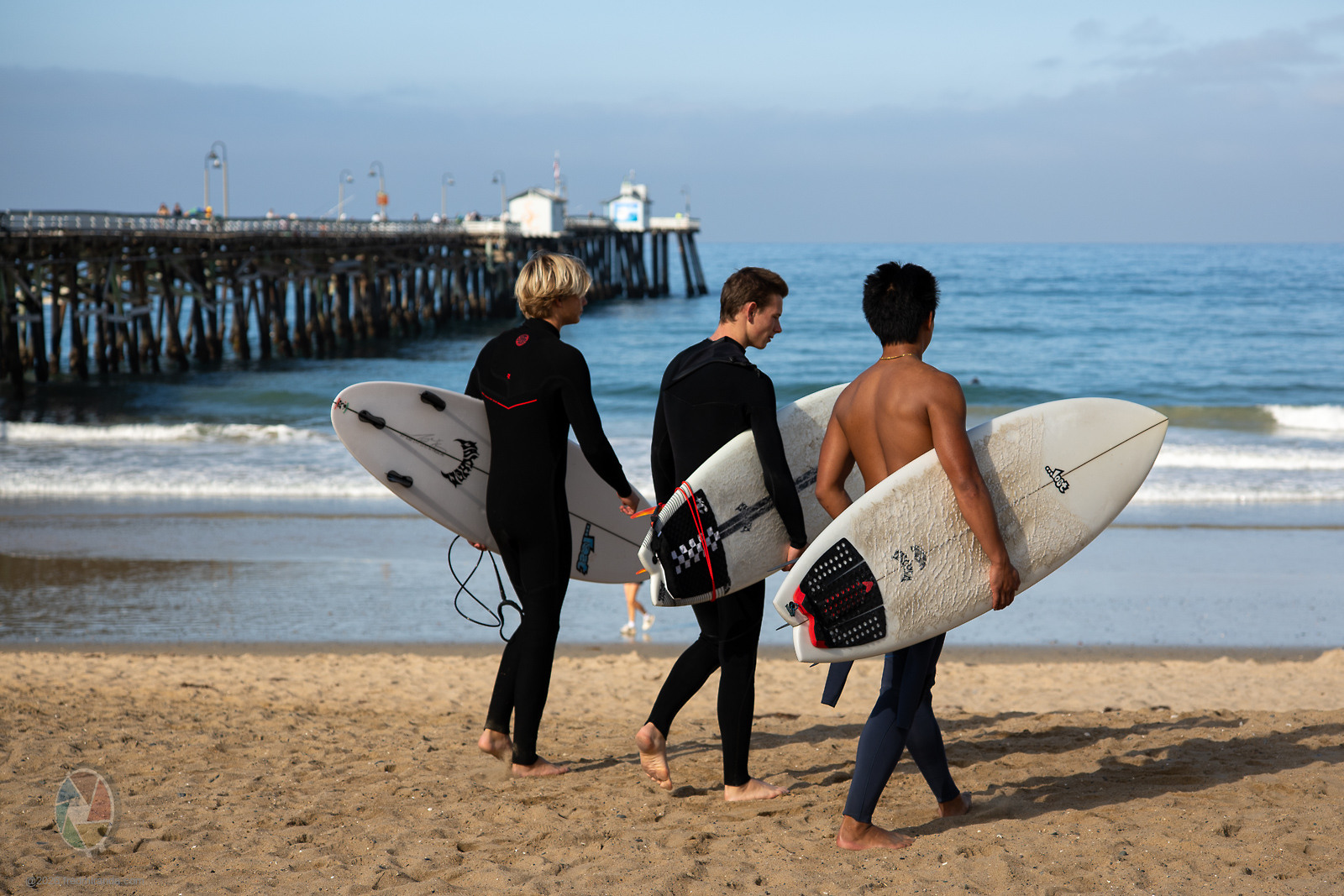
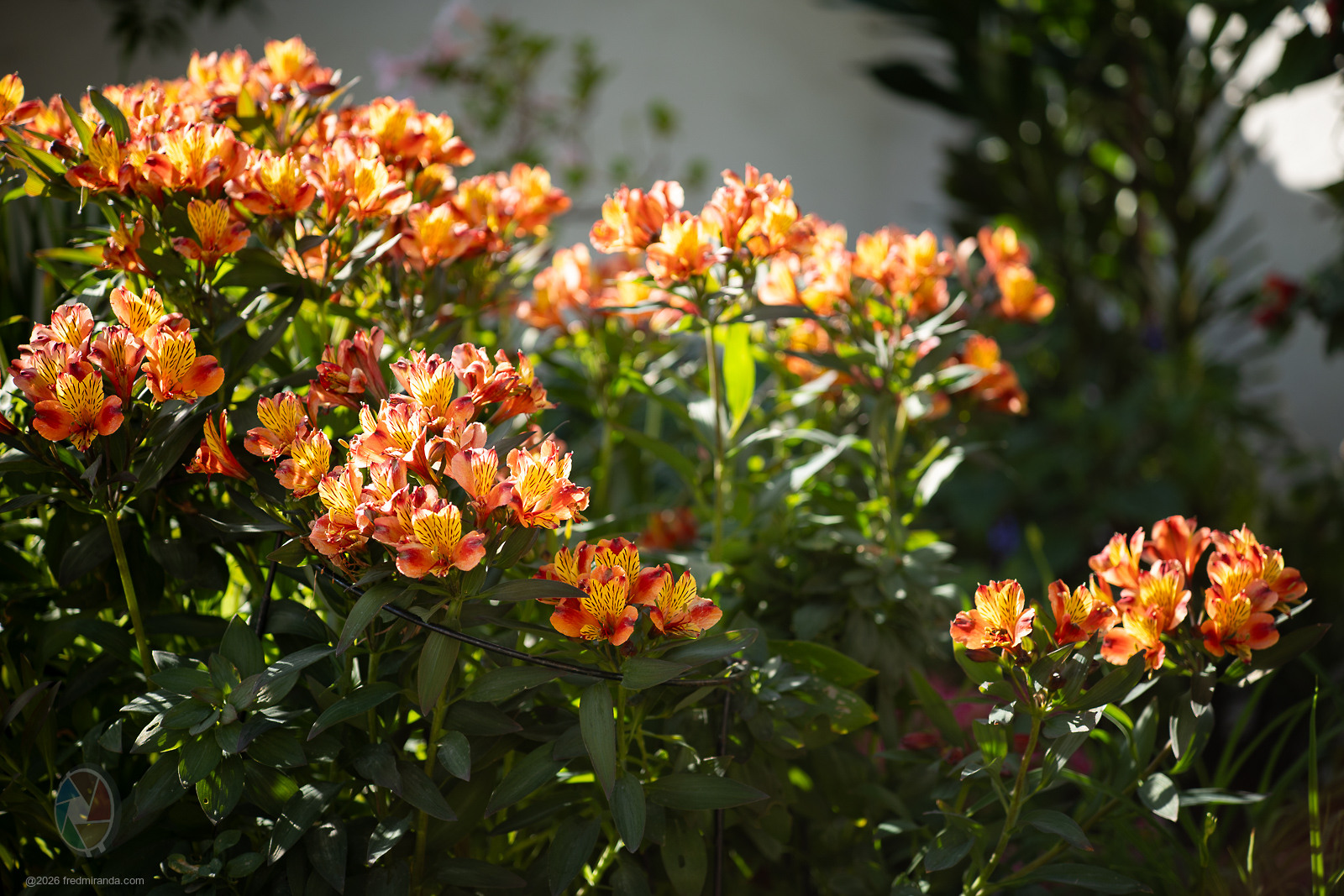
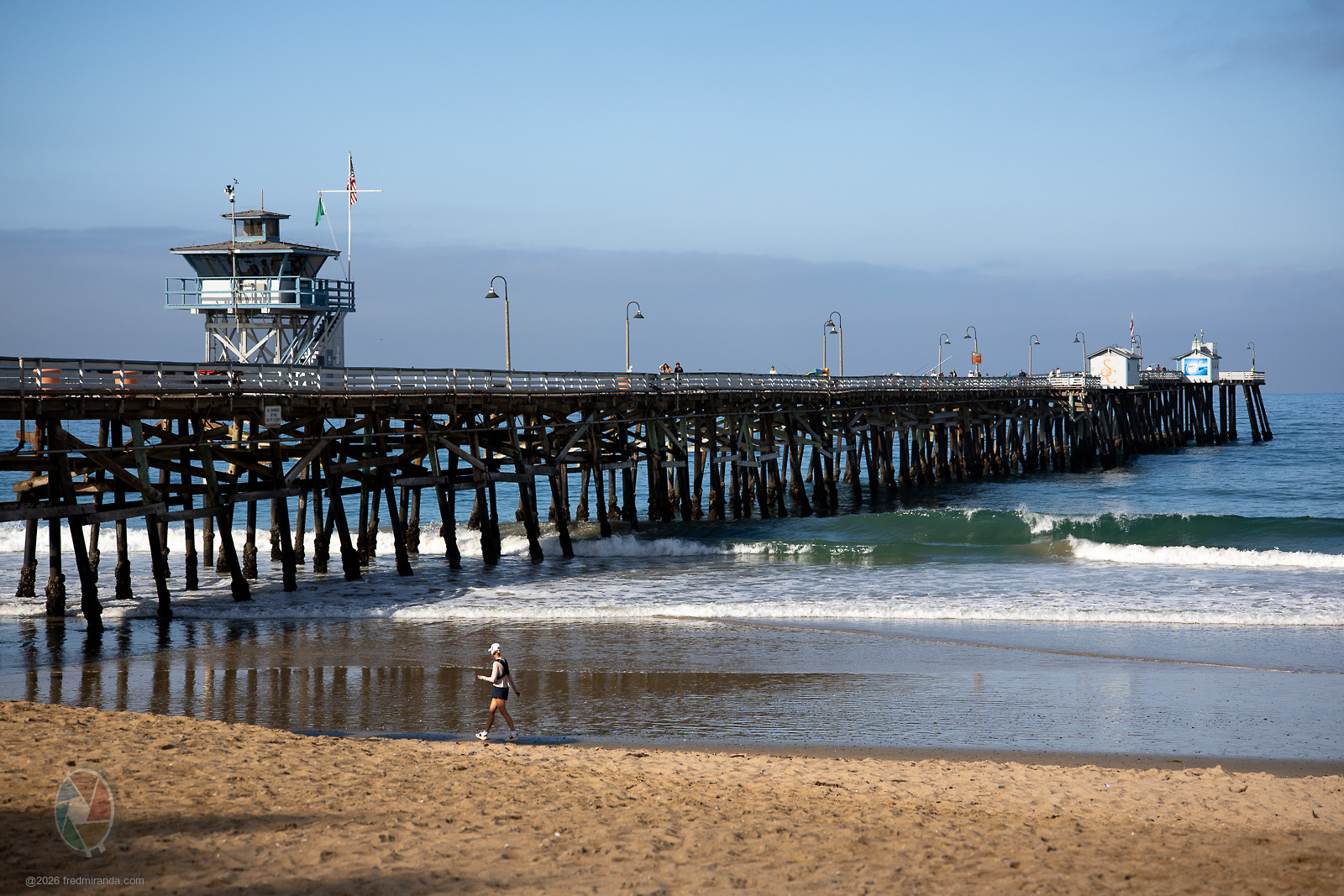
Most of the images were taken wide open at f/2.8 under a variety of lighting conditions and subject distances.
Post processing was kept minimal, with only light sharpening and slight exposure adjustments applied. I used the Adobe Color profile to better showcase the lens’s natural color rendering.
I've always been impressed by the rendering of the Voigtlander 50mm f/2 APO-Lanthar, and this lens gives me a very similar impression and overall corrected look.
No corrections were applied for distortion, vignetting, or chromatic aberration, allowing the lens's native rendering characteristics to be seen more clearly. A few images were also captured at f/4 to demonstrate the lens’s peak sharpness, contrast, and consistency across the frame.
Fred Miranda wrote: Samples 1: At various distances and lighting
Most of the images were taken wide open at f/2.8 under a variety of lighting conditions and subject distances.
Post processing was kept minimal, with only light sharpening and slight exposure adjustments applied. I used the Adobe Color profile to better showcase the lens’s natural color rendering.
I've always been impressed by the rendering of the Voigtlander 50mm f/2 APO-Lanthar, and this lens gives me a very similar impression and overall corrected look.
No corrections were applied for distortion, vignetting, or chromatic aberration, allowing the lens's native rendering characteristics to be seen more clearly. A few images were also captured at f/4 to demonstrate the lens’s peak sharpness, contrast, and consistency across the frame....Show more →
Some of the f stops in the legend of some of the pictures can't be right, unless I've missed something.
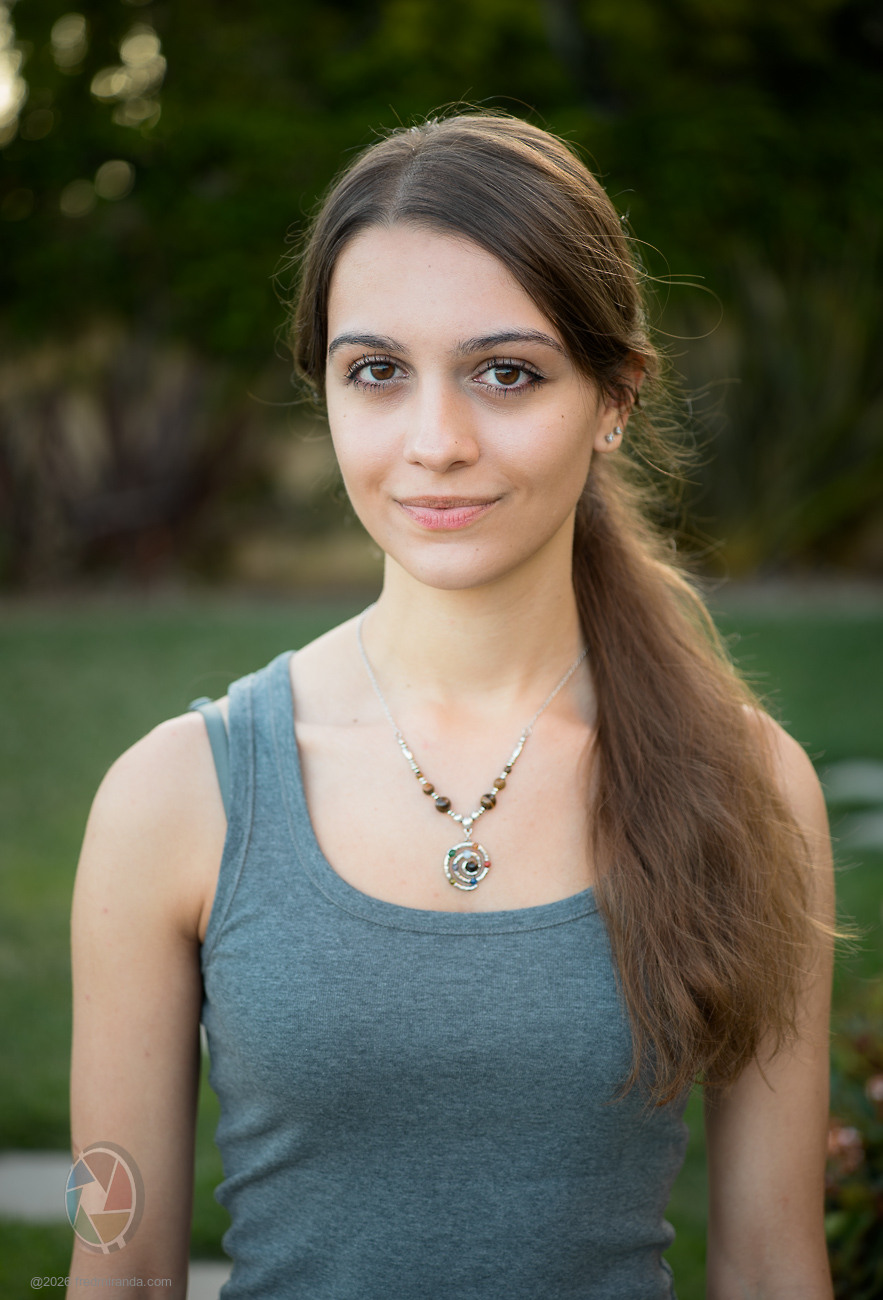
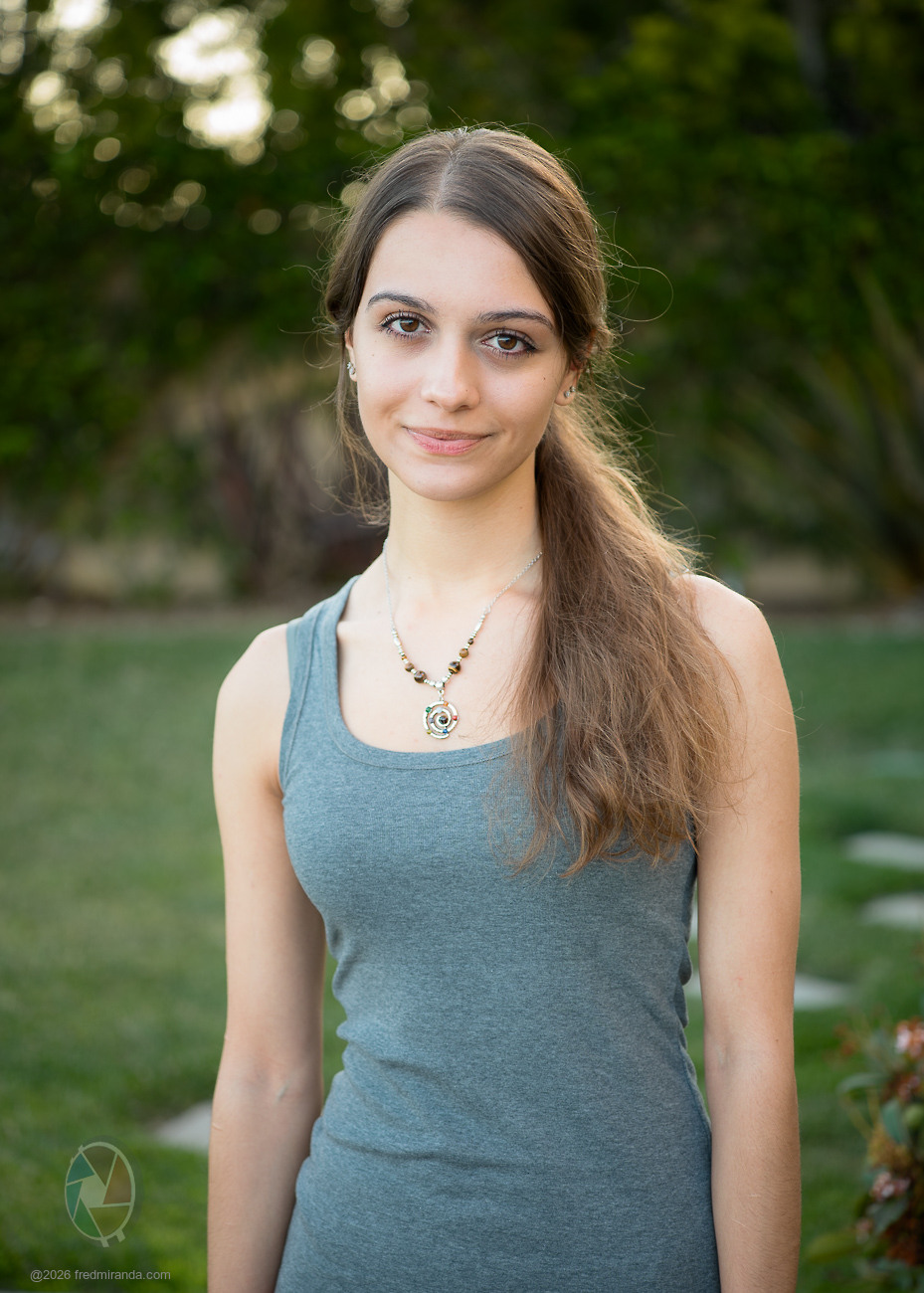
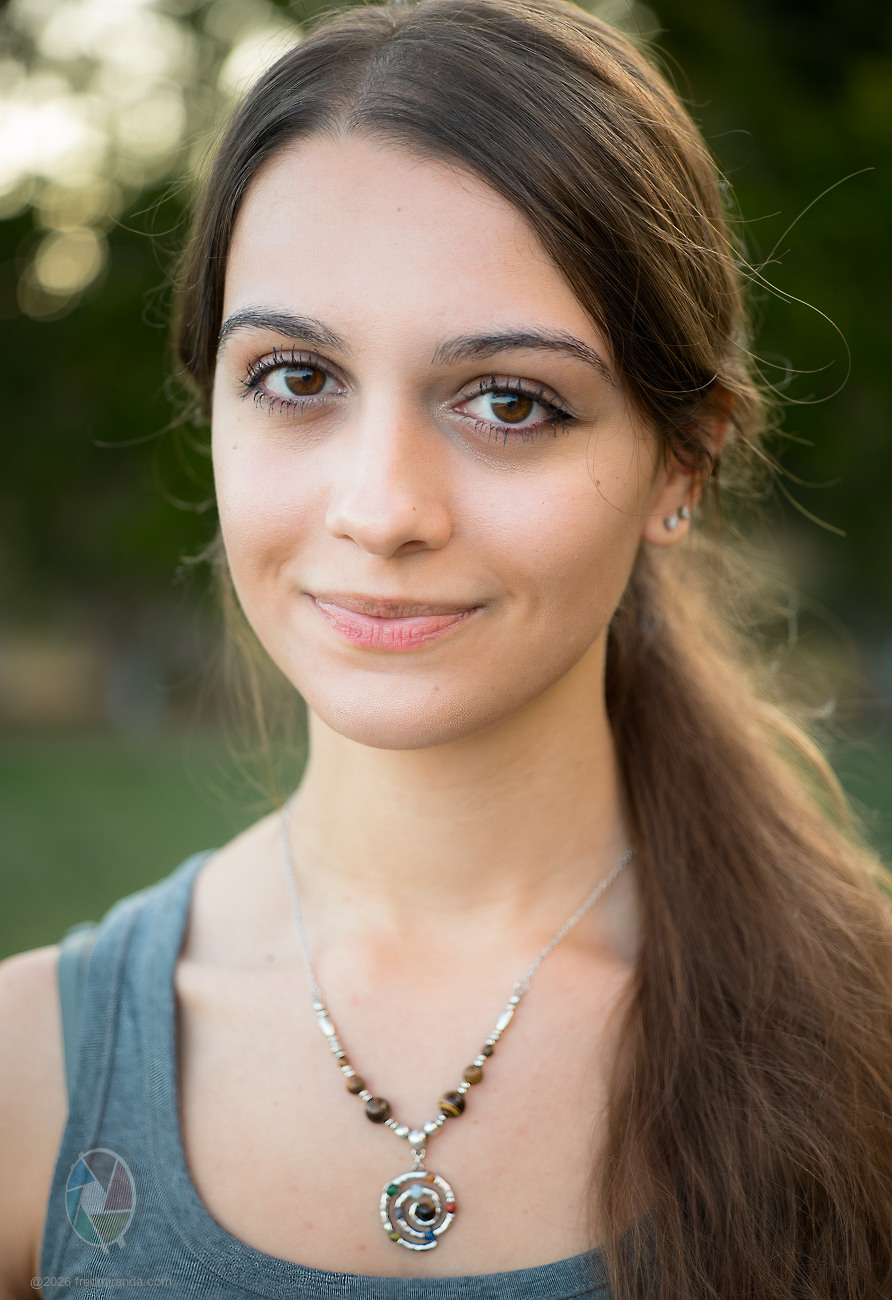
All three images were taken wide open at f/2.8. Post processing was kept minimal, with only light sharpening and the Adobe Standard profile applied, resulting in lower contrast to better showcase the lens's natural color rendering.
No corrections were applied for distortion, vignetting, or chromatic aberration, allowing the lens's native rendering characteristics to be seen more clearly.
Fred Miranda wrote: Samples 2: A few portraits at various distances
All three images were taken wide open at f/2.8. Post processing was kept minimal, with only light sharpening and the Adobe Standard profile applied, resulting in lower contrast to better showcase the lens’s natural color rendering.
No corrections were applied for distortion, vignetting, or chromatic aberration, allowing the lens’s native rendering characteristics to be seen more clearly.
What I like about you shooting it at 2.8 is the DOF is narrow but not too narrow so while the eyes are pin sharp the rest of the face still has detail and then it blurs out nicely.
Desmolicious wrote:
What I like about you shooting it at 2.8 is the DOF is narrow but not too narrow so while the eyes are pin sharp the rest of the face still has detail and then it blurs out nicely.
This is why I've been moving towards slower lenses. Functional DOF, but you still get the feel of a wide-open lens.
Anyway I like what I'm seeing out of this 75 a lot. Hopefully it comes to Z... That'll be cheaper than addressing the fact that my M2 doesn't have 75mm frame lines
OffTrail wrote:
This is why I've been moving towards slower lenses. Functional DOF, but you still get the feel of a wide-open lens.
Yep, things like a 40/2, 50/3.5, or 75/2.8 have plenty of speed, still have great bokeh, and you'd stop a faster lens down to that anyways most of the time.