Fred Miranda
Offline
Admin
Upload & Sell: On
|
 p.4 #18 · Voigtlander 75mm f/2.8 APO-Skopar Review p.4 #18 · Voigtlander 75mm f/2.8 APO-Skopar Review | |
Voigtlander 75mm f/2.8 APO-Skopar – Read the Full Review
Final Thoughts
The Voigtlander 75mm f/2.8 APO-Skopar stands out in the Leica M ecosystem because it prioritizes size and usability over chasing speed and shallow depth of field. Cosina clearly prioritized compactness, frameline visibility, handling, and optical correction over maximum aperture, and I think that was the right decision for this lens. In real use, it feels less like carrying a traditional 75mm telephoto and more like a compact 50mm with a focus tab, just with extra reach.
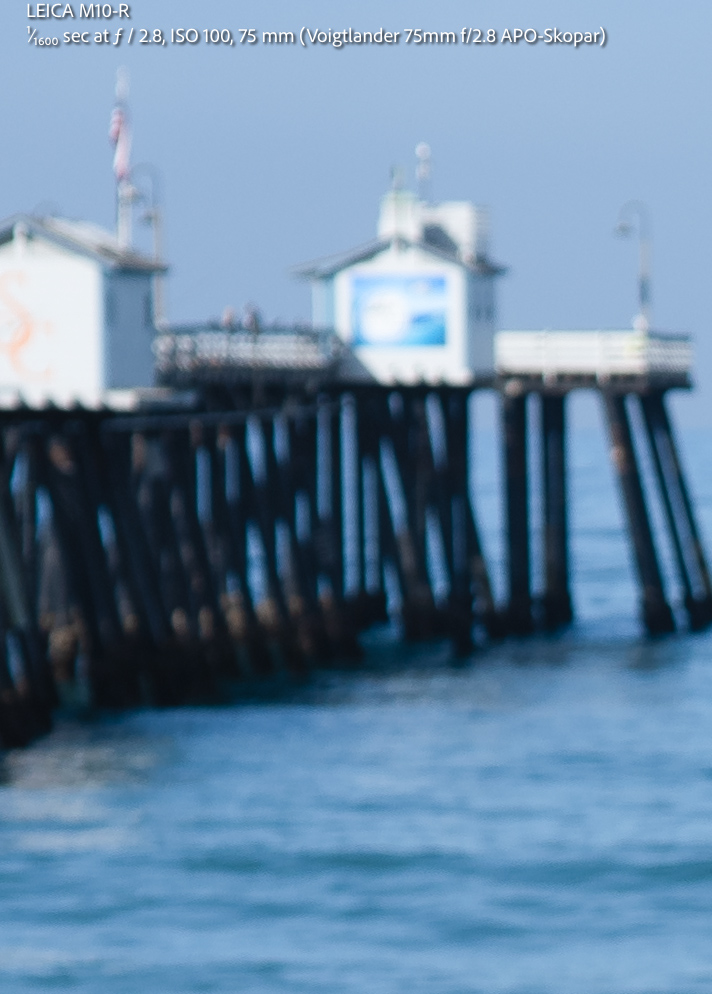
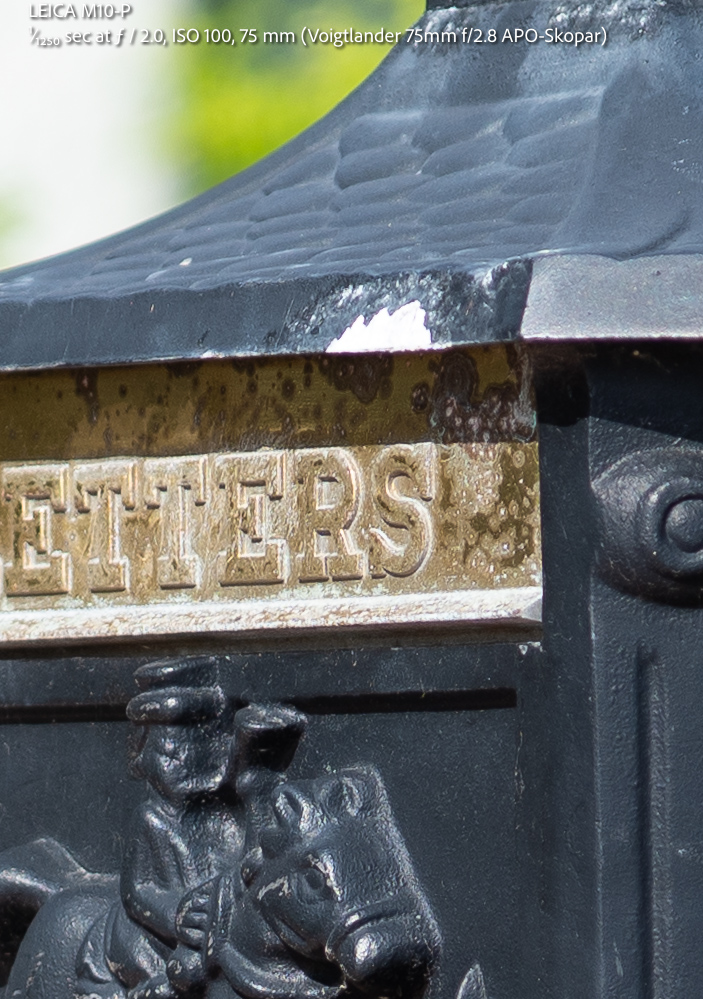
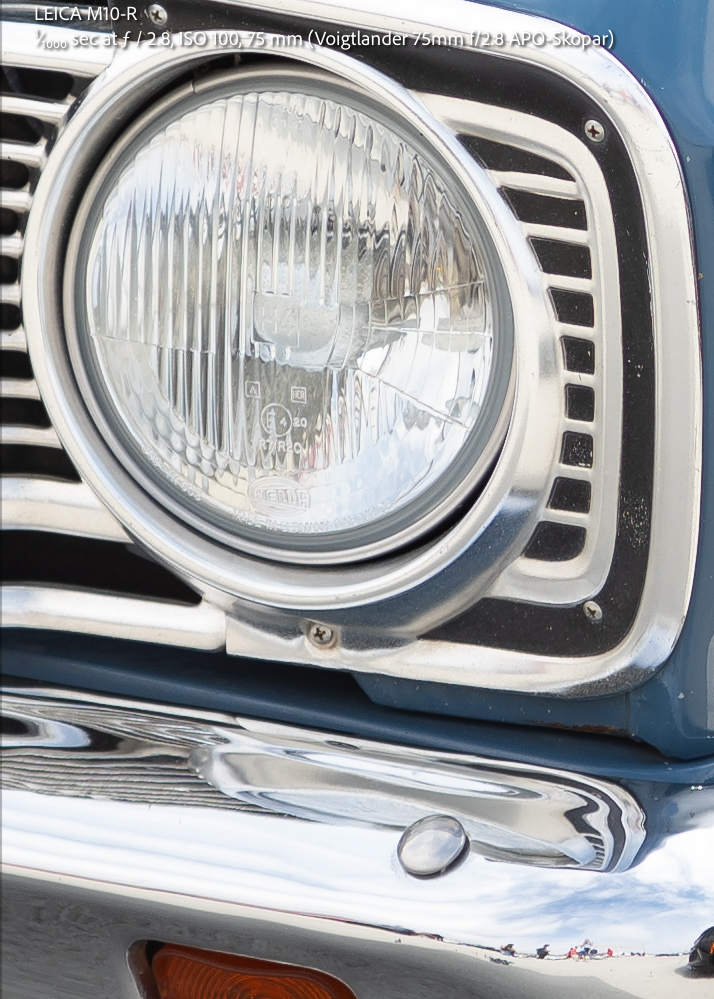
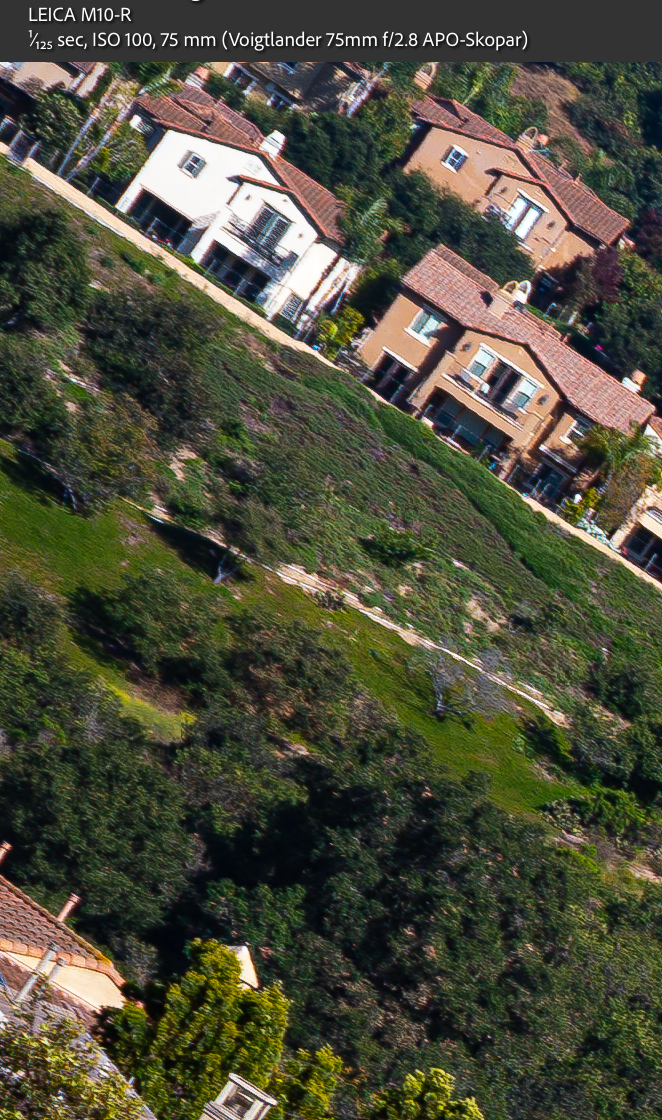
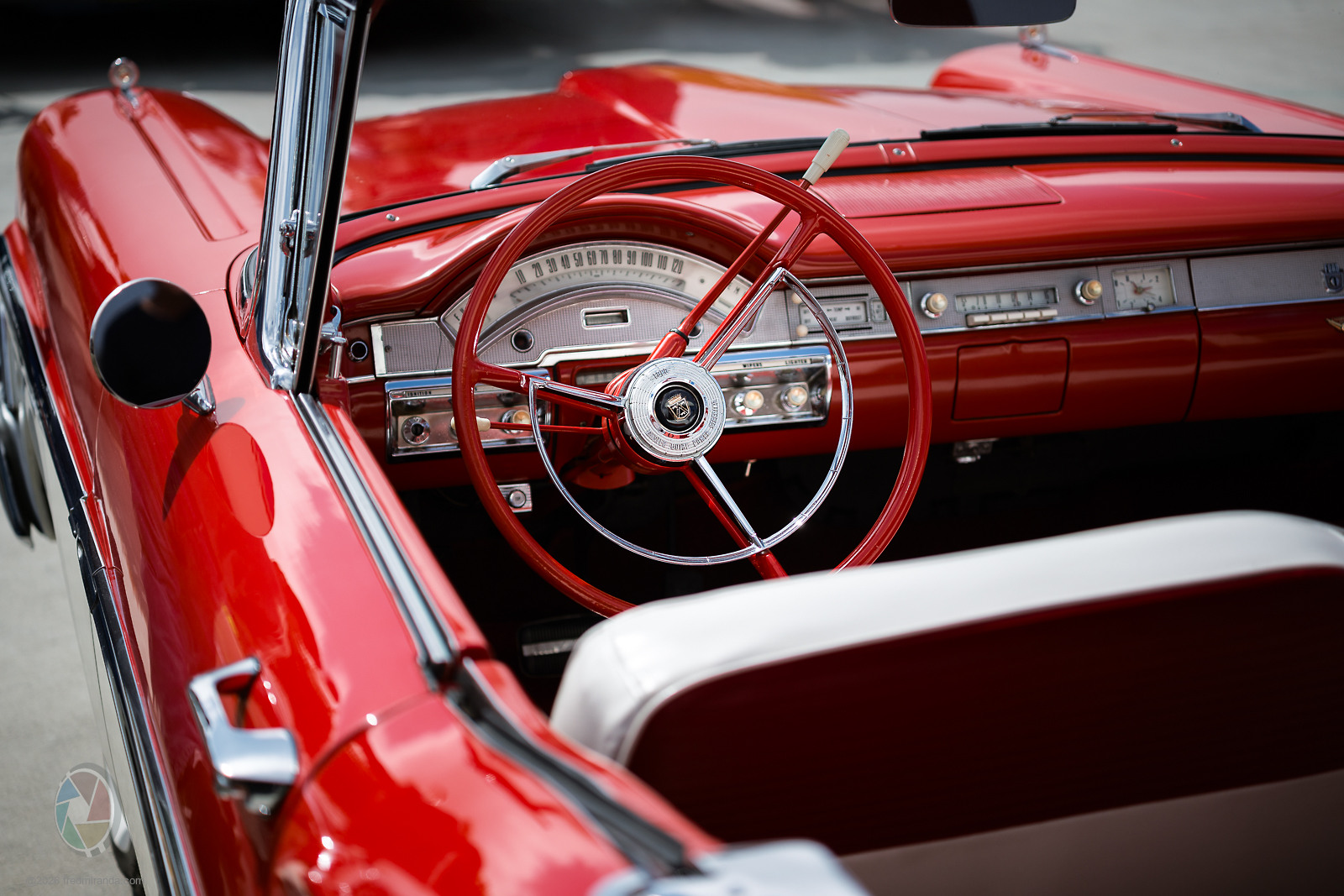
Optically, the lens performs at a very high level. Resolution is excellent across the frame even wide open, contrast is strong, field curvature is extremely well controlled, and CA correction is among the best I have seen from a compact M-mount telephoto. The APO correction is not just marketing here. In difficult high contrast scenes, axial CA and purple fringing are reduced to almost nothing, giving images a highly corrected look. At f/2.8, the lens is already highly usable for demanding work, but stopping down to f/4 reveals its peak performance with even better micro-contrast and fine detail rendering.
One surprise is how well this lens adapts outside the Leica M system. On the Sony A7R II and Nikon Zf, I didn't see any meaningful penalty from thicker sensor stacks. That matters, because many M lenses, especially faster wide angles and some telephotos, can struggle on non-Leica M bodies. The slower f/2.8 design and longer focal length clearly work in its favor here. In practice, it stays consistent across systems, making it one of the safer M-mount telephoto options for mirrorless adaptation. In many ways, it delivers a look similar to the Voigtlander 50mm f/2 APO-Lanthar, but with a tighter field of view, a focus tab, and is more compatible with thicker sensor stacks, making it more consistent across systems.
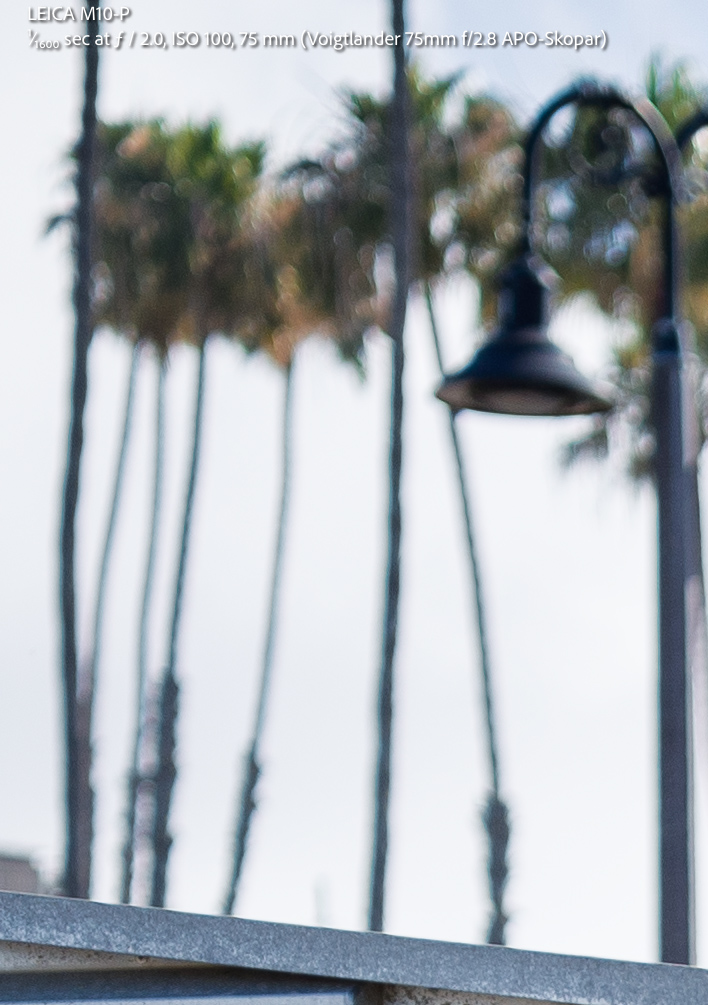
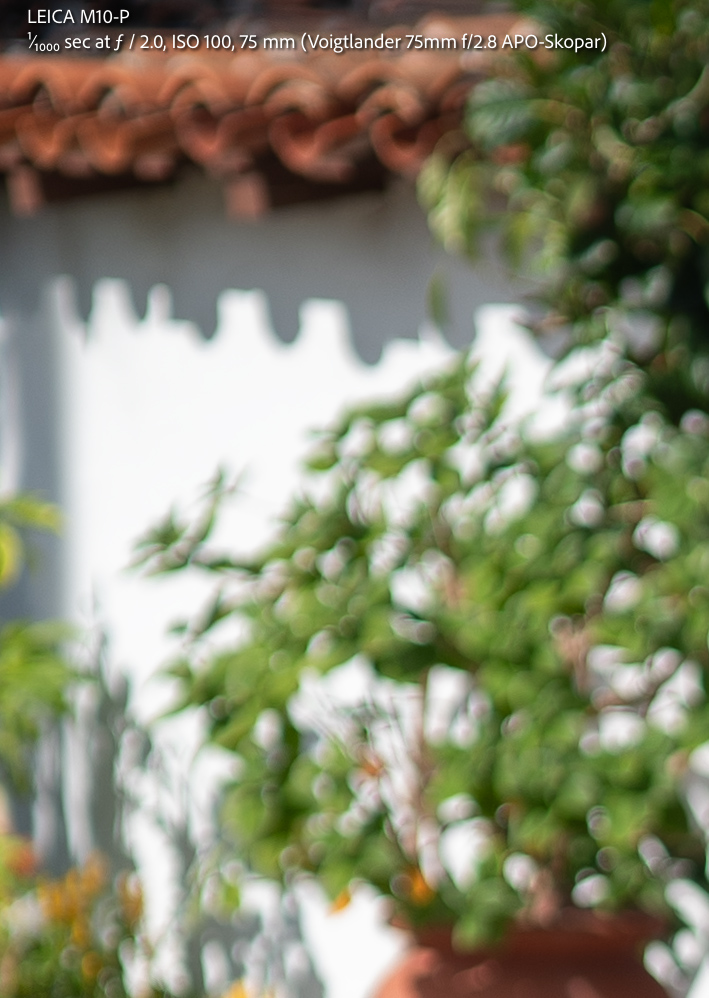
Rendering leans toward a modern, controlled look rather than strong character. Compared to something like the MS Optics 73mm f/1.5 Sonnetar stopped down to f/2.8, the Voigtlander is higher in contrast, sharper, and much more technically controlled, but also less romantic and less quirky. Whether that matters depends entirely on what you want from a lens. Personally, I think Cosina made the correct decision here. A lens this small paired with APO correction and strong overall consistency makes far more sense as a reliable everyday telephoto rather than trying to chase vintage character or extreme speed.
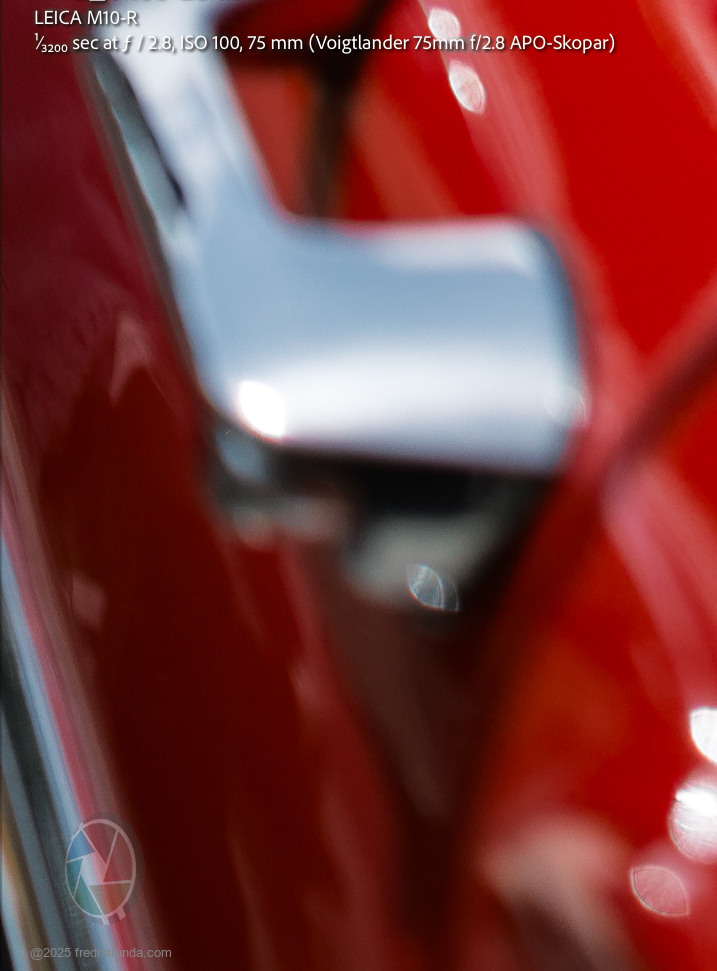
The biggest compromise is obviously the f/2.8 aperture. Some photographers simply want more subject separation and lower light capability from a 75mm lens, and there is no way around physics here. But what you gain in exchange is a lens that is genuinely tiny, lightweight, easy to focus on a rangefinder, and optically excellent even wide open. For many Leica M shooters, especially landscape, travel, documentary, and general photography users, that tradeoff will probably make a lot of sense.
Simplicity is really the strength of this lens. It's not brass built, to keep weight down, and f/2.8 keeps it this compact. Even the overall aesthetic follows the same philosophy. Efficient, understated, and not trying to draw attention to itself. The addition of a focus tab on a 75mm lens is also something you almost never see, and it definitely improves handling.
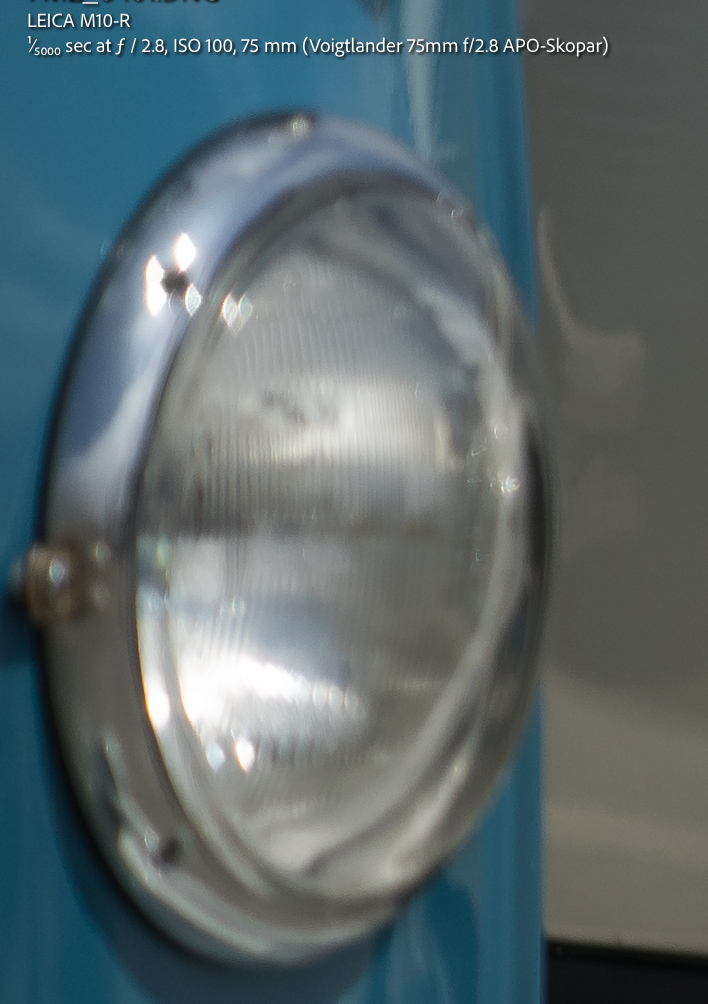
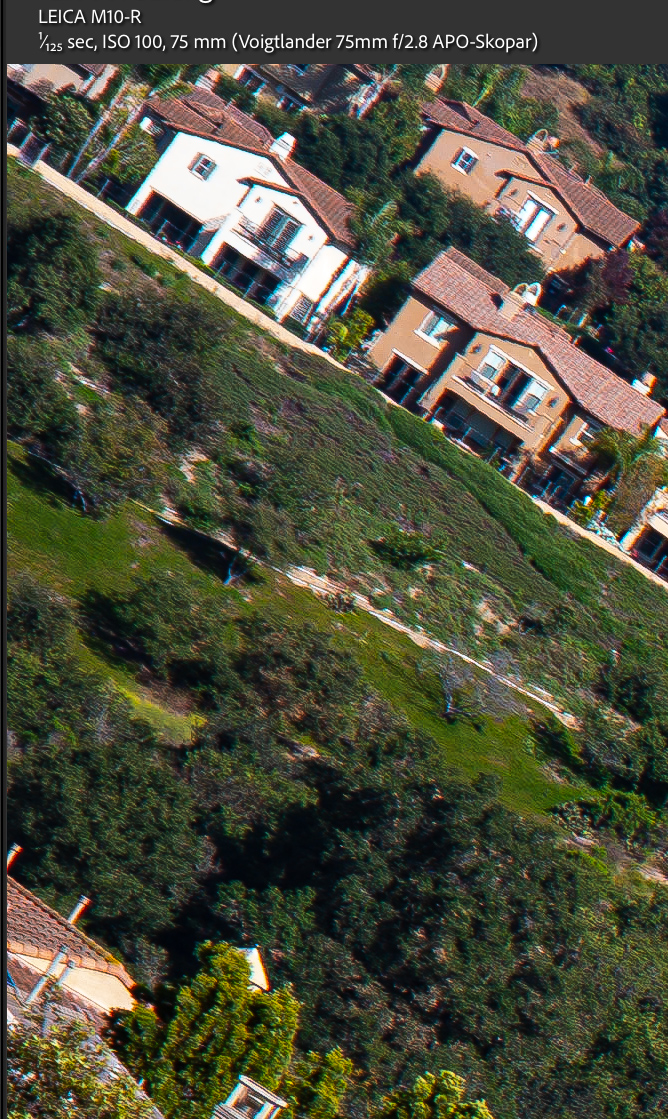
On the downside, the compromises are pretty clear once you start using it in real-world shooting. The f/2.8 aperture limits subject separation compared to faster 75mm lenses, and that tradeoff is simply the price of compactness. There's also some pincushion distortion and a bit of lateral CA at the pixel level before correction, plus noticeable vignetting wide open. The 0.7m minimum focus distance feels limiting, especially now that many lenses go closer for live view work. Rendering can also come across a bit too clinically corrected if you prefer more character in your images. On high resolution sensors, diffraction starts to become noticeable at around f/8, and while the aluminum build keeps weight down, it does not have quite the same solid feel as brass Leica M lenses.
In the end, I think Cosina did exactly what they intended. The Voigtlander 75mm f/2.8 APO-Skopar is not trying to replace larger and faster 75mm lenses. Instead, it offers something very few lenses currently do, an ultra compact APO corrected telephoto that feels completely natural on a Leica M body while still delivering modern optical performance. In that sense, it may very well be one of the most impressive compact telephoto designs ever made for the M system.
Pros
⦿ Extremely compact and lightweight for a 75mm lens
⦿ Does not block the 75mm framelines, even with hood attached
⦿ Excellent sharpness and contrast across the frame
⦿ Outstanding axial CA and purple fringing control
⦿ Very flat field curvature from close focus to infinity
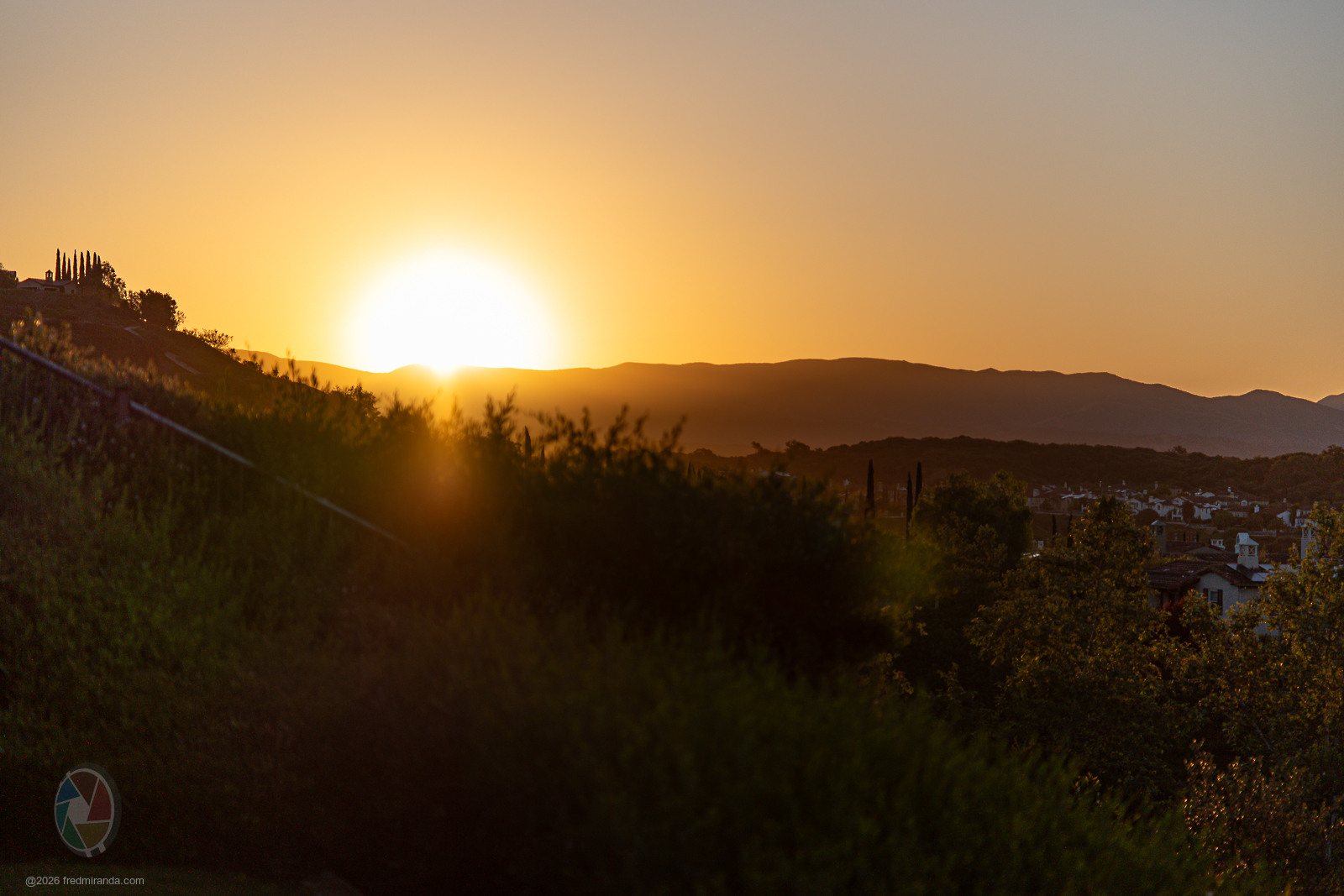
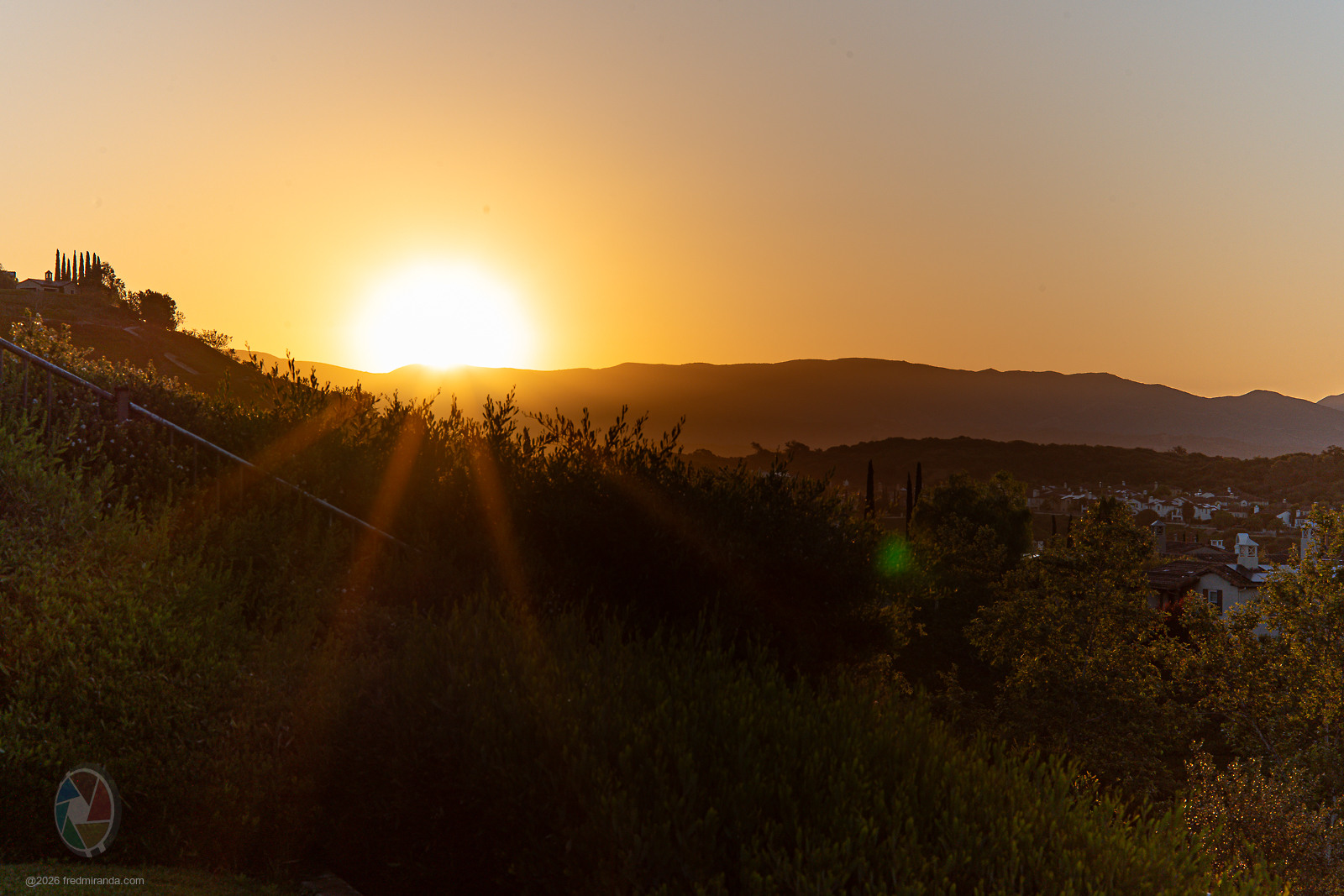
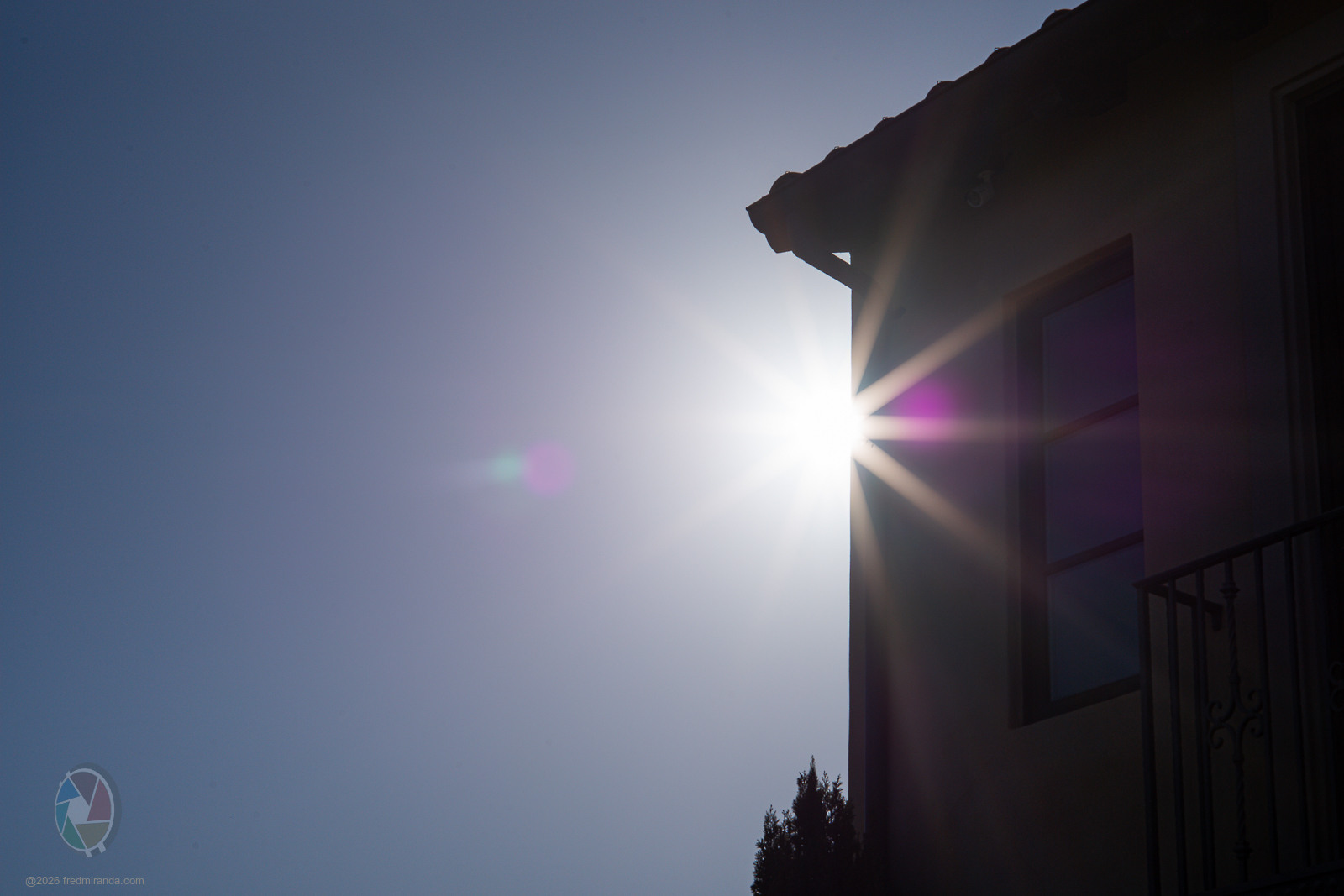
⦿ Excellent flare resistance with minimal ghosting
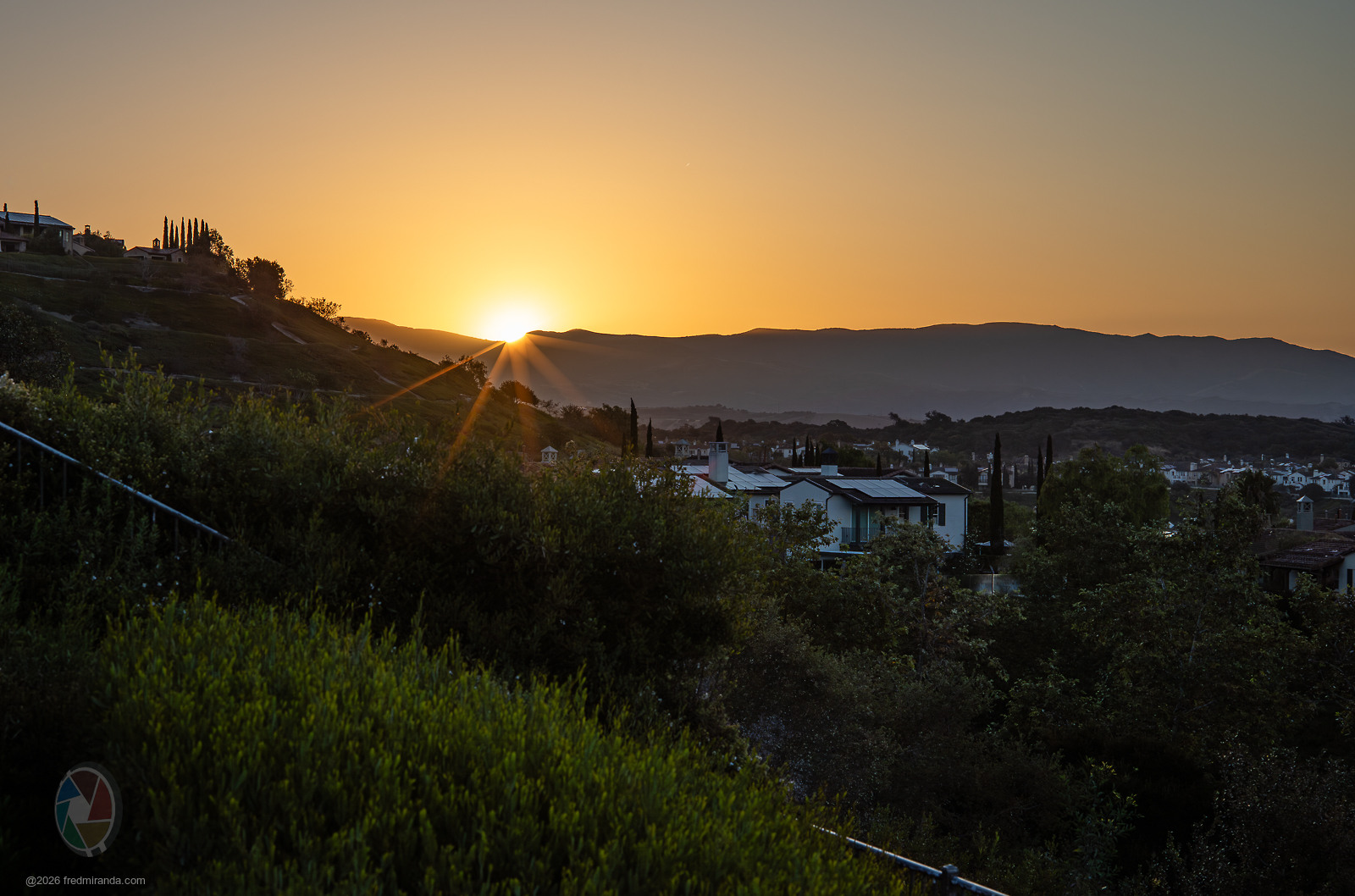
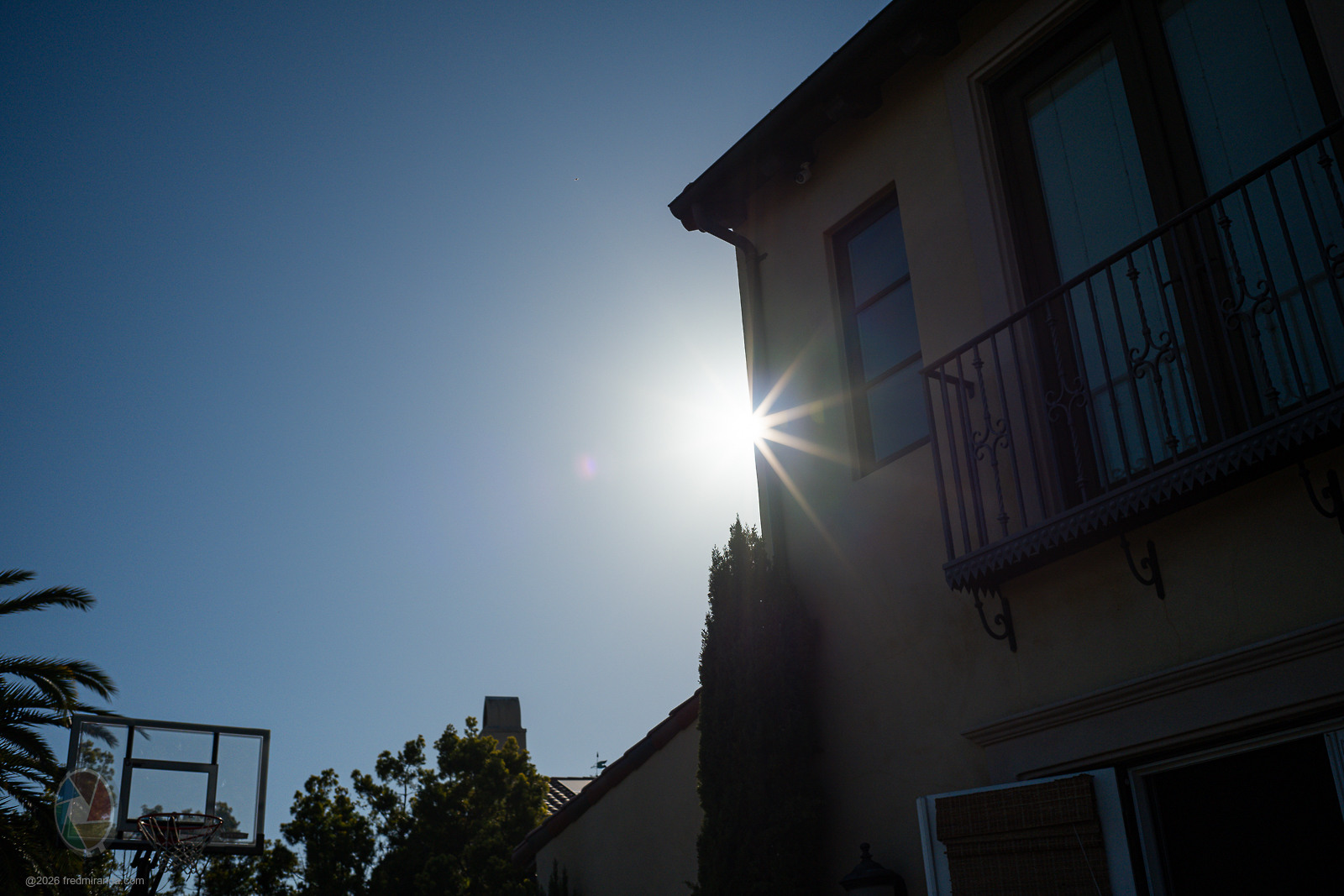
⦿ Beautiful and well-defined 10-point sunstars
⦿ Strong close range performance with minimal focus shift
⦿ Smooth focusing helicoid with excellent build quality
⦿ Works very well on Sony and Nikon mirrorless bodies despite thicker sensor stacks
⦿ APO correction delivers highly reliable, high IQ results
⦿ Rendering offers smooth transitions with minimal outlining, resulting in a modern look.
⦿ Very usable wide open at f/2.8
⦿ Compact hood design is well thought out
⦿ Excellent rangefinder alignment and mechanical precision on my sample
Cons
⦿ f/2.8 aperture limits subject separation compared to faster 75mm lenses
⦿ Mild pincushion distortion requires correction for critical work
⦿ Some minor lateral CA still visible at pixel level before correction
⦿ Vignetting is noticeable wide open
⦿ Minimum focus distance limited to 0.7m
⦿ Rendering may feel too clinically corrected for those wanting more character
⦿ Diffraction becomes noticeable by f/8 on high resolution sensors
⦿ Aluminum construction keeps weight low but feels less premium than brass
|