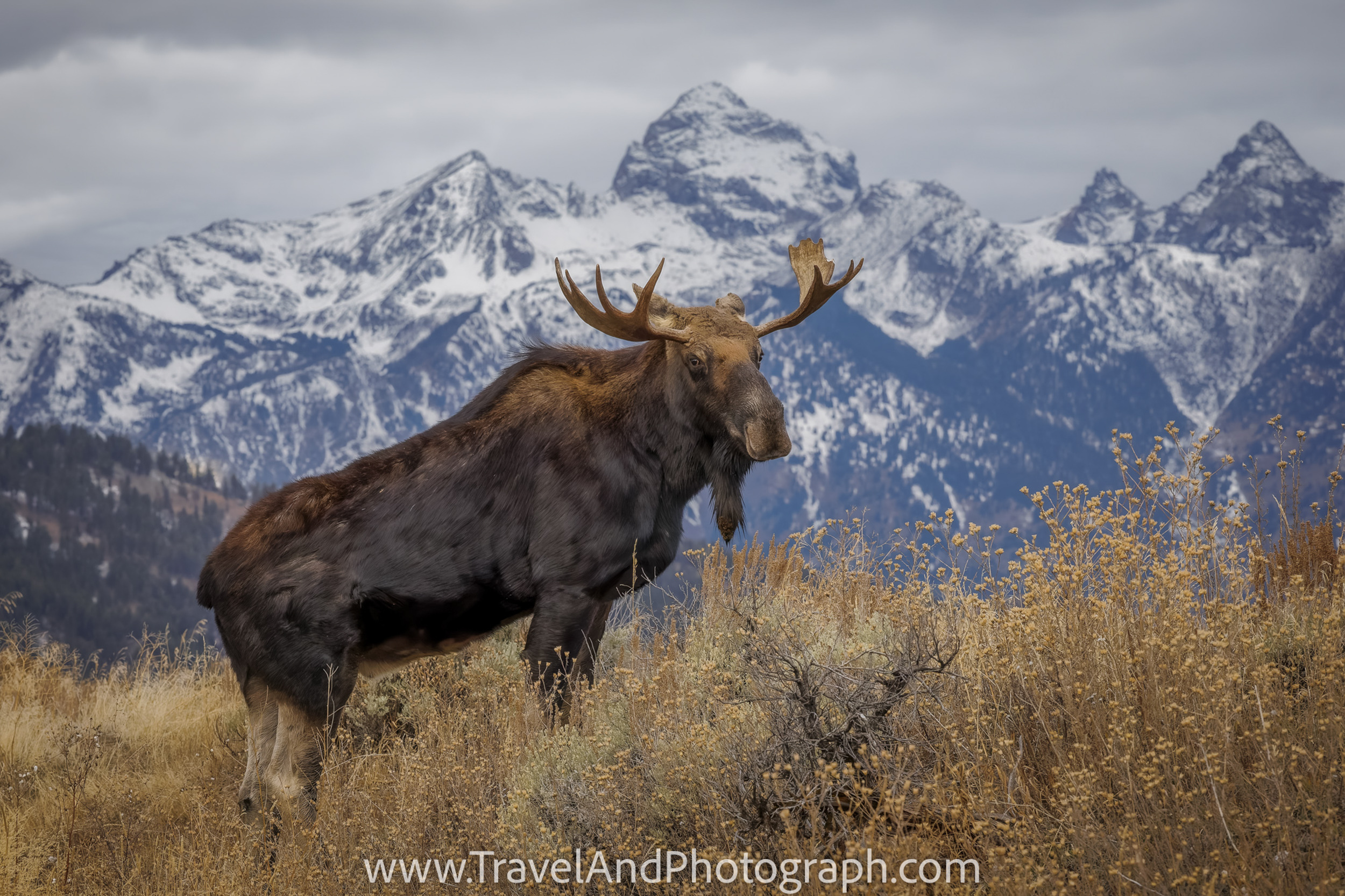
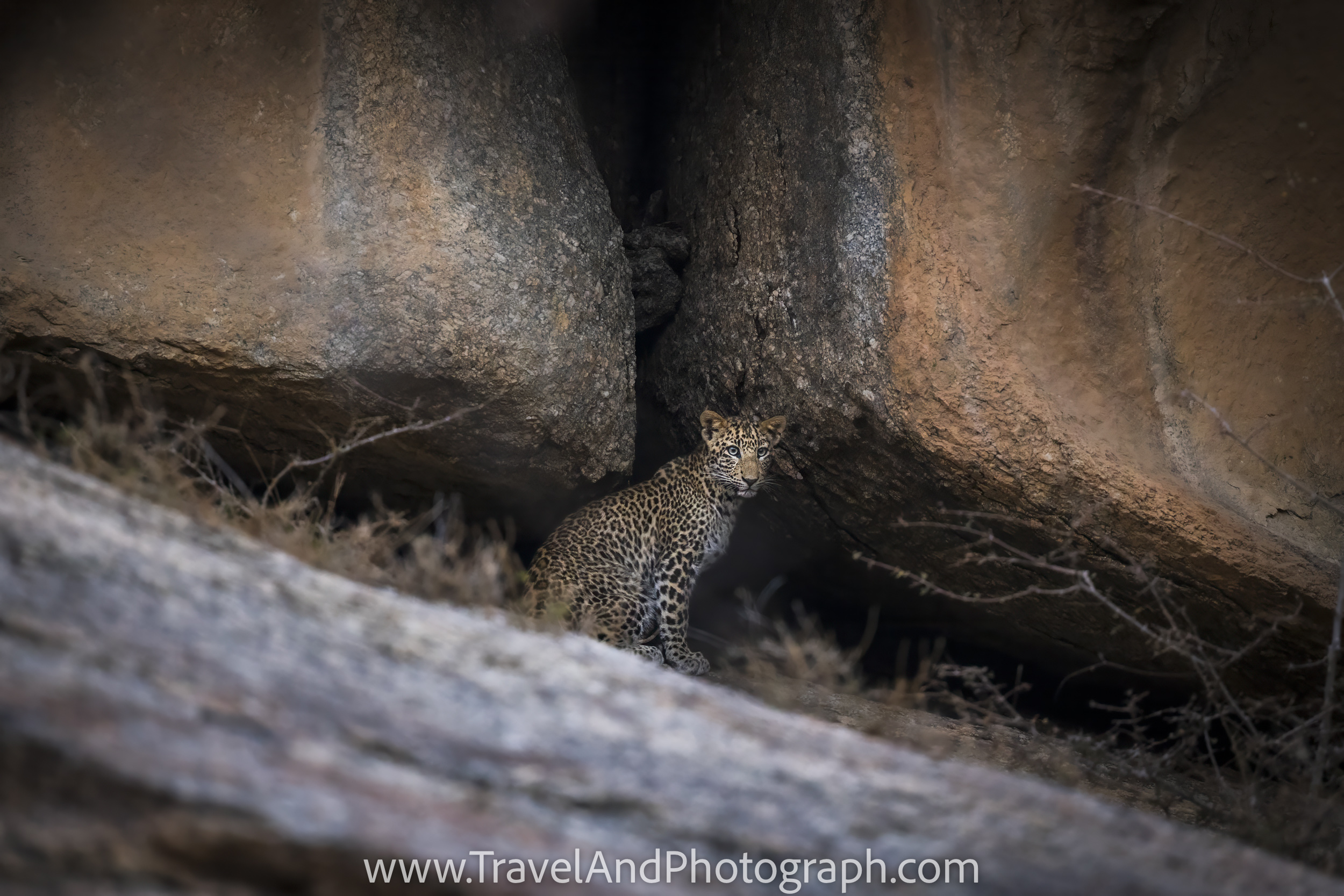
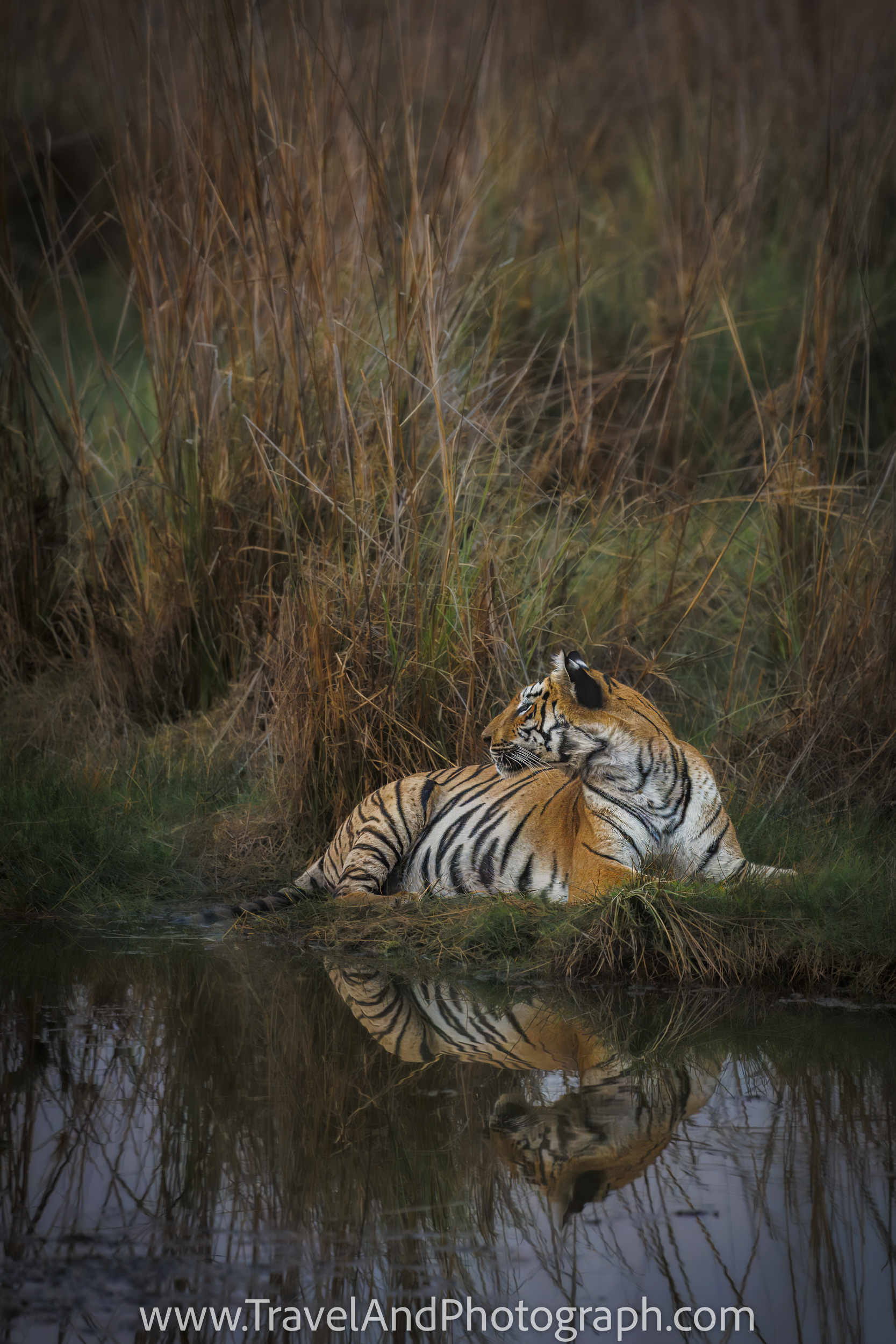
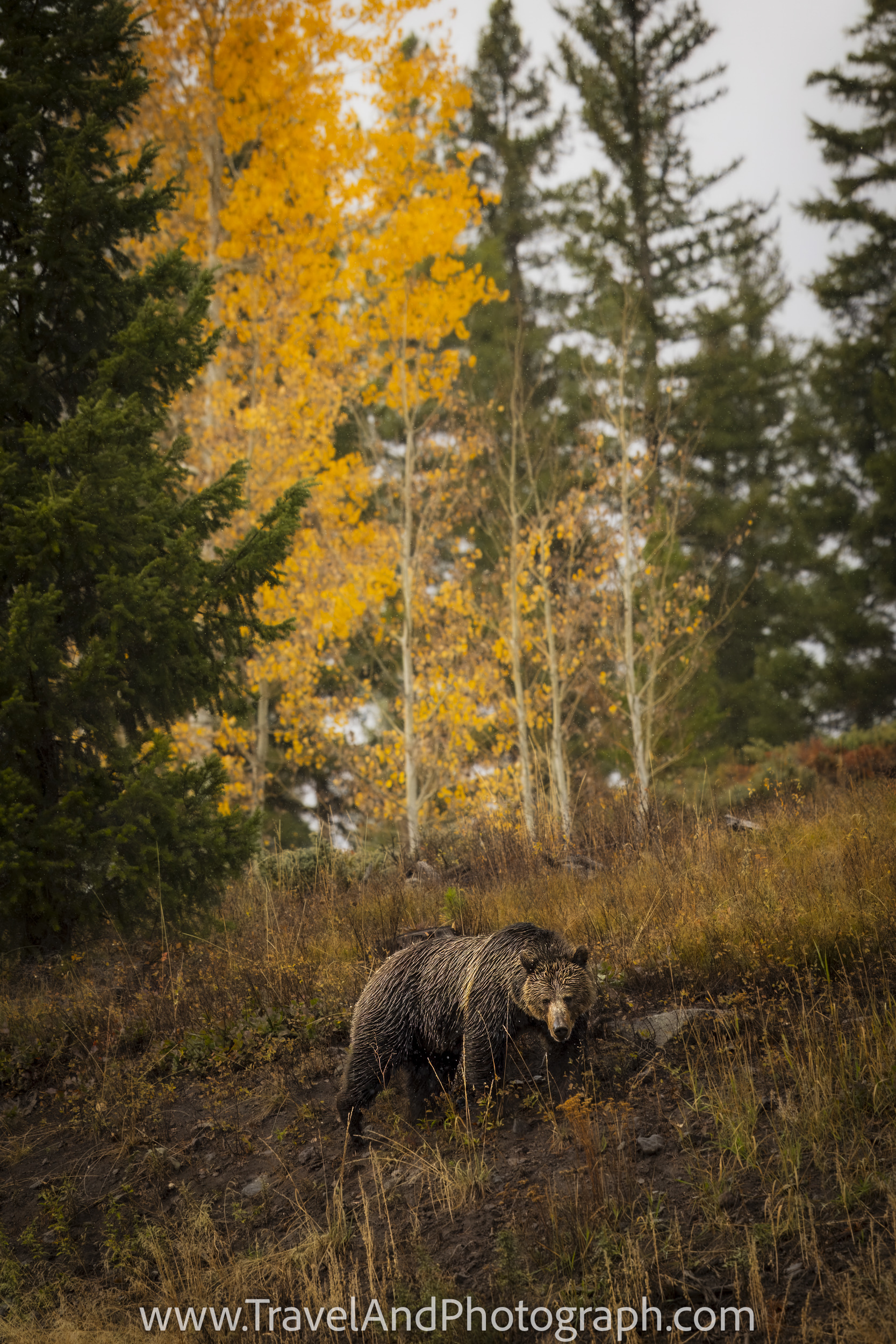
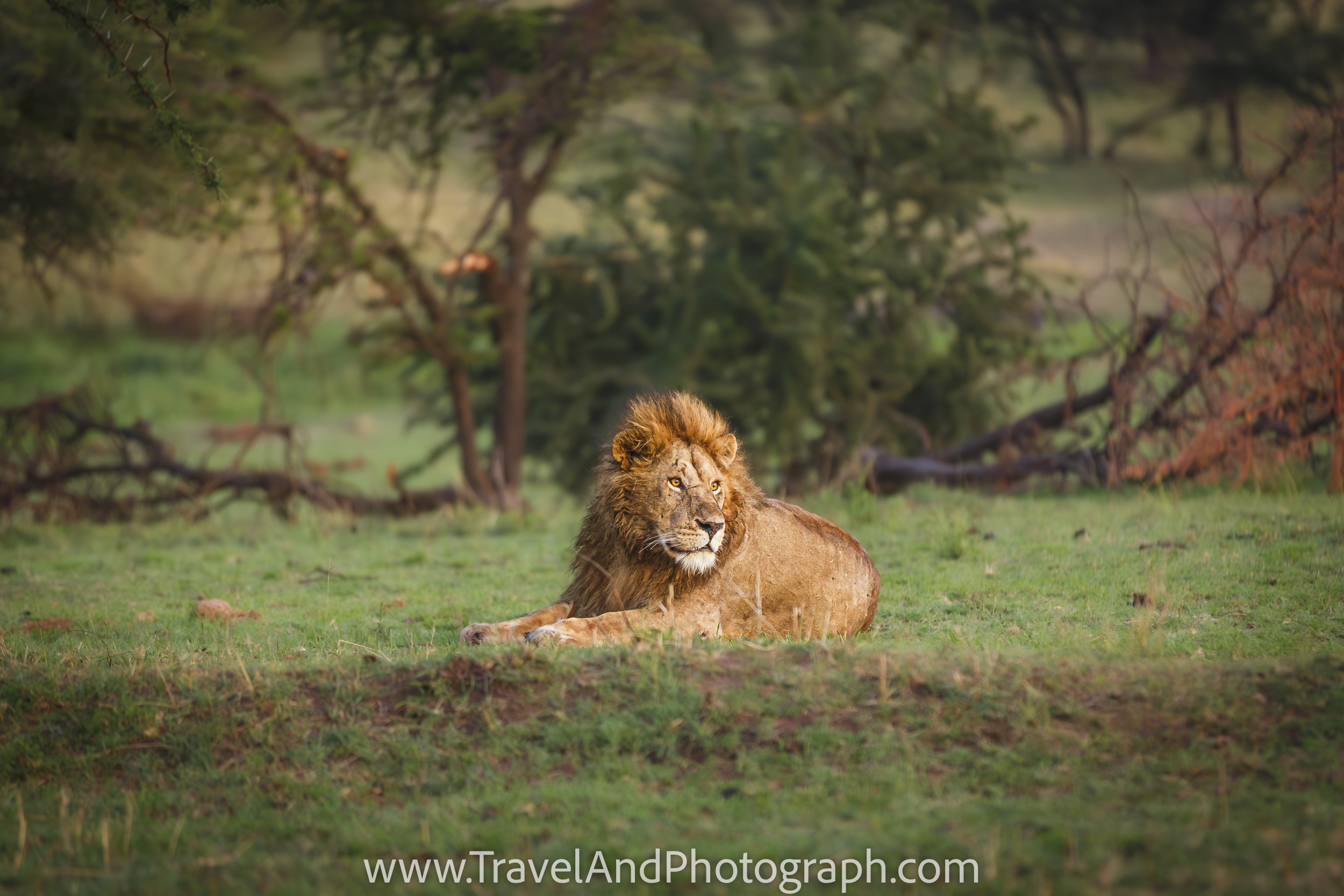
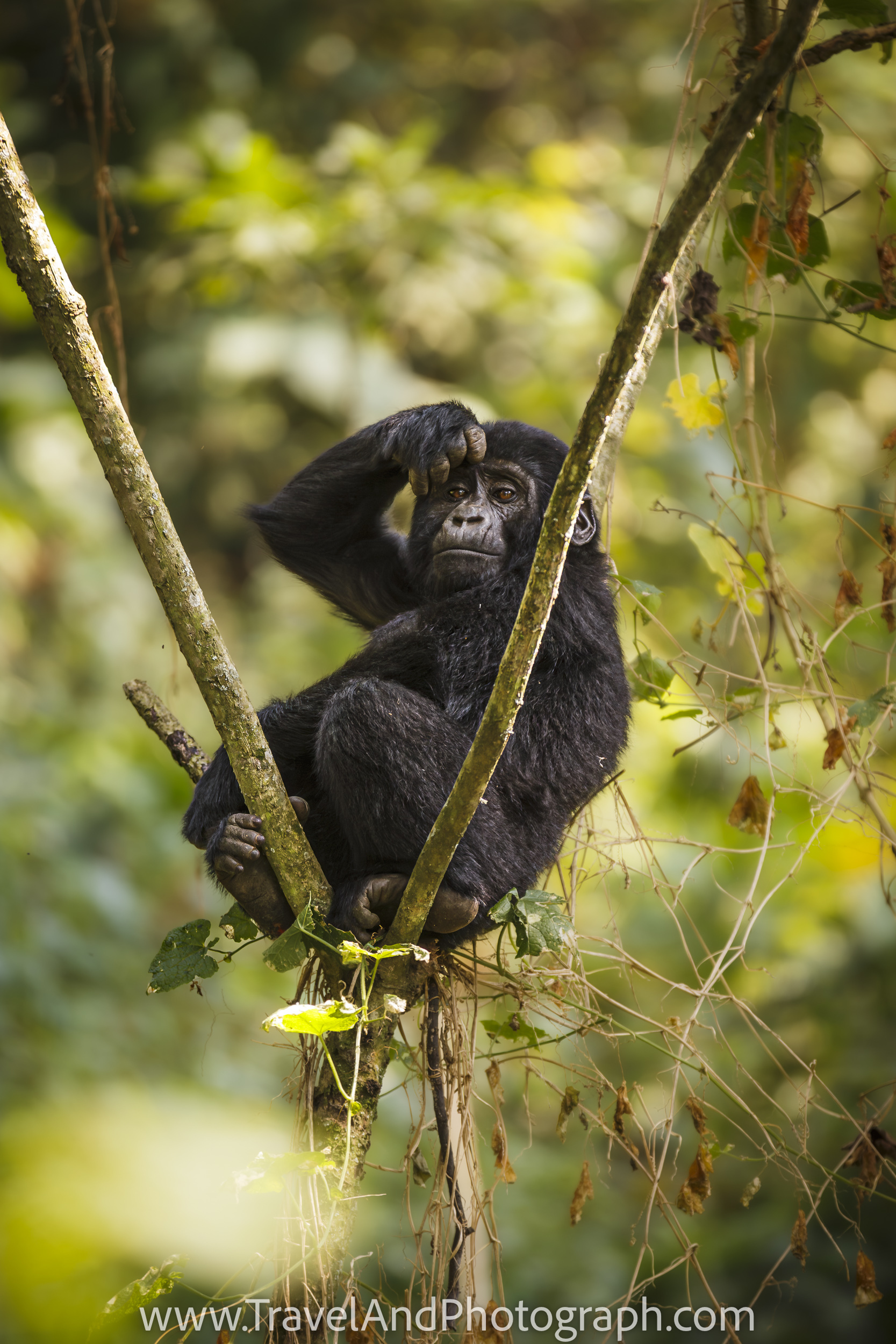
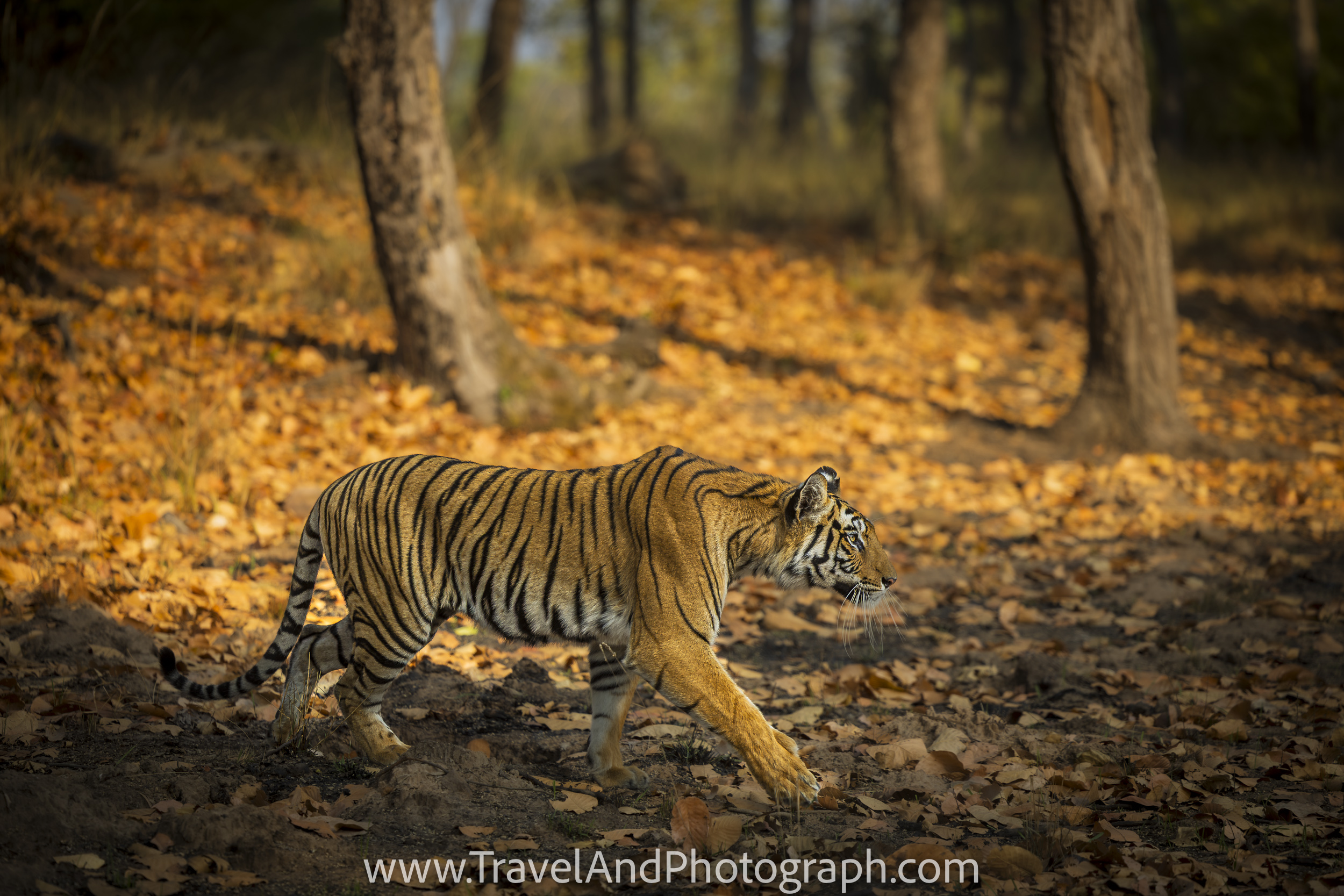
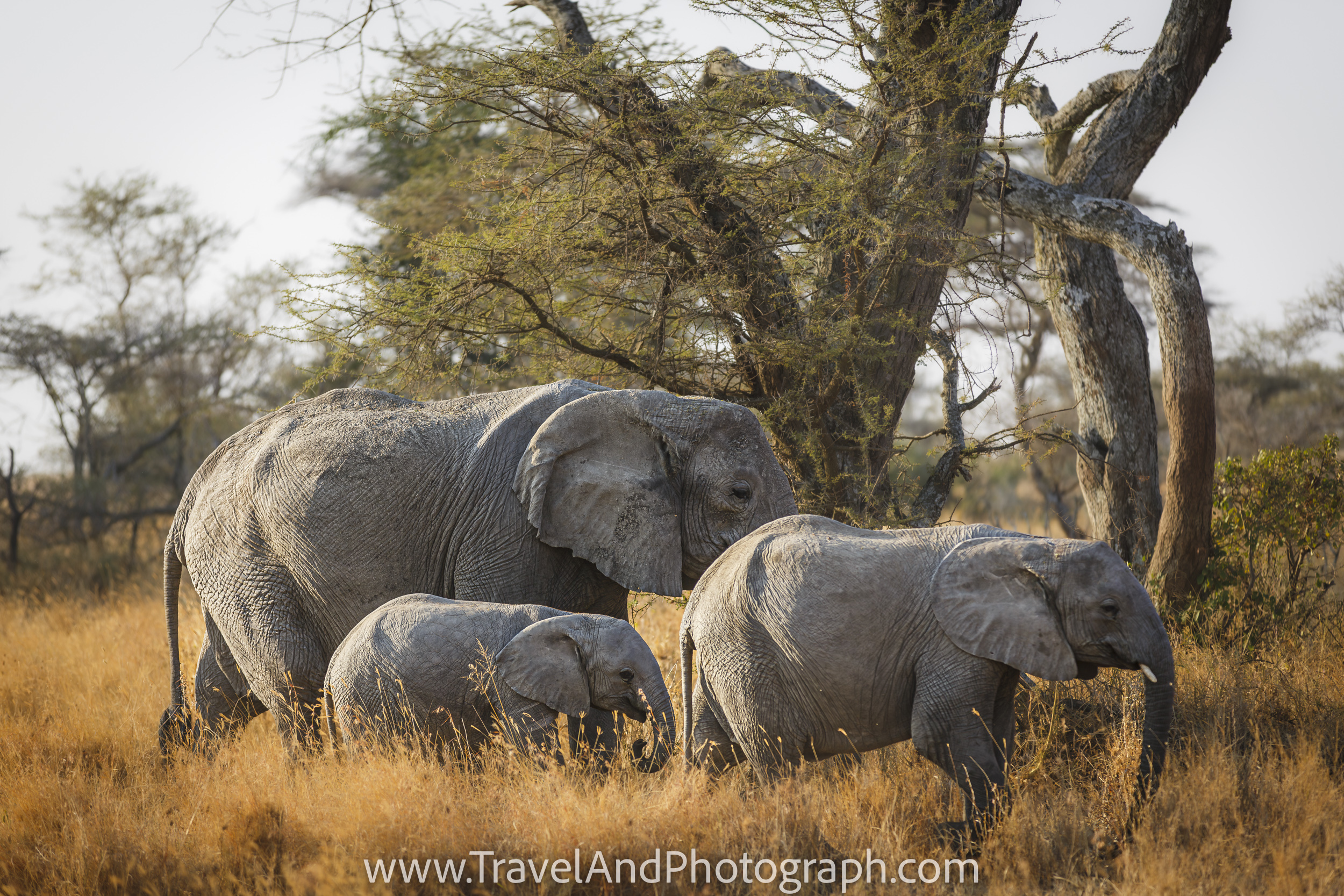
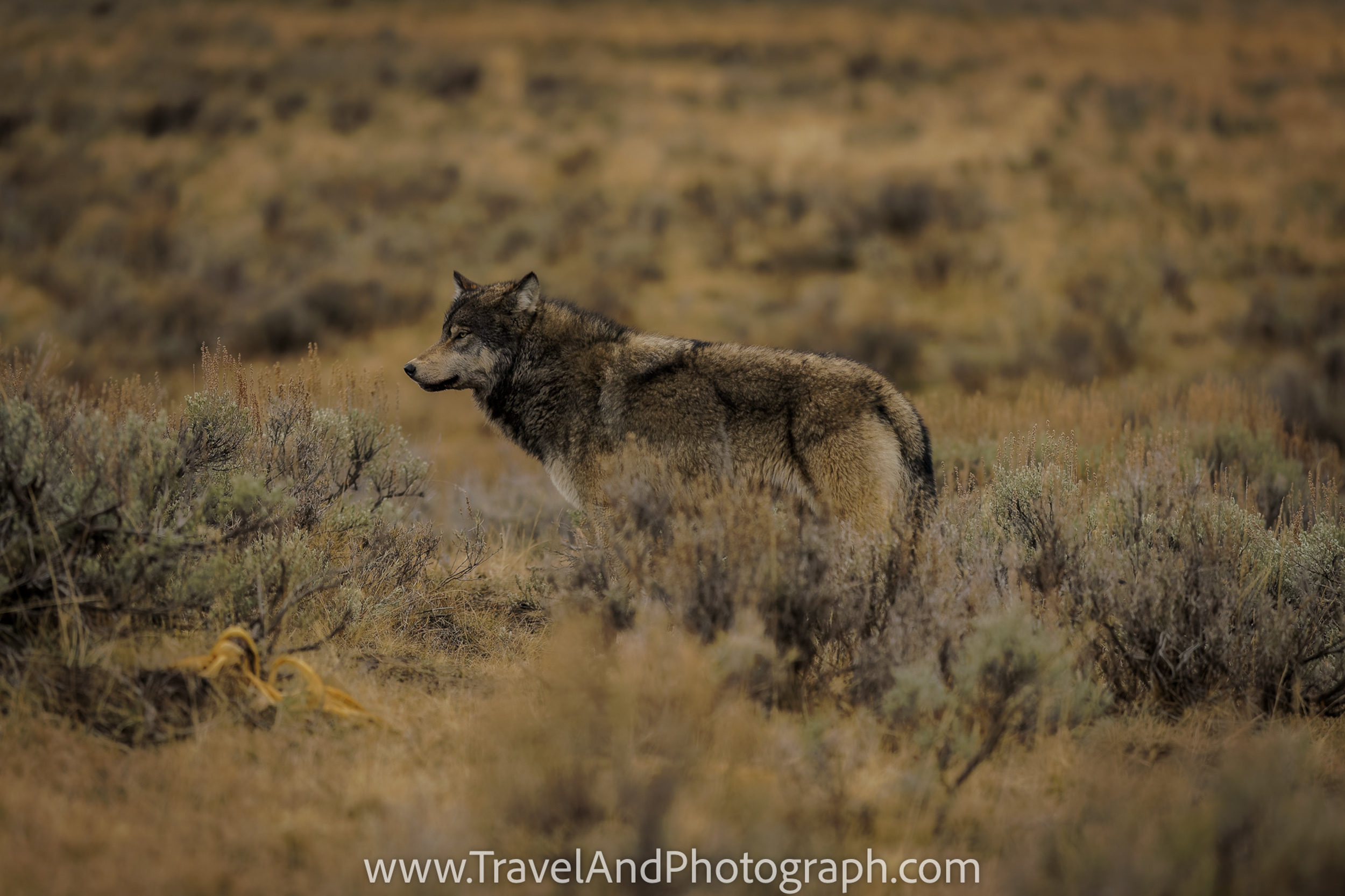
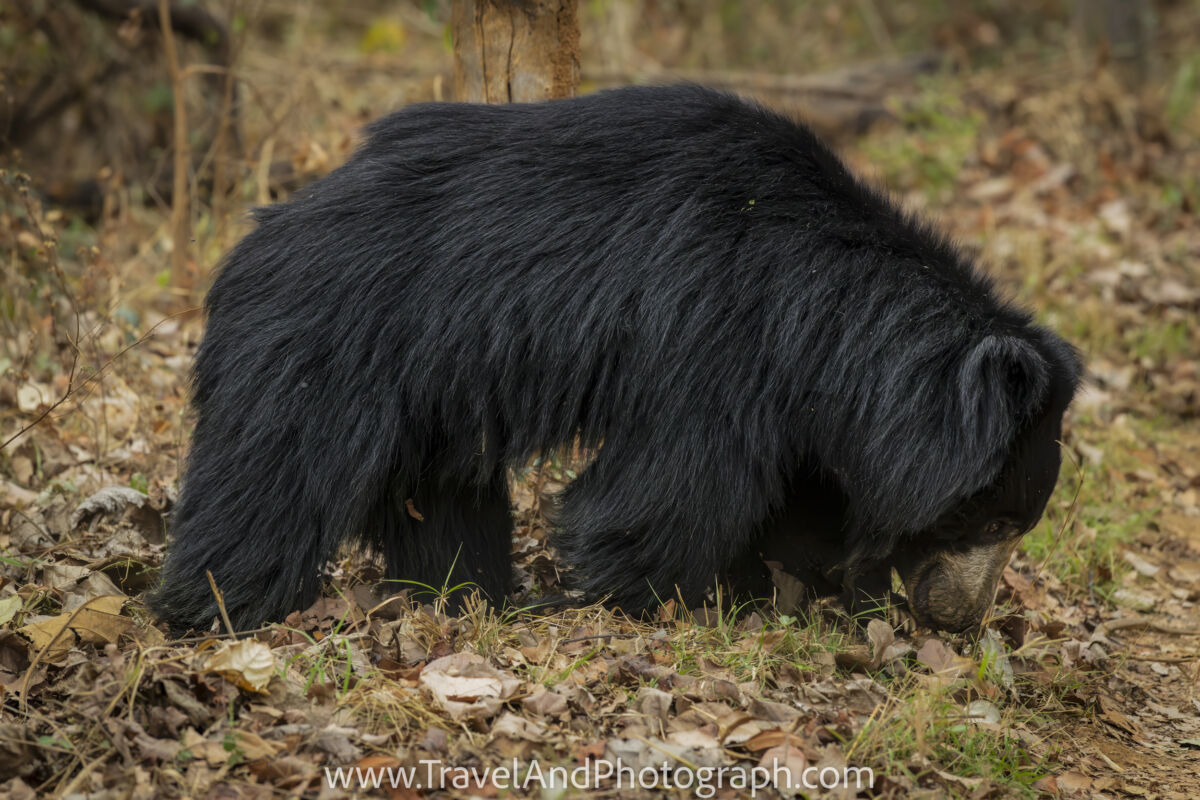
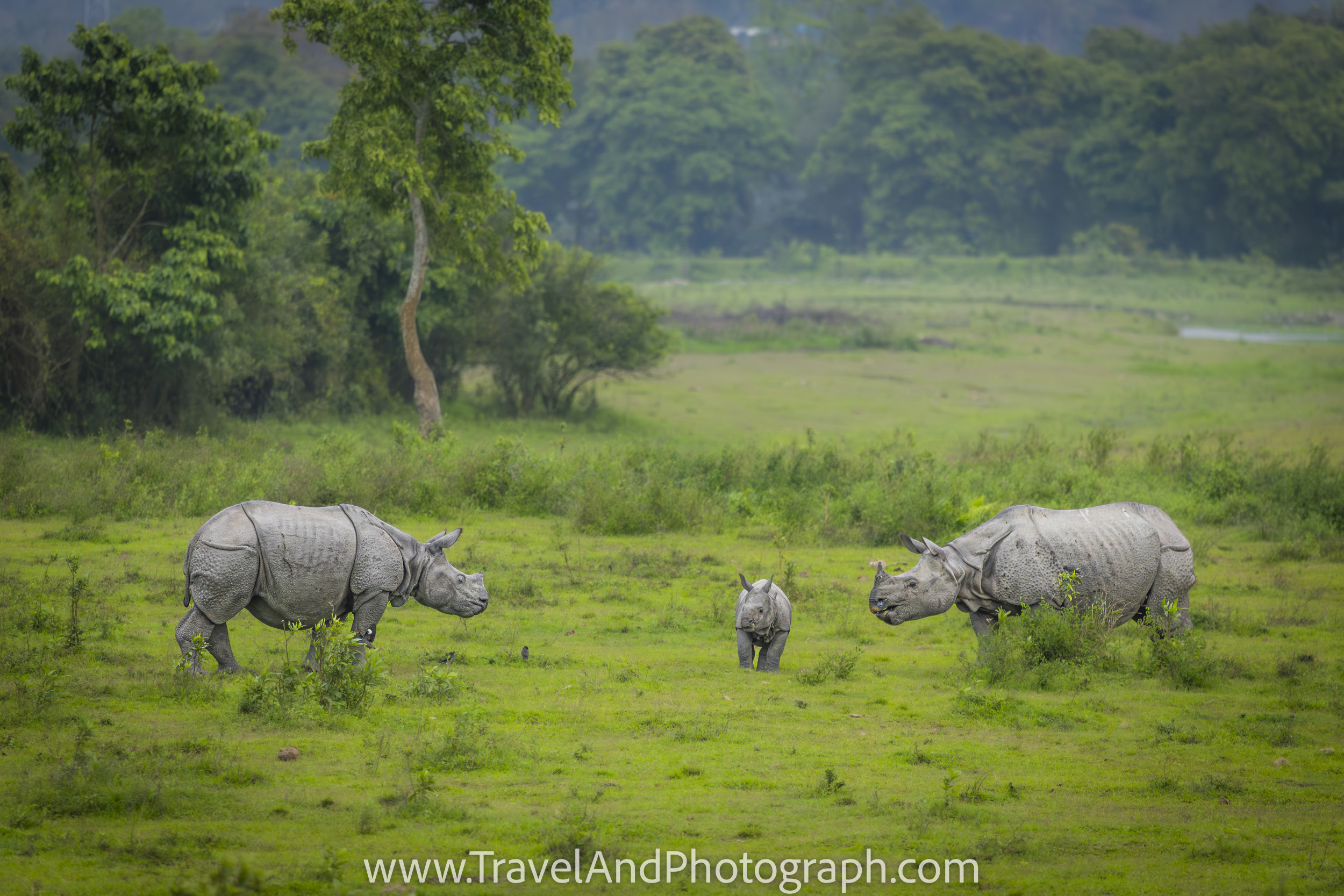
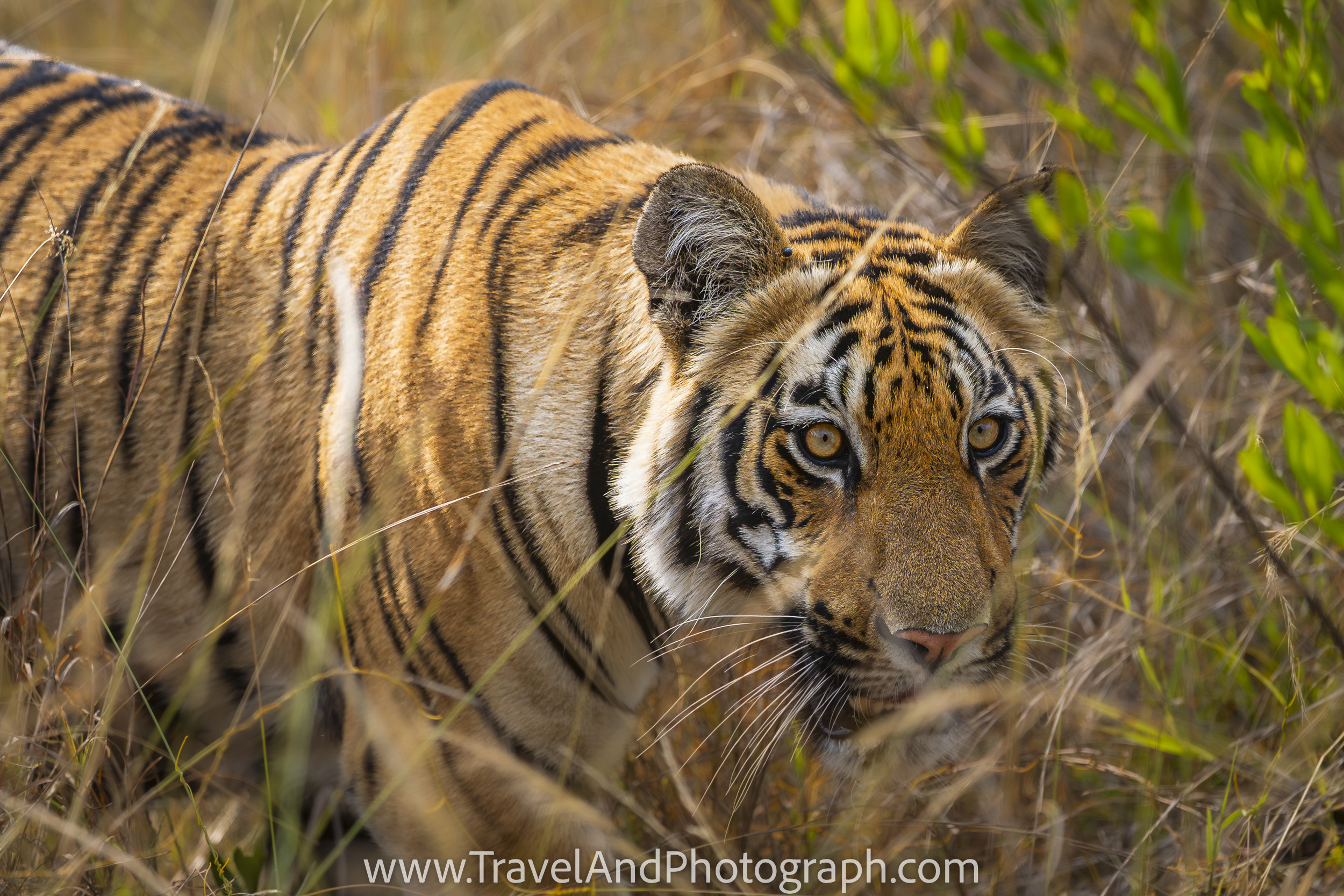
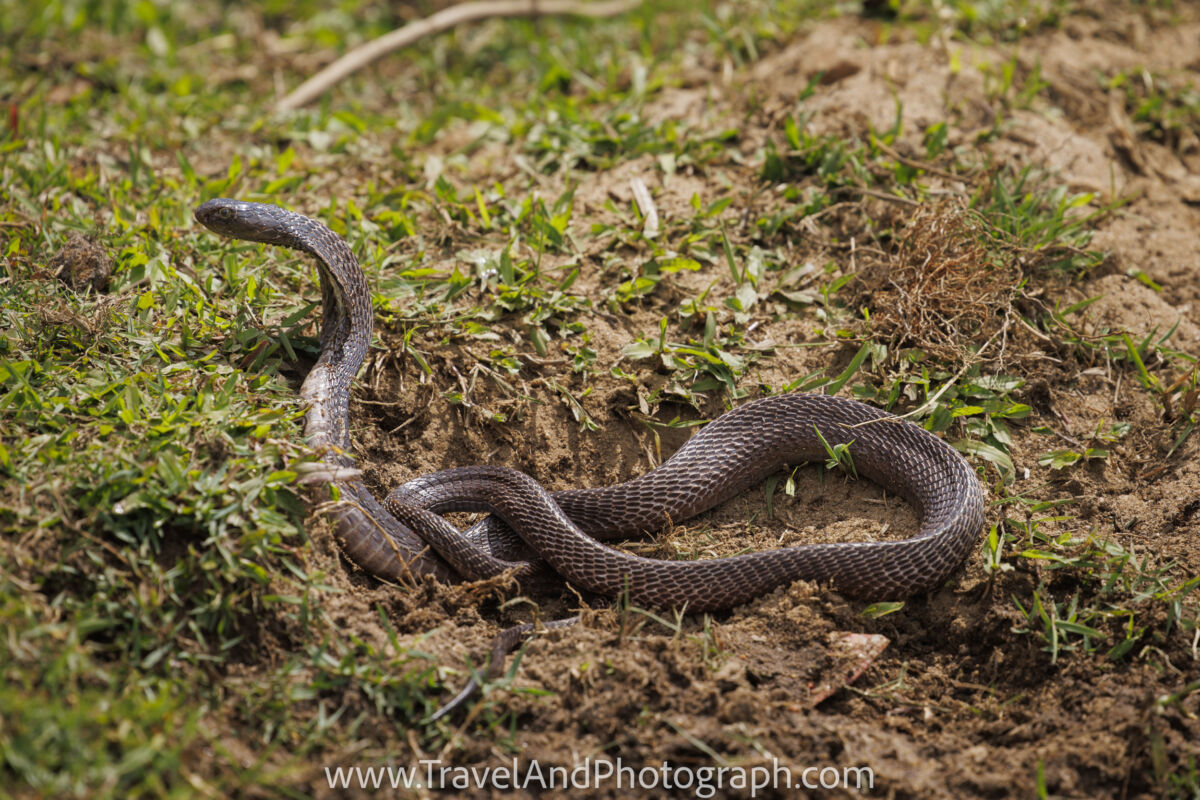
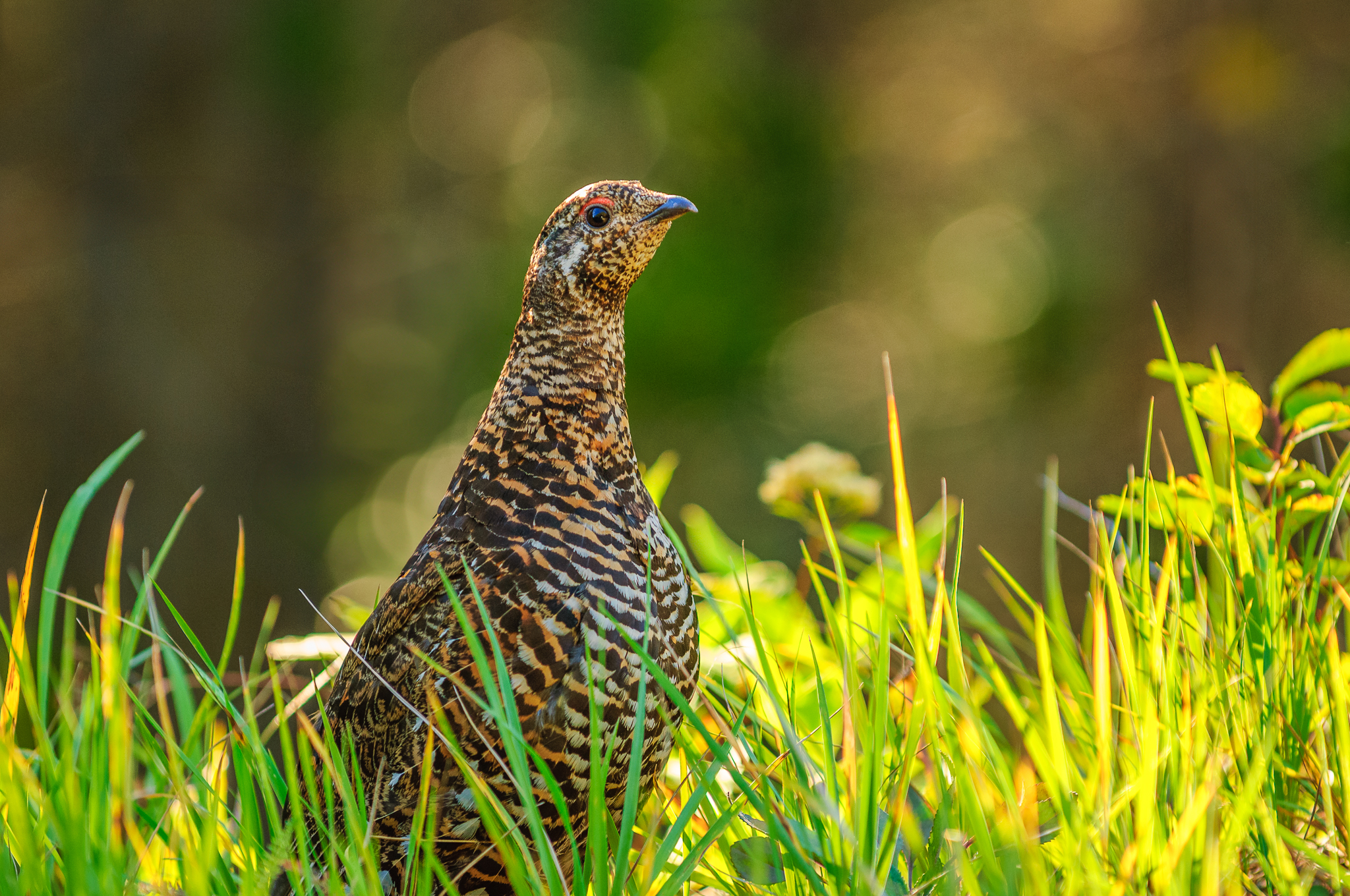
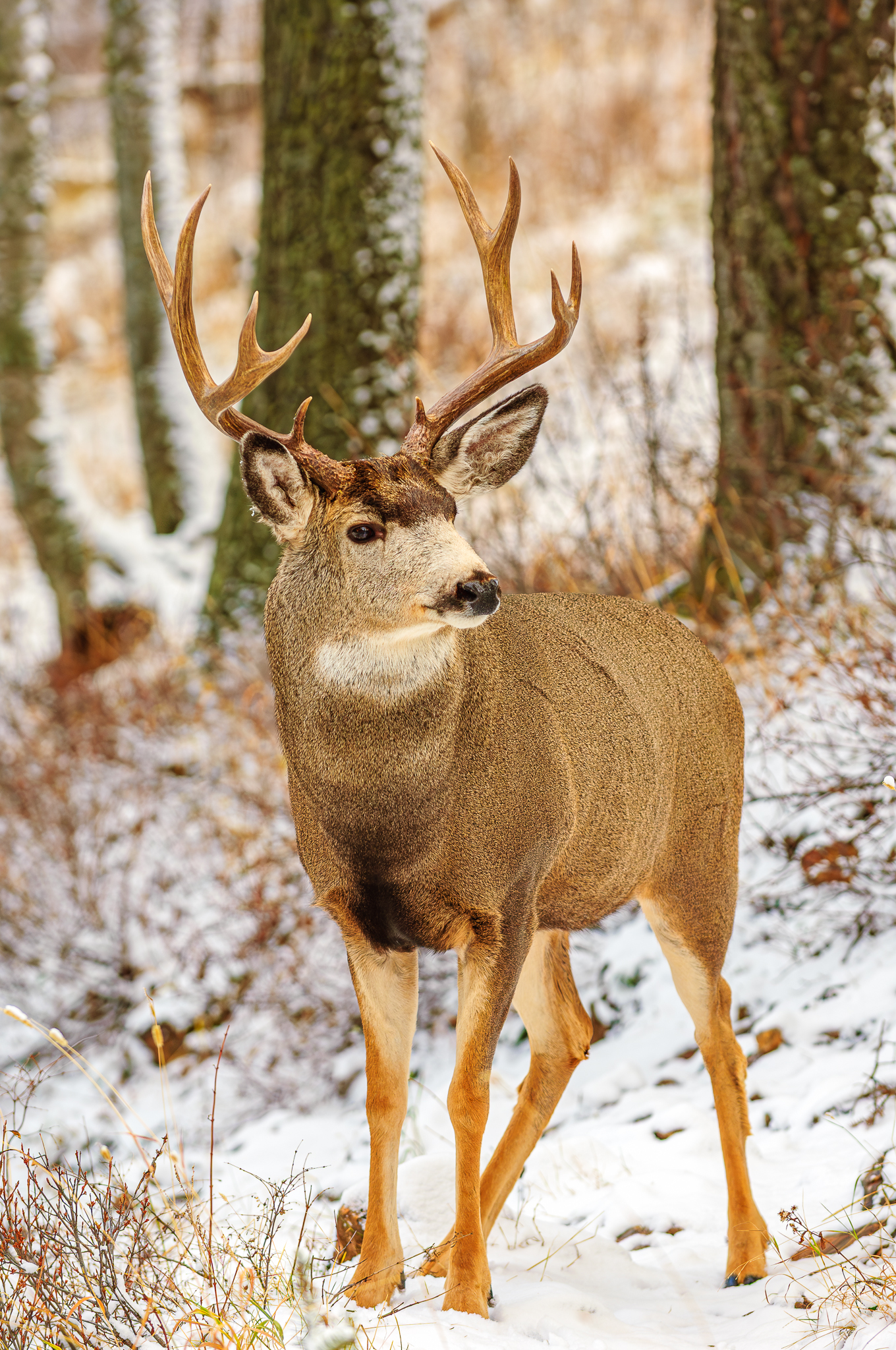
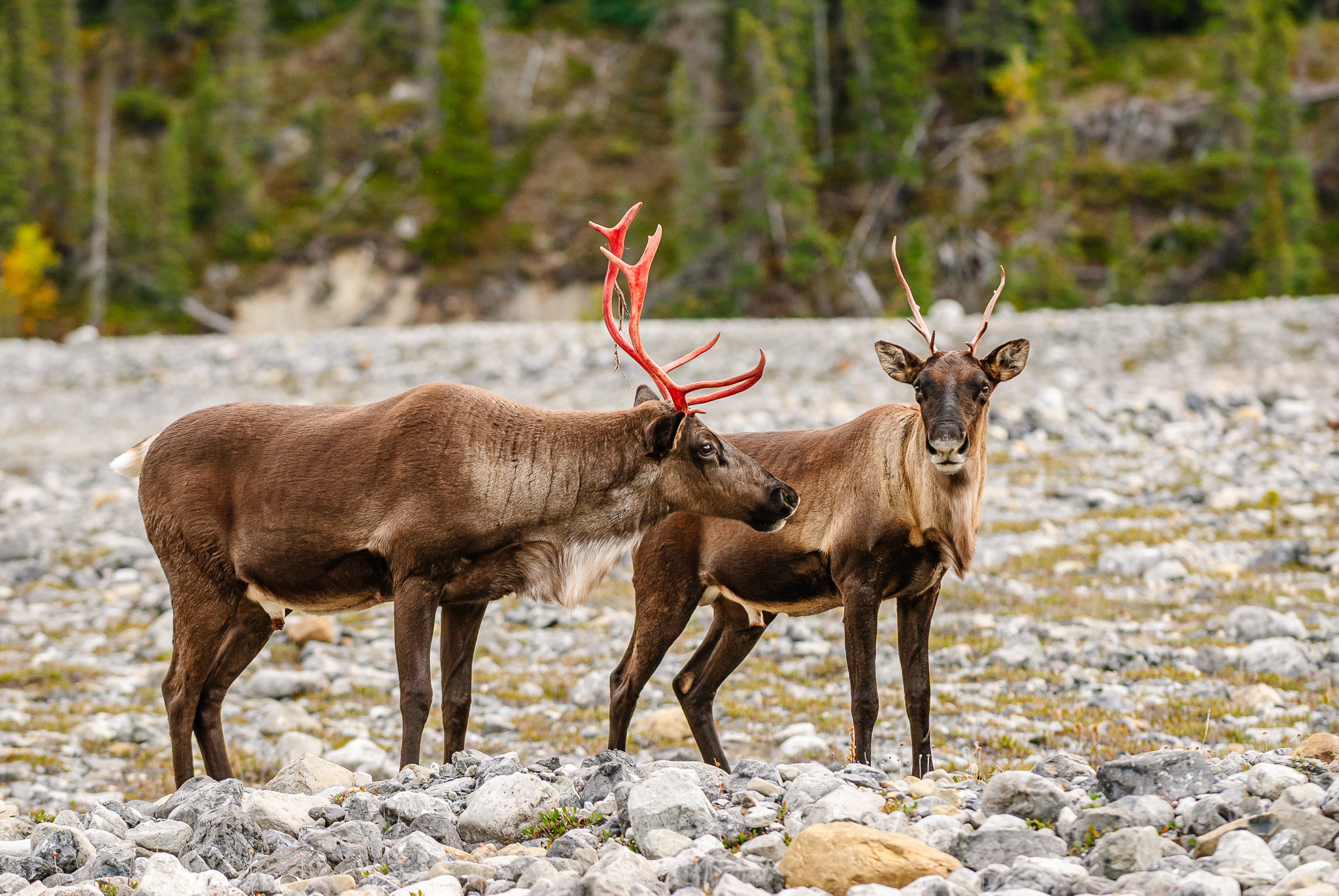
Some people will say that the 70-200 2.8 is not a wildlife lens. In all of it's iterations has been a staple in portrait, photo journalism, sports photography and weddings - I have photographed over 600 weddings, and 99% a 70-200 2.8 has been with me. But what about for wildlife? Some will say no, its too short, and that you need a 100-500, 200-800, 400 2.8, 600 4.0 etc, and those lenses are nice, especially for close ups. The 70-200 2.8 can tell a different story, I have written an article I hope you will enjoy that discusses the 70-200 2.8 for this purpose.
If those are uncropped and the animals are wild (not captured)… some of those photographs were made from dangerously close distances. Seriously.
Nah, the wild animals come right up to the vehicle and use it for shade, spotting, preying, itching, etc. The most dangerous is not pictured here, the African buffalo. They charge vehicles, a long with an occasional elephant.
The 70-200 is a standard wildlife lens in my stable, always used as a supplement to a second body with a longer lens.
the 70-200 is standard in my wildlife photo backpack on trips, along with the 400 2.8 and some extenders. Contemplating the Z version of the 70-200 because it can take converters too.
the 70-200 is standard in my wildlife photo backpack on trips, along with the 400 2.8 and some extenders. Contemplating the Z version of the 70-200 because it can take converters too.
I'm enjoying the Z version. Fast focus, very light/easy zoom ring to rack end to end quickly, yet doesn't feel 'loose', very sharp and is available in black. The only downside is that it's longer than the other RF 70-200s when in transit, meaning it has a larger footprint in a bag because it usually has to lie down rather than stand up in a slot/compartment.
artsupreme wrote:
Nah, the wild animals come right up to the vehicle and use it for shade, spotting, preying, itching, etc. The most dangerous is not pictured here, the African buffalo. They charge vehicles, a long with an occasional elephant.
The 70-200 is a standard wildlife lens in my stable, always used as a supplement to a second body with a longer lens.
OK, you are shooting from a vehicle… Got it.
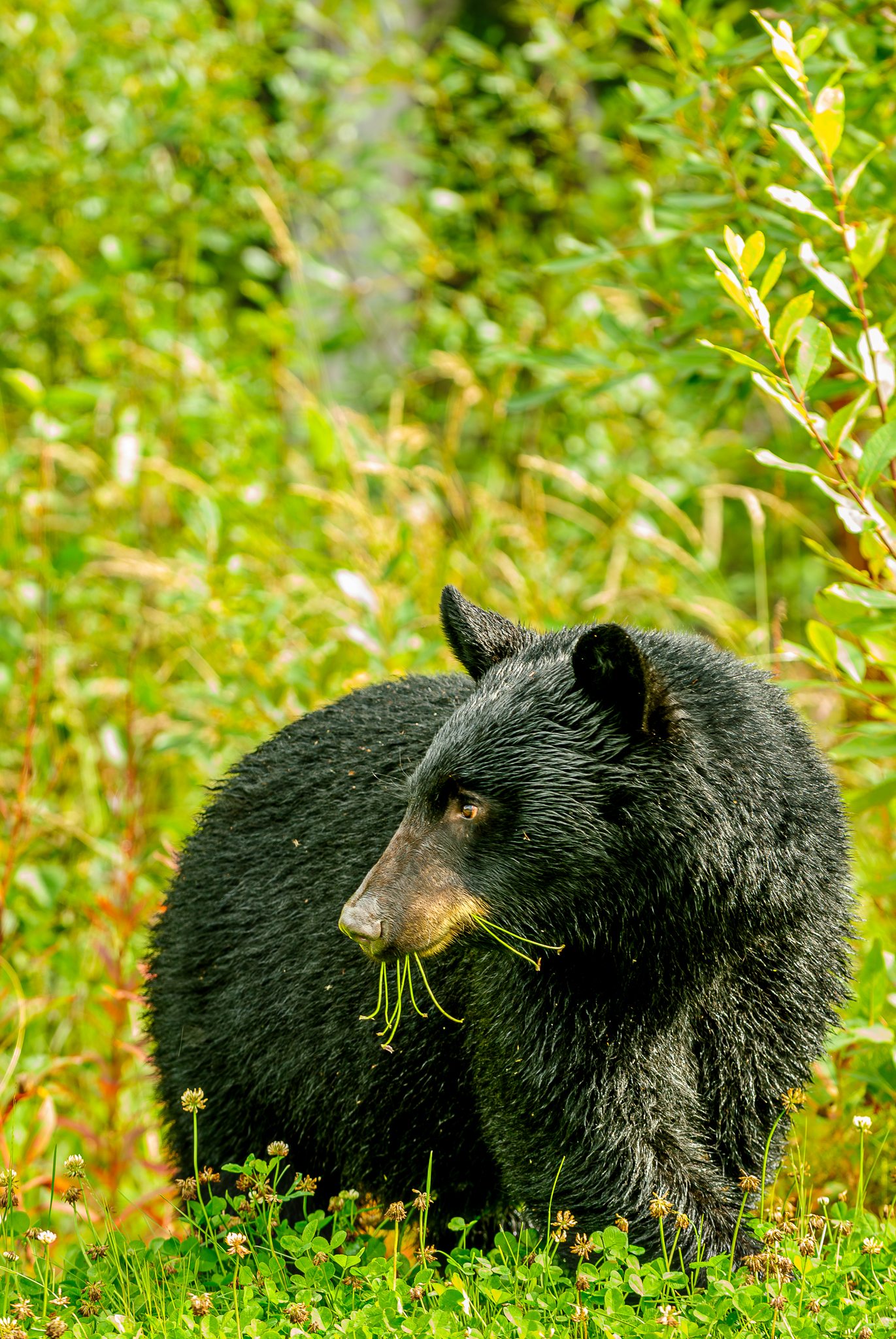
The most potentially dangerous wildlife I photograph are bears, most often black bears but occasionally brown bears. I don’t shoot from a vehicle, and I’d never get that close with that kind of protection.
I used a variety of 7-8 80-200s and 70-200s over the years on safari, mostly for the larger species like ellies and giraffes. Even today a 70-200 matches well with a 200-600 or 180-600 lens.
The most potentially dangerous wildlife I photograph are bears, most often black bears but occasionally brown bears. I don’t shoot from a vehicle, and I’d never get that close with that kind of protection.
Africa and India where Jason shoots are a very different shooting environments. Even on walking safaris, wildlife can be much closer and, for the most part, the animals are far more habituated to people and vehicles than a bear would be in North America.
That doesn’t mean they’re safe or predictable — buffalo, elephant, hippo, etc. are obviously extremely dangerous — but the access and behavior are very different. A 70-200 can be very useful there because you’re often working in much closer proximity, whether from a vehicle or sometimes even on foot with experienced guides.
You can be outside the flight distance, so that the animal doesn’t run away, but still stressing the animal. If they have young, they may not be tending them, and in particular if you harass a nesting bird the eggs aren’t being kept warm. While they’re warily watching you (as seen in so many photos) they’re not feeding.
If the animal does flee, you’ve caused it to expend energy.
And yes, of course, animals which are habituated to humans may be completely relaxed and even enjoy the attention.
All animals are wild. Some of the images are cropped, but not too heavily. With the tigers, lions, predators - if you stay in your vehicle you are safe. If you get out of your vehicle, that safety net is gone. I've led enough trips to Africa and India to understand the situations. I also have an amazing ground grew in each country that I partner with.
The moose, grizzly bear, and young gorilla were made on foot. the rest were made from a vehicle.
dangerous is interesting word, and i have never put myself nor my clients in a dangerous situation that could lead to death via an animal.
gdanmitchell wrote:
Some notable images, but…
If those are uncropped and the animals are wild (not captured)… some of those photographs were made from dangerously close distances. Seriously.
I also want to say, I will not do walking safari's were lions and tigers are. Too risky. I have had clients ask, and there are areas where it can be done, but risk vs reward. Again, i work, with a fantastic crew of locals and safety is the number 1 priority for my guests and myself.
artsupreme wrote:
Nah, the wild animals come right up to the vehicle and use it for shade, spotting, preying, itching, etc. The most dangerous is not pictured here, the African buffalo. They charge vehicles, a long with an occasional elephant.
The 70-200 is a standard wildlife lens in my stable, always used as a supplement to a second body with a longer lens.
prefer the 28-300 ef. Worked great for elephants who walked toward me. I could reach out follow them all the way in ending up at 28mm without switching lenses. the 70-200 is ok if it takes multipliers. Otherwise it is too limited and too short as a general purpose wildlife lens.
With all my neuromuscular issues and muscle wasting in general it will probably be a long time before I can wield the 300/2.8 again. My stopgap has been to bring a 70-200/2.8 IS II and a 2x III together, which it looks like performs similarly to longer zooms. Obviously not competing much with primes. But we'll see, haven't had any opportunity to try it yet.
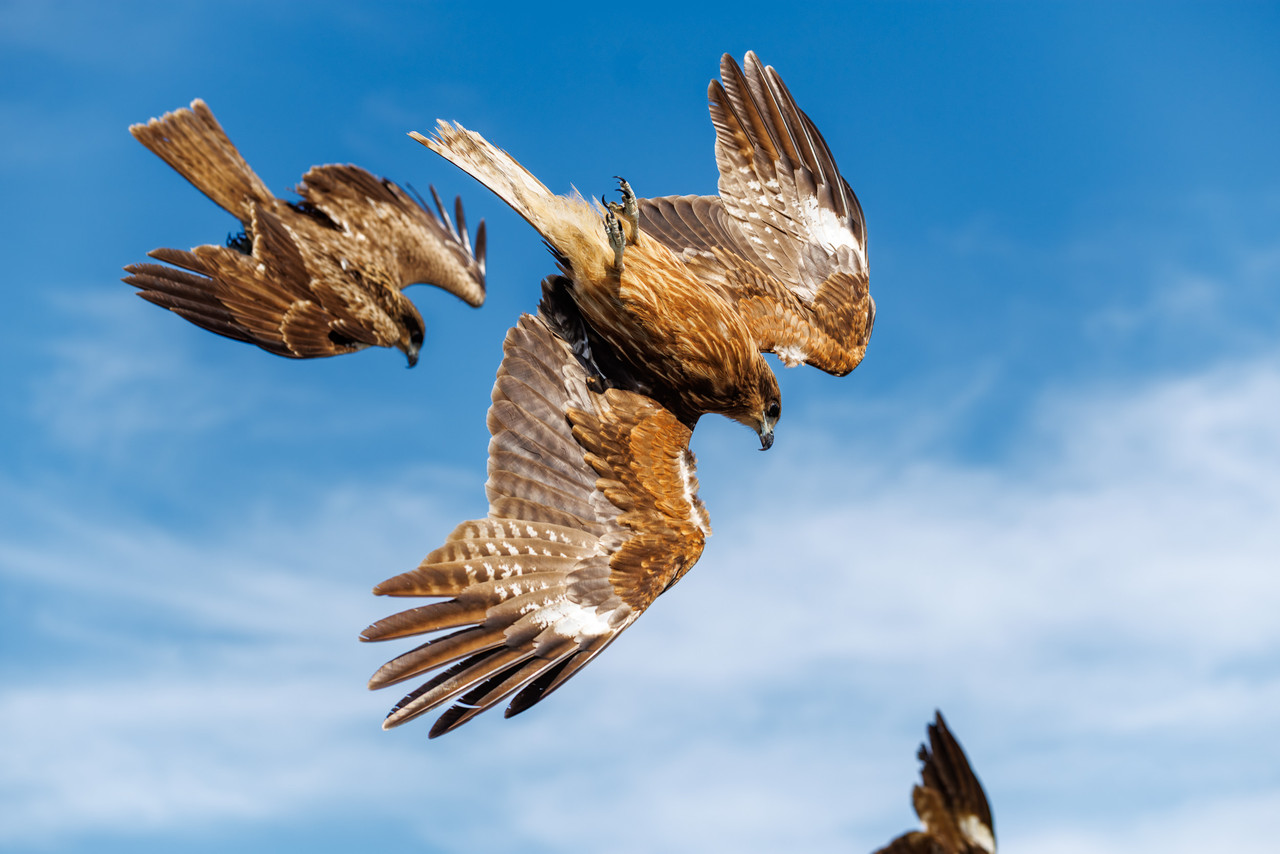
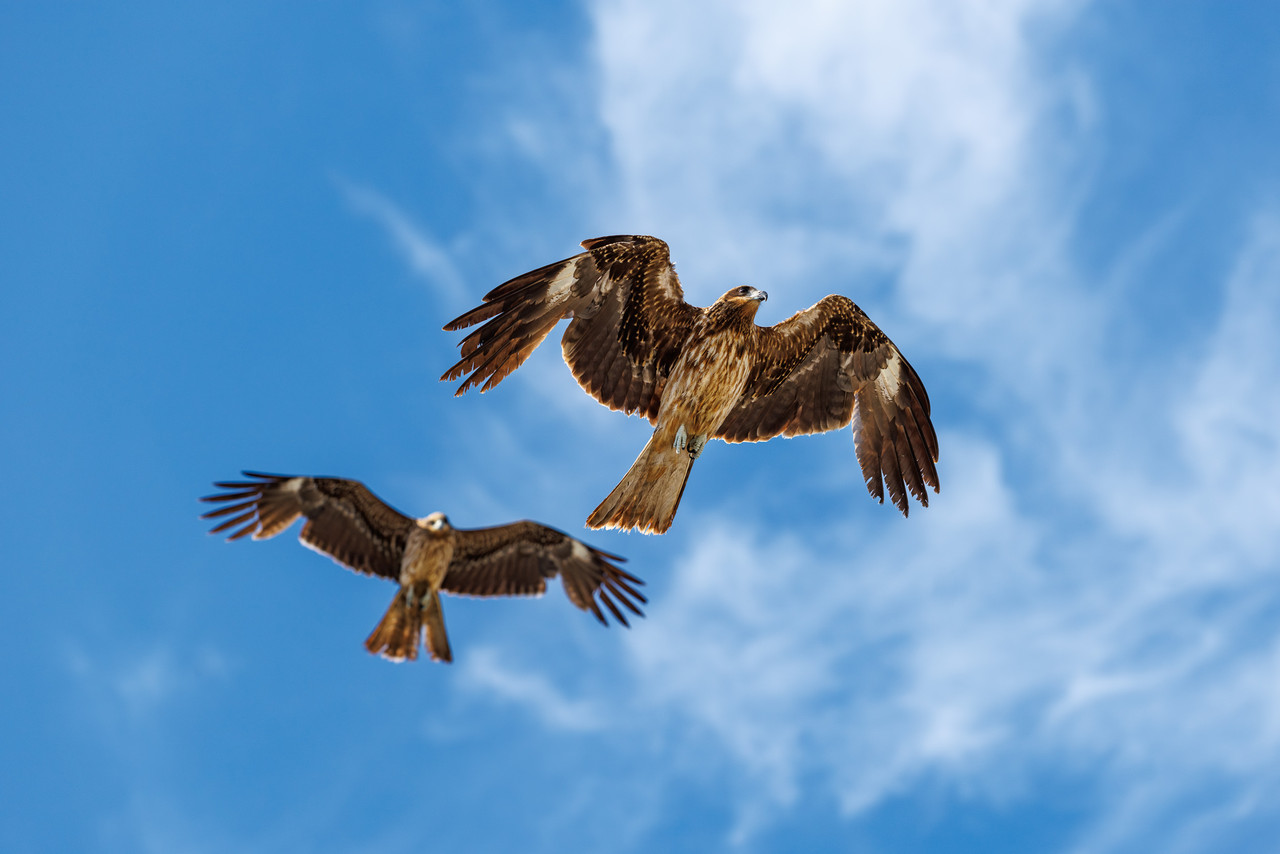
These are black kites, apparently. Called 'Tobi' in Japan and very human habituated. They hover over the beach waiting for unsuspecting humans to leave food in the open, which they will swoop down to grab. Basically like gulls, but faster with sharp talons and beaks.
First was 183mm and second was 119mm. This is about as much birding as I ever do, as it was simply opportunistic. They were so close and easy to track.
Great topic and article. The 70-200 is a great wildlife lens and the lack of reach can be a great reminder to try a bit of environmental portraiture with your subject. We can all be seduced at times to frame as tight as possible, but we often miss the story in that case.
This is a Spirit Bear I photographed on foot in the Great Bear Rainforest at 200mm.
We nicknamed him Two Fish. Also at 200mm.
This was at 177mm. In Kenya.
Silverback at 142mm. In Rwanda.
Look both ways before leaving your tent . In Mana Pools, Zimbabwe. At 200mm.