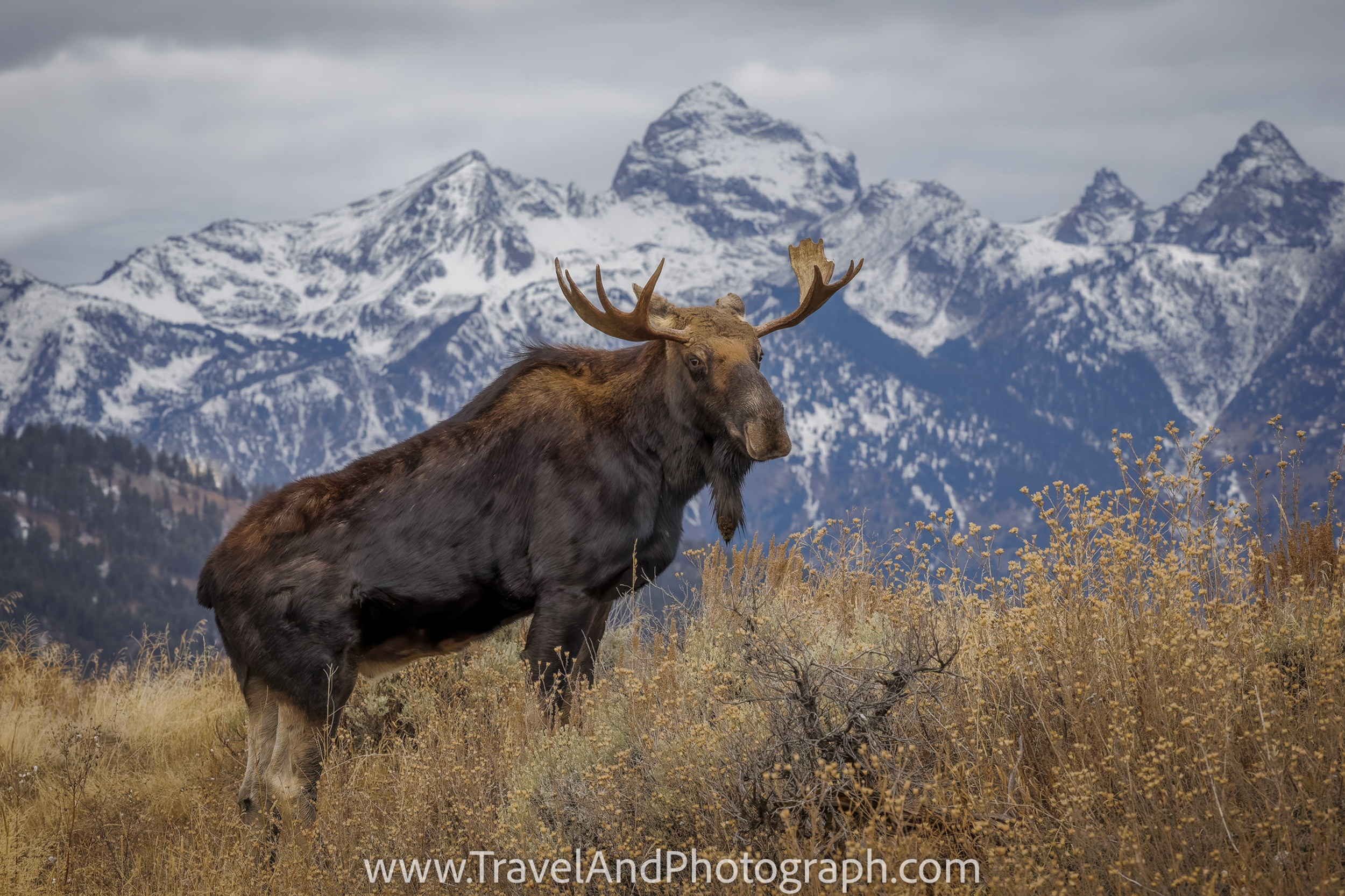
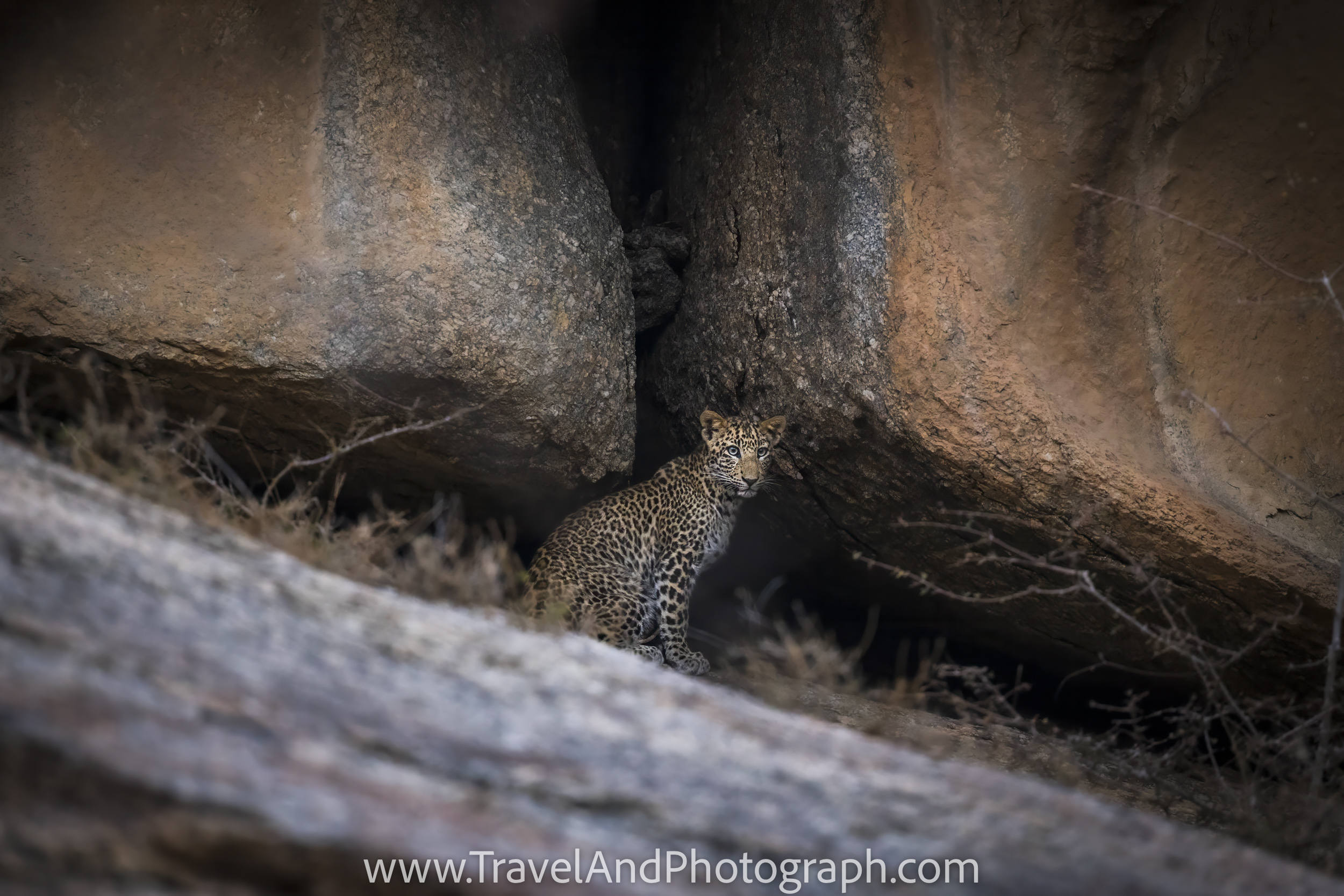
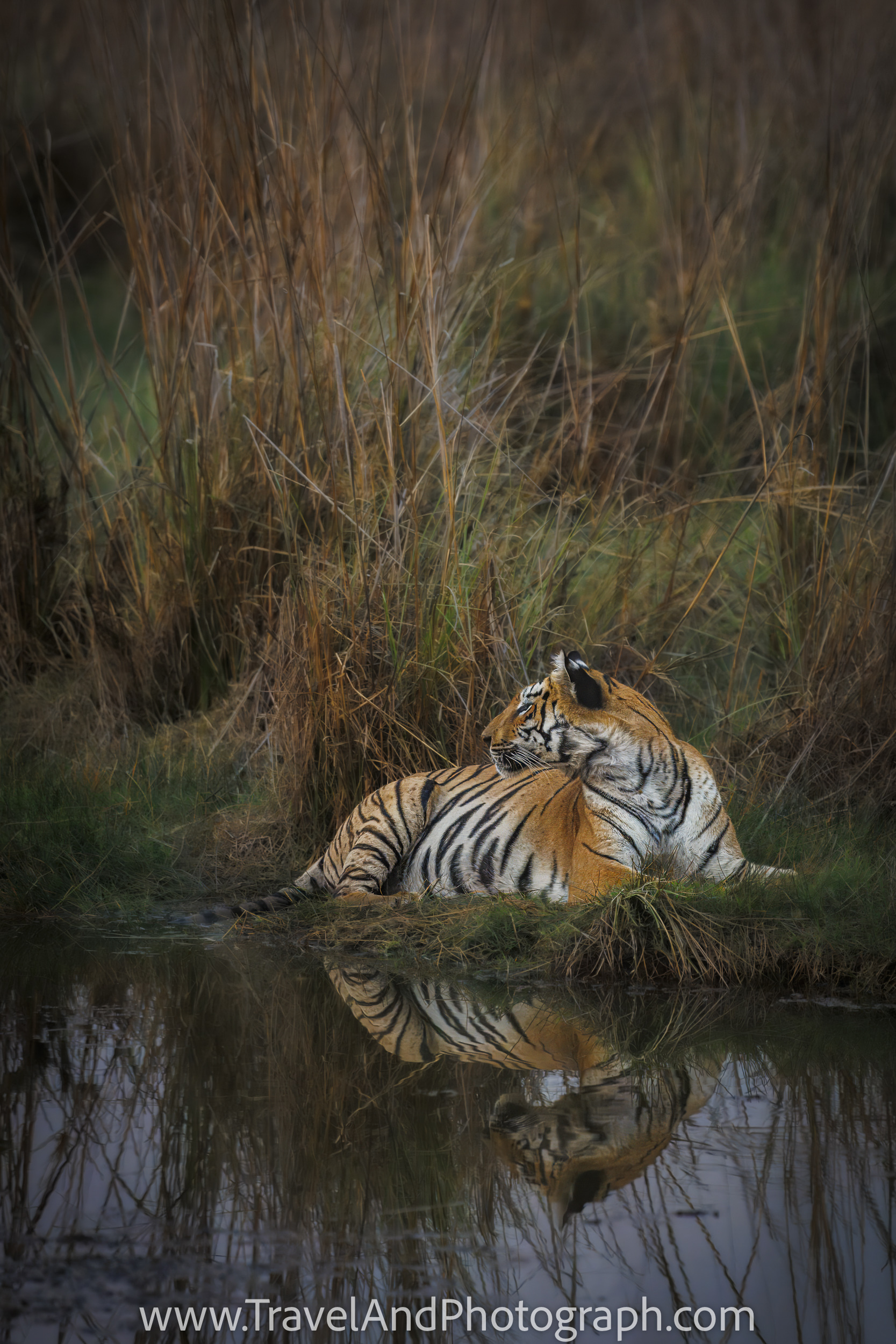
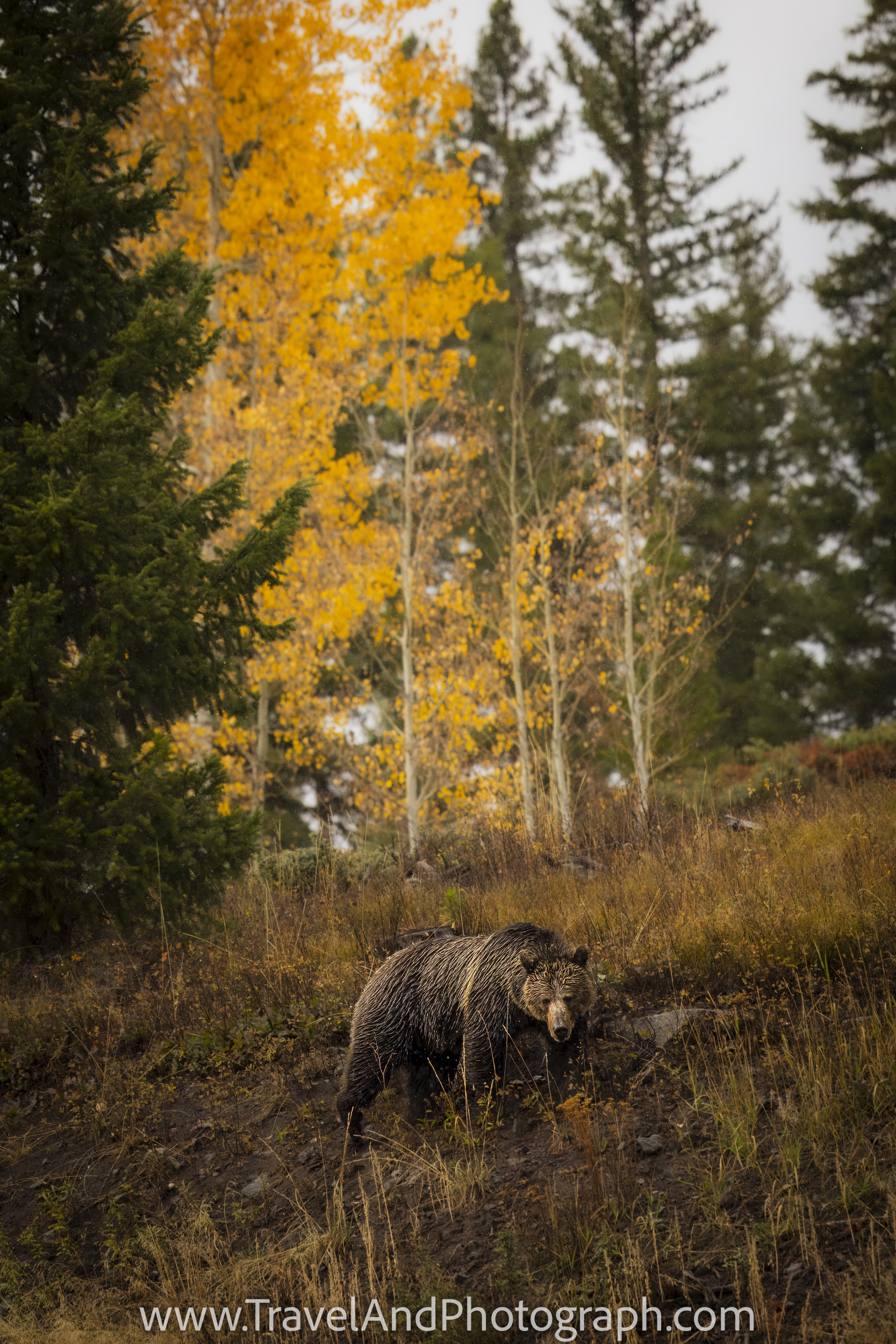
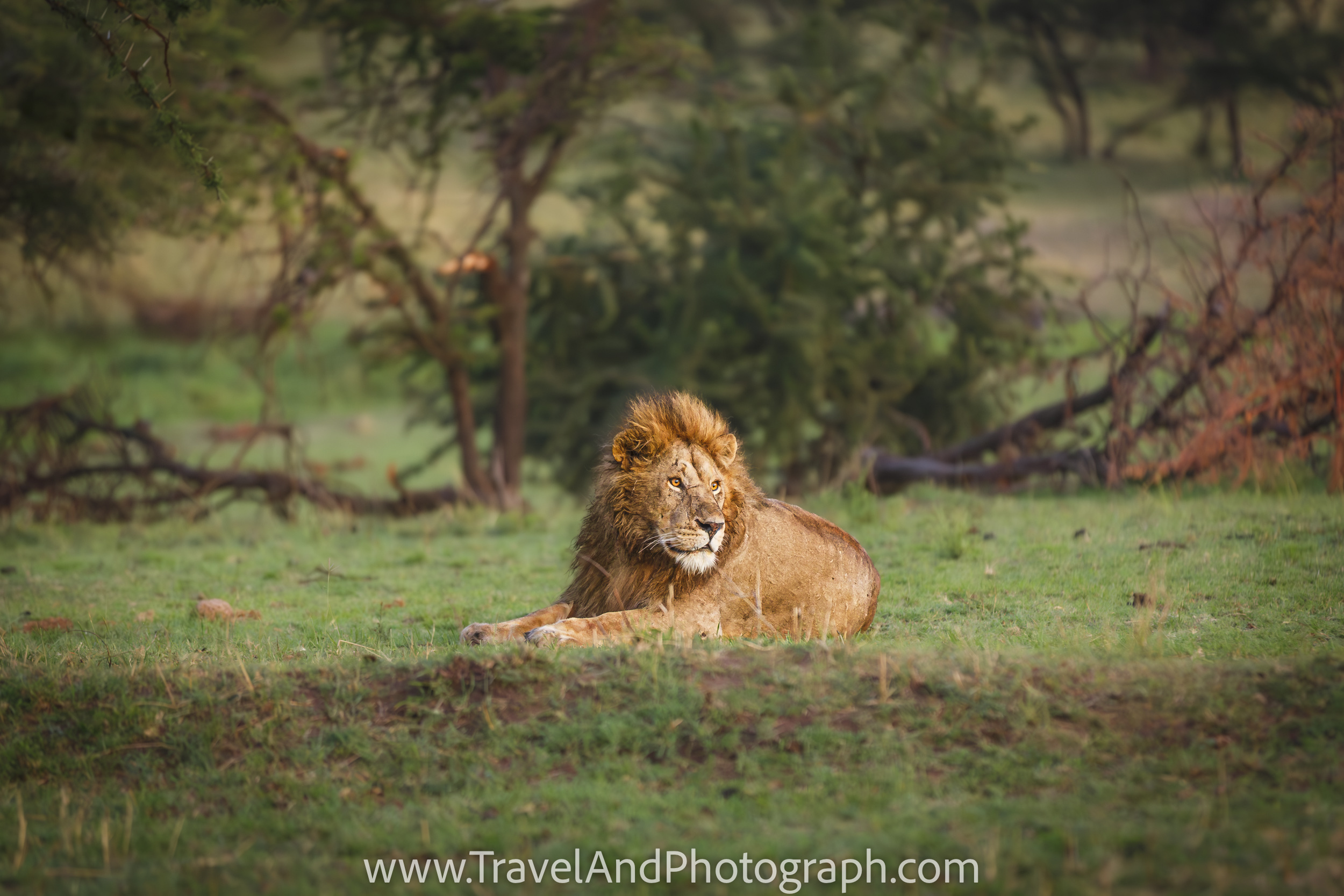
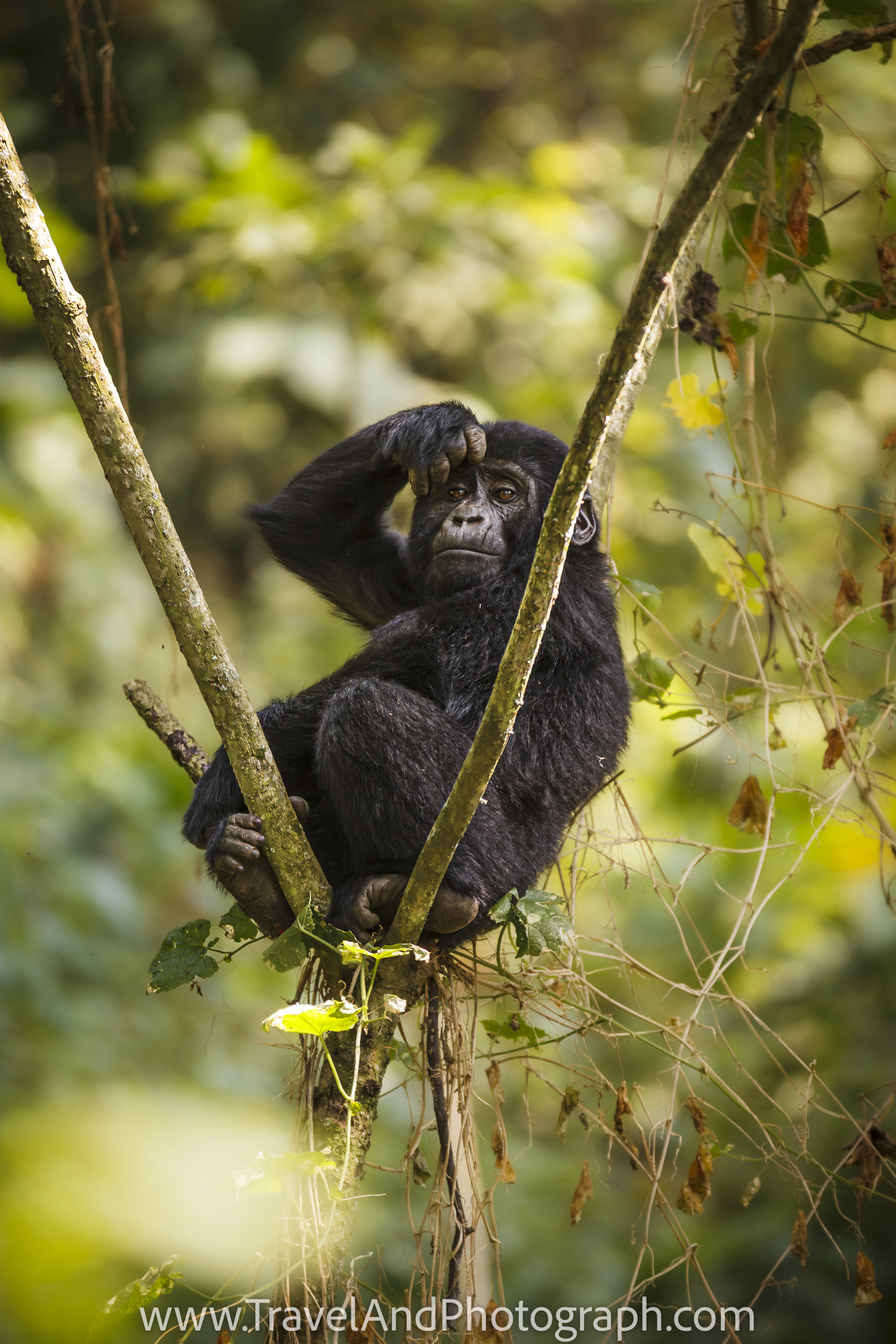
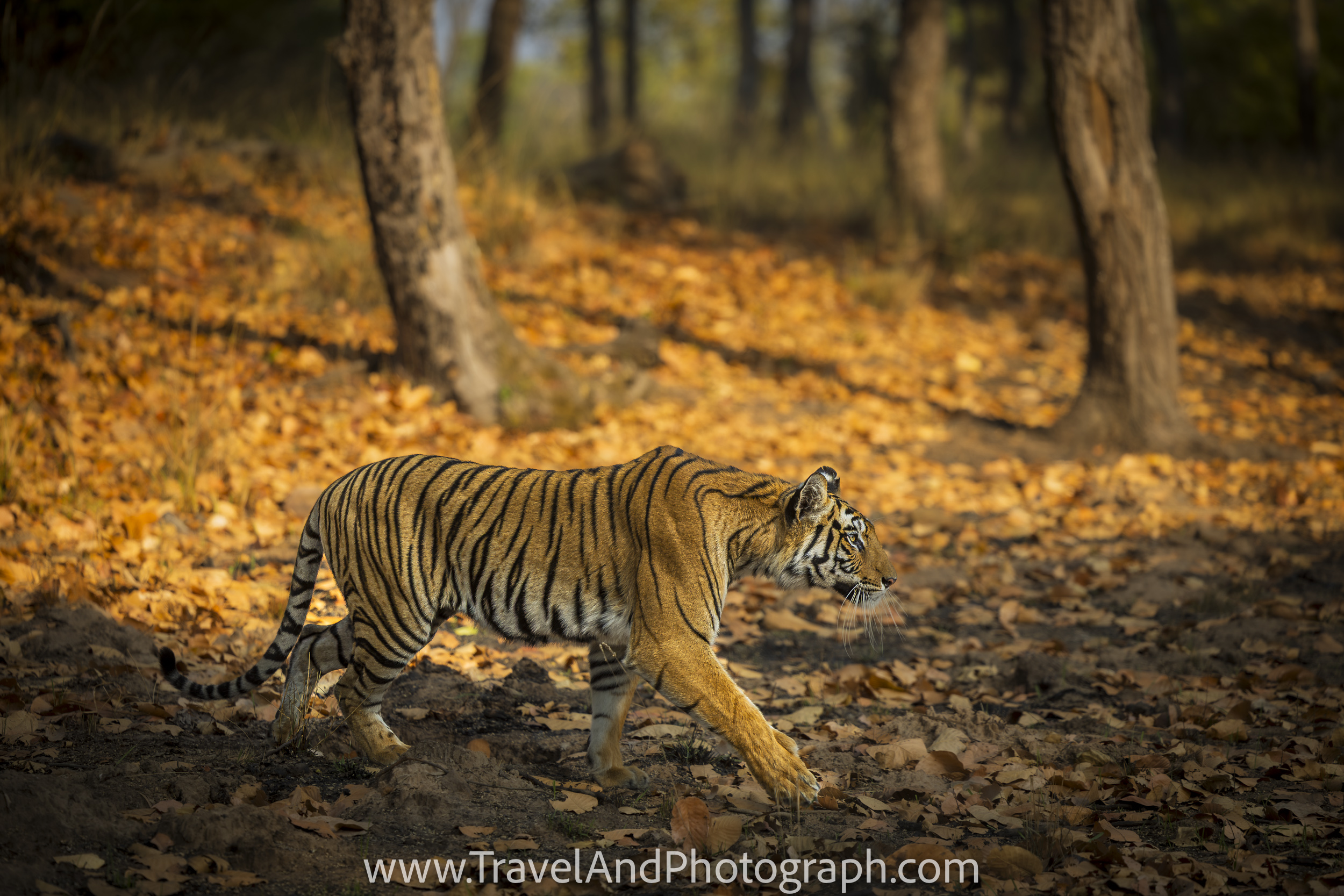
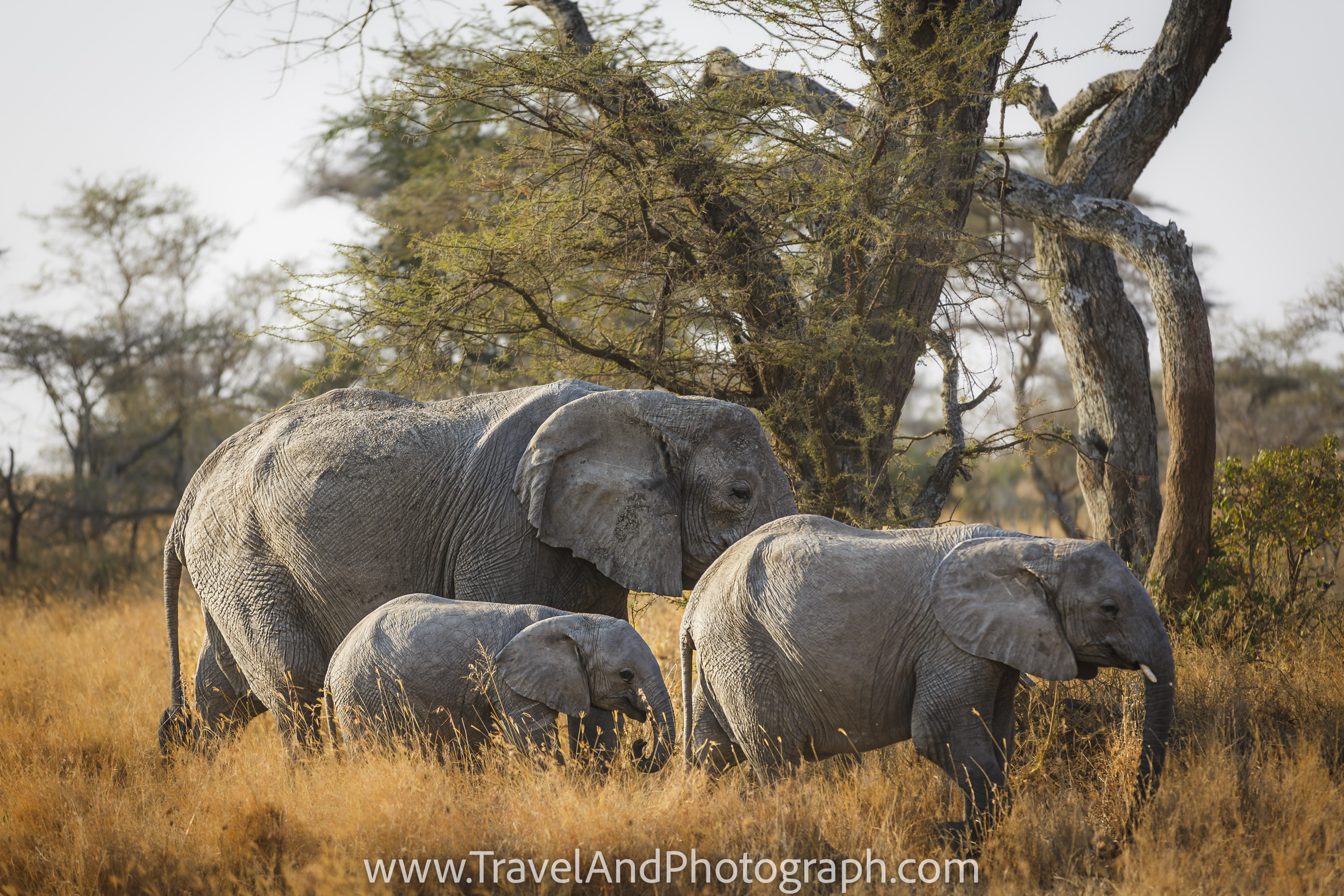
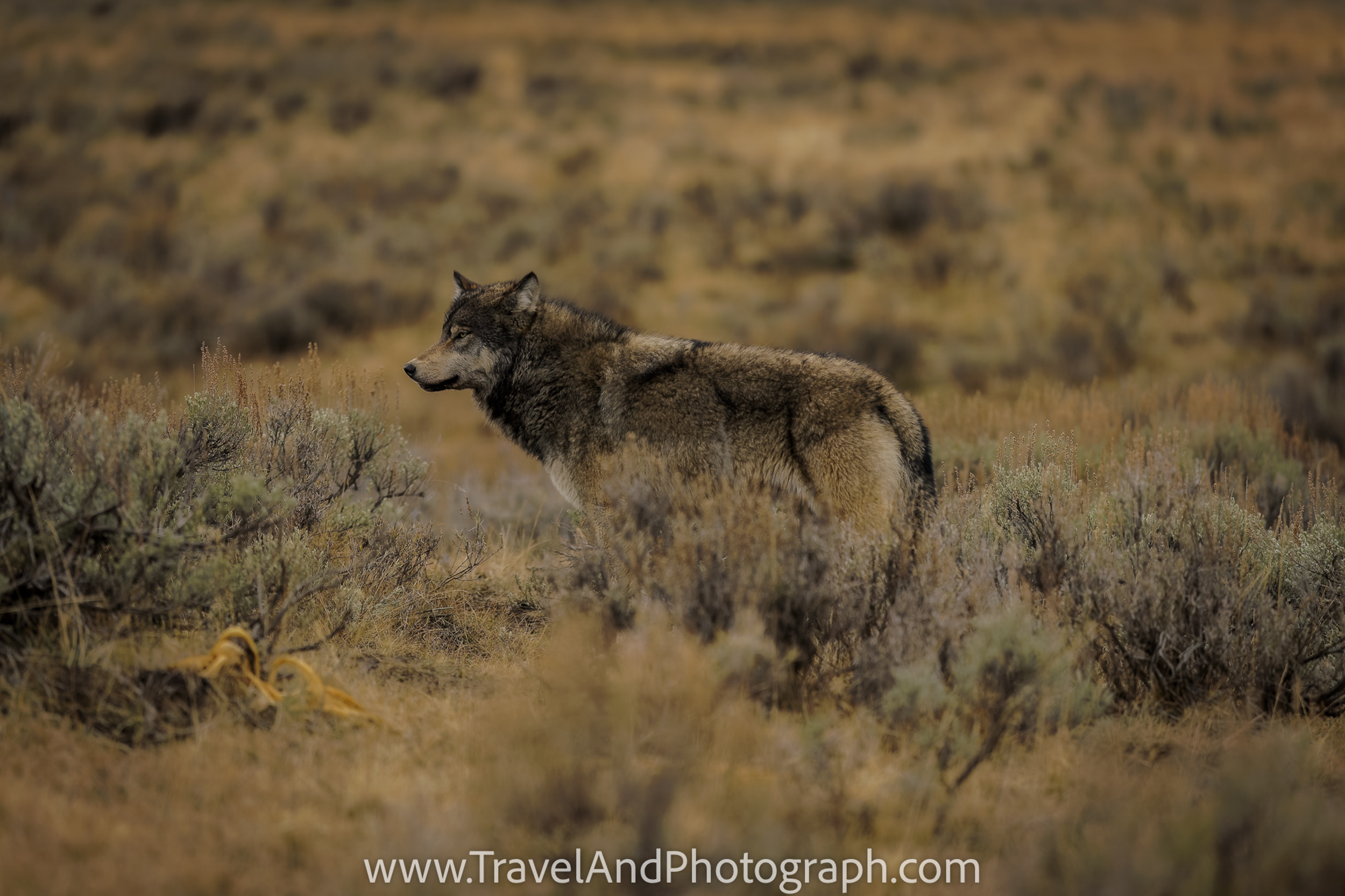
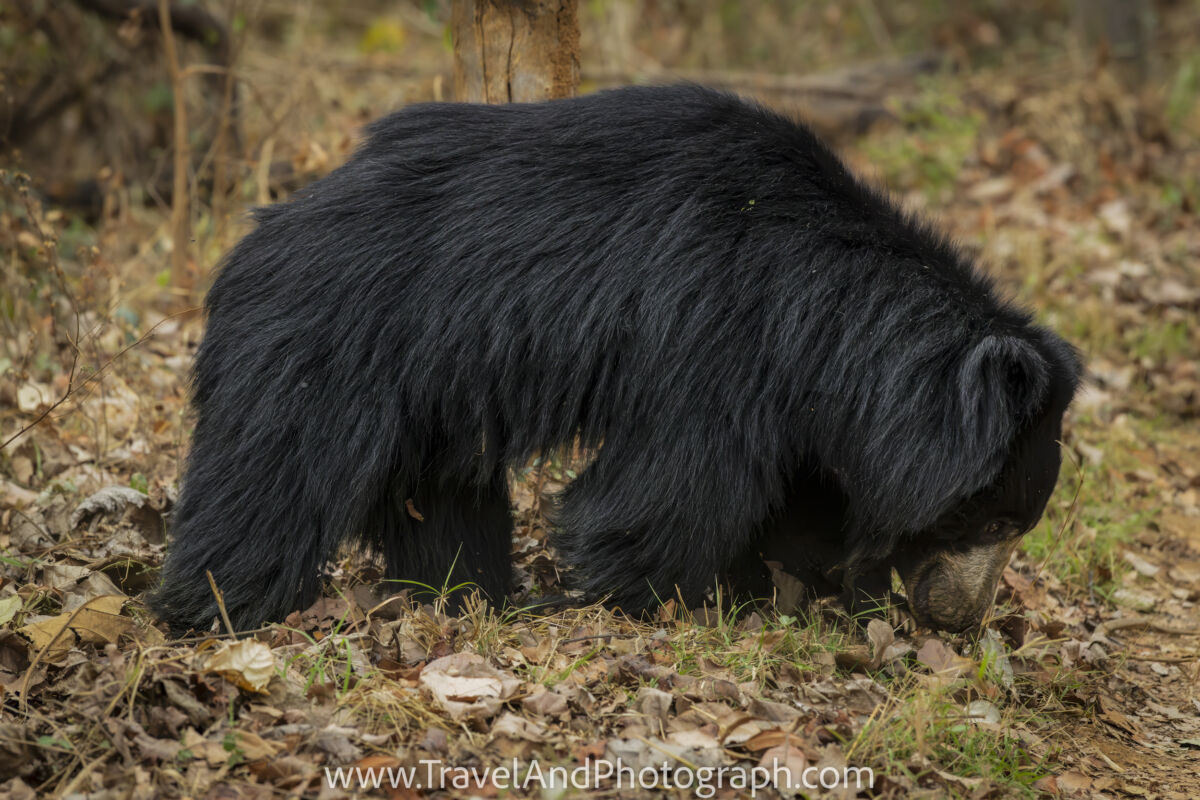
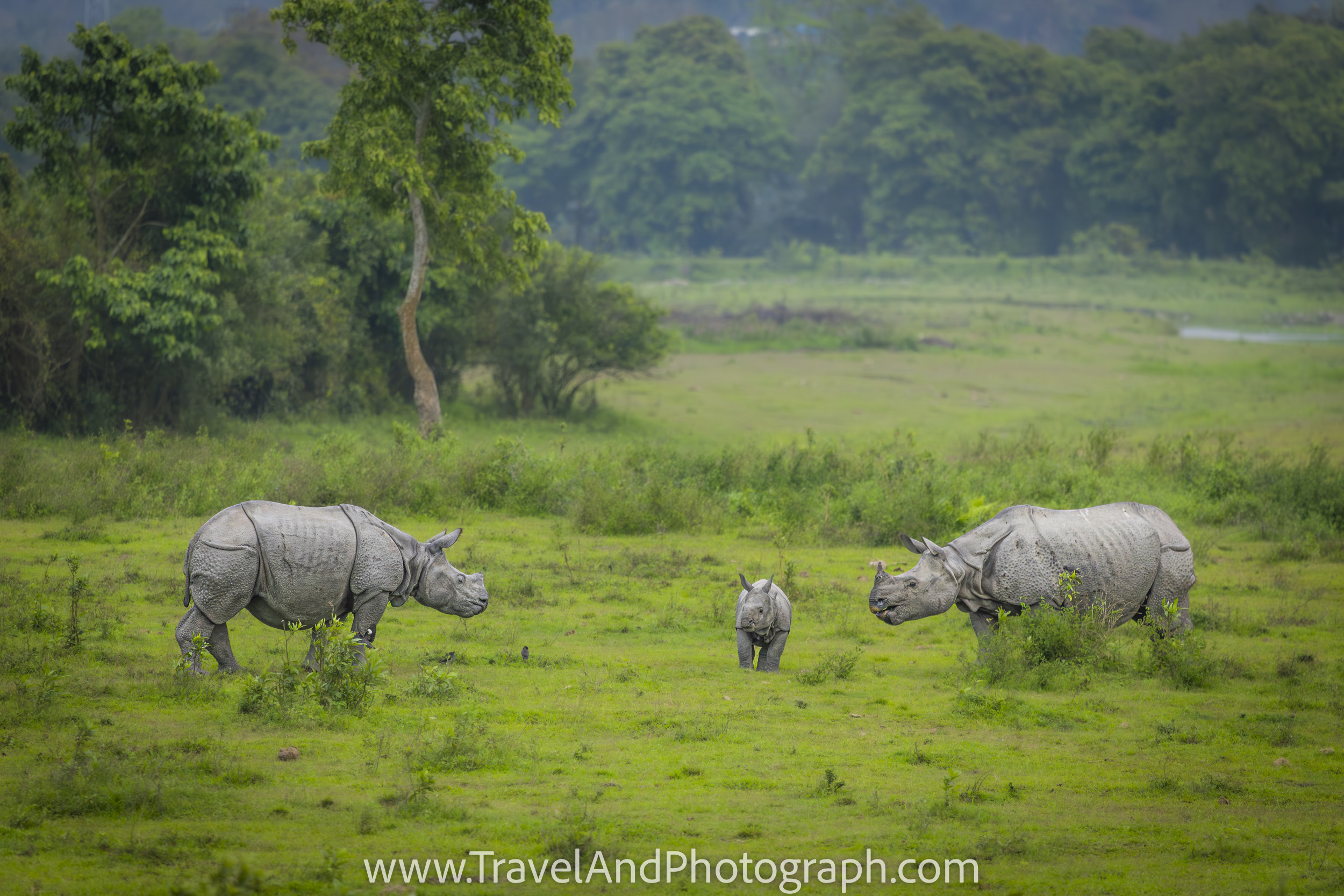
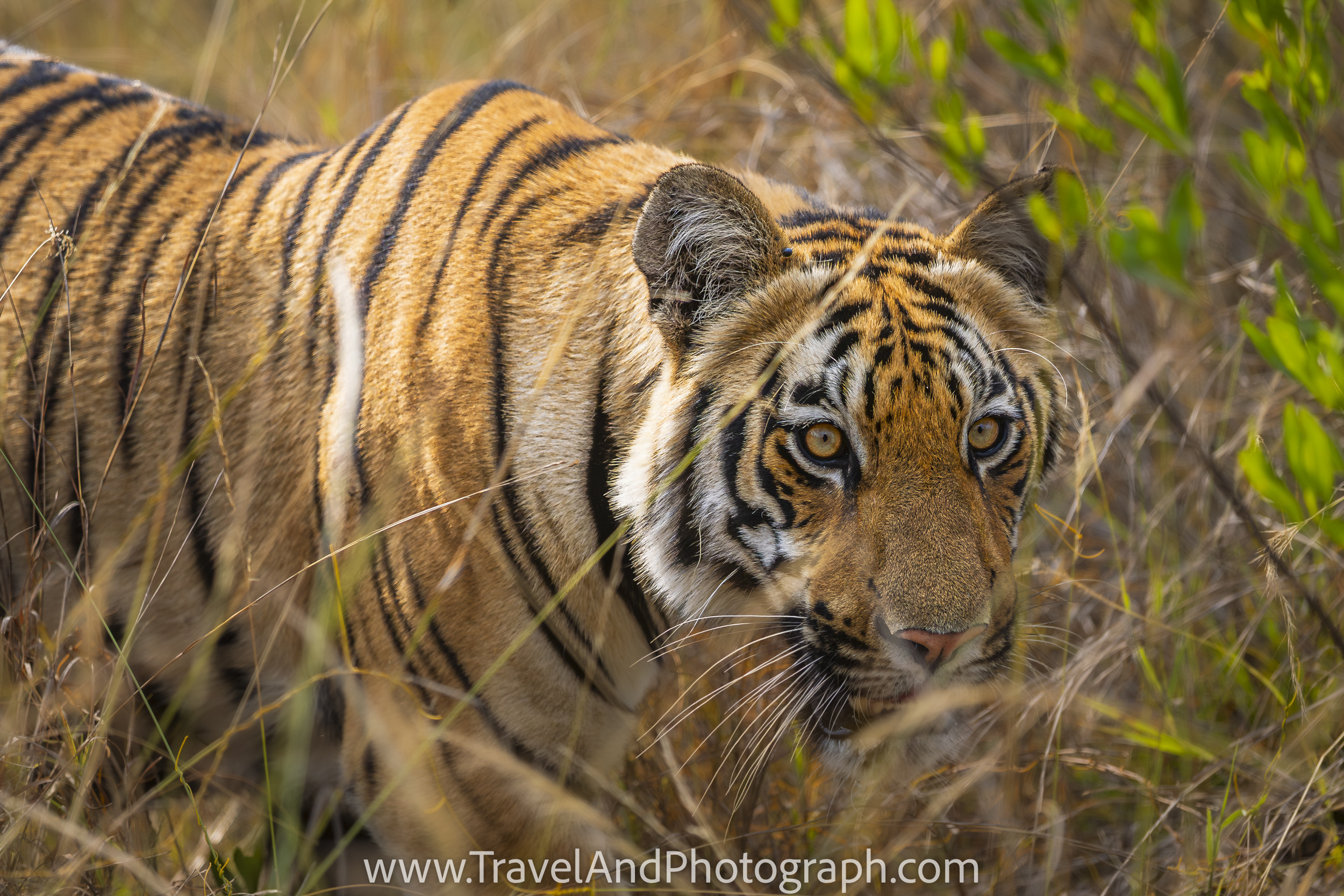
Some people will say that the 70-200 2.8 is not a wildlife lens. In all of it's iterations has been a staple in portrait, photo journalism, sports photography and weddings - I have photographed over 600 weddings, and 99% a 70-200 2.8 has been with me. But what about for wildlife? Some will say no, its too short, and that you need a 100-500, 200-800, 400 2.8, 600 4.0 etc, and those lenses are nice, especially for close ups. The 70-200 2.8 can tell a different story, I have written an article I hope you will enjoy that discusses the 70-200 2.8 for this purpose.
Superb photos that are a delight to view. Those long lenses are for birders and sometimes you need them for mammals yet as you show it's not necessary and in my experience I use a 70-300mm for mammals.
I would say your lens choice for these subjects makes it a wonderful wildlife lens for sure. Now if you had said 'birding lens' I would have disagreed unless they are ostrich sized birds
My jaw dropped on the beauty and light of #6. Gosh the rhino shot rocks! Beautiful images and amazing subjects in this set
Karl
I don't understand the purpose of this thread. Ask any pro photographer and they'll tell you that ANY lens is a good wildlife lens if it gives you the angle of view you need for the image you are trying to make. Of course, lens speed can be a factor with moving subjects in low light, as is always the case. Then you answered your own question at the end and posted too many pics to prove it.
While I still am shooting Canon dslrs and EF lenses, I shoot all photographic genres and the EF70-200 f2.8 IS II is my most used lens! It is outstanding and see no reason to modify my "aresnal" yet!
Again, VERY well done article.
Gotta say the "monkey" holding the lens is PRIMO!
Dan
Great photos, but you can do more more with a camera and that lens than most. Thanks for posting.
I'm enjoying the 200-800 I got from you.
You have anything else for sale.
I completely agree with you. The 70 200 2.8 is such an iconic lens and after many years in wildlife photography myself, I find my style has evolved and I now use it far more than I did in the past.
Of course the longer lenses have their place for tight portraits and distant subjects, but the 70 200 tells a very different story. It allows you to capture animals within their environment and gives a sense of place, scale and atmosphere that is often missing in tighter shots. I also find it wonderful for compressed landscape images and wider wildlife scenes.
Your article was an excellent read and the photographs are absolutely superb. A really fine set of images that perfectly show how capable and versatile this lens can be for wildlife photography in experienced hands.
Thank you for sharing it. It really resonated with me.