Fred Miranda
Offline
Admin
Upload & Sell: On
|
 p.1 #1 · Official: Sony A7RVI and Sony FE 100-400mm f/4.5 GM OSS p.1 #1 · Official: Sony A7RVI and Sony FE 100-400mm f/4.5 GM OSS | |
Pre-order
Here is the B&H Photo link: https://www.bhphotovideo.com/c/product/1970580-REG/sony_ilce7rm6b_a7r_vi_mirrorless_camera.html
______
Key Features
⦿ 66.8MP FF Stacked Exmor RS BSI Sensor
⦿ 30 fps Shooting with AF/AE & Pre-Capture
⦿ AI-Based Real-time Recognition AF+
⦿ 8K 30/4K 120 10-Bit Video + Dual Gain
⦿ 16-Stop Dynamic Range + AI-Based AWB
⦿ 8.5-Stop IBIS + Composite Raw Shooting
⦿ 9.44m-Dot EVF with 120 fps Refresh Rate
⦿ 3.2" 2.1m-Dot 4-Axis Touchscreen LCD
⦿ Illuminated Buttons + New Battery & Grip
⦿ Dual CFexpress Type A/SD Card Slots
Sony also released the new Sony FE 100-400mm f/4.5 GM OSS Lens today!
https://www.bhphotovideo.com/c/product/1969774-REG/sony_fe_100_400mm_f_4_5_gm.html
______
The new Sony a7R VI pushes the R-series into territory that used to require two separate cameras. It combines a new 66.8MP full frame stacked CMOS sensor with up to 30 fps continuous shooting, much faster readout speeds, improved rolling shutter performance, and far more advanced AI-based autofocus. Sony is clearly trying to make this a true hybrid body instead of just a high resolution landscape or studio camera. Compared to previous a7R models, the biggest story is speed. The stacked sensor design changes the entire feel of the camera, especially for wildlife, sports, or event shooting where older high megapixel bodies often struggled. Dynamic range is rated at up to 16 stops, ISO ranges from 100 to 32000 natively, and the updated stabilization system is now rated up to 8.5 stops in the center of the frame. Pixel Shift mode can also generate composite files approaching 266MP for static subjects.
Autofocus looks like a major leap forward as well. The camera uses a dedicated AI processor with improved subject recognition for humans, animals, birds, insects, cars, trains, and airplanes. Sony also expanded the Real-time Tracking system so it can better maintain focus on partially obscured or distant subjects. The AF system covers 94% of the frame with 759 phase detect points and works down to -6 EV. Video shooters also get features carried over from Sony cinema bodies, including Focus Map, AF Assist, breathing compensation, S-Cinetone, LUT support, and oversampled 8K and 4K recording modes. 8K goes up to 30p and 4K up to 120p, with internal 10-bit recording and better heat management than previous generations. Sony even added a Dual Gain video mode designed to reduce noise and improve tonal transitions in lower contrast scenes, although it comes with frame rate and ISO limitations.
The body itself has also been refined in practical ways. The EVF is now a very high resolution 9.44 million dot OLED finder with improved brightness and color accuracy, and the rear LCD keeps the excellent hybrid tilt plus flip design introduced on recent Sony bodies. Sony improved weather sealing, grip rigidity, and support for heavier lenses. Connectivity is extensive, including Wi-Fi 6, dual USB-C ports, full size HDMI, wired LAN support, livestreaming features, and optional 32-bit float XLR audio through the new adapter. Overall, this feels less like a traditional “slow but detailed” R-series body and more like Sony trying to merge the strengths of the a1 and a7R lines into one camera. The only real question now is whether the rolling shutter performance truly gets close to flagship sports bodies, because on paper this is one of the most ambitious hybrid cameras Sony has made.
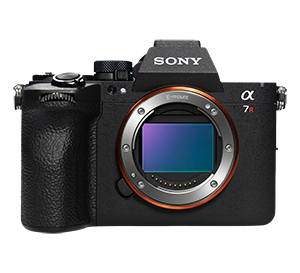
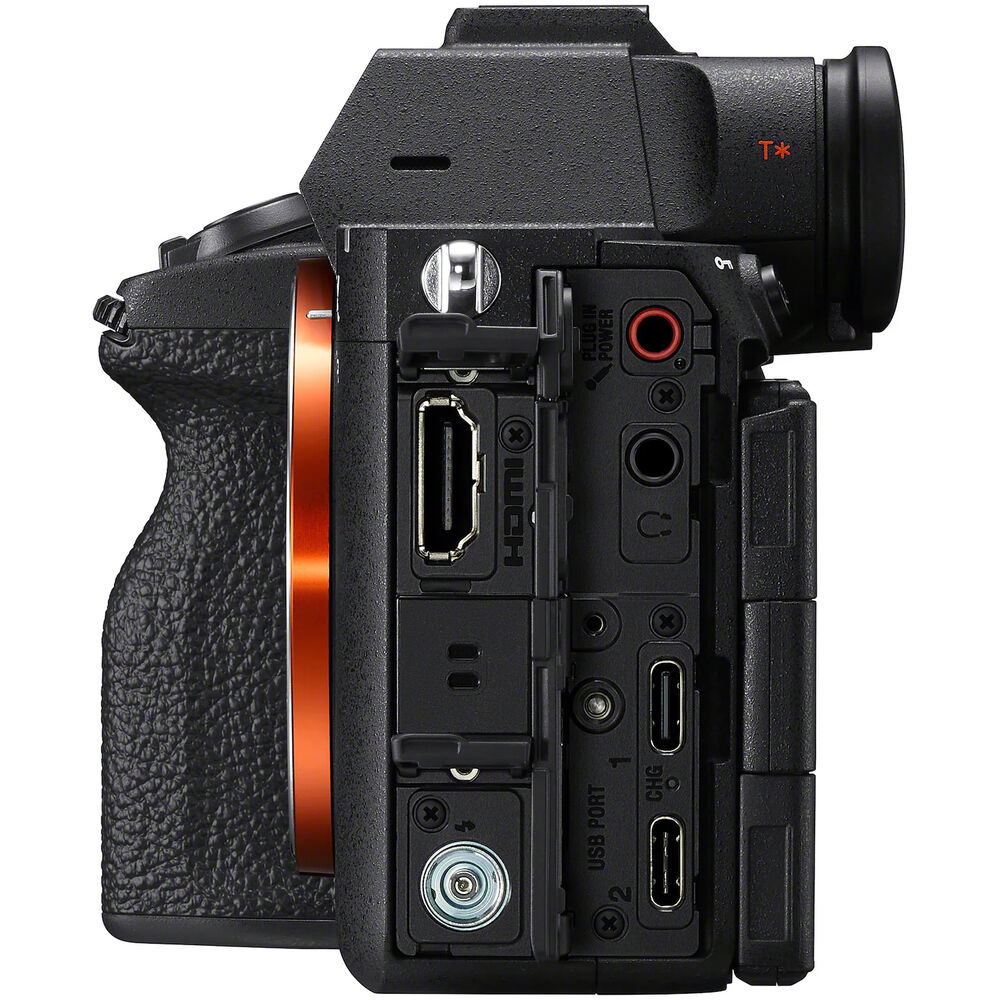
Sony A7RVI digital camera
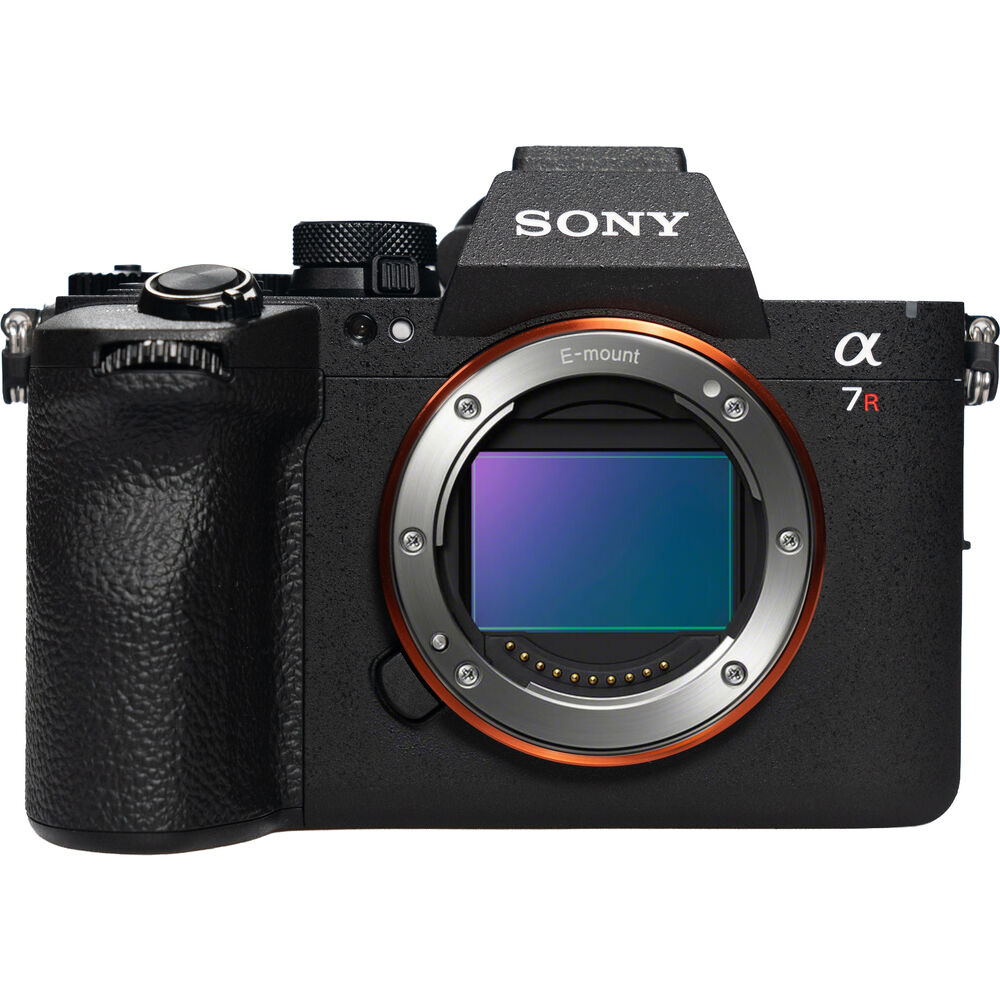
Sony A7RVI digital camera
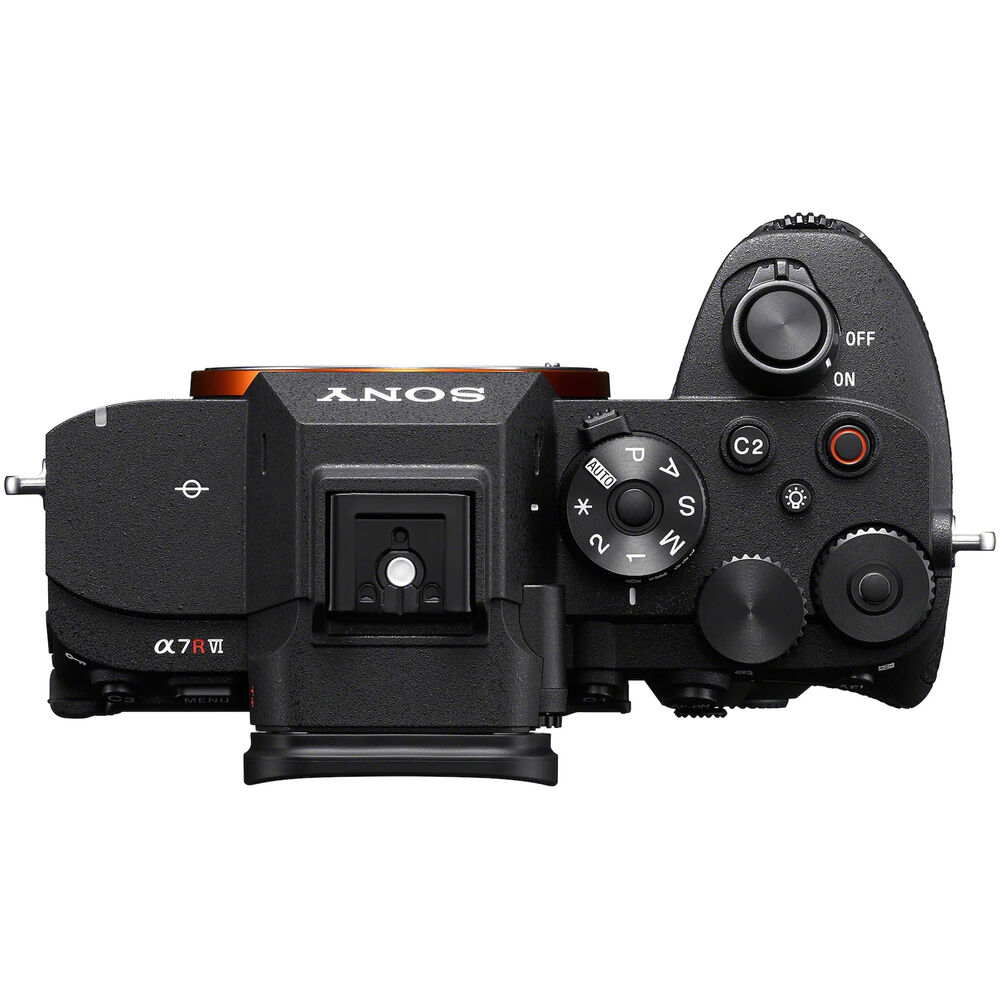
Sony A7RVI digital camera
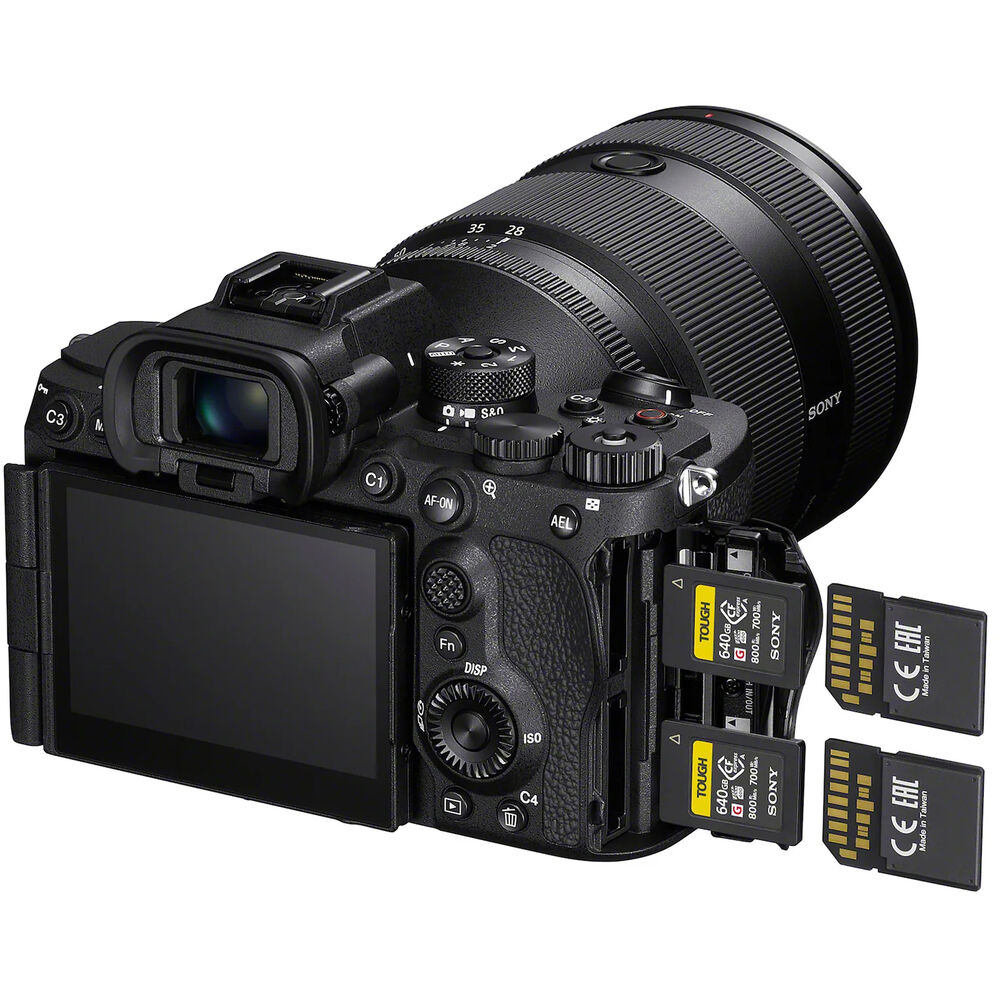
Sony A7RVI digital camera
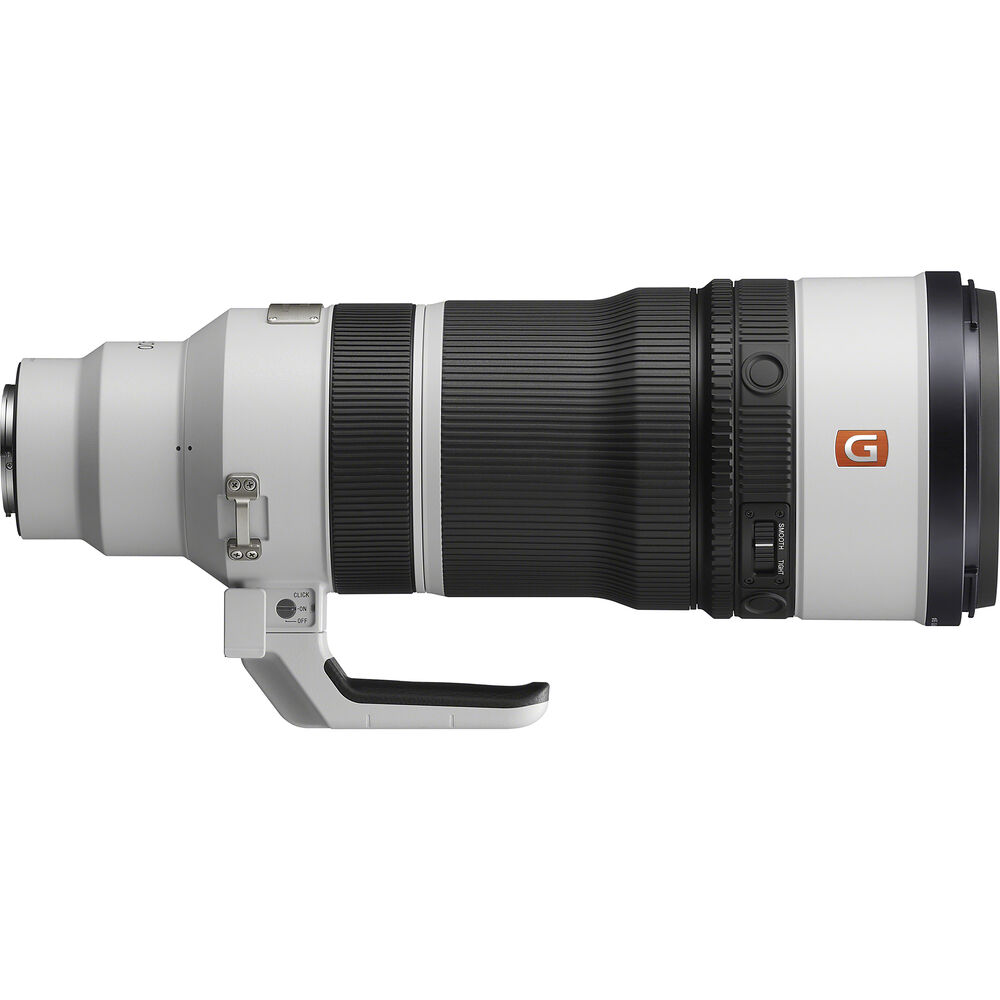
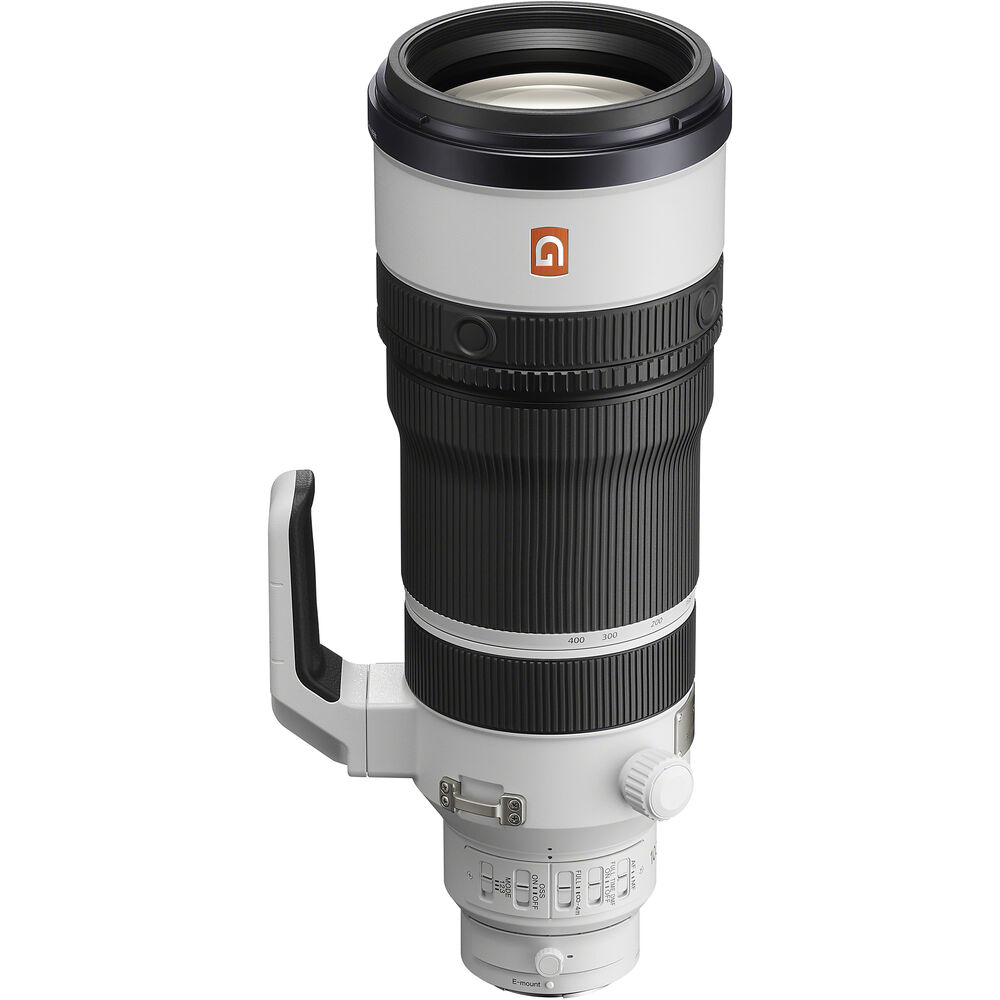
Sony FE 100-400mm f/4.5 GM OSS Lens
Sony FE 100-400mm f/4.5 GM OSS Lens
|