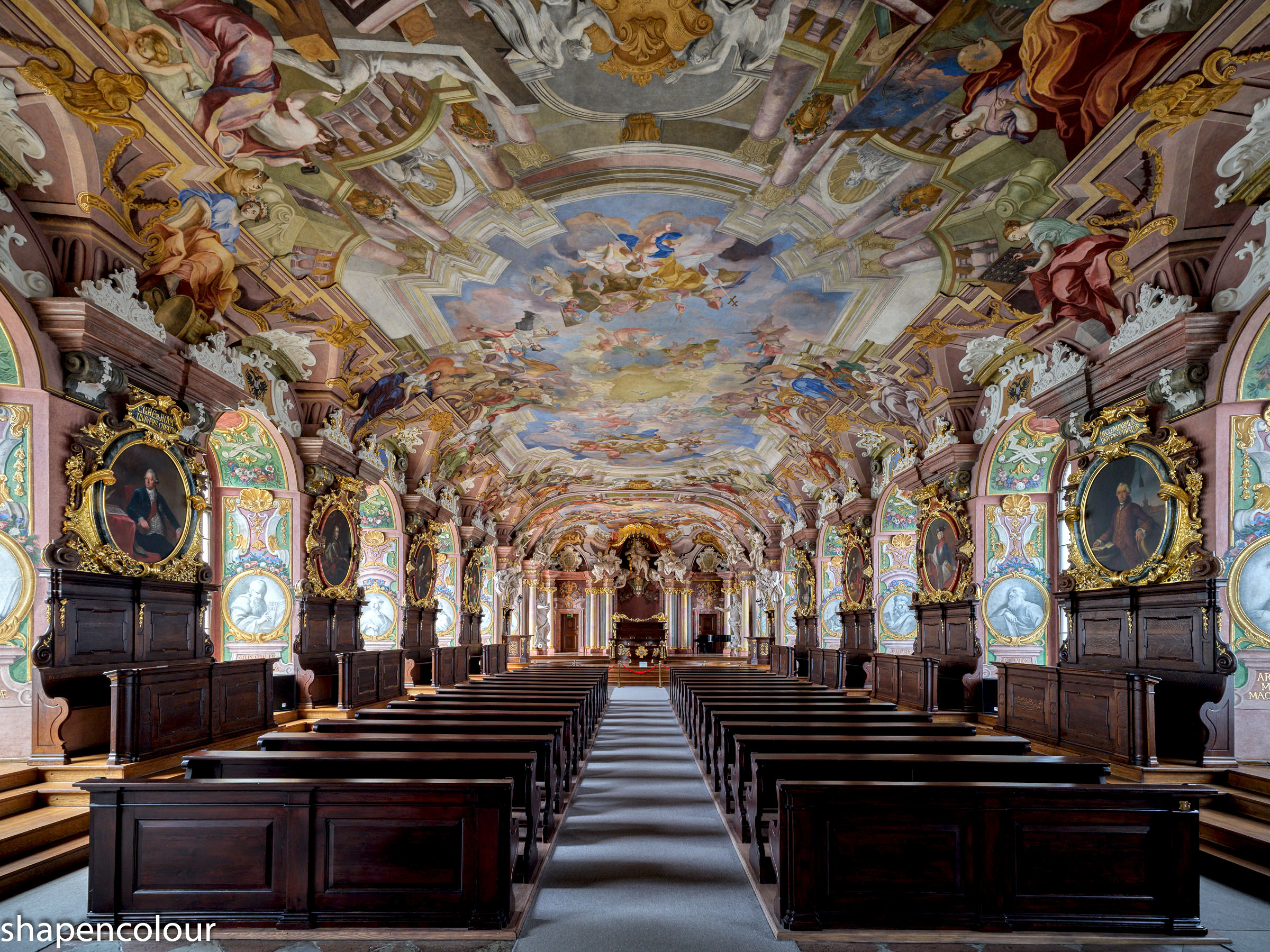
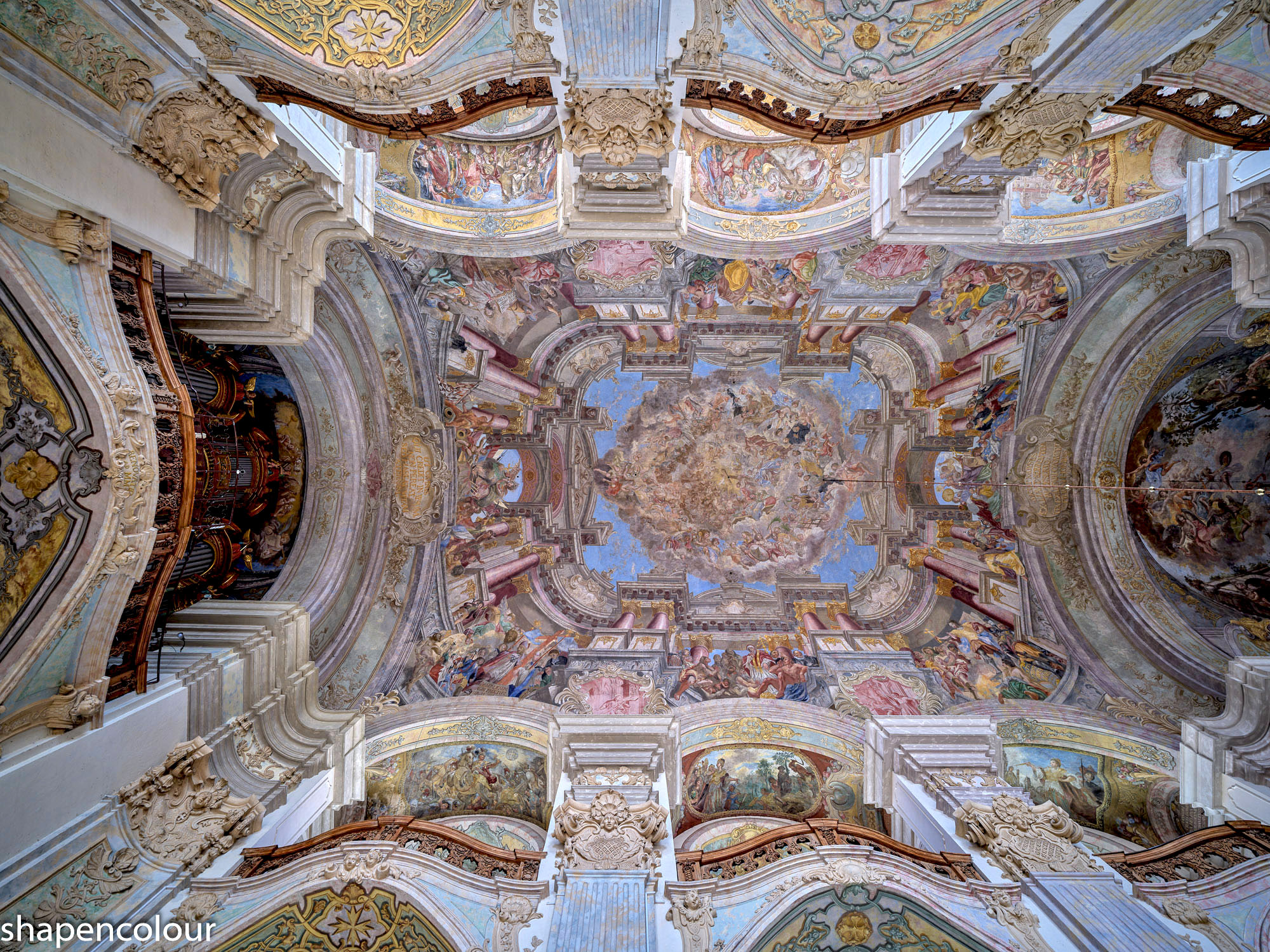
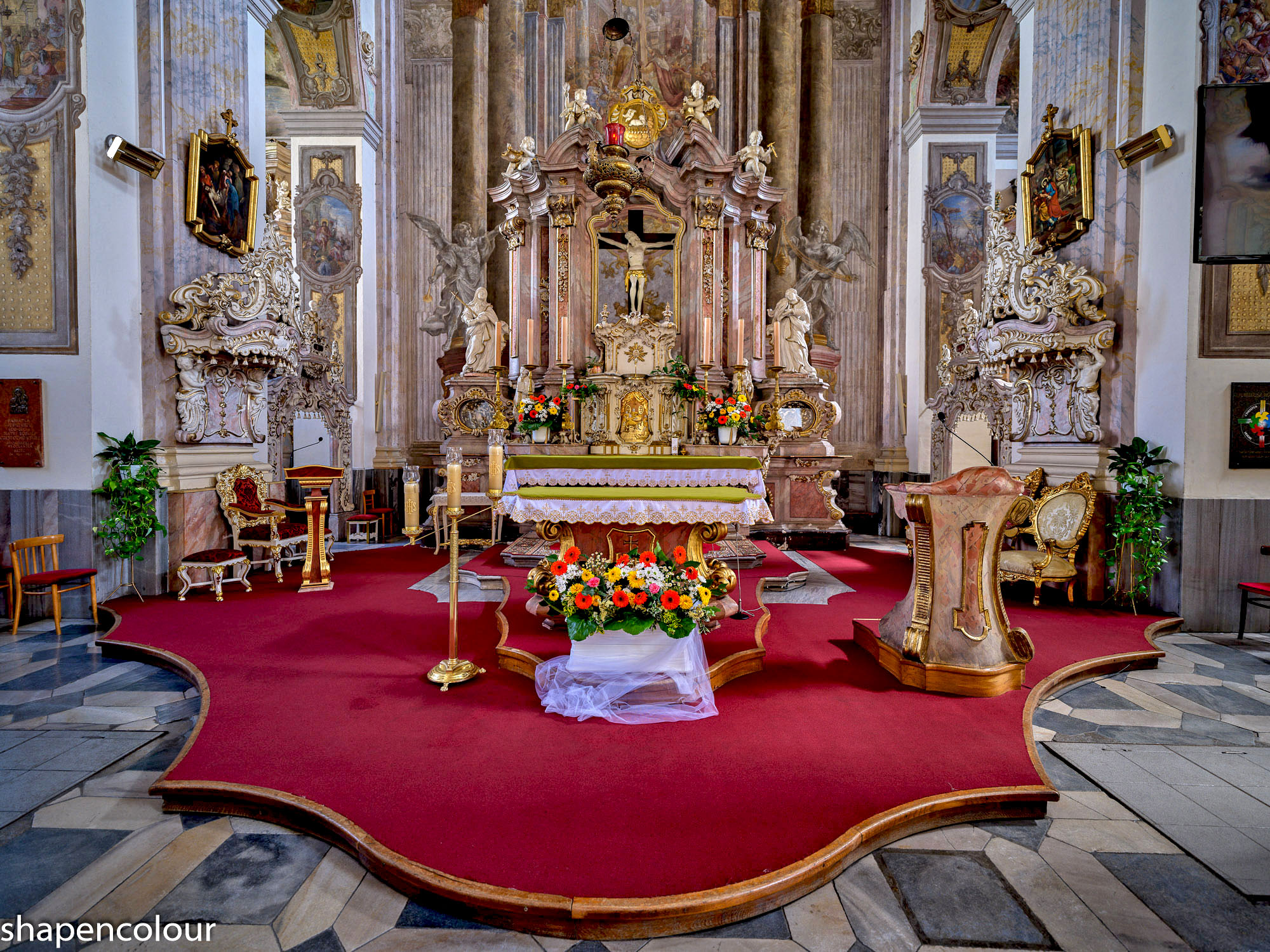
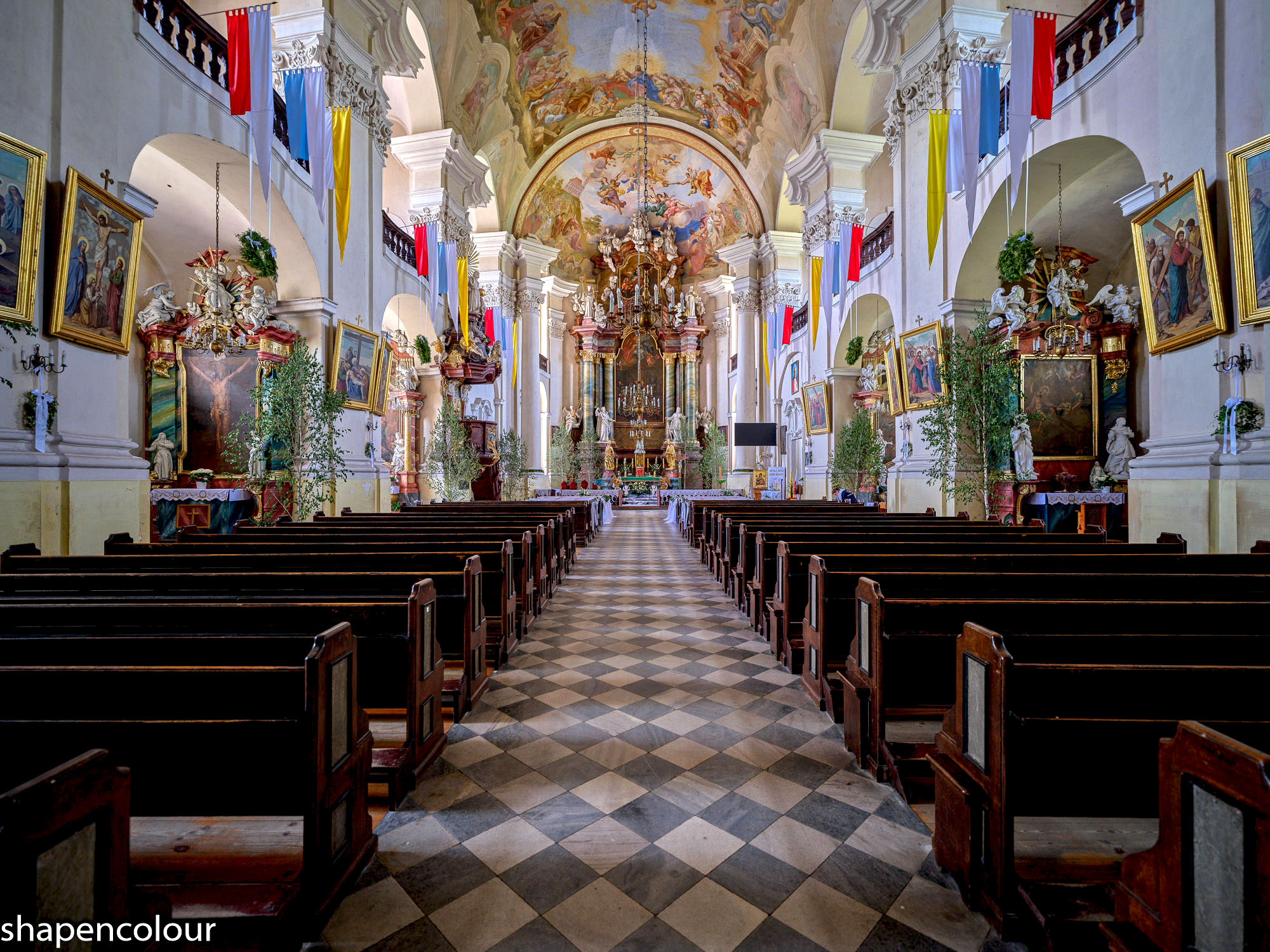
p.1 #2 · Architecture with the GFX100s II and GF20-35
You would love a shift lens. There's a GF 30/5.6 Tilt/Shift I have never tried because I ceased shooting much around when it arrived. I still want it even though I will never use it.
p.1 #4 · Architecture with the GFX100s II and GF20-35
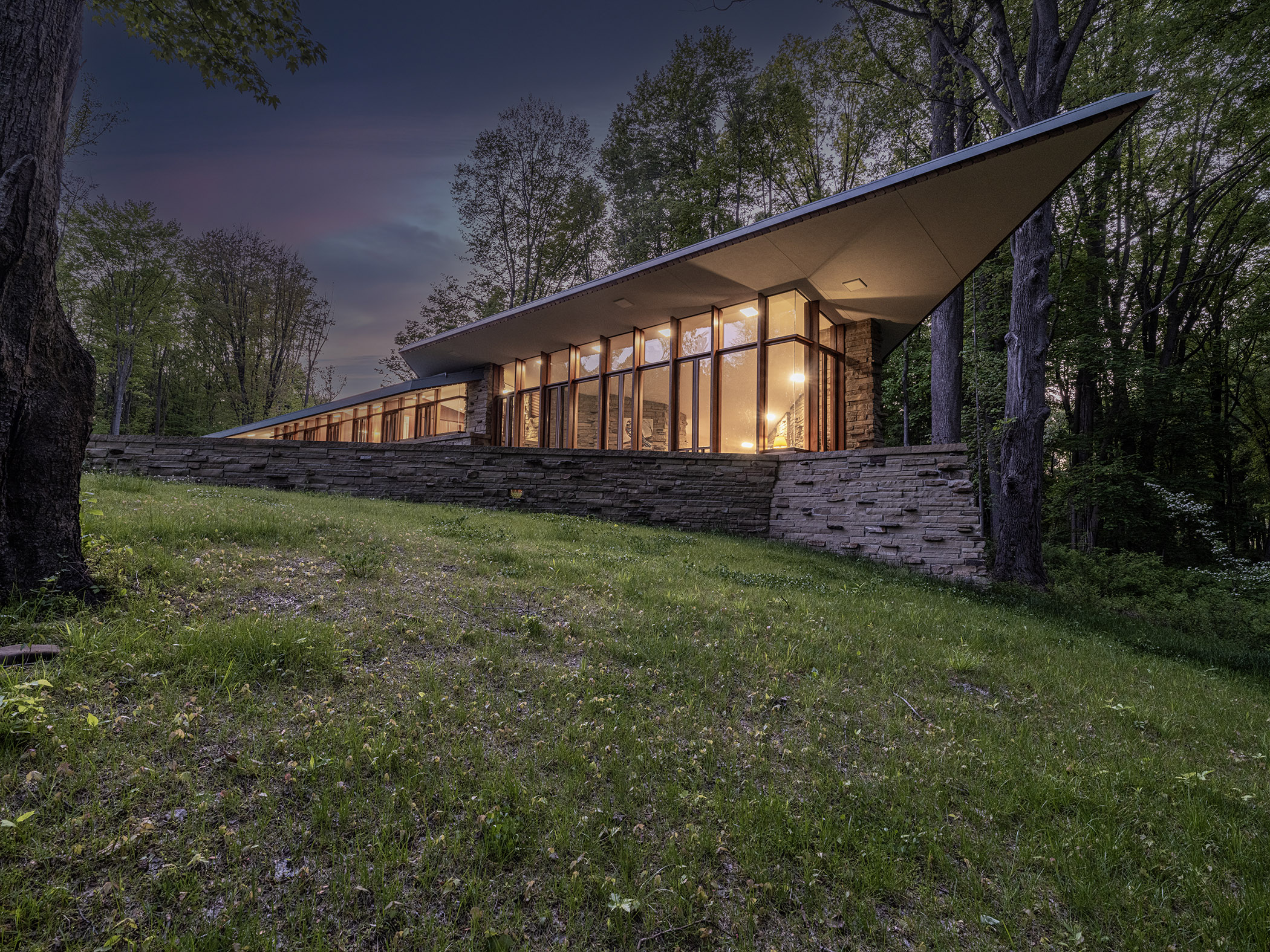
Would love to see shifted picture with proper verticals and sunstars)
But the shot is great even like that (may be a very little to saturated and HDR-ish - to my taste).
Composition is cool.
p.1 #5 · Architecture with the GFX100s II and GF20-35
You can 'correct'verticals in post processing very well, though better to start with a lens that has low or no native distortion rather than one that relies on software correction. You can't simulate a 'tilt lens function in sofware as you are moving the focus plane, bit that's not so useful for archite ture anyway.
p.1 #8 · Architecture with the GFX100s II and GF20-35
fotodik wrote:
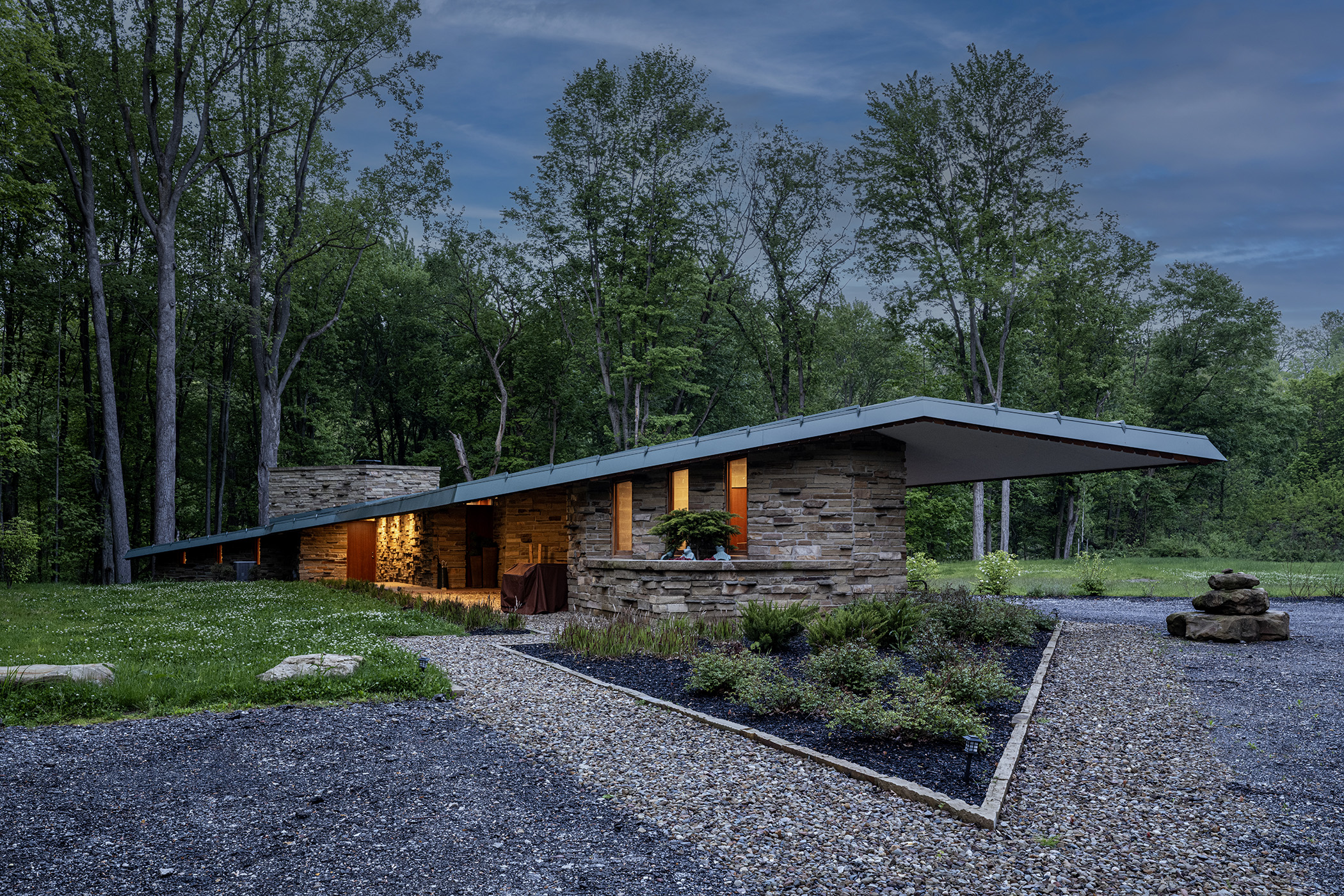
Thank you. I do have the fuji 30mm t/s but space limitations forced me to use a wider lens.
I did think I got all my verticals correct.
Roy
Kinda funny that the only one who knows what is accurate is you. The rest of us don't know if the rock "point" should be straight or slightly leaning or if the background tree should be straight or a natural lean. It seems to me you have the lines that should be vertical or flat, like the walls and roofline, pretty perfect. Great shot of a cool, historical, house.
p.1 #9 · Architecture with the GFX100s II and GF20-35
fotodik wrote:
Thank you. I do have the fuji 30mm t/s but space limitations forced me to use a wider lens.
I did think I got all my verticals correct.
Roy
You did, it'sa great shot. I should have made it clear I was speaking generally in response to the other posts.
p.1 #14 · Architecture with the GFX100s II and GF20-35
Peire wrote:
20-35/4 is my favourite lens for architecture.
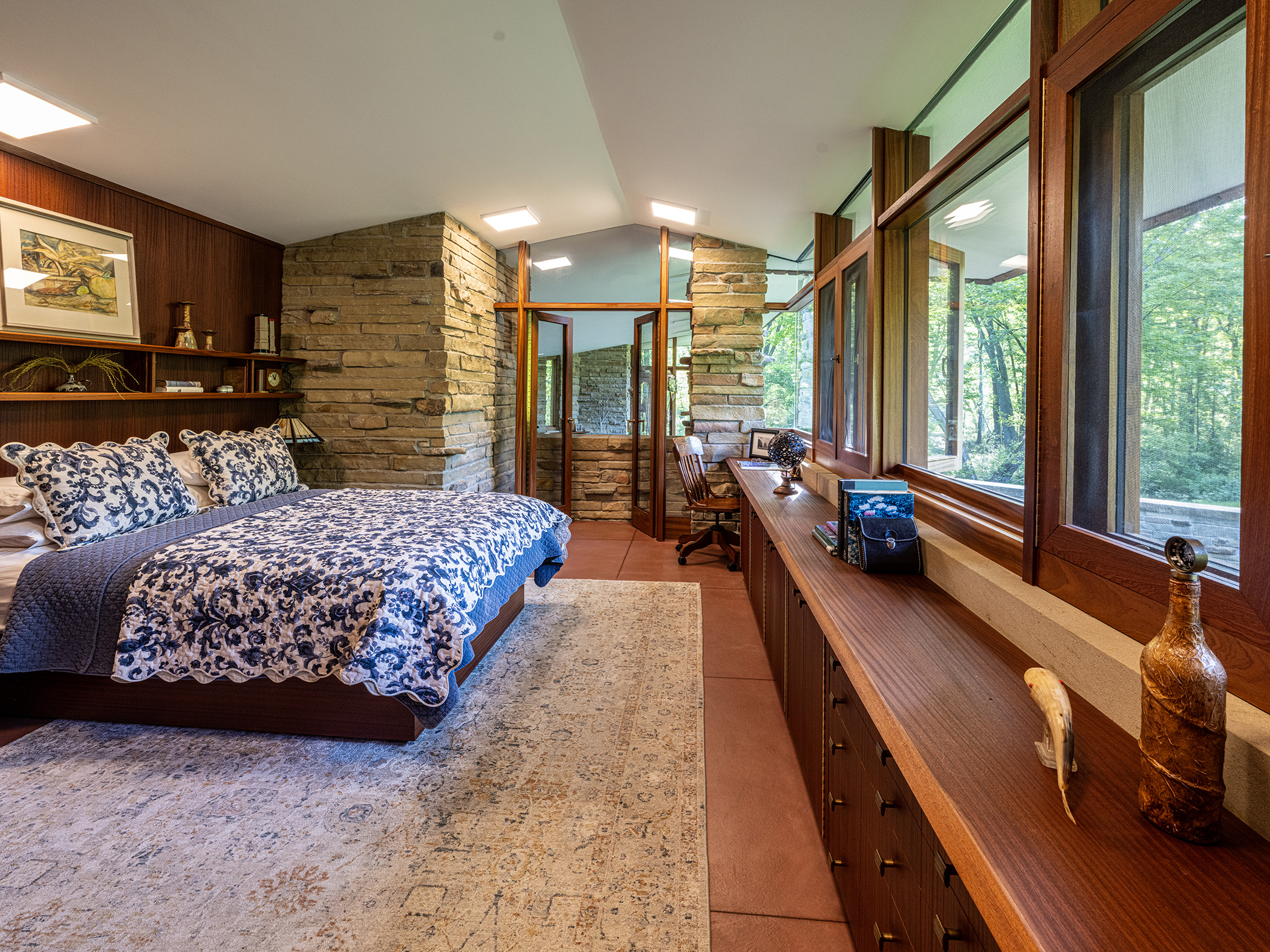
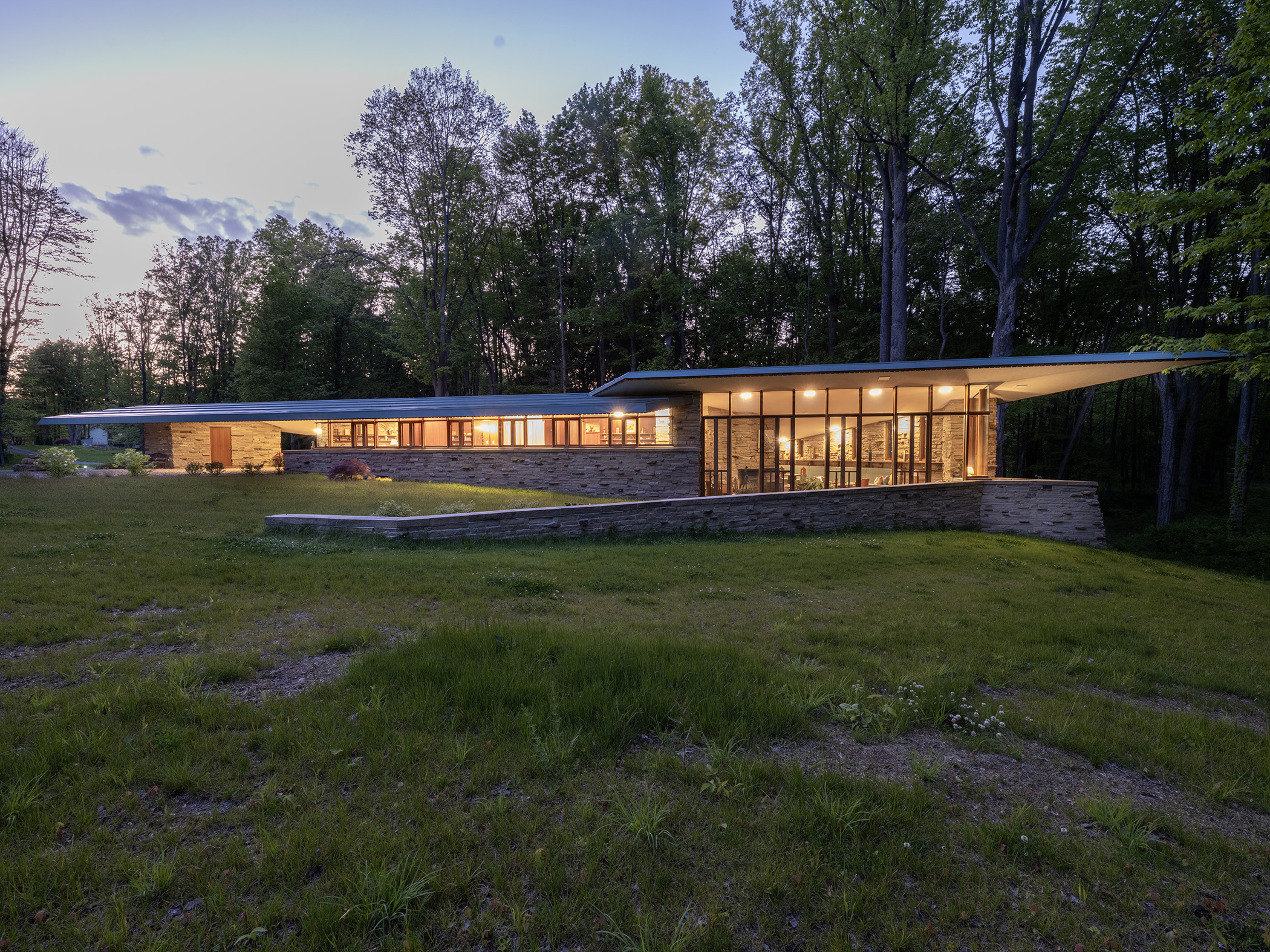
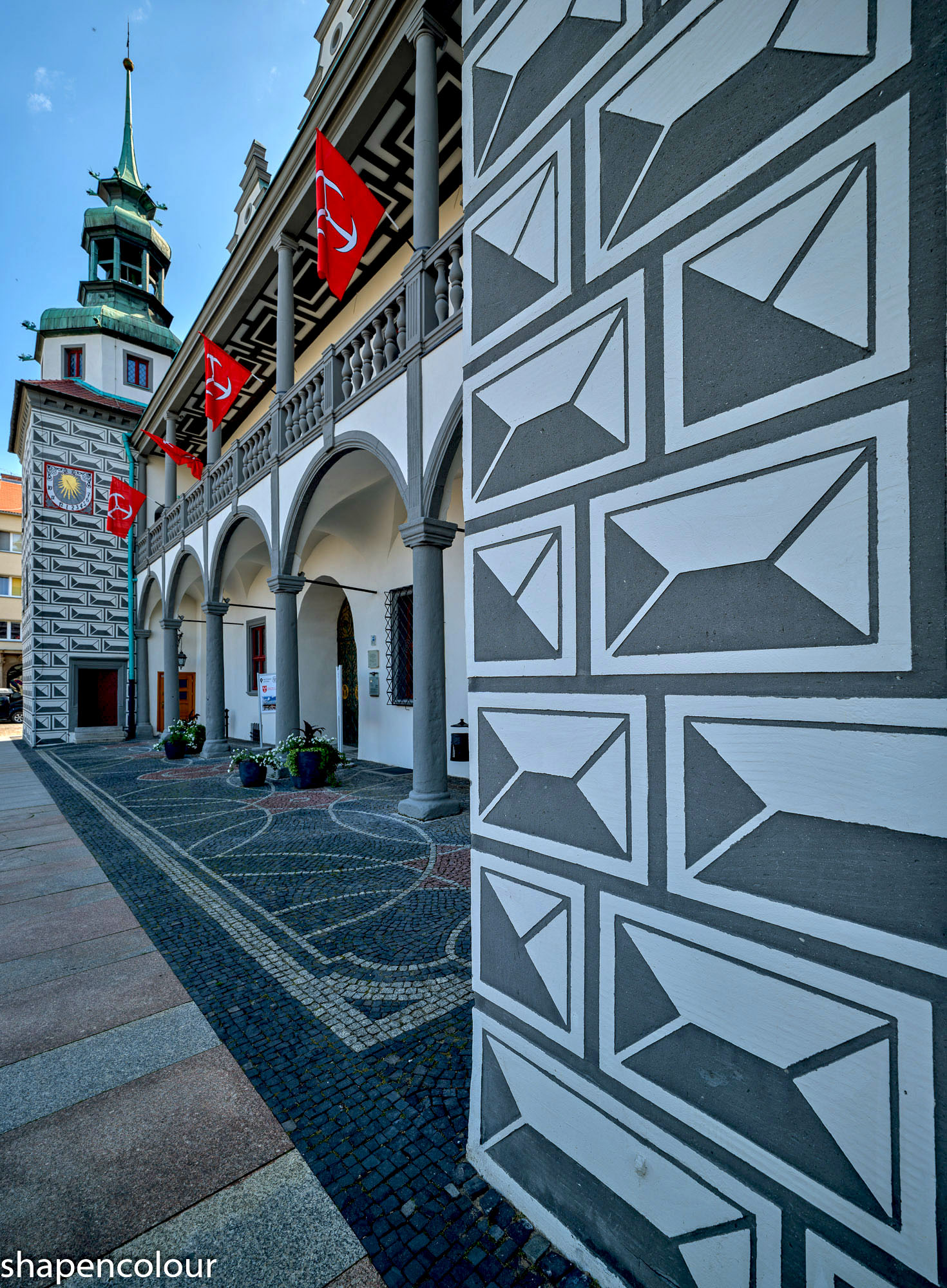
Thanks, Peire, for sharing the photos. While the interior shots work perfectly, the exterior shot looks artificially distorted. Even though straight lines are certainly sensible and desirable in many shots, I would argue that it always comes down to the individual image. In some shots—like your exterior one—it strikes me as a case of too much of a good thing, and I might personally opt to forgo such heavy post-processing correction.
p.1 #15 · Architecture with the GFX100s II and GF20-35
mabra wrote:
Thanks, Peire, for sharing the photos. While the interior shots work perfectly, the exterior shot looks artificially distorted. Even though straight lines are certainly sensible and desirable in many shots, I would argue that it always comes down to the individual image. In some shots—like your exterior one—it strikes me as a case of too much of a good thing, and I might personally opt to forgo such heavy post-processing correction.
Well,in this case distortion was not corrected at all,so no heavy or any post-processing of this kind was applied.Anyways there is no other better genuine Fuji GF lens for this purpose as far as I see it.
p.1 #16 · Architecture with the GFX100s II and GF20-35
With the GFX, I often photograph street and architecture scenes in vertical orientation, then use only the upper portion of the image as a horizontal frame to simulate a shift-lens effect. Even after cropping, the file is still having tons of pixels. Does not look like this would be needed here though.
p.1 #17 · Architecture with the GFX100s II and GF20-35
Peire wrote:
Well,in this case distortion was not corrected at all,so no heavy or any post-processing of this kind was applied.Anyways there is no other better genuine Fuji GF lens for this purpose as far as I see it.
Okay, I understand. But then again, depending on the subject and perspective, wide-angle lenses can sometimes distort so heavily that it looks unnatural—even if nothing was digitally manipulated afterwards. That seems to be the case with the last photo.
p.1 #18 · Architecture with the GFX100s II and GF20-35
mabra wrote:
Okay, I understand. But then again, depending on the subject and perspective, wide-angle lenses can sometimes distort so heavily that it looks unnatural—even if nothing was digitally manipulated afterwards. That seems to be the case with the last photo.
Some wide angles have OPTICAL distortion, especially zooms, usually corrected by software and you don't notice it, although sometimes it's not done well.
A really wide angle can give you a view that is not a natural perspective rendering, because you aren't seeing things like that, you see in 3d, the camera in 2d. That in itself is not 'distortion'. Some do it well, some don't ( circular objects rendered oval for instance) and then its distortion. I don't see any of that in the last picture, in fact in 'draws' extremely well for a zoom..
I spent a lot of my pro career using a Sinar and Super Angulons for architecture These photos look very good to me. On my aps-c Fujis I love the 14mm for its optical qualities, and the 9mm Laowa for 'super wide'
p.1 #19 · Architecture with the GFX100s II and GF20-35
gyoung143 wrote:
Some wide angles have OPTICAL distortion, especially zooms, usually corrected by software and you don't notice it, although sometimes it's not done well.
A really wide angle can give you a view that is not a natural perspective rendering, because you aren't seeing things like that, you see in 3d, the camera in 2d. That in itself is not 'distortion'. Some do it well, some don't ( circular objects rendered oval for instance) and then its distortion. I don't see any of that in the last picture, in fact in 'draws' extremely well for a zoom..
I spent a lot of my pro career using a Sinar and Super Angulons for architecture These photos look very good to me. On my aps-c Fujis I love the 14mm for its optical qualities, and the 9mm Laowa for 'super wide'
Hello Gerry, I also think that the GF20-35 is an excellent lens that exhibits relatively little distortion. Nevertheless, distortion naturally occurs when you get very close to subjects—such as the building in this case. For this very reason, Bernd and Hilla Becher for example always photographed their industrial structures from a greater distance using longer focal lengths, precisely to capture the most neutral and undistorted image of the building possible. Conversely, if you approach the building at very close range using an ultra-wide-angle lens, distortion will inevitably occur, and you will never achieve a neutral representation—no matter how high-quality the lens you use may be.
p.1 #20 · Architecture with the GFX100s II and GF20-35
It would help to note that an image that has no rectilinear distortion can look unnatural. An image from a pinhole camera has no rectilinear distortion, but has what looks like radial stretching in the periphery of the image if the pinhole is close enough to the image plane. As the Kodak publications used to note, if you put your eye close enough to the print (screen here!) the stretching goes away and the image looks "right" or "natural."
In a photographic context, lots of us, including Peire and me, tend to reserve the word "distortion" for defects such as pincushion and barrel distortion. Architectural photographers back around the turn of the 19th to the 20th century used short focal length symmetrical lenses with little rectilinear distortion and accustomed many of us to the look of the images under discussion here. Others, like the Bechers, tried to avoid such.