Kalainen
Offline
• • •
Upload & Sell: Off
|
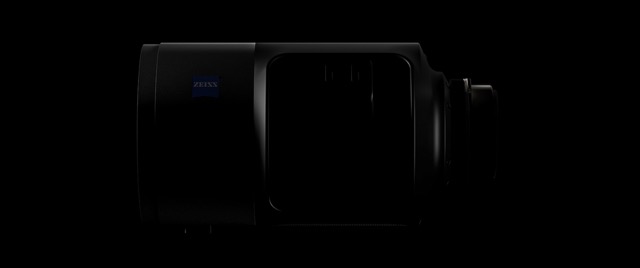
 p.1 #15 · Zeiss announcement on June 2, 2026? p.1 #15 · Zeiss announcement on June 2, 2026? | |
Zeiss is one of the very few companies still producing genuinely visible innovations in lens design.
In the photography market, we are increasingly being offered variations of the same old ideas:
(1) Many Chinese third-party manufacturers build lenses around existing optical formulas or well-established design principles. These designs have already proven themselves optically and can be manufactured cost-effectively with modern production methods, without requiring major investments in new R&D.
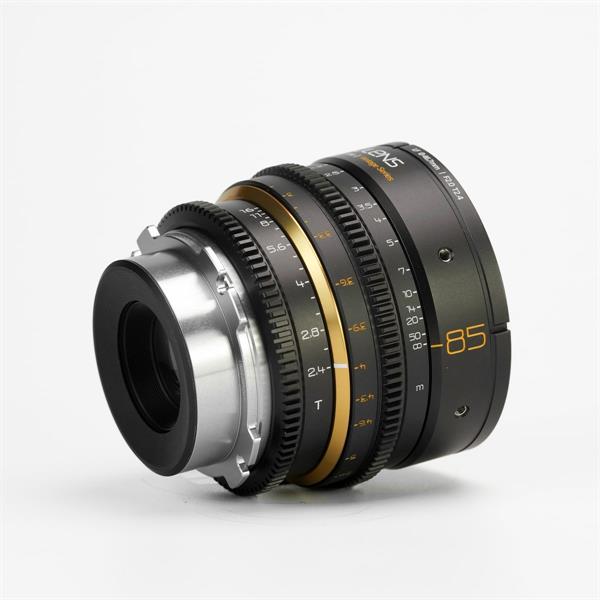
For example, the growing "character lens" segment is often based on this approach: taking older optical concepts and repackaging them as a creative aesthetic choice. In practice, these lenses are often sold as much through narratives as through optical performance. References to famous vintage lenses, legendary rendering characteristics, or historical design lineages become part of the product itself. Buyers are not merely purchasing a lens; they are also buying into a story about a particular visual tradition or photographic heritage. Whether those connections are optically significant or primarily marketing-driven is often open to debate, but the narrative is frequently a central part of the appeal.
Other Chinese manufacturers, such as Viltrox, have focused on delivering highly competitive modern autofocus lenses at aggressive price points. While the engineering is often impressive, the underlying goal is usually to offer a more affordable alternative to existing products rather than to introduce fundamentally new product concepts. Viltrox have become good at optimizing lenses for the metrics that dominate online discussions and review sites. Extremely high center sharpness, impressive benchmark results, and competitive specifications create the impression of optical superiority, even when other aspects of lens performance receive less attention.
Success is achieved not through innovation, but through optimization: producing the most competitive numbers, at the lowest possible cost, in the areas that are easiest to measure, compare, and market. For many buyers, these headline numbers are sufficient.
(2) Sigma produces excellent lenses, but their premium lens philosophy largely follows the same path that Zeiss popularized with the Otus series: pursuing maximum optical correction and image quality while accepting increased size and weight as the trade-off. More recently, the trend has shifted toward ever larger maximum apertures. While impressive from an engineering standpoint, these ultra-fast apertures often provide limited/non-existing practical photographic benefits for most users while allowing manufacturers to position products at higher price points (read: ultra-fast apertures are a marketing feature).
So who is actually innovating?
(3) Sony deserves credit for consistently producing highly capable lenses while putting significant effort into optimizing size, weight, autofocus performance, and overall usability. Many of their recent designs demonstrate genuine engineering progress.
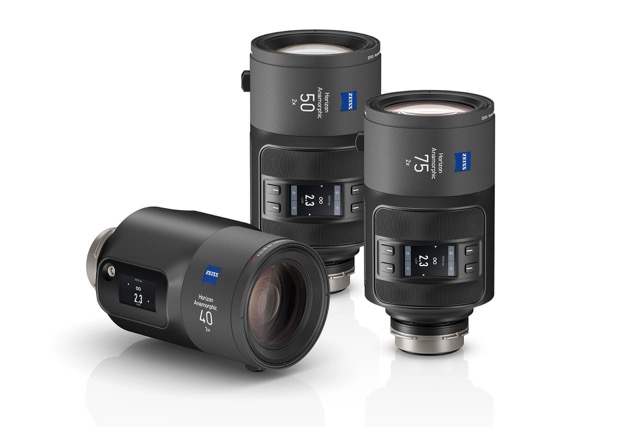
(4) But more interestingly Zeiss continues to innovate especially on the cinema side. Their cine lenses are not simply remakes of classic designs or derivatives of existing formulas. They actively develop new visual aesthetics and rendering characteristics based on Zeiss's own optical philosophy, while also advancing mechanical and production technologies. Cine lenses like Radiance, Aatma and now Horizon all bring genuinely new ideas of how aesthetics should look like, together with new engineering technology.
That is why it is disappointing to see so little of this innovation reaching the still-photography lens market. The Zeiss cine division continues to explore new ideas, while much of the photo industry seems increasingly focused on recycling proven concepts, selling narratives around them, or optimizing benchmark performance rather than creating genuinely new optical directions.
|