speedmaster20d wrote:
I am also mostly concerned about BG distortion and stair-case wings.... Looking back at my A9 II files from back then , I can find few examples of staircase wings (oddly with Canada geese)... that camera was ~6 msec I believe so 14msec sounds a bit on the borderline but might end up being OK.
What is being described as stair-case wings is ironically a function of the faster sensor readouts. A surprising and lesser-known fact is that sensor readout rates on a per-row basis haven't improved very much, even in the advent of recent stacked sensors. The speed increase of these sensors has actually been achieved through row-parallel readout mechanisms, where multiple rows are simultaneously readout and processed in parallel, typically in sets of 8 and 12 rows. It's the skew between these parallel fires rows and their adjacent neighbors which produce the stair-case phenomenon being discussed - essentially the readout rate has moved from a per-row skew to a per-row-group skew. To help visualize this I refer to Jim Kasson's excellent analysis of the original A9 stacked sensor:
snapsy wrote:
What is being described as stair-case wings is ironically a function of the faster sensor readouts. A surprising and lesser-known fact is that sensor readout rates on a per-row basis haven't improved very much, even in the advent of recent stacked sensors. The speed increase of these sensors has actually been achieved through row-parallel readout mechanisms, where multiple rows are simultaneously readout and processed in parallel, typically in sets of 8 and 12 rows. It's the skew between these parallel fires rows and their adjacent neighbors which produce the stair-case phenomenon being discussed - essentially the readout rate has moved from a per-row skew to a per-row-group skew. To help visualize this I refer to Jim Kasson's excellent analysis of the original A9 stacked sensor:
it depends on the scan scheme whether it is row by row (rolling) or row groups (phase offset) . Both are used in image sensors and of course there is init and settle times involved for both.
I am not incline to comment too much on the forums because I don't know the details of Sony design, this information is not public and only known to Sony designers and rest is just speculation (educated guess at best)
It's easy to see whether the sensor reads out in groups of rows. Just take a photo of rotating ceiling fan blades. The stair step pattern is easily seen. It's sometimes visible in photos of bird wings, especially hummers. Sony sensors read out in groups of 12 rows and Canon in groups of 8 rows. I posted some examples in posts a few years ago, but Fred archives posts and since the search function does not work for archived posts I can't find it.
dclark wrote:
It's easy to see whether the sensor reads out in groups of rows. Just take a photo of rotating ceiling fan blades. The stair step pattern is easily seen. It's sometimes visible in photos of bird wings, especially hummers. Sony sensors read out in groups of 12 rows and Canon in groups of 8 rows. I posted some examples in posts a few years ago, but Fred archives posts and since the search function does not work for archived posts I can't find it.
Unfortunately the link to the PDF in that post is broken. Here is a corrected link: ES_Artifacts_PDF
It's a few years old but I think still basically correct. It should be easy to check the A7R6 to see whether it is reading out in groups or 12.
Unfortunately the link to the PDF in that post is broken. Here is a corrected link: ES_Artifacts_PDF
It's a few years old but I think still basically correct. It should be easy to check the A7R6 to see whether it is reading out in groups or 12.
I'm guessing it's fewer than 12 rows on the a7rVI. There are two elements required to facilitate fast sensor readouts - 1) getting data off the sensor faster (parallel-row readouts) and 2) storing that data faster into memory. Based on Sony's early stacked DRAM marketing materials, and on my own measurements between partially-stacked DRAM-less sensors vs fully-stacked DRAM sensors, stacked DRAM increases sensor -> memory throughput by a factor of 4x to 5x.
With the sensor -> memory throughput capped in the absence of stacked DRAM, I would presume it wouldn't make sense to have 12 parallel row readouts on the a7rVI, as the faster readout couldn't be sustained to DRAM, and thus the extra logic on the a7rVI's stacked wafer to facilitate those 12 rows would be superfluous. I'm guessing then that the a7rVI has 4, 6, or 8 parallel-row readouts.
snapsy wrote:
I'm guessing it's fewer than 12 rows on the a7rVI. There are two elements required to facilitate fast sensor readouts - 1) getting data off the sensor faster (parallel-row readouts) and 2) storing that data faster into memory. Based on Sony's early stacked DRAM marketing materials, and on my own measurements between partially-stacked DRAM-less sensors vs fully-stacked DRAM sensors, stacked DRAM increases sensor -> memory throughput by a factor of 4x to 5x.
With the sensor -> memory throughput capped in the absence of stacked DRAM, I would presume it wouldn't make sense to have 12 parallel row readouts on the a7rVI, as the faster readout couldn't be sustained to DRAM, and thus the extra logic on the a7rVI's stacked wafer to facilitate those 12 rows would be superfluous. I'm guessing then that the a7rVI has 4, 6, or 8 parallel-row readouts....Show more →
I would prefer a comment from someone who is not guessing or speculating. Someone with the camera and a ceiling fan.
Steve Spencer wrote:
Hopefully Arash can give us an actual measurement, but it should be basically a function of the crop factor so something close to 13.1 msec (i.e., 19.7 / 1.5) in RAW or lossless compressed or compressed HQ and 9.4 msec (i.e., 14.1 / 1.5) in lossy compressed.
This seems right to me, and getting around ~9 ms in APS-C (lossy compressed) actually makes it a very usable option for action shooting. I don't remember exactly, but I think the original A9, the one that made a lot of action photographers switch over pretty quickly, was around 5-6 ms.
Note that while shooting in APS-C mode reduces the sensor readout time, it doesn't actually reduce rolling shutter distortion, since the relative readout time between rows (of the APS-C region) is the same - the camera just reads fewer of them. Of course matters are different for cameras with faster 12-bit readouts, as that actually reduces the per-row readout time.
dclark wrote:
I would prefer a comment from someone who is not guessing or speculating. Someone with the camera and a ceiling fan.
Unfortunately I have no ceiling fan, nor a lens that focuses that close. How is the ceiling fan used to determine the sensor timing, do you have a link to the process?
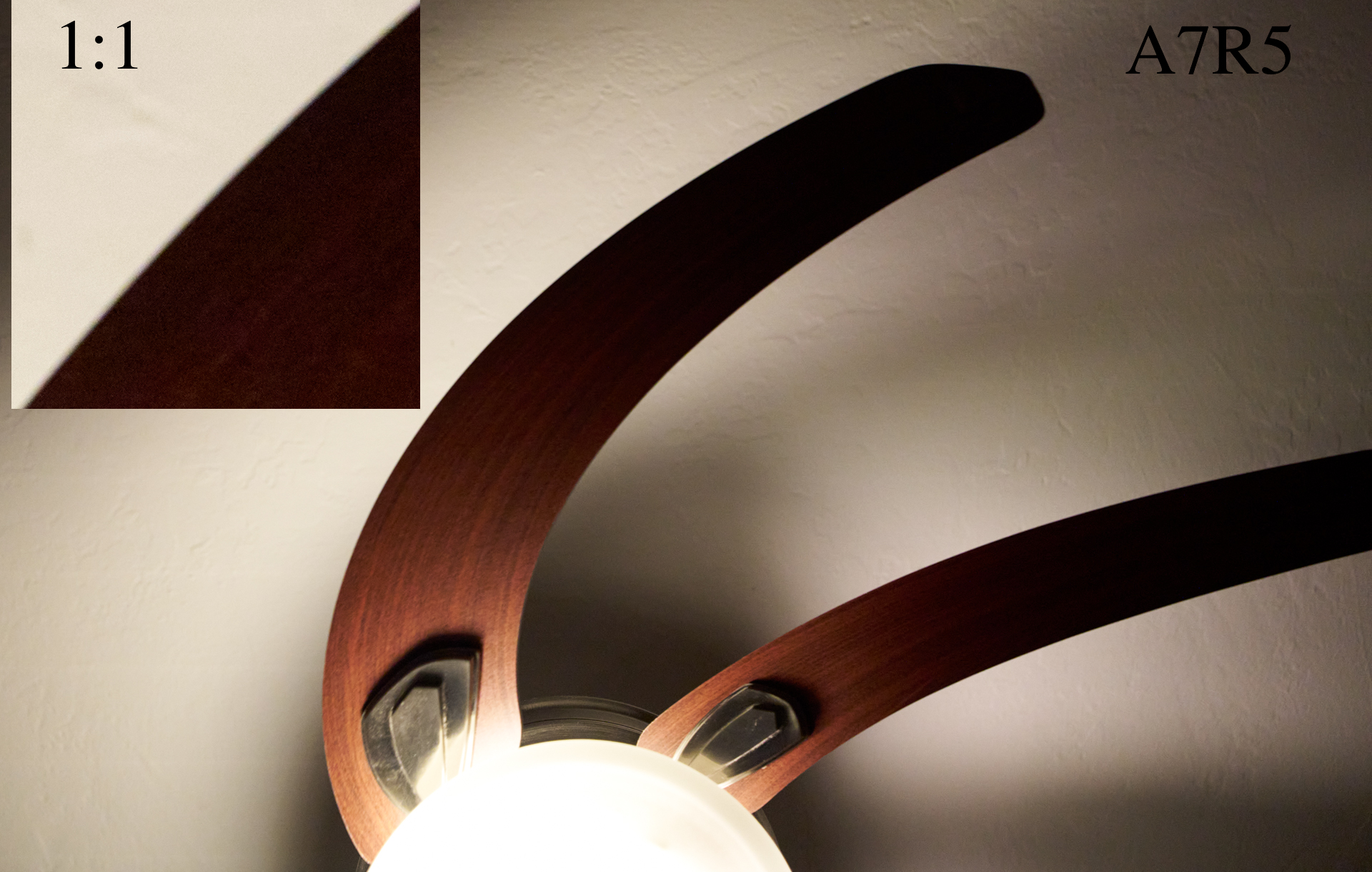
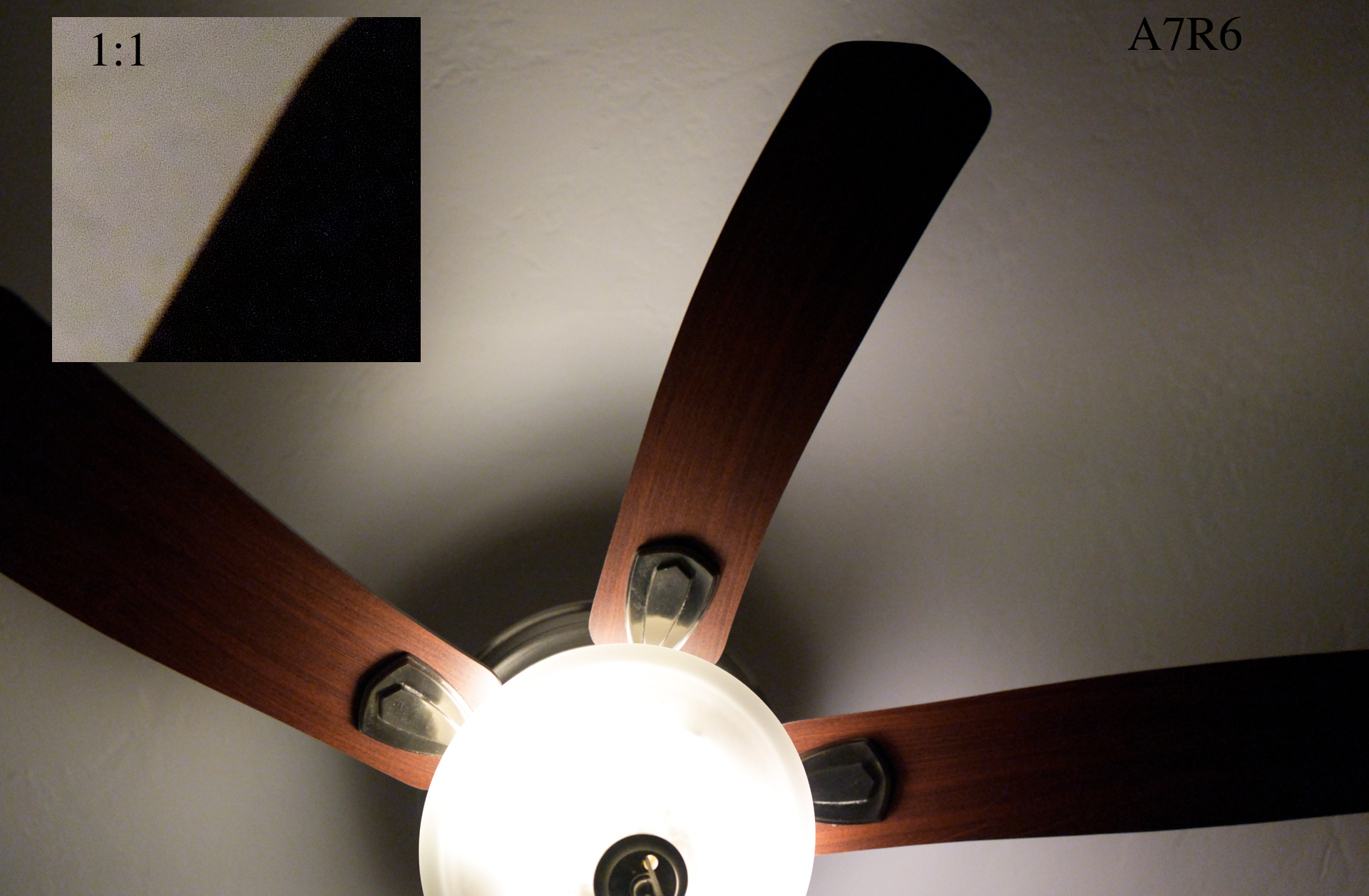
the fan test does not support the theory of groups with large phase offset for either A7R5 or A7R6. However it doesn't provide ANY insight about the detailed row / col timing diagram of the sensor. There could still be groups with very small offset. I no longer have the vintage A9 to see how it would have looked like.
I really don't want to speculate on this, there are correct ways of measuring the exact sensor timings down to sub micro-seconds but it requires using some specialized assets... I can't use my current setup to measure beyond readout time , maybe some day I will....
you can also see the difference between the readout times between the two cameras
It seems some of the sponsored internet experts or brand ambassadors missed a few critical things or did not want to talk about it probably they don't attempt to photograph a swallow handheld at 800mm
positives
- the AF is solid, it seems close to A1 series, if any difference I could not tell today and I tried a tough subject. I also used the 400-800 which is not a fast lens by any means.
- new battery lasts longer
Negatives
- The EVF: unfortunately there seems to be a dirty trick here again. I mentioned that the quality does not drop with AF tracking engaged, that is true, BUT, the refresh rate appears to take a hit. the image looked choppy and the wing beats from Fosters terns looked a bit jumpy.. It was noticeable to my eye. It seems the camera could not keep the 120Hz refresh rate when AF tracking was engaged. Certainly not as smooth as A1 II here. This is not noticeable until you start to pan at long focal lengths. It can become a bit distracting... not reason to dump the camera but disappointing. I wish Sony went back to "drop the quality a bit but keep the refresh rate" or at least given an option to choose from
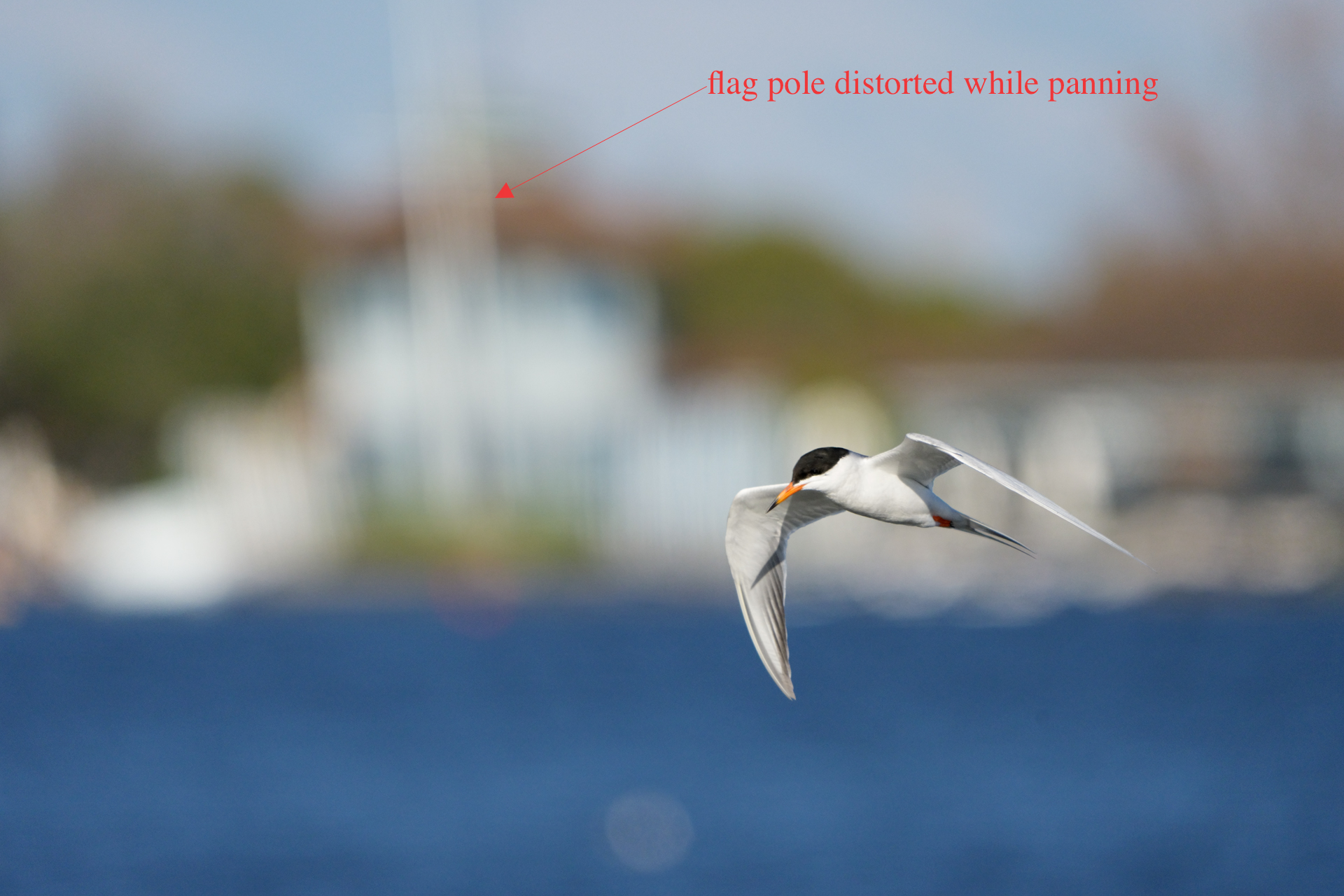
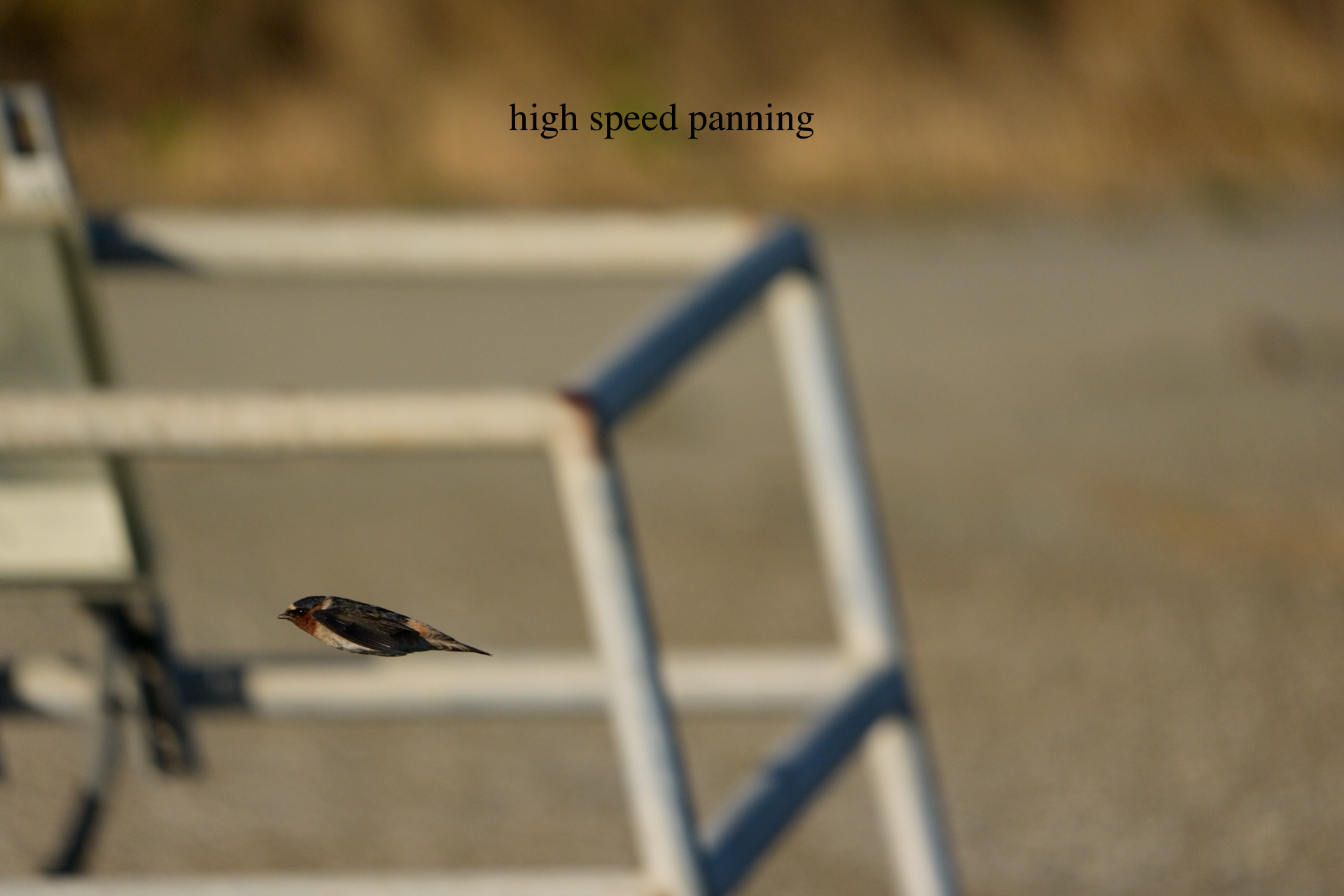
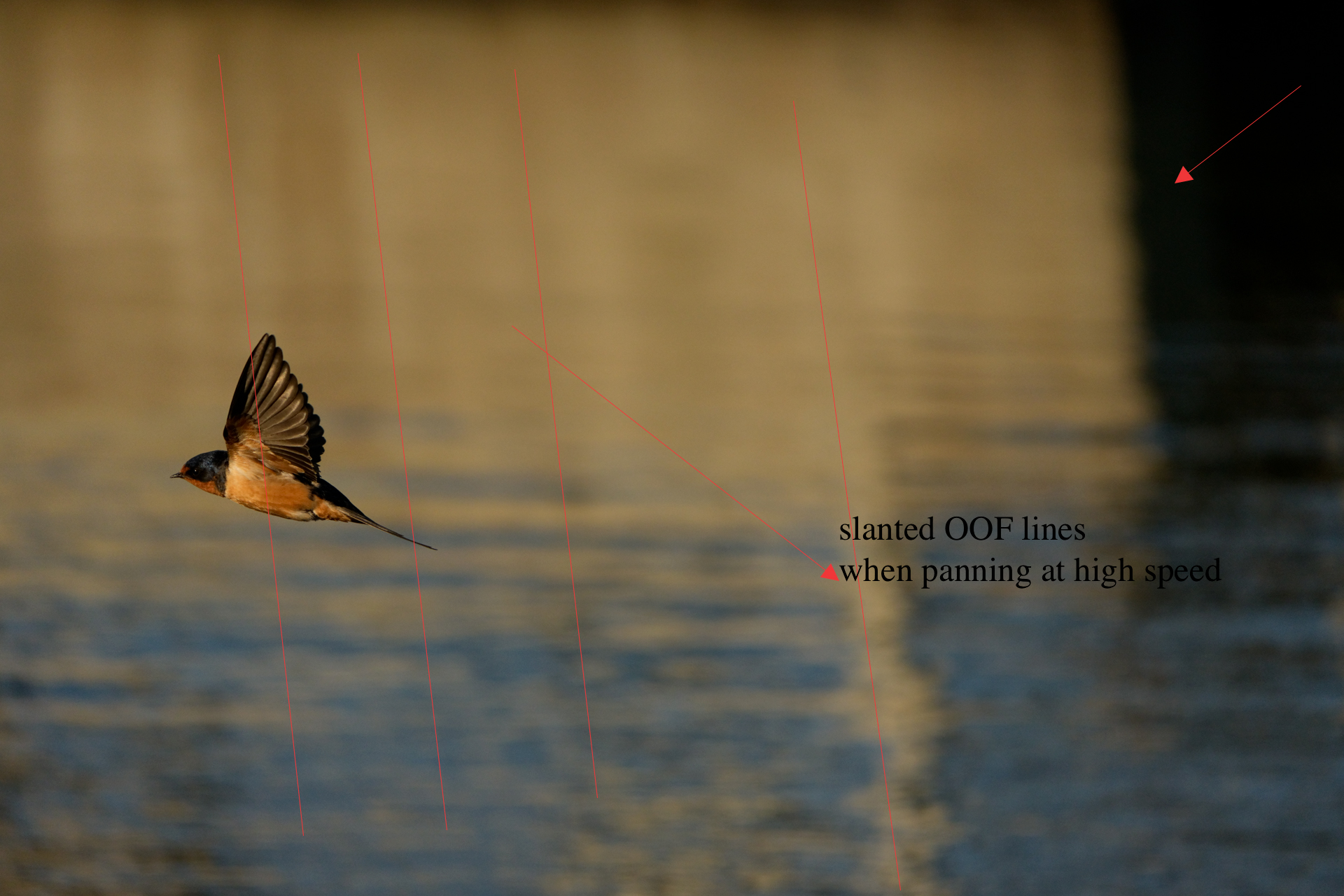
- the rolling shutter is visible even in the viewfinder if panning quickly at long focal lengths. I can see the infamous "jello effect". Does it bother me ? not so much with natural backgrounds, but I don't like it if there are manmade objects in the BG after being used to the A1 series.
- is the rolling shutter an issue for BIF ?
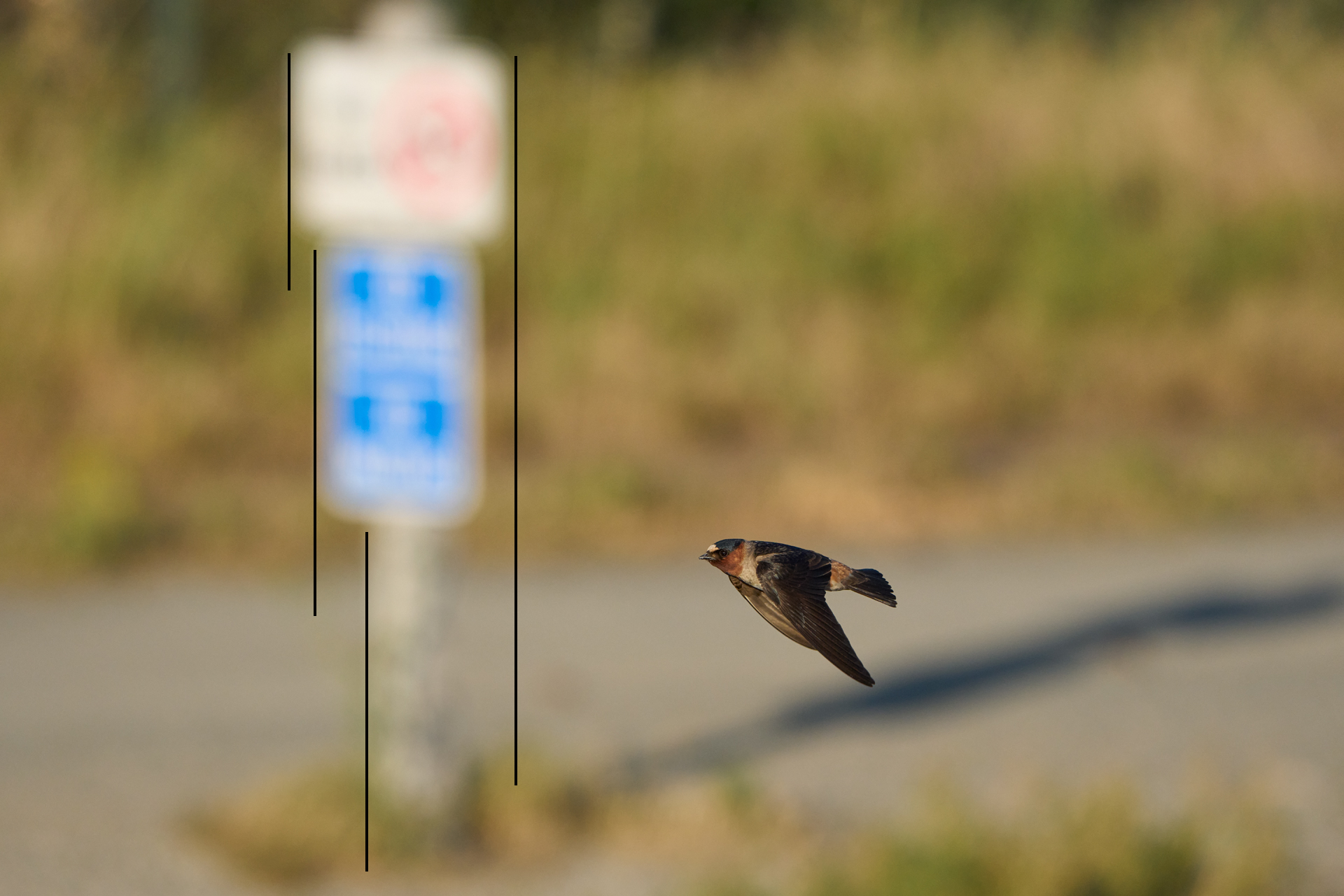
- it depends, if you have any kind of manmade objects in the background (even OOF reflections of vertical objects on the water) it can look pretty obvious.... not something that can be fixed in post processing easily .... If you have a fully natural and nicely blurred BG then it is unlikely to be noticed unless you are looking for it, but I imagine in some scenarios (e.g. OOF trees in the BG) it could become noticeable....
So a HUGE step up from A7R5 but I call all of those "A1 killer" comments BS at least for BIF
if you don't have any perfectly vertical features in the BG the image will look great
Fred Miranda wrote:
This seems right to me, and getting around ~9 ms in APS-C (lossy compressed) actually makes it a very usable option for action shooting. I don't remember exactly, but I think the original A9, the one that made a lot of action photographers switch over pretty quickly, was around 5-6 ms.
unfortunately that does not help. it is the scan slope (time to read a single row) that matters not the total readout time. The distortion is a function of panning speed relative to the scan slope. I checked and the slope does not change in APS-C crop. the distortion will look identical i.e. it will look same as just cropping the FF image in post.
I agree the ciritcal readout time (beyond which is almost don't care) appears to be about 5-6 msec for a FF sensor (or 3-4 msec for APS-C).... so the A7R6 falls short by 2.5X in best case scenario
the issue I take is the strong emphasis Sony has put on "ready for pro action" for this camera... not true advertising IMO. Otherwise it's fine for what it is.
speedmaster20d wrote:
unfortunately that does not help. it is the scan slope (time to read a single row) that matters not the total readout time. The distortion is a function of panning speed relative to the scan slope. I checked and the slope does not change in APS-C crop. the distortion will look identical i.e. it will look same as just cropping the FF image in post.
I agree the ciritcal readout time (beyond which is almost don't care) appears to be about 5-6 msec for a FF sensor (or 3-4 msec for APS-C).... so the A7R6 falls short by 2.5X in best case scenario
the issue I take is the strong emphasis Sony has put on "ready for pro action" for this camera... not true advertising IMO. Otherwise it's fine for what it is. ...Show more →
But if you have the same FOV in APS-C mode as in FF mode then the slope will be quite a bit less. As you rightly point out cropping alone will make no difference.


 probably they don't attempt to photograph a swallow handheld at 800mm