p.69 #1 · Official Nikon Z 180-600mm f5.6-6.3 VR Image Thread
Wonderful images in this thread. Started researching this lens and came across this google search which suggested this lens is a Tamron design. Any one knows?
JP2024044857A - Zoom lens and image capturing device - Google Patents https://patents.google.com/patent/JP2024044857A/en
p.69 #2 · Official Nikon Z 180-600mm f5.6-6.3 VR Image Thread
There are two companies listed on the patent, and employees from both companies as inventors.
f_a_98 wrote:
Wonderful images in this thread. Started researching this lens and came across this google search which suggested this lens is a Tamron design. Any one knows?
JP2024044857A - Zoom lens and image capturing device - Google Patents https://patents.google.com/patent/JP2024044857A/en
p.69 #4 · Official Nikon Z 180-600mm f5.6-6.3 VR Image Thread
Z8, 180-600
Here is an image of a female Common Loon searching for a site to build her nest. I will add a few more images of the breeding loon pair here. I am pleased with the Single Point AF ability to capture her eye behind/within the vegetation.
Loon nests don't float. They are built from a mix of rotting vegetation and muck, on the edge of water with sufficient depth to escape a predator. Her mate follows her around the perimeter of the pond, while she searches for a nest site. She has a sense of urgency because it is only a few days after insemination that the eggs are developed and ready to be deposited.
A very slight rotation of the 180-600’s focus ring (only during the actual shooting) will reveal the distance to the subject. This first image is 8256 by 5504 (pixels). The second image (cropped) shows her eye behind the vegetation. Just nudging the focusing ring revealed that the lens was 45 and 50 feet from her, depending on which image. I made sure she could see me retreat back to 100 yards or so, where I used binocs to see that she stayed in the vegetation. Now that I know they are nest-site shopping, I won’t go on this basin again,..... until I’m confident that 1 or both eggs hatched.
#2 no-no is hanging around them to observe as they choose a nest site.
#1 no-no is approaching the nest with a sitting (incubating) loon on it.... probably in hopes of getting a very close image with a cell phone, or taking pictures of the eggs. It terrifies a sitting loon and if the loon slides off the nest because it is scared of a person’s close approach......it’s highly likely they will abandon the nest.
3rd image is another crop, showing her picking up dead vegetation and rotating her bill to deposit the material on the edge of land behind her.
And here’s Dad, just following her around and stopping to watch her in the spots she is considering as nest sites. That’s an Eastern Hemlock above him. My fav evergreen, it has the greatest shade-tolerance of any North American tree species. There is documentation of it living for 250 years in the understory, while just 1/2 inch in diameter!! It also has the greatest longevity among eastern North American tree species..... pushing 1000 years of age.
p.69 #12 · Official Nikon Z 180-600mm f5.6-6.3 VR Image Thread
George DeCamp wrote:
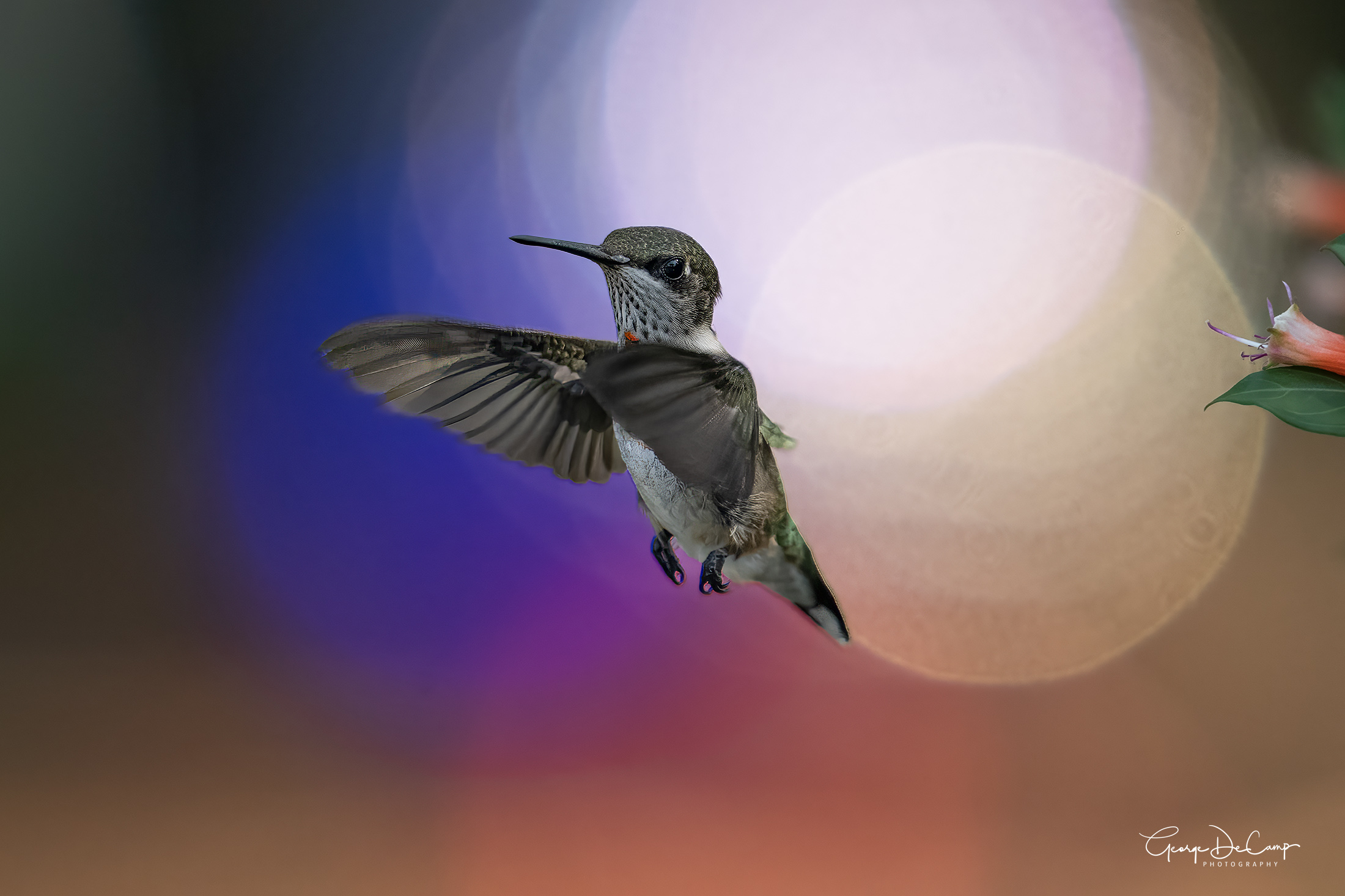
One quick one from this morning in the back yard
The color and detail in this shot are stunning! I photographed quite a few hummingbirds earlier this year and know how difficult it can be to get them in focus, much less compose a great shot with the lighting and background you desire. Awesome.
I would maybe take a quick look at how you're masking and adjusting the bird and the background, as I see some outlining around the bird.
p.69 #13 · Official Nikon Z 180-600mm f5.6-6.3 VR Image Thread
Wezre wrote:
The color and detail in this shot are stunning! I photographed quite a few hummingbirds earlier this year and know how difficult it can be to get them in focus, much less compose a great shot with the lighting and background you desire. Awesome.
I would maybe take a quick look at how you're masking and adjusting the bird and the background, as I see some outlining around the bird.
Thanks so much!! All I did was crop to my liking, not too much off and brighten the bird a bit by selecting and using shadow recovery and a touch of exposure. The BG was very bright, I should have used a flash but I don't like scaring them away so no flash and silent mode for shutter! Thanks again, appreciate your feedback!
p.69 #15 · Official Nikon Z 180-600mm f5.6-6.3 VR Image Thread
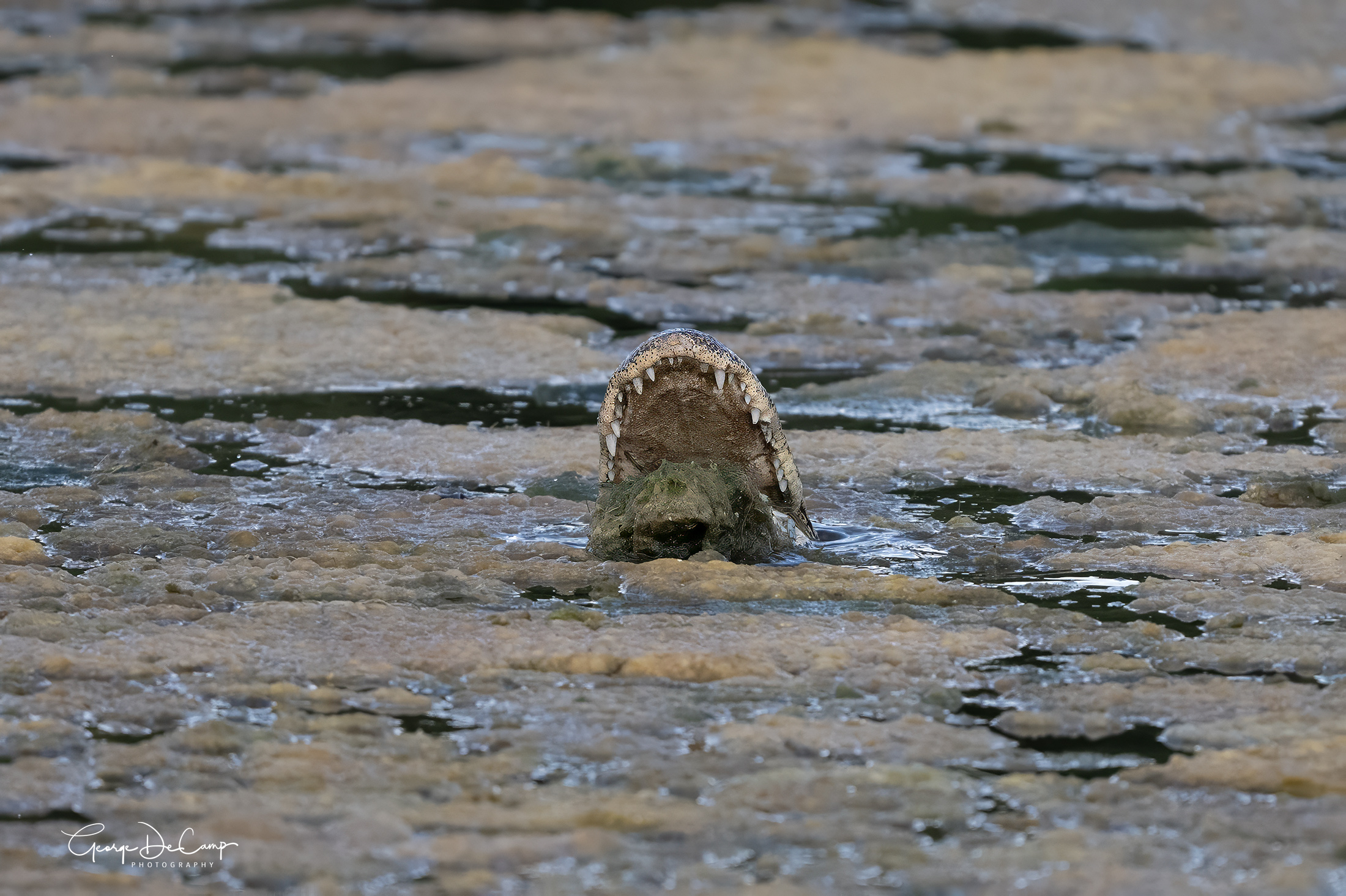
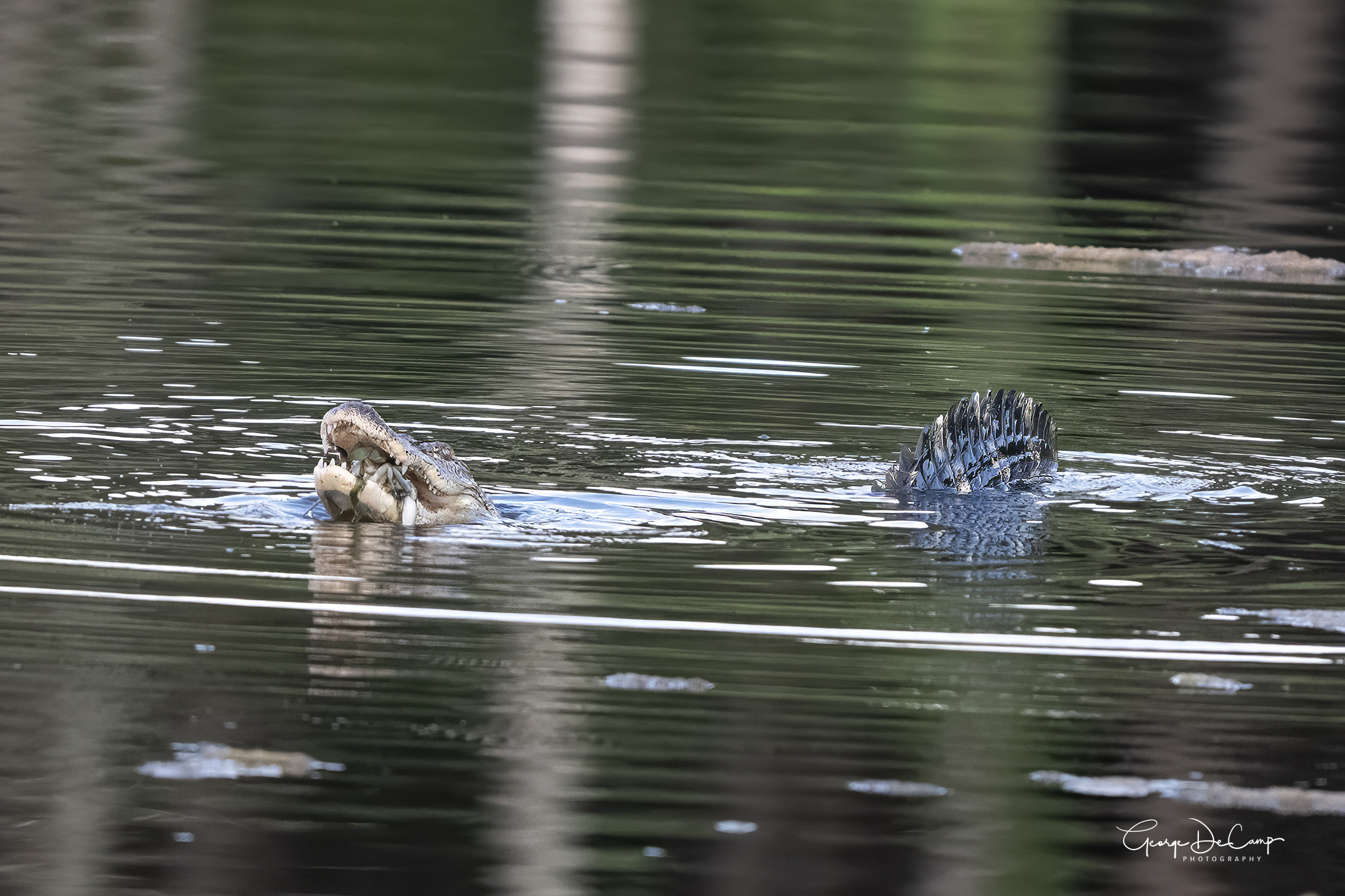
Another fascinating wildlife set for you George!
I am most fascinated by the American Alligator (as with all Crocodilians), and I envy you living close enough to them that you can watch their habits.
The crab being ingested by the gator reminds me of E. A. McIlhenny’s description of gator stomach acids in his fascinating book. He wrote how his hands burned from the stomach acids. Alligator stomach acids digest everything, including bones, hair, feathers... to the consistency and appearance of masonry mortar.. No mammalian digestive juices (that I know of) can digest even hair or feathers.
p.69 #17 · Official Nikon Z 180-600mm f5.6-6.3 VR Image Thread
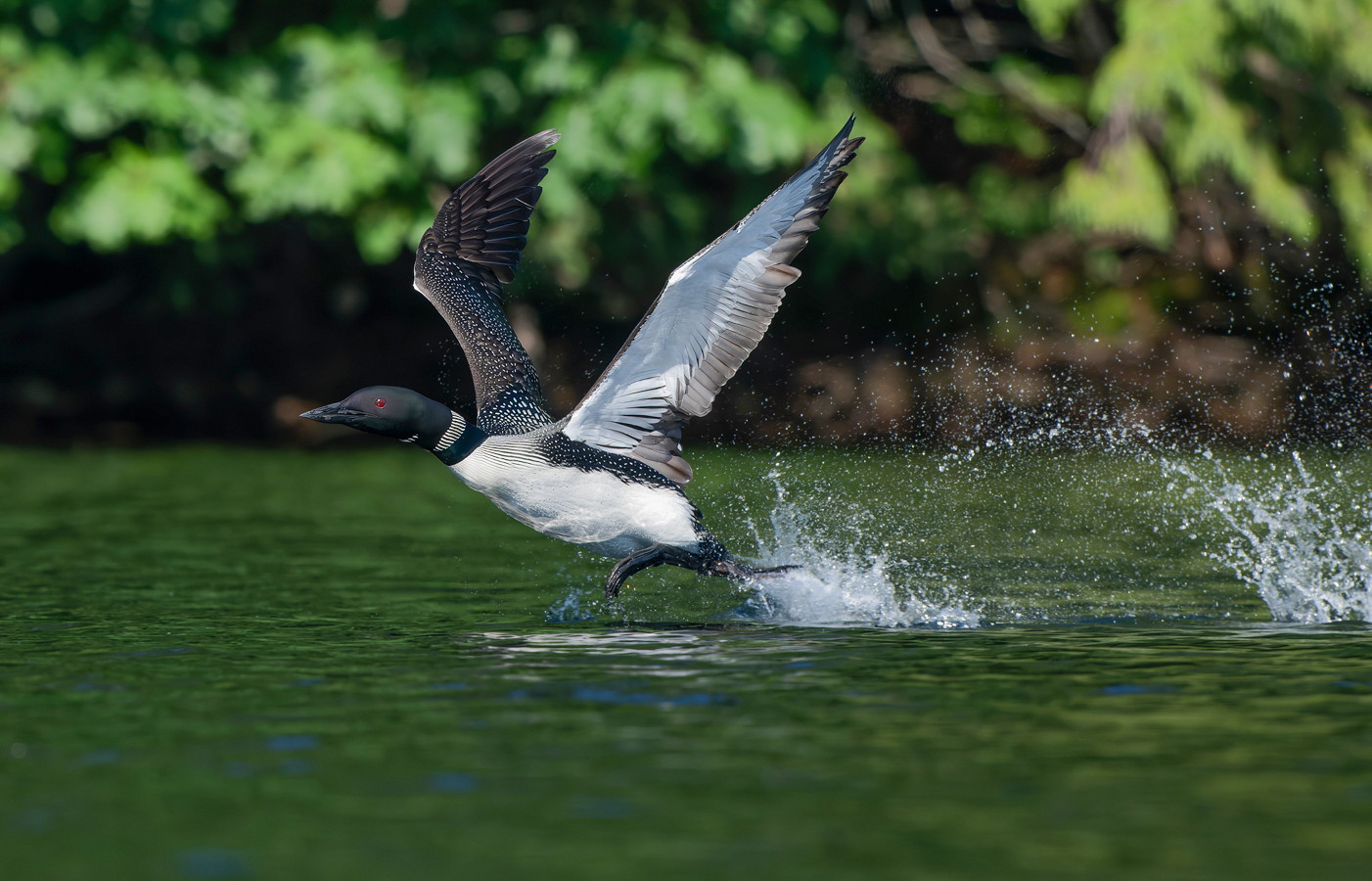
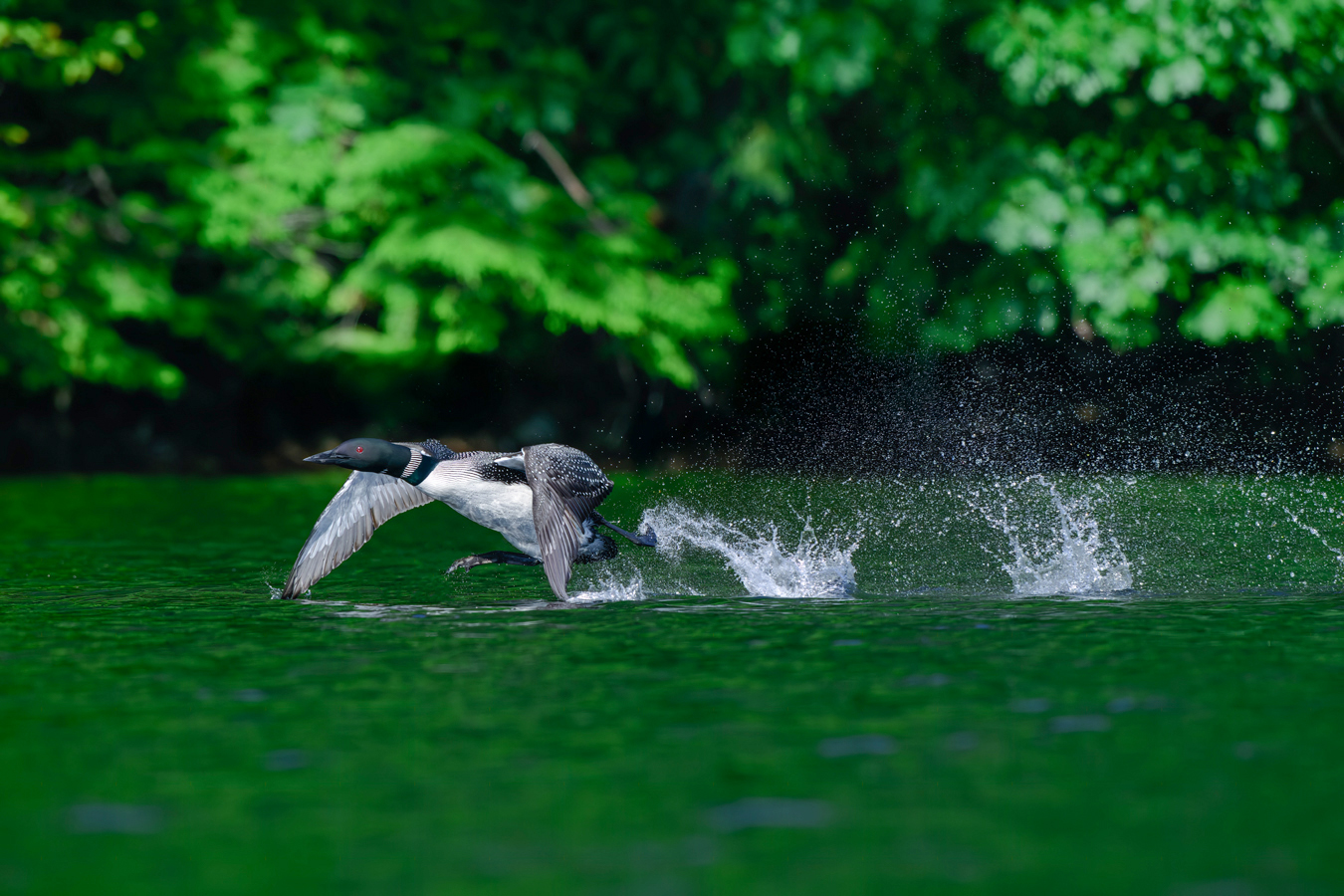
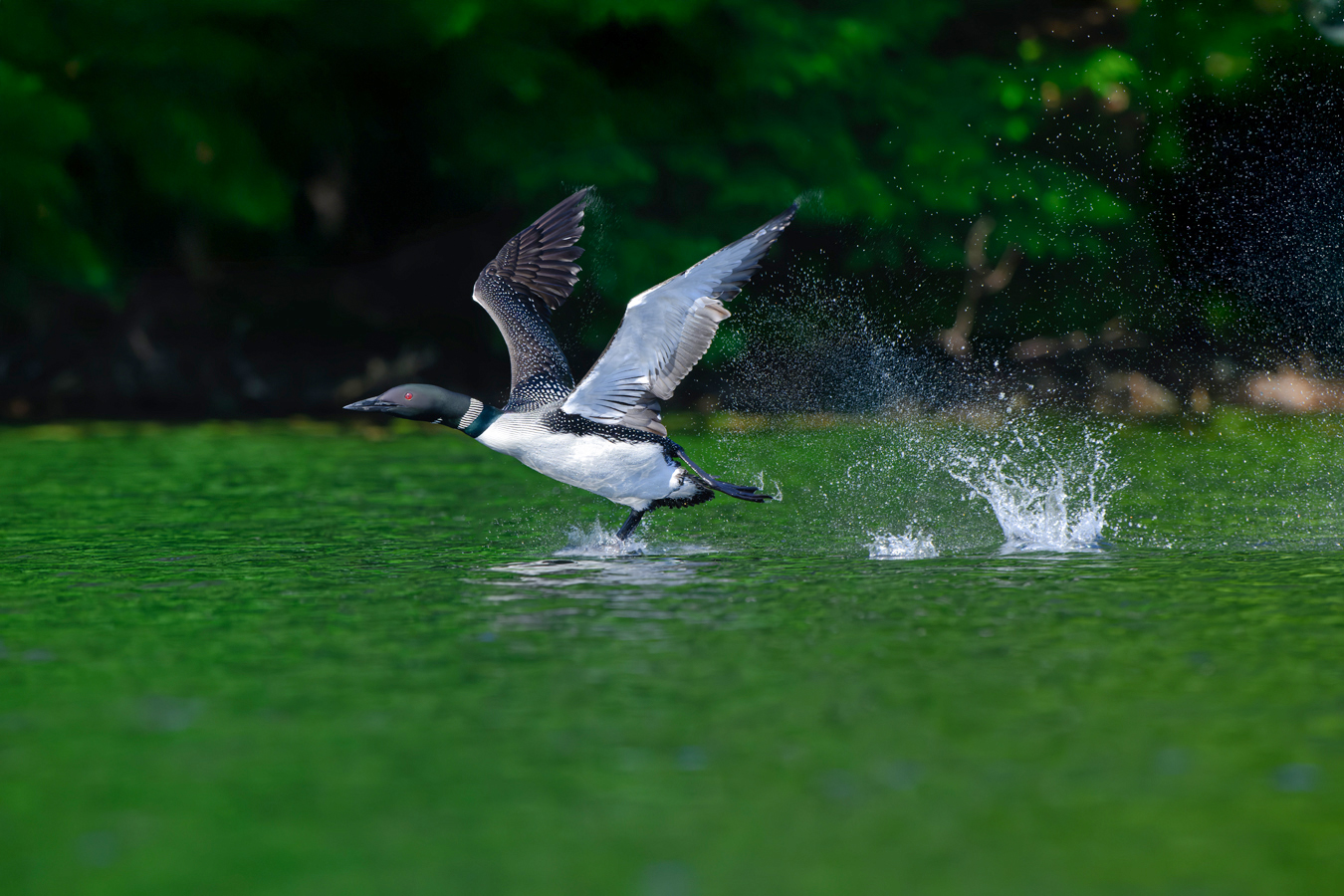
I went to a remote basin yesterday. It was a quiet place.... no human sounds. Ok, there was one pontooned Cessna that went over. No contrails from airliners at all. I was looking for loons by scanning the distance shorelines with the binocs. Nothing. Then I heard one in the distance; which lead me to spotting one and then its mate.
I'll add more images to this posting.
Robert
The Z8 was set on 15 fps and there were 74 frames in the sequence of the loon taking to flight.
p.69 #20 · Official Nikon Z 180-600mm f5.6-6.3 VR Image Thread
Dinkin with the lens before sending the rental back. For me, it would simply be an airshow lens, as the size and weight are more than I like to carry on a typical day. Seems like it would do well with a monopod for best results, which again, not really my style. A really nice optic though!