rscheffler wrote:
No flames from me! The consummate Leicaphile will argue this is a feature and not a flaw.
Maybe it is a form of contrast control; no need for a mist filter, etc.
IMO the longer the Leica (M) lens, the worse the veiling flare control is. I have not used all M lenses across all eras but those I have, and have owned for many years, all seem to abide by this rule of thumb (21 Lux, SEM, 28 Lux, 50 Lux ASPH, 50 Cron Rigid, 90AA, 90 Macro).
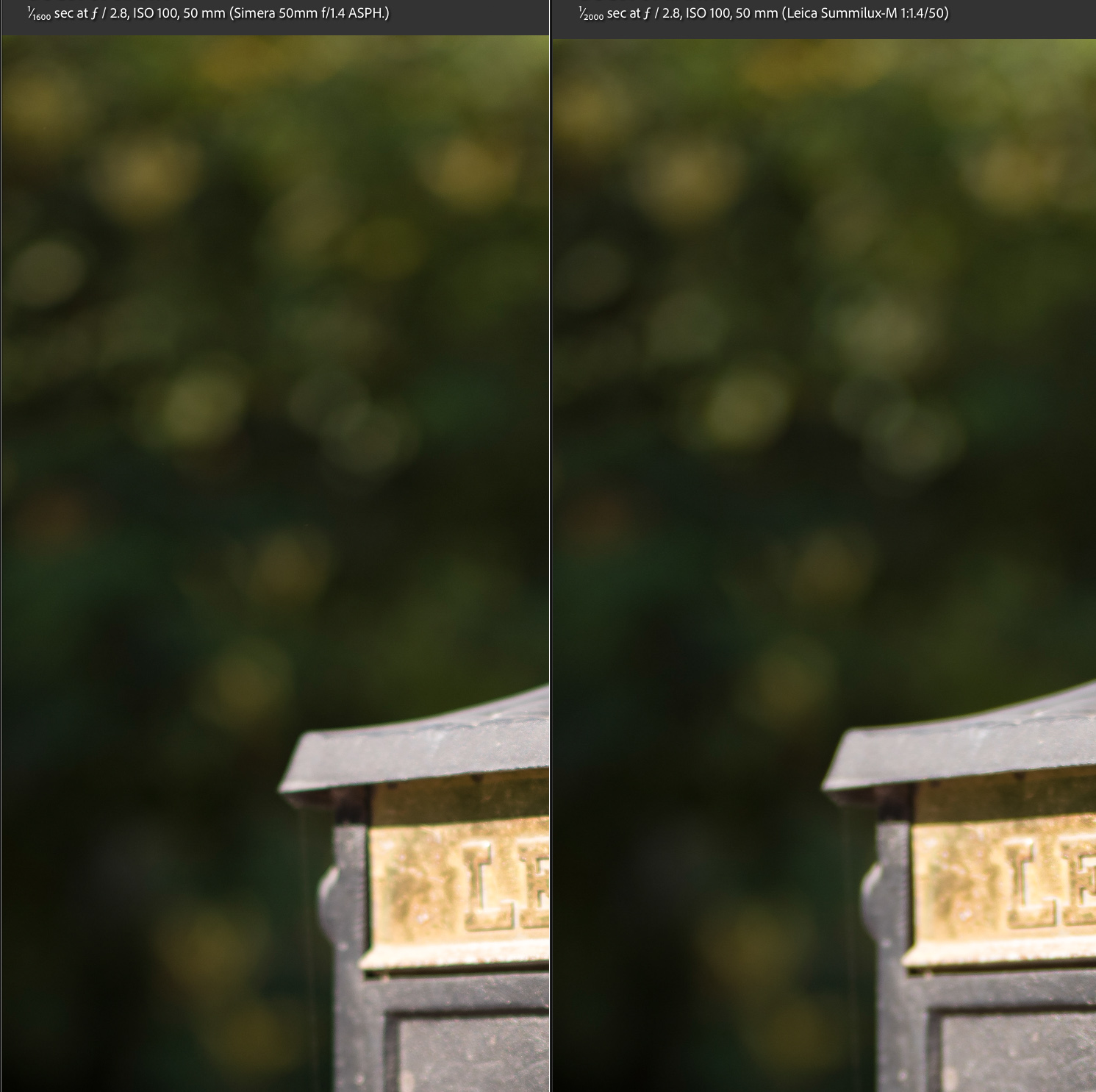
Oh oh, I see traces of LoCA/color fringing in the mailbox...
I guess it won't entirely dethrone the Lux after all. ...Show more →
I 100% think lens flare is a feature on lenses and I think lens flare adds to a scene very much so. There are times when I don’t want lens flare, but generally speaking, I want and appreciate what it brings to a scene. Let’s be honest here, if Leica wanted to design a lens that reduced flare, they could- and have.
I just saw a new movie The Heretic (pretty interesting but pretty gnarly at times) Friday night. There were scenes that showed excessive amounts of flaring and it really added to the mood and pulled the scene together IMO. Beautifully shot movie and the imperfections or (features) of the Xelmus Apollo lenses they used really showed through.
This isn’t a Leica feature, this is a feature in lenses I really enjoy and look for-
cbass wrote:
The Chinese just need to make an affordable rangefinder camera with an M mount now.
They may be up to making such a camera, but could they service and support it given the challenges of shipping to China and a lack of local service centers in different countries?
I'd rather see Voigtlander make an M-mount EVF digital camera, perhaps working with Panasonic.
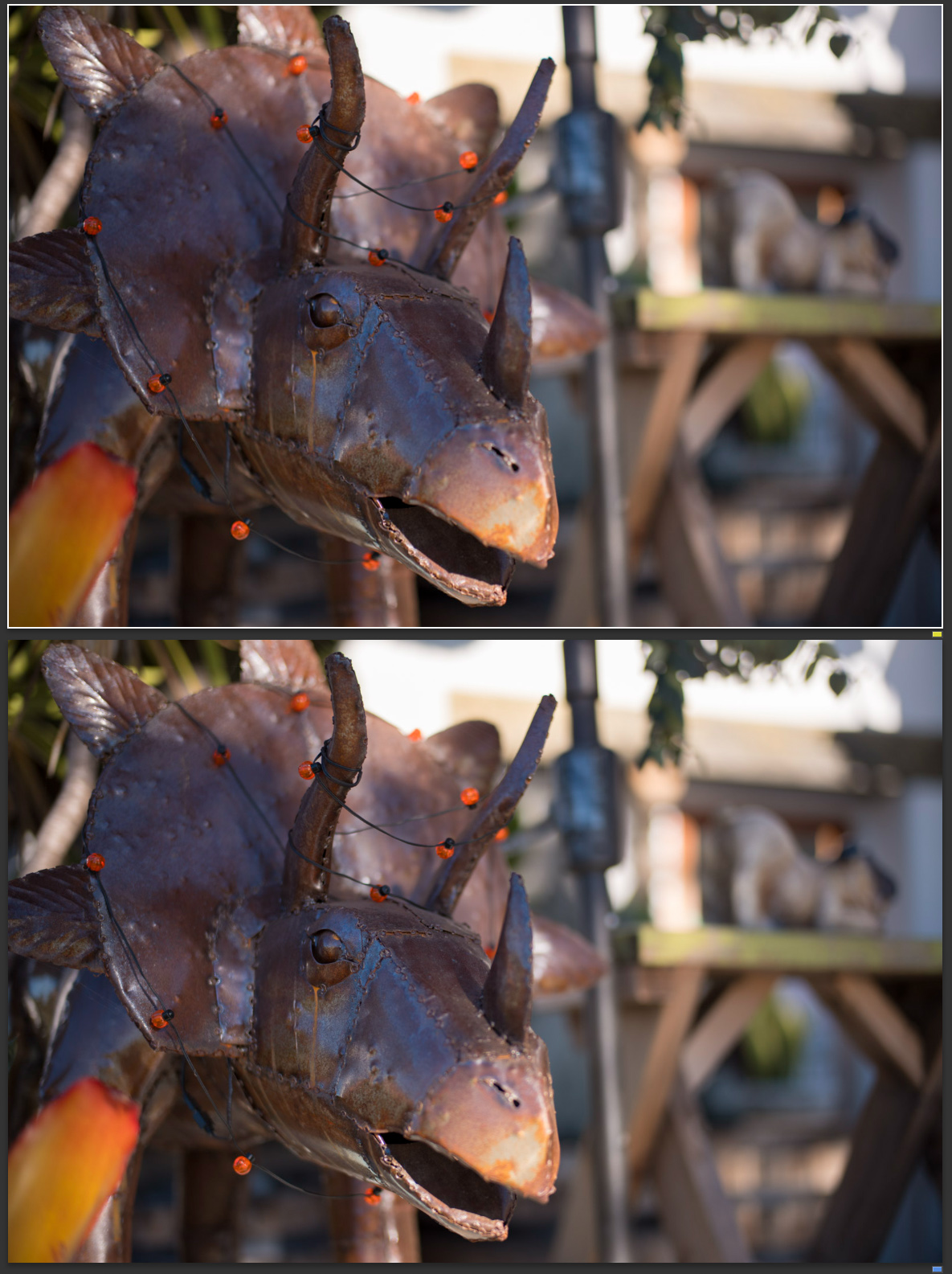
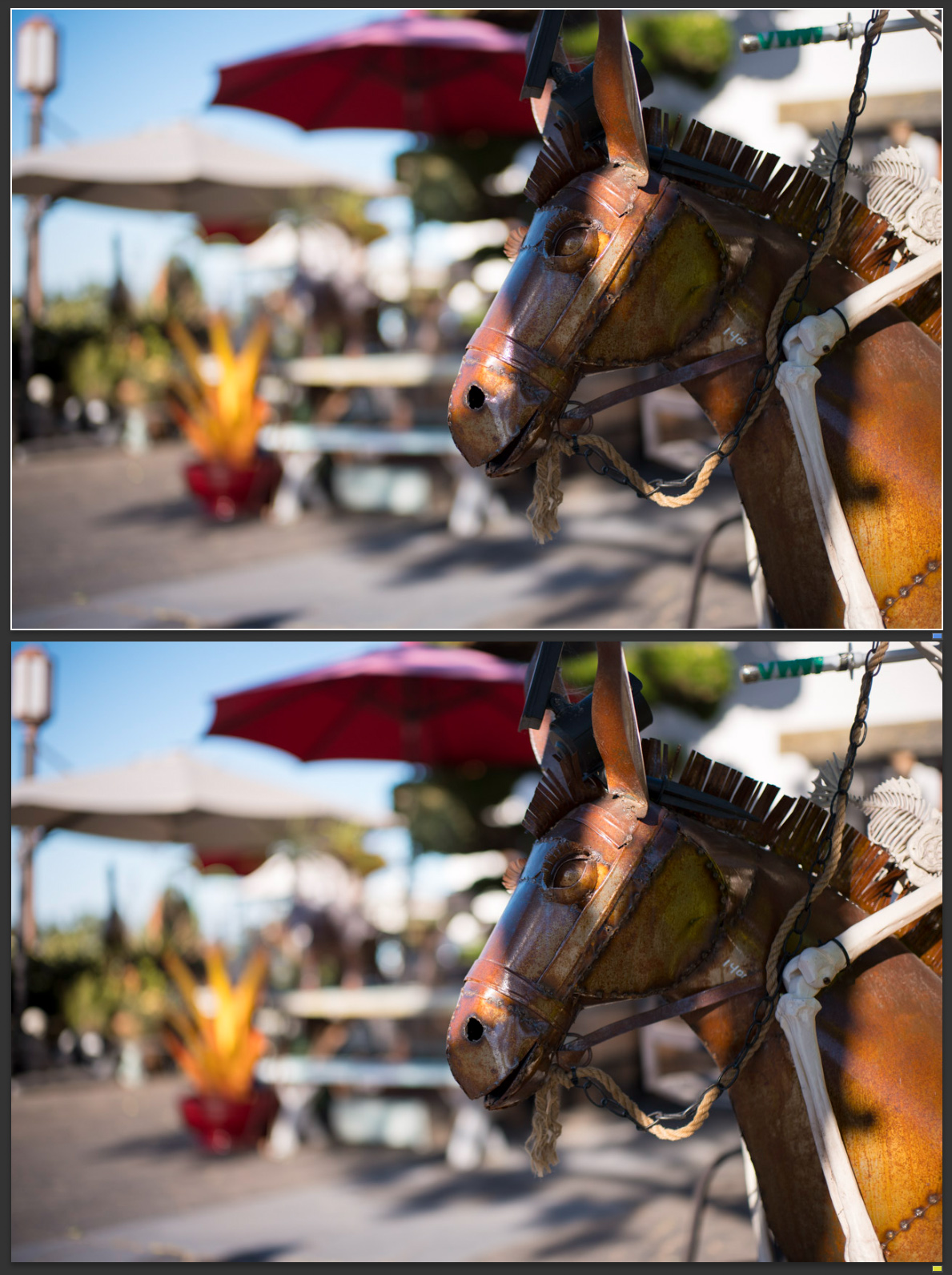
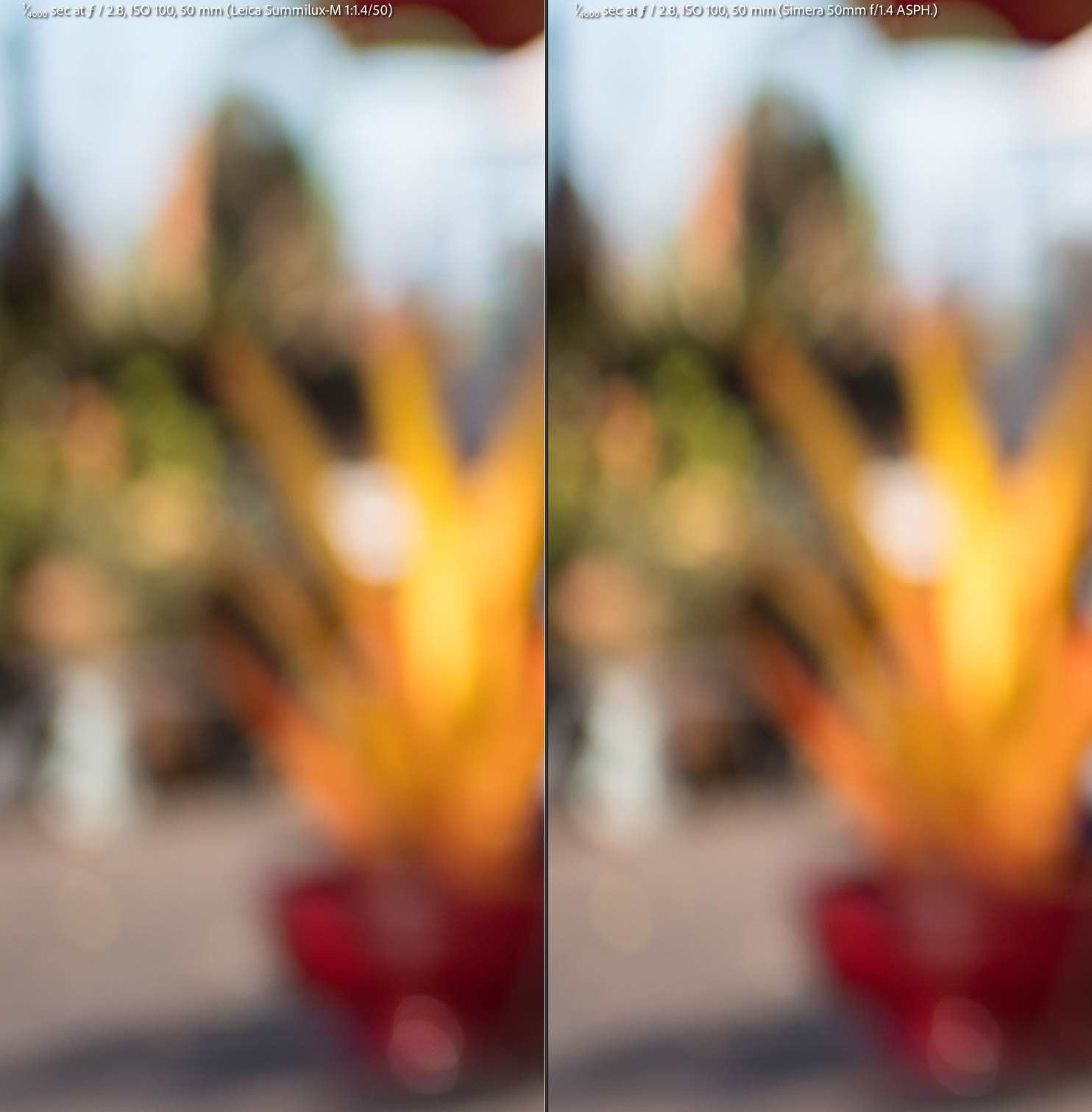
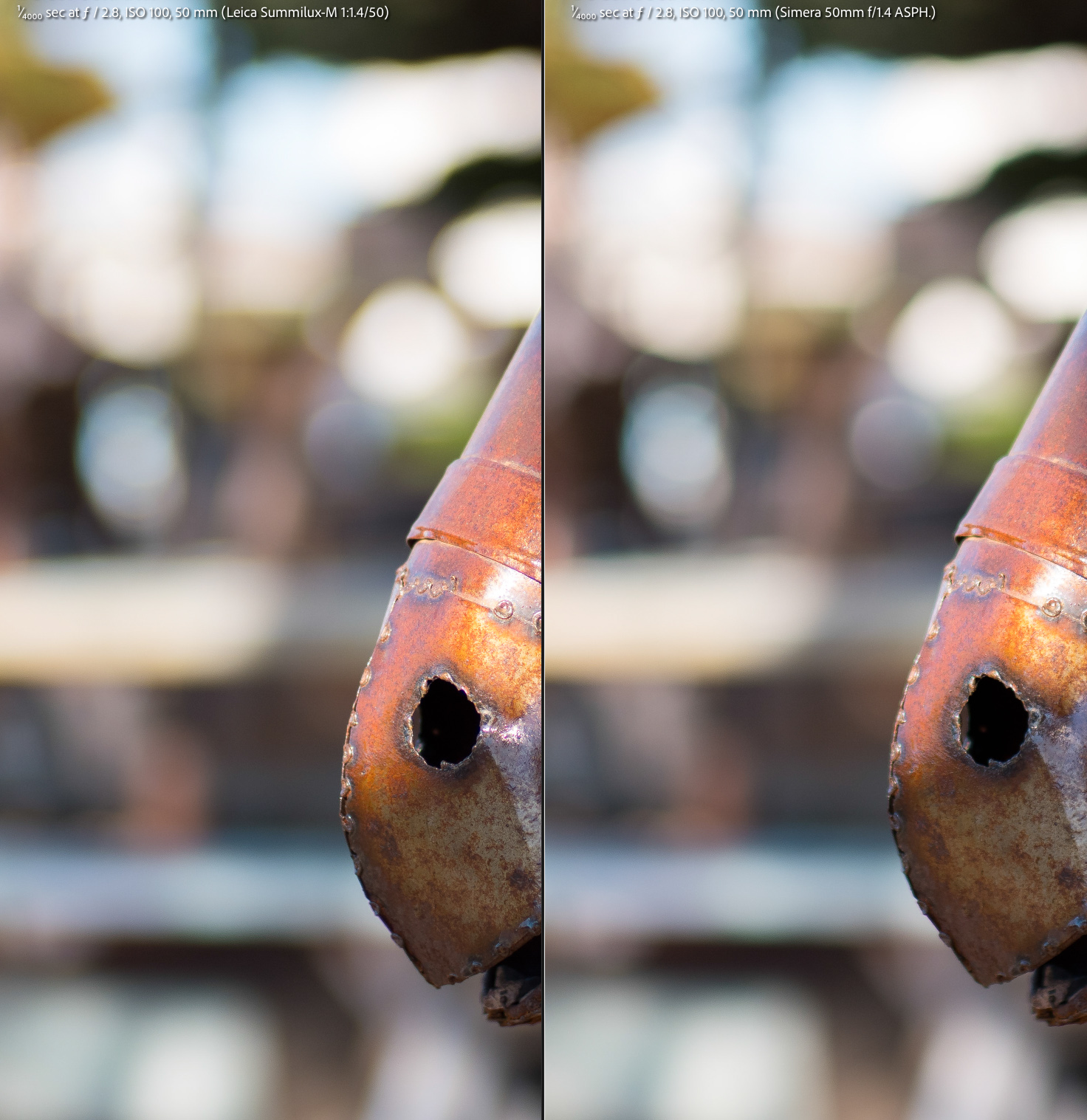
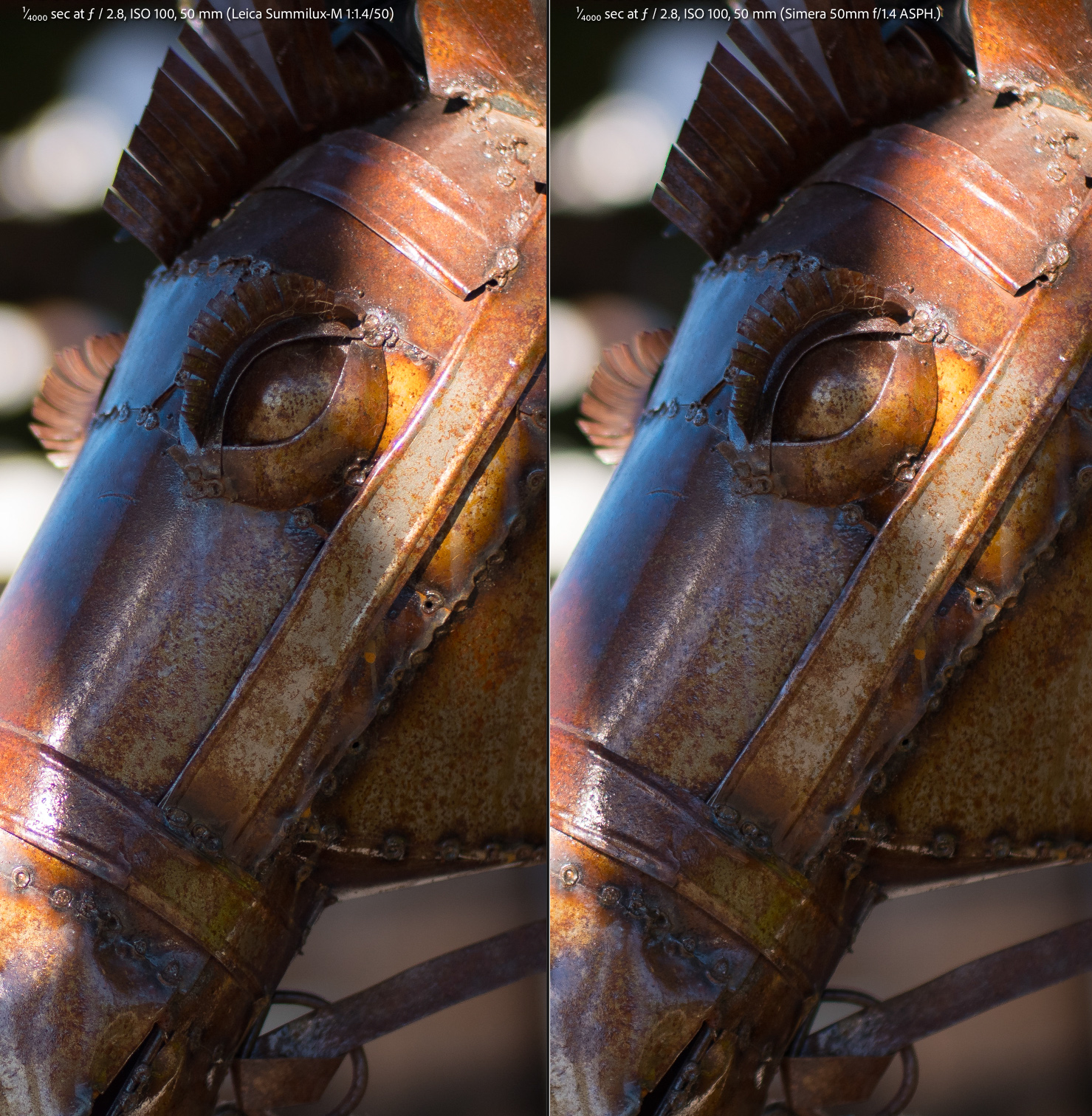
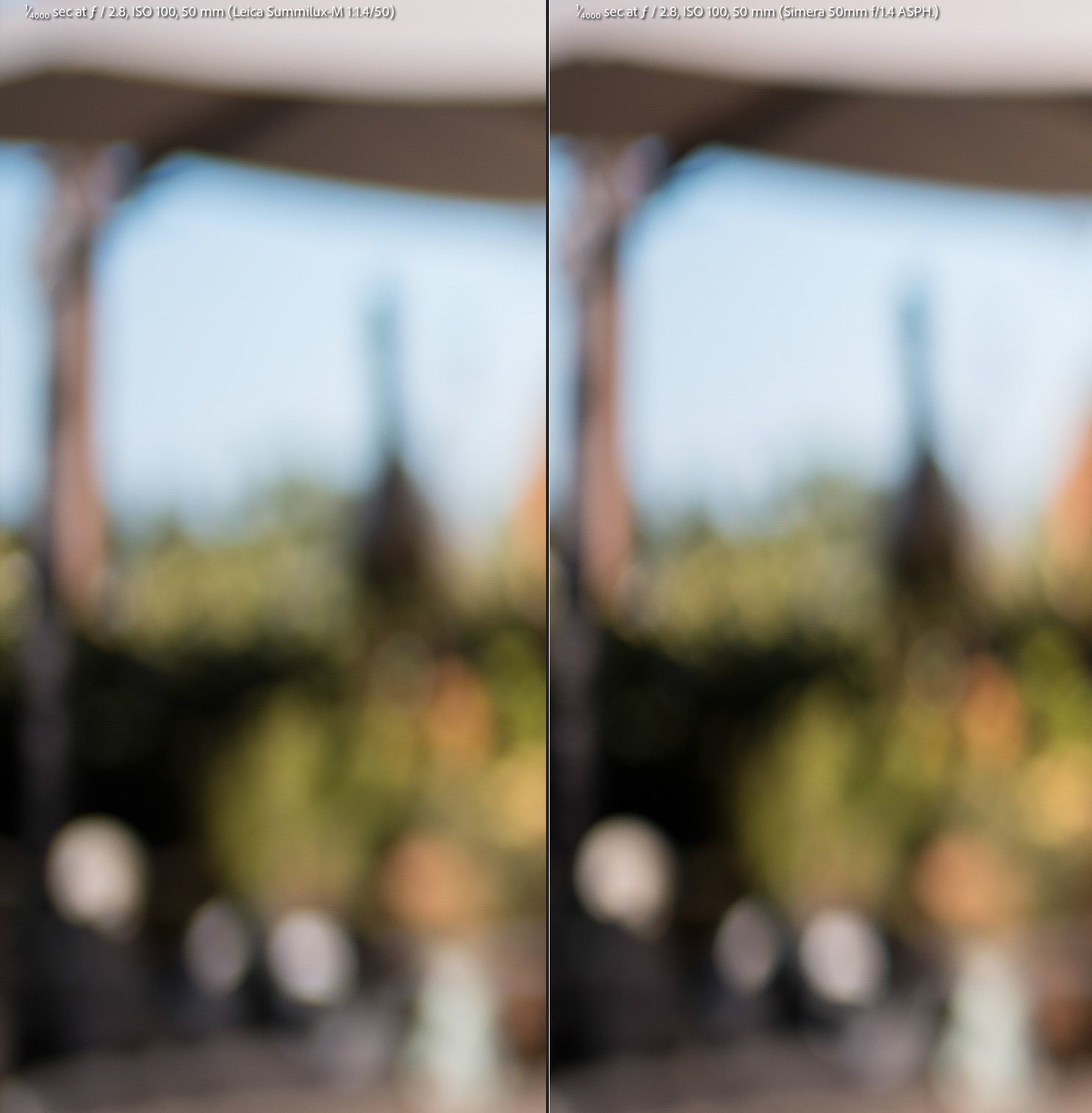
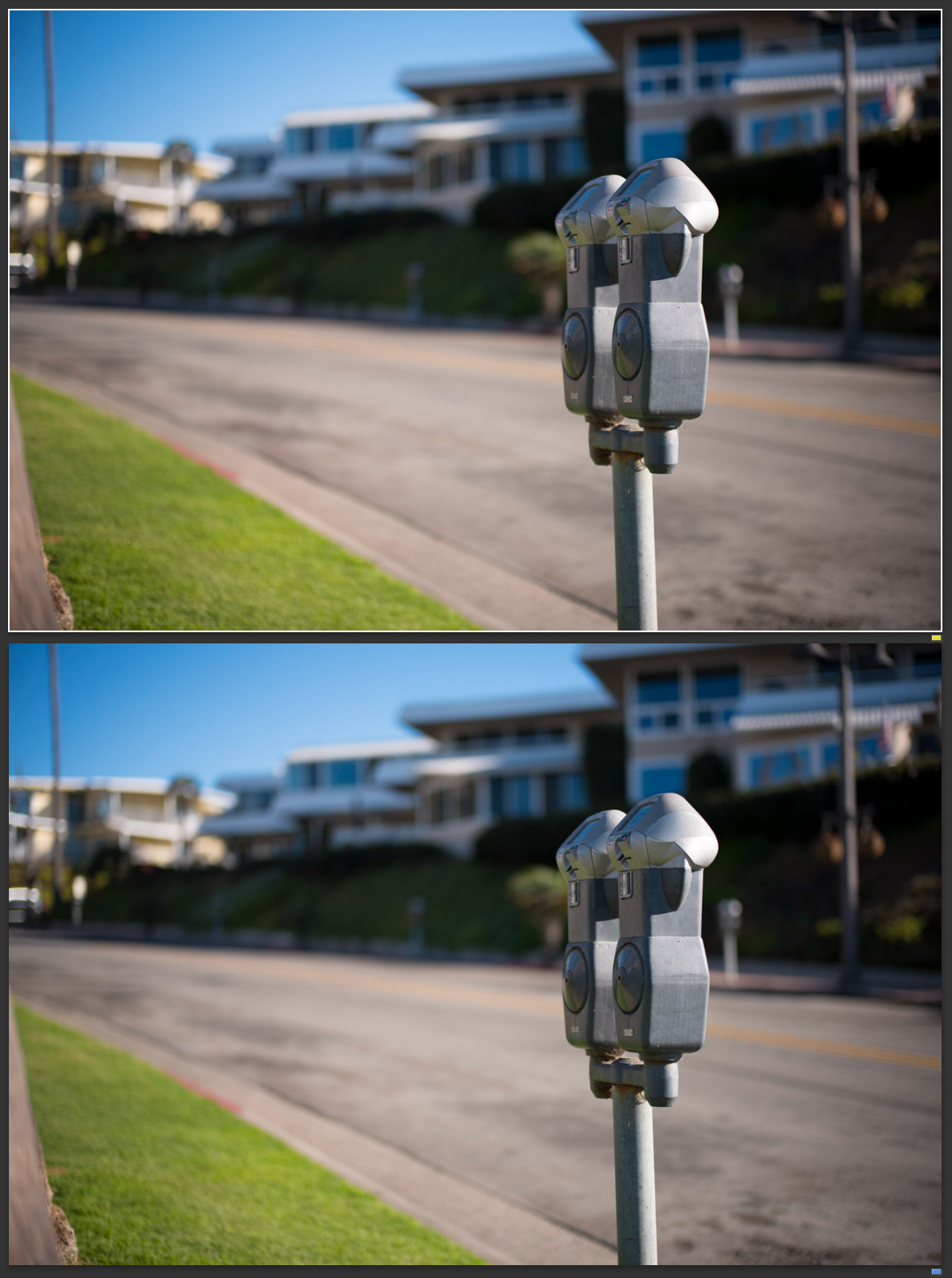
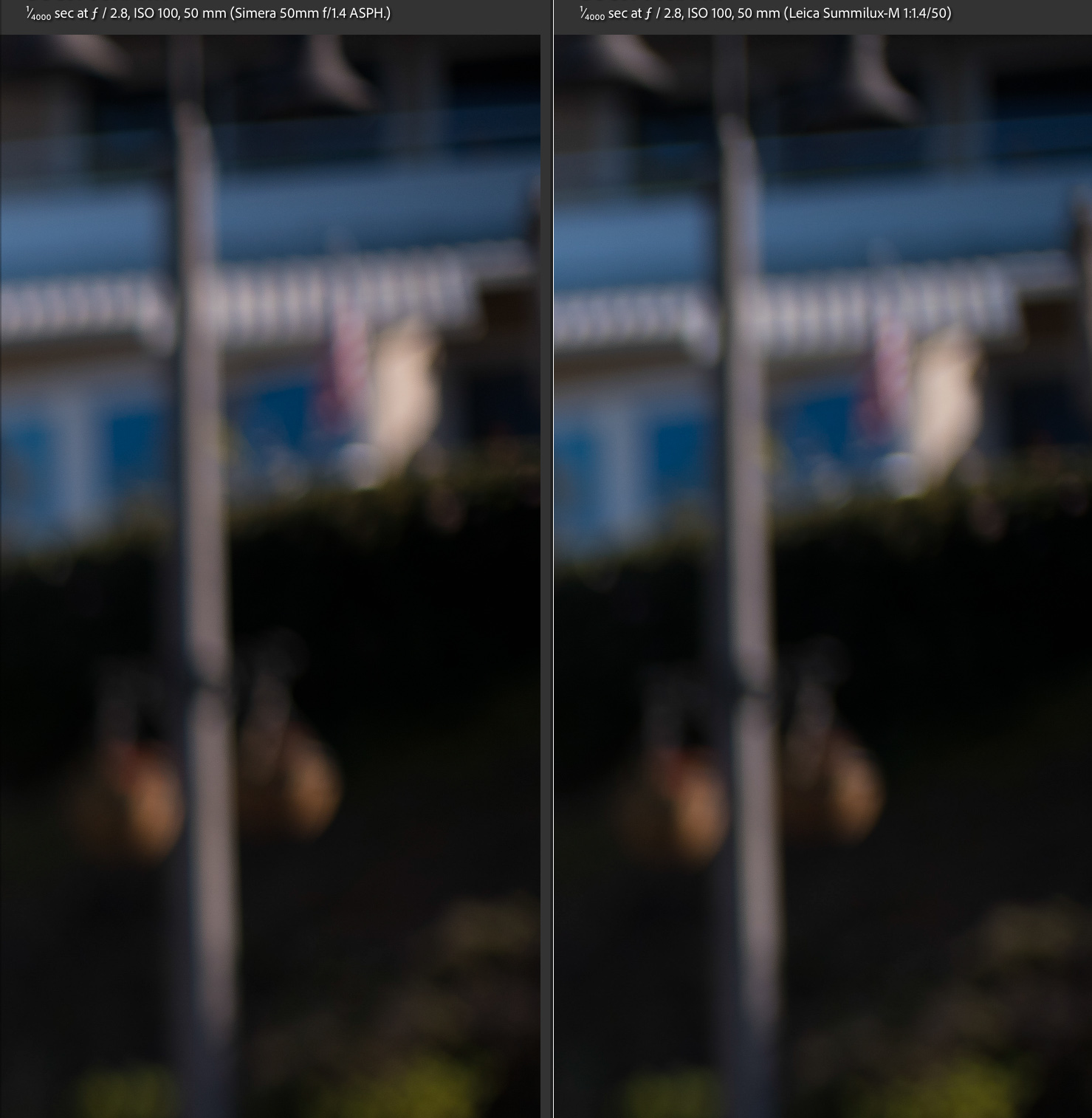
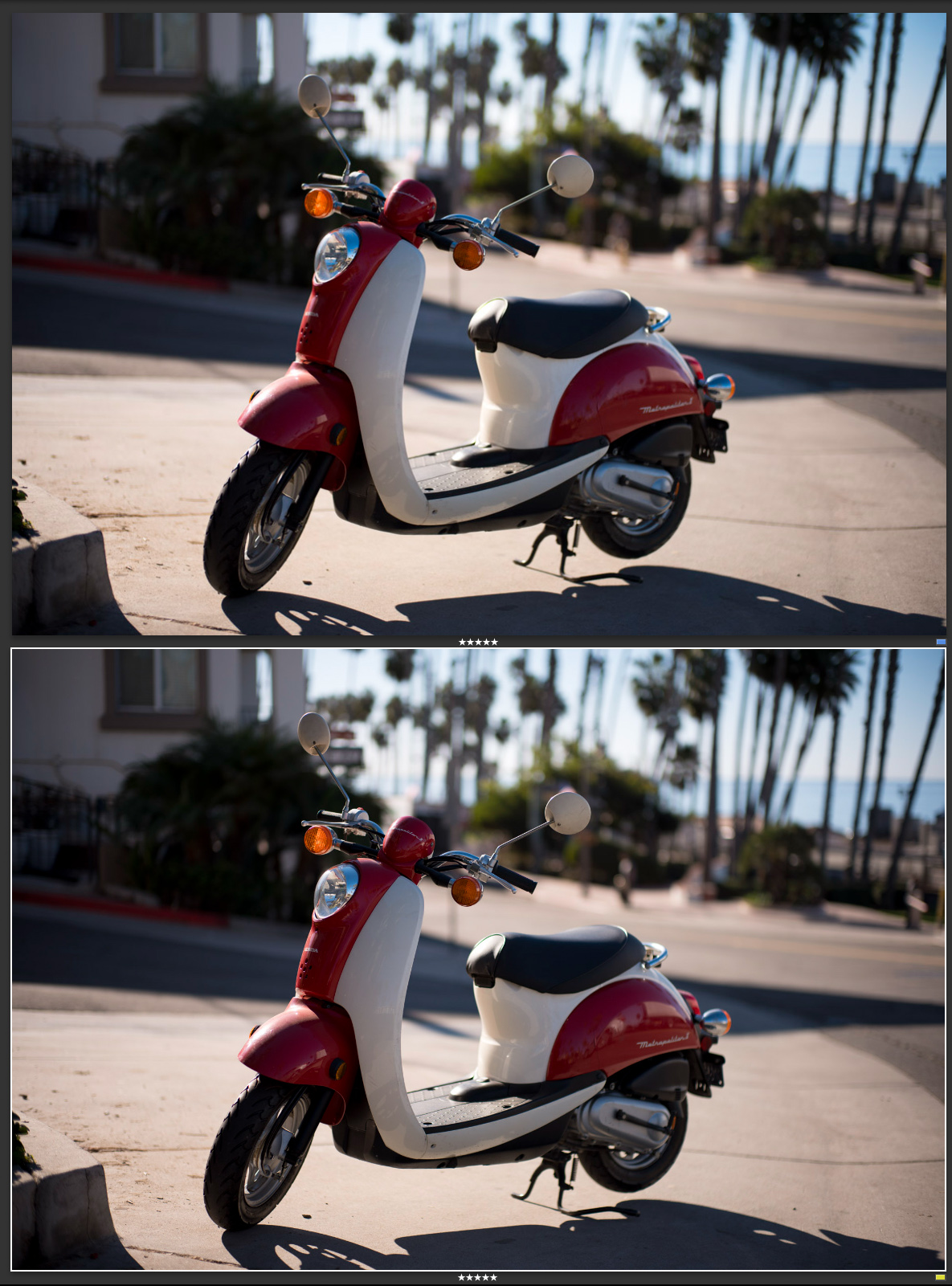
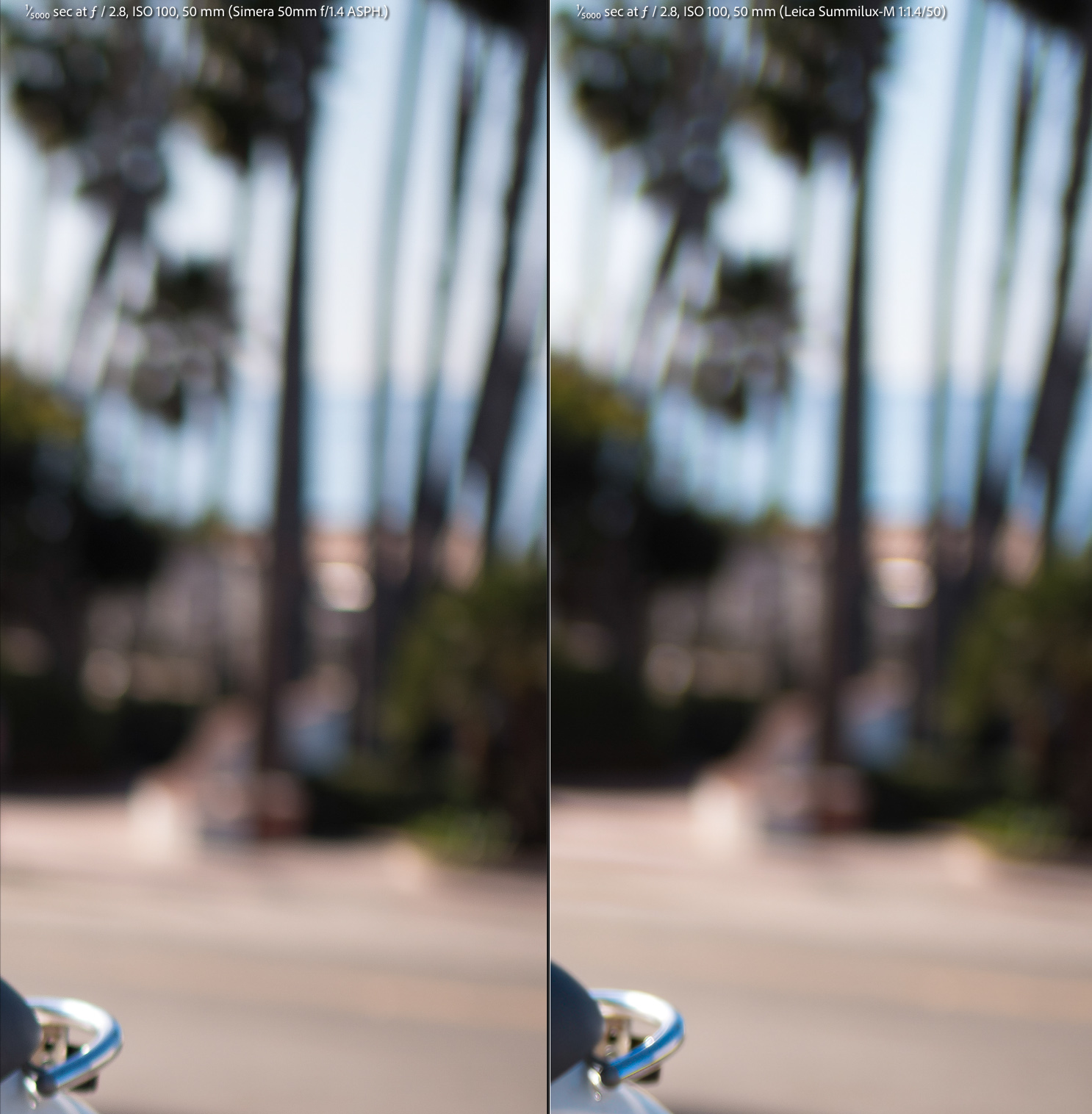
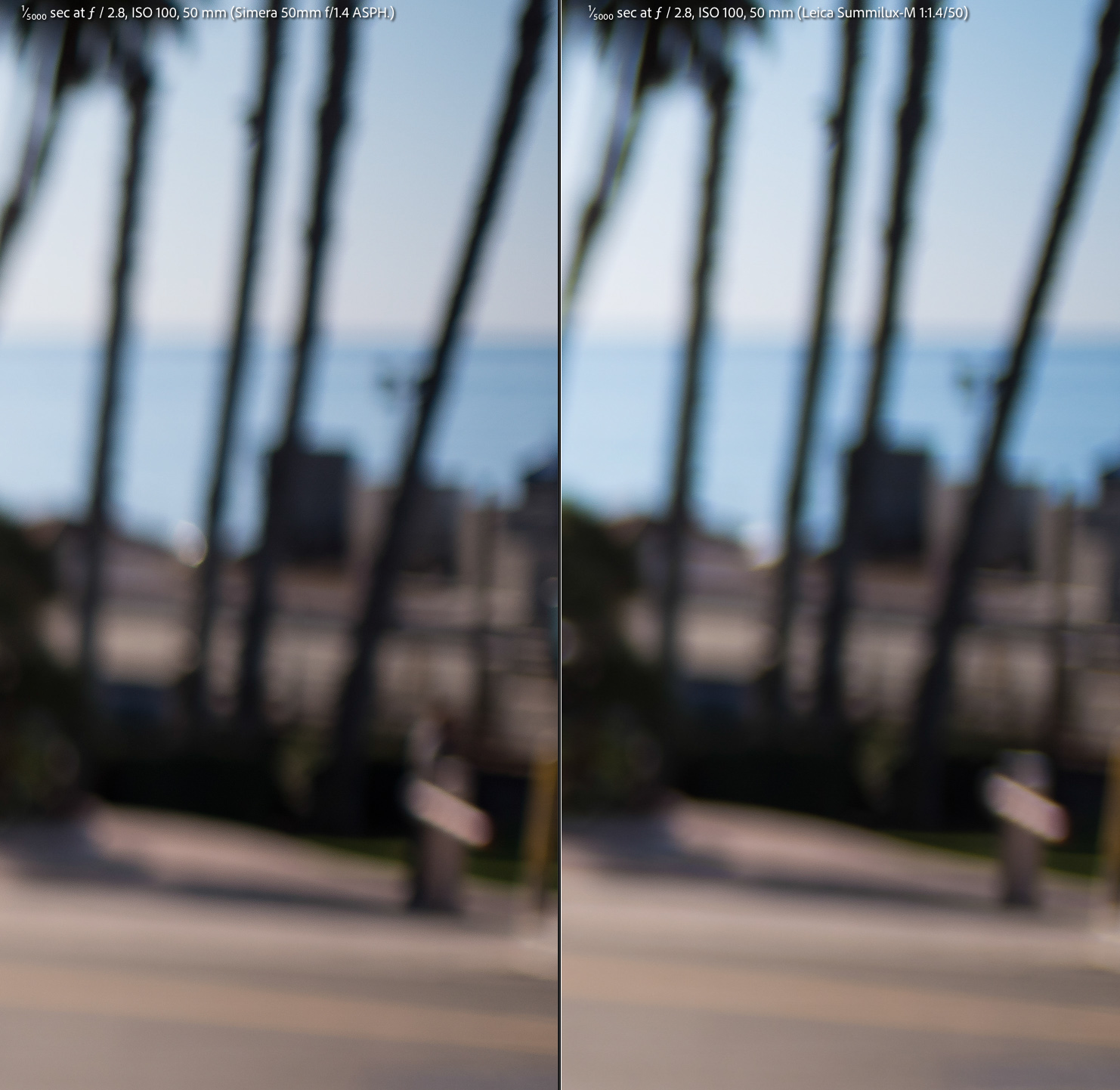
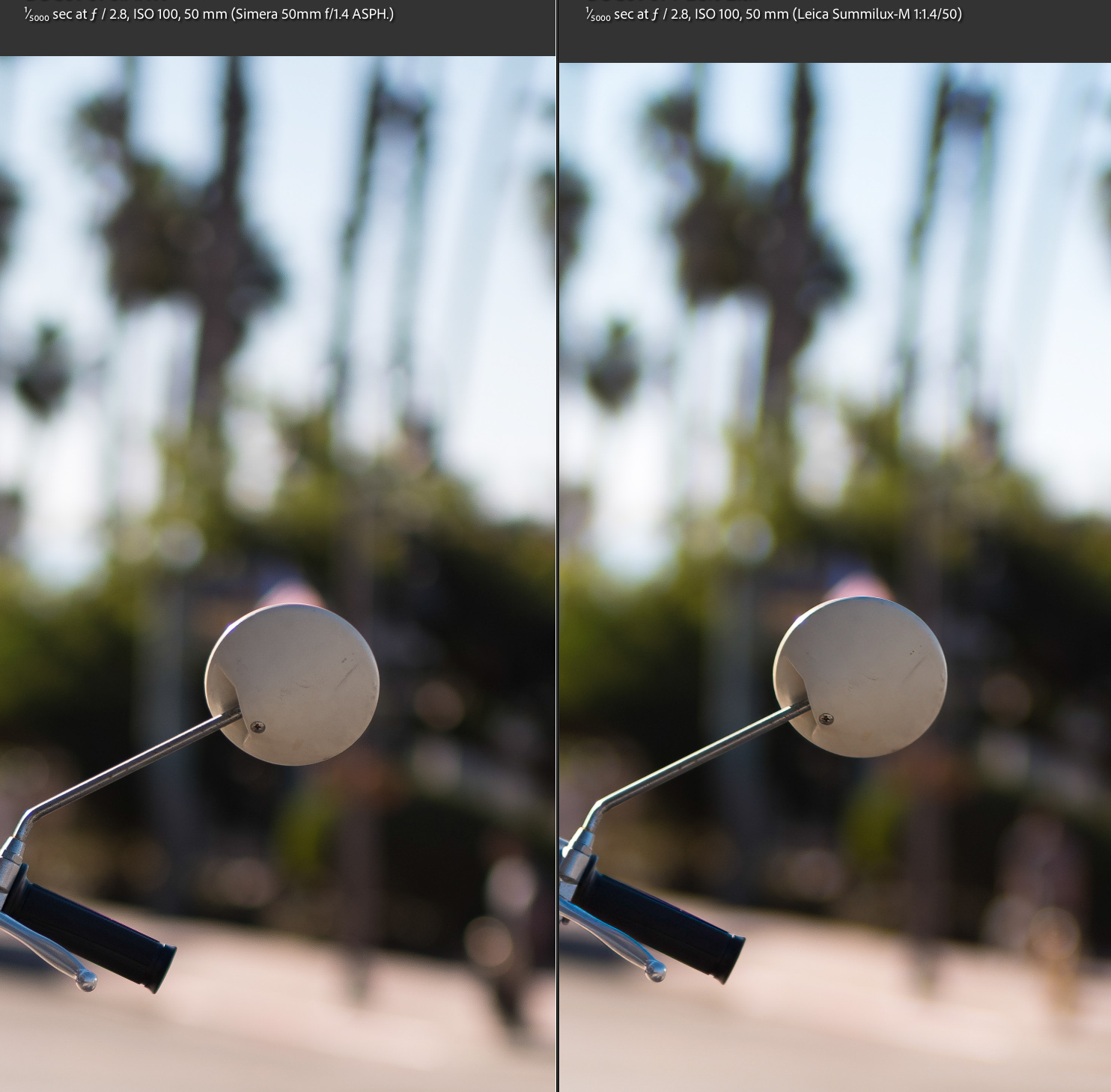
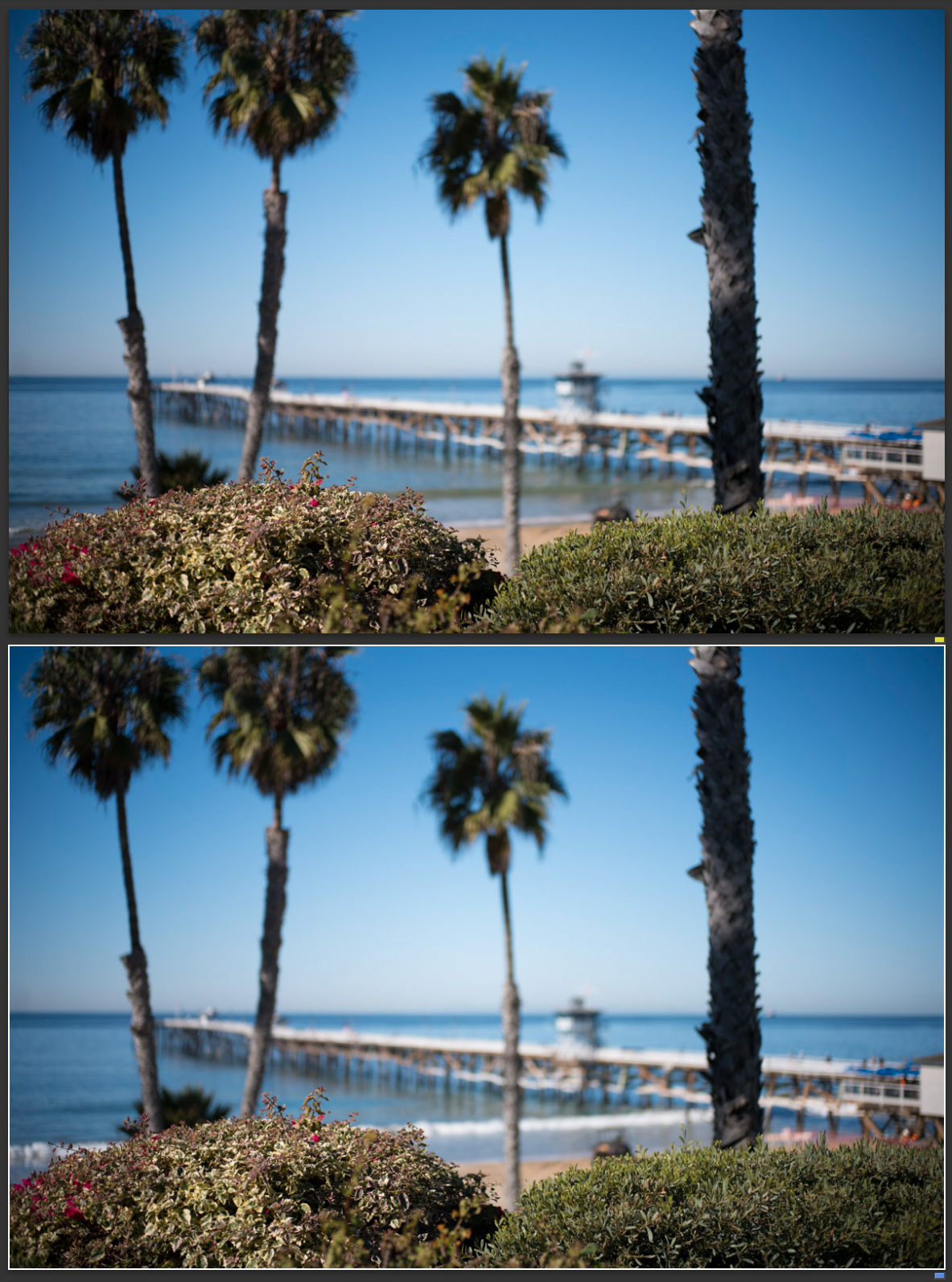
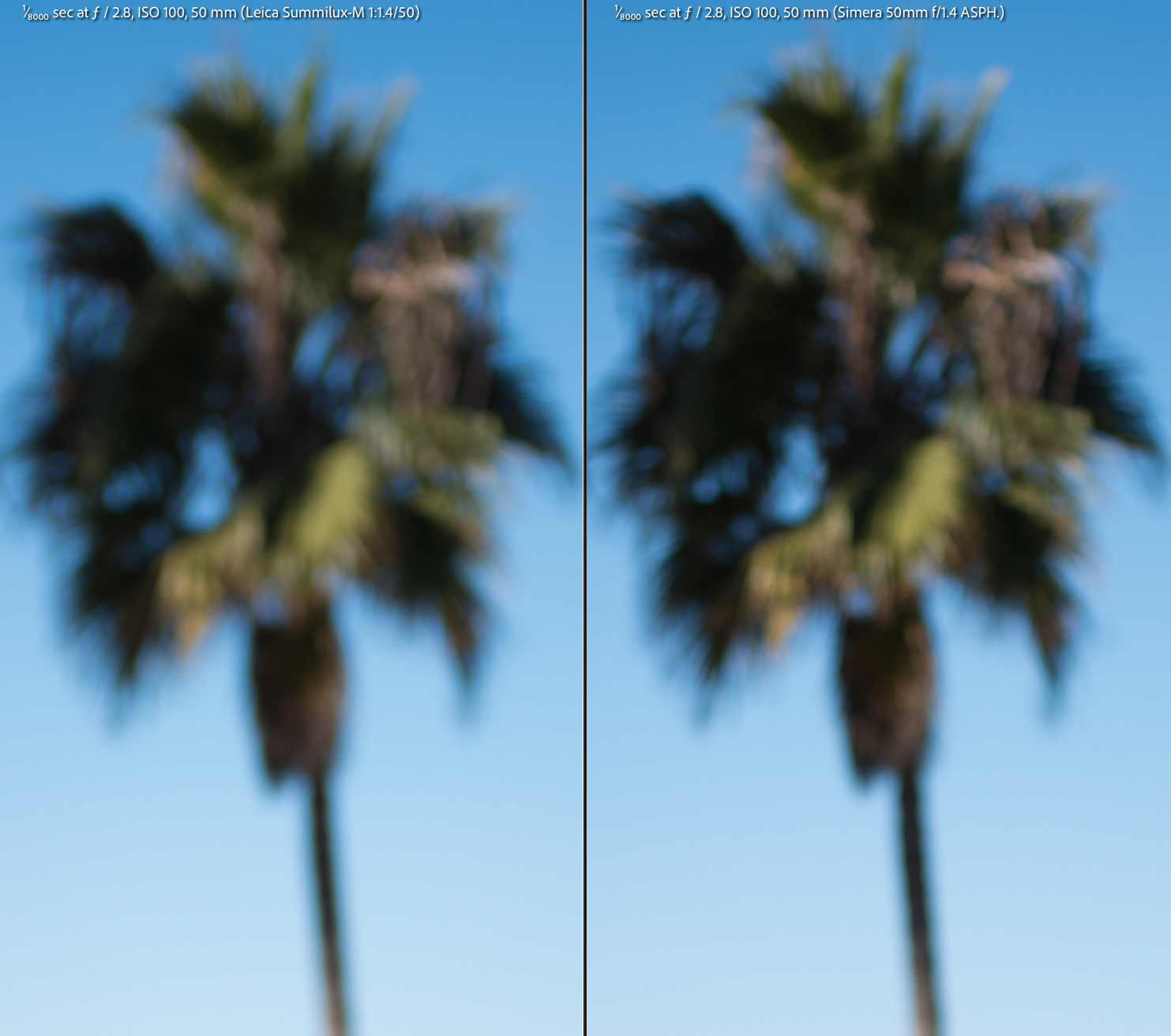
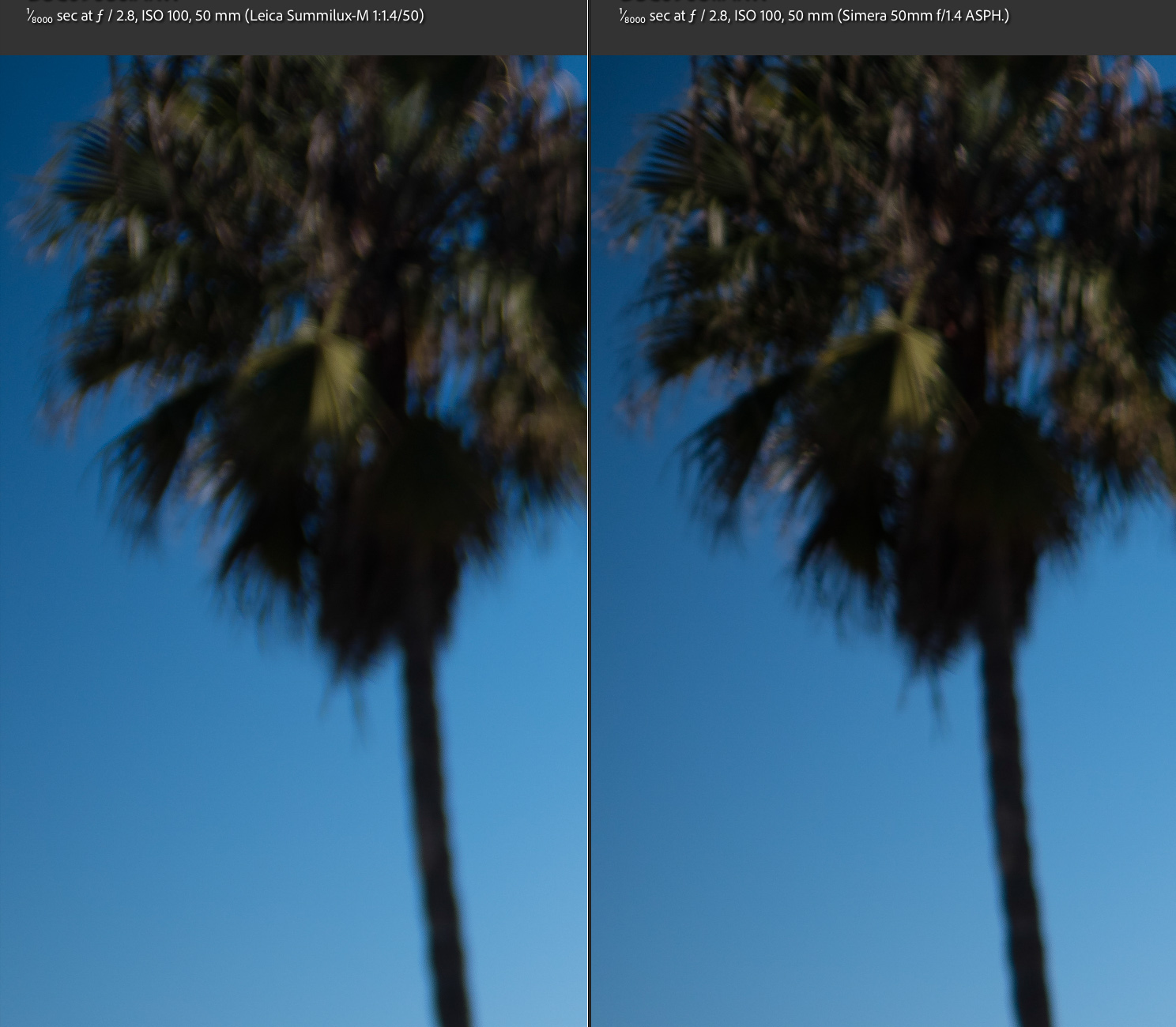
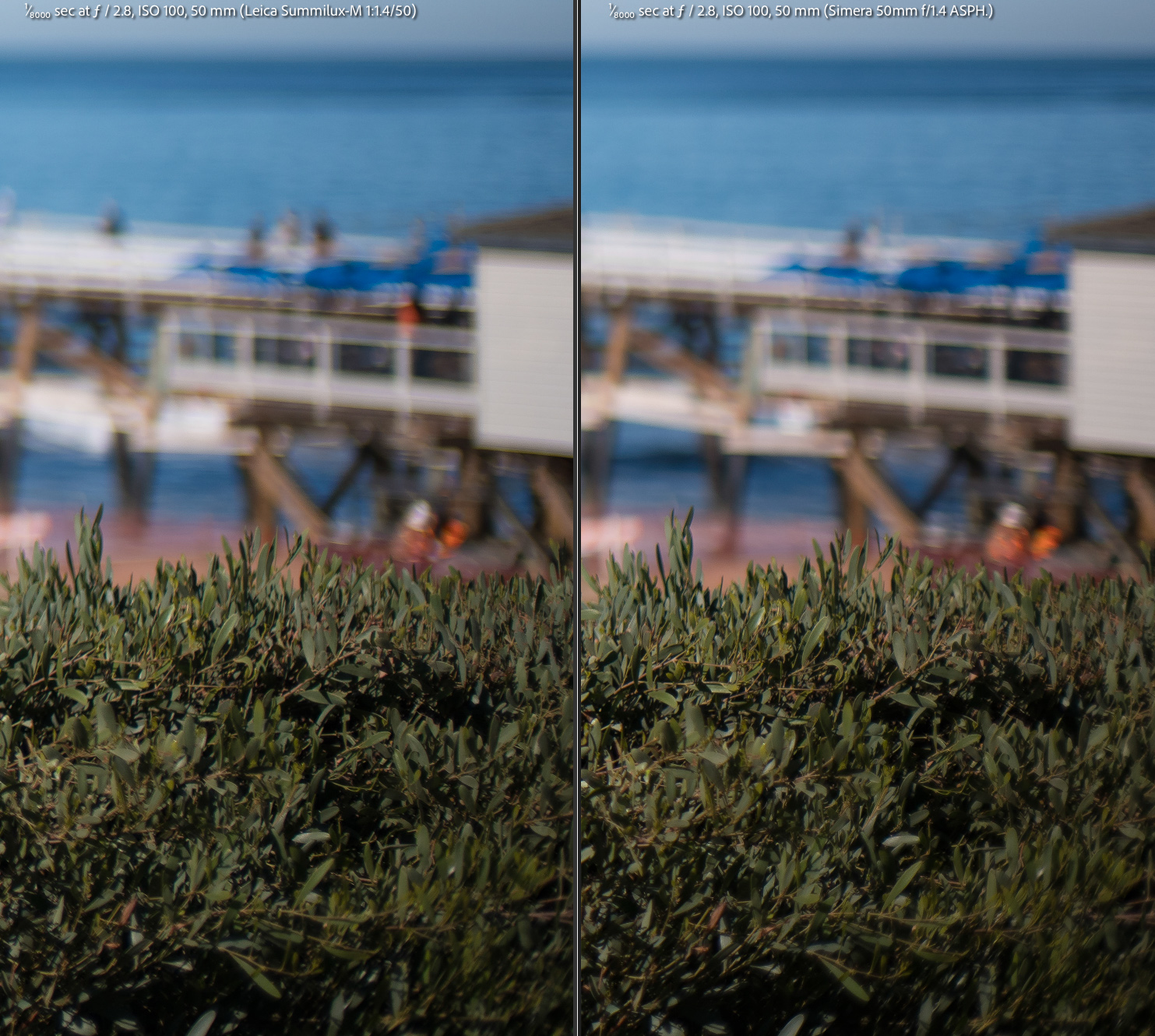
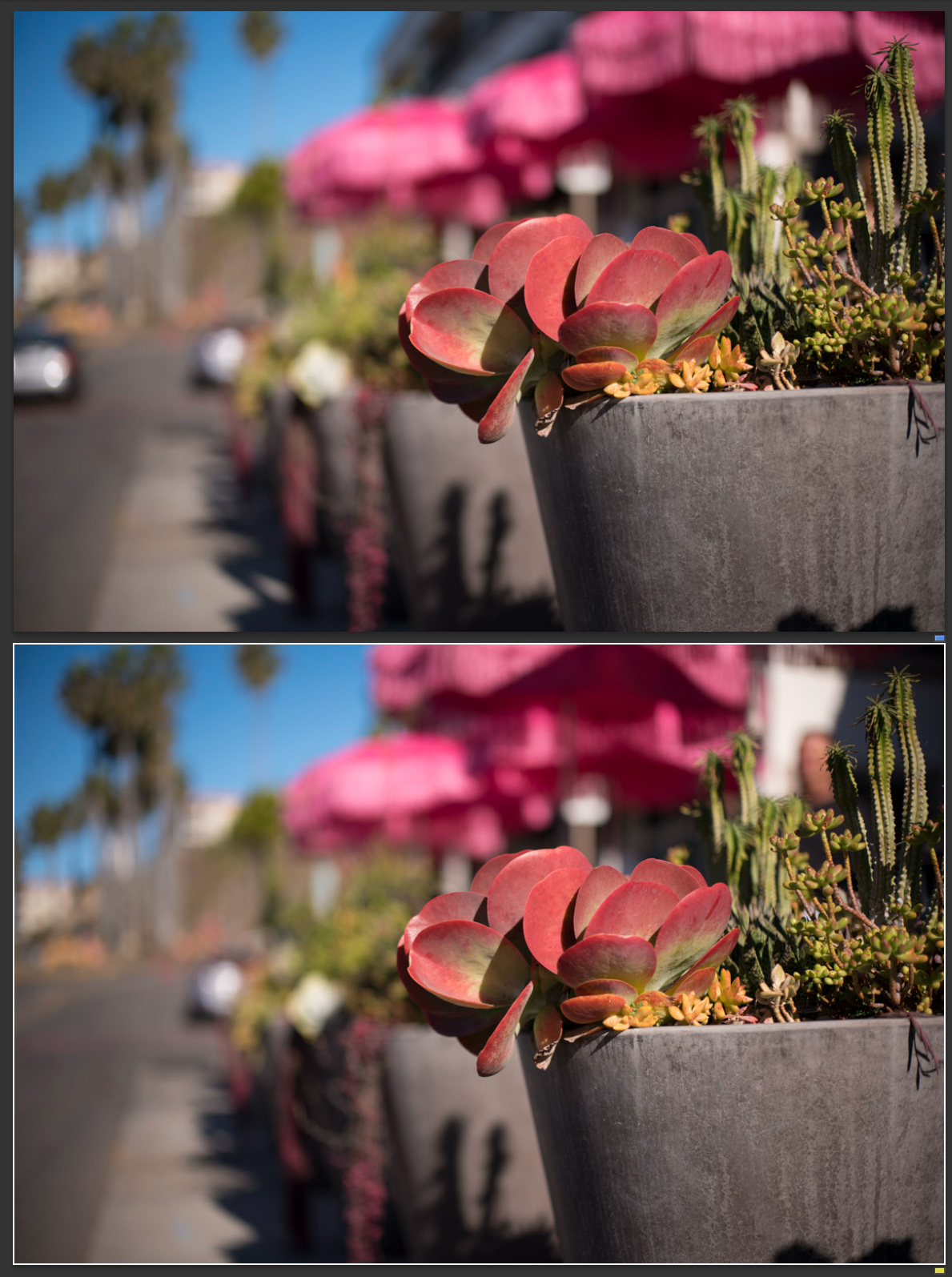
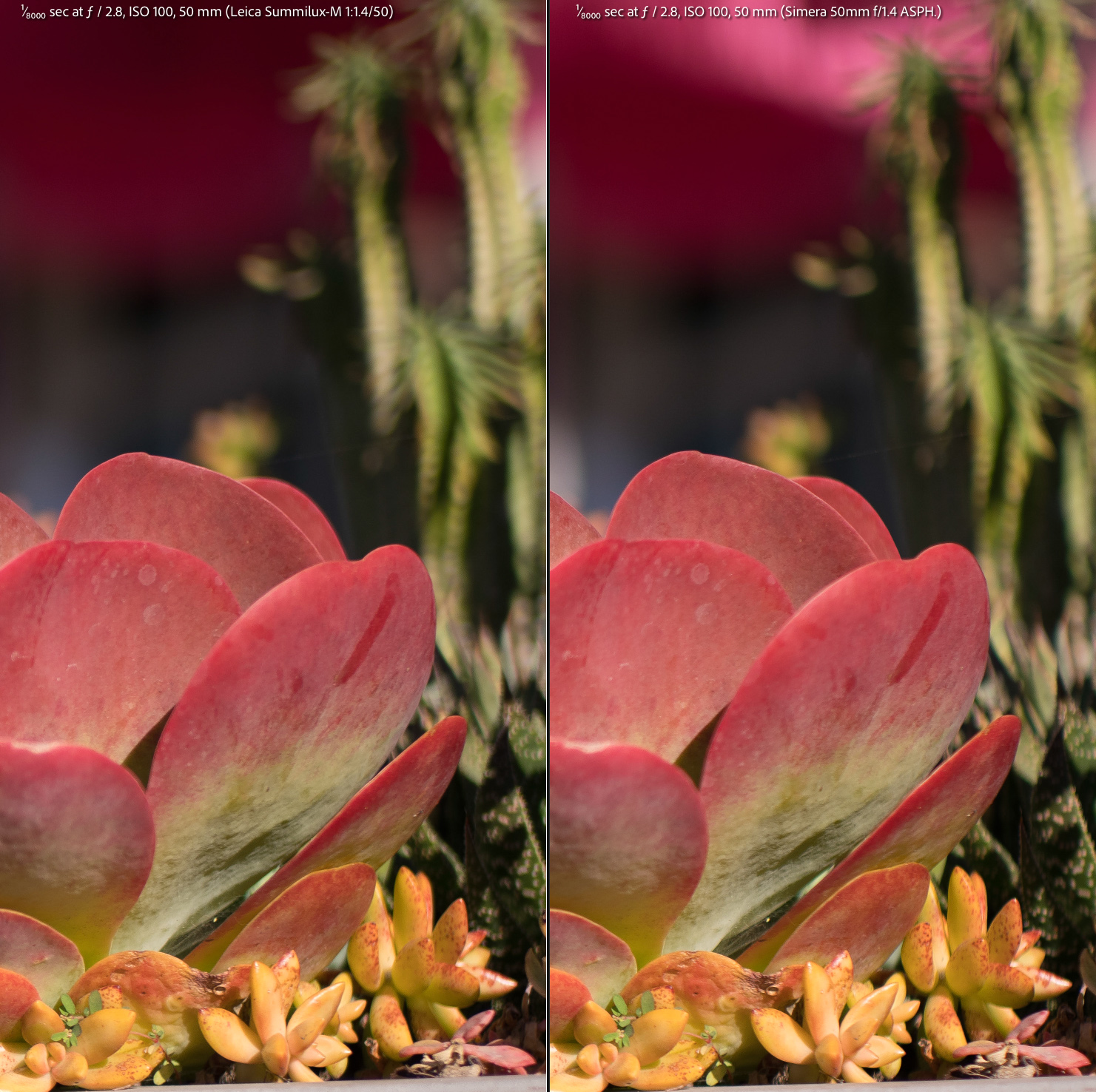
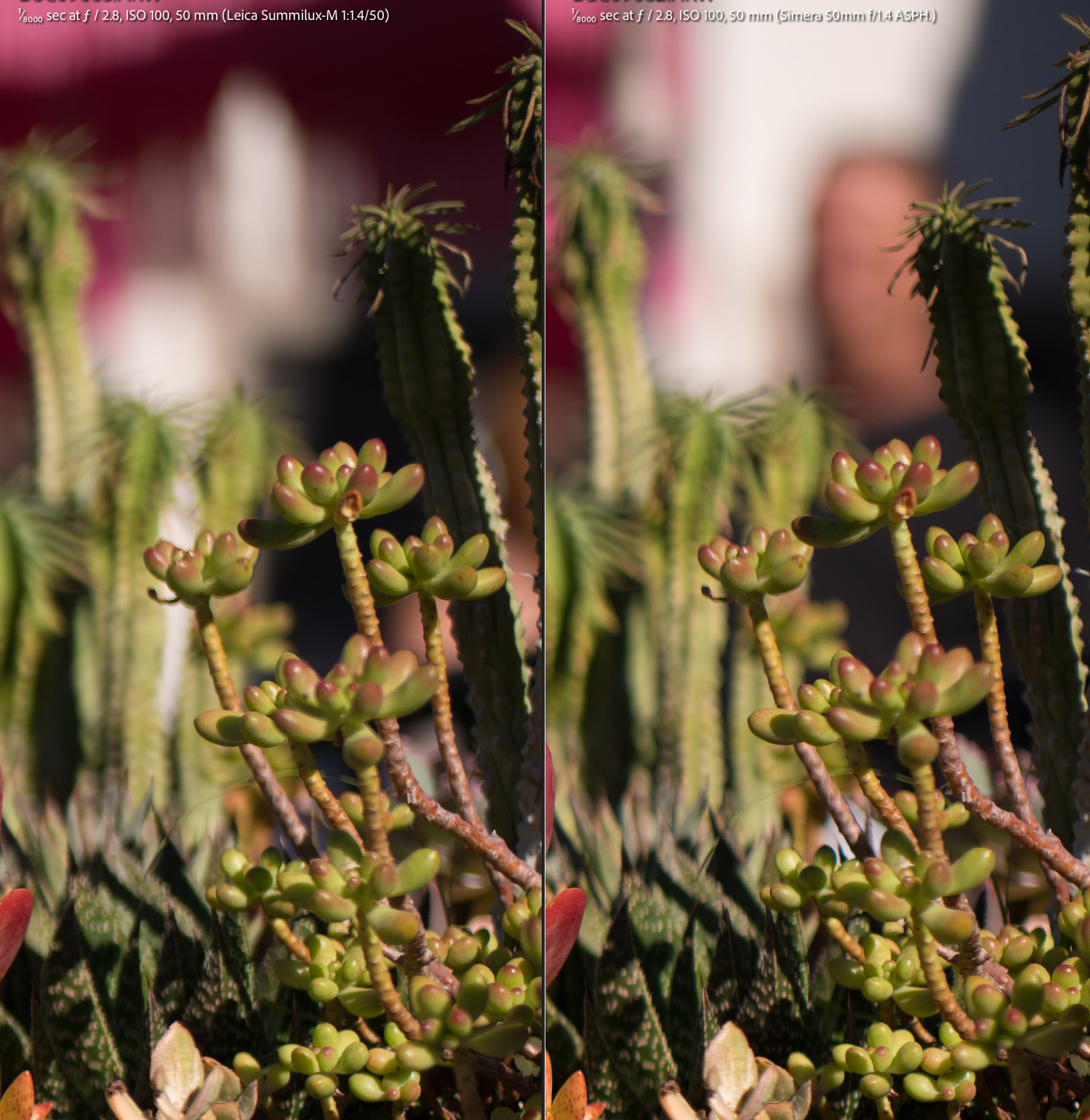
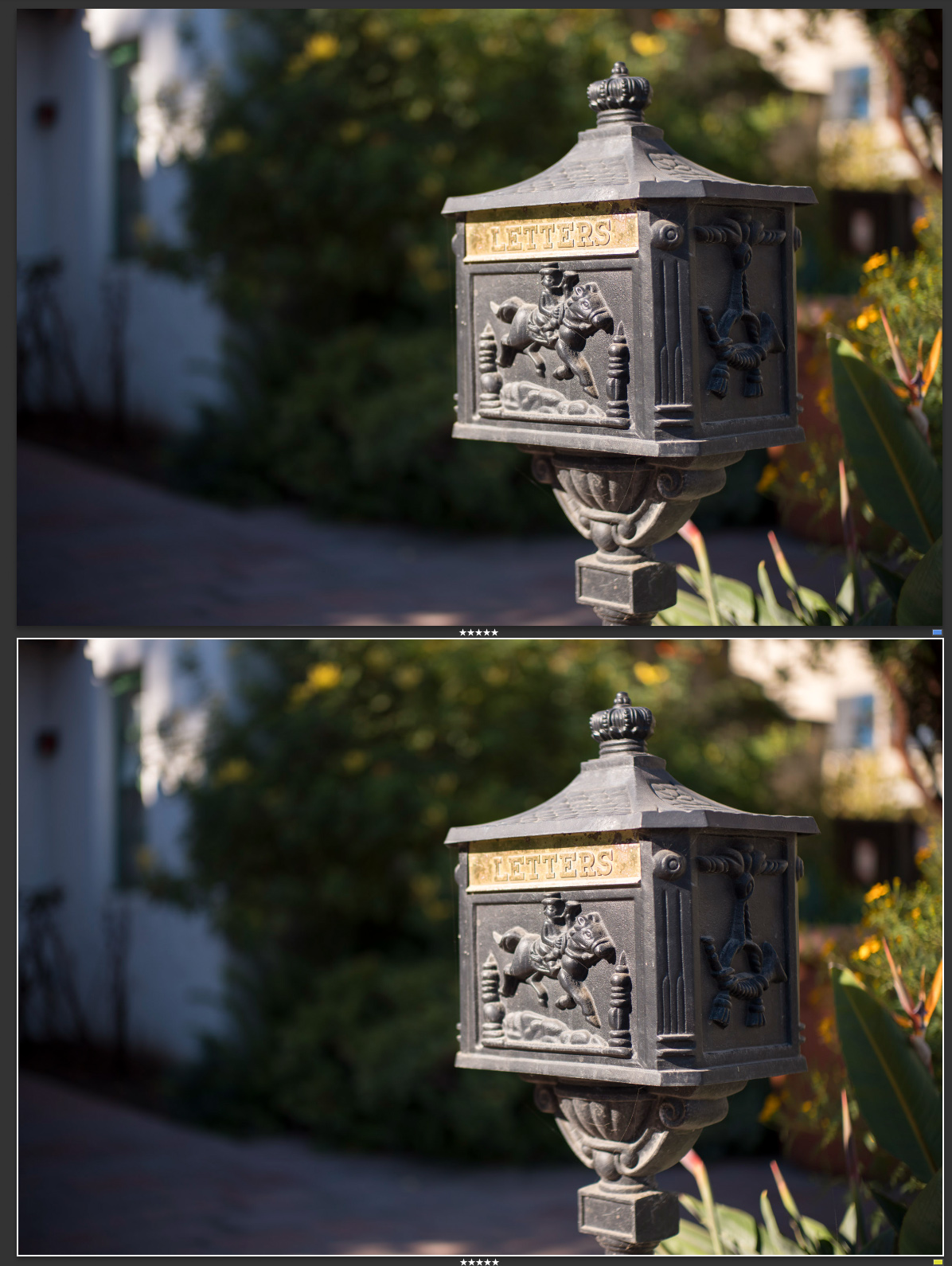
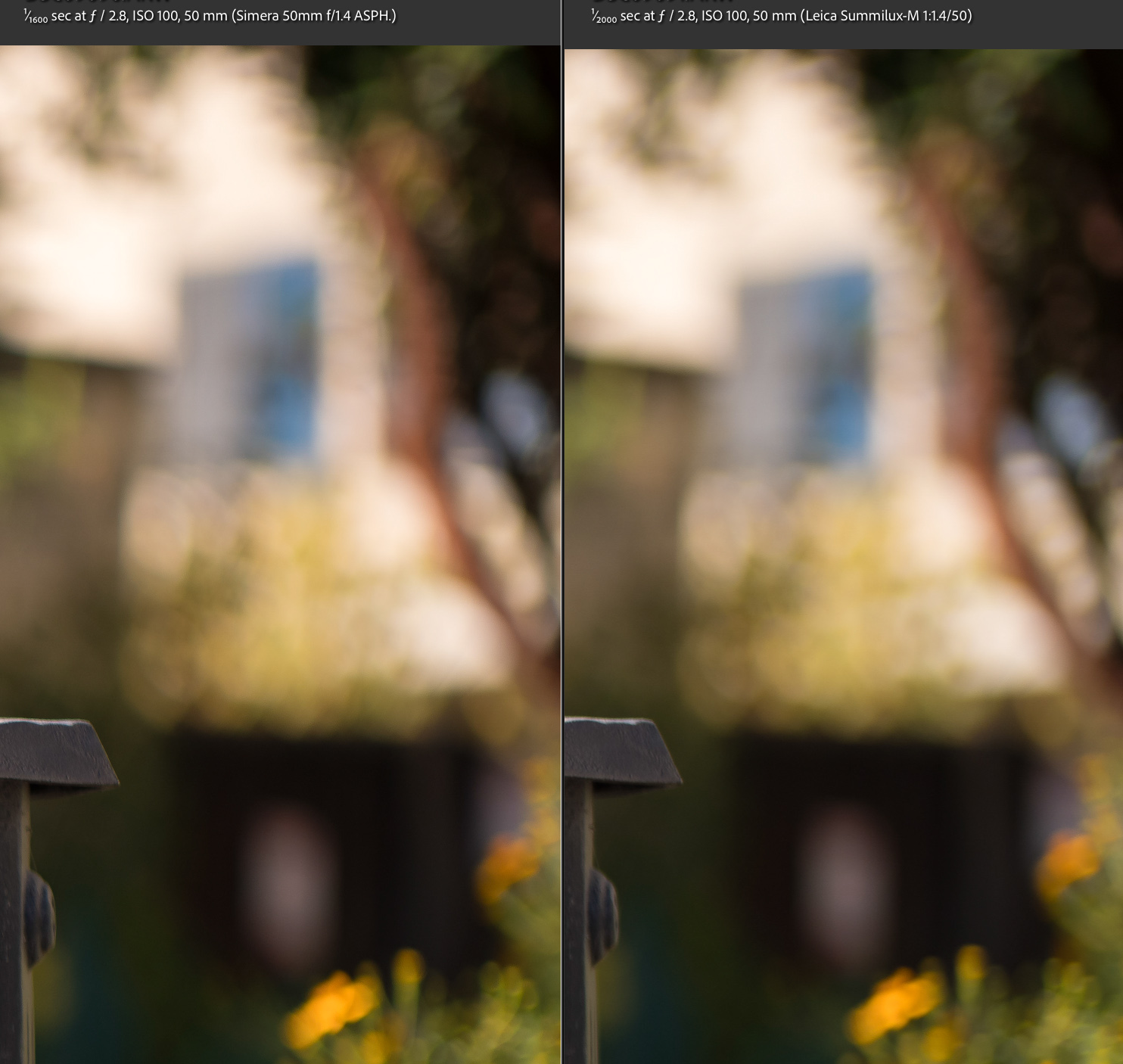
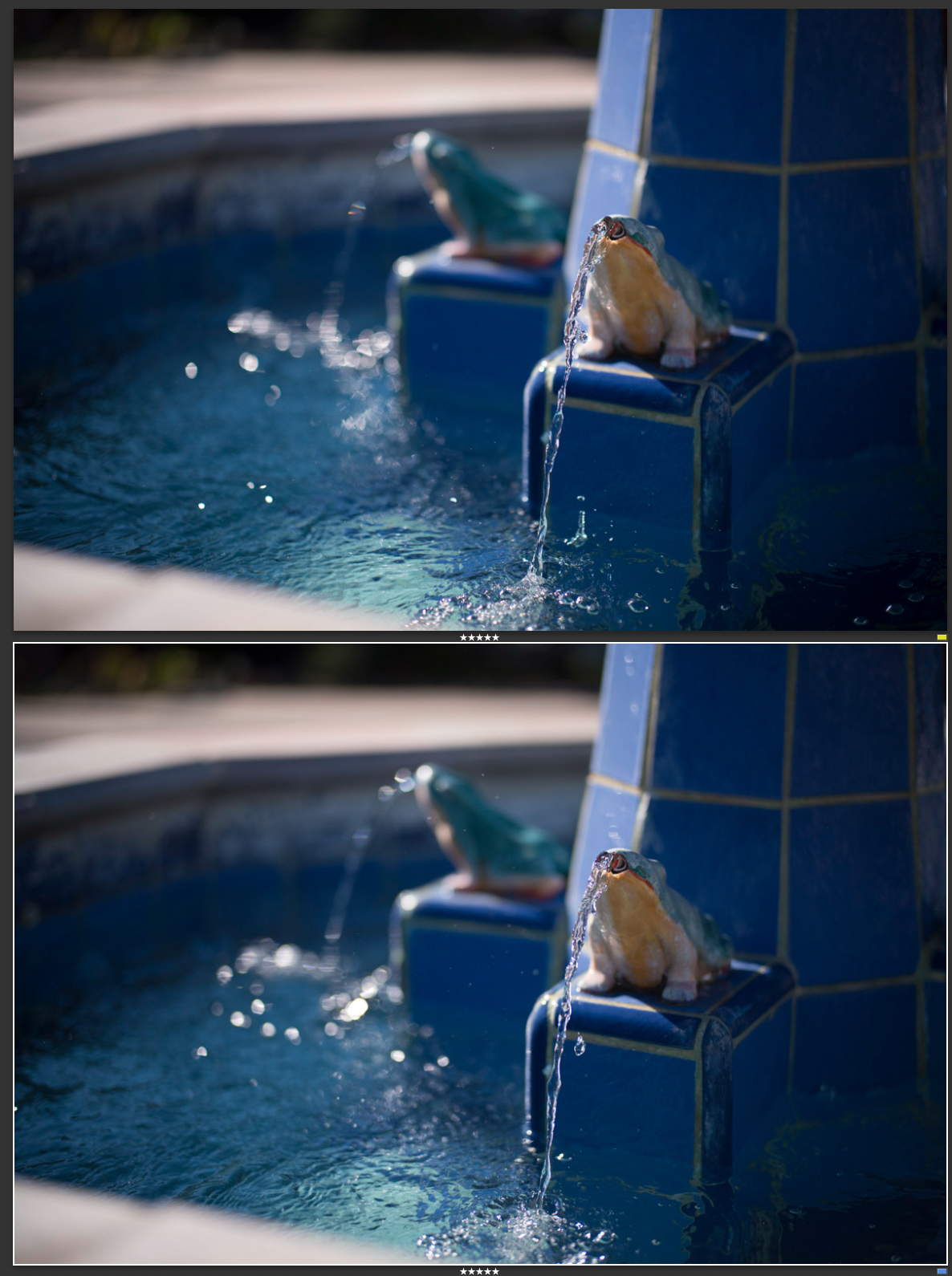
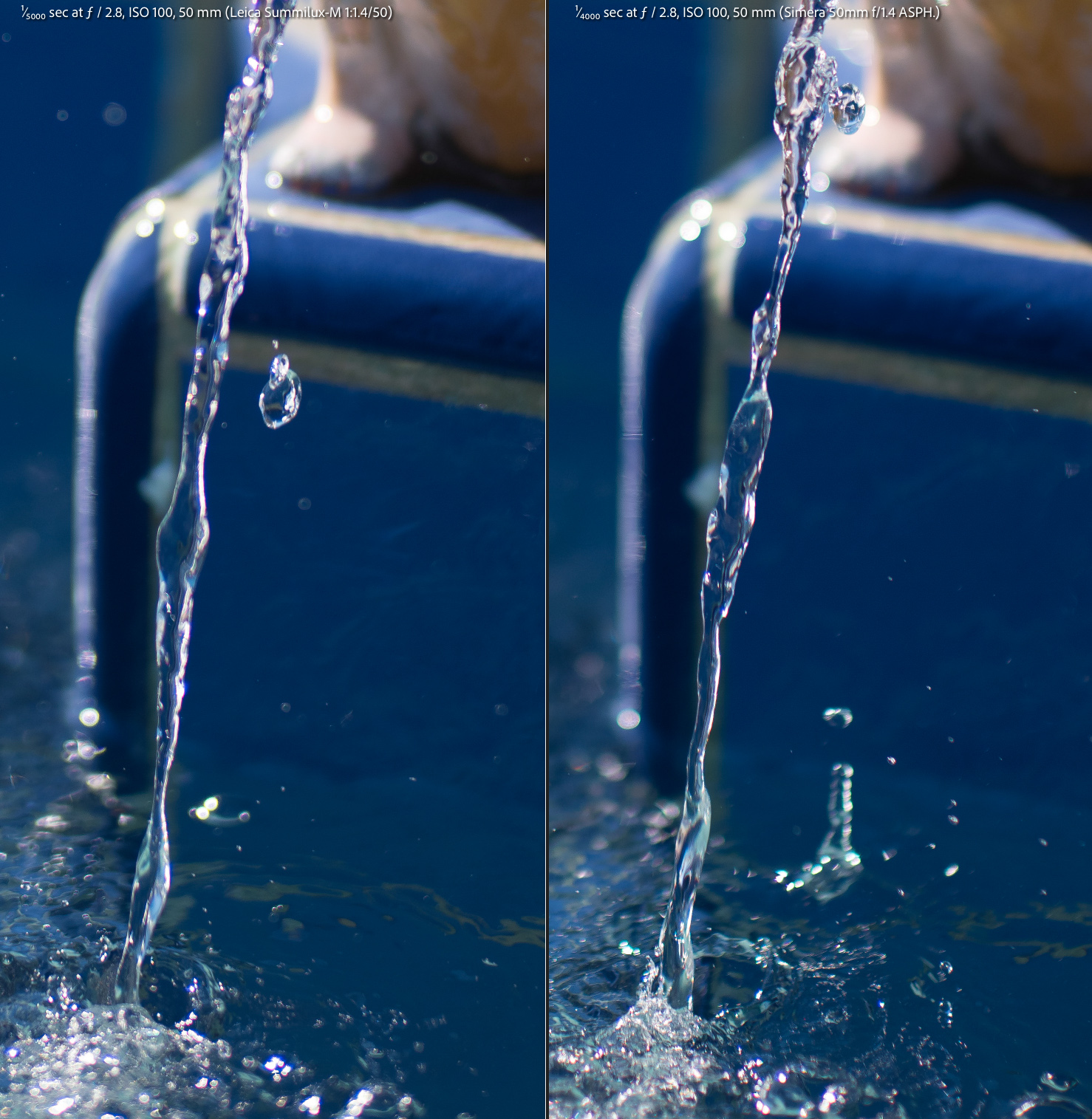
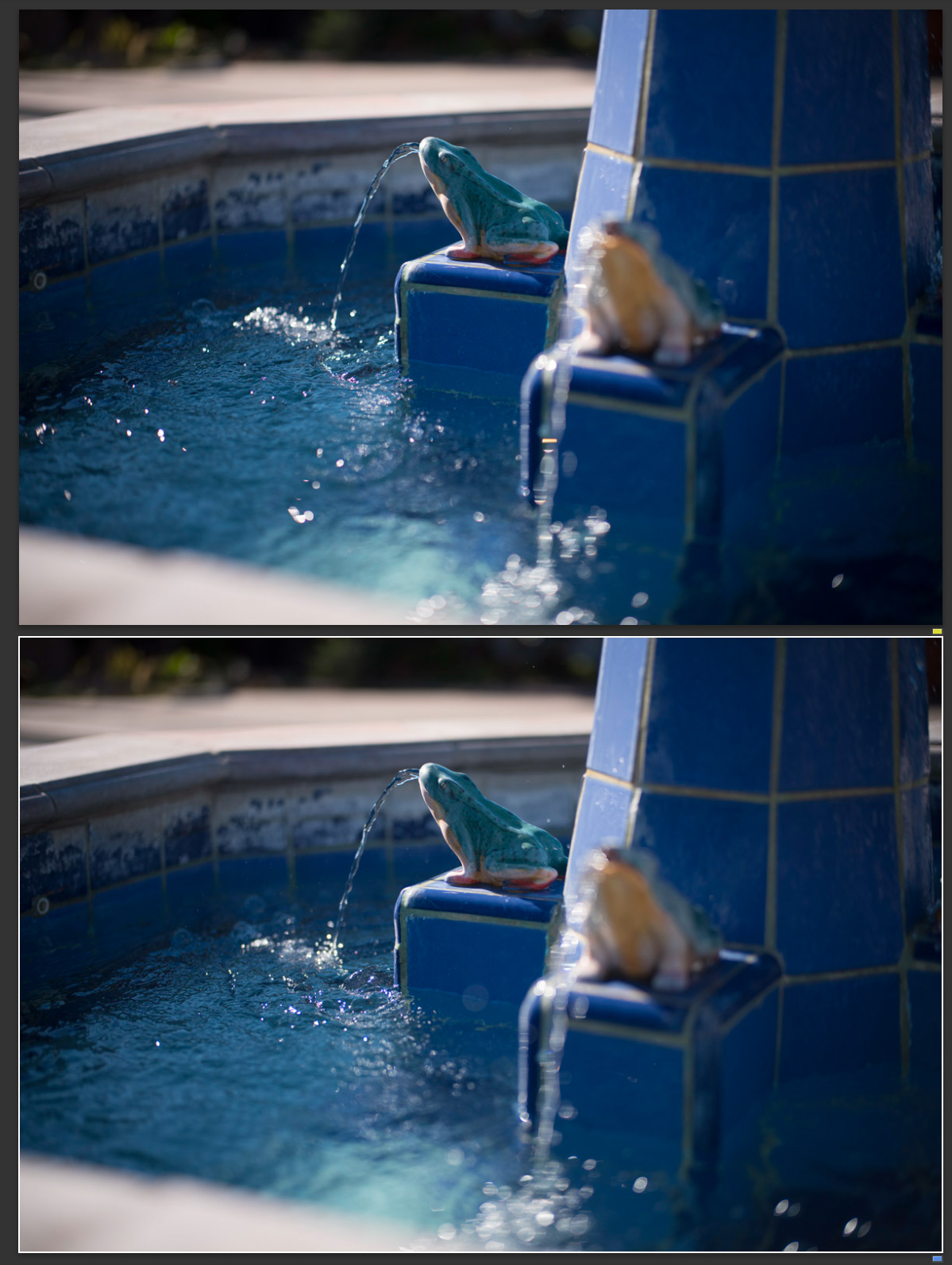
Again, opinions are divided. I notice more differences in this comparison, but as with all the comparisons I’ve seen, the differences are very subtle. It would be difficult to guess the lens in real-world images where post-processing is applied. For these tests, Adobe Standard was used with sharpening and resizing being the only adjustments made.
Also, although both lenses are 50mm, the Leica has a slight wider angle of view compared to the Simera. Therefore, I cropped the images from the Leica to match the Simera more closely for these blind tests.
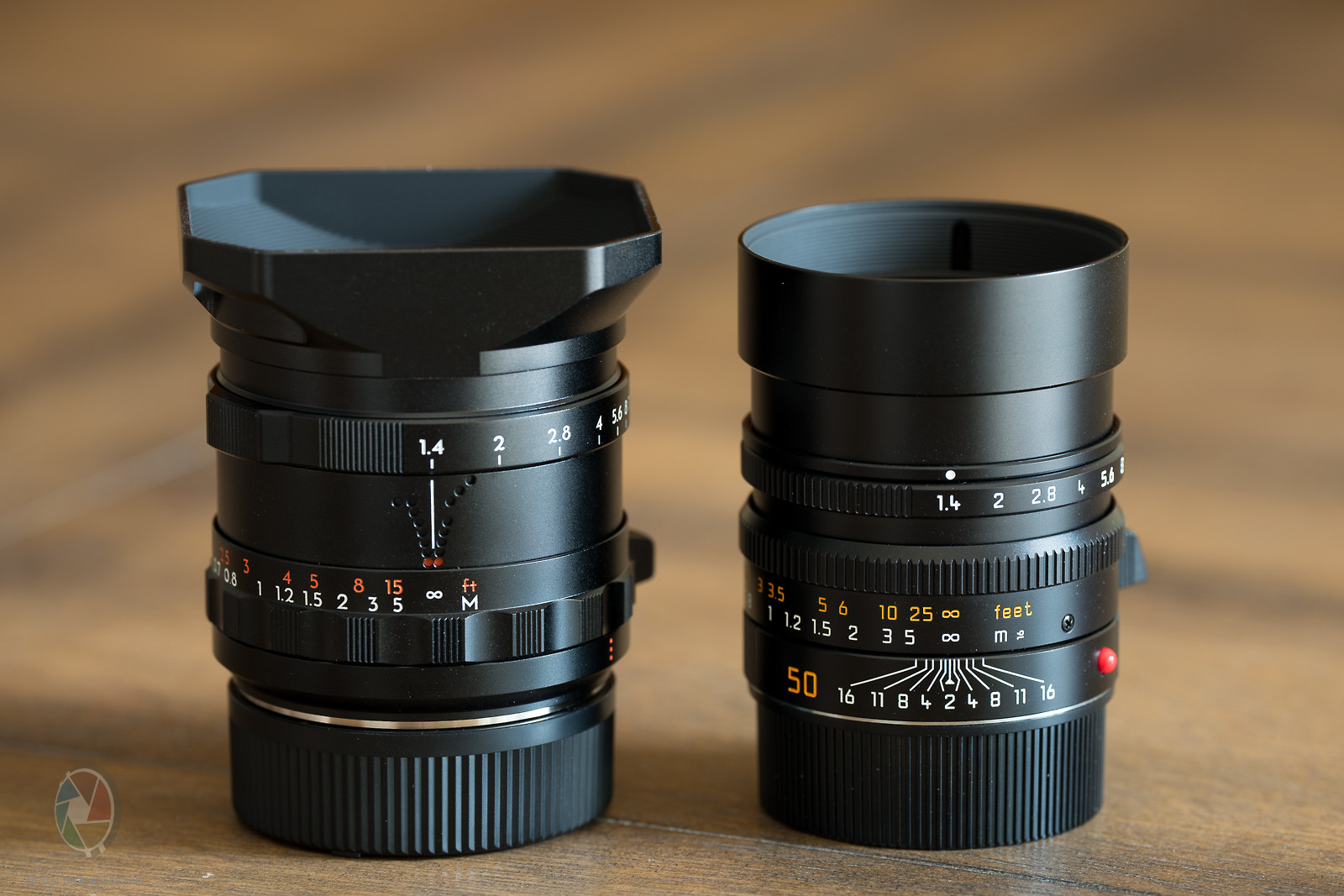
Rendering compared to Leica 50mm f/1.4 Summilux ASPH.
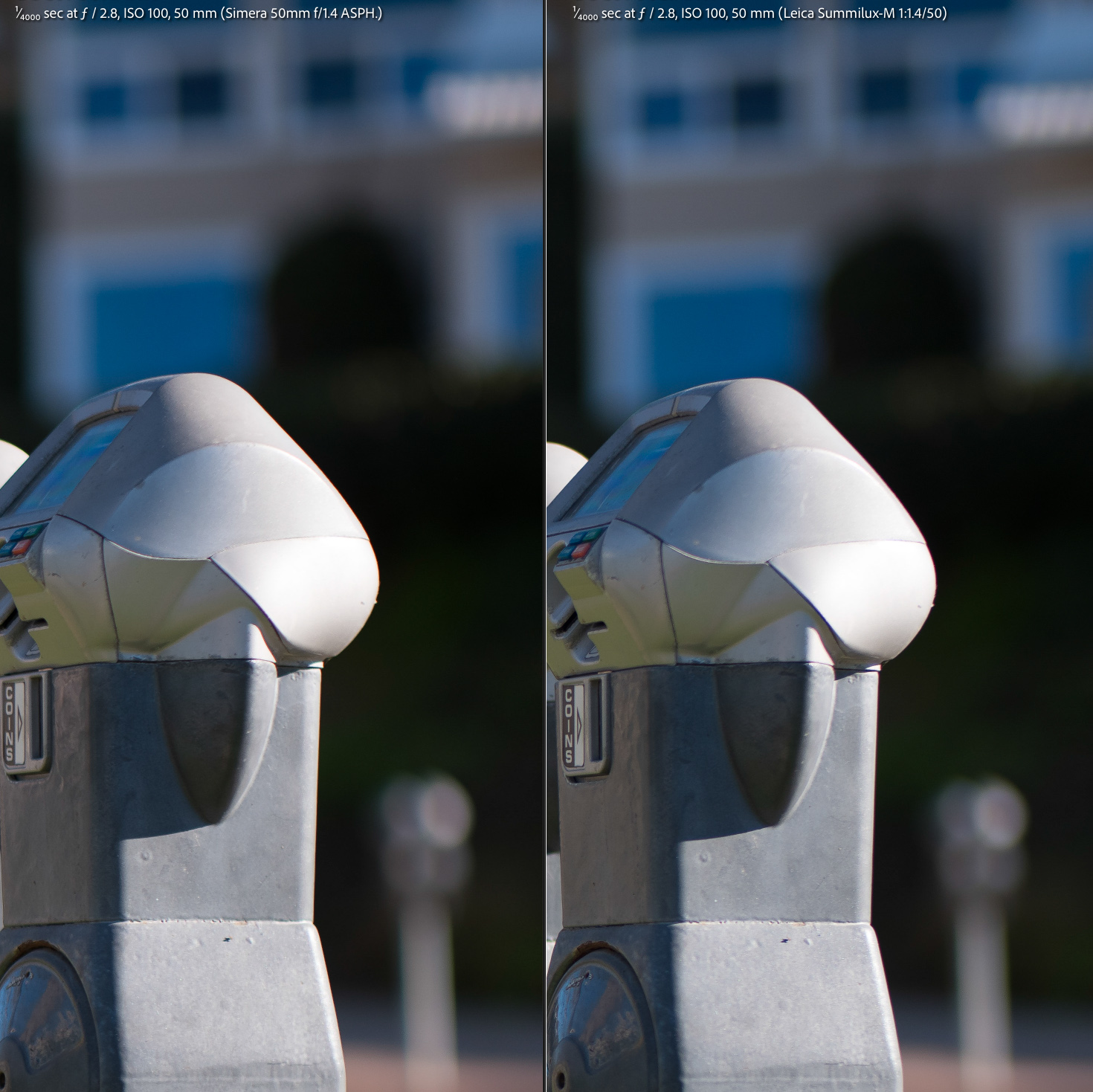
I've been using the Simera 50mm f/1.4 ASPH. for quite some time now, and I have a pretty good feel for how it handles subjects at different distances, whether they're super close or far away. It's also helpful to compare how various lenses perform under the same lighting conditions. In this section, I'll show some comparisons with the Leica 50mm f/1.4 Summilux ASPH.
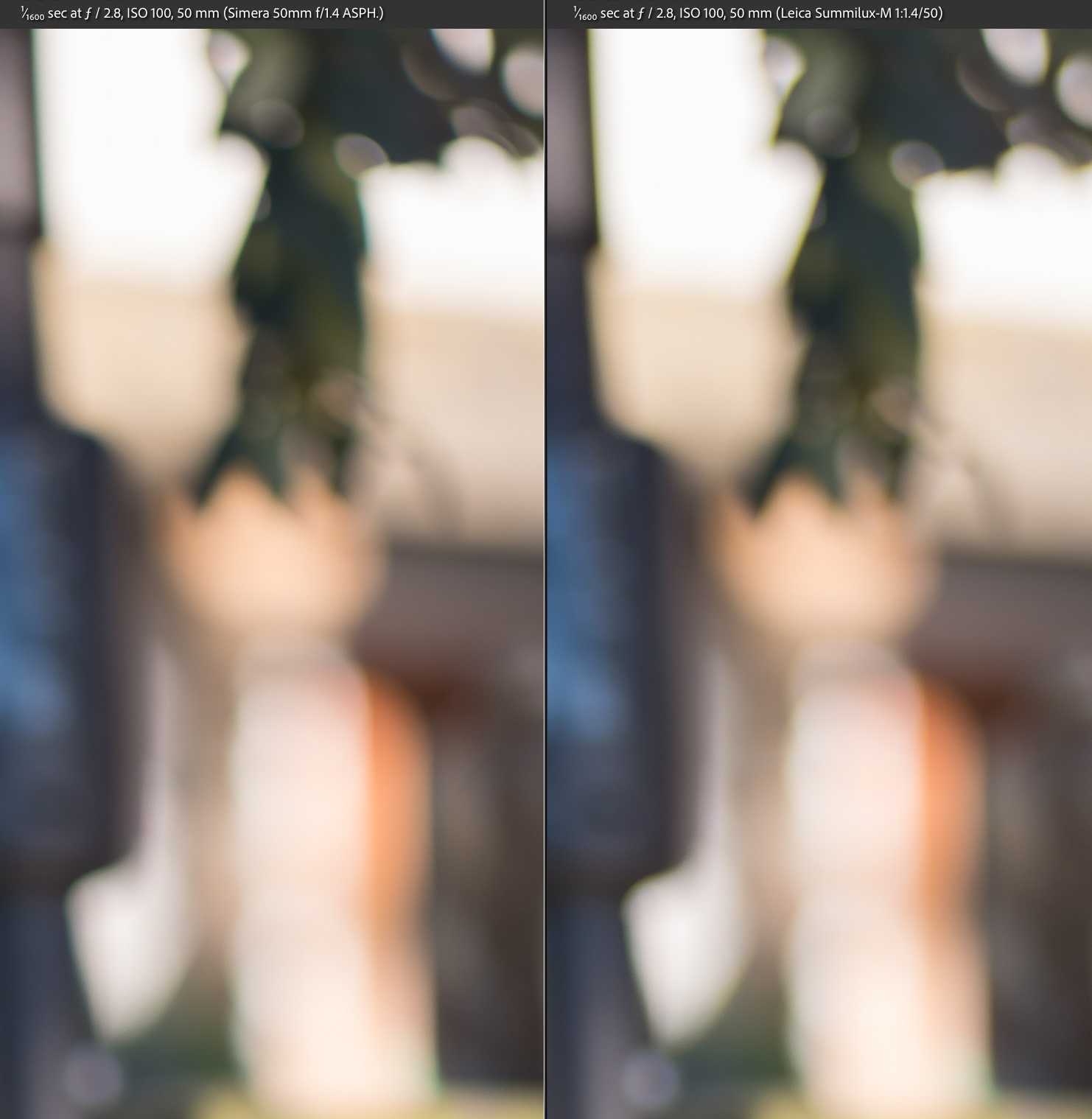
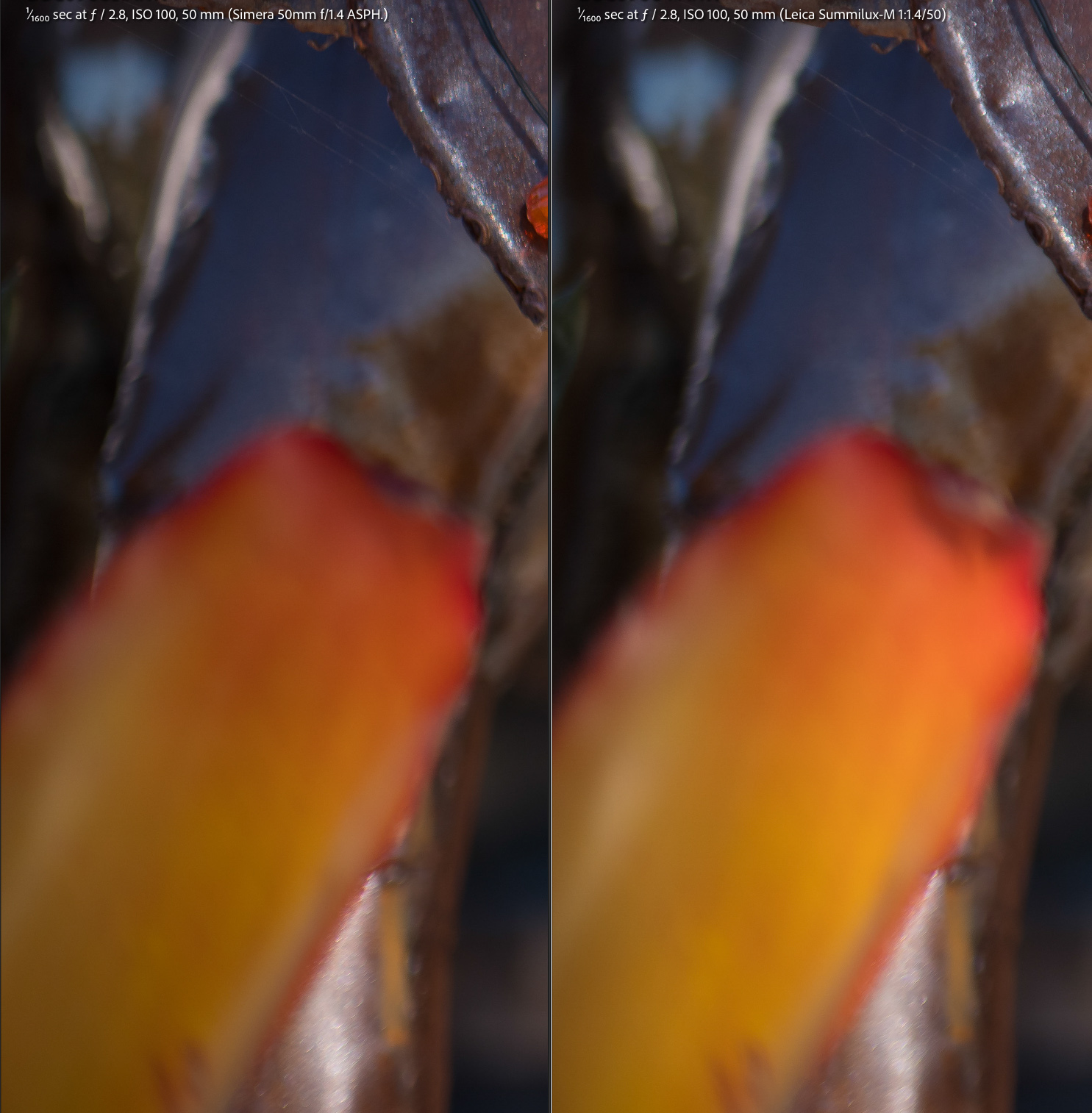
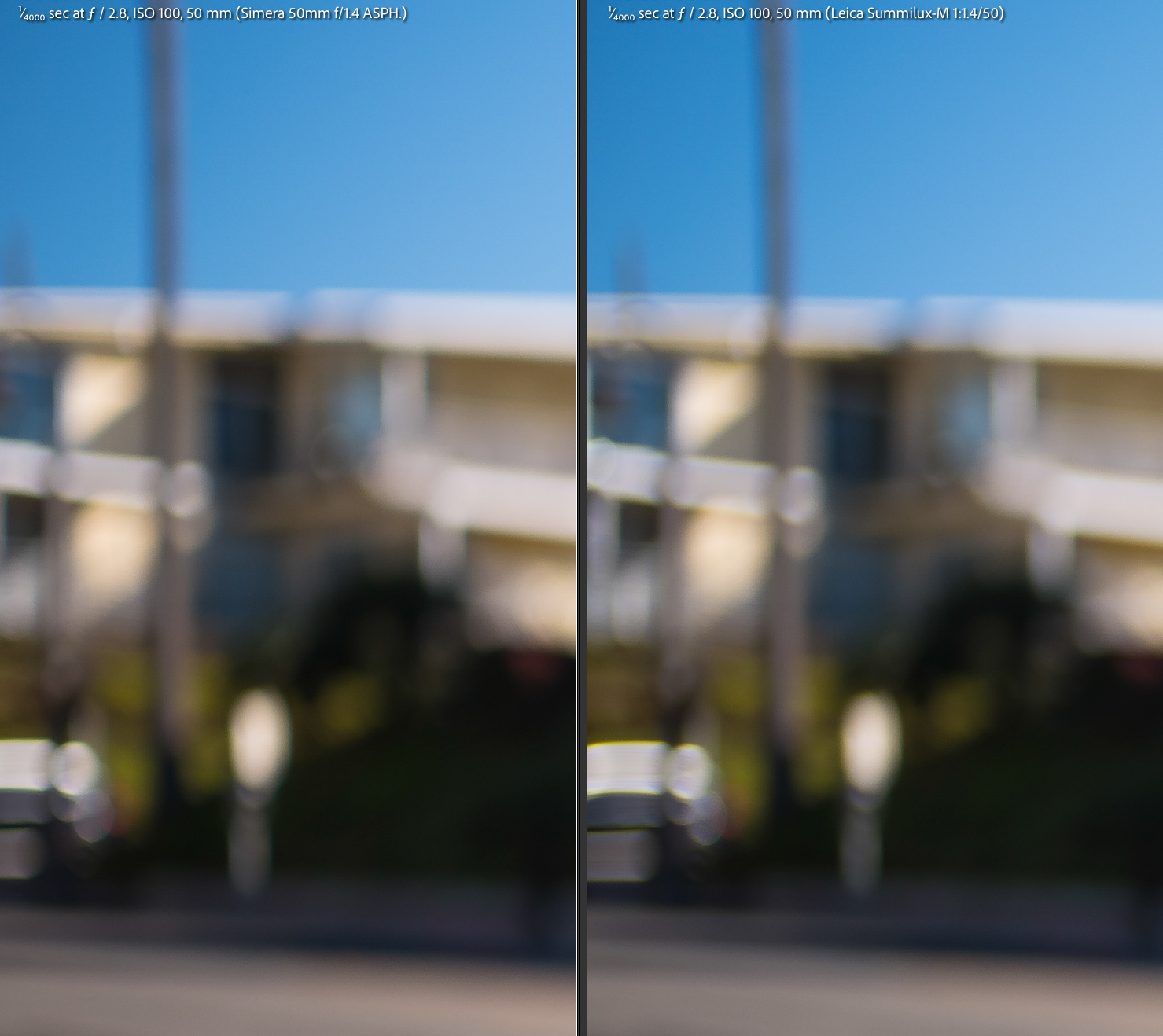
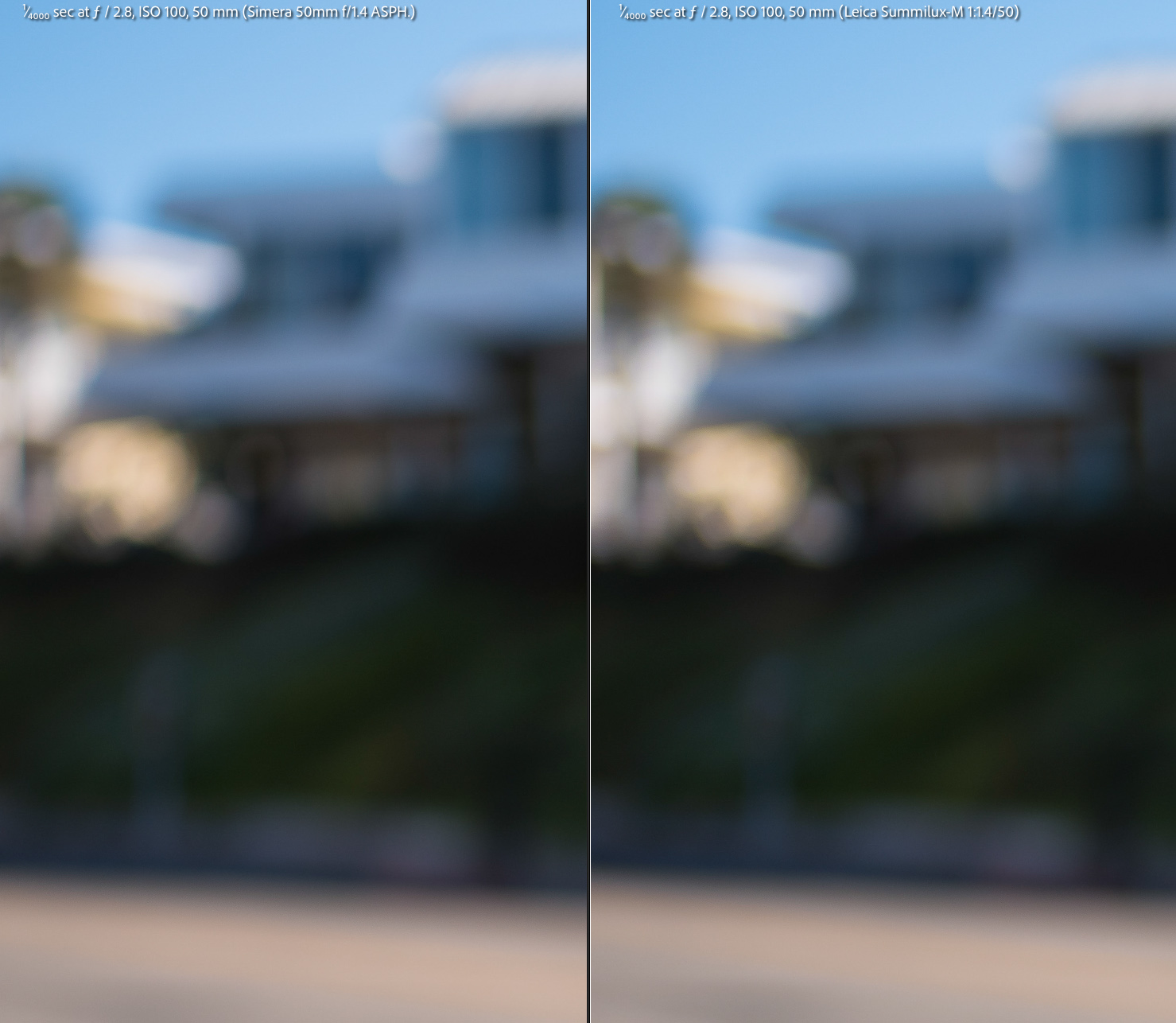
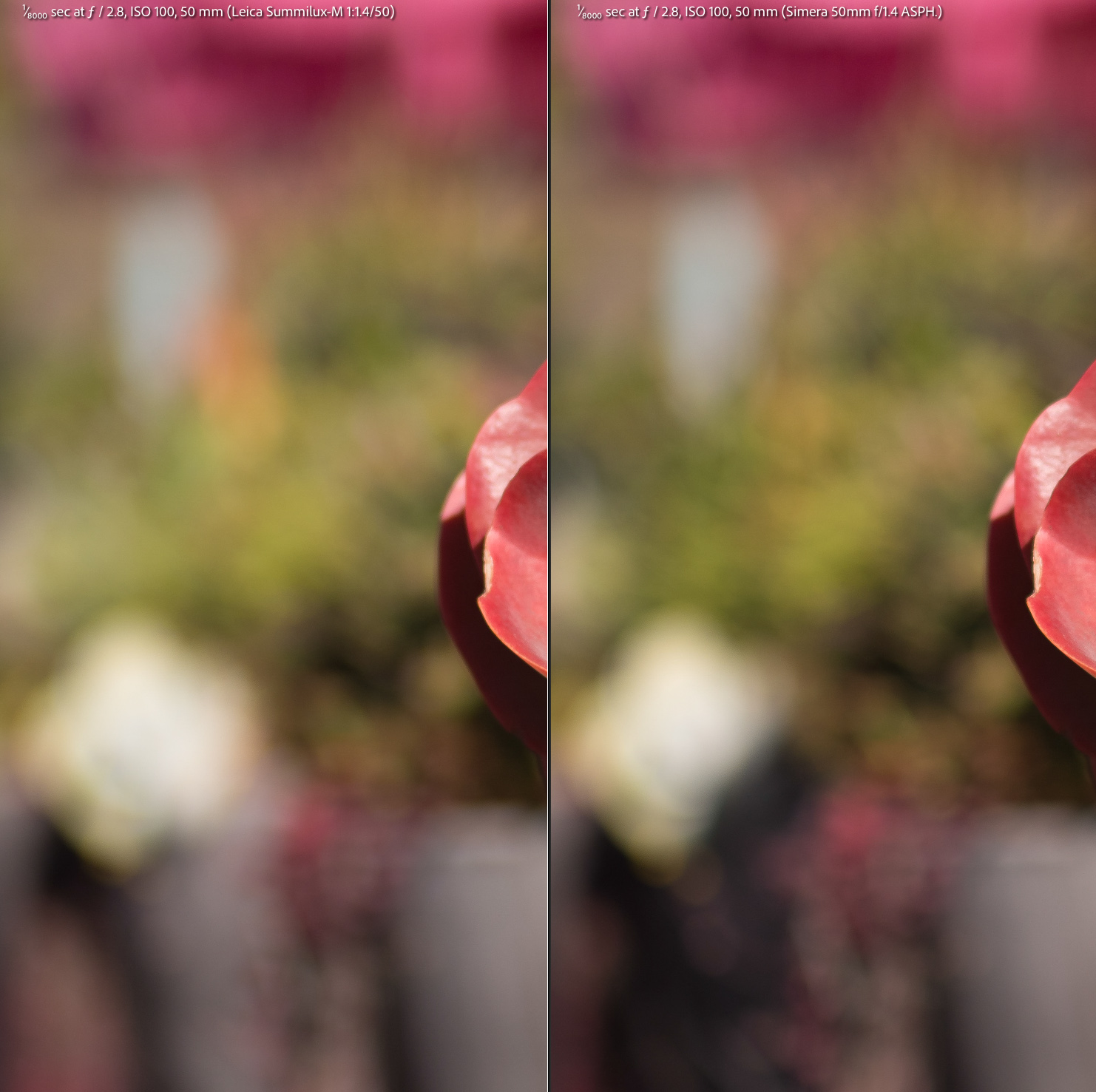
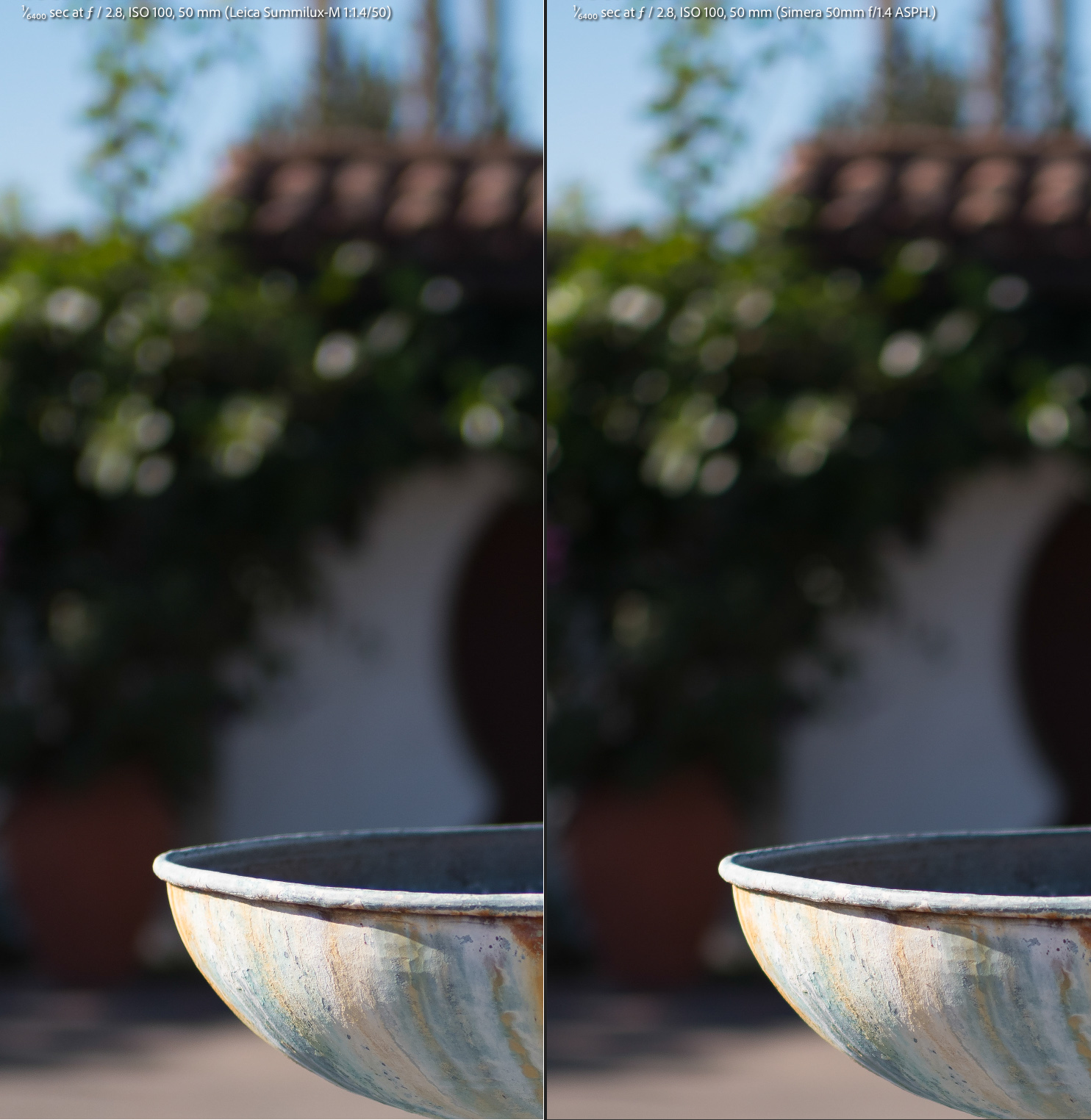
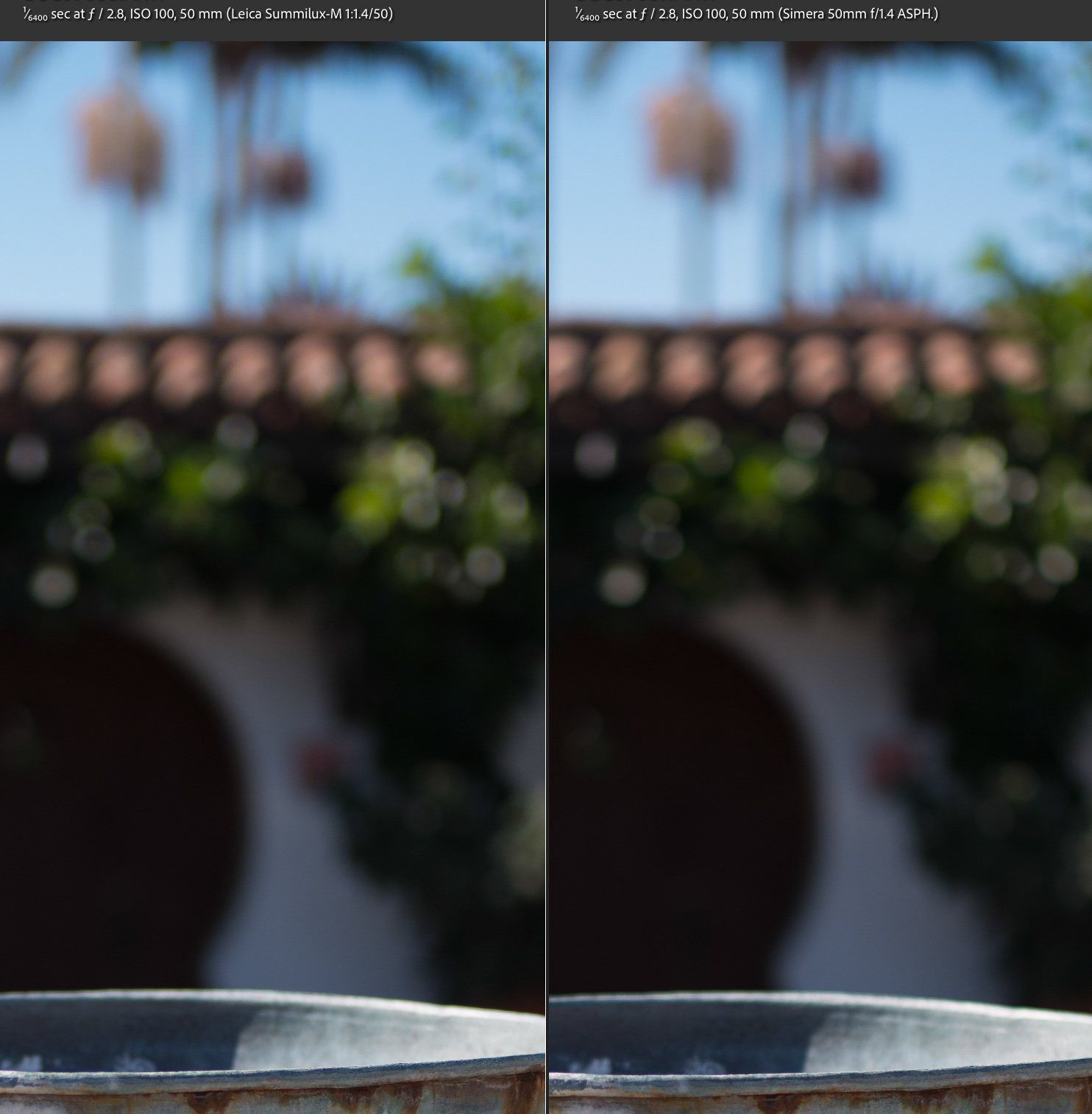
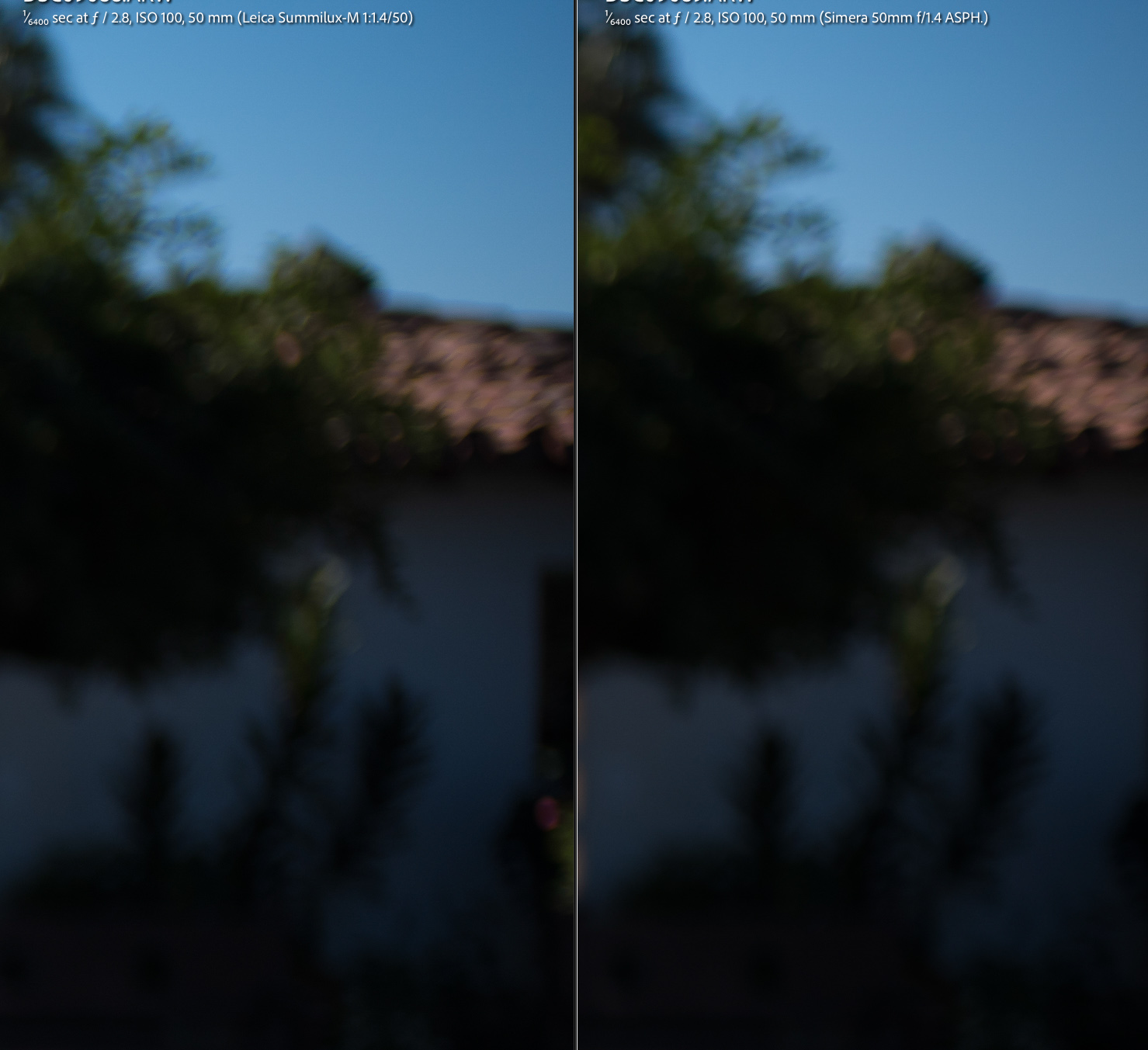
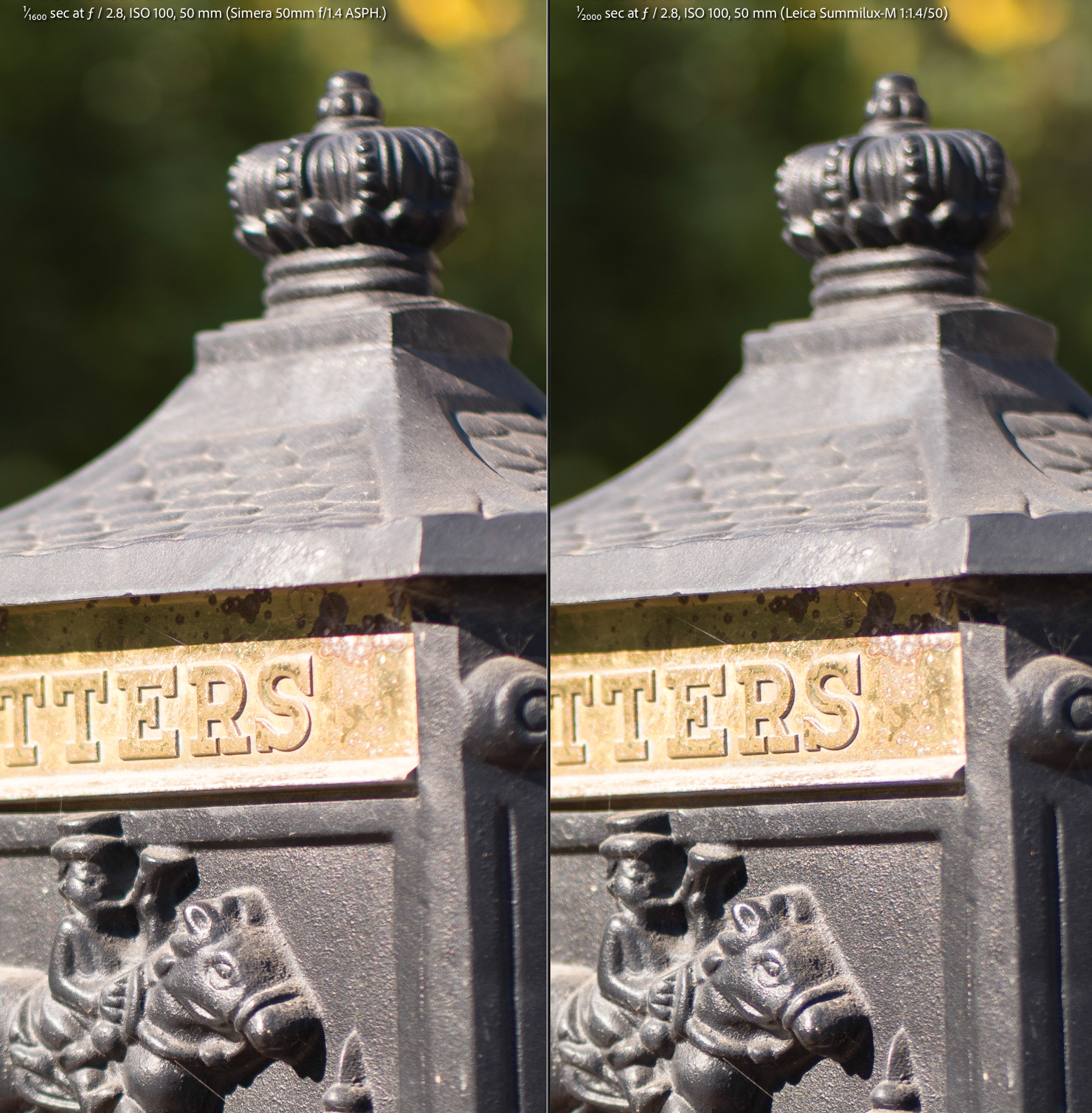
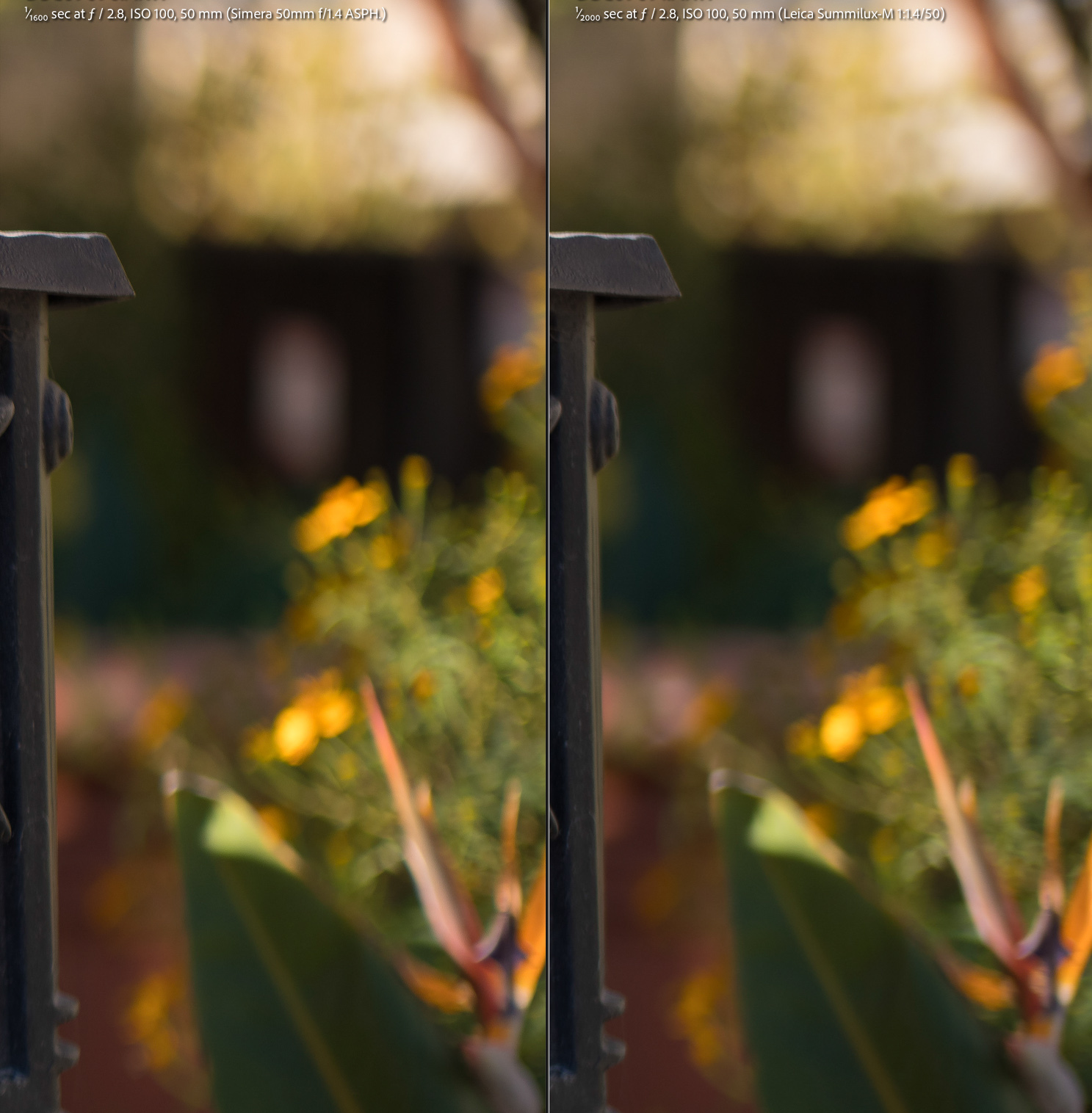
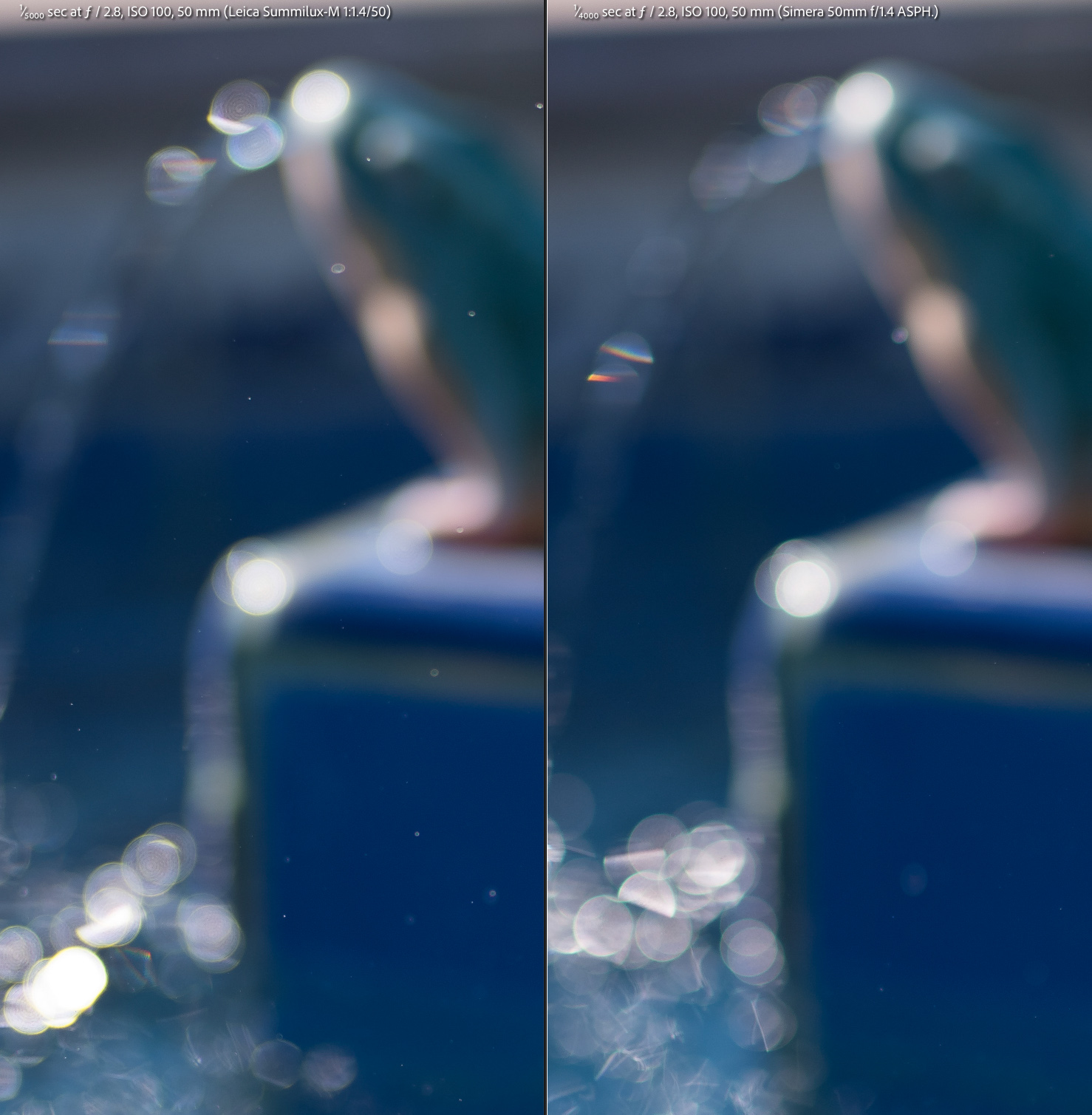
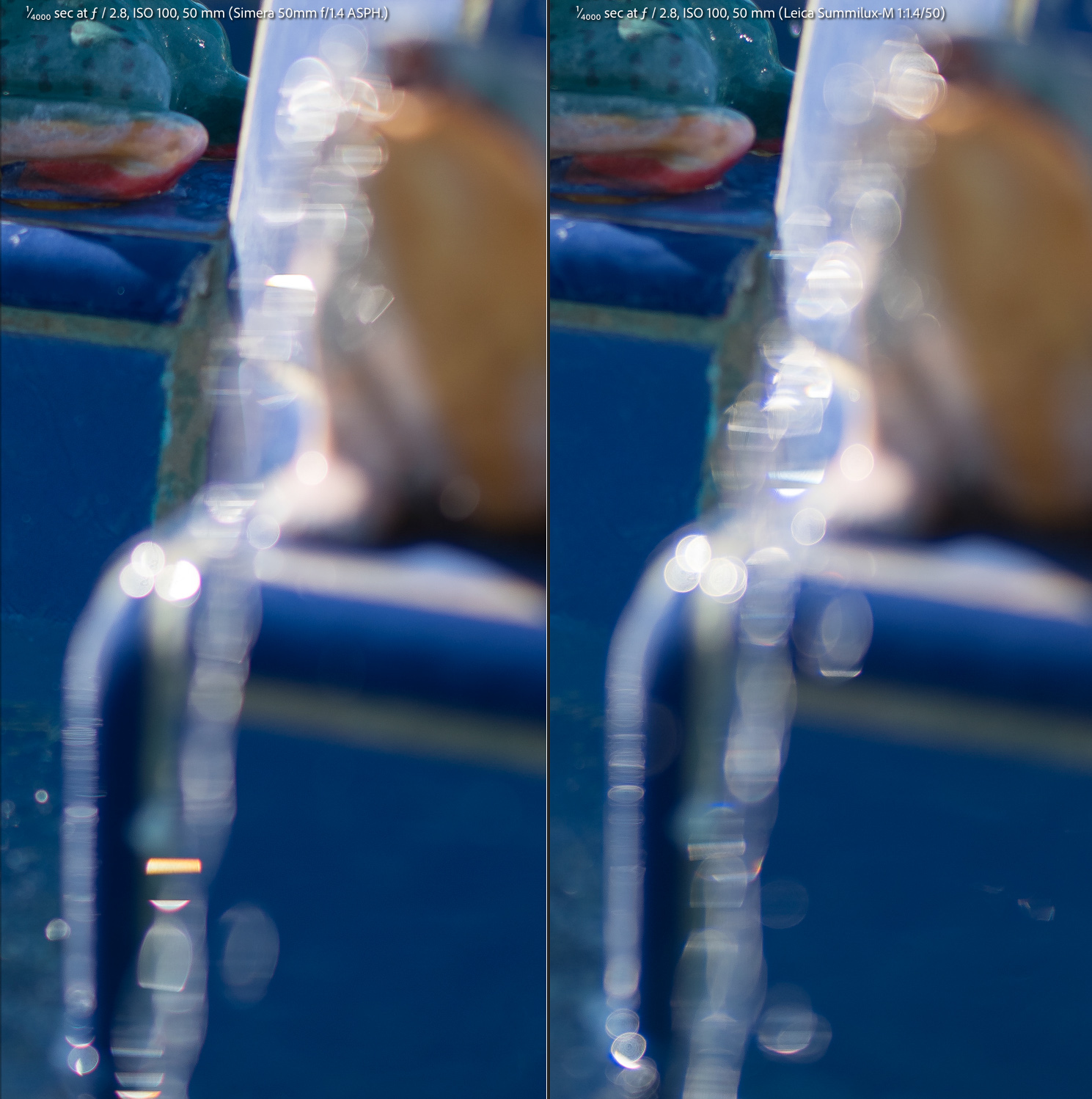
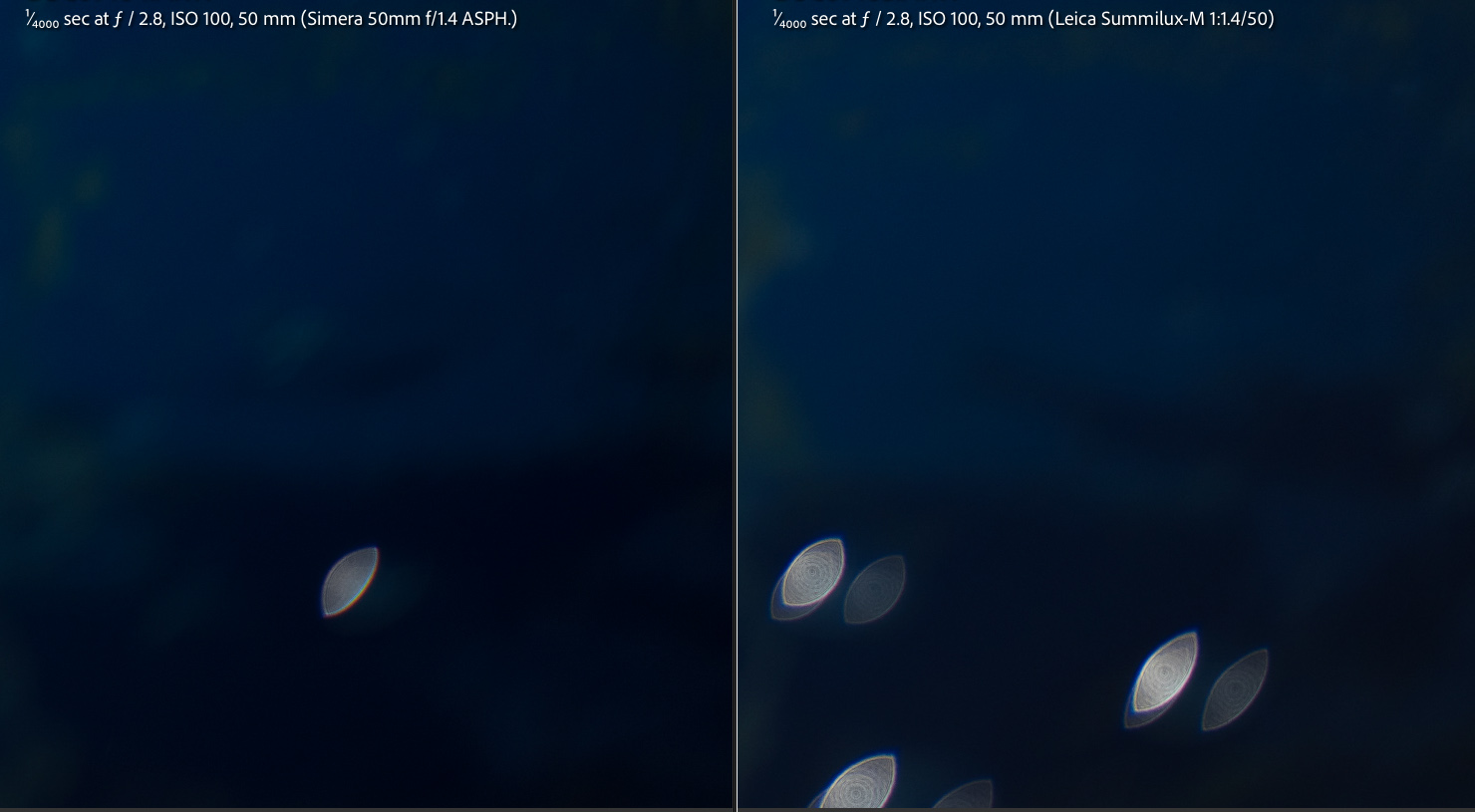
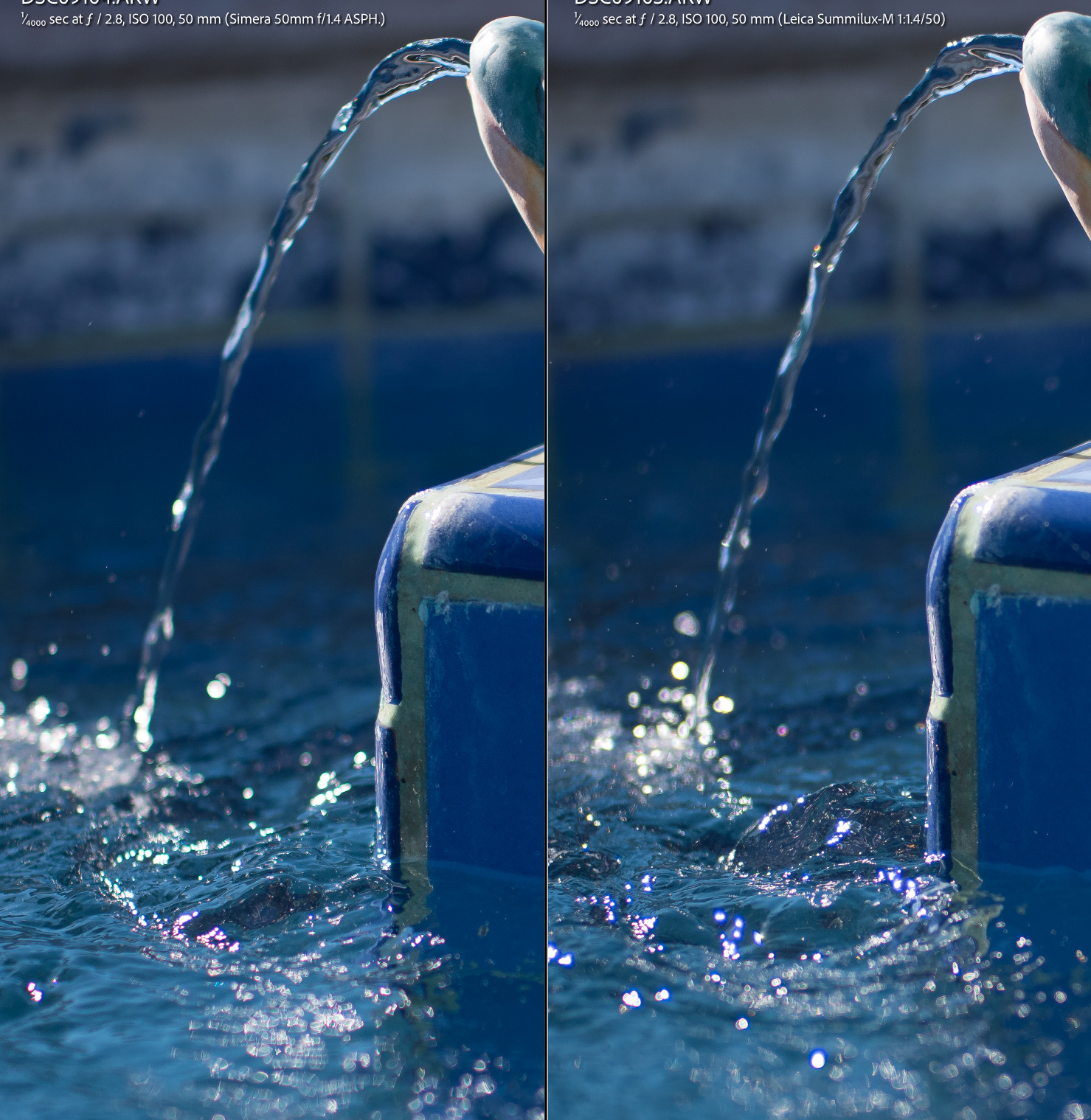
First off, the Simera 50mm f/1.4 ASPH. has a slightly narrower angle of view compared to the Leica. It's a subtle difference but something I picked up on. From these comparisons and other tests I've done, I've noticed that the Simera renders very similarly to the Leica in terms of structure, focus transition zones, and optical vignetting. In some shots, I’ve seen slightly higher contrast in the out-of-focus areas with the Simera. Although rare, the Leica shows onion ring structures in specular highlights due to its aspherical element, whereas the Simera controls this much better (see rendering samples 9 and 10).
In some crops, the Leica seems to handle optical vignetting a bit better, resulting in slightly more rounded bokeh towards the edges. When it comes to outlining, both lenses are quite similar in their rendering.
Overall, I’m really happy with how both the Simera and Leica lenses perform. Without putting them side by side and zooming in, it’s tough to tell them apart in real-world shots, especially with a bit of post-processing. Both lenses offer a modern look with smooth focus transitions and pleasant rendering.
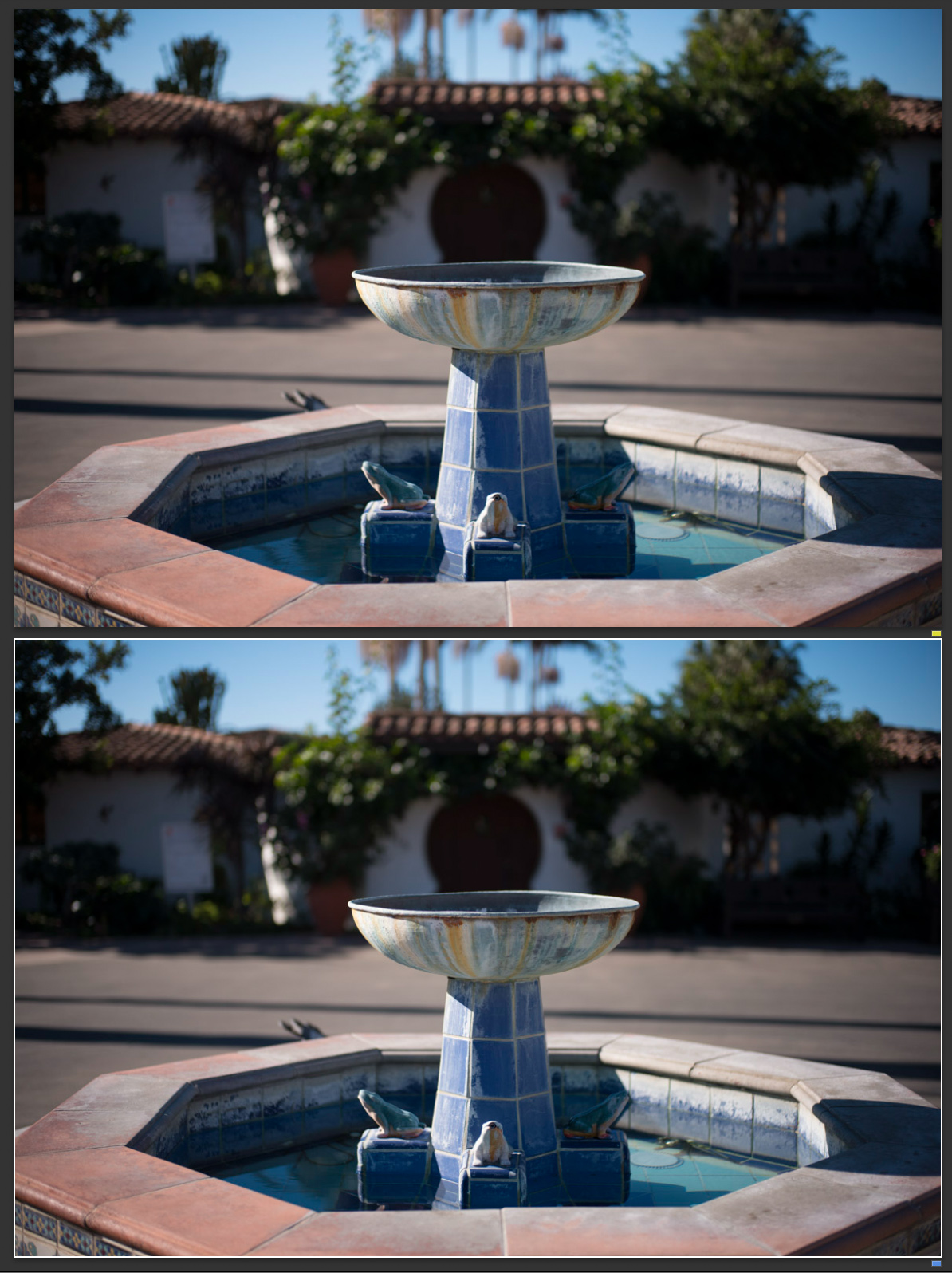
Again, opinions are divided. I notice more differences in this comparison, but as with all the comparisons I’ve seen, the differences are very subtle. It would be difficult to guess the lens in real-world images where post-processing is applied. For these tests, Adobe Standard was used with sharpening and resizing being the only adjustments made.
Also, although both lenses are 50mm, the Leica has a slight wider angle of view compared to the Simera. Therefore, I cropped the images from the Leica to match the Simera more closely for these blind tests.
I couldn't definitively tell the difference based on bokeh/rendering but the Simera image had slightly higher contrast in some areas. The giveaway for me was the slight vignetting and distortion differences, which were enough to identify the Simera. Vignetting because earlier in the review Fred indicated it shows slightly more and distortion based on the differences seen in the mailbox photo when flipping quickly between the two (the Lux appears to have slightly more distortion).
I think this is the closest rendering/character I've ever seen between two different lenses! Slightly more noticeable green/magenta LoCA/fringing with the Simera in the fountain comparisons, but still looks very well controlled and pretty amazing given its price point. I have Leica lenses that would be horrid in this situation (21 Lux, 28 Lux), though the 50 Lux ASPH isn't one of them as clearly illustrated here (IIRC Karbe said it could be classified as APO but wasn't marketed as such).