rsolti13 wrote:
Ultron on the extreme corner holding its own. Mid zone the APO looks fantastic
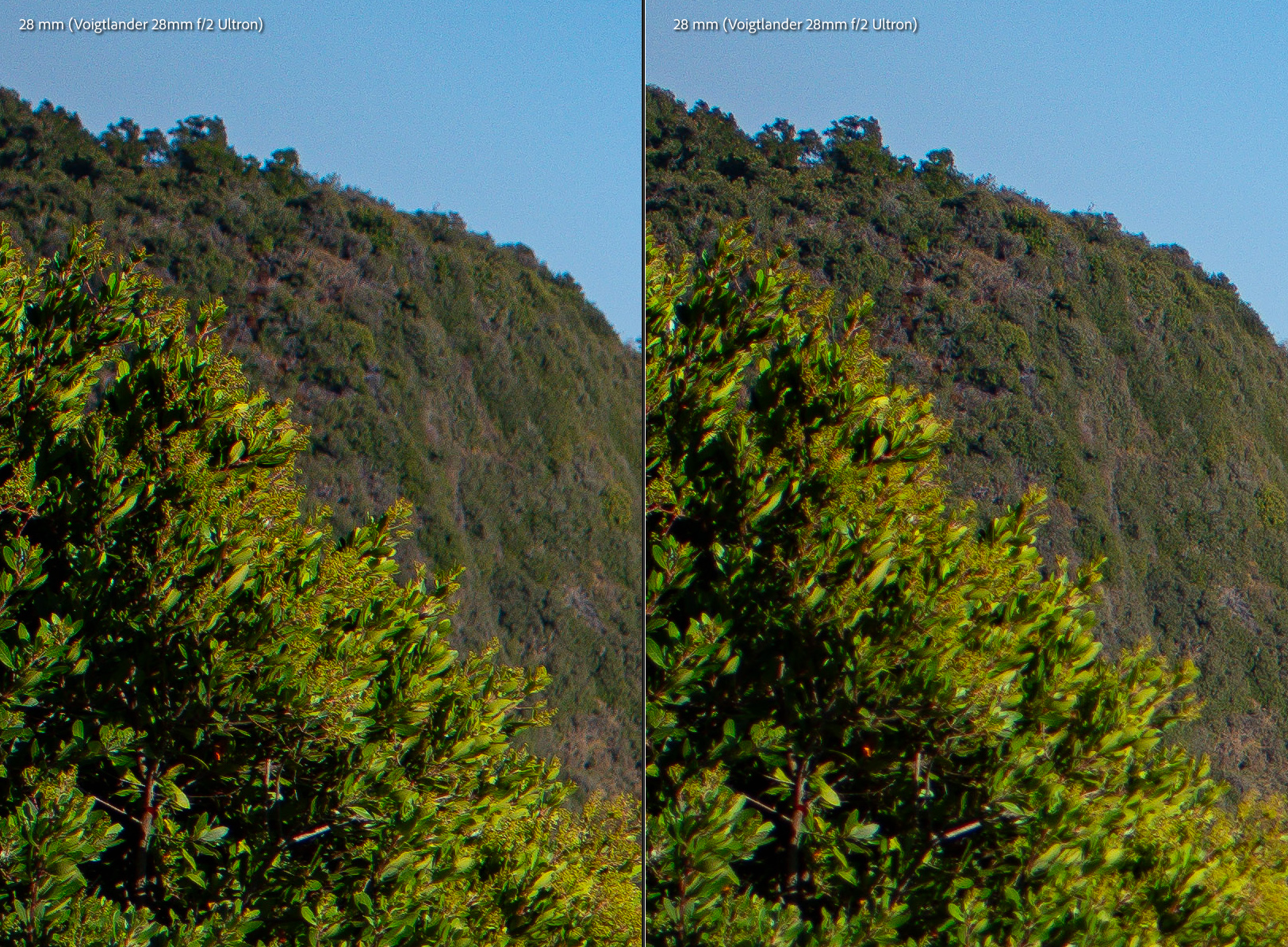
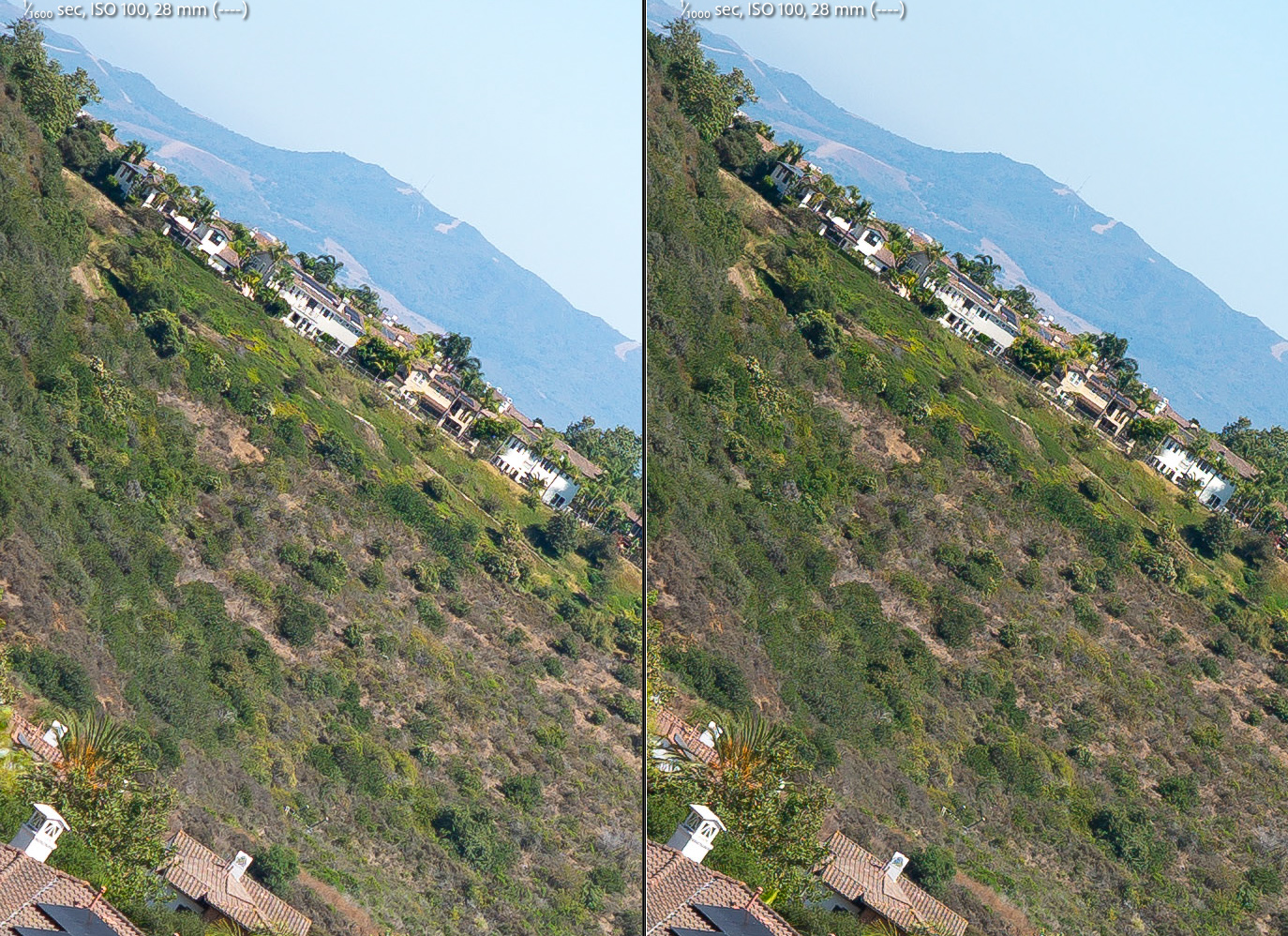
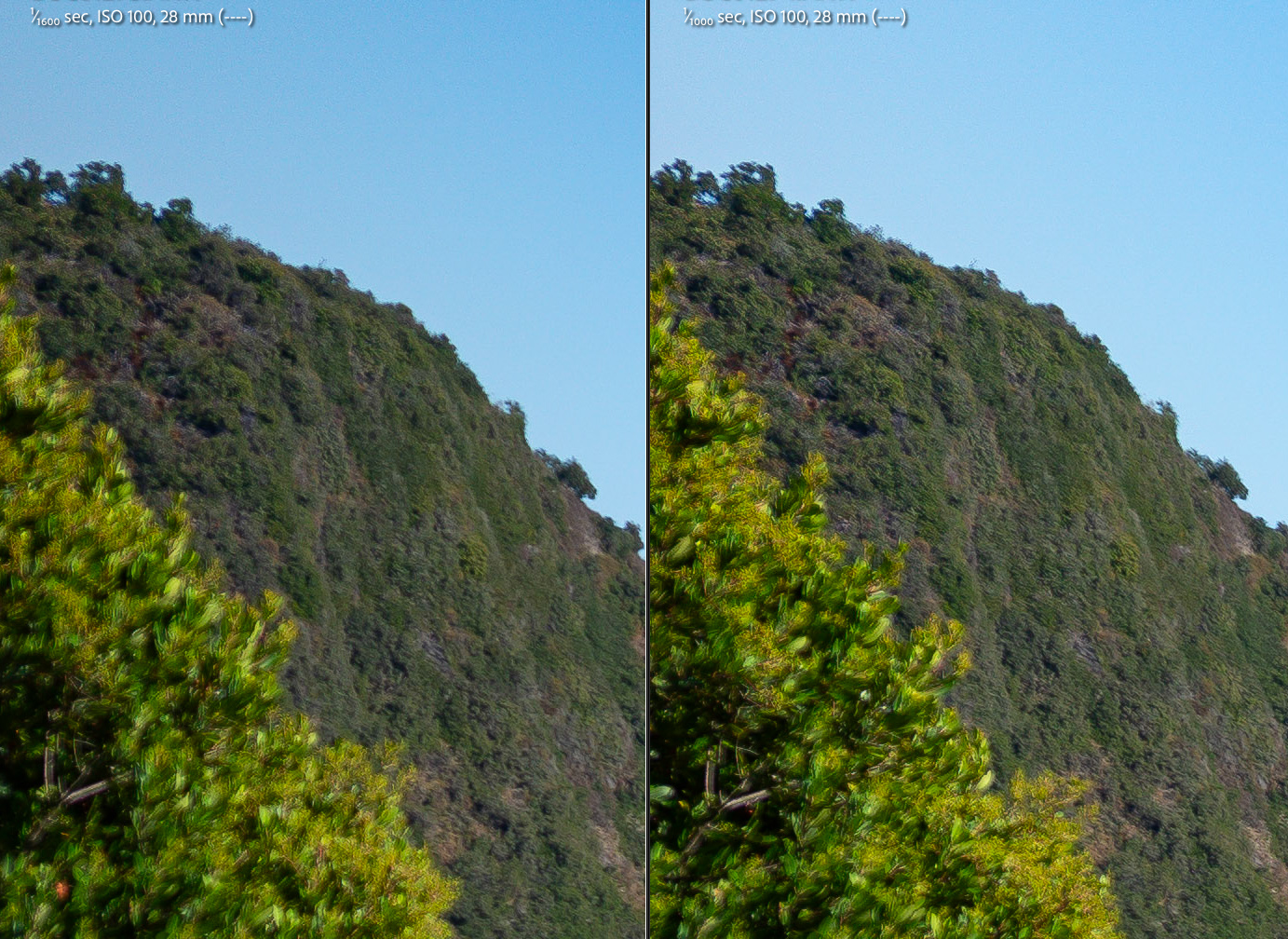
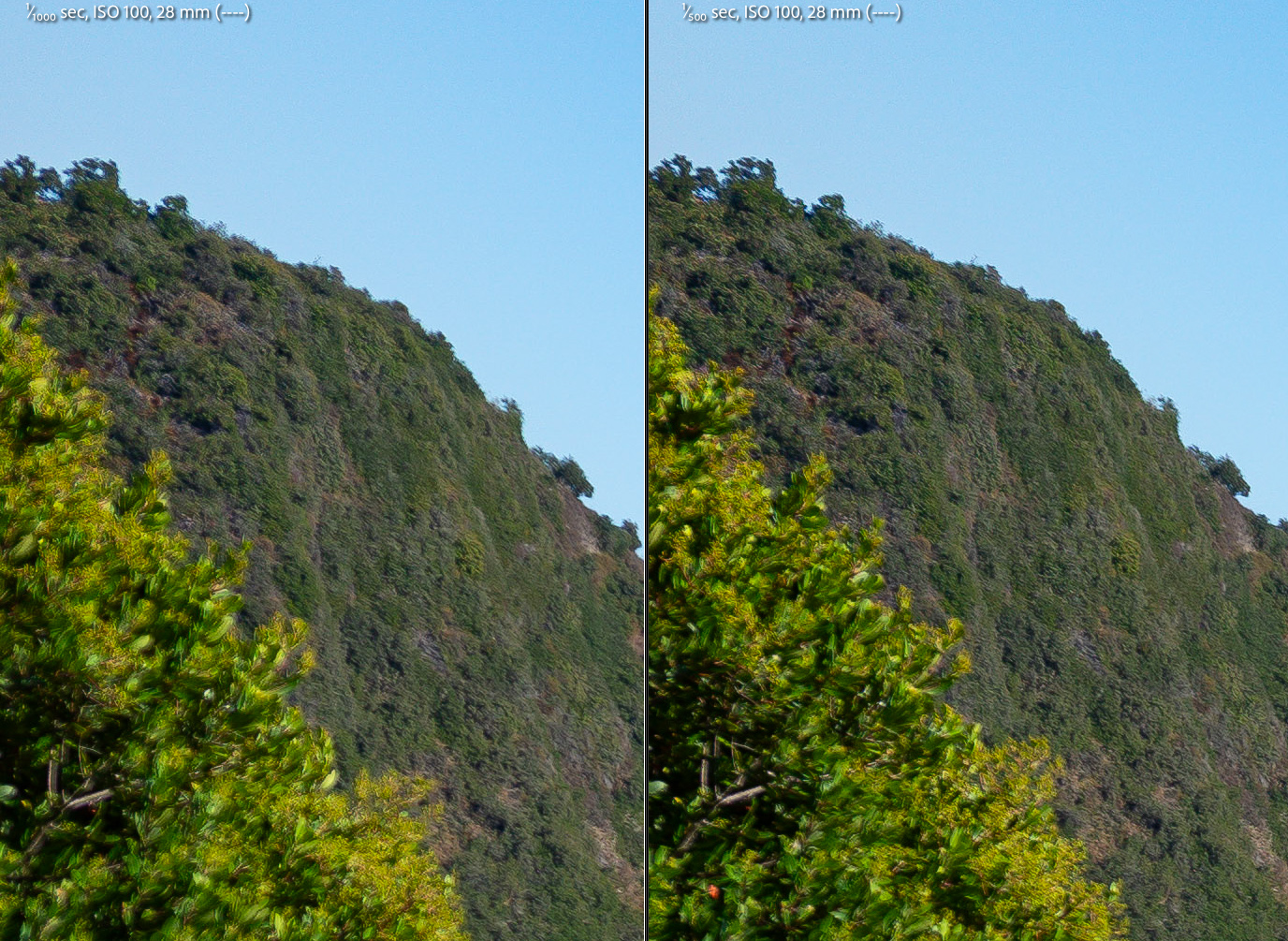
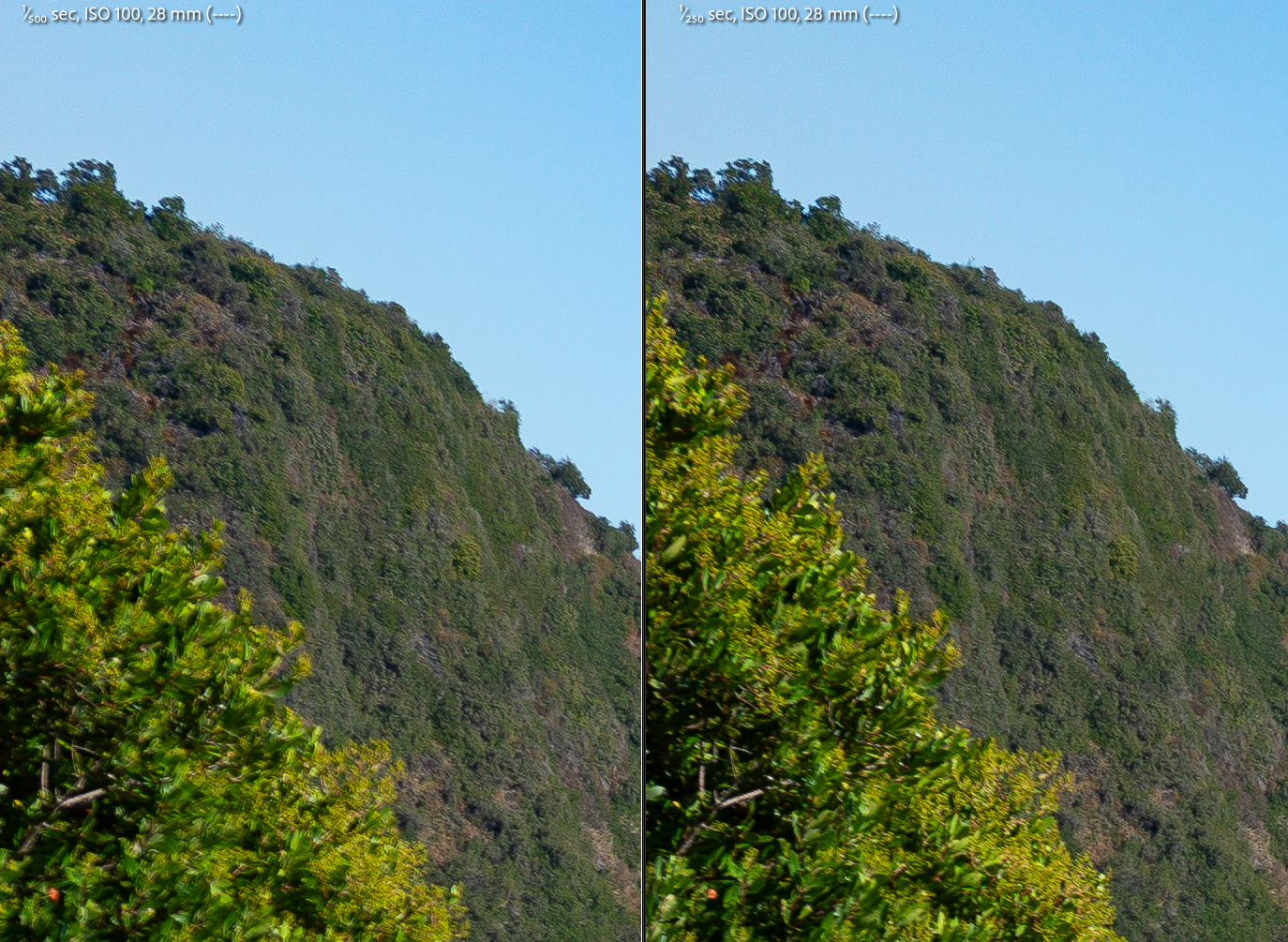
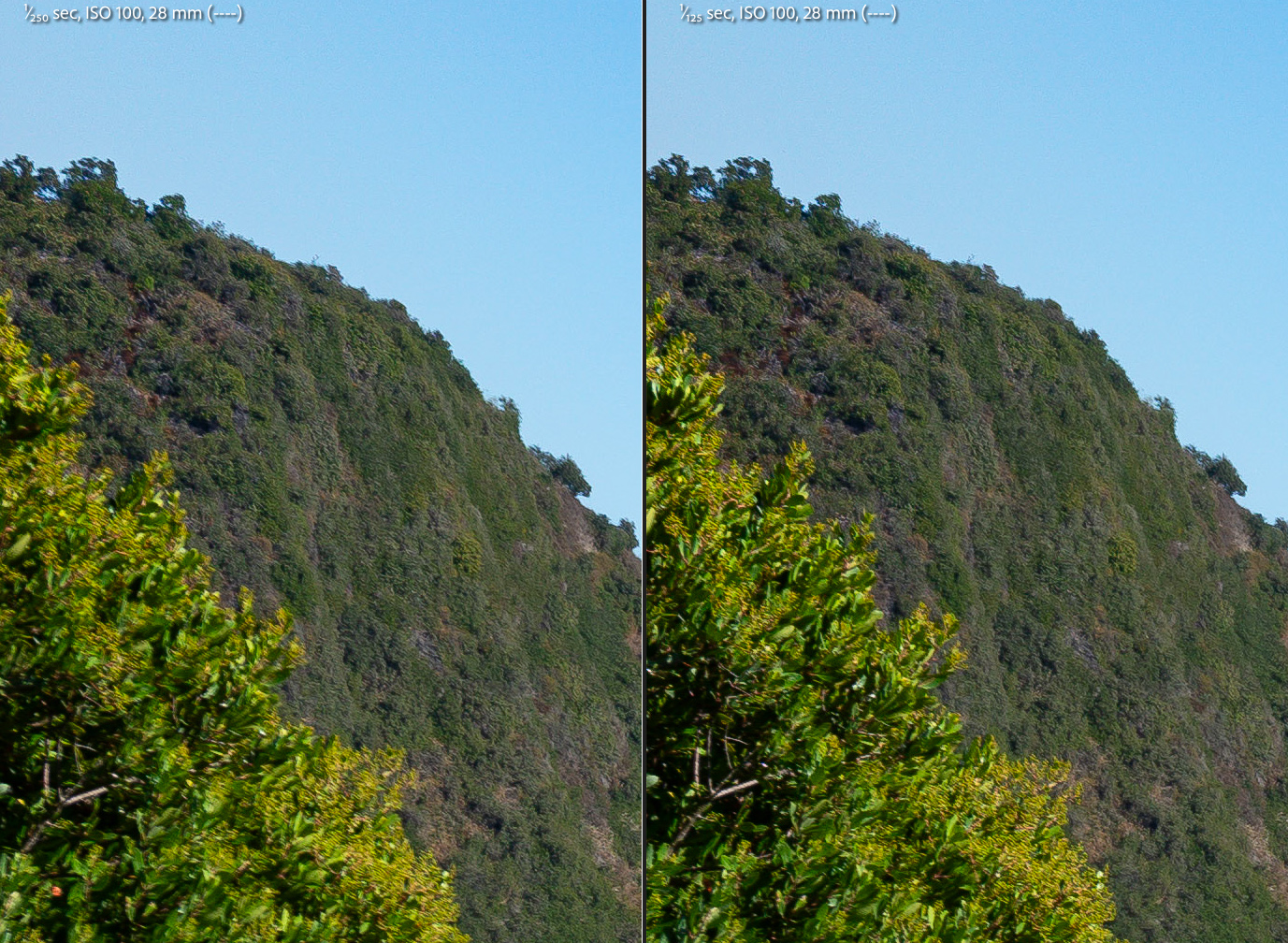
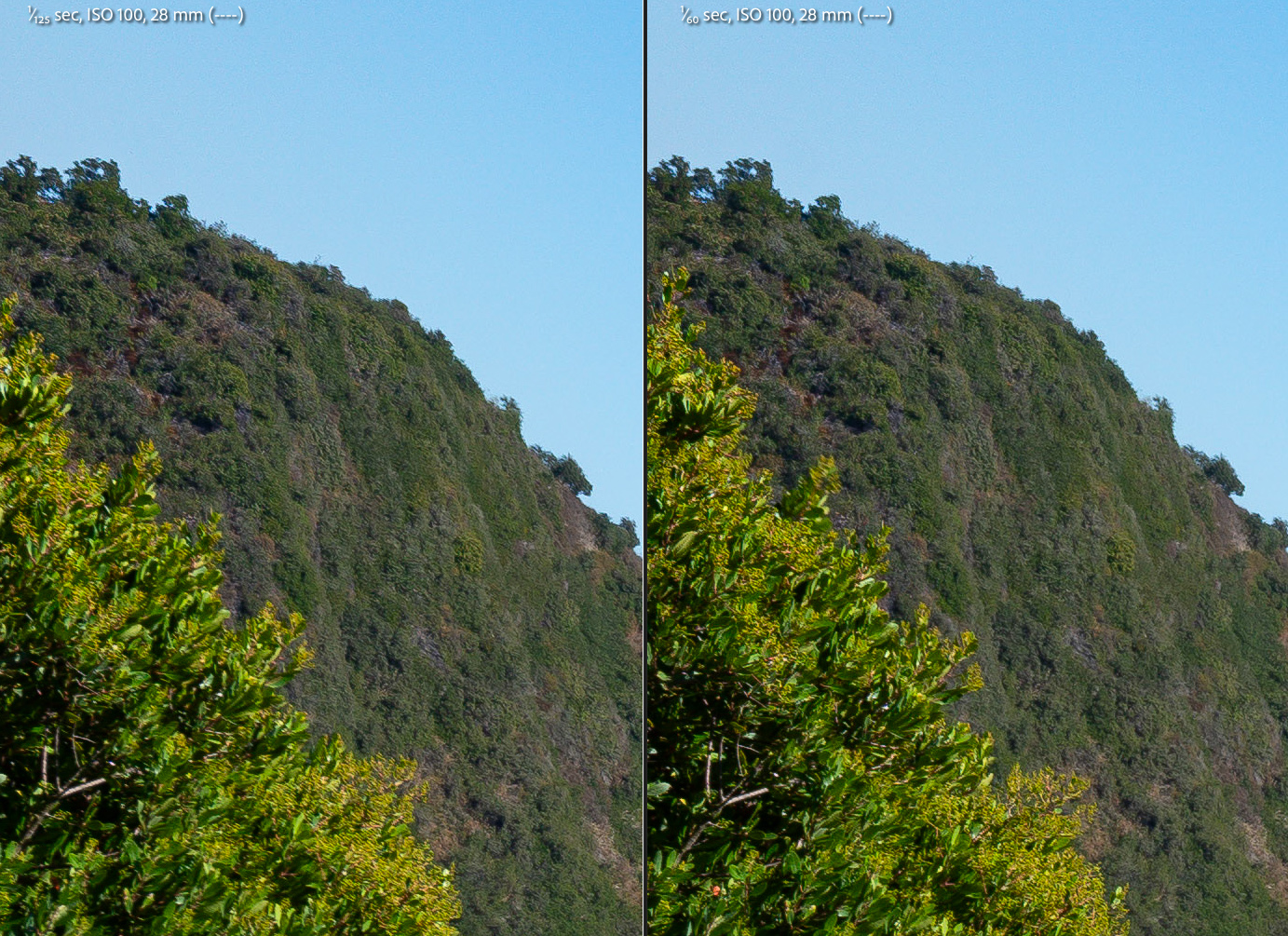
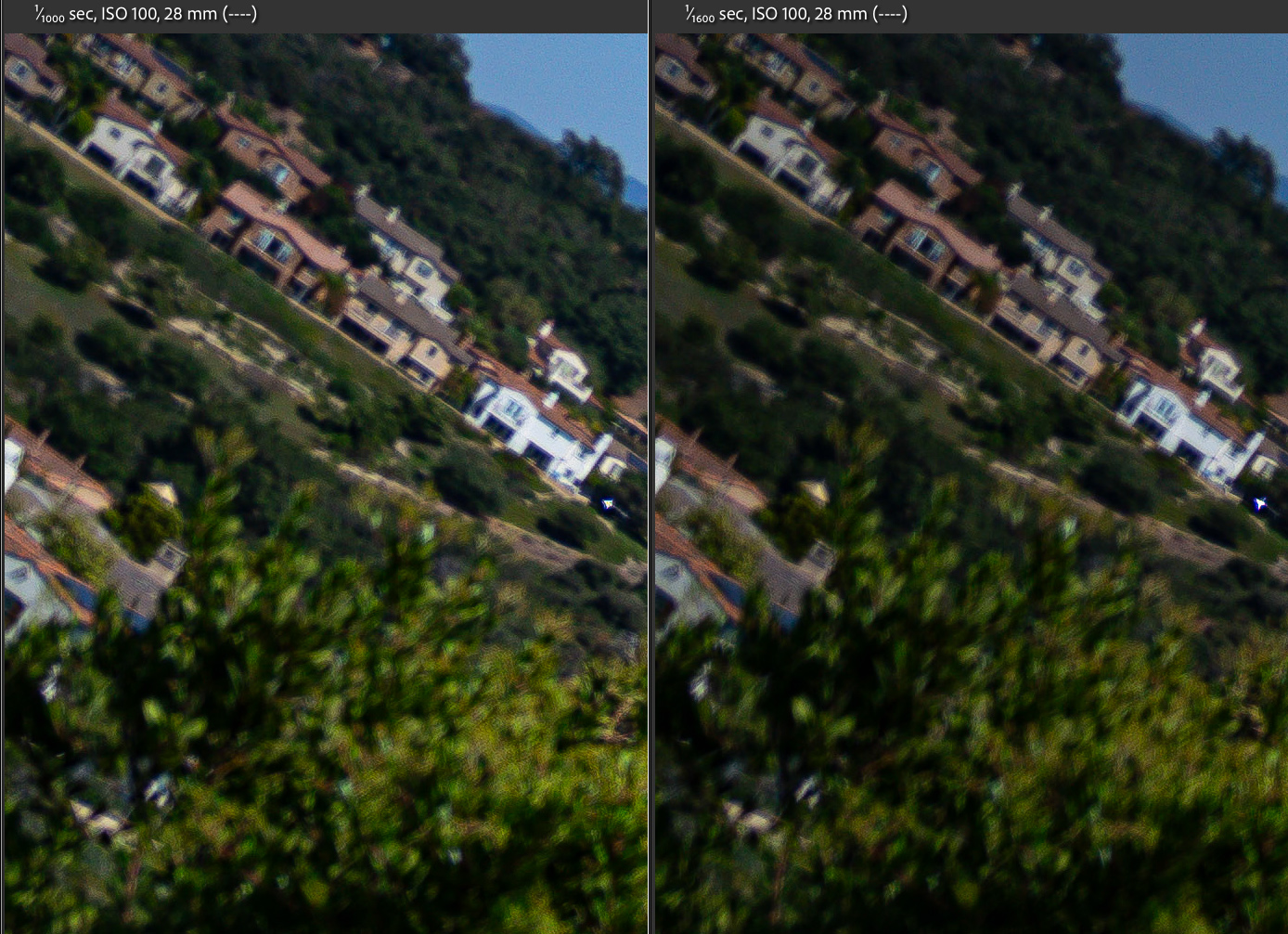
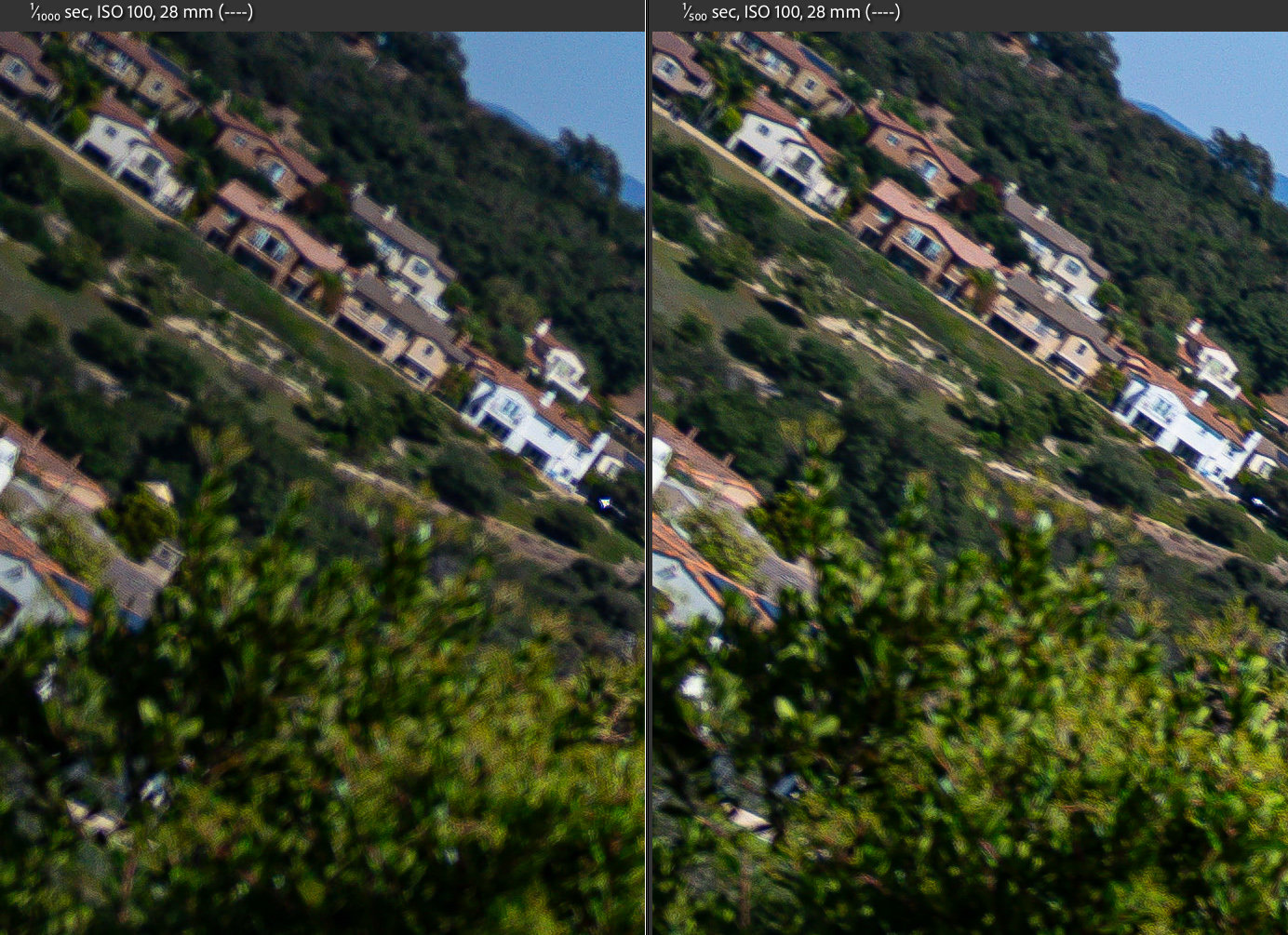
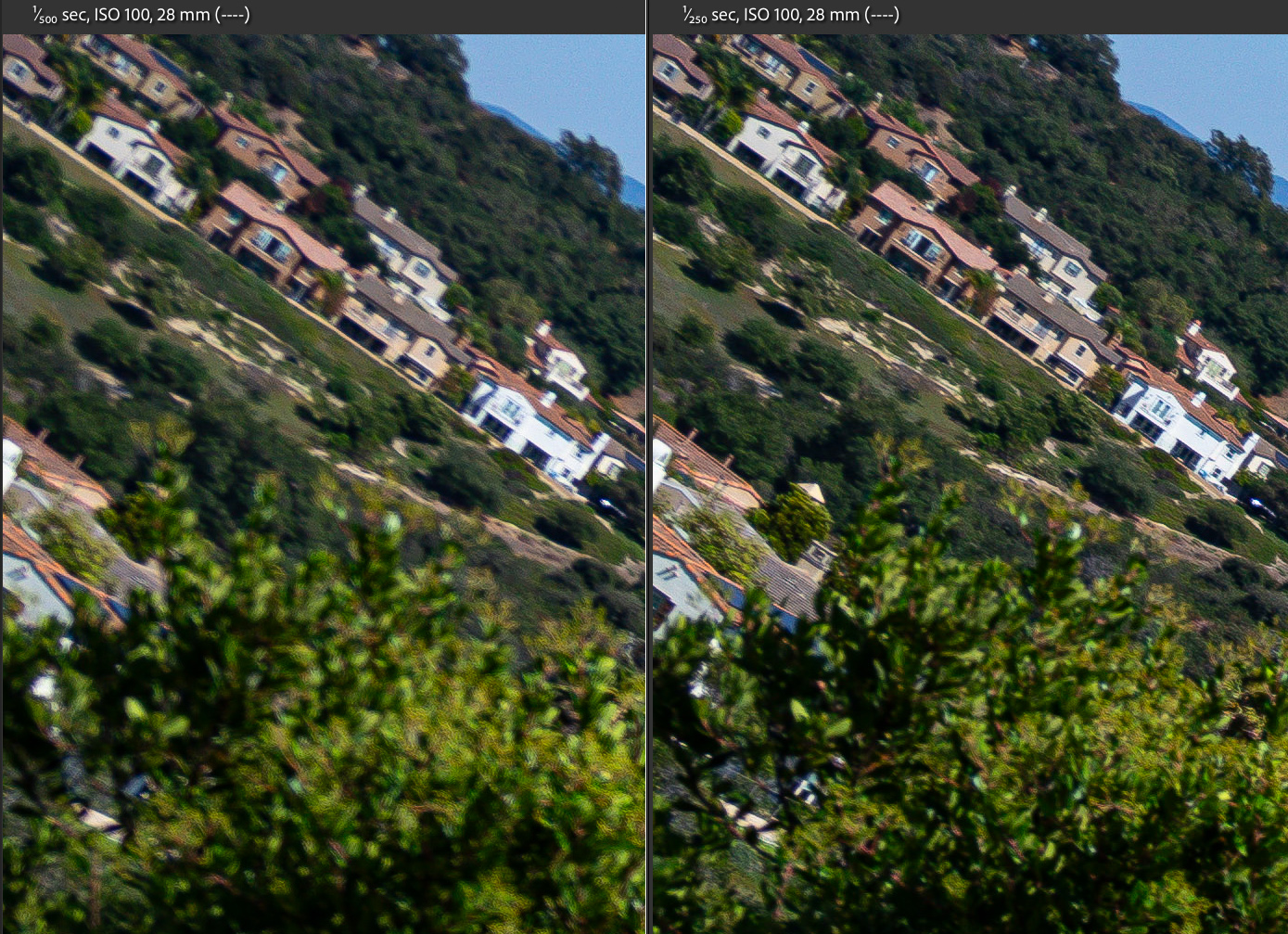
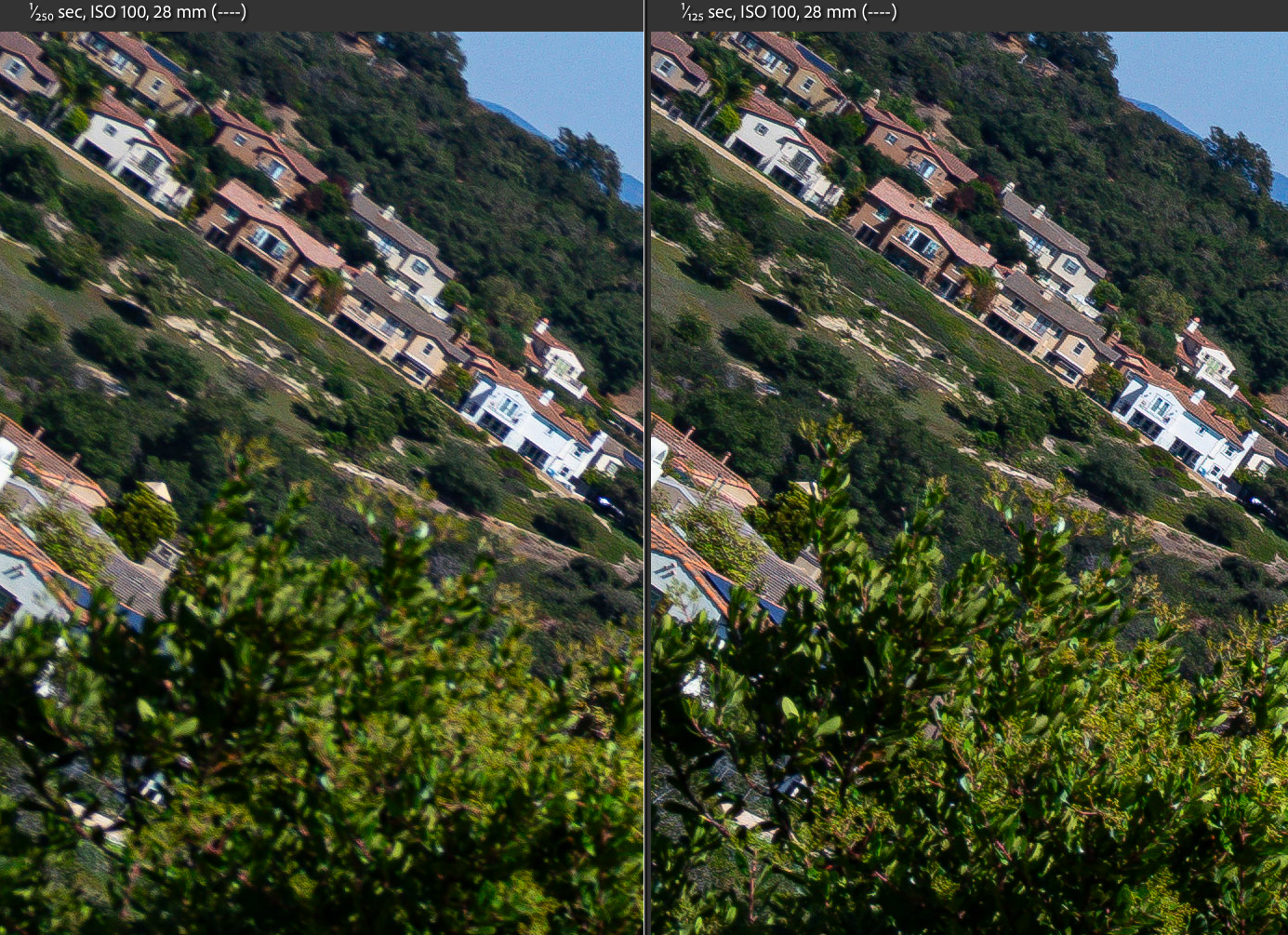
I've noticed that the Ultron performs better in its weakest area, the mid-zone, when focus is placed directly on that region. This suggests there is some field curvature at this distance, which appears to be slight and possibly a bit wavy. I never really noticed it with lower-megapixel sensors, but it becomes more apparent with 60MP and will likely be even more noticeable at 100MP in the future.
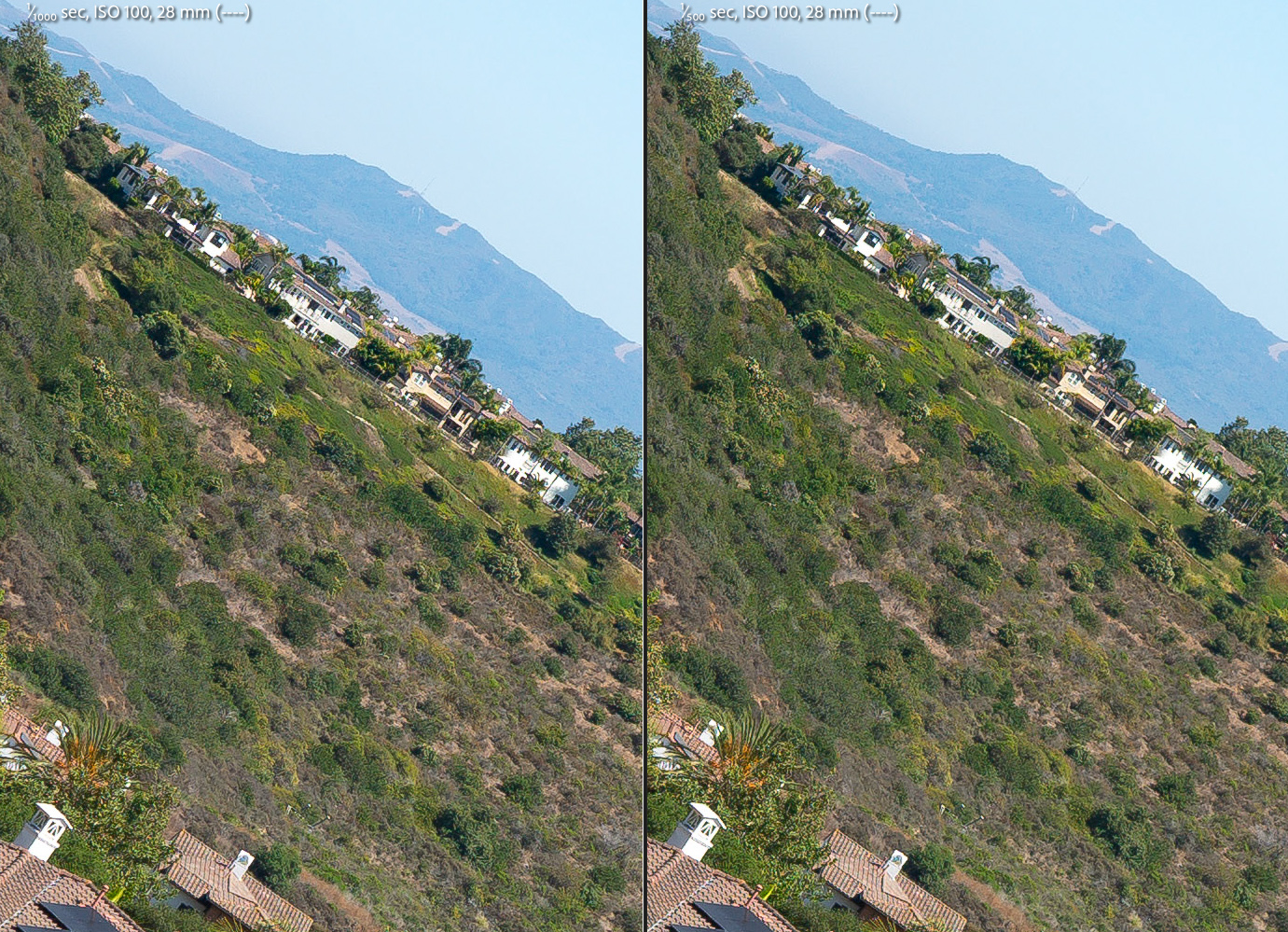
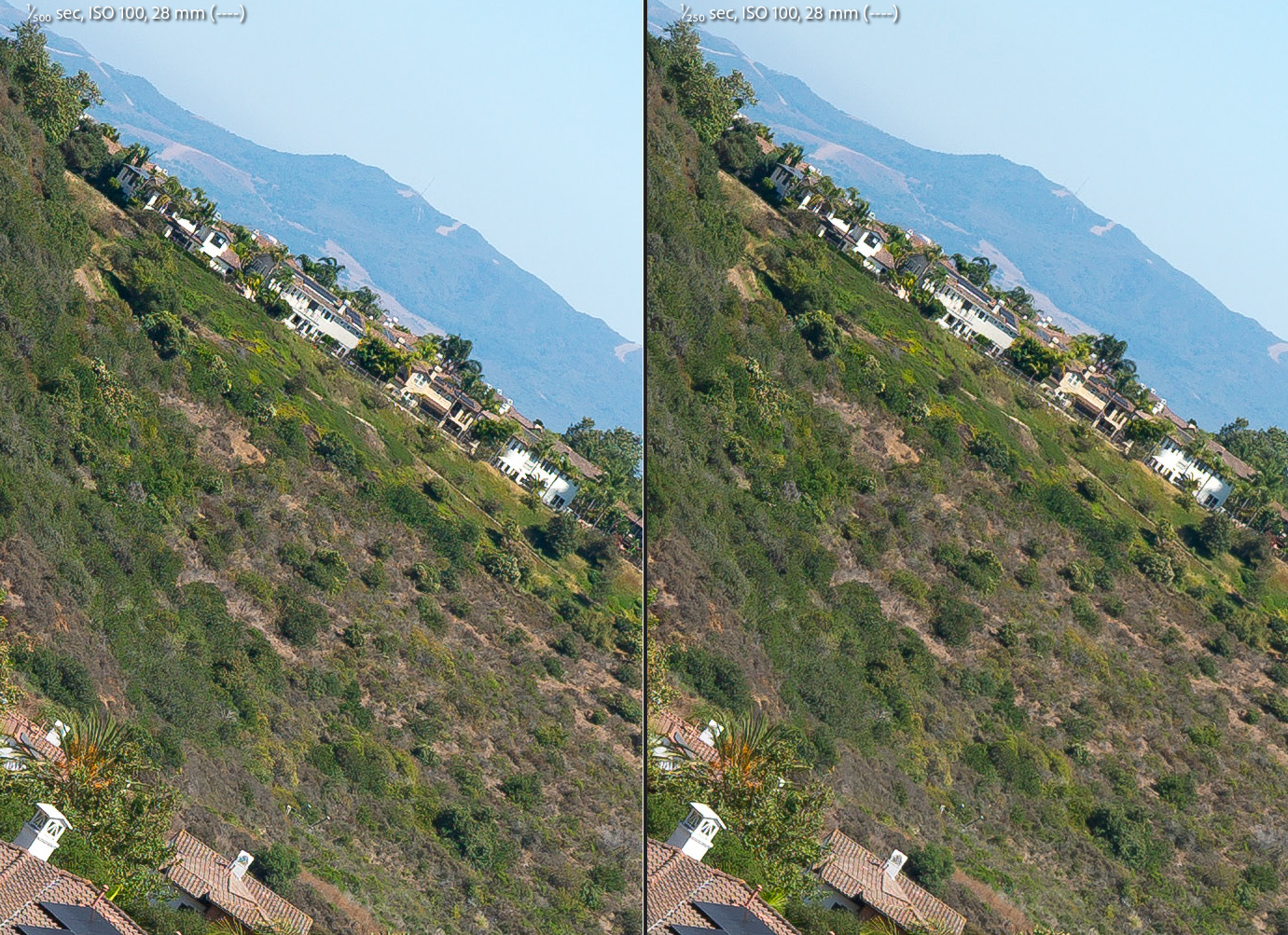
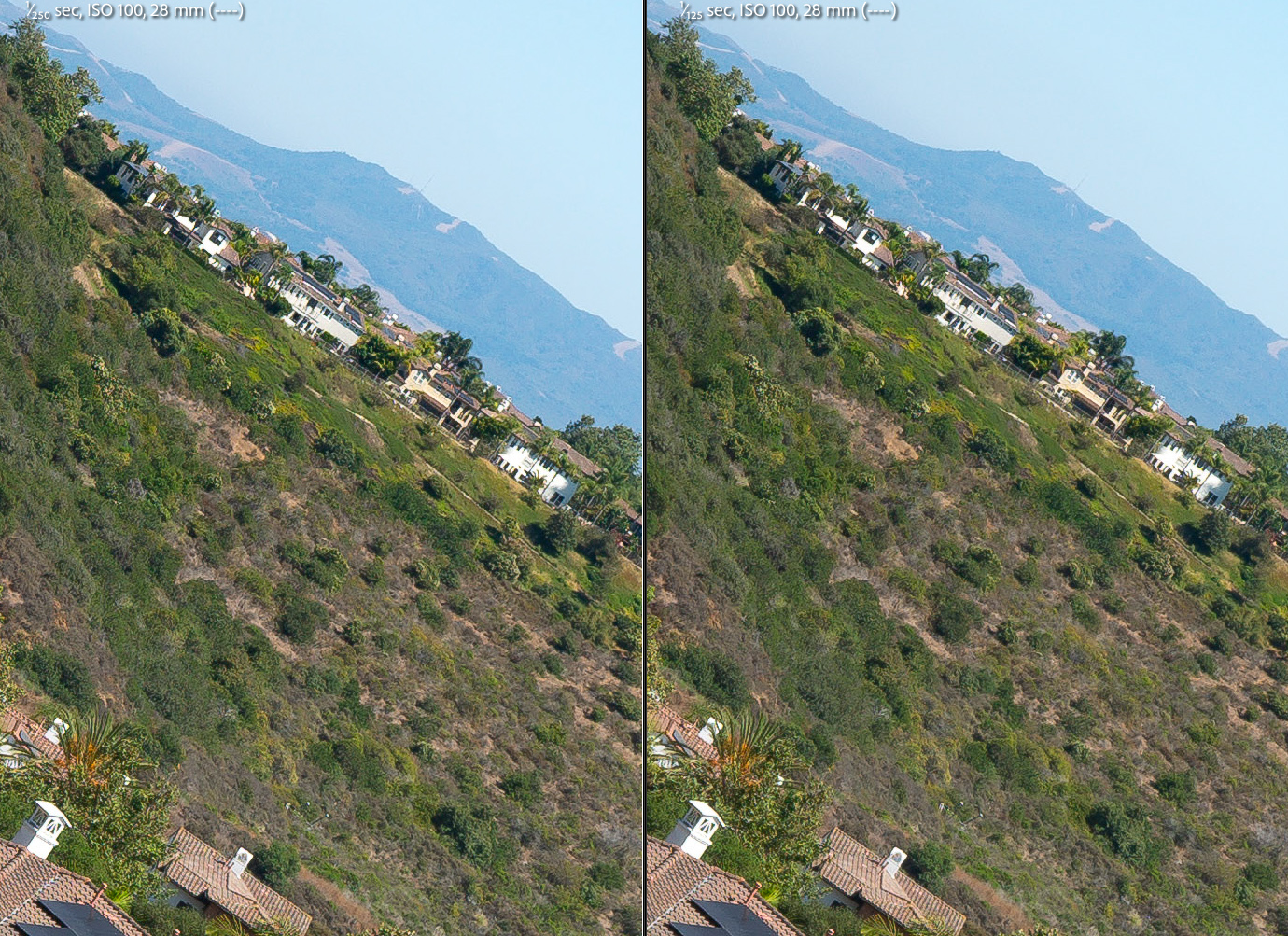
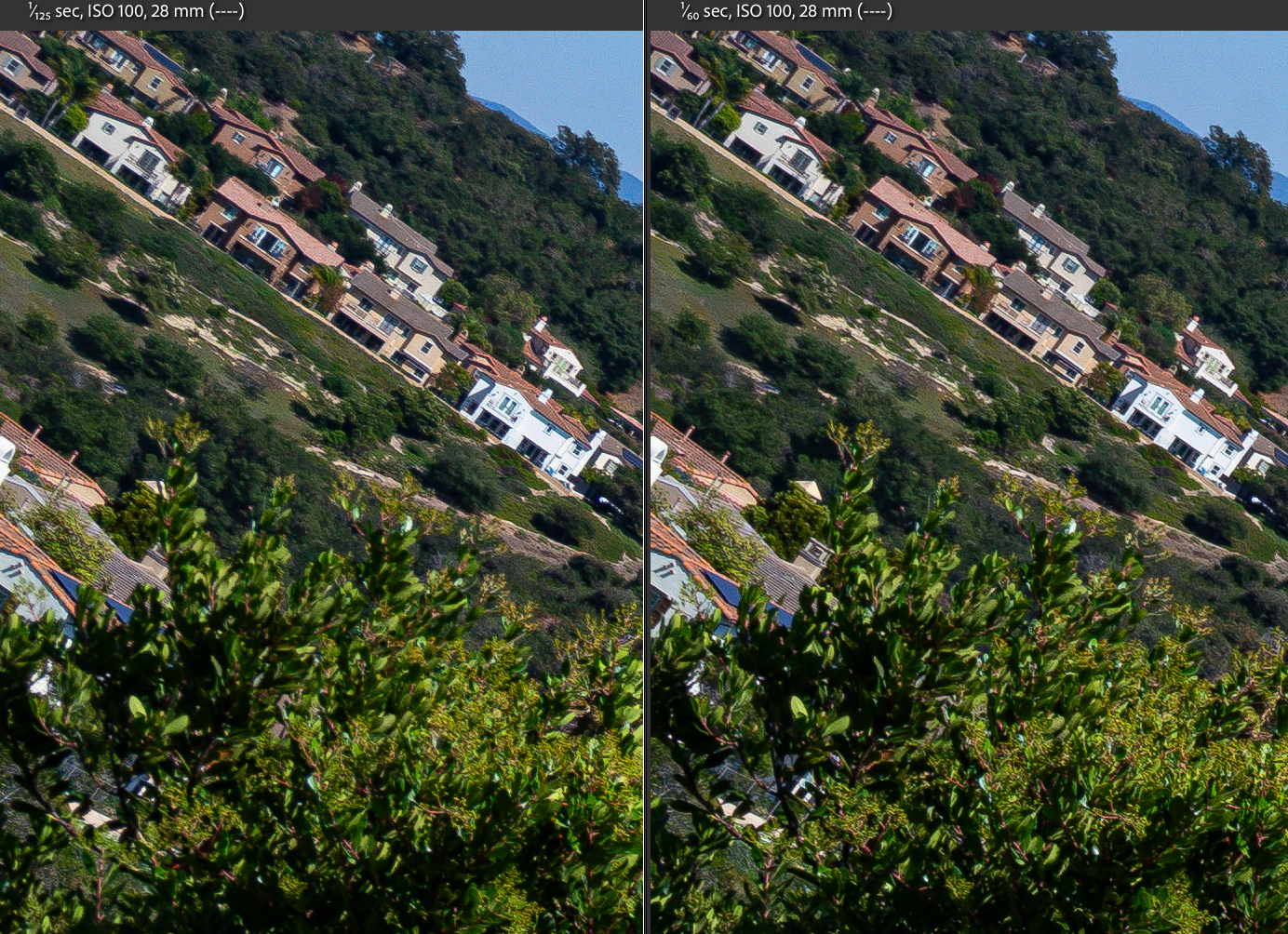
Here's a comparison of the Ultron shot wide open. The image on the left is focused at the center, while the one on the right is focused at the mid-zone. Both frames show the mid-zone area. Notice how the foreground foliage, which is closer to the camera, changes in focus between the two. When accounting for this subtle field curvature, the differences between the APO and Ultron become smaller than they first appear.
I'm impressed so far. It looks like as much a killer landscaper as the other APO-Lanthars. Now I'm very curious to see how it does on the Kolari UT and the full-spectrum mono, particularly with IR filters. It's not something I'd buy. 28's not a key focal length for me, but it certainly looks like it'd be worth a week's rental.
looks like a great lens. Fred, will you be testing coma correction? If it’s good, would be an even more versatile landscape lens. I have used the CV 28 /2 multiple times too good affect for astro
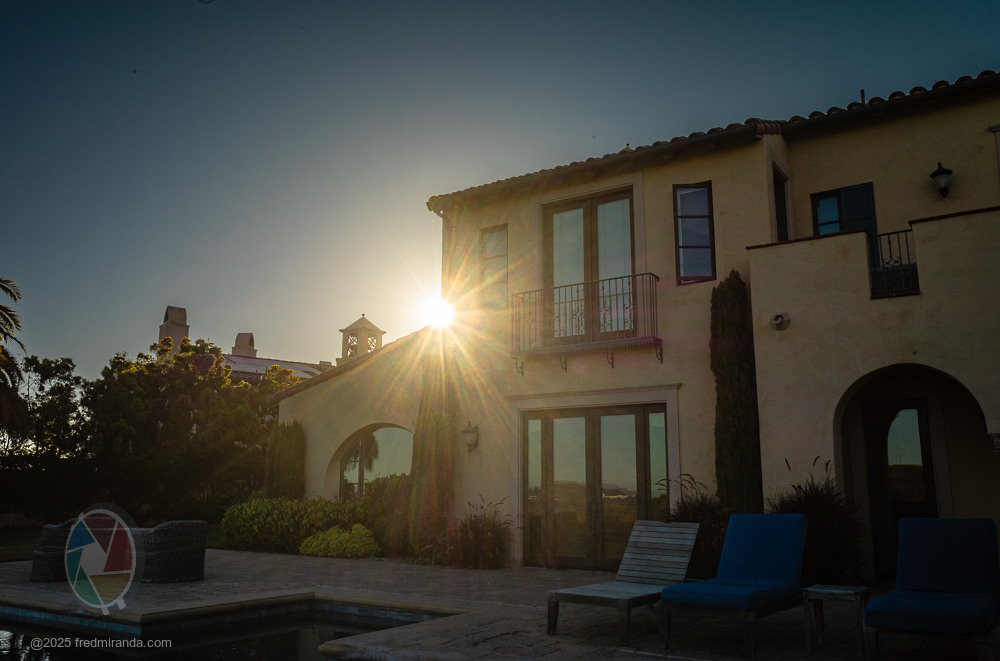
For those who appreciate well-defined sunstars, the Voigtlander 28mm f/2 APO-Lanthar really stands out. Like the previous 35mm and 50mm f/2 APO-Lanthar lenses, it uses an aperture design with straight blades, and due to tight manufacturing tolerances, the resulting sunstars show excellent definition with evenly spaced rays.
One key difference with this 28mm APO is that it does not produce circular aperture shapes at intermediate settings like f/2.8 or f/5.6. Instead, the aperture opening always shows a consistent dodecagon shape throughout the range. As a result, well-defined sunstars are already possible as early as f/2.4, though they really begin to shine from f/2.8 and look their best from f/4 onward. Only at the widest aperture of f/2 do the sunstars appear soft because the blades are fully open, and at the smallest aperture of f/16 they look chaotic and less pleasant.
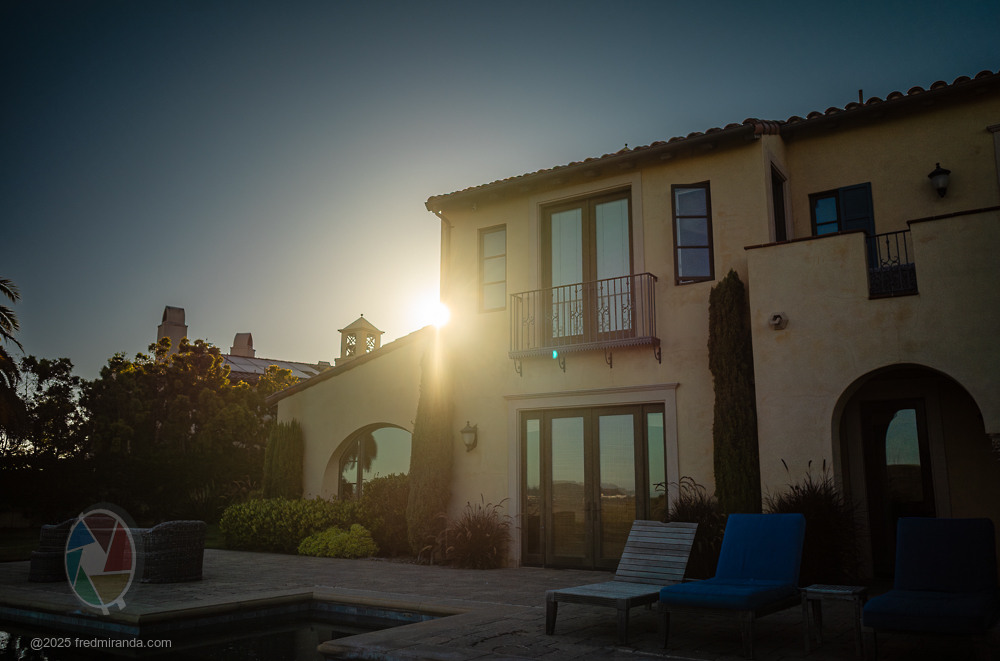
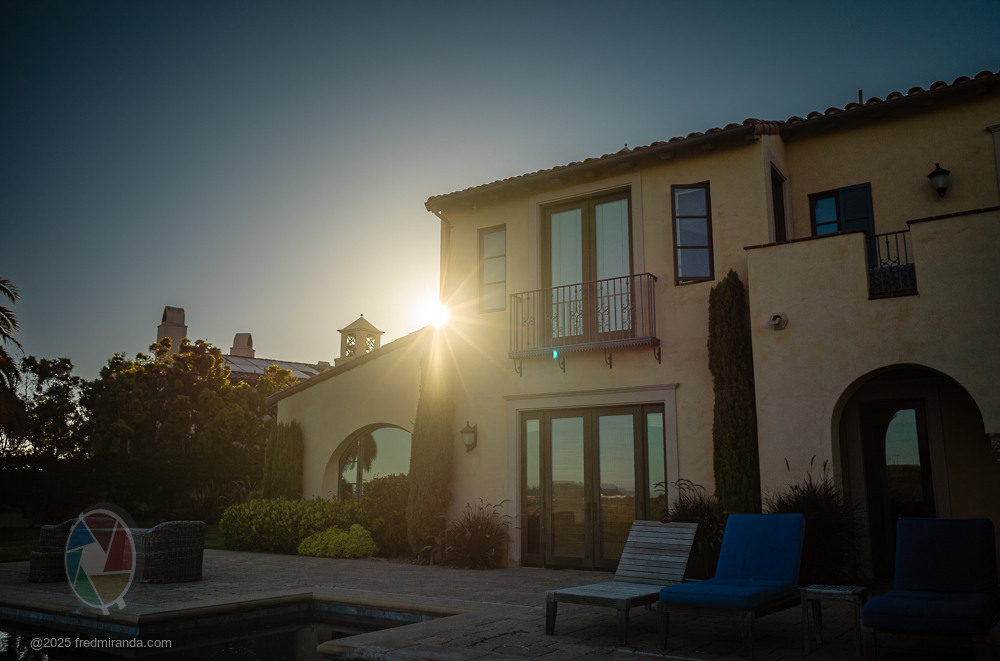
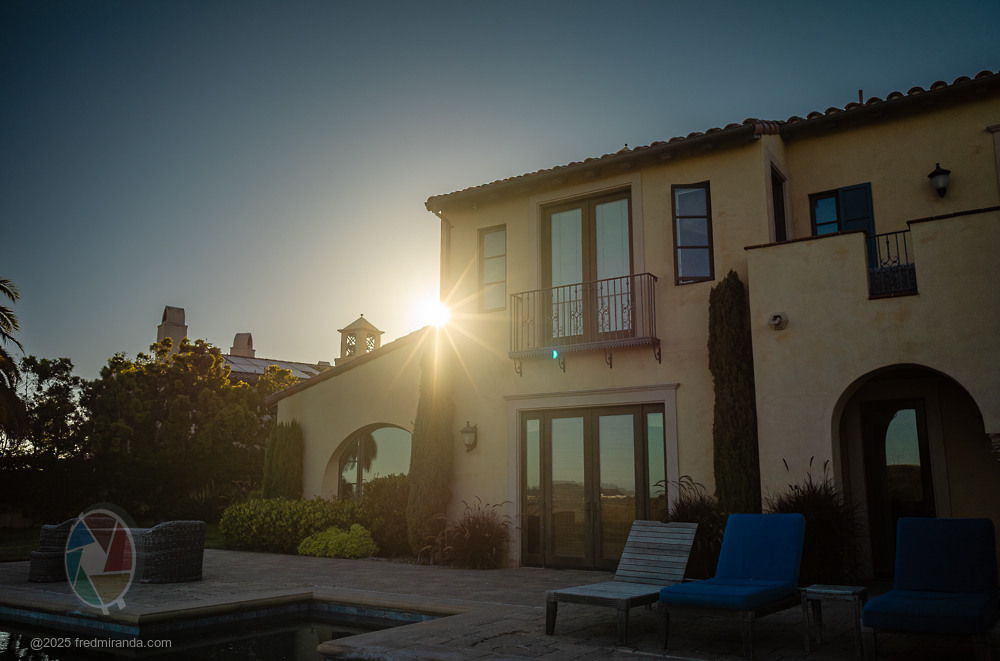
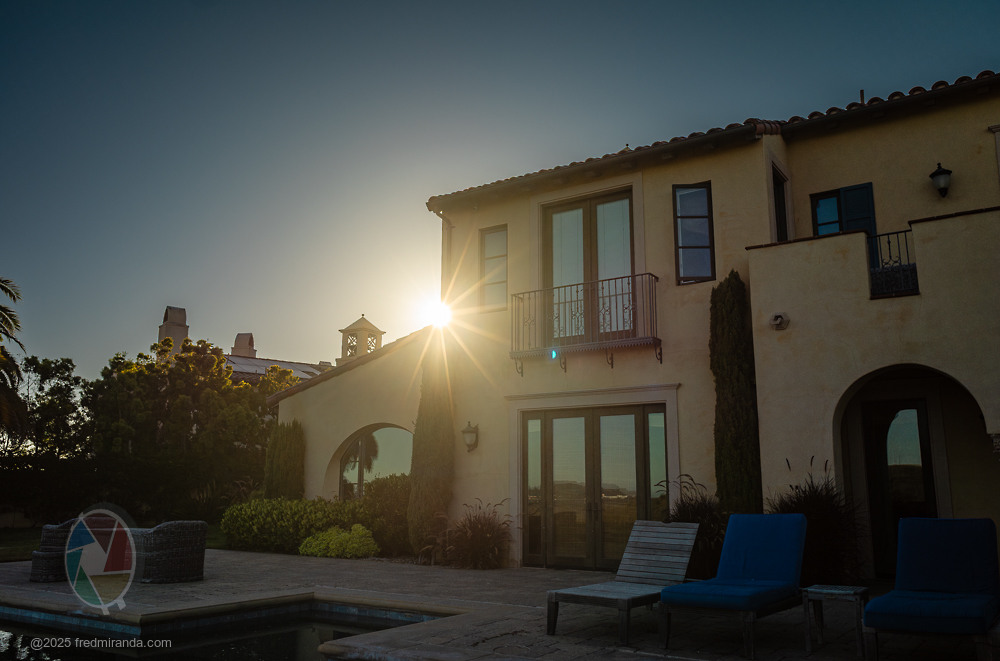
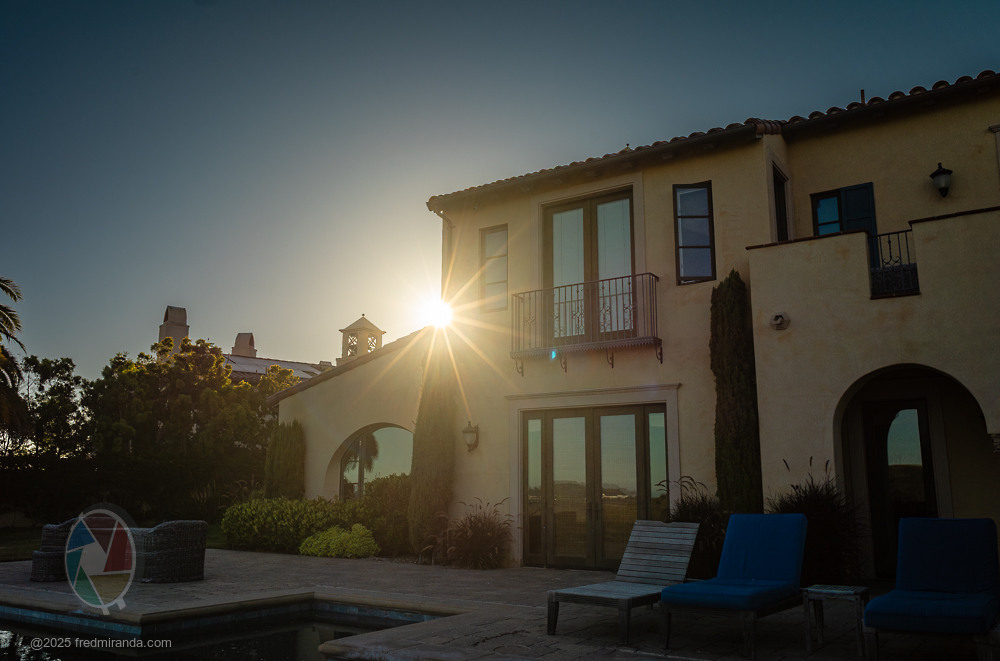
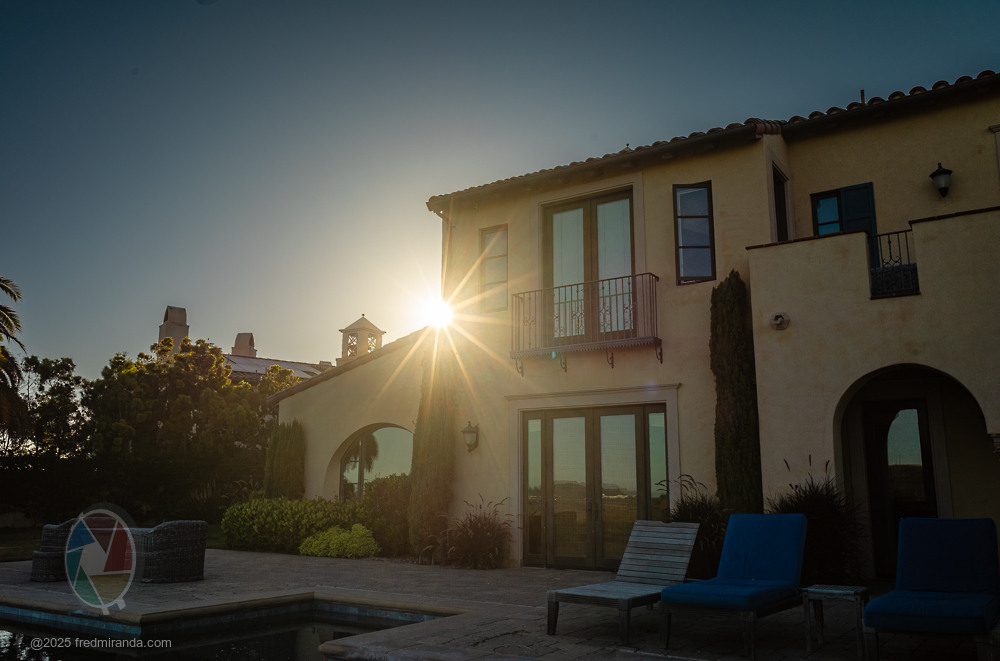
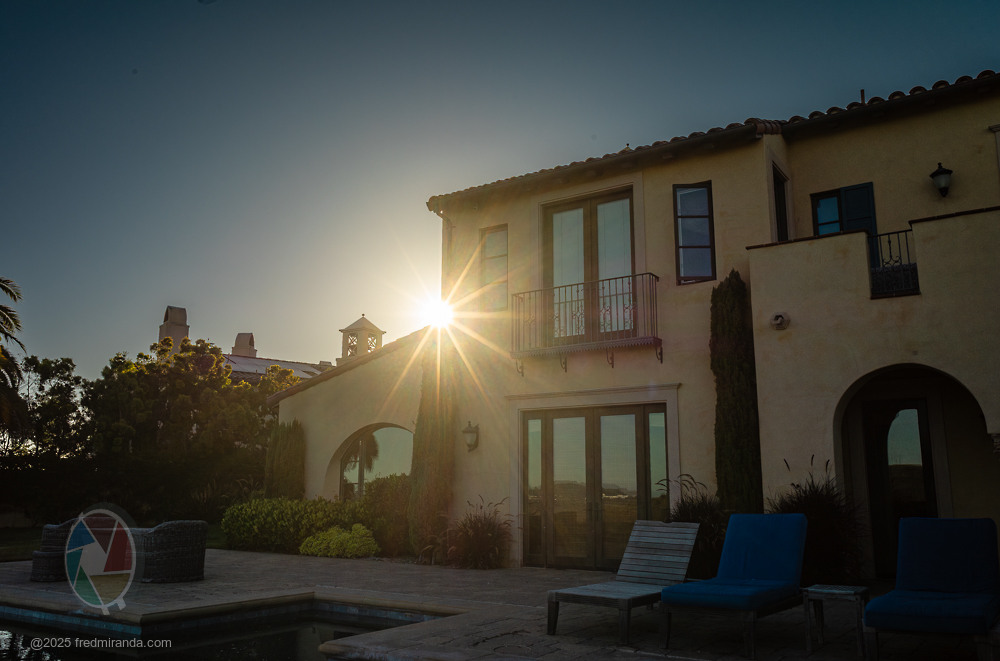
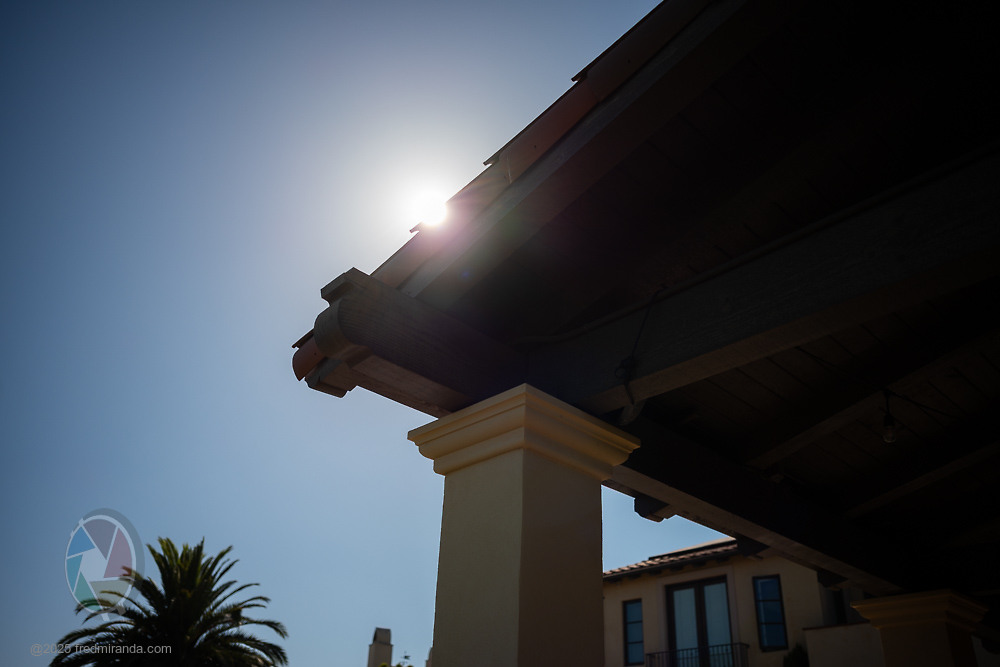
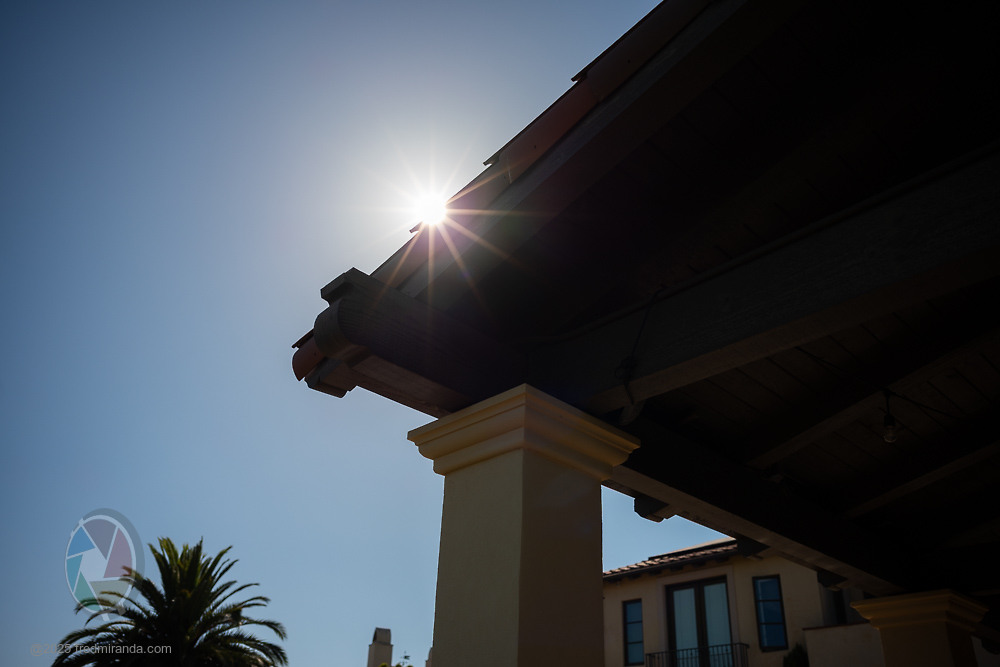
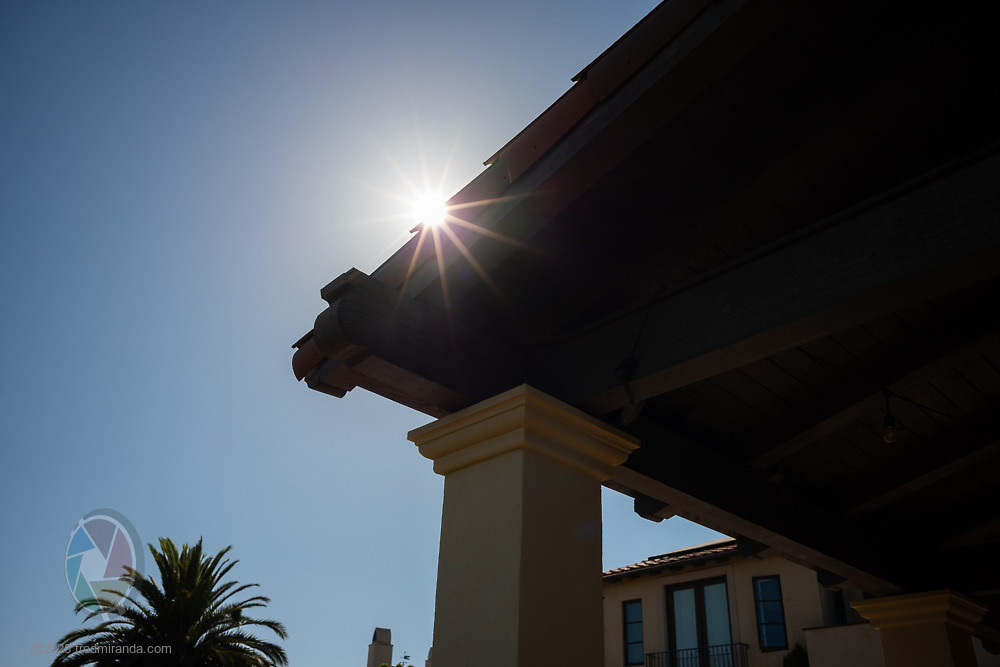
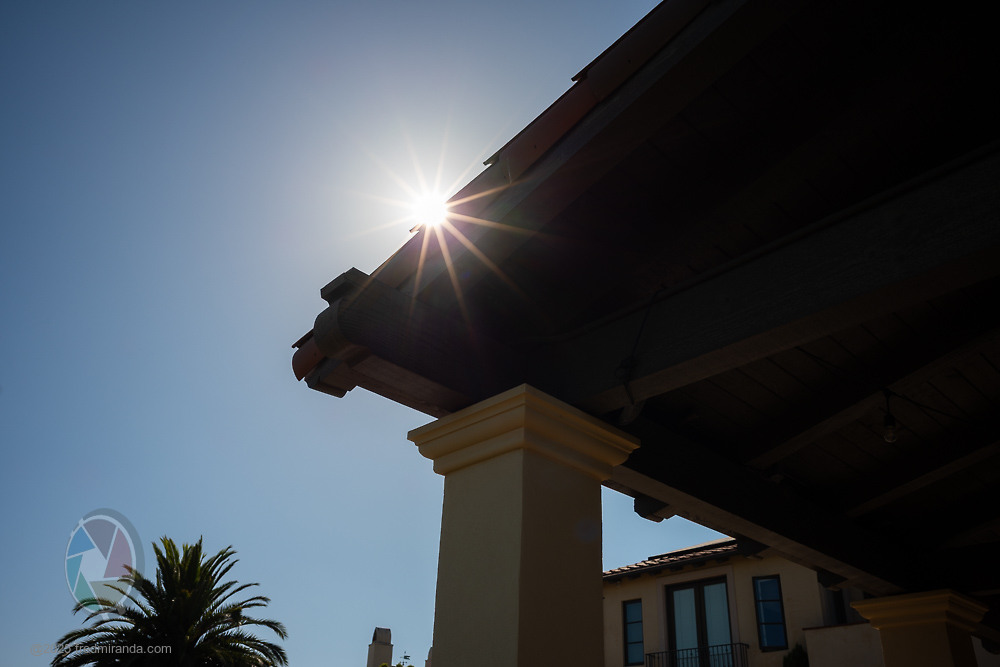
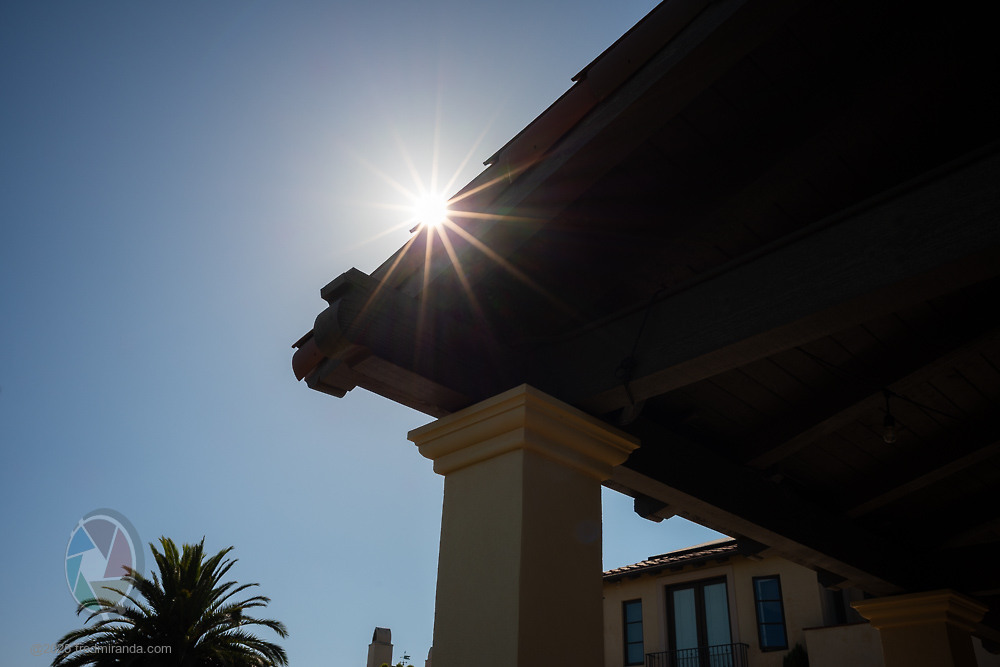
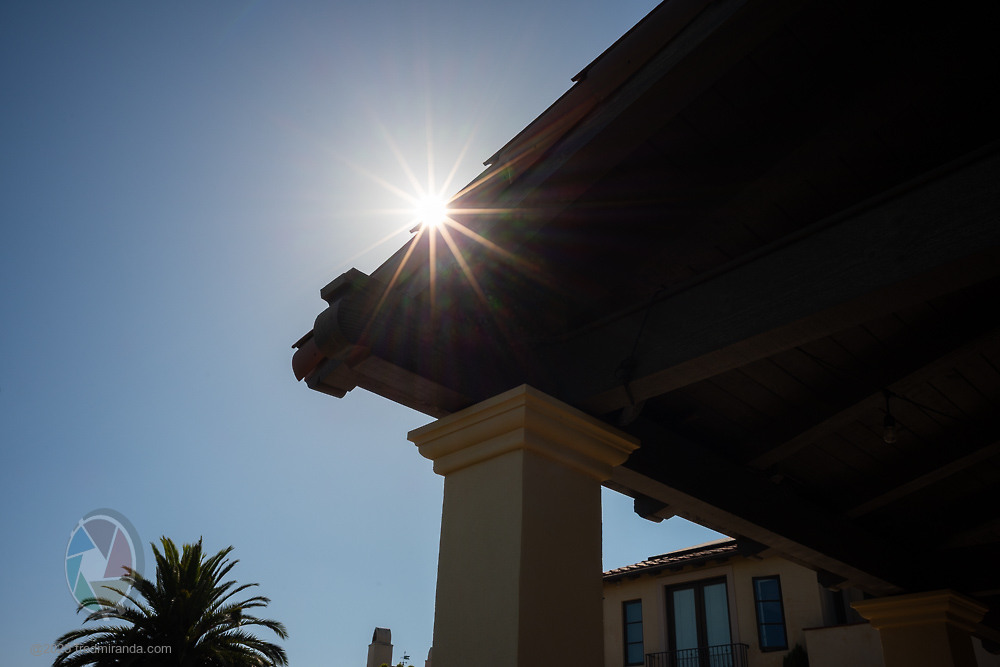
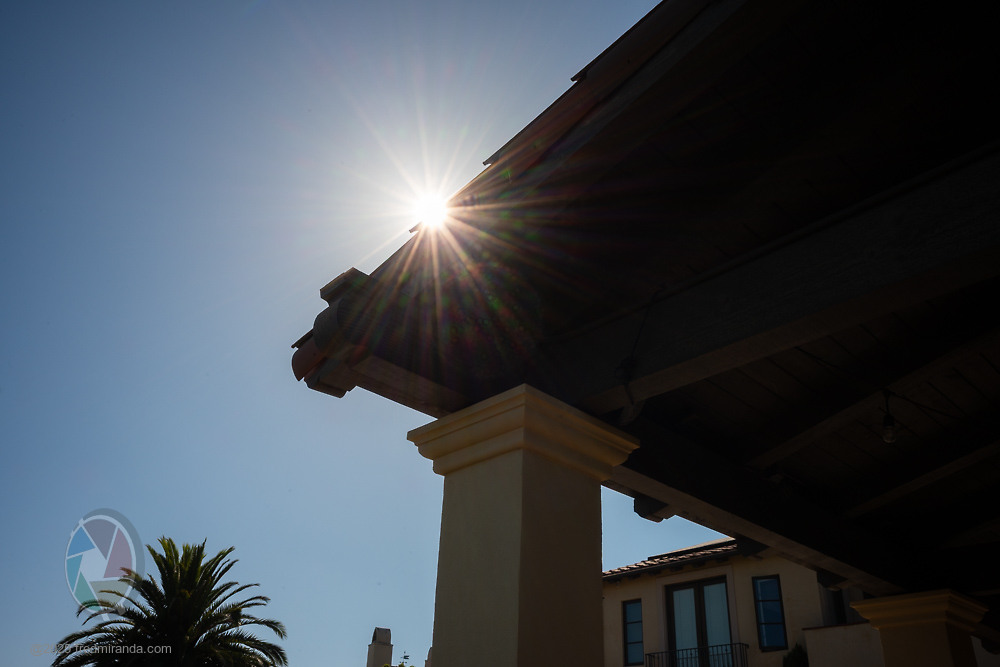
Below is a series of images showing the sunstar shape from f/2 to f/16 in one-stop increments. With 12 straight blades, the lens creates 12-point sunstars with a clean and symmetrical look.
In terms of flare control, the lens performs exceptionally well. In my tests, it shows strong resistance to ghosting, comparable to the performance of the Voigtlander 28mm f/2 Ultron. Even when aimed directly at the sun or toward bright light sources from different angles, ghosting remains minimal.
Also in this series, check out vignetting (uncorrected) and flare control.
I also tested the sunstar rendering with the lens adapted to a Sony camera and, unsurprisingly, the results are identical. The only difference is that there is noticeably more sensor reflection at smaller apertures compared to when using it on a Leica M body.
For those who appreciate well-defined sunstars, the Voigtlander 28mm f/2 APO-Lanthar really stands out. Like the previous 35mm and 50mm f/2 APO-Lanthar lenses, it uses an aperture design with straight blades, and due to tight manufacturing tolerances, the resulting sunstars show excellent definition with evenly spaced rays.
One key difference with this 28mm APO is that it does not produce circular aperture shapes at intermediate settings like f/2.8 or f/5.6. Instead, the aperture opening always shows a consistent dodecagon shape throughout the range. As a result, well-defined sunstars are already possible as early as f/2.4, though they really begin to shine from f/2.8 and look their best from f/4 onward. Only at the widest aperture of f/2 do the sunstars appear soft because the blades are fully open, and at the smallest aperture of f/16 they look chaotic and less pleasant.
Below is a series of images showing the sunstar shape from f/2 to f/16 in one-stop increments. With 12 straight blades, the lens creates 12-point sunstars with a clean and symmetrical look.
In terms of flare control, the lens performs exceptionally well. In my tests, it shows strong resistance to ghosting, comparable to the performance of the Voigtlander 28mm f/2 Ultron. Even when aimed directly at the sun or toward bright light sources from different angles, ghosting remains minimal.
Also in this series, check out vignetting (uncorrected) and flare control....Show more →
So far this looks like the only flaw of this lens, relative to my wants/needs - that Cosina didn't include an aperture design similar to the 35 or 50 that have one or more round openings partly stopped down. I'd really like the option to *not* have sunstars, considering how a wide angle lens is more likely to have more point light sources in the scene, making it more difficult to control the effect. But I guess shooting wide open with this lens is also an option.
rscheffler wrote:
So far this looks like the only flaw of this lens, relative to my wants/needs - that Cosina didn't include an aperture design similar to the 35 or 50 that have one or more round openings partly stopped down. I'd really like the option to *not* have sunstars, considering how a wide angle lens is more likely to have more point light sources in the scene, making it more difficult to control the effect. But I guess shooting wide open with this lens is also an option.
Some photographers will appreciate the design, while others may prefer the aperture mechanism found in the 35mm and 50mm APO-Lanthar lenses.
To clarify for those who haven't used the 35mm or 50mm f/2 APO lenses, here's how they differ even though all three use 12 aperture blades but only certain settings produce a perfectly circular aperture:
• 50mm f/2 APO: f/2, f/2.8, f/5.6, and f/16
• 35mm f/2 APO: f/2, f/2.8, f/5.6, and f/16
• 28mm f/2 APO: Only at f/2
So while the 28mm shares the same number of blades, its aperture shape is more consistently polygonal through the range, although more circular compared to Cosina lenses with 10 aperture blades.
Infinity performance adapted to Sony A7R II (42MP)
The Voigtlander 28mm f/2 APO-Lanthar was optically designed specifically for the Leica M system, which uses a much thinner sensor cover glass than most other mirrorless cameras. This design choice is critical because rangefinder lenses like this one rely on precise ray angles to maintain sharpness and optical correction across the entire frame.
When adapting M-mount lenses to mirrorless cameras with thicker sensor stacks (such as Sony’s full-frame bodies, especially those with high-resolution sensors like the 42MP) image quality is affected. This is especially true for wide-angle lenses, where light rays enter the lens at steep angles and must reach the outer parts of the sensor. A thicker sensor stack disrupts the original optical path, which causes several problems..
Most noticeably, the lens produces strong field curvature when used on a Sony body. This means the plane of focus is no longer flat, and as a result, the corners appear soft even when the center is sharp. It also introduces other optical issues such as increased astigmatism and potential color fringing, all of which are much less visible on a Leica M camera.
These limitations make the lens underperform on Sony bodies unless it’s stopped down significantly. For acceptable sharpness across most of the frame, you'll need to stop down to at least f/5.6. To bring the corners into good focus, f/8 is often required. Even then, while the results can be very good, they still fall short of the lens's true performance on a native Leica M sensor, where it was originally optimized to deliver outstanding results even wide open.
All this is expected and should come as no surprise to us.
Distance: Infinity
Focus: Center - Best of three shots at maximum magnification
White Balance: Daylight
Both lenses are well centered, as verified with my decentering test.
Software used: Lightroom with FM Default Landscape Sharpening; all other settings are at default.
PS:Chromatic Aberration (CA), and distortion were not corrected either in post-processing or in-camera.
Center Resolution and Contrast
Infinity performance adapted to Sony A7R II (42MP)
(open the browser window to view entire image without resizing)
Most 28mm lenses tend to show some degree of barrel distortion depending on their optical design, but that's not the case with the Voigtlander 28mm f/2 APO-Lanthar. Straight out of the camera, distortion is virtually nonexistent. I didn't need to apply any correction in Lightroom, which shows how well-controlled this lens really is. Distortion correction is definitely one of its standout strengths, especially given its wide angle of view and compact form.
As the third APO-Lanthar introduced for the M-mount, the 28mm f/2 came with high expectations. It not only carries the APO badge with confidence but does so while being wider and smaller than its predecessors. So far, it has lived up to the pressure remarkably well.
The only real drawback I have seen is the noticeable vignetting, which is understandable given the lens's small size. But considering the overall performance, that feels like a reasonable trade-off.
The Voigtlander 28mm f/2 APO-Lanthar delivers an impressively flat field of focus, maintaining consistent sharpness from close distances all the way to infinity. While many 28mm lenses show some degree of outward or wavy field curvature, Cosina managed to keep this lens compact without sacrificing field flatness. If there’s any curvature at all, it’s extremely subtle and nearly impossible to detect at longer distances.
This aspect of the optical design is not only impressive, but in my view, essential for a lens targeting the highest level of performance, especially for genres like landscape, street, and architectural photography, where maintaining edge-to-edge sharpness is critical.
Below is a GIF animation showing how the plane of focus behaves across a range of distances, from near to far.
NOTE: A 28mm f/2 lens naturally has a relatively deep depth of field, which means any field curvature is spread across a wider area. Even so, the animation clearly shows that the focus plane stays impressively flat throughout the distance range.
Fred Miranda wrote:
Some photographers will appreciate the design, while others may prefer the aperture mechanism found in the 35mm and 50mm APO-Lanthar lenses.
To clarify for those who haven't used the 35mm or 50mm f/2 APO lenses, here's how they differ even though all three use 12 aperture blades but only certain settings produce a perfectly circular aperture:
• 50mm f/2 APO: f/2, f/2.8, f/5.6, and f/16
• 35mm f/2 APO: f/2, f/2.8, f/5.6, and f/16
• 28mm f/2 APO: Only at f/2
Thanks for digging up the specifics. For even further refinement of specifications details, it should be noted that the mirrorless version of the 50/2 APO lacks the perfectly round opening at f/5.6.