I have a 28mm Summaron and a 28mm Summicron v1 which I really like, but this 28mm is making me think actually of selling both my 28mms and getting the Voigtlander apo and the Skopar.
As much as I like Leica, these Voigtlander lenses are just amazing.
Jul 13, 2025 at 02:11 AM
Steve Spencer Offline • • • • • • • Upload & Sell: On
Fred Miranda wrote:
Some photographers will appreciate the design, while others may prefer the aperture mechanism found in the 35mm and 50mm APO-Lanthar lenses.
To clarify for those who haven't used the 35mm or 50mm f/2 APO lenses, here's how they differ even though all three use 12 aperture blades but only certain settings produce a perfectly circular aperture:
• 50mm f/2 APO: f/2, f/2.8, f/5.6, and f/16
• 35mm f/2 APO: f/2, f/2.8, f/5.6, and f/16
• 28mm f/2 APO: Only at f/2
So while the 28mm shares the same number of blades, its aperture shape is more consistently polygonal through the range, although more circular compared to Cosina lenses with 10 aperture blades....Show more →
Let me add that the Sony E mount and Nikon Z mount 50 f/2 APO Lanthar has a slightly different aperture design. Those versions of the lens have perfectly circular aperture openings at f/2, f/2.8, and f/16.
The 90 f/2.8 APO Skopar (only available in Leica M mount) also has a somewhat similar aperture design. It has a perfectly circular aperture opening at f/2.8, f/4, and f/22.
Like Ron I like having the option of shooting with and without sunstars. Sometimes I like them for the composition. Sometimes I don't, and I like to be able to choose if I include them. Notably, Cosina has not used the aperture design that includes some narrower apertures in which the aperture opening is completely circular for their last three APO lenses. The 50 f/3.5 APO Lanthar, the 90 f/2 APO Ultron, and now the 28 f/2 APO Lanthar only have a completely circular aperture opening at the widest aperture, and the 50 f/3.5 APO Lanthar has 10 straight blades, whereas the 90 f/2 APO Ultron and this new 28 f/2 APO Lanthar have 12 straight blades.
Having used the 50 f/2 APO Lanthar extensively on both Leica M and Sony E mount (using the Sony E mount version) my own opinion is that I prefer the aperture design of the Sony E mount version (and the similar design of the VM 90 f/2.8 APO Skopar) in which the widest full two stops and the narrowest stop are completely circular. This allows both the widest aperture and one stop down from that to have completely circular bokeh balls when that matters. It also allows no sunstars at the widest aperture and one stop down from the widest aperture, but good sunstars at 2 and a half stops down from the widest aperture (f/5 or narrower on the E Mount 50 f/2 APO Lanthar and f/6.8 on the VM 90 f/2.8 APO Skopar). I found the Leica M mount 50 f/2 APO Lanthar needed about f/9.5 for good sunstars. On that lens I appreciated having f/5.6 with no sunstars but you do have to stop down a lot to get good sunstars.
The 12 straight blades on this lens won't have that complexity, but personally I would still prefer that it has a completely circular aperture opening at f/2.8 and f/16.
E Mount: The total of 12 aperture blades have a special shape so that a circular opening is created not only at aperture F2.0 but also at aperture F2.8.
Z Mount: Furthermore, the 12 aperture blades form a circular opening not only at F2.0 and F2.8, but also at F5.6
I believe f16 for both of those is not circular, but very close to circular.
Steve Spencer wrote:
Let me add that the Sony E mount and Nikon Z mount 50 f/2 APO Lanthar has a slightly different aperture design. Those versions of the lens have perfectly circular apertures opening at f/2, f/2.8, and f/16.
The 90 f/2.8 APO Skopar (only available in Leica M mount) also has a somewhat similar aperture design. It has a perfectly circular aperture opening at f/2.8, f/4, and f/22.
Like Ron I like having the option of shooting with and without sunstars. Sometimes I like them for the composition. Sometimes I don't, and I like to be able to choose if I include them. Notably, Cosina has not used the aperture design that includes some narrower apertures in which the aperture opening is completely circular for their last three APO lenses. The 50 f/3.5 APO Lanthar, the 90 f/2 APO Ultron, and now the 28 f/2 APO Lanthar only have a completely circular aperture opening at the widest aperture, and the 50 f/3.5 APO Lanthar has 10 straight blades, whereas the 90 f/2 APO Ultron and this new 28 f/2 APO Lanthar have 12 straight blades....Show more →
Jul 13, 2025 at 06:17 AM
Steve Spencer Offline • • • • • • • Upload & Sell: On
E Mount: The total of 12 aperture blades have a special shape so that a circular opening is created not only at aperture F2.0 but also at aperture F2.8.
Z Mount: Furthermore, the 12 aperture blades form a circular opening not only at F2.0 and F2.8, but also at F5.6
I believe f16 for both of those is not circular, but very close to circular.
From Cosina's English version of the Japanese website.
From the specification of E mount 50 f/2 APO: Aperture blade: 12 (Circular aperture at F2, F2.8 and F16)
So both the Z mount (at least version II) and the E mount version has a circular aperture opening at f/2.0, f/2.8, and f/16 but not at f/5.6 like the Leica M mount version.
Although this comparison is not directly shown, I imagine that the 28mm/1:1,5 NOKTON E will be a better choice for e-mount than an adapted M to E 28mm Apo Lanthar.
I‘m having second thoughts (and doubts) if we might ever get the 28mm Apo Lanthar for e-mount: the situation with lateral ray angles may prohibit a simple transfer of the design from m- to e-mount (even if some tweaking is accounted for).
Only Cosina can tell. Nevertheless it would be nice, if it were feasable!
Knut. wrote:
Although this comparison is not directly shown, I imagine that the 28mm/1:1,5 NOKTON E will be a better choice for e-mount than an adapted M to E 28mm Apo Lanthar.
I‘m having second thoughts (and doubts) if we might ever get the 28mm Apo Lanthar for e-mount: the situation with lateral ray angles may prohibit a simple transfer of the design from m- to e-mount (even if some tweaking is accounted for).
Only Cosina can tell. Nevertheless it would be nice, if it were feasable!
I agree that the native E-mount 28/1.5 should be better for Sony users than adapting VM version of 28/2 AL, but I'm still pretty sure that the AL will also be coming to mirrorless as well so those who want it for E or Z could most probably get a native version in the future.
Cosina did say at CP+ that they were at least strongly considering to make mirrorless versions of 28/2 AL. They wouldn't say anything definite about future releases before they get officially announced though.
I'm sure they can technically make fully optimized versions of 28/2 Apo-Lanthar for E-mount and Z-mount and as far as I've seen from Japanese lens sales/popularity rankings, the mirrorless versions of AL 50/2 and 35/2 have always been more popular in Japan market than the VM versions of these 2 lenses, so from sales perspective it would also make sense for Cosina to make the mirrorless versions.
Currently the available versions of 50/2 AL and 35/2 AL are ranked as below in kakaku.com's Japan market lens sales rankings among all CV lenses that are currently available. These are not cumulative sales rankings but based on recent popularity:
#5 Nikon 50/2 II
#7 Sony 50/2
#8 Nikon 35/2 II
#12 Sony 35/2
#43 VM 35/2
#80 VM 50/2
These AL lenses have consistently been among the most popular ones for FF mirrorless, except that the first versions in Z mount were never quite as popular, but 2nd versions seem to be doing well since they were launched. 50/2 for E-mount is probably also the #1 cumulative seller among CV E-mount lenses. When it comes to VM lenses, the long term best selling ones in Japan are the cheaper and smaller ones like 40/1.4 MC and SC & 35/2.5 II, 35/1.4 etc.
Juha Kannisto wrote:
Currently the available versions of 50/2 AL and 35/2 AL are ranked as below in kakaku.com's Japan market lens sales rankings among all CV lenses that are currently available. These are not cumulative sales rankings but based on recent popularity:
#5 Nikon 50/2 II
#7 Sony 50/2
#8 Nikon 35/2 II
#12 Sony 35/2
#43 VM 35/2
#80 VM 50/2
These AL lenses have consistently been among the most popular ones for FF mirrorless, except that the first versions in Z mount were never quite as popular, but 2nd versions seem to be doing well since they were launched. 50/2 for E-mount is probably also the #1 cumulative seller among CV E-mount lenses. When it comes to VM lenses, the long term best selling ones in Japan are the cheaper and smaller ones like 40/1.4 MC and SC & 35/2.5 II, 35/1.4 etc....Show more →
I'm not surprised to see that the VM version are a lot less popular. From the perspective of an M shooter, the main drawback of the VM f/2 APO lenses is that they are all large for f/2 rangefinder lenses. The 50 is the least offensive being a similar size to the 50 Lux ASPH and therefore has acceptable frame line blockage. But that only gets worse the wider the angle of view. And I think the 28 will be pretty bad in this respect (I'm sure Fred will cover it here in the review).
On paper and from a technical image quality point of view, this VM 28 APO is extremely impressive. But I'm not sure it's worth the size tradeoff from the VM 28/2 v2 I currently use. That said, I also have the 28 Lux and have gotten by with its size, so maybe it's not that big a deal. Anyway, I'd like to get Fred's opinion on the VM's size and frame line blockage.
From the perspective of a mirrorless user, these APO Lanthar lenses are quite small and well priced for the performance, so I can see whey they would be popular. And I agree that Cosina would be crazy not to release the 28 optimized for mirrorless. Interestingly, the MTFs of the 35 and 50 mirrorless versions slightly outperform the VM versions. And the optical formula for the mirrorless 50 differs slightly from the VM version. The online block diagrams of the mirrorless and VM mount 35 APOs appear to be the same.
I guess the point being that given the popularity of the APO Lanthar lenses in the mirrorless mounts, it's likely worthwhile for Cosina even if the VM version's optical design needs more than just spacing tweaks to optimize for mirrorless sensor stack considerations.
That's an interesting find, Steve. I had no idea how much the 50 varied between mounts.
I'm anxious to see Fred's photo walk and people shots with the 28. I mean, flat-field, ultra-low distortion, fantastic landscape resolution, excellent level of correction. I'll be very surprised if it has strong coma issues, given the clarity in the wide-open corners. Flare resistance is strong enough. The only thing left to prove is that it's a great all-arounder. If that happens, I think I'll have to be a little more open to the focal length.
I hope that this lens will be released on Sony FE as well. I already own and love the 35 and 50 APOs, but I find them a bit too close, and I find 28/50 to be a more suitable set. The 90 APO on FE would be lovely, too.
Thanks for this Fred, I will buy one of these on release off the back of the comparisons thus far. I enjoy the lower contrast but higher detail image when compared to the Ultron. It looks less 'crispy' to me.
Does anyone know if Voigtlander or a 3rd party make a finishing ring so if used without the hood, we can hide the hood mounting points for a cleaner finish?
rscheffler wrote:
I'm not surprised to see that the VM version are a lot less popular. From the perspective of an M shooter, the main drawback of the VM f/2 APO lenses is that they are all large for f/2 rangefinder lenses.
In the realm of "glass rules", more glass affords more opportunities for corrections / performance ... i.e. many things are quid pro quo in optics, and there is no such thing as a "free lunch".
That said, I've been watching this one more as a possible replacement for my Q (mounted onto a future SL3 ), rather than an M body. On an M, I'd be more likely to use the Ultron, for its size ... or the Vintage series for its rendering.
I think (guessing to your point) one has to understand what their intended use case is. Fred's comps against the Vintage reveal the differences in the field vs. on axis between the lenses. So, if you dig on rendering / falloff, the Vintage might be a different option than the APO. Conversely, if you want corner to corner, the APO or Ultron seems of interest. Which takes me back to use case of street vs. landscape, etc.
For me, my use case interest is more about architectural distortion vs. the Q. If I'm mounted on the SL series ... finder issues are a non-issue (particularly with a tilt screen), and even on the M, I still have the LCD or Visoflex. RF viewfinder blockage (i.e. street, etc.) may be a different story, and there might be a case for having two (or three) 28's ... if correction, rendering, size / blockage are competing attributes. Which kinda makes me think about the Summicron again, as an effort to blend / balance those competing attributes, vs. being "better" or "best" at any single one of them.
freaklikeme wrote:
That's an interesting find, Steve. I had no idea how much the 50 varied between mounts.
I'm anxious to see Fred's photo walk and people shots with the 28. I mean, flat-field, ultra-low distortion, fantastic landscape resolution, excellent level of correction. I'll be very surprised if it has strong coma issues, given the clarity in the wide-open corners. Flare resistance is strong enough. The only thing left to prove is that it's a great all-arounder. If that happens, I think I'll have to be a little more open to the focal length.
I'm curious to see how this lens renders as well. Hopefully I'll have some good light tomorrow to take it out for a walk and do a side-by-side comparison with the Ultron. I'm expecting it might have a similar look to the 28mm f/2 Ultron, but I'm looking forward to finding out.
RustyBug wrote:
In the realm of "glass rules", more glass affords more opportunities for corrections / performance ... i.e. many things are quid pro quo in optics, and there is no such thing as a "free lunch".
That said, I've been watching this one more as a possible replacement for my Q (mounted onto a future SL3 ), rather than an M body. On an M, I'd be more likely to use the Ultron, for its size ... or the Vintage series for its rendering.
I think (guessing to your point) one has to understand what their intended use case is. Fred's comps against the Vintage reveal the differences in the field vs. on axis between the lenses. So, if you dig on rendering / falloff, the Vintage might be a different option than the APO. Conversely, if you want corner to corner, the APO or Ultron seems of interest. Which takes me back to use case of street vs. landscape, etc.
I want corner to corner in a small package. It's not that it can't be done. For example the size of the Leica 35/2 APO vs. the VM. I also think the Leica has more pleasing rendering. But the tradeoff is price. Realistically I can usually stop down and past ~f/5.6 there's probably little real world difference between APO and non-APO.
If I want character (imperfection) in a 28, I'd figure out a way to get the recently released Kistar 28/3.2.
rscheffler wrote:
Realistically I can usually stop down and past ~f/5.6 there's probably little real world difference between APO and non-APO
For Voigtlander, their historic tendency for strong purple fringing WO or near WO is a correction of interest that APO brings to the table. That said, not all APO designated lenses are created equal, so even with an APO designator ... it might still have very small amounts uncorrected aberrations. To your point regarding when / where different aberrations are most noticeable vs. not so much.
Conversely, there are certain lenses that are not labeled as APO, yet their level of correction yields very small levels of uncorrected aberrations. At the end of the day ... the optic has to stand on its own, whether it has the APO designator from brand X vs. Y, or not. But, generally speaking ... within brand X, they are raising the bar vs. their own with the APO.
OTOH, cross-branding designations aren't always comparable, meaning an older Sigma APO vs. a Leica APO vs. a Voigt APO aren't necessarily up to the same levels of corrections that the APO designation may infer.
Fred Miranda wrote:
I'm curious to see how this lens renders as well. Hopefully I'll have some good light tomorrow to take it out for a walk and do a side-by-side comparison with the Ultron. I'm expecting it might have a similar look to the 28mm f/2 Ultron, but I'm looking forward to finding out.
Definitely looking forward to seeing what the extra size / weight of the APO brings to the table ... what / where / how much noticeable the differences are.
I'm guessing WO chrome / specular reflections will be the biggest diff / torture test in real world application.
Time to see some more of Fred's lovely muscle rides.
Steve Spencer wrote:
So both the Z mount (at least version II) and the E mount version has a circular aperture opening at f/2.0, f/2.8, and f/16 but not at f/5.6 like the Leica M mount version.
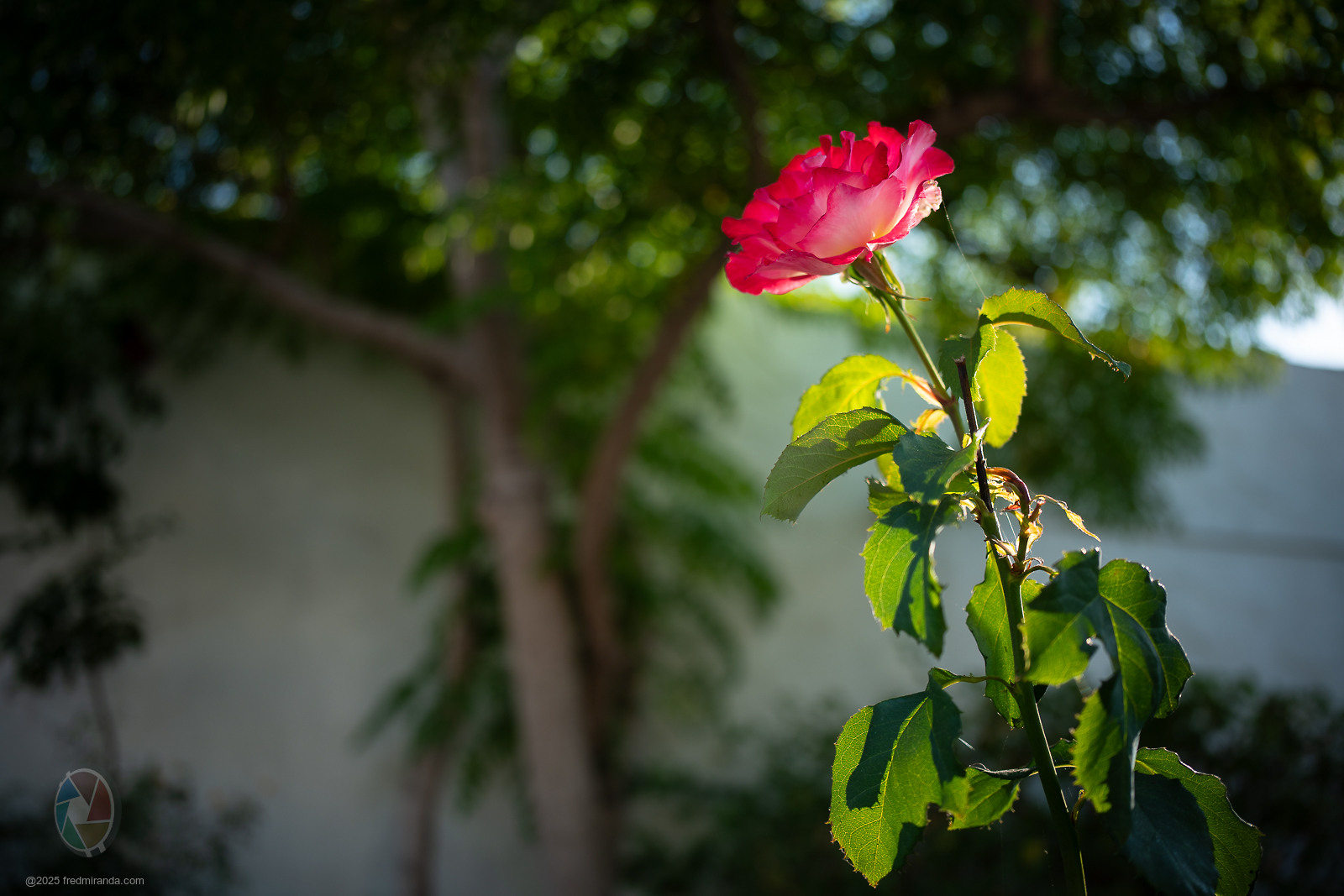
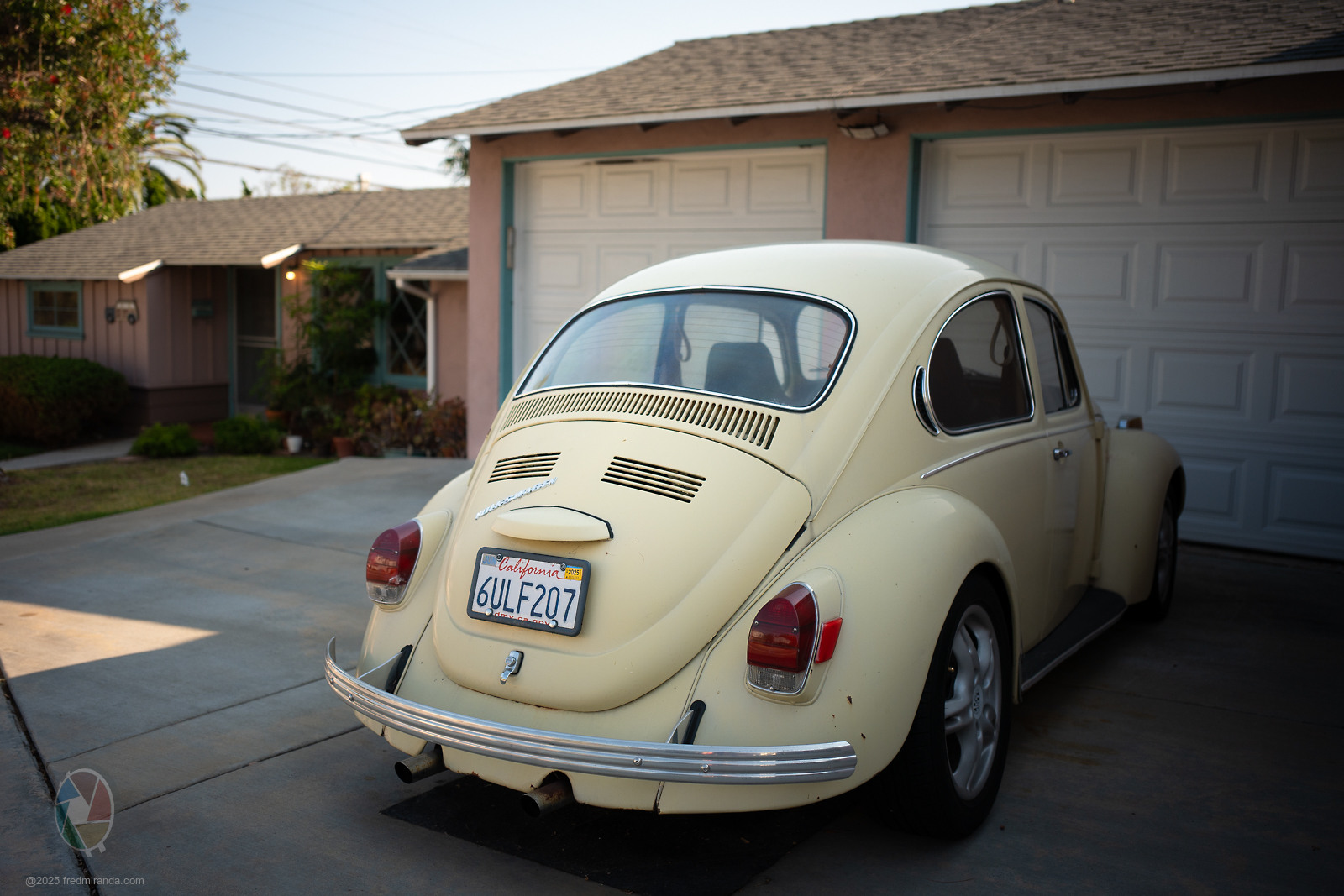
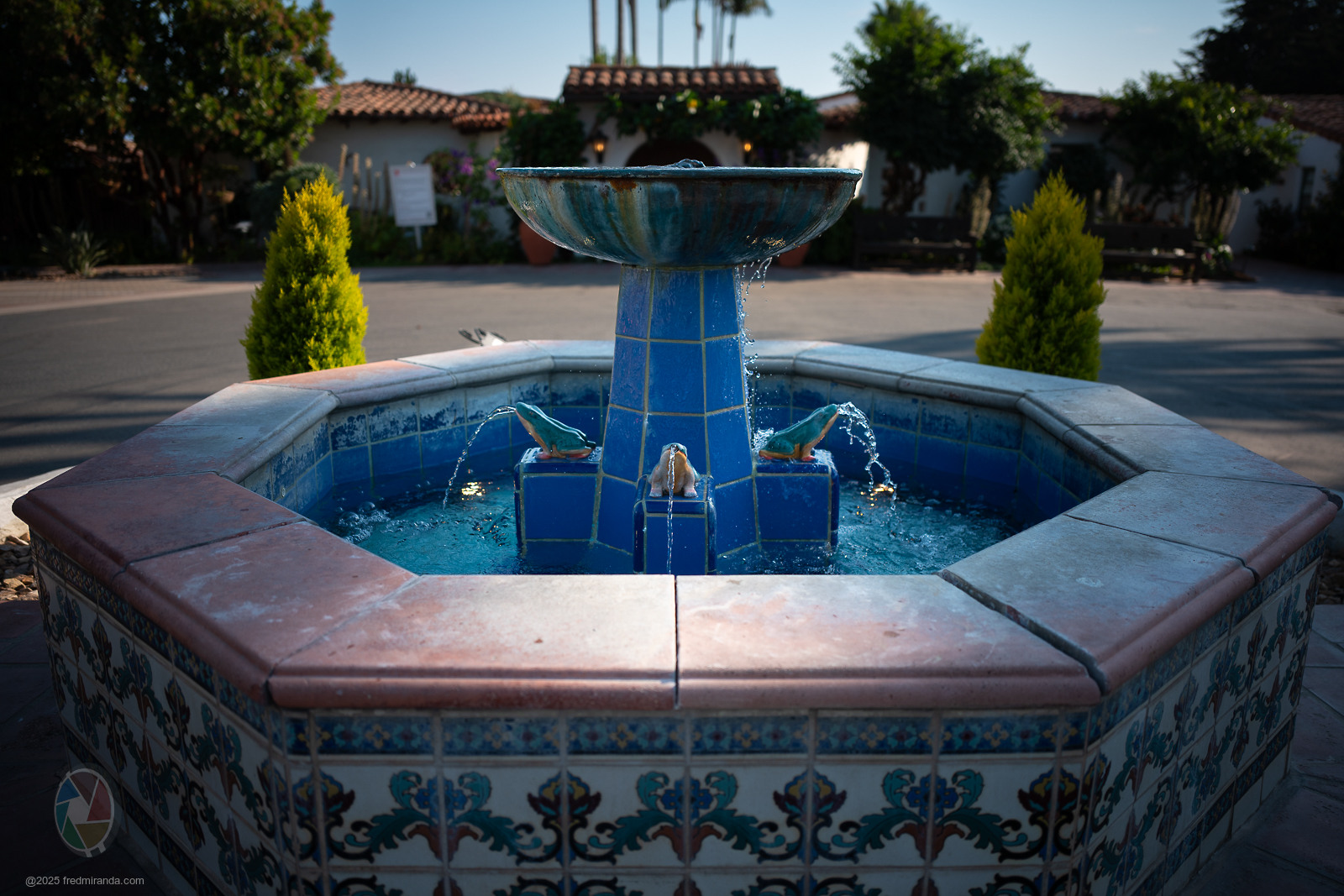
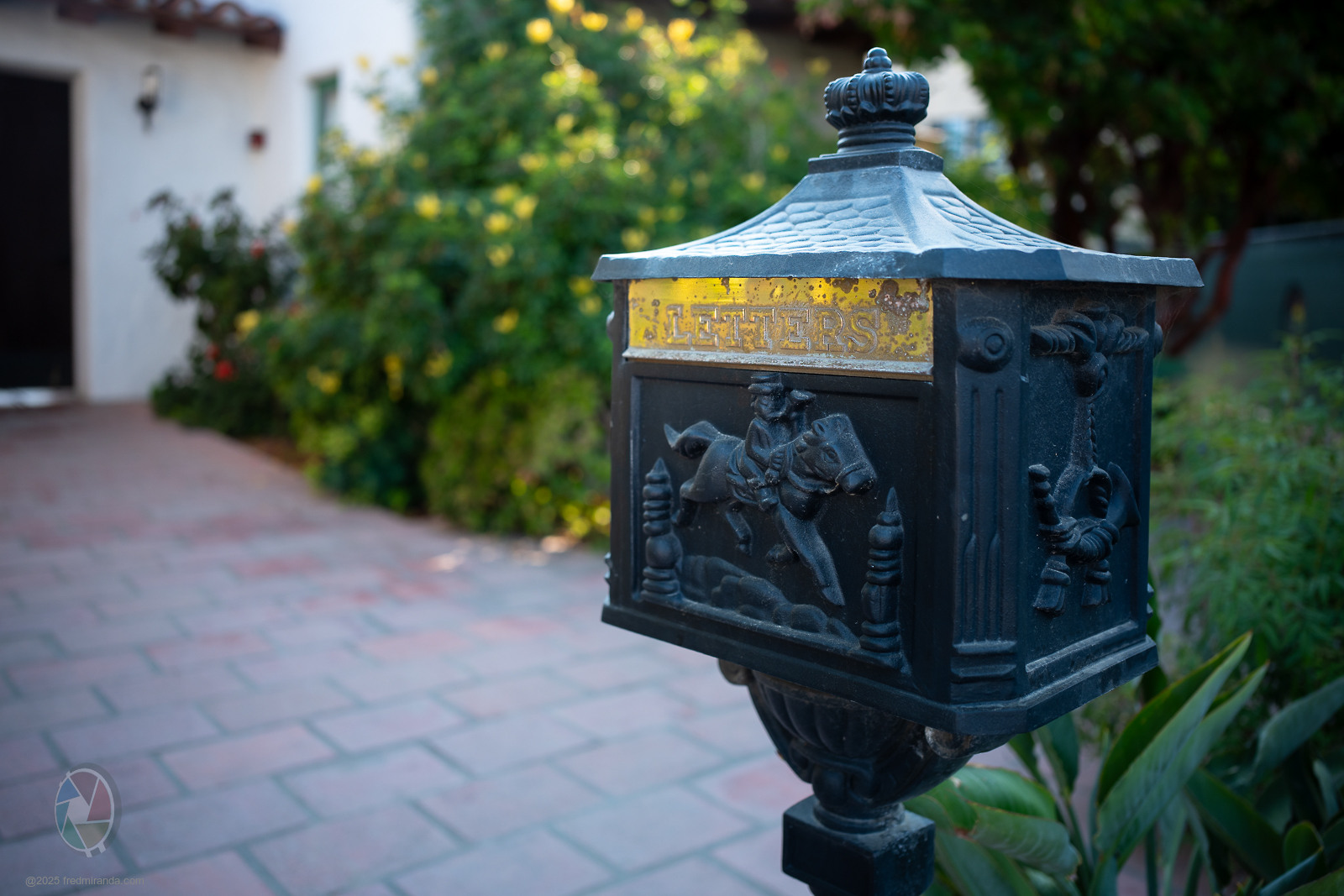
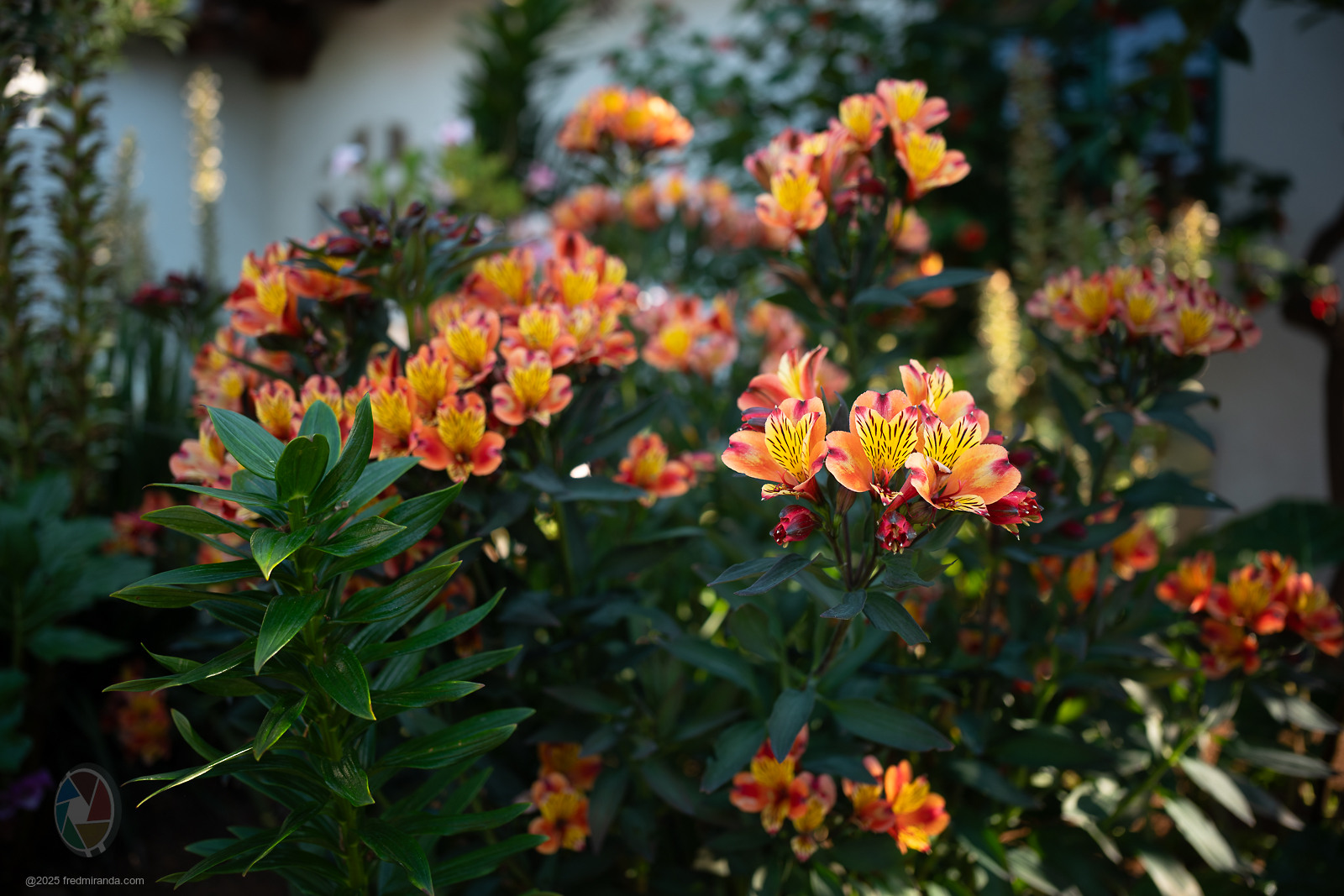
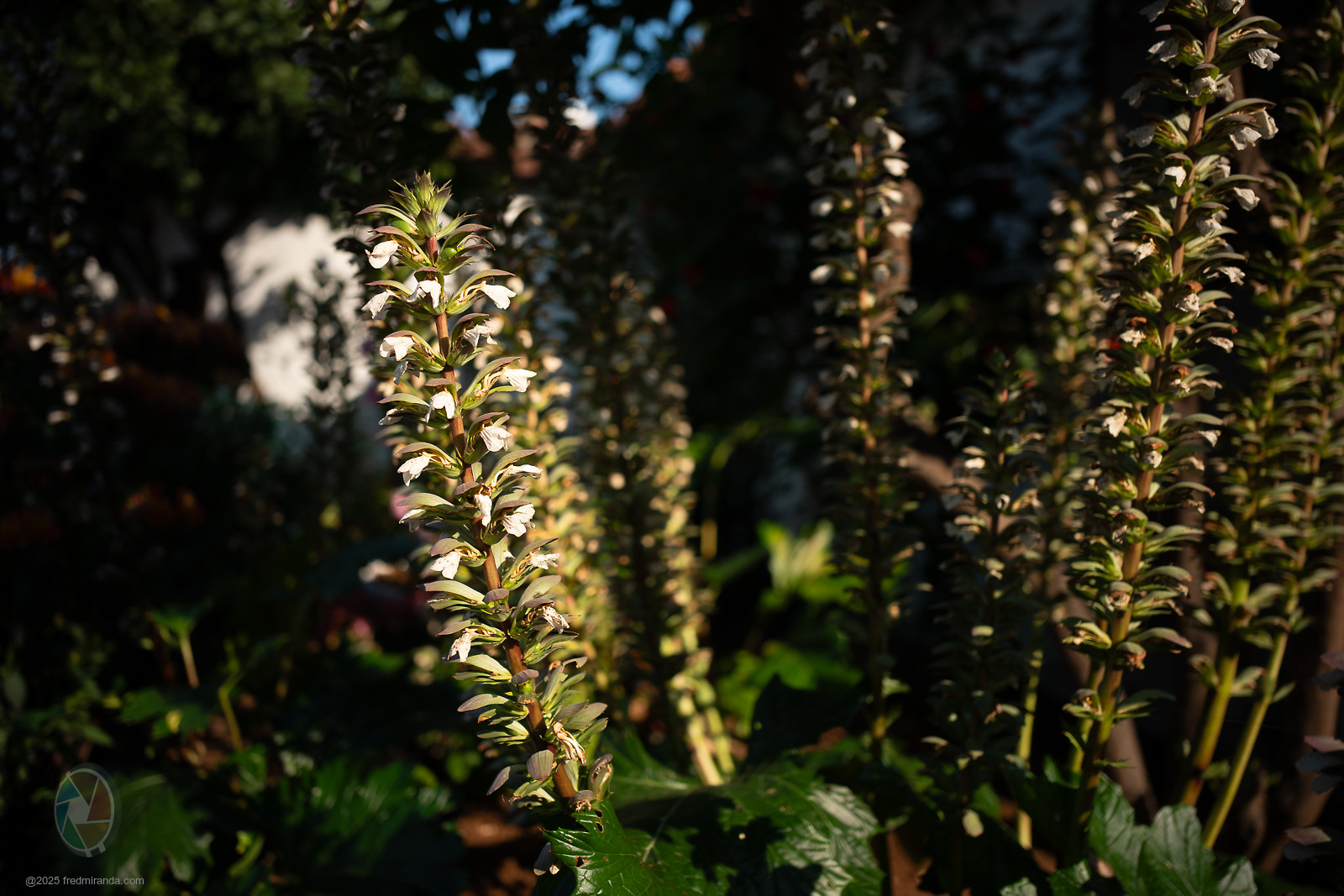
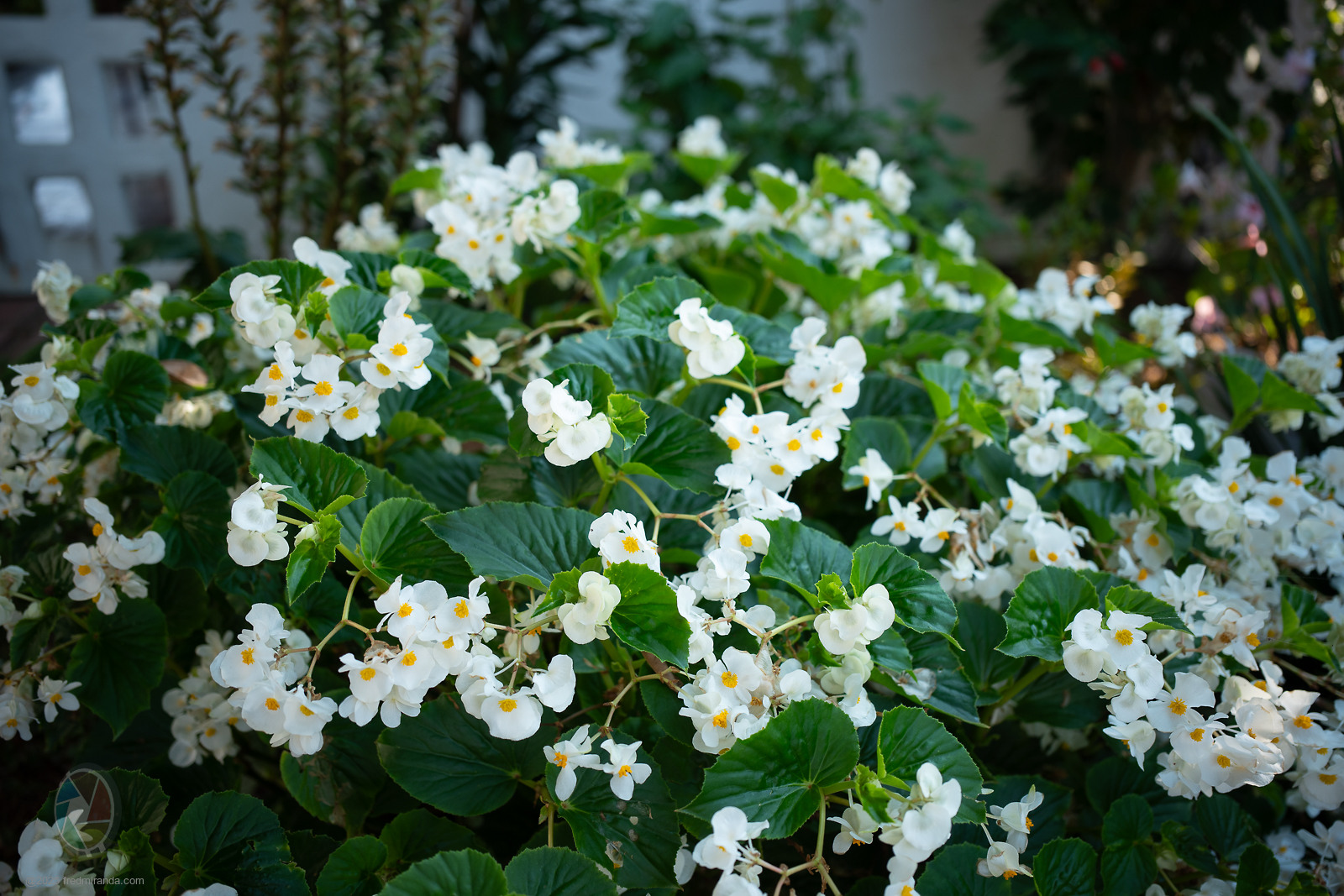
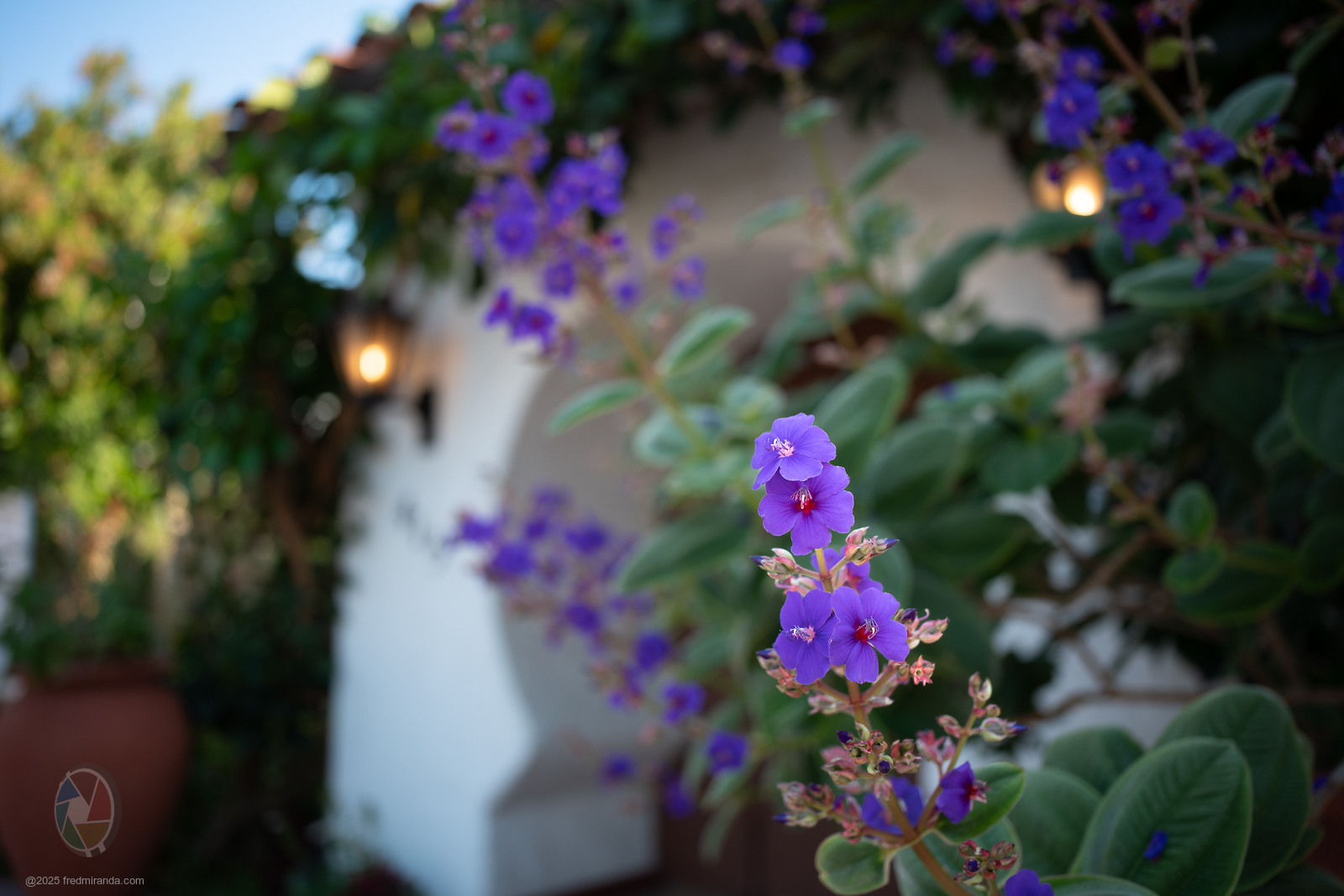
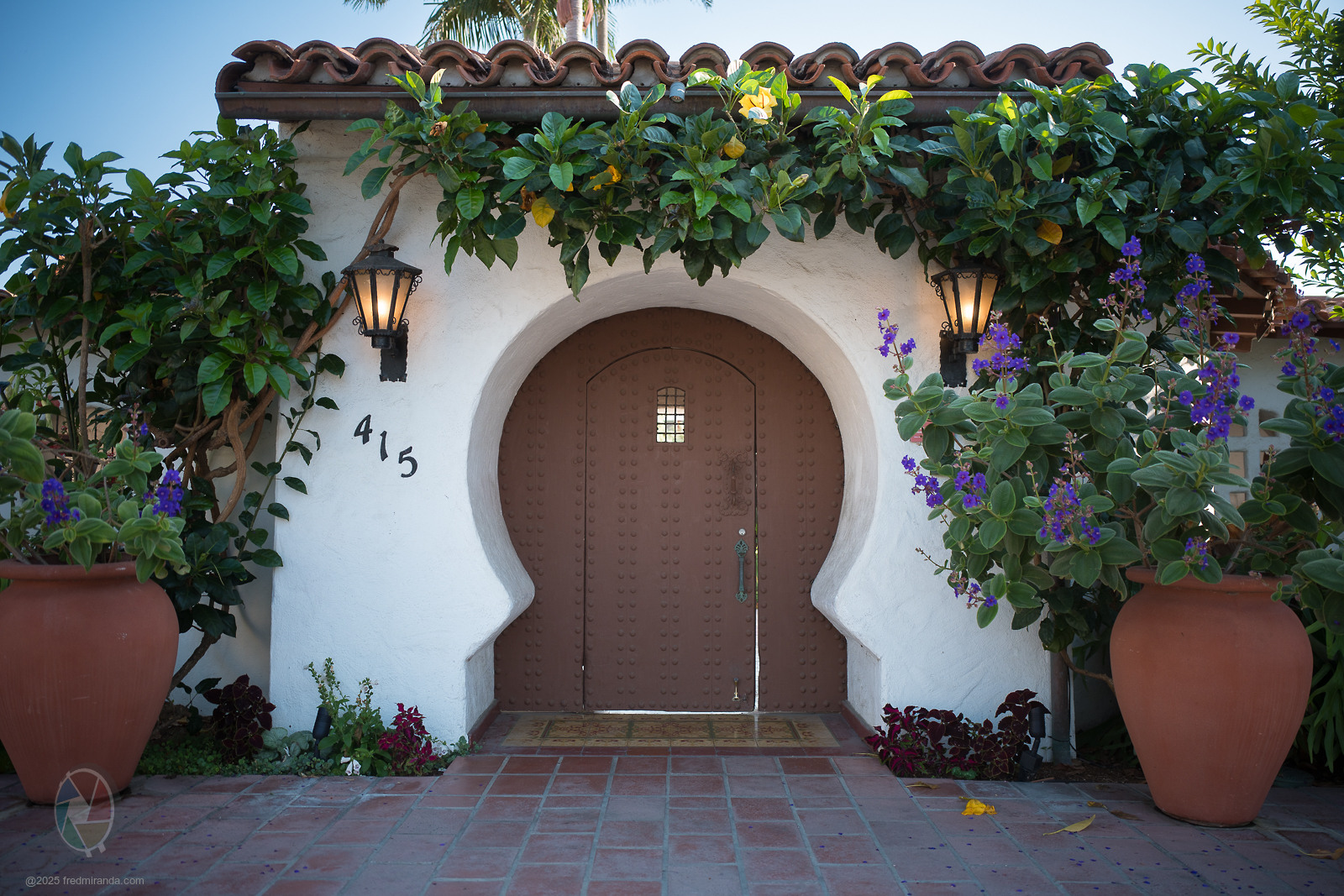
Samples 1: At various distances and lighting (M10-P)
All images were taken wide open at f/2 under different lighting conditions and subject distances. I used the M10-P for every shot in this set.
Post processing was minimal with just some sharpening and slight exposure adjustment. I used Adobe Color or Standard profiles to better showcase the lens's natural color rendering.
I've always been impressed by the Voigtlander 28mm f/2 Ultron and as mentioned in the intro I considered it the ultimate 28mm lens for M-mount. That was until I saw the files from the Voigtlander 28mm f/2 APO-Lanthar. At first glance the results look similar but the APO version clearly has the edge in resolution, chromatic aberration correction and overall rendering. It even shows less optical vignetting. I'll share a direct rendering comparison later in this review.
So far I've found the Voigtlander 28mm f/2 APO-Lanthar to be an ultra corrected lens. There is no distortion, no flare even when shooting directly into the sun, a flat field of focus and extremely high resolution from the center all the way to the edges even at f/2.
Vignetting and distortion were not corrected for any of these samples.
The bokeh looks more well behaved than the 35 f/2 AL would look in those situations, IMHO. Obviously I haven't shot the 28, so I could very easily be wrong.
The wait (long?) begins for an E mount version....


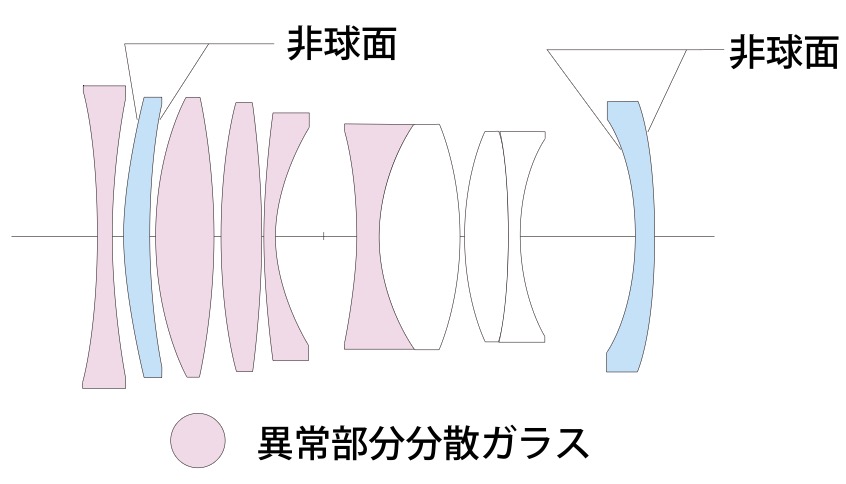
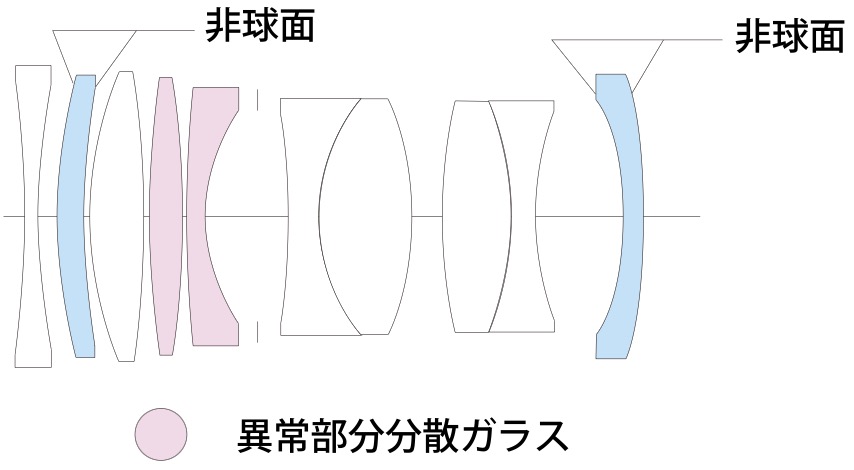
 ), rather than an M body. On an M, I'd be more likely to use the Ultron, for its size ... or the Vintage series for its rendering.