Fred Miranda
Offline
Admin
Upload & Sell: On
|
 p.1 #1 · Voigtlander 40mm f/2 Septon Aspherical Review p.1 #1 · Voigtlander 40mm f/2 Septon Aspherical Review | |
This review is cross-posted on both the Nikon and Sony boards, as the Voigtlander 40mm f/2 Nokton E and Z-mount versions share the same optical design, with only minor adjustments made to accommodate different sensor stack thicknesses.
Pre-order the Voigtlander 40mm f/2 Septon Aspherical:
Cameraquest: Sony E-mount | Nikon Z-mount
B&H Photo: Sony E-mount | Nikon Z-mount
Review Quick Links:
- About the lens
- Infinity Resolution and Contrast
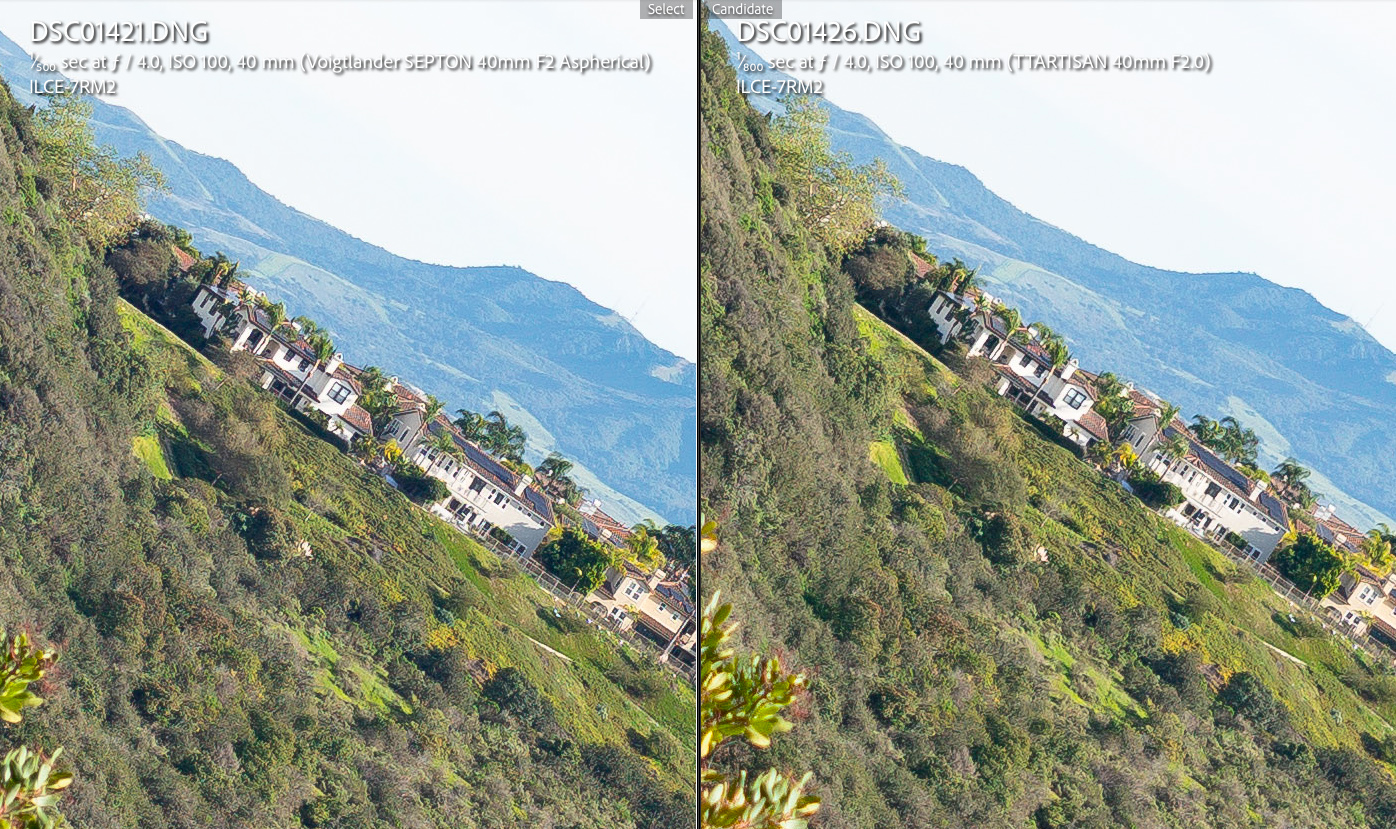
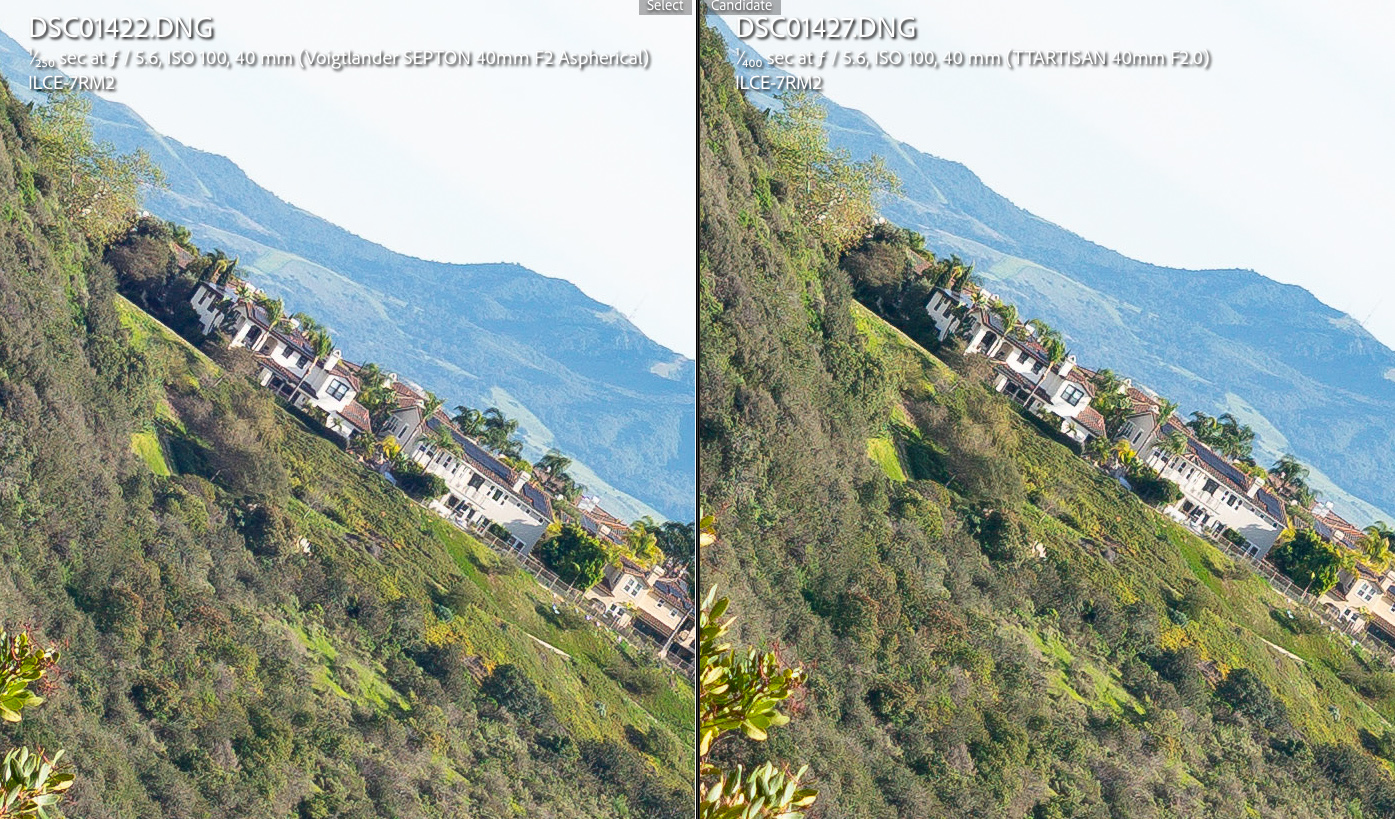
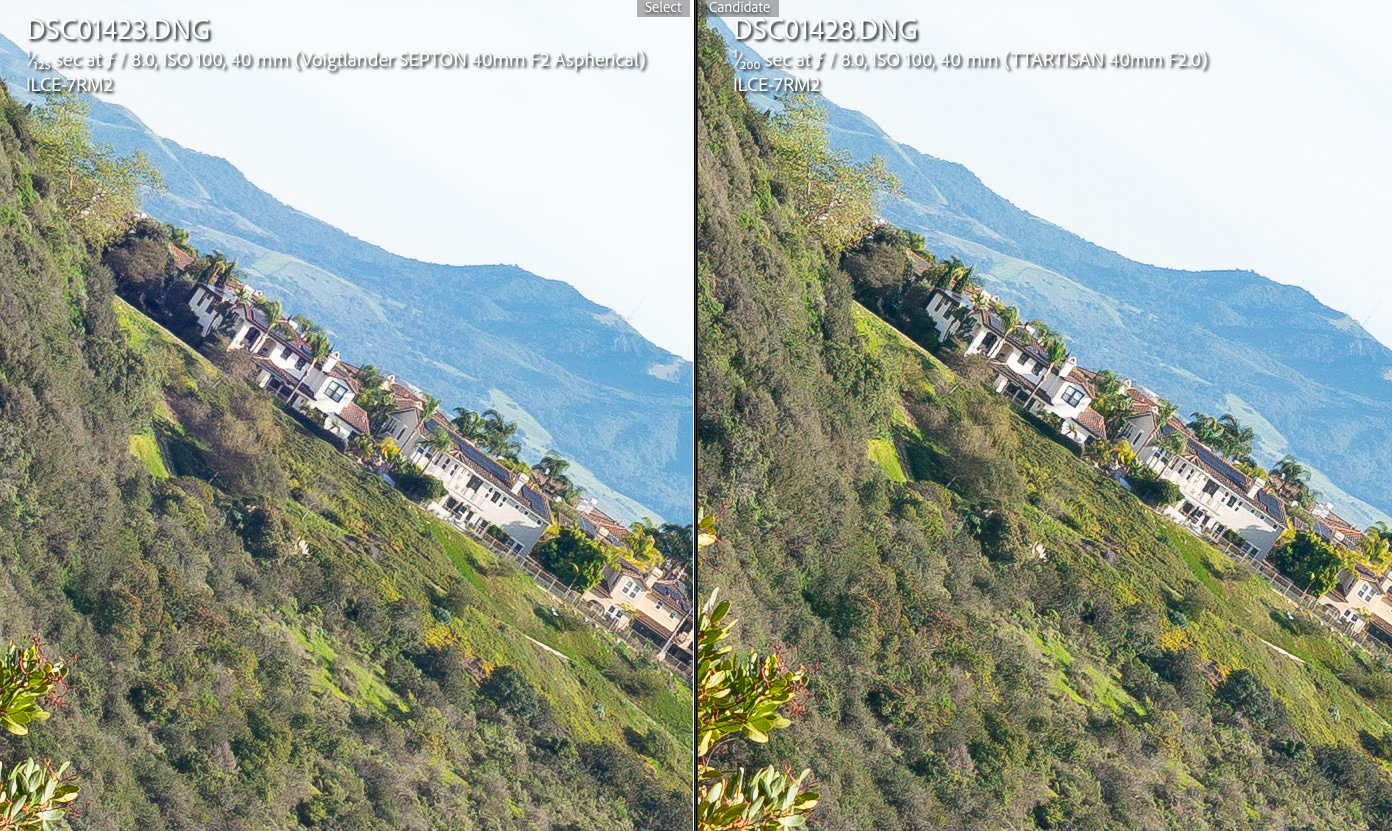
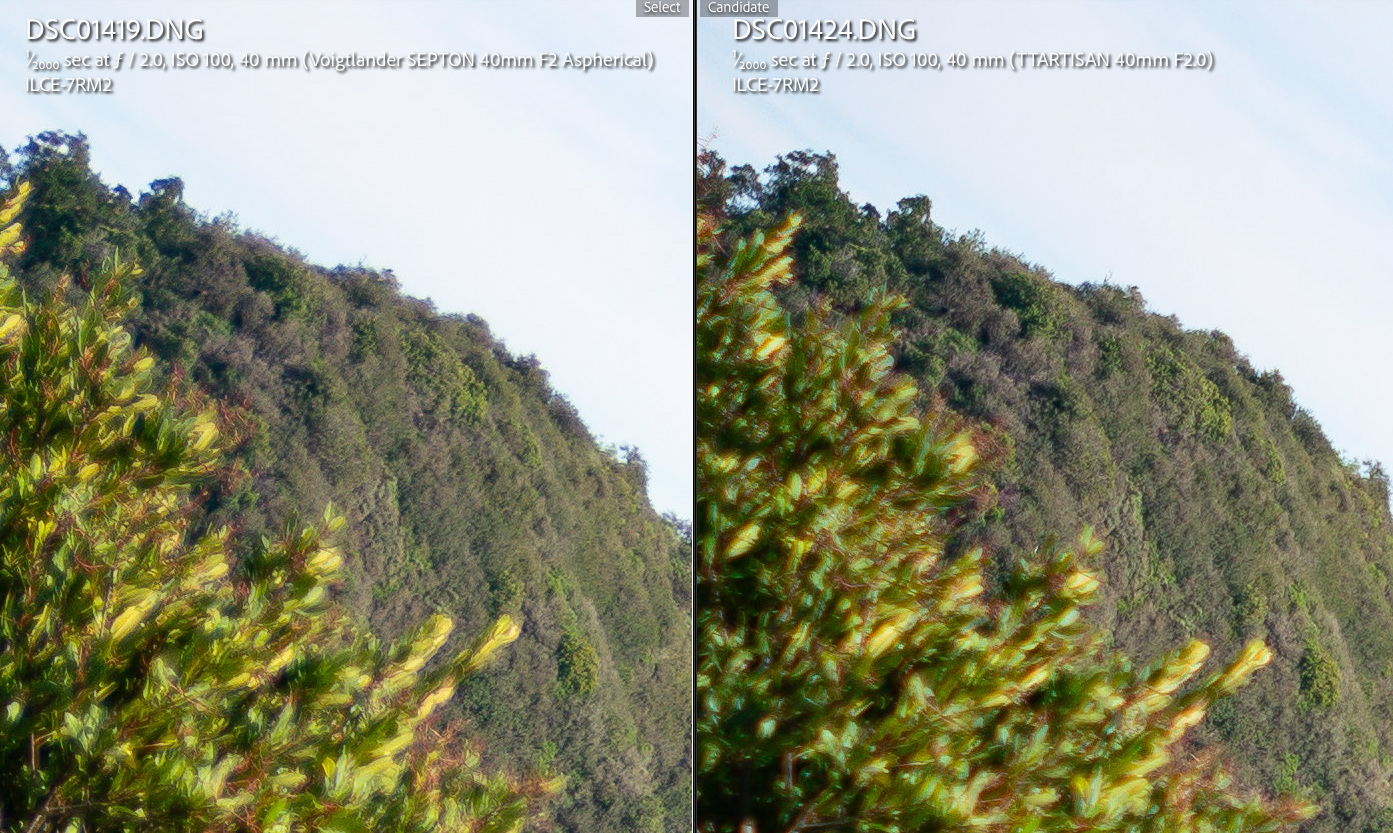
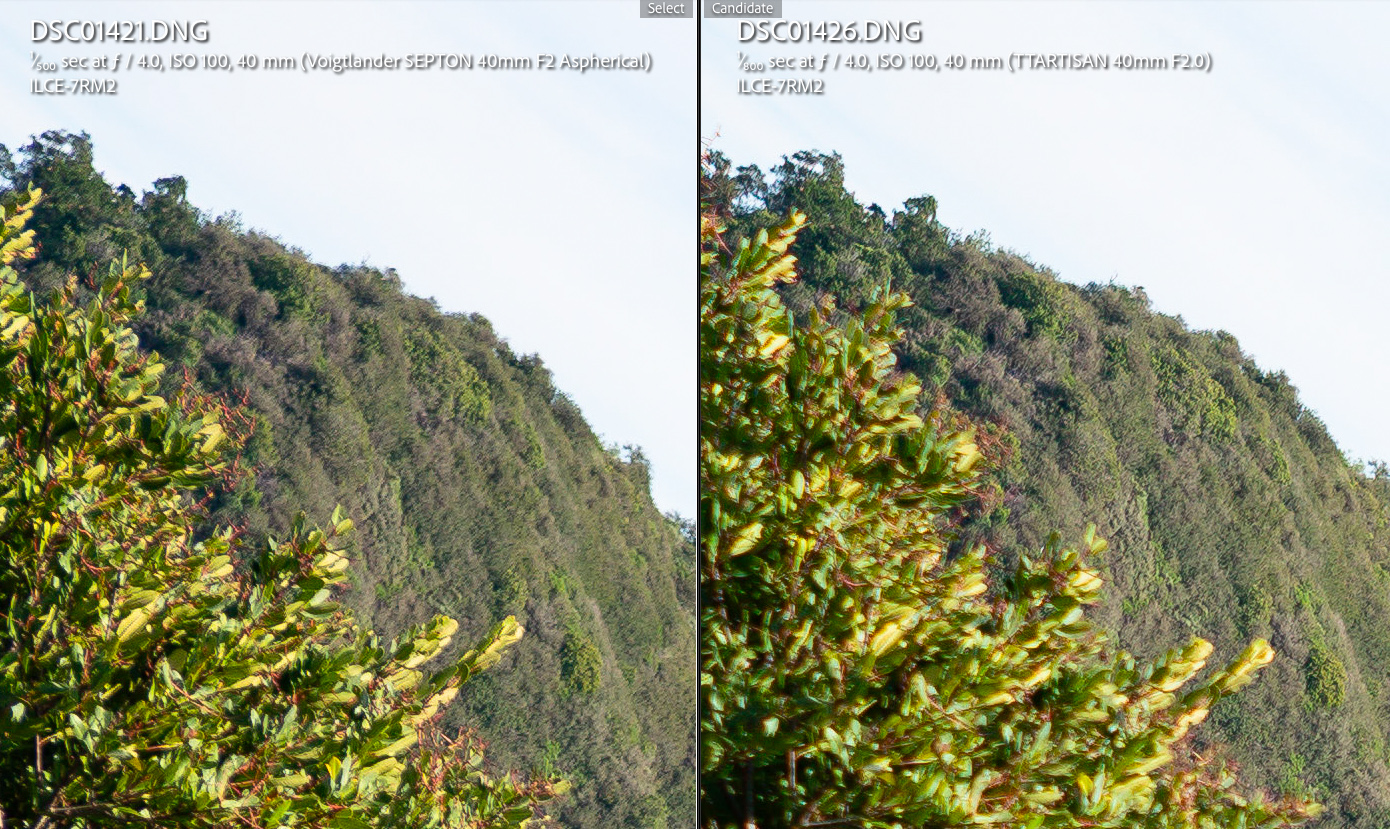
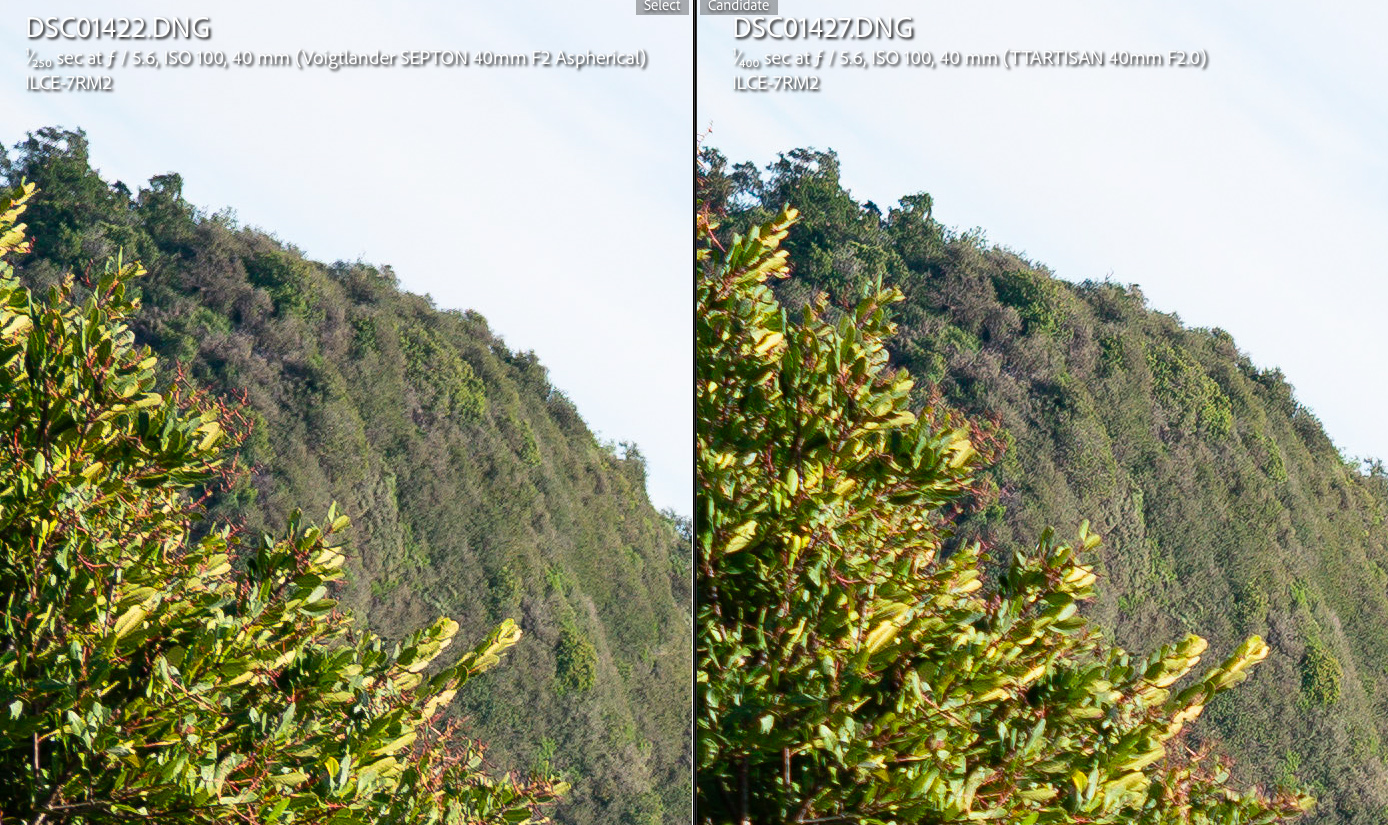
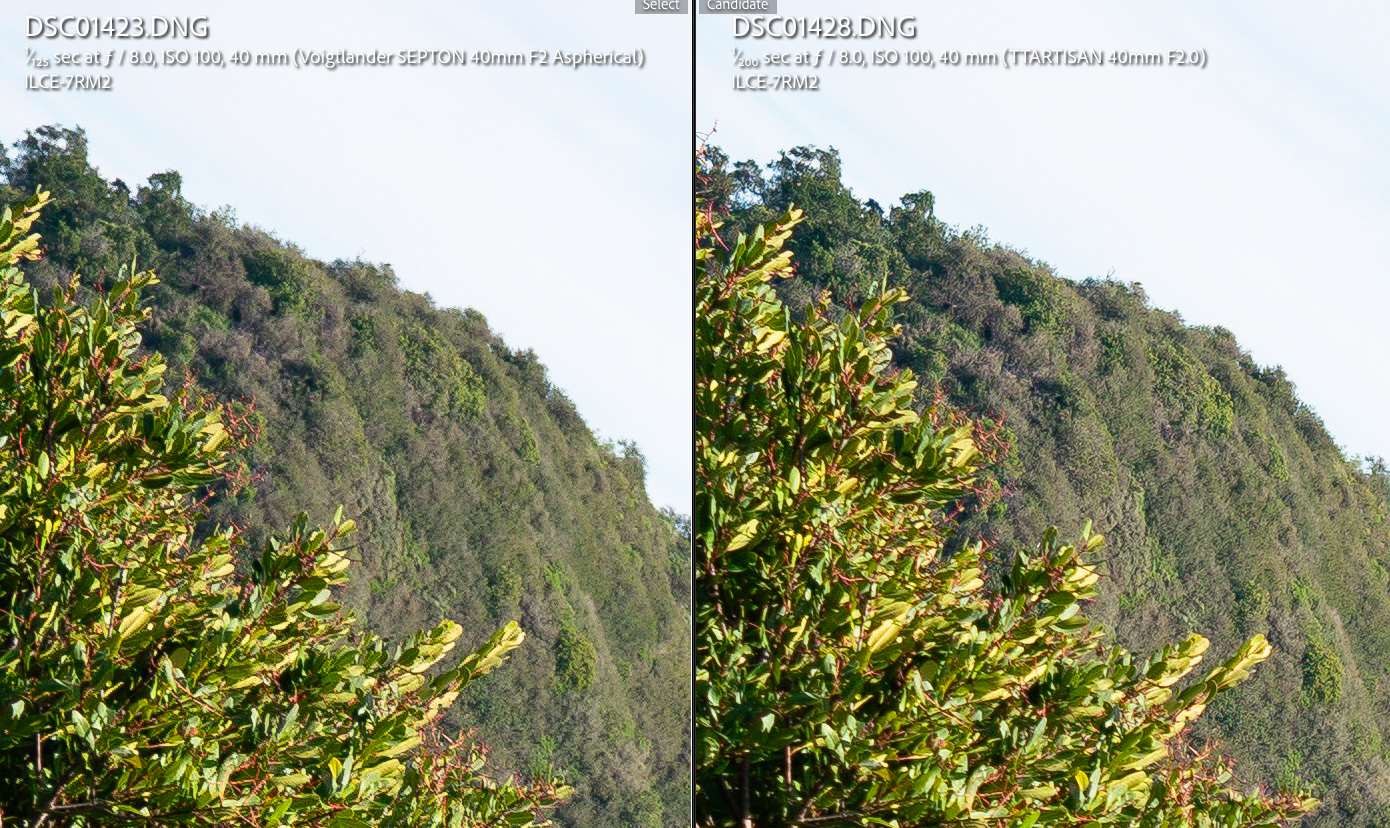
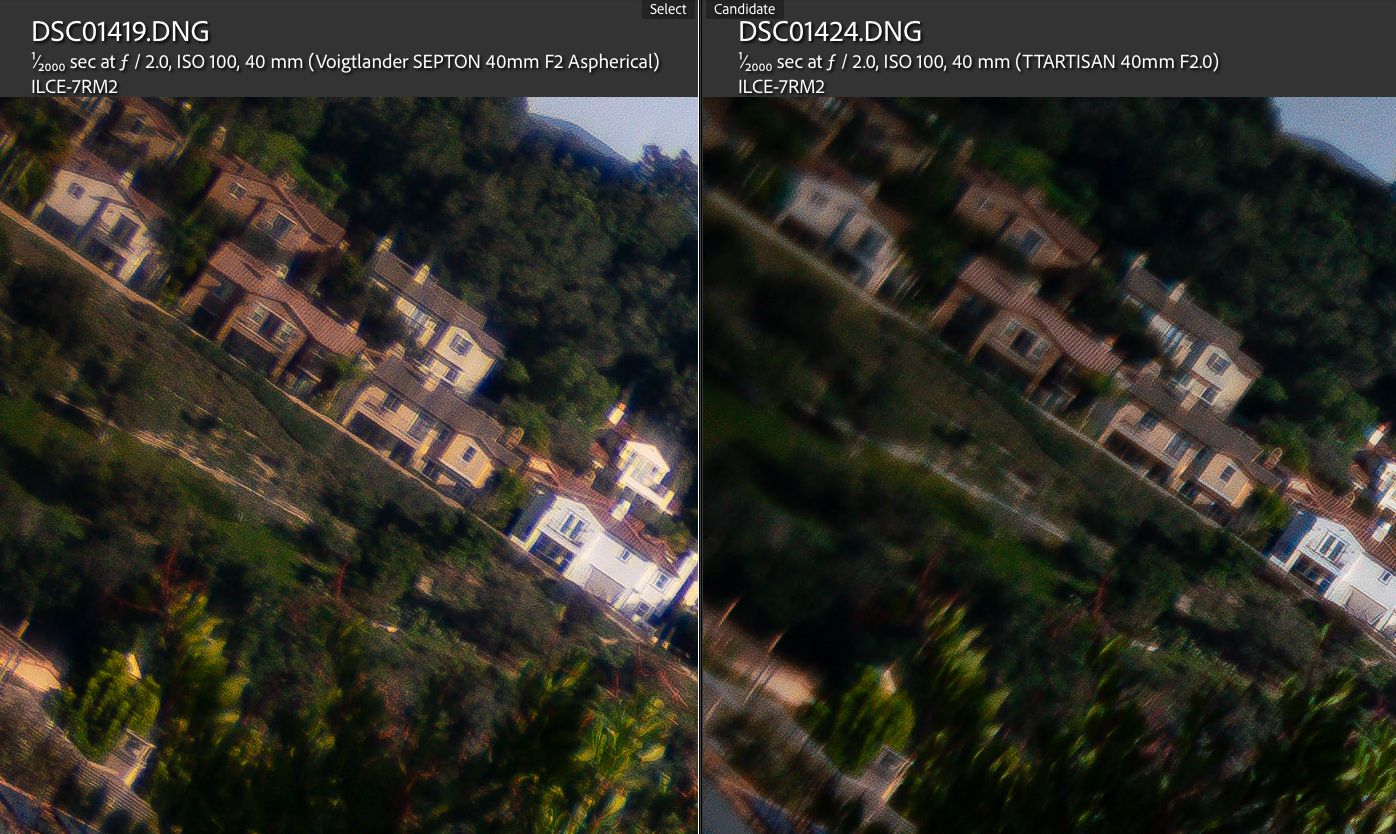
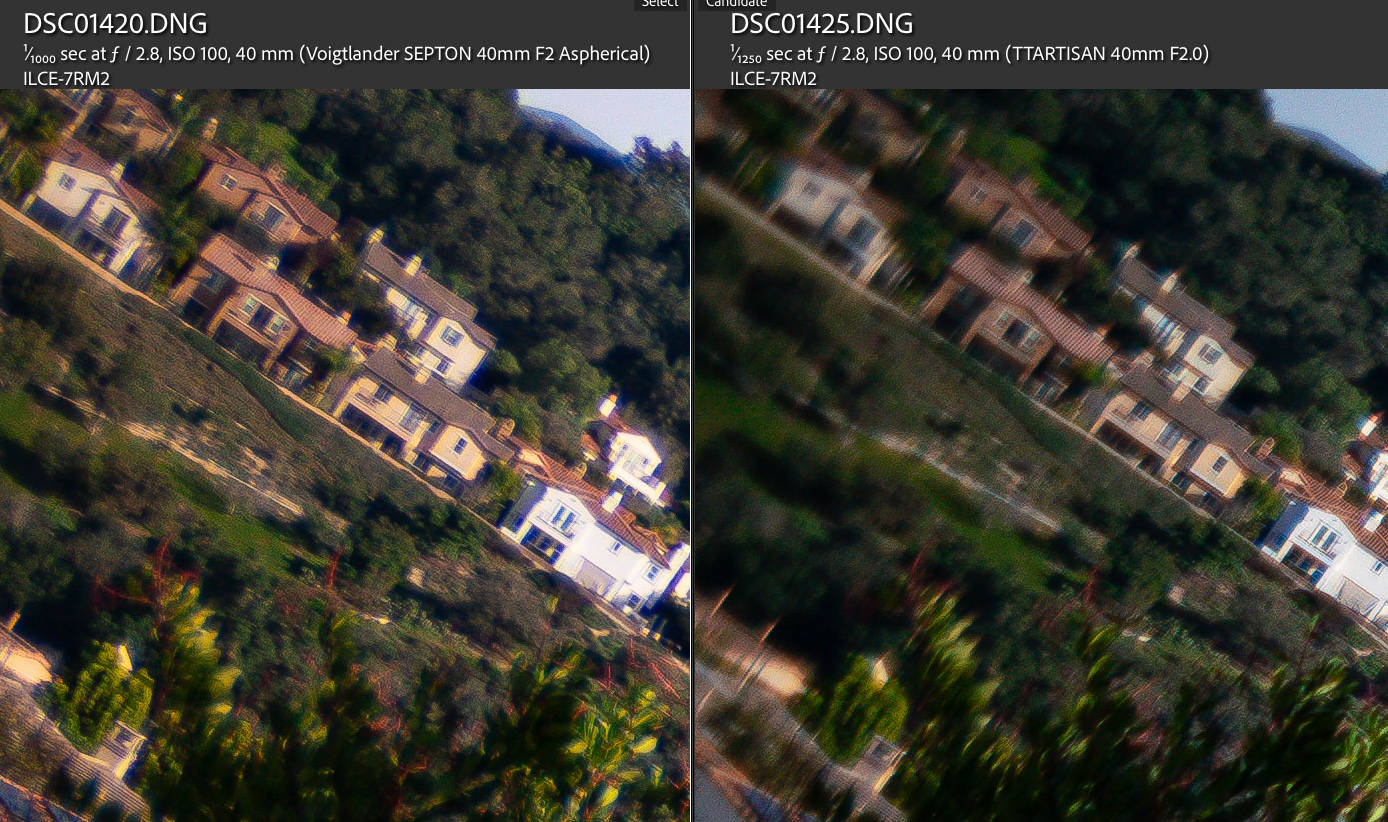
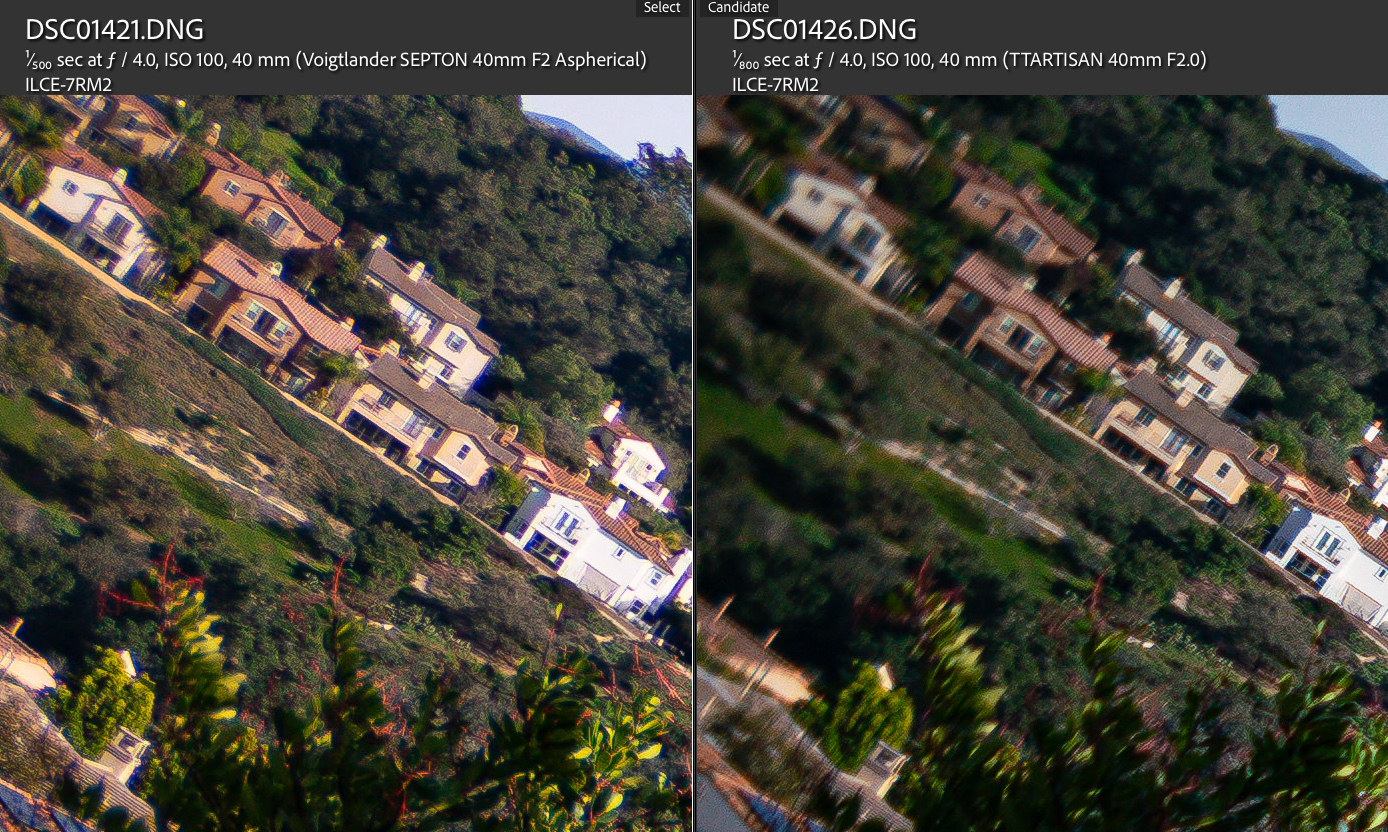
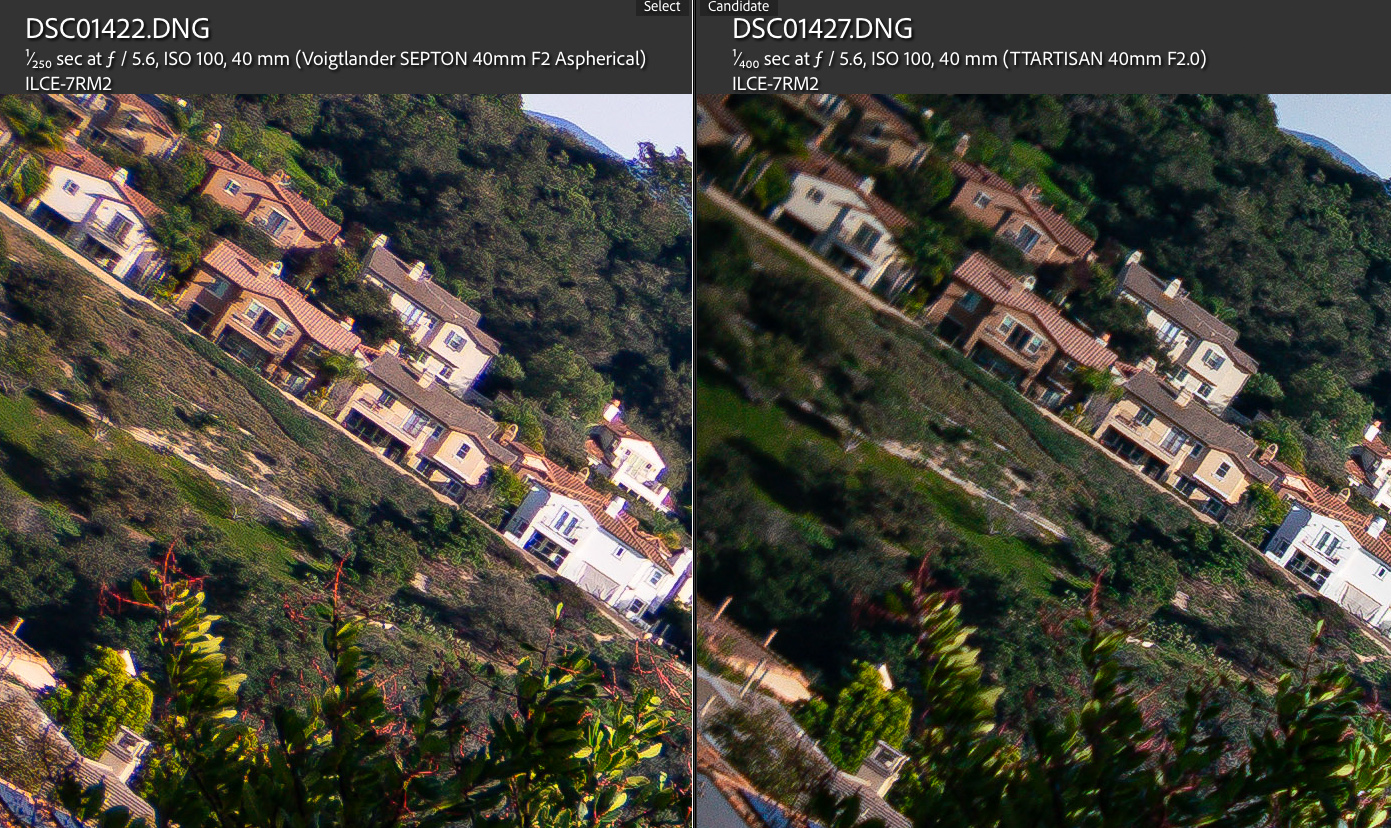
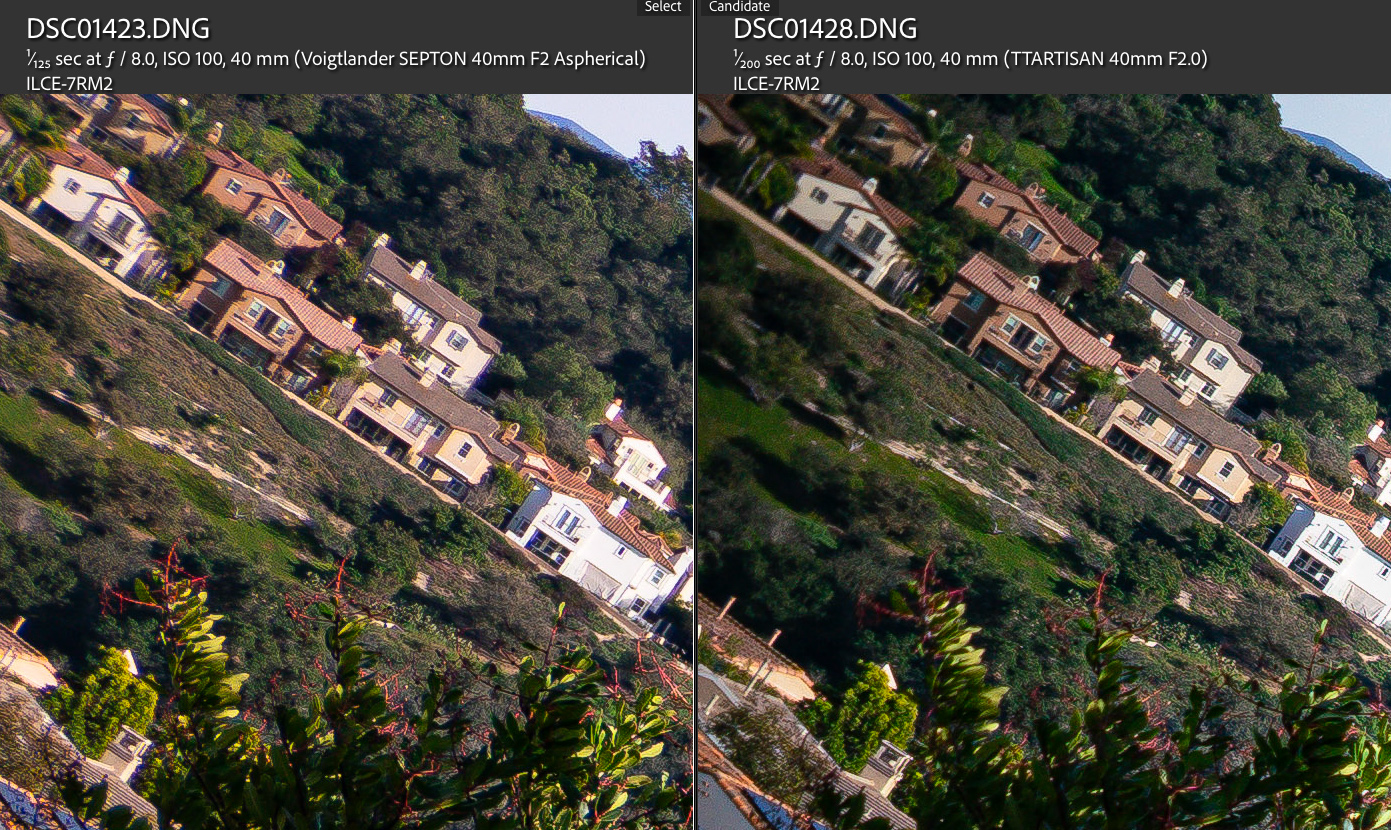
- Infinity Resolution and Contrast compared to TTArtisan AF 40mm f/2 lens
- Infinity Resolution and Contrast vs Voigtlander 40mm f/2.8 Heliar
- Infinity Resolution and Contrast vs Voigtlander 40mm f/1.2 Nokton at f/2
- Field Curvature
- Sunstar rendering
- Sunstar rendering II and Vignetting at infinity distance
- Distortion
- Minimal Focus Distance: Resolution, Contrast and Focus Shift
- Rendering compared to TTArtisan 40mm f/2 lens
- Rendering compared to Voigtlander 40mm f/1.2 Nokton II at f/2
- Chromatic aberration control
- Flare Resistance
- Final Thoughts
- Samples 1
- Samples 2
- Samples 3
- Samples 4
- Samples 5
- Samples 6
Voigtlander 40mm f/2 Septon Aspherical - Intro:
Is the Voigtlander 40mm f/2 Septon the most compact high-performance lens in its class?
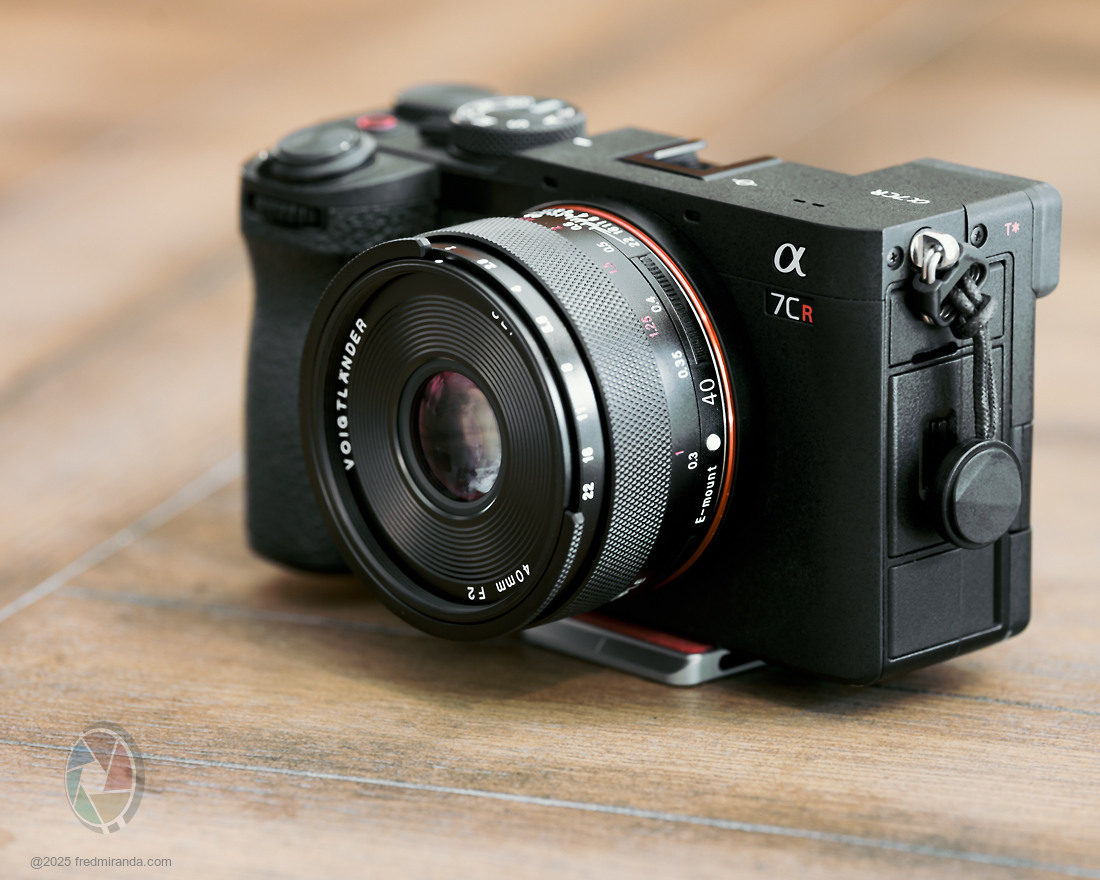
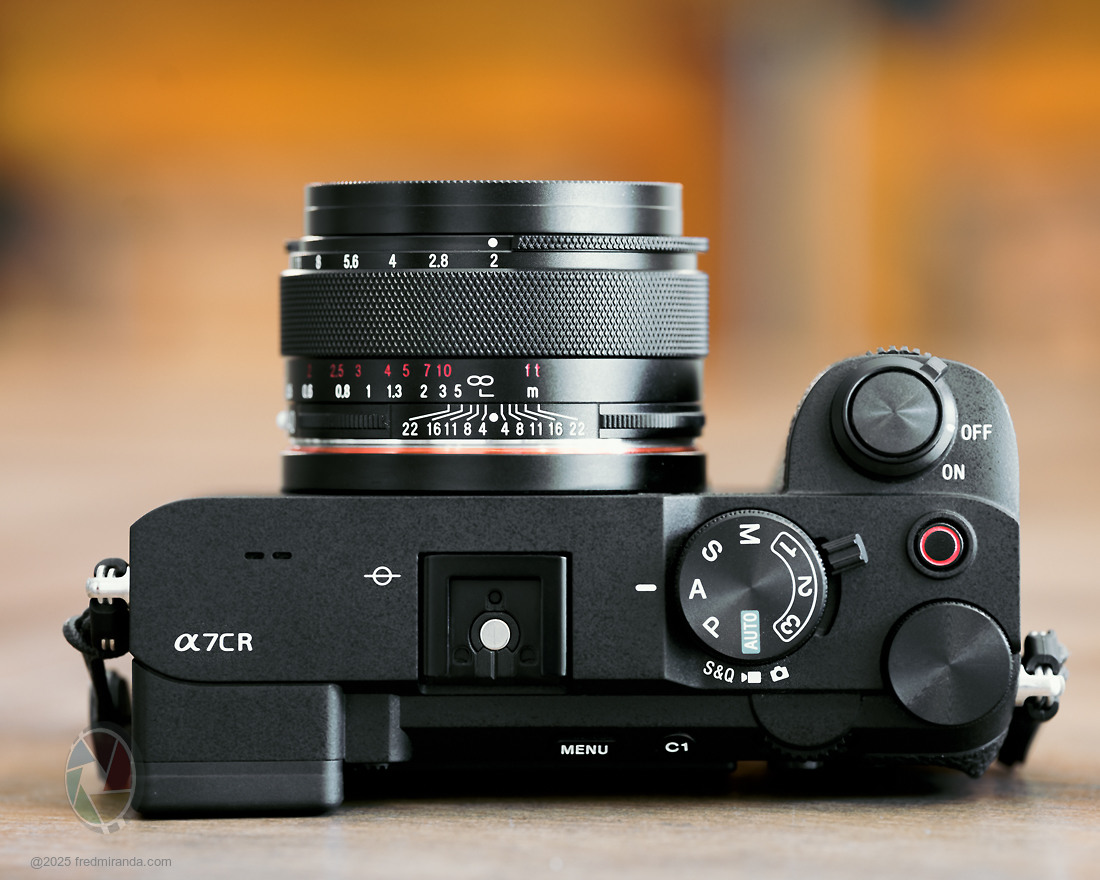
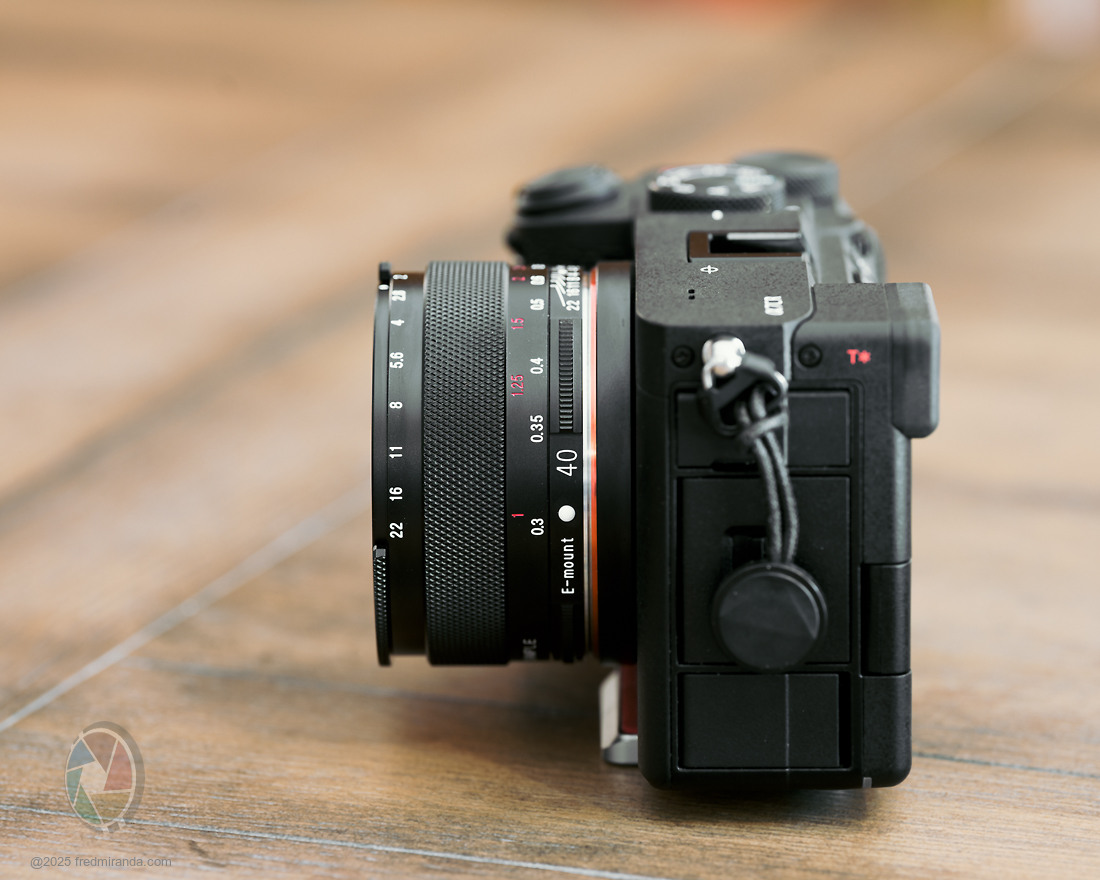
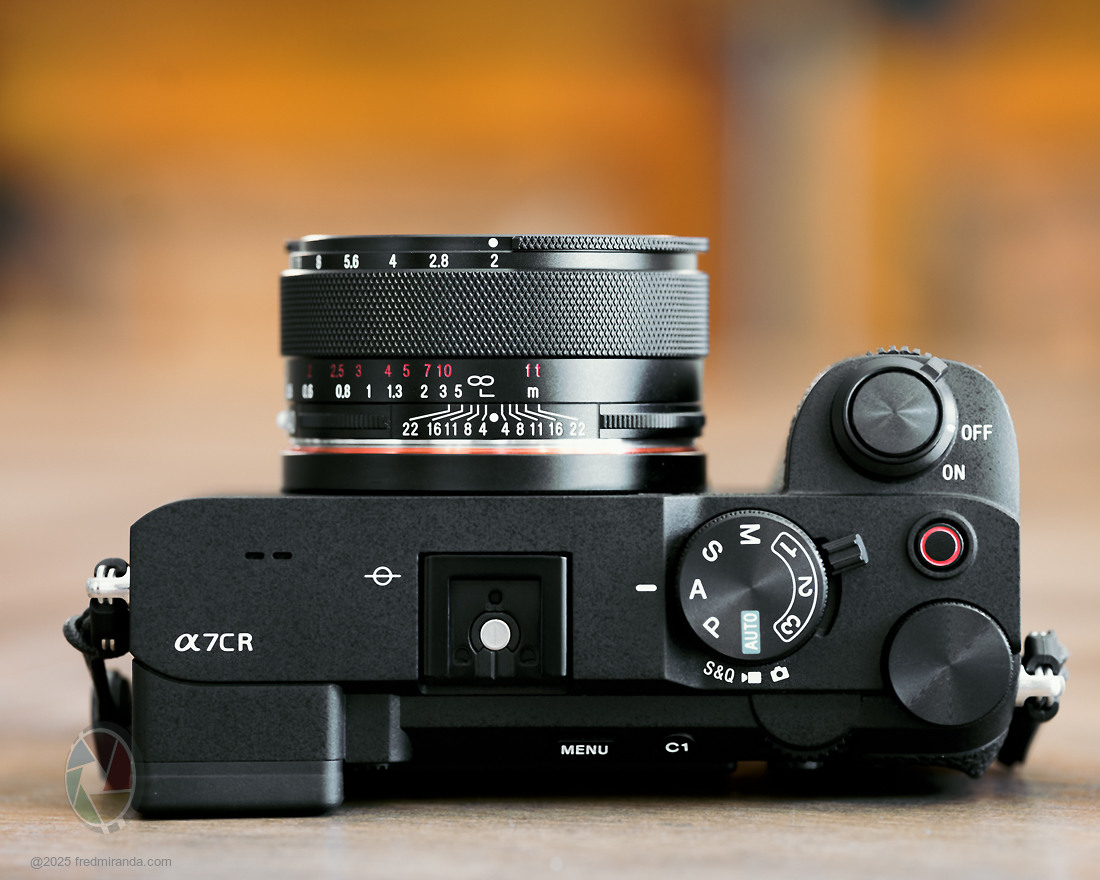
Sony A7CR with Voigtlander 40mm f/2 Septon
Cosina has just unveiled the impressively compact Voigtlander 40mm f/2 Septon for Sony E and Nikon Z mount, and I had the privilege of testing the first production copy. Since 2018, Sony shooters have enjoyed one of the smallest fast primes in the system, the Voigtlander Nokton Classic 35mm f/1.4, which has now also been introduced in Nikon Z and Canon RF mounts. That lens already set the bar for how small a 35/1.4 could be.
The new 40/2 Septon pushes compactness even further, and that is really its defining feature. It is roughly 100 grams lighter and about 10mm shorter than the Nokton 35/1.4. If you are familiar with just how tiny the Nokton feels on a mirrorless body, the Septon feels almost shockingly small and light in comparison. It takes the idea of a fast, characterful prime and reminded me that sometimes the biggest innovation is simply making things smaller without sacrificing performance.
Similar to the Voigtlander 35mm f/2 Ultron for Leica M mount, this lens clearly emphasizes portability without sacrificing image quality. I will be examining resolution, contrast, and chromatic aberration closely, but from my early tests it already stands out as a strong performer, offering a touch of personality in the rendering along with very good control of color fringing. That balance makes it especially attractive for photographers looking for an ultra compact normal lens, particularly on smaller mirrorless bodies like the Sony A7CR, which I will be using throughout this review.
Sony A7CR with Voigtlander 40mm f/2 Septon
I will evaluate the technical performance of the Voigtlander 40mm f/2 Septon Aspherical, analyzing resolution, contrast, distortion, field curvature, and optical aberrations, along with its overall rendering and character.
For context, I will compare it to a select group of compact 40mm lenses that I currently own and know well, including the Voigtlander 40mm f/2.8 Heliar, the TTArtisan AF 40mm f/2, and the larger Nokton 40mm f/1.2 Aspherical tested at f/2. The TTArtisan shares both the focal length and aperture of the Septon and is available in Sony and Nikon mounts, making it a particularly relevant comparison.
While I often receive requests to include additional lenses, I'll keep the comparisons focused on the ones I have on hand, as this review is primarily about the Septon itself.
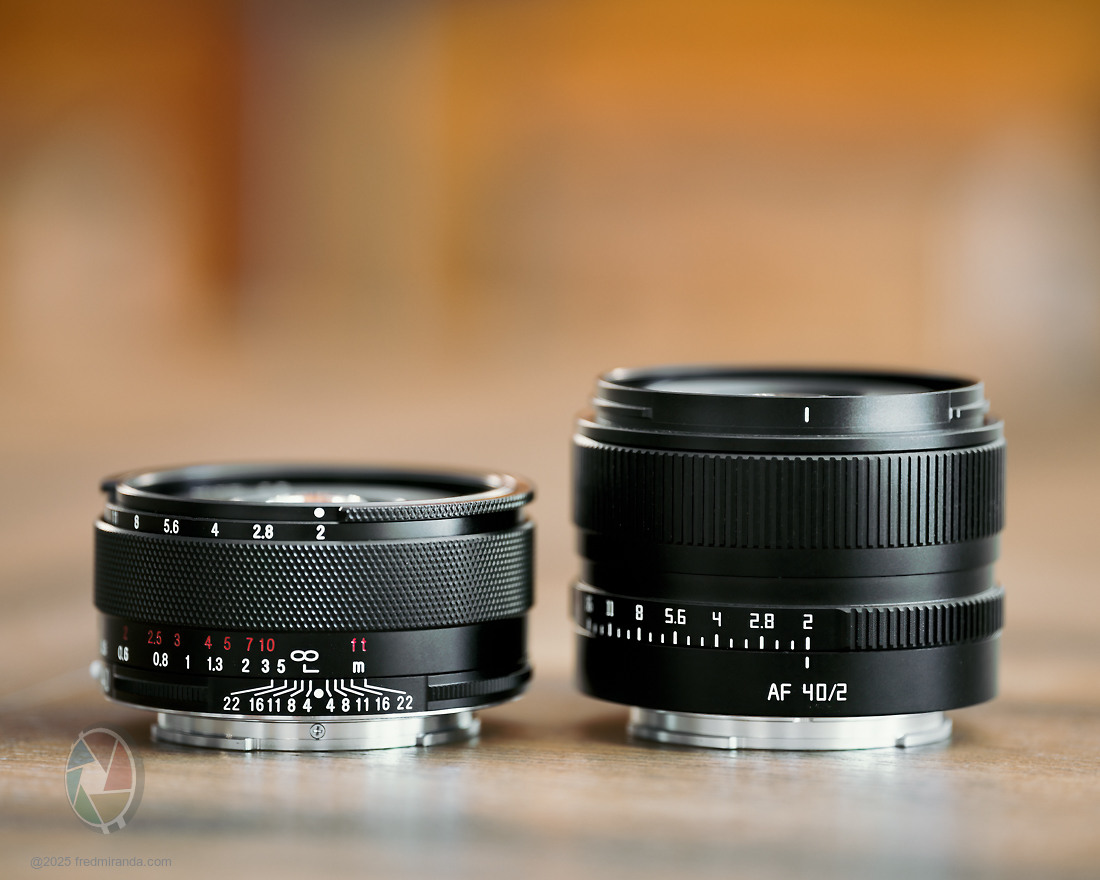
Voigtlander 40mm f/2 Septon vs TTArtisan 40mm f/2 AF lens
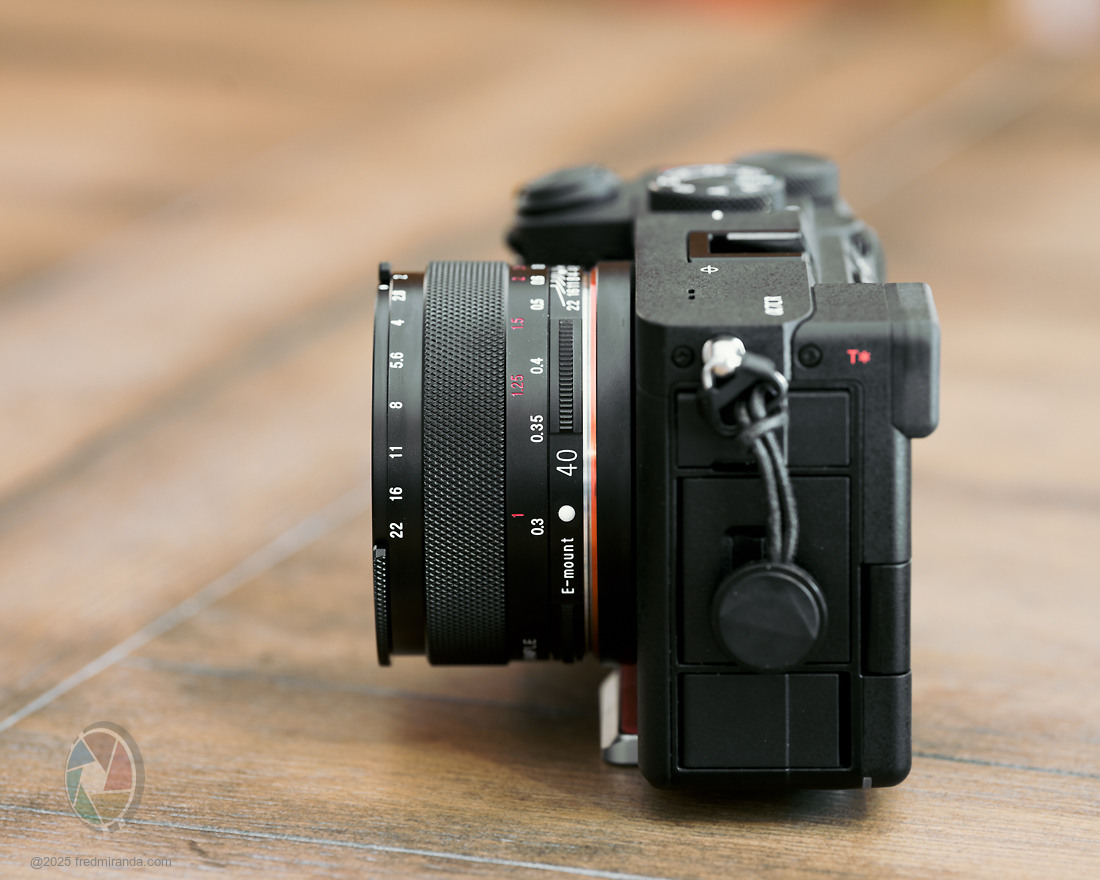
The Voigtlander 40mm f/2 Septon is currently offered only in black anodized finish, and depending on whether you choose Sony E or Nikon Z mount, the overall length changes slightly. The barrel is made of aluminum, which keeps the weight down to a very impressive 163 grams. From the mount surface, it measures just 30mm in length, making it genuinely tiny on a mirrorless body.
It focuses down to 0.3 meters, delivering a maximum reproduction ratio of 1:5.3, which is quite useful for a compact normal lens. The lens also includes electronic contacts, so shooting data is properly recorded in the EXIF. A built in distance encoder allows full support for 5 axis in body stabilization, and you can activate focus magnification directly by turning the focus ring, which makes precise manual focusing quick and intuitive.
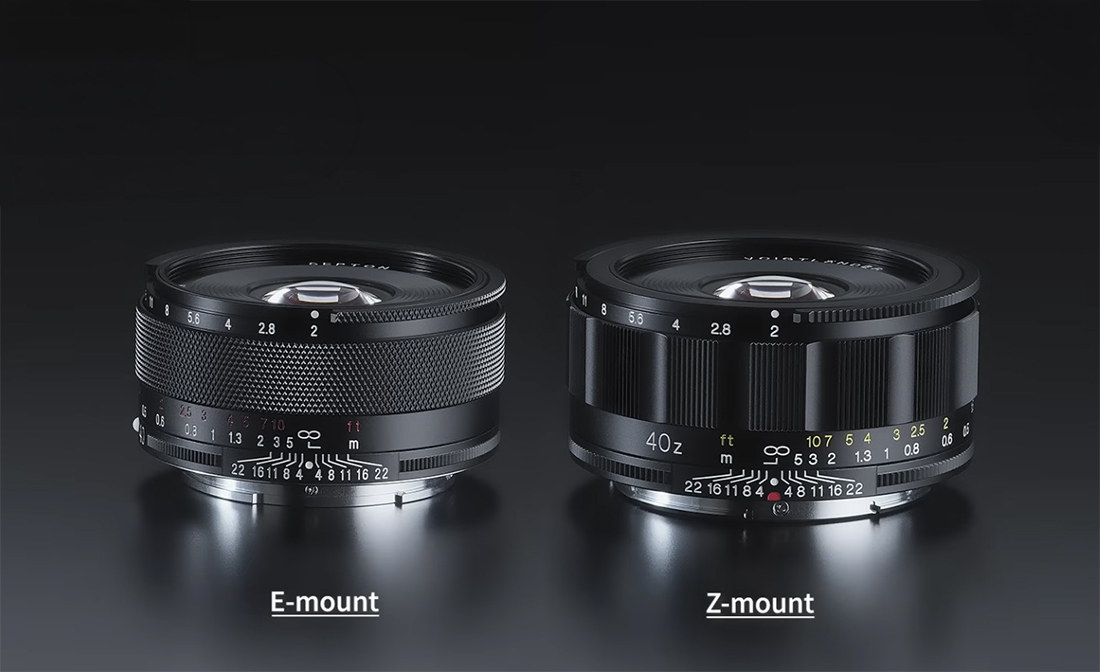
Voigtlander 40mm f/2 Septon E-mount and Z-mount body changes
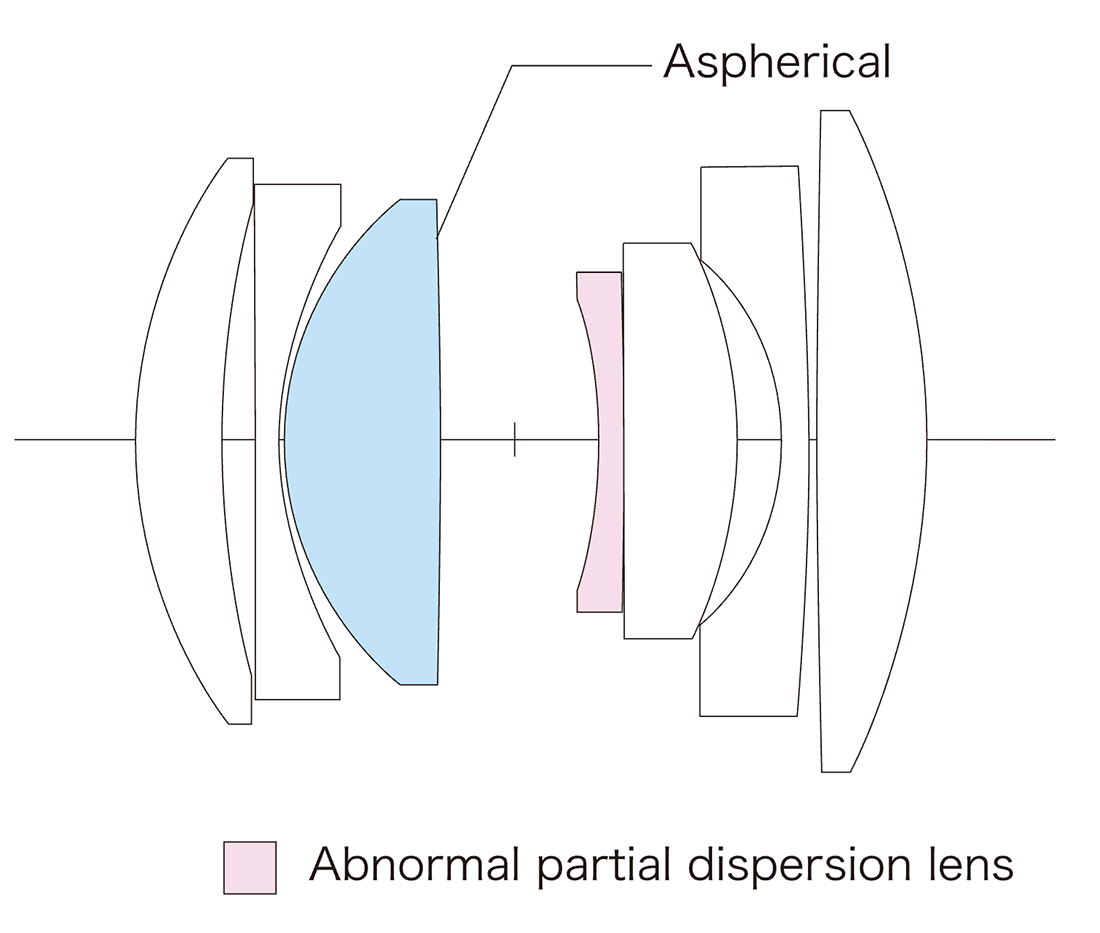
The optical formula consists of 6 groups and 7 elements, including one anomalous partial dispersion element and one aspherical element. At first glance, the layout looks like a modern variation of the classic double Gauss design, but it is actually an Orthometer design. With the use of advanced multi coating and those special elements, Cosina has managed to keep the lens extremely compact while still delivering very good performance wide open.
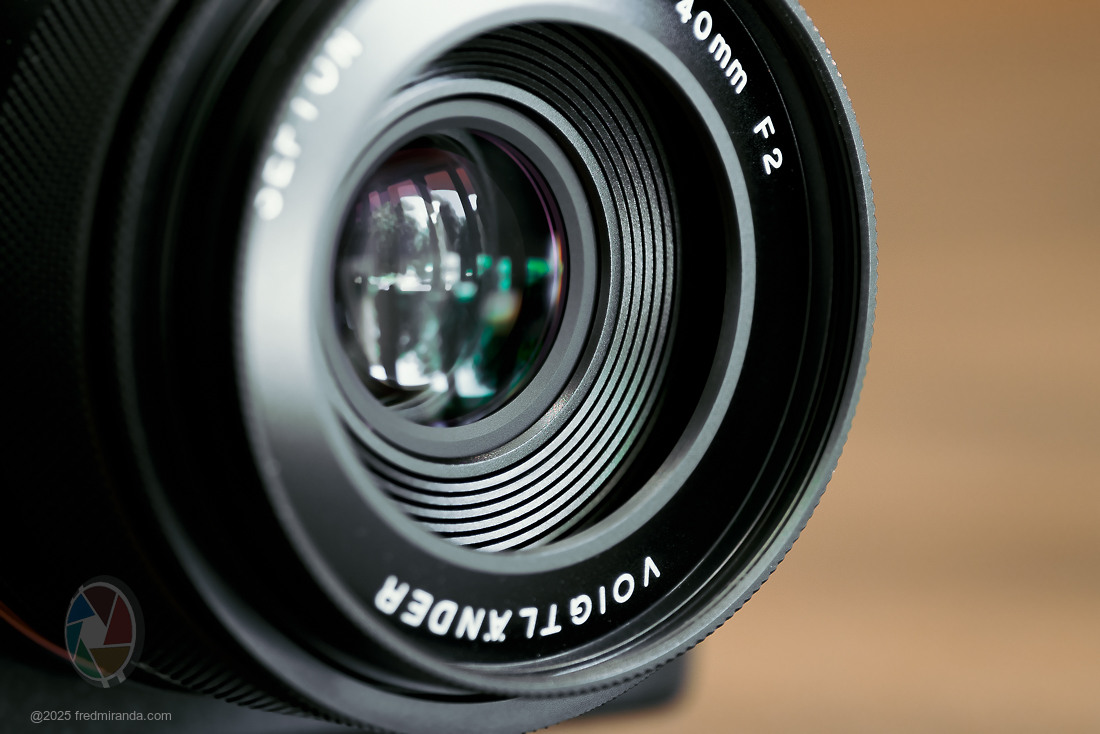
The supplied dome-shaped metal screw-on hood is a bit unusual in design, but it is quite effective at blocking stray light while keeping the overall package compact. It only adds about 8mm to the length, so even with the hood attached the lens measures just 38mm from the mount, which is still impressively small.
Another thoughtful detail is that the hood has a 52mm outer thread, allowing you to use the same front cap whether the hood is mounted or not. It is a small thing, but it keeps everything simple and practical.
Voigtlander 40mm f/2 Septon with included hood
Like other recent Cosina lenses, the Voigtlander 40mm f/2 Septon Aspherical features an all metal construction and a solid, well damped helicoid. The focus ring turns smoothly and allows for very precise adjustments. By my estimate, the throw is about 50 degrees from 0.7m to infinity, and roughly 90 degrees from 0.7m down to the minimum focus distance of 0.3m, for a total focus throw of around 140 degrees. That gives you fine control where it matters most, especially at closer distances when focus is more critical.
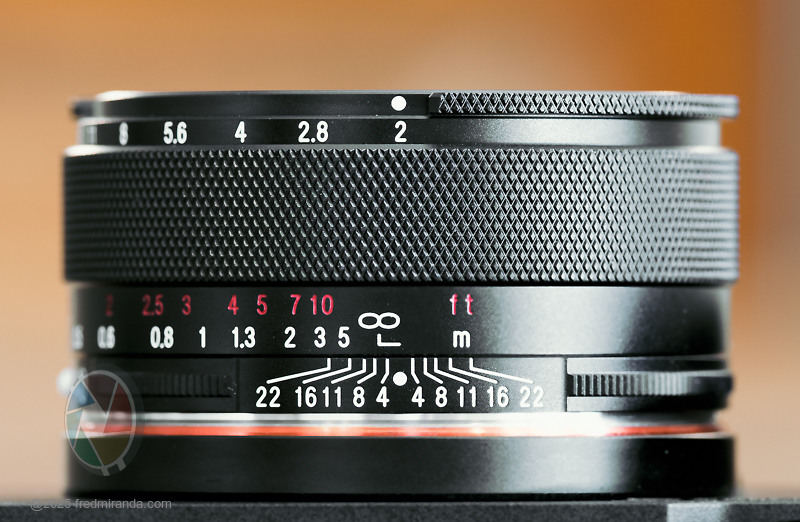
The aperture ring is thin but feels sturdy, rotating with firm, well defined third stop clicks. The lens uses a 10 blade diaphragm, which produces clean 10 point sunstars when stopped down a couple of stops from wide open.
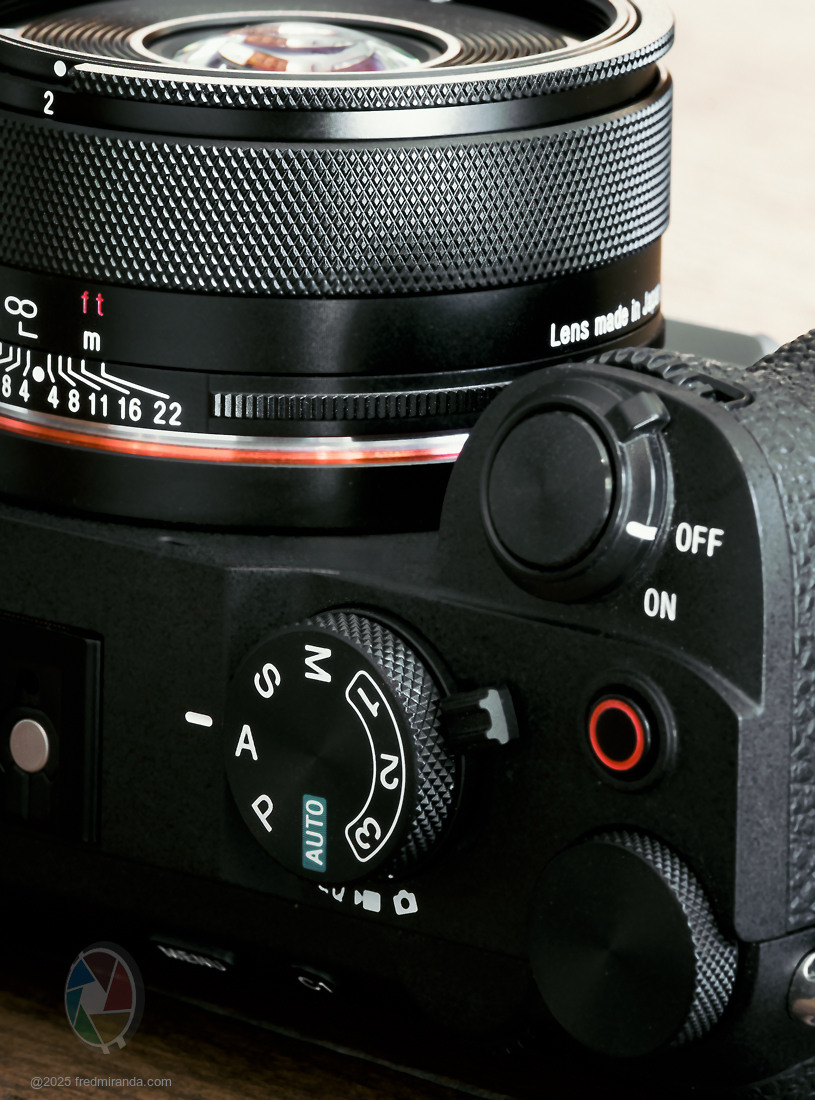
Voigtlander 40mm f/2 Septon diamond pattern knurling matches Sony's
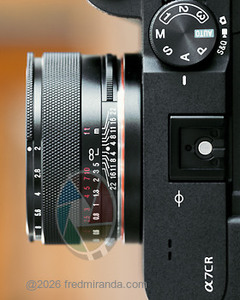
This review will focus on how the Voigtlander 40mm f/2 Septon performs on both Sony E and Nikon Z mounts, though I will be testing it on a Sony body. Cosina clearly paid close attention to the details in the design of the focus and aperture rings. The diamond pattern knurling matches the feel and look of Sony’s own rings perfectly, as you can see in the above image. Even the red accent on the lens aligns with the A7CR’s red, a small but thoughtful touch that makes the lens feel like it truly belongs on the camera.
Voigtlander 40mm f/2 Septon with dome-shaped metal screw-on hood
Let's take a closer look at the full specifications of the Voigtlander 40mm f/2 Septon Aspherical:
- Focal Length: 40mm
- Maximum Aperture: f/2
- Minimum Aperture: f/22
- Angle of View: 57.3°
- Minimum Focus Distance: 0.3 m
- Optical Design: 6 groups 7 elements
- Special Glass: Includes 1 anomalous partial dispersion and 1 aspherical element
- Filter Size: 52mm
- Aperture blades: 10 (straight)
- Focus throw: ~140 degrees
- Dimensions (ø x L): φ 61.7 × 30.0mm
- Weight: 163 grams (measured), 174 grams with supplied hood
- Hood: Screw-in hood included
Sony A7CR with Voigtlander 40mm f/2 Septon Aspherical thin profile
|