Fred Miranda
Offline
Admin
Upload & Sell: On
|
 p.10 #15 · Voigtlander 40mm f/2 Septon Aspherical Review p.10 #15 · Voigtlander 40mm f/2 Septon Aspherical Review | |
Back to Quick Links
Final Thoughts:
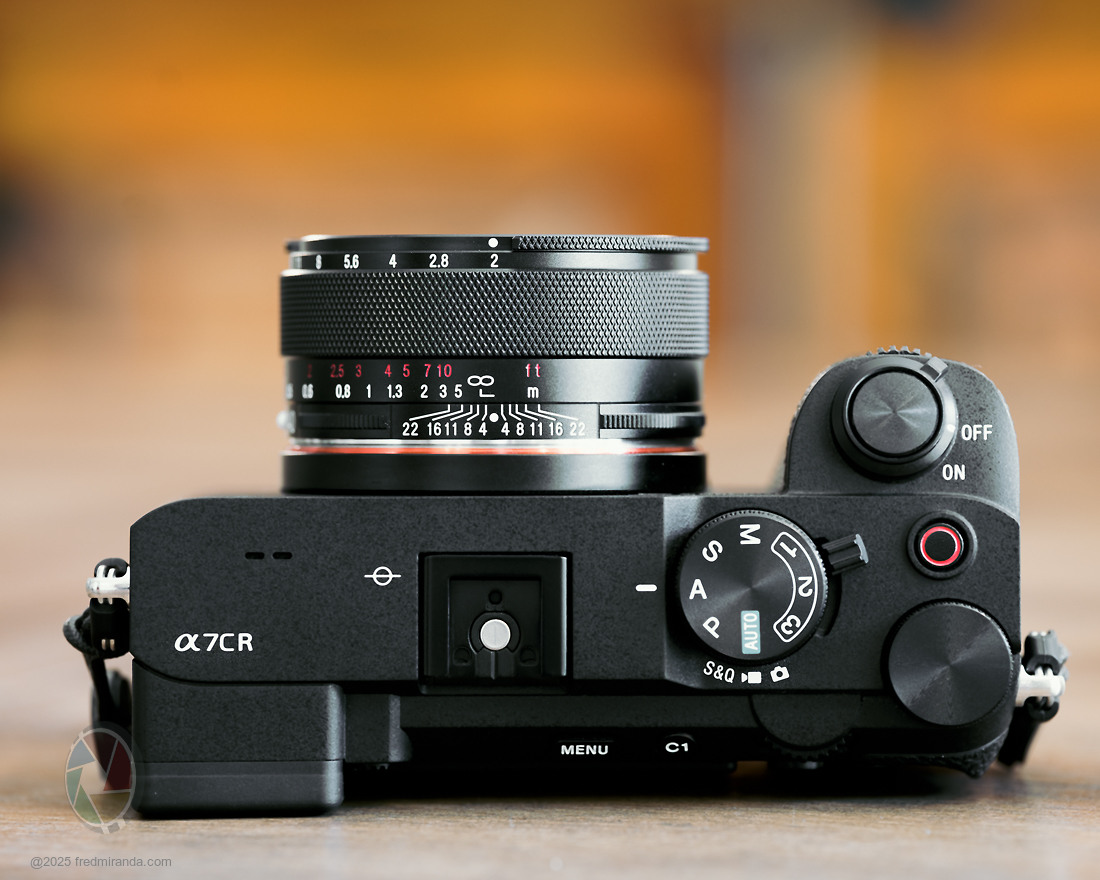
The Voigtlander 40mm f/2 Septon, a compact high-performance pancake with personality.
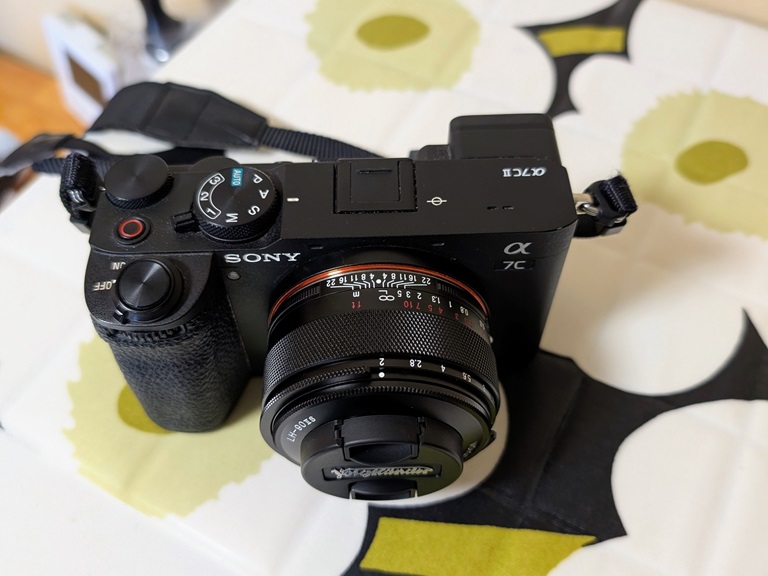
The Voigtlander 40mm f/2 Septon Aspherical is a remarkably compact and lightweight pancake lens that delivers a balanced mix of portability, solid optical performance, and character. Cosina's design prioritizes size and usability rather than extreme resolution or perfect optical correction, and the lens succeeds at what it was designed for. On full-frame mirrorless bodies, it feels almost shockingly small and light, yet still handles resolution, contrast, distortion, and color fringing well.
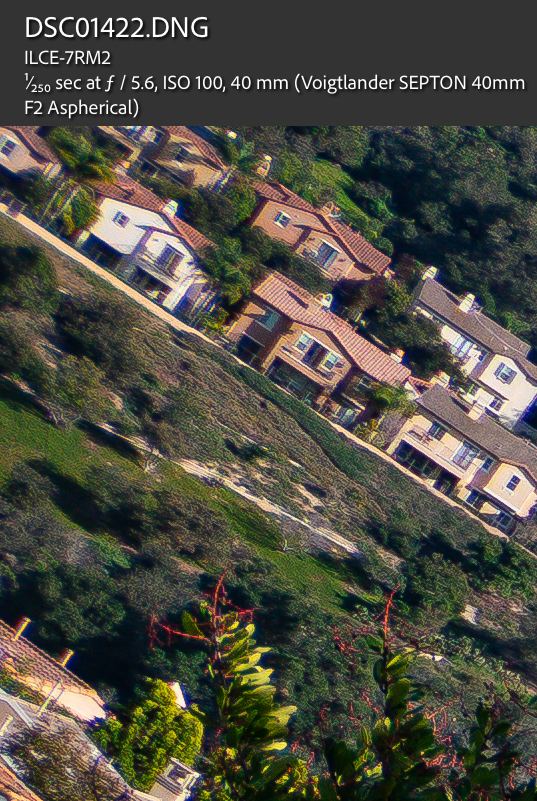
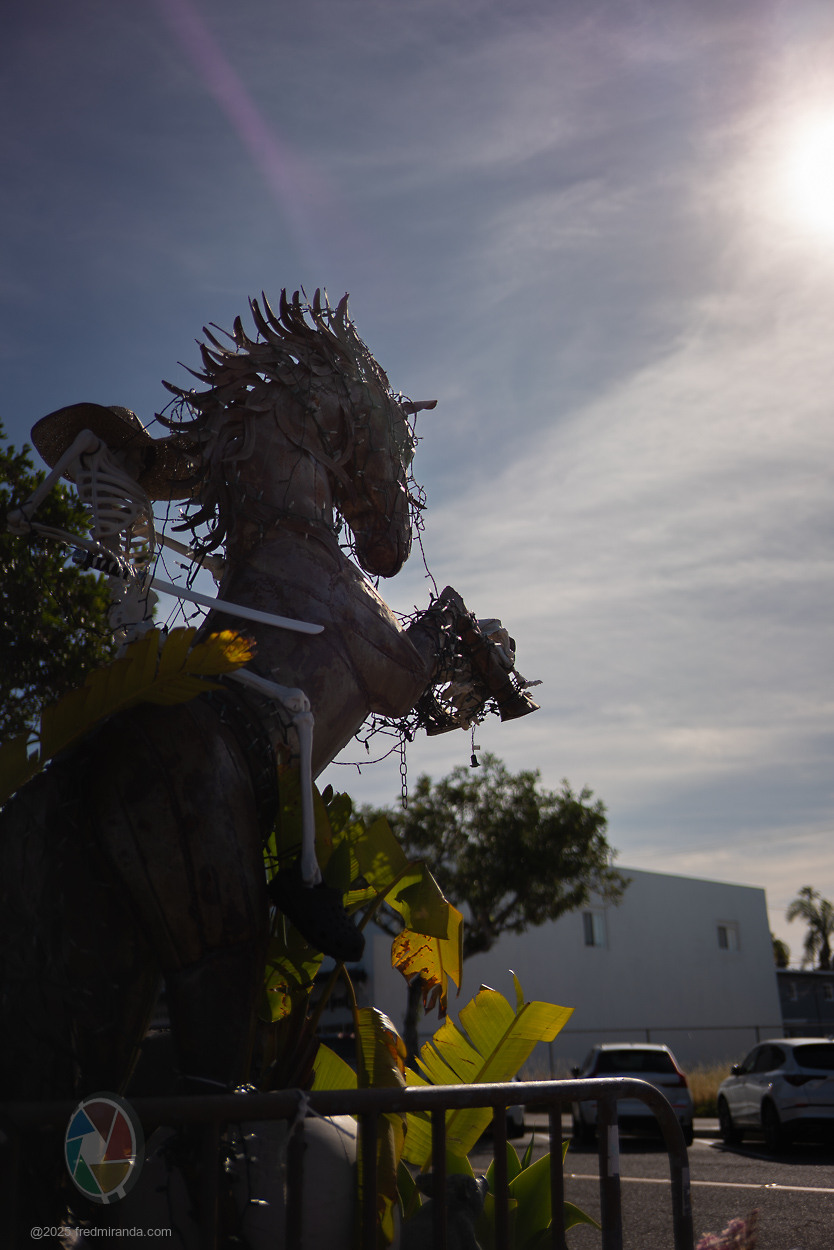
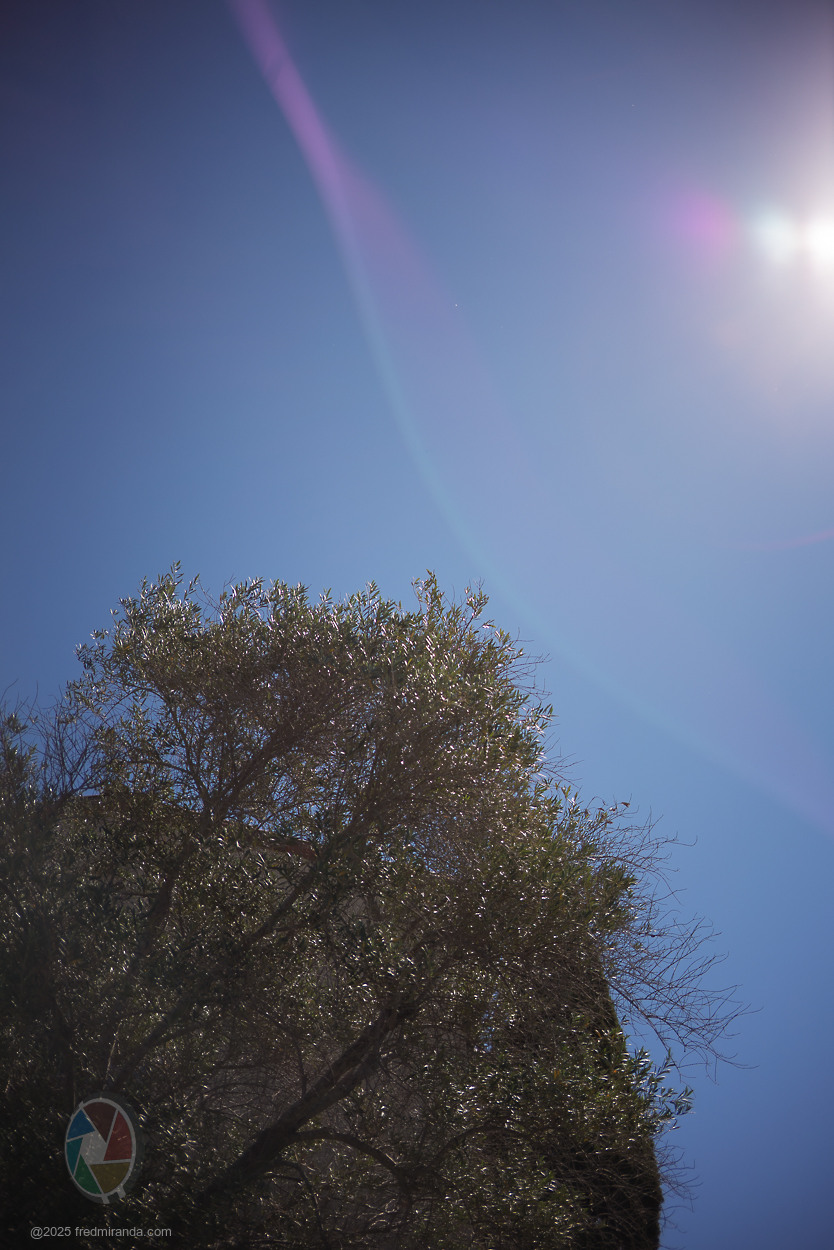
Optically, it is not the sharpest lens out there, but it delivers outstanding center performance, even wide open at f/2. There are slight weaknesses in the mid-field due to field curvature and corners that improve when stopped down. Field curvature produces a wavy pattern shape, which is typical for pancake lenses but can be mitigated by adjusting focus depending on subject distance. Axial CA is minimal, likely due to the ADP element, and lateral CA is also well controlled. Vignetting is noticeable wide open but improves steadily when stopping down. Flare resistance is above average for a lens of this type, with veiling or ghosting appearing only under specific, extreme lighting conditions.
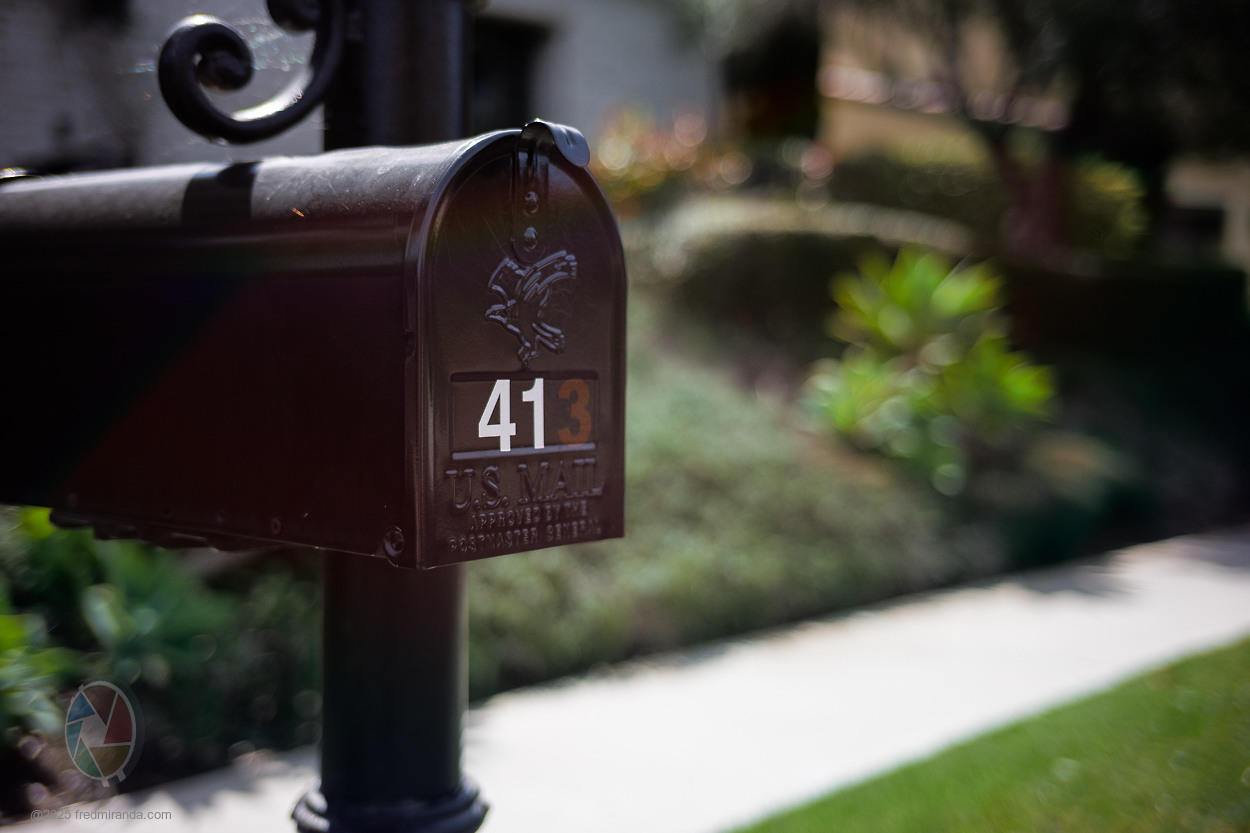
In terms of rendering, the Septon offers a structured, characterful look, with slight outlining and off-axis highlights taking on a conical shape reminiscent of vintage lenses. It produces defined 10-ray sunstars starting just a third of a stop from wide open at f/2.2. The lens does not produce the overly smooth or sterile images common to many modern lenses, instead offering a subtle, slightly vintage feel in out-of-focus highlights and off-axis speculars. Comparisons to similar 40mm options, such as the TTArtisan 40mm f/2 and the Voigtlander 40mm f/1.2 Nokton at f/2, show that while the Septon is smaller and simpler, it maintains competitive resolution and contrast, with some advantages in mid-field and edge performance at longer distances.
Overall, the 40mm f/2 Septon is not about record breaking sharpness or minimal compromises. Its strengths lie in its compact size, lightweight handling, excellent center sharpness, good control of chromatic aberration, and the character in the way it draws. For photographers seeking a compact normal lens for street, travel, or general-purpose use on Sony E or Nikon Z bodies, the Septon offers a capable balance of performance and portability, with enough personality to make images feel distinct without introducing major optical trade-offs.
Pros:
• Ultra-compact and lightweight: One of the smallest fast 40mm lenses dedicated for Sony E or Nikon Z, making it extremely portable for street, travel, and general shooting.
• Outstanding center sharpness: Very good wide open at f/2, reaching peak sharpness around f/2.8.
• Low distortion: Virtually no barrel or pincushion distortion; a tiny -1 correction in Lightroom handles edge cases.
• Well-corrected spherical aberration: Almost no glow wide open; focus shift is minimal to nonexistent.
• Characterful rendering: I like the structured look with specular outlining and conical shape off-axis bokeh. Those preferring modern, overly smooth, abstract rendering may not agree.
• Clean specular highlights: although it includes an aspherical element, the inner structure within the highlights is well controlled, with no visible onion ring pattern.
• Very good close-focus performance even without a floating group: Minimum focus distance 0.3 m (1:5.3 reproduction) is useful for near-subject work.
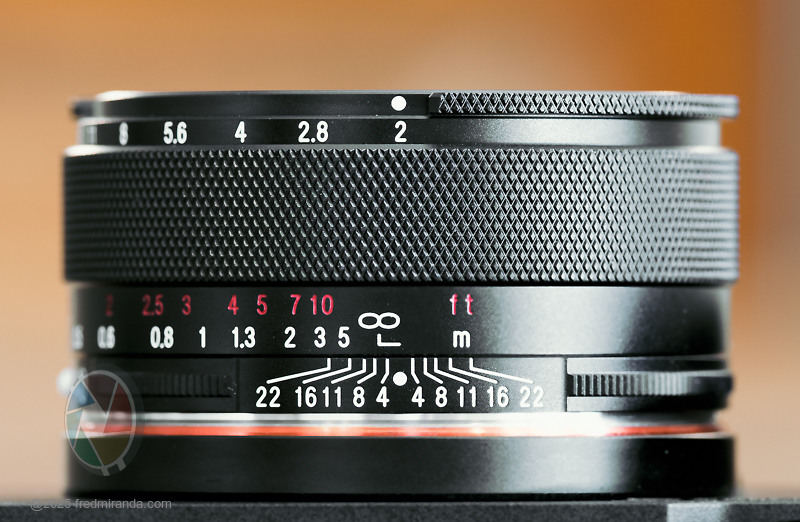
• Solid build: All-metal construction with well-damped, precise focus and aperture rings, with distinct, well-defined clicks.
• Defined sunstars: 10-blade straight aperture blades produces defined 10-point sunstars from f/2.2, optimal at f/4.
• Competitive with larger 40mm lenses: Despite being a pancake lens, it holds up well against the TTArtisan 40mm f/2 and even the Voigtlander 40mm f/1.2 Nokton stopped down to f/2.
• Controlled chromatic aberration: Minimal axial CA and lateral CA correction for a compact lens.
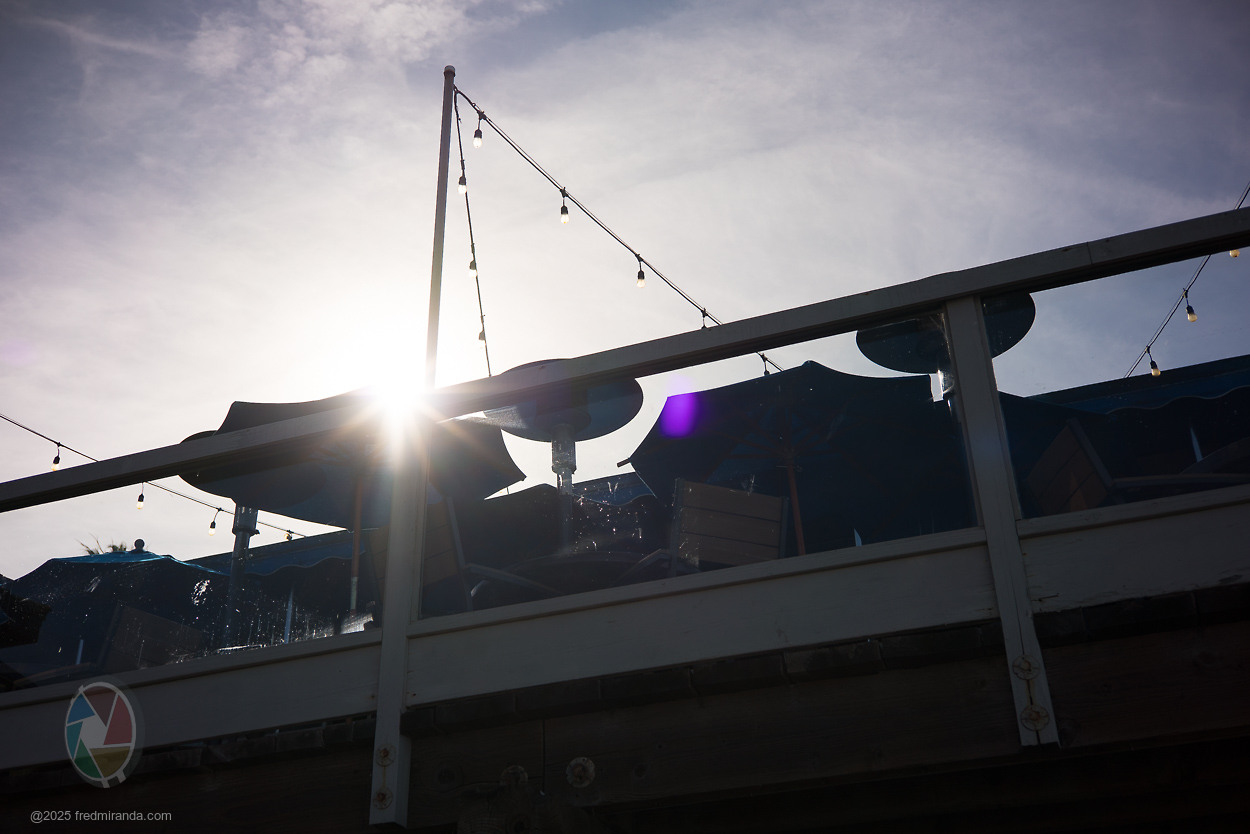
• Flare resistance: Above average for this class; veiling flare or ghosting appears only under extreme or intentionally forced conditions.
Cons:
• Strong Vignetting wide open: Noticeable at f/2, improves steadily when stopping down.
• Field curvature: Mid-field can appear weaker at certain distances when focusing at center; wavy curvature is typical for pancake lenses and may require slight refocusing.
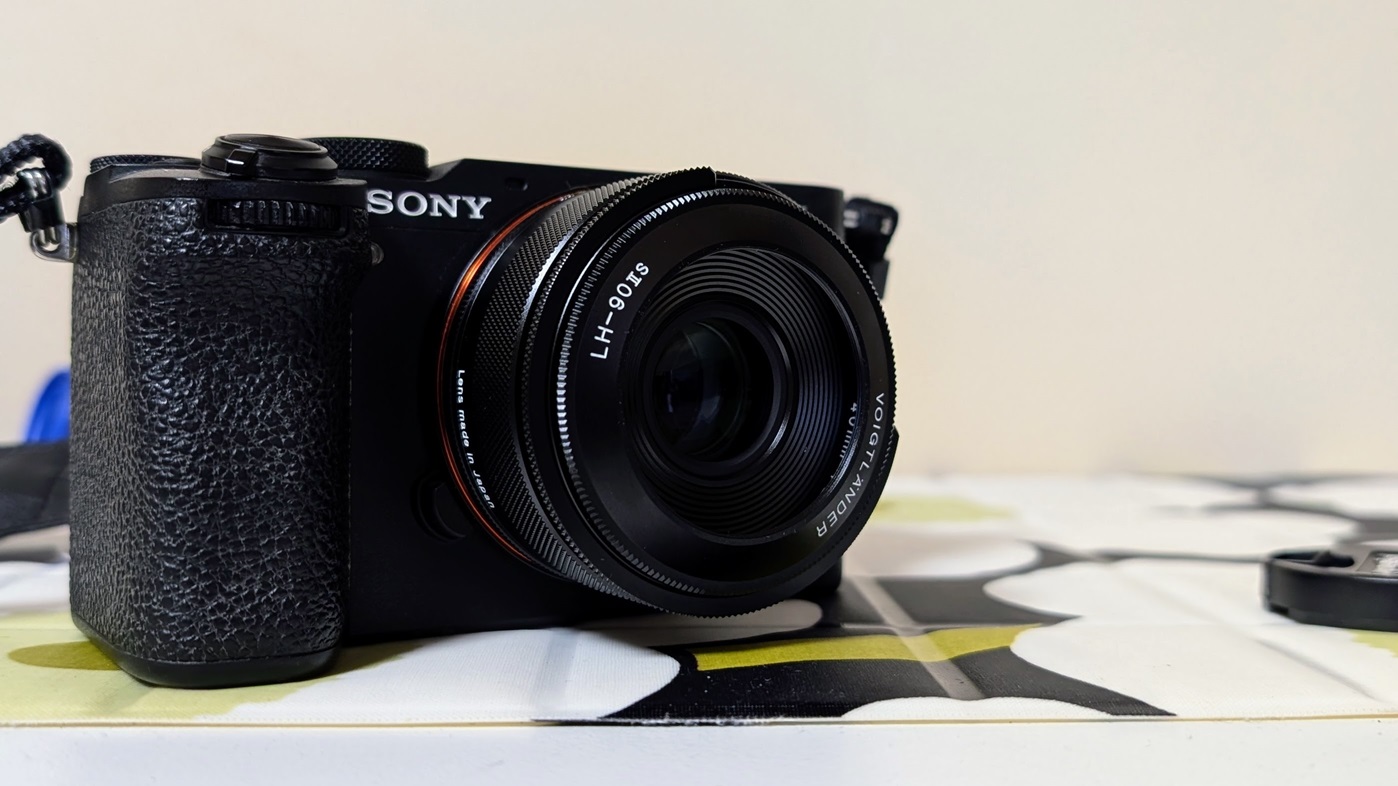
• Hood could be smaller: Cosina designed it to accept 52mm filters and use the same front cap, which makes it bigger than necessary. For the smallest overall package, I recommend the Voigtlander LH-40N or LH-90IIS ultra-compact hoods.
• Mid-field and corners weaker wide open: The mid-field appears softer wide open due to field curvature but sharpens when focused directly, while the extreme corners reach their best sharpness after f/4.
• Not a record-breaking performer: Sharpness is excellent in the center, but off-axis performance is weaker, especially compared to larger, heavily corrected prime lenses.
• Uncorrected coma: This design leaves coma largely uncorrected, making off-axis highlights noticeably distorted
_______
Order the Voigtlander 40mm f/2 Septon Aspherical lens:
Cameraquest: Sony E-mount | Nikon Z-mount
B&H Photo: Sony E-mount | Nikon Z-mount
|