philip_pj
Offline
• • • • • •
Upload & Sell: On
|
 p.111 #3 · which lens has the most 3D POP? p.111 #3 · which lens has the most 3D POP? | |
These linked images are the exact opposite of 3D. This is not even the result of a visual interpretation, you only need to consider the dictionary definition:
'Three-dimensional (3D) describes objects, images, or spaces having depth, height, and width, making them solid or appearing to have volume rather than being flat. It signifies a, physical, or virtual space with three measured directions (e.g., axes).'
The key points: 'having depth'; 'appearing to have volume'; 'rather than (the opposite of) being flat'; 'three measured dimensions'. If anything, the cut out effect of these images reinforces the lack of 3D in them.
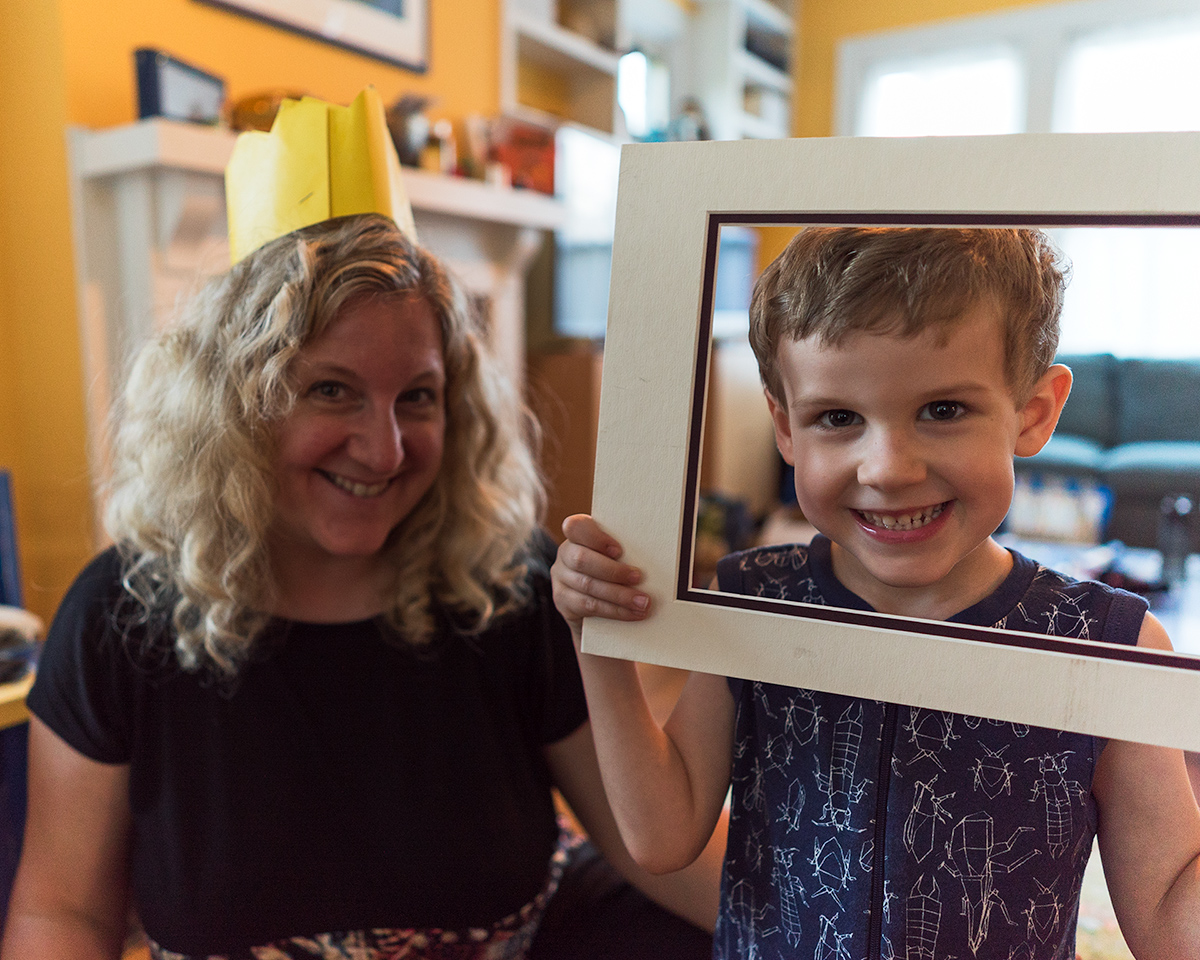
These images are textbook examples of two-dimensionality. Why? We can move our eyes left and right around the faces, and up and down. But here, you have a total absence of longitudinal depth in the image once the eye wants to move back, behind the subjects, and even there the lighting and lens qualities seriously impede the impression of depth. They are, in effect, 'cut outs':
'A cut-out in photography is the process of removing a subject from its original background to isolate it, often making the background transparent or white. Commonly used for e-commerce, product marketing, and collages, this technique focuses attention on the subject.'
We can add to this list: 'heavily abstracted backgrounds', which deliver only two layers - front and back, where the back contains nothing of visual value. To understand how strange this effect really is, imagine if you will, watching a movie composed of these images, with the subjects speaking. How long would you last? one minute, maybe?
This is not criticism of anything but the description. Many people like this model of 3D, despite it also being commonly referred to as 'layered', 'flat' and 'the green screen effect'. And good for them, of course.
But: 'Flat images are often considered unappealing because they fail to replicate the three-dimensional, high-contrast way the human eye perceives the world. They often lack depth, appear dull.'
Some of us don't like it, and disagreement is OK here too, of course. We prefer more reality in images of people, to better reflect the spontaneity, life, and context of the real world. Often more information is better, it sets the background to better understand the subject, invests them with greater meaning and coherence. It invokes curiosity too.
|