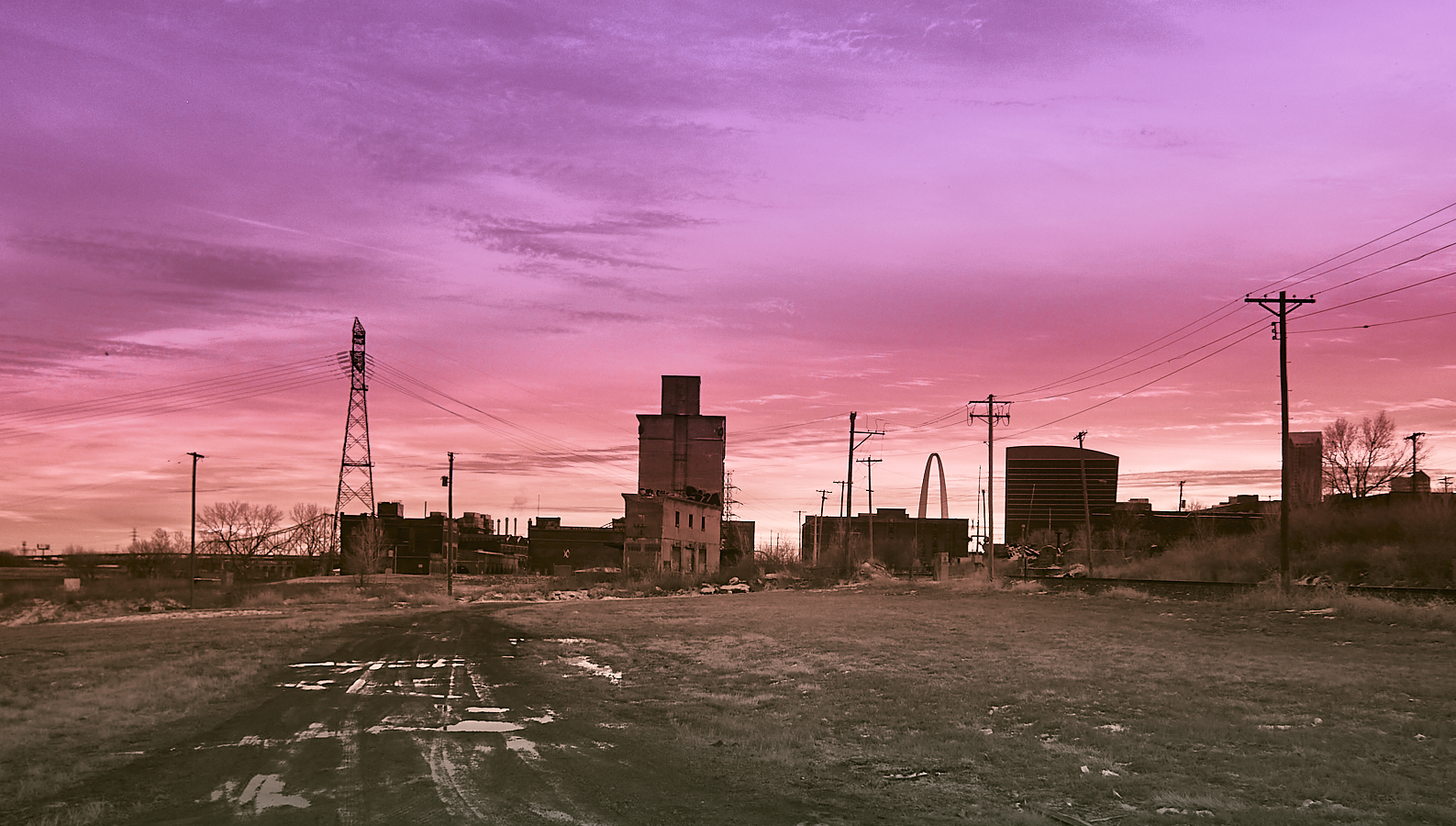
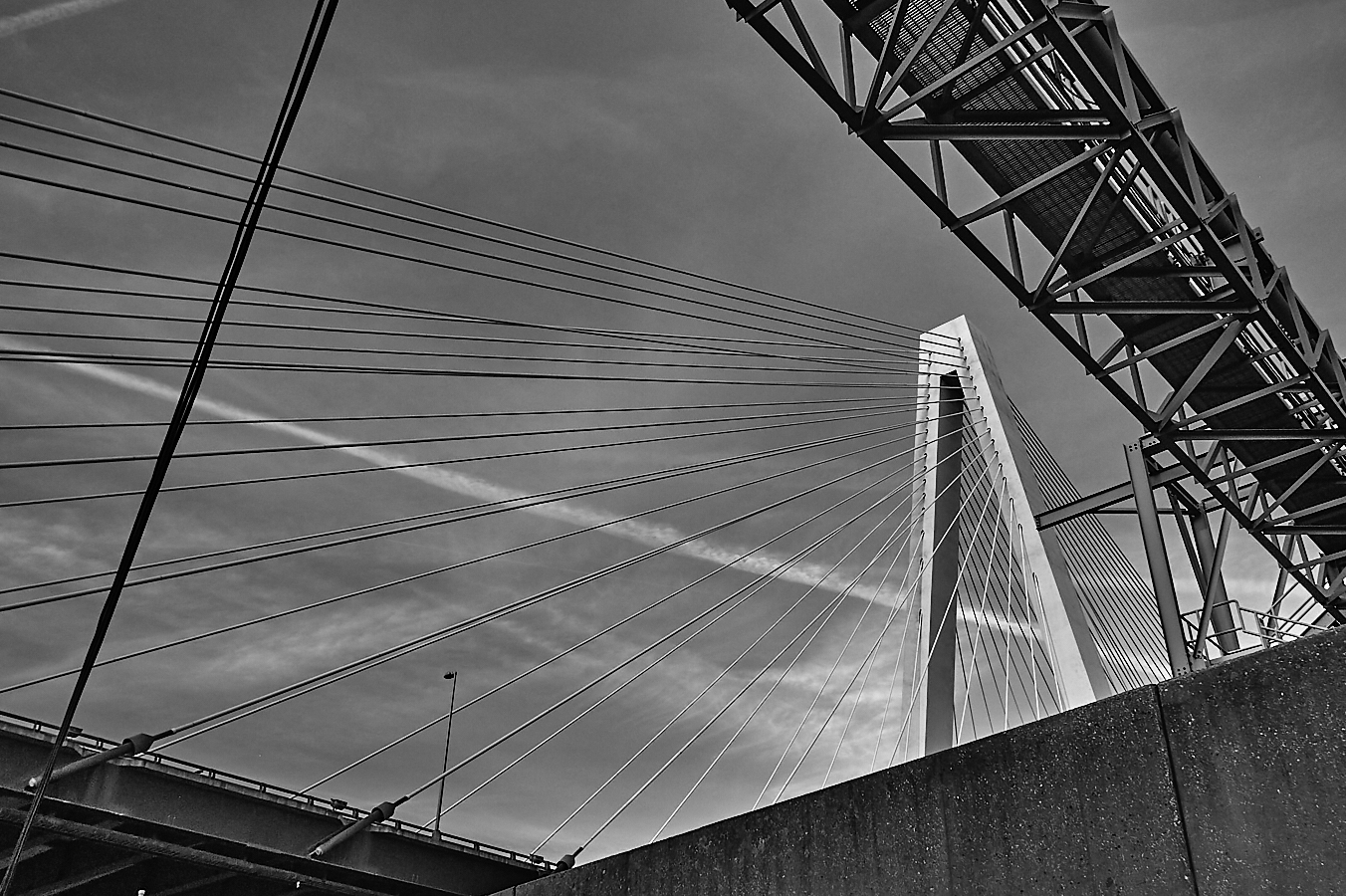
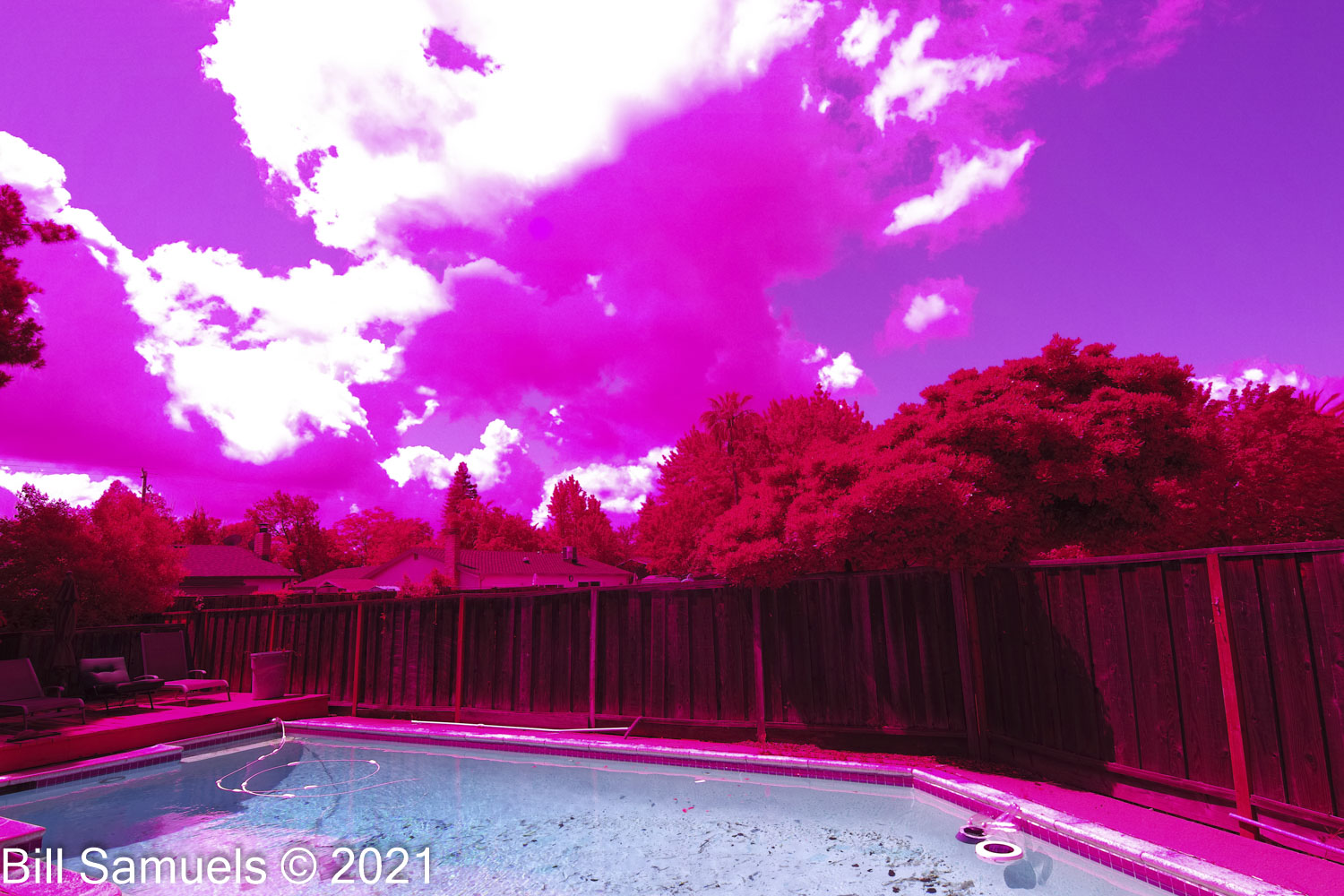
But if you pull off the filter that's between the lens opening and the mirror, I e been told by Sigma that you get full Infrared spectrum photos as if the camera had been converted. This is the design of their Fevron sensors. I have an X1 Merrill and if you twist that filter out and use the camera like a normal digital camera, the colors are very weird. I have 2 converted cameras, one Hypercolor and the other at 830nm and the Sigma X1 looks dramatically different without that filter which I think Sigma calls a hot mirror filter but I never tried channel swapping g like when I had a 530nm IR camera or converting it to black & white. I don't know what IR Light it lets in but it's a more dramatic version of your photos.
I have a Sigma SD1 Merrill which has the Foveon sensor, I think it's a pretty amazing sensor, but the SD1 might have been released before mastering the whole process as the camera kind of sucks. If you remove the hot mirror filter, you have an Infrared camera, but the photos are over-saturated color IR so it takes a lot to get them under control.
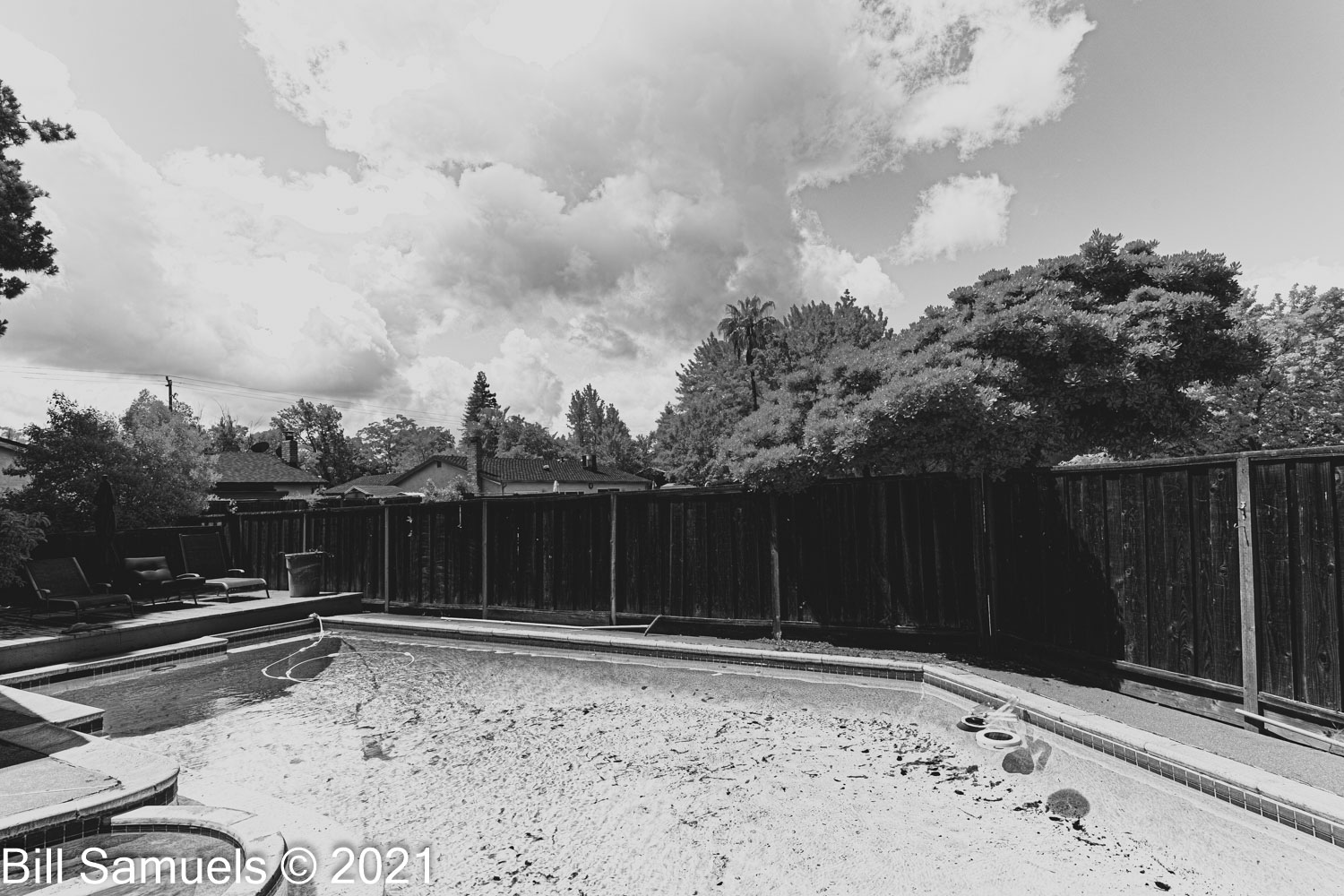
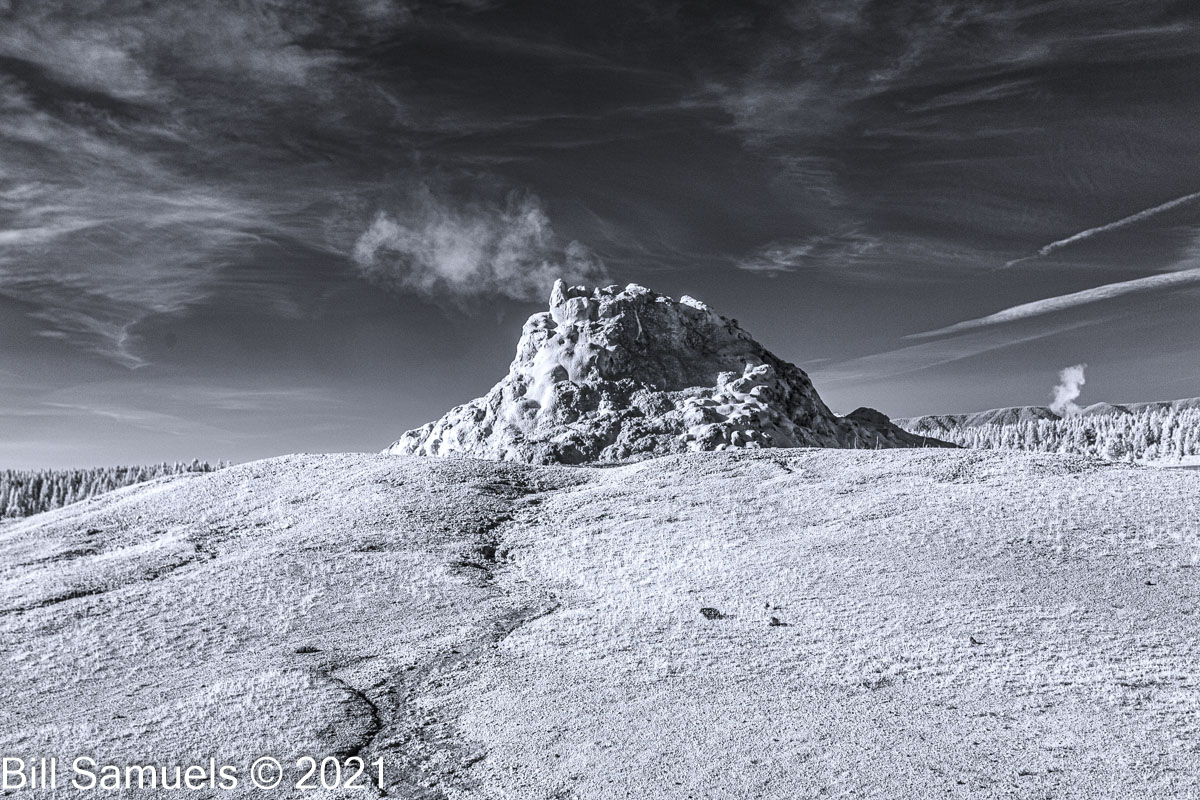
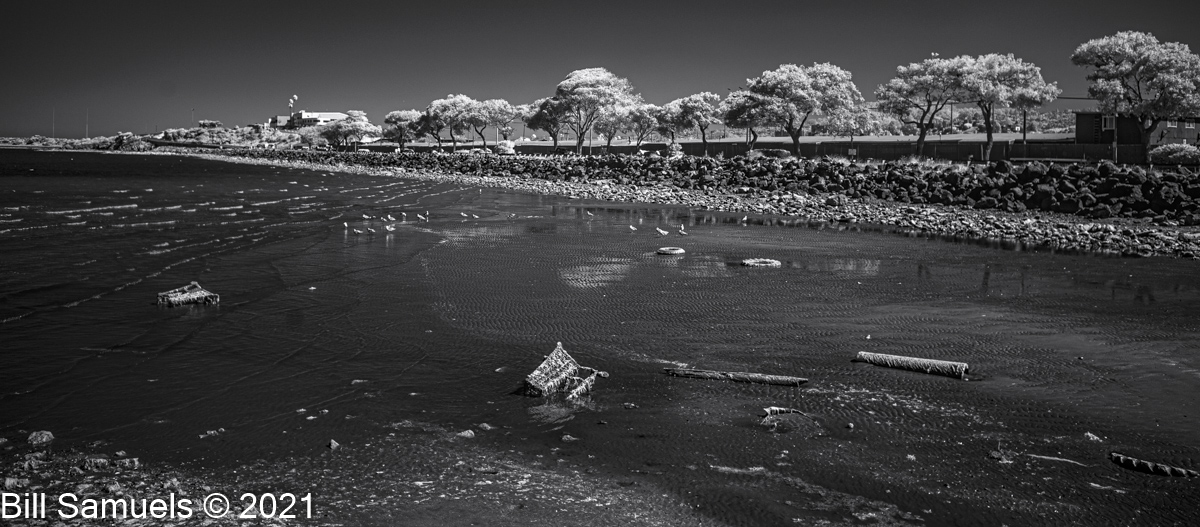
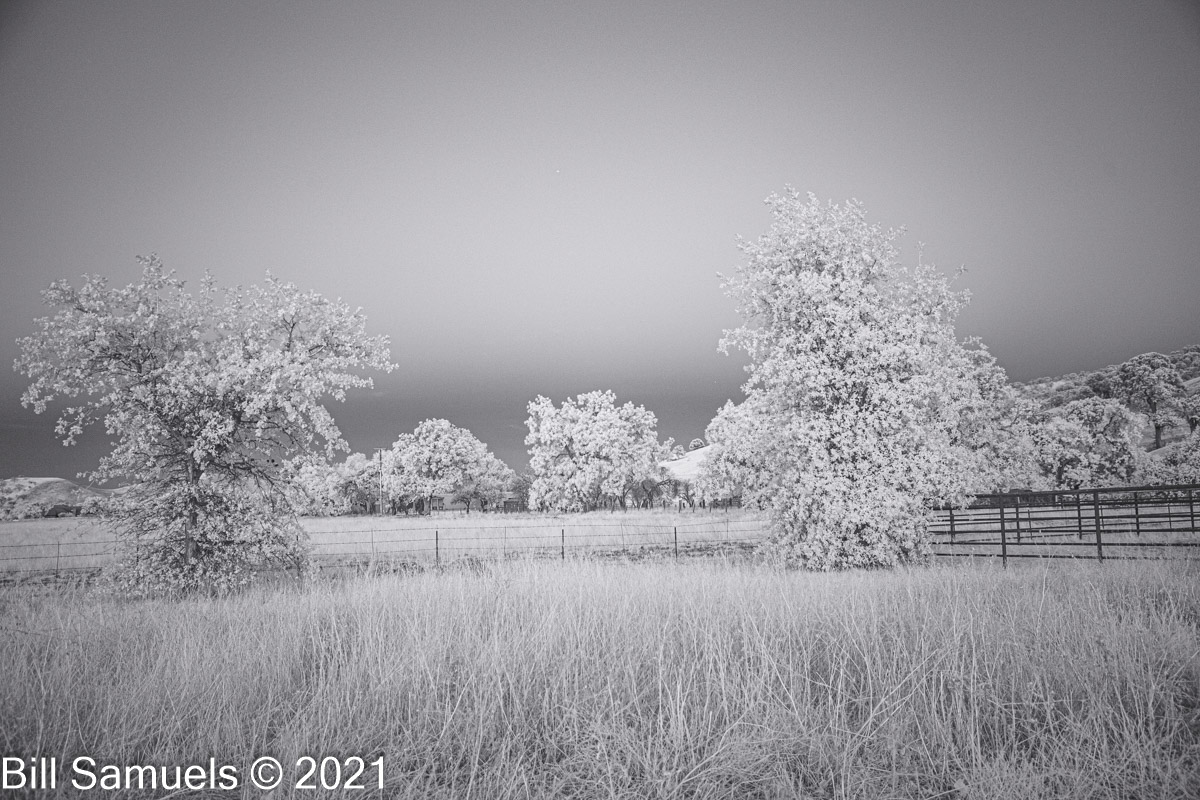
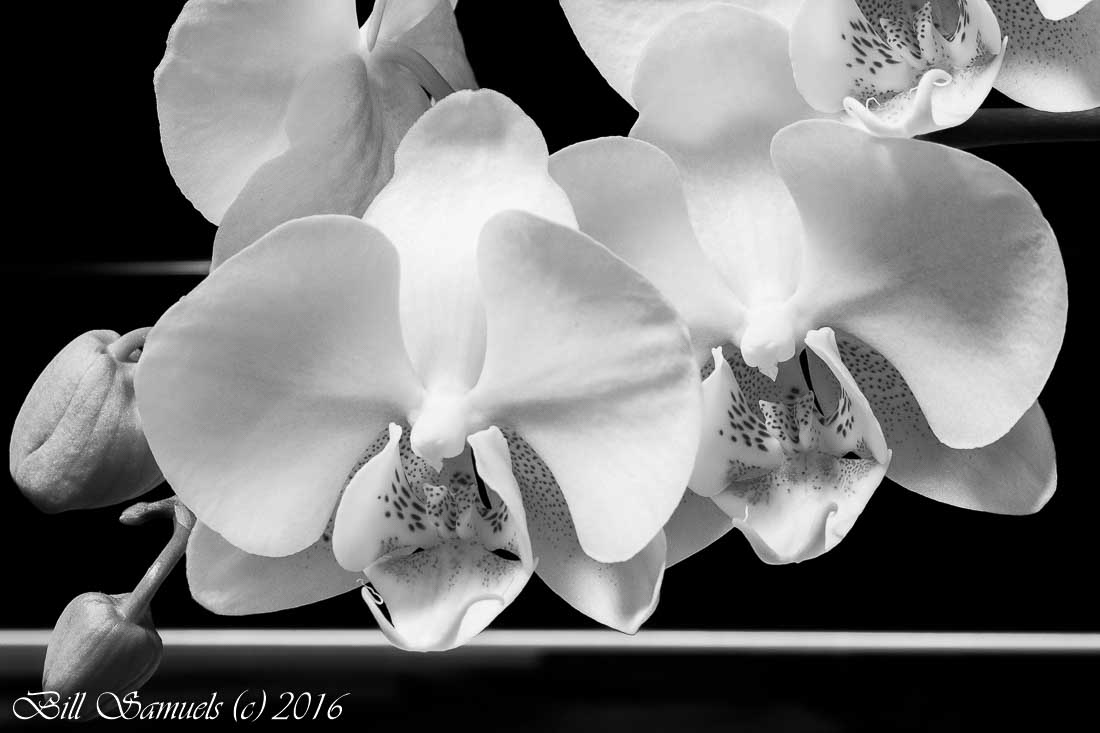
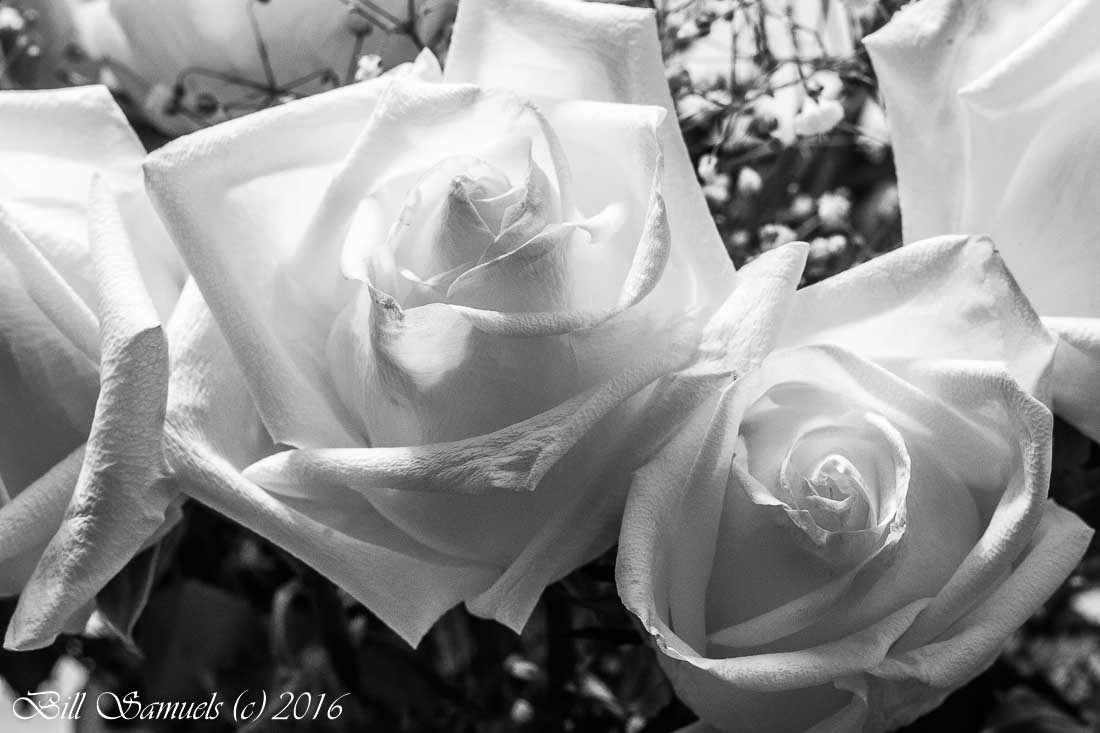
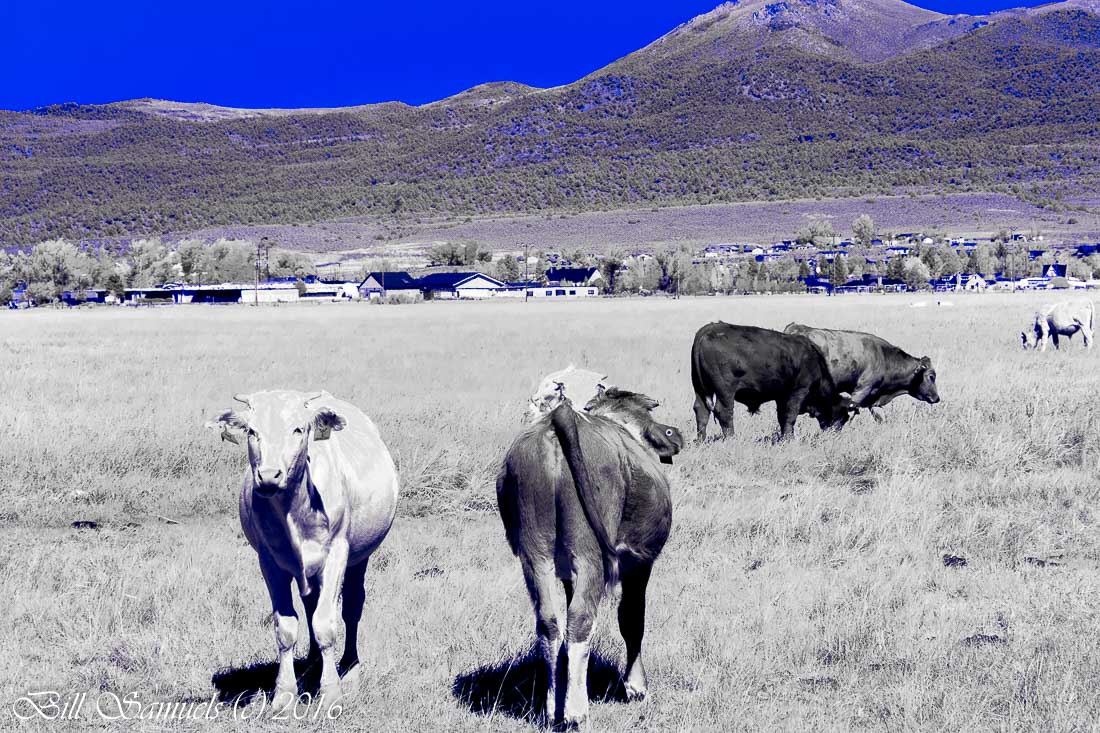
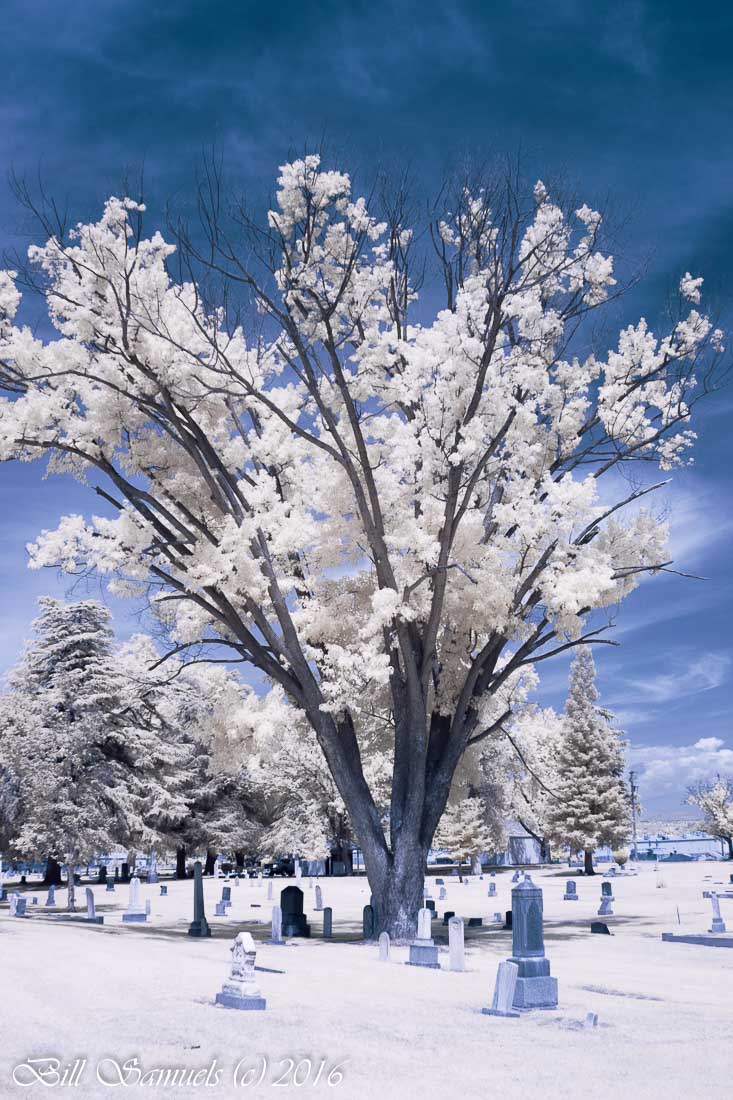
Here is a B&W version with the original IR colorized version.
B&W modified version of colorized Infrared photo taken by Sigma SD1 w/o hot mirror filter
billsamuels wrote:
How do you get Full Spectrum from a camera with an IR conversion?
I take it back to some point, I have a Sigma SD Merrill. See photos I took with hot mirror filter remove which apparently makes it infrared. If you look a page back, you'll see photos I've taken with Canon modified cameras I have which do a much better job than pulling out the hot mirror.
How do you like the Sigma camera? Regrettably, the SD1 drives me nuts. They should have mastered the camera a lot more before they produced them. It's very very very slow! I originally got a refurbished SD1 but it was broken and I was really pissed, so they sent me a brand new SD1 which was kind of funny because the camera was really old and who knew they still had new ones, but they did. It's probably an amazing camera if you use it correctly, but I don't have the patience.
billsamuels wrote:
I take it back to some point, I have a Sigma SD Merrill. See photos I took with hot mirror filter remove which apparently makes it infrared. If you look a page back, you'll see photos I've taken with Canon modified cameras I have which do a much better job than pulling out the hot mirror.
How do you like the Sigma camera? Regrettably, the SD1 drives me nuts. They should have mastered the camera a lot more before they produced them. It's very very very slow! I originally got a refurbished SD1 but it was broken and I was really pissed, so they sent me a brand new SD1 which was kind of funny because the camera was really old and who knew they still had new ones, but they did. It's probably an amazing camera if you use it correctly, but I don't have the patience. ...Show more →
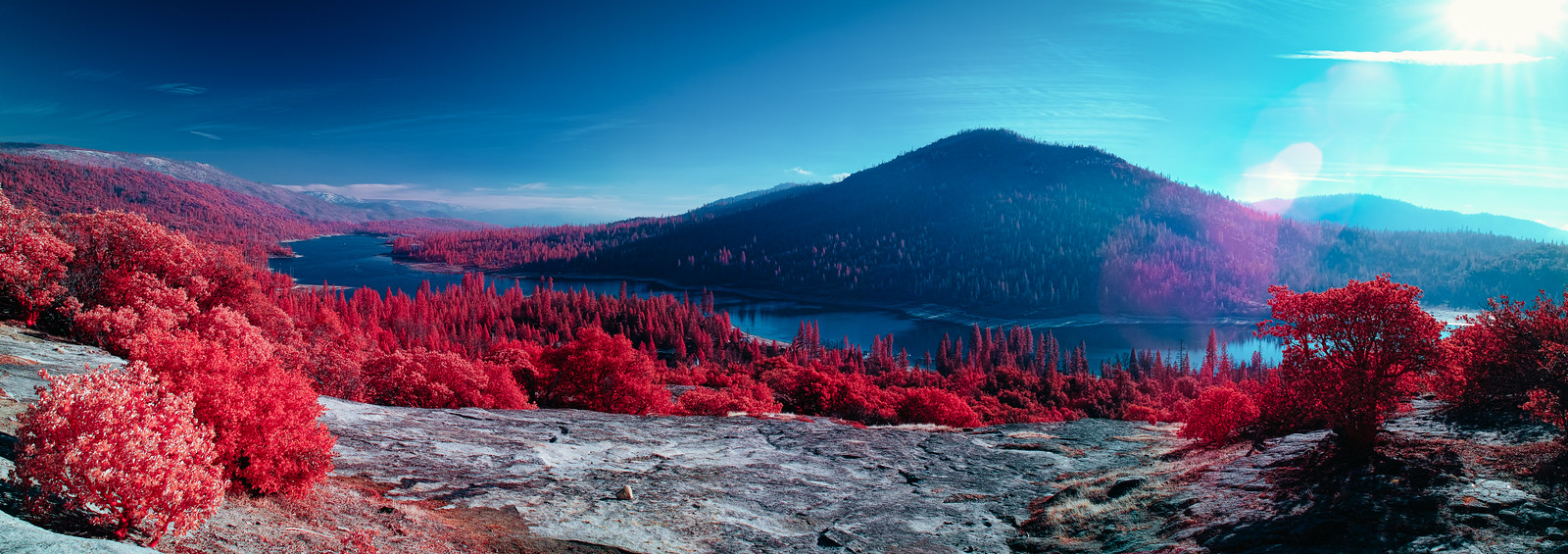
"Drives me nuts" is probably a pretty common sentiment with these cameras, haha. I use the DP1 Merrill for IR, I modified it to be full spectrum by removing the hot mirror filter permanently. The SD1 is even nicer in that you can take out that hot mirror temporarily (just be very careful as it is a super-thin piece of glass). "IR conversion" services on other cameras is the same, but the difference in processing and sensor tech between Bayer and Merrill sensor gives a very different output. Typical IR processing walkthroughs will not be applicable. But it's not that hard to get images like mine out of camera. A critical extra step required with these Merrill cameras to get the red foliage with blue skies is setting a custom white balance in-camera. It will often fail, so try it a few times and experiment until you get something satisfactory. Once you do, the image in-camera is surprisingly close to what I post here, no channel swapping required.
Using Sigma Photo Pro (SPP) is a must, but just for converting the RAWs to a 16-Bit TIFF. I import my RAWs, process them in a very neutral way, pulling down highlights and toning down contrast a bit. Maybe play with the WB and color modes to see if anything strikes my interest. Then export the keepers to TIFF and import those to your editor of choice (I use Lightroom). I find the controls within Lightroom are sufficient for tweaking colors to my tastes.
You can then shoot without any filters at all for full spectrum IR results. I've experimented with a few different filters in front of the lens also. The Green Hoya X1 is the most successful and the one I always have on my camera these days. It must be cutting some UV/blue spectrum light that is not being focused as well on the sensor, because it has a noticeable improvement in sharpness, especially in the corners. A polarizer can darken skies a bit and make foliage a bit brighter, but more flat. An IR filter like a Hoya R72 720nm or higher is required to get the more typical white foliage look so common with Bayer sensors (even then it is still tricky to achieve, I find).