Previous page had a very interesting discussion about Foveon IR. I bought a Quattro SD a year ago but it really gave me a headache when shooting it without the hotmirror. I could not get it to work with the custom WB in any way with Kolari's external filters. Only way I managed to use it in some manner was to set it to B&W mode after which I could see what I was composing in live view.
IR-Chrome worked much better but still grossly oversaturated the reds. Maybe I should give Sigma Pro Photo a shot as I used Lightroom to process DNG files recorded by the camera.
There are some more knowledgeable people on the Sigma forum at DPR than I am, but the Quattro sensor responds differently to IR than the Merrill and of course Bayer sensors. From what I have read, because the Quattro relies on the top (blue) layer for luminance, filtered IR shooting >720nm is noisier or will require much longer exposure times since that layer will have very little light hitting it. I have not shot IR with any Quattro myself though. The benefit over the SD1 of course is live view, which is very helpful shooting outside of the visible spectrum! That is why I decided to modify a DP1m, despite the fixed lens, I can get live view IR with a Merrill sensor (in a compact body too). Nonetheless, I've seen examples from the Kolari IR Chrome filter on Quattro which look usable for achieving the same red foliage as well as B&W IR images from Quattro.
As for processing, I have owned Quattro cameras and comparing DNG to X3F RAWs, I always preferred the latter. Ultimate image quality is kind of the point with these cameras, otherwise I'd shoot my Sony. So even though it's more hassle to use SPP, I always feel it's worth that step in the process.
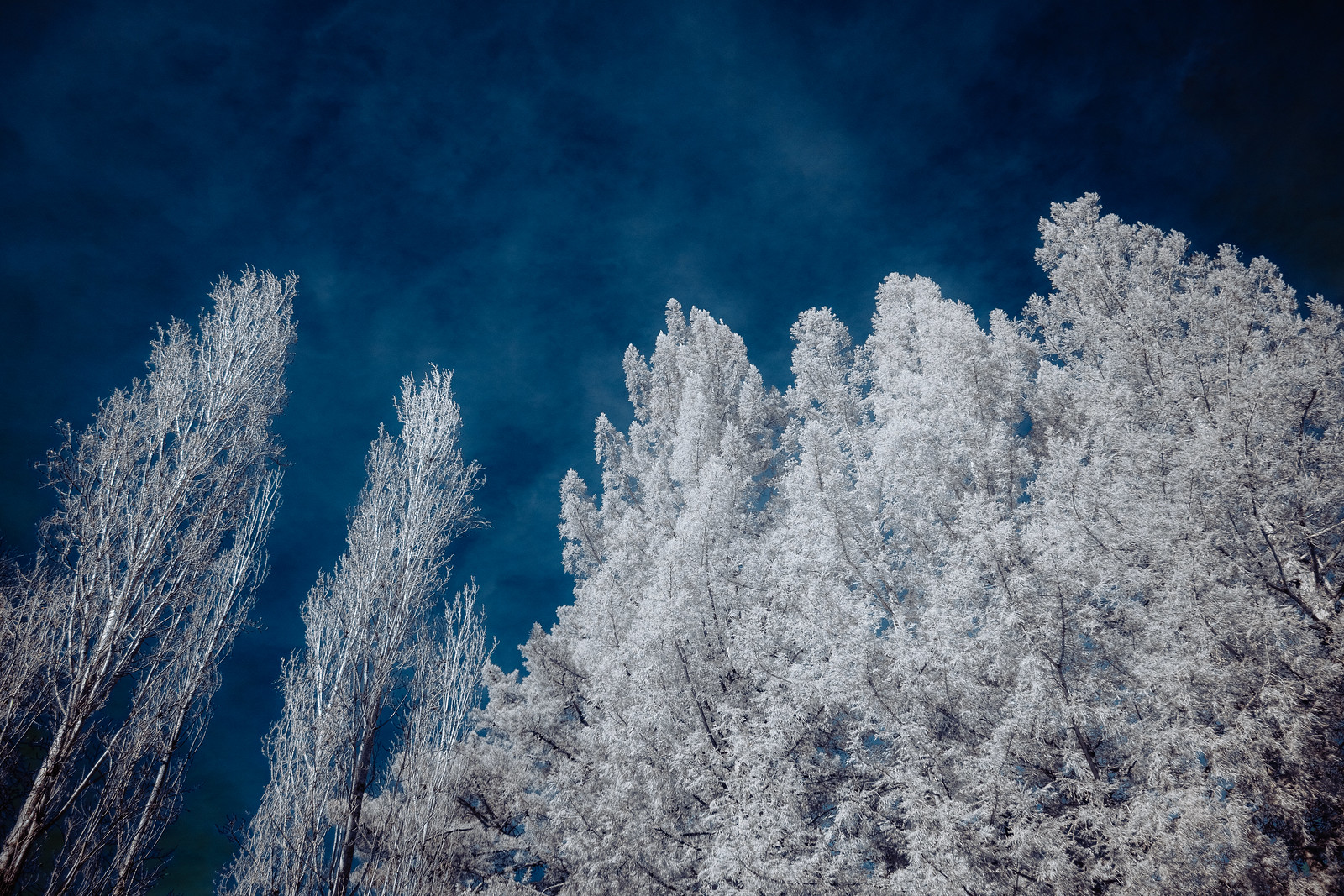
Fresh blue! I tried stuffing Kolari's 850nm filter to my old favorite Zeiss 28/2. The outcome is funky - extreme edges are a bit mushy but it works fine in Deep BW IR (up to f/8 or so) unlike color IR where it is just a bag of aberrations.
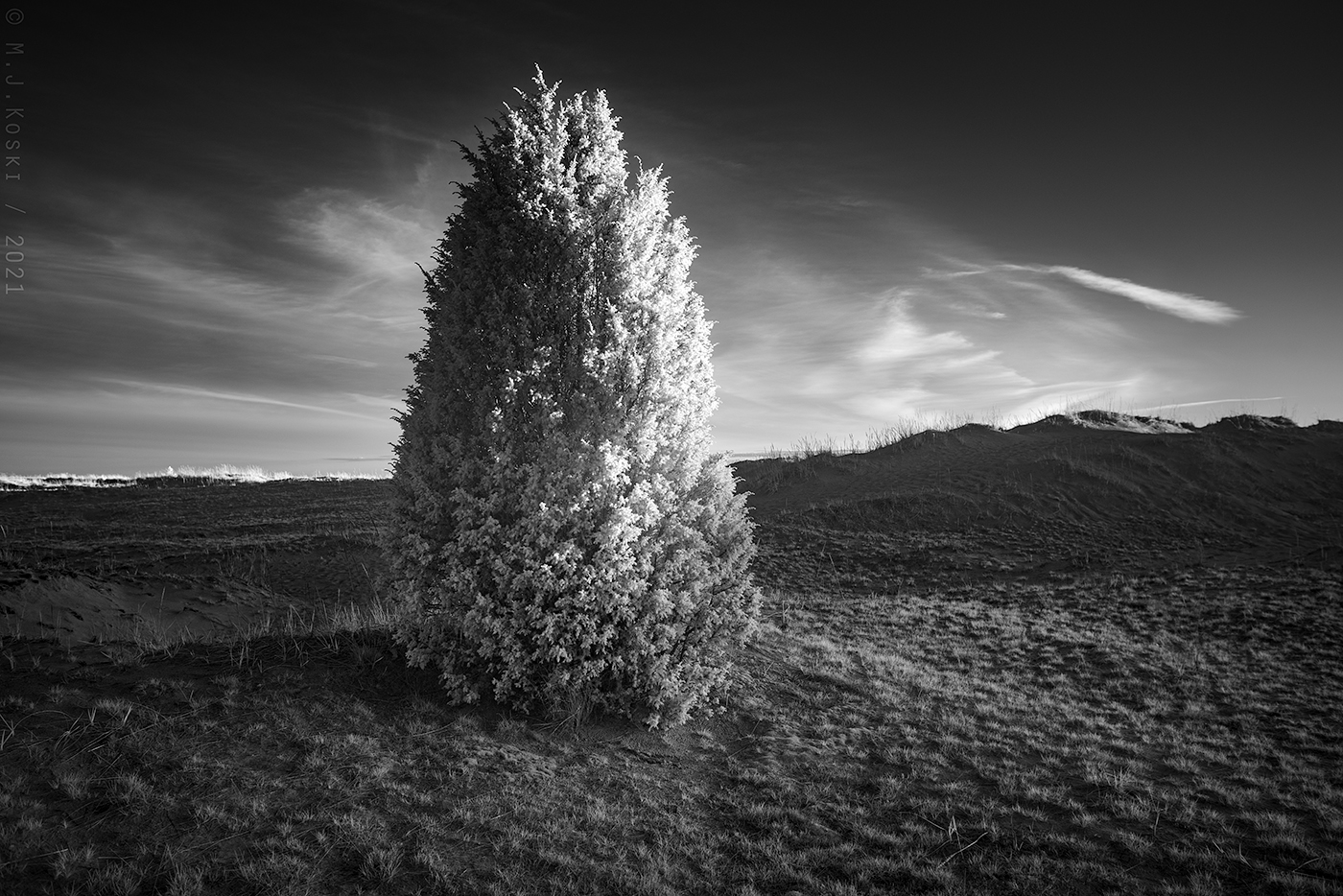
Look how super thicc bush!
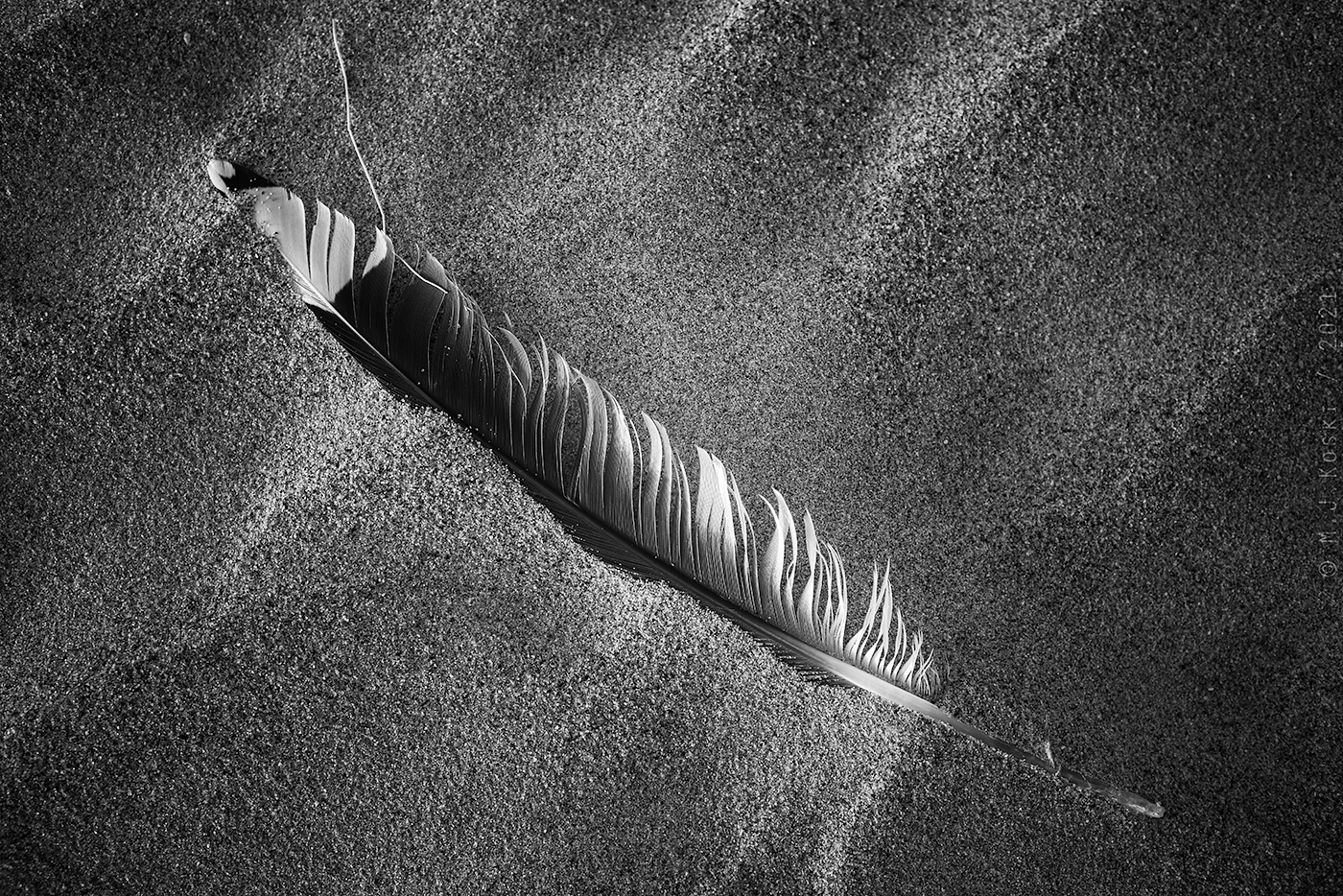
Pixel-Shift Deep BW IR. Now this is where the fullspectrum K-1 just shines.
So yea, the Zeiss is a bit mushy bushy around the very edges, buts it retains it's signature microcontrast thing when used with 850nm filter otherwise. It is a .ZF1 lens Leitaxed to Pentax K-mount. Leitax made me a custom adapter (super thin) which allows focusing the edges further away than normal register distance would allow.
Over the weekend, I fabricated a new lens panel for my FrankenKamera VII so I can use my Contax N lenses with it. Here's a photo I took this morning with the CN 24-85 f/3.5-4.5 lens while walking my dog around a nearby park:
Full-spectrum modified Samsung NX500 | FrankenKamera VII | Contax N 24-85 @ 24mm | Hoya R72 | ISO 100 and f8 @ 1/160
Both the CN 17-35 and 24-85 work very, very well for IR photography (at least with my NX500), although the 17-35 is a bit larger and heavier than I would prefer, especially when mounted on such a lightweight camera and tripod outfit.
IR-Chrome hits all the right spots in Grenache's set. I used it a lot last summer and still have large piles of unprocessed files to do I wonder how is the 16-35 ZA working with the IR-Chrome filter? I have tried a LOT of lenses with my full-spectrum K-1 and most of them have horrible aberrations towards the edges or they just fail to project both visible and IR light properly into the same photo. Best ones I have now is Samyang 24mm T/S and Samyang 35mm f/1.4.
--
I found this Russian truck in the forest yesterday. Took a photo with Kolari's 850nm & UV-bandpass filters mounted on Pentax FA 28mm f/2.8 lens. It works nicely in ultraviolet photos too albeit with quite long exposures times. Here, 850nm filter seems to show the decay:
While the UV-filter reveals the scratches and abrasion:
Interesting type of paint they have used in that military truck. It does not seem to reflect anything and almost blends to the foliage. Someone has fixed the paint here and there afterwards with some traditional car paint product. However, Pentax K-1 pulls superb details out of both frames. No regrets at all converting it in 2019. It allows massive adjusting of ultraviolet photos and twice as much when used with pixel shift.
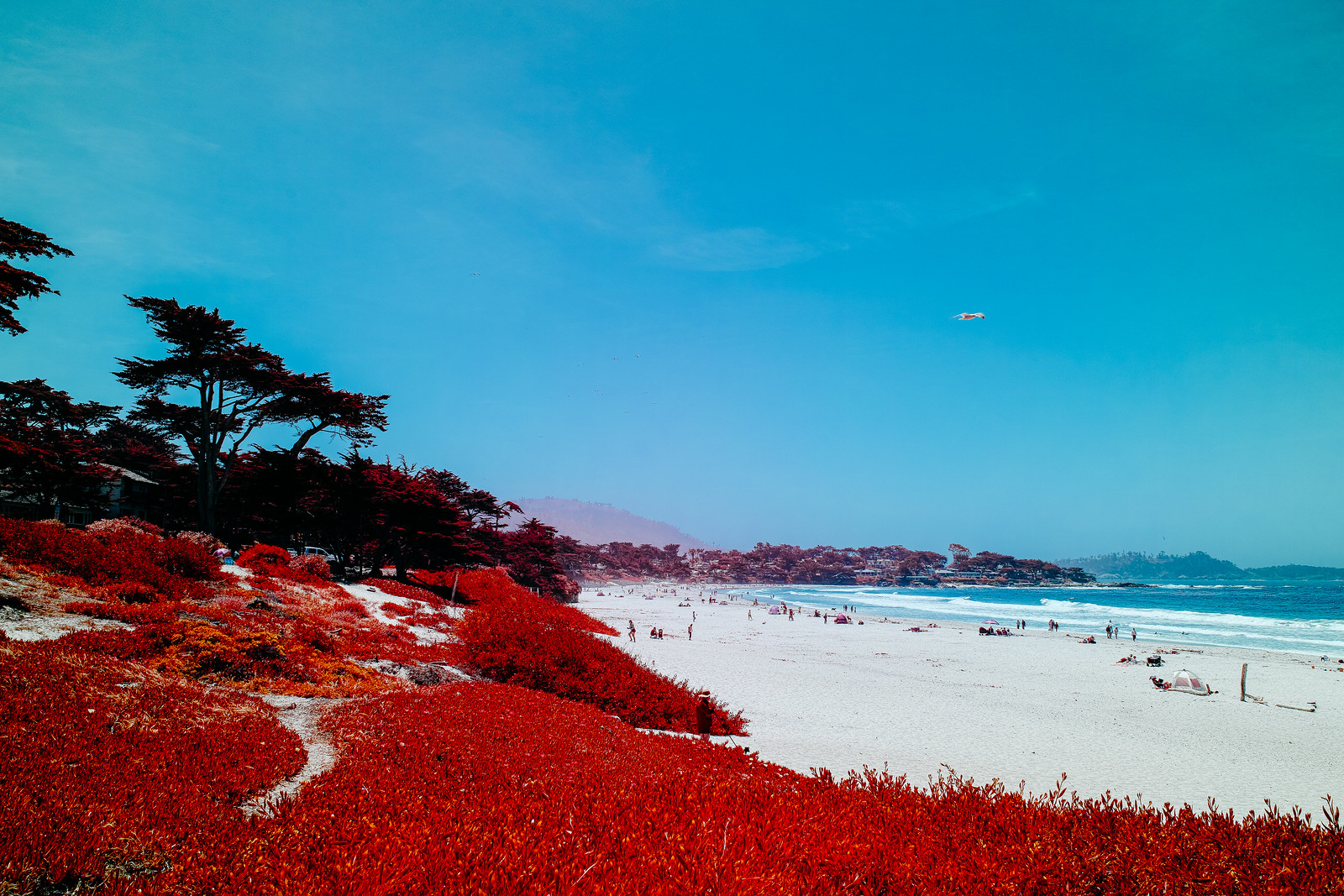
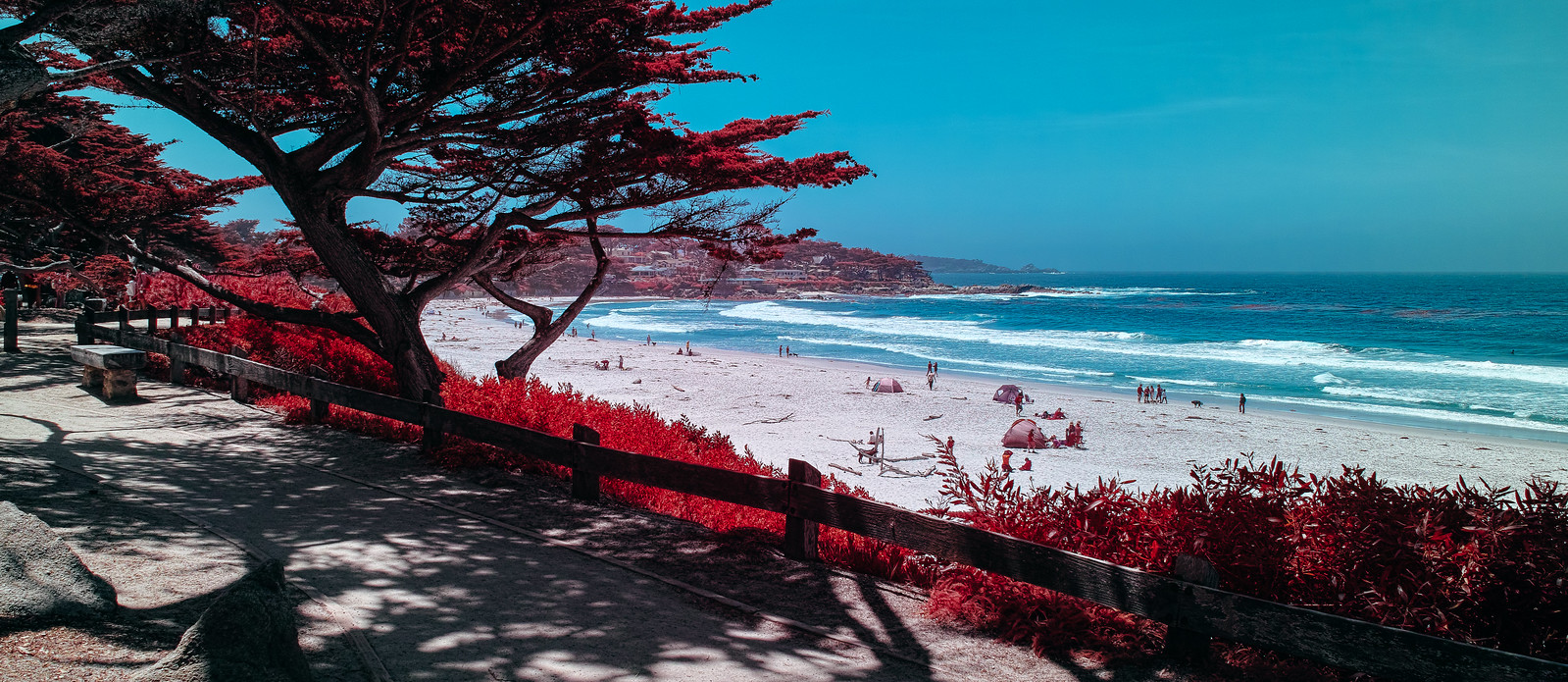
Another color IR set coming with my converted Sigma DP1 Merrill. Still using a green Hoya X1 filter with custom WB and then Foveon Blue color mode in SPP.
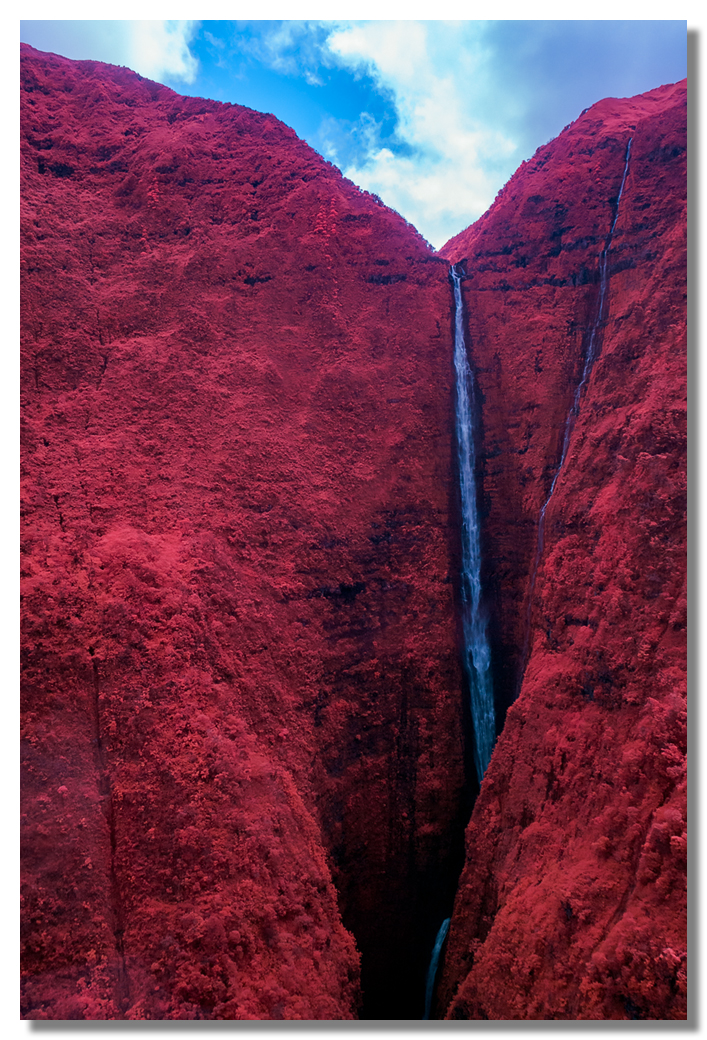
My Hawaii shots with IR-Chrome plus the 16-35 ZA. That lens works perfectly for that filter, 590, and 650nm. It has a small but manageable hot spot with 720nm.
24 and 35 GM both great with IR-Chrome, 590, and 650. Both have larger hot spots than 16-35 ZA when used with 720...not always editable.
MJKoski wrote:
IR-Chrome hits all the right spots in Grenache's set. I used it a lot last summer and still have large piles of unprocessed files to do I wonder how is the 16-35 ZA working with the IR-Chrome filter? I have tried a LOT of lenses with my full-spectrum K-1 and most of them have horrible aberrations towards the edges or they just fail to project both visible and IR light properly into the same photo. Best ones I have now is Samyang 24mm T/S and Samyang 35mm f/1.4.
--
I found this Russian truck in the forest yesterday. Took a photo with Kolari's 850nm & UV-bandpass filters mounted on Pentax FA 28mm f/2.8 lens. It works nicely in ultraviolet photos too albeit with quite long exposures times. Here, 850nm filter seems to show the decay:
Interesting type of paint they have used in that military truck. It does not seem to reflect anything and almost blends to the foliage. Someone has fixed the paint here and there afterwards with some traditional car paint product. However, Pentax K-1 pulls superb details out of both frames. No regrets at all converting it in 2019. It allows massive adjusting of ultraviolet photos and twice as much when used with pixel shift....Show more →