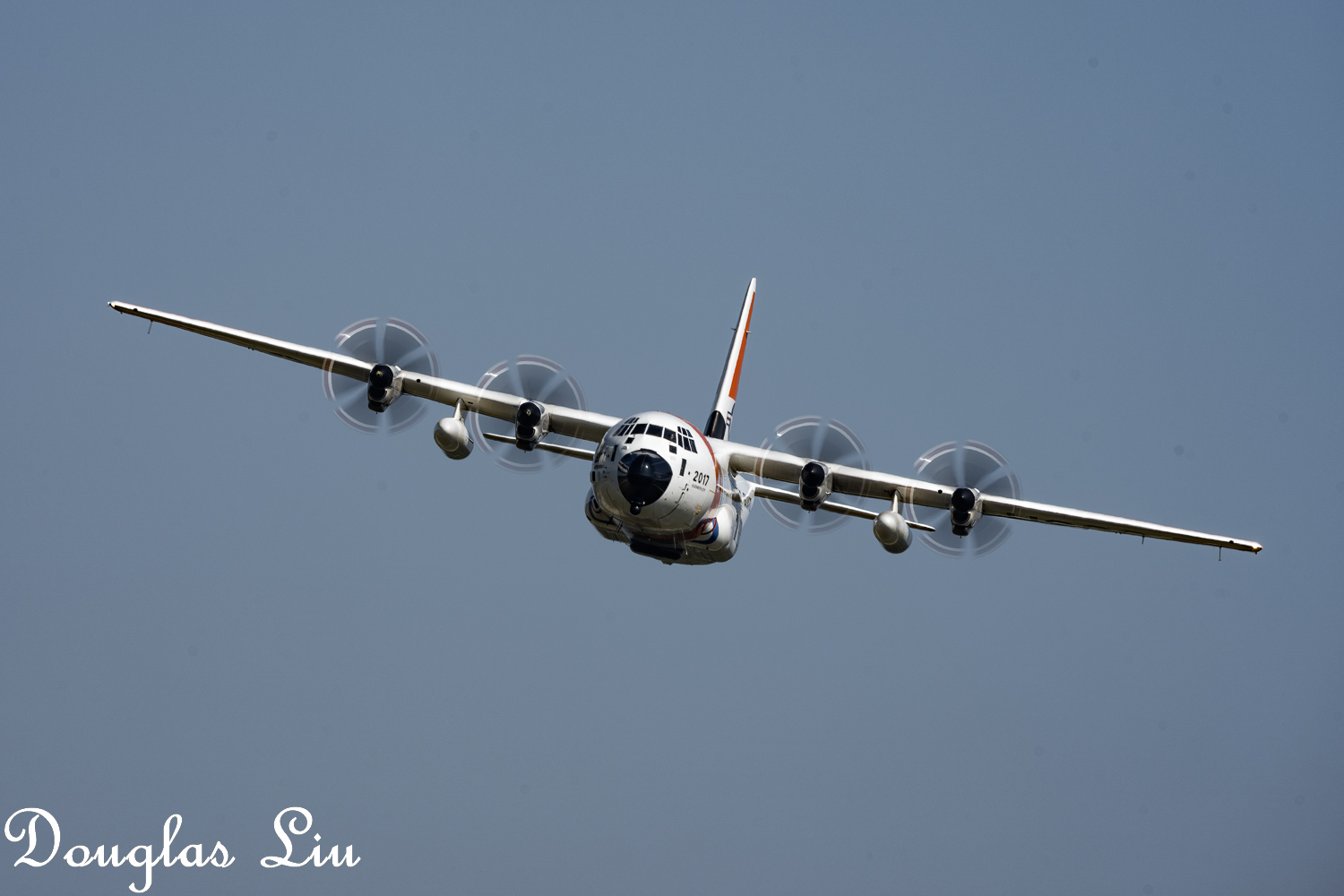
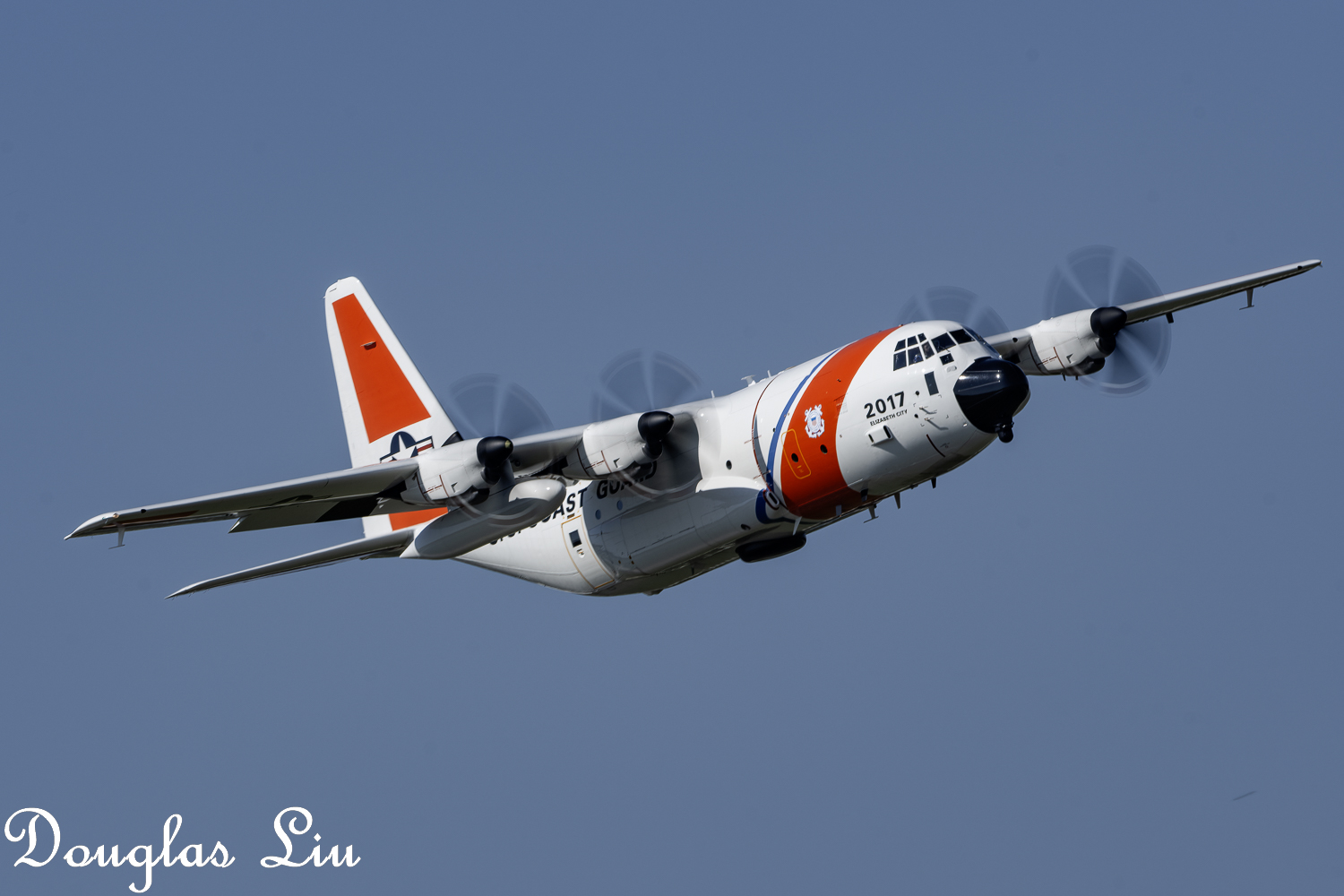
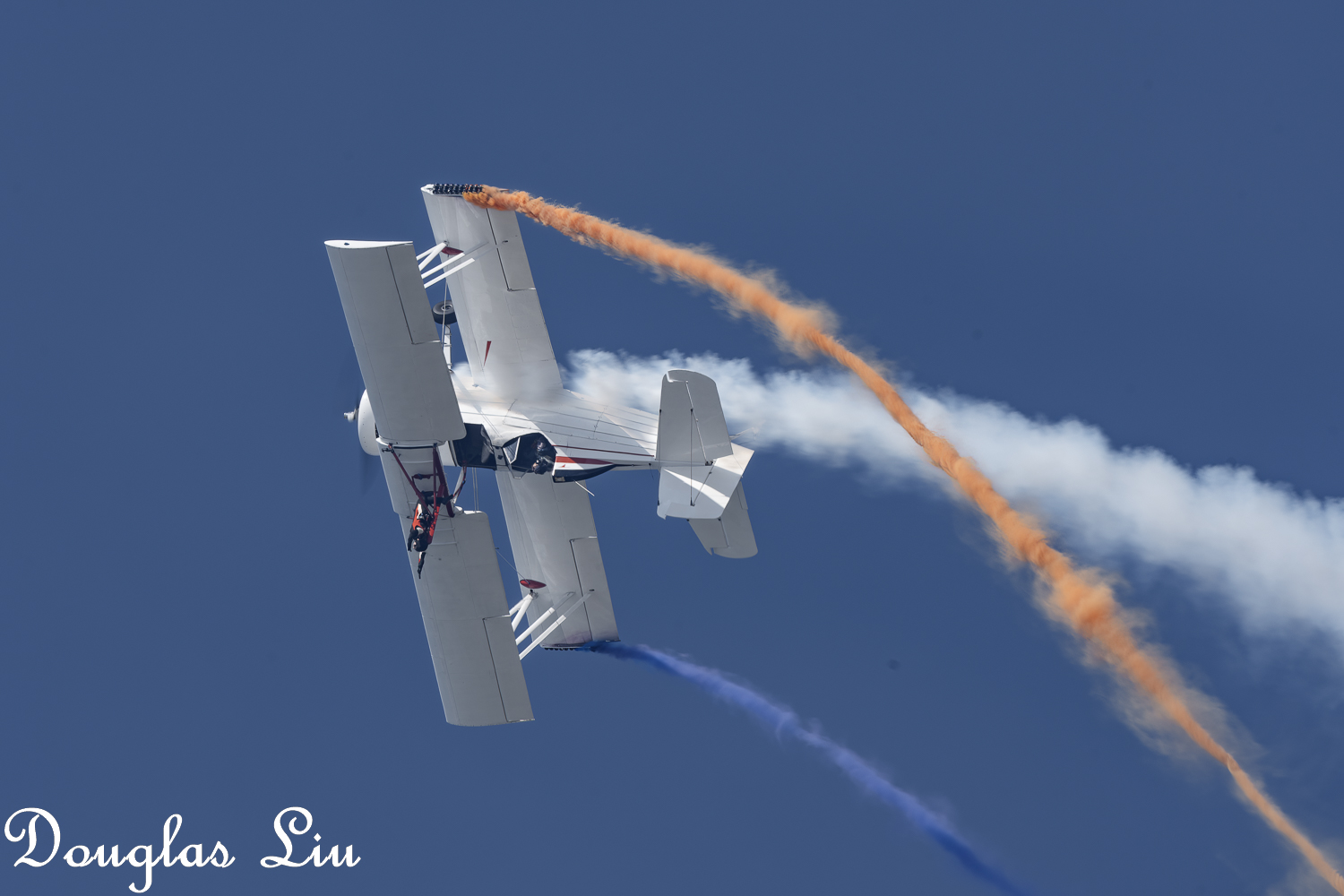
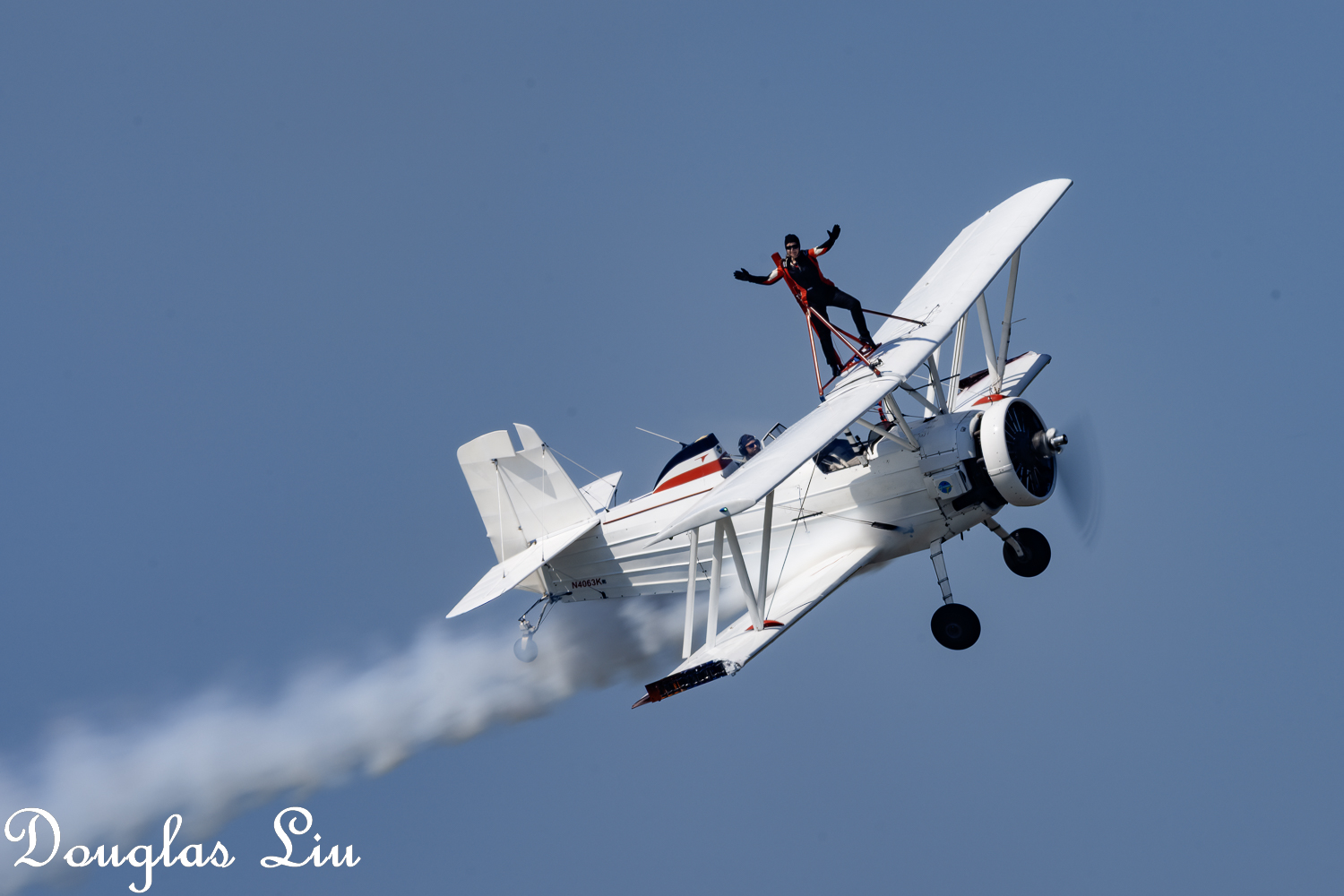
Douglas L
Offline
• • • • •
Upload & Sell: On
|
 p.13 #8 · Sony FE 400-800mm f/6.3-8 G OSS Image Thread p.13 #8 · Sony FE 400-800mm f/6.3-8 G OSS Image Thread | |
steveverrall wrote:
Great shots Douglas.
I've just got the 400-800 and will be shooting it for the first time, this weekend, at an airshow.
Can you comment on the slight impact on ISO of this lens, or is it a non-event?
For example, at f/8.0 and 1/4000, are you tending to underexpose a little to keep the ISO down in the 640-1000 range, or is your approach to exposure unchanged?
Also, I am still using the A1 mark I and have just updated to the latest firmware (I see you are using the mark II), do you think that the stabilisation is a tad better than the 200-600?
I am taking both of the longer lenses, and the 70-200/2.8 GMII (and a 24-70), so I expect to have all bases covered!
Thanks,
Steve....Show more →
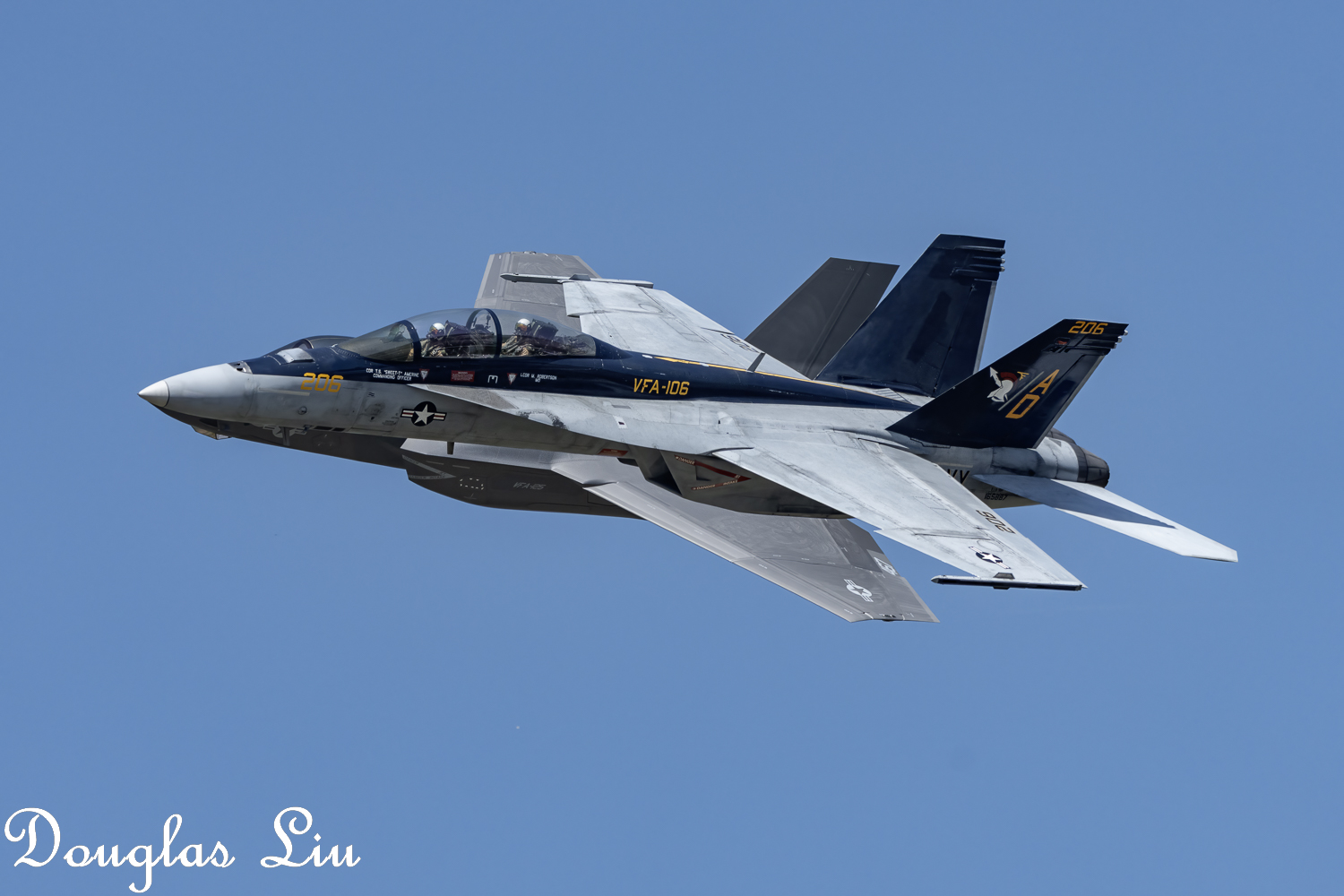
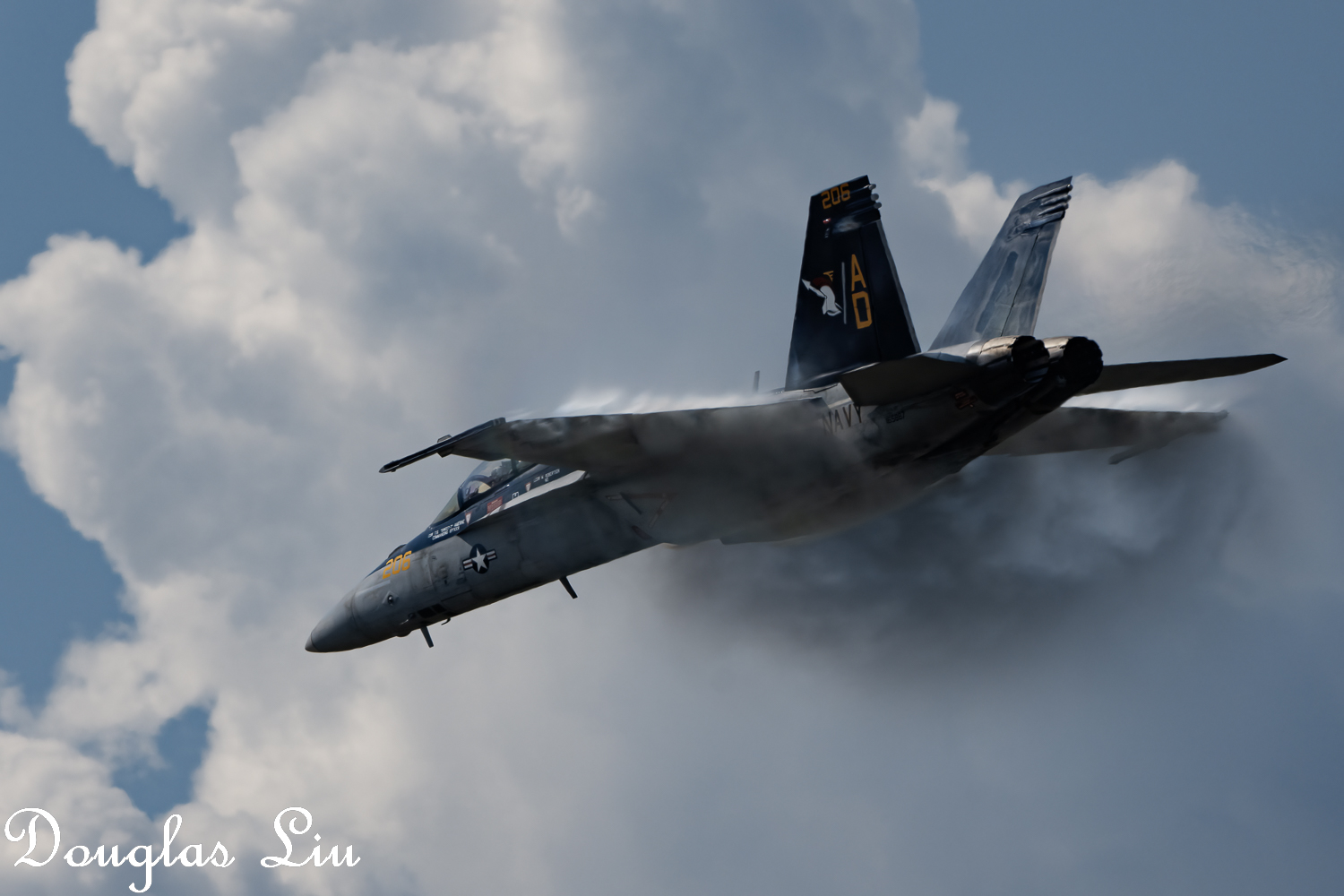
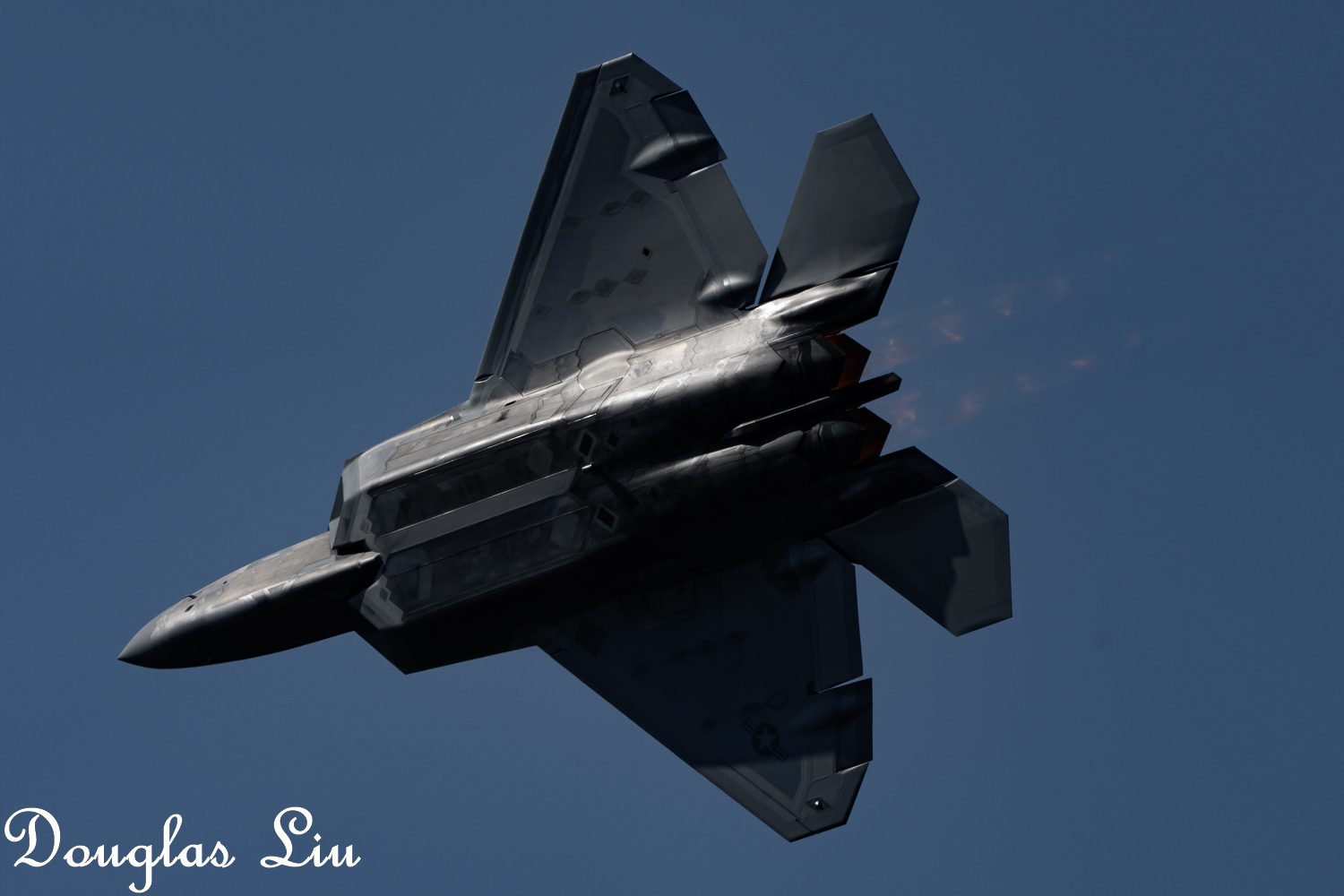
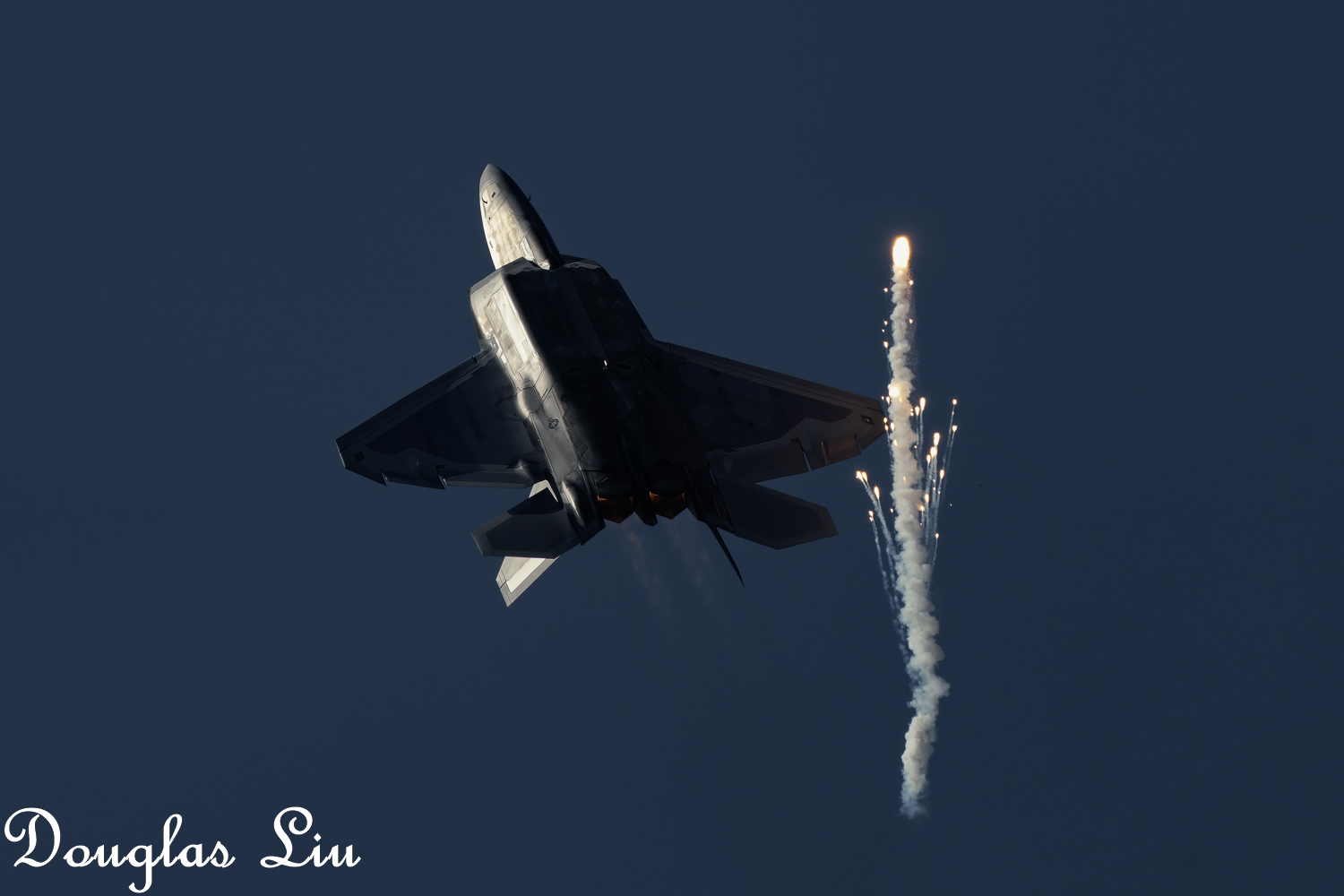
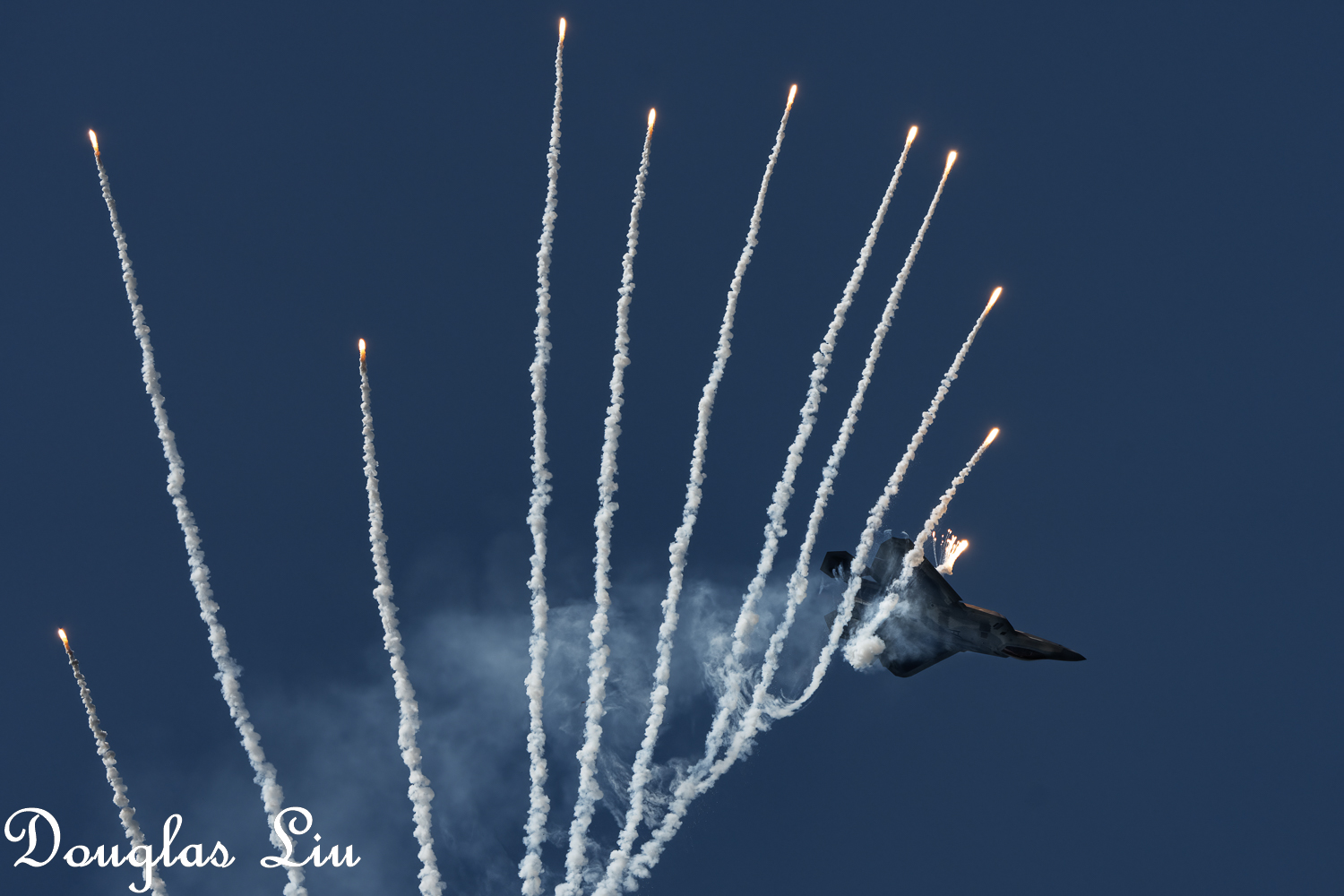
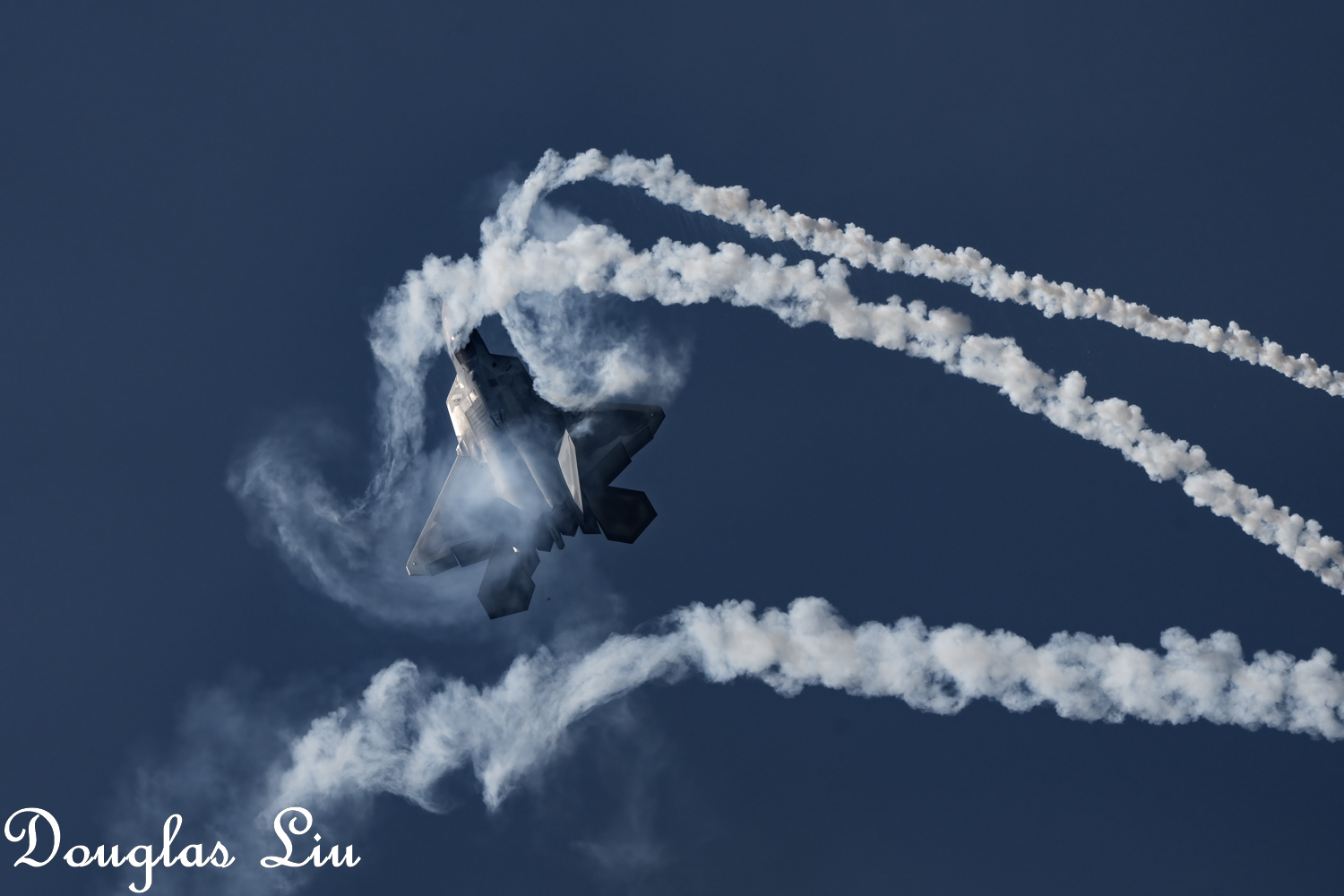
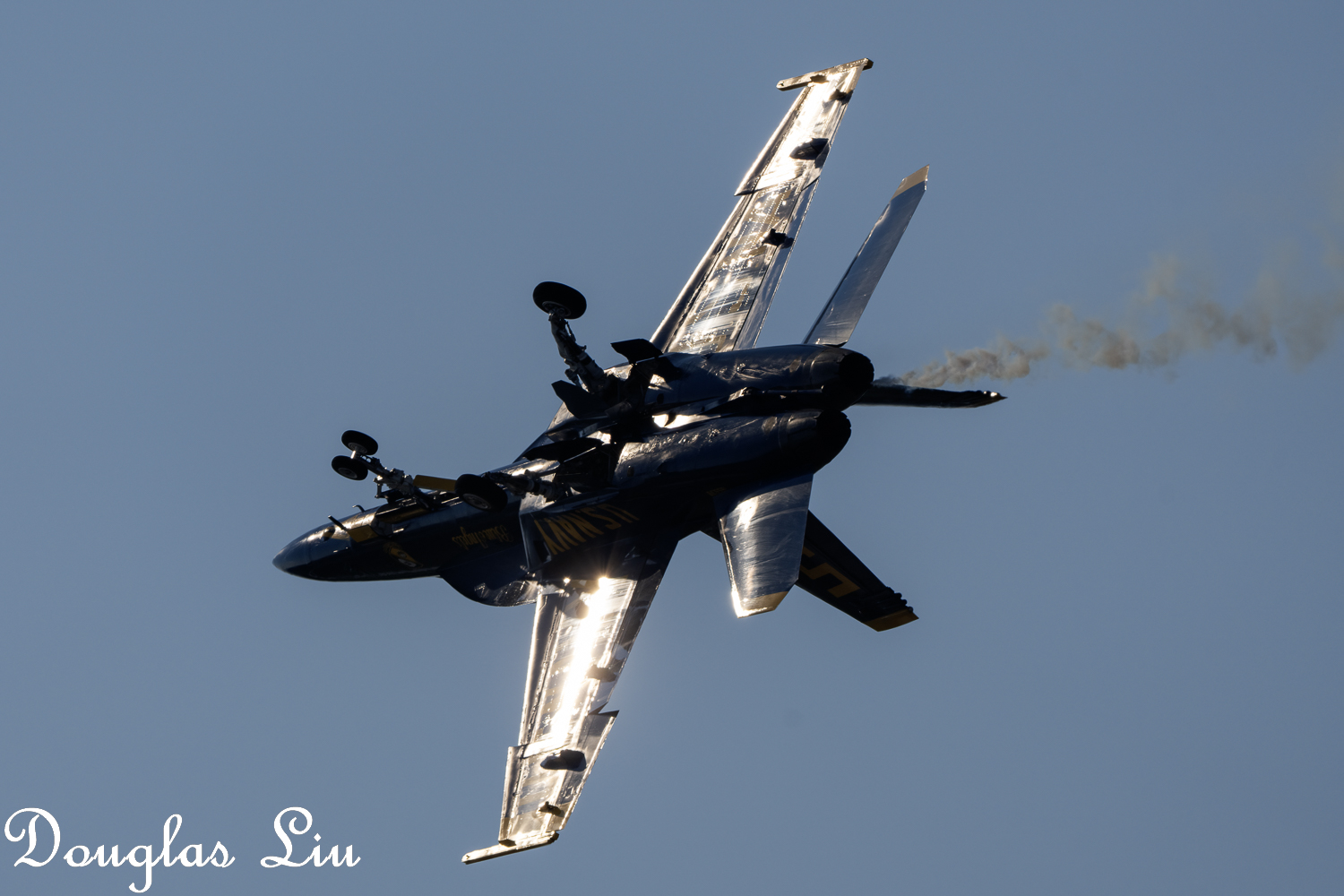
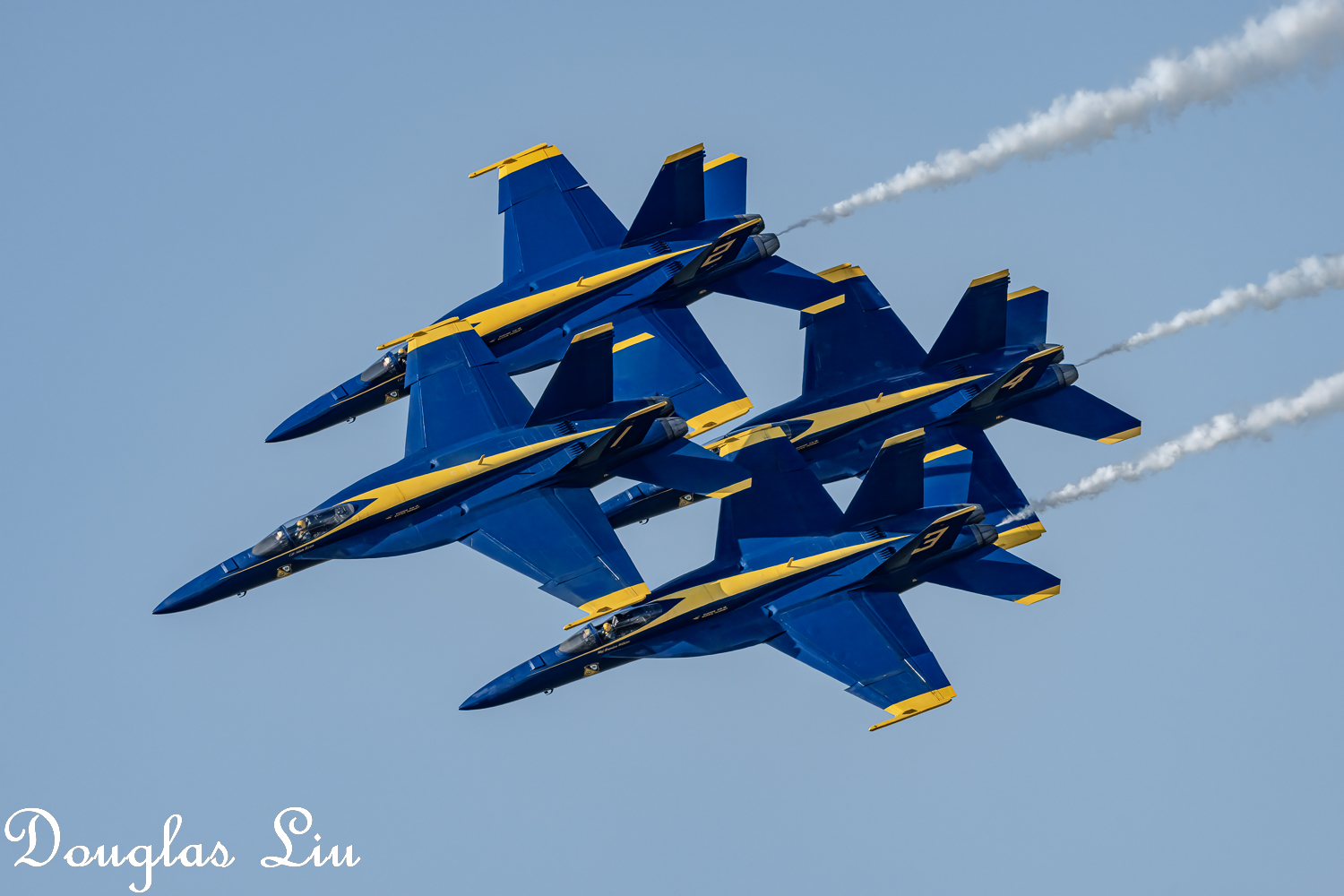
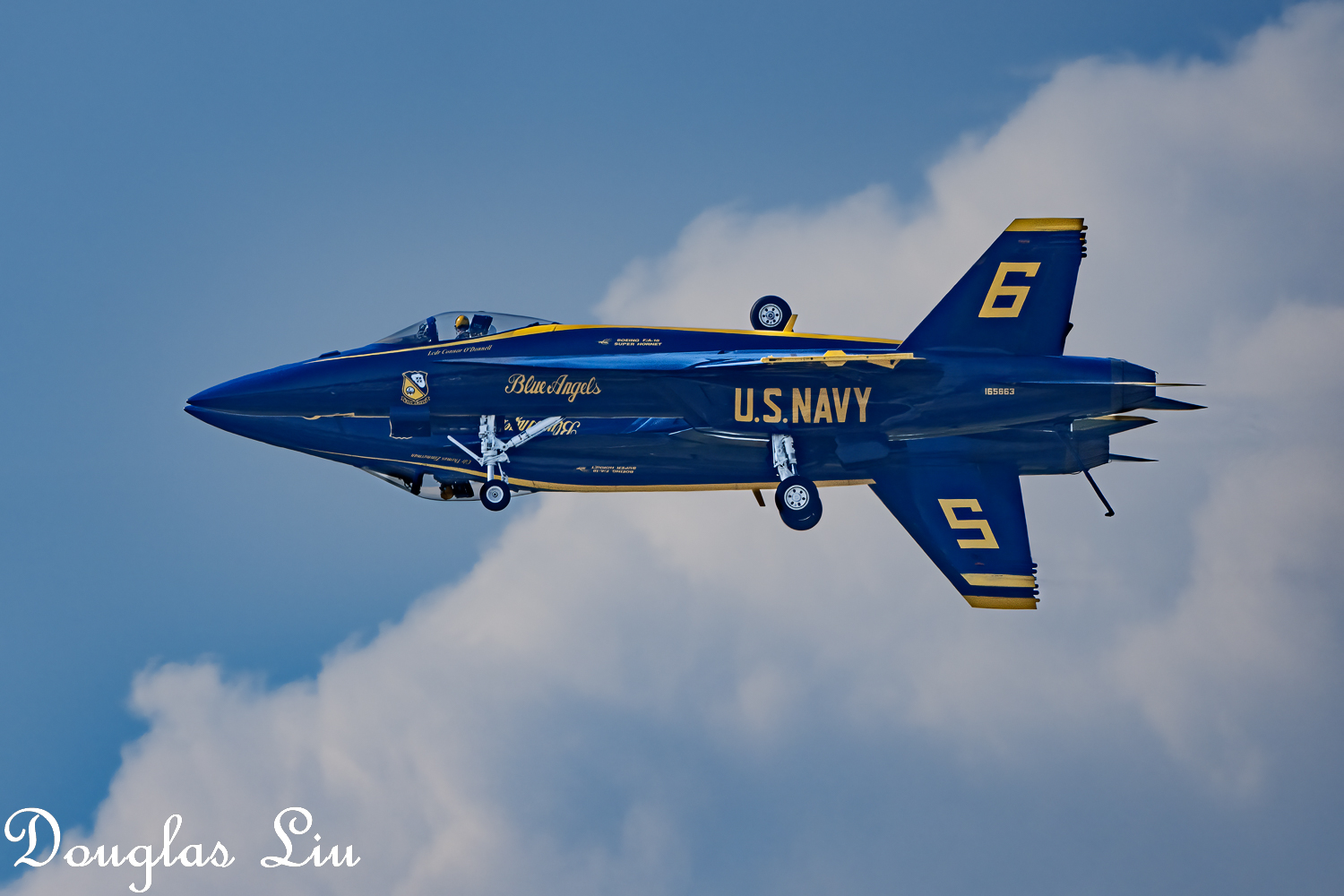
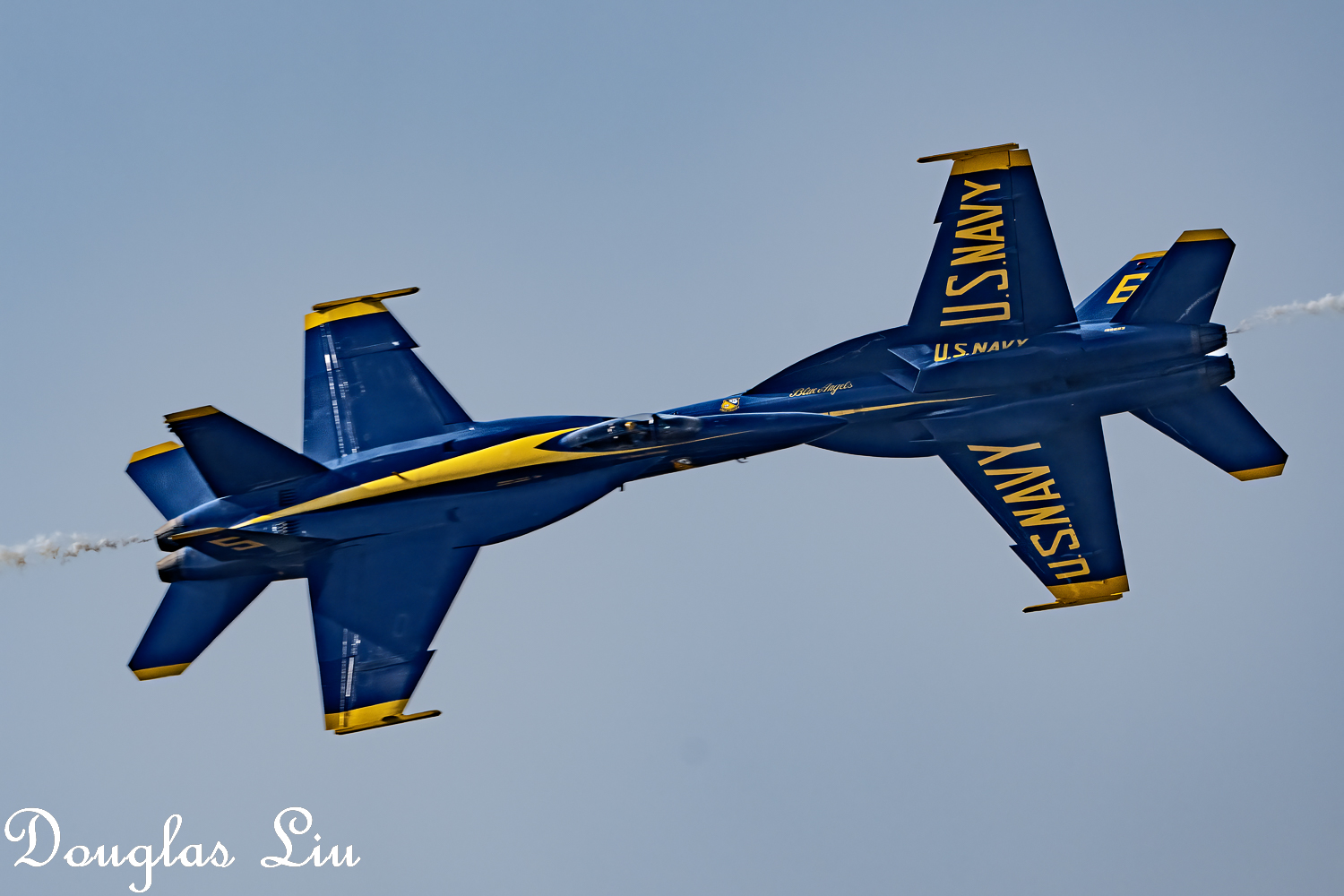
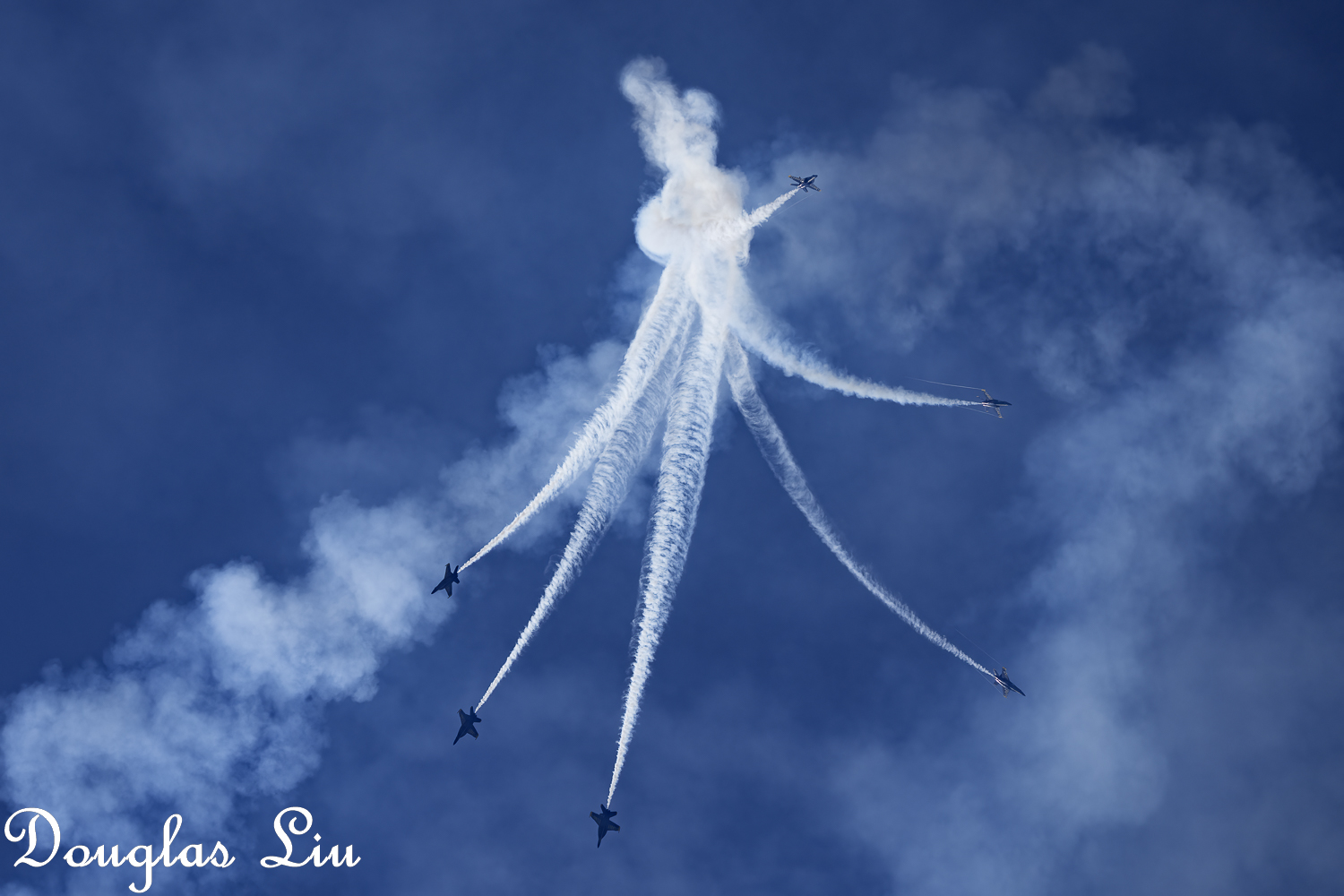
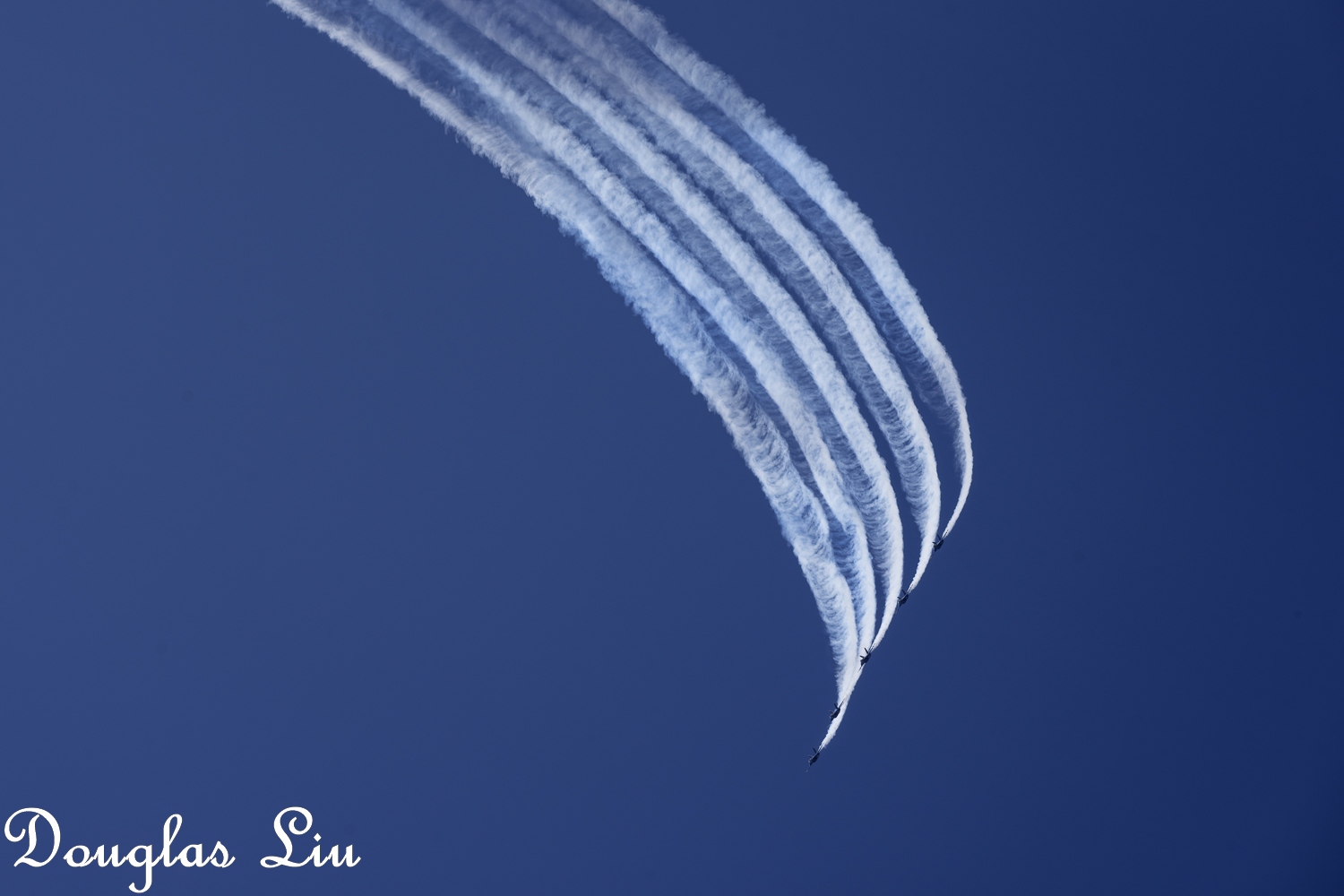
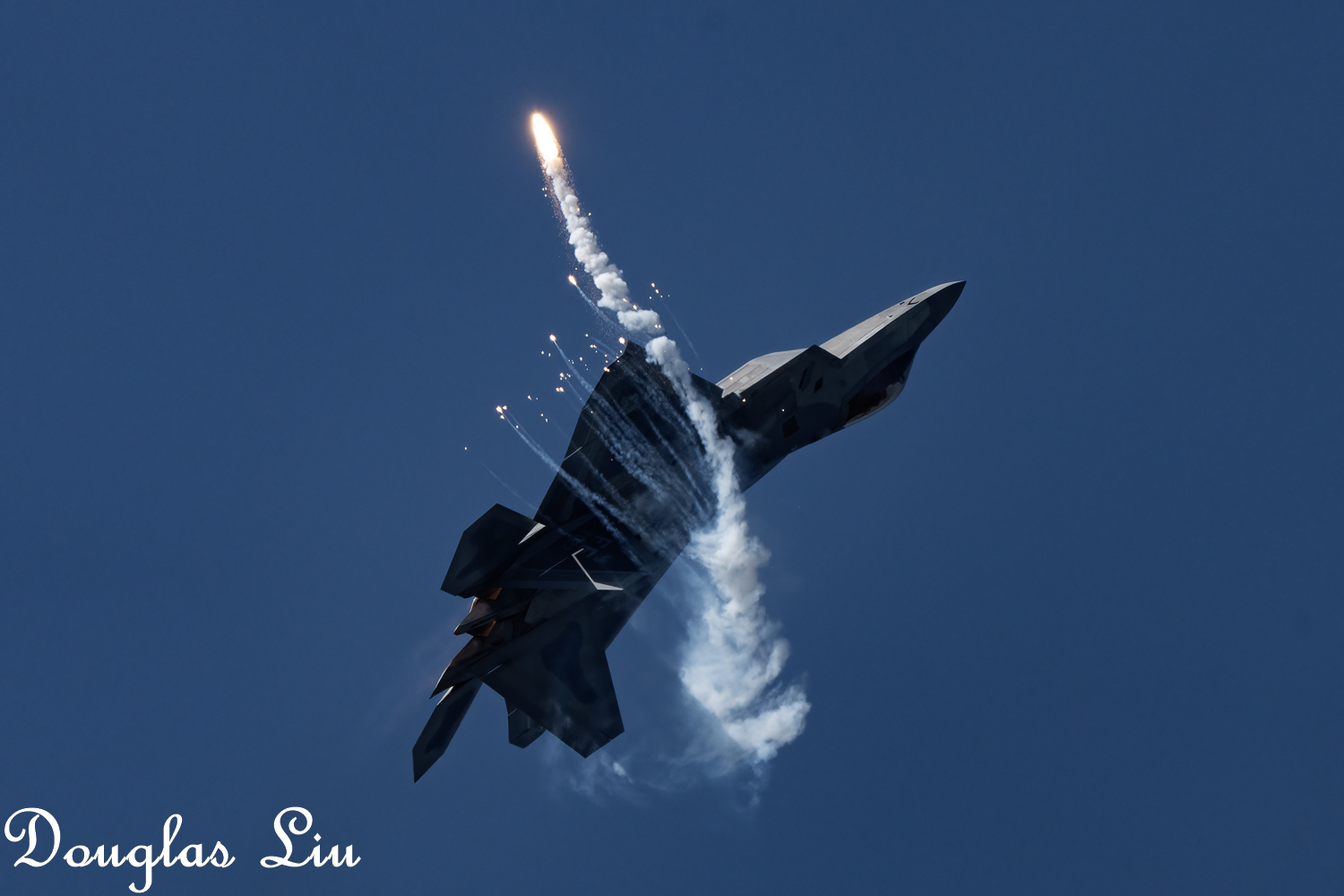
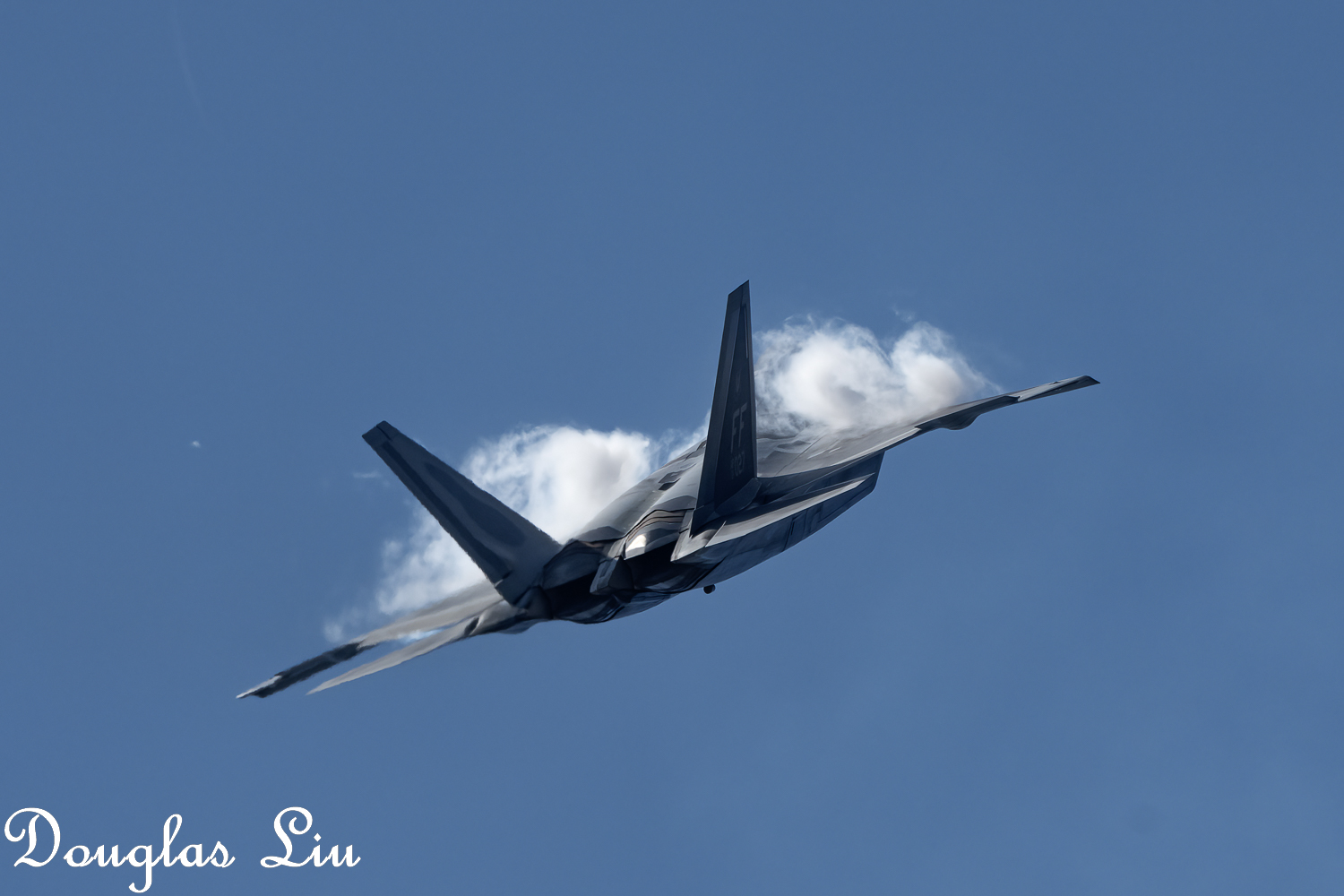
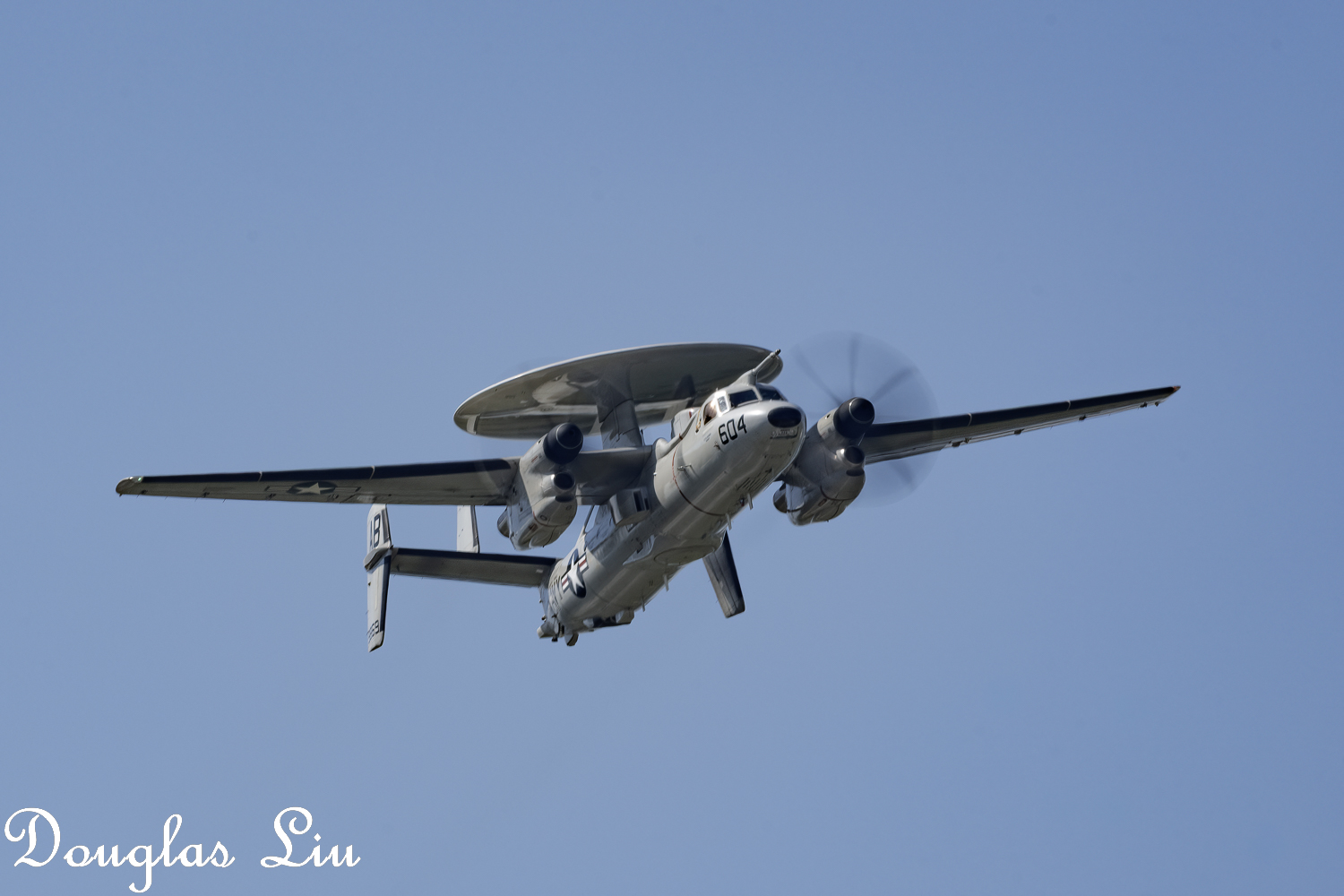
Thanks Steve! Long story short, I had the 200-600 since it was first launched and it was my main airshow lens, great lens, no question. At occasions I wanted a bit more reach, I had my 600GM+1.4TC on another A1. So I had these two setups for airshows for about 2 or 3 years, it worked out great but the 600GM is bulky for sure.
I bought the 400-800 specifically for airshows because I know I can use the 800mm end quite a bit. If I know I would need wider than 400mm, I bring the 100-400 on another camera just for the few shots I may need. In general, the 400-800 covers everything.
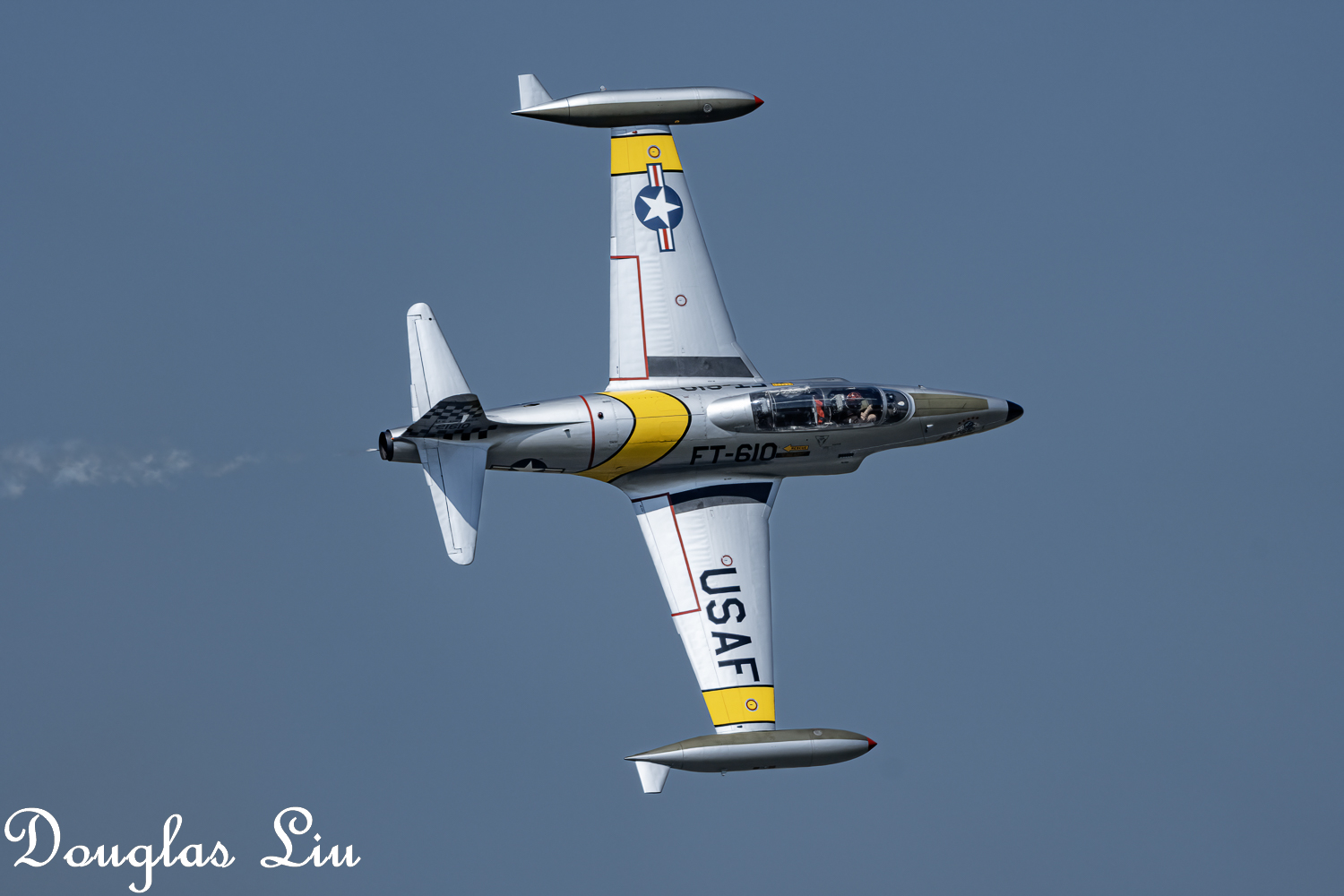
I don't know about airshows in Australia, but here in the US, most shows are held between 10:00 and 4:00, so light isn't a problem unless it's cloudy. F8 isn't an issue most of the time. For jets, I usually use auto ISO, manual shutter speed and the widest aperture with this lens. But if I need slow shutter speed for prop. planes, I will set the ISO at 100 or even 50, to enable 1/125 shutter speed, without an ND filter, I may need to set the aperture at F13, F16 to achieve that if it's a really bright day. I do have an ND filter that I bring with me sometimes.
As to under/over exposure, it depends on the subjects and the sky, for light color planes (such as the U.S. Air Force Thunderbirds), I may use exposure compensation -0.75 or something like that, if the subjects are darker than the background, I may use +0.3 or even+0.7 in compensation. If the jets are not flying fast, such as in formations, or big slow jets, 1/2500 second is more than fast enough. Even for fast jets I think 1/3200 is enough, I use 1/4000 when the light is plenty. For some reasons my A1II tends to under expose. For jets, I don't intentionally keep the ISO under certain level, I let the denoise app to deal with high ISO in post. Bear in mind, for both A1 and A1II, ISO 500 has a bit more DR than ISO 125-400.
The 400-800 feels quite a bit heavier than the 200-600, based on my recollection. In terms of stabilization, most of the time it doesn't really matter since the shutter speed is so high already. At 1/125 second for props, the deciding factor is your panning skill and luck, IMHO. Reviewers did say the 400-800 has better stabilization, not surprising.
For sunset/evening shows, I used to bring the 600GM but I have been using my 300GM+2XTC for that lately. I went to Belgium specifically for an airshow 2 weeks ago, I had the 100-400 GM on my A1, the 300GM+2XTC on my A1II. They are lighter and more compact to pack for flights. I used the same combos when I flew to California for a sunset show last year. The 400-800 is really a bright day queen. I posted some shots from Belgium here: https://www.fredmiranda.com/forum/topic/600984/1181/
If you are not shooting ground static displays, I am not sure if you need a 24-70, but you know what you are after. I just googled, looks like your show is the Richmond Show? Nice lineup! I think 400mm may be too long for some of the bigger planes, so the 70-200 comes in handy.
Good luck and post some pictures!
|


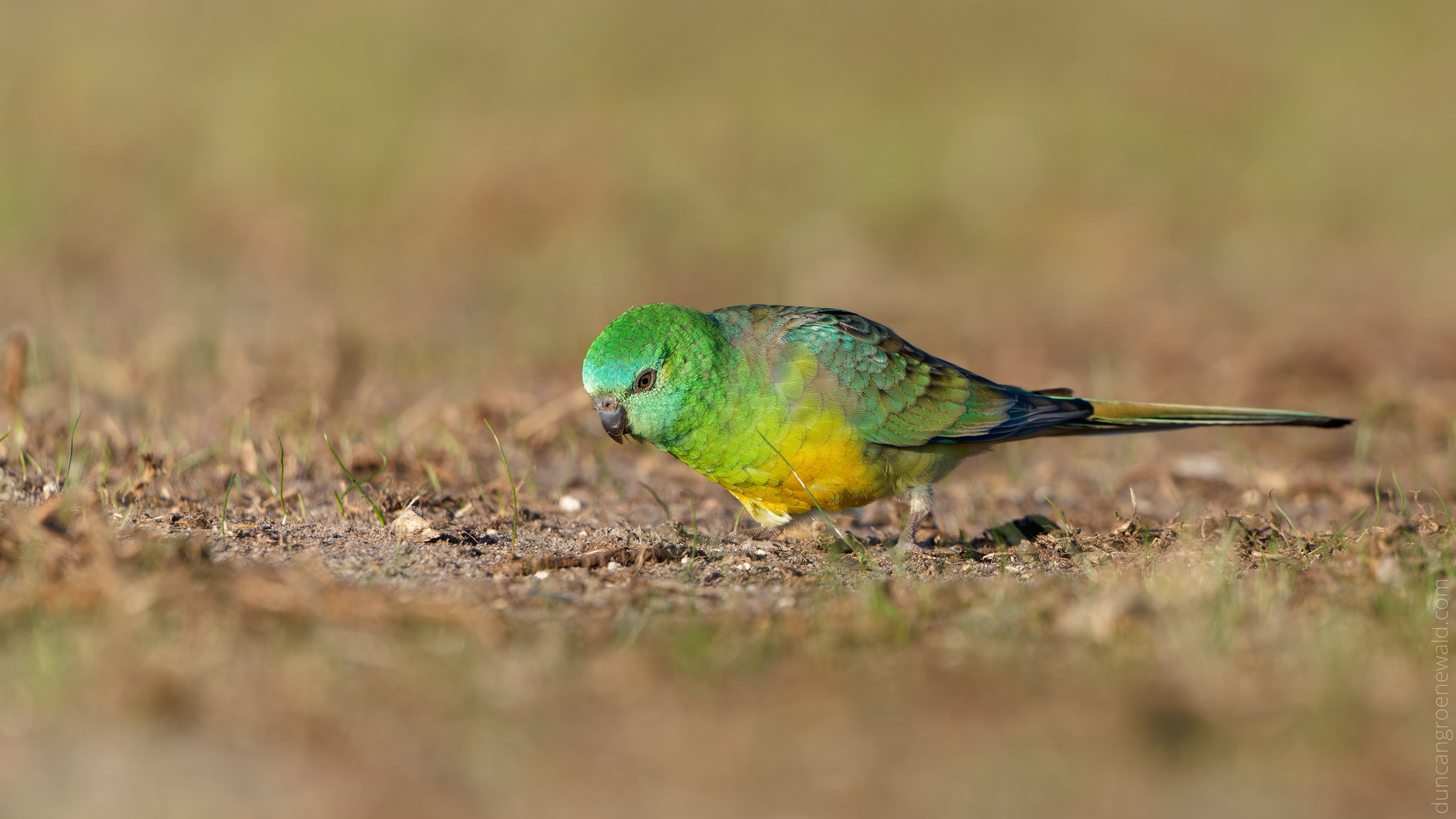
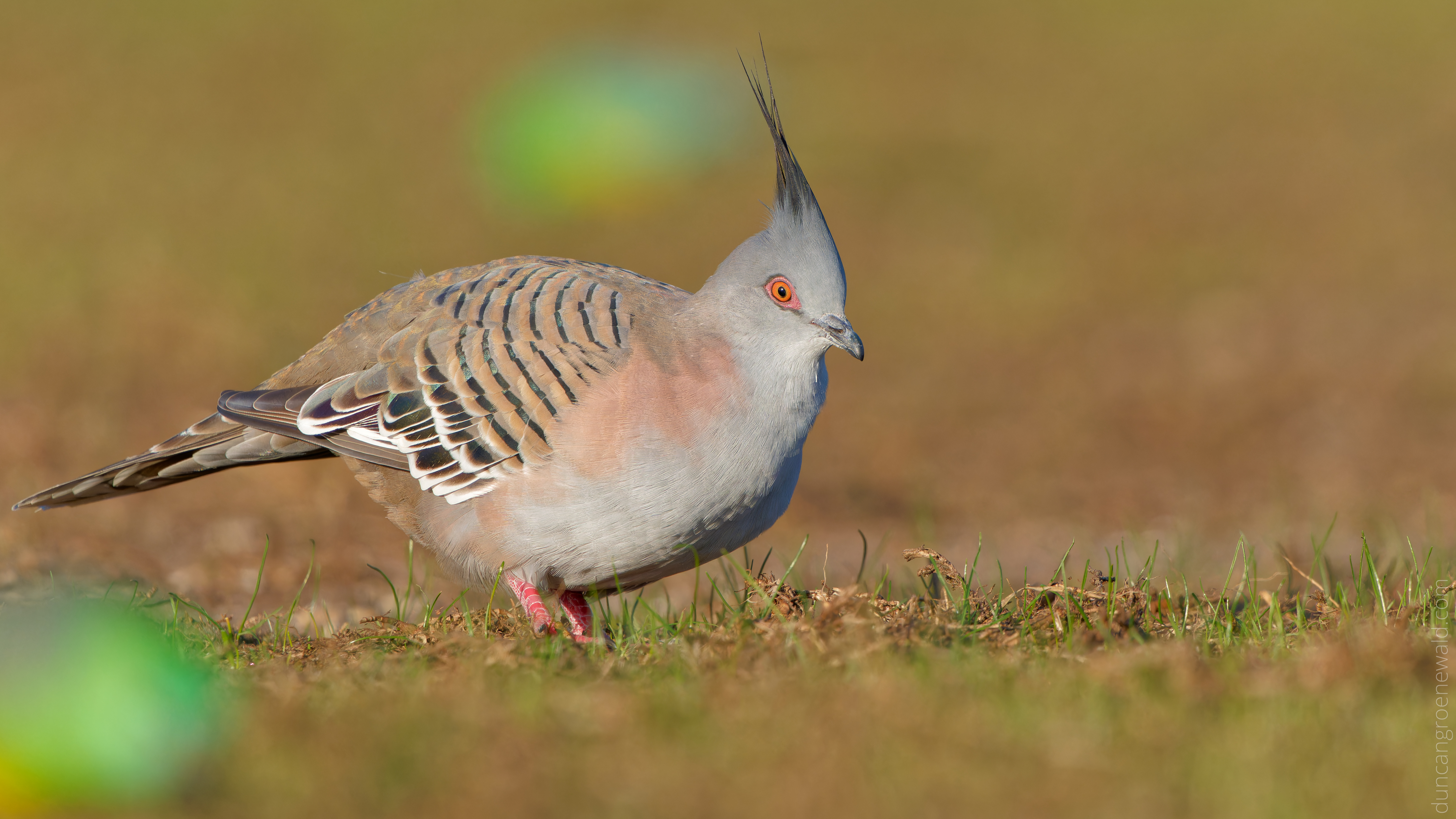


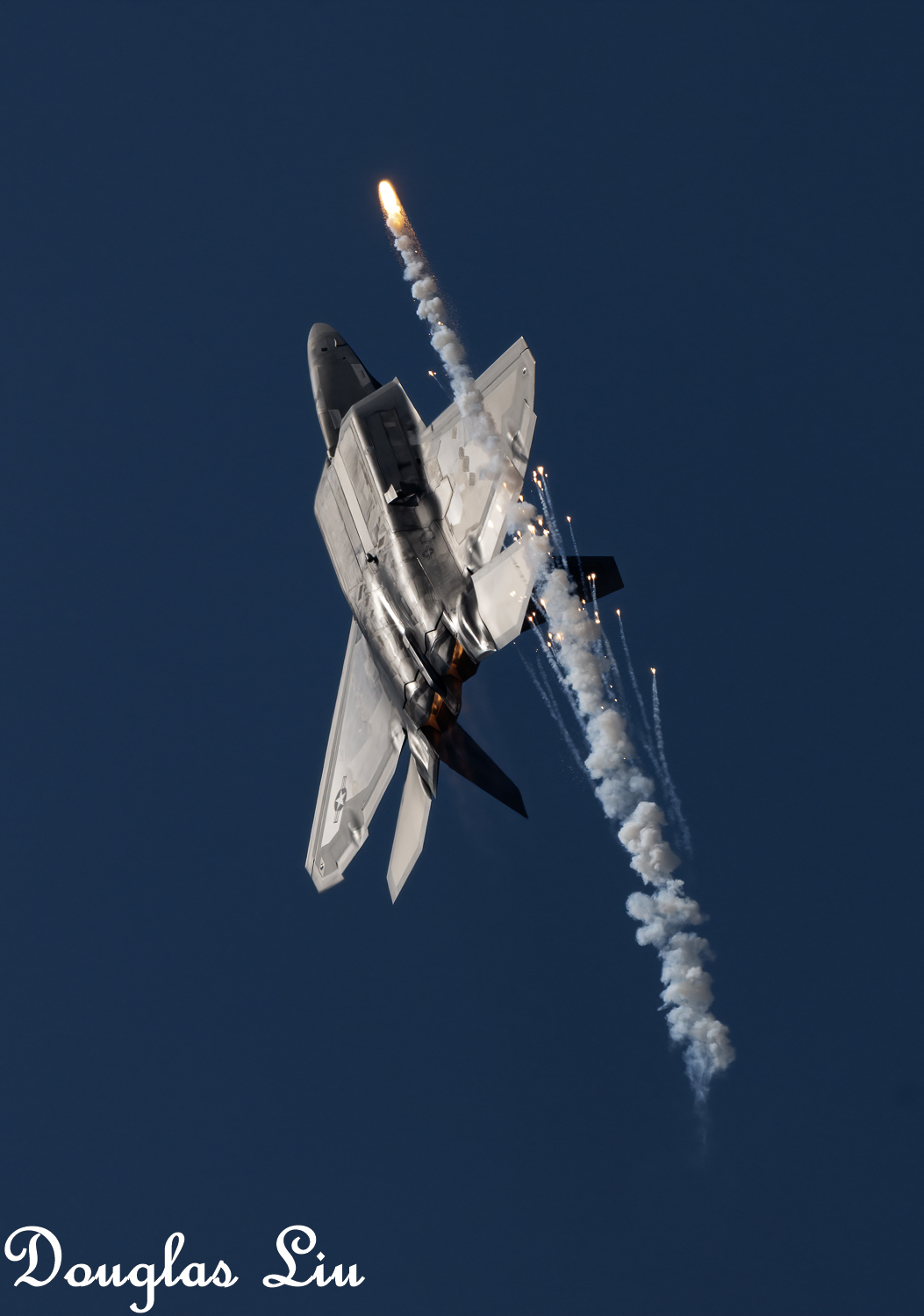
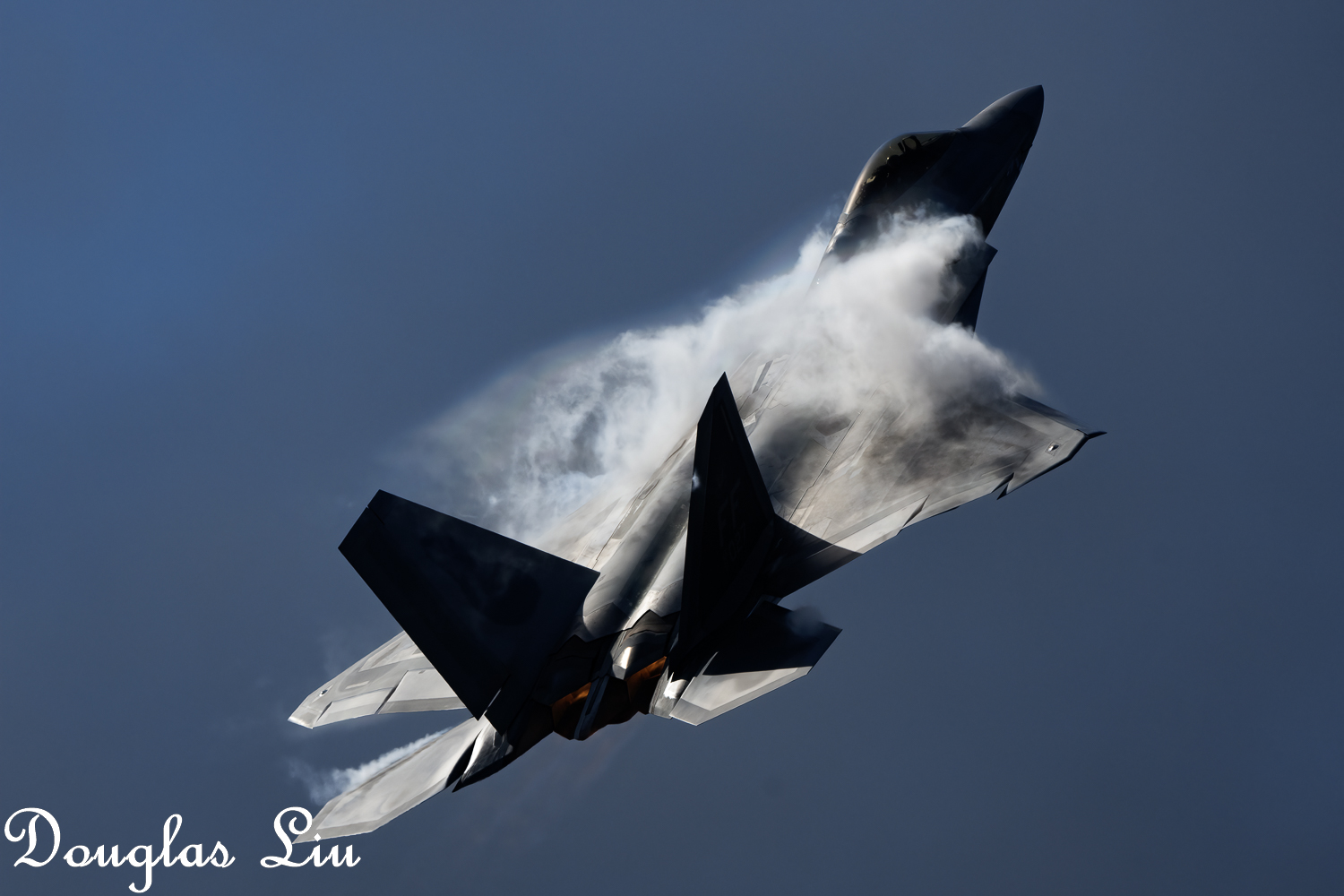
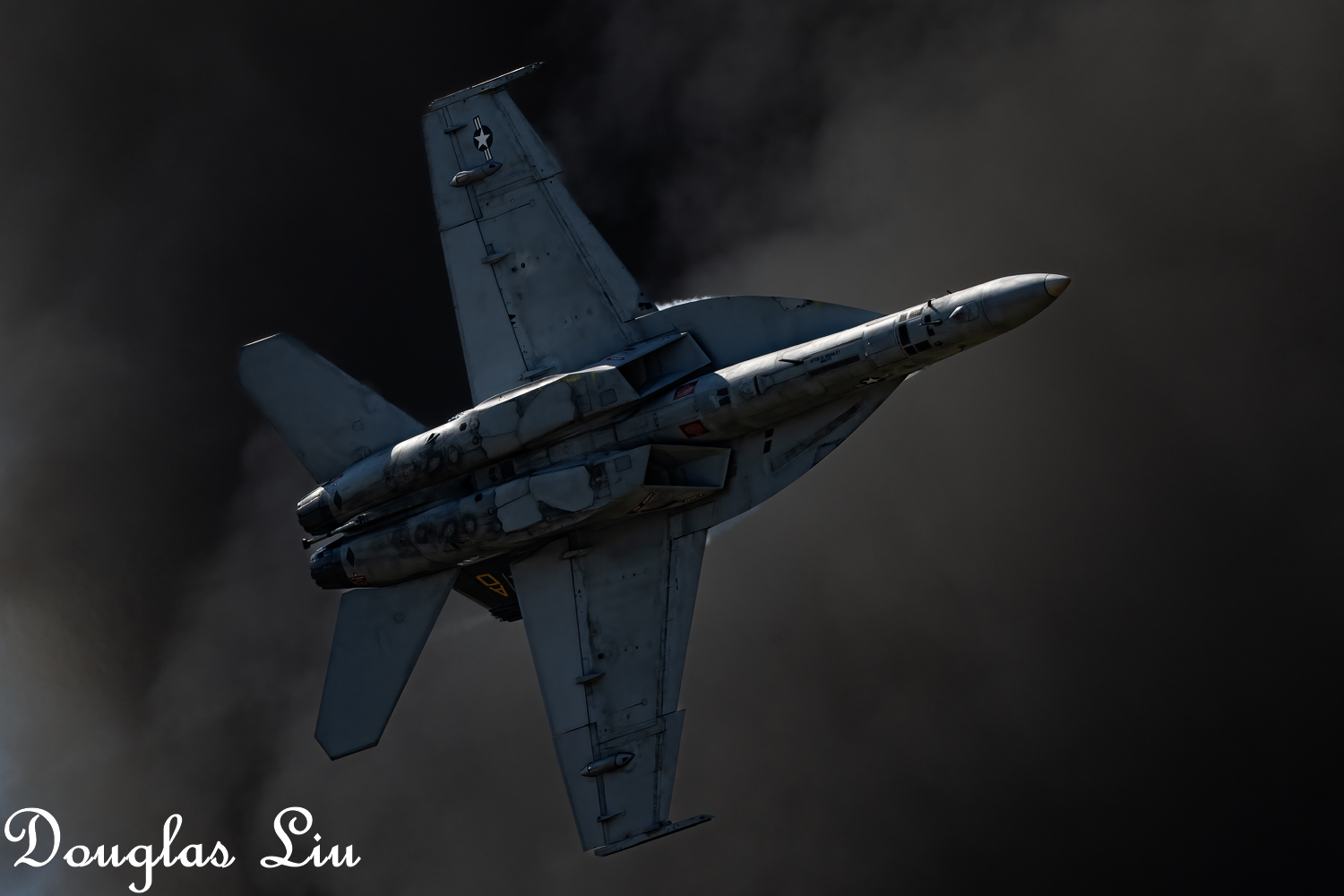
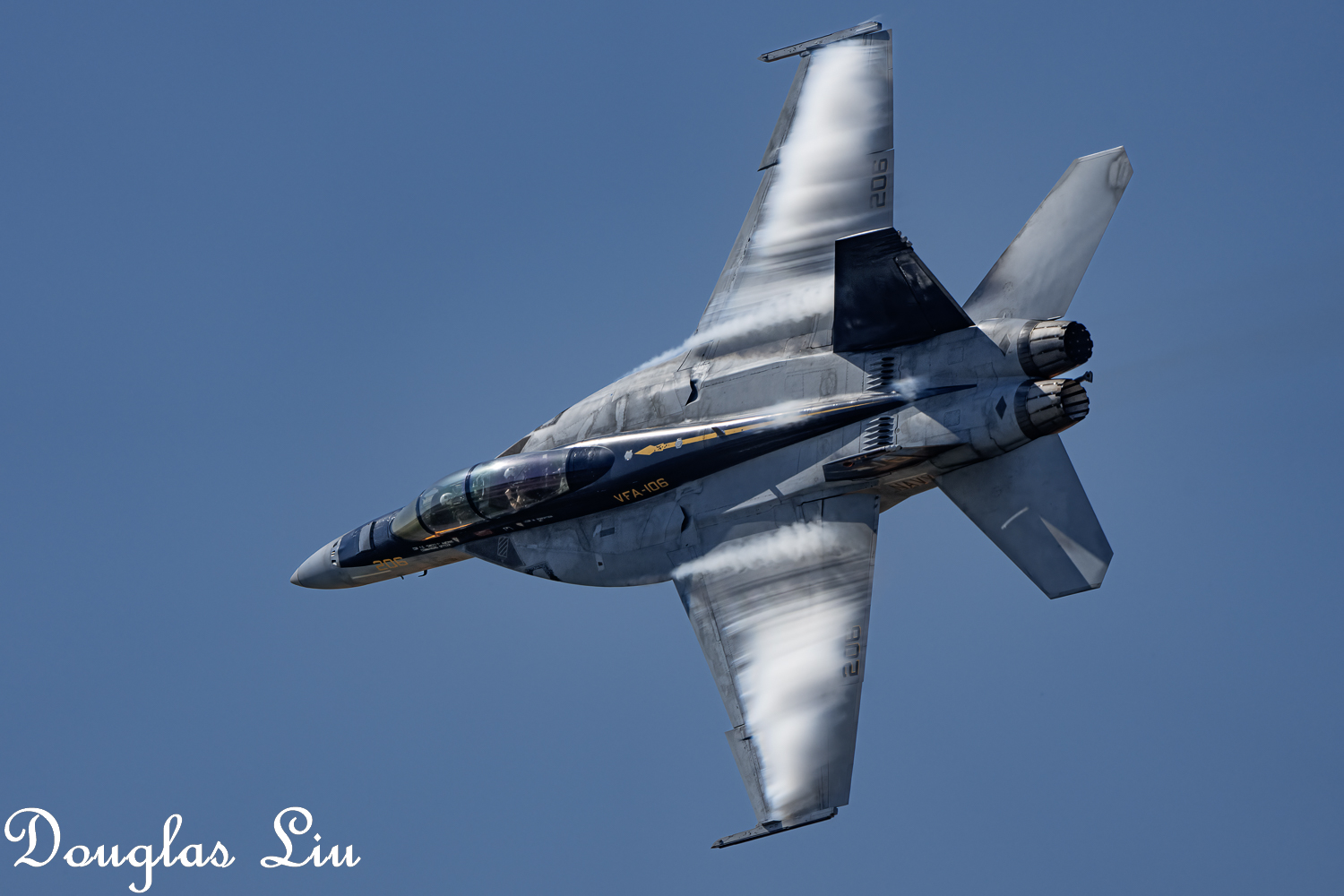
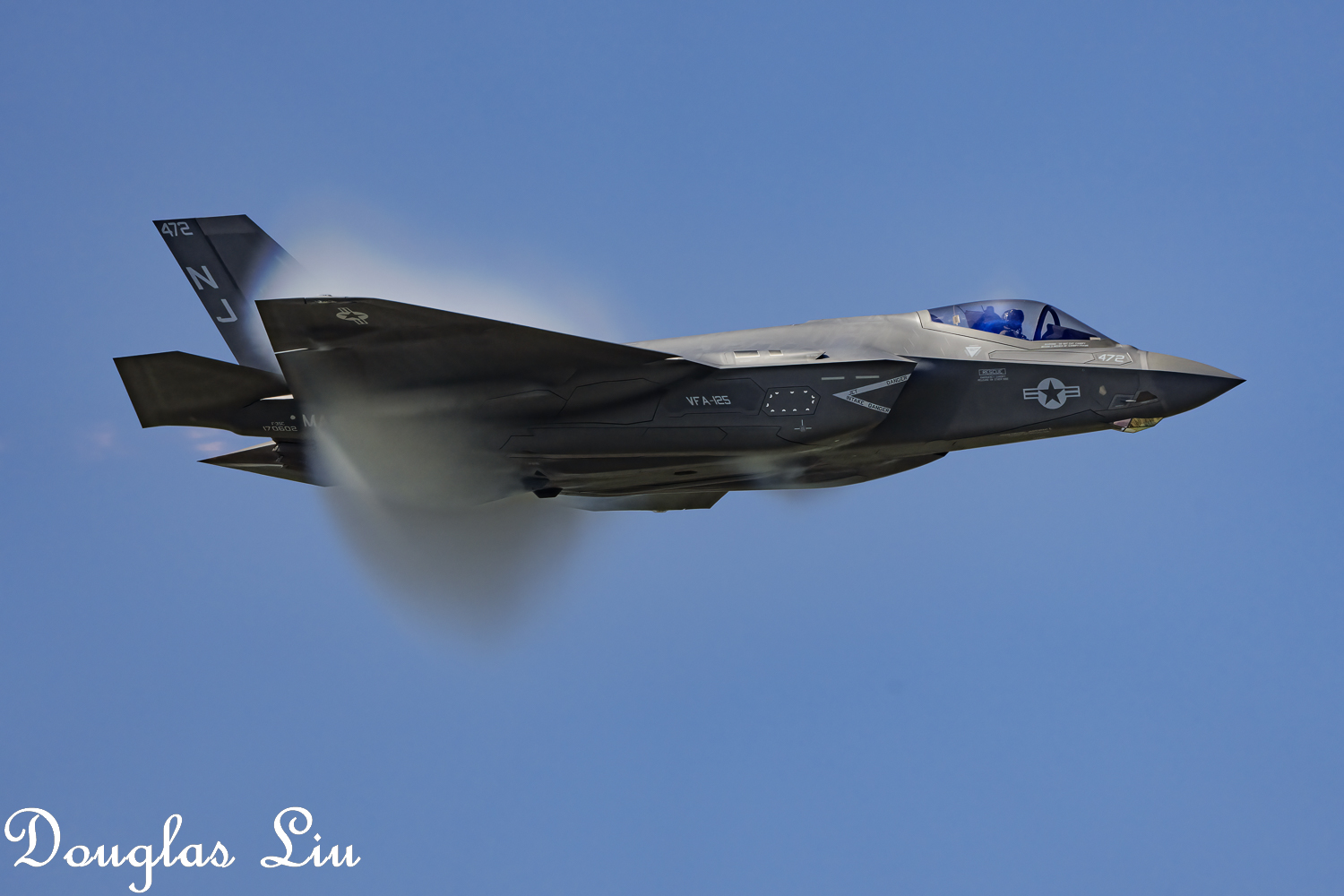
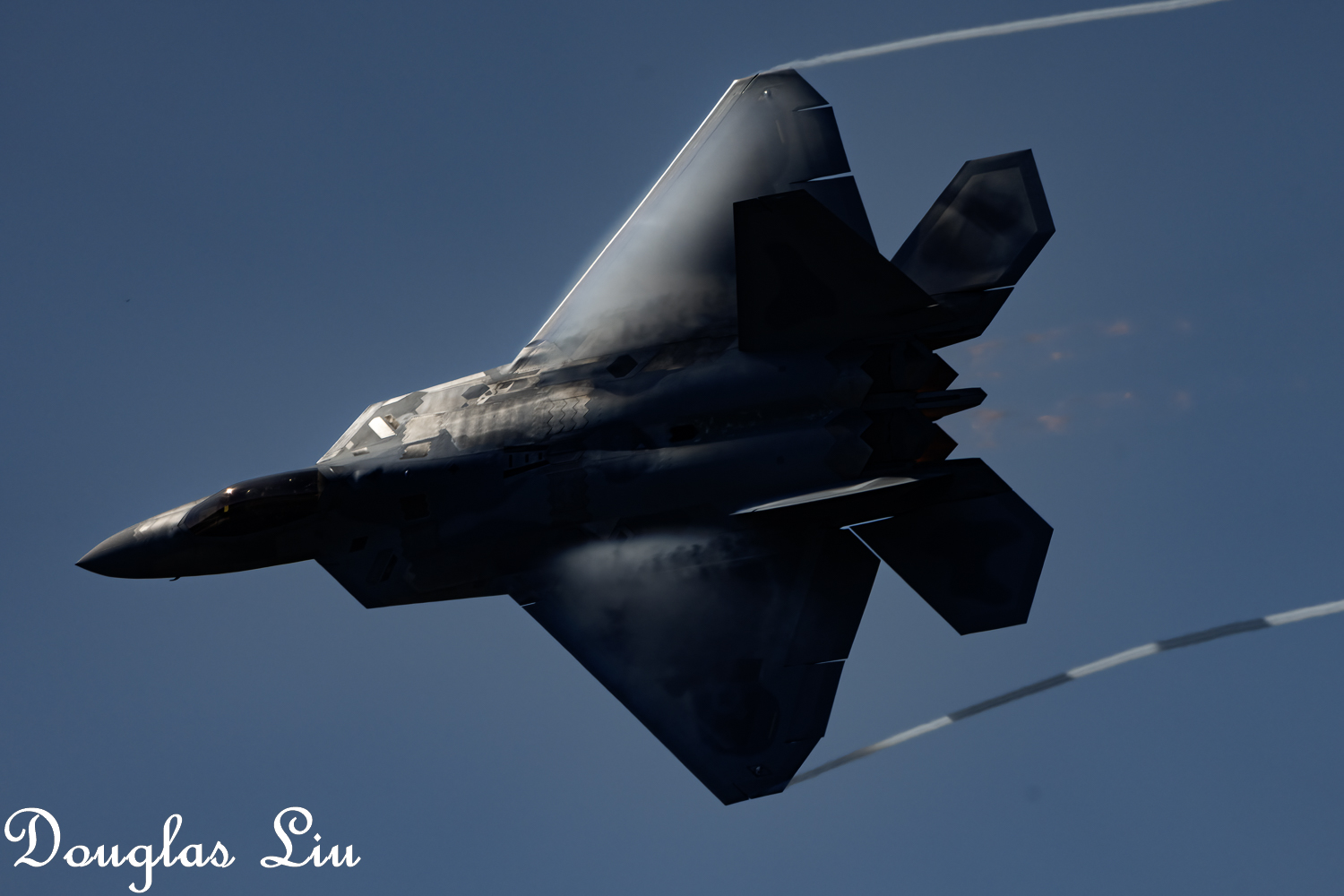
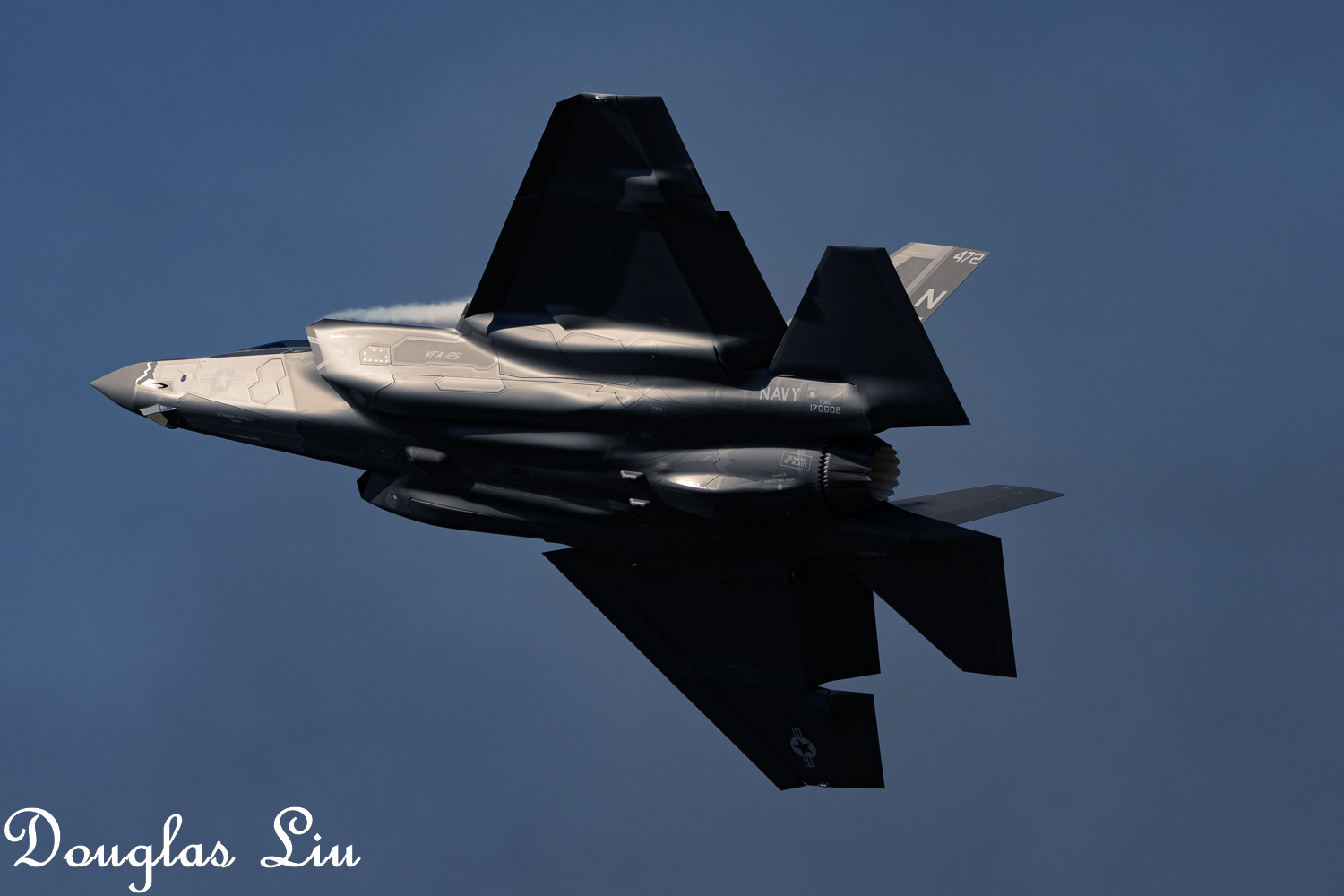


 . But I know I use the 601mm to 800mm range more than I use the 200mm to 399mm range. For me, the 100-400 GM + the 400-800 is a better solution than the 200-600 + 600 F4with 1.4X TC.